
Naglazyme
Brand Information
| Brand name | Naglazyme |
| Active ingredient | Galsulfase |
| Schedule | S4 |
Consumer Medicine Information (CMI) leaflet
Please read this leaflet carefully before you start using the Naglazyme.
Summary CMI
Naglazyme®
Consumer Medicine Information (CMI) summary
The full CMI on the next page has more details. If you are worried about using this medicine, speak to your doctor or pharmacist.
1. Why am I using Naglazyme?
Naglazyme contains the active ingredient galsulfase. Naglazyme is used as an enzyme replacement therapy in patients with Mucopolysaccharidosis VI (MPS VI) storage disorder, a disease in which the enzyme level of N-acetylgalactosamine 4 sulfatase is absent or lower than normal.
For more information, see Section 1. Why am I using Naglazyme? in the full CMI.
2. What should I know before I use Naglazyme?
Do not use if you have ever had an allergic reaction to Naglazyme or any of the ingredients listed at the end of the CMI.
Talk to your doctor if you have any other medical conditions, take any other medicines, or are pregnant or plan to become pregnant or are breastfeeding.
For more information, see Section 2. What should I know before I use Naglazyme? in the full CMI.
3. What if I am taking other medicines?
Tell your doctor or pharmacist if you are taking any other medicines, including any medicines, vitamins or supplements that you buy without a prescription from your pharmacy, supermarket or health food shop.
4. How do I use Naglazyme?
- Naglazyme will be given to you by a healthcare professional as a drip into a vein (by intravenous infusion) over several hours.
- The dose you receive will depend on your body weight. The recommended dose regimen is 1 mg per kg of body weight.
More instructions can be found in Section 4. How do I use Naglazyme? in the full CMI.
5. What should I know while using Naglazyme?
| Things you should do |
|
| Things you should not do |
|
| Driving or using machines |
|
| Looking after your medicine |
|
For more information, see Section 5. What should I know while using Naglazyme? in the full CMI.
6. Are there any side effects?
Like all medicines, this medicine can cause side effects, although not everybody gets them.
Side effects were mainly seen while patients were being given the medicine or shortly after (“infusion associated reactions”). The most serious side effects were swollen face and fever (very common); longer than normal gaps between breaths, difficulty breathing, asthma and hives (common); and swelling of the tongue and throat, and serious allergic reaction to this medicine (unknown frequency). The most common symptoms of infusion reactions include fever, chills, rash, hives and shortness of breath.
For more information, including what to do if you have any side effects, see Section 6. Are there any side effects? in the full CMI.
Full CMI
Naglazyme®
Active ingredient: galsulfase-rch
Consumer Medicine Information (CMI)
This leaflet provides important information about using Naglazyme. You should also speak to your doctor or pharmacist if you would like further information or if you have any concerns or questions about using Naglazyme.
Where to find information in this leaflet:
1. Why am I using Naglazyme?
2. What should I know before I use Naglazyme?
3. What if I am taking other medicines?
4. How do I use Naglazyme?
5. What should I know while using Naglazyme?
6. Are there any side effects?
7. Product details
1. Why am I using Naglazyme?
Naglazyme contains the active ingredient galsulfase. Naglazyme is used as an enzyme replacement therapy in patients with Mucopolysaccharidosis VI (MPS VI) storage disorder, a disease in which the enzyme level of N-acetylgalactosamine 4 sulfatase is absent or lower than normal.
Patients with MPS VI disease do not produce enough of their own enzyme, N-acetylgalactosamine 4-sulfatase. The reduced or absent enzyme activity in patients results in the accumulation of substances called glycosaminoglycans (GAGs) in many tissues in the body.
Naglazyme replaces the natural enzyme which is lacking in MPS VI patients. Treatment has been shown to improve walking and stair-climbing ability, and to reduce the levels of GAG in the body. This medicine may improve the symptoms of MPS VI.
Naglazyme is recommended for use in children and adults.
2. What should I know before I use Naglazyme?
Warnings
Do not use Naglazyme if:
- you have experienced severe or life-threatening allergic (hypersensitive) reactions to galsulfase, or any of the ingredients listed at the end of this leaflet and re-administration of the medicine was not successful.
- Always check the ingredients to make sure you can use this medicine.
Check with your doctor if you:
- have any other medical conditions, in particular if you:
- have a fever, or if you are having difficulty breathing before this medicine is given.
- have an underlying heart condition, please inform your doctor at any point while being treated with Naglazyme. They may adjust your infusion based on this information.
- if you have muscle pain, numbness in your arms or legs, or any bowel or bladder problems as these may be caused by pressure on your spinal cord.
- have kidney or liver insufficiency. This medicine has not been tested in patients with kidney or liver problems. - are on a controlled sodium diet. Each vial of Naglazyme contains 18.5 mg sodium and is administered in sodium chloride 9 mg/mL solution for injection.
- have allergies to any other medicines, foods, preservative or dyes.
During treatment, you may be at risk of developing certain side effects. It is important you understand these risks and how to monitor for them. See additional information under Section 6. Are there any side effects?
Pregnancy and breastfeeding
Check with your doctor if you are pregnant or intend to become pregnant.
Talk to your doctor if you are breastfeeding or intend to breastfeed.
Naglazyme should not be given during pregnancy unless clearly necessary. Ask your doctor or health care professional for advice before taking any medicine. It is not known whether galsulfase is excreted in milk, therefore breastfeeding should be stopped during Naglazyme treatment.
3. What if I am taking other medicines?
Tell your doctor or pharmacist if you are taking any other medicines, including any medicines, vitamins or supplements that you buy without a prescription from your pharmacy, supermarket or health food shop.
Check with your doctor or pharmacist if you are not sure about what medicines, vitamins or supplements you are taking and if these affect Naglazyme.
4. How do I use Naglazyme?
How Naglazyme is given
Naglazyme is administered once a week directly into the vein (intravenously) by a trained health care professional in an appropriate setting able to manage infusion-related reactions.
Your doctor or nurse may give you some medicines before your treatment to minimise possible infusion reactions (e.g. antihistamines and/or medicine to reduce fever).
How much is given
The dose you receive is based on your body weight. The recommended dose regimen is 1 mg per kg of body weight administered once every week through a drip into a vein (by intravenous infusion). Your doctor or health care professional will decide on the dose that is most suitable.
Each infusion will take at least 4 hours.
If you miss a dose
If you have missed a Naglazyme infusion at the usual time, talk to your doctor or nurse and arrange another visit as soon as possible.
If you take too much Naglazyme
Naglazyme is administered under the supervision of a health care professional. He or she will check that the correct dose has been given and act accordingly if necessary.
5. What should I know while using Naglazyme?
Things you should do
Keep all appointments with your doctor and always discuss anything that worries you during or after treatment with Naglazyme.
It is important to have the Naglazyme infusion at the appropriate time to make sure the medicine has the best chance of providing treatment for the condition.
Remind any doctor, dentist or pharmacist you visit that you are using Naglazyme.
When you are treated with Naglazyme, you may develop infusion reactions. An infusion reaction is any side effect, including an allergic reaction, occurring during the infusion or shortly after (refer to Side Effects section). Call your doctor immediately when you experience such a reaction.
If you have an allergic reaction, your doctor may slow down, or stop your infusion. Your doctor may also give you additional medicines to manage any allergic reactions. Your doctor will decide when you can restart Naglazyme treatment.
Things you should not do
Do not stop your treatment visits for Naglazyme unless you have spoken to your doctor.
Your condition may worsen if you stop receiving Naglazyme.
Looking after your medicine
Naglazyme must be stored in the fridge at 2°C to 8°C. Do not freeze or shake. Your doctor or pharmacist is responsible for storing Naglazyme.
Naglazyme should not be given if the expiry date printed on the carton has passed.
Driving or using machines
Be careful before you drive or use any machines or tools until you know how Naglazyme affects you.
The effect of Naglazyme on your ability to drive a car or operate machinery has not been studied.
Looking after your medicine
Naglazyme will be stored under refrigeration (2-8°C) in the hospital or pharmacy.
Your doctor or pharmacist is also responsible for disposing of any unused Naglazyme properly.
When to discard your medicine
Each vial of Naglazyme should be used once only. The doctor or nurse will discard any unused portion and dispose of used vial.
6. Are there any side effects?
All medicines can have side effects. If you do experience any side effects, most of them are minor and temporary. However, some side effects may need medical attention.
See the information below and, if you need to, ask your doctor or pharmacist if you have any further questions about side effects.
Less serious side effects
| Less serious side effects | What to do |
General body related:
| Speak to your doctor if you have any of these less serious side effects and they worry you. |
Serious side effects
| Serious side effects | What to do |
Allergic reaction related:
| Call your doctor straight away, or go straight to the Emergency Department at your nearest hospital if you notice any of these serious side effects. |
Tell your doctor or pharmacist if you notice anything else that may be making you feel unwell.
Other side effects not listed here may occur in some people.
Reporting side effects
After you have received medical advice for any side effects you experience, you can report side effects to the Therapeutic Goods Administration online at www.tga.gov.au/reporting-problems. By reporting side effects, you can help provide more information on the safety of this medicine.
Always make sure you speak to your doctor or pharmacist before you decide to stop taking any of your medicines.
7. Product details
This medicine is only available with a doctor's prescription.
What Naglazyme contains
| Active ingredient (main ingredient) | 5 mg galsulfase in each vial (1 mg/mL) |
| Other ingredients (inactive ingredients) |
|
| Potential allergens | N/A |
Do not take this medicine if you are allergic to any of these ingredients.
What Naglazyme looks like
Naglazyme is a colourless to pale yellow, clear to slightly opalescent concentrated solution for injection in a clear glass vial containing 5 mL of solution. Each pack contains 1 vial. (Aust R 125598).
Who distributes Naglazyme
Naglazyme is supplied in Australia by:
BioMarin Pharmaceutical Australia Pty Ltd
119 Willoughby Road
Crows Nest, NSW 2065
Telephone (02) 8520 3255
Naglazyme is supplied in New Zealand by:
Pharmacy Retailing (NZ) Limited t/a Healthcare Logistics
58 Richard Pearse Drive
Airport Oaks 2022
Auckland
Telephone (09) 918 5100
For enquiries about Naglazyme, contact
medinfo@bmrn.com or call BioMarin:
Australia: 1800 387 876
New Zealand: 0800 882 012
To report adverse events, contact drugsafety@bmrn.com or call BioMarin:
Australia: 1800 387 876
New Zealand: 0800 882 012
This leaflet was prepared in December 2025.
® Registered trademark of BioMarin Pharmaceutical Inc., USA
Brand Information
| Brand name | Naglazyme |
| Active ingredient | Galsulfase |
| Schedule | S4 |
MIMS Revision Date: 01 March 2026
1 Name of Medicine
Galsulfase (rch).
2 Qualitative and Quantitative Composition
Each mL of solution contains 1 mg galsulfase (rch). Each vial of 5 mL extractable solution contains 5 mg galsulfase (expressed as protein content).
Naglazyme (galsulfase-rch) is a normal variant form of the polymorphic human enzyme, N-acetylgalactosamine 4-sulfatase that is produced by recombinant DNA technology in a Chinese hamster ovary cell line. Galsulfase-rch (glycosaminoglycan N-acetylgalactosamine 4-sulfatase, EC 3.1.6.12) is a lysosomal enzyme that catalyzes the cleavage of the sulfate ester from terminal N-acetylgalactosamine 4-sulfate residues of glycosaminoglycans (GAG), chondroitin 4-sulfate and dermatan sulfate.
For the full list of excipients, see Section 6.1 List of Excipients.
3 Pharmaceutical Form
Concentrated solution for injection.
A sterile, nonpyrogenic, colourless to pale yellow, clear to slightly opalescent solution at a pH of approximately 5.8 that must be diluted in 0.9% Sodium Chloride Injection prior to administration.
4 Clinical Particulars
4.1 Therapeutic Indications
Naglazyme (galsulfase-rch) is indicated as long term enzyme replacement therapy in patients with Mucopolysaccharidosis VI (MPS VI, N-acetylgalactosamine 4-sulfatase deficiency, Maroteaux-Lamy syndrome).
4.2 Dose and Method of Administration
Naglazyme treatment should be supervised by a physician experienced in the management of patients with MPS VI or other inherited metabolic diseases. Administration of Naglazyme should be carried out in an appropriate clinical setting where resuscitation equipment to manage clinical emergencies would be readily available.
Dosage. The recommended dosage regimen of Naglazyme is 1 mg/kg of body weight administered once weekly as an intravenous infusion.
Paediatric population. For patients 20 kg and under or those who are susceptible to fluid volume overload, physicians may consider diluting Naglazyme in a volume of 100 mL (See Section 4.4 Special Warnings and Precautions for Use and Section 4.8 Adverse Effects (Undesirable Effects)). The infusion rate (mL/h) should be decreased so that the total infusion duration remains no less than 4 hours.
Method of administration. Each vial of Naglazyme provides 5 mg of galsulfase-rch (expressed as protein content) in 5 mL of solution and is intended for single use only. Do not use the vial more than one time. The concentrated solution for injection must be diluted with 0.9% Sodium Chloride Injection, using aseptic techniques.
Pretreatment with antihistamines with or without antipyretics is recommended 30 to 60 minutes prior to the start of the infusion (see Section 4.4 Special Warnings and Precautions for Use, Infusion reactions).
The total volume of the infusion should be delivered over no less than 4 hours.
Naglazyme should be diluted with 0.9% Sodium Chloride Injection, to a final volume of 250 mL and delivered by controlled IV infusion using an infusion pump. The initial infusion rate should be 6 mL/h for the first hour. If the infusion is well tolerated, the rate of infusion may be increased to 80 mL/h for the remaining 3 hours. The infusion time can be extended up to 20 hours if infusion reactions occur.
Instructions for use. Prepare and use Naglazyme according to the following steps. Use aseptic techniques.
1. Determine the number of vials to be used based on the patient's weight and the recommended dose of 1 mg per kg:

2. Before withdrawing the Naglazyme solution from the vial, visually inspect each vial for particulate matter and discoloration. The Naglazyme solution should be clear to slightly opalescent and colorless to pale yellow. A few translucent particles may be present. Do not use if the solution is discolored or if there is particulate matter in the solution.
3. From a 250 mL infusion bag of 0.9% Sodium Chloride Injection, withdraw and discard a volume equal to the volume of Naglazyme solution to be added. If using a 100 mL infusion bag, this step is not necessary.
4. Slowly withdraw the calculated volume of Naglazyme from the appropriate number of vials using caution to avoid excessive agitation. Do not use a filter needle, as this may cause agitation. Agitation may denature Naglazyme, rendering it biologically inactive.
5. Slowly add the Naglazyme solution to the 0.9% Sodium Chloride Injection, using care to avoid agitation of the solutions. Do not use a filter needle.
6. Gently rotate the infusion bag to ensure proper distribution of Naglazyme. Do not shake the solution.
7. Administer the diluted Naglazyme solution to patients using a low-protein-binding infusion set equipped with a low-protein-binding 0.2 micrometre in-line filter.
The product is for single use in one patient only.
4.3 Contraindications
None known.
4.4 Special Warnings and Precautions for Use
Anaphylaxis and allergic reactions. Anaphylaxis and severe allergic reactions have been observed in patients during and up to 24 hours after Naglazyme infusion. Some of the reactions were life-threatening and included anaphylaxis, shock, respiratory distress, dyspnoea, bronchospasm, laryngeal oedema, and hypotension. If anaphylaxis or other severe allergic reactions occur, Naglazyme should be immediately discontinued, and appropriate medical treatment should be initiated. In patients who have experienced anaphylaxis or other severe allergic reactions during infusion with Naglazyme, caution should be exercised upon re-challenge; appropriately trained personnel and equipment for emergency resuscitation (including epinephrine) should be available during infusion (see Section 4.8 Adverse Effects (Undesirable Effects)).
Immune-mediated reactions. Type III immune complex-mediated reactions, including membranous glomerulonephritis have been observed with Naglazyme, as with other enzyme replacement therapies. If immune-mediated reactions occur, discontinuation of the administration of Naglazyme should be considered, and appropriate medical treatment initiated. The risks and benefits of re-administering Naglazyme following an immune-mediated reaction should be considered. Some patients have successfully been rechallenged and have continued to receive Naglazyme under close clinical supervision (see Section 4.8 Adverse Effects (Undesirable Effects)).
Risk of acute cardiorespiratory failure. Caution should be exercised when administering Naglazyme to patients susceptible to fluid volume overload such as patients weighing 20 kg or less, patients with acute underlying respiratory illness, or patients with compromised cardiac and/or respiratory function, because congestive heart failure may result. Appropriate medical support and monitoring measures should be readily available during Naglazyme infusion, and some patients may require prolonged observation times (see Section 4.8 Adverse Effects (Undesirable Effects)).
Acute respiratory complications associated with administration. Sleep apnoea is common in MPS VI patients and antihistamine pretreatment may increase the risk of apnoeic episodes. Evaluation of airway patency should be considered prior to initiation of treatment. Patients using supplemental oxygen or continuous positive airway pressure (CPAP) during sleep should have these treatments readily available during infusion in the event of an infusion reaction, or extreme drowsiness/sleep induced by antihistamine use.
Consider delaying Naglazyme infusions in patients who present with an acute febrile or respiratory illness because of the possibility of acute respiratory compromise during infusion of Naglazyme.
Infusion reactions. Because of the potential for infusion reactions, patients should receive antihistamines with or without antipyretics prior to infusion. Despite routine pretreatment with antihistamines, infusion reactions, some severe, occurred in 33 of 59 (56%) patients treated with Naglazyme. Serious adverse reactions during infusion included laryngeal oedema, apnoea, pyrexia, urticaria, respiratory distress, angioedema and anaphylactoid reaction. Severe adverse reactions included urticaria, chest pain, rash, dyspnoea, apnoea, laryngeal oedema, and conjunctivitis (see Section 4.8 Adverse Effects (Undesirable Effects)).
The most common symptoms of drug related infusion reactions were pyrexia, chills, rash, urticaria, dyspnoea, nausea, vomiting, pruritus, erythema, abdominal pain, hypertension and headache. Respiratory distress, chest pain, hypotension, angioedema, conjunctivitis, tremor and cough were also reported. Infusion reactions began as early as Week 1 and as late as Week 146 of Naglazyme treatment. Twenty-three of 33 patients (70%) experienced recurrent infusion reactions during multiple infusions though not always in consecutive weeks.
Symptoms typically abated with slowing or temporary interruption of the infusion and administration of additional antihistamines, antipyretics, and occasionally corticosteroids. Most patients were able to complete their infusions. Subsequent infusions were managed with a slower rate of Naglazyme administration, treatment with additional prophylactic antihistamines, and, in the event of a more severe reaction, treatment with prophylactic corticosteroids.
If severe infusion reactions occur, immediately discontinue the infusion of Naglazyme and initiate appropriate treatment. The risks and benefits of re-administering Naglazyme following a severe reaction should be considered.
No factors were identified that predisposed patients to infusion reactions. There was no association between severity of infusion reactions and titre of anti-galsulfase-rch antibodies.
Spinal or cervical cord compression. Spinal/cervical cord compression (SCC) with resultant myelopathy is a known and serious complication of MPS VI. SCC is expected to occur in the natural history of the disease, including in patients on Naglazyme. There have been post-marketing reports of patients treated with Naglazyme who experienced the onset or worsening of SCC requiring decompression surgery. Patients with MPS VI should be monitored for signs and symptoms of spinal/cervical cord compression (including back pain, paralysis of limbs below the level of compression, urinary and faecal incontinence) and given appropriate clinical care.
Sodium restricted diet. This medicine contains 0.8 mmol (18.5 mg) sodium per vial and is administered in sodium chloride 9 mg/mL solution for injection (see Section 4.2 Dose and Method of Administration). To be taken into consideration by patients on a controlled sodium diet.
Use in the elderly. Clinical studies of Naglazyme did not include patients older than 29 years of age. It is not known whether older patients respond differently from younger patients.
Paediatric use. Clinical studies with Naglazyme were conducted in 56 patients; ages 5 to 29 years, with the majority of these patients in the paediatric age group (see Section 5.1 Pharmacodynamic Properties, Clinical trials). In addition, an open-label study was conducted in four infants (3 months to 12.7 months) treated with 1 mg/kg (n = 2) or 2 mg/kg (n = 2) of Naglazyme. Safety results in infants were consistent with results observed in patients 5 to 29 years old.
Toxicology studies have not been conducted with postnatal or juvenile animals. In pharmacological studies in neonatal and immature cats with similar disease caused by a genetic deficiency, galsulfase-rch produced clinical improvement and did not raise additional safety concerns (see Section 4.8 Adverse Effects (Undesirable Effects)).
Effects on laboratory tests. No effects on laboratory tests have been identified.
4.5 Interactions with Other Medicines and Other Forms of Interactions
No formal drug interaction studies have been conducted.
4.6 Fertility, Pregnancy and Lactation
Effects on fertility. There are no data available on the effect of Naglazyme enzyme replacement therapy on human fertility.
In male and female rats, intravenous administration of recombinant galsulfase-rch from 4 weeks before mating until late gestation at total weekly doses up to 3 mg/kg/day (about 0.5 times the recommended human dose of 1 mg/kg based on body surface area) was found to have no effect on the fertility or reproductive performance of male and female rats.
Use in pregnancy. (Category B3)
There are no adequate and well-controlled studies with Naglazyme in pregnant women. Placental transfer has not been studied. Naglazyme should be used in pregnancy only if maternal benefit clearly outweighs potential foetal risk.
There was no evidence of teratogenicity following intravenous administration of recombinant galsulfase-rch to male and female rats from 4 weeks before mating until late gestation at total weekly doses up to 3 mg/kg/day (about 0.5 times the recommended human dose of 1 mg/kg based on body surface area). Intravenous infusions of galsulfase-rch to pregnant rabbits during the period of organogenesis at estimated exposures (plasma AUC) of 3-fold or greater the anticipated clinical exposure was associated with an increased incidence of sternal central fusion in the absence of significant maternal toxicity. The clinical relevance of this finding is uncertain.
Use in lactation. It is not known whether Naglazyme is excreted in human milk and there are no animal studies of postnatal effects. Because many drugs are excreted in human milk, caution should be exercised when Naglazyme is administered to a nursing mother.
4.7 Effects on Ability to Drive and Use Machines
The effects of this medicine on a person's ability to drive and use machines were not assessed as part of its registration.
4.8 Adverse Effects (Undesirable Effects)
Naglazyme was studied in a randomised, double-blind, placebo-controlled trial in which 19 patients received weekly infusions of 1 mg/kg Naglazyme and 20 patients received placebo; of the 39 patients 66% were female, and 62% were White, non-Hispanic. Patients were aged 5 years to 29 years. Naglazyme-treated patients were approximately 3 years older than placebo-treated patients (mean age 13.7 years versus 10.7 years, respectively).
Serious adverse reactions experienced in this trial include, apnoea, pyrexia, and, respiratory distress. Severe adverse events include chest pain, dyspnoea, laryngeal oedema, and conjunctivitis. The most common adverse events requiring interventions were infusion reactions.
Table 1 summarizes the adverse events that occurred in the placebo-controlled trial in at least 2 patients more in the Naglazyme-treated group than in the placebo-treated group.
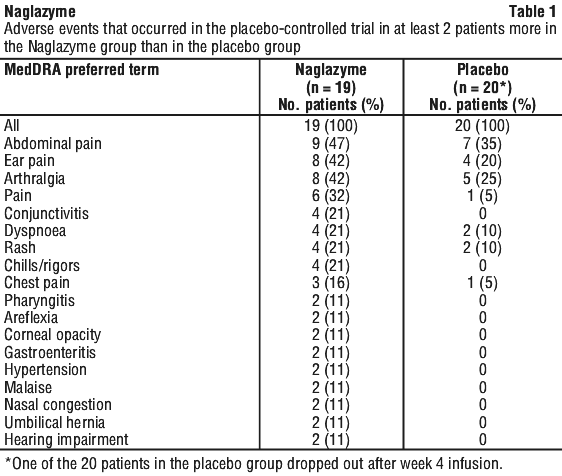
In addition to those listed in Table 1, common adverse events observed in the open-label trials include pruritus, urticaria, pyrexia, headache, nausea, and vomiting. The most common adverse events requiring interventions were infusion reactions. Serious adverse events included laryngeal edema, urticaria, angioedema, and other allergic reactions. Severe adverse events included urticaria, rash, and abdominal pain.
Observed adverse events in four open-label studies (up to 261 weeks treatment) were not different in nature or severity to those observed in the placebo-controlled study. No patients discontinued during open-label treatment with Naglazyme due to adverse events.
Immunogenicity. Ninety-eight percent (53/54) of patients treated with Naglazyme and evaluable for the presence of antibodies to galsulfase-rch developed anti-galsulfase-rch IgG antibodies within 4 to 8 weeks of treatment (in four clinical studies). In 19 patients treated with Naglazyme from the placebo-controlled study, serum samples were evaluated for a potential relationship of anti-galsulfase-rch antibody development to clinical outcome measures. Antibodies were assessed for the ability to inhibit enzymatic activity but not cellular uptake. All 19 patients treated with Naglazyme developed antibodies specific to galsulfase-rch; however, the analysis revealed no consistent predictive relationship between total antibody titre, neutralizing or IgE antibodies, and infusion reactions, urinary glycosaminoglycan (GAG) levels, or endurance measures. In some patients higher antibody levels were associated with decreases in complement parameters (C3, C4, and CH50). While this association was observed, there was no association with an increase in adverse events or alteration of the safety profile. Higher antibody levels and decreases in complement parameters were not associated with the development of anaphylactoid reactions during infusion. Decreases in complement parameters were observed intermittently, primarily in the first 24 weeks of treatment, in all 3 clinical studies and in all dose groups, including placebo.
The data reflect the percentage of patients whose test results were considered positive for antibodies to galsulfase-rch using specific assays, and are highly dependent on the sensitivity and specificity of the assay. Additionally, the observed incidence of antibodies in an assay may be influenced by several factors including sample handling, timing of sample collection, concomitant medications, and underlying disease. For these reasons, comparison of the incidence of antibodies to galsulfase-rch with the incidence of antibodies to other products may be misleading.
Post-marketing experience. The following adverse reactions have been identified during post-approval use of Naglazyme. Because these reactions are reported voluntarily from a population of uncertain size, it is not always possible to reliably estimate their frequency or establish a causal relationship to drug exposure.
In addition to infusion reactions reported in clinical trials, serious reactions which occurred during Naglazyme infusion in the worldwide marketing experience include: anaphylaxis, shock, hypotension, bronchospasm, and respiratory failure.
Additional infusion reactions included pyrexia, erythema, pallor, bradycardia, tachycardia, hypoxia, cyanosis, tachypnoea, and paraesthesia.
During post-marketing surveillance, there has been a single case of membranous nephropathy and rare cases of thrombocytopenia reported. In the case of membranous nephropathy, renal biopsy revealed galsulfase-immunoglobulin complexes in the glomeruli. With both membranous nephropathy and thrombocytopenia, patients have been successfully re-challenged and have continued to receive Naglazyme.
Reporting suspected adverse reactions after registration of the medicinal product is important. It allows continued monitoring of the benefit-risk balance of the medicinal product. Healthcare professionals are asked to report any suspected adverse reactions at www.tga.gov.au/reporting-problems.
4.9 Overdose
There is no experience with overdose of Naglazyme.
For information on the management of overdose, contact the Poisons Information Centre on 131 126 (Australia).
5 Pharmacological Properties
5.1 Pharmacodynamic Properties
Mechanism of action. Mucopolysaccharide storage disorders are caused by the deficiency of specific lysosomal enzymes required for the catabolism of GAG. Mucopolysaccharidosis VI (MPS VI, Maroteaux-Lamy syndrome) is characterized by the absence or marked reduction in N-acetylgalactosamine 4-sulfatase. The sulfatase activity deficiency results in the accumulation of the GAG substrate, dermatan sulfate, throughout the body. This accumulation leads to widespread cellular, tissue, and organ dysfunction. Naglazyme is intended to provide an exogenous enzyme that will be taken up into lysosomes and increase the catabolism of GAG. Galsulfase-rch uptake by cells into lysosomes is most likely mediated by the binding of mannose-6-phosphate-terminated oligosaccharide chains of galsulfase-rch to specific mannose-6-phosphate receptors.
No association was observed between antibody development and urinary GAG levels (see Section 4.8 Adverse Effects (Undesirable Effects)).
Clinical trials. The safety and efficacy of Naglazyme was assessed in four clinical trials in 56 patients with MPS VI, ages 5 years to 29 years. The majority of patients had severe manifestations of the disease as evidenced by poor performance on a test of physical endurance. A fifth open label study was conducted in four infants.
Study 1 was a Phase 1/2 double-blind, randomised, dose comparison study (0.2 mg/kg vs. 1.0 mg/kg) conducted in seven patients over 24 weeks. After 24-week, six patients continued in an open-label study for a total of 48 weeks. Following 48 weeks, five patients transitioned to 1.0 mg/kg dose. The extension study was completed and efficacy and safety data is reported up to 260 weeks. Patients receiving Naglazyme showed maintenance of initial improvement in endurance for approximately 240 weeks.
Study 2 was a Phase 2 open-label, non-randomised study in 10 patients receiving 1.0 mg/kg dose once a week. Efficacy and safety data is reported up to 214 weeks.
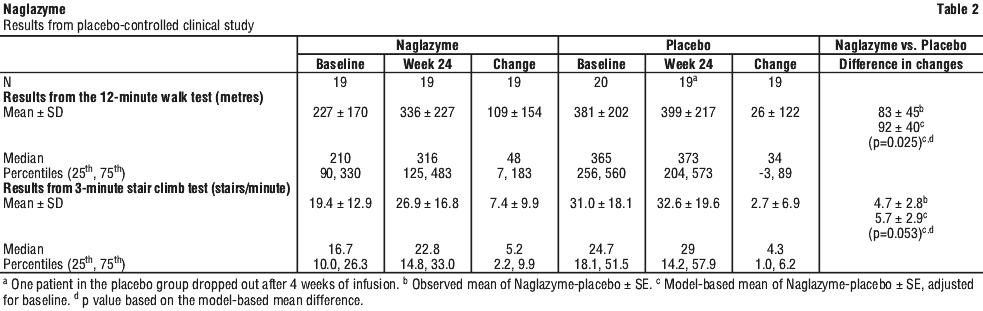
Study 3 was a Phase 3, double-blind, randomised, multicentre, placebo-controlled study in 39 patients with MPS VI, ages ranging from 5 to 29. Patients received either 1 mg/kg Naglazyme or placebo, once weekly for 24 weeks. The primary efficacy endpoint was the distance walked in a 12-minute walk test (12MWT). One patient in the placebo group discontinued after week 4. Enrolment was restricted to patients with a 12-minute walk distance of 5 to 400 metres. All patients were treated with antihistamines prior to each infusion.
The Naglazyme-treated group showed greater mean increases in the distance walked in 12 minutes and in the rate of stair climbing in a 3-minute stair climb test, compared with the placebo group (Table 2).
Bioactivity was evaluated with urinary GAG concentration. Overall, 95% of patients showed at least a 50% reduction in urinary GAG levels after 72 weeks of treatment with Naglazyme. No patient receiving Naglazyme reached the normal range for urinary GAG levels (see Section 5.1 Pharmacodynamic Properties, Mechanism of action).
Study 5 was an open-label, randomised study conducted in four infants (3 months to 12.7 months) treated with 1.0 mg/kg (n=2) or 2.0 mg/kg (n=2) of Naglazyme. The effects of two doses of Naglazyme on development of skeletal dysplasia were assessed. The study was completed and efficacy and safety data was reported up to 104 weeks. Because of the small number of patients studied, no efficacy conclusions can be made regarding comparing the 1.0 mg/kg and 2.0 mg/kg dose groups.
5.2 Pharmacokinetic Properties
The pharmacokinetic parameters of galsulfase-rch were evaluated in 13 patients with MPS VI who received 1 mg/kg of Naglazyme as a 4-hour infusion weekly for 24 weeks. The pharmacokinetic parameters at Week 1 and Week 24 are shown in Table 3.
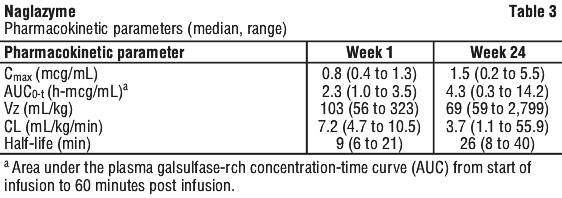
Nearly all patients who receive treatment with Naglazyme develop antibodies to galsulfase-rch. Of 30 patients with MPS VI who received weekly Naglazyme infusions and had pharmacokinetics evaluated, 29 developed antibodies to galsulfase-rch. Four patients with high antibody titres had decreases in plasma AUC between Weeks 1 and 24. One patient with high antibody titres had an increase in plasma AUC between Weeks 1 and 24.
5.3 Preclinical Safety Data
Genotoxicity. The genotoxic potential of Naglazyme has not been experimentally determined. Naglazyme is an enzyme replacement therapy which is unlikely to possess direct genotoxic activity. Studies to evaluate mutagenic potential have not been performed with galsulfase-rch.
Carcinogenicity. The carcinogenic potential of Naglazyme has not been determined. Naglazyme is an enzyme replacement therapy, which is unlikely to be carcinogenic. However, because galsulfase-rch (the active constituent of Naglazyme) binds to the mannose-6-phosphate receptor found on most cell types and the latter is often associated with the IGF-2 (insulin-like growth factor-2) receptor, there is a theoretical possibility that proliferation pathways may be promoted, facilitating abnormal tissue growth/hyperplasia. Long-term studies in animals to evaluate carcinogenic potential have not been performed with galsulfase-rch.
6 Pharmaceutical Particulars
6.1 List of Excipients
Sodium chloride, monobasic sodium phosphate monohydrate, dibasic sodium phosphate heptahydrate, polysorbate 80, water for injections.
6.2 Incompatibilities
Naglazyme must not be infused with other products in the infusion tubing. The compatibility of Naglazyme in solution with other products has not been evaluated.
Administer the diluted Naglazyme solution to patients using a low-protein-binding infusion set equipped with a low-protein-binding 0.2 micrometer in-line filter. There is no information on the compatibility of diluted Naglazyme with glass containers.
6.3 Shelf Life
In Australia, information on the shelf life can be found on the public summary of the ARTG. The expiry date can be found on the packaging.
6.4 Special Precautions for Storage
Store Naglazyme under refrigeration at 2°C to 8°C. Do not freeze or shake. Protect from light. Do not use Naglazyme after the expiration date on the vial.
Naglazyme does not contain preservatives; therefore, from a microbiological point of view, after dilution with saline the infusion bags should be used immediately. If immediate use is not possible, the diluted solution must be stored refrigerated at 2°C to 8°C and administered within 48 hours from the time of dilution to completion of administration. Other than during infusion, do not store the diluted Naglazyme solution at room temperature.
6.5 Nature and Contents of Container
Clear Type I glass vial with a siliconised butyl or chlorobutyl rubber stopper and an aluminium seal with a plastic flip-off cap. Pack size of 1 vial.
6.6 Special Precautions for Disposal
Any unused product or waste material must be discarded and disposed of in accordance with local requirements. In Australia, any unused medicine or waste material should be disposed of by taking to your local pharmacy.
6.7 Physicochemical Properties
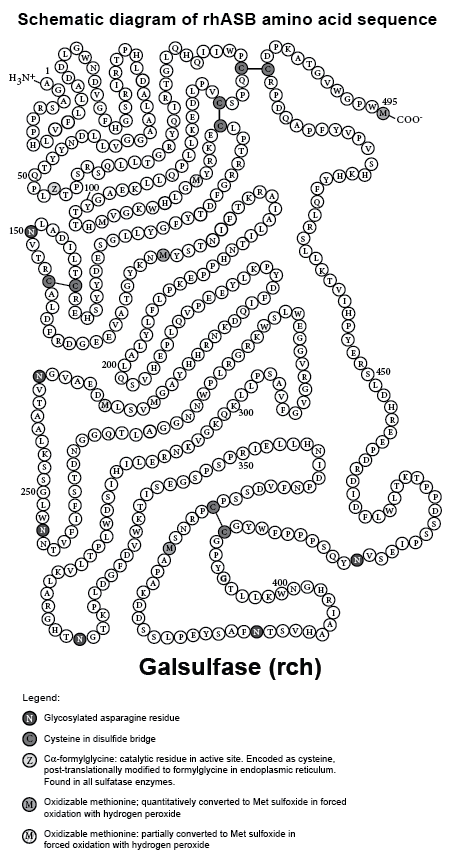
Galsulfase-rch is a glycoprotein with a molecular weight of approximately 56 kDa. The recombinant protein is comprised of 495 amino acids and contains six asparagine-linked glycosylation sites, four of which carry a bis mannose-6-phosphate mannose7 oligosaccharide for specific cellular recognition. Post-translational modification of Cys53 produces the catalytic amino acid residue, Cα-formylglycine, which is required for enzyme activity and is conserved in all members of the sulfatase enzyme family. Naglazyme has a specific activity of approximately 70 units per mg of protein content. One activity unit is defined as the amount of enzyme required to convert 1 micromole of 4-methylumbelliferyl sulfate to 4-methylumbelliferone and free sulfate per minute at 37°C.
Chemical structure.
7 Medicine Schedule (Poisons Standard)
Prescription Only Medicine (S4).
Date of First Approval
20 March 2007
Date of Revision
17 December 2025
Summary Table of Changes

Reasonable care is taken to provide accurate information at the time of creation. This information is not intended as a substitute for medical advice and should not be exclusively relied on to manage or diagnose a medical condition. The Australian Commission on Safety and Quality in Health Care disclaims all liability (including for negligence) for any loss, damage, injury or any other negative effects resulting from reliance on or use of this information. Read our full disclaimer. This website uses cookies. Read our privacy policy.