
neffy
Brand Information
| Brand name | neffy |
| Active ingredient | Adrenaline (epinephrine) |
| Schedule | S4 |
Consumer Medicine Information (CMI) leaflet
Please read this leaflet carefully before you start using the neffy.
Summary CMI
neffy®
Consumer Medicine Information (CMI) summary
The full CMI on the next page has more details. If you are worried about using this medicine, speak to your doctor or pharmacist.
▼ This medicine is new or being used differently. Please report side effects. See the full CMI for further details.
1. Why am I using neffy?
neffy contains the active ingredient adrenaline (epinephrine). neffy is used for the emergency treatment of severe allergic reactions, including anaphylaxis.
For more information, see Section 1. Why am I using neffy? in the full CMI.
2. What should I know before I use neffy?
neffy is a life-saving treatment in the emergency management of severe allergic reactions. Therefore, it should not be withheld from anyone who is considered to need it.
Talk to your doctor or pharmacist if you have any other medical conditions, take any other medicines, or are pregnant or plan to become pregnant or are breastfeeding.
For more information, see Section 2. What should I know before I use neffy? in the full CMI.
3. What if I am taking other medicines?
Some medicines may interfere with neffy and affect how it works.
A list of these medicines is in Section 3. What if I am taking other medicines? in the full CMI.
4. How do I use neffy?
- Use neffy at the first signs or symptoms of a severe allergic reaction (anaphylaxis).
- neffy is a nasal spray that contains one dose of adrenaline for use in adults or children 4 years and older who weigh 15 kg or more.
- Seek further medical attention immediately after using neffy. Although you have received adrenaline from neffy, you may need more medical treatment.
- If symptoms do not start to improve after 5 minutes, use a new neffy nasal spray, to give a second dose ideally in the same nostril as the first dose.
More instructions can be found in Section 4. How do I use neffy? in the full CMI.
5. What should I know while using neffy?
| Things you should do |
|
| Things you should not do |
|
| Driving or using machines |
|
| Drinking alcohol |
|
| Looking after your medicine |
|
For more information, see Section 5. What should I know while using neffy? in the full CMI.
6. Are there any side effects?
Tell your doctor or pharmacist if you experience any of the following common side effects: Anxiety, headache, tremor, fast uneven or noticeable heart-beat, nasal discomfort, throat irritation, runny nose, nose pain, or nasal congestion.
For more information, including what to do if you have any side effects, see Section 6. Are there any side effects? in the full CMI.
Full CMI
▼ This medicine is subject to additional monitoring. This will allow quick identification of new safety information. You can help by reporting any side effects you may get. You can report side effects to your doctor, or directly at www.tga.gov.au/reporting-problems.
neffy®
Active ingredient: adrenaline (epinephrine)
Consumer Medicine Information (CMI)
This leaflet provides important information about using neffy. You should also speak to your doctor or pharmacist if you would like further information or if you have any concerns or questions about using neffy.
Where to find information in this leaflet:
1. Why am I using neffy?
2. What should I know before I use neffy?
3. What if I am taking other medicines?
4. How do I use neffy?
5. What should I know while using neffy?
6. Are there any side effects?
7. Product details
1. Why am I using neffy?
neffy contains the active ingredient adrenaline (epinephrine).
neffy is used in adults and children 4 years and older with a body weight of 15 kg or more for the emergency treatment of severe allergic reactions, including anaphylaxis (sudden, severe and sometimes life-threatening allergic reactions).
neffy is intended for immediate self-administration by a person (or given to a person by a caregiver or medical professional) with a history or recognised risk of a severe allergic reaction that can lead to anaphylaxis.
The active substance in neffy, adrenaline (epinephrine), is a naturally occurring hormone released by the body in response to stress. It works directly on the cardiovascular system (heart and blood circulation) and respiratory system (lungs) to stop the possible fatal effects of a severe allergic reaction that can lead to anaphylaxis. In acute allergic reactions it improves blood pressure, heart function and breathing, and reduces tissue swelling.
neffy is for the emergency treatment of anaphylaxis but you must seek emergency medical assistance immediately after using neffy for close monitoring and in the event further treatment is required (see Section 2 Signs of anaphylaxis and using neffy).
2. What should I know before I use neffy?
Warnings
Do not use neffy if:
- neffy is a life-saving treatment in the emergency management of severe allergic reactions. Therefore, it should not be withheld from anyone who is considered to need it.
Check with your doctor or pharmacist if you:
- have any other medical conditions, or
- have nasal issues, nasal polyps, or a history of nasal injury or surgery, or
- take any medicines for any other condition.
During treatment, you may be at risk of developing certain side effects. It is important you understand these risks and how to monitor for them. See additional information under Section 6. Are there any side effects?
Pregnancy and breastfeeding
Check with your doctor or pharmacist if you are pregnant or intend to become pregnant.
There is limited experience of the use of adrenaline during pregnancy. If you are pregnant, do not hesitate to use neffy in an emergency, since you and your baby's lives may be in danger. Discuss this with your doctor if you are pregnant.
Talk to your doctor or pharmacist if you are breastfeeding or intend to breastfeed.
It is expected that the amount of neffy that is passed through breastfeeding is very low. For the emergency treatment of anaphylaxis, neffy should be used in breastfeeding women in the same manner as for non-breastfeeding patients.
Signs of anaphylaxis and using neffy
You, or anyone who may need to give neffy to you, should be carefully instructed on how and when to correctly use neffy (see the Instructions for Use in Section 4 How do I use neffy?).
Signs of an allergic reaction include:
- swelling of lips, face or eyes
- hives or welts
- tingling mouth
- abdominal pain or vomiting
These signs may progress very quickly to a severe allergic reaction, including anaphylaxis, or they may not occur at all before anaphylaxis begins.
Signs that signal the onset of severe allergic reactions, including anaphylaxis, may occur within minutes of exposure to the allergen and include:
- difficult or noisy breathing
- swelling of tongue
- swelling or tightness in throat
- wheeze or persistent cough
- difficulty talking or hoarse voice
- persistent dizziness or collapse
- becoming pale and floppy in young children
Use neffy at the first signs of a severe allergic reaction.
If you have asthma, you may be at increased risk of a severe anaphylactic reaction.
neffy can be used even if you have a cold or a congested nose.
You must make sure you understand the reason neffy has been prescribed for you. You should be confident that you know exactly how and when to use neffy.
Avoidance of known allergens is most important in preventing severe allergic reactions.
If you are at risk of a severe allergic reaction, you should ideally keep two neffy nasal sprays with you.
Use neffy with caution if:
neffy is a life-saving medicine for the emergency treatment of severe allergic reactions and it should not be withheld from anyone who is considered to need it. However, some people may have an increased risk of developing side effects.
You may have a greater risk of developing side effects with neffy if you have:
- heart or circulation problems
- glaucoma
- severe kidney impairment
- prostatic adenoma (an enlarged prostate which pushes against the urethra and the bladder, blocking the flow of urine)
- hypercalcaemia (high blood calcium levels)
- hypokalaemia (low blood potassium levels)
- Parkinson's disease
- hyperthyroidism (an overactive thyroid gland)
- hypertension (high blood pressure)
- diabetes
You may also have a greater risk of developing side effects with neffy if you are:
- elderly
- pregnant (see Section 2 Pregnancy and breastfeeding).
Talk to your doctor if any of the above conditions apply to you, or if you are not sure.
Children and adolescents
Do not give this medicine to children under 4 years old and weighing less than 15 kg. The safety and efficacy of this medicinal product has not been studied in children under 4 years old and below 15 kg body weight.
3. What if I am taking other medicines?
Tell your doctor or pharmacist if you are taking, have recently taken, or might take any other medicines, including any medicines, vitamins, or supplements that you buy without a prescription from your pharmacy, supermarket, or health food shop.
It is especially important to tell your doctor or pharmacist if you take any of the following medicines:
- Medicines to treat abnormal or irregular heartbeats (arrhythmias) such as cardiac glycosides.
- Medicines to treat depression such as tricyclic antidepressants or monoamine oxidase inhibitors (MAO inhibitors).
- Medicines for the treatment of Parkinson's disease such as catechol-O-methyl transferase inhibitors (COMT inhibitors).
- Medicines for heart disease including alpha blockers (such as phentolamine) and beta blockers (such as propranolol).
- Medicines for thyroid disease such as levothyroxine.
- Medicines that make you breathe more easily; used for asthma (theophylline).
- Medicines used in labour (oxytocin).
- Certain antihistamines used to treat allergies (diphenhydramine, chlorpheniramine).
- Medicines that act on the nervous system (anticholinergics) (e.g. atropine, cyclopentolate, homatropine, hyoscine).
Patients with diabetes should carefully monitor their glucose levels after they use neffy, as adrenaline can reduce the amount of insulin made by the body, thus increasing the blood glucose level.
Check with your doctor or pharmacist if you are not sure about what medicines, vitamins or supplements you are taking and if these affect neffy.
4. How do I use neffy?
Always use neffy exactly as your doctor or pharmacist has told you. Check with your doctor or pharmacist if you are not sure.
When to carry neffy
You should always carry neffy with you or have it close at all times in the event of a severe allergic reaction. It is recommended to always carry two neffy nasal sprays in the event a second dose is needed.
How much to use
- The recommended dosage for patients weighing 15 kg to less than 30 kg is one spray of neffy 1 mg administered into one nostril.
- The recommended dosage for patients weighing 30 kg or greater is one spray of neffy 2 mg administered into one nostril.
- If symptoms do not start to improve after 5 minutes of the initial dose of neffy, use a new neffy nasal spray to give a second dose, ideally in the same nostril as the first dose.
When to use neffy
- Use neffy at the first signs of a severe allergic reaction (see Section 2 Signs of anaphylaxis and using neffy).
How to use neffy
- neffy must be given nasally (in the nose) only. Do not spray neffy into the eyes or mouth.
- neffy is a ready-to-use, single-dose, nasal spray that delivers its entire contents (1 mg or 2 mg) when sprayed.
- Do not press the plunger before inserting the neffy nasal spray into a nostril, otherwise the single dose will be lost prior to use.
The Instructions for Use must be carefully followed to make sure you use neffy correctly.
Instructions for Use for neffy single-dose nasal spray
Before you need to use it, fully familiarise yourself with neffy, including when and how it should be used.
neffy nasal spray
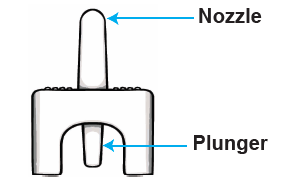
Follow these instructions only when you are ready to use neffy.
Remove neffy nasal spray from the packaging.
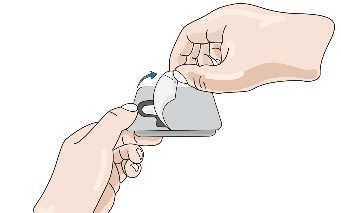
Pull open the packaging to remove the neffy nasal spray.
- Hold neffy nasal spray as shown.
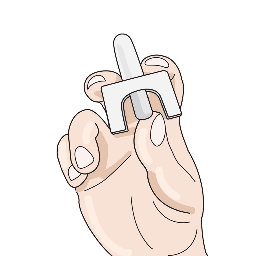
Hold neffy nasal spray with your thumb on the bottom of the plunger and one finger on either side of the nozzle.
- Do not pull or push on the plunger until ready to give the dose.
- Do not test or pre-spray (prime); each neffy nasal spray has only one dose.
- Place the nozzle of the nasal spray into a nostril until fingers touch the nose. For smaller noses place nozzle into nostril and aim for fingers to touch the nose.
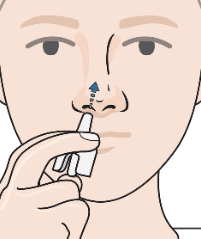
Keep the nozzle pointed toward the forehead.
Do not angle the nozzle to the inner or outer walls of the nose.
- Press plunger up firmly until it sprays into the nostril.
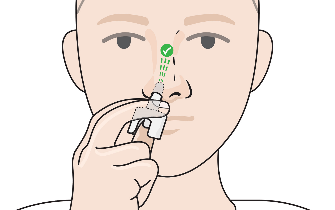
Do not angle the nozzle of the nasal spray to the inner or outer walls of the nose.
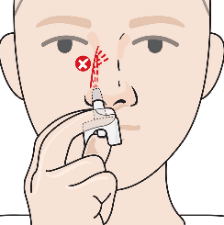
Seek immediate medical attention after use.
- Seek emergency medical assistance immediately after using neffy for close monitoring and in the event further treatment is required.
- In Australia, telephone 000 or in New Zealand, telephone 111 and let them know that you have used neffy.
Monitor patient symptoms
If symptoms do not start to improve after 5 minutes, use a new neffy nasal spray to give a second dose, ideally in the same nostril as the first.
If you use too much neffy
If you think that you have used too much neffy you may need urgent medical attention.
You should immediately:
- phone the Poisons Information Centre
(by calling 13 11 26 in Australia or 0800 764 766 (0800 POISON) in NZ), or - contact your doctor, or
- go to the Emergency Department at your nearest hospital.
You should do this even if there are no signs of discomfort or poisoning.
Overdose may cause a sudden increase in blood pressure (with symptoms including headache or dizziness), bleeding in brain tissue, palpitations (forceful heartbeats that may be rapid or irregular), reduced blood flow and accumulation of fluid in the lungs (causing symptoms including difficulty breathing). You will need to be monitored. You may need urgent medical attention.
5. What should I know while using neffy?
Things you should do
- Always carry neffy with you or have it close at all times in the event of a severe allergic reaction.
- Carry two neffy nasal sprays in case a second dose is needed.
- Tell your friends and family that you carry neffy with you.
- Be confident that you know exactly how and when to use neffy.
- Keep this leaflet. You may need to read it again.
- If you have any further questions, ask your doctor, pharmacist or nurse.
- Remind any doctor, dentist or pharmacist that you visit that you are using neffy.
Things you should not do
- Do not press the plunger, test, or pre-spray (prime) neffy before inserting the nozzle into a nostril, otherwise the single dose will be lost prior to use.
- Do not spray neffy into the eyes or mouth.
- Do not give neffy to children under 4 years old and weighing less than 15 kg.
Driving or using machines
Do not drive or use machines if you are having a severe allergic reaction.
Drinking alcohol
Tell your doctor or pharmacist if you drink alcohol.
Alcohol may increase the side effects of adrenaline.
Looking after your medicine
Keep neffy in a place where the temperature stays below 25°C.
Do not freeze. If accidentally frozen, the neffy nasal spray will not function. Allow the neffy nasal spray to thaw for at least one hour; do not use if the contents are still frozen or not completely thawed. Freezing does not affect the shelf life of the product.
Do not use this medicine after the expiry date which is stated on the neffy nasal spray label after EXP. The expiry date refers to the last day of that month.
Follow the instructions in the carton on how to take care of your medicine properly.
Keep this medicine out of sight and reach of children who are not the intended user.
Getting rid of any unwanted medicine
If you no longer need to use this medicine or it is out of date, take it to any pharmacy for safe disposal.
Do not use this medicine after the expiry date.
6. Are there any side effects?
All medicines can have side effects. If you do experience any side effects, most of them are minor and temporary. However, some side effects may need medical attention.
See the information below and, if you need to, ask your doctor or pharmacist if you have any further questions.
Less serious side effects
| Less serious side effects | What to do |
| Speak to your doctor or pharmacist if you have any of these less serious side effects and they worry you. |
Serious side effects
The following side effects have been reported following the administration of adrenaline in general and are not specifically linked to administration of neffy.
| Serious side effects | What to do |
Heart/cardiovascular system
Nervous system
Respiratory system
| Call your doctor straight away, or go straight to the Emergency Department at your nearest hospital if you notice any of these serious side effects. |
neffy may contain trace amounts of sodium metabisulphite which may cause severe allergic reactions (hypersensitivity) in some patients. Sensitivity to sodium metabisulphite should not deter use of neffy for treatment of serious allergic reactions including anaphylaxis.
Tell your doctor or pharmacist if you notice anything else that may be making you feel unwell.
Other side effects not listed here may occur in some people.
Reporting side effects
After you have received medical advice for any side effects you experience, you can report side effects to the Therapeutic Goods Administration online at www.tga.gov.au/reporting-problems. By reporting side effects, you can help provide more information on the safety of this medicine.
7. Product details
This medicine is only available with a doctor's prescription.
What neffy contains
| Active ingredient (main ingredient) | adrenaline (epinephrine) |
| Other ingredients (inactive ingredients) |
|
| Potential allergens | Sulfites |
If you are allergic to any of these ingredients talk to your doctor about using neffy.
What neffy looks like
neffy nasal spray solution is filled into a glass vial and closed with stopper. The vial is enclosed in a white plastic holder (see the neffy nasal spray diagram in Section 4 above) which forms part of the single-dose nasal spray. You cannot see the liquid in the vial.
Each dose of neffy nasal spray delivers either 1 mg or 2 mg adrenaline (epinephrine) in 100 microlitres (µL) of solution.
neffy 1 mg nasal spray (AUST R 469945)
neffy 2 mg nasal spray (AUST R 470025)
neffy is available in packs containing 2 single-dose nasal sprays.
Who distributes neffy
Seqirus Pty Ltd
ABN 26 160 735 035
655 Elizabeth Street
Melbourne, Vic, 3000
Australia
Telephone: 1800 642 865
www.cslseqirus.com.au
This leaflet was prepared in December 2025.
neffy is a registered trademark of ARS Pharmaceuticals Operations, Inc.
Brand Information
| Brand name | neffy |
| Active ingredient | Adrenaline (epinephrine) |
| Schedule | S4 |
▼ This medicinal product is subject to additional monitoring in Australia. This will allow quick identification of new safety information. Healthcare professionals are asked to report any suspected adverse events at www.tga.gov.au/reporting-problems.
MIMS Revision Date: 01 February 2026
1 Name of Medicine
Adrenaline (epinephrine).
2 Qualitative and Quantitative Composition
Each single-dose neffy nasal spray delivers adrenaline (epinephrine) 1 mg or 2 mg in one spray (100 microlitres) of solution.
Excipients with known effect. Contains sulfites.
Contains 0.4 mg benzalkonium chloride in one spray (100 microlitres).
For the full list of excipients, see Section 6.1 List of Excipients.
3 Pharmaceutical Form
neffy is an aqueous solution, filled into a glass vial with bromobutyl rubber stopper. The vial is enclosed in a white polypropylene holder which forms part of the single-dose nasal spray.
4 Clinical Particulars
4.1 Therapeutic Indications
neffy is indicated for emergency treatment of type I allergic reactions, including anaphylaxis, in adults and children aged 4 years and older and weighing 15 kg or greater.
4.2 Dose and Method of Administration
This medicinal product should be administered at the first sign of a severe Type I allergic reaction.
Dosage. Patients weighing 15 kg to less than 30 kg. The recommended dosage is one spray of neffy 1 mg (1 mg of adrenaline) administered into one nostril.
Patients weighing 30 kg or greater. The recommended dosage is one spray of neffy 2 mg (2 mg of adrenaline) administered into one nostril.
Anaphylaxis is a life-threatening emergency and self-administration of adrenaline is not intended as a substitute for immediate medical care. The patient should be advised to seek emergency medical assistance immediately following administration of neffy for close monitoring of the anaphylactic episode and in the event further treatment is required.
In the absence of clinical improvement, or if deterioration occurs or symptoms reappear after 5 minutes following the initial treatment, a second dose should be administered, using a new neffy nasal spray (ideally in the same nostril). It is recommended that patients should always carry two neffy nasal sprays in case of severe allergic reaction. More than two sequential doses of adrenaline should be administered under direct medical supervision.
Method of administration. For nasal use only.
neffy is a ready-to-use, single-dose, nasal spray. It delivers its entire dose upon activation. The nasal spray should not be primed and should not be sprayed in the eyes or mouth.
This medicinal product is for single use only and must be discarded and replaced immediately after use as it delivers only one dose.
Instructions for administration. Patients and caregivers should be counselled to carefully read the instructions for use for complete directions on how to properly administer this medicinal product.
To administer, remove the neffy nasal spray from the packaging, by pulling open the packaging.
1. Hold the nasal spray with your thumb on the bottom of the plunger and a finger on either side of the nozzle.
Do not pull or push on the plunger.
Do not test or pre-spray; each nasal spray has only one dose.
2. Place the nozzle of the nasal spray into a nostril until fingers touch the nose.
For smaller nostrils, aim for fingers to touch the nose.
Keep the nozzle pointed toward the forehead.
Do not angle the nasal spray to the inner or outer walls of the nose.
3. Press plunger up firmly until it sprays into the nostril.
Do not. Do not angle the nasal spray to the inner or outer walls of the nose.
Seek emergency medical assistance immediately following administration of neffy for close monitoring of the anaphylactic episode and in the event further treatment is required.
In the absence of clinical improvement, or if deterioration occurs or symptoms reappear after 5 minutes following the initial treatment, a second dose should be administered, using a new neffy nasal spray (ideally in the same nostril).
4.3 Contraindications
None.
4.4 Special Warnings and Precautions for Use
Instructions for patients at the time of prescribing. The prescribers of this medicinal product should take appropriate steps to ensure that the patient understands the indication and use of the nasal spray thoroughly. The prescriber should review the patient information leaflet and operating instructions of the nasal spray with the patient. All patients who are prescribed this medicinal product should be clearly instructed on how and when to use the product (see Section 4.2 Dose and Method of Administration).
It is strongly advised that the patient's immediate associates (e.g. parents, caregivers, teachers) are also educated on the correct use of this medicinal product in case support is needed in an emergency.
For children under 12 years of age, the caregiver should administer neffy or determine that the child is properly instructed in the use of neffy and is fully capable of administration themselves.
Patients with a cold or a congested nose can use this medicinal product, however, the pharmacokinetic profile may be different (see Section 5.2 Pharmacokinetic Properties).
No data are available regarding the use of neffy in patients with underlying structural and anatomical nasal conditions.
Warnings for patients about anaphylaxis. Patients should be instructed to recognise symptoms of severe allergic reactions and anaphylaxis that may occur within minutes after exposure and which may consist of flushing, apprehension, syncope, tachycardia, thready or unobtainable pulse associated with a fall in blood pressure, convulsions, vomiting, diarrhoea and abdominal cramps, involuntary voiding, wheezing, dyspnoea due to laryngeal spasm, pruritus, rashes, urticaria, or angioedema. Patients with concomitant asthma may be at increased risk of severe anaphylactic reaction.
Adrenaline is recommended for use at first signs or symptoms of severe allergy events leading to anaphylaxis. Patients should be instructed to carry adrenaline at all times.
Anaphylaxis is a life-threatening emergency and self-administration of adrenaline is not intended as a substitute for immediate medical care. The patient should be advised to seek emergency medical assistance immediately following administration of neffy for close monitoring of the anaphylactic episode and in the event further treatment is required.
Populations at increased risks with the use of adrenaline. Some patients may be at greater risk for developing adverse reactions after adrenaline administration. Despite these concerns, it should be recognised that the presence of these conditions is not a contraindication to adrenaline administration in an acute, life-threatening situation.
Caution should be taken when administering adrenaline to patients who have a heart disease including patients with cardiac arrhythmias, coronary artery disease, or hypertension. In such patients, or in patients who are on drugs that may sensitise the heart to arrhythmias, adrenaline may precipitate or aggravate angina, as well as produce ventricular arrhythmias (see Section 4.5 Interactions with Other Medicines and Other Forms of Interactions; Section 4.8 Adverse Effects (Undesirable Effects)).
There is a risk of adverse reactions following adrenaline administration in patients with high intraocular pressure, severe renal impairment, prostatic adenoma leading to residual urine, hypercalcaemia, and hypokalaemia. In patients with Parkinson's disease, adrenaline may be associated with a transient worsening of Parkinson's symptoms such as rigidity and tremor.
Individuals with hyperthyroidism, cardiovascular disease, hypertension, or diabetes, elderly individuals, and pregnant women may be at greater risk of developing adverse reactions after adrenaline administration (see Section 4.6 Fertility, Pregnancy and Lactation; Section 4.8 Adverse Effects (Undesirable Effects)).
Patients with these conditions, and/or any other persons who might be in a position to administer this medicinal product to a patient experiencing a severe allergic reaction or anaphylaxis should be carefully instructed in regard to the circumstances under which adrenaline should be used.
Patients with underlying structural or anatomical nasal conditions. Clinical pharmacology studies with neffy included subjects with history of allergic rhinitis, but did not include subjects with underlying structural and anatomical nasal conditions (e.g. polyps, history of nasal fractures or injuries, or history of nasal surgery). The effect of these conditions on the absorption of neffy is unknown. Careful consideration should be given to the appropriateness of neffy for these patients.
Allergic reactions associated with sulfite. Adrenaline is the preferred treatment for serious allergic or other emergency situations even though neffy contains sodium metabisulfite, a sulfite that may in other products cause allergic-type reactions including anaphylactic symptoms or life-threatening or less severe asthmatic episodes in certain susceptible persons. The alternatives to using adrenaline in a life-threatening situation may not be satisfactory. The presence of a sulfite in neffy should not deter administration of the drug for treatment of serious allergic reactions including anaphylaxis.
Use in the elderly. No data after nasal administration of adrenaline are available. No dose adjustment is required. Elderly patients may be at a greater risk of developing adverse reactions after adrenaline administration, however, this should not deter administration of neffy for treatment of serious allergic reactions including anaphylaxis. See Section 4.8 Adverse Effects (Undesirable Effects).
Paediatric use. The safety and effectiveness of neffy for emergency treatment of type I allergic reactions, including anaphylaxis, have not been established in paediatric patients who weigh less than 15 kg. No children less than 4 years of age were included in the clinical trials for neffy.
Effects on laboratory tests. No data available.
4.5 Interactions with Other Medicines and Other Forms of Interactions
Central nervous system and other medicinal products. The effects of adrenaline may be potentiated by tricyclic antidepressants (e.g. imipramine) and mono amine oxidase inhibitors (MAO-inhibitors) (e.g. phenelzine, selegiline, tranylcypromine) and catechol-O-methyl transferase inhibitors (COMT-inhibitors) (e.g. entacapone, opicapone), thyroid hormones, theophylline, oxytocin, anticholinergics (e.g. atropine, cyclopentolate, homatropine, hyoscine), certain antihistamines (diphenhydramine, chlorpheniramine), levodopa, and alcohol.
Caution is indicated in patients receiving medicinal products that may sensitise the heart to arrhythmias, including digoxin or quinidine.
Other sympathomimetic medicinal products. Adrenaline should not be administered with other sympathomimetic agents because of the danger of additive effects and increased toxicity.
Alpha-adrenergic blocking agents. Pressor effects of adrenaline may be counteracted by rapidly acting vasodilators or alpha-adrenergic-blocking medicinal products such as phentolamine.
Hypoglycaemic medicinal products. Adrenaline inhibits the secretion of insulin, thus increasing the blood glucose level. It is unlikely if given in an acute emergency situation that adrenaline would have any persistent effect on blood glucose levels, but for diabetic patients receiving adrenaline it may be necessary to increase their dose of insulin or oral hypoglycaemic medicinal products.
Beta-adrenergic blocking agents. The beta-stimulating effect of adrenaline may be inhibited by simultaneous treatment with beta-blocking medicinal products, e.g. propranolol.
4.6 Fertility, Pregnancy and Lactation
Effects on fertility. Adrenaline is an endogenous substance and blood levels after administration of neffy are within normal physiological ranges and as such it is unlikely that there would be any detrimental effects on fertility. This should not prevent the use of adrenaline under the conditions noted under Section 4.1 Therapeutic Indications.
Use in pregnancy. (Category A)
Adrenaline has been given to a large number of pregnant woman and women of childbearing age without any proven increase in the frequency of malformations or other direct or indirect harmful effects on the foetus having been observed.
Adrenaline may delay the second stage of labour by inhibiting contractions of the uterus.
Use with caution in pregnant women whose maternal blood pressure is in excess of 130/80 mmHg.
As there are risks to the mother and fetus associated with anaphylaxis, treatment with adrenaline should not be delayed.
Use in lactation. There are no data on the effect of adrenaline in breast feeding mothers. However, neffy can be used in breast feeding mothers.
Due to its poor oral bioavailability and short half-life, exposure is expected to be very low in the breastfed infants. Treatment for anaphylaxis in breastfeeding patients should not be delayed.
4.7 Effects on Ability to Drive and Use Machines
It is not recommended that patients who are suffering an anaphylactic reaction drive or use machines because of the anaphylactic reaction.
4.8 Adverse Effects (Undesirable Effects)
Summary of safety profile. There were no very common adverse reactions (≥ 10%) observed in clinical trials following a single dose of neffy 2 mg. The most frequently occurring adverse reactions (very common events ≥ 10%) observed in clinical studies of neffy were reported only after two 2 mg doses (4 mg total) and include throat irritation (18.8%), headache (17.6%), nasal discomfort (12.9%) and feeling jittery (10.6%). None of the adverse reactions observed in the clinical studies were serious.
Tabulated list of adverse reactions. Adverse reactions are summarised based on analysis of pooled safety data from primary PK/PD studies using neffy 2 mg in adult healthy volunteers, in patients with Type 1 allergies and in patients with allergic rhinitis following either one or two doses. The adverse reactions are ranked according to system organ class and frequency according to the following convention:
Very common (≥ 1/10); common (≥ 1/100 to < 1/10); uncommon (≥ 1/1,000 to < 1/100); rare (≥ 1/10,000 to < 1/1,000); very rare (< 1/10,000); not known (frequency cannot be estimated from the available data).
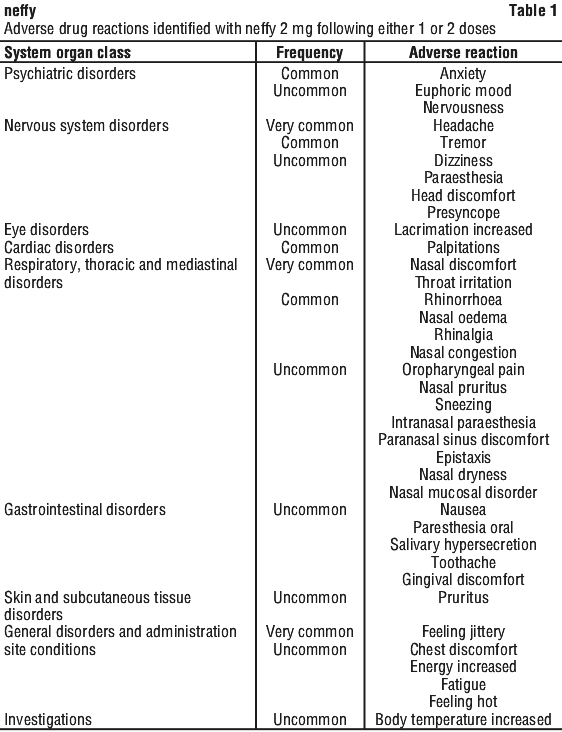
There were no clinically relevant differences in the safety between the paediatric and adult populations treated with neffy 2 mg.
In paediatric patients weighing between 15 kg and < 30 kg in body weight and treated with neffy 1 mg, the most common adverse reactions reported were nasal congestion (19%), upper respiratory tract congestion (14%), dry throat (10%), nasal dryness (10%), and paraesthesia (10%).
Adverse reactions from post approval use of adrenaline products. The following adverse reactions have been identified during post approval use of adrenaline and not neffy specifically. Because these reactions are reported voluntarily from a population of uncertain size, it is not always possible to reliably estimate their frequency or establish a causal relationship to drug exposure.
Cardiovascular. Angina, arrhythmias (including fatal ventricular fibrillation), cerebral haemorrhage, hypertension, pallor, tachyarrhythmia, tachycardia, vasoconstriction, ventricular ectopy, and stress cardiomyopathy.
Metabolism and nutrition disorders. Transient hyperglycemia, sweating.
Neurological. Disorientation, impaired memory, panic, psychomotor agitation, sleepiness, tingling, weakness.
Psychiatric. Anxiety, apprehensiveness, restlessness.
Respiratory. Respiratory difficulties.
Reporting suspected adverse effects. Reporting suspected adverse reactions after registration of the medicinal product is important. It allows continued monitoring of the benefit-risk balance of the medicinal product. Healthcare professionals are asked to report any suspected adverse reactions at www.tga.gov.au/reporting-problems.
4.9 Overdose
Symptoms. Overdose of adrenaline may cause severe headaches, chest pain, dizziness, nausea, and blurred vision. Significant overdoses or injection into a blood vessel can also cause cerebral haemorrhage resulting from a sharp rise in blood pressure. Fatalities may also result from pulmonary oedema because of peripheral vascular constriction together with cardiac stimulation.
Management. Pressor effects of adrenaline may be counteracted by rapidly acting vasodilators or alpha-adrenergic blocking medicinal products.
If an adrenaline overdose induces pulmonary oedema that interferes with respiration, treatment consists of a rapidly acting alpha-adrenergic blocking medicinal product such as phentolamine and/or intermittent positive-pressure respiration.
Adrenaline overdose can cause transient bradycardia followed by tachycardia, and these may be accompanied by potentially fatal cardiac arrhythmias. Treatment of arrhythmias may consist of administration of beta-adrenergic blocking medicinal products.
For information on the management of overdose, contact the Poisons Information Centre on 13 11 26 (Australia).
5 Pharmacological Properties
5.1 Pharmacodynamic Properties
Pharmacotherapeutic group: Cardiac therapy, adrenergic and dopaminergic agents. ATC code: C01CA24.
Mechanism of action. Adrenaline is a nonselective agonist of all adrenergic receptors, including alpha- and beta-adrenergic receptors. Binding to these receptors triggers a number of actions of the sympathetic nervous system.
Pharmacodynamic effects. Through its action on alpha-adrenergic receptors, adrenaline lessens histamine induced vasodilation. Adrenaline also reduces the vascular permeability induced by histamine that occurs during anaphylaxis, which can lead to a loss of intravascular fluid volume and hypotension.
Adrenaline, through its action on beta-adrenergic receptors in bronchial smooth muscle, causes bronchial smooth muscle relaxation and helps alleviate bronchospasm, wheezing and dyspnoea that may occur during anaphylaxis.
Other major effects are increased systolic blood pressure, reduced diastolic pressure, tachycardia, hyperglycaemia and hypokalaemia. It is a powerful cardiac stimulant raising cardiac rate, cardiac output and coronary circulation. It has vasopressor properties, an antihistaminic action and is a bronchodilator.
Adrenaline also alleviates pruritus, urticaria, and angioedema and may be effective in relieving gastrointestinal and genitourinary symptoms associated with anaphylaxis due to its relaxer effects on the smooth muscle of the stomach, intestine, uterus and urinary bladder.
Clinical trials. Four clinical pharmacology studies of neffy in adults and one clinical pharmacology study in paediatric subjects who weigh 15 kg or greater are described below.
Adult population. One and two doses of neffy in healthy volunteers (study EPI 15). Study EPI 15 was conducted in healthy adult subjects (N=42) that compared the pharmacokinetics (PK) and pharmacodynamics (PD) of adrenaline following:
One dose of neffy 2 mg to one intramuscular dose of adrenaline injection 0.3 mg (using a needle syringe product and an auto-injector product).
Two doses of neffy 2 mg, administered 10 minutes apart, into either same nostril or opposite nostrils to two intramuscular doses of adrenaline injection 0.3 mg (using an auto-injector) administered 10 minutes apart.
Results following one dose of all adrenaline products demonstrated an increase from baseline systolic blood pressure (SBP) and pulse rate (PR) as shown in Figure 1 and Figure 2.
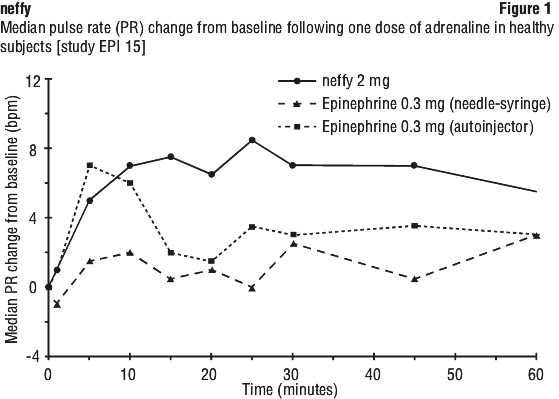
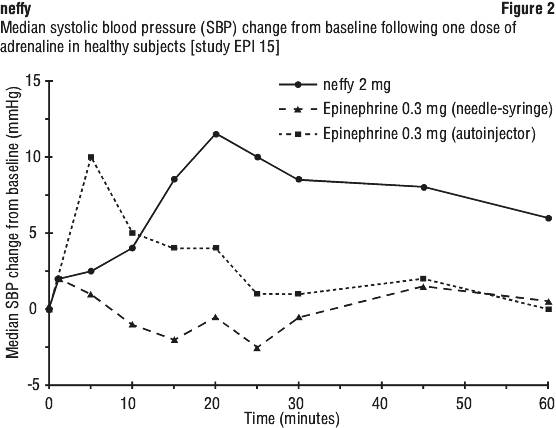
Results following two nasal doses of neffy (in the same nostril or opposite nostrils) in comparison to two intramuscular doses of adrenaline injection (using an autoinjector) showed a similar trend in median/mean SBP and PR responses.
Self-administration in adult patients with type I allergy without anaphylaxis (study EPI 17). Study EPI 17 was conducted in adult patients with type I allergy without anaphylaxis (N=42) that compared the PK and PD of adrenaline following self-administered one nasal dose of neffy 2 mg to staff-administered one intramuscular dose of adrenaline injection 0.3 mg (using a needle-syringe product). The SBP and PR responses results in study EPI 17 were similar to study EPI 15.
Adult patients with allergic rhinitis with and without nasal allergen challenge (study EPI 16 and EPI 18). Study EPI 16 (N=36) and study EPI 18 (N=43) were cross over studies conducted in adult subjects with seasonal allergic rhinitis outside of allergy season. Subjects were required to have seasonal allergic rhinitis which was confirmed with a nasal allergen challenge (NAC) during screening and did not have any allergy symptoms prior to treatment. Allergic rhinitis symptoms were induced by spraying the known allergen into the subject's nostrils in which a minimum Total Nasal Symptom Score (TNSS) of ≥ 5 out of 12, with a congestion component of ≥ 2 out of 3 had to be reached. The comparative PK and PD of neffy 2 mg and IM 0.3 mg were assessed in subjects both in a normal state and under allergic rhinitis induced by NAC as a single dose (study EPI 16) and a repeat dose with two doses of adrenaline given 10 minutes apart (study EPI 18).
After induced allergic rhinitis, neffy 2 mg resulted in more rapid but numerically lower mean SBP and PR response compared to neffy 2 mg under normal nasal conditions. Regardless of nasal conditions (normal or allergic rhinitis), the PD response following neffy were comparable or greater than IM adrenaline.
Adult patients with upper respiratory tract infections (study EPI 14). Study EPI 14 was a single dose, two period study to understand the impact of nasal oedema and congestion on the absorption of adrenaline administered via neffy. Subjects (N=21) were enrolled when they experienced an upper respiratory tract infection (URTI) with nasal congestion and oedema (e.g. flu, common cold, nasal infection). Subjects received neffy 2 mg when experiencing symptoms and were then instructed to return after they recovered for a second dose of neffy 2 mg under normal nasal conditions (N=16).
The pharmacodynamic responses observed under URTI conditions were consistent with the observed and expected responses to neffy 2 mg in other clinical studies. The presence of a URTI did not appear to have any meaningful effect on adrenaline absorption during the first 25 minutes post dose. There were no statistically significant differences in PK parameters.
Paediatric population. Paediatric patients with type I allergy without anaphylaxis (study EPI 10). Study EPI 10 was a single-arm study conducted in paediatric patients who weighed 15 kg or greater (age range: 4 to 17 years) with type I allergy without anaphylaxis (N=42) that assessed the PK and PD of adrenaline following one dose of neffy 1 mg (for subjects who weigh 15 kg to < 30 kg) and 2 mg (for subjects who weigh 30 kg or greater). When compared to adult patients (study EPI 15 and study EPI 17), the median change in SBP from baseline over the 60 minutes post-dose were numerically lower than in adults who received neffy 2 mg, while the median change in PR from baseline over 60 minutes post-dose was within the range of adults who received neffy 2 mg.
Paediatric food allergy patients (study JP03). A Phase 3 open-label study was conducted in 15 paediatric food allergy patients (aged 6 to 17 years) in Japan. Anaphylaxis symptoms were induced, followed by administration of neffy at the onset of moderate anaphylaxis symptoms. Patients received neffy 1 mg (15-30 kg) or 2 mg (≥ 30 kg). The median time to resolve moderate anaphylaxis symptoms after a single dose of neffy was 16 minutes, with no patient requiring a second dose. One patient developed a biphasic reaction after 2 hours and 45 minutes and consequently received intramuscular adrenaline. For both dose groups, the mean total grade started decreasing within five minutes of neffy administration (the first assessment timepoint).
5.2 Pharmacokinetic Properties
Absorption. Adrenaline has a rapid onset of action after administration. Following nasal administration to healthy volunteers, adrenaline was rapidly absorbed after both single and repeat dosing, with a time to maximum plasma concentration in 20 to 30 minutes. In subjects with rhinitis (congestion and nasal oedema), adrenaline is absorbed more rapidly with the maximum concentration observed in about 10 minutes.
The pharmacokinetic profile of adrenaline is highly variable and there is no data on the plasma adrenaline level needed to treat anaphylaxis. neffy demonstrated a pharmacokinetic profile that is within the range of approved injection products. The integrated pharmacokinetic parameters of adrenaline are summarised in Figure 3 (single dose) and Figure 4 (repeat dose).
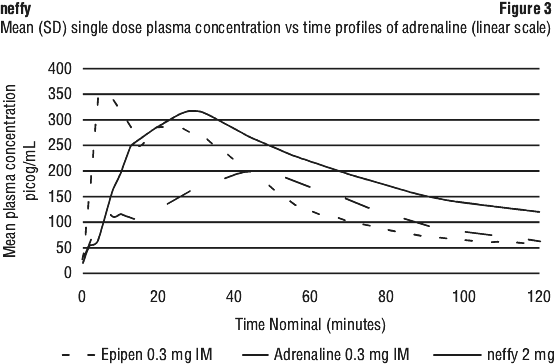
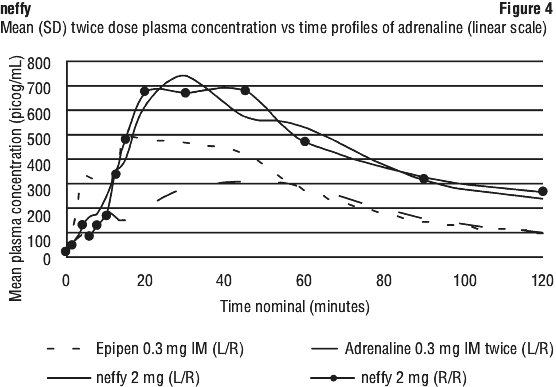
Excretion. Much of a dose of adrenaline is excreted as metabolites in urine. Elimination is mainly via metabolism of the liver and sympathetic nerve endings, with a small amount excreted unchanged in the urine. The plasma half-life following nasal administration is about 2 to 3 minutes.
Paediatric population. See Section 5.1 Pharmacodynamic Properties for a description for study EPI 10.
In paediatric patients with type I allergy without anaphylaxis who weigh 15 kg or greater (age range: 4 to 17 years), following one nasal dose of neffy 1 mg (for subjects who weigh 15 kg to < 30 kg) or 2 mg (for subjects who weigh 30 kg or greater), the geometric mean plasma epinephrine concentration time profiles for both weight groups were numerically higher than that of adults who received neffy 2 mg (studies EPI 15 and 17).
5.3 Preclinical Safety Data
Genotoxicity. Adrenaline and other catecholamines have been shown to have mutagenic potential in vitro and to be an oxidative mutagen in a WP2 bacterial reverse mutation assay. Adrenaline had a moderate degree of mutagenicity and was positive in the DNA Repair test with B. subtilis (REC) assay but was not mutagenic in the Salmonella bacterial reverse mutation assay.
Studies of adrenaline after repeated exposure in animals to evaluate the mutagenic potential have not been conducted. This should not prevent the use of adrenaline under the conditions noted under Section 4.1 Therapeutic Indications.
Carcinogenicity. Studies of adrenaline after repeated exposure in animals to evaluate the carcinogenic potential have not been conducted. This should not prevent the use of adrenaline under the conditions noted under Section 4.1 Therapeutic Indications.
6 Pharmaceutical Particulars
6.1 List of Excipients
Sodium chloride, dodecyl-beta-D-maltoside, disodium edetate, benzalkonium chloride, sodium metabisulphite, hydrochloric acid, sodium hydroxide, water for injections.
6.2 Incompatibilities
Not applicable.
6.3 Shelf Life
In Australia, information on the shelf life can be found on the public summary of the Australian Register of Therapeutic Goods (ARTG). The expiry date can be found on the packaging.
6.4 Special Precautions for Storage
Store below 25°C.
Patients should be advised to ensure neffy is stored below 25°C. However, short term accidental exposure to temperatures up to a maximum of 50°C are permitted.
If accidentally frozen, the nasal spray will not function. Allow the nasal spray to thaw at least one hour; do not use if the contents are still frozen or not completely thawed. Freezing does not affect the shelf life of the product.
6.5 Nature and Contents of Container
Container type. neffy is filled into a Type I glass vial and closed with a bromobutyl rubber stopper. The vial is enclosed in a white polypropylene holder which forms part of the single-dose nasal spray.
Pack sizes. neffy is supplied in a carton containing two (2) blister packages each with a single-dose nasal spray for 1 time use.
6.6 Special Precautions for Disposal
In Australia, any unused medicine or waste material should be disposed of in accordance with local requirements.
6.7 Physicochemical Properties
Chemical structure. Chemical name: (R)-1-(3,4-Dihydroxyphenyl)-2-methylaminoethanol.
Structural formula:
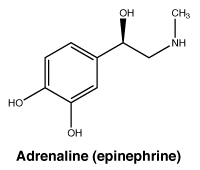
Molecular weight: 183.2.
CAS number. CAS registry number: 51-43-4.
7 Medicine Schedule (Poisons Standard)
Schedule 4 (S4): Prescription Only Medicine.
Date of First Approval
08 December 2025
Summary Table of Changes

Reasonable care is taken to provide accurate information at the time of creation. This information is not intended as a substitute for medical advice and should not be exclusively relied on to manage or diagnose a medical condition. The Australian Commission on Safety and Quality in Health Care disclaims all liability (including for negligence) for any loss, damage, injury or any other negative effects resulting from reliance on or use of this information. Read our full disclaimer. This website uses cookies. Read our privacy policy.