
NovoSeven RT
Brand Information
| Brand name | NovoSeven RT |
| Active ingredient | Eptacog alfa (activated) |
| Schedule | Unscheduled |
Consumer Medicine Information (CMI) leaflet
Please read this leaflet carefully before you start using the NovoSeven RT.
Summary CMI
NovoSeven® RT
Consumer Medicine Information (CMI) summary
The full CMI on the next page has more details. If you are worried about using this medicine, speak to your doctor or pharmacist.
1. Why am I using NovoSeven® RT?
NovoSeven® RT contains the active ingredient eptacog alfa (activated) (bhk). NovoSeven® RT is used to control bleeding episodes and to prevent excess bleeding connected with surgery in people with certain blood clotting disorders. For more information, see Section 1. Why am I using NovoSeven® RT? in the full CMI.
2. What should I know before I use NovoSeven® RT?
Do not use it if you have ever had an allergic reaction to NovoSeven® RT or any of the ingredients listed at the end of the CMI, are allergic to mice, hamster or cow proteins (such as cow's milk).
Talk to your doctor if you have any other medical conditions, take any other medicines, or are pregnant or plan to become pregnant or are breastfeeding.
For more information, see Section 2. What should I know before I use NovoSeven® RT? in the full CMI.
3. What if I am taking other medicines?
Some medicines may interfere with NovoSeven® RT and affect how it works.
For more information, see Section 3. What if I am taking other medicines? in the full CMI.
4. How do I use NovoSeven® RT?
Follow your doctor's instructions, including your exact dose and dosing schedule.
NovoSeven® RT is for intravenous injection, and requires mixing the powder in the vial with the solvent supplied in the syringe before use.
More instructions can be found in Section 4. How do I use NovoSeven® RT? in the full CMI.
5. What should I know while using NovoSeven® RT?
| Things you should do |
|
| Things you should not do |
|
| Driving or using machines |
|
| Drinking alcohol |
|
| Looking after your medicine |
|
For more information, see Section 5. What should I know while using NovoSeven® RT? in the full CMI.
6. Are there any side effects?
Contact your doctor or go to hospital if you experience symptoms of clotting, such as sudden pain or discomfort in the chest or abdomen, or pain, redness, swelling or heat in an arm or leg; likewise, if you experience symptoms of a serious allergic reaction, such as widespread skin rash, shortness of breath, wheezing, swelling of the face, lips or tongue.
For more information, including what to do if you have any side effects, see Section 6. Are there any side effects? in the full CMI.
Full CMI
NovoSeven® RT
Active ingredient: eptacog alfa (activated) (bhk)
Consumer Medicine Information (CMI)
This leaflet provides important information about using NovoSeven® RT. You should also speak to your doctor or pharmacist if you would like further information or if you have any concerns or questions about using NovoSeven® RT.
Where to find information in this leaflet:
1. Why am I using NovoSeven® RT?
2. What should I know before I use NovoSeven® RT?
3. What if I am taking other medicines?
4. How do I use NovoSeven® RT?
5. What should I know while using NovoSeven® RT?
6. Are there any side effects?
7. Product details
1. Why am I using NovoSeven® RT?
NovoSeven® RT contains the active ingredient eptacog alfa (activated), which is recombinant coagulation factor VIIa (rFVIIa).
NovoSeven® RT is a medicine that works by activating the blood clotting system at the site of bleeding.
It is similar to the activated factor VII (7) in human blood. NovoSeven® RT is made by genetic engineering.
NovoSeven® RT is used to control bleeding episodes and to prevent excessive bleeding connected with surgery in people who have:
- inhibitors to clotting factors VIII (8) or IX (9), or
- congenital FVII deficiency,
- Glanzmann's Thrombasthenia which cannot be treated effectively with platelet transfusions.
2. What should I know before I use NovoSeven® RT?
Warnings
Do not use NovoSeven® RT if you:
- have an allergy to mice, hamster or cow proteins (such as cows' milk);
- are allergic to eptacog alfa (activated) or any of the ingredients listed at the end of this leaflet.
- Always check the ingredients to make sure you can use this medicine.
Check with your doctor if you:
- have recently had, or are planning to have surgery
- have had a crush injury
- are prone to disseminated intravascular coagulation (DIC), a condition where blood clots develop throughout the blood stream). You must be carefully monitored.
- have a serious blood infection
- have an increased risk of blood clots (thrombosis) or advanced hardening of the arteries with cholesterol deposits
- have or have had coronary artery disease or previous heart attack
- have liver disease
- are allergic to platelets or blood products
- have a genetic condition that affects your ability to digest sugars (fructose, sucrose, glucose or maltose)
- take any medicines for any other condition.
During treatment, you may be at risk of developing certain side effects. It is important you understand these risks and how to monitor for them. See additional information under Section 6. Are there any side effects?
Pregnancy and breastfeeding
Check with your doctor if you are pregnant or intend to become pregnant. They will discuss the risks and benefits of using NovoSeven® RT during pregnancy.
Talk to your doctor if you are breastfeeding or intend to breastfeed. They can discuss with you the risks and benefits to you and your baby.
3. What if I am taking other medicines?
Tell your doctor or pharmacist if you are taking any other medicines, including any medicines, vitamins or supplements that you buy without a prescription from your pharmacy, supermarket or health food shop.
Do not use NovoSeven® RT at the same time as prothrombin complex concentrates or recombinant factor XIII (13), medicines used to help with blood clotting.
Check with your doctor if you:
- take coagulation factor concentrates
- take medicines called antifibrinolytic drugs (such as tranexamic acid) which are also used to control bleeding.
Check with your doctor or pharmacist if you are not sure about what medicines, vitamins or supplements you are taking and if these affect NovoSeven® RT.
4. How do I use NovoSeven® RT?
How much to use
- Your doctor will determine the amount required and how frequently you need it based on the condition being treated, weight and other relevant factors.
- Follow the instructions provided and use NovoSeven® RT until your doctor tells you to stop.
Do not adjust this dose or schedule without first consulting your doctor.
When to use NovoSeven® RT
- The first dose should be given as early as possible after bleeding has started.
- NovoSeven® RT should be used according to your doctor's clinical assessment.
How to use NovoSeven® RT
- NovoSeven® RT is given as an injection into a vein (intravenously) over a period of 2 - 5 minutes.
- The solvent must be added (reconstitution) to the vial of NovoSeven® RT powder before the solution is injected. The solution should be clear and colourless.
- Do not inject the reconstituted medicine if the solution is not clear and colourless or it has anything floating in it.
- Do not use the equipment required to inject yourself if it has been dropped or it has been damaged
- In case of mild or moderate bleeding episodes, it may be given to you to use at home, if required.
- In case of severe bleeds, NovoSeven® RT will be administered by a doctor or nurse in the surgery or hospital.
- Do not inject yourself without proper training from your doctor or haemophilia nurse.
Reconstitution and injection:
Follow the detailed instructions on how to inject NovoSeven® RT in the instructions for use supplied with the product.
These instructions are also available via the following hyperlink: medsinfo.com.au/media/noinovo7
- NovoSeven® RT is for single use in one person only.
- Reconstituted NovoSeven® RT should be used immediately. Discard your vial after use.
After injection
Do not refill NovoSeven® RT vials.
Follow general precautionary measures for removal and disposal of needles to eliminate the risk of needlestick injury.
If you forget to use NovoSeven® RT
You should contact your doctor as soon as possible so that they may take the appropriate action.
If you use too much NovoSeven® RT
If you are given or if you give yourself too much NovoSeven® RT
You should immediately:
- contact your doctor, or
- go to the Emergency Department at your nearest hospital.
You should do this even if there are no signs of discomfort or poisoning.
5. What should I know while using NovoSeven® RT?
Things you should do
Continue using NovoSeven® RT for as long as your doctor tells you.
You and your doctor should monitor your bleeding.
Call your doctor straight away if your bleeding is not controlled. If you are injecting NovoSeven® RT at home and your bleeding is not controlled within 24 hours, you will need hospital care.
Remind any doctor, dentist or pharmacist or other health professionals you visit that you are using NovoSeven® RT.
Things you should not do
- Do not stop using NovoSeven® RT without consulting your doctor
- Do not change the dose or schedule without consulting your doctor
- Do not continue home treatment for longer than 24 hours. If bleeding is not controlled within 24 hours, contact your doctor as soon as possible
- Do not give NovoSeven® RT to anyone else, even if they have the same condition as you
- Do not share needles, syringes, or other injecting equipment with anyone
- Do not use NovoSeven® RT to treat any other complaints.
Driving or using machines
Be careful before you drive or use any machines or tools until you know how NovoSeven® RT affects you.
There is no specific information on the use of NovoSeven® RT and driving.
Drinking alcohol
Tell your doctor if you drink alcohol.
There is no specific information on any possible interactions of NovoSeven® RT with alcohol.
Looking after your medicine
Follow the instructions on the carton on how to take care of your medicine properly.
Store it in a cool dry place below 25°C, away from moisture, heat or sunlight; for example, do not store it:
- in the bathroom or near a sink, or
- in the car or on window sills.
Do not freeze.
Protect from light.
Do not store NovoSeven® RT in a syringe.
If you cannot use the reconstituted solution immediately, keep it in the vial in a refrigerator (2°C - 8°C) and use it within 24 hours.
Keep it where young children cannot reach it.
When to discard your medicine
Do not use NovoSeven® RT after the expiry date. The expiry date refers to the last day of that month.
Discard your medicine once the permitted storage time listed in "Looking after your medicine" has passed.
Discard any solution left in the vial after you have taken the dose recommended by your doctor for your injection.
Getting rid of any unwanted medicine
If you no longer need to use this medicine or it is out of date, take it to any pharmacy for safe disposal.
6. Are there any side effects?
All medicines can have side effects. If you do experience any side effects, most of them are minor and temporary. However, some side effects may need medical attention.
See the information below and, if you need to, ask your doctor or pharmacist if you have any further questions about side effects.
Less serious side effects
| Less serious side effects | What to do |
Skin-related:
| Speak to your doctor if you have any of these less serious side effects and they worry you. |
Serious side effects
| Serious side effects | What to do |
Allergic reactions (hypersensitivity) including anaphylaxis:
| Stop the injection immediately if you have an allergic reaction. Call your doctor straight away, or go straight to the Emergency Department at your nearest hospital if you notice any of these serious side effects. |
Tell your doctor, haemophilia nurse or pharmacist if you notice anything else that may be making you feel unwell.
Other side effects not listed here may occur in some people.
Reporting side effects
After you have received medical advice for any side effects you experience, you can report side effects to the Therapeutic Goods Administration online at www.tga.gov.au/reporting-problems in Australia. If you are in New Zealand, you can report side effects at nzphvc.otago.ac.nz/reporting. By reporting side effects, you can help provide more information on the safety of this medicine.
Always make sure you speak to your doctor, haemophilia nurse or pharmacist before you decide to stop taking any of your medicines.
7. Product details
What NovoSeven® RT contains
| Active ingredient (main ingredient) | eptacog alfa (activated) (bhk) |
| Other ingredients (inactive ingredients) | Powder vial
|
| Potential allergens | N/A |
Do not take this medicine if you are allergic to any of these ingredients.
What NovoSeven® RT looks like
NovoSeven® RT is supplied as a white powder, in a glass vial. The powder must be dissolved with the solvent before it is used. The solvent is supplied in a pre-filled syringe.
Each pack also contains a vial adapter to help with mixing the powder and solvent, and a syringe plunger rod.
NovoSeven® RT is available in single packs with single-dose vials of:
1.0 mg vial: AUST R 206194
2.0 mg vial AUST R 206195
5.0 mg vial: AUST R 206196
8.0 mg vial: AUST R 206197.
Who distributes NovoSeven® RT?
NovoSeven® RT is supplied in Australia by:
Novo Nordisk Pharmaceuticals Pty Ltd
Level 10
118 Mount Street
North Sydney NSW 2060
Australia
NovoSeven® RT is supplied in in New Zealand by:
Novo Nordisk Pharmaceuticals Ltd.
PO Box 51-268
Pakuranga
Auckland
New Zealand
Further information
For further information call Novo Nordisk Medical Information on 1800 668 626 (Australia) or 0800 733 737 (New Zealand).
Always check the following websites to ensure you are reading the most recent version of the NovoSeven® RT Consumer Medicine Information:
NovoSeven® is a registered trademark of Novo Nordisk A/S.
© 2025
Novo Nordisk A/S
This leaflet was prepared in November 2025
Brand Information
| Brand name | NovoSeven RT |
| Active ingredient | Eptacog alfa (activated) |
| Schedule | Unscheduled |
MIMS Revision Date: 01 June 2024
1 Name of Medicine
Eptacog alfa (activated) (bhk).
2 Qualitative and Quantitative Composition
NovoSeven RT contains activated recombinant coagulation factor VII of approximate molecular mass 50 K daltons produced by genetic engineering from baby hamster kidney cells (BHK cells). The recombinant coagulation factor VIIa (rFVIIa) in NovoSeven RT is structurally very similar to human plasma derived activated factor VIIa.
After reconstitution with solvent, each vial contains rFVIIa 1.0 mg/mL (50,000 IU/mL), sodium chloride 2.3 mg/mL, calcium chloride dihydrate 1.5 mg/mL, glycylglycine 1.3 mg/mL, polysorbate 80 0.1 mg/mL and mannitol 25 mg/mL, sucrose 10 mg/mL, methionine 0.5 mg/mL and histidine 1.6 mg/mL.
The units of rFVIIa are international units measured with reference to the first international standard of FVIIa 89/688. These units should not be mistaken for units of other coagulation factors including FVII.
3 Pharmaceutical Form
NovoSeven RT (eptacog alfa (activated) (bhk)) is supplied as a stable, sterile, freeze-dried white powder in single-use vials, and solvent, for solution for injection.
4 Clinical Particulars
4.1 Therapeutic Indications
NovoSeven RT is indicated for the control of bleeding and surgical prophylaxis in patients:
with inhibitors to coagulation factors VIII or IX;
with congenital FVII deficiency;
with Glanzmann's thrombasthenia, who have antibodies to GPIIb-IIIa and/or HLA, and with past or present refractoriness to platelet transfusions.
4.2 Dose and Method of Administration
NovoSeven RT must be reconstituted with the sterile solvent provided and then administered by intravenous bolus injection over a period of 2-5 minutes.
Coagulation parameters should not be used to evaluate NovoSeven RT effectiveness.
Dosing in children. Current clinical experience does not warrant a general differentiation in dosing between children and adults, although children have faster clearance than adults. Therefore, higher doses of rFVIIa may be needed in paediatric patients to achieve similar plasma concentrations as in adult patients.
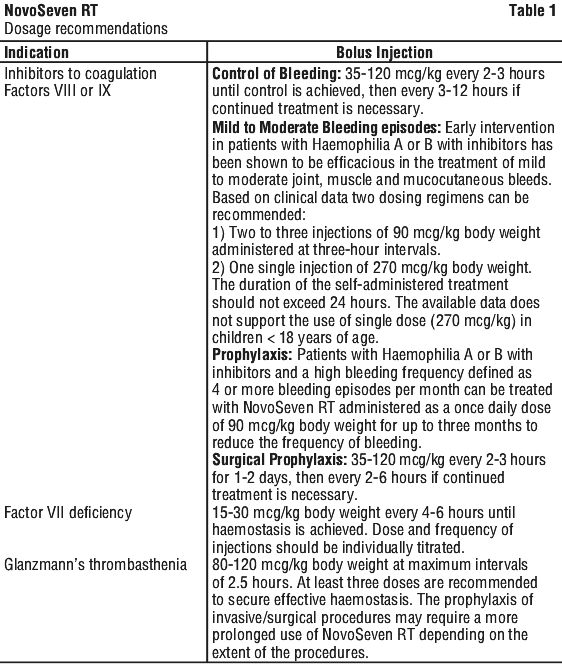
Dosage recommendations. See Table 1.
Reconstitution. Always use aseptic technique. Reconstitute each vial of NovoSeven RT with the specified volume of solvent; avoid forceful impact of solvent on the powder and avoid foaming of the solution by mixing gently. The reconstituted volume contains 1.0 mg/mL rFVIIa (50,000 IU/mL) and appears as a clear colourless solution. The specified volume of solvent required for each corresponding vial of NovoSeven RT is as follows: 1.0 mg vial + 1.1 mL histidine solvent, 2.0 mg vial + 2.1 mL histidine solvent, 5.0 mg vial + 5.2 mL histidine solvent, 8.0 mg vial + 8.1 mL histidine solvent.
Administration. NovoSeven RT is administered by intravenous bolus injection over a period of 2-5 minutes and should not be mixed with infusion solutions or be given in a drip. Do not use NovoSeven RT exhibiting particulates or discoloration. Each vial of NovoSeven RT contains no antimicrobial preservative and is intended for use in one patient on one occasion only. Discard any residue.
Instructions for use. Please refer to manufacturer's PI for included images.
Introduction. Read these instructions carefully before using NovoSeven RT.
NovoSeven RT is supplied as a powder. Before injection (administration) it must be reconstituted with the solvent supplied in the syringe. The solvent is a histidine solution. The reconstituted NovoSeven RT must be injected into your vein (intravenous injection). The equipment in this package is designed to reconstitute and inject NovoSeven RT.
You will also need an infusion set (tubing and butterfly needle), sterile alcohol swabs, gauze pads and plasters. These devices are not included in the NovoSeven RT package.
Do not use the equipment without proper training from your doctor or nurse.
Always wash your hands and ensure that the area around you is clean.
When you prepare and inject medication directly into the vein, it is important to use a clean and germ free (aseptic) technique. Improper technique can introduce germs that can infect the blood.
Do not open the equipment until you are ready to use it.
Do not use the equipment if it has been dropped, or if it is damaged. Use a new package instead.
Do not use the equipment if it is expired. Use a new package instead. The expiry date is printed after 'EXP' on the outer carton, on the vial, on the vial adapter and on the prefilled syringe.
Do not use the equipment if you suspect it is contaminated. Use a new package instead.
Do not dispose of any of the items until after you have injected the reconstituted solution.
The equipment is for single use only.
Contents. The package contains: 1 vial with NovoSeven RT powder; 1 vial adapter; 1 prefilled syringe with solvent; 1 plunger rod (placed under the syringe).
Instructions. 1. Prepare the vial and the syringe. Take out the number of NovoSeven RT packages you need.
Check the expiry date.
Check the name, strength and colour of the package, to make sure it contains the correct product.
Wash your hands and dry them properly using a clean towel or air dry.
Take the vial, the vial adapter and the prefilled syringe out of the carton. Leave the plunger rod untouched in the carton.
Bring the vial and the prefilled syringe to room temperature. You can do this by holding them in your hands until they feel as warm as your hands.
Do not use any other way to warm the vial and prefilled syringe.
Remove the plastic cap from the vial. If the plastic cap is loose or missing, do not use the vial.
Wipe the rubber stopper with a sterile alcohol swab and allow it to air dry for a few seconds before use to ensure that it is as germ free as possible.
Do not touch the rubber stopper with your fingers as this can transfer germs.
2. Attach the vial adapter. Remove the protective paper from the vial adapter.
If the protective paper is not fully sealed or if it is broken, do not use the vial adapter.
Do not take the vial adapter out of the protective cap with your fingers. If you touch the spike on the vial adapter germs from your fingers can be transferred.
Place the vial on a flat and solid surface.
Turn over the protective cap, and snap the vial adapter onto the vial. Once attached, do not remove the vial adapter from the vial.
Lightly squeeze the protective cap with your thumb and index finger as shown.
Remove the protective cap from the vial adapter.
Do not lift the vial adapter from the vial when removing the protective cap.
3. Attach the plunger rod and the syringe. Grasp the plunger rod by the wide top end and take it out of the carton. Do not touch the sides or the thread of the plunger rod. If you touch the sides or the thread, germs from your fingers can be transferred.
Immediately connect the plunger rod to the syringe by turning it clockwise into the plunger inside the prefilled syringe until resistance is felt.
Remove the syringe cap from the prefilled syringe by bending it down until the perforation breaks.
Do not touch the syringe tip under the syringe cap. If you touch the syringe tip, germs from your fingers can be transferred.
If the syringe cap is loose or missing, do not use the prefilled syringe.
Screw the prefilled syringe securely onto the vial adapter until resistance is felt.
4. Reconstitute the powder with the solvent. Hold the prefilled syringe slightly tilted with the vial pointing downwards.
Push the plunger rod to inject all the solvent into the vial.
Keep the plunger rod pressed down and swirl the vial gently until all the powder is dissolved.
Do not shake the vial as this will cause foaming.
If NovoSeven RT is reconstituted and stored in a polypropylene syringe, it is recommended to use an in-line filter with a pore size of 25 micrometers upon administration.
Check the reconstituted solution. It must be colourless. If you notice visible particles or discoloration, do not use it. Use a new package instead.
Use the reconstituted NovoSeven RT at once to avoid infections. If you cannot use it immediately after it has been reconstituted, you should store it in the vial with the vial adapter and syringe still attached in a refrigerator at 2°C to 8°C for no longer than 24 hours. Do not freeze the reconstituted NovoSeven RT solution and keep it protected from light. Do not store the reconstituted solution without advice from your doctor or nurse.
If your dose requires more than one vial, repeat steps A to J with additional vials, vial adapters and prefilled syringes until you have reached your required dose.
Keep the plunger rod pushed completely in.
Turn the syringe with the vial upside down.
Stop pushing the plunger rod and let it move back on its own while the reconstituted solution fills the syringe.
Pull the plunger rod slightly downwards to draw the reconstituted solution into the syringe.
In case you only need part of the reconstituted solution, use the scale on the syringe to see how much of the solution you withdraw, as instructed by your doctor or nurse.
If, at any point, there is too much air in the syringe, inject the air back into the vial.
While holding the vial upside down, tap the syringe gently to let any air bubbles rise to the top.
Push the plunger rod slowly until all air bubbles are gone.
Unscrew the vial adapter with the vial.
Do not touch the syringe tip. If you touch the syringe tip, germs from your fingers can be transferred.
Injecting NovoSeven with prefilled syringe via needleless connectors for intravenous (IV) catheters.
Caution: the prefilled syringe is made of glass and is designed to be compatible with standard luer-lock connections. Some needleless connectors with an internal spike are incompatible with the prefilled syringe. This incompatibility may prevent administration of the drug and/or result in damage to the needleless connector.
Follow the instructions for use for the needleless connector. Administration through a needleless connector may require withdrawal of the reconstituted solution into a standard 10 mL sterile luer-lock plastic syringe. This should be done right after step J.
5. Inject the reconstituted solution. NovoSeven RT is now ready to inject into your vein.
Inject the reconstituted solution as instructed by your doctor or nurse.
Inject slowly over 2 to 5 minutes.
Injecting the solution via a central venous access device (CVAD) such as a central venous catheter or a subcutaneous port: use a clean and germ free (aseptic) technique.
Follow the instructions for proper use for your connector and CVAD in consultation with your doctor or nurse.
Injecting into a CVAD may require using a sterile 10 mL plastic syringe for withdrawal of the reconstituted solution.
If the CVAD line needs to be flushed before or after NovoSeven RT injection, use sodium chloride 9 mg/mL solution for injection.
Disposal. After injection, safely dispose of the syringe with the infusion set, the vial with the vial adapter, any unused NovoSeven RT and other waste materials as instructed by your doctor or nurse.
Do not throw it out with the ordinary household waste.
Do not disassemble the equipment before disposal.
Do not reuse the equipment.
4.3 Contraindications
NovoSeven RT is contraindicated in patients with:
hypersensitivity to rFVIIa or any of the components of NovoSeven RT;
hypersensitivity to mouse, hamster or bovine proteins.
4.4 Special Warnings and Precautions for Use
General. Patients who receive NovoSeven RT should be kept under close observation in case they develop signs and symptoms of untoward activation of the coagulation system or thrombosis. Any findings of this nature indicate that the dosage should be reduced or treatment stopped, depending on the patient's symptoms.
In pathological conditions in which tissue factor may be expressed more extensively than considered normal, there may be a potential risk of development of thrombotic events or induction of disseminated intravascular coagulation (DIC) in association with rFVIIa treatment. Such situations may include patients with advanced atherosclerotic disease, crush injury, septicaemia or DIC.
Because of the risk of thromboembolic complications, caution should be exercised when administering NovoSeven RT to patients with a history of coronary heart disease, to patients with liver disease, to patients undergoing and following major surgery, to neonates or to patients at risk of thromboembolic phenomena or disseminated intravascular coagulation. In each of these situations, the potential benefit of treatment with NovoSeven RT should be weighed against the risk of these complications.
Caution should be exercised in prescribing NovoSeven RT for patients who have significant hypersensitivity to platelets and/or blood products.
As recombinant coagulation factor VIIa contains trace amounts of mouse IgG protein (maximum of 1.2 nanogram/mg rFVIIa), bovine IgG protein (maximum of 30 nanogram/mg rFVIIa) and hamster and other bovine proteins (maximum of 19 nanogram BHK protein/mg rFVIIa), there is a remote possibility that patients treated with NovoSeven RT may develop hypersensitivity to these proteins. In such cases, standard medical treatment should be considered.
If allergic or anaphylactic type reactions occur, the administration should be discontinued immediately. In case of anaphylactic shock, standard medical treatment for shock should be implemented.
Patients should be informed of the early signs of hypersensitivity reactions. If such symptoms occur, the patient should be advised to discontinue use of the product immediately and contact their physician.
NovoSeven RT should only be administered after guidance from the prescribing physician.
In case of severe bleeds, the product should be administered in hospitals preferably specialised in treatment of haemophilia patients with coagulation factor VIII or IX inhibitors, or if not possible in close collaboration with a physician specialised in haemophilia treatment.
If bleeding is not kept under control, hospital care is mandatory. Patients/ carers should inform the physician/ supervising hospital at the earliest possible opportunity about all usage of NovoSeven RT.
Factor VII deficient patients should be monitored for prothrombin time and factor VII coagulant activity before and after administration of NovoSeven RT. In case the factor VIIa activity fails to reach the expected level or bleeding is not controlled after treatment with the recommended doses, antibody formation may be suspected and analysis for antibodies should be performed. Thrombosis has been reported in FVII deficient patients receiving rFVIIa during surgery but the risk of thrombosis in factor VII deficient patients treated with rFVIIa is not well characterised (see Section 5.1 Pharmacodynamic Properties; Section 4.8 Adverse Effects (Undesirable Effects), Postmarketing surveillance).
Patients with rare hereditary problems of fructose intolerance, glucose malabsorption or sucrase-isomaltase insufficiency should not take this medicine.
Concomitant use with other formulations. Concomitant use of NovoSeven RT with other formulations of NovoSeven is not recommended due to potential dosing errors based on different concentrations.
Use in the elderly. Clinical experience with administration of a single dose of 270 microgram/kg bodyweight is limited. Patients with vascular disease may be at increased risk of thrombotic adverse events.
Paediatric use. Evidence for the safety and effectiveness of rFVIIa has been obtained in the age groups up to adolescence (up to 16 years of age). When dosed on a bodyweight basis, the efficacy and safety of rFVIIa appear to be comparable in adult and paediatric patients.
No long-term studies of the effects of regular use of rFVIIa in children have been performed. The effect of rFVIIa on growth and growth spurts has not been clearly identified.
Effects on laboratory tests. The relationship between the prothrombin time (PT), activated partial thromboplastin time (aPTT) and levels of the plasma FVII clotting activity (FVII:C) has been investigated in one core laboratory. The therapeutic range has not been identified for any of the assays. Therefore, coagulation parameters should be used only as an adjunct to the evaluation of clinical haemostasis to monitor the effectiveness and treatment schedule of NovoSeven RT in patients.
FVII:C was measured in a one step coagulation system containing FVII deficient plasma (immunodepleted, Novo Nordisk A/S) and rabbit brain thromboplastin (type C, Manchester Comparative Reagents Ltd, UK). Coagulation was started by adding thromboplastin and Ca++. Pooled citrated plasma from healthy normal subjects was used as calibrator and was assigned an arbitrary potency of 1 U/mL.
The prothrombin time (PT) shortens to 7 seconds and seems to reach a plateau at plasma FVII:C levels of approximately 5 U/mL. Data indicate that a clinical improvement is associated with a shortening of the PT of 3-4 seconds from baseline, and that this shortening is maintained throughout the treatment with therapeutic doses. The PT cannot be used to differentiate plasma FVII:C levels > 5 U/mL. The PT assay is performed according to the instructions given in the kit "IL Test PT-Fibrinogen: Calcium thromboplastin for the simultaneous in vitro determination of prothrombin time (PT) and fibrinogen in plasma" from Instrumentation Laboratory. Note that penicillins cause a reduction in prothrombin time.
Although administration of rFVIIa shortens the aPTT, normalisation is usually not observed in doses shown to induce clinical improvement. Experience so far indicates that a shortening of 15-20 seconds was associated with clinical improvement. It is not known if aPTT is helpful in the monitoring of treatment. The aPTT assay is performed according to the instructions given in the kit "IL Test APTT-Micronized Silica: Cephalin with micronized silica for the in vitro determination of activated partial thromboplastin time (APTT) in plasma" from Instrumentation Laboratory.
For all the assays different thromboplastins may give different results.
In patients with a severe FVII deficiency, replacement therapy with rFVIIa in doses of 15 to 30 microgram/kg at 4-6 hour intervals has been shown to significantly shorten or normalise prothrombin time.
4.5 Interactions with Other Medicines and Other Forms of Interactions
The risk of a potential interaction between NovoSeven RT and coagulation factor concentrates is unknown. Simultaneous use of prothrombin complex concentrates, activated or not, should be avoided.
Antifibrinolytics have been reported to reduce blood loss in association with surgery in haemophilia patients, especially in orthopaedic surgery and surgery in regions rich in fibrinolytic activity, such as the oral cavity. Experience with concomitant administration of antifibrinolytics and rFVIIa treatment is, however, limited.
There are no clinical data available on interaction between rFVIIa and rFXIII. Based on a nonclinical study it is not recommended to combine rFVIIa and rFXIII. A potential synergistic effect of combined treatment with rFXIII and rFVIIa in an advanced cardiovascular model in the cynomolgus monkey resulted in exaggerated pharmacology (thrombosis and death) at a lower dose level than when administering the individual compounds.
4.6 Fertility, Pregnancy and Lactation
Effects on fertility. A reproduction study in male and female rats concluded that intravenous administration of rFVIIa at dose levels up to 3.0 mg/kg bodyweight/day (150,000 IU/kg bodyweight/day) had no effect upon mating performance, fertility or litter parameters.
Use in pregnancy. (Category B1)
Teratology studies in rats and rabbits at rFVIIa doses up to 6 and 5 mg/kg/day IV, respectively, showed no adverse effects on litter parameters and fetuses. The rat and rabbit doses of 6 and 5 mg/kg/day, respectively, corresponds to approximately 2.5 and 1.8 times the estimated human exposure at the maximum recommended therapeutic dose, based on AUC.
As a precautionary measure it is preferable to avoid the use of rFVIIa during pregnancy. Data on a limited number of exposed pregnancies within approved indications indicate no adverse effects of rFVIIa on pregnancy or on the health of the foetus/ newborn child. To date, no other relevant epidemiological data are available and there are no adequate or well controlled studies in pregnant women. rFVIIa should only be given in pregnancy if clearly needed.
Use in lactation. It is not known whether rFVIIa is excreted in human breast milk, but since many drugs are, caution should be exercised when rFVIIa is administered to lactating women.
The excretion of rFVIIa in milk has not been studied in animals. A decision on whether to continue/ discontinue breastfeeding or to continue/ discontinue therapy with rFVIIa should be made taking into account the benefit of breastfeeding to the child and the benefit of rFVIIa therapy to the mother.
4.7 Effects on Ability to Drive and Use Machines
No studies on the effect on the ability to drive and use machines have been performed.
4.8 Adverse Effects (Undesirable Effects)
rFVIIa has been generally well tolerated in clinical studies. Table 2 provides the frequencies of serious and non-serious adverse drug reactions, listed by system organ class, from clinical trials conducted in 484 patients (including 4297 treatment episodes) with haemophilia A and B, acquired haemophilia, factor VII deficiency and Glanzmann's thrombasthenia.
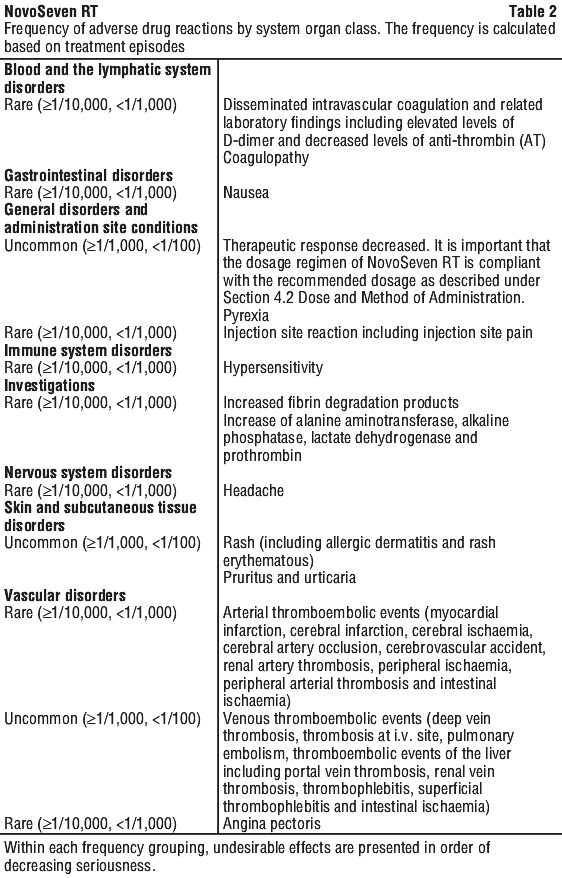
Patients with acquired haemophilia. During clinical trials conducted in 61 patients with acquired haemophilia with a total of 100 treatment episodes, the following adverse drug reactions were reported with a frequency of common (≥ 1/100 to < 1/10): specific arterial thromboembolic events (cerebral artery occlusion, cerebrovascular accident), specific venous thromboembolic events (pulmonary embolism and deep vein thrombosis), angina pectoris, nausea, pyrexia, erythematous rash and investigation of increased levels of fibrin degradation products.
Inhibitory antibody formation. In postmarketing and clinical experience, there have been no confirmed reports of inhibitory antibodies against NovoSeven RT or FVII in patients with haemophilia A or B. Development of inhibitory antibodies to NovoSeven has been reported in a postmarketing observational registry of patients with congenital FVII deficiency.
In clinical trials of patients with factor VII deficiency, formation of antibodies against NovoSeven RT and FVII is the only adverse drug reaction reported (frequency: common (≥ 1/100 to < 1/10)). In some cases, the antibodies showed inhibitory effect in vitro. Risk factors that may have contributed to antibody development including previous treatment with human plasma and/or plasma derived factor VII, severe mutation of FVII gene, and overdose of NovoSeven RT, were present. Patients with factor VII deficiency treated with NovoSeven RT should be monitored for factor VII antibodies (see Section 4.4 Special Warnings and Precautions for Use).
Thromboembolic events outside approved indications. When NovoSeven RT is administered to patients outside approved indications, arterial thromboembolic events are common (≥ 1/100 to < 1/10). A higher risk of arterial thromboembolic adverse events (see Table 2 - Vascular disorders) (5.3% in patients treated with NovoSeven RT versus 2.8% in placebo treated patients) has been shown in a meta-analysis of pooled data from placebo controlled trials conducted outside current approved indications in various clinical settings, each of these having distinct patient characteristics and hence different underlying risk profiles.
Thromboembolic events may lead to cardiac arrest.
Safety and efficacy of NovoSeven RT have not been established outside the approved indications and therefore NovoSeven RT is not recommended.
Postmarketing surveillance. In an observational registry (F7HAEM-3578) covering subjects with congenital FVII deficiency, 3 out of 91 surgical patients experienced thromboembolic events.
Reporting suspected adverse effects. Reporting suspected adverse reactions after registration of the medicinal product is important. It allows continued monitoring of the benefit-risk balance of the medicinal product. Healthcare professionals are asked to report any suspected adverse reactions at www.tga.gov.au/reporting-problems.
4.9 Overdose
Dose limiting toxicities of NovoSeven RT have not been investigated in clinical trials.
A few cases of overdose have been reported in patients with haemophilia. The only complication reported in connection with an overdose was a slight transient increase in blood pressure in a 16 year old patient receiving 24 mg rFVIIa instead of 5.5 mg.
No cases of overdose have been reported in patients with acquired haemophilia or Glanzmann's thrombasthenia.
In patients with factor VII deficiency, where the recommended dose is 15-30 microgram/kg rFVIIa, one episode of overdose has been associated with a thrombotic event (occipital stroke) in an elderly (> 80 years) male patient treated with 10-20 times the recommended dose. In addition, the development of antibodies against NovoSeven and FVII has been associated with overdose in one patient with factor VII deficiency.
The dose schedule should not be intentionally increased above the recommended doses due to the absence of information on the additional risk that may be incurred.
For information on the management of overdose, contact the Poisons Information Centre on 13 11 26 (Australia).
5 Pharmacological Properties
5.1 Pharmacodynamic Properties
Mechanism of action. The role of FVIIa in the induction of haemostasis includes the direct activation of FIX into FIXa and FX into FXa following the binding of FVIIa to exposed tissue factor, initiating the conversion of prothrombin into thrombin. Thrombin leads to the activation of platelets and factors V and VIII at the site of injury and the formation of a haemostatic plug by converting fibrinogen into fibrin.
Pharmacological doses of NovoSeven RT activates FX directly on the surface of activated platelets at the local site of injury, independently of tissue factor. This results in the conversion of prothrombin into large amounts of thrombin, independent of tissue factor. Accordingly, the pharmacodynamic effect of FVIIa gives rise to an increased local formation of FXa, thrombin and fibrin.
A theoretical risk for the development of systemic activation of the coagulation system in patients suffering from underlying diseases predisposing them to disseminated intravascular coagulation (DIC) cannot be totally excluded.
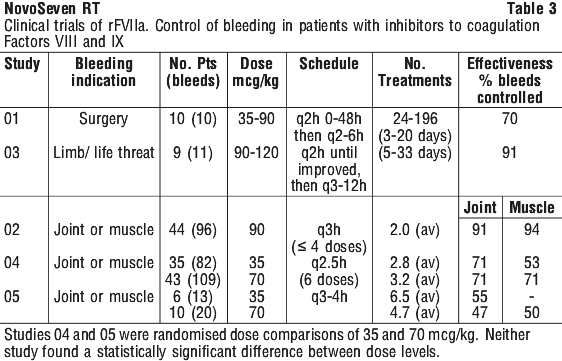
Clinical trials. Inhibitors to coagulation factors VIII or IX. Data from five clinical studies of rFVIIa for control of bleeding in patients with inhibitors to coagulation factors VIII and IX are listed in Table 3. None of the studies used an active or placebo control. All patients were male, with an age range of 1-81 years. Eighty six percent of patients had inhibitors.
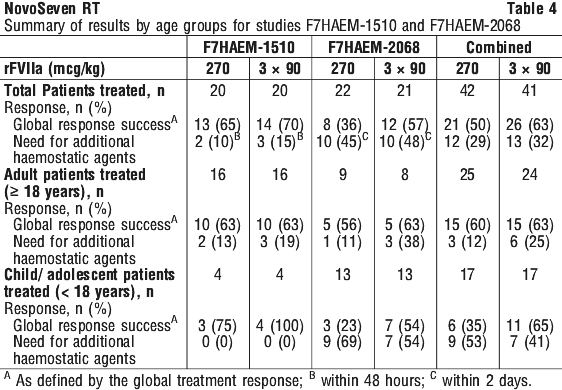
Efficacy and safety of prophylactic use of rFVIIa. The efficacy and safety of a secondary prophylaxis regimen of rFVIIa was demonstrated in a single, double blind, uncontrolled trial (study F7HAEM-1505). The study enrolled subjects with a history of frequent bleeds (> 4 episodes per month). Subjects were followed for an initial 3 month treatment period to establish frequency of bleeding, and were then treated with rFVIIa daily for the next 3 month period. Treatment with rFVIIa 90 microgram/kg once daily resulted in a 45% reduction in bleeding frequency. Median frequency of bleeding decreased from 5.4 per month during the initial observation period to 2.8 per month for the treatment period (p < 0.001). In a further 3 month follow-up period without treatment the median bleeding frequency (3.9 per month) was 27% lower (p < 0.01) than during the initial observation period. The safety and efficacy of prophylactic treatment for periods longer than 3 months have not been established.
Factor VII deficiency. To January 2005, there were efficacy and safety data published on 60 patients with FVII deficiency treated with rFVIIa for 106 treatment episodes. The major part of the clinical experience is derived from 3 compassionate and 1 emergency use programs conducted by Novo Nordisk between 1988 and 1999 on 30 patients with congenital FVII deficiency and 2 patients with acquired FVII deficiency (baseline level of FVII:C < 5%) for a total of 69 treatment episodes. The primary endpoint of treatment was the effective haemostatic control of bleeds and prophylaxis in invasive and surgical procedures.
Summary of efficacy and safety of rFVIIa. The treatment with rFVIIa was rated as effective/ excellent in 86% of serious bleeding episodes and in 96% of the surgical procedures. rFVIIa appeared to be equally effective in children and adults.
Two patients developed antibodies, in one of these cases the antibody was transient and both patients had received prior treatment with products containing plasma FVII.
Efficacy and dose of rFVIIa. The clinical data shows a good efficacy to safety ratio when rFVIIa is used in a bolus injection treatment regimen of 15-30 microgram/kg at dosing intervals of 4-6 hours until haemostasis is secured. Smaller and greater doses of rFVIIa were used with effective outcome.
Glanzmann's thrombasthenia. To November 2004, there were efficacy and safety data published on 89 patients with Glanzmann's thrombasthenia treated with rFVIIa for 151 bleeds and 57 surgical procedures. The major part of the clinical experience is derived from the International Registry on Recombinant Factor VIIa and Congenital Platelet Disorders which reported data on the use of rFVIIa in Glanzmann's thrombasthenia between November 1995 and June 2001. The age of the patients ranged from 0.8 to 72 years. Disease severity based on the percentage of platelet GPIIb/IIIa complexes was known in 55 patients: 80% type I (GPIIb/IIIa < 5% of normal), 13% type II (5-15%) and 7% variant type (dysfunctional GPIIb/IIIa). A number of patients had a history of anti-GPIIb/IIIa or anti-HLA antibodies, or a history of refractoriness to platelet transfusion.
Amongst the 151 bleeding episodes treated with rFVIIa, nosebleeds were the most common (47%), followed by oropharyngeal (22.5%), miscellaneous (18.5%) and gastrointestinal bleeds (12%). rFVIIa was used in 57 invasive/ surgical procedures: 10 major procedures, 26 minor procedures and 21 dental extractions. The primary endpoint of treatment was the effective haemostatic control of bleeds and prophylaxis in invasive and surgical procedures. Treatment efficacy was considered for bleeds where no platelets were transfused during rFVIIa therapy (evaluable bleeds) with therapy considered effective where bleeding ceased within 48 hours of commencement of treatment with rFVIIa.
Summary of efficacy and safety of rFVIIa. Overall, the efficacy of rFVIIa in 147 evaluable bleeds ranged from 55%-79% with haemostasis secured in 61% of cases within 6 hours of the first injection. As prophylaxis for a wide variety of invasive and surgical procedures, rFVIIa was shown to provide effective coverage in 95.5% of the 45 evaluable procedures. The safety results support the safety profile observed to date with rFVIIa in the treatment of bleeding in haemophilia with inhibitors, with three serious adverse events possibly related to rFVIIa treatment reported. Of these three events, two were associated with continuous infusion.
Efficacy of NovoSeven and the presence of antiplatelet antibodies or platelet refractoriness. Of the 57 evaluable bleeds in patients with platelet antibodies or platelet refractoriness recorded in the International Registry on Recombinant Factor VIIa and Congenital Platelet Disorders, 74% were successfully treated and 7% recurred and treatment failed in 19%. Among the remaining 40 evaluable bleeding episodes in patients without platelet refractoriness and antibodies, 70% were successfully treated, 7% recurred and treatment failed in 23%. Thus, no significant difference in efficacy was observed between patients with and without antiplatelet antibodies or platelet refractoriness.
Efficacy and dose of rFVIIa. The clinical data show a good efficacy to safety ratio when rFVIIa is used in a treatment regimen of bolus injection of 80-120 microgram/kg per injection at dosing intervals ≤ 2.5 hours with a minimum of 3 doses to secure effective haemostasis. The prophylaxis of invasive/ surgical procedures may require a more prolonged use of rFVIIa depending on the extent of the procedures.
5.2 Pharmacokinetic Properties
Healthy subjects. The pharmacokinetics of rFVIIa was investigated in 35 healthy Caucasian and Japanese subjects in a dose escalation study. Subjects were stratified according to gender and ethnic group and dosed with 40, 80 and 160 microgram rFVIIa per kg bodyweight and/or placebo (three doses each). The pharmacokinetic profiles indicated dose proportionality. Pharmacokinetics were similar across gender and across ethnic groups. Mean steady-state volume of distribution ranged from 130 to 165 mL/kg, mean values of clearance ranged from 33.3 to 37.2 mL/h x kg, and mean terminal half-life ranged from 3.9 to 6.0 hours.
Inhibitors to coagulation factors VIII or IX. After a single intravenous injection of eptacog alfa (activated) 35-70 microgram/kg to haemophiliac A and B patients with inhibitors (n = 13), mean peak coagulant activity occurred at 10 minutes and returned to normal at 8-12 hours. The mean factor VII coagulant half-life was 2.6 ± 0.5 hours.
Using the activated factor VII (FVIIa) activity assay, the pharmacokinetic properties of rFVIIa were studied in 12 paediatric (2-12 years) and five adult patients. Dose proportionality was established in children for the investigated doses of 90 and 180 microgram/kg bodyweight, which is in accordance with previous findings at lower doses (17.5-70 microgram/kg rFVIIa). Mean clearance was approximately 50% higher in paediatric patients relative to adults (78 versus 53 mL/h x kg), whereas the mean terminal half-life was determined as 2.3 hours in both groups. Mean volume of distribution at steady state was 196 mL/kg in paediatric patients versus 159 mL/kg in adults. Clearance appears related to age and bodyweight, therefore in younger patients clearance may be increased by up to 50%.
Factor VII deficiency. Single dose pharmacokinetics of rFVIIa 15 and 30 microgram/kg showed no significant difference between the two doses with regard to dose independent parameters: total body clearance (70.8 and 79.1 mL/h x kg), volume of distribution at steady state (280-290 mL/kg), mean residence time (3.75-3.80 h), and half-life (2.82-3.11 h). The mean in vivo plasma recovery was approximately 20%. Clearance and volume of distribution parameters were increased in factor VII deficiency patients compared with other patient populations.
Glanzmann's thrombasthenia. The pharmacokinetics of rFVIIa in patients with Glanzmann's thrombasthenia have not been investigated, but is expected to be similar to the pharmacokinetics in haemophilia A and B patients.
5.3 Preclinical Safety Data
Genotoxicity. The clastogenic activity of rFVIIa was evaluated in both in vitro studies (cultured human lymphocytes) and in vivo studies (mouse micronucleus test). Neither of these studies indicated clastogenic activity of rFVIIa. Gene mutation studies (e.g. Ames test) have not been performed with rFVIIa.
Carcinogenicity. No chronic carcinogenicity studies have been conducted with rFVIIa.
6 Pharmaceutical Particulars
6.1 List of Excipients
See Section 2 Qualitative and Quantitative Composition.
6.2 Incompatibilities
NovoSeven RT is intended for intravenous bolus injection only and should not be mixed with infusion solutions or be given in a drip.
6.3 Shelf Life
The shelf life for the product packed for sale is 3 years when the product is stored below 25°C.
In vial. To reduce microbiological hazard, use as soon as practicable after reconstitution. If storage is necessary, hold at 2°C-8°C for not more than 24 hours. Except where described under Use of polypropylene syringe in hospital settings, below, do not store reconstituted NovoSeven RT in syringes - the reconstituted solution should be stored in the vial.
Use of polypropylene syringe in hospital settings. After reconstitution, chemical and physical stability has been demonstrated for 24 hours at 25°C when stored in a polypropylene syringe. The product should only be stored in a polypropylene syringe if reconstitution has taken place in controlled and validated aseptic conditions.
6.4 Special Precautions for Storage
Store below 25°C. Protect from light. Do not freeze. Do not use after the expiry date.
6.5 Nature and Contents of Container
The NovoSeven RT pack contains a single use glass vial of 1.0 mg (50,000 IU), or 2.0 mg (100,000 IU), or 5.0 mg (250,000 IU), or 8.0 mg (400,000 IU), white, lyophilised powder (NovoSeven RT), and the following: a pre-filled syringe containing solvent, and a plunger rod, and a vial adapter.
The powder vials are closed with a latex-free, chlorobutyl rubber stopper, and sealed with an aluminium cap. The vials are equipped with a snap-off polypropylene cap.
The diluent for reconstitution of NovoSeven RT is a 10 mmol solution of histidine in water for injection, is supplied as a clear colourless solution in the pre-filled syringe. The pre-filled syringe is made of a type I glass barrel with a polypropylene backstop and bromobutyl rubber plunger. The syringe cap consists of a bromobutyl rubber and polypropylene tamper evident seal. The plunger rod is made of polypropylene.
6.6 Special Precautions for Disposal
In Australia, any unused medicine or waste material should be disposed of in accordance with local requirements.
6.7 Physicochemical Properties
Chemical structure. Not applicable.
CAS number. 102786-61-8.
7 Medicine Schedule (Poisons Standard)
Unscheduled.
Date of First Approval
01 May 2013
Date of Revision
29 September 2023
Summary Table of Changes

Reasonable care is taken to provide accurate information at the time of creation. This information is not intended as a substitute for medical advice and should not be exclusively relied on to manage or diagnose a medical condition. The Australian Commission on Safety and Quality in Health Care disclaims all liability (including for negligence) for any loss, damage, injury or any other negative effects resulting from reliance on or use of this information. Read our full disclaimer. This website uses cookies. Read our privacy policy.