
Olimel / Periolimel
Brand Information
| Brand name | Olimel / Periolimel |
| Active ingredient | Amino acids + Glucose + Lipids + Sodium + Potassium + Magnesium + Calcium + Phosphate + Acetate + Chloride |
| Schedule | Unscheduled |
Consumer Medicine Information (CMI) leaflet
Please read this leaflet carefully before you start using the Olimel / Periolimel.
Summary CMI
OLIMEL/PeriOLIMEL
Consumer Medicine Information (CMI) summary
The full CMI on the next page has more details. If you are worried about using this medicine, speak to your doctor or pharmacist.
1. Why am I receiving OLIMEL/PeriOLIMEL?
OLIMEL/PeriOLIMEL is a nutrition source that a doctor or nurse gives you directly into your veins. The main ingredients are amino acids, fats, glucose, and – in some mixtures – salts. OLIMEL/PeriOLIMEL is used for adults who cannot sufficiently eat or absorb food normally through their mouth or stomach.
For more information, see Section 1. Why am I receiving OLIMEL/PeriOLIMEL? in the full CMI.
2. What should I know before I receive OLIMEL/PeriOLIMEL?
Do not use if you have ever had an allergic reaction to any of the ingredients listed at the end of the CMI.
Talk to your doctor if you have any other medical conditions, take any other medicines, or are pregnant or plan to become pregnant or are breastfeeding.
For more information, see Section 2. What should I know before I receive OLIMEL/PeriOLIMEL? in the full CMI.
3. What if I am taking other medicines?
Some medicines may interfere with OLIMEL/PeriOLIMEL and affect how it works.
A list of these medicines is in Section 3. What if I am taking other medicines? in the full CMI.
4. How is OLIMEL/PeriOLIMEL given?
- Your doctor or nurse will give OLIMEL/PeriOLIMEL as a slow, continuous infusion into a large vein near your heart (central vein). Your doctor or nurse can give PeriOLIMEL through a vein that is in your hand, arm or leg, instead of into a central vein.
- The drip usually runs between 12 and 24 hours. Your doctor will advise how long it will take.
- Your doctor will determine the amount of OLIMEL/PeriOLIMEL that is right for you. They will closely monitor your condition and your blood during treatment to ensure that you safely receive the right amount.
More instructions can be found in Section 4. How is OLIMEL/PeriOLIMEL given? in the full CMI.
5. What should I know while receiving OLIMEL/PeriOLIMEL?
| Things you should do |
|
| Things you should not do |
|
| Driving or using machines |
|
| Drinking alcohol |
|
| Looking after your medicine |
|
For more information, see Section 5. What should I know while receiving OLIMEL/PeriOLIMEL? in the full CMI.
6. Are there any side effects?
For more information on what to do if you have any side effects, see Section 6. Are there any side effects? in the full CMI.
Full CMI
OLIMEL/PeriOLIMEL
Active ingredient(s): amino acids, glucose, lipids and with/without electrolytes (see product details for full list)
Consumer Medicine Information (CMI)
This leaflet provides important information about using OLIMEL/PeriOLIMEL. You should also speak to your doctor, nurse or pharmacist if you would like further information or if you have any concerns or questions about receiving OLIMEL/PeriOLIMEL.
Where to find information in this leaflet:
1. Why am I receiving OLIMEL/PeriOLIMEL?
2. What should I know before I receive OLIMEL/PeriOLIMEL?
3. What if I am taking other medicines?
4. How is OLIMEL/PeriOLIMEL given?
5. What should I know while receiving OLIMEL/PeriOLIMEL?
6. Are there any side effects?
7. Product details
1. Why am I receiving OLIMEL/PeriOLIMEL?
OLIMEL/PeriOLIMEL is a nutrition source that a doctor or nurse gives you directly into your veins.
The main ingredients in OLIMEL/PeriOLIMEL are:
- Amino Acids: These are the building blocks of protein, which your body needs for things like building and repairing tissues, healing wounds, and keeping your immune system working.
- Glucose: This is a type of sugar, and it's your body's main source of quick energy.
- Lipids: This is fat, made from a mix of olive oil and soya oil. Fats provide energy and also give you essential fatty acids that your body needs but can't produce on its own.
- Salts: Some mixtures of OLIMEL/PeriOLIMEL also contain important salts (electrolytes), including sodium, potassium and other salts. Other mixtures don't have these added, allowing doctors to give you these minerals separately if needed.
OLIMEL/PeriOLIMEL is used for adults who cannot sufficiently eat or absorb food normally through their mouth or stomach. This can happen for various reasons, such as after surgery, if you have severe malnutrition, or if feeding through a tube isn't possible.
2. What should I know before I receive OLIMEL/PeriOLIMEL?
Warnings
Do not have OLIMEL/PeriOLIMEL if you:
- are allergic to any of the active or inactive ingredients listed at the end of this leaflet. Always check the ingredients to make sure you can use this medicine.
- have a known allergy to egg or soy, peanuts, and/or corn or corn products
- have problems processing amino acids
- have severe problems digesting fat, resulting in very high blood fat levels
- have very high blood sugar levels
- your condition is considered medically unstable (e.g. stroke, heart attack or severe trauma)
If you have very high blood levels of sodium, potassium, magnesium, calcium and/or phosphate, you must not use mixtures of OLIMEL/PeriOLIMEL that contain salts.
OLIMEL/PeriOLIMEL must not be given to newborn babies, infants and children under 2 years old.
Check with your doctor if you:
- have any other medical conditions
- have heart, lung, liver or kidney problems
- have an infection
- have too much acid in the blood
- have diabetes
- have a bleeding disorder or low blood iron (anaemia)
- have high levels of fats in the blood
- take any medicines for any other condition
During treatment, you may be at risk of developing certain side effects. It is important you understand these risks and how to monitor for them. See additional information under Section 6. Are there any side effects?
Pregnancy and breastfeeding
Check with your doctor if you are pregnant or intend to become pregnant.
Talk to your doctor if you are breastfeeding or intend to breastfeed.
3. What if I am taking other medicines?
Tell your doctor or pharmacist if you are taking any other medicines, including any medicines, vitamins or supplements that you buy without a prescription from your pharmacy, supermarket or health food shop.
OLIMEL/PeriOLIMEL may interfere with how some medicines work:
- warfarin, a medicine used to thin the blood
- some medicines used for lowering blood pressure (such as ACE inhibitors, angiotensin II receptor antagonists)
- medicines used in transplant patients to suppress the immune system (cyclosporin, tacrolimus)
- certain antibiotics, including ampicillin and ceftriaxone
- fosphenytoin, a medicine used for seizures
Check with your doctor or pharmacist if you are not sure about what medicines, vitamins or supplements you are taking and if these affect OLIMEL/PeriOLIMEL.
4. How is OLIMEL/PeriOLIMEL given?
How it is given
- Your doctor or nurse will give OLIMEL/PeriOLIMEL as a slow, continuous infusion into a large vein near your heart (central vein).
- PeriOLIMEL may be given through a vein that is in your hand, arm or leg.
- The drip usually runs between 12 and 24 hours. Your doctor will advise how long it will take.
How much is given
- Your doctor will determine the amount of OLIMEL/PeriOLIMEL that's right for you.
- Your doctor will closely monitor your condition and your blood during treatment to ensure that you receive the right amount.
- Your doctor may need to adjust your dose depending on your response.
If you are given too much OLIMEL/PeriOLIMEL
As OLIMEL/PeriOLIMEL will be given to you by a doctor or nurse, it is unlikely that you will be given an overdose.
Your doctor will regularly monitor your condition and test your blood and urine to prevent an overdose. Your doctor has information on how to prevent an overdose.
However, if you are given too much OLIMEL/PeriOLIMEL or it is infused too quickly, you may feel unwell and have nausea, vomiting, and shivering.
If you think too much OLIMEL/PeriOLIMEL has been given, you may need urgent medical attention.
You should immediately:
- phone the Poisons Information Centre
(by calling 13 11 26), or - contact your doctor, or
- go to the Emergency Department at your nearest hospital.
You should do this even if there are no signs of discomfort or poisoning.
5. What should I know while receiving OLIMEL/PeriOLIMEL?
Things you should do
Remind any doctor, nurse, dentist or pharmacist you visit that you are using OLIMEL/PeriOLIMEL.
Things you should not do
- Do not stop using this medicine suddenly.
Driving or using machines
Be careful before you drive or use any machines or tools until you know how OLIMEL/PeriOLIMEL affects you.
How OLIMEL/PeriOLIMEL affects the safe use of vehicles, machines or tools has not been studied.
Drinking alcohol
Tell your doctor if you drink alcohol.
The effects of alcohol on OLIMEL/PeriOLIMEL are not known. Your doctor will advise what you should do.
Looking after your medicine
- Store this product in its original pouch (‘overpouch’)
below 25 degrees Celsius. Do not freeze.
Follow the instructions in the carton, or given by your doctor, on how to take care of your medicine properly.
Store it in a cool dry place away from moisture, heat or sunlight; for example, do not store it:
- in the bathroom or near a sink, or
- in the car or on window sills.
Keep it where young children cannot reach it.
When to discard your medicine
Do not use infusion bags that have passed the expiry date or if the container is damaged.
Getting rid of any unwanted medicine
The infusion is for single use, and for one person only. Any unused portion must be discarded and not used later, either for you or anyone else.
If you no longer need to use this medicine or it is out of date, take it to any pharmacy for safe disposal.
Do not use this medicine after the expiry date.
6. Are there any side effects?
All medicines can have side effects. If you do experience any side effects, most of them are minor and temporary. However, some side effects may need medical attention.
See the information below and, if you need to, ask your doctor or pharmacist if you have any further questions about side effects.
Less serious side effects
| Less serious side effects | What to do |
| Speak to your doctor if you have any of these less serious side effects and they worry you. |
Serious side effects
| Serious side effects | What to do |
Allergic reaction-related:
| Call your doctor straight away, or go straight to the Emergency Department at your nearest hospital if you notice any of these serious side effects. |
Tell your doctor or pharmacist if you notice anything else that may be making you feel unwell.
Other side effects not listed here may occur in some people.
Reporting side effects
After you have received medical advice for any side effects you experience, you can report side effects to the Therapeutic Goods Administration online at www.tga.gov.au/reporting-problems. By reporting side effects, you can help provide more information on the safety of this medicine.
Always make sure you speak to your doctor or pharmacist before you decide to stop taking any of your medicines.
7. Product details
This medicine is only available with a doctor's prescription.
What OLIMEL/PeriOLIMEL contains
| Active ingredients (main ingredients) |
|
| Other ingredients (inactive ingredients) |
|
| Potential allergens | Egg lecithin, Soya oil |
Do not take this medicine if you are allergic to any of these ingredients. Cross allergic reaction has been observed between soybean and peanut.
What OLIMEL/PeriOLIMEL looks like
OLIMEL/PeriOLIMEL comes in a plastic bag composed of 3 compartments to be mixed before use. When mixed, the combined solution is milky white.
There are eight different strengths that contain different amounts of the ingredients:
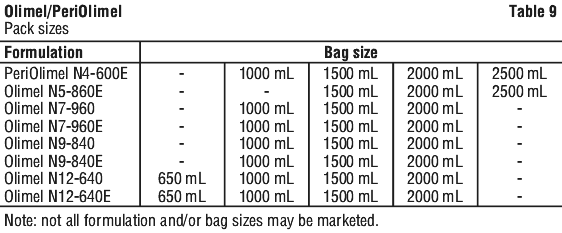
| Product name | Bag size(s), mL | AUST R |
| PeriOLIMEL N4-600E | 1000, 1500, 2000, 2500 | 197419 |
| OLIMEL N5-860E | 1500, 2000, 2500 | 197417 |
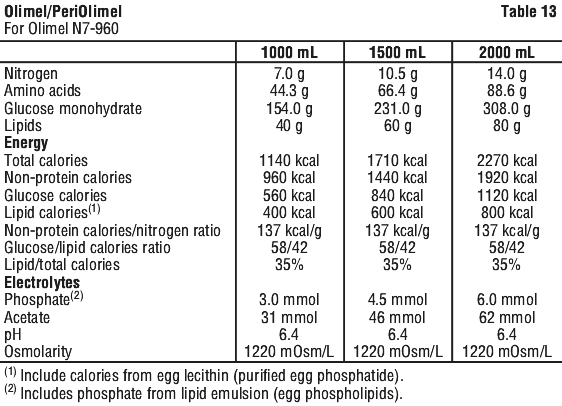
| OLIMEL N7-960 | 1000, 1500, 2000 | 197421 |
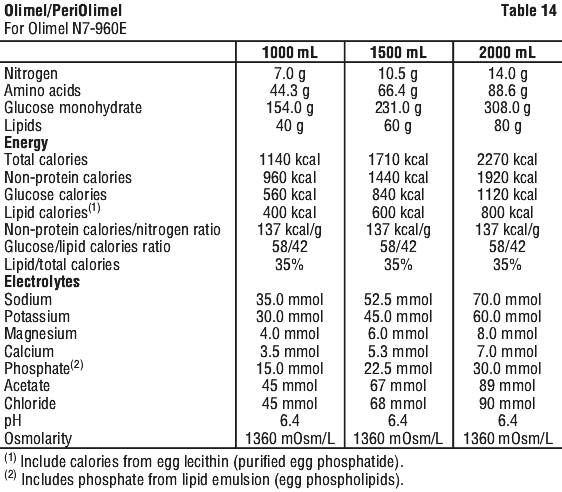
| OLIMEL N7-960E | 1000, 1500, 2000 | 197418 |
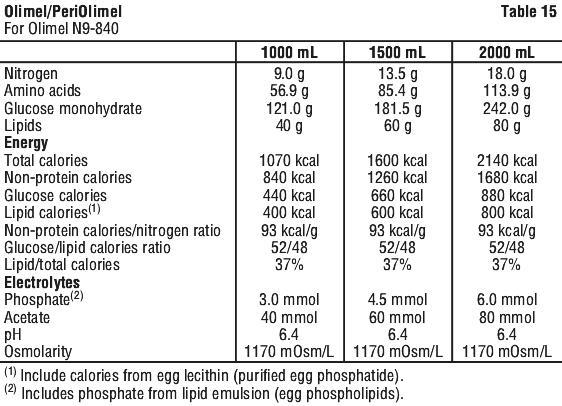
| OLIMEL N9-840 | 1000, 1500, 2000 | 197416 |
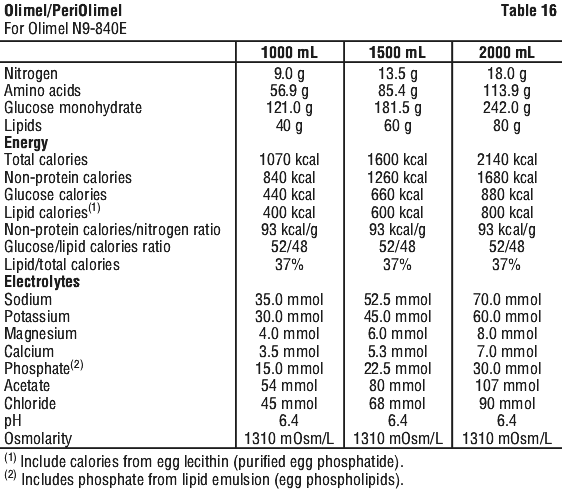
| OLIMEL N9-840E | 1000, 1500, 2000 | 197420 |
| OLIMEL N12-640 | 650, 1000, 1500, 2000 | 303755 |
| OLIMEL N12-640E | 650, 1000, 1500, 2000 | 303864 |
Not all products and/or bag sizes may be marketed.
Who distributes OLIMEL/PeriOLIMEL
Baxter Healthcare Pty Ltd
1 Baxter Drive
Old Toongabbie
NSW 2146
Australia
This leaflet was prepared in August 2025
Baxter, OLIMEL and PeriOLIMEL are trademarks of Baxter International Inc.
Brand Information
| Brand name | Olimel / Periolimel |
| Active ingredient | Amino acids + Glucose + Lipids + Sodium + Potassium + Magnesium + Calcium + Phosphate + Acetate + Chloride |
| Schedule | Unscheduled |
MIMS Revision Date: 01 December 2019
1 Name of Medicine
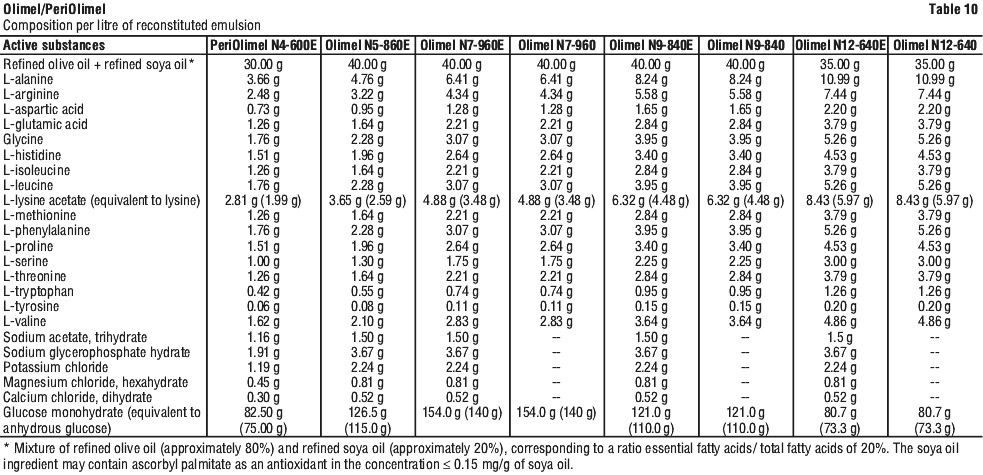
Olimel/PeriOlimel with electrolytes. Alanine, arginine, aspartic acid, glutamic acid, glycine, histidine, isoleucine, leucine, lysine acetate, methionine, phenylalanine, proline, serine, threonine, tryptophan, tyrosine, valine, sodium acetate trihydrate, sodium glycerophosphate hydrate, potassium chloride, magnesium chloride hexahydrate, calcium chloride dihydrate, glucose monohydrate, olive oil and soya oil.
Olimel without electrolytes. Alanine, arginine, aspartic acid, glutamic acid, glycine, histidine, isoleucine, leucine, lysine acetate, methionine, phenylalanine, proline, serine, threonine, tryptophan, tyrosine, valine, glucose monohydrate, olive oil and soya oil.
2 Qualitative and Quantitative Composition
Olimel/PeriOlimel is presented in the form of a 3-compartment bag. The individual compartments contain a glucose solution, a lipid emulsion and an amino acid solution (with/without electrolytes). In products containing electrolytes, calcium is included in the glucose solution compartment and other electrolytes are in the amino acid solution compartment. There are 7 different formulations of Olimel (4 with electrolytes and 3 without electrolytes) and one formulation of PeriOlimel. The general composition of the formulations are summarised in Table 1.
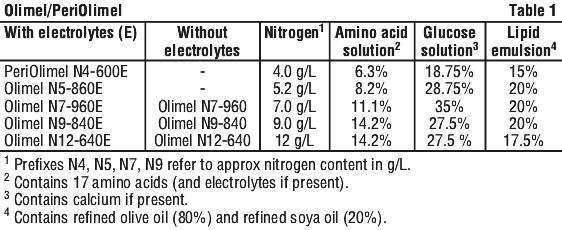
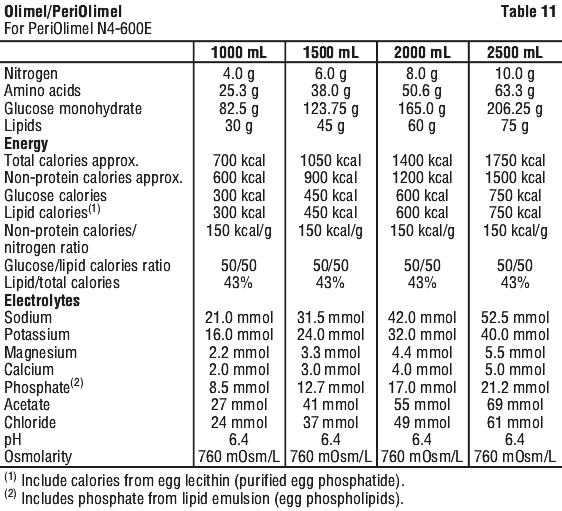
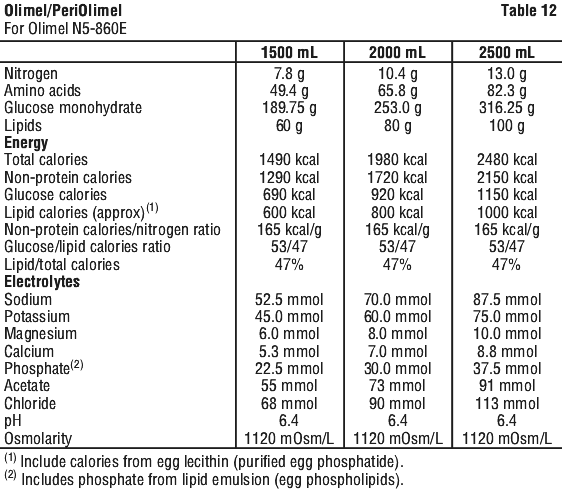
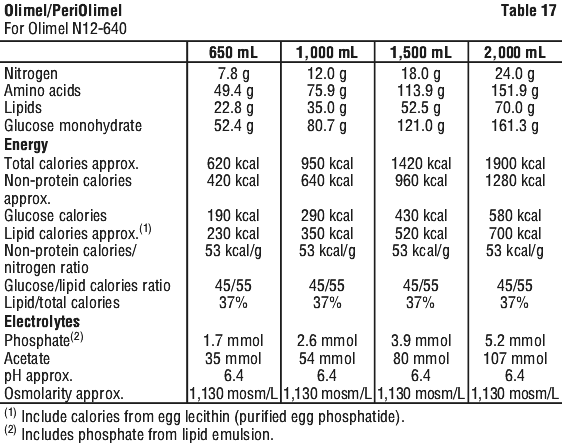
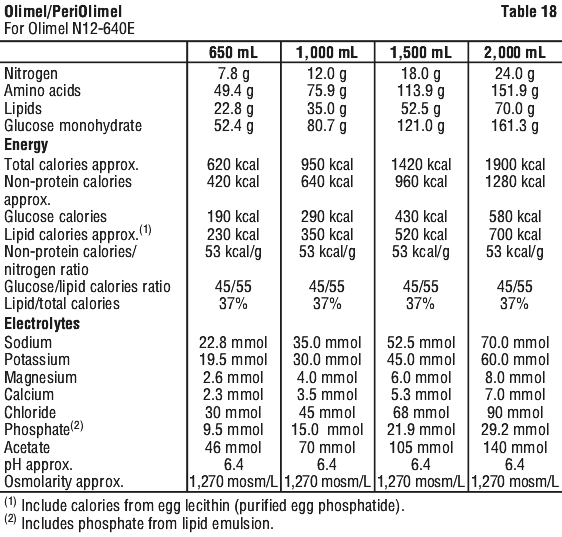
For the detailed formulations, see Appendix 1 (Table 10-18).
3 Pharmaceutical Form
Olimel/PeriOlimel is an emulsion for intravenous infusion.
Appearance before reconstitution:
the amino acid and glucose solutions are clear and colourless or slightly yellow;
the lipid emulsion is a homogeneous liquid with a milky appearance.
After reconstitution/mixing of the contents of the 3 compartments, Olimel/PeriOlimel is a milk-like homogeneous liquid. The composition of the 3-in-1 admixture for each of the bag presentations are provided in Appendix 1 (see Tables 10-18).
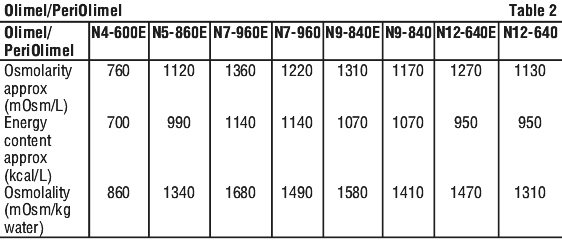
Olimel/PeriOlimel is a hypertonic emulsion. The osmolarity, osmolality and energy contents of the formulations are as follows. (See Table 2.)
4 Clinical Particulars
4.1 Therapeutic Indications
Olimel/PeriOlimel is indicated for parenteral nutrition for adults when oral or enteral nutrition is impossible, insufficient or contraindicated.
4.2 Dose and Method of Administration
Use in one patient on one occasion only. It is recommended that after opening the bag, the contents should be used immediately, and not stored for subsequent infusion.
Due to its low osmolarity (760 mOsmol/L), PeriOlimel N4-600E can be administered through a peripheral or central vein. Due to its high osmolarity (1120-1360 mOsmol/L), Olimel N5-860E, N7-960E, N7-060, N9-840E, N9-840, N12-640 and N12-640E must only be administered through a central vein.
Although there is a natural content of trace elements and vitamins in the product, the levels are insufficient to meet body requirements. Trace elements and vitamins should be added in sufficient quantities to meet individual patient requirements and to prevent deficiencies from developing.
Adults. The dosage depends on the patient's energy expenditure, clinical status, body weight and ability to metabolise constituents of Olimel/PeriOlimel, as well as on additional energy or proteins given orally/enterally. Thus, the bag size should be then chosen with regard to the patient's body weight.
The average daily requirements for adults are:
Protein: 0.16 to 0.35 g nitrogen/kg body weight (1 to 2 g of amino acids/kg) depending on the patient's nutritional status and degree of catabolic stress. Special populations may require up to 0.4 g nitrogen/ kg body weight (2.5 g of amino acids/ kg).
Energy: 20 to 40 kcal/kg.
Fluid: 20 to 40 mL fluid/kg or 1 to 1.5 mL per expended kcal.
Maximum daily dose. The maximum daily dose varies with the clinical condition of the patient and may even change from day to day.
PeriOlimel N4-600E. For PeriOlimel, the maximum daily dose is defined by fluid intake, 40 mL/kg, corresponding to 1 g/kg amino acids, 3 g/kg glucose, 1.2 g/kg lipids, 0.8 mmol/kg sodium, and 0.6 mmol/kg potassium.
For example, for a 70 kg patient, this would be equivalent to 2,800 mL PeriOlimel per day, resulting in an intake of 71 g amino acids, 210 g glucose, and 84 g lipids (i.e. 1,680 non-protein kcal and 1,960 total kcal).
Olimel N5-860E. For Olimel N5E, the maximum daily dose is defined by fluid intake, 40 mL/kg, corresponding to 1.3 g/kg amino acids, 4.6 g/kg glucose, 1.6 g/kg lipids, 1.4 mmol/kg sodium, and 1.2 mmol/kg potassium.
For example, for a 70 kg patient, this would be equivalent to 2,800 mL Olimel per day, resulting in an intake of 92 g amino acids, 322 g glucose, and 112 g lipids (i.e. 2,408 non-protein kcal and 2,772 total kcal).
Olimel N7-960E. For Olimel N7E, the maximum daily dose is defined by total caloric intake, 40 kcal/kg provided in a volume of 35 mL/kg, corresponding to 1.5 g/kg amino acids, 4.9 g/kg glucose, 1.4 g/kg lipids, 1.2 mmol/kg sodium, and 1.1 mmol/kg potassium.
For example, for a 70 kg patient, this would be equivalent to 2,450 mL Olimel per day, resulting in an intake of 108 g amino acids, 343 g glucose, and 98 g lipids (i.e. 2,352 non-protein kcal and 2,793 total kcal).
Olimel N9-840E. For Olimel N9E, the maximum daily dose is defined by amino acids intake, 35 mL/kg corresponding to 2.0 g/kg amino acids, 3.9 g/kg glucose, 1.4 g/kg lipids, 1.2 mmol/kg sodium, and 1.1 mmol/kg potassium.
For example, for a 70 kg patient, this would be equivalent to 2,450 mL Olimel per day, resulting in an intake of 140 g amino acids, 270 g glucose, and 98 g lipids (i.e. 2,058 non-protein kcal and 2,622 total kcal).
Olimel N7-960. For Olimel N7, the maximum daily dose is defined by total caloric intake, 40 kcal/kg provided in a volume of 35 mL/kg, corresponding to 1.5 g/kg amino acids, 4.9 g/kg glucose, and 1.4 g/kg lipids.
For example, for a 70 kg patient, this would be equivalent to 2,450 mL Olimel per day, resulting in an intake of 108 g amino acids, 343 g glucose, and 98 g lipids (i.e. 2,352 non-protein kcal and 2,793 total kcal).
Olimel N9-840. For Olimel N9, the maximum daily dose defined by amino acids intake, 35 mL/kg corresponding to 2.0 g/kg amino acids, 3.9 g/kg glucose, and 1.4 g/kg lipids.
For example, for a 70 kg patient, this would be equivalent to 2,450 mL Olimel per day, resulting in an intake of 140 g amino acids, 270 g glucose, and 98 g lipids (i.e. 2,058 non-protein kcal and 2,622 total kcal).
Olimel N12-640E/N12-640. For Olimel N12-640E/N12-640, the maximum daily dose defined by amino acids intake, 26 mL/kg corresponding to 2.0 g/kg amino acids, 1.9g/kg glucose, and 0.9 g/kg lipids.
For example, for a 70 kg patient, this would be equivalent to 1,820 mL Olimel per day, resulting in an intake of 138 g amino acids, 133 g glucose, and 64 g lipids (i.e. 1,171 non-protein kcal and 1,723 total kcal).
In continuous renal replacement therapy (CRRT) and patients with morbid obesity. For Olimel N12-640E/N12-640, the maximum daily dose is defined by amino acids intake, 33 mL/kg corresponding to 2.5 g/kg amino acids, 2.4 g/kg glucose, 1.2 g/kg lipids.
For example, for a 70 kg patient, this would be equivalent to 2,310 mL Olimel N12-640E/N12-640 per day, resulting in an intake of 175 g amino acids, 169 g glucose, and 81 g lipids (i.e. 1,486 non-protein kcal and 2,187 total kcal).
The maximum daily dose should not be exceeded. Due to the static composition of the multi-chamber bag, the ability to simultaneously meet all nutrient needs of the patient may not be possible. Clinical situations may exist where patients require amounts of nutrients varying from the composition of the static bag. In this situation the impact of any volume (dose) adjustments must be taken into consideration the resultant effect this will have on the dosing of all other nutrient components of Olimel.
The flow rate should be increased gradually during the first hour. The administration flow rate must be adjusted taking into account the dose being administered, the daily volume intake and the duration of the infusion.
PeriOlimel N4-600E. For PeriOlimel N4E, the maximum infusion rate is 3.2 mL/kg/hour, corresponding to 0.08 g/kg/hour amino acids, 0.24 g/kg/hour glucose, and 0.10 g/kg/hour lipids.
Olimel N5-860E. For Olimel N5E, the maximum infusion rate is 2.1 mL/kg/hour, corresponding to 0.07 g/kg/hour amino acids, 0.24 g/kg/hour glucose, and 0.08 g/kg/hour lipids.
Olimel N7-960E/N7-960. For Olimel N7E/N7, the maximum infusion rate is 1.7 mL/kg/hour, corresponding to 0.08 g/kg/hour amino acids, 0.24 g/kg/hour glucose, and 0.07 g/kg/hour lipids.
Olimel N9-840E/N9-840. For Olimel N9E/N9, the maximum infusion rate is 1.8 mL/kg/hour, corresponding to 0.10 g/kg/hour amino acids, 0.19 g/kg/hour glucose, and 0.07 g/kg/hour lipids.
Olimel N12-640E/N12-640. For Olimel N12-640/N12-640E, the maximum infusion rate is 1.3 mL/kg/hour, corresponding to 0.10 g/kg/hour amino acids, 0.10 g/kg/hour glucose, and 0.05 g/kg/hour lipids.
The recommended duration of infusion for a parenteral nutrition bag is between 12 and 24 hours. Treatment with parenteral nutrition may be continued for as long as is required by the patient's condition.
Method of preparation. Before opening the overpouch, check the colour of the oxygen indicator. Compare it to the reference colour printed next to the OK symbol and depicted in the printed area of the indicator label. Do not use the product if the colour of the oxygen indicator does not correspond to the reference colour printed next to OK symbol.
Preparation for administration. a) To open. Remove the protective overpouch.
Discard the oxygen absorber/ oxygen indicator sachet.
Confirm the integrity of the bag and of the non-permanent seals.
Use only if the bag is not damaged, if the non-permanent seals are intact (i.e. no mixture of the contents of the three compartments), if the amino acids solution and the glucose solution are clear, colourless or slightly yellow, practically free of visible particles, and if the lipid emulsion is a homogeneous liquid with a milky appearance.
b) Mixing the solutions and the emulsion. Ensure that the product is at room temperature when breaking the non-permanent seals.
Manually roll the bag onto itself, starting at the top of the bag (hanger end). The non-permanent seals will disappear from the side near the inlets. Continue to roll until the seals are open along approximately half of their length. Mix by inverting the bag at least 3 times.
After reconstitution, the mixture is a homogeneous emulsion with a milky appearance.
c) Additions. The capacity of the bag is sufficient to enable additions such as vitamins, electrolytes and trace elements. Any addition (including vitamins) may be made into the reconstituted mixture (after the non-permanent seals have been opened and after the contents of the three compartments have been mixed). Vitamins may also be added into the glucose compartment before the mixture is reconstituted (before opening the non-permanent seals and before mixing the 3 compartments).
When making additions to the formulation, the final osmolarity of the mixture should be measured before administration via a peripheral vein.
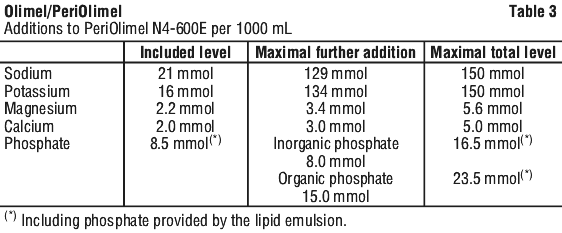
The maximum total levels of sodium, magnesium, potassium and calcium listed in the table below were demonstrated by stability data and should not be considered dosage recommendations.
Electrolyte supplementation should be dictated by the patients clinical needs and should not exceed nutritional guidelines. When making additions to formulations containing electrolytes, the amount of electrolytes already present in the bag should be taken into account.
Additions must be performed by qualified personnel under aseptic conditions.
Olimel/PeriOlimel may only be added to medicinal or nutritional solutions for which compatibility has been documented.
PeriOlimel N4-600E may be supplemented with electrolytes according to Table 3.
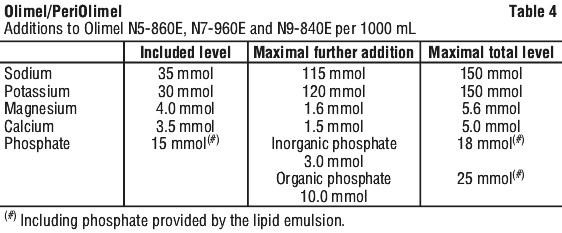
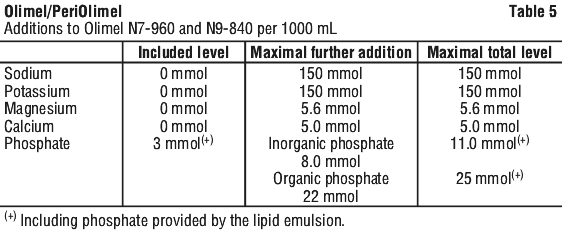
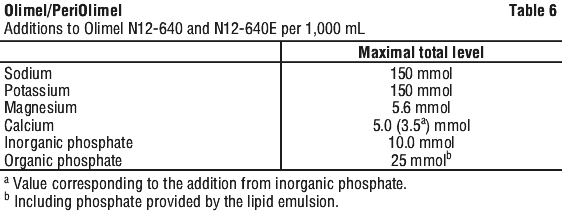
For further compatibility information with the different products and storage conditions of the different admixtures please contact Baxter Healthcare.
To perform an addition:
Aseptic conditions must be observed.
Prepare the injection site of the bag.
Puncture the injection site and inject the additives using an injection needle or a reconstitution device.
Mix content of the bag and the additives.
d) Preparation of the infusion. Aseptic conditions must be observed.
Suspend the bag.
Remove the plastic protector from the administration outlet.
Firmly insert the spike of the infusion set into the administration outlet.
e) Administration. Use in one patient on one occasion only.
Only administer the product after the non-permanent seals between the three compartments have been broken and the contents of the three compartments have been mixed. Ensure that the final emulsion for infusion does not show any evidence of phase separation.
After opening the bag, the content must be used immediately, and should not be stored for a subsequent infusion. Do not reconnect any partially used bag.
Do not connect in series in order to avoid the possibility of air embolism due to gas contained in the first bag.
Any unused product or waste material and all necessary disposable devices must be discarded.
4.3 Contraindications
Use of Olimel/PeriOlimel is contraindicated in the following situations:
in premature neonates, infants and children less than 2 years old;
known hypersensitivity to egg or soya proteins, peanut protein, corn (maize) and corn products, components of the container, or to any of the ingredients including active substances and/or excipients;
congenital abnormalities of amino acid metabolism;
severe hyperlipidaemia or severe disorders of lipid metabolism characterised by hypertriglyceridaemia;
severe hyperglycaemia;
unstable conditions (for example, following severe post-traumatic conditions, acute phase of circulatory shock, acute myocardial infarction, severe sepsis and hyperosmolar coma);
Olimel/PeriOlimel formulations with electrolytes must not be administered to patients with pathologically elevated plasma concentrations of sodium, potassium, magnesium, calcium and/or phosphorus.
Use with caution in patients with severe liver insufficiency, including cholestasis or elevated liver enzymes. Liver function parameters should be closely monitored.
4.4 Special Warnings and Precautions for Use
Allergic reactions. The infusion must be stopped immediately if any signs or symptoms of an allergic reaction (such as fever, shivering, skin rashes or dyspnoea) develop.
Olimel and PeriOlimel contain glucose. Solutions containing glucose should be used with caution in patients with known allergy to corn or corn products.
Pulmonary. Pulmonary vascular precipitates causing pulmonary vascular emboli and pulmonary distress have been reported in patients receiving parenteral nutrition. In some cases, fatal outcomes have occurred. Excessive addition of calcium and phosphate increases the risk of the formation of calcium phosphate precipitates. Precipitates have been reported even in the absence of phosphate salt in the solution. Suspected precipitate formation in the blood stream have also been reported.
In addition to inspection of the solution, the infusion set and catheter should also periodically be checked for precipitates.
If signs of pulmonary distress occur, the infusion should be stopped and medical evaluation initiated.
Compatibility. No additions to the bag should be made without first checking the compatibility, as formation of precipitates or destabilisation of the lipid emulsion could result in vascular occlusion (see Section 4.5 Interactions with Other Medicines and Other Forms of Interactions).
Ceftriaxone must not be administered simultaneously with intravenous calcium-containing solutions, including Olimel/PeriOlimel, through the same infusion line (e.g. via Y-connector) because of the risk of precipitation of ceftriaxone-calcium salt.
If the same infusion line is used for sequential administration, the line must be thoroughly flushed with a compatible fluid between infusions.
Infection and sepsis. Infection and sepsis may occur as a result of the use of intravenous catheters to administer parenteral formulations, poor maintenance of catheters or contaminated solutions. Immunosuppression by drugs and other factors such as hyperglycaemia, malnutrition and/or their underlying disease state may predispose patients to infectious complications. Careful symptomatic and laboratory monitoring for fever/chills, leukocytosis, technical complications with the access device, and hyperglycaemia can help recognise early infections. The occurrence of septic complications can be decreased with heightened emphasis on aseptic technique in catheter placement, maintenance, as well as aseptic technique in nutritional formula preparation.
Fat overload syndrome. "Fat overload syndrome" has been reported with similar products. This may be caused by inappropriate administration (e.g. overdose and/or infusion rate higher than recommended, see Section 4.9 Overdose); however, the signs and symptoms of this syndrome may also occur when the product is administered according to instructions. The reduced or limited ability to metabolise the lipids contained in Olimel/PeriOlimel accompanied by prolonged plasma clearance may result in a fat overload syndrome. This syndrome is associated with a sudden deterioration in the patient's clinical condition and is characterised by findings such as fever, anaemia, leucopenia, thrombocytopenia, coagulation disorders, hyperlipidaemia, liver fatty infiltration (hepatomegaly), deteriorating liver function, and central nervous system manifestations (e.g. coma). The syndrome is usually reversible when the infusion of the lipid emulsion is stopped.
Refeeding syndrome. Refeeding severely undernourished patients may result in the refeeding syndrome that is characterised by the shift of potassium, phosphorus and magnesium intracellularly as the patient becomes anabolic. Thiamine deficiency and fluid retention may also develop. Careful monitoring and slowly increasing nutrient intakes while avoiding overfeeding can prevent these complications. This syndrome has been reported with similar products.
Preparation and administration. If the final mixture is hypertonic, it may cause irritation of the vein when administered into a peripheral vein.
While PeriOlimel N4-600E may be administered through a peripheral vein, thrombophlebitis may develop. The catheter insertion site must be monitored daily for local signs of thrombophlebitis.
Olimel N5-860E, N7-960, N7-960E, N9-840, N9-840E, N12-640 and N12-640E must only be administered through a central vein.
Do not connect bags in series in order to avoid air embolism due to possible residual gas contained in the primary bag.
Do not add other medicinal products or substances to one of the three components of the bag or to the reconstituted emulsion without first confirming their compatibility and the stability of the resulting preparation (in particular, stability of the lipid emulsion).
Extravasation. Extravasation has been reported with the administration of Olimel/PeriOlimel. Catheter site should be monitored regularly to identify signs of extravasation.
If extravasation occurs the administration should be stopped immediately, keeping the inserted catheter or cannula in place for immediate management of the patient. If possible, aspiration should be performed through the inserted catheter/ cannula in order to reduce the amount of fluid present in the tissues before removing the catheter/ cannula.
Depending on the extravasated product (including the product(s) being mixed with Olimel, if applicable) and the stage/extent of any injury, appropriate specific measures should be taken. Options for management may include non-pharmacologic, pharmacologic and/or surgical intervention. In case of large extravasation, plastic surgeon advice should be sought within the first 72 hours.
The extravasation site should be monitored at least every 4 hours during the first 24 hours, then once daily.
The infusion should not be restarted in the same central vein.
Monitoring. Monitor water and electrolyte balance, serum osmolarity, serum triglycerides, acid/base balance, blood glucose, liver and kidney function, and blood count, including platelets and coagulation parameters throughout treatment.
Hypercalciuria may occur in high-protein dose PN, and patients should be monitored for metabolic consequences. In particular, calcium and phosphate levels should be monitored.
In addition, regular clinical and laboratory tests are required particularly in cases of:
amino acid metabolism disorders (see Section 4.3 Contraindications);
hepatic insufficiency because of the risk of developing or worsening neurological disorders associated with hyperammonaemia;
renal insufficiency, particularly if hyperkalaemia is present; risk of developing or worsening metabolic acidosis and hyperazotaemia if extra-renal waste removal is not being performed;
metabolic acidosis (administration of carbohydrates is not recommended in the presence of lactic acidosis);
diabetes mellitus: monitoring of glucose concentrations, glucosuria, ketonuria and, where applicable, adjustment of insulin dosages;
coagulation disorders;
anaemia;
hyperlipidaemia (because of the presence of lipids in the emulsion for infusion).
The blood count and coagulation factors must be monitored more carefully during long-term administration (several weeks).
Cardiovascular. Use with caution in patients with pulmonary oedema or heart failure. Fluid status should be closely monitored.
Endocrine and metabolism. Metabolic complications may occur if the nutrient intake is not adapted to the patient's requirements, or the metabolic capacity of any given dietary component is not accurately assessed. Adverse metabolic effects may arise from administration of inadequate or excessive nutrients or from inappropriate composition of an admixture for a particular patient's needs.
Serum triglyceride concentrations and the ability of the body to metabolise lipids must be checked regularly. If a lipid metabolism abnormality is suspected, monitoring of serum triglycerides is recommended as clinically necessary.
In the event of hyperglycaemia, the infusion rate of Olimel/PeriOlimel must be adjusted and/or insulin administered.
Hepatobiliary disorders. Hepatobiliary disorders including cholestasis, hepatic steatosis, fibrosis and cirrhosis, possibly leading to hepatic failure, as well as cholecystitis and cholelithiasis are known to develop in some patients on parenteral nutrition. The etiology of these disorders is thought to be multifactorial and may differ between patients. Patients developing abnormal liver function parameters or other signs of hepatobiliary disorders should be assessed early by a clinician knowledgeable in liver diseases in order to identify possible causative and contributory factors, and possible therapeutic and prophylactic interventions.
Use in hepatic impairment. Use with caution in patients with hepatic insufficiency because of the risk of developing or worsening neurological disorders associated with hyperammonaemia. Regular clinical and laboratory tests are required, particularly liver function parameters, blood glucose, electrolytes and triglycerides.
Use in renal impairment. Use with caution in patients with renal insufficiency, particularly if hyperkalaemia is present, because of the risk of developing or worsening metabolic acidosis and hyperazotaemia if extra-renal waste removal is not being performed. Fluid, triglycerides and electrolyte status should be closely monitored in these patients.
Severe water and electrolyte equilibration disorders, severe fluid overload states, and severe metabolic disorders should be corrected before starting the infusion.
Use in the elderly. In general, dose selection for an elderly patient should be cautious, reflecting the greater frequency of decreased hepatic, renal, or cardiac function, and of concomitant disease or drug therapy. Due to the risk of azotaemia, appropriate monitoring (e.g. of urine urea nitrogen and blood urea nitrogen) should be considered in elderly patients.
Paediatric use. This product is contraindicated in premature neonates, infants and children less than 2 years old (see Section 4.3 Contraindications).
There have been no studies performed in the paediatric population.
Effects on laboratory tests. The lipids contained in this emulsion may interfere with the results of certain laboratory tests (for example, bilirubin, lactate dehydrogenase, oxygen saturation, blood haemoglobin) if the blood sample is taken before the lipids are eliminated (these are generally eliminated after a period of 5 to 6 hours without receiving lipids).
4.5 Interactions with Other Medicines and Other Forms of Interactions
No interaction studies have been performed with Olimel/PeriOlimel.
Do not add other medicinal products or substances to one of the three compartments of the bag or to the reconstituted solution/emulsion without firstly confirming their compatibility and the stability of the resulting preparation (in particular stability of the lipid emulsion or formation of precipitates).
As with any parenteral nutrition admixture, calcium and phosphate ratios must be considered. Excess addition of calcium and phosphate, especially in the form of mineral salts, may result in the formation of calcium phosphate precipitates.
Olimel/PeriOlimel must not be administered simultaneously with blood through the same infusion tubing because of the risk of pseudoagglutination.
Due to the risk of precipitation, Olimel/PeriOlimel should not be administered through the same infusion line or admixed together with ampicillin or fosphenytoin.
Olimel/PeriOlimel contains calcium ions which pose additional risk of coagulation precipitated in citrate anticoagulated/preserved blood or components. This only applies to products containing electrolytes.
Soya oil has a natural content of vitamin K1 that may counteract the anticoagulant activity of coumarin derivatives, including warfarin.
Due to the potassium content of Olimel/PeriOlimel (with electrolyte formulations), special care should be taken in patients simultaneously treated with potassium sparing diuretics with ACE inhibitors, angiotensin II receptor antagonists, or the immunosuppressants tacrolimus and cyclosporin in view of the risk of hyperkalaemia.
4.6 Fertility, Pregnancy and Lactation
Effect on fertility. No studies have been conducted to assess the effects of Olimel/PeriOlimel on fertility.
Use in pregnancy. (Category - exempt)
There are no adequate data on the use of Olimel/PeriOlimel in pregnant women. Physicians should carefully consider the potential risks and benefits for each specific patient before prescribing Olimel/PeriOlimel.
Use in lactation. There are no adequate data on the use of Olimel/PeriOlimel in lactating women.
Following intravenous infusion, most of the active ingredients contained in Olimel/PeriOlimel are expected to be excreted in human milk and the safety of the breastfeeding infant has not been established. Physicians should carefully consider the potential risks and benefits for each specific patient before prescribing Olimel/PeriOlimel.
4.7 Effects on Ability to Drive and Use Machines
The effects of this medicine on a person's ability to drive and use machines were not assessed as part of its registration.
4.8 Adverse Effects (Undesirable Effects)
The safety and clinical efficacy of Olimel N9-840 was assessed in one double-blind randomised study with an active control over five days. Twenty-eight patients with different medical conditions (post-surgery fasting, severe malnutrition, enteral intake insufficient or forbidden) were included in the Olimel group and received the drug at up to 40 mL/kg/day.
The investigator judged the following seven adverse reactions as related to Olimel (see Table 7).
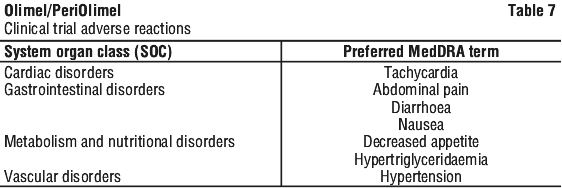
Gastrointestinal disorders. Vomiting.
Skin and subcutaneous skin disorders. Rash.
General disorders and administration site conditions. Injection site extravasation, pyrexia, chills.
The following adverse reactions have been reported with other similar products.
fat overload syndrome;
cholestasis, elevated liver enzymes and azotaemia;
pulmonary vascular precipitates (pulmonary vascular emboli and pulmonary distress).
Reporting suspected adverse effects. Reporting suspected adverse reactions after registration of the medicinal product is important. It allows continued monitoring of the benefit-risk balance of the medicinal product. Healthcare professionals are asked to report any suspected adverse reactions at www.tga.gov.au/reporting-problems.
4.9 Overdose
In the event of inappropriate administration (overdose and/or infusion rate higher than recommended), nausea, vomiting, chills, headache, hot flush, hyperhidrosis, and electrolyte disturbances and signs of hypervolaemia or acidosis may occur and result in severe or fatal consequences. In such situations the infusion must be stopped immediately. If medically appropriate, further intervention may be indicated.
Hyperglycaemia, glucosuria, and hyperosmolar syndrome may develop if glucose infusion rate exceeds clearance.
In some serious cases, haemodialysis, haemofiltration, or haemodiafiltration may be necessary.
The reduced or limited ability to metabolise lipids may result in fat overload syndrome, the results of which are usually reversible after infusion of the lipid emulsion is stopped.
For information on the management of overdose, contact the Poison Information Centre on 131126 (Australia) or 0800 764 766 (New Zealand).
5 Pharmacological Properties
5.1 Pharmacodynamic Properties
Mechanism of action. Pharmacological actions. This is a 3-in-1 admixture enabling the nitrogen/energy balance to be maintained from the nitrogen source (L series amino acids) and energy in the form of glucose and essential fatty acids. Nitrogen and energy are required for normal functioning of all cells in the body, and are important for protein synthesis, growth, wound healing, immune function, muscle function, any other cellular activities.
The amino acids solution contains 17 amino acids (including 8 essential amino acids), which are required for protein synthesis. Amino acids also represent an energy source, their oxidation resulting in excretion of nitrogen in the form of urea. The amino acids profile is as follows:
Essential amino acids/total amino acids: 44.8%;
Branched-chain amino acids/total amino acids: 18.3%.
The formulations without electrolytes allow individual electrolyte intake to be adapted to meet specific requirements.
The lipid emulsion included in Olimel/PeriOlimel, is an association of refined olive oil and refined soya oil (ratio 80/20), with the following approximate distribution of fatty acids:
15% saturated fatty acids (SFA);
65% monounsaturated fatty acids (MUFA);
20% polyunsaturated essential fatty acids (PUFA).
The phospholipid/triglyceride ratio is 0.06. The moderate essential fatty acid (EFA) content improves the status of their upper derivatives while correcting EFA deficiency.
Olive oil contains significant amounts of alpha-tocopherol, when combined with a moderate PUFA intake, contributes to improve vitamin E status and reduce lipid peroxidation.
The carbohydrate source is glucose. Glucose is the primary source of energy in the body.
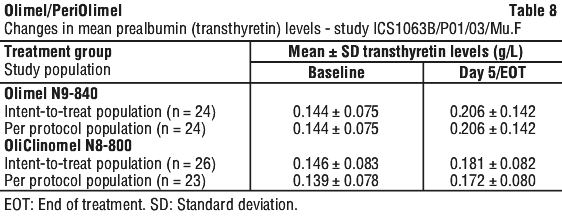
Clinical trial. Study ICS1063B/P01/03/Mu.F was a prospective randomised double-blind multicenter study performed in fifty six hospitalised patients (age range 18-85 years) to evaluate safety and nutritional efficacy of Olimel N9-840 compared to OliClinomel N8-800 (not registered in Australia but contains the same ingredients as the OliClinomel products registered in Australia). The study was conducted in a variety of patients (primarily post-surgery and trauma) who required balanced parenteral nutrition representing at least 50% of the daily nonprotein energy requirements for 5 days. The primary nutritional efficacy endpoint was transthyretin (pre-albumin) levels. Safety was evaluated using adverse events, vital signs, and biochemical markers for renal (urea, creatinine), hepatic (AST, ALT, alkaline phosphatase, GGT, bilirubin), hematologic (RBC count, hemoglobin, hematocrit, platelets, WBCs, lymphocytes, neutrophils, monocytes, eosinophils, basophils), organ functions as well as glucose and lipid parameters (triglycerides, cholesterol).
Efficacy analysis on the per protocol (PP) and intent-to-treat (ITT) populations showed no difference between the Olimel and OliClinomel groups on the primary endpoint (transthyretin), which improved from baseline to Day 5/end of treatment. (See Table 8).
5.2 Pharmacokinetic Properties
The ingredients of the emulsion for infusion (amino acids, glucose and lipids) are distributed, metabolised and eliminated in the same way as if they had been administered individually.
The pharmacokinetic properties of the amino acids administered intravenously are principally the same as those of amino acids supplied by oral feeding. Amino acids from food proteins, however, first pass through the portal vein before reaching the systemic circulation.
The elimination rate of lipid emulsions depends on particle size. Small lipid particles appear to delay clearance whereas they increase lipolysis by lipoprotein lipase. Most of the lipid particle sizes are in the range of chylomicrons (0.08-0.6 micrometers) with the mean diameter of less than 0.35 micrometers. However, it may contain a small fraction (up to 2.5%) of particles having a diameter of more than 0.75 micrometer.
5.3 Preclinical Safety Data
Genotoxicity. No genotoxicity studies have been conducted with Olimel/PeriOlimel.
Carcinogenicity. No carcinogenicity studies have been conducted with Olimel/PeriOlimel.
6 Pharmaceutical Particulars
6.1 List of Excipients
Olimel/PeriOlimel contains the following excipients: egg lecithin (purified egg phosphatide), glycerol, sodium oleate, sodium hydroxide/glacial acetic acid/hydrochloric acid (for pH adjustment), and water for injections.
6.2 Incompatibilities
See Section 4.5 Interactions with Other Medicines and Other Forms of Interactions.
6.3 Shelf Life
In Australia, information on the shelf life can be found on the public summary of the Australian Register of Therapeutic Goods (ARTG). The expiry date can be found on the packaging.
6.4 Special Precautions for Storage
Storage condition. Store below 25°C. Do not freeze. Store in overpouch.
After reconstitution. It is recommended that the product is used immediately after the non-permanent seals between the 3 compartments have been opened. However, the stability of the reconstituted emulsion has been demonstrated for 7 days (between 2°C and 8°C) followed by 48 hours at temperature not exceeding 25°C.
After addition of supplements (electrolytes, trace elements and vitamins; see Section 4.2 Dose and Method of Administration).
For specific admixtures, chemical and physical in-use stability has been demonstrated for 7 days (between 2°C and 8°C) followed by 48 hours at temperature not exceeding 25°C.
From a microbiological point of view, any admixture should be used immediately. If not used immediately, in-use storage times and conditions, after mixing and prior to use, are the responsibility of the user and would normally not be longer than 24 hours at 2°C to 8°C.
6.5 Nature and Contents of Container
The three-compartment bag is a multi-layer plastic bag. The inner (contact) layer of the bag is made of a blend of polyolefinic copolymers and is compatible with amino acid solutions, glucose solutions and lipid emulsions. Other layers are made of polyethylene vinyl acetate (EVA) and of copolyester.
The glucose compartment is fitted with an injection site to be used for addition of supplements. The amino acid compartment is fitted with an administration site for insertion of the spike of the infusion set.
The bag is packaged in an oxygen barrier overpouch which contains an oxygen absorber/oxygen indicator sachet.
Pack sizes. See Table 9.
6.6 Special Precautions for Disposal
In Australia, any unused medicine or waste material should be disposed of by taking to your local pharmacy.
6.7 Physicochemical Properties
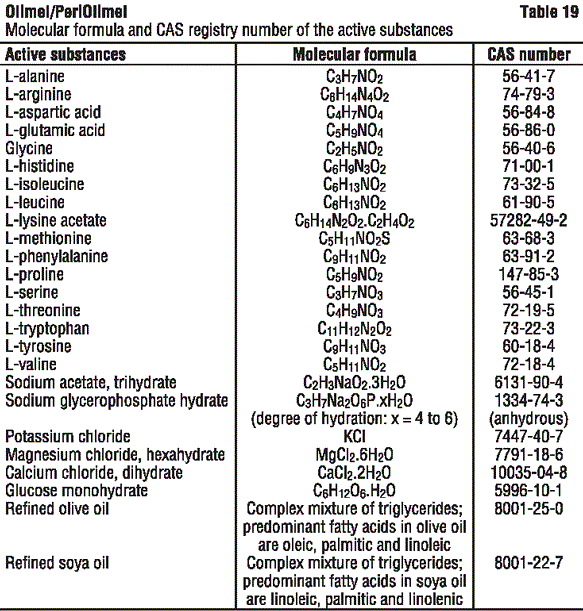
Molecular formula and CAS registry number of the active substances. See Table 19.
7 Medicine Schedule (Poisons Standard)
Unscheduled.
Date of Revision
23 October 2019
Summary Table of Changes

Reasonable care is taken to provide accurate information at the time of creation. This information is not intended as a substitute for medical advice and should not be exclusively relied on to manage or diagnose a medical condition. The Australian Commission on Safety and Quality in Health Care disclaims all liability (including for negligence) for any loss, damage, injury or any other negative effects resulting from reliance on or use of this information. Read our full disclaimer. This website uses cookies. Read our privacy policy.