
Olmesartan Sandoz
Brand Information
| Brand name | Olmesartan Sandoz |
| Active ingredient | Olmesartan medoxomil |
| Schedule | S4 |
Consumer Medicine Information (CMI) leaflet
Please read this leaflet carefully before you start using the Olmesartan Sandoz.
Summary CMI
Olmesartan Sandoz®
Consumer Medicine Information (CMI) summary
The full CMI on the next page has more details. If you are worried about using this medicine, speak to your doctor or pharmacist.
1. Why am I using Olmesartan Sandoz?
Olmesartan Sandoz contains the active ingredient olmesartan medoxomil. Olmesartan Sandoz is used to treat high blood pressure.
For more information, see Section 1. Why am I using Olmesartan Sandoz? in the full CMI.
2. What should I know before I use Olmesartan Sandoz?
Do not use if you have ever had an allergic reaction to olmesartan medoxomil or any of the ingredients listed at the end of the CMI.
Talk to your doctor if you have any other medical conditions, take any other medicines, or are pregnant or plan to become pregnant or are breastfeeding.
For more information, see Section 2. What should I know before I use Olmesartan Sandoz? in the full CMI.
3. What if I am taking other medicines?
Some medicines may interfere with Olmesartan Sandoz and affect how it works.
A list of these medicines is in Section 3. What if I am taking other medicines? in the full CMI.
4. How do I use Olmesartan Sandoz?
- Follow all directions given to you by your doctor or pharmacist carefully. Your doctor will tell you which Olmesartan Sandoz tablet you will need to take each day. Take Olmesartan Sandoz at the same time each day.
- Swallow Olmesartan Sandoz tablets whole with a full glass of water.
More instructions can be found in Section 4. How do I use Olmesartan Sandoz? in the full CMI.
5. What should I know while using Olmesartan Sandoz?
| Things you should do |
|
| Things you should not do |
|
| Driving or using machines |
|
| Drinking alcohol |
|
| Looking after your medicine |
|
For more information, see Section 5. What should I know while using Olmesartan Sandoz? in the full CMI.
6. Are there any side effects?
Common side effects may include dizziness, feeling light-headed, cough, headache, feeling nauseous or vomiting, diarrhoea, tiredness, 'flu-like' symptoms, sore throat and difficulty swallowing, back pain, swelling of the face or body and urinary infection. Serious side effects may include swelling of the face, lips tongue or throat which causes difficulty swallowing or breathing, muscle or joint pain, fast heartbeat and chest pain.
For more information, including what to do if you have any side effects, see Section 6. Are there any side effects? in the full CMI.
Full CMI
Olmesartan Sandoz®
Active ingredient(s): olmesartan medoxomil
Consumer Medicine Information (CMI)
This leaflet provides important information about using Olmesartan Sandoz. You should also speak to your doctor or pharmacist if you would like further information or if you have any concerns or questions about using Olmesartan Sandoz.
Where to find information in this leaflet:
1. Why am I using Olmesartan Sandoz?
2. What should I know before I use Olmesartan Sandoz?
3. What if I am taking other medicines?
4. How do I use Olmesartan Sandoz?
5. What should I know while using Olmesartan Sandoz?
6. Are there any side effects?
7. Product details
1. Why am I using Olmesartan Sandoz?
Olmesartan Sandoz contains the active ingredient olmesartan medoxomil. Olmesartan Sandoz contains olmesartan medoxomil, which belongs to a group of medicines known as angiotensin-II receptor antagonists. Angiotensin-II is a substance produced in the body which causes blood vessels to tighten. Olmesartan Sandoz blocks the action of angiotensin-II and therefore relaxes your blood vessels. This helps lower your blood pressure.
Olmesartan Sandoz is used to treat high blood pressure which is sometimes called hypertension.
Everyone has blood pressure. This pressure helps push blood all around your body. Your blood pressure changes at different times of the day, depending on how busy or worried you are. You have hypertension (high blood pressure) when your blood pressure stays higher than is needed, even when you are calm and relaxed.
There are usually no symptoms of hypertension. The only way of knowing that you have hypertension is to have your blood pressure checked on a regular basis. If high blood pressure is not treated it can lead to serious health problems, including stroke, heart disease and kidney failure.
Olmesartan Sandoz is not addictive.
2. What should I know before I use Olmesartan Sandoz?
Warnings
Do not use Olmesartan Sandoz if:
- you are allergic to olmesartan medoxomil, or any of the ingredients listed at the end of this leaflet.
Symptoms of an allergic reaction to Olmesartan Sandoz may include skin rash, itchiness, shortness of breath, swelling of the face, lips or tongue, muscle pain or tenderness or joint pain. - you have serious problems with your kidneys
- you have serious problems with your liver
- you have diabetes and are taking a medicine called aliskiren to reduce blood pressure
- you are pregnant or breast-feeding
- the expiry date on the pack has passed or if the packaging is torn or shows signs of tampering
Tell your doctor if:
- you have allergies to any other medicines, or any other substances, such as foods, preservatives or dyes.
- you have or have had any other medical conditions, especially the following:
- kidney problems
- liver problems
- heart problems
- excessive vomiting or diarrhoea recently o high levels of potassium in your blood.
- problems with your adrenal glands (small glands above the kidneys) - you are following a very low salt diet
- you are or intend to become pregnant or plan to breastfeed.
- you are taking potassium supplements, potassium-sparing agents, potassium-containing salt substitutes or other medicines that may increase serum potassium (e.g., trimethoprim-containing products).
During treatment, you may be at risk of developing certain side effects. It is important you understand these risks and how to monitor for them. See additional information under Section 6. Are there any side effects?
Pregnancy and breastfeeding
Do not take Olmesartan Sandoz if you are pregnant or breastfeeding.
Olmesartan Sandoz may enter your womb or it may pass into the breast milk and there is the possibility that your baby may be affected.
If pregnancy is discovered Olmesartan Sandoz should be discontinued as soon as possible
Use in children
The safety and effectiveness of olmesartan medoxomil in children aged less than 1 year has not been established.
3. What if I am taking other medicines?
Tell your doctor or pharmacist if you are taking any other medicines, including any medicines, vitamins or supplements that you buy without a prescription from your pharmacy, supermarket or health food shop.
Some medicines and Olmesartan Sandoz may interfere with each other. These include:
- other medicines to treat high blood pressure
- other diuretics, also known as fluid or water tablets
- non-steroid anti-inflammatory drugs (NSAIDs) or COX-2 inhibitors, medicines used to relieve pain, swelling and other symptoms of inflammation including arthritis
- potassium supplements or potassium-containing salt substitutes
- other medicines that may increase serum potassium (e.g., trimethoprim-containing products)
- lithium, a medicine used to treat mood swings and some types of depression
- any medicines that contain colesevelam
- any medicines that contain aliskiren
These medicines may be affected by Olmesartan Sandoz, or may affect how well it works. You may need different amounts of your medicine, or you may need to take different medicines. Your doctor will advise you.
Check with your doctor or pharmacist if you are not sure about what medicines, vitamins or supplements you are taking and if these affect Olmesartan Sandoz.
4. How do I use Olmesartan Sandoz?
How much to take
- For most adult patients, the usual starting dose of Olmesartan Sandoz is 20 mg once a day. The dose may need to be increased to Olmesartan Sandoz 40 mg once a day if necessary.
How to take Olmesartan Sandoz
- Swallow Olmesartan Sandoz whole with a full glass of water.
- Do not chew the tablets.
When to take Olmesartan Sandoz
- Take Olmesartan Sandoz at about the same time each day. Taking Olmesartan Sandoz at the same time each day will have the best effect. It will also help you remember when to take Olmesartan Sandoz.
- It does not matter whether you take it with or without food.
Olmesartan Sandoz helps control your condition, but does not cure it. Therefore you must take Olmesartan Sandoz every day. Continue taking your medicine for as long as your doctor tells you.
If you forget to use Olmesartan Sandoz
Olmesartan Sandoz should be used regularly at the same time each day. If you miss your dose at the usual time take it as soon as you remember and then go back to taking your medicine as you would normally.
If it is almost time for your next dose, skip the dose you missed and take your next dose when you are meant to.
Do not take a double dose to make up for the dose you missed.
This may increase the chance of you getting an unwanted side effect.
If you use too much Olmesartan Sandoz
If you think that you have used too much Olmesartan Sandoz, you may need urgent medical attention.
You should immediately:
- phone the Poisons Information Centre
(by calling 13 11 26), or - contact your doctor, or
- go to the Emergency Department at your nearest hospital.
You should do this even if there are no signs of discomfort or poisoning.
Keep telephone numbers for these places handy.
If you take too much Olmesartan Sandoz, you may feel light-headed, dizzy, or you may faint. You may also have a fast heartbeat.
5. What should I know while using Olmesartan Sandoz?
Things you should do
- If you are about to be started on any new medicine, tell your doctor, dentist or pharmacist that you are taking Olmesartan Sandoz.
- Have your blood pressure checked when your doctor says, to make sure Olmesartan Sandoz is working.
- Go to your doctor regularly for a check-up.
Your doctor may occasionally do a blood test to check your potassium levels and see how your kidneys are working. - If you feel light-headed, dizzy or faint when getting out of bed or standing up, get up slowly.
Standing up slowly, especially when you get up from bed or chairs, will help your body get used to the change in position and blood pressure. If this problem continues or gets worse, talk to your doctor. - If you plan to have surgery that needs a general anaesthetic, tell your doctor or dentist that you are taking Olmesartan Sandoz.
Your blood pressure may suddenly drop. - If you are about to have any blood tests, tell your doctor that you are taking Olmesartan Sandoz.
Olmesartan Sandoz may interfere with the results of some tests. - Make sure you drink enough water during exercise and hot weather when you take Olmesartan Sandoz, especially if you sweat a lot.
If you do not drink enough water while taking Olmesartan Sandoz, you may feel faint, light-headed or sick. This is because your blood pressure is dropping suddenly. If you continue to feel unwell, tell your doctor.
Call your doctor straight away if you:
- have excess vomiting and/or diarrhoea while taking Olmesartan Sandoz.
You may lose too much water and salt and your blood pressure may drop too much. - feel light-headed or dizzy after taking your first dose of Olmesartan Sandoz, or when your dose is increased.
- become pregnant while taking Olmesartan Sandoz.
Remind any doctor, dentist or pharmacist you visit that you are using Olmesartan Sandoz.
Things you should not do
- Do not give Olmesartan Sandoz to anyone else, even if they have the same condition as you.
- Do not take Olmesartan Sandoz to treat any other complaints unless your doctor or pharmacist tells you to.
- Do not stop taking Olmesartan Sandoz, or lower the dosage, without checking with your doctor.
Things that would be helpful for your blood pressure
Some self-help measures suggested below may help your condition. Talk to your doctor or pharmacist about these measures and for more information.
- Alcohol - your doctor may advise you to limit your alcohol intake.
- Weight - your doctor may suggest losing some weight to help lower your blood pressure and help lessen the amount of work your heart has to do. Some people may need a dietician's help to lose weight.
- Diet - eat a healthy diet which includes plenty of fresh vegetables, fruit, bread (preferably wholegrain), cereals and fish. Also eat less sugar and fat (especially saturated fat) which includes sausages, fatty meats, full cream dairy products, biscuits, cakes, pastries, chocolates, chips and coconut. Monounsaturated and polyunsaturated fats from olive oil, canola oil, avocado and nuts are beneficial in small quantities.
- Salt - your doctor may advise you to watch the amount of salt in your diet. To reduce your salt intake you should avoid using salt in cooking or at the table and avoid cooked or processed foods containing high sodium (salt) levels.
- Exercise - regular exercise, maintained over the long term, helps to reduce blood pressure and helps get the heart fitter. Regular exercise also improves your blood cholesterol levels, helps reduce your weight and stress levels, and improves your sleep, mood and ability to concentrate. However, it is important not to overdo it. Walking is good exercise, but try to find a route that is reasonably flat. Before starting any exercise, ask your doctor about the best kind of programme for you.
- Smoking - your doctor may advise you to stop smoking or at least cut down. There are enormous benefits to be gained from giving up smoking. There are many professionals, organisations and strategies to help you quit. Ask your doctor or pharmacist for further information and advice.
Driving or using machines
Be careful before you drive or use any machines or tools until you know how Olmesartan Sandoz affects you.
As with other medicines in this class, Olmesartan Sandoz may cause dizziness, light-headedness or tiredness in some people. Make sure you know how you react to Olmesartan Sandoz before you drive a car, operate machinery, or do anything else that could be dangerous if you are dizzy or light-headed. If this occurs do not drive.
Drinking alcohol
Tell your doctor if you drink alcohol.
If you drink alcohol, dizziness or light-headedness may be worse.
Your doctor may advise you to limit your alcohol intake.
Looking after your medicine
- Keep your tablets in the box until it is time to take them.
If you take the tablets out of the box they will not keep well. - Keep your tablets in a cool dry place where the temperature stays below 25°C.
Do not store your medicine:
- in the bathroom or near a sink, or
- in the car or on window sills.
Heat and dampness can destroy some medicines.
Follow the instructions in the carton on how to take care of your medicine properly.
Keep it where young children cannot reach it.
Getting rid of any unwanted medicine
If you no longer need to use this medicine or it is out of date, take it to any pharmacy for safe disposal.
Do not use this medicine after the expiry date.
6. Are there any side effects?
All medicines can have side effects. If you do experience any side effects, most of them are minor and temporary. However, some side effects may need medical attention.
If you are over 65 years of age you may have an increased chance of getting side effects.
See the information below and, if you need to, ask your doctor or pharmacist if you have any further questions about side effects.
Less serious side effects
| Less serious side effects | What to do |
Head and nervous system-related:
| These are common side effects and are generally mild. Speak to your doctor if you have any of these less serious side effects and they worry you. |
Serious side effects
| Serious side effects | What to do |
| Call your doctor as soon as possible, if you notice any of these serious side effects. You may need medical attention. |
| Stop taking Olmesartan Sandoz and call your doctor immediately, or go straight to the Emergency Department at your nearest hospital if you notice any of these very serious side effects. |
Tell your doctor or pharmacist if you notice anything else that may be making you feel unwell.
Serious side effects are rare.
Other side effects not listed here may occur in some people.
Reporting side effects
After you have received medical advice for any side effects you experience, you can report side effects to the Therapeutic Goods Administration online at www.tga.gov.au/reporting-problems. By reporting side effects, you can help provide more information on the safety of this medicine.
Always make sure you speak to your doctor or pharmacist before you decide to stop taking any of your medicines.
7. Product details
This medicine is only available with a doctor's prescription.
What Olmesartan Sandoz contains
| Active ingredient (main ingredient) | olmesartan medoxomil |
| Other ingredients (inactive ingredients) |
|
| Potential allergens | lactose monohydrate |
Do not take this medicine if you are allergic to any of these ingredients.
What Olmesartan Sandoz looks like
Olmesartan Sandoz 10 mg - yellow film coated, round, biconvex tablets debossed with '392' on one side and 'L' on other side. Available in packs of 30 tablets (Aust R 221060).
Olmesartan Sandoz 20 mg – yellow film coated, round, biconvex tablets debossed with '323' on one side and 'L' on other side. Available in packs of 30 tablets (Aust R 221058).
Olmesartan Sandoz 40 mg - yellow film coated, oval shape, biconvex tablets debossed with 'L324' on one side and plain on other side. Available in packs of 30 tablets (Aust R 221056).
Not all strengths may be available in Australia.
Who distributes Olmesartan Sandoz
Sandoz Pty Ltd
100 Pacific Highway
North Sydney, NSW 2060
Australia
Tel 1800 726 369
This leaflet was prepared in December 2025.
® Registered Trade Mark. The trade marks mentioned in this material are the property of their respective owners.
Brand Information
| Brand name | Olmesartan Sandoz |
| Active ingredient | Olmesartan medoxomil |
| Schedule | S4 |
MIMS Revision Date: 01 May 2026
1 Name of Medicine
Olmesartan medoxomil.
2 Qualitative and Quantitative Composition
Olmesartan Sandoz contains the active ingredient olmesartan medoxomil.
Olmesartan Sandoz is available for oral use as film-coated tablets containing 10 mg, 20 mg, or 40 mg olmesartan medoxomil.
List of excipients with known effect. Sugars as lactose.
For the full list of excipients, see Section 6.1 List of Excipients.
3 Pharmaceutical Form
10 mg tablet. Yellow film-coated, round, biconvex tablets debossed with 392 on one side, and L on the other side.
20 mg tablet. Yellow film coated, round, biconvex tablets debossed with 323 on one side and L on the other side.
40 mg tablet. Yellow film coated, oval shape, biconvex tablets debossed with L324 on one side and plain on the other side.
4 Clinical Particulars
4.1 Therapeutic Indications
Olmesartan Sandoz is indicated for the treatment of hypertension.
4.2 Dose and Method of Administration
Dosage. Adults. Dosage must be individualised. The optimal recommended starting dose is 20 mg once daily when used as monotherapy in patients who are not volume-contracted. If additional blood pressure reduction is required, the dose may be increased to a maximum of 40 mg daily.
In order to assist compliance, it is recommended that olmesartan medoxomil tablets be taken at about the same time each day. Twice-daily dosing offers no advantage over the same total dose given once daily.
The antihypertensive effect of olmesartan medoxomil is substantially present within 2 weeks of initiating therapy and is maximal by about 8 weeks after initiating therapy. This should be borne in mind when considering changing the dose regimen for any patient.
Hydrochlorothiazide therapy should be considered in those patients requiring additional blood pressure control beyond 40 mg daily. Olmesartan medoxomil may be administered with other antihypertensive agents.
Method of administration. Olmesartan medoxomil may be administered with or without food.
Dosage adjustment. Renal insufficiency. No adjustment of dosage is required for patients with mild (creatinine clearance of 50-80 mL/min, eGFR 60-89 mL/min/1.73 m2) to moderate (creatinine clearance of 30 - < 50 mL/min, eGFR 30-59 mL/min/1.73 m2) renal impairment. The use of olmesartan medoxomil in patients with severe renal impairment (creatinine clearance < 30 mL/min, eGFR < 30 mL/min/1.73 m2) is not recommended, since there is only limited experience in this patient group (see Section 4.4 Special Warnings and Precautions for Use, Use in renal impairment). There are no data on the use of olmesartan in children with eGFR less than 25 mL/min/1.73 m2.
Hepatic insufficiency. No adjustment of dosage is required for patients with mild (Child-Pugh score 5 - 6) to moderate (Child-Pugh score 7 - 9) hepatic impairment. Close monitoring of blood pressure and renal function is advised in hepatically-impaired patients who are already receiving diuretics and/or other antihypertensive agents. There is no experience of olmesartan medoxomil in patients with severe (Child-Pugh score 10 - 15) hepatic impairment (see Section 4.4 Special Warnings and Precautions for Use, Use in hepatic impairment).
If up-titration of olmesartan medoxomil to the maximum dose of 40 mg daily is required, blood pressure should be closely monitored.
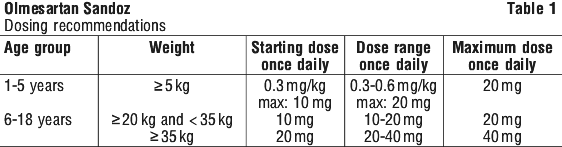
Paediatric. Dosing must be individualised. The recommended starting dose is based on age and/or weight (see Dosing recommendations, Table 1). If after 2 weeks of therapy further reduction in blood pressure is required, the dose of olmesartan medoxomil may be increased to a maximum of either 20 mg or 40 mg (see Dosing recommendations, Table 1).
There are limited data available for the pharmacokinetics of olmesartan in children aged less than 6 years (see Section 5.2 Pharmacokinetic Properties, Pharmacokinetics in special populations, Paediatric) and there are no pharmacokinetic data available in children with renal impairment (see Section 4.2 Dose and Method of Administration, Renal insufficiency).
Elderly. No dosage adjustment is necessary.
If up-titration to the maximum dose of 40 mg daily is required, blood pressure should be closely monitored.
Intravascular volume depletion. For patients with possible depletion of intravascular volume, particularly those with impaired renal function, olmesartan medoxomil should be administered under close medical supervision. In these patients a lower starting dose of 10 mg once daily is recommended (see Section 4.4 Special Warnings and Precautions for Use, Intravascular volume depletion) (see Section 6.5 Nature and Contents of Container for marketed strengths).
If a patient becomes volume depleted whilst taking olmesartan medoxomil, blood pressure and renal function should be closely monitored until the situation resolves.
4.3 Contraindications
Olmesartan medoxomil is contraindicated in:
Patients who are hypersensitive to either olmesartan medoxomil or any component of this medication.
Pregnancy (see Section 4.6 Fertility, Pregnancy and Lactation, Use in pregnancy).
Patients with severe renal impairment (creatinine clearance < 30 mL/min) (see Section 4.4 Special Warnings and Precautions for Use, Use in renal impairment).
Patients with severe hepatic impairment (Child-Pugh score 10 - 15) or biliary obstruction (see Section 4.4 Special Warnings and Precautions for Use, Use in hepatic impairment).
Patients with diabetes who are taking aliskiren (see Section 4.5 Interactions with Other Medicines and Other Forms of Interactions).
4.4 Special Warnings and Precautions for Use
Intravascular volume depletion. Symptomatic hypotension, especially after the first dose, may occur in patients who are volume and/or sodium depleted by vigorous diuretic therapy, dietary salt restriction, diarrhoea or vomiting. Such conditions should be corrected before the administration of olmesartan medoxomil.
Other conditions with stimulation of the renin-angiotensin-aldosterone system. In patients whose vascular tone and renal function depend predominantly on the activity of the renin-angiotensin-aldosterone system (e.g. patients with severe congestive heart failure or underlying renal disease, including renal artery stenosis), treatment with ACE inhibitors and angiotensin receptor antagonists has been associated with acute hypotension, azotaemia, oliguria or, rarely with acute renal failure and/or death. The possibility of similar effects cannot be excluded with olmesartan medoxomil.
Renovascular hypertension. There is an increased risk of severe hypotension and renal insufficiency when patients with bilateral renal artery stenosis or stenosis of the artery to a single functioning kidney are treated with drugs that affect the renin-angiotensin-aldosterone system.
Hyperkalaemia. As with other angiotensin receptor antagonists and ACE inhibitors, hyperkalaemia may occur during treatment with olmesartan medoxomil, especially in the presence of renal impairment and/or heart failure. This is because Olmesartan Sandoz contains olmesartan medoxomil, a drug which inhibits the renin-angiotensin system (RAS) and drugs that inhibit the RAS can cause hyperkalaemia. Concomitant use of olmesartan medoxomil with potassium-sparing diuretics, potassium supplements, salt substitutes containing potassium or other medicinal products which may increase the potassium level (e.g. trimethoprim containing medicines) may lead to an increase in serum potassium and should therefore be co-administered cautiously with olmesartan medoxomil in patients where such co-administration is considered necessary. Close monitoring of serum potassium levels in at risk patients is recommended.
Lithium. As with other angiotensin receptor antagonists, the combination of lithium and olmesartan medoxomil is not recommended (see Section 4.5 Interactions with Other Medicines and Other Forms of Interactions).
Aortic or mitral valve stenosis; obstructive hypertrophic cardiomyopathy. As with other vasodilators, special caution is indicated in patients suffering from aortic or mitral valve stenosis, or obstructive hypertrophic cardiomyopathy.
Primary aldosteronism. Patients with primary aldosteronism generally will not respond to antihypertensive drugs acting through inhibition of the renin-angiotensin system. Therefore, the use of olmesartan medoxomil is not recommended in such patients.
Ethnic differences. As with all other angiotensin receptor antagonists, the blood pressure lowering effect of olmesartan medoxomil is somewhat less in black patients than in non-black patients, possibly because of a higher prevalence of low-renin status in the black hypertensive population.
Concomitant use of ACE inhibitors or angiotensin receptor antagonists and anti-inflammatory drugs and thiazide diuretics. The use of ACE-inhibitors or angiotensin receptor antagonists, and an anti-inflammatory drug (NSAID or COX-2 inhibitor), and a thiazide diuretic at the same time increases the risk of renal impairment. This includes use with fixed-combination products containing more than one class of drug. Concomitant use of all three classes of these medications should be accompanied by increased monitoring of serum creatinine, particularly at the institution of the treatment. The concomitant use of drugs from these three classes should be used with caution particularly in elderly patients or those with pre-existing renal impairment.
Sprue-like enteropathy. Severe, chronic diarrhoea with substantial weight loss has been reported in patients taking olmesartan medoxomil months to years after drug initiation. Intestinal biopsies of patients often demonstrated villous atrophy. If a patient develops these symptoms during treatment with olmesartan medoxomil, exclude other etiologies. Consider discontinuation of olmesartan medoxomil in cases where no other etiology is identified.
Angioedema. Angioedema, including swelling of the larynx and glottis, causing airway obstruction and/or swelling of the face, lips, pharynx, and/or tongue has been reported in patients treated with olmesartan medoxomil; some of these patients previously experienced angioedema with other drugs including ACE inhibitors. Olmesartan medoxomil should be immediately discontinued in patients who develop angioedema, and olmesartan medoxomil should not be re-administered.
General. Caution should be exercised in patients who have shown prior hypersensitivity to other angiotensin II receptor antagonists.
Other. As with any antihypertensive agent, excessive blood pressure decrease in patients with ischaemic heart disease or ischaemic cerebrovascular disease could result in a myocardial infarction or stroke.
Use in hepatic impairment. There is no experience in patients with severe hepatic impairment (Child-Pugh score 10 - 15) and therefore use of olmesartan medoxomil in this patient group is not recommended (see Section 4.2 Dose and Method of Administration).
Use in renal impairment. When olmesartan medoxomil is used in patients with impaired renal function, periodic monitoring of serum potassium and creatinine levels is recommended. Use of olmesartan medoxomil is not recommended in patients with severe renal impairment (creatinine clearance < 30 mL/min, eGFR < 30 mL/min/1.73 m2) (see Section 4.2 Dose and Method of Administration). There is no experience of the administration of olmesartan medoxomil in patients with a recent kidney transplant or in patients with end-stage renal impairment (i.e. creatinine clearance < 12 mL/min, eGFR < 15 mL/min/1.73 m2). There are no data on the use of olmesartan in children with eGFR less than 25 mL/min/1.73 m2.
Use in the elderly. Of the total number of hypertensive patients receiving olmesartan medoxomil in clinical studies, including two studies investigating safety and efficacy in the elderly, more than 40% were 65 years of age and over, while more than 10% were 75 years of age and older. No overall differences in effectiveness or safety were observed between elderly patients and younger patients. Other reported clinical experience has not identified differences in responses between the elderly and younger patients, but greater sensitivity of some older individuals cannot be ruled out.
Paediatric use. Not to be used for children aged below 1 year of age. Pharmacokinetic information is limited in patients less than 6 years (see Section 5.2 Pharmacokinetic Properties, Pharmacokinetics in special populations, Paediatric).
Effects on laboratory tests. Olmesartan medoxomil. In post-marketing experience, increased blood creatinine levels and hyperkalaemia have been reported.
4.5 Interactions with Other Medicines and Other Forms of Interactions
Drugs that affect olmesartan medoxomil. Colesevelam hydrochloride. Concomitant administration of 40 mg olmesartan medoxomil and 3750 mg colesevelam hydrochloride in healthy subjects resulted in 28% reduction in Cmax and 39% reduction in AUC of olmesartan. Lesser effects, 4% and 15% reduction in Cmax and AUC respectively, were observed when olmesartan medoxomil was administered 4 hours prior to colesevelam hydrochloride. Consider administering olmesartan medoxomil 4 hours before the colesevelam hydrochloride dose.
Potassium supplements and potassium sparing diuretics. Based on experience with the use of other drugs that affect the renin-angiotensin system, concomitant use of potassium-sparing diuretics, potassium supplements, salt substitutes containing potassium or other drugs that may increase serum potassium levels (e.g. heparin, trimethoprim containing medicines) may lead to increases in serum potassium. Such concomitant use is therefore not recommended.
Other antihypertensive medications. The blood pressure lowering effect of olmesartan medoxomil can be increased by concomitant use of other antihypertensive medications.
Non-steroidal anti-inflammatory drugs (NSAIDs). NSAIDs (including acetylsalicylic acid at doses > 3 g/day and also COX-2 inhibitors) and angiotensin receptor antagonists may act synergistically by decreasing glomerular filtration. The risk of the concomitant use of NSAIDs and angiotensin receptor antagonists is the occurrence of acute renal failure. Monitoring of renal function at the beginning of treatment should be recommended as well as regular hydration of the patient. Additionally, concomitant treatment can reduce the antihypertensive effect of angiotensin receptor antagonists, leading to their partial loss of efficacy.
Dual blockade of the renin-angiotensin system (RAS). Dual blockade of the RAS with angiotensin receptor blockers, ACE inhibitors, or aliskiren is associated with increased risks of hypotension, hyperkalaemia, and changes in renal function (including acute renal failure) compared to monotherapy. Closely monitor blood pressure, renal function and electrolytes in patients on olmesartan medoxomil and other agents that affect the RAS.
Do not co-administer aliskiren with olmesartan medoxomil in patients with diabetes (see Section 4.3 Contraindications). Avoid use of aliskiren with olmesartan medoxomil in patients with renal impairment (GFR < 60 mL/min).
Other drugs. After treatment with antacid (aluminium magnesium hydroxide), a modest reduction in bioavailability of olmesartan was observed. Coadministration of warfarin and digoxin had no effect on the pharmacokinetics of olmesartan medoxomil.
Drugs that are affected by olmesartan medoxomil. Lithium. Reversible increases in serum lithium concentrations and toxicity have been reported during concomitant administration of lithium with ACE inhibitors and angiotensin receptor antagonists. Therefore use of olmesartan medoxomil and lithium in combination is not recommended (see Section 4.4 Special Warnings and Precautions for Use, Lithium). If use of the combination proves necessary, careful monitoring of serum lithium levels is recommended.
Other drugs. Drugs, which have been investigated in specific clinical studies in healthy volunteers, include warfarin, digoxin, an antacid (magnesium aluminium hydroxide), hydrochlorothiazide and pravastatin. No clinically relevant interactions were observed and in particular, olmesartan medoxomil had no significant effect on the pharmacokinetics or pharmacodynamics of warfarin or the pharmacokinetics of digoxin.
Olmesartan had no clinically relevant inhibitory effects on in vitro human cytochrome P450 enzymes 1A1/2, 2A6, 2C8/9, 2C19, 2D6, 2E1 and 3A4, and had no or minimal inducing effects on rat cytochrome P450 activities. Therefore in vivo interaction studies with known cytochrome P450 enzyme inhibitors and inducers were not conducted, and no clinically relevant interactions between olmesartan and drugs metabolised by the above cytochrome P450 enzymes are expected.
4.6 Fertility, Pregnancy and Lactation
Effects on fertility. Fertility of rats was unaffected by administration of olmesartan medoxomil at dose levels as high as 1,000 mg/kg/day (relative plasma exposure of 7-8 times that anticipated at the MRHD based on AUC) in a study in which dosing was begun 2 (female) or 9 (male) weeks prior to mating.
Use in pregnancy. (Category D)
Drugs that act directly on the renin-angiotensin system can cause foetal and neonatal morbidity and death when administered to pregnant women. Several dozen cases have been reported in the world literature of patients who were taking ACE inhibitors. When pregnancy is detected, olmesartan medoxomil should be discontinued as soon as possible.
The use of drugs that act directly on the renin-angiotensin system during the second and third trimesters of pregnancy has been associated with foetal and neonatal injury, including hypotension, neonatal skull hypoplasia, anuria, reversible or irreversible renal failure and death. Oligohydramnios has also been reported, presumably resulting from decreased foetal function; oligohydramnios in this setting has been associated with foetal limb contractures, craniofacial deformation and hypoplastic lung development. Prematurity, intrauterine growth retardation and patent ductus arteriosus have also been reported, although it is not clear whether these occurrences were due to exposure to the drug.
These adverse effects do not appear to have resulted from intrauterine drug exposure that has been limited to the first trimester. Mothers whose embryos and foetuses are exposed to an angiotensin receptor antagonist only during the first trimester should be so informed. Nonetheless, when patients become pregnant, physicians should have the patient discontinue the use of olmesartan medoxomil as soon as possible.
Rarely (probably less often than once in every thousand pregnancies), no alternative to a drug acting on the renin-angiotensin system will be found. In these rare cases, the mothers should be apprised of the potential hazards to their foetuses and serial ultrasound examinations should be performed to assess the intra-amniotic environment.
If oligohydramnios is observed, olmesartan medoxomil should be discontinued unless it is considered life-saving for the mother. Contraction stress testing (CST), a nonstress test (NST) or biophysical profiling (BPP) may be appropriate, depending upon the week of pregnancy. Patients and physicians should be aware, however, that oligohydramnios may not appear until after the foetus has sustained irreversible injury.
Infants with histories of in utero exposure to an angiotensin receptor antagonist should be closely observed for hypotension, oliguria and hyperkalaemia. If oliguria occurs, attention should be directed toward support of blood pressure and renal perfusion. Exchange transfusion or dialysis may be required as means of reversing hypotension and/or substituting for disordered renal function.
There is no clinical experience with the use of olmesartan medoxomil in pregnant women. No teratogenic effects were observed when olmesartan medoxomil was administered to pregnant rats at oral doses up to 1,000 mg/kg/day (7 times clinical exposure to olmesartan at MRHD based on AUC) or pregnant rabbits at oral doses up to 1 mg/kg/day (half the MRHD on a mg/m2 basis; higher doses could not be evaluated for effects on foetal development as they were lethal to the does). In rats, significant decreases in pup birth weight and weight gain were observed at doses ≥ 1.6 mg/kg/day, and delays in developmental milestones (delayed separation of ear auricula, eruption of lower incisors, appearance of abdominal hair, descent of testes, and separation of eyelids) and dose-dependent increases in the incidence of dilation of the renal pelvis were observed at doses ≥ 8 mg/kg/day. The no observed effect dose for developmental toxicity in rats is 0.3 mg/kg/day, about one-tenth the MRHD of 40 mg/day.
Use in lactation. It is not known whether olmesartan is excreted in human milk, but olmesartan is secreted at low concentration in the milk of lactating rats. Because of the potential for adverse effects on the nursing infant, a decision should be made whether to discontinue nursing or discontinue the drug.
4.7 Effects on Ability to Drive and Use Machines
The effect of olmesartan medoxomil on the ability to drive has not been specifically studied. With respect to driving vehicles or operating machines, it should be taken into account that occasionally dizziness or fatigue may occur in patients taking antihypertensive therapy.
4.8 Adverse Effects (Undesirable Effects)
Olmesartan medoxomil has been evaluated for safety in more than 3,825 patients/subjects, including more than 3,275 patients treated for hypertension in controlled trials. This experience included about 900 patients treated for at least 6 months and more than 525 for at least 1 year.
Treatment with olmesartan medoxomil was well tolerated, with an incidence of adverse events similar to placebo. Events generally were mild, transient and had no relationship to the dose of olmesartan medoxomil.
The overall frequency of adverse events was not dose-related. Analysis of gender, age and race groups demonstrated no differences between olmesartan medoxomil and placebo-treated patients. The rate of withdrawals due to adverse events in all trials of hypertensive patients was 2.4% (i.e. 79/3,278) of patients treated with olmesartan medoxomil and 2.7% (i.e. 32/1,179) of control patients. In placebo-controlled trials, the only adverse event that occurred in more than 1% of patients treated with olmesartan medoxomil and at a higher incidence versus placebo was dizziness (2.5% versus 0.9%).
Adverse events reported in placebo-controlled monotherapy studies with a greater than 1% incidence are shown in Table 2.
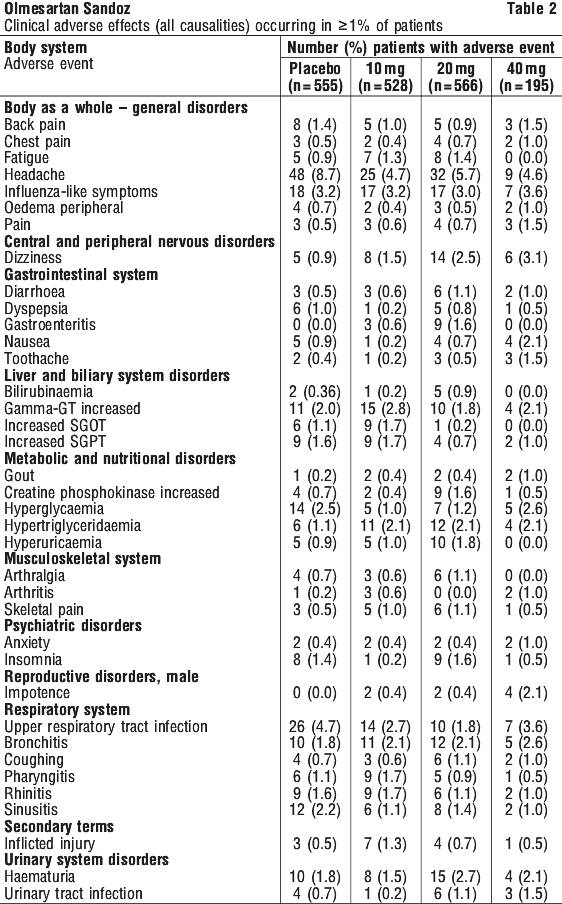
Frequencies are defined as: common (≥ 1/100, < 1/10); uncommon (≥ 1/1,000, < 1/100); rare (≥ 1/10,000, < 1/1,000), very rare (< 1/10,000).
Cardiovascular. Uncommon: tachycardia; rare: hypotension.
Central nervous system. Uncommon: vertigo.
Gastro-intestinal. Common: abdominal pain.
Myo/endo/pericardial and valve disorders. Uncommon: angina pectoris.
Musculoskeletal. Uncommon: myalgia.
Skin and appendages. Uncommon: rash.
Laboratory parameters. In placebo-controlled monotherapy studies the incidence was somewhat higher on olmesartan medoxomil compared with placebo for hypertriglyceridaemia (2.0% versus 1.1%) and for raised creatine phosphokinase (1.3% versus 0.7%).
Laboratory adverse events reported across all clinical trials with olmesartan medoxomil (including trials without a placebo control), irrespective of causality or incidence relative to placebo, included:
Metabolic and nutritional. Common: Blood urea increased.
Uncommon: Hypercholesterolaemia, hyperlipaemia.
Rare: Hyperkalaemia.
Investigations. Decrease in haemoglobin and haematocrit.
Post-marketing experience. The following adverse reactions have been reported in post-marketing experience:
Blood and lymphatic system disorders. Thrombocytopenia.
General disorders and administration site conditions. Peripheral oedema, asthenic conditions, such as asthenia, fatigue, lethargy, malaise.
Gastrointestinal disorders. Abdominal pain, nausea, vomiting, diarrhoea, sprue-like enteropathy.
Immune system disorders. Anaphylactic reactions.
Investigations. Hepatic enzymes increased, increased blood creatinine levels.
Hepatobiliary disorders. Autoimmune hepatitis.
Metabolism and nutrition disorders. Hyperkalaemia.
Musculoskeletal and connective tissue disorders. Rhabdomyolysis, myalgia, muscle spasm.
Nervous system disorders. Headache.
Respiratory, thoracic and mediastinal disorders. Cough.
Skin and subcutaneous tissue disorders. Alopecia, angioedema, rash, pruritus, urticaria, exanthema, allergic dermatitis.
Renal and urinary disorders. Acute renal failure.
Vascular disorders. Flushing.
ROADMAP/ORIENT. Two post marketing studies were conducted to determine the effects of olmesartan on renal disease in diabetic patients. In both of these studies, cardiovascular events were exploratory secondary efficacy endpoints. Cardiovascular deaths occurred in higher proportions of patients treated with olmesartan than placebo, but the risk of non-fatal myocardial infarction was lower with olmesartan.
The Randomised Olmesartan and Diabetes Microalbuminuria Prevention (ROADMAP) study in 4447 patients with type 2 diabetes, normoalbuminuria and at least one additional cardiovascular risk factor, investigated whether treatment with olmesartan could prevent or delay the onset of microalbuminuria. This is not an approved indication in Australia. During the median follow-up duration of 3.2 years, patients received either olmesartan 40 mg or placebo once daily in addition to other antihypertensive agents, except ACE inhibitors or angiotensin receptor blockers (ARBs).
In this study, cardiovascular events were exploratory secondary efficacy endpoints. The endpoints were classed as cardiovascular (CV) morbidity endpoints and CV mortality endpoints. The CV morbidity endpoints included acute coronary syndrome (ACS), congestive heart failure (CHF), silent myocardial infarction (MI), coronary revascularisation (percutaneous transluminal coronary angioplasty [PTCA] or coronary artery bypass graft [CABG]), stroke, peripheral vascular disease (PVD), new-onset atrial fibrillation (AF), and transient ischaemic attack (TIA). The CV mortality endpoints includes: sudden cardiac death, fatal MI, fatal stroke, CHF death, death post PTCA or CABG, recent MI on autopsy. The study was not designed to formally compare the treatment groups in relation to these endpoints.
Cardiovascular events occurred in 96 patients (4.3%) with olmesartan and in 94 patients (4.2%) with placebo. There was a finding of increased cardiovascular mortality in the olmesartan group, compared with the placebo group (15 patients (0.7%) vs. 3 patients (0.1%)) (HR 4.9, 95% CI (1.4, 17.1), exploratory p-Value = 0.0115). Conversely, a smaller proportion of patients had a non-fatal myocardial infarction in the olmesartan group compared with the placebo group (17 patients (0.8%) vs 26 patients (1.2%)), (HR 0.64, 95% CI (0.35, 1.18)) and the same proportions of patients in each treatment group were reported with non-cardiovascular mortality (11 patients (0.5%) vs. 12 patients (0.5%)). Non-fatal stroke was reported in 14 patients (0.6%) in the olmesartan group and 8 patients (0.4%) in the placebo group. Overall mortality with olmesartan was numerically increased compared with placebo (26 patients (1.2%) vs. 15 patients (0.7%)), which was mainly driven by a higher number of fatal cardiovascular events (sudden cardiac death (7 (0.3%) vs 1 (0.0%)) and fatal myocardial infarction (5 (0.2%) vs 0 (0.0%)).
The Olmesartan Reducing Incidence of End-stage Renal Disease in Diabetic Nephropathy Trial (ORIENT) primarily investigated the suppressive effect of olmesartan on the progression of diabetic nephropathy in 577 randomized Japanese and Chinese type 2 diabetic patients with overt nephropathy. This is not an approved indication in Australia. During a median follow-up of 3.1 years, patients received either olmesartan or placebo in addition to other antihypertensive agents including ACE inhibitors. The once daily dose of olmesartan was up-titrated from 10 mg to 20 mg to 40 mg, subject to tolerability and safety. Not all patients received the 40 mg dose. The study (undertaken in Japan and in Hong Kong) was not designed to formally compare the treatment groups in relation to cardiovascular endpoints. The composite cerebro/cardiovascular endpoint, an exploratory secondary efficacy endpoint, occurred in 40 olmesartan-treated patients (14.2%) and 53 placebo-treated patients (18.7%). This composite endpoint included cardiovascular death, non-fatal stroke, and non-fatal myocardial infarction as well as additional individual endpoints. Cardiovascular death was reported in 10 patients (3.5%) receiving olmesartan compared with 3 patients (1.1%) receiving placebo. Sudden death occurred in 5 patients (1.8%) in the olmesartan group compared with 2 patients (0.7%) in the placebo group. Overall mortality, non-fatal stroke and non-fatal myocardial infarction were reported, however, in lower proportions of patients treated with olmesartan compared with placebo (overall mortality 19 patients (6.7%) vs 20 patients (7.0%), non-fatal stroke 8 patients (2.8%) vs. 11 patients (3.9%) and non-fatal myocardial infarction 3 patients (1.1%) vs. 7 patients (2.5%) (olmesartan vs. placebo, respectively)).
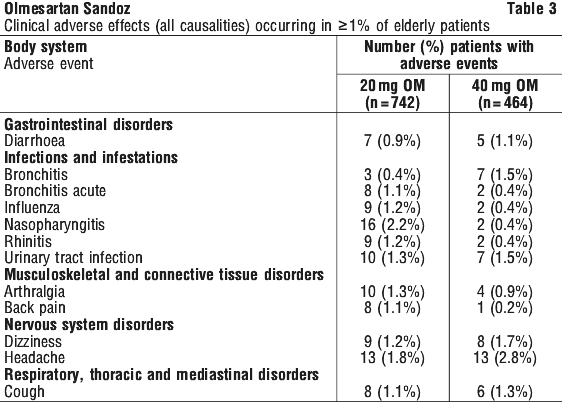
Use in elderly patients. Olmesartan medoxomil has been evaluated for safety in 1646 patients aged 65 years or older of whom, 454 were aged 75 years or older. Overall the incidence of adverse events in the elderly is comparable to that of the adult population. The number of withdrawals due to olmesartan medoxomil-related adverse effects was very low (6/1206; 0.5%) compared to the placebo (1/85; 1.2%) or losartan (0/184; 0.0%).
Adverse events reported with olmesartan medoxomil monotherapy in the elderly with a greater than 1% incidence are shown in Table 3.
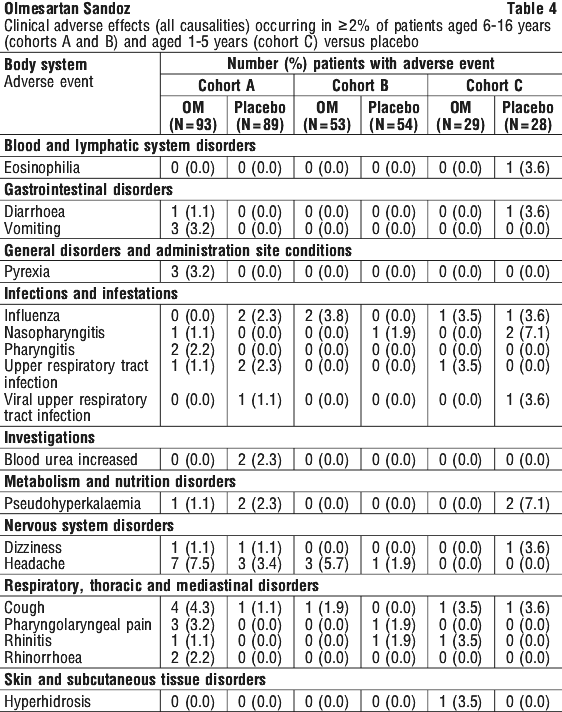
Paediatric use. No clinically relevant differences were identified between the adverse experience profile for paediatric patients aged 1 to 18 years and that previously reported for adult patients.
In placebo-controlled period, the only adverse event that occurred in more than 2% of patients treated with olmesartan medoxomil and at a higher incidence versus placebo was pseudohyperkalaemia (Cohort A: 1.1% versus 2.3%; Cohort C: 0% versus 7.1%). See Table 4.
4.9 Overdose
Only limited information is available regarding overdosage in humans. The most likely effect of overdosage is hypotension and tachycardia; bradycardia could be encountered if parasympathetic (vagal) stimulation occurs. In the event of overdosage, the patient should be carefully monitored and treatment should be symptomatic and supportive.
No information is available regarding the dialysability of olmesartan.
For information on the management of overdose contact the Poisons Information Centre on 131126 (Australia).
5 Pharmacological Properties
5.1 Pharmacodynamic Properties
Olmesartan medoxomil, a prodrug, is hydrolysed to olmesartan during absorption from the gastrointestinal tract. Olmesartan is a selective AT1 subtype angiotensin II receptor antagonist.
Mechanism of action. Angiotensin II is formed from angiotensin I in a reaction catalyzed by angiotensin converting enzyme (ACE, kininase II). Angiotensin II is the principal pressor agent of the renin-angiotensin system, with effects that include vasoconstriction, stimulation of synthesis and release of aldosterone, cardiac stimulation and renal reabsorption of sodium. Olmesartan medoxomil is an orally active angiotensin II receptor (type AT1) antagonist. It has more than a 12,500-fold greater affinity for the AT1 receptor than for the AT2 receptor. It is expected to block all actions of angiotensin II mediated by the AT1 receptor, regardless of the source or route of synthesis of angiotensin II. The selective antagonism of the angiotensin II (AT1) receptors results in increases in plasma renin levels and angiotensin I and II concentrations, and some decrease in plasma aldosterone concentrations.
Angiotensin II plays a significant role in the pathophysiology of hypertension via the type 1 (AT1) receptor.
In hypertension, olmesartan medoxomil causes a dose-dependent, long-lasting reduction in arterial blood pressure. There has been no evidence of first-dose hypotension, of tachyphylaxis during long-term treatment, or of rebound hypertension after cessation of therapy.
Once daily dosing with olmesartan medoxomil provides an effective and smooth reduction in blood pressure over the 24-hour dose interval. Once daily dosing produced similar decreases in blood pressure as twice daily dosing at the same total daily dose.
With continuous treatment, maximum reductions in blood pressure are achieved by 8 weeks after the initiation of therapy, although a substantial proportion of the blood pressure lowering effect is already observed after 2 weeks of treatment. When used together with hydrochlorothiazide, the reduction in blood pressure is additive and coadministration is well tolerated.
The effect of olmesartan on mortality and morbidity is not yet known.
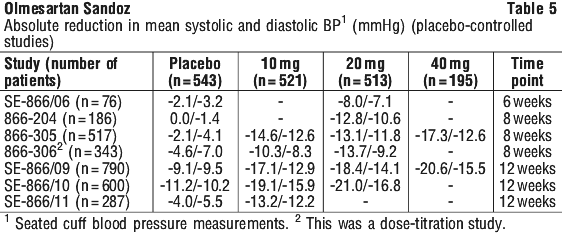
Clinical trials. The antihypertensive effects of olmesartan medoxomil have been demonstrated in seven placebo-controlled studies at doses ranging from 2.5 to 80 mg for 6 to 12 weeks. Approximately 2,800 patients with essential hypertension were studied. The blood pressure lowering effect of olmesartan medoxomil tended to increase with time and to increase with dose up to the 40 mg dose (see Table 5). Olmesartan medoxomil 10 mg (n=521), 20 mg (n=513), and 40 mg (n=195) once daily produced statistically significant reductions in peak and trough blood pressure compared with placebo (n=543) at every time point from Week 2 to Week 12 (sSBP p < 0.001 and sDBP p < 0.001).
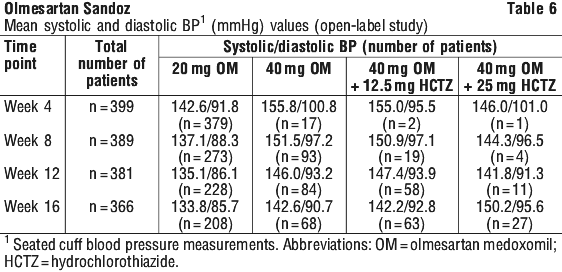
In a 4-month, open-label, extension study, all patients received 20 mg olmesartan medoxomil, which was titrated to 40 mg as required. If sitting diastolic blood pressure (sDBP) remained uncontrolled, hydrochlorothiazide 12.5-25 mg was then added. By Week 16, the majority of patients remained on 20 mg olmesartan medoxomil therapy (56.8%). Mean blood pressures generally continued to decrease in each treatment group from Week 4 to Week 16, as expected from the study design, which allowed treatment to be individually tailored to achieve blood pressure control (see Table 6).
The antihypertensive effect of olmesartan medoxomil was similar in men and women and in patients older and younger than 65 years. The effect was smaller in black patients (usually a low-renin population), as has been seen with other ACE inhibitors, angiotensin receptor blockers and beta-blockers. Olmesartan medoxomil had an additional blood pressure lowering effect when added to hydrochlorothiazide.
Use in elderly. The antihypertensive effects of olmesartan medoxomil were investigated in a randomised, double-blind, parallel group with losartan in elderly patients (65 years or older; olmesartan n=251 whom 69 were > 75 years; losartan n=130 whom 48 were > 75 years) with essential hypertension for 52 weeks. Patients were initiated on a starting dose of 20 mg olmesartan medoxomil and if required, titrated to 40 mg after 4 weeks. If after 4 weeks on 40 mg olmesartan medoxomil target blood pressure was not achieved then hydrochlorothiazide was added. The results obtained for those on olmesartan medoxomil were similar to those in the losartan group.
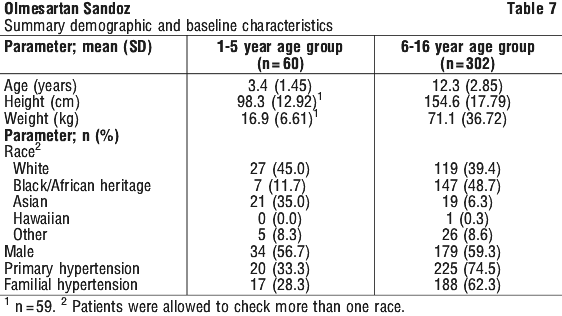
Paediatric use. The antihypertensive effect of olmesartan medoxomil once daily was evaluated in a randomised, double-blind study involving 361 hypertensive paediatric patients (1-5 years n=59, 6-16 years n=302). Renal and urinary disorders with/ without obesity were the most common underlying causes of hypertension in these patients enrolled in this study. See Table 7 for a summary of the baseline demographic characteristics of study participants.
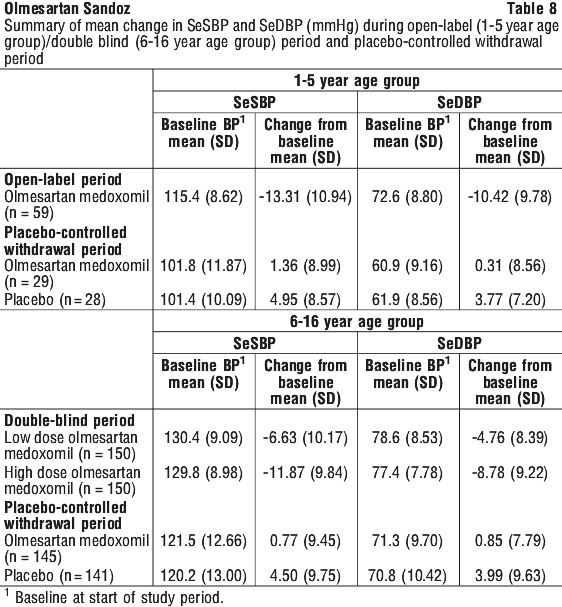
In the dose-response period, patients aged 6-16 years were randomised to receive either low or high dose of olmesartan medoxomil based on their weight. Patients weighing 20 to < 35 kg received 2.5 mg (low) or 20 mg (high); those weighing ≥ 35 kg, received 5 mg (low) or 40 mg (high). Patients aged 1-5 years who weighed ≥ 5 kg received a dose of 0.3 mg/kg.
At the end of this period, olmesartan medoxomil reduced both systolic and diastolic blood pressure in a dose-dependent manner. In patients aged 6-16 years the low and high doses of olmesartan medoxomil significantly reduced systolic blood pressure by 6.63 and 11.87 mmHg from the baseline, respectively. Patients aged 1-5 years of age had a clinically, and a statistically significant change from baseline reduction in systolic blood pressure of 13.31 mmHg.
In the placebo-controlled withdrawal period, patients who continued on olmesartan medoxomil had smaller increases in their systolic and diastolic blood pressure compared to patients switched to placebo. The difference between placebo and olmesartan medoxomil was statistically significant in patients aged 6-16 years, but was not statistically significant in patients aged 1-5 years. See Table 8 for a summary of the mean change in SeSBP and SeDBP for both groups during the open-label (1-5 year age group)/double-blind (6-16 year age group) and placebo-controlled withdrawal periods of the study.
5.2 Pharmacokinetic Properties
Absorption. Olmesartan medoxomil is a prodrug. It is rapidly converted to the pharmacologically active metabolite, olmesartan, by esterases in the gut mucosa and in portal blood during absorption from the gastrointestinal tract.
No intact olmesartan medoxomil or intact side chain medoxomil moiety have been detected in plasma or excreta. The mean absolute bioavailability of olmesartan from a tablet formulation was 25.6%.
The mean peak plasma concentration (Cmax) of olmesartan is reached within about 2 hours after oral dosing with olmesartan medoxomil, and olmesartan plasma concentrations increase approximately linearly with increasing single oral doses up to about 80 mg.
Food has minimal effect on the bioavailability of olmesartan and therefore olmesartan medoxomil may be administered with or without food.
Distribution. The mean volume of distribution after intravenous dosing is in the range of 16-29 litres. Olmesartan is highly bound to plasma proteins (99.7%), but the potential for clinically significant protein binding displacement interactions between olmesartan and other highly bound coadministered drugs is low (as confirmed by the lack of a clinically significant interaction between olmesartan medoxomil and warfarin). The binding of olmesartan to blood cells is negligible.
In rats, olmesartan crossed the blood-brain barrier poorly, if at all. Olmesartan crossed the placental barrier in rats and was distributed to the foetus. Olmesartan was distributed to milk at low levels in rats.
Metabolism. Following the rapid and complete conversion of olmesartan medoxomil to olmesartan during absorption, there is virtually no further metabolism of olmesartan.
Excretion. Total plasma clearance was typically 1.3 L/h (CV, 19%) and was relatively slow compared with hepatic blood flow (approximately 90 L/h). Approximately 30% to 50% of the systemically absorbed drug is excreted in the urine whilst the remainder is excreted in faeces (via the bile).
The terminal elimination half-life of olmesartan varied between 10 and 15 hours after multiple oral dosing. Steady state was reached after the first few doses and no further accumulation was evident after 14 days of repeated dosing. Renal clearance was approximately 0.5-0.7 L/h and was independent of dose.
Pharmacokinetics in special populations. Elderly. In hypertensive patients, the AUC at steady state was increased by approximately 33% in elderly patients (65-75 years old) and by approximately 31% (adjusted for gender and body mass index) in very elderly patients (≥ 75 years old) compared with the younger age group.
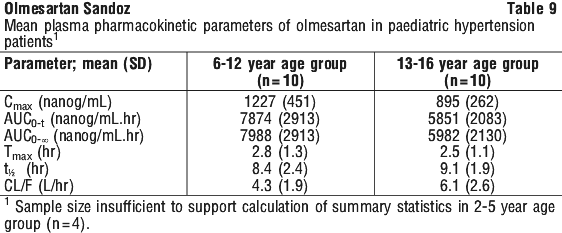
Paediatric. The single-dose pharmacokinetics of olmesartan was investigated in an open-label study in paediatric hypertensive patients aged 1 to 16 years. See Table 9 for a summary of PK parameters. The clearance of olmesartan in paediatric patients was similar to that in adult patients when adjusted by body weight. There are, however, very limited data on the pharmacokinetics of olmesartan in children less than 6 years (see Section 4.4 Special Warnings and Precautions for Use, Paediatric use).
Renal impairment. In patients with renal insufficiency, serum concentrations of olmesartan were elevated compared with subjects with normal renal function. After repeated dosing, the AUC was approximately tripled in patients with severe renal impairment (creatinine clearance < 30 mL/min).
The pharmacokinetics of olmesartan in patients undergoing haemodialysis has not been studied.
Hepatic impairment. Mean olmesartan AUC after single oral administration to patients with moderate hepatic impairment (Child-Pugh score 7 - 9) was increased by about 48% compared with healthy controls (total group), or by about 60% when compared with matched controls only. Following repeated dosing, a similar increase in olmesartan mean AUC was observed in patients with moderate hepatic impairment (Child-Pugh score 7 - 9) when compared with matched healthy controls. Olmesartan mean Cmax values were similar in hepatically-impaired and healthy subjects. Olmesartan medoxomil has not been evaluated in patients with severe hepatic impairment (Child-Pugh score 10 - 15).
5.3 Preclinical Safety Data
Genotoxicity. Both olmesartan medoxomil and olmesartan tested negative in the in vitro Syrian hamster embryo cell transformation assay and showed no evidence of genetic toxicity in the Ames (bacterial mutagenicity) test. However, both were shown to induce chromosomal aberrations in cultured cells in vitro (Chinese hamster lung) and tested positive for thymidine kinase mutations in the in vitro mouse lymphoma assay. Olmesartan medoxomil tested negative in vivo for mutations in the intestine and kidney of a mutagenic susceptible mouse (MutaMouse) and for clastogenicity in mouse bone marrow (micronucleus test) at oral doses of up to 2,000 mg/kg. Olmesartan not tested in this mouse model. On balance, the weight-of-evidence indicates that olmesartan medoxomil does not pose a genotoxic risk at clinically relevant doses.
Carcinogenicity. Olmesartan medoxomil was not carcinogenic when administered by dietary administration to rats for up to 2 years. The highest dose tested (2,000 mg/kg/day) corresponded to a relative systemic exposure to olmesartan that was about 30 times that anticipated at the maximum recommended human dose (MRHD) of 40 mg/day (based on AUC). Two carcinogenicity studies conducted in mice, a 6-month gavage study in the p53 knockout mouse and a 6-month dietary administration study in the Hras2 transgenic mouse, at doses of up to 1,000 mg/kg/day (about 11 times anticipated clinical exposure to olmesartan at the MRHD, based on AUC in Hras2), revealed no evidence of a carcinogenic effect of olmesartan medoxomil.
6 Pharmaceutical Particulars
6.1 List of Excipients
The tablets also contain the following inactive ingredients: lactose monohydrate, microcrystalline cellulose, hyprolose, hypromellose, magnesium stearate, and Opadry complete film coating system 03F82788 Yellow.
6.2 Incompatibilities
Incompatibilities were either not assessed or not identified as part of the registration of this medicine.
For information on interactions with other medicines and other forms of interactions, see Section 4.5 Interactions with Other Medicines and Other Forms of Interactions.
6.3 Shelf Life
In Australia, information on the shelf life can be found on the public summary of the Australian Register of Therapeutic Goods (ARTG). The expiry date can be found on the packaging.
6.4 Special Precautions for Storage
Store below 25°C.
6.5 Nature and Contents of Container
10 mg tablet. Aluminium/Aluminium blister pack of 30 tablets.
20 mg tablet. Aluminium/Aluminium blister pack of 30 tablets.
40 mg tablet. Aluminium/Aluminium blister pack of 30 tablets.
6.6 Special Precautions for Disposal
In Australia, any unused medicine or waste material should be disposed of in accordance with local requirements.
6.7 Physicochemical Properties
Olmesartan medoxomil is a white to light yellowish-white powder or crystalline powder. It is practically insoluble in water and sparingly soluble in methanol.
Chemical structure.
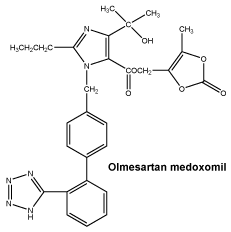
Molecular formula: C29H30N6O6.
Molecular weight: 558.59.
CAS number. 144689-63-4.
7 Medicine Schedule (Poisons Standard)
S4 - Prescription Only Medicine.
Date of First Approval
05 February 2015
Date of Revision
20 March 2026
Summary Table of Changes

Reasonable care is taken to provide accurate information at the time of creation. This information is not intended as a substitute for medical advice and should not be exclusively relied on to manage or diagnose a medical condition. The Australian Commission on Safety and Quality in Health Care disclaims all liability (including for negligence) for any loss, damage, injury or any other negative effects resulting from reliance on or use of this information. Read our full disclaimer. This website uses cookies. Read our privacy policy.