
Ondansetron Viatris
Brand Information
| Brand name | Ondansetron Viatris |
| Active ingredient | Ondansetron |
| Schedule | S4 |
Consumer Medicine Information (CMI) leaflet
Please read this leaflet carefully before you start using the Ondansetron Viatris.
Summary CMI
ONDANSETRON VIATRIS
Consumer Medicine Information (CMI) summary
The full CMI on the next page has more details. If you are worried about using this medicine, speak to your doctor or pharmacist.
1. Why am I being given ONDANSETRON VIATRIS?
ONDANSETRON VIATRIS contains the active ingredient ondansetron. ONDANSETRON VIATRIS is used to help stop the nausea (sick feeling) and vomiting which can occur after medical treatments and operations.
For more information, see Section 1. Why am I being given ONDANSETRON VIATRIS? in the full CMI.
2. What should I know before I am given ONDANSETRON VIATRIS?
Do not use if you have ever had an allergic reaction to ondansetron or any of the ingredients listed at the end of the CMI.
Talk to your doctor if you have any other medical conditions, take any other medicines, or are pregnant or plan to become pregnant or are breastfeeding.
For more information, see Section 2. What should I know before I am given ONDANSETRON VIATRIS? in the full CMI.
3. What if I am taking other medicines?
Some medicines may interfere with ONDANSETRON VIATRIS and affect how it works.
A list of these medicines is in Section 3. What if I am taking other medicines? in the full CMI.
4. How is ONDANSETRON VIATRIS given?
- ONDANSETRON VIATRIS is given by injection into the muscle or by slow infusion into a vein.
- It must only be given by a doctor or nurse.
More instructions can be found in Section 4. How is ONDANSETRON VIATRIS given? in the full CMI.
5. What should I know after I am given ONDANSETRON VIATRIS?
| Things you should do |
|
| Things you should not do |
|
| Driving or using machines |
|
| Looking after your medicine |
|
For more information, see Section 5. What should I know before I am given ONDANSETRON VIATRIS? in the full CMI.
6. Are there any side effects?
Less serious side effects: headache; a sensation of warmth or flushing; mild stomach cramps; constipation or diarrhoea; dry mouth; hiccups; burning sensation at the site of injection.
Serious side effects: 'wheezy' symptoms; chest pain or tightness of the chest; changes in the way your heart beats, e.g. if you notice it beating faster or slower than normal, or if it beats irregularly or if it 'throbs'; disturbance in heart rhythm (sometimes causing a sudden loss of consciousness); patients may experience "serotonin syndrome" (confusion, sweating, unsteadiness, shaking, diarrhoea) when ONDANSETRON VIATRIS is taken in combination with other serotonergic drugs; severe skin reaction where the top layer of the skin detaches from the lower layers; low blood pressure; fits or convulsions; swelling of the eyelids, face lips, mouth or throat which may cause difficulty in swallowing or breathing; skin rash, skin lumps or hives; blurred vision; dizziness.
For more information, including what to do if you have any side effects, see Section 6. Are there any side effects? in the full CMI.
Full CMI
ONDANSETRON VIATRIS
Active ingredient(s): ondansetron hydrochloride dihydrate
Consumer Medicine Information (CMI)
This leaflet provides important information about using ONDANSETRON VIATRIS. You should also speak to your doctor or pharmacist if you would like further information or if you have any concerns or questions about using ONDANSETRON VIATRIS.
Where to find information in this leaflet:
1. Why am I being given ONDANSETRON VIATRIS?
2. What should I know before I am given ONDANSETRON VIATRIS?
3. What if I am taking other medicines?
4. How is ONDANSETRON VIATRIS given?
5. What should I know after I am given ONDANSETRON VIATRIS?
6. Are there any side effects?
7. Product details
1. Why am I being given ONDANSETRON VIATRIS?
ONDANSETRON VIATRIS contains the active ingredient ondansetron. ONDANSETRON VIATRIS belongs to a group of medicines called Serotonin receptor-3 antagonists.
ONDANSETRON VIATRIS is used to is used to help stop the nausea (sick feeling) and vomiting which can occur after medical treatments and operations.
ONDANSETRON VIATRIS should only be used to treat the nausea and vomiting for which it has been prescribed.
Your doctor may have prescribed ONDANSETRON VIATRIS for another reason. If you want more information, ask your doctor.
ONDANSETRON VIATRIS injection is not addictive.
2. What should I know before I am given ONDANSETRON VIATRIS?
Warnings
Do not use ONDANSETRON VIATRIS if:
- you are allergic to ondansetron, or any of the ingredients listed at the end of this leaflet.
Some of the symptoms of an allergic reaction may include:
- shortness of breath
- wheezing or difficulty breathing
- swelling of the face, lips, tongue or other parts of the body
- rash, itching or hives on the skin.
Always check the ingredients to make sure you can use this medicine. - you are taking apomorphine (used to treat Parkinson's disease)
- you are pregnant, trying to become pregnant or breastfeeding, unless your doctor says it is safe
- the expiry date printed on the pack has passed
- the packaging is torn or shows signs of tampering
- the injection solution is coloured, cloudy or lumpy.
Check with your doctor if you:
- have allergies to any other medicines, foods, preservatives or dyes
- take any medicines for any other condition
- have or have had any of the following medical conditions:
- you have had to stop taking another medicine for your nausea or vomiting.
- you have or used to have liver problems.
During treatment, you may be at risk of developing certain side effects. It is important you understand these risks and how to monitor for them. See additional information under Section 6. Are there any side effects?
Pregnancy and breastfeeding
Do not take this medicine if you are pregnant.
It may affect your developing baby if you take it during pregnancy.
Do not breastfeed if you are taking this medicine.
The active ingredient in ONDANSETRON VIATRIS passes into breast milk and there is a possibility that your baby may be affected.
Tell your doctor if you are pregnant or plan to become pregnant or are breast feeding. Your doctor can discuss with you the risks and benefits involved.
Use in children
The clinical safety of ondansetron injection in children under 2 years has not been studied.
3. What if I am taking other medicines?
Tell your doctor or pharmacist if you are taking any other medicines, including any medicines, vitamins or supplements that you buy without a prescription from your pharmacy, supermarket or health food shop.
Some medicines may interfere with ONDANSETRON VIATRIS and affect how it works. These include:
- pain killers such as tramadol
- antibacterials such as rifampicin
- serotonergic drugs including selective serotonin reuptake inhibitors (SSRIs) and serotonin noradrenaline reuptake inhibitors (SNRIs)
- antiepileptics such as carbamazepine and phenytoin
- medicines that prolong QT interval and/or cause electrolyte abnormalities.
Some medicines may affect the way others work. Your doctor or pharmacist will be able to tell you what to do when using ONDANSETRON VIATRIS.
Check with your doctor or pharmacist if you are not sure about what medicines, vitamins or supplements you are taking and if these affect ONDANSETRON VIATRIS.
4. How is ONDANSETRON VIATRIS given?
ONDANSETRON VIATRIS is given by injection into the muscle or by slow infusion into a vein.
It must only be given by a doctor or nurse.
Sometimes other medicines are given at the same time.
Do NOT use the injection on your own.
If you are given too much ONDANSETRON VIATRIS
This rarely happens as ONDANSETRON VIATRIS is administered under the care of highly trained doctor.
However, if you are given too much ondansetron, you may experience some of the effects listed under Section 6. Are there any side effects?.
If you think that you have used too much ONDANSETRON VIATRIS, you may need urgent medical attention.
You should immediately:
- phone the Poisons Information Centre
(Australia telephone 13 11 26) for advice, or - contact your doctor, or
- go to the Emergency Department at your nearest hospital.
You should do this even if there are no signs of discomfort or poisoning.
5. What should I know after I am given ONDANSETRON VIATRIS?
Things you should do
Remind any nurse, doctor, dentist or pharmacist you visit that you are being treated with ONDANSETRON VIATRIS.
Things you should not do
Do not give this medicine to anyone else, even if their symptoms seem similar to yours.
Do not use this medicine to treat any other complaints unless your doctor says to.
Driving or using machines
Be careful before you drive or use any machines or tools until you know how ONDANSETRON VIATRIS affects you.
Looking after your medicine
- ONDANSETRON VIATRIS will be stored in the pharmacy or the ward.
- The injection is kept in a cool dry place, protected from light, where the temperature stays below 25°C.
- Keep the injection ampoules in their pack until time to take.
Follow the instructions in the carton on how to take care of your medicine properly.
Store it in a cool dry place away from moisture, heat or sunlight; for example, do not store it:
- in the bathroom or near a sink, or
- in the car or on window sills.
Keep it where young children cannot reach it, such as in a locked cupboard.
Getting rid of any unwanted medicine
If you no longer need to use this medicine or it is out of date, take it to any pharmacy for safe disposal.
Do not use this medicine after the expiry date.
6. Are there any side effects?
All medicines can have side effects. If you do experience any side effects, most of them are minor and temporary. However, some side effects may need medical attention.
See the information below and, if you need to, ask your doctor or pharmacist if you have any further questions about side effects.
Less serious side effects
| Less serious side effects | What to do |
Nervous system-related:
| Speak to your doctor if you have any of these less serious side effects. These are all mild side effects. There is no immediate reason to stop using your injection unless you are concerned. |
Serious side effects
| Serious side effects | What to do |
Heart-related:
| Call your doctor straight away, or go straight to the Emergency Department at your nearest hospital if you notice any of these serious side effects. These serious side effects are rare. |
Tell your doctor or pharmacist if you notice anything else that may be making you feel unwell.
Other side effects not listed here may occur in some people.
Tell your doctor as soon as possible if you do not feel well while you are being given ONDANSETRON VIATRIS or if your nausea (feeling of sickness) and vomiting does not go away.
In certain illnesses and treatments where ONDANSETRON VIATRIS is used, blood vessel blockage has occurred. However, it is important to note that blood vessel blockage has also occurred in these illnesses and treatments when ONDANSETRON VIATRIS has NOT been used. Discuss this with your doctor if you have any concerns.
If you feel unwell or have any symptoms that you do not understand, you should tell your doctor immediately.
Reporting side effects
After you have received medical advice for any side effects you experience, you can report side effects to the Therapeutic Goods Administration online at www.tga.gov.au/reporting-problems. By reporting side effects, you can help provide more information on the safety of this medicine.
Always make sure you speak to your doctor or pharmacist before you decide to stop taking any of your medicines.
7. Product details
This medicine is only available with a doctor's prescription.
What ONDANSETRON VIATRIS contains
| Active ingredient (main ingredient) | ondansetron (as hydrochloride) |
| Other ingredients (inactive ingredients) |
|
Do not take this medicine if you are allergic to any of these ingredients.
What ONDANSETRON VIATRIS looks like
ONDANSETRON VIATRIS is a colourless clear, practically odourless, free of visible particles solution containing 2 mg/mL ondansetron (as hydrochloride):
- 4 mg/2 mL ampoule - AUST R 155842
- 8 mg/4 mL ampoule - AUST R 155843
Available in packs of five ampoules.
Who distributes ONDANSETRON VIATRIS
Alphapharm Pty Ltd trading as Viatris
Level 1, 30 The Bond
30-34 Hickson Road
Millers Point NSW 2000
www.viatris.com.au
Phone: 1800 274 276
This leaflet was prepared in November 2025.
ONDANSETRON VIATRIS_cmi\Nov25/00
Brand Information
| Brand name | Ondansetron Viatris |
| Active ingredient | Ondansetron |
| Schedule | S4 |
MIMS Revision Date: 01 February 2023
1 Name of Medicine
Ondansetron hydrochloride dihydrate.
2 Qualitative and Quantitative Composition
Ondansetron Viatris 4 mg/2 mL solution for injection ampoule contains 4 mg ondansetron (as hydrochloride) in 2 mL aqueous solution.
Ondansetron Viatris 8 mg/4 mL solution for injection ampoule contains 8 mg ondansetron (as hydrochloride) in 4 mL aqueous solution .
For the full list of excipients, see Section 6.1 List of Excipients.
3 Pharmaceutical Form
Ondansetron Viatris 4 mg/2 mL. For IV injection, IV infusion or IM injection.
Colourless clear liquid, practically odourless, free of visible particles.
Ondansetron Viatris 8 mg/4 mL. For IV injection or IV infusion.
Colourless clear liquid, practically odourless, free of visible particles.
4 Clinical Particulars
4.1 Therapeutic Indications
Ondansetron injection is indicated for the prevention and treatment of nausea and vomiting induced by cytotoxic therapy and radiotherapy. Ondansetron injection is also indicated for the prevention and treatment of postoperative nausea and vomiting.
4.2 Dose and Method of Administration
The emetogenic potential of cancer treatment varies according to the doses and combinations of chemotherapy and radiotherapy regimens used. The route of administration and dose of ondansetron should be flexible in the range of 8-32 mg a day and selected as shown below. The lowest effective dose should be used.
Adults. Emetogenic chemotherapy and radiotherapy. For the control of chemotherapy or radiotherapy induced emesis or nausea in adults, a single dose of 8 mg of ondansetron should be administered as a slow intravenous injection in not less than 30 seconds, immediately before treatment.
Highly emetogenic chemotherapy. A single dose of ondansetron 8 mg by slow intravenous injection in not less than 30 seconds immediately before chemotherapy has been shown to be effective in many patients. Higher doses may be required in some patients, particularly those on high dose cisplatin, and the doses should be adjusted according to the severity of the emetogenic challenge. If required, additional intravenous doses may be given up to a maximum of 32 mg in 24 hours.
Maximum initial intravenous doses of 16 mg should be given by slow intravenous infusion over at least 15 minutes, since rapid intravenous administration of ondansetron has been associated with a higher incidence of transient visual disturbances. A single dose greater than 16 mg should not be given (see Section 4.4 Special Warnings and Precautions for Use).
Dexamethasone sodium phosphate as a single intravenous dose of 20 mg may be given prior to the first intravenous dose of ondansetron before chemotherapy, to potentiate the antiemetic effects of ondansetron.
Post-operative nausea and vomiting. For prevention of post-operative nausea and vomiting in adults, ondansetron may be administered as a single dose of 4 mg, given by intramuscular or slow intravenous injection at induction of anaesthesia.
For treatment of established post-operative nausea and vomiting, a single dose of 4 mg given by intramuscular or slow intravenous injection is recommended in most patients. If necessary, the dose may be increased to 8 mg.
Children. Emetogenic chemotherapy and radiotherapy. Experience is currently limited but ondansetron was effective and well tolerated in children over the age of 4 years, when given intravenously at a dose of 5 mg/m2 over 15 minutes immediately before chemotherapy. The dose of 5 mg/m2 is based on limited data.
Post-operative nausea and vomiting. For prevention of post-operative nausea and vomiting in children aged 2 to 12 years having surgery under general anaesthesia, ondansetron may be administered by slow intravenous injection (not less than 30 seconds) at a dose of 0.1 mg/kg up to a maximum of 4 mg either prior to, at, or after induction of anaesthesia.
For treatment of established post-operative nausea and vomiting, ondansetron may be administered by slow intravenous injection at a dose of 0.1 mg/kg up to a maximum of 4 mg.
Repeat dosing has not been studied in paediatric patients who experience nausea and/or vomiting despite receiving ondansetron prophylaxis or who continue to experience symptoms after ondansetron treatment.
Elderly patients. Elderly patients aged 75 years or older. A single dose of intravenous ondansetron given for the prevention of chemotherapy induced nausea and vomiting (CINV) must not exceed 8 mg (infused over at least 15 minutes).
Adult patients aged less than 75 years. A single dose of intravenous ondansetron given for the prevention of CINV in adults (aged less than 75 years) must not exceed 16 mg (infused over at least 15 minutes).
Ondansetron causes a dose dependent prolongation of the electrocardiographic corrected QT interval (QTc), which can lead to torsade de pointes, a potentially life threatening heart arrhythmia. Therefore, the above new dose restrictions are in place for use of intravenous ondansetron.
Post-operative nausea and vomiting. There is limited experience in the use of ondansetron in the prevention and treatment of post-operative nausea and vomiting in the elderly.
Patients with renal impairment. No alteration of daily dosage or frequency of dosing or route of administration are required.
Patients with hepatic impairment. A study which investigated the effect of hepatic impairment on the pharmacokinetics of ondansetron in 24 subjects showed that the plasma clearance of ondansetron is reduced to about 20% of normal, and the serum half-life is significantly prolonged in subjects with severe impairment of hepatic function.
The results in patients with only mildly or moderately impaired hepatic function were less clear. The study showed that in this group the plasma clearance of ondansetron fell to about 50% of that seen in healthy volunteers. Subjects with mild and moderate impairment were not distinguishable from each other for any parameter. This was believed to be partly due to the lack of sensitivity of the Pugh classification system in distinguishing between patients with mild or moderate impairment.
It is recommended that a total daily dose of 8 mg should not be exceeded for patients with moderate or severe hepatic dysfunction. For optimum clinical effect it is recommended that this total daily dose be administered before chemotherapy or radiotherapy.
The severity of the liver disease was assessed according to Pugh's modification of Child's classification (Pugh et al., Brit. J. Surg. 1973; 60 (8): 646-649). Patients with a Pugh score of 5 or less were considered to have good hepatic function. A patient with a score of 6 was graded as having mild hepatic impairment, 7 to 9 as moderate hepatic impairment and 10 or more as severe hepatic impairment. The clinical features used in the grading and the weighting system applied are shown in Table 1.
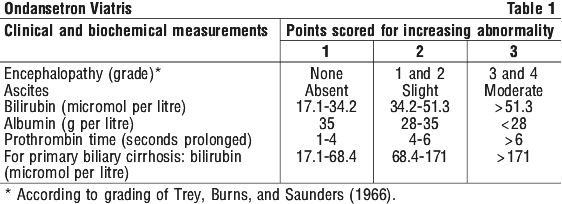
Compatibility with other drugs. Administration recommendations: slow intravenous injection from an infusion bag or syringe pump. The following drugs may be administered via the Y-site of the ondansetron giving set for ondansetron concentrations of 16 to 160 microgram/mL (i.e. 8 mg/500 mL and 8 mg/50 mL respectively).
Cisplatin. Concentrations up to 0.48 mg/mL (i.e. 240 mg in 500 mL) administered over one to eight hours.
Fluorouracil. Concentrations up to 0.8 mg/mL (i.e. 2.4 g in 3 litres or 400 mg in 500 mL) administered at a rate of at least 20 mL per hour (500 mL per 24 hours). Higher concentrations of fluorouracil may cause precipitation of ondansetron. The fluorouracil infusion may contain up to 0.045% w/v magnesium chloride in addition to other excipients shown to be compatible.
Carboplatin. Concentrations in the range 0.18 mg/mL to 9.9 mg/mL (i.e. 90 mg in 500 mL to 990 mg in 100 mL), administered over ten minutes to one hour.
Etoposide. Concentrations in the range 0.14 mg/mL to 0.25 mg/mL (i.e. 72 mg in 500 mL to 250 mg in 1 litre), administered over thirty minutes to one hour.
Ceftazidime. Doses in the range 250 mg to 2000 mg reconstituted with Water for Injections BP as recommended by the manufacturer (i.e. 2.5 mL for 250 mg and 10 mL for 2 g ceftazidime) and given as an intravenous bolus injection over approximately five minutes.
Cyclophosphamide. Doses in the range 100 mg to 1 g, reconstituted with Water for Injections BP, 5 mL per 100 mg cyclophosphamide, as recommended by the manufacturer, and given as an intravenous bolus injection over approximately five minutes.
Doxorubicin. Doses in the range 10-100 mg reconstituted with Water for Injections BP, 5 mL per 10 mg doxorubicin, as recommended by the manufacturer, and given as an intravenous bolus injection over approximately five minutes.
Dexamethasone. Dexamethasone sodium phosphate 20 mg may be administered as a slow intravenous injection over 2-5 minutes. The intravenous administration of dexamethasone should be physically separated from ondansetron either by administration via a different line or by flushing the line with 0.9% sodium chloride injection in between the two drugs.
4.3 Contraindications
Based on reports of profound hypotension and loss of consciousness when ondansetron was administered with apomorphine hydrochloride hemihydrate, concomitant use with apomorphine is contraindicated.
Hypersensitivity to any component of the preparation (see Section 4.4 Special Warnings and Precautions for Use).
4.4 Special Warnings and Precautions for Use
Hypersensitivity reactions have been reported in patients who have exhibited hypersensitivity to other selective 5HT3-receptor antagonists.
Ondansetron prolongs the QT interval in a dose dependent manner. In addition, post-marketing cases of torsade de pointes have been reported in patients using ondansetron. Avoid ondansetron in patients with congenital long QT syndrome. Ondansetron should be administered with caution to patients who have or may develop prolongation of QTc, including patients with electrolyte abnormalities, congestive heart failure, bradyarrhythmias or patients taking other medicinal products that lead to QT prolongation or electrolyte abnormalities.
Hypokalemia and hypomagnesemia should be corrected prior to ondansetron administration.
Serotonin syndrome has been described following the concomitant use of ondansetron and other serotonergic drugs (see Section 4.5 Interactions with Other Medicines and Other Forms of Interactions). If concomitant treatment with ondansetron and other serotonergic drugs is clinically warranted, appropriate observation of the patient is advised.
As ondansetron is known to increase large bowel transit time, patients with signs of subacute intestinal obstruction should be monitored following administration.
Repeat dosing has not been studied in paediatric patients who experience nausea and/or vomiting despite receiving ondansetron prophylaxis or who continue to experience symptoms after ondansetron treatment.
Myocardial ischaemia. Cases of myocardial ischaemia have been reported in patients treated with ondansetron. In some patients, especially in the case of intravenous administration, symptoms appeared immediately after administration of ondansetron. Patients should be alerted to the signs and symptoms of myocardial ischaemia.
Use in the elderly. No data available.
Paediatric use. No data available.
Effects on laboratory tests. No data available.
4.5 Interactions with Other Medicines and Other Forms of Interactions
There is no evidence that ondansetron either induces or inhibits the metabolism of other drugs commonly coadministered with it. Specific studies have shown that there are no pharmacokinetic interactions when ondansetron is administered with alcohol, temazepam, alfentanil, furosemide, tramadol or propofol.
Ondansetron is metabolised by multiple hepatic cytochrome P450 enzymes: CYP3A4, CYP2D6 and CYP1A2. Due to the multiplicity of metabolic enzymes capable of metabolising ondansetron, enzyme inhibition or reduced activity of one enzyme (e.g. CYP2D6 genetic deficiency) is normally compensated by other enzymes and should result in little or no significant change in overall ondansetron clearance or dose requirement.
Caution should be exercised when ondansetron is coadministered with drugs that prolong the QT interval and/or cause electrolyte abnormalities (see Section 4.4 Special Warnings and Precautions for Use).
Based on reports of profound hypotension and loss of consciousness when ondansetron was administered with apomorphine hydrochloride hemihydrate, concomitant use with apomorphine is contraindicated.
In patients treated with potent inducers of CYP3A4 (i.e. phenytoin, carbamazepine, and rifampicin), the oral clearance of ondansetron was increased and ondansetron blood concentrations were decreased.
Following a single 8 mg tablet dose of ondansetron, a threefold to fourfold decrease in the systemic exposure has been seen in adult epileptic subjects maintained on chronic doses of carbamazepine (n = 8) or phenytoin (n = 8) and not receiving chemotherapy. The effect of these enzyme inducing agents on intravenous ondansetron has not been assessed, but the absence of any first pass effects would be expected to result in a smaller change in exposure than seen following oral dosing. Due to the limited efficacy data in subjects on antiepileptics and the many variables that may influence exposure and response, the clinical significance of this drug interaction in cancer patients receiving chemotherapy is not known.
Serotonergic drugs (e.g. SSRIs and SNRIs). Serotonin syndrome (including altered mental status, autonomic instability and neuromuscular abnormalities) has been described following the concomitant use of ondansetron and other serotonergic drugs, including selective serotonin reuptake inhibitors (SSRIs) and serotonin noradrenaline reuptake inhibitors (SNRIs) (see Section 4.4 Special Warnings and Precautions for Use).
Data from small studies indicate that ondansetron may reduce the analgesic effect of tramadol.
4.6 Fertility, Pregnancy and Lactation
Effects on fertility. Oral doses of ondansetron up to 15 mg/kg/day in rats had no effect on male or female fertility. Women of childbearing potential should consider the use of contraception.
Use in pregnancy. (Category B1)
Based on human experience from epidemiological studies, ondansetron is suspected to cause orofacial malformations when administered during the first trimester of pregnancy. In one cohort study including 1.8 million pregnancies, first trimester ondansetron use was associated with an increased risk of oral clefts (3 additional cases per 10 000 women treated; adjusted relative risk, 1.24, (95% CI 1.03-1.48)).
The available epidemiological studies on cardiac malformations show conflicting results.
Animal studies does not indicate direct or indirect harmful effects with respect to reproductive toxicity. Ondansetron should not be used during the first trimester of pregnancy.
Use in lactation. Tests have shown that ondansetron is excreted in the breast milk of rats. It is therefore recommended that mothers receiving ondansetron should not breastfeed their babies.
4.7 Effects on Ability to Drive and Use Machines
The effects of this medicine on a person's ability to drive and use machines were not assessed as part of its registration.
4.8 Adverse Effects (Undesirable Effects)
Adverse events are listed below by system organ class and frequency. Frequencies are defined as: very common (≥ 1/10), common (≥ 1/100 and < 1/10), uncommon (≥ 1/1000 and < 1/100), rare (≥ 1/10,000 and < 1/1000) and very rare (< 1/10,000), including isolated reports. Very common, common and uncommon events were generally determined from clinical trial data. The incidence in placebo was taken into account. Rare and very rare events were generally determined from post-marketing spontaneous data.
The following frequencies are estimated at the standard recommended doses of ondansetron according to indication and formulation. The adverse event profiles in children and adolescents were comparable to that seen in adults.
Immune system disorders. Rare: immediate hypersensitivity reactions, sometimes severe, including anaphylaxis.
Nervous system disorders. Very common: headache. Uncommon: seizures, movement disorders (including extrapyramidal reactions such as oculogyric crisis, dystonic reactions and dyskinesia have been observed without definitive evidence of persistent clinical sequelae). Rare: dizziness during rapid i.v. administration.
Eye disorders. Rare: transient visual disturbances (e.g. blurred vision) predominantly during i.v. administration. Very rare: transient blindness predominantly during i.v. administration.
The majority of the blindness cases reported resolved within 20 minutes. Most patients had received chemotherapeutic agents, which included cisplatin. Some cases of transient blindness were reported as cortical in origin.
Cardiac disorders. Uncommon: arrhythmias, chest pain with or without ST segment depression, bradycardia. Rare: QTc prolongation (including torsade de pointes). Unknown: myocardial ischaemia.
Vascular disorders. Common: sensation of warmth or flushing. Uncommon: hypotension.
Respiratory, thoracic and mediastinal disorders. Uncommon: hiccups.
Gastrointestinal disorders. Common: constipation, xerostomia.
Hepatobiliary disorders. Uncommon: asymptomatic increases in liver function tests#.
#These events were observed commonly in patients receiving chemotherapy with cisplatin.
Skin and subcutaneous tissue disorders. Very rare: toxic skin eruption, including toxic epidermal necrolysis.
General disorders and administration site conditions. Common: local i.v. injection site reactions.
To date there has been limited safety experience in controlled trials following intramuscular administration.
Of 7,400 patients who have received intravenous ondansetron during clinical trials, 11 experienced major cardiovascular events, including 3 fatalities, which were considered to be drug related by the investigators (1 probable, 10 possible). It is well known that cardiovascular events, especially of a vascular occlusive nature, are not uncommon among patients with cancer, and these events are further increased with cytotoxic chemotherapy, particularly cisplatin.
Table 2 shows adverse events occurring in ≥ 1% of paediatric patients (either group) in three pivotal clinical trials for prevention of post-operative nausea and vomiting. Ondansetron appears to be as well tolerated as placebo.
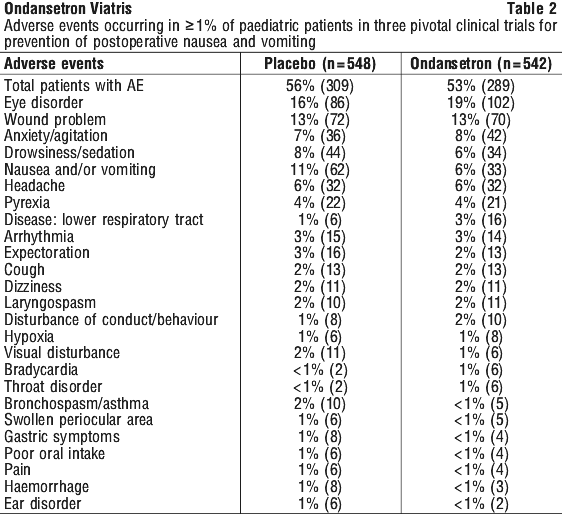
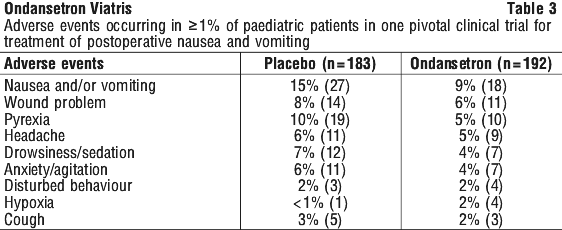
Occasionally local reactions at the site of intravenous injection have been reported. (See Table 4.)
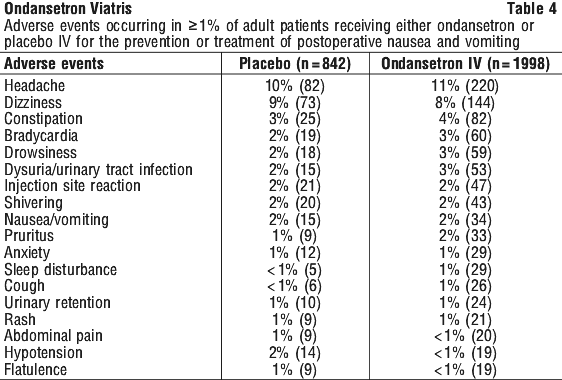
The neurological body system was associated with the highest incidence of adverse events (placebo approximately 23%; ondansetron 24%). These events were predominantly headache, dizziness and drowsiness.
Cardiovascular adverse events (bradycardia and hypotension) occurred in approximately 4% in both placebo and ondansetron groups; gastrointestinal adverse events (constipation, nausea/vomiting, flatulence and abdominal pain) occurred in approximately 7% of patients both receiving placebo and IV ondansetron.
The incidence rates were generally similar in both treatment groups for all body systems.
Reporting suspected adverse effects. Reporting suspected adverse reactions after registration of the medicinal product is important. It allows continued monitoring of the benefit-risk balance of the medicinal product. Healthcare professionals are asked to report any suspected adverse reactions at www.tga.gov.au/reporting-problems.
4.9 Overdose
Little is at present known about overdosage with ondansetron, however, a limited number of patients received overdoses. Manifestations that have been reported include visual disturbances, severe constipation, hypotension and a vasovagal episode with transient second degree AV block. In all instances, the events resolved completely. There is no specific antidote for ondansetron, therefore in cases of suspected overdose, symptomatic and supportive therapy should be given as appropriate.
Ondansetron prolongs QT interval in a dose dependent fashion. ECG monitoring is recommended in cases of overdose.
Cases consistent with serotonin syndrome have been reported in young children following oral overdose.
For information on the management of overdose, contact the Poisons Information Centre on 13 11 26 (Australia).
5 Pharmacological Properties
5.1 Pharmacodynamic Properties
Mechanism of action. Ondansetron is a potent, highly selective 5HT3-receptor antagonist. Its precise mode of action in the control of nausea and vomiting is not known. Chemotherapeutic agents and radiotherapy may cause release of 5HT in the small intestine initiating a vomiting reflex by activating vagal afferents via 5HT3-receptors. Ondansetron blocks the initiation of this reflex. Activation of vagal afferents may also cause a release of 5HT in the area postrema, located on the floor of the fourth ventricle, and this may also promote emesis through a central mechanism. Thus, the effect of ondansetron in the management of the nausea and vomiting induced by cytotoxic chemotherapy and radiotherapy is due to antagonism of 5HT3-receptors on neurones located both in the peripheral and central nervous system. The mechanisms of action in post-operative nausea and vomiting are not known but there may be common pathways with cytotoxic induced nausea and vomiting. In psychomotor testing, ondansetron does not impair performance nor cause sedation. Ondansetron does not alter plasma prolactin concentrations.
A study in cloned human cardiac ion channels has shown ondansetron has the potential to affect cardiac repolarisation via blockade of HERG potassium channels. The clinical relevance of this finding is uncertain.
Clinical trials. Chemotherapy and radiotherapy induced nausea and vomiting. Adult studies. Highly emetogenic chemotherapy. In a double blind, randomised study 152 patients were given ondansetron 8 mg i.v. single dose and 173 patients were given 32 mg i.v. single dose 30 minutes prior to cisplatin (≥ 50 mg/m2). No significant difference in terms of emesis control or grade of nausea was demonstrated between 8 mg or 32 mg. However, in some studies conducted in patients receiving medium (50-90 mg/m2) or high doses (≥ 100 mg/m2) of cisplatin chemotherapy, the 32 mg single dose has demonstrated a statistically significant superiority over the 8 mg single dose with regard to control of emesis (see Section 4.2 Dose and Method of Administration).
In a double blind, randomised, crossover trial, 103 chemotherapy naive patients scheduled to receive cisplatin (50-120 mg/m2) chemotherapy were recruited. Ninety one patients completed both courses of ondansetron 0.15 mg/kg (8 mg) i.v. x 3 with or without dexamethasone 20 mg i.v. The combination of ondansetron and dexamethasone was shown to be significantly superior to ondansetron alone.
In a randomised, double blind parallel group study, 420 patients were randomised to receive either ondansetron 16 mg suppository prior to cisplatin chemotherapy (≥ 50 mg/m2) on day 1 followed by ondansetron 16 mg suppository once daily for a further 2 days, or ondansetron 8 mg i.v. prior to cisplatin chemotherapy followed by ondansetron 8 mg orally twice daily for a further 2 days. Results from the primary efficacy analysis (i.e. ≤ 2 emetic episodes on day 1) show that the ondansetron suppository and ondansetron i.v. and oral combined regimens are equivalent. However, results from the secondary efficacy analyses (e.g. number of emetic episodes on day 1, the worst day of days 1-3 and overall of days 1-3) showed that the ondansetron suppository was less effective. Patients on ondansetron i.v. and oral combined regimen remained free of emesis for significantly longer than patients receiving ondansetron suppository.
In a randomised double blind, parallel group study 542 patients were randomised to receive either ondansetron tablets (3 x 8 mg) plus dexamethasone capsules (2 x 6 mg), or i.v. ondansetron 8 mg plus i.v. dexamethasone 20 mg, prior to cisplatin infusion. 24 mg of ondansetron administered orally was as effective as ondansetron 8 mg given i.v. in controlling acute emesis and nausea induced by cisplatin chemotherapy. One ondansetron 24 mg tablet has been shown to be bioequivalent to three ondansetron 8 mg tablets.
There are no studies on the use of suppositories in radiation induced nausea and vomiting.
Emetogenic chemotherapy. In a double blind, parallel group study 82 patients were randomised to either ondansetron 8 mg i.v. prior to cyclophosphamide (≥ 500 mg/m2) based chemotherapy (doxorubicin or epirubicin ≥ 40 mg/m2) followed by 8 mg orally three times a day for 3-5 days or metoclopramide 60 mg i.v. prior to chemotherapy followed by 20 mg orally three times a day for 3-5 days. Ondansetron was shown to be significantly superior to metoclopramide.
In a randomised, single blind study, ondansetron 8 mg orally twice daily in 155 patients was compared with ondansetron 8 mg orally three times daily in 153 patients for 3-5 days following chemotherapy. Ondansetron 8 mg i.v. was given prior to cyclophosphamide (> 500 mg/m2) based chemotherapy (doxorubicin or epirubicin > 40 mg/m2) on day 1. Ondansetron 8 mg given orally twice daily was as effective as ondansetron 8 mg given orally three times daily.
In a randomised double blind parallel group study, 406 patients were randomised to receive either ondansetron 16 mg suppository once daily for 3 days or ondansetron 8 mg orally twice daily for 3 days. The first administration of suppository and tablet began 2 hours and 1-2 hours respectively prior to cyclophosphamide chemotherapy (≥ 500 mg/m2) on day 1. Results from the primary efficacy analysis (≤ 2 emetic episodes on the worst day of days 1-3) show that the ondansetron suppository treatment is equivalent to the ondansetron oral treatment. The ondansetron suppository was less effective than ondansetron oral treatment for a number of other secondary efficacy criteria (complete control of emesis on the worst day of days 1-3, total number of emetic episodes days 1-3 and number of emetic episodes on worst day of days 1-3).
Paediatric studies. Three open label, uncontrolled, non-comparative studies have been performed with 182 patients aged 4 to 18 years old with cancer who were given a variety of cisplatin or non-cisplatin regimens. In these trials an initial i.v. dose of ondansetron was followed by oral administration of ondansetron. In these studies, 58% of the 170 evaluable patients had 0 emetic episodes on day 1.
Post-operative nausea and vomiting (PONV). Prevention of PONV. Adult studies*. Surgical patients received ondansetron immediately before the induction of general balanced anaesthesia. In a double blind, placebo controlled study 136 patients given ondansetron 4 mg i.v. immediately prior to general anaesthesia was significantly more effective than placebo.
In a double blind, placebo controlled study, 207 patients were given a single oral dose of ondansetron 16 mg and 204 patients were given placebo one hour prior to induction of anaesthesia. A significantly greater proportion of surgical patients had no emesis during the 0-24 hour post-recovery period compared with placebo.
*The majority of patients included in the prevention of PONV studies using ondansetron have been adult women receiving balanced anaesthesia for gynaecological surgery.
Paediatric studies. Three large, double blind, placebo controlled studies have been performed in 1,049 male and female patients (2 to 12 years of age) undergoing general anaesthesia with nitrous oxide. The surgical procedures included tonsillectomy with or without adenoidectomy, strabismus surgery, herniorrhaphy, and orchidopexy. Patients were randomised to either single i.v. doses of ondansetron (0.1 mg/kg for children weighing 40 kg or less, a single 4 mg dose for children weighing more than 40 kg) or placebo. Study drug was administered over at least 30 seconds, immediately prior to or following anaesthesia induction. Ondansetron showed significant statistical superiority over placebo in preventing post-operative nausea and vomiting. Repeat dosing was not undertaken in these studies. Children at greater risk of post-operative nausea and vomiting are more likely to benefit from prophylaxis; this includes children with a history of motion sickness or previous post-operative nausea and vomiting. No comparisons with other drugs for the prevention of nausea and/or vomiting are available.
Treatment of PONV. Adult studies*. Two hundred and twenty one adult surgical patients receiving general balanced anaesthesia, who received no prophylactic antiemetics and who experienced nausea and/or vomiting within 2 hours post-operatively, were evaluated in a double blind study. Patients who experienced an episode of post-operative nausea and/or vomiting were given ondansetron 4 mg i.v. over 2-5 minutes, and this was significantly more effective than placebo.
*The majority of patients treated for PONV in studies using ondansetron have been adult women receiving balanced anaesthesia for gynaecological surgery.
Paediatric studies. One, large, double blind, placebo controlled study was performed in 351 male and female outpatients (2 to 12 years of age) who received general anaesthesia with nitrous oxide and no prophylactic antiemetics. Surgical procedures were restricted. Patients who experienced two or more emetic episodes within 2 hours following discontinuation of nitrous oxide were randomised to a single i.v. dose of (0.1 mg/kg for children weighing 40 kg or less, a single 4 mg dose for children weighing more than 40 kg) or placebo administered over at least 30 seconds. Ondansetron demonstrated statistically significant superiority over placebo in preventing further episodes of nausea and vomiting. Repeat dosing was not a feature of this study. No data involving comparisons with active treatments have been evaluated.
5.2 Pharmacokinetic Properties
Absorption, distribution, metabolism, and excretion. Following oral dosing with ondansetron, peak plasma concentrations are achieved in approximately 1.5 hours. For doses above 8 mg the increase in ondansetron systemic exposure with dose is greater than proportional; this may reflect some reduction in first-pass metabolism at higher doses. The absolute bioavailability of the ondansetron tablet is approximately 60% (range 36-112%). The tablet, wafer and syrup formulations are bioequivalent. The terminal elimination half-life of ondansetron after oral dosing is 4.1 to 11.6 hours and after intravenous dosing is 2.5 to 6.1 hours. The half-life may be prolonged in the elderly.
Extent of absorption following intramuscular injection into a lateral compartment of the thigh is identical to intravenous injection and absorption is rapid with Tmax occurring approximately 10 minutes after administration. The Cmax after intramuscular administration is 61% lower than that following intravenous administration. In patients with severe hepatic impairment, systemic clearance is markedly reduced with prolonged elimination half-lives (15-32 h) and an oral bioavailability approaching 100% because of reduced presystemic metabolism. Ondansetron is extensively metabolised in humans, with approximately 5% of a radiolabelled dose recovered as the parent compound from the urine.
The primary metabolic pathway is hydroxylation on the indole ring followed by glucuronide or sulphate conjugation. Although some non-conjugated metabolites have pharmaceutical activity, these are not found in plasma concentrations likely to significantly contribute to the biological activity of ondansetron. Ondansetron is a substrate for multiple human hepatic cytochrome P450 enzymes including CYP1A2, CYP2D6 and CYP3A4. This multiplicity of metabolic enzymes capable of metabolising ondansetron means that inhibition or loss of one enzyme (e.g. CYP2D6 genetic deficiency) results in little change in overall rates of ondansetron elimination.
The plasma protein binding is 70-76%. The volume of distribution is 1.8 L/kg.
In a study of 21 children aged 3-12 years receiving elective surgery with general anaesthesia, the clearance and volume of distribution of ondansetron following a single intravenous dose of 2 mg (3-7 years old) or 4 mg (8-12 years old) were reduced. The size of the change was age related with clearance falling from about 300 mL/min at 12 years of age to 100 mL/min at 3 years. Volume of distribution fell from about 75 L at 12 years to 17 L at 3 years.
The clinical safety of ondansetron in children under 2 years has not been established. Increased incidence of mortality with no specific target organ toxicity has been observed in young rats with immature drug metabolising enzymes.
5.3 Preclinical Safety Data
Genotoxicity. Ondansetron did not induce mutations in Salmonella typhimurium, Escherichia coli or Chinese hamster ovary cells in the presence or absence of metabolic activation, and showed no potential for causing chromosomal damage in vitro in peripheral human lymphocytes or in vivo in a mouse micronucleus assay. No evidence for DNA damage was observed with ondansetron in a yeast mitotic gene conversion assay.
Carcinogenicity. No evidence for carcinogenic activity was found in two-year studies at ondansetron doses up to 10 mg/kg/day by gavage in rats or up to 30 mg/kg/day via drinking water in mice.
6 Pharmaceutical Particulars
6.1 List of Excipients
Ondansetron Viatris solution for injection contains the following excipients: citric acid monohydrate, sodium citrate dihydrate, sodium chloride and water for injections.
6.2 Incompatibilities
Ondansetron injection should not be administered in the same syringe or infusion as any other medication.
Ondansetron injection is for single use in one patient only. Discard any residue.
Ondansetron injection ampoules should not be autoclaved.
Compatibility with intravenous fluids. Ondansetron injection should only be admixed with those infusion solutions which are recommended as follows:
Sodium Chloride Intravenous Infusion BP 0.9% w/v;
Glucose Intravenous Infusion BP 5% w/v;
Mannitol Intravenous Infusion BP 10% w/v;
Ringer's intravenous infusion;
Potassium Chloride 0.3% w/v and Sodium Chloride 0.9% w/v Intravenous Infusion BP;
Potassium Chloride 0.3% w/v and Glucose 5% w/v Intravenous Infusion BP.
Compatibility studies have been undertaken in polyvinyl chloride infusion bags and polyvinyl chloride administration sets. It is considered that adequate stability would also be conferred by the use of polyethylene infusion bags or type 1 glass bottles. Dilutions of ondansetron in sodium chloride 0.9% w/v or in glucose 5% w/v have been demonstrated to be stable in polypropylene syringes. It is considered that ondansetron injection diluted with other compatible infusion fluids would be stable in polypropylene syringes.
To reduce microbiological hazard, use as soon as practicable after dilution. If storage is necessary, hold at 2°-8°C for not more than 24 hours.
Warning. Diluted solutions which are hazy, discoloured or contain visible particulate matter must be discarded.
6.3 Shelf Life
In Australia, information on the shelf life can be found on the public summary of the Australian Register of Therapeutic Goods (ARTG). The expiry date can be found on the packaging.
6.4 Special Precautions for Storage
Store below 25°C. Protect from light.
6.5 Nature and Contents of Container
Ondansetron Viatris 4 mg/2 mL. Type I amber glass ampoules in cartons of 1 or 5 ampoules.
Ondansetron Viatris 8 mg/4 mL. Type I amber glass ampoules in cartons of 5 ampoules.
Some strengths, pack sizes and/or pack types may not be marketed.
Australian Register of Therapeutic Goods (ARTG). AUST R 155842 - Ondansetron Viatris ondansetron (as hydrochloride dihydrate) 4 mg/2 mL solution for injection ampoule.
AUST R 155843 - Ondansetron Viatris ondansetron (as hydrochloride dihydrate) 8 mg/4 mL solution for injection ampoule.
6.6 Special Precautions for Disposal
In Australia, any unused medicine or waste material should be disposed of by taking to your local pharmacy.
6.7 Physicochemical Properties
Chemical structure.
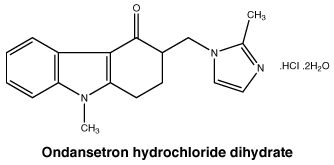
Description. The chemical name of ondansetron hydrochloride dihydrate is (3RS)-9-methyl-3- [(2-methyl-1H-imidazol-1-yl)methyl]-1,2,3,9 -tetrahydro-4H-carbazol- 4-one hydrochloride dihydrate. It takes the form of a white to off white powder with a melting point of 177°C. It is sparingly soluble in water and in alcohol, soluble in methanol and slightly soluble in methylene chloride. It is soluble in saline (0.9% w/v) to about 8 mg/mL. The pKa of ondansetron hydrochloride dihydrate as determined by a solubility procedure is 7.4. The distribution coefficient between n-octanol and water is pH dependent with log D = 2.2 at a pH of 10.6 and log D = 0.6 at a pH of 5.95.
7 Medicine Schedule (Poisons Standard)
S4 (Prescription Only Medicine).
Date of First Approval
21 May 2010
Date of Revision
02 December 2022
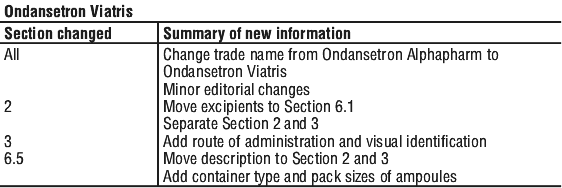
Summary Table of Changes
Reasonable care is taken to provide accurate information at the time of creation. This information is not intended as a substitute for medical advice and should not be exclusively relied on to manage or diagnose a medical condition. The Australian Commission on Safety and Quality in Health Care disclaims all liability (including for negligence) for any loss, damage, injury or any other negative effects resulting from reliance on or use of this information. Read our full disclaimer. This website uses cookies. Read our privacy policy.