
Oripro
Brand Information
| Brand name | Oripro |
| Active ingredient | Progesterone |
| Schedule | S4 |
Consumer Medicine Information (CMI) leaflet
Please read this leaflet carefully before you start using the Oripro.
Summary CMI
ORIPRO®
Consumer Medicine Information (CMI) summary
The full CMI on the next page has more details. If you are worried about using this medicine, speak to your doctor or pharmacist.
1. Why am I using ORIPRO®?
ORIPRO® contains the active ingredient progesterone. ORIPRO® is indicated for (1) Assisted reproductive technology (ART) treatment of infertile women with progesterone deficiency, requiring progesterone supplementation or replacement to support embryo implantation and maintain initial pregnancy, (2) Prevention of preterm birth in singleton pregnancies at risk due to; shortened cervix (midtrimester sonographic cervix ≤25mm) and/or where there is a history of spontaneous preterm birth.
For more information, see Section 1. Why am I using ORIPRO®? in the full CMI.
2. What should I know before I use ORIPRO®?
Do not use if you have ever had an allergic reaction to ORIPRO® or any of the ingredients listed at the end of the CMI.
Talk to your doctor if you have any other medical conditions, take any other medicines are breastfeeding.
For more information, see Section 2. What should I know before I use ORIPRO®? in the full CMI.
3. What if I am taking other medicines?
Some medicines may interfere with ORIPRO® and affect how it works.
A list of these medicines is in Section 3. What if I am taking other medicines? in the full CMI.
4. How do I use ORIPRO®?
Your doctor or pharmacist will tell you how many pessaries you need to use each day. ORIPRO® is intended to be inserted into the vagina.
More instructions can be found in Section 4. How do I use ORIPRO®? in the full CMI.
5. What should I know while using ORIPRO®?
| Things you should do |
|
| Things you should not do |
|
| Driving or using machines |
|
| Drinking alcohol |
|
| Looking after your medicine |
|
For more information, see Section 5. What should I know while using ORIPRO®? in the full CMI.
6. Are there any side effects?
All medicines can have side effects. If you do experience any side effects, typically they are minor and temporary. However, some side effects may need medical attention. Most common side effects include local irritation or itching, weight gain, abdominal cramping, bloating, swelling of face, ankles and feet, headache, dizziness, and drowsiness, unusual tiredness, or weakness, abnormal breakthrough uterine and/or vaginal bleeding or, spotting, or changes in cervical secretions, loss of menstruation, dry mouth, loss of appetite, and unusual thirst (diabetes, hyperglycaemia). Serious side effects include migraine, loss of or change of speech, coordination or vision, pain or numbness in chest, arm or leg; unexplained shortness of breath, any symptoms of blood clots (thrombosis) and jaundice.
For more information, including what to do if you have any side effects, see Section 6. Are there any side effects? in the full CMI.
Full CMI
ORIPRO®
Active ingredient(s): Progesterone 100mg, and 200mg
Consumer Medicine Information (CMI)
This leaflet provides important information about using ORIPRO®. You should also speak to your doctor or pharmacist if you would like further information or if you have any concerns or questions about ORIPRO®.
Where to find information in this leaflet:
1. Why am I using ORIPRO®?
2. What should I know before I use ORIPRO®?
3. What if I am taking other medicines?
4. How do I use ORIPRO®?
5. What should I know while using ORIPRO®?
6. Are there any side effects?
7. Product details
1. Why am I using ORIPRO®?
ORIPRO® contains the active ingredient progesterone. Progesterone is a female hormone. ORIPRO® is specially made to insert in your vagina.
ORIPRO® can be given to women undergoing fertility treatment. Progesterone is a hormone essential for maintaining pregnancy. If you are having fertility treatment and your doctor has determined your body does not produce enough progesterone they may prescribe ORIPRO®.
The progesterone will help prepare your uterus to receive and maintain a fertilised egg. Once pregnancy occurs, ORIPRO® may be used until production of progesterone by the placenta is adequate.
Your doctor may prescribe ORIPRO® 100mg or 200mg from the second trimester of your pregnancy, to prevent you going into labour too early. ORIPRO® will not be prescribed to prevent early labour if you are expecting more than one baby.
ORIPRO® is not addictive.
This medicine is available only with a doctor's prescription.
ORIPRO® is not recommended in children, as the safety and effectiveness of progesterone in this age group has not been established.
2. What should I know before I use ORIPRO®?
Warnings
Do not use ORIPRO® if:
- you are allergic to progesterone, or any of the ingredients listed at the end of this leaflet.
- Symptoms of an allergic reaction to progesterone may include:
- shortness of breath, wheezing or difficulty breathing
- swelling of the face, lips, tongue or other parts of the body
- skin rash, itching or hives. - you have or have had any of the following medical conditions:
- undiagnosed vaginal bleeding
- undiagnosed urinary tract bleeding
- active blood clotting (thrombophlebitis or thrombo-embolic disorder), such as, inflammation of a vein, deep vein blood clotting (thrombosis), or a blood clot that travelled to the lungs (pulmonary embolism)
- a history of hormone associated thrombophlebitis or thrombo-embolic disorder
- liver dysfunction or disease
- malignancy or tumours, known or suspected of breast or genital organs
- pregnancy (when normal progesterone levels are present)
- missed abortion. - Always check the ingredients to make sure you can use this medicine.
Before you start to use ORIPRO®:
Before starting or recommencing progesterone therapy, a physical examination should have been performed, including special attention to the breasts, abdomen and pelvic organs and a Cervical Screening Test.
Tell your doctor or pharmacist if you have allergies to:
- any other medicines
- any other substances, such as foods, preservatives or dyes.
Tell your doctor if you have or have had any medical conditions, especially the following:
- Conditions that might be made worse by a build-up of fluid (fluid retention), for example: asthma, seizure disorders (epilepsy), migraine, or cardiac or renal dysfunction.
- History of mental depression; stop use if serious depression recurs during therapy.
- Diabetes as high doses of progesterone therapy can lower glucose tolerance in some patients.
- History of liver disease or dysfunction as progesterone is metabolised in the liver.
- Disturbed cholesterol or lipid metabolism (hyperlipidemia) as progesterone may increase Low Density Lipoproteins (LDL) and lower High Density Lipoproteins (HDL) levels and worsen problems in controlling hyperlipidemia.
- Active inflammation of a vein usually with a clot (thrombophlebitis) or clotting (thrombo-embolic) disorders or a history of hormone associated thrombophlebitis or thrombo-embolic disorders.
Tell your doctor if you have any risk factors for preterm labour such as:
- pre-existing or gestational diabetes
- pre-existing conditions such as hepatitis C, human papilloma virus and hyperthyroidism
- have a history of gynaecological conditions
- vaginal infections and/or bleeding from the vagina
- smoke
- drink alcohol
- overweight or obese
- exposure to certain environmental pollutants.
Safety and efficacy of ORIPRO® in women with these risk factors have not been established.
If you have not told your doctor or pharmacist about any of the above, tell them before you start using ORIPRO®.
During treatment, you may be at risk of developing certain side effects. It is important you understand these risks and how to monitor for them. See additional information under Section 6. Are there any side effects?
Pregnancy and breastfeeding
Do not use ORIPRO® if you are pregnant and have normal progesterone levels unless your doctor tells you to:
Progesterone is not recommended for use in normal pregnancy where normal progesterone levels exist.
Where progesterone levels are insufficient or low and you and your doctor have discussed the risks and benefits involved, as in assisted reproductive procedures, ORIPRO® is used to support embryo implantation, and to instigate and maintain initial pregnancy. No adverse effects have been reported when used in this manner.
Your doctor or pharmacist will discuss the possible risks and benefits of using ORIPRO® during pregnancy.
Talk to your doctor if you are breastfeeding or intend to breastfeed.
ORIPRO® is not recommended while you are breastfeeding. If there is a need to consider ORIPRO® while you are breastfeeding, your doctor or pharmacist will discuss with you the benefits and risks of using them. Progesterone passes into the breast milk in variable amounts and may affect the quantity of breast milk. The effect of the progesterone on the breastfeeding infant is not known.
Do not give or use ORIPRO® to a child of any age.
The safety and effectiveness of progesterone use in children has not been established.
If you are not sure whether you should start using ORIPRO®, talk to your doctor or pharmacist.
3. What if I am taking other medicines?
Tell your doctor or pharmacist if you are taking any other medicines, including any medicines, vitamins or supplements that you buy without a prescription from your pharmacy, supermarket or health food shop.
Some medicines may interfere with ORIPRO® and affect how it works.
These include:
- Carbamazepine, Phenobarbital, and Phenytoin (medicines for epilepsy)
- Rifabutin, Rifampicin and
- Aminoglutethimide
These medicines may be affected by ORIPRO® or may affect how well they work. You may need different amounts of your medicine, or you may need to use different medicines. Your doctor or pharmacist will advise you.
Use of other vaginal products should be avoided during use of ORIPRO®.
Check with your doctor or pharmacist if you are not sure about what medicines, vitamins or supplements you are taking and if these affect ORIPRO®.
4. How do I use ORIPRO®?
How much to use:
Your doctor or pharmacist will tell you how many pessaries you need to use each day.
ORIPRO®is intended to be inserted into the vagina
- Wash your hands thoroughly with soap and water.
- Feel the pessary while it is still in the wrapper. If it feels soft, keep it in the wrapper and chill it in the fridge for a few minutes. Do not remove the wrapper while you are chilling it.
- Put on a disposable glove, if desired. These are available from pharmacies.
- Remove wrapper from one pessary.
- If you are particularly dry and insertion feels uncomfortable you may need to moisten the pessary by dipping it briefly in cool water, before insertion. Either using a squatting position or lying on your back or side, insert the pessary deep into the vagina.
- Depending on dosage, the best time for a pessary to be inserted may be before retiring at night. But if more than one dose is necessary, a second dose could be inserted in the morning.
- Throw away any used materials and wash your hands thoroughly.
If you are not sure how to use a pessary, ask your doctor or pharmacist.
When to use ORIPRO®
When undergoing fertility treatment: Use ORIPRO® at the same time each day as directed by your doctor.
For the prevention of preterm labour: Use ORIPRO® pessaries each night before bed.
How long to use ORIPRO®:
Do not stop using ORIPRO® unless your doctor or pharmacist tells you to.
If you forget to use ORIPRO®
If it is almost time for your next dose, (within 4 hours), skip the dose you missed and use your next dose when you are meant to, as usual.
Otherwise, use it as soon as you remember, and then go back to using your medicine as you would normally.
Do not use a double dose to make up for the dose that you missed.
This may increase the chance of you getting unwanted side effects.
If you are not sure what to do, ask your doctor or pharmacist.
If you have trouble remembering to use your medicine, ask your pharmacist for some hints.
If you use too much ORIPRO®
If you think that you have used too much ORIPRO®, you may need urgent medical attention.
You should immediately:
- phone the Poisons Information Centre
(by calling 13 11 26), or - contact your doctor, or
- go to the Emergency Department at your nearest hospital.
You should do this even if there are no signs of discomfort or poisoning.
Symptoms of an overdose with ORIPRO® include the side effects listed below in the ‘Side Effects’ section, but are usually of a more severe nature.
What to do if someone has swallowed some pessaries accidentally.
If someone has swallowed some pessaries, there is no need for great concern. However, you should consult your doctor. Symptoms that may arise are euphoria, nausea, vomiting or dysmenorrhoea may develop. No specific antidote is known. Symptomatic and supportive treatment can be given if necessary.
5. What should I know while using ORIPRO®?
Things you should do
Remind any doctor, dentist or pharmacist you visit that you are using ORIPRO®.
If you are about to be started on any new medicine, tell your doctor, dentist or pharmacist that you are using ORIPRO®.
If you plan to have surgery that needs a general anaesthetic, tell your doctor or dentist that you are using ORIPRO®.
Things you should not do
Do not give ORIPRO® to anyone else, even if they have the same conditions as you.
Do not use ORIPRO® to treat any other complaints unless your doctor or pharmacist tells you to.
Do not stop using ORIPRO®, or lower the dosage, without checking with your doctor or pharmacist.
Driving or using machines
Be careful before you drive or use any machines or tools until you know how ORIPRO® affects you.
ORIPRO® may cause dizziness or drowsiness in some people. Make sure you know how you react to ORIPRO® before you drive a car, operate machinery, or do anything else that could be dangerous if you are dizzy or light-headed. If this occurs do not drive.
Drinking alcohol
Tell your doctor if you drink alcohol.
If you drink alcohol, dizziness or light-headedness may be worse.
Looking after your medicine
Keep your pessaries in their original packaging until it is time to use them.
If you take pessaries out of the packaging they will not keep well.
Keep your pessaries in a cool dry place away from moisture, heat or sunlight where the temperature stays below 25°C for example, do not store it:
- in the bathroom or near a sink, or
- in the car or on window sills.
Heat and dampness can destroy some medicines.
A locked cupboard at least one-and-a-half metres above the ground is a good place to store medicines.
Do not use ORIPRO® if the packaging is damaged or shows signs of tampering or the product does not look quite right.
Keep it where young children cannot reach it.
Getting rid of any unwanted medicine
If you no longer need to use this medicine or it is out of date, take it to any pharmacy for safe disposal.
Do not use ORIPRO® after the expiry date.
6. Are there any side effects?
Tell your doctor or pharmacist as soon as possible if you do not feel well while you are using ORIPRO®.
ORIPRO® helps most women with progesterone insufficiency, but it may have unwanted side effects in a few women. All medicines can have side effects. If you do experience any side effects, most of them are minor and temporary. However, some side effects may need medical attention.
See the information below and, if you need to, ask your doctor or pharmacist if you have any further questions about side effects. Do not be alarmed by this list. You may not experience any of them.
Less serious side effects
| Less serious side effects | What to do |
Skin related:
| Speak to your doctor if you have any of these less serious side effects and they worry you. |
Serious side effects
| Serious side effects | What to do |
Reproductive system related:
| Tell your doctor as soon as possible if you notice any of the following. |
Various:
| If any of the following happen, stop using ORIPRO®, and tell your doctor immediately or go to the Emergency Department at your nearest hospital. |
Tell your doctor or pharmacist if you notice anything else that may be making you feel unwell.
Other side effects not listed here may occur in some people.
Reporting side effects
After you have received medical advice for any side effects you experience, you can report side effects to the Therapeutic Goods Administration online at www.tga.gov.au/reporting-problems. By reporting side effects, you can help provide more information on the safety of this medicine.
Always make sure you speak to your doctor or pharmacist before you decide to stop taking any of your medicines.
7. Product details
This medicine is only available with a doctor's prescription.
What ORIPRO® contains
| Active ingredient (main ingredient) | Progesterone |
| Other ingredients (inactive ingredients) | Hard fat |
Do not take this medicine if you are allergic to any of these ingredients.
What ORIPRO® looks like
Opaque, bullet-shaped waxy, solid masses, containing 100mg or 200mg progesterone supplied either as blisters in a unit carton or individual pessaries in a glass jar.
* Not all pack sizes are marketed.
Pack size: 5, 15 or 30
ORIPRO® progesterone 100mg pessary strip pack (Aust R 165111)
ORIPRO® progesterone 200mg pessary strip pack (Aust R 165112)
ORIPRO® progesterone 100mg pessary jar (Aust R 21190)
ORIPRO® progesterone 200mg pessary jar (Aust R 21195)
Who distributes ORIPRO®
Orion Laboratories Pty Ltd T/A Evaris Pharma
25-29 Delawney Street,
Balcatta, WA 6021
This leaflet was prepared in November 2025.
Brand Information
| Brand name | Oripro |
| Active ingredient | Progesterone |
| Schedule | S4 |
MIMS Revision Date: 01 March 2026
1 Name of Medicine
Progesterone.
2 Qualitative and Quantitative Composition
Oripro Pessaries contain as active substance 100 mg or 200 mg of progesterone (micronized) in hard fat.
3 Pharmaceutical Form
Vaginal pessaries - Opaque, bullet-shaped waxy, solid masses.
4 Clinical Particulars
4.1 Therapeutic Indications
Oripro Pessaries are indicated for:
1. Assisted reproductive technology (ART) treatment of infertile women with progesterone deficiency, requiring progesterone supplementation or replacement to support embryo implantation and maintain initial pregnancy.
2. Prevention of preterm birth in singleton pregnancies at risk due to: shortened cervix (midtrimester sonographic cervix ≤ 25 mm); and/or where there is a history of spontaneous preterm birth.
4.2 Dose and Method of Administration
Adult dosage. Assisted reproductive technology (ART). The usual dose of progesterone to support embryo implantation and maintain pregnancy, preventing miscarriage due to progesterone deficiency is 200 mg daily to a maximum of 400 mg twice a day.
The dosage in corpus luteum insufficiency is 100 mg one to two times a day initiated within several days of ovulation.
Treatment duration is usually continued if the patient is pregnant, up to about the eleventh week of gestation.
Prevention of preterm birth. The dosage of progesterone for prevention of preterm birth is 200 mg daily (at night). Treatment can be initiated during the second trimester (16-24 weeks gestation) and is to be continued to the end of the 36th week of gestation or until delivery.
Other intravaginal therapies should not be used while progesterone pessary treatment is being undertaken.
Patient instructions. The pessary should be removed from its wrapper and inserted deep into the vagina, while either in a squatting position or lying on back or side. If a daily dose is being administered then a preferable time of dosing is at night before retiring.
Missed dose. A missed dose should be administered as soon as remembered, unless the missed dose is noticed at the day of the next dose. In the latter case the missed dose should be omitted and the regular dosing regimen continued.
4.3 Contraindications
Sensitivity to progesterone, sensitivity to hard fat.
Undiagnosed vaginal bleeding.
Undiagnosed urinary tract bleeding.
Liver dysfunction or disease.
Active thrombophlebitis or thromboembolic disorder (deep vein thrombosis, pulmonary embolism) or a history of hormone associated thrombophlebitis or thromboembolic disorder.
Known or suspected malignancy of the breast or genital organs.
Missed abortion or ectopic pregnancy.
Progesterone is contraindicated in pregnancy during assisted reproductive technology (ART) treatment, when normal progesterone levels are present.
4.4 Special Warnings and Precautions for Use
Identified precautions. Before initiation or recommencing progesterone therapy in women, a physical examination should be performed, including special attention to the breasts, abdomen and pelvic organs and a Papanicolaou (Pap) smear.
Use with caution and careful monitoring in the following. Conditions that might be aggravated by fluid retention (e.g. asthma, seizure disorders, migraine, or cardiac or renal dysfunction).
History of mental depression; discontinue if serious depression recurs during therapy.
Diabetic patients as high doses of progesterone therapy can lower glucose tolerance in some patients.
Hyperlipidemia as progesterone may increase low density lipoprotein (LDL) and lower high density lipoprotein (HDL) levels and aggravate problems in controlling hyperlipidemia.
There is consistent evidence from several clinical trials and meta-analysis that supplementation with vaginal progesterone does not reduce risk of preterm birth or improve perinatal outcome in women with twin/multiple gestations. Efficacy and safety in pregnancies with 'threatened preterm labour' or 'other' risk factors for preterm birth has not been established.
Use in hepatic impairment. Use with caution and careful monitoring - history of hepatic disease or dysfunction as progesterone is metabolised in the liver.
Use in the elderly. There is no relevant use in the elderly.
Paediatric use. There is no relevant use in paediatrics.
Effects on laboratory tests. Effects on clinical, laboratory or other tests. Potentially clinical significant alterations to laboratory test results/ values can occur with the following tests:
Biopsy - (pathologist should be notified of relevant specimens).
Glucose tolerance test - (varies with progestogens and dose, glucose tolerance may be increased or decreased).
Metyrapone - (lower response than normally expected).
Effects on diagnostic tests. Apolipoprotein A, HDL, LDL and total cholesterol and triglycerides - (serum concentrations may be increased or decreased and may differ depending on type of progestogen, dose, dosing, and duration of therapy).
Liver, thyroid and other endocrine function tests may be affected by progesterone.
Coagulation tests: Prothrombin, clotting factors II, VII, VIII, IX, and X - (serum concentrations may be increased).
4.5 Interactions with Other Medicines and Other Forms of Interactions
Interactions with other medicines. Potentially clinically significant interactions with progesterone may occur with any of the following medications depending on amount present.
Hepatic enzyme inducing medications, such as carbamazepine, phenobarbitone, phenytoin, rifabutin, rifampicin, may decrease the efficacy of progesterone because of the enhanced liver metabolism caused by these drugs.
Aminoglutethimide may significantly lower serum concentrations of progesterone by an undetermined mechanism.
4.6 Fertility, Pregnancy and Lactation
Effects on fertility. Exogenously administered progesterone has been shown to inhibit ovulation in a number of species and it is expected that high doses given for an extended duration would impair fertility until the cessation of treatment.
Use in pregnancy. (Category A)
Progesterone crosses the placenta. No association has been found between the maternal use of progesterone in early pregnancy and fetal malformations. Male and female genital abnormalities (hypospadias and virilisation) have been observed in fetuses of animals treated with progesterone during gestation, dependent on the time of treatment. Although the available data are limited, adverse effects on embryofetal development were not encountered in laboratory animal species treated with progesterone solely during the later stages of pregnancy up to delivery, apart from an increase in the duration of gestation and an associated increase in fetal mortality.
Use in lactation. Progesterone is excreted into human milk and at supraphysiological levels may affect the quantity of the breast milk. The effect of exogenous progesterone on breastfeeding infants have not been adequately determined in humans. Therefore, Oripro should not be used during lactation.
4.7 Effects on Ability to Drive and Use Machines
Use caution when driving a motor vehicle or operating machinery as dizziness or drowsiness may occur.
4.8 Adverse Effects (Undesirable Effects)
As progesterone pessaries are being absorbed by mucosal surfaces local irritation or itching may occur in sensitive persons at initiation of treatment, in general this is of a transient nature.
Overall, the adverse effects observed in women for the ART indication are similar to those for the prevention of preterm birth as follows:
Common (usually dose related). Reproductive, female. Amenorrhoea, abnormal breakthrough uterine bleeding or metromenorrhagia, spotting, changes in cervical eversion and secretions.
Metabolic and nutritional. Hyperglycaemia (dry mouth, frequent urination, loss of appetite, unusual thirst).
Uncommon. Reproductive, female. Galactorrhoea.
Psychiatric. Mental depression.
Skin and appendages. Skin rash, pruritus.
Rare. Endocrine. Adrenal suppression or insufficiency (causing symptoms of dizziness, nausea or vomiting, unusual tiredness or weakness).
Circulatory system. Thromboembolism or thrombus formation (causing headache or migraine, loss of or change of speech, coordination or vision, pain or numbness in chest, arm or leg; unexplained shortness of breath).
For further information, see Section 4.3 Contraindications; Section 4.4 Special Warnings and Precautions for Use.
Other. The following additional reactions indicate need for medical attention only if they continue or are troublesome.
Incidence more frequent. Body as a whole. Abdominal cramping, bloating, oedema (swelling face, ankles and feet), unusual tiredness or weakness or weight gain, pain, itchiness or irritation at site of insertion.
Central and peripheral nervous system. Headache, dizziness, and drowsiness.
Reproductive, female. Ovarian enlargement or ovarian cyst formation (abdominal pain), moniliasis genital.
Incidence less frequent. Body as a whole. Acne, breast pain or tenderness, hot flushes.
Skin and appendages. Loss or gain of body facial or scalp hair or melasma (brown spots on exposed skin).
Central and peripheral nervous system. Insomnia.
Gastrointestinal system. Nausea.
Circulatory system. Increased blood pressure in susceptible individuals.
Psychiatric. Mild mood changes, nervousness, changes in libido.
Preventative progesterone treatment in women with a history of preterm birth or short cervical length was not associated with increased risk of maternal or perinatal mortality/ morbidity outcomes relative to placebo in all analysed progestogen types and pregnancy conditions. Use of vaginal progesterone during second and third trimester of pregnancy for prevention of PTB did not appear to have any effect on long-term childhood outcomes including neurodevelopmental delay. (See Section 5.1 Pharmacodynamic Properties, Clinical trials.)
Reporting suspected adverse effects. Reporting suspected adverse reactions after registration of the medicinal product is important. It allows continued monitoring of the benefit-risk balance of the medicinal product. Healthcare professionals are asked to report any suspected adverse reactions at www.tga.gov.au/reporting-problems.
4.9 Overdose
Symptoms. Overdosage with Oripro Pessaries after vaginal administration is unlikely. If large quantities of pessaries are ingested, euphoria, or nausea, vomiting or dysmenorrhoea may develop.
Treatment. No specific antidote is known. Symptomatic and supportive treatment can be given if necessary.
For information on the management of overdose, contact the Poisons Information Centre on 13 11 26 (Australia).
5 Pharmacological Properties
5.1 Pharmacodynamic Properties
Mechanism of action. Progesterone is a naturally occurring female sex hormone secreted by the ovary, placenta and adrenal gland. It acts on the endometrium by converting the proliferative phase induced by oestrogen to a secretory phase. In normal physiological conditions if a released mature ovum is not fertilised a sudden decline in the release of progesterone from the corpus luteum occurs, usually at the end of the cycle. However, if fertilisation occurs progesterone is continued to be secreted and the increased level sustains the endometrium and maintains the pregnancy.
Clinical trials. Efficacy data submitted in support of vaginal progesterone as a treatment for the prevention of preterm birth (PTB) in women with a shortened cervix, or where there is a history of spontaneous birth, was provided as published literature. The data consisted of 7 meta-analyses and three clinical trials.
Two systematic reviews, Jarde 2017 and Romero 2018, and an individual trial, Bafghi 2015 focused on the use of progesterone for prevention of PTB in singleton pregnancies. Three systematic reviews, Jarde 2017, Romero 2017 and Dodd 2017, and two individual studies Brizot 2015 and Rode 2011 focused on twin/multiple pregnancies. The systematic reviews by Dodd 2013 and Velez-Edwards 2013 were analyses of studies in both singleton and multiple pregnancies.
All seven meta-analyses used PTB as a primary end point, predominately less than 33 or 34 weeks gestation. Dodd 2013, also used the incidence of major neurodevelopment handicap at 6, 12 and 24 month childhood follow up, with Dodd 2017 and Velez-Edwards 2013 also including neonatal death as a primary outcome. Dodd 2017, additionally included maternal mortality.
Two of the 4 individual clinical trials (Bafghi 2015 and Brizot 2015) used mean gestational age as the primary end point, whilst Rode 2011 and Klein 2011 used PTB < 34 weeks gestation.
The meta-analyses by Romero 2017 and 2018, Dodd 2013 and 2017, and Jarde 2017 were considered pivotal evidence. The main efficacy outcomes provided by these studies are summarised below.
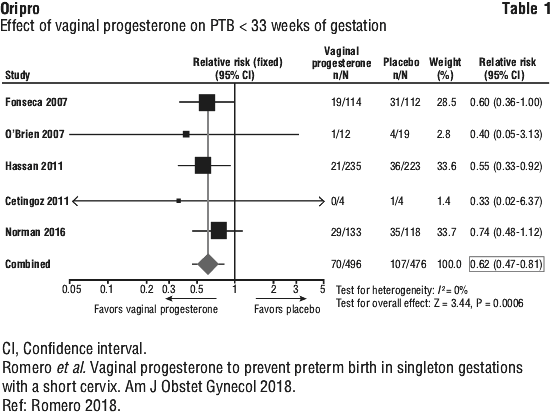
Romero 2018, is a systematic review and meta-analysis designed to assess the efficacy of vaginal progesterone in reducing the risk of PTB and adverse perinatal outcomes in asymptomatic women with a singleton pregnancy. Data were available from 974 women (498 allocated to vaginal progesterone, 476 allocated to placebo) with a cervical length ≤ 25 mm, which was extracted from 5 high-quality randomised controlled trials (RCT). The daily dose of vaginal progesterone used in the studies varied from 90-200 mg and the treatment was administered from 18-25 to 34-36 weeks gestation.
Vaginal progesterone was associated with a significant reduction in the risk of PTB < 33 weeks gestation (Relative Risk (RR) 0.62; 95%, Confidence Interval (CI) 0.47-0.81; P = 0.0006). Moreover, vaginal progesterone significantly decreased the risk of PTB at < 36, < 35, < 34, < 32, < 30, and < 28 weeks gestation; spontaneous PTB < 33 and < 34 weeks gestation; respiratory distress syndrome; composite neonatal morbidity and mortality; birthweight < 1500 and < 2500 g; and admission to the neonatal intensive care unit (RR from 0.47-0.82).
Other relevant findings were that progesterone treatment resulted in a nonsignificant trend toward reduction of neonatal mortality (by 66%, P = 0.07) and use of mechanical ventilation (by 35%, P = 0.06).
At 2 years of age, there were no significant differences in cognitive scores or the frequency of neurodevelopmental impairment or renal, gastrointestinal, and respiratory morbidity between children exposed prenatally to vaginal progesterone vs placebo.
There were no significant differences in the frequency of maternal adverse events and congenital anomalies between the vaginal progesterone and placebo groups.
Romero 2018, demonstrated no difference in the efficacy of 90 to 100 mg and 200 mg progesterone in preventing PTB. The relative risk for the lower dose range (n = 497), compared to placebo was 0.53 (95% CI 0.33 to 0.87), while for the 200 mg group (n = 477) the RR was 0.67 (95% CI 0.49 to 0.93). The interaction value was not significant (p = 0.51). (See Table 1.)
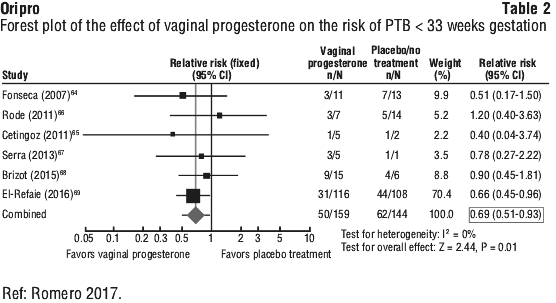
Women allocated to receive vaginal progesterone had a significantly lower risk of PTB < 33 weeks gestation (31.4% vs 43.1%; RR, 0.69 (95% CI, 0.51-0.93); P = 0.01; I2 = 0%; six studies, 303 women; moderate-quality evidence) compared with those allocated to placebo/no treatment. In addition, vaginal progesterone was associated with a significant reduction in the risk of PTB < 35 weeks gestation (RR, 0.83 (95% CI, 0.69-0.99); moderate-quality evidence), < 34 weeks gestation (RR, 0.71 (95% CI, 0.56-0.91); moderate-quality evidence), < 32 weeks gestation (RR, 0.51 (95% CI, 0.34-0.77); moderate-quality evidence), < 30 weeks gestation (RR, 0.47 (95% CI, 0.25-0.86); moderate-quality evidence), and spontaneous PTB at < 33 weeks gestation (RR, 0.67 (95% CI, 0.48-0.93); moderate-quality evidence) and < 34 weeks gestation (RR, 0.71 (95% CI, 0.54-0.93); moderate-quality evidence). The number needed to treat to prevent one case of PTB occurring at < 30 to < 35 gestational weeks varied from 6 to 12. There were no significant differences between the study groups in the risk of PTB < 37 weeks (moderate-quality evidence), < 36 weeks (moderate-quality evidence) and < 28 weeks (low-quality evidence) gestation.
The meta-analysis by Romero 2017 included three studies using vaginal progesterone 200 mg/day (capsule, pessary or ovule), one using vaginal progesterone pessaries 100 mg/day, one using vaginal progesterone pessaries 400 mg/day with the remaining study using vaginal progesterone suppositories 200 or 400 mg/day.
While the statistical robustness of the observation is uncertain due to low patient numbers in the 100 mg group, no difference in the relative risk of preterm births compared to placebo was seen for 100, 200 or 400 mg progesterone dosages (interaction test for subgroup differences p = 0.4). (See Table 2.)
In a planned subgroup analysis of women with a short cervix and singleton pregnancy there was a statistically significant reduction in the risk of PTB < 34 weeks (RR 0.64; 95%: CI 0.45-0.90) and < 28 weeks gestation (RR 0.59; 95% CI: 0.37-0.93) with progesterone (any type) compared with placebo.
A planned subgroup analysis of women with a previous history of spontaneous PTB demonstrated a significant reduction in PTB < 37 weeks gestation with progesterone (any type) compared to placebo (RR 0.55; 95% CI: 0.42-0.74). There was a statistically significant reduction in perinatal mortality overall (RR 0.50; 95% CI: 0.33-0.75), and for PTB < 34 weeks gestation (RR 0.31; 95% CI: 0.14-0.69) with progesterone compared with placebo.
There were no statistically significant differences identified for the outcomes developmental delay, intellectual impairment, motor impairment, visual impairment, hearing impairment, cerebral palsy, learning difficulties, height less than fifth centile, weight less than the fifth centile, infant weight at six, 12 and 24 months' follow up, infant length (cm) at six, 12 and 24 months' follow-up, and infant head circumference (cm) at six, 12 and 24 months follow-up.
The Dodd 2013 meta-analysis performed subgroup analysis by total weekly cumulative dose of progesterone (less than 500 mg versus greater than 500 mg) and found no differential effect for prenatal death, PTB < 37 weeks, threatened preterm labour, caesarean section, antenatal steroids, need for tocolysis, respiratory distress syndrome, haemorrhage grades III or IV, necrotising enterocolitis, fetal death or neonatal death.
Dodd 2017, is a systematic review and meta-analysis of randomised controlled studies in women with a multiple pregnancy. The analysis found that for the primary outcome measure of PTB less than 34 weeks, women who received vaginal progesterone and those who did not had a similar risk of PTB before 34 weeks gestation (average RR 0.83, 95% CI 0.63 to 1.09; women = 1727; studies = 6; I2 = 46%; low-quality evidence). For the secondary maternal outcome measures, there were no clear differences between groups in any of the outcomes apart from women who received vaginal progesterone having fewer caesarean sections compared to the placebo group, although the difference between groups was not large (7%) (RR 0.93, 95% CI 0.88 to 0.98; women = 2143; studies = 6; I2 = 0%). However, many of the comparisons show a trend favouring progesterone treatment, with the upper limit of the CI approaching 1 in several analyses.
In terms of the secondary infant outcomes, there were no significant differences observed between groups for any of the infant outcomes apart from mechanical ventilation, which was needed by fewer infants whose mothers had received the vaginal progesterone (RR 0.61, 95% CI 0.48 to 0.77; infants = 3134; studies = 5). It is noteworthy however to observe that the incidence of birthweight less than 2500 g (RR 0.95, 95% CI 0.88 to 1.03; infants = 3079; studies = 4; I2 = 49%, moderate-quality evidence) and the relative risk of admission to neonatal intensive care unit (RR 0.93, 95% CI 0.87 to 1.00; infants = 4052; studies = 5; I2 = 25%), just failed to reach significance.
Jarde 2017 conducted a systematic review and meta-analysis of randomised controlled studies, in which progesterone was administered intravaginally (natural progesterone), orally (natural progesterone) or intramuscularly (17-OHPC) for the prevention of PTB in singleton pregnancies, and a similar metanalysis published in the same year that looked at prevention of PTB in multiple pregnancies.
Of the studies included, nine administered progesterone vaginally, with two using the 90 mg dose, four a 100 mg dose and three a 200 mg dose. Cerclage was studied in 12 studies and the cervical pessary in three studies. The three studies using the cervical pessary all used the Arabin type. In addition, one study compared 17-OHPC with cerclage and three studies compared natural progesterone with 17-OHPC.
Jarde 2017b found that in the 9,425 women included in the analyses, that progesterone (of any type) significantly reduced the odds of both PTB < 34 weeks (OR 0.44; 95% credible interval (CrI) 0.22-0.79) and < 37 weeks gestation (OR 0.58; 95% CrI 0.41-0.79), in singleton pregnancies compared with control. When progesterone was studied according to type of progesterone (either natural progesterone [per vagina or oral] or intramuscular 17-OHPC), only natural progesterone significantly reduced PTB < 34 weeks (OR 0.38; 95% CrI 0.19-0.69; NNT 8; low quality). Both natural progesterone and 17-OHPC significantly reduced PTB < 37 weeks (natural progesterone, OR 0.54; 95% CrI 0.36-0.76; NNT 8; moderate quality; 17-OHPC, OR 0.65; 95% CrI 0.42-0.96; NNT 11; moderate quality). There were no statistically significant subgroup differences between natural progesterone and 17-OHPC for either PTB < 34 weeks (P = 0.25) or < 37 weeks (P = 0.48).
5.2 Pharmacokinetic Properties
Absorption. Progesterone is rapidly absorbed following vaginal administration. The time to peak plasma level varies depending on the individual and the dose administered. In general, peak plasma levels are reached within 3-8 hours with a decrease in levels over 24 hours.
Distribution. Progesterone is extensively protein bound (96-99%), principally to serum albumin and corticosteroid binding globulin.
Metabolism. Progesterone is extensively metabolized (conjugated) by the liver, to largely pregnanediols and pregnanolones. Orally taken progesterone has a short half-life and is rapidly cleared from the peripheral circulation because of this first past metabolism effect. However prolonged serum levels result from vaginal or rectal administration because absorption and action occur before biotransformation of it by the liver.
Excretion. Progesterone is primarily excreted renally (50 to 60%) as pregnanediol or the pregnanediol conjugate with minimal (10%) biliary and faecal excretion.
5.3 Preclinical Safety Data
Genotoxicity. Progesterone did not induce chromosomal aberrations or sister chromatid exchanges in cultured human cells nor chromosomal aberrations or DNA strand breaks in rodent cells. Progesterone did not induce dominant lethal mutations in mice or chromosomal aberrations in the bone marrow of rats in vivo although in vivo studies for chromosome damage have yielded positive results in mice at oral doses of 1000 mg/kg and 2000 mg/kg.
Weak clastogenic activity was found for progesterone in the rat hepatocyte micronucleus test after treatment with a high oral dose (100 mg/kg). Studies on transformation of rodent cells in vitro were inconclusive. Variable results were obtained in the mouse lymphoma tk assay. Progesterone was not mutagenic to bacteria.
Carcinogenicity. Animal studies showed that progesterone was able to induce and/or promote the formation of mammary, uterine, ovarian, endometrial, cervical and vaginal tumours. The clinical relevance of these findings in animals remains unclear.
6 Pharmaceutical Particulars
6.1 List of Excipients
See Section 2 Qualitative and Quantitative Composition.
6.2 Incompatibilities
Incompatibilities were either not assessed or not identified as part of the registration of this medicine.
6.3 Shelf Life
In Australia, information on the shelf life can be found on the public summary of the Australian Register of Therapeutic Goods (ARTG). The expiry date can be found on the packaging.
6.4 Special Precautions for Storage
Store below 25°C.
6.5 Nature and Contents of Container
Other plastic laminate/Al blisters in a unit carton containing 5 (samples), 15 or 30 pessaries (not all pack sizes may be marketed).
15 individually wrapped pessaries in a glass jar (not currently marketed).
6.6 Special Precautions for Disposal
In Australia, any unused medicine or waste material should be disposed of by taking to your local pharmacy.
6.7 Physicochemical Properties
Chemical structure. Chemical name: Pregn-4-ene-3,20-dione.
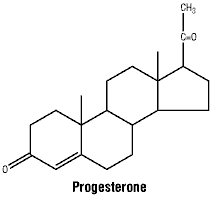
Molecular weight: 314.5.
CAS number. 57-83-0.
7 Medicine Schedule (Poisons Standard)
S4: Prescription Only Medicine.
Date of First Approval
01 December 2003
Date of Revision
28 May 2025
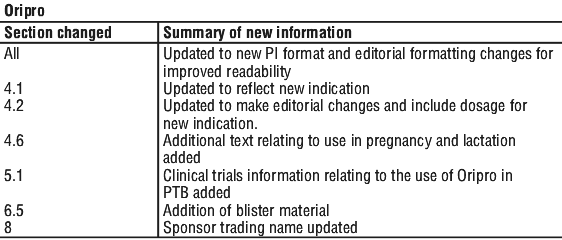
Summary Table of Changes
Reasonable care is taken to provide accurate information at the time of creation. This information is not intended as a substitute for medical advice and should not be exclusively relied on to manage or diagnose a medical condition. The Australian Commission on Safety and Quality in Health Care disclaims all liability (including for negligence) for any loss, damage, injury or any other negative effects resulting from reliance on or use of this information. Read our full disclaimer. This website uses cookies. Read our privacy policy.