
Parlodel
Brand Information
| Brand name | Parlodel |
| Active ingredient | Bromocriptine |
| Schedule | S4 |
Consumer Medicine Information (CMI) leaflet
Please read this leaflet carefully before you start using the Parlodel.
Summary CMI
Parlodel®
Consumer Medicine Information (CMI) summary
The full CMI on the next page has more details. If you are worried about using this medicine, speak to your doctor or pharmacist.
1. Why am I using Parlodel?
Parlodel contains the active ingredient bromocriptine. Parlodel is used to for the following: for the following:
- Prevention/suppression of breast milk production (lactation) in women who cannot/do not breast feed for medical reasons.
- Treatment of people who have high blood levels of a hormone called prolactin.
- Treatment of acromegaly, a disease in which the body produces too much growth hormone.
- To relieve symptoms, such as shaking of the limbs, stiffness and slowness of movement, in people with Parkinson's disease. Parlodel is often used in combination with other medicines such as levodopa.
For more information, see Section 1. Why am I using Parlodel? in the full CMI.
2. What should I know before I use Parlodel?
Do not use if you have ever had an allergic reaction to bromocriptine or any of the ingredients listed at the end of the CMI.
Talk to your doctor if you have any other medical conditions, take any other medicines, or are pregnant or plan to become pregnant or are breastfeeding. For more information, see Section 2. What should I know before I use Parlodel? in the full CMI.
3. What if I am taking other medicines?
Some medicines may interfere with Parlodel and affect how it works.
A list of these medicines is in Section 3. What if I am taking other medicines? in the full CMI.
4. How do I use Parlodel?
The dose that your doctor prescribes will depend on your condition. Follow all directions given to you by your doctor and pharmacist carefully.
More instructions can be found in Section 4. How do I use Parlodel? in the full CMI.
5. What should I know while using Parlodel?
| Things you should do |
|
| Things you should not do |
|
| Driving or using machines |
|
| Drinking alcohol |
|
| Looking after your medicine |
|
For more information, see Section 5. What should I know while using Parlodel? in the full CMI.
6. Are there any side effects?
Common side effects: nausea, vomiting, dizziness or lightheadedness on standing up, drowsiness/sleepiness, tiredness, sinus congestion, diarrhoea, constipation, nervousness, feeling unsteady on your feet, sad mood, difficulty sleeping or restlessness. Severe side effects: severe persistent headache or vision problems, red/black bowel motion, bloody diarrhoea, hallucinations. For more information, including what to do if you have any side effects, see Section 6. Are there any side effects? in the full CMI.
Full CMI
Parlodel®
Active ingredient(s): bromocriptine (as mesilate)
Consumer Medicine Information (CMI)
This leaflet provides important information about using Parlodel. You should also speak to your doctor or pharmacist if you would like further information or if you have any concerns or questions about using Parlodel.
Where to find information in this leaflet:
1. Why am I using Parlodel?
2. What should I know before I use Parlodel?
3. What if I am taking other medicines?
4. How do I use Parlodel?
5. What should I know while using Parlodel?
6. Are there any side effects?
7. Product details
1. Why am I using Parlodel?
Parlodel contains the active ingredient bromocriptine. Parlodel belongs to a group of medicines known as the ergot alkaloids, derived from a type of fungus.
Parlodel is used for the following medical conditions:
- Prevention/suppression of breast milk production (lactation) in women who cannot/do not breast feed for medical reasons. If breast milk production has already begun, your doctor can advise you about other methods of stopping lactation.
- Treatment of people who have high blood levels of a hormone called prolactin. This condition is sometimes caused by a type of tumour called prolactinoma.
- Treatment of acromegaly, a disease in which the body produces too much growth hormone. Parlodel treats this disease by reducing the level of growth hormone in the blood.
- To relieve symptoms, such as shaking of the limbs, stiffness and slowness of movement, in people with Parkinson's disease. Parlodel is often used in combination with other medicines such as levodopa.
Ask your doctor if you have any questions about why this medicine has been prescribed for you.
Your doctor may have prescribed it for another reason.
2. What should I know before I use Parlodel?
Warnings
Do not use Parlodel if:
- you are allergic to bromocriptine, other medicines containing ergot alkaloids, or any of the ingredients listed at the end of this leaflet. Always check the ingredients to make sure you can use this medicine.
- Some symptoms of an allergic reaction may include:
- shortness of breath
- wheezing or difficulty breathing
- swelling of the face, lips, tongue or other parts of the body
- rash, itching or hives on the skin - you have the following medical conditions:
- high blood pressure that is not controlled (uncontrolled hypertension)
- toxaemia during pregnancy or immediately after giving birth, with symptoms such as high blood pressure, fluid build-up and convulsions
- severe heart disease
- mental illness now or in the past - the package is torn or shows signs of tampering
Check with your doctor if you:
- have any other medical conditions:
- diabetes
- problems with your liver
- black stools or stomach ulcers
- problems with blood circulation
- excessive drowsiness, or if you unexpectedly fall asleep - take any medicines for any other condition
- are lactose intolerant as this medicine contains lactose
- are allergic to any other medicines, foods, dyes or preservatives.
During treatment, you may be at risk of developing certain side effects. It is important you understand these risks and how to monitor for them. See additional information under Section 6. Are there any side effects?
Pregnancy and breastfeeding
Check with your doctor if you are pregnant or intend to become pregnant.
Your doctor can discuss the benefits and any risks of taking this medicine during pregnancy.
Talk to your doctor if you are breastfeeding or intend to breastfeed.
Parlodel prevents the production of breast-milk due to its effects on prolactin.
Use in the Elderly
Parlodel may be used with caution in older people.
Use in Children
There is not enough information to recommend this medicine for children.
3. What if I am taking other medicines?
Tell your doctor or pharmacist if you are taking any other medicines, including any medicines, vitamins or supplements that you buy without a prescription from your pharmacy, supermarket or health food shop.
Some medicines and Parlodel may interfere with one another. These include:
- other medicines containing ergot alkaloids, such as medicines used to treat migraine headaches and post-delivery bleeding
- medicines used to treat high blood pressure
- any other medicine that may either raise or lower blood pressure
- levodopa, a medicine for Parkinson's disease
- some antibiotics, used to treat infections, such as erythromycin
- octreotide, a medicine used to treat acromegaly and certain tumours
- medicines used to treat HIV/AIDS, such as ritonavir, nelfinavir, indinavir, and delavirdine.
- medicines used to treat fungal infections such as ketoconazole, itraconazole, and voriconazole.
- dopamine antagonists, such as phenothiazines, butyrophenones thioxanthenes, metoclopramide, and domperidone.
- phenylpropanolamine (a medicine used to treat nasal congestion)
- bromocriptine, a medicine used to treat Parkinson's disease
- sumatriptan, a medicine used to treat migraine
- ergot alkaloids, medicines used to treat migraine and post-delivery bleeding.
You may need to take different amounts of your medicines or to take different medicines while you are taking Parlodel. Your doctor and pharmacist have more information.
Check with your doctor or pharmacist if you are not sure about what medicines, vitamins or supplements you are taking and if these affect Parlodel.
4. How do I use Parlodel?
How much to take
- Follow all directions given to you by your doctor and pharmacist carefully. The dose that your doctor prescribes will depend on your condition.
- To prevent breast milk production, one tablet is taken twice daily for 2 weeks. Sometimes milk production will start again 2 or 3 days after the medicine is finished. A further 1 week course of Parlodel will usually bring this under control.
- To lower prolactin levels, treatment usually starts with half a tablet two to three times a day. If necessary, this dose may be gradually increased to one tablet three times each day. If the high prolactin levels are caused by a prolactinoma, the dose may be increased up to 15 mg daily, usually divided into 2 to 4 doses.
- For acromegaly, treatment usually starts with half a tablet each night. The dose is then slowly increased over a period of 1 to 2 weeks to one tablet four times a day. The dose can be further increased if needed. Most people need between 10 mg and 30 mg per day. The maximum dose is not usually more than 40 mg per day.
- For Parkinson's disease, treatment usually starts with half a tablet once or twice a day for the first week. The dose may be increased by half a tablet per week until the best effect is achieved. Most people need between 5 mg and 40 mg per day in 3 or 4 divided doses.
When to take Parlodel
- Parlodel should be taken at about the same times each day.
- Taking the doses at the same times each day will have the best effect. It will also help you to remember to take them.
How to take Parlodel
- When you start to take Parlodel, take the first dose with a snack just before bedtime. After you start taking the medicine, be careful to get up slowly from a sitting or lying position.
Parlodel can make you dizzy, lightheaded or faint, especially when you first take it. This is because your blood pressure has suddenly dropped. Taking the first dose at bedtime and being careful when standing up will help your body get used to the change in blood pressure and will reduce the risk of falling. - After the first dose of Parlodel, take the tablets at mealtime with a full glass of water.
Taking Parlodel with food helps to reduce stomach irritation and nausea.
How long to take Parlodel
Continue taking Parlodel for as long as your doctor recommends.
Your doctor will check your progress to make sure the medicine is working and will discuss with you how long your treatment should continue.
If you forget to use Parlodel
Parlodel should be used regularly at the same times each day.
If it is almost time for your next dose, skip the dose you missed and take your next dose when you are meant to. Otherwise, take it as soon as you remember, and then go back to taking it as you would normally.
Do not take a double dose to make up for the dose you missed.
This may increase the chance of you getting an unwanted side effect.
If you have trouble remembering when to take your medicine, ask your pharmacist for some hints.
If you use too much Parlodel
If you think that you have used too much Parlodel, you may need urgent medical attention.
You should immediately:
- phone the Poisons Information Centre
(by calling 13 11 26), or - contact your doctor, or
- go to the Emergency Department at your nearest hospital.
You should do this even if there are no signs of discomfort or poisoning.
Some of the symptoms of an overdose may include nausea, vomiting, sleepiness, dizziness, lightheadedness, hallucinations (seeing or hearing things that are not there).
5. What should I know while using Parlodel?
Things you should do
Keep all of your doctor's appointments so that your progress can be checked.
Your doctor may want to do some tests from time to time to make sure the treatment is working and to prevent unwanted side effects from happening.
If you are taking Parlodel to lower prolactin levels and you do not wish to become pregnant, you must use a reliable means of contraception.
As your prolactin levels become lower, your menstrual periods may return to normal, and you could become pregnant.
Call your doctor straight away if you:
- are pregnant
Remind any doctor, dentist or pharmacist you visit that you are using Parlodel.
Things you should not do
- Do not use Parlodel if you are breast feeding.
Women who have taken Parlodel after childbirth or abortion have experienced some rare, serious side effects. These include fits, high blood pressure, stroke, heart attack and mental disorders. - Do not give this medicine to anyone else even if their condition seems similar to yours.
- Do not take it to treat any other complaints unless your doctor tells you to.
Things to be careful of
Tell your doctor or caregiver if you notice any unusual behavioural changes.
Some impulse control disorders have been reported in patients treated with high doses of this medicine. These may include an increased sexual drive, a failure to control gambling, or failure to resist temptation, urge, or impulse.
Driving or using machines
Be careful before you drive or use any machines or tools until you know how Parlodel affects you.
This medicine may make you feel dizzy, lightheaded or faint, especially when you first take it. It may also cause confusion and mental changes in a few people. Very rarely it can cause extreme sleepiness and sudden onset of sleep in the middle of daytime activities, sometimes without warning.
If you have any of these symptoms, do not drive or do anything else that could be dangerous.
Drinking alcohol
Tell your doctor if you drink alcohol.
The combination may cause unwanted side effects. Your tolerance for alcohol may be lower than usual.
Looking after your medicine
Follow the instructions in the carton on how to take care of your medicine properly.
Protect from light.
Store it in a cool dry place below 25°C away from moisture, heat or sunlight; for example, do not store it:
- in the bathroom or near a sink, or
- in the car or on window sills.
Keep it where young children cannot reach it.
A locked cupboard at least one-and a-half metres above the ground is a good place to store medicines.
Getting rid of any unwanted medicine
If you no longer need to use this medicine or it is out of date, take it to any pharmacy for safe disposal.
Do not use this medicine after the expiry date.
6. Are there any side effects?
All medicines can have side effects. If you do experience any side effects, most of them are minor and temporary. However, some side effects may need medical attention.
See the information below and, if you need to, ask your doctor or pharmacist if you have any further questions about side effects.
Less serious side effects
| Less serious side effects | What to do |
Gastrointestinal related:
| Speak to your doctor if you have any of these less serious side effects and they worry you. |
Serious side effects
| Serious side effects | What to do |
| Call your doctor straight away, or go straight to the Emergency Department at your nearest hospital if you notice any of these serious side effects. |
Tell your doctor or pharmacist if you notice anything else that may be making you feel unwell.
When Parlodel is used for a long time to treat Parkinson's disease, it can affect the lungs, heart or abdomen. Your doctor may ask you to have regular chest x-rays to see if you are developing any problems.
Other side effects not listed here may occur in some people.
Reporting side effects
After you have received medical advice for any side effects you experience, you can report side effects to the Therapeutic Goods Administration online at www.tga.gov.au/reporting-problems. By reporting side effects, you can help provide more information on the safety of this medicine.
Always make sure you speak to your doctor or pharmacist before you decide to stop taking any of your medicines.
7. Product details
This medicine is only available with a doctor's prescription.
What Parlodel contains
| Active ingredient (main ingredient) | bromocriptine (as mesilate) |
| Other ingredients (inactive ingredients) |
|
| Potential allergens | sugars as lactose |
Do not take this medicine if you are allergic to any of these ingredients.
What Parlodel looks like
Parlodel 2.5 mg – round white scored tablets marked with "XC" on one side and "SANDOZ" on the other side. Pack size of 30 tablets (Aust R 13367).
Who distributes Parlodel
Sandoz Pty Ltd
100 Pacific Highway
North Sydney, NSW 2060
Australia
Tel 1800 726 369
This leaflet was prepared in December 2025.
® Registered Trade Mark. The trade marks mentioned in this material are the property of their respective owners.
Brand Information
| Brand name | Parlodel |
| Active ingredient | Bromocriptine |
| Schedule | S4 |
MIMS Revision Date: 01 September 2024
1 Name of Medicine
Bromocriptine mesilate.
2 Qualitative and Quantitative Composition
Parlodel tablets contain bromocriptine mesilate.
Oral tablets. 2.5 mg bromocriptine (present as 2.9 mg mesilate).
List of excipients with known effect. Lactose and sugars.
For the full list of excipients, see Section 6.1 List of Excipients.
3 Pharmaceutical Form
Oral tablets. White, coded XC with breakline on one side, SANDOZ on the other side.
4 Clinical Particulars
4.1 Therapeutic Indications
Prevention of onset of lactation in the puerperium for clearly defined medical reasons. Therapy should be continued for 14 days to prevent rebound lactation. Parlodel should not be used to suppress established lactation.
Treatment of hyperprolactinaemia where surgery and/or radiotherapy are not indicated or have already been used with incomplete resolution. Precautions should be taken to ensure that the hyperprolactinaemia is not due to severe primary hypothyroidism. Where the cause of hyperprolactinaemia is a prolactin secreting microadenoma or macroadenoma, Parlodel is indicated for conservative treatment; prior to surgery in order to reduce tumour size and to facilitate removal; after surgery if prolactin level is still elevated.
Adjunctive therapy in the management of acromegaly when:
(1) The patient refuses surgery and/or radiotherapy;
(2) Surgery and/or radiotherapy has been unsuccessful or full effects are not expected for some months;
(3) A manifestation of the acromegaly needs to be brought under control pending surgery and/or radiotherapy.
Idiopathic or post-encephalitic Parkinson's disease. It should be noted that data are not yet sufficient to evaluate the role of Parlodel in treating early parkinsonism.
4.2 Dose and Method of Administration
The drug should always be taken with food since the incidence of nausea is reduced.
Inhibition of physiological lactation. 2.5 mg (1 tablet) twice daily with morning and evening meals for 14 days. To prevent the onset of lactation, treatment should be commenced as soon as possible after parturition but not until vital signs, especially blood pressure, have stabilised and not until four hours after delivery (see Section 4.4 Special Warnings and Precautions for Use, Hypotension). Secretion of milk may recur 2 to 3 days after the end of the treatment period. This can be controlled by resuming treatment at the same dosage for a further week.
Hyperprolactinaemia. 1.25 mg (½ tablet) 2 to 3 times daily. If this proves inadequate, gradually increase to 2.5 mg (1 tablet) 2 or 3 times daily with meals. If associated with galactorrhoea, continue treatment until breast secretion has completely disappeared and, if associated with amenorrhoea, until the menstrual cycle has returned to normal. If required, treatment may be continued over several menstrual cycles to prevent relapse. For the treatment of prolactinomas, Parlodel should be initiated at 1.25 mg (½ tablet) 2 times daily. If the dosage proves inadequate to reduce the serum prolactin level and reduce tumour size, gradually increase up to 15 mg daily in divided doses.
Adjunctive therapy in the management of acromegaly. Initially 1.25 mg (½ tablet) at night, increasing gradually over a period of 1 to 2 weeks to 10 mg daily. Most acromegalics able to derive benefit from Parlodel do so at doses of 10 to 30 mg daily. Dosage should be adjusted appropriately, depending on clinical response and side effects. The daily dose should be taken in four equally divided doses with meals. It is recommended that a daily dose of 40 mg is not exceeded.
Parkinson's disease. Anti-parkinson effects can be obtained with doses as low as 5 to 10 mg daily. The therapeutic range in either monotherapy or combined therapy is 5 to 40 mg/day in divided doses, usually at 6-8 hourly intervals. The best results may be achieved if the dosage is increased slowly, starting with 1.25 mg (½ tablet) once or twice a day (with meals) for the first week, followed by increments of not more than 1.25 mg every week, as monitored by therapeutic response and tolerability. When Parlodel is given in combination with levodopa, with or without a decarboxylase inhibitor, it may be possible to reduce the dose of levodopa. Any reduction in the dosage should be gradual. In certain cases, levodopa can be withdrawn completely.
4.3 Contraindications
Hypersensitivity to bromocriptine or other ergot alkaloids, hypersensitivity to any other component of the formulations (see Section 6.1 List of Excipients).
Uncontrolled hypertension, toxaemia, hypertensive disorders of pregnancy (including eclampsia, pre-eclampsia or pregnancy induced hypertension), hypertension postpartum and in the puerperium. For procedure during pregnancy see Section 4.6 Fertility, Pregnancy and Lactation.
Coronary artery disease and other severe cardiovascular conditions.
Symptoms and/or history of serious psychiatric disorders.
4.4 Special Warnings and Precautions for Use
General. If women with conditions not associated with hyperprolactinaemia are treated with Parlodel, the drug should be given in the lowest effective dose necessary to relieve the symptoms; this is in order to avoid the possibility of suppressing plasma prolactin below normal levels, with a consequent impairment of luteal function.
Use in patients with prolactin secreting adenomas. Since patients with macro-adenomas of the pituitary might have accompanying hypopituitarism due to compression or destruction of pituitary tissue, one should make a complete evaluation of pituitary functions and institute appropriate substitution therapy prior to administration of Parlodel. In patients with secondary adrenal insufficiency, substitution with corticosteroids is essential.
In some patients with macroprolactinoma, secondary deterioration of the visual fields may develop despite normalised prolactin levels and tumour shrinkage. This may result from traction on the optic chiasm, which is pulled down into the now partially empty sella. In these cases, the visual field defect may improve on reduction of Parlodel dosage, while there is some elevation of prolactin and some tumour re-expansion. Monitoring of visual fields in patients with macroprolactinoma is recommended to allow early recognition of secondary loss of visual fields due to chiasmal herniation and adaptation of drug dosage.
If pregnancy occurs in patients with adenomas after the administration of Parlodel, careful observation is mandatory (see Section 4.6 Fertility, Pregnancy and Lactation, Effects on fertility). Prolactin-secreting adenomas may expand during pregnancy. In severe cases, compression of the optic or other cranial nerves may necessitate emergency pituitary surgery.
In some patients with prolactin secreting adenomas treated with Parlodel, cerebrospinal fluid rhinorrhoea has been observed.
Psychiatric disturbances. Parlodel, administered alone or concomitantly with levodopa for Parkinson's disease, may cause hallucinations (visual or auditory), which usually resolve with dosage reduction. Occasionally, discontinuation of Parlodel is required. Rarely after high doses, hallucinations have persisted for several weeks following discontinuation of Parlodel. High doses of Parlodel may be associated with confusion and mental disturbances. Since parkinsonian patients may manifest mild degrees of dementia, caution should be used when treating such patients.
Hypotension. Parlodel is known to cause hypotension in some subjects. This usually manifests as postural hypotension and may be more common during initial dosing. Occasional reports have been made of collapse with hypotension and loss of consciousness within a few hours of taking initial doses of 1.25 to 2.5 mg.
For these reasons, treatment should be initiated with small doses and great care in all patients and especially in those with compromised cerebral or cardiac circulation. In post-partum patients, hypotension independent of drug therapy may already be present and Parlodel therapy for suppression of lactation should not be commenced until vital signs are stable, and no sooner than four hours after delivery.
Although there is no evidence of an interaction with antihypertensive agents, care should be exercised if Parlodel is administered with other medication known to lower blood pressure.
Gynaecological supervision. Although there is no evidence of uterine tumour development in women receiving Parlodel, in view of the above-mentioned lifetime rat study, it is recommended that female patients on long-term therapy should have regular gynaecological assessments (see Section 5.3 Preclinical Safety Data, Carcinogenicity).
Peptic ulcer. A few cases of gastrointestinal bleeding and gastric ulcer have been reported. Patients with a history or evidence of peptic ulceration should be closely monitored when receiving treatment in view of several reports of fatal gastric haemorrhage in acromegalic patients given high doses of bromocriptine. No causal relationship has been established between bromocriptine treatment and these findings, and gastric haemorrhage is known to occur in acromegalic patients. If bromocriptine must be used in such patients, they should be instructed to report any gastrointestinal side effects. If gastrointestinal bleeding or gastric ulceration occurs, bromocriptine should be withdrawn.
CNS effects. Parlodel can have unwanted central actions such as dizziness, syncope, confusion and hallucinations, and particular care should, therefore, be exercised by patients driving vehicles, operating dangerous machinery or being pedestrians in busy areas.
Bromocriptine has been associated with somnolence and episodes of sudden sleep onset, particularly in patients with Parkinson's disease. Sudden onset of sleep during daily activities, in some cases without awareness or warning signs, has been reported very rarely. Patients must be informed of this and advised to exercise caution while driving or operating machines during treatment with bromocriptine. Patients who have experienced somnolence and/or an episode of sudden sleep onset must refrain from driving or operating machines. Furthermore, a reduction of dosage or termination of therapy may be considered.
Diabetic retinopathy. Parlodel may cause a release of growth hormone in normal and diabetic patients, lasting 1 to 2 hours. Growth hormone has been implicated in the acceleration or maintenance of diabetic retinopathy and Parlodel should, therefore, be used with caution in patients with diabetes.
Fibriotic conditions. Among patients on Parlodel, particularly on long-term and high-dose treatment, pleural and pericardial effusions, as well as pleural and pulmonary fibrosis and constrictive pericarditis, have occasionally been reported. If long-term treatment is required, physicians should consider regular monitoring (e.g. chest X-rays). Patients presenting with unexplained pleuropulmonary signs or symptoms should be examined thoroughly and discontinuation of Parlodel therapy should be contemplated.
In a few patients on Parlodel, particularly on long-term and high-dose treatment, retroperitoneal fibrosis has been reported. To ensure recognition of retroperitoneal fibrosis at an early reversible stage, it is recommended that its manifestations (e.g. back pain, oedema of the lower limbs, impaired kidney function) be looked for in this category of patient. Parlodel should be withdrawn if fibrotic changes in the peritoneum are diagnosed or suspected.
Liver function. The extensive hepatic metabolism of bromocriptine suggests that patients with impaired hepatic function should be treated with care. Dose adjustment may be required.
Galactose intolerance. Patients with rare hereditary problems of galactose intolerance, severe lactase deficiency or glucose-galactose malabsorption should not take Parlodel.
Impulse control disorders. Patients should be regularly monitored for the development of impulse control disorders. Patients with carers should be made aware that compulsive behaviour such as pathological gambling, increased libido, hypersexuality, compulsive spending or shopping, binge eating, compulsive eating, medication use and punding (repetitive purposeless activity) has been reported in patients treated with dopamine agonists, including Parlodel, especially at high doses. Dose reduction/ tapered discontinuation should be considered if such symptoms develop.
Prescribers, patients and caregivers should be alert to the possibility of such behaviour, which may have serious financial and social consequences.
Renal impairment. No studies have been performed in renally impaired patients.
Hepatic impairment. No studies have been performed in hepatically impaired patients.
Use in the elderly. Clinical studies for Parlodel did not include sufficient numbers of subjects aged 65 years and above to determine whether the elderly respond differently from younger subjects. In general, dose selection for an elderly patient should be cautious, starting at the lower end of the dose range, reflecting the greater frequency of decreased hepatic, renal, or cardiac function, and of concomitant disease or other drug therapy in this population.
Paediatric use. The use of Parlodel is not recommended for children.
Effects on laboratory tests. No data available.
4.5 Interactions with Other Medicines and Other Forms of Interactions
Pharmacological considerations indicate there are a number of theoretically possible drug interactions.
Alcohol. Tolerability to Parlodel (bromocriptine) may be reduced by alcohol.
Antihypertensives. The hypotensive effects of bromocriptine may be additive with those of drugs used to treat hypertension and other medication known to lower blood pressure.
CYP3A4 substrates/ inhibitors. Bromocriptine is both a substrate and an inhibitor of CYP3A4 (see Section 5.1 Pharmacodynamic Properties). Caution should, therefore, be used when co-administering drugs which are strong inhibitors and/or substrates of this enzyme (azole antimycotics, HIV protease inhibitors). The concomitant use of erythromycin, other macrolide antibiotics or octreotide has been shown to increase bromocriptine plasma levels. The bioavailability of bromocriptine increased by approximately 40% when it was administered together with octreotide.
Sympathomimetic drugs. Co-administration of sympathomimetics such as phenylpropanolamine and bromocriptine may lead to hypertension and severe headache (see Section 4.4 Special Warnings and Precautions for Use).
For the concomitant use of sympathomimetic drugs in post-partum women, see Section 4.6 Fertility, Pregnancy and Lactation, Physiological lactation.
Sumatriptan. Co-administration of sumatriptan may potentiate the risk of vasospastic reactions due to additive pharmacological effects.
Ergot alkaloids. Co-administration may increase the dopamine stimulant activity and lead to dopaminergic side effects such as headache, nausea, vomiting (see Section 4.4 Special Warnings and Precautions for Use).
Dopamine receptor agonists. Since Parlodel exerts its therapeutic effect by stimulating central dopamine receptors, dopamine antagonists such as antipsychotics (phenothiazines, butyrophenones and thioxanthenes), but also metoclopramide and domperidone may reduce its activity. The following drugs may increase prolactin secretion and possibly may antagonise Parlodel in a dose dependent manner: phenothiazines, butyrophenones, metoclopramide, methyldopa, reserpine, tricyclic antidepressants, pimozide, oestrogens, TRF. Other drugs may inhibit prolactin release from the pituitary and may be synergistic with Parlodel: levodopa, clonidine, pargyline, iproniazid.
4.6 Fertility, Pregnancy and Lactation
Effects on fertility. In patients being treated with Parlodel for hyperprolactinaemic conditions, fertility is commonly restored. The return of ovulation post-partum also may be hastened. Thus women who do not wish to conceive should take contraceptive measures in order to prevent an unintended pregnancy.
In women wishing to conceive, the cause of sterility and a search for pituitary adenoma should be made before starting Parlodel (bromocriptine) treatment. Pregnancy must be avoided if a significant or expanding pituitary adenoma is diagnosed. However, if pregnancy occurs in the presence of a pituitary adenoma and Parlodel treatment has stopped, close supervision throughout pregnancy is essential. In patients who show symptoms of a pronounced enlargement of a prolactinoma (e.g. headache or visual field deterioration), Parlodel treatment may be reinstituted. In other cases, surgery may be considered appropriate.
In the absence of a significant or expanding pituitary adenoma, and if the patient wishes to conceive, Parlodel should be stopped as soon as possible after conception.
Use in pregnancy. (Category A)
Over 2,400 women are recorded as having taken bromocriptine during part of pregnancy. The reported incidence of congenital malformations and spontaneous abortions within this group of pregnancies did not exceed that generally reported in the population at large.
Postnatal development was studied in more than 900 children exposed to bromocriptine in utero. One hundred and five of these children were exposed throughout pregnancy. No specific pattern of abnormal postnatal development could be recognised.
In patients wishing to conceive, however, Parlodel, like all drugs, should be discontinued when pregnancy is confirmed, unless there is a medical reason for continuing therapy.
If pregnancy occurs in the presence of a pituitary adenoma and Parlodel treatment has been stopped, close supervision throughout pregnancy is essential. In patients who show symptoms of a pronounced enlargement of a prolactinoma, e.g. headache or visual field deterioration, Parlodel treatment may be re-instituted or surgery may be appropriate.
Established pregnancy. In cases of established pregnancy - as a precautionary measure - possible untoward effects of pituitary enlargement associated with pregnancy should be sought regularly, for instance, by checking the visual fields.
Use in lactation. Since Parlodel prevents lactation, Parlodel should not be administered to mothers who wish to breast-feed.
Physiological lactation. In rare cases, serious adverse reactions have been reported in postpartum women treated with Parlodel for the inhibition of lactation, including seizures, stroke, myocardial infarction, hypertension and psychiatric disorders. Seizures were not necessarily accompanied by the development of hypertension. An unremitting and often progressively severe headache, sometimes accompanied by visual disturbance (blurred vision and transient cortical blindness), often preceded by hours to days the occurrence of seizure and/or stroke. Most patients had shown no evidence of toxaemia during the pregnancy.
Although the relationship of these adverse reactions to Parlodel administration is not certain, periodic monitoring of blood pressure is advisable in post-partum women receiving Parlodel for the inhibition of lactation as well as in patients treated for any other condition.
The use of Parlodel is contraindicated in patients with uncontrolled hypertension, coronary artery disease, toxaemia of pregnancy or symptoms and/or a history of serious psychiatric disorders.
Particular attention should be paid to patients who have recently received or are on concomitant therapy with other drugs that can alter the blood pressure, e.g. vasoconstrictors such as sympathomimetics or ergot alkaloids, including ergometrine. The concomitant use of these medications in the puerperium is not recommended.
Parlodel therapy for the inhibition of lactation should not be initiated until the vital signs have been stabilised and no sooner than four hours after delivery, as Parlodel is known to produce hypotension, and rarely hypertension, in some patients. Because the development of hypertension may be delayed, the blood pressure should be monitored periodically during the first weeks of therapy. If hypertension, severe, progressive or unremitting headache (with or without visual disturbance), or evidence of CNS toxicity develops, drug therapy should be discontinued and the patient should be evaluated promptly.
4.7 Effects on Ability to Drive and Use Machines
Since, especially during the first days of treatment, hypotensive reactions may occur and result in decreased alertness, particular care should be exercised when driving a vehicle or operating machinery (see Section 4.4 Special Warnings and Precautions for Use, Hypotension).
Bromocriptine has been associated with somnolence and/or episodes of sudden sleep onset, particularly in patients with Parkinson's disease. Sudden onset of sleep during daily activities, in some cases without awareness or warning signs, has been reported very rarely. Patients must be informed of this and advised not to drive, operate machines, or engage in activities where impaired alertness may put themselves or others at risk of serious injury or death until such recurrent episodes and somnolence have resolved (see Section 4.4 Special Warnings and Precautions for Use, CNS effects). Furthermore, a reduction of dosage and termination of therapy may be considered.
4.8 Adverse Effects (Undesirable Effects)
Reporting suspected adverse effects. Reporting suspected adverse reactions after registration of the medicinal product is important. It allows continued monitoring of the benefit-risk balance of the medicinal product. Healthcare professionals are asked to report any suspected adverse reactions at www.tga.gov.au/reporting-problems.
The following adverse drug reactions with Parlodel have been derived from multiple sources including clinical trial and post-marketing experience via spontaneous case reports and literature cases (Table 1) are listed by MedDRA system organ class. Within each system organ class, the adverse drug reactions are ranked by frequency, with the most frequent reactions first. Within each frequency grouping, adverse drug reactions are presented in order of decreasing seriousness. In addition, the corresponding frequency category for each adverse drug reaction is based on the following convention (CIOMS III): very common (≥ 1/10); common (≥ 1/100, < 1/10); uncommon (≥ 1/1,000, < 1/100); rare (≥ 1/10,000, < 1/1,000) very rare (< 1/10,000) and unknown.
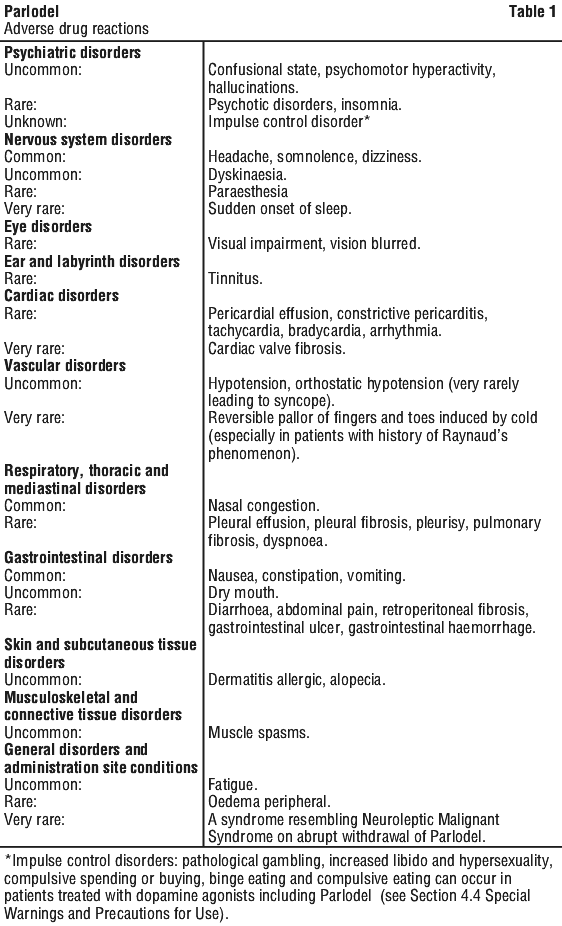
The spectrum and incidence of side effects occurring in Parkinson's patients differs somewhat from that found in patients being treated for endocrinological indications. It should be noted that, to date, clinical experience of bromocriptine in Parkinson's disease has generally followed or been associated with other therapy. Hallucinations, confusion and behavioural disturbances have been reported commonly in patients receiving doses above 15 mg/day. Delusions, psychotic episodes (including paranoia) and delirium are less frequent. Psychotic episodes have also occurred at 2.5 to 5.0 mg daily. Dyskinesias or abnormal involuntary movements and "on-off" effect have been reported in patients treated for Parkinson's disease but, to date, there is no adequate experience of patients who have been treated only with Parlodel. Pleuro-pulmonary changes (pleural and pericardial effusions, pleural and pulmonary fibrosis), constrictive pericarditis and retroperitoneal fibrosis have occurred in patients on long-term therapy (see Section 4.4 Special Warnings and Precautions for Use).
In several acromegalic patients treated with high doses, fatal gastric haemorrhage has been reported (see Section 4.4 Special Warnings and Precautions for Use).
Episodes of reversible pallor of the fingers and toes induced by cold have occasionally been reported during prolonged treatment, particularly in patients previously exhibiting Raynaud's phenomenon.
The use of Parlodel for the inhibition of physiological lactation post-partum has been associated with the rare occurrence of hypertension, myocardial infarction, seizures, stroke and psychiatric disorders (see Section 4.3 Contraindications; Section 4.4 Special Warnings and Precautions for Use).
Less frequently, ataxia, depression, anorexia, dyskinesia, erythromelalgia, metallic taste, decreased alcohol tolerance, diplopia, eye discomfort, cardiac arrhythmias, epigastric pain, oedema, urticaria and other rashes, and a burning sensation in the breast have also been reported. These side effects are usually dose dependent and can in most cases be controlled by a reduction in dosage.
Bromocriptine has been associated very rarely with excessive daytime somnolence and sudden sleep onset episodes (see Section 4.4 Special Warnings and Precautions for Use, CNS effects).
4.9 Overdose
There have been isolated reports of children who accidentally ingested Parlodel. Vomiting, somnolence and fever were reported as adverse events. Patients recovered either spontaneously within a few hours or after appropriate management.
Several reports have been made to the company of acute overdosage with Parlodel which, however, were mainly within the therapeutic range. There were no life threatening reactions. Symptoms reported could have resulted from overstimulation of dopaminergic receptors. The observed symptoms of overdosage include nausea, vomiting, dizziness, drowsiness, lethargy, somnolence, tachycardia, hypotension and postural hypotension. In addition, psychotic reactions and hallucinations may also occur.
For information on the management of overdose, contact the Poisons Information Centre on 13 11 26 (Australia).
5 Pharmacological Properties
5.1 Pharmacodynamic Properties
Mechanism of action. Parlodel has a pharmacological spectrum unlike that of most classical ergot compounds, having no uterotonic and little vasoconstrictor activity. Its principal effects derive from dopaminergic receptor stimulant activity. It inhibits prolactin secretion and the effect can be demonstrated after single or repeated oral administration of the drug. Moreover, the effect is relatively specific in that doses necessary to produce inhibition of prolactin secretion do not interfere with release of gonadotrophins or thyrotrophin. However, Parlodel elevates growth hormone for a few hours after each dose in normal or diabetic persons. This may not be reflected by an elevation of basal levels during chronic administration. However, it may suppress the elevated growth hormone levels of acromegalic patients.
Parlodel has been shown to arrest the growth or to reduce the size of prolactin-secreting pituitary adenomas (prolactinomas).
Pharmacological investigations in rodent brains show that, in addition to its effects at the hypothalamic-pituitary axis, Parlodel exerts CNS activity primarily via post-synaptic dopamine receptor activation in the corpus striatum. Parlodel can, therefore, be used in Parkinson's disease.
Clinical trials. Hyperprolactinaemia. Prolactin secretion is controlled by the hypothalamic tuberoinfundibular dopaminergic neurone system, which releases either dopamine or a prolactin inhibiting factor (PIF) into the hypothalamohypophyseal portal system to suppress the secretion of prolactin by the pituitary. Parlodel has been shown to mimic this action of dopamine on the pituitary prolactin cells and to act also at the hypothalamic level.
Prolactin is the crucial hormone for the preparation of the mammary gland for lactation and for the initiation and maintenance of milk secretion. During pregnancy and after childbirth (through suckling stimuli) prolactin levels are elevated. Reduction of circulating prolactin levels will thus prevent or suppress lactation. In some conditions, the secretion of prolactin may become elevated in situations unconnected with pregnancy and childbirth. Such nonphysiological hyperprolactinaemia may mimic the postpartum situation by inducing amenorrhoea and/or lactation (galactorrhoea). In healthy women, prolactin does not seem to be involved in the normal cycle of gonadotrophin secretion and ovarian functions but, in conditions favouring prolactin secretion, the regular cyclic gonadotrophin and gonadal steroid secretion become attenuated and are eventually suppressed. Bromocriptine, through its dopaminergic activity, returns prolactin levels towards normal and either enhances the release of gonadotrophic hormones or restores the sensitivity of the ovary to gonadotrophic stimulation.
Hence, galactorrhoea and amenorrhoea are interrupted and menses return.
Apparent regression in tumour size has been documented in a number of patients with prolactin-secreting adenomas.
Acromegaly. In about 50% of acromegalic patients, Parlodel reduced the elevated growth hormone level to half of pretreatment levels or below. In acromegaly, Parlodel has a beneficial effect on clinical symptoms, such as headaches, sweating, acral features, ring and shoe size, hypertension and glucose tolerance, although this may not be clearly correlated with a change in growth hormone levels. Overall, about 50% of patients have shown clinical improvement to Parlodel. Of the remaining patients, many have a significant fall in growth hormone levels not associated with improvements in clinical symptoms.
There are no data on the effect of bromocriptine on tumour size in acromegaly or on the functional capacity of the tumour. There is some evidence that the acromegalic process resumes on cessation of therapy.
Parkinson's disease. This disorder is characterised by progressive deficiency in dopamine synthesis in the substantia nigra. Parlodel produces its therapeutic effect by directly acting on dopamine receptors in the corpus striatum, mimicking an increased supply of endogenous dopamine. In clinical studies, Parlodel has been as effective as levodopa alone or in combination with decarboxylase inhibitors. Combination with levodopa may allow a reduction in the dosage of either compound. Bromocriptine is useful in patients with a deteriorating response to levodopa or suffering from the "on-off" phenomena. Parlodel may be given alone in mild, early cases or in combination with anticholinergic drugs and/or other antiparkinson drugs. However, data are not yet sufficient to evaluate the role of Parlodel in treating early parkinsonism.
5.2 Pharmacokinetic Properties
Pharmacokinetics. Absorption. In rats, rabbits, monkeys and man, Parlodel has been shown to be rapidly absorbed after oral administration. In man, the absorption half-life from the oral tablet formulation determined by radioimmunoassay is approximately 0.3 hours. About 7% of the dose reaches the systemic circulation unchanged. This is due to a high hepatic extraction rate and first pass metabolism. The studies were done on fasting subjects. There are no studies on the effect of food on bioavailability, but clinical experience suggests that absorption is satisfactory when bromocriptine is taken in the recommended way (i.e. with meals).
Distribution. Two hours after oral administration of 3H-bromocriptine in the rat, radioactivity was found in all organs, with highest values in the liver, stomach and intestine. Plasma protein binding amounts to 96%.
Metabolism. In man, the substance is extensively metabolised by the liver. Only traces of the unchanged compound were found in urine, with 2 major metabolites. Unchanged drug represents about 10-15% of peak levels of radioactivity in plasma, measured after single doses of labelled drug. It is not known whether the metabolites are pharmacologically active in man. However the two main urinary metabolites, 2-bromolysergic acid and 2-bromoisolysergic acid have negligible pharmacological activity in animals.
Excretion. The active parent drug and the metabolites are excreted primarily via the liver into the bile; only 6% is eliminated via the kidney. After single oral doses, the mean elimination half-life from plasma varies from 2 to 8 hours for the parent drug and 50 to 73 hours for the metabolites.
On repeated dosing, bromocriptine accumulates to the extent that plasma concentrations may be about twice those observed after single doses. Although there are no data on the accumulation of metabolites, their much longer half-life indicates that steady-state plasma concentrations, which are about ten times greater than those observed after single doses, should be reached in approximately 10 days.
5.3 Preclinical Safety Data
Genotoxicity. No data available.
Carcinogenicity. A lifetime rat study revealed that some animals developed uterine tumours and endometrial carcinoma, thought to be due to a state of induced oestrogen dominance. However, clinical experience in women with a variety of hyperprolactinaemic and other conditions, treated with bromocriptine for months and in some cases for years, failed to demonstrate abnormal trends in hormonal levels or in endometrial cytology.
6 Pharmaceutical Particulars
6.1 List of Excipients
Tablets. Magnesium stearate, colloidal anhydrous silica, maize starch, disodium edetate, maleic acid, and lactose monohydrate.
6.2 Incompatibilities
Incompatibilities were either not assessed or not identified as part of the registration of this medicine.
6.3 Shelf Life
In Australia, information on the shelf life can be found on the public summary of the Australian Register of Therapeutic Goods (ARTG). The expiry date can be found on the packaging.
6.4 Special Precautions for Storage
Tablets: Store below 25°C. Protect from light.
6.5 Nature and Contents of Container
Oral tablets. Parlodel bromocriptine 2.5 mg (as mesilate) tablet in PVC/PE/PVDC/Al blister pack; 30's, 60's.
6.6 Special Precautions for Disposal
In Australia, any unused medicine or waste material should be disposed of by taking it to your local pharmacy.
6.7 Physicochemical Properties
Bromocriptine mesilate is a peptide ergot alkaloid, poorly soluble in water (< 0.1% at 20 to 25°C).
Freely soluble in methanol. Solubility in ethanol (70% v/v) is 75%.
Chemical structure.

2-bromoergocryptine monomethanesulphonate;
2-bromo-α-ergocryptine mesilate.
Chemical formula: C32H40BrN5O5CH4O3S.
Molecular weight: 750.7 (mesilate salt); 654.5 (free base).
CAS number. 22260-51-1.
7 Medicine Schedule (Poisons Standard)
Schedule 4 - Prescription Only Medicine.
Date of First Approval
27 March 1995
Date of Revision
01 July 2024
Summary Table of Changes

Reasonable care is taken to provide accurate information at the time of creation. This information is not intended as a substitute for medical advice and should not be exclusively relied on to manage or diagnose a medical condition. The Australian Commission on Safety and Quality in Health Care disclaims all liability (including for negligence) for any loss, damage, injury or any other negative effects resulting from reliance on or use of this information. Read our full disclaimer. This website uses cookies. Read our privacy policy.