
Penthrox
Brand Information
| Brand name | Penthrox |
| Active ingredient | Methoxyflurane, Methoxyflurane |
| Schedule | S4 |
Consumer Medicine Information (CMI) leaflet
Please read this leaflet carefully before you start using the Penthrox.
Summary CMI
PENTHROX®
Consumer Medicine Information (CMI) summary
The full CMI on the next page has more details. If you are worried about using this medicine, speak to your healthcare professional (i.e., doctor, dentist, pharmacist, nurse, etc.).
1. Why am I using PENTHROX®?
PENTHROX® contains the active ingredient methoxyflurane. This medicine is used to reduce pain and is inhaled through the
PENTHROX® Inhaler. For more information, see Section 1. Why am I using PENTHROX®? in the full CMI.
2. What should I know before I use PENTHROX®?
Do not use if you have ever had an allergic reaction to methoxyflurane, any fluorinated anaesthetic or Butylated Hydroxy Toluene (BHT). Talk to your healthcare professional if you have any other medical conditions, take any other medicines, or are pregnant or plan to become pregnant or are breastfeeding.
For more information, see Section 2. What should I know before I use PENTHROX®? in the full CMI.
3. What if I am taking other medicines?
Some medicines may interfere with PENTHROX® and affect how it works.
A list of these medicines is in Section 3. What if I am taking other medicines? in the full CMI.
4. How do I use PENTHROX®?
One bottle of PENTHROX® (medicine) is poured into the base of the PENTHROX® Inhaler by the healthcare professional and is absorbed into the wick. You will inhale medicine directly from the prepared PENTHROX® Inhaler.
One bottle of PENTHROX® (3 mL) to be used initially. The maximum recommended dosage is 6 mL of PENTHROX® in one day and 15 mL in one week. More instructions can be found in Section 4. How do I use PENTHROX®? in the full CMI.
5. What should I know while using PENTHROX®?
| Things you must do |
|
| Things you must not do |
|
| Driving or using machines |
|
| Drinking alcohol |
PENTHROX® potential toxicity. |
| Storage of Medicine |
|
For more information, see Section 5. What should I know while using Penthrox®? in the full CMI.
6. Are there any side effects?
PENTHROX® is well tolerated, but it may occasionally have unwanted side effects that you may experience and require urgent medical attention.
Liver symptoms: loss of appetite, nausea, vomiting, yellowing of skin/eyes (jaundice), dark coloured urine, pale stools, or pain/tenderness in right abdominal area (below your ribs).
Kidney symptoms: reduced or excessive urination, swelling in feet or lower legs.
Respiratory symptoms: slow and shallow breathing, or difficulties in breathing (symptoms of respiratory depression).
Common side effects: dizziness, headache, drowsiness, feeling of extreme happiness or nausea.
For more information, including what to do if you have any side effects, see Section 6. Are there any side effects? in the full CMI.
Full CMI
PENTHROX®
Active ingredient: methoxyflurane
Consumer Medicine Information (CMI)
This leaflet provides important information about using PENTHROX®.
You should speak to healthcare professional if you would like further information or if you have any concerns or questions about being given this medicine.
Keep this leaflet in a safe place. You may need to read it again.
Where to find information in this leaflet:
1. Why am I using PENTHROX®?
2. What should I know before I use PENTHROX®?
3. What if I am taking other medicines?
4. How do I use PENTHROX®?
5. What should I know while using PENTHROX®?
6. Are there any side effects?
7. Product details
1. Why am I using PENTHROX®?
PENTHROX® is a medicine which is used to reduce pain.
It is inhaled through the PENTHROX® Inhaler.
PENTHROX® belongs to a family of medicines called inhalation anaesthetics. At the recommended dose, PENTHROX® provides pain relief without producing anaesthesia.
Pain relief should start after 6-10 breaths. PENTHROX® is intended to reduce the severity of pain, rather than completely eliminate it.
Ask your healthcare professional if you have any questions about why PENTHROX® has been prescribed for you.
2. What should I know before I use PENTHROX®?
Warnings
Do not use PENTHROX® if:
- You are allergic to: methoxyflurane, any fluorinated anaesthetic, or any of the ingredients listed at the end of this leaflet.
- Symptoms of an allergic reaction may include:
- Shortness of breath, wheezing or difficulty breathing
- Swelling of the face, lips, tongue or other parts of the body
- Rash, itching or hives on the skin - You must not be given PENTHROX® if you have, or are suspected of having, an inherited tendency for a condition called malignant hyperthermia. This is a condition where, when you or a related family member has been given an anaesthetic, symptoms such as a very high fever, fast, irregular heartbeat, muscle spasms and breathing problems have occurred.
- You must not be given PENTHROX® if you have heart disease, kidney disease or reduced function of your kidneys, difficulty breathing or head injury.
Check with your healthcare professional if you:
- Have, or have had, any medical conditions, especially the following:
- Kidney problems
- Liver problems - Experience any breathing problems. Respiratory depression, with symptoms such as too slow and shallow breathing or other difficulties in breathing, has been reported in association with treatment with PENTHROX®.
During treatment, you may be at risk of developing certain side effects. It is important you understand these risks and how to monitor for them. See additional information under Section 6. Are there any side effects?
Pregnancy and breastfeeding
Tell your healthcare professional if you are pregnant or intending to become pregnant.
Tell your healthcare professional if you are breastfeeding or intending to breastfeed.
Your healthcare professional will discuss the possible risks and benefits of being given PENTHROX® during pregnancy and breast-feeding.
3. What if I am taking other medicines?
Tell your healthcare professional if you are taking any other medicines, including any medicines, vitamins or supplements that you buy without a prescription from your pharmacy, supermarket or health food shop.
Some medicines may interfere with PENTHROX® and affect how it works.
Medicines that may interfere with PENTHROX® and increase the risk of side effects include:
- Isoniazid to treat tuberculosis
- Barbiturates, such as phenobarbital to treat epilepsy
- Rifampicin to treat infection
- Medicines, or illegal drugs, that have a dampening effect on the nervous system such as narcotics.
- Antibiotics or other medicines that may harm the kidney such as tetracycline, gentamicin, kanamycin, colistin, polymyxin B, cephaloridine or, amphotericin B
- Intravenous adrenaline
- Beta-blockers to treat high blood pressure.
Your doctor may have more information on medicines to be careful with around the time you receive PENTHROX®.
Check with your healthcare professional if you are not sure about what medicines, vitamins or supplements you are taking and if these affect PENTHROX®.
4. How do I use PENTHROX®?
How much is given
- One bottle of PENTHROX® (3 mL) to be used initially.
Another additional bottle may be used if required. The maximum recommended dosage is 6 mL of PENTHROX® per day and 15 mL per week. - PENTHROX® should not be used on consecutive days.
You should not inhale more than the maximum dose because PENTHROX® may damage your kidneys.
How is it given
- PENTHROX® is poured into the base of the PENTHROX® Inhaler by the healthcare professional and is absorbed into the wick. You will then inhale PENTHROX® directly from the PENTHROX® Inhaler.
How the PENTHROX® Inhaler is given
- Your healthcare professional will prepare the PENTHROX® Inhaler (with or without the optional Activated Carbon (AC) Chamber), and place wrist loop over your wrist.
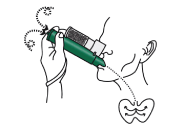
- Breathe in through the mouthpiece of the PENTHROX® Inhaler to obtain pain relief. Your healthcare professional will show you how if you are unsure. Accustom yourself to the fruity smell of the medicine by inhaling gently for the first few breaths.
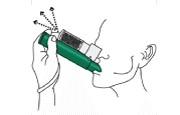
You must breathe out through the PENTHROX® Inhaler when the AC Chamber is attached for the AC Chamber to adsorb any exhaled methoxyflurane. After the first few breaths, breathe normally through the PENTHROX® Inhaler. Pain relief should commence after approximately 6-10 consecutive breaths.
After the initial 6-10 breaths, you can inhale PENTHROX® continuously or intermittently as instructed by your healthcare professional. For intermittent dosing, a top-up of 6 breaths may be given before each of the more painful parts of a procedure.
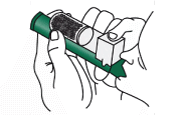
- If you need stronger pain relief, cover the dilutor hole on the PENTHROX® Inhaler or on the AC Chamber with your finger during use. Your healthcare professional will show you where the dilutor hole is.
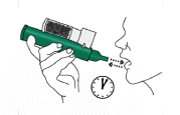
- You do not need to breathe in through the PENTHROX® Inhaler all of the time. Your healthcare professional will encourage you to take breaks from the PENTHROX® Inhaler as this will increase the duration of use.
How long is it given
- Continue using your medicine until your healthcare professional tells you to stop or when you have inhaled the maximum recommended dose.
- One 3 mL bottle of PENTHROX® provides approximately 20-25 minutes of pain relief when inhaled continuously.
- A second 3 mL bottle of PENTHROX® can be given to extend the period of pain relief to approximately 50-55 minutes when inhaled continuously.
- Intermittent inhalation will increase the time of analgesia.
If you use too much PENTHROX®
The healthcare professional giving you PENTHROX® will be experienced in its use, so it is extremely unlikely that you will be given too much. The dose of PENTHROX® is limited by the amount contained in each bottle.
You should not use more than 6 mL in one day and not more than 15 mL in one week.
Administration of consecutive days is not recommended. If the maximum dose is exceeded PENTHROX® may cause irreversible damage to your kidneys.
If you think that you have used too much PENTHROX®, you may need urgent medical attention.
You should immediately:
- phone the Poisons Information Centre
(by calling 13 11 26), or - contact your healthcare professional, or
- go to the Emergency Department at your nearest hospital.
You should do this even if there are no signs of discomfort or poisoning.
5. What should I know while using PENTHROX®?
Things you should do
- You should breathe in through the mouthpiece, initially ensuring that the “dilutor” hole of the PENTHROX® Inhaler is not covered.
- Accustom yourself to the characteristic fruity smell of the PENTHROX® by inhaling gently for the first few breaths through the PENTHROX® Inhaler. You must breathe out through the PENTHROX® Inhaler, if an AC Chamber is attached.
- If further relief is required, you may cover the “dilutor” hole with your finger for a higher inhaled concentration of PENTHROX®.
- Use PENTHROX® intermittently as required to provide pain relief.
- You are in control of the level of your pain relief by directly inhaling PENTHROX® from the PENTHROX® Inhaler.
- The aim of PENTHROX® is to relieve pain until you feel comfortable. Relief will commence after approximately 6-10 breaths. Relief will continue for several minutes after ceasing use of PENTHROX®.
Things you should not do
- Do not give PENTHROX® to anyone else, even if they have the same condition as you.
- You should not use more than 6 mL in one day and not more than 15 mL in one week.
Driving or using machines
Do not drive or operate machinery until you know how PENTHROX® affects you.
PENTHROX® may cause drowsiness or dizziness in some people and therefore may affect alertness.
Make sure you know how you react to PENTHROX® before you drive a car, operate machinery, or do anything else that could be dangerous if you are drowsy, dizzy or not alert.
Drinking alcohol
Tell your healthcare professional if you drink alcohol.
Alcohol may increase its potential toxicity and should be avoided when PENTHROX® is administered.
Looking after your Medicine
Your healthcare professional will ensure that PENTHROX® is carefully stored below 30°C in its original container.
Getting rid of unwanted Medicine
Your healthcare professional will dispose of any excess PENTHROX® liquid and the PENTHROX® Inhaler in the appropriate way.
6. Are there any side effects?
All medicines can have side effects. If you do experience any side effects, most of them are minor and temporary. However, some side effects may need medical attention.
See the information below and, if you need to, ask your healthcare professional if you have any further questions about side effects.
Less Serious Side Effects
If you are taking PENTHROX® for trauma and associated pain
| Less serious side effects | What to do |
PENTHROX® may cause:
| Speak to your healthcare professional if you have any of these less serious side effects and they worry you. |
If you require PENTHROX® for surgical procedures
| Less serious side effects | What to do |
PENTHROX® may cause:
| Speak to your healthcare professional if you have any of these less serious side effects and they worry you. |
Serious Side Effects
| Serious side effects | What to do |
| Call your doctor straight away or go straight to the Emergency Department at your nearest hospital if you notice any of these serious side effects. |
Tell your healthcare professional if you notice anything else that may be making you feel unwell.
Other side effects not listed here may occur in some people.
Some of these side effects (for example changes to blood enzyme levels) can only be found when your doctor does tests from time to time to check your progress.
Reporting Side Effects
After you have received medical advice for any side effects you experience, you can report side effects to the Therapeutic Goods Administration online at www.tga.gov.au/reporting-problems. By reporting side effects, you can help provide more information on the safety of this medicine.
Always make sure you speak to your doctor or pharmacist before you decide to stop taking any of your medicines.
7. Product details
What PENTHROX® contains
| Active ingredient (main ingredient) | Methoxyflurane 99.9% |
| Other ingredients (inactive ingredients) | Approximately 0.01% Butylated Hydroxy Toluene as stabilising agent |
| Potential allergens | Hypersensitivity to methoxyflurane, any fluorinated anaesthetic, or to any of the ingredients listed above. |
Do not take this medicine if you are allergic to any of these ingredients.
What PENTHROX® looks like
PENTHROX® is a clear, almost colourless liquid with a characteristic fruity smell that becomes a vapour or gas when it is used with the PENTHROX® Inhaler. (Aust R 43144).
PENTHROX® (methoxyflurane) is supplied in the following presentations:
- Pack of ten 3 mL bottles,
- Combination Pack containing one 3 mL bottle, one PENTHROX® Inhaler and Activated Carbon (AC) Chamber,
- Combination Pack (Starter Pack) containing one 3 mL bottle, one PENTHROX® Inhaler and Activated Carbon (AC) Chamber,
- Single Combination Pack containing ten 3 mL bottles and ten PENTHROX® Inhalers
- Double Combination Pack containing two 3 mL bottles, one PENTHROX® Inhaler and Activated Carbon (AC) Chamber (Pack of ten)
- Combination Pack containing one 1.5 mL bottle, one PENTHROX® Inhaler and Activated Carbon (AC) Chamber.
- Single Combination Pack containing ten 1.5 mL bottles and ten PENTHROX® Inhalers
Not all packs may be marketed.
Who distributes PENTHROX®
Medical Developments International Limited
4 Caribbean Drive Scoresby VIC 3179 Australia
Tel: +61 3 9547 1888
pharmacovigilance@medicaldev.com
This leaflet was prepared in November 2025.
Brand Information
| Brand name | Penthrox |
| Active ingredient | Methoxyflurane, Methoxyflurane |
| Schedule | S4 |
MIMS Revision Date: 01 November 2023
1 Name of Medicine
Methoxyflurane.
2 Qualitative and Quantitative Composition
Each bottle contains 99.9% methoxyflurane.
Methoxyflurane belongs to the fluorinated hydrocarbon group of volatile anaesthetic agents. It is a volatile liquid intended for vaporisation and administration by inhalation using the Penthrox Inhaler. At low concentrations the inhaled vapour is used to provide analgesia in stable, conscious patients.
3 Pharmaceutical Form
Methoxyflurane is a clear, almost colourless mobile liquid, with a characteristic odour that is mildly pungent (also see Section 6.7 Physicochemical Properties).
4 Clinical Particulars
4.1 Therapeutic Indications
1. For emergency relief of pain by self administration in conscious haemodynamically stable patients with trauma and associated pain, under supervision of personnel trained in its use (see Section 4.2 Dose and Method of Administration).
2. For the relief of pain in monitored conscious patients who require analgesia for surgical procedures such as the change of dressings (see Section 4.2 Dose and Method of Administration).
Note. The total maximum dose must not be exceeded.
4.2 Dose and Method of Administration
For use only as an analgesic agent (see Section 4.3 Contraindications).
Dosage. One bottle of Penthrox (3 mL) to be vaporised in a Penthrox Inhaler. On finishing the initial bottle, another bottle may be used. Up to 6 mL may be administered per day. The refilling must be conducted in a well ventilated area to reduce environmental exposure to methoxyflurane vapour.
To maximise safety, the lowest effective dosage of Penthrox (methoxyflurane) to provide analgesia should be used, particularly for children and the elderly. The total weekly dose should not exceed 15 mL. Administration on consecutive days is not recommended.
The cumulative dose received by patients receiving intermittent doses of Penthrox (methoxyflurane) for painful procedures (such as wound dressings) must be carefully monitored to ensure that the recommended dose of methoxyflurane is not exceeded.
Methoxyflurane may cause renal failure if the recommended dose is exceeded. Methoxyflurane associated renal failure is generally irreversible.
Method of administration. Penthrox (methoxyflurane) is self administered under supervision (and assisted if necessary) by a person trained in its administration using the handheld Penthrox Inhaler.
Instructions on the preparation of the Penthrox Inhaler and correct administration are provided below.
How to use the Penthrox inhaler. 1. Ensure the activated carbon (AC) chamber (where applicable) is inserted into the dilutor hole on the top of the Penthrox Inhaler.
2. Holding the methoxyflurane bottle upright, use the base the Penthrox Inhaler to loosen the cap with a ½ turn. Separate the inhaler from the bottle and remove the cap by hand.
3. Tilt the Penthrox Inhaler to a 45° angle and pour the contents of one bottle into the base whilst rotating.
4. Place wrist loop over patient's wrist. Patient inhales through the mouthpiece of inhaler to obtain analgesia. First few breaths should be gentle and then breathe normally through inhaler.
5. Patient exhales into inhaler. The exhaled vapour passes through the AC chamber to adsorb any exhaled methoxyflurane.
6. If stronger analgesia is required, patient can cover dilutor hole with finger during inhalation.
7. Patient should be instructed to inhale intermittently to achieve adequate analgesia. Continuous administration will reduce time of analgesia. Patients should be administered minimum dose.
8. Replace cap onto Penthrox bottle. Place used Penthrox Inhaler and used bottle in sealed plastic bag and dispose of responsibly (see Section 6.6 Special Precautions for Disposal).
4.3 Contraindications
Use as an anaesthetic agent.
Renal impairment, including reduced glomerular filtration rate (GFR), urine output and reduced renal blood flow.
Renal failure.
Hypersensitivity to methoxyflurane, any fluorinated anaesthetic or to any of the excipients listed in Section 6.1.
Cardiovascular instability.
Respiratory depression.
Head injury or loss of consciousness.
A history of possible adverse reactions in either patient or relatives.
Malignant hyperthermia: patients with known or genetically susceptible to malignant hyperthermia.
4.4 Special Warnings and Precautions for Use
Use in hepatic impairment. It is advisable not to administer methoxyflurane to patients who have shown signs of liver damage, especially after previous methoxyflurane or halothane anaesthesia.
There have also been occasional reports of hepatic dysfunction, jaundice, and fatal hepatic necrosis associated with methoxyflurane use.
Renal impairment. Methoxyflurane impairs renal function in a dose related manner due to the effect of the released fluoride on the distal tubule and may cause polyuric or oliguric renal failure, oxaluria being the prominent feature.
Because of the potential nephrotoxic effects methoxyflurane must not be used as an anaesthetic agent. The risk is related to the total dose (time and concentration) and frequent exposure. Methoxyflurane impairs renal function in a dose related manner.
Nephrotoxicity is greater with methoxyflurane than with other halogenated anaesthetics because of the slower metabolism over several days resulting in prolonged production of fluoride ions and metabolism into other potentially nephrotoxic substances. Therefore the lowest effective dose of methoxyflurane should be administered, especially in elderly or obese patients.
Daily use of methoxyflurane is not recommended because of nephrotoxic potential.
Diabetic patients. Diabetic patients may have an increased likelihood of developing nephropathy if they have impaired renal function or polyuria, are obese or are not optimally controlled.
Use in the elderly. Caution should be exercised in the elderly due to possible reduction in blood pressure or heart rate.
Respiratory depression. Respiratory depression has been reported also from analgesic doses of methoxyflurane. Respiration should be monitored due to the risk of respiratory depression and hypoxia.
Paediatric use. Limited data is available regarding the administration of methoxyflurane using the Penthrox Inhaler. The minimum effective dose to produce analgesia should be administered to children.
Paediatric neurotoxicity. Some published studies in children have observed cognitive deficits after repeated or prolonged exposures to anaesthetic agents early in life. These studies have substantial limitations, and it is not clear if the observed effects are due to the anaesthetic/analgesic/sedation drug administration or other factors such as the surgery or underlying illness.
Published animal studies of some anaesthetic/analgesic/sedation drugs have reported adverse effects on brain development in early life and late pregnancy. The clinical significance of these nonclinical finding is yet to be determined.
With inhalation or infusion of such drugs, exposure is longer than the period of inhalation or infusion. Depending on the drug and patient characteristics, as well as dosage, the elimination phase may be prolonged relative to the period of administration.
Occupational exposure. Healthcare professionals who are regularly exposed to patients using Penthrox Inhalers should be aware of any relevant occupational health and safety guidelines for the use of inhalational agents. To reduce occupational exposure to methoxyflurane, the Penthrox Inhaler should be used with the activated carbon (AC) chamber. Patients should be instructed to exhale into the Penthrox Inhaler so the exhaled vapour passes through the AC chamber which adsorbs exhaled methoxyflurane. Multiple use of Penthrox Inhaler without the AC chamber creates additional risk. Elevation of liver enzymes, blood urea nitrogen and serum uric acid have been reported in exposed maternity ward staff in delivery wards when methoxyflurane was used in the past in obstetric patients at the time of labour and delivery.
There have been reports of non-serious and transient reactions such as dizziness, headache, nausea or malaise, and reports of hypersensitivity reactions to methoxyflurane or other ingredients in healthcare professionals exposed to Penthrox.
Effects on laboratory tests. No data available.
4.5 Interactions with Other Medicines and Other Forms of Interactions
The concurrent use of tetracycline and methoxyflurane for anaesthesia has been reported to result in fatal renal toxicity. The possibility exists that methoxyflurane may enhance the adverse renal effects of other drugs including certain antibiotics of known nephrotoxic potential such as gentamicin, kanamycin, colistin, polymyxin B, cephaloridine and amphotericin B. Dosage for the subsequent administration of narcotics may be reduced.
Concomitant use of Penthrox with CNS depressants e.g. opioids may produce additive depressant effects. If opioids are given concomitantly with Penthrox, the patient should be observed closely, as is normal clinical practice with opioids.
It is possible that enzyme inducers (such as barbiturates, alcohol, isoniazid, phenobarbital or rifampicin) which increase the rate of methoxyflurane metabolism might increase its potential toxicity and they should be avoided concomitantly with methoxyflurane.
Intravenous adrenaline or nor-adrenaline should be employed cautiously during methoxyflurane administration.
Interactions may occur with β-blockers, with an increased risk of hypotension.
4.6 Fertility, Pregnancy and Lactation
Effects on fertility. No data available.
Use in pregnancy. (Category C)
Published animal studies of some anaesthetic/analgesic/sedation drugs have reported adverse effects on brain development in early life and late pregnancy.
Published studies in pregnant and juvenile animals demonstrate that the use of anaesthetic/analgesic and sedation drugs that block NMDA receptors and/or potentiate GABA activity during the period of rapid brain growth or synaptogenesis may result in neuronal and oligodendrocyte cell loss in the developing brain and alterations in synaptic morphology and neurogenesis when used for longer than 3 hours. These studies included anaesthetic agents from a variety of drug classes.
All general anaesthetics cross the placenta and carry the potential to produce central nervous system and respiratory depression in the newborn infant. In routine practice this dose does not appear to be a problem; however, in a compromised foetus, careful consideration should be given to this potential depression, and to the selection of anaesthetic drugs, doses and techniques.
Neonates delivered of mothers who used methoxyflurane analgesia for childbirth had a briefly raised serum uric acid, not requiring further intervention.
Toxaemia of pregnancy. It is advisable not to administer methoxyflurane due to the possibility of existing renal impairment.
Use in lactation. Caution should be exercised when methoxyflurane is administered to a nursing mother.
4.7 Effects on Ability to Drive and Use Machines
The decision as to when patients may again engage in activities requiring complete mental alertness, operate hazardous machinery or drive a motor vehicle must be individualised. Patients should be warned to take extra care as a pedestrian and not to drive a vehicle or operate a machine until the patient has completely recovered from the effects of the drug, such as drowsiness. The treating doctor should decide when activities such as driving a vehicle or operating a machine may be resumed.
4.8 Adverse Effects (Undesirable Effects)
There are no data on the dose dependency of most of the adverse drug reactions.
Use of Penthrox in patients with trauma and associated pain. Table 1 provides treatment emergent adverse events experienced by ≥ 1% of the safety population of a placebo controlled study in patients with trauma and associated pain, of which 149 had Penthrox.
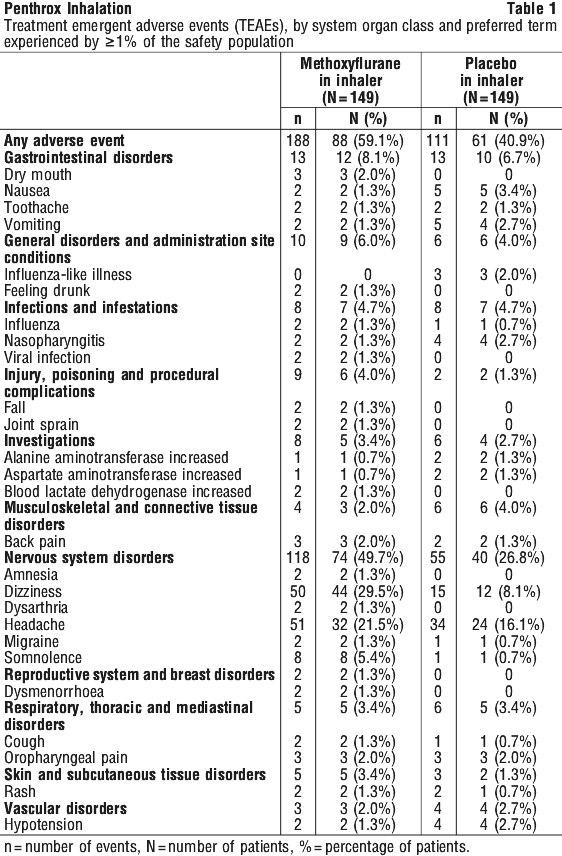
Nervous system disorders. Uncommon: dysgeusia, paraesthesia.
Gastrointestinal disorders. Uncommon: oral discomfort.
General disorders and administration site conditions. Uncommon: fatigue, feeling abnormal, feeling of relaxation, hangover, hunger, shivering.
Eye disorders. Uncommon: diplopia.
Psychiatric disorders. Uncommon: inappropriate affect.
Use of Penthrox for pain relief in patients who require it for surgical procedures. Table 2 provides drug associated events (adverse reactions) experienced by ≥ 2% of the safety population of a placebo controlled study in patients in a minor surgical procedure, of which 49 had Penthrox for the relief of pain.
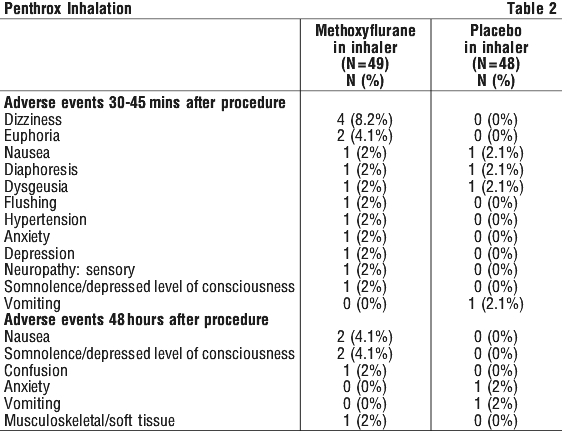
Nervous system disorders. Altered state of consciousness, nystagmus.
Respiratory, thoracic and mediastinal disorders. Choking, hypoxia, respiratory depression.
Hepatobiliary disorders. Hepatic failure, hepatitis, jaundice, liver injury.
Renal and urinary disorders. Renal failure.
Eye disorders. Vision blurred.
Psychiatric disorders. Affect lability, agitation, confusional state, dissociation, restlessness.
Vascular disorders. Blood pressure fluctuation.
Investigations. Blood uric acid increased, blood urea increased, blood creatinine increased, hepatic enzymes increased.
Hepatic toxicity in association with methoxyflurane is rare but has been observed with analgesic use.
The following adverse effects have been reported in association with historical use as an anaesthetic.
(i) Common: retrograde amnesia, nausea, vomiting, coughing, drowsiness, sleeping, dizziness, dislike of odour, fever, polyuria, headache.
ii) Rare: nonspecific hepatitis, malignant hyperthermia.
iii) Other reported events: cardiac arrest, respiratory depression, laryngospasm, bronchospasm, hypotension, bradycardia, renal failure, increased serum urea, increased serum creatinine, increased urinary oxalate excretion, increased serum inorganic fluoride, pallor, muscle relaxation.
Reporting suspected adverse effects. Reporting suspected adverse reactions after registration of the medicinal product is important. It allows continued monitoring of the benefit-risk balance of the medicinal product. Healthcare professionals are asked to report any suspect adverse reactions at www.tga.gov.au/reporting-problems.
4.9 Overdose
Adverse effects will include those for anaesthetic doses, see Section 4.8 Adverse Effects (Undesirable Effects).
In the event of overdose, anaesthetic effects may occur with signs of excessive drowsiness, (including loss of consciousness), lowering of blood pressure, respiratory depression, pallor and muscle relaxation. After Penthrox discontinuation such overdose effects usually resolve quickly often with no other intervention required but cardiorespiratory supportive measures can be implemented if necessary.
High doses of methoxyflurane cause dose related nephrotoxicity. High output renal failure has occurred several hours or days after the administration of repeated high analgesic or anaesthetic doses of methoxyflurane.
In the event of excessive urinary output following overdosage, fluid and electrolyte losses should be promptly replaced.
For information on the management of overdose, contact the Poison Information Centre on 13 11 26 (Australia).
5 Pharmacological Properties
5.1 Pharmacodynamic Properties
Mechanism of action. Methoxyflurane vapour provides analgesia when inhaled at low concentrations. After methoxyflurane administration, drowsiness may occur. During methoxyflurane administration, the cardiac rhythm is usually regular. The myocardium is only minimally sensitised to adrenaline by methoxyflurane. In light planes of anaesthesia some decrease in blood pressure may occur. This may be accompanied by bradycardia. The hypotension noted is accompanied by reduced cardiac contractile force and reduced cardiac output.
Clinical trials. No data available.
5.2 Pharmacokinetic Properties
Distribution. Methoxyflurane is more susceptible to metabolism than other halogenated methyl ethyl ethers and has greater propensity to diffuse into fatty tissues. Hence methoxyflurane is released slowly from this reservoir and becomes available for biotransformation for many days.
Metabolism. Biotransformation of methoxyflurane occurs in man. As much as 50-70% of the absorbed dose is metabolised to free fluoride, oxalic acid, difluoromethoxyacetic acid, and dichloroacetic acid. Both the free fluoride and the oxalic acid can cause renal damage in large doses, however dose related nephrotoxicity seen with clinical doses appears related to a combination of free fluoride and dichloroacetic acid.
Excretion. Approximately 20% of methoxyflurane uptake is recovered in the exhaled air, while urinary excretion of organic fluorine, fluoride and oxalic acid accounts for about 30% of the methoxyflurane uptake. Studies have shown that higher peak blood fluoride levels are obtained earlier in obese than in nonobese and in the elderly.
5.3 Preclinical Safety Data
Genotoxicity. No data available.
Carcinogenicity. No data available.
6 Pharmaceutical Particulars
6.1 List of Excipients
Butylated hydroxytoluene.
6.2 Incompatibilities
Incompatibilities were either not assessed or not identified as part of the registration of this medicine.
6.3 Shelf Life
In Australia, information on the shelf life can be found on the public summary of the Australian Register of Therapeutic Goods (ARTG). The expiry date can be found on the packaging.
6.4 Special Precautions for Storage
Store below 30°C.
6.5 Nature and Contents of Container
Penthrox (methoxyflurane) is supplied in the following presentations:
a) Pack of ten 3 mL bottles;
b) Combination Pack containing one 3 mL bottle, one Penthrox Inhaler and Activated Carbon (AC) Chamber;
c) Combination Pack (Starter Pack) containing one 3 mL bottle, one Penthrox Inhaler and Activated Carbon (AC) Chamber;
d) Single Combination Pack containing ten 3 mL bottles and ten Penthrox Inhalers;
e) Double Combination Pack containing two 3 mL bottles, one Penthrox Inhaler and Activated Carbon (AC) Chamber (Pack of ten);
f) Combination Pack containing one 1.5 mL bottle, one Penthrox Inhaler and Activated Carbon (AC) Chamber;
g) Single Combination Pack containing ten 1.5 mL bottles and ten Penthrox Inhalers.
Not all packs may be marketed.
6.6 Special Precautions for Disposal
In Australia, any unused medicine or waste material should be disposed of in accordance with local requirements.
6.7 Physicochemical Properties
Methoxyflurane is known chemically as 2,2-dichloro-1,1-difluoro-1-methoxyethane. The molecular formula is C3H4Cl2F2O and the molecular weight is 164.97. Methoxyflurane is soluble 1 in 500 of water; miscible with alcohol, acetone, chloroform, ether and fixed oils. It is soluble in rubber. The flash point in oxygen is 32.8°C. The concentration to reach flash point is usually not achieved under normal circumstances.
Some of the physical constants are in Table 3.
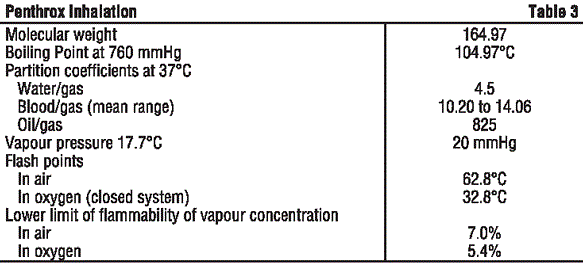
The vapour concentration of methoxyflurane is limited by its vapour pressure at room temperature to a maximum of about 3.5% at 23°C. In practice, this concentration is not reached due to the cooling effect of vaporisation. Methoxyflurane is not flammable except at vapour concentrations well above those recommended for its use. Recommended concentrations are non-flammable and non-explosive in air and oxygen at ordinary room temperature.
Chemical structure.

7 Medicine Schedule (Poisons Standard)
Schedule 4.
Date of First Approval
18 January 1993
Date of Revision
06 October 2023
Reasonable care is taken to provide accurate information at the time of creation. This information is not intended as a substitute for medical advice and should not be exclusively relied on to manage or diagnose a medical condition. The Australian Commission on Safety and Quality in Health Care disclaims all liability (including for negligence) for any loss, damage, injury or any other negative effects resulting from reliance on or use of this information. Read our full disclaimer. This website uses cookies. Read our privacy policy.