
Pharmacy Care Nicotine Lozenges
Brand Information
| Brand name | Pharmacy Care Nicotine Lozenges |
| Active ingredient | Nicotine |
| Schedule | Unscheduled |
Consumer Medicine Information (CMI) leaflet
Please read this leaflet carefully before you start using the Pharmacy Care Nicotine Lozenges.
Full CMI
Pharmacy Care Nicotine Lozenges
Active ingredient(s): Nicotine 2mg and Nicotine 4mg (as polacrilex)
Consumer Medicine Information (CMI)
This leaflet provides important information about using Pharmacy Care Nicotine Lozenges. You should also speak to your doctor or pharmacist if you would like further information or if you have any concerns or questions about using Pharmacy Care Nicotine Lozenges.
Where to find information in this leaflet:
1. Why am I using Pharmacy Care Nicotine Lozenges?
2. What should I know before I use Pharmacy Care Nicotine Lozenges?
3. What if I am taking other medicines?
4. How do I use Pharmacy Care Nicotine Lozenges?
5. What should I know while using Pharmacy Care Nicotine Lozenges?
6. Are there any side effects?
7. Product details
1. Why am I using Pharmacy Care Nicotine Lozenges?
Pharmacy Care Nicotine Lozenges contains the active ingredient nicotine (either 2mg or 4mg).
Pharmacy Care Nicotine Lozenges are a stop smoking aid. They can help you stop smoking over a few months. You can also use them to help you stop smoking more gradually over a longer period of time.
There are no health benefits to smoking. It is always better to give up smoking and using NRT can help. In general any possible side effects associated with NRT are far outweighed by the well established dangers of continuing to smoke.
They help you to give up smoking by replacing some of the nicotine you are used to getting from cigarettes. It is the nicotine in cigarettes that can make you physically addicted to them. This type of treatment is called Nicotine Replacement Therapy (NRT).
Pharmacy Care Nicotine Lozenges contain a nicotine resin and, when used, nicotine is released slowly from the resin and absorbed through the lining of the mouth. This medicine can reduce your urge to smoke by providing some of the nicotine previously inhaled from cigarettes and helps you resist cigarettes. You may feel the following withdrawal symptoms when you stop smoking: anger, irritability, frustration; anxiety; difficulty concentrating; restlessness; increased appetite and or weight gain; insomnia; depression. The nicotine in Pharmacy Care Nicotine Lozenges may help relieve some or many of these symptoms.
Pharmacy Care Nicotine Lozenges do not have the health dangers of tobacco because they do not contain the tar, carbon monoxide or other toxins present in cigarette smoke.
If possible, when giving up smoking, Pharmacy Care Nicotine Lozenges should be used with a stop smoking behavioural support programme.
Pharmacy Care Nicotine 2 mg Regular Strength lozenges are suitable for smokers who have their first cigarette of the day more than 30 minutes after waking up.
Pharmacy Care Nicotine 4 mg Extra Strength lozenges are suitable for smokers who have their first cigarette of the day within 30 minutes of waking up.
Your pharmacist or doctor may have given you this medicine for another reason. If you need more information ask your pharmacist or doctor.
2. What should I know before I use Pharmacy Care Nicotine Lozenges?
Warnings
Do not use Pharmacy Care Nicotine Lozenges if:
- You are allergic to nicotine or any of the ingredients listed at the end of this leaflet. Always check the ingredients to make sure you can use this medicine.
- You are a non-smoker.
- You are an occasional smoker.
- You suffer from phenylketonuria. The lozenge contains Phenylalanine.
- You are under 12 years of age.
Do not use the medicine after the expiry date (EXP) printed on the pack. If you take it after the expiry has passed, it may not work as well.
Do not use Pharmacy Care Nicotine Lozenges if the packaging is torn or shows signs of tampering.
If you are in hospital because of a heart attack, severe heart rhythm disturbances or a stroke you should try to quit smoking without using NRT unless your doctor tells you to use it. Once you are discharged from hospital, you may use NRT in consultation with your doctor.
If you have had allergic reactions that involve swelling of the lips, face and throat (angioedema) or itchy skin rash (urticaria), using NRT can sometimes trigger this type of reaction.
Check with your doctor or pharmacist if you:
- If you have epilepsy. You should not use Pharmacy Care Nicotine Lozenges unless your doctor has told you to if you have epilepsy or are taking medicines for seizures.
- Have an uncontrolled, overactive thyroid gland. Nicotine may make your symptoms worse.
- Have a stomach or duodenal ulcer or inflammation of the oesophagus. Swallowing nicotine can make your symptoms worse. Some people have reported getting mouth ulcers. If your symptoms do get worse you should talk to your doctor and you might want to use a non-oral type of NRT such as patches.
- Have heart or circulation problems including heart failure or stable angina or high blood pressure.
- Have had a stroke.
- Have any serious liver or kidney disease. You may be more prone to side effects.
- Are diabetic. You should monitor your blood sugar levels more often than usual when starting Pharmacy Care Nicotine Lozenges as you may find your insulin or other medication requirements alter.
- Have been diagnosed as having a tumour of the adrenal glands (phaeochromocytoma). Nicotine may make your symptoms worse.
- Have any allergies to any other medicines.
- Are pregnant or intend to become pregnant.
- Are breastfeeding or planning to breastfeed.
- Take any medicines for any other condition.
During treatment, you may be at risk of developing certain side effects. It is important you understand these risks and how to monitor for them. See additional information under Section 6. Are there any side effects?
Pregnancy and breastfeeding
If you are pregnant or breastfeeding then you should try to quit smoking without the use of Pharmacy Care Nicotine Lozenges if possible. However, it is better to stop smoking using NRT than to continue smoking.
Smoking during pregnancy has risks such as poor growth of your baby before birth, premature birth or still birth. Stopping smoking is the best way to improve both your health and that of your baby. The earlier you stop smoking, the better.
Ideally, if you are pregnant, you should stop smoking without using NRT. However, if you have tried and this hasn't worked, NRT may be recommended to help you stop smoking. This is because it is better for your developing baby than if you carry on smoking. The decision to use NRT should be made as early on in your pregnancy as possible and you should aim to use it for only 2-3 months. Remember, the most important thing is to stop smoking.
Products that are taken intermittently, such as lozenges, are preferable to nicotine patches. However, patches may be preferred if you have nausea or sickness.
Talk to your doctor or pharmacist if you are breastfeeding or intend to breastfeed.
If you are breastfeeding, tobacco smoke causes breathing difficulties and other problems in babies and children. If you need to use NRT to help you quit, the amount of nicotine your baby may receive is much smaller and less harmful than breathing in secondhand smoke. You should use NRT products that are taken intermittently (e.g. lozenges rather than patches) and breastfeed just before you take the product. This allows as long a time as possible between NRT use and feeding and will help your baby to get the smallest amount of nicotine possible.
Take special care:
- Each lozenge contains 15mg of sodium that should be taken into account by those who are on a low sodium diet.
- Lozenges can represent a choking hazard. Keep out of reach of children. Pharmacy Care Nicotine lozenges should be used with caution in patients with aspiration and swallowing problems.
3. What if I am taking other medicines?
Tell your doctor or pharmacist if you are taking any other medicines, including any medicines, vitamins or supplements that you buy without a prescription from your pharmacy, supermarket or health food shop.
Stopping smoking, with or without nicotine replacement products such as Pharmacy Care Nicotine Lozenges, may alter the absorption of some medicines. The doses of the other medicines that you are using may need to be changed.
Some medicines may interfere with Pharmacy Care Nicotine Lozenges and affect how it works, including:
- Caffeine
- Theophylline
- Some medicines used to treat depression
- Dextropropoxyphene and pentazocine - medicines that may be used for pain relief
- Insulin
- Some medicines used to treat mental disorders
- Frusemide (fluid tablet)
- Medicines used to treat ulcers
- Blood pressure medicines
These medicines may be affected by Pharmacy Care Nicotine Lozenges or affect how well Pharmacy Care Nicotine Lozenges work.
Check with your doctor or pharmacist if you are not sure about what medicines, vitamins or supplements you are taking and if these affect Pharmacy Care Nicotine Lozenges. Your pharmacist or doctor can tell you what to do if you are taking any of these medicines.
If you have not told your pharmacist or doctor about any of these things, tell him/her before you take any Pharmacy Care Nicotine Lozenges.
4. How do I use Pharmacy Care Nicotine Lozenges?
- Follow the instructions provided with the medicine.
- Do not exceed the recommended dosage.
During any attempt to give up smoking using Pharmacy Care Nicotine Lozenges, it is important that you make every effort to stop smoking completely. However, if you do smoke a cigarette while you are using NRT, you should continue your quit attempt. Talking to your pharmacist or doctor may help.
For some people, the use of more than one NRT product may help them to identify the combination most appropriate for their individual quit attempt.
Pharmacy Care Nicotine Lozenges Regular Strength are suitable for smokers who have their first cigarette of the day more than 30 minutes after waking up
Pharmacy Care Nicotine Lozenges Extra Strength are suitable for smokers who have their first cigarette of the day within 30 minutes of waking up.
One lozenge should be placed in the mouth and be allowed to dissolve to be effective. From time to time the lozenge should be moved from one side of the mouth to the other. The lozenge should not be chewed, sucked or swallowed whole.
You should not eat or drink while a lozenge is in your mouth. Coffee, juices and fizzy drinks may reduce the absorption of nicotine and should not be taken while you are using a lozenge.
How much to take / use
For adults (and young people aged over 12 years) who want to stop in a few months:
Pharmacy Care Nicotine Lozenges should be used according to the following schedule:
| Weeks 1 to 6: | 1 lozenge every 1 to 2 hours |
| Weeks 7 to 9: | 1 lozenge every 2 to 4 hours |
| Weeks 10 to 12: | 1 lozenge every 4 to 8 hours |
To help you stay smoke free over the next 12 weeks, take 1 lozenge in situations where you are strongly tempted to smoke.
During the initial treatment period (weeks 1 to 6) adults aged 18 years and over should use at least nine lozenges per day.
Do not use more than 1 lozenge at a time and do not use more than 15 lozenges per day.
For adult smokers who want to stop over several months: Use a lozenge whenever you have a strong urge to smoke instead of smoking a cigarette. When you have reduced the number of cigarettes you smoke each day to a level from which you feel you can quit completely then use the schedule in the section above for smokers who want to quit in a few months. See your pharmacist or doctor if you have not reduced the number of cigarettes, you smoke each day after 6 weeks, or if you have not begun an attempt to quit completely after 6 months.
How long to use it
Lozenges should not be used after 9 months. If you find it difficult to give up Pharmacy Care Nicotine Lozenges or you are worried that you may start smoking again then speak to your pharmacist or doctor.
To give you the best chance for success, it is important you complete the step-down program in full. This is because the urge to smoke and withdrawal symptoms can occur for weeks after stopping smoking.
Adolescents aged 12 to 17 years old should only use Pharmacy Care Nicotine Lozenges for 12 weeks in total. If you think you may need to use the lozenges for longer than 12 weeks, talk to your pharmacist or doctor.
NRT should only be used by those aged 12 to 17 years if a counselling program is used at the same time. NRT is not likely to work in this age group if there is no counselling with it.
Children under 12 years of age should not use Pharmacy Care Nicotine Lozenges. The levels of nicotine in NRT are suitable for people who are giving up smoking but not for children under 12. Children are more likely to be affected by nicotine and it could cause severe toxicity which can be fatal.
If you do start smoking again, you may want to talk to your pharmacist about how to get the best results from further courses of Pharmacy Care Nicotine Lozenges.
The directions given to you by your pharmacist or doctor may be different from the information in this leaflet. If you are unsure how to use this medicine, ask your pharmacist or doctor for advice.
If you use too much Pharmacy Care Nicotine Lozenges
If you smoke or use any other nicotine containing product while you are using Pharmacy Care Nicotine Lozenges, you may suffer an overdose of nicotine. However, if used correctly, nicotine overdose is unlikely.
Symptoms of nicotine over dosage include:
- Headache
- Dizziness
- Stomach upset
- Drooling
- Vomiting
- Diarrhoea
- Cold sweat
- Blurred vision
- Hearing distortion
- Confusion
- Weakness
- Fainting
If it is a large overdose, there may be collapse and breathing difficulty.
If you think that you or anyone has used too much Pharmacy Care Nicotine Lozenges, you may need urgent medical attention.
You should immediately:
- phone the Poisons Information Centre
(by calling 13 11 26), or - contact your doctor, or
- go to the Emergency Department at your nearest hospital.
You should do this even if there are no signs of discomfort or poisoning.
Keep telephone numbers of these places handy.
The lozenges are not suitable for children under 12 or for non-smokers. They may develop signs of nicotine overdose including headache, sickness, stomach pains and diarrhoea. Even small amounts of nicotine can be dangerous to children. If you think a child has used any lozenges, you must contact a doctor immediately.
5. What should I know while using Pharmacy Care Nicotine Lozenges?
Things you should do
- Use Pharmacy Care Nicotine Lozenges exactly as your pharmacist or doctor has told you to.
- Remind any doctor, dentist or pharmacist you visit that you are using Pharmacy Care Nicotine Lozenges.
- Tell your doctor or pharmacist if you become pregnant while using Pharmacy Care Nicotine Lozenges.
Things you should not do
- Do not use this medicine to treat any other complaint unless your doctor or pharmacist says it is safe.
- Do not give this medicine to anyone else even if they have the same symptoms as you.
Driving or using machines
Be careful before you drive or use any machines or tools until you know how Pharmacy Care Nicotine Lozenges affects you. If used as recommended there are minimal risks associated with the use of Pharmacy Care Nicotine Lozenges in driving vehicles or operating machinery
Looking after your medicine
Keep your lozenges in the blister pack until it is time to use them. If you keep the lozenges out of the carton or the blister pack they will not keep well.
Follow the instructions in the carton on how to take care of your medicine properly.
Keep Pharmacy Care Nicotine Lozenges in a cool dry place. Do not leave Pharmacy Care Nicotine Lozenges in the car on hot days.
Store it in a cool dry place where the temperature stays below 25°C, away from moisture. heat or sunlight; for example, do not store it:
- in the bathroom or near a sink, or
- in the car or on windowsills.
Keep Pharmacy Care Nicotine Lozenges where young children and pets cannot reach them.
A locked cupboard at least one and a half metres above the ground is a good place to store medicines.
Getting rid of any unwanted medicine
If you no longer need to use this medicine or it is out of date, take it to any pharmacy for safe disposal.
Do not use this medicine after the expiry date.
6. Are there any side effects?
All medicines can have side effects. If you do experience any side effects, most of them are minor and temporary. However, some side effects may need medical attention.
Stopping smoking itself can cause some symptoms such as dizziness, headache, sleep disturbance, cough and cold-like symptoms. Symptoms such as depression, irritability, anxiety and insomnia may also be related to withdrawal symptoms associated with giving up smoking.
See the information below and, if you need to, ask your doctor or pharmacist if you have any further questions.
Less serious side effects
| Less serious side effects | What to do |
Gastrointestinal:
| Speak to your doctor or pharmacist if you have any of these less serious side effects and they worry you. These are mostly mild and short-lived. You may experience these side effects as you decrease the number of lozenges that you use. |
Serious side effects
| Serious side effects | What to do |
Cardiac disorders:
| Stop using Pharmacy Care Nicotine Lozenges. Call your doctor straight away, or go straight to the Emergency Department at your nearesthospital if you notice any of these serious side effects. |
Tell your doctor or pharmacist if you notice anything else that may be making you feel unwell.
Other side effects not listed here may occur in some people.
Transferred dependence
Some people worry that they will quit smoking but become dependent on Pharmacy Care Nicotine Lozenges. This is very rare and, if it did happen, it is less harmful to you than continuing to smoke and an easier habit to break.
Reporting side effects
After you have received medical advice for any side effects you experience, you can report side effects to the Therapeutic Goods Administration online at www.tga.gov.au/reporting-problems. By reporting side effects, you can help provide more information on the safety of this medicine.
7. Product details
This medicine is available over-the-counter without a doctor's prescription.
What Pharmacy Care Nicotine Lozenges contains
| Active ingredient (main ingredient) | Nicotine (2mg or 4mg) in the form of a resin complex (nicotine polacrilex) |
| Other ingredients (inactive ingredients) | Mannitol Sodium alginate Aspartame Sodium carbonate Magnesium stearate Xanthan gum Potassium bicarbonate Flavour – Peppermint (PI 106645) |
Do not take this medicine if you are allergic to any of these ingredients.
What Pharmacy Care Nicotine Lozenges looks like
Pharmacy Care Nicotine Lozenges are cream/white embossed biconvex, round tablets with an odour of peppermint.
The 2mg lozenges (Aust R231853) are embossed with ‘L344’ and the 4mg lozenges (Aust R231854) with ‘L873’ on one face.
Who distributes Pharmacy Care Nicotine Lozenges
Manufactured in the United Kingdom for:
Perrigo Australia
Suite 7, Level 1, 13a Narabung Way
Belrose NSW 2085
Customer Service: 1800 805 546
Distributed by:

Sigma Company Limited
3 Myer Place
Rowville Vic 3178 Australia
www.sigmahealthcare.com.au
Date of Preparation: January 2015
Date of last amendment: October 2025
ACC 03562P:5
Brand Information
| Brand name | Pharmacy Care Nicotine Lozenges |
| Active ingredient | Nicotine |
| Schedule | Unscheduled |
MIMS Revision Date: 01 February 2025
1 Name of Medicine
Nicotine as nicotine polacrilex.
2 Qualitative and Quantitative Composition
Each 2 mg lozenge contains 2 mg nicotine (as 13.33 mg nicotine polacrilex) and each 4 mg lozenge contains 4 mg nicotine (as 26.66 mg nicotine polacrilex).
For the full list of excipients, see Section 6.1 List of Excipients.
3 Pharmaceutical Form
Pharmacy Care Nicotine Lozenges are cream/white embossed biconvex round tablets with an odour of peppermint. The 2 mg lozenges are embossed with 'L344' and the 4 mg lozenges with 'L873' on one face.
4 Clinical Particulars
4.1 Therapeutic Indications
Pharmacy Care Nicotine Lozenges are indicated for the relief of nicotine withdrawal symptoms including cravings associated with smoking cessation. Pharmacy Care Nicotine Lozenges may also be used as part of a smoking reduction strategy by smokers who are unable or not ready to stop smoking abruptly as a step towards stopping smoking. The lozenges should preferably be used in conjunction with a behavioural support program.
4.2 Dose and Method of Administration
Adults (18 years and over, including the elderly), who want to stop in a few months. Pharmacy Care Nicotine Lozenges 2 mg are suitable for smokers who have their first cigarette of the day more than 30 minutes after waking up.
Pharmacy Care Nicotine Lozenges 4 mg are suitable for smokers who have their first cigarette of the day within 30 minutes of waking up.
Users should make every effort to stop smoking completely during treatment with Pharmacy Care Nicotine Lozenges. Behavioural therapy, advice and support will normally improve the success rate.
Pharmacy Care Nicotine Lozenges should be used according to the following schedule:
Weeks 1 to 6. 1 lozenge every 1 to 2 hours.
Weeks 7 to 9. 1 lozenge every 2 to 4 hours.
Weeks 10 to 12. 1 lozenge every 4 to 8 hours.
To help stay smoke free over the next 12 weeks, take 1 lozenge in situations when strongly tempted to smoke.
During the initial treatment period (weeks 1 to 6) it is recommended that users take a minimum of nine lozenges per day.
For adult smokers who want to stop over several months. Use a lozenge whenever you have a strong urge to smoke instead of smoking a cigarette. When you have reduced the number of cigarettes you smoke each day to a level from which you feel you can quit completely then use the schedule in the section above for smokers who want to quit in a few months. See your pharmacist or doctor if you have not reduced the number of cigarettes you smoke each day after 6 weeks, or if you have not begun an attempt to quit completely after 6 months.
Do not use more than 1 lozenge at a time and do not use more than 15 lozenges per day.
Patients who require NRT beyond 9 months should seek additional help and advice from a healthcare professional.
Children and adolescents. Data is limited in relation to the value of NRT use in young people where the demand for cessation products and the motivation to quit is low. Nevertheless NRT is safe in this group. NRT should only be used by adolescents in conjunction with a counselling program. Counselling is needed in this age group because NRT is likely to be ineffective in the absence of counselling.
Adolescents (12-17 years) should follow the schedule of treatment for adults above for step 1, 2 and 3, but as data is limited, duration of NRT in this age group is restricted to 12 weeks. If longer treatment is required advice from a healthcare professional should be sought who can then reassess the patient for their commitment to quitting and the benefits of continued treatment. If treatment is continued it should not be extended for more than another four weeks.
Pharmacy Care Nicotine Lozenges are not recommended for use in children under 12 years of age.
Directions for use. One lozenge should be placed in the mouth and allowed to dissolve. Periodically, the lozenge should be moved from one side of the mouth to the other, and repeated, until the lozenge is completely dissolved (approximately 20-30 minutes). The lozenge should not be sucked, chewed or swallowed whole.
Users should not eat or drink while a lozenge is in the mouth.
4.3 Contraindications
Pharmacy Care Nicotine Lozenges are contraindicated in:
patients with phenylketonuria;
patients hypersensitive to nicotine or any of the excipients;
non-smokers and children under 12 years of age (see Section 4.4 Special Warnings and Precautions for Use, Paediatric use).
4.4 Special Warnings and Precautions for Use
Identified precautions. The risks associated with the use of Nicotine Replacement Therapy (NRT) are substantially outweighed in virtually all circumstances by the well-established dangers of continued smoking.
Underlying cardiovascular disease. Patients hospitalized for myocardial infarction, severe dysrhythmia or cerebrovascular accidents who are considered to be haemodynamically unstable should be encouraged to stop smoking with non-pharmacological interventions. If this fails, Pharmacy Care Nicotine Lozenges may be considered, but as data on safety in this patient group are limited, initiation should only be under medical supervision. Use with caution in patients with recent or unstable cardiovascular disease, do not continue NRT if the patient continues to smoke.
Diabetes mellitus. Patients with diabetes mellitus should be advised to monitor their blood sugar levels more closely than usual when NRT is initiated as catecholamines released by nicotine can affect carbohydrate metabolism and vasoconstriction may delay/reduce insulin absorption.
Allergic reactions. NRT should be used with caution by patients susceptible to angioedema and/or urticaria.
Epilepsy and seizures. Caution should be exercised in patients with a history of epilepsy or seizures during introduction of nicotine replacement therapy. Tobacco smoke contains substances including nicotine - which act on brain receptors, and the changes in intake of these when switching from smoked tobacco to nicotine replacement therapy during quitting may affect seizure threshold.
A risk/benefit assessment should be made by an appropriate healthcare professional for patients with the following conditions:
Phaeochromocytoma and uncontrolled hyperthyroidism. Use with caution in patients with uncontrolled hyperthyroidism or phaeochromocytoma as nicotine causes release of catecholamines.
Gastrointestinal disease. Swallowed nicotine may exacerbate symptoms in patients suffering from oesophagitis, gastric or peptic ulcers. Oral NRT should be used with caution in these conditions. Ulcerative stomatitis has been reported.
Transferred dependence. Transferred dependence is rare and is both less harmful and easier to break than smoking dependence.
Phenylketonuria. Pharmacy Care Nicotine Lozenges are sugar free, but do contain aspartame which metabolises to phenylalanine, which is of relevance for those with phenylketonuria.
Sodium content. Each Pharmacy Care Nicotine Lozenge contains 15mg of sodium (total of 225 mg of sodium per maximum daily dose of 15 lozenges). People on a low sodium diet should take this into account.
Use in hepatic impairment. Use with caution in patients with moderate to severe hepatic impairment as the clearance of nicotine or its metabolites may be decreased with the potential for increased adverse events.
Use in renal impairment. Use with caution in patients with severe renal impairment as the clearance of nicotine or its metabolites may be decreased with the potential for increased adverse events.
Use in the elderly. See Section 4.2 Dose and Method of Administration.
Paediatric use. Pharmacy Care Nicotine Lozenges are not recommended for use in children under 12 years of age. For use in adolescents (12-17 years), see Section 4.2 Dose and Method of Administration.
Danger in small children. Doses of nicotine that are tolerated by adult and adolescent smokers during treatment can produce severe symptoms of poisoning in small children and may be fatal. Products should not be left where they may be misused, handled or ingested by children.
Lozenges can represent a choking hazard. Keep out of reach of children. Pharmacy Care Nicotine Lozenges should be used with caution in patients with aspiration and swallowing problems.
Effects on laboratory tests. No data available.
4.5 Interactions with Other Medicines and Other Forms of Interactions
No clinically relevant interactions between NRT and other drugs have definitely been established, however nicotine may possibly enhance the haemodynamic effects of adenosine.
Smoking cessation, with or without nicotine replacement, may alter the individual's response to concomitant medication and may require adjustment of dose.
Polycyclic aromatic hydrocarbons in tobacco smoke induce the metabolism of drugs catalysed by CYP1A2 (and possibly by CYP1A1). When a smoker stops this may result in a slower metabolism and a consequent rise in blood levels of such drugs.
The following drugs may require adjustment in dose at cessation of smoking: caffeine, theophylline, imipramine, pentazocine, tacrine, clomipramine, insulin, clozapine, olanzapine and fluvoxamine. In particular, anticonvulsants may require special monitoring and/or dosage adjustment.
Other reported effects of smoking include reduced analgesic efficacy of propoxyphene, reduced diuretic response to frusemide and altered pharmacological response to propranolol, as well as altered rates of ulcer healing with H2-antagonists. Both smoking and nicotine can increase levels of circulating cortisol and catecholamines. Dosages of nifedipine, adrenergic agonists or adrenergic blocking agents may need to be adjusted.
4.6 Fertility, Pregnancy and Lactation
Effects on fertility. Effects on fertility have not been established.
Use in pregnancy. (Category D)
Smoking during pregnancy is associated with risks such as intra-uterine growth retardation, premature birth or stillbirth. Stopping smoking is the single most effective intervention for improving the health of both pregnant smoker and her baby. The earlier abstinence is achieved the better.
In studies in pregnant animals, nicotine showed maternal toxicity and consequential mild fetal toxicity. Additional effects included prenatal and postnatal growth retardation and delays and changes in postnatal CNS development. Effects were only noted following exposure to nicotine at levels in excess of those from recommended use of nicotine lozenges.
Ideally smoking cessation during pregnancy should be achieved without NRT. However for women unable to quit on their own, NRT may be recommended to assist a quit attempt. The risk of using NRT to the foetus is lower than that expected with tobacco smoking, due to lower maximal plasma nicotine concentration and no additional exposure to polycyclic hydrocarbons and carbon monoxide. However, as nicotine passes to the foetus affecting breathing movements and has a dose dependent effect on placental/foetal circulation, the decision to use NRT should be made as early on in the pregnancy as possible. The aim should be to use NRT for only 2-3 months.
While no data exists to support one form of NRT over another, intermittent dosing products may be preferable as these usually provide a lower daily dose of nicotine than patches. However, patches may be preferred if the woman is suffering from nausea during pregnancy. If patches are used they should be removed before going to bed.
Use in lactation. Nicotine from smoking and NRT is found in breast milk. However the amount of nicotine the infant is exposed to is relatively small and less hazardous than the second-hand smoke they would otherwise be exposed to. Using intermittent dose NRT preparations, compared with patches, may minimize the amount of nicotine in the breast milk as the time between administrations of NRT and feeding can be more easily prolonged.
4.7 Effects on Ability to Drive and Use Machines
Used as recommended there are minimal risks associated with the use of Pharmacy Care Nicotine Lozenges in driving vehicles or operating machinery.
4.8 Adverse Effects (Undesirable Effects)
NRT can cause adverse reactions similar to those associated with nicotine administered in other ways, including smoking. These may be attributed to the pharmacological effects of nicotine, which are dose dependent. At recommended doses Pharmacy Care Nicotine Lozenges have not been found to cause any serious adverse effects. Excessive consumption of Pharmacy Care Nicotine Lozenges by those who have not been in the habit of inhaling tobacco smoke could possibly lead to nausea, faintness or headaches.
Related adverse events with ≥ 1% excess in active compared to placebo group in a controlled study. Very common (> 1/10). Gastrointestinal system disorders. Nausea; hiccup, flatulence.
Common (> 1/100; < 1/10). Psychiatric disorders. Insomnia.
Central and peripheral nervous system disorders. Dizziness; headache.
Respiratory system disorders. Coughing; pharyngitis; sore throat.
Gastrointestinal system disorders. Vomiting; constipation, diarrheoa; dysphagia; dyspepsia; heartburn; indigestion; belching; mouth irritation, mouth ulceration; tongue ulceration; dry mouth; bloating.
Uncommon (> 1/1000; < 1/100). Platelet, bleeding and clotting disorders. Gingival bleeding.
Metabolic and nutritional disorders. Thirst; excessive thirst.
Psychiatric disorders. Anxiety; anxiety attack; anxiety reaction; nightmares; marked restlessness; decreased appetite; lost appetite; lethargy.
Nervous system disorders. Migraine; mucosal burning; burning sensation; paraesthesia mouth; sensory disturbance; hyperalertness.
Respiratory system disorders. Dyspnoea; shortness of breath; aggravated cough; lower respiratory tract infection; respiratory disorder; excessive sneezing.
Gastrointestinal. Gastroesophageal reflux; oesophageal reflux aggravated; retching; eructation; gagging; catarrh; increased saliva; lip ulceration; GI disorder; abdominal griping; sore lips; dry throat.
Special senses. Taste perversion.
Skin. Itching; rash.
Body as a whole. Throat swelling; chest pain; tightness of chest; overdose effect; withdrawal syndrome; malaise; hot flushes; halitosis.
Certain symptoms which have been reported such as depression, irritability, anxiety and insomnia may be related to withdrawal symptoms associated with smoking cessation. Patients quitting smoking by any means could expect to suffer from headache, dizziness, sleep disturbances, increased coughing or a cold. One case has been reported of a patient who experienced restriction of her windpipe after using lozenges; the symptoms returned on re-exposure.
Pharmacy Care Nicotine Lozenges have similar topical effects as other oral NRT products such as mouth irritation and throat burning.
Pharmacy Care Nicotine Lozenges have similar cardiovascular reactions as nicotine gum i.e. rapid or irregular heartbeat, paraesthesia (oral), palpitation as less common (> 1/1000; < 1/100) and reversible atrial fibrillation as a rare (< 1/1000) reaction.
Post marketing. Events identified from post-marketing experience of oral nicotine products.
Unknown (cannot be estimated from available data). Cardiac disorders. Palpitations, tachycardia.
Gastrointestinal disorder. Dysphagia, eructation, salivary hypersecretion.
General disorders and administration site conditions. Asthenia*, fatigue*, influenza type illness*.
Immune system disorders. Hypersensitivity.
Nervous system disorders. Tremor, dysgeusia, seizures**.
Psychiatric disorders. Abnormal dreams.
Skin and subcutaneous tissue disorders. Angioedema, urticaria, rash, pruritus, erythema and hyperhidrosis.
* These events may also be due to withdrawal symptoms following smoking cessation.
** In subjects taking anti-convulsant therapy or with a history of epilepsy.
Reporting suspected adverse effects. Reporting suspected adverse reactions after registration of the medicinal product is important. It allows continued monitoring of the benefit-risk balance of the medicinal product. Healthcare professionals are asked to report any suspected adverse reactions at www.tga.gov.au/reporting-problems.
4.9 Overdose
Even small quantities of nicotine may be dangerous in children. If poisoning is suspected in a child, a doctor must be consulted immediately.
The minimum lethal dose of nicotine in a non-tolerant man has been estimated to be 40 to 60 mg (< 1 mg/kg).
Symptoms. Symptoms of acute nicotine poisoning include nausea, salivation, abdominal pain, diarrhoea, sweating, headache, dizziness, disturbed hearing and marked weakness. In extreme cases, these symptoms may be followed by hypotension, rapid or weak or irregular pulse, breathing difficulties, prostration, circulatory collapse and terminal convulsions.
All nicotine intake should stop immediately and the patient should be treated symptomatically. Artificial respiration should be instituted if necessary. Activated charcoal reduces the gastro-intestinal absorption of nicotine.
For information on the management of overdose, contact the Poisons Information Centre on 13 11 26 (Australia).
5 Pharmacological Properties
5.1 Pharmacodynamic Properties
Mechanism of action. The actions of nicotine in humans are complex, depending on dose, rate of delivery, prevalent autonomic tone, individual variation and prior exposure (tolerance).
Nicotine is the major pharmacologically active alkaloid of tobacco. The free alkaloid is absorbed rapidly through the skin and respiratory tract.
Nicotine, the chief alkaloid in tobacco products, binds stereoselectively to acetylcholine receptors at the autonomic ganglia, in the adrenal medulla, at neuromuscular junctions and in the brain. Two types of central nervous system effects are believed to be the basis of nicotine's positively reinforcing properties. A stimulating effect exerted mainly in the cortex via the locus ceruleus, produces increased alertness and cognitive performance. A 'reward' effect via the 'pleasure system' in the brain is exerted in the limbic system. At low doses the stimulant effects predominate, while at high doses the reward effects predominate.
Intermittent intravenous administration of nicotine activates neurohormonal pathways, releasing acetylcholine, noradrenaline, dopamine, serotonin, vasopressin, β-endorphin, growth hormone, and ACTH.
The cardiovascular effects of nicotine include peripheral vasoconstriction, tachycardia, and elevated blood pressure. Acute and chronic tolerance to nicotine develops from smoking tobacco or ingesting nicotine preparations. Acute tolerance (a reduction in response for a given dose) develops rapidly (less than one hour), but at distinct rates for different physiological effects (skin temperature, heart rate, subjective effects). Withdrawal symptoms, such as cigarette craving, can be reduced in some individuals by plasma nicotine levels lower than those for smoking.
Withdrawal from nicotine in addicted individuals is characterised by craving, nervousness, restlessness, irritability, mood lability, anxiety, drowsiness, sleep disturbances, impaired concentration, increased appetite, minor somatic complaints (headache, myalgia, constipation, fatigue) and weight gain. Nicotine toxicity is characterised by nausea, abdominal pain, vomiting, diarrhoea, diaphoresis, flushing, dizziness, disturbed hearing and vision, confusion, weakness, palpitations, altered respiration and hypotension.
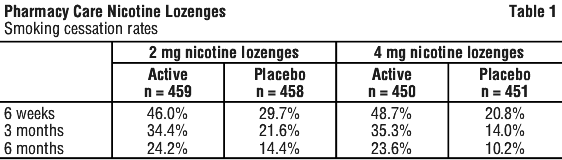
Clinical trials. A multicentre, double blind, placebo controlled, randomised, parallel group study assessed the efficacy of 2 and 4 mg nicotine lozenges in smokers wanting to quit. Treatment allocation was based on time to first cigarette (TTFC). Those smoking within 30 minutes of waking were allocated to the 4 mg group (or matching placebo) and those smoking more than 30 minutes after waking were allocated to the 2 mg group (or matching placebo).
The study was undertaken in the USA and the UK. A total of 1,818 smokers motivated to stop and aged over 18 years were randomised; 459 in the 2 mg active group, 458 in the 2 mg placebo, 450 in the 4 mg active and 451 in the 4 mg placebo.
Subjects were given clear instructions on how to suck the lozenge. Treatment instructions were to use one lozenge every one to two hours for the first six weeks, one lozenge every two to four hours for weeks 7 to 9, and one lozenge every four to eight hours for weeks 10 to 12. Thereafter subjects were advised to use one to two lozenges per day as needed to remain abstinent. During the first six weeks, subjects were advised to use a minimum of nine lozenges daily. At the end of six months subjects were told to refrain from taking the lozenge.
Six week, three month and six month, continuous, biochemically confirmed smoking cessation rates presented by treatment group are tabulated below. (See Table 1.)
Weight gain rebounded to at least placebo levels after termination of lozenge use in subjects continuing to refrain from smoking.
5.2 Pharmacokinetic Properties
Absorption. Pharmacy Care Nicotine Lozenges completely dissolve in the oral cavity, and the entire amount of nicotine contained in the lozenges becomes available for buccal absorption or ingestion (swallowing). The complete dissolution of Pharmacy Care Nicotine Lozenges is typically achieved in 20-30 minutes.
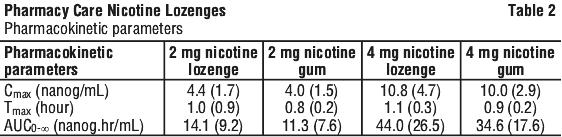
The mean Cmax and AUC (0 to infinity) was approximately 8 to 10% and 25 to 27%, respectively, higher for the lozenge compared to the equivalent dose of the gum.
Ingestion of nicotine lozenges not following dosing instructions (chewed, retained in the mouth, and swallowed; chewed and immediately swallowed) does not result in faster or higher absorption, but a substantial amount of nicotine (80-93%) is still absorbed.
Single dose studies. Single dose studies have demonstrated an increased Cmax and AUC and prolonged Tmax for both 2 and 4 mg lozenge in comparison to the equivalent dose of nicotine gum. The differences were statistically significant. Mean (SD) pharmacokinetic parameters for plasma nicotine from the single dose studies are tabulated below. (See Table 2.)
Distribution. As the plasma protein binding of nicotine is low (4.9% - 20%), the volume of distribution of nicotine is large (2.5 L/kg). The distribution of nicotine to tissue is pH dependent, with the highest concentrations of nicotine found in the brain, stomach, kidney and liver.
Metabolism. Nicotine is extensively metabolized to a number of metabolites, all of which are less active than the parent compound. The metabolism of nicotine primarily occurs in the liver, but also in the lung and kidney. Nicotine is metabolized primarily to cotinine but is also metabolized to nicotine N'-oxide. Cotinine has a half-life of 15-20 hours and its blood levels are 10 times higher than nicotine. Cotinine is further oxidized to trans-3'-hydroxycotinine, which is the most abundant metabolite of nicotine in the urine. Both nicotine and cotinine undergo glucuronidation.
Excretion. The elimination half-life of nicotine is approximately 2 hours (range 1 - 4 hours). Total clearance for nicotine ranges from approximately 62 to 89 L/hr. Non-renal clearance for nicotine is estimated to be about 75% of total clearance. Nicotine and its metabolites are excreted almost exclusively in the urine. The renal excretion of unchanged nicotine is highly dependent on urinary pH, with greater excretion occurring at acidic pH.
5.3 Preclinical Safety Data
Genotoxicity. Nicotine and cotinine were not mutagenic in the Ames Salmonella test. Nicotine induced repairable DNA damage in an E. coli test system. Nicotine was shown to be genotoxic in a test system using Chinese hamster ovary cells. In rats and rabbits, implantation can be delayed or inhibited by a reduction DNA synthesis that appears to be caused by nicotine. Studies have shown a decrease in litter size in treated with nicotine during gestation.
Carcinogenicity. Nicotine itself does not appear to be a carcinogen in laboratory animals. However, nicotine and its metabolites increased the incidence of tumours in the cheek pouches of hamsters and forestomach of F344 rats, respectively, when given in combination with tumour initiators. One study, which could not be replicated, suggested that cotinine, the primary metabolite of nicotine, may cause lymphoreticular sarcoma in the large intestine in rats.
6 Pharmaceutical Particulars
6.1 List of Excipients
The lozenges also contain the following inactive ingredients: mannitol, magnesium stearate, sodium alginate, xanthan gum, potassium bicarbonate, sodium carbonate, aspartame and flavour - peppermint (PI 106645).
See Section 2 Qualitative and Quantitative Composition.
6.2 Incompatibilities
Incompatibilities were either not assessed or not identified as part of the registration of this medicine.
6.3 Shelf Life
In Australia, information on the shelf life can be found on the public summary of the Australian Register of Therapeutic Goods (ARTG). The expiry date can be found on the packaging.
6.4 Special Precautions for Storage
Store below 25°C.
6.5 Nature and Contents of Container
They are available in packs of 72.
6.6 Special Precautions for Disposal
In Australia, any unused medicine or waste material should be disposed of by taking to your local pharmacy.
6.7 Physicochemical Properties
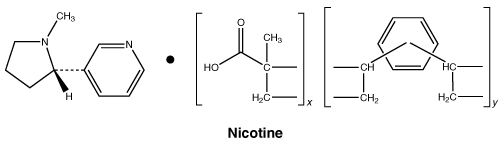
Chemical structure.
7 Medicine Schedule (Poisons Standard)
Unscheduled.
Date of First Approval
16 December 2014
Date of Revision
29 November 2024
Summary Table of Changes

Reasonable care is taken to provide accurate information at the time of creation. This information is not intended as a substitute for medical advice and should not be exclusively relied on to manage or diagnose a medical condition. The Australian Commission on Safety and Quality in Health Care disclaims all liability (including for negligence) for any loss, damage, injury or any other negative effects resulting from reliance on or use of this information. Read our full disclaimer. This website uses cookies. Read our privacy policy.