
Physioneal 40
Brand Information
| Brand name | Physioneal 40 |
| Active ingredient | Calcium chloride dihydrate + Glucose + Magnesium chloride hexahydrate + Sodium bicarbonate + Sodium chloride + Sodium lactate |
| Schedule | Unscheduled |
Consumer Medicine Information (CMI) leaflet
Please read this leaflet carefully before you start using the Physioneal 40.
Summary CMI
PHYSIONEAL 40
Consumer Medicine Information (CMI) summary
The full CMI on the next page has more details. If you are worried about using this medicine, speak to your doctor or pharmacist.
1. Why am I using PHYSIONEAL 40?
PHYSIONEAL 40 contains the active ingredients glucose, calcium chloride dihydrate, magnesium c hloride hexahydrate, sodium chloride, sodium lactate and sodium bicarbonate. PHYSIONEAL 40 is used in peritoneal dialysis in patients with acute or chronic kidney failure.
For more information, see Section 1. Why am I using PHYSIONEAL 40? in the full CMI.
2. What should I know before I use PHYSIONEAL 40?
Do not use PHYSIONEAL 40 if you have ever had an allergic reaction to PHYSIONEAL 40 or any of the ingredients listed at the end of the CMI.
Talk to your doctor if you have any other medical conditions, take any other medicines, or are pregnant or plan to become pregnant or are breastfeeding.
For more information, see Section 2. What should I know before I use PHYSIONEAL 40? in the full CMI.
3. What if I am taking other medicines?
Some medicines may interfere with PHYSIONEAL 40 and affect how it works.
A list of these medicines is in Section 3. What if I am taking other medicines? in the full CMI.
4. How do I use PHYSIONEAL 40?
- Follow all directions given to you by your doctor or nurse or pharmacist carefully.
- PHYSIONEAL 40 Solutions are intended for use via PD catheter only. Aseptic techniques must be maintained during the bag connection in order to reduce the risk of infection.
- Do not use PHYSIONEAL 40 if the solution is discoloured, cloudy, contains particulate matter or shows evidence of leakage or if seals are not intact.
- PHYSIONEAL 40 bags should be used only once and any unused solution remaining must be discarded.
More instructions can be found in Section 4. How do I use PHYSIONEAL 40? in the full CMI.
5. What should I know while using PHYSIONEAL 40?
| Things you should do |
|
| Things you should not do |
|
| Looking after your medicine |
|
For more information, see Section 5. What should I know while using PHYSIONEAL 40? in the full CMI.
6. Are there any side effects?
You may experience side effects such as hernia, shoulder pain, peritonitis, abdominal pain, inflammation around the catheter, fluid and electrolyte imbalances as part of peritoneal dialysis treatment.
For more information, including full list of possible side effects and what to do if you have any side effects, see Section 6. Are there any side effects? in the full CMI.
Full CMI
PHYSIONEAL 40
Active ingredient(s): Glucose, calcium chloride dihydrate, magnesium chloride hexahydrate, sodium chloride, sodium lactate and sodium bicarbonate
Consumer Medicine Information (CMI)
This leaflet provides important information about using PHYSIONEAL 40. You should also speak to your doctor or pharmacist if you would like further information or if you have any concerns or questions about using PHYSIONEAL 40.
Where to find information in this leaflet:
1. Why am I using PHYSIONEAL 40?
2. What should I know before I use PHYSIONEAL 40?
3. What if I am taking other medicines?
4. How do I use PHYSIONEAL 40?
5. What should I know while using PHYSIONEAL 40?
6. Are there any side effects?
7. Product details
1. Why am I using PHYSIONEAL 40?
PHYSIONEAL 40 contains the active ingredients glucose, calcium chloride dihydrate, magnesium c hloride hexahydrate, sodium chloride, sodium lactate and sodium bicarbonate. PHYSIONEAL 40 is a solution for peritoneal dialysis.
PHYSIONEAL 40 is used in peritoneal dialysis in patients with acute or chronic kidney failure.
2. What should I know before I use PHYSIONEAL 40?
Warnings
Do not use PHYSIONEAL 40 if:
- the expiry date on the pack has passed.
- the solution is discoloured, cloudy, contains particulate matter or shows evidence of leakage between chambers or to the exterior or if seals are not intact.
- you are allergic to glucose, calcium chloride dihydrate, magnesium c hloride hexahydrate, sodium chloride, sodium lactate and sodium bicarbonate, or any of the ingredients listed at the end of this leaflet. Always check the ingredients to make sure you can use this medicine.
- you have known allergies to corn or corn products as the solution contains dextrose (glucose monohydrate).
- you have a disorder of metabolism known as lactic acidosis.
- you have any issues that prevents effective dialysis or increase the likelihood of the infection.
- you have any changes in peritoneal function.
Check with your doctor if you:
- have injury or surgery or congenital anomalies (birth defects) related to abdominal wall or cavity
- a history of abdominal operations with fibrous adhesions (scar tissue)
- hernia
- faecal fistula (a passageway from your stomach or bowel to the skin)
- abdominal wall infection
- colostomy or ileostomy
- frequent episodes of diverticulitis
- inflammatory bowel diseases (Crohn's disease, ulcerative colitis, diverticulitis)
- peritonitis
- intra-abdominal tumours
- large polycystic kidneys
- you have a lung disease (especially pneumonia)
- have severe abdominal pain, abdominal distension or vomiting. This can be a sign of encapsulating peritoneal sclerosis, a complication of the peritoneal dialysis therapy that can be fatal
- aortic graft replacement
- weight loss, particularly when adequate nutrition is impossible
- you have very high levels of fat in the blood (hyperlipidaemia)
- take any medicines for any other condition
Your doctor will monitor your parathyroid hormone, electrolytes levels (particularly bicarbonate, potassium, magnesium, calcium and phosphate) and blood profile, as well as other indicators of your health to ensure they are in safe ranges.
PHYSIONEAL 40 does not contain potassium. In patients with normal or low potassium levels, your doctor may consider adding potassium to the dialysis solution to prevent the occurrence of very low potassium levels.
It is important to keep a record of your fluid levels to avoid overhydration or underhydration. This may lead to serious consequences such as heart failure, dehydration and shock. Your doctor will monitor your weight to ensure that you are using the right fluid volumes.
Peritoneal dialysis can lead to a loss of proteins, amino acids, water-soluble vitamins and other medicines. An adequate diet or nutritional supplements may be recommended in order to avoid deficiency states. Some changes in your medicine may be needed.
Aseptic techniques must be maintained during the bag connection in order to reduce the risk of infection. If you experience peritonitis, your doctor may prescribe antibiotics.
Open both the long and short seals prior to infusion. If only the short seal opens, infusion of the unmixed solutions can cause abdominal pain, hypernatremia and severe metabolic alkalosis. In case of infusion of unmixed solution, immediately drain the solution and use a newly mixed bag.
During treatment, you may be at risk of developing certain side effects. It is important you understand these risks and how to monitor them. See additional information under Section 6. Are there any side effects?
Pregnancy and breastfeeding
Check with your doctor if you are pregnant or intend to become pregnant.
Talk to your doctor if you are breastfeeding or intend to breastfeed.
3. What if I am taking other medicines?
Tell your doctor or pharmacist if you are taking any other medicines, including any medicines, vitamins or supplements that you buy without a prescription from your pharmacy, supermarket or health food shop.
Peritoneal dialysis can lead to a loss of proteins, amino acids, water-soluble vitamins and other medicines. An adequate diet or nutritional supplements may be recommended in order to avoid deficiency states. Some changes in your medicine may be needed.
If you have diabetes requiring insulin, carefully monitor your insulin requirements during and following dialysis with glucose-containing solutions. Your doctor will monitor your blood potassium levels carefully in patients with cardiac glycosides.
Check with your doctor or pharmacist if you are not sure about what medicines, vitamins or supplements you are taking and if these affect PHYSIONEAL 40.
4. How do I use PHYSIONEAL 40?
How much to use
Your doctor will determine the method, formulation, duration and frequency of use and the required volume of solution and time in the peritoneal cavity (dwell time).
You must follow the procedures and instructions given by your doctor or nurse every time you do peritoneal dialysis. Contact your doctor if you are having problems or are unsure about any of the techniques.
When to use PHYSIONEAL 40
PHYSIONEAL 40 should be used, as prescribed by your doctor.
You must follow the procedures and instructions given by your doctor or nurse every time you do peritoneal dialysis. Contact your doctor if you are having problems or are unsure about any of the techniques or your prescription.
How to use PHYSIONEAL 40 for PD
PHYSIONEAL 40 Solutions are intended for intraperitoneal administration only. Do not use for intravenous administration.
Aseptic techniques must be maintained during the bag connection in order to reduce the risk of infection.
To reduce discomfort on administration, the solution may be warmed to a temperature of 37°C prior to use. This should be done using dry heat ideally with a warming cabinet.Do not heat PHYSIONEAL 40 in water or in a microwave. Do not use PHYSIONEAL 40 if the solution is discoloured, cloudy, contains particulate matter or shows evidence of leakage or if seals are not intact.
Prior to exchange assemble supplies on exchange area, wash hands and wipe surface. Prior to use, check for the correct solution type, expiration date, and amount (volume).
Open overpouch and remove contents. Ensure the pull ring is attached to the solution administration port. Do not use if pull ring is not attached as sterility may be impaired.
The drained fluid should be checked for cloudiness, which may indicate the presence of infection (peritonitis). PHYSIONEAL 40 bag should be used once, and any unused portion of the solution must be discarded.
PVC Bag – Instruction for use and handling
- Specialised staff at the training centre will train you in the use of PHYSIONEAL 40 prior to home use.
- Only use PHYSIONEAL 40 if the container is undamaged. Check that the interchamber frangible pin is not broken by pressing firmly on the large and small chambers. If the frangible pin is already broken, or if any leak is detected, do not use bag.
- After removal of the overpouch, immediately break the interchamber frangible pin to mix the two solutions. Wait until the upper chamber has completely drained into the lower chamber. Mix gently by pushing with both hands on the lower chamber walls. The intraperitoneal solution must be infused within 24 hours of mixing.
- After frangible pin has been broken, check the integrity of the bag for any signs of leakage. If leaks are detected, do not use bag.
Clear Flex bag – Instruction for use and handling
- Specialised staff at the training centre will train you in the use of PHYSIONEAL 40 prior to home use.
- Only use PHYSIONEAL 40 if the container is undamaged.
- Check that the long and short seals are not open at any point by pressing firmly on the large and small chambers. If one of the seals is opened, even partially, or if any leak is detected, do not use bag.
- After removal of the overpouch, immediately open the long-seal (interchamber seal) to mix the two solutions and then open the short Safety Moon seal (access seal) to allow administration of the mixed solution. The intraperitoneal solution must be infused within 24 hours of mixing
- After short and long seals have been opened, check the integrity of the bag for any signs of leakage. If leaks are detected, do not use bag. Report and return faulty bags.
If you forget to use PHYSIONEAL 40
PHYSIONEAL 40 should be used, as prescribed by your doctor.
If you forget to do an exchange or have used too little solution, contact your doctor for guidance.
If you use too much PHYSIONEAL 40
Overdose by over infusion of a PHYSIONEAL 40 Solutions into the peritoneal cavity is characterised by abdominal pain and abdominal stretching and shortness of breath.
If you allow too much solution to flow into the peritoneal cavity, the excess can easily be drained into the empty bag. However, overdose can result in too much body fluid, electrolyte imbalance and high blood sugar. In this case, please consult your doctor.
If you think that you have used too much PHYSIONEAL 40, you may need urgent medical attention.
You should immediately:
- phone the Poisons Information Centre
(by calling 13 11 26), or - contact your doctor, or
- go to the Emergency Department at your nearest hospital.
You should do this even if there are no signs of discomfort or poisoning.
5. What should I know while using PHYSIONEAL 40?
Things you should do
Follow the procedures and instructions from your nurse or doctor on how to carry out peritoneal dialysis with PHYSIONEAL 40 every time you do it. PHYSIONEAL 40 dialysis solutions should be used, as prescribed by your doctor.
Body weight, blood sugar, potassium, calcium, magnesium, phosphate, bicarbonate, parathyroid hormone, and blood profile, as well as other indicators of your health should be monitored regularly by your doctor.
Call your doctor straight away if you:
- Do not feel well or develop any unwanted side effects (see section 6. Are there any side effects?). Seek medical attention immediately.
Remind any doctor, surgeon, anaesthetist, dentist, pharmacist, or nurse you visit that you are using PHYSIONEAL 40.
Things you should not do
- Do not use PHYSIONEAL 40 for intravenous administration.
- Do not heat PHYSIONEAL 40 in water or in a microwave.
- Do not stop using PHYSIONEAL 40 without letting your doctor know.
Looking after your medicine
- Clear Flex bags: Store below 25°C. Do not freeze.
- PVC bags: Store below 30°C. Do not freeze.
- Do not use after the expiry date on the bag.
Keep it where young children cannot reach it.
Follow the instructions in the carton on how to take care of your medicine properly.
When to discard your medicine
PHYSIONEAL 40 bags should be used once, and any unused portion of the solution must be discarded.
Getting rid of any unwanted medicine
If you no longer need to use this medicine or it is out of date, take it to any pharmacy for safe disposal.
Do not use this medicine after the expiry date.
6. Are there any side effects?
All medicines can have side effects. If you do experience any side effects, most of them are minor and temporary. However, some side effects may need medical attention.
See the information below and, if you need to, ask your doctor or pharmacist if you have any further questions about side effects.
Less serious side effects
| Less serious side effects | What to do |
General disorders and administration conditions
| Speak to your doctor if you have any of these less serious side effects and they worry you. |
Serious side effects
| Serious side effects | What to do |
Peritoneal dialysis procedure related disorders
| Call your doctor straight away, or go straight to the Emergency Department at your nearest hospital if you notice any of these serious side effects. |
Tell your doctor or pharmacist if you notice anything else that may be making you feel unwell.
Other side effects not listed here may occur in some people.
Reporting side effects
After you have received medical advice for any side effects you experience, you can report side effects to the Therapeutic Goods Administration online at www.tga.gov.au/reporting-problems. By reporting side effects, you can help provide more information on the safety of this medicine.
Always make sure you speak to your doctor or pharmacist before you decide to stop taking any of your medicines.
7. Product details
This medicine is only available with a doctor's prescription.
What PHYSIONEAL 40 contains
| Active ingredient (main ingredient) | Glucose, calcium chloride dihydrate, magnesium chloride hexahydrate, s odium chloride, sodium lactate and sodium bicarbonate |
| Other ingredients (inactive ingredients) | Hydrochloric acid, sodium hydroxide, water for injections |
Do not take this medicine if you are allergic to any of these ingredients.
What PHYSIONEAL 40 looks like
PHYSIONEAL 40 is a sterile, clear, colourless solution.
PHYSIONEAL 40 is supplied as a two-chamber PVC bag or two-chamber Clear Flex bag.
The PVC bag container volumes after reconstitution: 1500 mL (544 mL of solution A and 956 mL of solutionB), 2000 mL (725 mL of solution A and 1275 mL of solution B) and 2500 mL (906 mL of solution A and 1594 mL of solution B).
The Clear Flex bag Container volume after reconstitution is 5000 mL (3750 mL of solution A and 1250 mL of solution B).
PHYSIONEAL 40 Glucose 1.36% w/v Peritoneal Dialysis Solution Bag AUST R 97418
PHYSIONEAL 40 Glucose 2.27% w/v Peritoneal Dialysis Solution Bag AUST R 97426
PHYSIONEAL 40 Glucose 3.86% w/v Peritoneal Dialysis Solution Bag AUST R 97431
PHYSIONEAL 40 Glucose 1.36% w/v Peritoneal Dialysis Solution Twin Bag AUST R 119077
PHYSIONEAL 40 Glucose 2.27% w/v Peritoneal Dialysis Solution Twin Bag AUST R 119078
PHYSIONEAL 40 Glucose 3.86% w/v Peritoneal Dialysis Solution Twin Bag AUST R 119079
Who distributes PHYSIONEAL 40
VANTIVE Pty Ltd
1 Baxter Drive
Old Toongabbie NSW 2146
AUSTRALIA
This leaflet was prepared in December 2025.
Brand Information
| Brand name | Physioneal 40 |
| Active ingredient | Calcium chloride dihydrate + Glucose + Magnesium chloride hexahydrate + Sodium bicarbonate + Sodium chloride + Sodium lactate |
| Schedule | Unscheduled |
MIMS Revision Date: 01 May 2025
1 Name of Medicine
Glucose, calcium chloride dihydrate, magnesium chloride hexahydrate, sodium chloride, sodium lactate and sodium bicarbonate.
2 Qualitative and Quantitative Composition
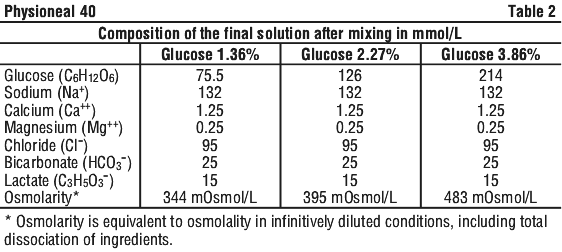
Composition. See Tables 1 and 2.
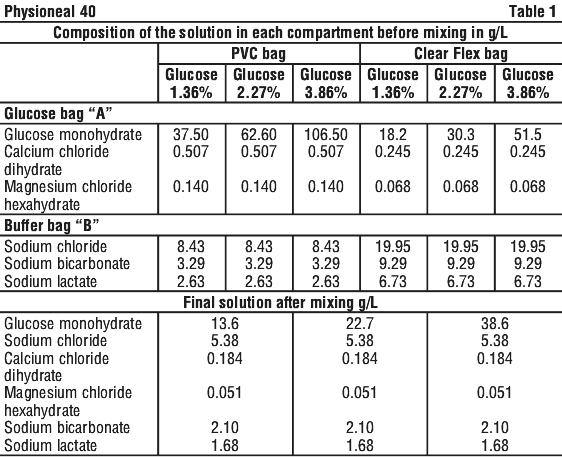
PVC bag: 362.5 mL of solution A (glucose) and 637.5 mL of solution B (buffer).
Clear Flex bag: 750 mL of solution A (glucose) and 250 mL of solution B (buffer).
The pH of the final solution is 7.4.
Hydrochloric acid (solution A) and sodium hydroxide (solution B) are used for pH adjustment in the Clear Flex presentation.
3 Pharmaceutical Form
Physioneal 40 is a sterile, clear, colourless solution.
4 Clinical Particulars
4.1 Therapeutic Indications
Physioneal 40 is indicated for use in peritoneal dialysis in patients with acute or chronic renal failure.
4.2 Dose and Method of Administration
Adult. The mode of therapy, frequency of treatment, exchange volume, duration of dwell and length of dialysis should be selected by the physician.
To avoid the risk of severe dehydration, hypovolemia and to minimise the loss of proteins, it is advisable to select the peritoneal dialysis solution with the lowest level of osmolarity consistent with fluid removal requirements for each exchange.
Patients on continuous ambulatory peritoneal dialysis (CAPD) typically perform 4 cycles per day (24 hours). Patients on automated peritoneal dialysis (APD) typically perform 4-5 cycles at night and up to 2 cycles during the day. The fill volume depends on body size, usually from 2.0 to 2.5 litres.
Instructions for use and handling - general. Preparation for administration. Prior to exchange, assemble supplies on exchange area, wash hands and wipe surface. Prior to opening overpouch, check for the correct solution type, expiration date, and amount (volume).
The solution should be warmed to 37°C in the overpouch to enhance patient comfort. However, only dry heat (e.g. heating pad, warming plate) should be used. Solutions should not be heated in water or in a microwave oven.
Aseptic technique should be employed throughout the peritoneal dialysis procedure. Lift the dialysate bag to check for any leaks are contained within the overpouch. If leaks are discovered do not use as sterility may be impaired. In case of damage the container should be discarded.
Open overpouch and remove contents. Ensure the pull ring is attached to the solution administration port. Do not use if pull ring is not attached as sterility may be impaired.
Do not administer if the solution is discoloured, cloudy, contains particulate matter or shows evidence of leakage or if seals are not intact.
The drained fluid should be inspected for the presence of fibrin or cloudiness, which may indicate the presence of peritonitis.
Discard any unused remaining solution.
The pH and salts of the solution must be taken into account for compatibility before adding to the solution.
Contains no antimicrobial preservative.
The mode of therapy, frequency of treatment, exchange volume, duration of dwell and length of dialysis should be selected by a physician.
PVC bag - instruction for use and handling. Detailed instruction on the PD exchange procedure is given to patients by means of training in a specialised training centre, prior to home use.
After the removal of the overpouch, inspect the container for signs of leakage. Leaks may occur between the chambers or to the exterior. Check that the interchamber frangible pin is not broken by pressing firmly on the large and small chambers. If the frangible pin is already broken, or if any leak is detected, do not use bag.
After removal of the overpouch, immediately break the interchamber frangible pin to mix the two solutions. Wait until the upper chamber has completely drained into the lower chamber. Mix gently by pushing with both hands on the lower chamber walls. The intraperitoneal solution must be infused within 24 hours of mixing.
After frangible pin has been broken, check the integrity of the bag for any signs of leakage. If leaks are detected, do not use bag.
Drugs should be added through the medication port in the glucose chamber before breaking the interchamber frangible pin. The product should be used immediately after any drug addition. Do not store.
Clear Flex bag - instruction for use and handling. Detailed instructions on the peritoneal dialysis exchange procedure is given to patients by means of training in a specialised training centre, prior to home use.
After the removal of the overpouch, inspect the container for signs of leakage. Leaks may occur between the chambers or to the external environment. Check that the long and short seals are not opened at any point by pressing firmly on the large and small chambers. If one of the seals is opened, even partially, or if any leak is detected, do not use bag.
After removal of the overpouch, immediately open the long-seal (interchamber seal) to mix the two solutions and then open the short Safety Moon seal (access seal) to allow administration of the mixed solution. The intraperitoneal solution must be infused within 24 hours of mixing.
Patients must be instructed to open both the long and the short seals prior to infusion. If only the short-seal opens, infusion of the unmixed solution can cause abdominal pain, hypernatremia and severe metabolic alkalosis. In case of infusion of unmixed solution, the patient should immediately drain the solution and use a newly mixed bag.
After short and long seals have been opened, check the integrity of the bag for any signs of leakage. If leaks are detected, do not use bag. Report and return faulty bags.
Drugs should be added through the medication site in the larger 'glucose' chamber before opening the interchamber peel seal. Disinfect the medication site immediately before injection. The product should be used immediately after any drug addition. Do not store.
4.3 Contraindications
Physioneal is contraindicated for use in patients with:
Uncorrectable mechanical defects that prevent effective peritoneal dialysis or increase the risk of infection.
Documented loss of peritoneal function or extensive adhesions that compromise peritoneal function.
4.4 Special Warnings and Precautions for Use
Product is for single use in one patient only.
Intraperitoneal administration only.
Not for intravenous administration.
Encapsulating peritoneal sclerosis (EPS) is considered to be known, rare complication of peritoneal dialysis therapy. EPS has been reported in patients using peritoneal dialysis solutions including Physioneal.
If peritonitis occurs, the choice and dosage of antibiotics should be based upon the results of identification and sensitivity studies of the isolated organism(s) where possible. Prior to identification of the involved organism(s), broad-spectrum antibiotics may be indicated.
Solutions containing glucose should be used with caution in patients with a known allergy to corn or corn products. Hypersensitivity reactions such as those due to a corn starch allergy, including anaphylactic/ anaphylactoid reactions, may occur. Stop the infusion immediately and drain the solution from the peritoneal cavity if any signs or symptoms of a suspected hypersensitivity reaction develop. Appropriate therapeutic countermeasures must be instituted as clinically indicated.
Patients with elevated lactate levels should use lactate-containing peritoneal dialysis solutions with caution. It is recommended that patients with conditions known to increase the risk of lactic acidosis [e.g. severe hypotension or sepsis that can be associated with acute renal failure, inborn errors of metabolism, treatment with drugs such as metformin and nucleoside/nucleotide reverse transcriptase inhibitors (NRTIs)] must be monitored for occurrence of lactic acidosis before the start of treatment and during treatment with lactate-based peritoneal dialysis solutions.
When prescribing the solution to be used for an individual patient, consideration should be given to the potential interaction between the dialysis treatment and therapy directed at other existing illnesses. Serum potassium levels should be monitored carefully in patients with cardiac glycosides.
Diabetics require careful monitoring of blood glucose levels during and following dialysis with glucose-containing solutions. Dosage of insulin or other treatments for hyperglycaemia should be adjusted.
The use of Physioneal in Clear Flex container is not recommended in patients requiring a fill volume < 1600 mL due to the risk of undetected mis-infusion (administration of the buffer chamber only).
Patients must be instructed to open both the long and the short seals prior to infusion. If only the short-seal opens, infusion of the unmixed solutions can cause abdominal pain, hypernatremia and severe metabolic alkalosis. In case of infusion of unmixed solution, the patient should immediately drain the solution and use a newly mixed bag.
Peritoneal dialysis should be done with caution in patients with: 1) abdominal conditions, including disruption of the peritoneal membrane and diaphragm by surgery, from congenital anomalies or trauma until healing is complete, abdominal tumors, abdominal wall infection, hernias, faecal fistula or colostomy, or ileostomy, frequent episodes of diverticulitis, inflammatory or ischemic bowel disease, large polycystic kidneys, or other conditions that compromise the integrity of the abdominal wall, abdominal surface, or intra-abdominal cavity and advanced pregnancy; and 2) other conditions including aortic graft placement and severe pulmonary disease, malnutrition or severe disorders of lipid metabolism. In the individual case, the benefits for the patient must be weighed against the possible complications.
Physioneal is intended for intraperitoneal administration only. Not for intravenous administration.
Do not administer if the solution is discoloured, cloudy, contains particulate matter or shows evidence of leakage between chambers or to the exterior or if seals are not intact.
The drained fluid should be inspected for the presence of fibrin or cloudiness, which may indicate the presence of peritonitis.
Safety and effectiveness in paediatric patients have not been established.
An accurate fluid balance record must be kept and the body weight of the patient should carefully be monitored to avoid over- or under hydration with severe consequences including congestive heart failure, volume depletion and shock.
Protein, amino acids, water-soluble vitamins and other medicines may be lost during peritoneal dialysis and may require replacement.
In renal failure patients, serum electrolyte concentrations (particularly bicarbonate, potassium, magnesium, calcium and phosphate), blood chemistry (including parathyroid hormone) and haematological parameters should be evaluated periodically.
In patients with secondary hyperparathyroidism, the benefits and risks of the use of dialysis solution with low calcium content such as Physioneal 40 should be carefully considered as it might worsen hyperparathyroidism.
In patients with plasma bicarbonate level above 30 mmol/L, the risk of possible metabolic alkalosis should be weighed against the benefits of treatment with this product. Serum bicarbonate levels should be monitored regularly.
Overinfusion of Physioneal solutions into the peritoneal cavity may be characterised by abdominal distension/abdominal pain and/or shortness of breath.
Treatment of Physioneal overinfusion is to drain the solution from the peritoneal cavity.
Excessive use of Physioneal peritoneal dialysis solution with a higher glucose during peritoneal dialysis treatment may result in excessive removal of water from the patient.
Potassium is omitted from Physioneal solutions due to the risk of hyperkalemia.
In situations in which there is normal serum potassium level or hypokalemia, the addition of potassium chloride (up to a concentration of 4 mEq/L) may be indicated to prevent severe hypokalemia and should be made after careful evaluation of serum and total body potassium, only under the direction of a physician.
Use in the elderly. The evaluation of the results obtained for this group does not show any difference to the rest of the patients.
Paediatric use. To date, there are no data from clinical studies in paediatric patients. Safety and effectiveness in paediatric patients has not been established.
Effects on laboratory tests. The effect of this medicine on laboratory tests has not been established.
4.5 Interactions with Other Medicines and Other Forms of Interactions
No interaction studies have been conducted with Physioneal.
Blood concentration of dialyzable drugs may be reduced during dialysis. A possible compensation for losses must be taken into consideration.
Plasma levels of potassium in patients using cardiac glycosides must be carefully monitored, as there is a risk of digitalis intoxication. Potassium supplements may be necessary.
See Incompatibilities (see Section 6.2 Incompatibilities).
4.6 Fertility, Pregnancy and Lactation
Effects on fertility. Potential effects on male and female fertility are unknown.
Use in pregnancy. (Category B2)
The potential effects of Physioneal 40 on reproduction have not been adequately studied in animals. There is insufficient experience with the use of dialysis fluids in pregnant women.
Women of childbearing potential should be treated with Physioneal 40 only when adequate contraceptive precautions have been taken. Physicians should carefully consider the potential risks and benefits for each specific patient before prescribing Physioneal.
Use in lactation. There are no available data from animal studies on the effects of Physioneal 40 administered during lactation. Physicians should carefully consider the potential risks and benefits for each specific patient before prescribing Physioneal.
4.7 Effects on Ability to Drive and Use Machines
The effects of this medicine on a person's ability to drive and use machines were not assessed as part of its registration.
4.8 Adverse Effects (Undesirable Effects)
The main adverse events reported for pivotal study REP-RENAL-REG-029 were alkalosis, acidosis and peritonitis. These adverse events were reported by 97.2% and 95.7% of subjects in the control and physiological treatment groups respectively. Subjects treated with Physioneal 40 recorded significantly more alkalosis events than those treated with Dianeal. For pivotal study REP-RENAL-REG-30A, the main adverse events reported were pruritus and sweating.
In clinical trials with Physioneal 40 the following adverse reactions have been noted: benign neoplasm of the skin, alkalosis, fluid retention, hypercalcaemia, hypervolaemia, anorexia, dehydration, hyperglycaemia, hyperphosphatemia, lactic acidosis, insomnia, dizziness, hypertonia, arrhythmia, cardiomegaly, hypertension, hypotension, dyspnea, cough, respiratory acidosis, peritoneal membrane failure, dyspepsia, flatulence, nausea, pruritus, oedema, asthenia, chills, facial oedema, malaise, thirst, procedural complication, weight increase, blood lactate dehydrogenase increased, laboratory test abnormal, pCO2 increased, alanine aminotransferase increased, C reactive protein increased, creatinine renal clearance decreased, and gamma glutamyl transferase increased.
Undesirable effects of peritoneal dialysis include procedure and solution related problems.
Those which are related to the procedure, include abdominal pain, bleeding, peritonitis (which is followed by abdominal pain, cloudy effluent and sometimes fever), infection around the catheter (signs of inflammation, redness and secretion), catheter blockage, ileus, shoulder pain, and hernia of the abdominal cavity. Those which are generally related to peritoneal dialysis solutions, are seen less frequently than those related to the procedure and include weakness, fainting, tiredness, muscle cramping, headache, respiratory symptoms associated with pulmonary oedema and electrolyte disturbances (e.g. hypokalemia, hypocalcaemia).
Post-marketing experience from August 1998 until September 2001 indicate that, with the exception of data from 1999, adjusted peritonitis incidence rates submitted to the European Dialysis Solutions Registry were similar for both Physioneal 40 and Dianeal solutions.
In addition to the adverse reactions noted in clinical trials, the following adverse reactions have been reported in the post-marketing experience. These reactions are listed by MedDRA system organ class (SOC), then by preferred term in order of severity.
Infections and infestations. Peritonitis bacterial, catheter site infection.
Blood and lymphatic system disorder. Eosinophilia.
Gastrointestinal disorders. Sclerosing encapsulating peritonitis, peritoneal cloudy effluent, abdominal discomfort.
Skin and subcutaneous tissue disorder. Angioedema, rash.
Musculoskeletal and connective tissue disorders. Musculoskeletal pain.
General disorders and administration site conditions. Catheter-related complications, pyrexia.
Reporting suspected adverse effects. Reporting suspected adverse reactions after registration of the medicinal product is important. It allows continued monitoring of the benefit-risk balance of the medicinal product. Healthcare professionals are asked to report any suspected adverse reactions at www.tga.gov.au/reporting-problems.
4.9 Overdose
Possible consequences of overdose include hypervolemia, hypovolemia, electrolyte disturbances or (in diabetic patients) hyperglycaemia. Excessive use of Physioneal peritoneal dialysis solution with 3.86% glucose during a peritoneal dialysis treatment can result in significant removal of water from the patient. For information on the management of overdose, contact the Poisons Information Centre on 13 11 26 (Australia).
5 Pharmacological Properties
5.1 Pharmacodynamic Properties
Mechanism of action. For use in patients with renal failure to aid the regulation of fluid and electrolytes as well as acid base balances.
This procedure is accomplished by administering peritoneal dialysis fluid through a catheter into the peritoneal cavity. Transfer of substances between the patient's peritoneal capillaries and the dialysis fluid is made across the peritoneal membrane according to the principles of osmosis and diffusion. After dwell time, the solution is saturated with metabolic substances and must be changed. With the exception of lactate, present as a bicarbonate precursor, electrolyte concentrations in the fluid have been formulated in an attempt to normalise plasma electrolyte concentrations. Nitrogenous waste products, present in high concentration in the blood, cross the peritoneal membrane into the dialysis fluid. Glucose produces a solution hyperosmolar to the plasma, creating an osmotic gradient which facilitates fluid removal from the plasma to the solution.
Clinical trials. To date a total of 226 patients have been exposed to Physioneal 40 in a total of 6 controlled clinical trials. The exposure time ranged from single dwells (18 patients) to up to one year's exposure (70 patients in 6-month study, 43 continued for full year). No pregnant or lactating women or children were studied and there is no long-term survival data.
Most of the trials were designed to demonstrate equivalence with the control product. In all studies there were no significant changes in the residual renal function (RRF), weekly Kt/V and normalised creatinine clearances when patients switched from Dianeal PD4 to Physioneal 40, and no statistically significant differences between the control (Dianeal PD4) arms of these studies and the Physioneal 40 arms. Ultrafiltration is maintained when the buffer is changed from pure lactate to a bicarbonate/lactate combination. There was no difference between Physioneal 40 and Dianeal PD4 with regard to maintenance of calcium and magnesium homeostasis. Acid-base homeostasis was assessed from measurement of the plasma bicarbonate. In all studies the change from baseline (or between group differences) was always within the pre-defined equivalence targets. Physioneal thus corrects acidosis as well as Dianeal.
There did not seem to be any obvious trends across the various Physioneal 40 trials regarding deaths or withdrawals due to adverse events.
Pivotal studies. REP-RENAL-REG-029. Study design. Randomised, open-label, comparative study to assess the bioequivalence of a bicarbonate based peritoneal dialysis [bicarb/lactate 25/15 mmol/L] solution compared to lactate (40 mmol/L) buffer solution.
Primary variable. Plasma bicarbonate levels.
The two preparations were considered equivalent if the 90% confidence intervals for the treatment difference fell entirely within ± 3.0 mmol/L.
Results. Base line demographics and plasma bicarbonate levels for subjects in study REP-RENAL-REG-029. See Table 3.
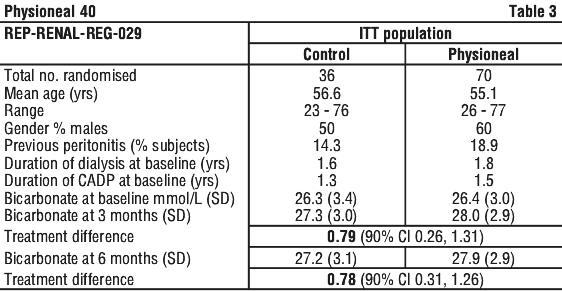
Subjects treated with Physioneal recorded significantly more alkalosis events than those treated with the lactate (40 mmol/L) buffer solution.
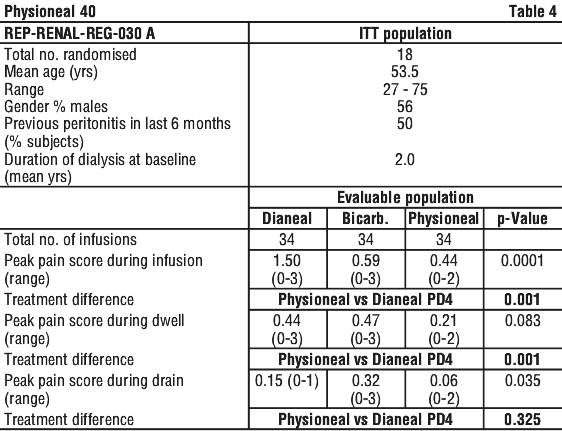
REP-RENAL-REG-030-A. Study design. Study designed to subjectively evaluate inflow pain during CAPD with a 28 mM bicarbonate solution, Physioneal and Dianeal in 18 subjects who had previously experienced pain during dialysis treatment. This was a single-blind, randomised crossover study where pain was assessed during two single infusions of each solution over a one to three week period, with each participant receiving six single infusions in random order. Test solutions were: bicarbonate 38 mM (pH 7.0-7.4); Bicarbonate lactate 25/15 mM (pH 7.0 - 7.4) and Dianeal PD4 (40 mM lactate) (pH 5.0 - 5.2). All three solutions contained 3.86% glucose in a two-litre bag.
Primary variable. The primary endpoint variable was pain during the infusion and subjects were evaluated over a three hour period that included the dwell and drain times of the solution. Pain severity was measured on a five-point visual analogue scale (none, mild, moderate, severe and very severe). The McGill Pain Questionnaire (MPQ) was used to assess the pain severity/ intensity and provide verbal descriptors of pain.
Results. Baseline demographics and subjective pain scores (range 0 - 5) for subjects in study REP-RENAL-REG-030A. See Table 4.
5.2 Pharmacokinetic Properties
Intraperitoneally administered glucose, buffer, electrolytes and water are absorbed into the blood and metabolised by the usual pathways. Glucose is metabolised (1 g of glucose = 4 kilocalories or 17 kilojoules) into CO2 and H2O.
5.3 Preclinical Safety Data
Genotoxicity. Physioneal 40 was not mutagenic in bacterial gene mutation assays.
Carcinogenicity. Long-term carcinogenicity studies of Physioneal 40 have not been done.
6 Pharmaceutical Particulars
6.1 List of Excipients
See Section 2 Qualitative and Quantitative Composition.
6.2 Incompatibilities
There is no incompatibility with insulin in Physioneal in the PVC container.
There is no incompatibility with cefazolin, heparin, low molecular weight heparin, insulin, vancomycin, and Physioneal in the Clear Flex container. Gentamicin and tobramycin can be added only if the solution is used immediately after drug addition.
Consult with pharmacist familiar with peritoneal dialysis, if available. If, in the informed judgment of the physician, it is deemed advisable to introduce additives, use aseptic technique.
6.3 Shelf Life
In Australia, information on the shelf life can be found on the public summary of the Australian Register of Therapeutic Goods (ARTG). The expiry date can be found on the packaging.
Shelf life. The shelf life of the product in the overpouch is 2 years.
Shelf life after reconstitution. The product, once removed from its overpouch and mixed, should be used within 24 hours.
6.4 Special Precautions for Storage
Clear Flex bags. Store below 25°C. Do not freeze.
PVC bags. Store below 30°C. Do not freeze.
6.5 Nature and Contents of Container
PVC container. The Physioneal 40 solution is hermetically sealed inside a two-chamber bag manufactured from medical grade plasticised PVC. The upper chamber is fitted with an injection port for drug admixture to the glucose with electrolytes solution. The lower chamber is fitted with a port for connection to a suitable administration set allowing dialysis operations. The bag is sealed inside a transparent overpouch obtained by thermic fusion and made of multilayer copolymers.
Container volumes after reconstitution: 1500 mL (544 mL of solution A and 956 mL of solution B), 2000 mL (725 mL of solution A and 1275 mL of solution B) and 2500 mL (906 mL of solution A and 1594 mL of solution B).
Pack sizes: 1.5 L, 2 L and 2.5 L.
Clear Flex container. The Physioneal solution is stored inside a two-chamber bag made of a coextruded film (Clear Flex film) of polypropylene, polyamide and a blend of polypropylene, styrene-ethylene/butylene-styrene and polyethylene. The bag is sealed inside a transparent over pouch made of multilayer copolymers.
On the glucose chamber an injection site is welded for drug admixture to the glucose with electrolytes solution. On the buffer chamber a valve system is welded for connection to a suitable administration set allowing dialysis operations. The bag is wrapped inside a transparent overpouch made of multilayer copolymers.
Container volume after reconstitution is 5000 mL (3750 mL of solution A and 1250 mL of solution B). The pH of chamber A is approximately 2.1. The pH of chamber B is approximately 9.0.
Pack sizes: 5 L.
6.6 Special Precautions for Disposal
Any unused product or waste material should be disposed of in accordance with local requirements.
6.7 Physicochemical Properties
Active ingredients. Sodium chloride. Molecular formula: NaCl.
Molecular weight: 58.44.
CAS number. 7647-14-5.
Appearance: colourless or white crystal.
Solubility: freely soluble in water.
Magnesium chloride hexahydrate. Molecular formula: MgCl2.6H2O.
Molecular weight: 203.3 g/mol.
CAS number. 7791-18-6.
Appearance: colourless crystals.
Solubility: very soluble in water, and freely soluble in ethanol (96%).
Glucose monohydrate. Molecular formula: C6H12O6.H2O.
Molecular weight: 198.2.
CAS number. 14431-43-7.
Appearance: a white or almost white, crystalline powder.
Solubility: freely soluble in water, sparingly soluble in ethanol.
Calcium chloride dihydrate. Molecular formula: CaCl2 2H2O.
Molecular weight: 147.0 g/mol.
CAS number. 10035-04-8.
Appearance: a white or almost white crystalline powder.
Solubility: freely soluble in water, and soluble in ethanol (96%).
Sodium bicarbonate. Molecular formula: NaHCO3.
Molecular weight: 84.0 g/mol.
CAS number. 144-55-8.
Appearance: a white or almost white, crystalline powder.
Solubility: soluble in water, and practically insoluble in ethanol (96%).
Sodium lactate. Molecular formula: C3H5O3Na.
Molecular weight: 112.06.
CAS number. 72-17-3.
Appearance: clear, colourless, slightly syrupy liquid.
Solubility: miscible with water.
7 Medicine Schedule (Poisons Standard)
Unscheduled.
Date of Revision
28 March 2025
Summary Table of Changes

Reasonable care is taken to provide accurate information at the time of creation. This information is not intended as a substitute for medical advice and should not be exclusively relied on to manage or diagnose a medical condition. The Australian Commission on Safety and Quality in Health Care disclaims all liability (including for negligence) for any loss, damage, injury or any other negative effects resulting from reliance on or use of this information. Read our full disclaimer. This website uses cookies. Read our privacy policy.