
PipTaz-AFT 4 g/0.5 g
Brand Information
| Brand name | PipTaz-AFT 4 g/0.5 g |
| Active ingredient | Piperacillin + Tazobactam |
| Schedule | S4 |
Consumer Medicine Information (CMI) leaflet
Please read this leaflet carefully before you start using the PipTaz-AFT 4 g/0.5 g.
Summary CMI
PipTaz-AFT 4 g/0.5 g
Consumer Medicine Information (CMI) summary
The full CMI on the next page has more details. If you are worried about using this medicine, speak to your doctor or pharmacist.
1. Why am I being given PipTaz-AFT?
PipTaz-AFT contains the active ingredients piperacillin and tazobactam. They belong to a group of antibiotics called penicillins that work by killing bacteria.
For more information, see Section 1. Why am I being given PipTaz-AFT? in the full CMI.
2. What should I know before being given PipTaz-AFT?
Do not use if you have ever had an allergic reaction to piperacillin, tazobactam, any other penicillin antibiotics, any antibiotic in the cephalosporin group, medicines called beta-lactamase inhibitors or any of the ingredients listed at the end of the CMI.
Talk to your doctor if you have any other medical conditions, take any other medicines, or are pregnant or plan to become pregnant or are breastfeeding.
For more information, see Section 2. What should I know before being given PipTaz-AFT? in the full CMI.
3. What if I am taking other medicines?
Some medicines may interfere with PipTaz-AFT and affect how it works.
A list of these medicines is in Section 3. What if I am taking other medicines? in the full CMI.
4. How will I be given PipTaz-AFT?
- PipTaz-AFT will be given to you by a doctor or nurse in hospital.
- It will usually be given to you as a slow injection into a vein over 20-30 minutes.
More instructions can be found in Section 4. How will I be given PipTaz-AFT? in the full CMI.
5. What should I know while being given PipTaz-AFT?
| Things you should do |
|
| Driving or using machines | Be careful before you drive or use any machines or tools until you know how PipTaz-AFT affects you. |
| Looking after your medicine |
|
For more information, see Section 5. What should I know while being given PipTaz-AFT? in the full CMI.
6. Are there any side effects?
Some common side effects are a new infection caused by bacteria that are resistant to PipTaz-AFT (superinfection), vomiting, urticaria, headache, dizziness, nausea and rash, itchy or red skin. Serious side effects include tiredness, being short of breath and looking pale, frequent infections such as fever, severe chills, sore throat or mouth ulcers, bleeding or bruising more easily than normal, nose bleeds.
For more information, including what to do if you have any side effects, see Section 6. Are there any side effects? in the full CMI.
Full CMI
PipTaz-AFT 4 g/0.5 g
Active ingredients: piperacillin (as sodium) 4 g and tazobactam (as sodium) 500 mg
Consumer Medicine Information (CMI)
This leaflet provides important information about using PipTaz-AFT. You should also speak to your doctor or pharmacist if you would like further information or if you have any concerns or questions about using PipTaz-AFT.
Where to find information in this leaflet:
1. Why am I being given PipTaz-AFT?
2. What should I know before being given PipTaz-AFT?
3. What if I am taking other medicines?
4. How will I be given PipTaz-AFT?
5. What should I know while being given PipTaz-AFT?
6. Are there any side effects?
7. Product details
1. Why am I being given PipTaz-AFT?
PipTaz-AFT contains the active ingredients piperacillin and tazobactam. They belong to a group of antibiotics called penicillins that work by killing bacteria.
Piperacillin is an antibiotic that kills many types of bacteria. Tazobactam belongs in the penicillin group but does not have activity against bacteria. It helps piperacillin to overcome bacteria which have become resistant to piperacillin.
PipTaz-AFT 4 g/0.5 g is active against bacteria which cause serious infections such as:
- Chest infections
- Urine infections
- Stomach infections
- Skin infections
- Gynaecological infections
- Septicaemia (blood poisoning)
It is also used to treat many other infections.
In hospitalised children aged 2 to 12 years, PipTaz-AFT 4 g/0.5 g is used to treat serious infections in the abdomen. PipTaz-AFT is not recommended to treat abdominal infections in children under 2 years.
PipTaz-AFT will not work against infections caused by viruses such as colds or flu.
PipTaz-AFT is not addictive.
2. What should I know before being given PipTaz-AFT?
Warnings
You must not be given PipTaz-AFT if:
you have ever had an allergic reaction to:
- piperacillin, tazobactam, or any other penicillin antibiotics
- any antibiotic in the cephalosporin group
- medicines called beta-lactamase inhibitors
- any of the ingredients listed at the end of this leaflet
Some of the symptoms of an allergic reaction may include rash, itching or hives on the skin, swelling of the face, lips, tongue or other parts of the body, shortness of breath, wheezing or troubled breathing.
Always check the ingredients to make sure you can use this medicine.
PipTaz-AFT should not be given to children under two years of age unless directed by the child's doctor.
Check with your doctor if you:
- are allergic to any foods, dyes, preservatives or any other medicines.
- have any other health problems, including kidney or liver disease. The dose of PipTaz-AFT will be altered, depending on blood tests.
- are on a low salt diet.
- are being treated with PipTaz-AFT for gonorrhoea.
Your doctor should test you for syphilis as well.
PipTaz-AFT in high doses may hide early symptoms of syphilis without curing it long-term. - take any medicines for any other condition.
If you are not sure whether you should be given PipTaz-AFT talk to your doctor.
During treatment, you may be at risk of developing certain side effects. It is important you understand these risks and how to monitor for them. See additional information under Section 6. Are there any side effects?
Pregnancy and breastfeeding
Check with your doctor if you are pregnant or intend to become pregnant. Your doctor will discuss the risks and benefits of using PipTaz-AFT if you are pregnant.
Talk to your doctor if you are breastfeeding or intend to breastfeed. PipTaz-AFT passes into breast milk. Therefore, if you are breastfeeding, you should discuss with your doctor whether to stop breastfeeding or stop using PipTaz-AFT.
3. What if I am taking other medicines?
Tell your doctor or pharmacist if you are taking any other medicines, including any medicines, vitamins or supplements that you buy without a prescription from your pharmacy, supermarket or health food shop.
There may be interference between PipTaz-AFT and some other medicines, including:
- medicines for gout (probenecid)
- aminoglycoside antibiotics, including tobramycin
- vancomycin, an antibiotic
- preparations used for thinning blood (warfarin, heparin)
- methotrexate, used to treat cancer, rheumatoid arthritis and other inflammatory conditions
- vecuronium, a muscle relaxant used in surgery
These medicines may be affected by PipTaz-AFT or may affect how well it works. You may need to be given different amounts of your medicine or you may need to be given different medicines.
If you have not told your doctor or pharmacist about any of the above, tell them before you start taking PipTaz-AFT
Check with your doctor or pharmacist if you are not sure about what medicines, vitamins or supplements you are taking and if these affect PipTaz-AFT.
4. How will I be given PipTaz-AFT?
How much will be given
The dosage of PipTaz-AFT is generally 4.5 g every eight hours. The dose may vary between 2.25 g and 4.5 g and it may also be given every six hours. For children aged 2 to 12 years, weighing up to 40 kg, and with normal kidney function, the recommended dosage is 112.5 mg/kg (100 mg piperacillin/12.5 mg tazobactam) every 8 hours. For children aged 2 to 12 years, weighing over 40 kg, and with normal kidney function, the recommended dose is 4.5 g (4 g piperacillin/0.5 g tazobactam) every 8 hours.
Your doctor may change these dosages.
If you have kidney disease your doctor will adjust the dose to suit you.
How PipTaz-AFT will be given
PipTaz-AFT will be given to you by a doctor or nurse in hospital. It will usually be given to you as a slow injection into a vein over 20-30 minutes.
For how long PipTaz-AFT will be given
The length of time you will be given PipTaz-AFT depends on the type and severity of your infection. It should be given for at least five days, and for 48 hours after all signs of illness and fever have gone.
If you are given too much PipTaz-AFT
It is unlikely that you will ever receive an overdose of PipTaz-AFT because it will be given by a trained nurse or doctor. However, if you think that you may have given too much PipTaz-AFT, you may need urgent medical attention.
You should immediately:
- phone the Poisons Information Centre
(by calling 13 11 26), or - contact your doctor, or
- go to the Emergency Department at your nearest hospital.
You should do this even if there are no signs of discomfort or poisoning.
5. What should I know while being given PipTaz-AFT?
If you are given PipTaz-AFT for a prolonged time, your doctor may wish to do some blood tests. Sometimes blood disorders can occur if you take PipTaz-AFT.
If a doctor asks you for a urine sample, tell them that you are receiving PipTaz-AFT. Antibiotics in the penicillin family, including PipTaz-AFT, can cause interference in some tests for glucose in urine. Penicillins that are excreted in urine can cause a false-positive result. The doctor will request a test, which is not affected by penicillins.
Things you should do
- If you develop severe diarrhoea, tell your doctor immediately. Do this even if it occurs several weeks after stopping PipTaz-AFT. This may be a sign of a serious side effect that affects the bowel. You may need urgent medical care. Do not take any medicines to treat this diarrhoea without checking with your doctor.
- Remind any doctor, dentist, nurse or pharmacist you visit that you are using PipTaz-AFT.
Driving or using machines
Be careful before you drive or use any machines or tools until you know how PipTaz-AFT affects you.
Looking after your medicine
It is unlikely that you will be asked to store this medication. If you are:
Follow the instructions in the carton on how to take care of your medicine properly. Heat and dampness can destroy some medicines.
Store it in a cool dry place away from moisture, heat or sunlight where it stays below 25°C. Do not store it:
- in the bathroom or near a sink, or
- in the car or on window sills.
Keep it where young children cannot reach it. A locked cupboard at least 1 and a half metres above the ground is a good place to store medicines.
Getting rid of any unwanted medicine
If your doctor tells you to stop taking PipTaz-AFT, or it has passed its expiry date, take it to any pharmacy for safe disposal.
Do not use this medicine after the expiry date.
6. Are there any side effects?
All medicines can have side effects. If you do experience any side effects, most of them are minor and temporary. However, some side effects may need medical attention.
See the information below and, if you need to, ask your doctor or pharmacist if you have any further questions about side effects.
Do not be alarmed by this list of possible side effects. You may not experience any of them.
Common side effects
| Common side effects | What to do |
| Speak to your doctor if you have any of these common side effects and they worry you. |
Rare side effects
| Rare side effects | What to do |
| Consult your doctor if you have any of these rare side effects. |
Serious side effects
| Serious side effects | What to do |
| Call your doctor straight away, or go straight to the Emergency Department at your nearest hospital if you notice any of these serious side effects. |
Tell your doctor or pharmacist if you notice anything else that may be making you feel unwell.
This is not a complete list of all possible side effects. Other side effects not listed here may occur in some people.
Reporting side effects
After you have received medical advice for any side effects you experience, you can report side effects to the Therapeutic Goods Administration online at www.tga.gov.au/reporting-problems. By reporting side effects, you can help provide more information on the safety of this medicine.
Always make sure you speak to your doctor or pharmacist before you decide to stop taking any of your medicines.
7. Product details
This medicine is only available with a doctor's prescription.
What PipTaz-AFT contains
| Active ingredients (main ingredients) | piperacillin tazobactam |
| Other ingredients (inactive ingredients) | sodium bicarbonate |
Do not take this medicine if you are allergic to any of these ingredients.
What PipTaz-AFT looks like
PipTaz-AFT 4 g/0.5 g is a white powder in glass vials. It comes in packs of 1 and 10 vials. (Aust R 241172).
Who distributes PipTaz-AFT
AFT Pharmaceuticals Pty Ltd
113 Wicks Road, North Ryde, NSW 2113, Australia
This leaflet was prepared in July 2025.
Brand Information
| Brand name | PipTaz-AFT 4 g/0.5 g |
| Active ingredient | Piperacillin + Tazobactam |
| Schedule | S4 |
MIMS Revision Date: 01 February 2023
1 Name of Medicine
Piperacillin sodium.
Tazobactam sodium.
2 Qualitative and Quantitative Composition
PipTaz-AFT 4 g/0.5 g is an injectable antibacterial combination, consisting of the semisynthetic antibiotic piperacillin sodium and the β-lactamase inhibitor tazobactam sodium, for intravenous administration.
Each vial of PipTaz-AFT 4 g/0.5 g contains approximately 54 mg of sodium per gram of piperacillin.
For the full list of excipients, see Section 6.1 List of Excipients.
3 Pharmaceutical Form
Piperacillin (as the sodium salt) 4 g and tazobactam (as the sodium salt) 500 mg powder for injection.
PipTaz-AFT 4 g/0.5 g is available as a white to off-white sterile, lyophilized powder of piperacillin and tazobactam as the sodium salts packaged in glass vials.
4 Clinical Particulars
4.1 Therapeutic Indications
PipTaz-AFT 4 g/0.5 g is indicated in the treatment of serious bacterial infections caused by susceptible strains of β-lactamase producing organisms in the conditions listed below:
1. Lower respiratory tract infections.
2. Urinary tract infections (complicated and uncomplicated).
3. Intra-abdominal infections.
4. Skin and skin structure infections.
5. Bacterial septicaemia.
6. Gynaecological infections.
Children under the age of 12 years. In hospitalised children aged 2 to 12 years, PipTaz-AFT 4 g/0.5 g is indicated for the treatment of serious intra-abdominal infections. It has not been evaluated in this indication for paediatric patients below the age of 2 years. While PipTaz-AFT 4 g/0.5 g is indicated only for the conditions listed above, it may be used as a single agent in the treatment of mixed infections caused by piperacillin susceptible and β-lactamase producing, piperacillin-resistant organisms. Appropriate culture and susceptibility tests should be performed before treatment in order to identify organisms causing infection to determine their susceptibilities to PipTaz-AFT 4 g/0.5 g. Therapy with PipTaz-AFT 4 g/0.5 g, however, may be initiated before results of such tests are known when there is reason to believe the infection may involve any of the β-lactamase producing organisms listed above; however, once these results become available, appropriate therapy should be continued.
In serious infections, presumptive therapy with PipTaz-AFT 4 g/0.5 g may be initiated before susceptibility test results are available.
Combination therapy with PipTaz-AFT 4 g/0.5 g and aminoglycosides may be used in the treatment of serious infections caused by Pseudomonas aeruginosa. Both drugs should be used in full therapeutic doses. As soon as results of culture and susceptibility tests become available, antimicrobial therapy should be adjusted.
4.2 Dose and Method of Administration
Dose. PipTaz-AFT 4 g/0.5 g may be given by slow intravenous infusion (20-30 minutes).
Adults and children 12 years and older. The usual intravenous dosage for adults and children with normal renal function is 4 g piperacillin/0.5 g tazobactam (PipTaz-AFT 4 g/0.5 g) given every eight hours.
The total daily dose depends on the severity and localisation of the infection and can vary from 2 g piperacillin/0.25 g tazobactam to 4 g piperacillin/0.5 g tazobactam (PipTaz-AFT 4 g/0.5 g) administered every six or eight hours.
Children under the age of 12 years. Hospitalised children with intra-abdominal infection. For children aged 2 to 12 years, weighing up to 40 kg, and with normal renal function, the recommended intravenous dosage is 100 mg piperacillin/12.5 mg tazobactam per kilogram every 8 hours.
For children aged 2 to 12 years, weighing over 40 kg, and with normal renal function, follow the adult dose guidance, i.e. 4 g piperacillin/0.5 g tazobactam every 8 hours.
The duration of therapy should be guided by the severity of the infection and the patient's clinical and bacteriological progress. Therapy is recommended to be a minimum of 5 days and a maximum of 14 days, considering that dose administration should continue at least 48 hours after the resolution of clinical signs and symptoms.
Special populations. Renal impairment. In patients with renal insufficiency, the intravenous dose should be adjusted to the degree of actual renal function impairment. The suggested daily doses are as follows. (See Table 1.)
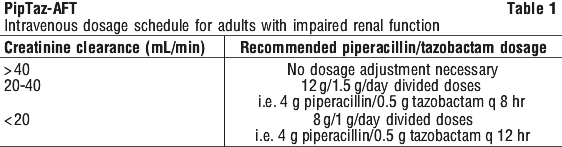
Children aged 2 to 12 years. The pharmacokinetics of piperacillin/tazobactam have not been studied in paediatric patients with renal impairment. Each patient must be monitored closely for signs of drug toxicity. Drug dose and interval should be adjusted accordingly.
Duration of therapy. In acute infections, treatment with PipTaz-AFT 4 g/0.5 g should be for a minimum of five days and continued for 48 hours beyond resolution of clinical symptoms or the fever.
Co-administration of PipTaz-AFT 4 g/0.5 g with aminoglycosides. Due to the in-vitro inactivation of the aminoglycoside by beta-lactam antibiotics, piperacillin/tazobactam and the aminoglycoside are recommended for separate administration. Piperacillin/tazobactam and the aminoglycoside should be reconstituted and diluted separately when concomitant therapy with aminoglycosides is indicated.
Method of administration. For intravenous use only.
Reconstitution directions. Swirl until dissolved. When swirled constantly, reconstitution should occur within 10 minutes.
Diluents for reconstitution. Sterile water for injections; 0.9% sodium chloride injection; glucose 5% injection.
Reconstitute each vial with the volume of diluent shown in Table 2, using one of the above diluents.

Sterile water for injections*; saline; 5% glucose; dextran 6% in saline.
*Maximum recommended volume of sterile water for injections per dose is 50 mL.
4.3 Contraindications
The use of PipTaz-AFT 4 g/0.5 g is contraindicated in patients with a history of allergic reactions to any of the penicillins and/or cephalosporins or β-lactamase inhibitors or any of its excipients.
4.4 Special Warnings and Precautions for Use
Serious and occasionally fatal hypersensitivity (anaphylactic/anaphylactoid [including shock]) reactions have been reported in patients on penicillin/cephalosporin therapy, including piperacillin/tazobactam. Although anaphylaxis is more frequent following parenteral therapy, it has occurred in patients on oral penicillins/cephalosporins. These reactions are more likely to occur in individuals with a history of penicillin hypersensitivity and/or a history of sensitivity to multiple allergens. There have been reports of individuals with a history of penicillin/cephalosporin hypersensitivity who have experienced severe reactions when treated with either a penicillin or cephalosporin. Past history of a severe allergic reaction to penicillin/cephalosporin is a contraindication to the use of PipTaz-AFT 4 g/0.5 g. Before initiating therapy with any penicillin/cephalosporin, careful inquiry should be made concerning previous hypersensitivity reactions to penicillins, cephalosporins or other allergens. If an allergic reaction occurs, PipTaz-AFT 4 g/0.5 g should be discontinued and the appropriate therapy instituted. Serious anaphylactic/anaphylactoid reactions (including shock) require immediate emergency treatment with adrenaline. Oxygen, intravenous steroids and airway management, including intubation, should also be administered as indicated.
Severe cutaneous adverse reactions (SCAR), such as Stevens-Johnson syndrome (SJS), toxic epidermal necrolysis (TEN), drug reaction with eosinophilia and systemic symptoms (DRESS), and acute generalised exanthematous pustulosis (AGEP) have been reported in patients taking beta-lactam antibiotics. When SCAR is suspected, PipTaz-AFT should be discontinued immediately and an alternative treatment should be considered.
Antibiotic-associated pseudomembranous colitis has been reported with many antibiotics including piperacillin. A toxin produced by Clostridium difficile appears to be the primary cause. The severity of the colitis may range from mild to life threatening. It is important to consider this diagnosis in patients who develop diarrhoea or colitis in association with antibiotic use (this may occur up to several weeks after cessation of antibiotic therapy). Mild cases usually respond to drug discontinuation alone. However, in moderate to severe cases appropriate therapy with a suitable oral antibacterial agent effective against C. difficile should be considered. Fluids, electrolytes and protein replacement should be provided when indicated. Drugs that delay peristalsis e.g. opiates and diphenoxylate with atropine (Lomotil) may prolong and/or worsen the condition and should not be used.
Leucopenia and neutropenia may occur, especially during prolonged therapy. Therefore, periodic assessment of haematopoietic function should be performed.
As with treatment with other penicillins, neurological complications in the form of convulsions (seizures) may occur when high doses are administered, especially in patients with impaired renal function (see Section 4.8 Adverse Effects (Undesirable Effects)).
As with other antibiotic preparations, use of this drug may result in overgrowth of non-susceptible organisms, including fungi. Patients should be carefully monitored during therapy. If superinfection occurs, appropriate measures should be taken.
Use in renal impairment. Due to its potential nephrotoxicity (see Section 4.8 Adverse Effects (Undesirable Effects)), piperacillin/tazobactam should be used with care in patients with renal impairment or dialysis patients (haemodialysis and CAPD). The intravenous dose and administration interval should be adjusted to the degree of renal function impairment. Measurement of serum levels of piperacillin will provide guidance for adjusting dosage (see Section 4.2 Dose and Method of Administration).
In a secondary analysis using data from a large multicenter, randomised-controlled trial when glomerular filtration rate (GFR) was examined after administration of frequently used antibiotics in critically ill patients, the use of piperacillin/tazobactam was associated with a lower rate of reversible GFR improvement compared with the other antibiotics. This secondary analysis concluded that piperacillin/tazobactam was a cause of delayed renal recovery in these patients.
Combined use of piperacillin/tazobactam and vancomycin may be associated with an increased incidence of acute kidney injury (see Section 4.5 Interactions with Other Medicines and Other Forms of Interactions).
Use with caution in the following circumstances. Bleeding manifestations have occurred in some patients receiving piperacillin. These reactions have sometimes been associated with abnormalities of coagulation tests such as clotting time, platelet aggregation and prothrombin time and are more likely to occur in patients with renal failure. If bleeding manifestations occur, the antibiotic should be discontinued and appropriate therapy instituted.
The possibility of the emergence of resistant organisms that might cause superinfections should be kept in mind, particularly during prolonged treatment. If this occurs, appropriate measures should be taken.
As with other penicillins, patients may experience neuromuscular excitability or convulsions if higher than recommended doses are given intravenously.
Repeated use of lignocaine as diluent should be avoided in patients with severe liver disease or decreased hepatic blood flow due to the possibility of lignocaine toxicity (resulting from decreased metabolism and accumulation).
Combined administration of β-lactamase inhibitors and β-lactam antibiotics may be associated with a slightly increased risk of hepatic adverse reactions. The incidence of increased liver enzymes in patients treated with PipTaz-AFT 4 g/0.5 g was slightly higher than has been reported previously with the use of piperacillin alone. The potential for increased hepatic adverse reactions should be borne in mind when using PipTaz-AFT 4 g/0.5 g.
Combined use of piperacillin/tazobactam and vancomycin may be associated with an increased risk of acute kidney injury.
Check the following before use. Periodical assessment of organ system functions including renal, hepatic and haematopoietic during prolonged therapy (> 21 days) is advisable.
This product contains 54 mg of sodium per gram of piperacillin, which may increase a patient's overall sodium intake. The theoretical sodium content of each vial of PipTaz-AFT 4 g/0.5 g is 216 mg sodium.
Periodical electrolyte determinations should be made in patients with low potassium reserves and the possibility of hypokalaemia should be kept in mind with patients who have potentially low potassium reserves and who are receiving cytotoxic therapy or diuretics.
Because of its poor penetration into the CSF, piperacillin is not advised in the treatment of meningitis and brain abscess.
Antimicrobials used in high doses for short periods to treat gonorrhoea may mask or delay symptoms of incubating syphilis. Therefore, prior to treatment, patients with gonorrhoea should also be evaluated for syphilis. Specimens for darkfield examination should be obtained from patients with any suspected primary lesion and serological tests should be made for a minimum of 4 months.
Use in the elderly. No data available.
Paediatric use. Safety and efficacy of the use of piperacillin/tazobactam injection in children under the age of 2 years has not yet been established.
Effects on laboratory tests. As with other penicillins, the administration of piperacillin/tazobactam may result in a false-positive reaction for glucose in the urine using a copper-reduction method. It is recommended that glucose tests based on enzymatic glucose oxidase reactions be used.
There have been reports of positive test results using Bio-Rad Laboratories Platelia Aspergillus EIA test in patients receiving piperacillin/tazobactam injection, who were subsequently found to be free of Aspergillus infection. Cross-reactions with non-Aspergillus polysaccharides and polyfuranoses with Bio-Rad Laboratories Platelia Aspergillus EIA test have been reported. Therefore, positive test results in patients receiving PipTaz-AFT 4 g/0.5 g should be interpreted cautiously and confirmed by other diagnostic methods.
4.5 Interactions with Other Medicines and Other Forms of Interactions
Aminoglycosides. The mixing of beta-lactam antibiotics with aminoglycosides in-vitro can result in substantial inactivation of the aminoglycoside.
The inactivation of aminoglycosides in the presence of penicillin class drugs has been recognized. It has been postulated that penicillin-aminoglycoside complexes form; these complexes are microbiologically inactive and of unknown toxicity.
Concurrent administration of piperacillin and tobramycin in patients with severe renal dysfunction (i.e. chronic haemodialysis patients) has been reported to reduce the elimination half-life and significantly increase the total body clearance of tobramycin.
The alteration of tobramycin pharmacokinetics in patients with mild to moderate renal dysfunction who are taking piperacillin concomitantly is unknown. However, reports suggest that the aminoglycoside inactivation in patients concomitantly taking an aminoglycoside with a broad-spectrum beta-lactam penicillin is only clinically significant in patients with severe renal dysfunction.
Probenecid. Concurrent administration of probenecid and piperacillin and tazobactam produces a longer half-life and lower renal clearance for both piperacillin and tazobactam. However, peak plasma concentrations of neither drug are affected.
Vancomycin. Studies have detected an increased incidence of acute kidney injury in patients concomitantly administered piperacillin/tazobactam and vancomycin as compared to vancomycin alone (see Section 4.4 Special Warnings and Precautions for Use). Some of these studies have reported that the interaction is vancomycin dose-dependent. Expert guidelines recommend intensive vancomycin dosing and maintenance of trough levels between 15 mg/L and 20 mg/L which is an increase from previously published recommendations of target trough concentrations of 5-10 mg/L. Attaining these trough concentrations often requires practitioners to prescribe vancomycin doses which exceed manufacturers' recommendations. Therefore, it is possible that in addition to the increased risk of vancomycin-induced nephrotoxicity reported with adherence to these guidelines the risk of nephrotoxicity may also increase due to an interaction with piperacillin/tazobactam.
Non-depolarizing muscle relaxants. Piperacillin when used concomitantly with vecuronium has been implicated in the prolongation of the neuromuscular blockade of vecuronium. PipTaz-AFT 4 g/0.5 g (piperacillin/tazobactam) could produce the same phenomenon if given along with vecuronium. Due to their similar mechanism of action, it is expected that the neuromuscular blockade produced by any of the non-depolarising muscle relaxants could be prolonged in the presence of piperacillin.
Methotrexate. Piperacillin may reduce the excretion of methotrexate; therefore, serum levels of methotrexate should be monitored in patients to avoid drug toxicity.
Anticoagulants. During simultaneous administration of heparin, oral anticoagulants and other medicines that may affect the blood coagulation system including the thrombocyte function, appropriate coagulation tests should be performed more frequently and monitored regularly.
4.6 Fertility, Pregnancy and Lactation
Effects on fertility. Piperacillin and tazobactam did not affect the fertility of male or female rats.
Use in pregnancy. (Category B1)
Adequate human studies on the use of piperacillin/tazobactam injection during pregnancy are not available. Limited studies with piperacillin alone in rats and mice revealed no teratogenic effects or harm to the foetus. Studies with tazobactam (doses up to 3000 mg/kg IV) or tazobactam and piperacillin (doses up to 750 mg/kg and 3000 mg/kg IV) in mice showed no evidence of teratogenicity or harm to the foetus. Studies in rats at these dose levels showed no evidence of teratogenicity though maternal toxicity, in the form of decreased weight gain, was noted at the dose levels tested. Piperacillin and tazobactam cross the placenta in humans. Pregnant women should be treated only if the expected benefit outweighs the possible risks to the pregnant woman and foetus.
Use in lactation. Adequate clinical studies on the use of piperacillin/tazobactam injection during lactation are not available. Piperacillin is excreted in low concentrations in human milk; tazobactam concentrations in human milk have not been studied. In animal studies, both piperacillin and tazobactam were excreted in the milk of lactating rats. Women who are breast-feeding should be treated only if the expected benefit outweighs the possible risks to the woman and child.
4.7 Effects on Ability to Drive and Use Machines
The effects of this medicine on a person's ability to drive and use machines were not assessed as part of its registration.
4.8 Adverse Effects (Undesirable Effects)
Piperacillin/tazobactam injection is generally well tolerated. The overall incidence of adverse events was 15.7% although a cause/effect relationship was not established in all cases. This incidence was comparable to that observed with other agents used in the clinical studies. Treatment had to be discontinued in only 2.9% of cases due to adverse reactions.
The most frequently reported adverse clinical reactions were diarrhoea, rash, erythema, pruritus, vomiting, allergic reactions, nausea, urticaria, superinfection, phlebitis, thrombophlebitis, dyspepsia, and insomnia.
The following adverse reactions have been reported in clinical trials and are listed in CIOMS frequency categories as follows:
Very common: ≥ 10%; Common: ≥ 1% and < 10%; Uncommon: ≥ 0.1% and < 1%; Rare: ≥ 0.01% and < 0.1%; Very rare: < 0.01%; Unknown: Cannot be estimated from available data.
Skin and subcutaneous tissue disorders. Common: Rash.
Uncommon: Pruritus, urticaria.
Rare: Eruption (including bullous dermatitis), purpura.
Unknown: Increased sweating, eczema, exanthema.
Infections and infestations. Rare: Pseudomembranous colitis.
Gastrointestinal. Common: Diarrhoea, including soft/loose stools, nausea, vomiting.
Uncommon: Constipation, dyspepsia, stomatitis.
Rare: Abdominal pain.
Psychiatric disorders. Uncommon: Insomnia.
Nervous system disorders. Uncommon: Headache.
Unknown: Hallucination, dizziness, dry mouth.
Musculoskeletal, connective tissue and bone disorders. Rare: Arthralgia.
Unknown: Muscular weakness, muscle pain, prolonged muscle relaxation.
Vascular disorders. Uncommon: Phlebitis, hypotension, thrombophlebitis.
Rare: Flushing.
Unknown: Tachycardia, including supraventricular and ventricular; bradycardia; arrhythmia, including atrial fibrillation, ventricular fibrillation, cardiac arrest, cardiac failure, circulatory failure, myocardial infarction.
Respiratory, thoracic and mediastinal disorders. Rare: Epistaxis.
Blood and lymphatic system. Uncommon: Leucopenia, neutropenia, thrombocytopenia.
Rare: Anaemia, eosinophilia.
Very rare: Disturbed thrombocyte function.
Renal and urinary disorders. Rare: Tubulointerstitial nephritis, renal failure.
Metabolism and nutrition disorders. Very rare: Hypokalaemia.
Hypokalaemia was reported in patients with liver disease and those receiving cytotoxic therapy or diuretics when given high doses of piperacillin.
General disorders and administration site conditions. Uncommon: Pyrexia, injection site reaction (pain, inflammation).
Rare: Chills.
Unknown: Hot flushes, oedema, tiredness.
Investigations. Uncommon: Alanine aminotransferase increased, aspartate aminotransferase increased, blood creatinine increased.
Rare: Bleeding time prolonged, blood bilirubin increased*, blood alkaline phosphatase increased*, gamma-glutamyltransferase increased*.
Very rare: Coombs direct test positive, activated partial thromboplastin time prolonged, prothrombin time time prolonged, blood albumin decreased, blood glucose decreased, blood total protein decreased, blood urea increased.
*The incidence is higher than with piperacillin alone.
Post-marketing experience. Additional adverse events reported from worldwide marketing experience with piperacillin/tazobactam, occurring under circumstances where causal relationship with piperacillin/tazobactam is uncertain.
Blood and lymphatic system. Rare: Haemolytic anaemia.
Very rare: Agranulocytosis, pancytopenia, thrombocytosis.
Immune system disorders. Uncommon: Hypersensitivity reaction.
Rare: Anaphylactoid shock, anaphylactic shock, anaphylactoid reaction, anaphylactic reaction.
Psychiatric disorders. Not known: Delirium.
Nervous system disorders. Uncommon: Seizure.
Infections and infestations. Uncommon: Candidal superinfection, especially with prolonged treatment.
Respiratory, thoracic and mediastinal disorders. Unknown: Eosinophilic pneumonia.
Renal and urinary disorders. Rare: Interstitial nephritis, renal failure.
Unknown: Acute renal injury.
Skin and subcutaneous tissue disorders. Uncommon: Maculopapular rash.
Rare: Erythema multiforme.
Very rare: Stevens-Johnson syndrome (SJS), toxic epidermal necrolysis (TEN).
Unknown: Drug reaction with eosinophilia and systemic symptoms (DRESS), acute generalized exanthematous pustulosis (AGEP), dermatitis exfoliative.
Hepatobiliary. Uncommon: Jaundice.
Rare: Hepatitis.
Piperacillin therapy has been associated with an increased incidence of fever and rash in cystic fibrosis patients.
Reporting suspected adverse effects. Reporting suspected adverse reactions after registration of the medicinal product is important. It allows continued monitoring of the benefit-risk balance of the medicinal product. Healthcare professionals are asked to report any suspected adverse reactions at www.tga.gov.au/reporting-problems.
4.9 Overdose
There have been post-marketing reports of overdose with piperacillin/tazobactam. The majority of those events experienced including nausea, vomiting, and diarrhoea have also been reported with the usual recommended dosages. Patients may experience neuromuscular excitability or convulsions if higher than recommended doses are given intravenously (particularly in the presence of renal failure).
No specific antidote is known. Treatment should be supportive and symptomatic according to the patient's clinical presentation. In the event of an emergency, all required intensive medical measures are indicated as in the case of piperacillin. In cases of motor excitability or convulsions, anticonvulsive agents (e.g. diazepam or barbiturates) may be indicated. In cases of anaphylactic reactions, the usual counter measures are to be initiated (adrenaline, antihistamines, corticosteroids and, if required, oxygen and airway management).
Excessive serum concentrations of either piperacillin or tazobactam may be reduced by haemodialysis.
For information on the management of overdose, contact the Poisons Information Centre on 13 11 26 (Australia).
5 Pharmacological Properties
5.1 Pharmacodynamic Properties
Mechanism of action. Piperacillin, a broad spectrum, semisynthetic penicillin active against many Gram-positive and Gram-negative aerobic and anaerobic bacteria, exerts bactericidal activity by inhibition of both septum and cell wall synthesis. Tazobactam, a triazolylmethyl penicillanic acid sulfone, is a potent inhibitor of many β-lactamases, including the plasmid and chromosomally mediated enzymes that commonly cause resistance to penicillins. The presence of tazobactam in the PipTaz-AFT 4 g/0.5 g formulation enhances and extends the antibiotic spectrum of piperacillin to include many β-lactamase producing bacteria normally resistant to it. Thus, PipTaz-AFT 4 g/0.5 g combines the properties of a broad-spectrum antibiotic and a β-lactamase inhibitor.
Microbiology. PipTaz-AFT 4 g/0.5 g is active against most strains of the following β-lactamase producing and non β-lactamase producing microorganisms.
Gram-negative bacteria. Escherichia coli, Citrobacter spp. Klebsiella spp. (including K. pneumoniae), Enterobacter spp. (including E. cloacae), Proteus vulgaris, Proteus mirabilis, Serratia spp. (including S. marcescens), Pseudomonas aeruginosa and other Pseudomonas spp., Neisseria gonorrhoeae, Neisseria meningitidis, Moraxella catarrhalis, Acinetobacter spp., Haemophilus influenzae.
Gram-positive bacteria. Streptococci (S. pneumoniae, S. pyogenes, S. agalactiae, S. viridans), Enterococci (E. faecalis, E. faecium), Staphylococcus aureus (not methicillin-resistant S. aureus), S. epidermidis (coagulase-negative Staphylococci).
Anaerobic bacteria. Bacteroides spp. including Bacteroides fragilis group, Peptostreptococcus spp., Fusobacterium spp., Eubacterium group, Clostridia spp., Veillonella spp.
Disc susceptibility test. Dilution or diffusion techniques - either quantitative (MIC) or breakpoint, should be used following a regularly updated, recognised and standardised method (e.g. NCCLS). Standardised susceptibility test procedures require the use of laboratory control micro-organisms to control the technical aspects of the laboratory procedures. A report of "Susceptible" indicates that the pathogen is likely to be inhibited if the antimicrobial compound in the blood reaches the concentrations usually achievable. A report of "Intermediate" indicates that the result should be considered equivocal, and if the micro-organism is not fully susceptible to alternative, clinically feasible medicines, the test should be repeated. This category implies possible clinical applicability in body sites where the medicine is physiologically concentrated or in situations where high dosage of the medicine can be used. This category also provides a buffer zone, which prevents small-uncontrolled technical factors from causing major discrepancies in interpretation. A report of "Resistant" indicates that the pathogen is not likely to be inhibited if the antimicrobial compound in the blood reaches the concentrations usually achievable; other therapy should be selected.
Note. The prevalence of resistance may vary geographically for selected species and local information on resistance is desirable, particularly when treating severe infections. This information provides guidance on micro-organisms susceptible to piperacillin/tazobactam. The following MIC 90 values were reported in 1996 for clinical isolates collected in 3 Australian states1. See Table 3.
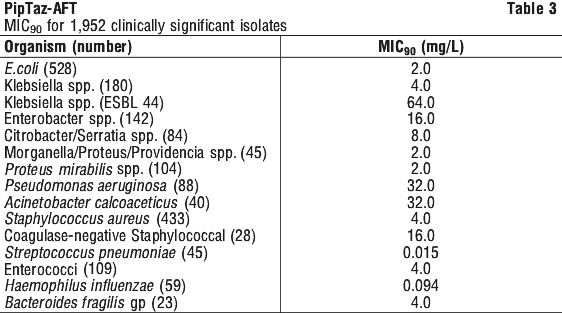
For anaerobes: Methods for Antimicrobial Susceptibility Testing of Anaerobic Bacteria; Approved Standard-Sixth Edition. NCCLS document M1l-A, 2006. NCCLS, Wayne, PA.
1Daley, D., Mulgrave, L., Munro, S., Smith, H. and Dimech, W. An evaluation of the in vitro activity of piperacillin/tazobactam. Pathology 28: 167-172, 1996.
Clinical trials. Paediatric. A study was performed to compare the safety, tolerance, and efficacy of 100 mg/kg piperacillin/12.5 mg/kg tazobactam with those of 50 mg/kg cefotaxime plus 7.5 mg/kg metronidazole administered intravenously (IV) every 8 hours for the treatment of hospitalised paediatric patients (aged 2 to 12 years of age) with clinically or bacteriologically diagnosed intra-abdominal infection (IAI). The cure rates in the efficacy evaluable (EE) population at the follow-up visit were 90% and 91% for piperacillin/tazobactam and cefotaxime plus metronidazole, respectively. The results of the clinical and microbiological analyses in 521 patients showed that piperacillin/tazobactam administered intravenously was at least as effective as cefotaxime plus metronidazole in the treatment of children aged 2 to 12 years with severe IAIs.
5.2 Pharmacokinetic Properties
Absorption. Mean plasma concentrations of piperacillin and tazobactam at steady state of the combination appear in Tables 4 and 5. Peak piperacillin and tazobactam plasma concentrations are attained immediately after completion of an intravenous infusion. When given with tazobactam, piperacillin plasma levels are similar to those attained when equivalent doses of piperacillin are administered alone.
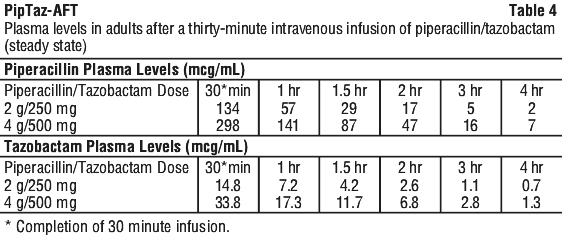
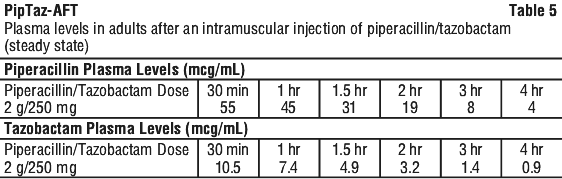
Metabolism. Piperacillin does not undergo biotransformation in humans. Approximately 20% of a dose of tazobactam is metabolised to a single metabolite that has been found to be microbiologically inactive.
Excretion. Piperacillin and tazobactam are eliminated by the kidney via glomerular filtration and tubular secretion. Piperacillin is excreted rapidly as unchanged drug, with 69% of the dose appearing in the urine. Piperacillin is also secreted into bile. Tazobactam and its metabolite are eliminated primarily by renal excretion, with 80% of the dose appearing as unchanged drug and the remainder of the dose appearing as the metabolite.
Impaired renal function. The half-life of piperacillin and tazobactam increases with decreasing creatinine clearance. The increase is two-fold and four-fold for piperacillin and tazobactam, respectively, at creatinine clearance below 20 mL/min compared to patients with normal renal function. Dosage adjustments are recommended when creatinine clearance is below 40 mL/min (see Section 4.2 Dose and Method of Administration).
Piperacillin and tazobactam are removed from the body during haemodialysis with 31% and 39% of the doses of piperacillin and tazobactam, respectively, recovered in the dialysis fluid. Piperacillin and tazobactam are removed from the body by peritoneal dialysis with 5% and 12% of the dose, respectively, appearing in the dialysate. For dosage recommendations in patients undergoing haemodialysis (see Section 4.2 Dose and Method of Administration).
Impaired liver function. Piperacillin half-life and AUC were increased by 25% and 40% respectively and tazobactam half-life and AUC by 18% and 23% respectively in patients with hepatic impairment. However, dosage adjustments in patients with hepatic impairment are not necessary.
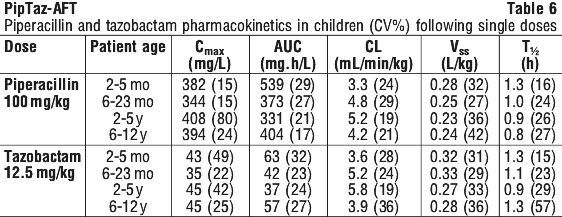
Children. The pharmacokinetics of piperacillin and tazobactam have been examined in 24 paediatric patients aged 2 months to 12 years receiving 100 mg/kg piperacillin/12.5 mg/kg tazobactam (Table 6). The maximum concentration (Cmax) for both piperacillin and tazobactam is increased relative to the maximum adult dose but the predicted time above the minimum inhibitory concentration is slightly decreased. The dosage of 100 mg/kg piperacillin/12.5 mg/kg tazobactam administered every 8 hours is predicted to provide coverage 31% to 61% of the time for the range of MIC values of 2 microgram/mL to 16 microgram/mL commonly found in intra-abdominal infections in children.
5.3 Preclinical Safety Data
Genotoxicity. Mutagenicity studies with piperacillin and tazobactam showed no evidence of genotoxicity in assays for chromosomal and DNA damage. One assay for gene mutations (Mouse lymphoma assay) was weakly positive at tazobactam and piperacillin concentrations > 3200 microgram/mL and 2500 microgram/mL, respectively.
Carcinogenicity. Long-term carcinogenicity studies of piperacillin/tazobactam injection in animals have not been performed.
6 Pharmaceutical Particulars
6.1 List of Excipients
Sodium bicarbonate.
6.2 Incompatibilities
PipTaz-AFT 4 g/0.5 g should not be mixed with other drugs in a syringe or infusion bottle since compatibility has not been established. Whenever PipTaz-AFT 4 g/0.5 g is used concurrently with another antibiotic, the drugs must be administered separately.
Because of chemical instability, PipTaz-AFT 4 g/0.5 g should not be used with solutions containing only sodium bicarbonate or having a pH in the basic range.
PipTaz-AFT 4 g/0.5 g should not be added to blood products or albumin hydrolysates.
6.3 Shelf Life
In Australia, information on the shelf life can be found on the public summary of the Australian Register of Therapeutic Goods (ARTG). The expiry date can be found on the packaging.
6.4 Special Precautions for Storage
Store below 25°C.
PipTaz-AFT 4 g/0.5 g must be reconstituted with not less than 20 mL of diluent prior to use.
From a microbiological point of view, the diluted solution should be used immediately. To reduce microbiological hazard, use as soon as practicable after dilution. If storage is necessary, hold at 2-8°C for not more than 24 hours.
PipTaz-AFT 4 g/0.5 g contains no antimicrobial preservative. For single use in one patient only. Discard any remaining residue.
6.5 Nature and Contents of Container
PipTaz-AFT 4 g/0.5 g powder for injection is available as a vial containing piperacillin sodium equivalent to 4 g piperacillin and tazobactam sodium equivalent to 500 mg tazobactam. It is available in packs of 1 and 10 vials.
6.6 Special Precautions for Disposal
In Australia, any unused medicine or waste material should be disposed of in accordance with local requirements.
6.7 Physicochemical Properties
Piperacillin sodium. Chemical structure. Piperacillin sodium has the chemical name sodium (2S,5R,6R)-6-[(R)-2-(4-ethyl-2,3-dioxo-1-piperazine- carboxamido)-2-phenylacetamido]-3,3-dimethyl-7-oxo-4-thia-1-azabicyclo[3.2.0]heptane-2- carboxylic acid.
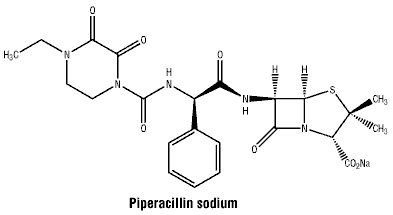
The molecular weight is 539.54.
CAS number. 59703-84-3.
Tazobactam sodium. Chemical structure. Tazobactam sodium has the chemical name sodium (2S-(2α,3β,5α)-3-methyl-7-oxo-3-(1H-1,2,3-triazol-1-ylmethyl)-4-thia-1-azabicyclo[3.2.0] heptane-2-carboxylic acid 4,4-dioxide.
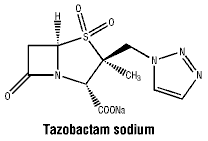
The molecular weight is 322.28.
CAS number. 89785-84-2.
7 Medicine Schedule (Poisons Standard)
S4-Prescription Only Medicine.
Date of First Approval
21 September 2017
Date of Revision
11 November 2022
Summary Table of Changes

Reasonable care is taken to provide accurate information at the time of creation. This information is not intended as a substitute for medical advice and should not be exclusively relied on to manage or diagnose a medical condition. The Australian Commission on Safety and Quality in Health Care disclaims all liability (including for negligence) for any loss, damage, injury or any other negative effects resulting from reliance on or use of this information. Read our full disclaimer. This website uses cookies. Read our privacy policy.