
Pluvicto
Brand Information
| Brand name | Pluvicto |
| Active ingredient | Lutetium (177Lu) vipivotide tetraxetan |
| Schedule | S4 |
Consumer Medicine Information (CMI) leaflet
Please read this leaflet carefully before you start using the Pluvicto.
Summary CMI
PLUVICTO®
Consumer Medicine Information (CMI) summary
The full CMI on the next page has more details. If you are worried about using this medicine, speak to your specialist.
▼ This medicine is new or being used differently. Please report side effects. See the full CMI for further details.
1. Why am I being given PLUVICTO?
PLUVICTO contains the active ingredient lutetium (177Lu) vipivotide tetraxetan. PLUVICTO is used to treat prostate cancer in adults. For more information, see Section 1. Why am I being given PLUVICTO? in the full CMI.
2. What should I know before being given PLUVICTO?
Do not use if you have ever had an allergic reaction to lutetium (177Lu) vipivotide tetraxetan or any of the ingredients listed at the end of the CMI.
Talk to your specialist if you have any other medical conditions, take any other medicines, have household contacts, or you are planning to try for a baby or have an expecting partner.
For more information, see Section 2. What should I know before being given PLUVICTO? in the full CMI.
3. What if I am taking other medicines?
Some medicines may interfere with PLUVICTO and affect how it works.
Refer to Section 3. What if I am taking other medicines? in the full CMI.
4. How do I receive PLUVICTO?
- PLUVICTO is given in a hospital or other licensed facility by specially trained staff.
- PLUVICTO is given once every 6 weeks into your vein for up to a total of six doses.
More instructions can be found in Section 4. How do I receive PLUVICTO? in the full CMI.
5. What should I know while being given PLUVICTO?
| Things you should do |
|
| Things you should not do |
|
| Driving or using machines |
|
| Drinking alcohol |
|
| Looking after your medicine |
|
For more information, see Section 5. What should I know while being given PLUVICTO? in the full CMI.
6. Are there any side effects?
Common side effects include: feeling tired, tummy pain, constipation, diarrhoea, urinary tract infection, headache, feeling sick, dizziness, dry mouth, trouble swallowing and/or heartburn, decreased appetite, weight loss, swollen hands, ankles or feet, dry eye, oral fungal infection, mouth sores, dry skin, vomiting. More serious side effects include: bruising more than normal, tiredness, weakness, pale skin, shortness of breath, passing less urine than normal, fever, chills, sore throat, or mouth ulcers. For more information, including what to do if you have any side effects, see Section 6. Are there any side effects? in the full CMI.
Full CMI
▼ This medicine is subject to additional monitoring. This will allow quick identification of new safety information. You can help by reporting any side effects you may get. You can report side effects to your doctor, or directly at www.tga.gov.au/reporting-problems.
PLUVICTO® (Ploo-VICK-toe)
Active ingredient(s): lutetium (177Lu) vipivotide tetraxetan
Consumer Medicine Information (CMI)
This leaflet provides important information about using PLUVICTO. You should also speak to your specialist or pharmacist if you would like further information or if you have any concerns or questions about using PLUVICTO.
Where to find information in this leaflet:
1. Why am I using PLUVICTO?
2. What should I know before I use PLUVICTO?
3. What if I am taking other medicines?
4. How will I receive PLUVICTO?
5. What should I know while using PLUVICTO?
6. Are there any side effects?
7. Product details
1. Why am I being given PLUVICTO?
PLUVICTO contains the active ingredient lutetium (177Lu) vipivotide tetraxetan. PLUVICTO contains a radioactive material that binds to a protein found in your prostate called prostate specific membrane antigen (PSMA). This will destroy cancer cells by delivering a controlled dose of radiation.
PLUVICTO is used to treat adults with a certain type of advanced prostate cancer (called metastatic castration-resistant prostate cancer) that has spread to other parts of the body (metastatic) and has already been treated with other cancer treatments. This type of cancer is a cancer of the prostate (a gland of the male reproductive system) that does not respond to treatment that decreases male hormones.
2. What should I know before being given PLUVICTO?
Warnings
Do not use PLUVICTO if:
- you are allergic to lutetium (177Lu) vipivotide tetraxetan, or any of the ingredients listed at the end of this leaflet.
Check with your specialist if you:
- are frequently sick with fever or chills.
- have or have had kidney problems.
- are pale, short of breath or bleeding/bruising more than normal.
- have or have had any other type of cancer or treatment for cancer, as PLUVICTO adds to your overall lifetime radiation exposure.
- have low levels of certain types of cells in the blood (red blood cells, white blood cells, neutrophils, and platelets).
During treatment, you may be at risk of developing certain side effects. It is important you understand these risks and how to monitor for them. See additional information under Section 6. Are there any side effects?
Pregnancy and breastfeeding
The safety and efficacy of this medicine have not been established in females.
PLUVICTO can cause harm to an unborn baby. You must limit extended close contact (less than one metre) with pregnant women for 7 days from receiving each dose of PLUVICTO to minimise radiation risk.
You must sleep in a separate bedroom from pregnant women for up to 15 days (see section: things you should do).
Contraception in males
You should avoid sexual activity for 7 days after administration of PLUVICTO.
You should not father a child and should use a condom for sexual activity during treatment with PLUVICTO and for 14 weeks after your last dose.
Ask your doctor or pharmacist for options of effective birth control.
Fertility
PLUVICTO may cause infertility. Please ask your nuclear medicine doctor how this may affect you, especially if you are planning to have children in the future. You may wish to seek advice on collecting and storing of sperm before treatment starts.
Children and adolescents
PLUVICTO has not been studied in children and adolescents under 18 years of age.
You must limit extended close contact (less than one metre) with children for 7 days from receiving each dose of PLUVICTO to minimise radiation risk.
PSMA test
Tests will be performed to see if PSMA is present on the surface of the cancer cells. Your cancer is more likely to respond to treatment with PLUVICTO if the test result is positive.
Treatment monitoring
Your specialist will do blood tests before and during treatment to check your condition and to notice any side effects as early as possible. Based on the results, your specialist may decide to delay, modify, or stop your treatment with PLUVICTO if necessary.
3. What if I am taking other medicines?
Tell your doctor or pharmacist if you are taking any other medicines, including any medicines, vitamins, or supplements that you buy without a prescription from your pharmacy, supermarket, or health food shop.
Some medicines may interfere with PLUVICTO and affect how it works.
Check with your specialist, GP, or pharmacist if you are not sure about what medicines, vitamins or supplements you are taking and if these affect PLUVICTO.
4. How do I receive PLUVICTO?
PLUVICTO is given once every 6 weeks into your vein for up to a total of six doses. PLUVICTO is only given in a hospital or other licensed facility by specially trained staff.
How much will I receive
- The recommended dose is 7,400 MBq (megabecquerel, the unit used to measure radioactivity) given into your vein.
When to receive PLUVICTO
- You should receive a single dose of PLUVICTO once every 6 weeks, into your vein, for up to a total of 6 doses (that is for up to 6 separate treatment visits).
Duration of treatment
- Your specialist will inform you about the usual length of the procedure.
If you miss an appointment to receive PLUVICTO
Contact your specialist as soon as possible to reschedule. You should receive PLUVICTO once every 6 weeks.
If you use too much PLUVICTO
PLUVICTO is given in a hospital or other licensed facility. It is unlikely that you will receive too much. Your specialist will check and treat you if you receive too much.
You should immediately:
- phone the Poisons Information Centre
(by calling 13 11 26), or - contact your specialist, or
- go to the Emergency Department at your nearest hospital.
You should do this even if there are no signs of discomfort or poisoning.
5. What should I know while being given PLUVICTO?
Things you should do
- drink plenty of water for 2 days so that you remain hydrated and urinate as often as possible during the first hours after you are given PLUVICTO.
- do not father a child and do use a condom during intercourse throughout treatment with PLUVICTO and for 14 weeks after your last dose.
- limit close contact (less than 1 meter) with others for 2 days or with children and pregnant women for 7 days from receiving each dose of PLUVICTO.
- avoid sexual activity for 7 days from receiving each dose of PLUVICTO.
- sleep in a separate room from others for 3 days, from children for 7 days, or from pregnant women for 15 days from receiving each dose of PLUVICTO.
Use of toilets
- Take special precautions to avoid contamination for 2 days
- after administration:
- You must always sit when using the toilet.
- It is essential that you use toilet paper every time you use the toilet.
- Always wash your hands well after using the toilet.
- Flush all wipes and/or toilet paper down the toilet immediately after use.
- Flush any tissues or any other items that contain bodily waste, such as blood, urine, and faeces down the toilet. Items that cannot be flushed down the toilet, such as bandages, must be placed in separate plastic waste disposal bags.
- Any special medical equipment that could be contaminated by your bodily fluids (e.g., catheter bags, colostomy bags, bedpans, water nozzles) must be emptied immediately into the toilet and then cleaned.
Showering and laundry
- Take a shower every day for at least 7 days after administration.
- Wash your underwear, pyjamas, sheets, and any clothes that contain sweat, blood, or urine separately from the laundry of others in your household, using a standard washing cycle. You do not need to use bleach and you do not need extra rinses.
For care givers
For 2-3 days after administration:
- People who are confined to bed or have reduced mobility will preferably receive assistance from a care giver. It is recommended that when providing assistance in the bathroom, the care giver wears disposable gloves.
- Caregivers who clean up vomit, blood, urine, or faeces should wear plastic gloves, which should be disposed of in a separate plastic waste disposal bag.
Household waste disposal
- All items to be thrown away should be discarded in a separate plastic waste disposal bag to be used only for this purpose.
- Keep the plastic waste disposal bags separate from the other household waste and away from children and animals.
- A member of the hospital staff will tell you how and when to get rid of these waste disposal bags.
Hospitalisation and emergency care
- If for any reason you require emergency medical assistance or are unexpectedly admitted to the hospital during the first 7 days after administration, you should inform the healthcare professionals about the name, date, and dose of your radioactive treatment.
Your specialist will inform you if you need to take any other special precautions after receiving this medicine. Contact your nuclear medicine doctor (your specialist) if you have any questions or are planning any travel.
Call your specialist straight away if you:
- are unable to pass urine when going to the toilet.
- feel short of breath or experience wheezing or swelling of the mouth, face and eyes.
- experience weakness, pale skin, bleeding or bruising more easily than normal or difficulty to stop bleeding and frequent infections with signs such as fever, chills, sore throat or mouth ulcers (bone marrow failure).
Remind any doctor, dentist, or pharmacist you visit that you are using PLUVICTO.
Driving or using machines
Be careful before you drive or use any machines or tools until you know how PLUVICTO affects you. PLUVICTO may make you feel tired.
Drinking alcohol
Tell your specialist if you drink alcohol.
Looking after your medicine
You will not have to store or handle this medicine. This medicine will remain at the facility where your specialist treated you.
Getting rid of any unwanted medicine
PLUVICTO is only given in special facilities by appropriately qualified staff. They will be required to dispose of the medicine following treatment in accordance with special laws.
6. Are there any side effects?
All medicines can have side effects. Some side effects could be serious and may need medical attention.
See the information below and, if you need to, ask your specialist, GP, or pharmacist if you have any further questions about side effects.
Less serious side effects
| Less serious side effects | What to do |
Tummy problems:
| Speak to your specialist or GP if you have any of these less serious side effects and they worry you. If these side effects become severe, please tell your doctor, pharmacist, or healthcare provider. |
Serious side effects
| Serious side effects | What to do |
Signs of an allergic reaction:
| Call your specialist straight away or go straight to the Emergency Department at your nearest hospital if you notice any of these serious side effects. |
Tell your specialist or pharmacist if you notice anything else that may be making you feel unwell.
Other side effects not listed here may occur in some people.
Reporting side effects
After you have received medical advice for any side effects you experience, you can report side effects to the Therapeutic Goods Administration online at www.tga.gov.au/reporting-problems. By reporting side effects, you can help provide more information on the safety of this medicine.
7. Product details
What PLUVICTO contains
| Active ingredient (main ingredient) | lutetium (177Lu) vipivotide tetraxetan |
| Other ingredients (inactive ingredients) | Acetic acid Sodium acetate Gentisic acid Sodium ascorbate Pentetic acid Water for injections |
PLUVICTO contains up to 88.75 mg sodium (main component of cooking/table salt) in each vial. This is equivalent to 4.4% of the recommended maximum daily dietary intake of sodium for an adult.
PLUVICTO is given to you in your vein ('intravenously') at a hospital or other facility by appropriately trained staff. Do not receive PLUVICTO if you are allergic to any of these ingredients.
What PLUVICTO looks like
PLUVICTO is supplied in a glass vial, closed with a stopper and a seal. The vial is enclosed within a lead container for protective shielding. The amount in the vial can range from 7.5 mL to 12.5 mL to provide the required amount for your treatment. Your specialist will determine this.
1000 MBq/mL, vial with lead shield: Aust R 410282.
Who distributes PLUVICTO
PLUVICTO is supplied in Australia by:
Novartis Pharmaceuticals Australia Pty Limited
ABN 18 004 244 160
54 Waterloo Road
Macquarie Park NSW 2113
Telephone 1 800 671 203
Website: www.novartis.com.au
This leaflet was prepared in July 2025.
Registered trademark of Novartis.
© Copyright Novartis 2025
Internal document code: (plu230725c) based on PI (plu230725i)
Brand Information
| Brand name | Pluvicto |
| Active ingredient | Lutetium (177Lu) vipivotide tetraxetan |
| Schedule | S4 |
▼ This medicinal product is subject to additional monitoring in Australia. This will allow quick identification of new safety information. Healthcare professionals are asked to report any suspected adverse events at www.tga.gov.au/reporting-problems.
MIMS Revision Date: 01 February 2026
1 Name of Medicine
Lutetium (177Lu) vipivotide tetraxetan.
2 Qualitative and Quantitative Composition
One mL of solution contains 1,000 MBq of lutetium (177Lu) vipivotide tetraxetan at the date and time of calibration.
The total amount of radioactivity per single-dose vial is 7,400 MBq ± 10% at the date and time of administration. Given the fixed volumetric activity of 1,000 MBq/mL at the date and time of calibration, the volume of the solution in the vial can range from 7.5 mL to 12.5 mL in order to provide the required amount of radioactivity at the date and time of administration.
Excipients of known effect. Each mL of solution contains up to 0.312 mmol (7.1 mg) of sodium.
For the full list of excipients, see Section 6.1 List of Excipients.
3 Pharmaceutical Form
Solution for injection. Pluvicto is a clear, colourless to slightly yellow solution with a pH range of 4.5 to 7.0.
4 Clinical Particulars
4.1 Therapeutic Indications
Pluvicto is indicated for the treatment of adult patients with prostate-specific membrane antigen (PSMA)-positive metastatic castration-resistant prostate cancer (mCRPC) who have been treated with androgen receptor (AR) pathway inhibition and taxane-based chemotherapy.
4.2 Dose and Method of Administration
Important safety instructions. Pluvicto is a radiopharmaceutical and should be handled with appropriate safety measures to minimise radiation exposure (see Section 4.4 Special Warnings and Precautions for Use). Waterproof gloves and effective radiation shielding should be used when handling Pluvicto.
Radiopharmaceuticals, including Pluvicto, should be used by or under the control of healthcare providers who are qualified by specific training and experience in the safe use and handling of radiopharmaceuticals, and whose experience and training have been approved by the appropriate governmental agency authorised to license the use of radiopharmaceuticals.
Patient identification. Patients should be identified for treatment by PSMA imaging.
Dosage regimen. The recommended Pluvicto dose is 7,400 MBq intravenously every 6 weeks (± 1 week) for up to a total of 6 doses or until disease progression, or unacceptable toxicity.
Medical castration with a gonadotropin-releasing hormone (GnRH) analogue should be continued during treatment in patients not surgically castrated.
Treatment monitoring. Laboratory tests should be performed before and during treatment with Pluvicto.
Haematology (haemoglobin, white blood cell count, absolute neutrophil count, platelet count).
Kidney function (serum creatinine, calculated creatinine clearance [CLcr]).
Liver function (alanine aminotransferase, aspartate aminotransferase, alkaline phosphatase, blood serum albumin, total blood bilirubin).
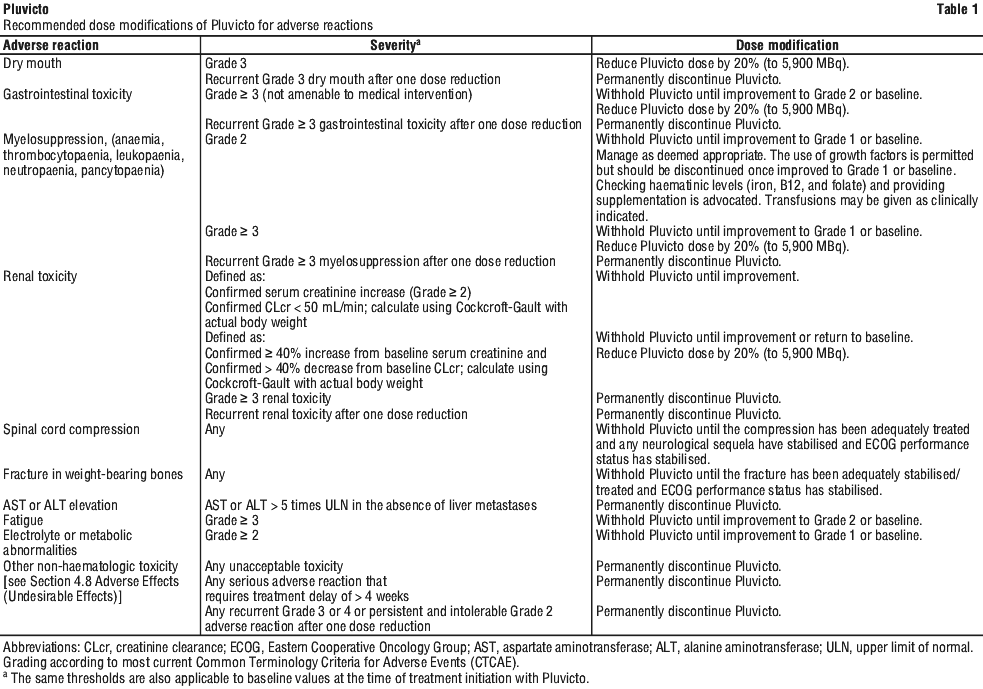
Dose modifications for adverse reactions. Recommended dose modifications of Pluvicto for adverse reactions are provided in Table 1. Management of severe or intolerable adverse reactions may require temporary dose interruption, dose reduction or permanent discontinuation of treatment with Pluvicto. If a treatment delay due to an adverse reaction persists for > 4 weeks, treatment discontinuation with Pluvicto may be considered. The dose of Pluvicto may be reduced by 20% once (to a dose of 5,900 MBq); the dose should not be re-escalated. If a patient has further adverse reactions that would require an additional dose reduction, treatment with Pluvicto must be discontinued.
Hepatic impairment. No dose adjustment is recommended for patients with hepatic impairment. Pluvicto has not been studied in patients with moderate or severe hepatic impairment.
Paediatric patients (below 18 years of age). The safety and effectiveness of Pluvicto in pediatric patients have not been established. There is no relevant use of Pluvicto in the paediatric population in the indication of treatment of PSMA-expressing prostate cancer.
Elderly patients (65 years of age or older). No dose adjustment is recommended in patients 65 years of age or older.
Method of administration. Pluvicto is a ready-to-use solution for injection for single use in one patient only. Discard any unused medicinal product.
Administration instructions. The recommended dose of Pluvicto may be administered intravenously as an injection using the syringe method, as an infusion using the gravity method, or as an infusion using the peristaltic pump method.
When using the gravity or peristaltic pump method, infuse Pluvicto directly from its original container.
Use the syringe method or the peristaltic pump method when administering a reduced dose of Pluvicto following a dose modification for an adverse drug reaction. When using the gravity method for a reduced dose, adjust the Pluvicto dose before the administration to avoid the delivery of an incorrect volume of Pluvicto.
Prior to administration, flush the intravenous catheter used exclusively for Pluvicto administration with ≥ 10 mL of 0.9% sterile sodium chloride solution to ensure patency and to minimise the risk of extravasation. Manage cases of extravasation as per institutional guidelines.
Patients should be advised to remain well hydrated and to urinate frequently before and after administration of Pluvicto.
Preparation instructions. Use aseptic technique and radiation shielding when handling or administering Pluvicto, using tongs as needed to minimise radiation exposure.
Visually inspect the product under a shielded screen for particulate matter and discolouration prior to administration. Discard the vial if particulates and/or discolouration are present.
Pluvicto is a ready-to-use solution for single use only. Do not inject the Pluvicto solution directly into any other intravenous solution.
Confirm the amount of radioactivity of Pluvicto delivered to the patient with an appropriately calibrated dose calibrator prior to and after each Pluvicto administration.
Dispose of any unused medicinal product or waste material in accordance with national regulations.
Intravenous methods of administration. Instructions for the syringe method. Withdraw an appropriate volume of Pluvicto solution to deliver the desired radioactivity by using a disposable syringe fitted with a syringe shield and a disposable sterile needle that is 9 cm, 18 gauge (long needle). To aid the withdrawal of the solution, a filtered 2.5 cm, 20 gauge needle (short venting needle) can be used to reduce the resistance from the pressurised vial. Ensure that the short needle does not touch the Pluvicto solution in the vial.
If using a syringe pump, fit the syringe into the shielded pump and include a 3-way stopcock valve between the syringe and an intravenous catheter primed with 0.9% sterile sodium chloride solution and used for Pluvicto administration to the patient.
Administer Pluvicto to the patient by slow intravenous push within approximately 1 to 10 minutes (either with a syringe pump or manually without a syringe pump) via an intravenous catheter that is primed with 0.9% sterile sodium chloride solution and that is used exclusively for Pluvicto administration to the patient.
When the desired Pluvicto radioactivity has been delivered, stop the syringe pump and then change the position of the 3-way stopcock valve to flush the syringe with 25 mL of 0.9% sodium chloride solution. Restart the syringe pump.
After the flush of the syringe has been completed, perform an intravenous flush of ≥ 10 mL of 0.9% sterile sodium chloride solution through the intravenous catheter to the patient.
Instructions for the gravity method. Insert a 2.5 cm, 20 gauge needle (short needle) into the Pluvicto vial and connect via a catheter to 500 mL 0.9% sterile sodium chloride solution (used to transport the Pluvicto solution during the infusion). Ensure that the short needle does not touch the Pluvicto solution in the vial and do not connect the short needle directly to the patient. Do not allow the 0.9% sterile sodium chloride solution to flow into the Pluvicto vial prior to the initiation of the Pluvicto infusion and do not inject the Pluvicto solution directly into the 0.9% sterile sodium chloride solution.
Insert a second needle that is 9 cm, 18 gauge (long needle) into the Pluvicto vial, ensuring that the long needle touches and is secured to the bottom of the Pluvicto vial during the entire infusion. Connect the long needle to the patient by an intravenous catheter that is primed with 0.9% sterile sodium chloride solution and that is used exclusively for the Pluvicto infusion into the patient.
Use a clamp or an infusion pump to regulate the flow of the 0.9% sterile sodium chloride solution via the short needle into the Pluvicto vial (the 0.9% sterile sodium chloride solution entering the vial through the short needle will carry the Pluvicto solution from the vial to the patient via the intravenous catheter connected to the long needle within approximately 30 minutes).
During the infusion, ensure that the level of solution in the Pluvicto vial remains constant.
Disconnect the vial from the long needle line and clamp the 0.9% sterile sodium chloride solution line once the level of radioactivity is stable for at least five minutes.
Follow the infusion with an intravenous flush of ≥ 10 mL of 0.9% sterile sodium chloride solution through the intravenous catheter to the patient.
Instructions for the peristaltic pump method. Insert a filtered 2.5 cm, 20 gauge needle (short venting needle) into the Pluvicto vial. Ensure that the short needle does not touch the Pluvicto solution in the vial and do not connect the short needle directly to the patient or to the peristaltic pump.
Insert a second needle that is 9 cm, 18 gauge (long needle) into the Pluvicto vial, ensuring that the long needle touches and is secured to the bottom of the Pluvicto vial during the entire infusion. Connect the long needle and a 0.9% sterile sodium chloride solution to a 3-way stopcock valve via appropriate tubing.
Connect the output of the 3-way stopcock valve to tubing installed on the input side of the peristaltic pump according to the manufacturer's instructions.
Prime the line by opening the 3-way stopcock valve and pumping the Pluvicto solution through the tubing until it reaches the exit of the valve.
Prime the intravenous catheter which will be connected to the patient by opening the 3-way stopcock valve to the 0.9% sterile sodium chloride solution and pumping the 0.9% sterile sodium chloride solution until it exits the end of the catheter tubing.
Connect the primed intravenous catheter to the patient and set the 3-way stopcock valve such that the Pluvicto solution is in line with the peristaltic pump.
Infuse an appropriate volume of Pluvicto solution at approximately 25 mL/h to deliver the desired radioactivity.
When the desired Pluvicto radioactivity has been delivered, stop the peristaltic pump and then change the position of the 3-way stopcock valve so that the peristaltic pump is in line with the 0.9% sterile sodium chloride solution. Restart the peristaltic pump and infuse an intravenous flush of ≥ 10 mL of 0.9% sterile sodium chloride solution through the intravenous catheter to the patient.
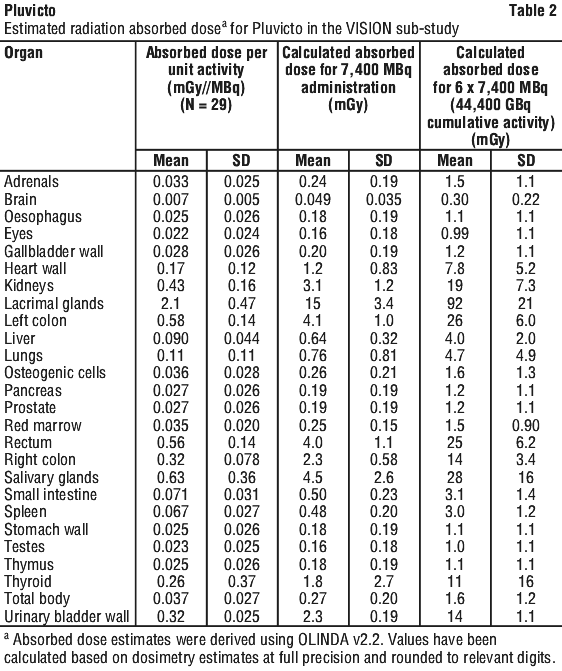
Radiation dosimetry. Dosimetry of lutetium (177Lu) vipivotide tetraxetan was collected in 29 patients in the Phase III VISION sub-study, in order to calculate whole body and organ radiation dosimetry. The mean and standard deviation (SD) of the estimated radiation absorbed doses to different organs for adult patients receiving Pluvicto are shown in Table 2. The organs with the highest radiation absorbed doses are lacrimal glands, salivary glands, large intestine (left and right colon), kidneys and urinary bladder wall.
The maximum penetration of lutetium-177 in tissue is approximately 2 mm and the mean penetration is 0.67 mm.
4.3 Contraindications
Hypersensitivity to the active substance or to any of the excipients listed in Section 6.1 List of Excipients.
4.4 Special Warnings and Precautions for Use
Risk from radiation exposure. Pluvicto contributes to a patient's overall long-term cumulative radiation exposure. Long-term cumulative radiation exposure is associated with an increased risk for cancer.
Radiation exposure to patients, medical personnel, and others should be minimised during and after treatment with Pluvicto consistent with institutional good radiation safety practices, patient management procedures, and instructions to the patient for follow-up radiation protection at home.
Patient preparation. Patients should be encouraged to increase oral fluids and urged to void as often as possible to reduce bladder radiation, especially after high activities, e.g. radionuclide therapy.
After the procedure. Before the patient is released, the nuclear medicine physician or healthcare provider should explain the necessary radioprotection precautions that the patient should follow to minimise radiation exposure to others. This includes special instructions with regards to toilet use, showering, laundry, waste disposal, emergency medical assistance, unplanned hospital visits or traveling.
After each administration of Pluvicto, the following general recommendations for patients can be considered along with national, local, and institutional procedures and regulations:
limit close contact (less than 1 meter) with others for 2 days or with children and pregnant women for 7 days;
refrain from sexual activity for 7 days;
sleep in a separate room from others for 3 days, from children for 7 days, or from pregnant women for 15 days.
Myelosuppression. Pluvicto can cause severe and life-threatening myelosuppression, including anaemia, thrombocytopaenia, leukopaenia, and neutropaenia. In the VISION study, myelosuppression including fatal cases occurred more frequently in patients who received Pluvicto plus best standard of care (BSoC) compared to patients who received BSoC alone, including anaemia, thrombocytopaenia, leukopaenia, and neutropaenia (see Section 4.8 Adverse Effects (Undesirable Effects)). Two deaths (0.4%) due to intracranial haemorrhage and subdural haematoma in association with thrombocytopaenia were observed in patients who received Pluvicto. One death due to sepsis and concurrent neutropaenia was observed in patients who received Pluvicto.
Haematology laboratory tests, including haemoglobin, white blood cell count, absolute neutrophil count, and platelet count, should be performed before and during treatment with Pluvicto. Pluvicto should be withheld, dose reduced, or permanently discontinued and patients should be clinically managed as deemed appropriate based on the severity of myelosuppression (see Section 4.2 Dose and Method of Administration).
Renal toxicity. In the VISION study, renal toxicity occurred more frequently in patients who received Pluvicto plus BSoC compared to patients who received BSoC alone (see Section 4.8 Adverse Effects (Undesirable Effects)).
Patients should be advised to remain well hydrated and to urinate frequently before and after administration of Pluvicto. Kidney function laboratory tests, including serum creatinine and calculated CLcr, should be performed before and during treatment with Pluvicto. Pluvicto should be withheld, dose reduced, or permanently discontinued based on the severity of renal toxicity (see Section 4.2 Dose and Method of Administration; Section 5.2 Pharmacokinetic Properties, Special populations).
Renal impairment. Careful consideration of the benefit risk ratio in these patients is required since an increased radiation exposure is possible.
Exposure (AUC) of lutetium (177Lu) vipivotide tetraxetan is expected to increase with the degree of renal impairment (see Section 5.2 Pharmacokinetic Properties). Patients with mild or moderate renal impairment may be at greater risk of toxicity. Renal function and adverse reactions should be frequently monitored in patients with mild to moderate renal impairment (see Section 4.2 Dose and Method of Administration). Treatment with Pluvicto is not recommended in patients with moderate to severe renal impairment with baseline CLcr < 50 mL/min or end-stage renal disease.
Fertility. Radiations of lutetium (177Lu) vipivotide tetraxetan may potentially have toxic effects on male gonads and spermatogenesis. The recommended cumulative dose of 44,400 MBq of Pluvicto results in a radiation absorbed dose to the testes within the range where Pluvicto may cause infertility.
Contraception in males. Male patients are advised not to father a child and to use a condom for intercourse during treatment with Pluvicto and for 14 weeks after the last dose (see Section 4.6 Fertility, Pregnancy and Lactation).
Use in hepatic impairment. See Section 4.2 Dose and Method of Administration; Section 5.2 Pharmacokinetic Properties, Metabolism.
Use in the elderly. See Section 4.2 Dose and Method of Administration; Section 5.2 Pharmacokinetic Properties, Special populations.
Paediatric use. The safety and efficacy of Pluvicto in paediatric patients have not been established.
Effects on laboratory tests. See Section 4.2 Dose and Method of Administration, Treatment monitoring.
4.5 Interactions with Other Medicines and Other Forms of Interactions
No clinical drug interaction studies have been performed.
In vitro evaluation of drug interaction potential. CYP450 enzymes. Vipivotide tetraxetan is not a substrate of cytochrome P450 (CYP450) enzymes. It does not induce cytochrome P450 (CYP) 1A2, 2B6 or 3A4, and it does not inhibit cytochrome P450 (CYP) 1A2, 2B6, 2C8, 2C9, 2C19, 2D6 or 3A4/5 in vitro.
Transporters. Vipivotide tetraxetan is not a substrate of BCRP, P-gp, MATE1, MATE2-K, OAT1, OAT3 or OCT2, and it is not an inhibitor of BCRP, P-gp, BSEP, MATE1, MATE2-K, OAT1, OAT3, OATP1B1, OATP1B3, OCT1 or OCT2 in vitro.
4.6 Fertility, Pregnancy and Lactation
Effects on fertility. No studies were conducted to determine the effects of lutetium (177Lu) vipivotide tetraxetan on fertility. Radiations of lutetium (177Lu) vipivotide tetraxetan may potentially have toxic effects on male gonads and spermatogenesis. The recommended cumulative dose of 44,400 MBq of Pluvicto results in a radiation absorbed dose to the testes within the range where Pluvicto may cause infertility. Genetic consultation is recommended if the patient wishes to have children after treatment. Cryopreservation of sperm can be discussed as an option for male patients before treatment.
Use in pregnancy. (Category X)
Risk summary. The safety and efficacy of Pluvicto have not been established in females as Pluvicto is not indicated for use in females. Based on its mechanism of action, Pluvicto can cause foetal harm when administered to a pregnant woman (see Section 5.1 Pharmacodynamic Properties, Clinical trials). No animal studies using lutetium (177Lu) vipivotide tetraxetan have been conducted to evaluate its effect on female reproduction and embryo-foetal development; however, radioactive emissions, including those from Pluvicto can cause foetal harm.
Contraception. Males. Based on its mechanism of action, male patients should be advised not to father a child and to use condoms for intercourse during treatment with Pluvicto and for 14 weeks after the last dose (see Section 5.1 Pharmacodynamic Properties, Clinical trials).
Use in lactation. The safety and efficacy of Pluvicto have not been established in females as Pluvicto is not indicated for use in females. There are no data on the presence of lutetium (177Lu) vipivotide tetraxetan in human milk or its effects on the breastfed child or on milk production.
4.7 Effects on Ability to Drive and Use Machines
The effects of this medicine on a person's ability to drive and use machines have not been assessed. Pluvicto may have a minor influence on the ability to drive and use machines.
4.8 Adverse Effects (Undesirable Effects)
Summary of the safety profile. The safety of Pluvicto was evaluated in the Phase III VISION study in patients with progressive, PSMA-positive mCRPC. Of the 831 patients randomised, 734 patients received at least one dose of randomised treatment. Patients received at least one dose of either Pluvicto 7,400 MBq administered every 6 weeks plus BSoC (N = 529) or BSoC alone (N = 205).
Among patients who received Pluvicto plus BSoC, the median number of doses of Pluvicto received was 5 (range: 1 to 6), with 67.7% of patients who received at least 4 doses of Pluvicto and 46.5% of patients who received a total of 6 doses of Pluvicto. The median cumulative dose of Pluvicto was 37,500 MBq (range: 7,000 to 48,300). The median duration of exposure to randomised treatment was 7.8 months (range: 0.3 to 36.5) for patients who received Pluvicto plus BSoC and 2.1 months (range: 0.0 to 34.0) for patients who received BSoC alone. The median duration of follow-up was 15.3 months for patients receiving Pluvicto plus BSoC.
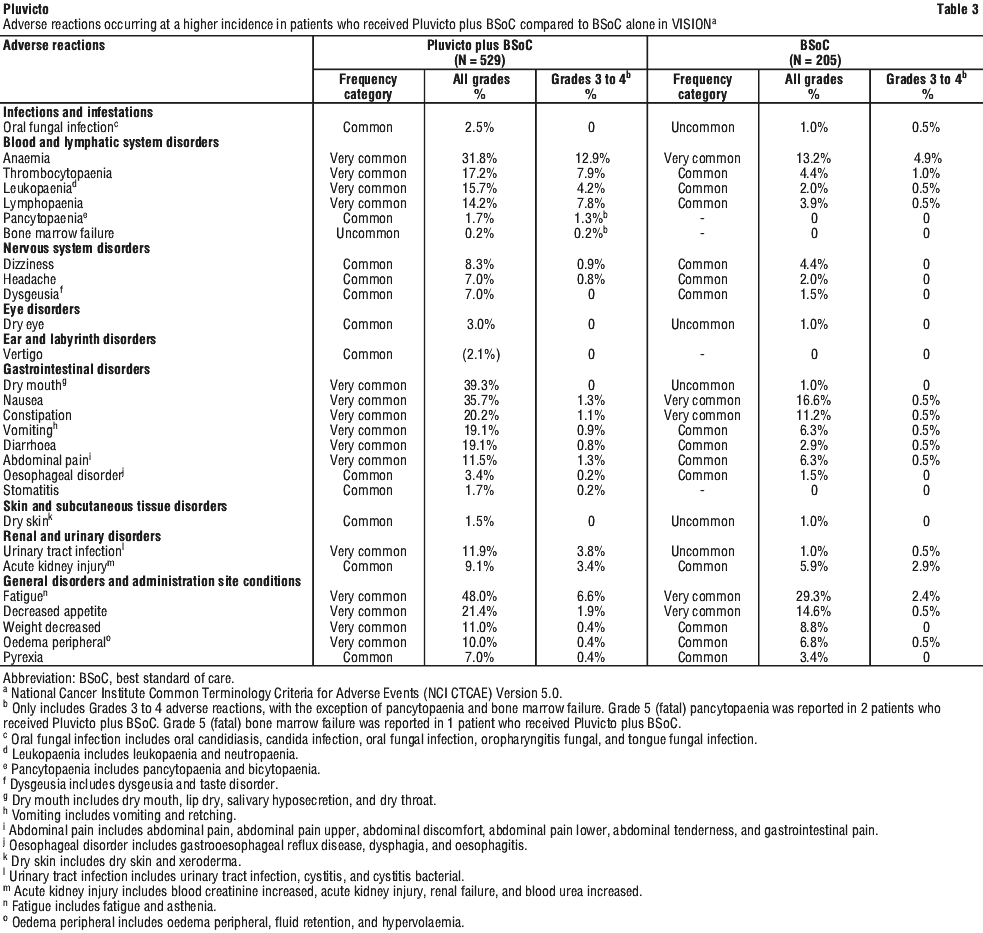
Table 3 summarises the incidence of adverse reactions. The most common adverse reactions (≥ 20%) occurring at a higher incidence in patients who received Pluvicto plus BSoC compared to BSoC alone include fatigue: (48.0%), dry mouth (39.3%), nausea (35.7%), anaemia (31.9%), decreased appetite (21.4%), and constipation (20.2%). The most common Grade 3 to 4 adverse reactions (≥ 5%) occurring at a higher incidence in patients who received Pluvicto plus BSoC compared to BSoC alone include: anaemia (12.9%), thrombocytopaenia (7.9%), lymphopaenia (7.8%), and fatigue (6.6%).
Tabulated summary of adverse reactions. Adverse drug reactions (Table 3) are listed by MedDRA system organ class. Within each system organ class, the adverse drug reactions are ranked by frequency, with the most frequent reactions first. In addition, the corresponding frequency category for each adverse drug reaction is based on the following convention (CIOMS III): very common (≥ 1/10); common (≥ 1/100 to < 1/10); uncommon (≥ 1/1,000 to < 1/100); rare (≥ 1/10,000 to < 1/1,000); very rare (< 1/10,000).
Myelosuppression adverse reactions that led to permanent discontinuation in ≥ 0.5% of patients who received Pluvicto plus BSoC included: anaemia (2.8%), thrombocytopaenia (2.8%), leukopaenia (1.3%), neutropaenia (0.8%), and pancytopaenia (0.6%). Myelosuppression adverse reactions that led to dose interruptions/dose reductions in ≥ 0.5% of patients who received Pluvicto plus BSoC included: anaemia (5.1%/1.3%), thrombocytopaenia (3.6%/1.9%), leukopaenia (1.5%/0.6%), and neutropaenia (0.8%/0.6%).
Renal toxicity. In the VISION study, renal toxicity occurred more frequently in patients who received Pluvicto plus BSoC compared to patients who received BSoC alone (all Grades/Grades 3 to 4): blood creatinine increased (5.7%/0.2%) versus (2.4%/0.5%); acute kidney injury (3.8%/3.2%) versus (3.9%/2.4%); renal failure (0.2%/0%) versus (0%/0%); and blood urea increased (0.2%/0%) versus (0%/0%).
Renal adverse reactions that led to permanent discontinuation in ≥ 0.2% of patients who received Pluvicto plus BSoC included: blood creatinine increased (0.2%). Renal adverse reactions that led to dose interruptions/dose reductions in ≥ 0.2% of patients who received Pluvicto plus BSoC included: blood creatinine increased (0.2%/0.4%) and acute kidney injury (0.2%/0%).
Second primary malignancies. Exposure to ionising radiation is linked with cancer induction and a potential for development of hereditary defects. The radiation dose resulting from therapeutic exposure may result in higher incidence of cancer and mutations. In all cases it is necessary to ensure that the risks of the radiation are less than from the disease itself. As Pluvicto contributes to a patient's overall long-term radiation exposure, which is associated with an increased risk for cancer (see Section 4.4 Special Warnings and Precautions for Use), a potential risk of second primary malignancies cannot be ruled out for radiopharmaceuticals such as Pluvicto. At the time of the VISION primary analysis (cut-off date 27-Jan-2021), cases of squamous cell carcinoma (4 patients; 0.8%) and basal cell carcinoma, malignant melanoma and squamous cell carcinoma of the skin (1 patient each; 0.2% each) were reported in patients who received Pluvicto plus BSoC.
Reporting suspected adverse effects. Reporting suspected adverse reactions after registration of the medicinal product is important. It allows continued monitoring of the benefit-risk balance of the medicinal product. Healthcare professionals are asked to report any suspected adverse reactions at www.tga.gov.au/reporting-problems.
4.9 Overdose
In the event of administration of a radiation overdose with Pluvicto, the radiation absorbed dose to the patient should be reduced where possible by increasing the elimination of the radionuclide from the body by frequent micturition or by forced diuresis and frequent bladder voiding. It might be helpful to estimate the effective radiation dose that was applied.
For information on the management of overdose, contact the Poisons Information Centre on 13 11 26 (Australia).
5 Pharmacological Properties
Pharmacotherapeutic group: Other therapeutic radiopharmaceuticals, ATC code: V10XX05.
5.1 Pharmacodynamic Properties
Pharmacodynamics. There are no data regarding lutetium (177Lu) vipivotide tetraxetan exposure-efficacy relationships and the time course of pharmacodynamic response.
There are limited data regarding lutetium (177Lu) vipivotide tetraxetan exposure-safety relationships and the time course of pharmacodynamic response.
Vipivotide tetraxetan does not have any pharmacodynamic activity.
Cardiac electrophysiology. The ability of Pluvicto to prolong the QTc interval at the recommended dose was assessed in 30 patients in the Phase III VISION sub-study. At the recommended dosage, Pluvicto does not cause large mean increases (> 20 ms) in the QTc interval.
Mechanism of action. The active moiety of Pluvicto is the radionuclide lutetium-177 which is linked to a targeting moiety that binds to PSMA, a transmembrane protein that is highly expressed in prostate cancer, including mCRPC. Upon the binding of Pluvicto to PSMA-expressing cancer cells, the beta-minus emission from lutetium-177 delivers therapeutic radiation to the targeted cell, as well as to surrounding cells, and induces DNA damage which can lead to cell death.
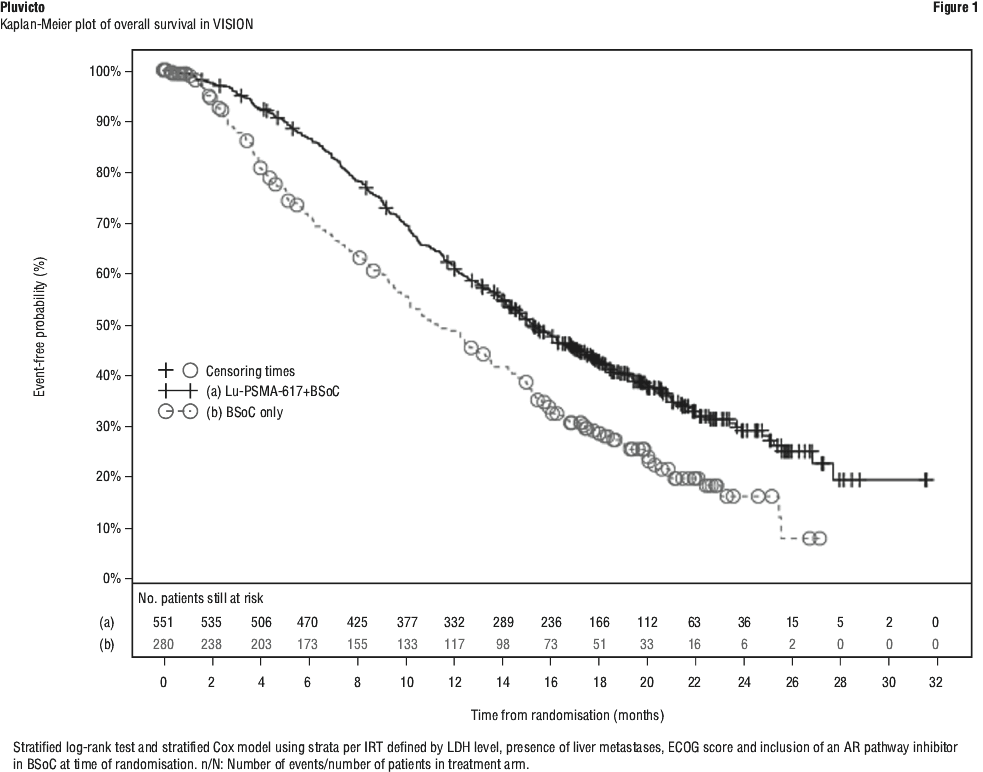
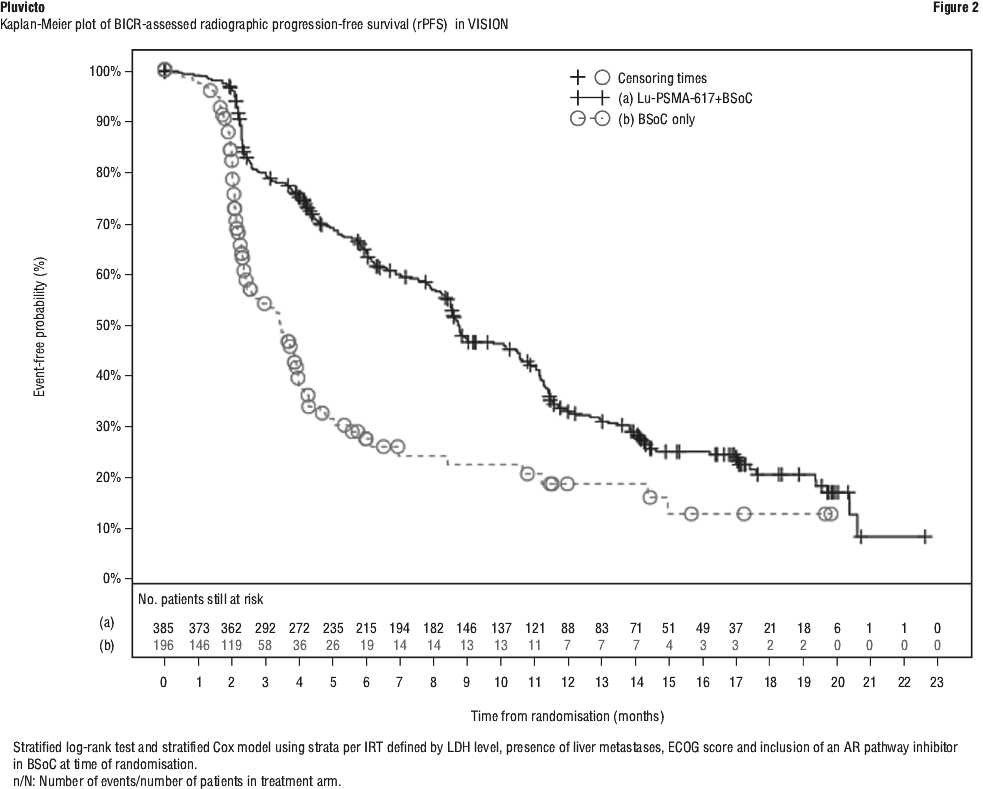
Clinical trials. Clinical safety and efficacy. VISION. The efficacy of Pluvicto in patients with progressive, PSMA-positive mCRPC was established in VISION, a randomised, multicenter, open-label Phase III study. Eight hundred and thirty-one (N = 831) patients were randomised (2:1) to receive either Pluvicto 7,400 MBq every 6 weeks for up to a total of 6 doses plus BSoC (N = 551) or BSoC alone (N = 280).
Eligible patients were required to maintain castrate levels of serum/plasma testosterone by either medical castration or prior orchiectomy. Eligible patients were also required to have PSMA-positive mCRPC, Eastern Cooperative Oncology Group (ECOG) performance status (PS) of 0 to 2, at least one metastatic lesion present on computed tomography (CT), magnetic resonance imaging (MRI) or bone scan imaging, and adequate renal, hepatic, and haematological function. Eligible patients were also required to have received at least one AR pathway inhibitor, such as abiraterone acetate or enzalutamide, and 1 or 2 prior taxane-based chemotherapy regimens (with a regimen defined as a minimum exposure of 2 cycles of a taxane). Patients with unstable symptomatic central nervous system metastases or symptomatic or clinically/radiologically impending spinal cord compression were not eligible for the study. Patients underwent a gallium (68Ga) gozetotide positron emission tomography (PET) scan to evaluate PSMA expression in lesions defined by central read criteria. Eligible patients were required to have PSMA-positive mCRPC defined as having at least one tumour lesion with gallium (68Ga) gozetotide uptake greater than in normal liver. Patients were considered ineligible if any one lesion larger than size criteria [organs ≥ 1 cm in short axis, lymph nodes ≥ 2.5 cm in short axis, bones (soft tissue component) ≥ 1 cm in short axis] had gallium (68Ga) gozetotide uptake less than or equal to uptake in normal liver.
BSoC administered at the physician's discretion included: supportive measures including pain medications, hydration, blood transfusions, etc.; ketoconazole; radiation therapy (including seeded form or any external beam radiotherapy [including stereotactic body radiotherapy and palliative external beam]) to localised prostate cancer targets; bone-targeted agents including zoledronic acid, denosumab, and any bisphosphonates; androgen-reducing agents including GnRH analogues, any corticosteroid and 5-alpha reductases; AR pathway inhibitors. BSoC excluded investigational agents, cytotoxic chemotherapy, immunotherapy, other systemic radioisotopes, and hemi-body radiotherapy treatment.
Patients continued randomised treatment until evidence of tumour progression (based on investigator assessment per Prostate Cancer Working Group 3 [PCWG3] criteria), unacceptable toxicity, use of prohibited treatment, non-compliance or withdrawal, or lack of clinical benefit.
The primary efficacy endpoints were overall survival (OS) and radiographic progression-free survival (rPFS) as determined by blinded independent central review (BICR) per PCWG3 criteria. An additional secondary efficacy endpoint was overall response rate (ORR) as determined by BICR per Response Evaluation Criteria in Solid Tumours (RECIST) v1.1. Radiographic imaging for tumour assessment (CT with contrast/MRI imaging and bone scan) was done every 8 weeks (± 4 days) after the first dose for the first 24 weeks (independent of dose delays), then every 12 weeks (± 4 days).
Demographic and baseline disease characteristics were balanced between the treatment arms. The median age was 71 years (range: 40 to 94 years); 86.8% White; 6.6% Black or African American; 2.4% Asian; 92.4% had ECOG PS0-1; 7.6% had ECOG PS2. Randomisation was stratified by baseline lactase dehydrogenase (LDH) ≤ 260 IU/L vs. > 260 IU/L, presence of liver metastases (yes vs. no), ECOG PS score (0 or 1 vs. 2), and inclusion of an AR pathway inhibitor as part of BSoC (yes vs. no) at the time of randomisation. At randomisation, all patients (100.0%) had received at least one prior taxane-based chemotherapy regimen and 41.2% of patients had received two. At randomisation, 51.3% of patients had received one prior AR pathway inhibitor, 41.0% of patients had received 2, and 7.7% of patients had received 3 or more. During the randomised treatment period, 52.6% of patients in the Pluvicto plus BSoC arm and 67.8% of patients in the BSoC alone arm received at least one AR pathway inhibitor.
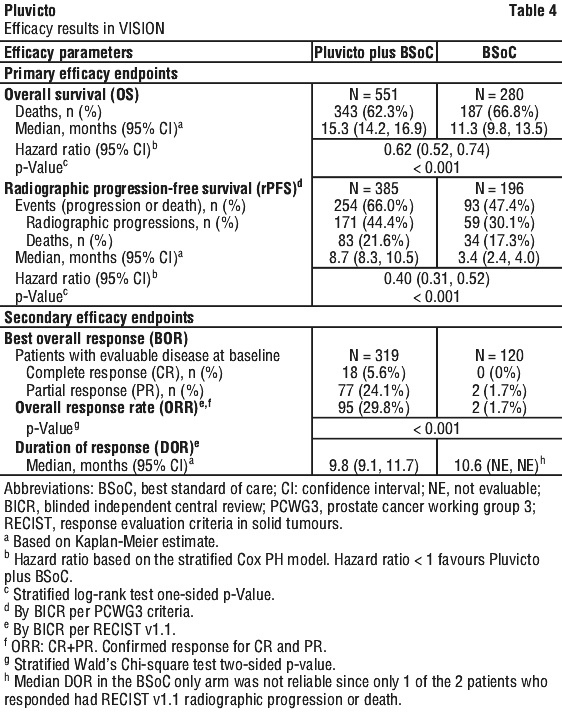
Efficacy results for VISION are presented in Table 4 and Figures 1 and 2. The final analyses of OS and rPFS were event-driven and conducted after the occurrence of 530 deaths and 347 events, respectively. Treatment with Pluvicto plus BSoC demonstrated a statistically significant improvement in OS and rPFS by BICR compared to treatment with BSoC alone.
5.2 Pharmacokinetic Properties
The pharmacokinetics of lutetium (177Lu) vipivotide tetraxetan have been characterised in 30 patients in the Phase III VISION sub-study.
Absorption. Pluvicto is administered intravenously and is immediately and completely bioavailable.
The geometric mean blood exposure (area under the curve [AUCinf]) for lutetium (177Lu) vipivotide tetraxetan at the recommended dose is 52.3 nanogram.h/mL (geometric mean coefficient of variation [CV] 31.4%). The geometric mean maximum blood concentration (Cmax) for lutetium (177Lu) vipivotide tetraxetan at the recommended dose is 6.58 nanogram/mL (CV 43.5%).
Distribution. The geometric mean volume of distribution (Vz) for lutetium (177Lu) vipivotide tetraxetan is 123 L (CV 78.1%).
Vipivotide tetraxetan and non-radioactive lutetium (175Lu) vipivotide tetraxetan are each 60% to 70% bound to human plasma proteins.
Organ uptake. The biodistribution of lutetium (177Lu) vipivotide tetraxetan shows primary uptake in lacrimal glands, salivary glands, kidneys, urinary bladder wall, liver, small intestine, and large intestine (left and right colon).
Elimination. The geometric mean clearance (CL) for lutetium (177Lu) vipivotide tetraxetan is 2.04 L/h (CV 31.5%).
Half-life. Pluvicto shows a bi-exponential elimination with a geometric mean terminal elimination half-life (T½) of 41.6 hours (CV 68.8%).
Metabolism. Lutetium (177Lu) vipivotide tetraxetan does not undergo hepatic or renal metabolism.
Excretion. Lutetium (177Lu) vipivotide tetraxetan is primarily eliminated renally.
Special populations. Use in the elderly. Of the 529 patients who received at least one dose of Pluvicto plus BSoC in the VISION study, 387 patients (73%) were 65 years or older and 143 patients (27%) were 75 years or older.
Age/body weight. No clinically significant effects on the pharmacokinetic parameters of lutetium (177Lu) vipivotide tetraxetan were identified for the following covariates assessed in 30 patients in the Phase III VISION sub-study: age (median: 67 years; range: 52 to 80 years) and body weight (median: 88.8 kg; range: 63.8 to 143.0 kg).
Renal impairment. Exposure (AUC) of lutetium (177Lu) vipivotide tetraxetan increased by 20% in patients with mild renal impairment compared to normal renal function. Kidney dosimetry half-life also increased in patients with mild renal impairment compared to normal renal function, 51 hours vs. 37 hours, respectively. Patients with mild or moderate renal impairment may be at greater risk of toxicity (see Section 4.4 Special Warnings and Precautions for Use). No pharmacokinetic data are available for patients with moderate to severe renal impairment with baseline CLcr < 50 mL/min or end-stage renal disease.
5.3 Preclinical Safety Data
Genotoxicity. Mutagenicity studies have not been carried out with lutetium (177Lu) vipivotide tetraxetan; however, radiation is a mutagen.
Carcinogenicity. Long-term carcinogenicity studies have not been carried out with lutetium (177Lu) vipivotide tetraxetan; however, radiation is a carcinogen.
6 Pharmaceutical Particulars
6.1 List of Excipients
Acetic acid, sodium acetate, gentisic acid, sodium ascorbate, pentetic acid, water for injections.
6.2 Incompatibilities
This medicinal product must not be mixed with other medicinal products except those mentioned in Section 4.2 Dose and Method of Administration.
6.3 Shelf Life
120 hours (5 days) from the date and time of calibration.
6.4 Special Precautions for Storage
Store below 30°C. Do not freeze.
Store in the original package to protect from ionising radiation (lead shielding).
Storage of radiopharmaceuticals should be in accordance with national regulations on radioactive materials.
Do not use Pluvicto after the expiry date and time which are stated on the label after EXP.
6.5 Nature and Contents of Container
Pluvicto is supplied in a clear, colourless type I glass vial, closed with a bromobutyl rubber stopper and aluminum seal.
Each vial contains a volume of solution that can range from 7.5 mL to 12.5 mL corresponding to a radioactivity of 7,400 MBq ± 10% at the date and time of administration.
The vial is enclosed within a lead container for protective shielding.
6.6 Special Precautions for Disposal
This medicinal product contains radioactive material that must be handled and disposed of responsibly. See Section 4.2 Dose and Method of Administration, Important safety instructions.
Disposal of any unused product or waste must be in compliance with institutional guidelines developed in accordance with the Federal Australian Radiation Protection and Nuclear Safety Agency (ARPANSA) code of practice and the relevant state or territory regulations.
Lutetium-177 for Pluvicto is prepared using a stable nuclide ytterbium-176 ("non-carrier added") which should be considered during waste management.
6.7 Physicochemical Properties
Chemical structure. The molecular formula is C49H68177LuN9O16. The relative molecular mass is 1216.06 g/mol. The chemical structure is shown below:
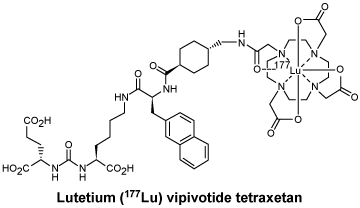
The drug substance 177Lu-PSMA-617 is produced as an aqueous concentrated solution by radiolabelling of the chemical precursor vipivotide tetraxetan (PSMA-617) with 177Lu chloride radioactive starting material. It is clear, colourless to slightly yellow in appearance.
7 Medicine Schedule (Poisons Standard)
Schedule 4 - Prescription only medicine.
Date of First Approval
17 July 2024
Date of Revision
23 July 2025
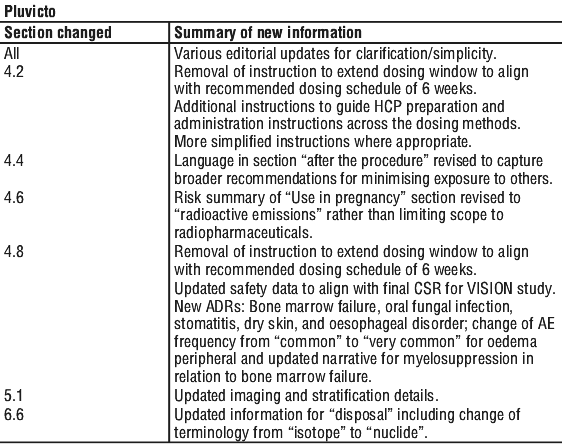
Summary Table of Changes
Reasonable care is taken to provide accurate information at the time of creation. This information is not intended as a substitute for medical advice and should not be exclusively relied on to manage or diagnose a medical condition. The Australian Commission on Safety and Quality in Health Care disclaims all liability (including for negligence) for any loss, damage, injury or any other negative effects resulting from reliance on or use of this information. Read our full disclaimer. This website uses cookies. Read our privacy policy.