
Premarin
Brand Information
| Brand name | Premarin |
| Active ingredient | Conjugated estrogens, Conjugated estrogens |
| Schedule | S4 |
Consumer Medicine Information (CMI) leaflet
Please read this leaflet carefully before you start using the Premarin.
Summary CMI
PREMARIN®
Consumer Medicine Information (CMI) summary
The full CMI on the next page has more details. If you are worried about using this medicine, speak to your doctor or pharmacist.
WARNING: Important safety information is provided in a boxed warning in the full CMI. Read before using this medicine.
1. Why am I taking PREMARIN?
PREMARIN contains the active ingredient conjugated estrogens. PREMARIN is used to relieve symptoms or discomfort during or after menopause. It is also used to prevent thinning of the bones (osteoporosis) and to treat women where the ovary does not function properly or has been removed.
For more information, see Section 1. Why am I taking PREMARIN? in the full CMI.
2. What should I know before I take PREMARIN?
Do not take if you have ever had an allergic reaction to conjugated estrogens, any other similar medicines such as Menopausal Hormonal Therapy medicines or oral contraceptives ("birth control pills"), or any of the ingredients listed at the end of the CMI.
Talk to your doctor if you have any other medical conditions, take any other medicines, or are pregnant or plan to become pregnant or are breastfeeding.
For more information, see Section 2. What should I know before I take PREMARIN? in the full CMI.
3. What if I am taking other medicines?
Some medicines may interfere with PREMARIN and affect how it works.
A list of these medicines is in Section 3. What if I am taking other medicines? in the full CMI.
4. How do I take PREMARIN?
- For prevention of osteoporosis, take one tablet daily. For symptoms of menopause, take one or two tablets daily. For women without fully functioning ovaries, take as directed by your doctor.
- Swallow the tablets whole with a full glass of water. Do not divide, crush, chew, or dissolve the tablet in your mouth.
More instructions can be found in Section 4. How do I take PREMARIN? in the full CMI.
5. What should I know while taking PREMARIN?
| Things you should do |
|
| Things you should not do |
|
| Driving or using machines |
|
| Drinking alcohol |
|
| Looking after your medicine |
|
For more information, see Section 5. What should I know while taking PREMARIN? in the full CMI.
6. Are there any side effects?
Side effects include: abnormal bleeding or spotting in your underwear; period-like pain or pelvic pain; changes to your vaginal discharge; sore, swollen or irritated breasts; lumps in your breast; weight changes; acne or rash; changes to your mood. Serious side effects include: signs of a stroke, heart attack or blood clot, sudden partial or complete vision loss.
For more information, including what to do if you have any side effects, see Section 6. Are there any side effects? in the full CMI.
Full CMI
WARNING:
Endometrial cancer
• Let your doctor know if you experience persistent or recurring abnormal vaginal bleeding with use of PREMARIN that has not been previously diagnosed. Your doctor will conduct necessary investigations to rule out endometrial cancer.
Heart or blood vessel disease and other risks
• PREMARIN should not be used for prevention of heart disease or dementia.
• The use of PREMARIN may increase your risk of stroke, blood clots or dementia over time.
• The use of PREMARIN in combination with a progestogen may increase your risk of heart attack, stroke, breast cancer, blood clots or dementia over time.
PREMARIN should be used at the lowest effective dose and the shortest duration of time according to your treatment goals and risks. Your doctor will assess and discuss the risks and benefits of taking this medicine with you.
PREMARIN®
Active ingredient: conjugated estrogens
Consumer Medicine Information (CMI)
This leaflet provides important information about using PREMARIN. You should also speak to your doctor or pharmacist if you would like further information or if you have any concerns or questions about using PREMARIN.
Where to find information in this leaflet:
1. Why am I taking PREMARIN?
2. What should I know before I take PREMARIN?
3. What if I am taking other medicines?
4. How do I take PREMARIN?
5. What should I know while taking PREMARIN?
6. Are there any side effects?
7. Product details
1. Why am I taking PREMARIN?
PREMARIN contains the active ingredient conjugated estrogens. PREMARIN is a type of treatment called menopausal hormone therapy (MHT) (previously known as hormone replacement therapy, HRT) and contains the hormone estrogen in the form known as conjugated estrogens.
PREMARIN is used to relieve the discomfort many women feel during and after menopause, including symptoms such as "hot flushes", sweating and vaginal dryness. It helps to prevent thinning of the bones (osteoporosis), which can cause fractures.
PREMARIN is also used to treat women where either the ovary does not function properly or has been removed.
How it works
Menopause occurs naturally in women, typically between the ages of 45 and 55. During menopause, your body produces less estrogen than it did beforehand. This can cause symptoms such as "hot flushes". Some women also have problems with dryness of the vagina causing discomfort during or after sexual intercourse. Some women develop osteoporosis during or after menopause. This is a thinning of the bones making them weaker and more likely to break, especially the bones of the spine, hip and wrist.
Conjugated estrogens are like the hormones produced by the ovaries before menopause. When given during or after menopause, they can help control the symptoms.
Estrogen is used treat women who have had their uterus (womb) removed. If you have not had your uterus removed, you will need to take an estrogen with a progestogen.
2. What should I know before I take PREMARIN?
Warnings
Do not take PREMARIN if:
- you are allergic to conjugated estrogens, any other similar medicines such as other MHT medicines or oral contraceptives ("birth control pill"), or any of the ingredients listed at the end of this leaflet.
Always check the ingredients to make sure you can take this medicine. - you have or have had any of the following medical conditions:
- breast cancer or problems with your breasts that your doctor has not investigated or is in the process of investigating
- endometrial, ovarian or cervical cancer
- abnormal genital bleeding, which your doctor has not investigated or is in the process of investigating.
- a problem with blood clots forming in your blood vessels, such as painful inflammation of the veins (thrombophlebitis) or the blockage of a blood vessel in the legs (deep vein thrombosis or DVT), or lungs (pulmonary embolism)
- heart disease or stroke
- very high blood pressure that is not properly controlled
- liver disease
- blood clotting problems - you are pregnant, or suspect you are pregnant
Check with your doctor if you:
- are allergic to any foods, dyes, preservatives or any other medicines
- have any other medical conditions, including:
- nodules, lumps or cysts in your breasts or any other benign breast condition (not cancer)
- fibroids or other benign tumours of the uterus (not cancer)
- unusual or irregular genital bleeding or spotting
- endometriosis (material similar to the lining of the uterus growing outside the uterus, causing pain or bleeding)
- high blood pressure
- liver problems
- a condition called porphyria
- hearing difficulties
- yellowing of the whites of the eyes or skin (jaundice) during pregnancy or when taking estrogen (e.g. birth control pill or MHT)
- fluid retention or angioedema
- kidney problems
- heart problems
- diabetes
- migraine
- asthma
- epilepsy
- Lupus (systemic lupus erythematosus)
- hereditary angioedema (swelling of the face, lips, tongue or throat that may cause difficulty swallowing or breathing)
- dementia
- gall bladder disease
- a high level of blood fats (triglycerides)
- high or low levels of calcium in the blood
- underactive thyroid gland
- obesity - take any medicines for any other condition
- have had breast cancer, or if anyone in your immediate family has
- have had blood clots in the deep veins of the legs or blood vessels of lungs, a stroke or heart attack, or if anyone in your immediate family has
- are under 18 years of age. PREMARIN should not be used in children.
- If you smoke
During treatment, you may be at risk of developing certain side effects. It is important you understand these risks and how to monitor for them. See additional information under Section 6. Are there any side effects?
Pregnancy and breastfeeding
Do not take this medicine if you are pregnant or think you are pregnant.
You must confirm that you are not pregnant before you take PREMARIN.
Tell your doctor if you are pregnant, intend to become pregnant or become pregnant while taking PREMARIN.
PREMARIN is not a contraceptive. Since pregnancy may be possible early in the menopause, while you are still having menstrual periods, you should ask your doctor about using a non-hormonal method of birth control.
Do not take PREMARIN if you are breastfeeding.
Talk to your doctor if you are breastfeeding or intend to breastfeed.
Estrogens have been found in breast milk and may also reduce the production of breast milk.
PREMARIN will not help to restore fertility.
Starting PREMARIN
- You must have a thorough medical check-up before starting PREMARIN for the first time or if you are taking it again after a break.
- MHT should only be used if you have been fully informed of the risks.
- The decision to use MHT should be based on your particular needs and health and made after a careful medical evaluation.
3. What if I am taking other medicines?
Tell your doctor or pharmacist if you are taking any other medicines, including any medicines, vitamins or supplements that you buy without a prescription from your pharmacy, supermarket or health food shop.
Some medicines may interfere with PREMARIN and affect how it works.
Medicines that may reduce the effect of PREMARIN include:
- herbal medicines containing St John's Wort
- medicines for epilepsy such as phenytoin, phenobarbitone and carbamazepine
- antibiotics such as rifampicin
- corticosteroids such as dexamethasone
Medicines that may cause increase side effects when taken with PREMARIN include:
- cimetidine
- antibiotics such as erythromycin and clarithromycin
- anti-fungal agents such as ketoconazole and itraconazole
- thyroid replacement therapy
- ritonavir, a medicine used for the treatment of HIV infection
- cyclosporin, a medicine used to prevent organ rejection.
PREMARIN may reduce the effect of other medicines including:
- lamotrigine, a medicine used for epilepsy
- medicines used to treat high blood pressure
- some medicines used for depression, anxiety or other psychiatric conditions, such as tricyclic antidepressants, diazepam and phenothiazines.
- corticosteroids
- theophylline, used for asthma and other lung conditions
Grapefruit juice may also affect how well PREMARIN works and PREMARIN may have an effect on caffeine.
Check with your doctor or pharmacist if you are not sure about what medicines, vitamins or supplements you are taking and if these affect PREMARIN.
4. How do I take PREMARIN?
How much to take
- For prevention of osteoporosis, take one tablet daily.
- For symptoms of menopause, take one or two tablets daily, as instructed by your doctor.
- For women without fully-functioning ovaries, your doctor will prescribe PREMARIN according to your needs. The dose may be higher or lower than that prescribed for the treatment of menopause symptoms.
- For women with a uterus, your doctor will also prescribe a progestogen tablet to be taken with your PREMARIN. For some women with a history of endometriosis, who have had a hysterectomy, a progestogen may also be needed. Your doctor will advise you.
When to take PREMARIN
- PREMARIN should be taken at the same time each day, or as advised by your doctor.
- It does not matter if you take PREMARIN before or after food.
Taking PREMARIN for the first time
- If you are not already using any type of MHT you can start PREMARIN on any convenient day. If you do not have predictable periods, then start PREMARIN on a Monday as this matches the directions on the calendar pack.
- If you are already using a different type of MHT, your doctor can advise you when to start PREMARIN.
How to take PREMARIN
- Swallow tablets whole with a full glass of water. Do not divide, crushed, chew, or dissolve the tablet in your mouth.
- Take all tablets in a blister pack before starting a new pack.
- Follow the instructions provided and use PREMARIN until your doctor tells you to stop.
If you forget to take PREMARIN
PREMARIN should be taken regularly at the same time each day, or as advised by your doctor.
If you miss your dose at the usual time and more than 12 hours has passed, skip the dose you missed and take your next dose when you are meant to.
Do not take a double dose to make up for the dose you missed.
If less than 12 hours has passed from the time you normally take PREMARIN, take the missed tablet and then take the next tablet at the usual time.
If you take too much PREMARIN
If you think that you have taken too much PREMARIN, you may need urgent medical attention.
You should immediately:
- phone the Poisons Information Centre
(by calling 13 11 26), or - contact your doctor, or
- go to the Emergency Department at your nearest hospital.
You should do this even if there are no signs of discomfort or poisoning.
Symptoms of an overdose may include:
- feeling sick or vomiting
- dizziness
- feeling sleepy or tired
- breast tenderness
- stomach pain
- women may also experience vaginal bleeding
5. What should I know while taking PREMARIN?
Things you should do
- Talk regularly with your doctor about whether you still need treatment with PREMARIN.
Treatment with estrogens, with or without progestogens should be used at the lowest effective dose and for the shortest period of time. - Check your breasts regularly. Your doctor or nurse can show you how to check your breasts properly. If you notice any changes to your breasts, see your doctor.
- Include foods that are good sources of calcium and vitamin D in your daily diet, and exercise regularly.
Calcium, vitamin D and exercise may help prevent thinning of the bones. Your doctor can advise you on which foods and types of exercise are best for you.
Tell your doctor if you:
- need to have blood tests. PREMARIN can affect the results of some tests, including hormone and liver function tests.
- are planning for any hospitalisation or surgery. Tell your doctor well in advance (at least 4 to 6 weeks).
- go to hospital unexpectedly. Tell the doctor who admits you that you are taking PREMARIN.
The risk of developing blood clots in your blood vessels may be temporarily increased as a result of an operation, serious injury or having to stay in bed for a prolonged period. - have any breakthrough bleeding or spotting, which persists after 2 to 3 months of treatment with PREMARIN.
Breakthrough bleeding or spotting may occur during the first few months of treatment and then stop. However, if the bleeding continues, your doctor may wish to check why it is happening. - experience symptoms such as pressure, discomfort or pain in your stomach or pelvis; swollen or bloated stomach; appetite loss; changes in toilet habits (e.g., constipation, diarrhoea, weeing (passing urine) more frequently, increased flatulence); heartburn and nausea; tiredness; unexplained weight loss or weight gain, especially if these symptoms are new for you or continue for a few weeks.
Having these symptoms does not necessarily mean you have ovarian cancer, but it is best to have a check-up. Your doctor will physically check your pelvic organs and conduct blood tests, to rule out ovarian cancer. - experience any abnormal problems with your vision
Call your doctor straight away if you:
- Become pregnant while taking PREMARIN. PREMARIN should not be taken while you are pregnant.
Remind any doctor, dentist or pharmacist you visit that you are using PREMARIN.
Things you should not do
- PREMARIN should not be taken, either alone or with a progestogen, to prevent heart attacks, stroke or dementia. Your doctor will advise you.
- Do not take PREMARIN to treat any other complaints unless your doctor tells you to.
- Do not give your medicine to anyone else even if they have the same condition as you.
- Do not stop taking PREMARIN or change the dosage without checking with your doctor.
See your doctor regularly
See your doctor at least every six months for a checkup. Some women may need to go more often.
Your doctor will at regular intervals:
- check your breasts
- send you to have a mammogram
- check your uterus and cervix
- do a Pap smear
- check your blood pressure.
Your doctor may also take blood to check your blood fats, sugar levels and liver function.
This helps to monitor for any unwanted effects of MHT.
If you have used PREMARIN as MHT for 5 or more years, there may be a slight increase in risk of you developing ovarian cancer.
Driving or using machines
Be careful before you drive or use any machines or tools until you know how PREMARIN affects you.
PREMARIN may cause dizziness in some people
Drinking alcohol
No information available.
Looking after your medicine
- Keep your tablets where the temperature stays below 25°C.
- Keep your tablets in the blister pack until it is time to take them. If you take them out of the blister, they may not keep well.
Follow the instructions in the carton on how to take care of your medicine properly.
Store it in a cool dry place away from moisture, heat or sunlight; for example, do not store it:
- in the bathroom or near a sink, or
- in the car or on window sills.
Keep it where young children cannot reach it.
Getting rid of any unwanted medicine
If you no longer need to take this medicine or it is out of date, take it to any pharmacy for safe disposal.
Do not take this medicine after the expiry date.
6. Are there any side effects?
All medicines can have side effects. If you do experience any side effects, most of them are minor and temporary. However, some side effects may need medical attention.
See the information below and, if you need to, ask your doctor or pharmacist if you have any further questions about side effects.
Side effects
| Side effects | What to do |
Changes to your vaginal discharge:
| Speak to your doctor if you have any of these side effects and they worry you. |
Symptoms of an allergic reaction:
| Call your doctor straight away, or go straight to the Emergency Department at your nearest hospital if you notice any of these serious side effects. |
Tell your doctor or pharmacist if you notice anything else that may be making you feel unwell.
Other side effects not listed here may occur in some people.
Ovarian Cancer
Clinical trials have reported a slight increase in risk of ovarian cancer in women aged between 50-54 years old when PREMARIN alone or in combination with a progestogen is taken for over 5 years.
Reporting side effects
After you have received medical advice for any side effects you experience, you can report side effects to the Therapeutic Goods Administration online at www.tga.gov.au/reporting-problems. By reporting side effects, you can help provide more information on the safety of this medicine.
Always make sure you speak to your doctor or pharmacist before you decide to stop taking any of your medicines.
7. Product details
This medicine is only available with a doctor's prescription.
What PREMARIN contains
| Active ingredient (main ingredient) | conjugated estrogens
|
| Other ingredients (inactive ingredients) |
PREMARIN 0.3 mg tablets also contain Opadry green. PREMARIN 0.625 mg tablets also contain Opadry maroon. |
| Potential allergens |
PREMARIN 0.625 mg tablets only:
|
Do not take this medicine if you are allergic to any of these ingredients.
PREMARIN does not contain gluten or tartrazine.
What PREMARIN looks like
PREMARIN 0.3 mg tablets are dark green and are marked "0.3", provided in blister packs.
AUST R 177673
PREMARIN 0.625 mg tablets are maroon (dark red) and are marked "0.625", provided in blister packs.
AUST R 177674
Who distributes PREMARIN
Pfizer Australia Pty Ltd
Sydney NSW
Toll Free Number: 1800 675 229
www.pfizermedicalinformation.com.au
This leaflet was prepared in September 2025.
Brand Information
| Brand name | Premarin |
| Active ingredient | Conjugated estrogens, Conjugated estrogens |
| Schedule | S4 |
MIMS Revision Date: 01 March 2025
Cardiovascular and other risks. Estrogens with or without progestogens should not be used for the prevention of cardiovascular disease or dementia (see Section 5.1 Pharmacodynamic Properties, Clinical trials; Section 4.4 Special Warnings and Precautions for Use, Cardiovascular risk, Dementia).
The estrogen alone substudy of the Women's Health Initiative (WHI) study reported increased risks of stroke and deep vein thrombosis in postmenopausal women (50 to 79 years of age) during 7.1 years of treatment with conjugated estrogens (CE 0.625 mg) relative to placebo (see Section 5.1 Pharmacodynamic Properties, Clinical trials; Section 4.4 Special Warnings and Precautions for Use, Cardiovascular risk).
The estrogen plus progestogen substudy of the WHI reported increased risks of myocardial infarction, stroke, invasive breast cancer, pulmonary emboli and deep vein thrombosis in postmenopausal women (50 to 79 years of age) during 5.6 years of treatment with conjugated estrogens combined with medroxyprogesterone acetate (CE 0.625 mg/MPA 2.5 mg) relative to placebo (see Section 5.1 Pharmacodynamic Properties, Clinical trials; Section 4.4 Special Warnings and Precautions for Use, Cardiovascular risk, Malignant neoplasms, Breast cancer).
The Women's Health Initiative Memory Study (WHIMS), a substudy of WHI, reported increased risk of developing probable dementia in postmenopausal women 65 years of age or older during 5.2 years of treatment with CE alone and during 4 years of treatment with CE/MPA relative to placebo. It is unknown whether this finding applies to younger postmenopausal women (see Section 5.1 Pharmacodynamic Properties, Clinical trials; Section 4.4 Special Warnings and Precautions for Use, Dementia, Use in the elderly).
Other doses of CE and MPA and other combinations and dosage forms of estrogens and progestogens were not studied in the WHI clinical trials and, in the absence of comparable data, these risks should be assumed to be similar. Because of these risks, estrogens with or without progestogens should be prescribed at the lowest effective doses and for the shortest duration consistent with treatment goals and risks for the individual woman.
1 Name of Medicine
Conjugated estrogens.
2 Qualitative and Quantitative Composition
Premarin 0.3 mg tablets contain 0.3 mg conjugated estrogens as the active ingredient.
Premarin 0.625 mg tablets contain 0.625 mg conjugated estrogens as the active ingredient.
Excipient(s) with known effect. Premarin tablets contain sugars (lactose monohydrate, sucrose).
For the full list of excipients, see Section 6.1 List of Excipients.
3 Pharmaceutical Form
Film coated tablet.
The 0.3 mg tablets are dark green and marked "0.3".
The 0.625 mg tablets are maroon and marked "0.625".
4 Clinical Particulars
4.1 Therapeutic Indications
Estrogens with or without progestogens should be prescribed at the lowest effective doses and for the shortest duration consistent with treatment goals and risks for the individual woman.
Premarin is indicated as replacement therapy for estrogen deficiency states associated with climacteric manifested by:
Moderate to severe vasomotor symptoms associated with the estrogen deficiency in natural and surgical menopause (sweating, hot flushes).
Periodic re-evaluation with a view to short-term treatment is recommended.
Atrophic vaginitis.
When prescribing solely for the treatment of symptoms of vaginal atrophy, topical vaginal products should be considered.
There is no evidence that estrogens are effective for anxiety or depression without associated vasomotor symptoms, and they should not be used to treat such conditions.
Premarin is indicated for the prevention of postmenopausal osteoporosis in select patients.
When prescribed solely for the prevention of postmenopausal osteoporosis, therapy should only be prescribed for women who are at high risk of osteoporosis and future fracture and who are intolerant of, or contraindicated for, nonestrogen products approved for prevention of osteoporosis. Lifestyle modifications and the risk benefit profile of Premarin should be taken into careful consideration and discussed with the patient, to allow the patient to make an informed decision prior to prescribing (see Section 4.4 Special Warnings and Precautions for Use; Section 4.2 Dose and Method of Administration).
Hypoestrogenic states, e.g. female hypogonadism, primary ovarian failure or female castration.
See Boxed Warnings, particularly when considering Premarin for long-term usage.
4.2 Dose and Method of Administration
Continuous daily administration of Premarin is generally recommended.
Physicians should advise their patients that the tablets should be swallowed whole. The tablets should not be divided, crushed, chewed, or dissolved in the mouth.
Patients should be re-evaluated periodically to determine if treatment for symptoms is still necessary. See Boxed Warnings, particularly when considering Premarin for long-term usage.
For women with an intact uterus, when indicated for climacteric symptoms or prevention of postmenopausal osteoporosis, it is recommended that a progestogen is administered (see Section 4.4 Special Warnings and Precautions for Use, Malignant neoplasms). For continuous Premarin administration, a progestogen should be added for at least 10-14 consecutive days each month. In some cases, hysterectomised women with a history of endometriosis may need a progestogen (see Section 4.4 Special Warnings and Precautions for Use, Exacerbation of other conditions).
If Premarin is administered cyclically (i.e. 21 days out of 28 days), it is recommended that the progestogen is added for the last 10-14 days of the estrogen course.
Climacteric symptoms. For treatment of moderate to severe vasomotor symptoms and atrophic vaginitis associated with the menopause, the lowest dose that will control symptoms should be chosen.
Vasomotor symptoms: 0.3 mg to 1.25 mg daily.
Atrophic vaginitis: 0.3 mg to 1.25 mg daily, depending upon the tissue responses of the individual patient.
Prevention of postmenopausal osteoporosis. 0.3 mg-0.625 mg daily.
The mainstays for decreasing the risk of postmenopausal osteoporosis are weight bearing exercise, adequate calcium and vitamin D intake and, when indicated, pharmacological therapy. Postmenopausal women require an adequate daily intake of elemental calcium. Therefore when not contraindicated, calcium supplementation may be helpful for women with suboptimal dietary intake. Vitamin D supplementation may also be required to ensure adequate daily intake in postmenopausal women.
Hypoestrogenism. Female hypogonadism. 2.5 to 7.5 mg daily, in divided doses for 20 days, followed by a rest period of 10 days duration. If bleeding does not occur by the end of this period, the same dosage schedule is repeated. The number of courses of estrogen therapy necessary to produce bleeding may vary depending on the responsiveness of the endometrium.
If bleeding occurs before the end of the 10 day period, begin a 20 day estrogen/ progestogen cyclic regimen with Premarin 2.5 to 7.5 mg daily in divided doses. During the last five days of estrogen therapy, give an oral progestogen. If bleeding occurs before this regimen is concluded, therapy is discontinued and may be resumed on the fifth day of bleeding.
Female castration and primary ovarian failure. 0.3 to 1.25 mg daily. Adjust dosage according to severity of symptoms and response of the patient.
4.3 Contraindications
Premarin is contraindicated in patients with:
Known or suspected pregnancy.
Known, suspected or history of breast cancer.
Known or suspected estrogen dependent neoplasia (e.g. endometrial cancer, endometrial hyperplasia).
Undiagnosed abnormal genital bleeding.
Active or history of confirmed venous thromboembolism (such as deep venous thrombosis, pulmonary embolism).
Active or history of arterial thromboembolic disease (e.g. stroke, myocardial infarction).
Severe uncontrolled hypertension.
Other undiagnosed breast pathology.
Active or chronic liver dysfunction or disease.
Known thrombophilic disorders (e.g. protein C, protein S or antithrombin deficiency).
Known or suspected hypersensitivity to CE or any excipients in the tablet.
4.4 Special Warnings and Precautions for Use
The benefits and risks of estrogen therapy must always be carefully weighed, including consideration of the emergence of risks as therapy continues. Estrogen therapy or hormone replacement therapy (now referred to as Menopausal Hormone Therapy, MHT) should not be initiated or continued to prevent cardiovascular disease or dementia.
Physical examination. A complete medical and family history should be obtained prior to initiating or reinstating any estrogen therapy. Pretreatment and subsequent physical examinations should include special reference to blood pressure, breasts, abdomen and pelvic organs including histological endometrial assessment, when indicated and papanicolaou smear. Before starting treatment pregnancy should be excluded. Periodic checkups and careful benefit/ risk evaluations should be undertaken in women treated with estrogen therapy.
Combined estrogen and progestogen therapy. There are additional and/or increased risks that may be associated with the use of combination estrogen progestogen therapy compared with using estrogen alone regimens. These include an increased risk of myocardial infarction, pulmonary embolism, invasive breast cancer and ovarian cancer (see Section 5.1 Pharmacodynamic Properties, Clinical trials).
Cardiovascular risk. An increased risk of stroke and deep vein thrombosis has been reported with estrogen alone therapy.
An increased risk of stroke, deep vein thrombosis, pulmonary embolism, and myocardial infarction has been reported with estrogen progestogen therapy.
The physician should be aware of the possibility of thrombotic disorders (including thrombophlebitis, retinal thrombosis, cerebral embolism and pulmonary embolism) during estrogen therapy and alert to their earliest manifestations.
Should any of these events occur or be suspected, estrogens with or without progestogens should be discontinued immediately.
Patients who have risk factors for thrombotic disorders should be kept under careful observation.
Risk factors for arterial vascular disease (e.g. hypertension, diabetes mellitus, tobacco use, hypercholesterolaemia and obesity) and/or venous thromboembolism (e.g. personal history or family history of venous thromboembolism, obesity and systemic lupus erythematosus) should be managed appropriately.
Stroke. In the estrogen alone substudy of the WHI, a statistically significant increased risk of stroke was observed in women receiving CE 0.625 mg daily compared to women receiving placebo (45 vs. 33 per 10,000 woman years). The increase in risk was observed in year 1 and persisted. Should a stroke occur or be suspected, estrogens should be discontinued immediately (see Section 5.1 Pharmacodynamic Properties, Clinical trials).
In the estrogen plus progestogen substudy of the WHI, a statistically significant increased risk of stroke was reported in women receiving CE 0.625 mg/MPA 2.5 mg daily compared to women receiving placebo (31 vs. 24 per 10,000 woman years). The increase in risk was demonstrated after the first year and persisted (see Section 5.1 Pharmacodynamic Properties, Clinical trials).
Patients who are at risk of developing migraines with aura may be at risk of ischemic stroke and should be kept under careful observation.
Coronary heart disease. In the estrogen alone substudy of the WHI, no overall effect on coronary heart disease events (defined as nonfatal myocardial infarction, silent myocardial infarction, or death due to coronary heart disease) was reported in women receiving estrogen alone compared to placebo (see Section 5.1 Pharmacodynamic Properties, Clinical trials).
In the estrogen plus progestogen substudy of the WHI, no statistically significant increase of coronary heart disease events was reported in women receiving CE/MPA compared to women receiving placebo (39 vs. 33 per 10,000 woman years). An increase in the relative risk was demonstrated in year 1, and a trend towards decreasing relative risk was reported in years two through five.
Venous thromboembolism (VTE). In the estrogen alone substudy of the WHI study, the risk of VTE (deep vein thrombosis and pulmonary embolism) was reported to be increased for women taking CE (30 vs. 22 per 10,000 woman years), although only the increased risk of deep vein thrombosis reached statistical significance (23 vs. 15 per 10,000 woman years). The increase in VTE risk was demonstrated during the first two years. Should a VTE occur or be suspected, estrogens should be discontinued immediately (see Section 5.1 Pharmacodynamic Properties, Clinical trials).
In the estrogen plus progestogen substudy of WHI, a statistically significant 2-fold greater rate of VTE was reported in women receiving CE/MPA compared to women receiving placebo (35 vs. 17 per 10,000 woman years). Statistically significant increases in risk for both DVT (26 vs. 13 per 10,000 woman years) and PE (18 vs. 8 per 10,000 woman years) were also demonstrated. The increase in VTE risk was demonstrated during the first year and persisted.
If feasible, estrogens should be discontinued at least four to six weeks before surgery of the type associated with increased risk of thromboembolism or during periods of prolonged immobilisation.
Malignant neoplasms. Breast cancer. Studies involving the use of estrogens by postmenopausal women have reported inconsistent results on the risk of breast cancer. The most important randomised clinical trial providing information about this issue is the WHI. In the estrogen alone substudy of WHI, after an average of 7.1 years of follow-up, CE 0.625 mg daily was not associated with an increased risk of invasive breast cancer (relative risk [RR] 0.80, 95% normal confidence interval [nCI] 0.62-1.04) (see Section 5.1 Pharmacodynamic Properties, Clinical trials).
In the estrogen plus progestogen substudy, after a mean follow-up of 5.6 years, the WHI substudy reported an increased risk of breast cancer. In this substudy, prior use of estrogen alone or estrogen plus progestogen combination MHT was reported by 26% of the women. The relative risk of invasive breast cancer was 1.24 (95% nCI 1.01-1.54) and the absolute risk was 41 vs. 33 cases per 10,000 woman years for estrogen plus progestogen compared with placebo, respectively. Among women who reported prior use of MHT, the relative risk of invasive breast cancer was 1.86 and the absolute risk was 46 vs. 25 cases per 10,000 woman years for estrogen plus progestogen compared with placebo. Among women who reported no prior use of MHT, the relative risk of invasive breast cancer was 1.09 and the absolute risk was 40 vs. 36 cases per 10,000 woman years for estrogen plus progestogen compared with placebo.
In the same substudy, invasive breast cancers were larger and diagnosed at a more advanced stage in the estrogen plus progestogen group compared with the placebo group. Metastatic disease was rare with no apparent difference between the two groups. Other prognostic factors such as histological subtype, grade and hormone receptor status did not differ between the groups (see Section 5.1 Pharmacodynamic Properties, Clinical trials).
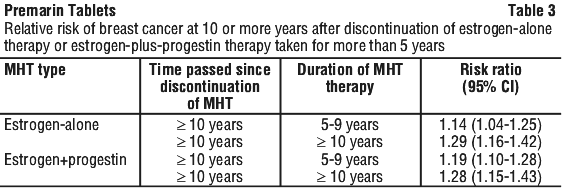
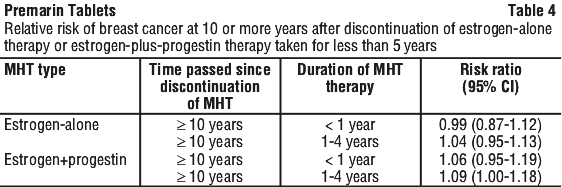
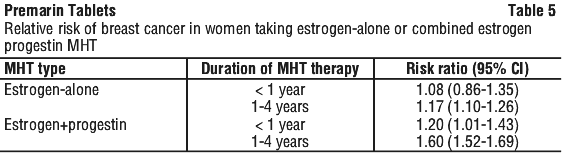
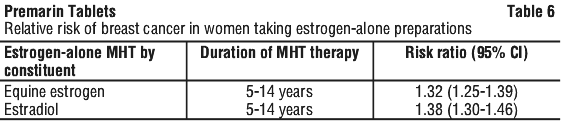
Some observational studies have reported an increased risk of breast cancer for estrogen alone therapy after several years of use. The risk increased with duration of use. A large meta-analysis of observational studies reported that when estrogen-alone therapy or estrogen-plus-progestin therapy was taken for more than 5 years, the increased risk of breast cancer may persist for 10 years or more after discontinuation of treatment. The reported risk at 10 years or more after discontinuation of treatment was not increased when therapy was taken for less than 5 years. In current users the increased risk of breast cancer in women taking estrogen-alone or combined estrogen-progestin for MHT becomes apparent after about 1-4 years. The risk did not vary by the type of estrogen in estrogen-alone preparations (see Section 5.1 Pharmacodynamic Properties, Observational studies of breast cancer risk).
The use of estrogen-alone and estrogen-plus-progestogen has been reported to result in an increase in abnormal mammograms requiring further evaluation.
The observational Million Women Study in Europe reported an increased risk of mortality due to breast cancer among current users of estrogens alone or estrogens plus progestogens compared to never users, while the estrogen plus progestogen substudy of WHI showed no effect on breast cancer mortality with a mean follow-up of 5.6 years.
All women should receive yearly breast examinations by a healthcare provider, and perform monthly breast self examinations. In addition, mammography examinations should be scheduled based on patient age, risk factors and prior mammogram results.
Endometrial cancer. The use of unopposed estrogens in women with an intact uterus has been associated with an increased risk of endometrial cancer (see Exacerbation of other conditions).
The reported endometrial cancer risk among unopposed estrogen users is about 2 to 12-fold greater than in nonusers and appears dependent on duration of treatment and on estrogen dose. The greatest risk appears associated with prolonged use, with increased risks of 15 to 24-fold for five to ten years or more, and this risk has been shown to persist for at least 8 to 15 years after estrogen therapy is discontinued.
Clinical surveillance of all women taking estrogen or estrogen plus progestogen combinations is important. Adequate diagnostic measures, including endometrial sampling when indicated, should be undertaken to rule out malignancy in all cases of undiagnosed persistent or recurring abnormal vaginal bleeding. There is no evidence that the use of natural estrogens results in a different endometrial risk profile than synthetic estrogens of equivalent estrogen dose. Adding a progestogen to postmenopausal estrogen therapy has been shown to reduce the risk of endometrial hyperplasia, which may be a precursor to endometrial cancer.
Addition of a progestogen when a woman has not had a hysterectomy. Studies of the addition of a progestogen for 10 or more days of a cycle of estrogen administration or daily with estrogen in a continuous regimen, have reported a lower incidence of endometrial hyperplasia than would be induced by estrogen treatment alone.
There are, however, possible risks that may be associated with the use of progestogens with estrogens compared to estrogen alone regimens. These include a possible increased risk of breast cancer, adverse effects on lipoprotein metabolism (e.g. lowering HDL, raising LDL) and impairment of glucose tolerance (see Section 5.1 Pharmacodynamic Properties, Clinical trials; Section 4.4 Special Warnings and Precautions for Use, Combined estrogen and progestogen therapy).
Ovarian cancer. Ovarian cancer is much rarer than breast cancer.
Epidemiological evidence from a large meta-analysis suggests a slightly increased risk in women taking estrogen-only or combined estrogen-progestogen MHT, which becomes apparent within 5 years of use and diminishes over time after stopping.
Some other studies, including the WHI trial, suggest that the long-term use of combined MHTs may be associated with a similar or slightly smaller risk.
Dementia. In the estrogen alone Women's Health Initiative Memory Study (WHIMS), a substudy of WHI, a population of 2,947 hysterectomised women aged 65 to 79 years was randomised to CE 0.625 mg daily or placebo. In the estrogen plus progestogen WHIMS substudy, a population of 4,532 postmenopausal women aged 65 to 79 years was randomised to CE 0.625 mg/MPA 2.5 mg daily or placebo.
In the estrogen alone substudy, after an average follow-up of 5.2 years, 28 women in the estrogen alone group and 19 women in the placebo group were diagnosed with probable dementia. The relative risk of probable dementia for CE alone vs. placebo was 1.49 (95% CI 0.83-2.66). The absolute risk of probable dementia for CE alone vs. placebo was 37 vs. 25 cases per 10,000 woman years (see Section 5.1 Pharmacodynamic Properties, Clinical trials).
In the estrogen plus progestogen substudy, after an average follow-up of four years, 40 women in the estrogen plus progestogen group and 21 women in the placebo group were diagnosed with probable dementia. The relative risk of probable dementia for estrogen plus progestogen vs. placebo was 2.05 (95% CI 1.21-3.48). The absolute risk of probable dementia for CE/MPA vs. placebo was 45 vs. 22 cases per 10,000 woman years (see Section 5.1 Pharmacodynamic Properties, Clinical trials).
When data from the two populations were pooled as planned in the WHIMS protocol, the reported overall relative risk for probable dementia was 1.76 (95% CI 1.19-2.60). Since both substudies were conducted in women aged 65 to 79 years, it is unknown whether these findings apply to younger postmenopausal women (see Boxed Warnings; see Section 4.4 Special Warnings and Precautions for Use, Use in the elderly).
Gall bladder disease. A 2 to 4-fold increase in the risk of gall bladder disease requiring surgery in postmenopausal women receiving estrogens has been reported.
Uterine bleeding. Certain patients may develop abnormal uterine bleeding (see Endometrial cancer).
Fluid retention. Because estrogens may cause some degree of fluid retention, patients with conditions that might be influenced by this factor, such as cardiac or renal dysfunction, warrant careful observation when estrogens are prescribed.
Exacerbation of other conditions. Estrogen therapy may cause an exacerbation of asthma, epilepsy, migraine with or without aura, diabetes mellitus, otosclerosis, porphyria, systemic lupus erythematosus and hepatic haemangioma and should be used with caution in women with these conditions.
Endometriosis may be exacerbated with administration of estrogen therapy. Malignant transformation of residual endometrial implants have been reported in women treated posthysterectomy with estrogen alone therapy. For patients known to have residual endometriosis posthysterectomy, the addition of progestogen should be considered.
Elevated blood pressure. In a small number of case reports, substantial increases in blood pressure have been attributed to idiosyncratic reactions to estrogens. In a large, randomised, placebo controlled clinical trial a generalised effect of estrogen therapy on blood pressure was not seen. Blood pressure should be monitored at regular intervals during estrogen use.
Use in hepatic impairment. Estrogens may be poorly metabolised in patients with impaired liver function (see Section 4.3 Contraindications).
History of cholestatic jaundice. For patients with a history of cholestatic jaundice associated with past estrogen use or with pregnancy, caution should be exercised and, in the case of recurrence, medication should be discontinued.
Angioedema. Exogenous estrogens may induce or exacerbate symptoms of angioedema, particularly in women with hereditary angioedema.
Hypercalcaemia. Estrogen administration may lead to severe hypercalcaemia in patients with breast cancer and bone metastases. If hypercalcaemia occurs, use of the medication should be stopped and appropriate measures taken to reduce the serum calcium level.
Hypocalcaemia. Estrogens should be used with caution in patients with severe hypocalcaemia.
Hypothyroidism. Estrogen administration leads to increased thyroid binding globulin (TBG) levels. Patients with normal thyroid function can compensate for the increased TBG by making more thyroid hormone, thus maintaining free T4 and T3 serum concentrations in the normal range. Patients dependent on thyroid hormone replacement therapy who are receiving estrogens may require increased doses of their thyroid hormone replacement therapy. These patients should have their thyroid function monitored in order to maintain their free thyroid hormone levels in an acceptable range.
Visual abnormalities. Retinal vascular thrombosis has been reported in patients receiving estrogens. Discontinue medication pending examination if there is sudden partial or complete loss of vision, or a sudden onset of proptosis, diplopia or migraine. If examination reveals papilloedema or retinal vascular lesions, estrogens should be discontinued.
Hypertriglyceridaemia. In patients with pre-existing hypertriglyceridaemia, estrogen therapy may be associated with elevations of plasma triglycerides leading to pancreatitis and other complications. Consider discontinuation of treatment if pancreatitis occurs.
In the HOPE study, the mean percent increase from baseline in serum triglycerides after one year of treatment with Premarin 0.625 mg, 0.45 mg and 0.3 mg compared with placebo were 34.3, 30.2, 25.1 and 10.7, respectively. After two years of treatment, the mean percent changes were 47.6, 32.5, 19.0 and 5.5, respectively.
Laboratory monitoring. Estrogen administration should be guided by clinical response instead of by hormone levels, e.g. oestradiol, follicle stimulating hormone (FSH) (see Effects on laboratory tests).
Other. Premarin is not an oral contraceptive, nor will it restore fertility. If it is administered, with or without a progestogen, to a woman of childbearing potential she should be advised to use nonhormonal methods of contraception.
Use in the elderly. The estrogen alone substudy of the WHI reported an increased risk of stroke compared with placebo in postmenopausal women 70 years of age or older. Of the total number of subjects in the estrogen alone substudy of the Women's Health Initiative study, 46% (n = 4,943) were 65 years and over, while 7.1% (n = 767) were 75 years and over. There was a higher relative risk (CE vs. placebo) of stroke in women less than 75 years of age compared to women 75 years and over (see Section 4.4 Special Warnings and Precautions for Use, Cardiovascular risk).
In the estrogen plus progestogen substudy of the WHI, there was a higher relative risk (CE/MPA vs. placebo) of nonfatal stroke and invasive breast cancer in women 75 and over compared to women less than 75 years of age. In women greater than 75, the increased risk of nonfatal stroke and invasive breast cancer observed in the estrogen plus progestogen combination group compared to the placebo group was 75 vs. 24 per 10,000 woman-years and 52 vs. 12 per 10,000 woman-years, respectively (see Section 4.4 Special Warnings and Precautions for Use, Cardiovascular risk).
The estrogen alone substudy of the WHIMS conducted in women aged 65-79, reported an increased risk of developing probable dementia for CE alone compared to placebo (see Section 5.1 Pharmacodynamic Properties, Clinical trials; Section 4.4 Special Warnings and Precautions for Use, Dementia).
Seventy nine percent of the cases of probable dementia occurred in women that were older than 70 for the CE group and 82 percent of the cases of probable dementia occurred in women who were older than 70 in the CE/MPA group. The most common classification of probable dementia in both treatment groups and placebo groups was Alzheimer's disease.
When data from the two populations were pooled as planned in the WHIMS protocol, the reported overall relative risk for probable dementia was 1.76 (95% CI: 1.19-2.60). Since both substudies were conducted in women aged 65 to 79 years, it is unknown whether these findings apply to younger postmenopausal women (see Boxed Warnings; see Section 4.4 Special Warnings and Precautions for Use, Dementia).
With respect to efficacy in the approved indications, there have not been sufficient numbers of elderly patients involved in studies utilising Premarin to determine whether those over 65 years of age differ from younger subjects in their response to Premarin.
Paediatric use. Premarin is not indicated for use in paediatrics. Safety and effectiveness in paediatric use have not been established. Estrogen treatment of prepubertal girls induces premature breast development and vaginal cornification, and may induce uterine bleeding.
Since large and repeated doses of estrogen over an extended time period have been shown to accelerate epiphyseal closure, MHT should not be started before epiphyseal closure has occurred in order not to compromise final height.
Effects on laboratory tests. Pathologists should be advised that a patient is receiving estrogen therapy when relevant specimens are submitted.
Certain endocrine and liver function tests may be affected by administration of estrogens.
Accelerated prothrombin time, partial thromboplastin time and platelet aggregation time; increased platelet count; increased factors II, VII antigen, VIII coagulant activity, IX, X, XII, VII-X complex, II-VII-X complex and beta-thromboglobulin; decreased levels of anti-factor Xa and antithrombin III activity; increased levels of fibrinogen and fibrinogen activity; increased plasminogen antigen and activity.
Estrogens increase thyroid binding globulin (TBG) leading to increased circulating total thyroid hormone, as measured by protein bound iodine (PBI), T4 levels by column or by radioimmunoassay or T3 levels by radioimmunoassay. T3 resin uptake is decreased, reflecting the elevated TBG. Free T4 and free T3 concentrations are unaltered.
Other binding proteins may be elevated in serum, i.e. corticosteroid binding globulin (CBG), sex hormone binding globulin (SHBG) leading to increased circulating corticosteroid and sex steroids respectively. Free or biologically active hormone concentrations may be decreased. Other plasma proteins may be increased (angiotensinogen/ renin substrate, alpha-1-trypsin, ceruloplasmin).
Impaired glucose tolerance.
The response to metyrapone test may be reduced.
Increased plasma HDL and HDL2 cholesterol subfraction concentrations, reduced LDL cholesterol concentration, increased triglyceride levels.
The results of these tests should not be regarded as reliable until estrogen use has been discontinued for 1-2 months. Abnormal tests results should be repeated.
Gonadotropin levels.
Plasma cortisol levels.
Increased plasma estrogen levels.
4.5 Interactions with Other Medicines and Other Forms of Interactions
Data from a drug-drug interaction study involving CE and MPA indicate that the pharmacokinetic disposition of both medicines is not altered when the medicines are co-administered. Other clinical drug-drug interaction studies have not been conducted with CE.
In vitro and in vivo studies have shown that estrogens are metabolised partially by cytochrome P450 3A4 (CYP3A4). Therefore, CYP3A4 inducers or inhibitors may affect drug metabolism. Inducers of CYP3A4, such as St John's wort (Hypericum perforatum) preparations, phenobarbitone, phenytoin, carbamazepine, rifampicin and dexamethasone may reduce plasma concentrations of estrogens. This may lead to a decreased effect and/or changes in the uterine bleeding profile. CYP3A4 inhibitors such as cimetidine, erythromycin, clarithromycin, cyclosporin, grapefruit juice, ketoconazole, itraconazole and ritonavir, may increase plasma concentrations of estrogens and may result in side effects.
Hot flushes and vaginal bleeding have been reported in patients taking estrogens and St John's wort (Hypericum perforatum).
Alteration of the effectiveness of antihypertensive agents, theophyllines, phenothiazines, corticosteroids, tricyclic antidepressants, diazepam and caffeine, by either potentiating/ enhancing their pharmacological effect or by decreasing their clearance may occur during estrogen use.
Lamotrigine. Hormonal contraceptives containing estrogens have been shown to significantly decrease plasma concentrations of lamotrigine when co-administered due to induction of lamotrigine glucuronidation. This may reduce seizure control. The same interaction has been reported in women taking lamotrigine along with MHT containing estrogens.
4.6 Fertility, Pregnancy and Lactation
Effects on fertility. No data available.
Use in pregnancy. (Category D)
Premarin should not be used during pregnancy (see Section 4.3 Contraindications).
Estrogens are ineffective in the prevention or treatment of threatened or habitual abortion when given in the first trimester of pregnancy.
If a woman becomes pregnant while using Premarin, it should be discontinued immediately.
Use in lactation. Estrogen administration to nursing mothers has been shown to decrease the quantity and quality of breast milk. Detectable amounts of estrogens have been identified in the milk of mothers receiving the drug. Lactating mothers should not use estrogens.
4.7 Effects on Ability to Drive and Use Machines
The effects of this medicine on a person's ability to drive and use machines were not assessed as part of its registration.
4.8 Adverse Effects (Undesirable Effects)
The most serious adverse reactions associated with the use of estrogens are indicated under Section 4.4 Special Warnings and Precautions for Use. The following adverse reactions have been reported and are listed in CIOMS frequency categories as follows: very common: ≥ 10%; common: ≥ 1% and < 10%; uncommon: ≥ 0.1% and < 1%; rare: ≥ 0.01% and < 0.1%; very rare: < 0.01%.
Adverse reactions by body system. Immune system disorders. Uncommon: hypersensitivity.
Rare: anaphylactic/ anaphylactoid reactions, urticaria, angioedema.
Reproductive system and breast disorders. Common: abnormal uterine bleeding, breast pain, tenderness, enlargement, discharge, leucorrhoea.
Uncommon: change in menstrual flow, change in cervical ectropion and secretion.
Rare: galactorrhoea, dysmenorrhoea/ pelvic pain, increased size of uterine leiomyomata.
Very rare: endometrial hyperplasia.
Gastrointestinal disorders. Uncommon: nausea, bloating, abdominal pain.
Rare: vomiting, pancreatitis, ischaemic colitis.
Hepatobiliary disorders. Rare: gall bladder disease.
Very rare: cholestatic jaundice.
Infections and infestations. Uncommon: vaginitis including vaginal candidiasis.
Neoplasms benign and malignant (including cysts and polyps). Rare: breast cancer, ovarian cancer, fibrocystic breast changes, growth potentiation of benign meningioma.
Very rare: endometrial cancer, enlargement of hepatic haemangiomas.
Musculoskeletal, connective tissue and bone disorders. Common: arthralgias, leg cramp.
Psychiatric disorders. Uncommon: changes in libido, depression, mood disturbances, dementia.
Rare: irritability.
Skin and subcutaneous tissue disorders. Common: alopecia.
Uncommon: chloasma/ melasma, hirsutism, rash, pruritus.
Very rare: erythema multiforme, erythema nodosum.
Cardiac disorders. Rare: myocardial infarction.
Vascular disorders. Uncommon: venous thrombosis, pulmonary embolism.
Rare: superficial thrombophlebitis.
Respiratory, thoracic and mediastinal disorders. Rare: exacerbation of asthma.
General disorders and administration site conditions. Uncommon: oedema.
Metabolism and nutrition disorders. Rare: glucose intolerance.
Very rare: exacerbation of porphyria, hypocalcaemia (in patients with disease that can predispose to severe hypocalcaemia).
Eye disorders. Uncommon: steepening of corneal curvature, intolerance to contact lenses.
Very rare: retinal vascular thrombosis.
Nervous system disorders. Uncommon: nervousness, dizziness, headache, migraine.
Rare: exacerbation of epilepsy, stroke.
Very rare: exacerbation of chorea.
Investigations. Common: changes in weight (increase or decrease), increased triglycerides.
Very rare: increase in blood pressure.
Ovarian cancer. Use of estrogen-only or combined estrogen-progestogen MHT has been associated with a slightly increased risk of having ovarian cancer diagnosed.
A meta-analysis from 52 epidemiological studies reported an increased risk of ovarian cancer in women currently using MHT compared to women who have never used MHT (RR 1.43, 95% CI 1.31-1.56). For women aged 50 to 54 years taking 5 years of MHT, this results in about 1 extra case per 2000 users. In women aged 50 to 54 who are not taking MHT, about 2 women in 2000 will be diagnosed with ovarian cancer over a 5-year period.
Reporting suspected adverse effects. Reporting suspected adverse reactions after registration of the medicinal product is important. It allows continued monitoring of the benefit-risk balance of the medicinal product. Healthcare professionals are asked to report any suspected adverse reactions at www.tga.gov.au/safety/reporting-problems.
4.9 Overdose
Symptoms of overdosage of estrogen containing products in adults and children may include nausea, vomiting, breast tenderness, dizziness, abdominal pain, drowsiness/ fatigue; withdrawal bleeding may occur in females. There is no specific antidote and further treatment, if necessary, should be symptomatic.
For information on the management of overdose, contact the Poisons Information Centre on 13 11 26 (Australia).
5 Pharmacological Properties
5.1 Pharmacodynamic Properties
Mechanism of action. Estrogen production occurs primarily in the ovarian follicles in women from the menarche to the menopause and is important in the development and maintenance of the female urogenital system and secondary sex characteristics.
During the menopause the ovarian estrogen production decreases and in postmenopausal women, when the ovaries have ceased to function, only a small amount of estrogen is still produced.
This decrease and eventual cessation of estrogen production in perimenopausal and postmenopausal women, respectively, may result in vasomotor symptoms (sweating, hot flushes) and atrophic vaginitis. In addition to relieving or eliminating these disorders, estrogen replacement therapy has also been demonstrated to retard or halt the postmenopausal bone mass loss (osteoporosis).
The pharmacological effects of CE are similar to those of endogenous estrogens.
Clinical trials. Women's Health Initiative studies. The Women's Health Initiative (WHI) enrolled approximately 27,000 predominantly healthy postmenopausal women in two substudies to assess the risks and benefits of oral CE (CE 0.625 mg) alone or in combination with MPA (CE 0.625 mg/MPA 2.5 mg) compared to placebo. The primary endpoint was the incidence of coronary heart disease (CHD) (nonfatal myocardial infarction (MI), silent MI and CHD death). The primary safety endpoint was the incidence of invasive breast cancer.
A global index included the earliest occurrence of CHD, invasive breast cancer, stroke, pulmonary embolism (PE), endometrial cancer (only in CE/MPA), colorectal cancer, hip fracture and death due to other causes. The study did not evaluate the effects of CE alone or CE/MPA on menopausal symptoms.
Estrogen alone substudy. The estrogen alone substudy included 10,739 women (average age of 63 years, range 50 to 79; 75.3% White, 15.1% Black, 6.1% Hispanic, 3.6% Other), who were followed up on average for 7.1 years.
The estrogen alone substudy was stopped early because an increased risk of stroke was observed and it was deemed that no further information would be obtained regarding the risks and benefits of estrogen alone in predetermined primary endpoints. Results of the substudy are presented in Table 1. The confidence intervals are unadjusted for multiple looks and multiple comparisons.
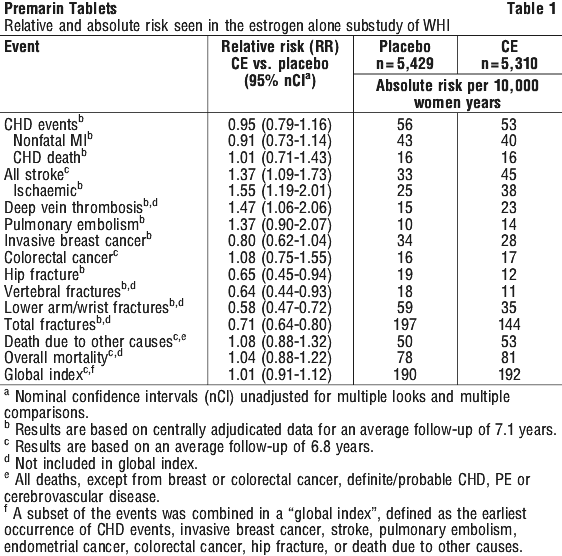
Final centrally adjudicated results for CHD events and centrally adjudicated results for invasive breast cancer, after an average follow-up of 7.1 years, reported no overall difference for primary CHD events (nonfatal MI, silent MI and CHD death) and invasive breast cancer incidence in women receiving CE alone compared with placebo (see Table 1).
Centrally adjudicated results for stroke events, after an average follow-up of 7.1 years, reported no significant difference in distribution of stroke subtype or severity, including fatal strokes, in women receiving CE alone compared to placebo. Estrogen alone increased the risk of ischaemic stroke, and this excess was present in all subgroups of women examined (see Table 1).
Estrogen-progestogen substudy. The estrogen plus progestogen substudy, which included 16,608 women (average age of 63 years, range 50 to 79; 83.9% White, 6.8% Black, 5.4% Hispanic, 3.9% Other), was also stopped early. According to the predefined stopping rule, after an average follow-up of 5.2 years of treatment, the increased risk of breast cancer and cardiovascular events exceeded the specified benefits included in the global index. The absolute excess risk of events included in the global index was 19 per 10,000 woman-years (RR 1.15, 95% nCI 1.03-1.28).
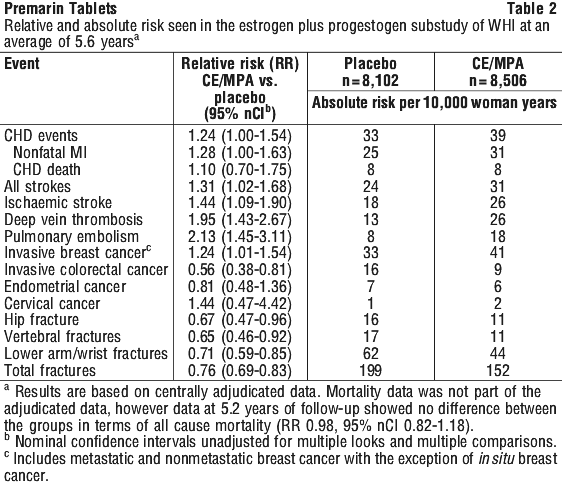
For those outcomes included in the WHI global index that reached statistical significance after 5.6 years of follow-up, the absolute excess risks per 10,000 woman-years in the group treated with CE/MPA were six more CHD events, seven more strokes, ten more PEs and eight more invasive breast cancers, while the absolute risk reductions per 10,000 woman-years were seven fewer colorectal cancers and five fewer hip fractures (see Boxed Warnings; see Section 4.4 Special Warnings and Precautions for Use).
Results of the estrogen plus progestogen substudy are presented in Table 2. These results reflect centrally adjudicated data after an average follow-up of 5.6 years.
It was reported that, when estrogen-alone therapy or estrogen-plus-progestin therapy was taken for more than 5 years, the increased risk may persist for 10 years or more after discontinuation of treatment. See Table 3.
After an average follow-up of 5.2 years, 28 women in the estrogen alone group (37 per 10,000 woman years) and 19 in the placebo group (25 per 10,000 woman years) were diagnosed with probable dementia. The relative risk of probable dementia in the estrogen alone group was 1.49 (95% CI: 0.83 to 2.66) compared to placebo. The most common classification of probable dementia in the treatment group and placebo group was Alzheimer's disease. Since the substudy was conducted in women aged 65 to 79 years, it is unknown whether these findings apply to younger postmenopausal women (see Boxed Warnings; see Section 4.4 Special Warnings and Precautions for Use, Dementia, Use in the elderly).
The estrogen plus progestogen WHIMS substudy enrolled 4,532 predominantly healthy postmenopausal women 65 years of age and older (47%, age 65 to 69 years; 35%, 70 to 74 years; 18%, 75 years of age and older) to evaluate the effects of CE 0.625 mg/MPA 2.5 mg) on the incidence of probable dementia (primary outcome) compared with placebo.
After an average follow-up of four years, 40 women in the estrogen plus progestogen group (45 per 10,000 woman years) and 21 in the placebo group (22 per 10,000 woman years) were diagnosed with probable dementia. The relative risk of probable dementia in the estrogen plus progestogen group was 2.05 (95% CI: 1.21 to 3.48) compared to placebo.
When the data from the two populations were pooled as planned in the WHIMS protocol, the reported overall relative risk for probable dementia was 1.76 (95% CI: 1.19 to 2.60). Differences between groups became apparent in the first year of treatment. It is unknown whether these findings apply to younger postmenopausal women (see Boxed Warnings; see Section 4.4 Special Warnings and Precautions for Use, Dementia, Use in the elderly).
5.2 Pharmacokinetic Properties
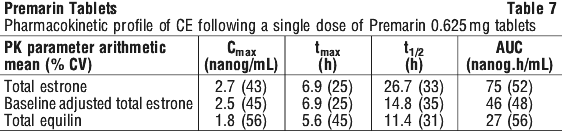
Absorption. CE are water soluble and are well absorbed from the gastrointestinal tract after release from the drug formulation. The Premarin tablet releases CE slowly over several hours. Table 7 summarises the mean pharmacokinetic parameters for CE following the administration of a single dose of 0.625 mg tablet to healthy postmenopausal women.
Excretion. Some estrogens are excreted into the bile; however, they are reabsorbed from the intestine and returned to the liver through the portal venous system. Water soluble estrogen conjugates are strongly acidic and are ionised in body fluids, which favours excretion through the kidneys since tubular reabsorption is minimal.
5.3 Preclinical Safety Data
Genotoxicity. No data available.
Carcinogenicity. Studies suggest that combination estrogen and progestogen increases the risk of breast cancer, ovarian cancer and endometrial cancer in women in a time dependant manner (see Section 4.4 Special Warnings and Precautions for Use).
Long-term, continuous administration of natural and synthetic estrogens in certain animal species increases the frequency of carcinomas of the breast, cervix, vagina and liver.
6 Pharmaceutical Particulars
6.1 List of Excipients
Each tablet contains lactose monohydrate, hypromellose, magnesium stearate, macrogol 400, sucrose, microcrystalline cellulose, powdered cellulose, hyprolose, calcium phosphate, carnauba wax and Opacode monogramming ink NS-white.
The colouring agent in Premarin 0.3 mg tablet is Opadry 152B21511 Green. The colouring agent in Premarin 0.625 mg tablet is Opadry 03B16083 Maroon.
6.2 Incompatibilities
Incompatibilities were either not assessed or not identified as part of the registration of this medicine.
6.3 Shelf Life
In Australia, information on the shelf life can be found on the public summary of the Australian Register of Therapeutic Goods (ARTG). The expiry date can be found on the packaging.
6.4 Special Precautions for Storage
Store below 25°C.
6.5 Nature and Contents of Container
Premarin 0.3 mg and Premarin 0.625 mg tablets are available in blister packs PVC/Aclar/PVC and a hard tempered aluminium foil lid of 28, 56, 84 and 132 tablets.
Premarin 0.3 mg tablets are also available in blister packs of 7 tablets.
Not all pack sizes may be marketed.
6.6 Special Precautions for Disposal
In Australia, any unused medicine or waste material should be disposed of by taking to your local pharmacy.
6.7 Physicochemical Properties
Chemical structure. Conjugated estrogens (CE) is a mixture of natural estrogens (of equine origin) composed principally of the sodium salts of water soluble sulfate esters of estrone, equilin and 17α-dihydroequilin, together with smaller amounts of 17α-estradiol, equilenin, and 17α-dihydroequilenin, 17β-dihydroequilin, 17β-dihydroequilenin, 17β-estradiol and δ8,9-dihydroestrone.
CAS number. 12126-59-9.
7 Medicine Schedule (Poisons Standard)
S4, Prescription Only Medicine.
Date of First Approval
30 March 1995
Date of Revision
03 February 2025
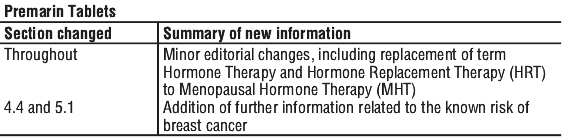
Summary Table of Changes
Reasonable care is taken to provide accurate information at the time of creation. This information is not intended as a substitute for medical advice and should not be exclusively relied on to manage or diagnose a medical condition. The Australian Commission on Safety and Quality in Health Care disclaims all liability (including for negligence) for any loss, damage, injury or any other negative effects resulting from reliance on or use of this information. Read our full disclaimer. This website uses cookies. Read our privacy policy.