
Prezista
Brand Information
| Brand name | Prezista |
| Active ingredient | Darunavir |
| Schedule | S4 |
Consumer Medicine Information (CMI) leaflet
Please read this leaflet carefully before you start using the Prezista.
Summary CMI
PREZISTA®
Consumer Medicine Information (CMI) summary
The full CMI on the next page has more details. If you are worried about using this medicine, speak to your doctor or pharmacist.
1. Why am I using PREZISTA?
PREZISTA contains the active ingredient darunavir. PREZISTA is used to treat adults, and children 6 years of age or above weighing more than 20 kg, who are infected by HIV (Human Immunodeficiency Virus).
For more information, see Section 1. Why am I using PREZISTA? in the full CMI.
2. What should I know before I use PREZISTA?
Do not use if you have ever had an allergic reaction to PREZISTA or any of the ingredients listed at the end of the CMI.
Talk to your doctor if you have any other medical conditions, take any other medicines, or are pregnant or plan to become pregnant or are breastfeeding.
For more information, see Section 2. What should I know before I use PREZISTA? in the full CMI.
3. What if I am taking other medicines?
Some medicines may interfere with PREZISTA and affect how it works. Do not combine PREZISTA with medicines listed in Section 2. What should I know before I use PREZISTA?
A list of these medicines is in Section 3. What if I am taking other medicines? in the full CMI.
4. How do I use PREZISTA?
- Always take PREZISTA exactly as your doctor has told you. You must check with your doctor if you are not sure.
- Adults: The usual dose of PREZISTA is 800 mg once daily or 600 mg twice daily taken together with 100 mg ritonavir or 150 mg cobicistat, and always with food.
- Children 6 years of age and older: The doctor will work out the right dose based on the weight of the child. The doctor will inform you exactly how many PREZISTA tablets and how much ritonavir (capsules or solution) your child should take.
PREZISTA cannot work properly without food. Swallow the tablets with a drink such as water, milk, or any other nutritional drink. More instructions can be found in Section 4. How do I use PREZISTA? in the full CMI.
5. What should I know while using PREZISTA?
| Things you should do |
|
| Things you should not do |
|
| Driving or using machines |
|
| Looking after your medicine |
|
For more information, see Section 5. What should I know while using PREZISTA? in the full CMI.
6. Are there any side effects?
The most common side effects are nausea, vomiting, headache, abdominal pain, diarrhoea, indigestion, passing wind, rash, itching or hives on the skin, weakness or lack of energy, and feeling tired.
For more information, including what to do if you have any side effects, see Section 6. Are there any side effects? in the full CMI.
Full CMI
PREZISTA®
Active ingredient(s): darunavir (da-ROO-nuh-veer)
Consumer Medicine Information (CMI)
This leaflet provides important information about using PREZISTA. You should also speak to your doctor or pharmacist if you would like further information or if you have any concerns or questions about using PREZISTA.
Where to find information in this leaflet:
1. Why am I using PREZISTA?
2. What should I know before I use PREZISTA?
3. What if I am taking other medicines?
4. How do I use PREZISTA?
5. What should I know while using PREZISTA?
6. Are there any side effects?
7. Product details
1. Why am I using PREZISTA?
PREZISTA contains the active ingredient darunavir. PREZISTA is an antiretroviral medicine that works by reducing the amount of HIV in your body. It belongs to a group of medicines called protease (PRO-tee-ase) inhibitors.
Darunavir is the HIV medicine, which needs to be combined with another medicine, cobicistat or ritonavir, that increases the amount of HIV medicine in your blood to control your HIV infection. PREZISTA works by reducing the amount of HIV in your body. Reducing the amount of HIV in your blood improves your immune system, and reduces the risk of developing illnesses as a result of HIV infection.
PREZISTA is used to treat adults, and children 6 years of age or above weighing more than 20 kg, who are infected by HIV (Human Immunodeficiency Virus). In adults, PREZISTA must be taken in combination with cobicistat or with a low dose of ritonavir, and with other anti-HIV medicines. In children, PREZISTA must be taken in combination with a low dose of ritonavir, and with other anti-HIV medicines. Your doctor will discuss with you which combination of medicines will work best with PREZISTA.
2. What should I know before I use PREZISTA?
Warnings
Do not use PREZISTA if:
- You are allergic to darunavir, cobicistat, ritonavir or any of the other ingredients listed at the end of this leaflet.
- Always check the ingredients to make sure you can use this medicine.
- Do not use PREZISTA if you are taking any of the following medicines:
- amiodarone, bepridil, disopyramide, flecainide, mexiletine, propafenone, lidocaine, quinidine or dronedarone (to treat irregular heartbeats)
- ivabradine or ranolazine (to treat heart disease)
- midazolam or triazolam (to treat trouble with sleeping and/or anxiety)
- ergot alkaloids i.e. dihydroergotamine, ergonovine, ergotamine, methylergonovine (to treat migraine and headaches)
- astemizole or terfenadine (to treat allergy symptoms)
- cisapride (to treat some stomach conditions)
- lurasidone or pimozide (to treat psychiatric conditions)
- alfuzosin (to treat an enlarged prostate)
- sildenafil (to treat pulmonary arterial hypertension)
- colchicine (to treat gout) if you have renal/hepatic impairment
- lovastatin, simvastatin or lomitapide (to lower cholesterol levels)
- apixaban (used to reduce blood clotting)
- carbamazepine, phenobarbital, phenytoin (medicines to prevent seizures or to treat trigeminal neuralgia)
- rifampicin (to treat some infections such as tuberculosis)
- elbasvir/grazoprevir (to treat hepatitis C)
- products that contain St John's wort (Hypericum perforatum)
- naloxegol (to treat opioid induced constipation)
- dapoxetine (to treat premature ejaculation)
If you are taking any of these, ask your doctor about switching to another medicine. This is not a complete list of medicines. Therefore, tell your doctor about all medicines you take.
There are other medicines that you need to be careful of when taking PREZISTA (see Section 3. What if I am taking other medicines?)
Do not take PREZISTA in combination with cobicistat with:
- certain medicines to treat epilepsy and prevent seizures (carbamazepine, phenobarbital or phenytoin). If you are taking any of these, ask your doctor about switching to another medicine.
Check with your doctor if you:
- have or have had any other medical conditions, especially the following:
- Problems with your liver, including hepatitis B and hepatitis C. Your doctor may need to evaluate your liver before deciding if you can take PREZISTA.
- Diabetes. PREZISTA, like some other anti-HIV medicines, might increase sugar levels in the blood.
- Haemophilia. Anti-HIV medicines, such as PREZISTA, might increase the risk of bleeding in patients with this blood clotting disorder.
- Allergy to sulfa medicines (sulphonamides) or any other medicines. - take any medicines for any other condition.
During treatment, you may be at risk of developing certain side effects. It is important you understand these risks and how to monitor for them. See additional information under Section 6. Are there any side effects?
Pregnancy and breastfeeding
Check with your doctor if you are pregnant or intend to become pregnant.
Talk to your doctor if you are breastfeeding or intend to breastfeed.
Do not take PREZISTA with cobicistat if you are pregnant or breastfeeding.
During pregnancy and breastfeeding you must not take PREZISTA with ritonavir, unless it is specifically approved by your doctor. It is recommended that HIV infected women should not breastfeed their infants because of the possibility of your baby becoming infected with HIV through breast milk and because of the unknown effects of the medicine on the baby.
Use in children and adolescents
- PREZISTA should not be given to children younger than 6 years of age.
- PREZISTA should not be given to children and adolescents who have never used antiretroviral medicines before.
Take special care with PREZISTA:
- PREZISTA is not a cure for HIV infection.
- Talk to your doctor about appropriate precautions to lower the chance of spreading HIV to others.
- People taking PREZISTA can still develop infections or other illnesses associated with HIV. You should continue to keep in regular contact with your doctor and to monitor your health while taking PREZISTA.
3. What if I am taking other medicines?
Tell your doctor or pharmacist if you are taking any other medicines, including any medicines, vitamins or supplements that you buy without a prescription from your pharmacy, supermarket or health food shop.
There are some medicines that you must not combine with PREZISTA. These are mentioned above under the subsection ‘Do not use PREZISTA if’.
Tell your doctor if you take other anti-HIV medicines. PREZISTA can be combined with some other anti-HIV medicines while other combinations are not recommended.
The effects of PREZISTA might be reduced if you take any of the following products. Tell your doctor if you take:
- medicines to treat hepatitis C (glecaprevir/pibrentasvir)
- medicines to treat seizures (phenobarbital, phenytoin, oxcarbazepine)
- corticosteroids (dexamethasone)
- medicines to treat some infections such as tuberculosis (rifapentine)
- medicines to treat excessive sleepiness (armodafinil, modafinil)
The effects of other medicines might be influenced if you take PREZISTA and your doctor might want to do some additional blood tests. Tell your doctor if you take:
- medicines for heart disease (amlodipine, diltiazem, felodipine, nifedipine, nicardipine, tadalafil, verapamil)
- medicines used to reduce clotting of the blood (e.g. dabigatran etexilate, edoxaban, rivaroxaban, warfarin) or to prevent blood clots (e.g. ticagrelor, clopidogrel)
- contraceptives. PREZISTA might reduce the effectiveness of hormonal contraceptives. Therefore, additional or alternative (non-hormonal) methods of contraception are recommended. If you take a contraceptive containing drospirenone your potassium levels might become elevated.
- medicines to lower cholesterol levels (atorvastatin, pitavastatin, pravastatin, rosuvastatin). The risk of muscle tissue disorder might be increased.
- medicines for your immune system (cyclosporin, everolimus, tacrolimus, sirolimus). Your doctor might want to do some additional tests.
- corticosteroids (betamethasone, budesonide, fluticasone, mometasone, prednisone, triamcinolone)
- medicine to treat asthma (salmeterol)
- medicines to treat gout (colchicine). If you have renal/hepatic impairment, do not take colchicine with PREZISTA.
- medicines to treat malaria (artemether/lumefantrine)
- medicines to treat cancer (dasatinib, everolimus, irinotecan, nilotinib, vinblastine, vincristine)
- medicines to prevent seizures (clonazepam)
- medicines to treat depression and anxiety (amitriptyline, desipramine, imipramine, nortriptyline, and trazodone)
- medicines to treat fungal infections (clotrimazole, fluconazole, isavuconazole, posaconazole)
- sedatives (buspirone, clorazepate, diazepam, estazolam, flurazepam, zolpidem)
- certain medicines to treat moderate or severe pain (fentanyl, oxycodone, tramadol). The amount of the pain medicine in the body might increase if it is used with PREZISTA. There is an increased risk of serious breathing difficulties with use or abuse of these pain medicines while on treatment with PREZISTA.
- medicines to treat urinary disorders (fesoterodine, solifenacin)
- medicines to treat nausea and vomiting (domperidone)
The dosage of other medicines might need to be changed and your doctor might do some additional blood tests. Tell your doctor if you take:
- medicines used to reduce clotting of the blood (e.g. dabigatran etexilate, edoxaban, warfarin)
- medicines to treat certain heart disorders (digoxin, carvedilol, metoprolol, timolol, bosentan)
- medicines to treat fungal infections itraconazole, ketoconazole, voriconazole)
- medicines to treat some infections (rifabutin)
- medicines for erectile dysfunction (avanafil, sildenafil, vardenafil, tadalafil)
- medicines against bacterial infections (clarithromycin).
- medicines to treat depression and anxiety (paroxetine, sertraline)
- medicines to prevent seizures or to treat trigeminal neuralgia (carbamazepine)
- medicines to treat narcotic dependence (buprenorphine/ naloxone, methadone)
- medicines to treat psychiatric conditions (perphenazine, quetiapine, risperidone, thioridazine)
This is not a complete list of medicines. Therefore, tell your doctor about all medicines you take.
Please refer to the ritonavir or cobicistat Consumer Medicine Information for information on ritonavir or cobicistat.
Check with your doctor or pharmacist if you are not sure about what medicines, vitamins or supplements you are taking and if these affect PREZISTA.
4. How do I use PREZISTA?
Adults
How much to take
- The usual dose of PREZISTA is 800 mg once daily or 600 mg twice daily taken together with 100 mg ritonavir or 150 mg cobicistat, and always with food. Your doctor will decide which dose is right for you.
- Follow the instructions provided and use PREZISTA until your doctor tells you to stop.
- Always use PREZISTA exactly as your doctor has told you. You must check with your doctor if you are not sure.
- Make sure that you always have enough PREZISTA and ritonavir or cobicistat available so that you don't run out. For example, in case you cannot return home, need to travel or stay in a hospital.
- If your child feels better, do not stop administering PREZISTA without talking to the child's doctor.
When to take PREZISTA
- You must take PREZISTA every day and always in combination with ritonavir (or cobicistat, in adults only), and with food. PREZISTA cannot work properly without ritonavir (or cobicistat, and food.
- You must eat a meal or a snack within 30 minutes prior to taking your PREZISTA and ritonavir or cobicistat. The type of food is not important.
- Even if you feel better, do not stop taking PREZISTA without talking to your doctor.
How to take PREZISTA
- Take PREZISTA always together with 100 milligrams of ritonavir or 150 milligrams of cobicistat.
- Take PREZISTA with food.
- Swallow the tablets with a drink such as water, milk, or any other nutritional drink.
- Take your other HIV medicines used in combination with PREZISTA and ritonavir or cobicistat as recommended by your doctor.
Children 6 years of age and older, weighing at least 20 kg, who have taken any anti-HIV medicines before (your child's doctor will determine this)
- The doctor will work out the right dose based on the weight of the child. The doctor will inform you exactly on how many PREZISTA tablets and how much ritonavir (capsules or solution) your child should take.
- If your child feels better, do not stop administering PREZISTA without talking to the child's doctor.
- Take PREZISTA always together with ritonavir.
- Take PREZISTA with food.
- Swallow the tablets with a drink such as water, milk, or any other nutritional drink.
- Take your other HIV medicines used in combination with PREZISTA and ritonavir as recommended by your doctor.
- If your child cannot tolerate ritonavir oral solution, consult your doctor
Removing the child resistant cap
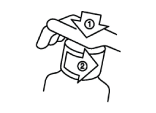
- The plastic bottle comes with a child resistant cap and should be opened as follows:
- Push the plastic screw cap down while turning it counter clockwise.
- Remove the unscrewed cap.
If you forget to take PREZISTA
- PREZISTA should be used regularly at the same time each day.
- If you forget to take PREZISTA and your dosing regimen is PREZISTA with ritonavir or cobicistat once a day: If you notice within 12 hours, you must take the tablets immediately. Always take with ritonavir or cobicistat and food. If you notice after 12 hours, then skip the intake and take the next doses as usual.
- If you forget to take PREZISTA and your dosing regimen is PREZISTA with ritonavir twice a day: If you notice within 6 hours, you must take the tablet/s immediately. Always take with ritonavir and food. If you notice after 6 hours, then skip the dose and take the next doses as usual.
- Please refer to your doctor for instructions on missed doses of other HIV medicines used in combination with PREZISTA and ritonavir or cobicistat.
Do not take a double dose to make up for the dose you missed.
If you use too much PREZISTA
If you think that you have used too much PREZISTA, you may need urgent medical attention.
You should immediately:
- phone the Poisons Information Centre
(in Australia telephone 13 11 26. In New Zealand telephone 0800 POISON or 0800 764 766), or - contact your doctor, or
- go to the Emergency Department at your nearest hospital.
You should do this even if there are no signs of discomfort or poisoning.
5. What should I know while using PREZISTA?
Things you should do
Call your doctor straight away if you:
- Notice any symptoms of infection. In some patients with advanced HIV infection and a history of opportunistic infection, signs and symptoms of inflammation from previous infections may occur soon after anti-HIV treatment is started. It is believed that these symptoms are due to an improvement in the body's immune response. This improvement enables the body to fight infections that may have been present prior to taking PREZISTA, with no obvious symptoms.
- Be sure to keep all your doctor's appointments so your progress can be checked. Your doctor will want to do some blood, urine and other tests from time to time to check on your progress.
- Be sure to follow up your doctor's instructions about other medicines you should take, and other things you should do.
- If you are undergoing anaesthesia, tell your anaesthetist that you are taking PREZISTA.
Remind any doctor, dentist or pharmacist you visit that you are using PREZISTA.
Things you should not do
- Do not stop taking PREZISTA without talking to your doctor first. HIV therapy may increase your sense of well being. Even when you feel better, do not stop taking PREZISTA. Talk to your doctor first.
- Avoid doing things that can spread HIV infection since PREZISTA does not stop you from passing the HIV infection to others:
- Do not share needles or other injection equipment.
- Do not share personal items that can have blood or body fluids on them, like toothbrushes or razor blades.
- Do not have any kind of sex without protection. Always practise safer sex by using a latex or polyurethane condom or other barrier to reduce the chance of passing the infection through semen, vaginal secretions, or blood.
Driving or using machines
Be careful before you drive or use any machines or tools until you know how PREZISTA affects you.
Do not operate machines or drive if you feel dizzy after taking PREZISTA.
Looking after your medicine
- Store below 30°C.
Follow the instructions in the carton on how to take care of your medicine properly.
Store it in a cool dry place away from moisture, heat or sunlight; for example, do not store it:
- in the bathroom or near a sink, or
- in the car or on windowsills.
Keep it where young children cannot reach it.
Getting rid of any unwanted medicine
If you no longer need to use this medicine or it is out of date, take it to any pharmacy for safe disposal.
Do not use this medicine after the expiry date.
6. Are there any side effects?
All medicines can have side effects. If you do experience any side effects, most of them are minor and temporary. However, some side effects may need medical attention.
When treating HIV infection, it is not always easy to identify what side effects are caused by PREZISTA, which are caused by other medicines you are taking, or which are caused by the HIV infection itself.
PREZISTA may change some values of your blood chemistry. These can be seen in the results of blood tests. Your doctor will explain these to you.
See the information below and, if you need to, ask your doctor or pharmacist if you have any further questions about side effects.
Less serious side effects
| Less serious side effects | What to do |
Infection-related:
| Speak to your doctor if you have any of these less serious side effects and they worry you. |
Skin-related:
| It is important to consult your doctor if you develop a rash. Your doctor will advise you how to deal with your symptoms or whether PREZISTA must be stopped |
Serious side effects
| Serious side effects | What to do |
Signs and symptoms of an allergic reaction:
| Call your doctor straight away, or go straight to the Emergency Department at your nearest hospital if you notice any of these serious side effects. |
Tell your doctor or pharmacist if you notice anything else that may be making you feel unwell.
Other side effects not listed here may occur in some people.
Please refer to the ritonavir or cobicistat Consumer Medicine Information for information on ritonavir or cobicistat.
Reporting side effects
After you have received medical advice for any side effects you experience, you can report side effects to the Therapeutic Goods Administration online at www.tga.gov.au/reporting-problems. By reporting side effects, you can help provide more information on the safety of this medicine.
Always make sure you speak to your doctor or pharmacist before you decide to stop taking any of your medicines.
7. Product details
This medicine is only available with a doctor's prescription.
What PREZISTA contains
| Active ingredient (main ingredient) | darunavir 600 mg or 800 mg (as darunavir ethanolate) |
| Other ingredients (inactive ingredients) |
|
Do not take this medicine if you are allergic to any of these ingredients.
What PREZISTA looks like
PREZISTA 600 mg film-coated tablets are orange, oval shaped tablets, with TMC on one side, 600MG on the other side. Each plastic bottle contains 60 tablets.
(AUST R 153628).
PREZISTA 800 mg film-coated tablets are dark red, oval shaped tablets, with 800 on one side and T on the other side. Each plastic bottle contains 30 tablets
(AUST 199320).
Who distributes PREZISTA
JANSSEN-CILAG Pty Ltd
17 Khartoum Rd
Macquarie Park NSW 2113 Australia
Telephone: 1800 226 334
NZ Office: Auckland, New Zealand
Telephone: 0800 800 806
This leaflet was prepared in February 2026.
Brand Information
| Brand name | Prezista |
| Active ingredient | Darunavir |
| Schedule | S4 |
MIMS Revision Date: 01 April 2026
1 Name of Medicine
Darunavir.
2 Qualitative and Quantitative Composition
Prezista darunavir is available as 75 mg, 400 mg, 600 mg and 800 mg film-coated tablets (the 75 mg and 400 mg tablets are not currently marketed). Each film-coated tablet contains 75 mg, 400 mg, 600 mg or 800 mg of darunavir, as 81.31 mg, 433.64 mg, 650.46 mg or 867.28 mg of darunavir ethanolate, respectively.
For a full list of excipients, see Section 6.1 List of Excipients.
3 Pharmaceutical Form
Prezista 75 mg film-coated tablets are white caplet-shaped tablets, debossed with 75 on one side and TMC on the other side (currently not marketed).
Prezista 400 mg film-coated tablets are light orange oval shaped tablets, debossed with 400MG on one side and TMC on the other side (currently not marketed).
Prezista 600 mg film-coated tablets are orange oval shaped tablets, debossed with 600MG on one side and TMC on the other side.
Prezista 800 mg film-coated tablets are dark red oval-shaped tablets, debossed with 800 on one side and T on the other side.
4 Clinical Particulars
4.1 Therapeutic Indications
Adult patients. Prezista (with low dose ritonavir as a pharmacokinetic enhancer) is indicated in combination with other antiretroviral agents for the treatment of human immunodeficiency virus-1 (HIV-1) infection in adult patients.
Paediatric patients. Prezista (with low dose ritonavir as a pharmacokinetic enhancer) is indicated in combination with other antiretroviral agents for the treatment of human immunodeficiency virus (HIV) infection in treatment-experienced paediatric patients aged 6 years and older, weighing at least 20 kg.
4.2 Dose and Method of Administration
Dosage (dose and interval). Adults. For antiretroviral treatment experienced patients, HIV-1 genotype testing is recommended.
Once daily dose. The recommended dose of Prezista is 800 mg once daily with ritonavir 100 mg once daily taken with food. The once daily dose regimen is recommended for the following patients:
antiretroviral treatment naïve patients;
antiretroviral treatment experienced patients with no darunavir resistance associated mutations* and who have plasma HIV-1 RNA < 100,000 copies/mL;
antiretroviral treatment experienced but HIV protease inhibitor naïve patients for whom HIV-1 genotype testing is unavailable.
Twice daily dose. The recommended dose of Prezista is 600 mg twice daily taken with ritonavir 100 mg twice daily taken with food. The twice daily dose regimen is recommended for the following patients:
antiretroviral treatment experienced patients with at least one darunavir resistance associated mutation*;
HIV protease inhibitor treatment experienced patients for whom HIV-1 genotype testing is unavailable;
Antiretroviral treatment experienced patients with plasma HIV-1 RNA ≥ 100,000 copies/mL.
* Darunavir resistance associated mutations: V11I, V32I, L33F, I47V, I50V, I54M, I54L, T74P, L76V, I84V, L89V.
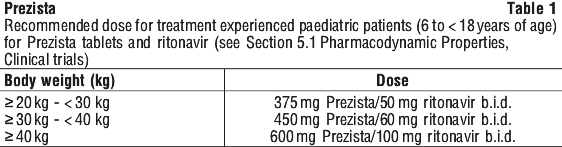
Paediatric patients. Antiretroviral treatment-experienced paediatric patients (6 to < 18 years of age). The recommended dose of Prezista/ ritonavir (rtv) for paediatric patients (6 to < 18 years of age and weighing at least 20 kg) is based on bodyweight (see Table 1) and should not exceed the recommended adult dose (600/100 mg b.i.d.). Prezista tablets should be taken with ritonavir twice daily and with food. The type of food does not affect exposure to darunavir.
Prezista/rtv should not be used in children below 3 years of age (see Section 4.4 Special Warnings and Precautions for Use).
Method of administration. Prezista must always be given with low dose ritonavir as a pharmacokinetic enhancer and in combination with other antiretroviral medicinal products. The prescribing information of ritonavir must therefore be consulted prior to initiation of therapy with Prezista/ritonavir.
Prezista with ritonavir should be taken with food. The type of food does not affect the exposure to darunavir.
After therapy with Prezista has been initiated patients should be advised not to alter the dosage or discontinue therapy without consulting their physician.
Do not halve tablets. Dose equivalence when tablets are divided has not been established.
For combination use with cobicistat and darunavir please see Prezcobix (darunavir/ cobicistat) or Tybost (cobicistat) product information.
Special populations. Pregnancy and postpartum. No dose adjustment is required for darunavir/ritonavir during pregnancy and postpartum. Caution should be used in patients with concomitant medications which may further decrease darunavir exposure (see Section 5.2 Pharmacokinetic Properties; Section 4.6 Fertility, Pregnancy and Lactation).
Treatment with darunavir/cobicistat during pregnancy results in low darunavir exposure (see Section 5.2 Pharmacokinetic Properties). Therefore, therapy with Prezista/cobicistat should not be initiated during pregnancy, and women who become pregnant during therapy with Prezista/cobicistat should be switched to an alternative regimen (see Section 4.6 Fertility, Pregnancy and Lactation). Prezista/ritonavir may be considered as an alternative.
Hepatic impairment. No dose adjustment is required in patients with mild (Child-Pugh class A) or moderate (Child-Pugh class B) hepatic impairment, however Prezista should be used with caution in these patients due to increased darunavir exposure and adverse events. No pharmacokinetic data are available in patients with severe hepatic impairment. Therefore, Prezista should not be used in patients with severe hepatic impairment (see Section 4.4 Special Warnings and Precautions for Use).
Renal impairment. No dose adjustment is required in patients with renal impairment (see Section 4.4 Special Warnings and Precautions for Use).
4.3 Contraindications
Hypersensitivity to darunavir or to any of the excipients.
Darunavir, ritonavir and cobicistat are inhibitors of the CYP3A isoform. Prezista/rtv and Prezista/cobicistat should not be coadministered with medicinal products that are highly dependent on CYP3A for clearance and for which increased plasma concentrations are associated with serious and/or life threatening events (narrow therapeutic index). Examples include astemizole, apixaban, alfuzosin, sildenafil (when used for treatment of pulmonary arterial hypertension), terfenadine, midazolam (oral), triazolam, cisapride, colchicine (in patients with renal and/or hepatic impairment), dapoxetine, dronedarone, elbasvir/ grazoprevir, pimozide, ranolazine, the ergot alkaloids (e.g. ergotamine, dihydroergotamine, ergonovine and methylergonovine), lomitapide, ivabradine, lovastatin, lurasidone, naloxegol, simvastatin and antiarrhythmic drugs (e.g. amiodarone, bepridil, flecainide, systemic lidocaine, quinidine) (see Section 4.5 Interactions with Other Medicines and Other Forms of Interactions).
Patients taking Prezista should not use products containing potent CYP3A inducers such as rifampicin or St. John's wort because coadministration may result in reduced plasma concentrations of darunavir. This may result in loss of therapeutic effect and development of resistance.
Due to the need for coadministration of Prezista with low dose ritonavir, please see ritonavir prescribing information for a description of ritonavir contraindications and precautions.
In addition, potent CYP3A inducers such as carbamazepine, phenobarbital and phenytoin are also contraindicated for use with Prezista/cobicistat (see Section 4.5 Interactions with Other Medicines and Other Forms of Interactions). For further information on combination use with darunavir and cobicistat please see Prezcobix (darunavir/cobicistat) or Tybost (cobicistat) product information.
4.4 Special Warnings and Precautions for Use
Prezista (darunavir) must be coadministered with ritonavir and food to exert its therapeutic effect (see Section 4.2 Dose and Method of Administration). Failure to correctly administer Prezista with ritonavir and food will result in reduced plasma concentrations of darunavir that will be insufficient to achieve the desired therapeutic effect.
Patients should be advised that current antiretroviral therapy does not cure HIV and has not been proven to prevent the transmission of HIV. Appropriate precautions should continue to be employed.
Hepatotoxicity. Drug induced hepatitis (e.g. acute hepatitis, cytolytic hepatitis) has been reported with Prezista/rtv. During the clinical development program (N = 3063), hepatitis has been reported in 0.5% of patients receiving combination therapy with Prezista/rtv. Patients with pre-existing liver dysfunction, including chronic active hepatitis B or C, have an increased risk for liver function abnormalities including severe hepatic adverse events.
Postmarketing cases of liver injury, including some fatalities, have been reported. These have generally occurred in patients with advanced HIV-1 disease taking multiple concomitant medications, having comorbidities including hepatitis B or C coinfection, and/or developing immune reconstitution syndrome. A causal relationship with Prezista/rtv therapy has not been established.
Appropriate laboratory testing should be conducted prior to initiating therapy with Prezista/rtv and patients should be monitored during treatment. Increased AST/ALT monitoring should be considered in patients with underlying chronic hepatitis, cirrhosis, or in patients who have pre-treatment elevations of transaminases, especially during the first several months of Prezista/rtv treatment.
If there is evidence of new or worsening liver dysfunction (including clinically significant elevation of liver enzymes and/or symptoms such as fatigue, anorexia, nausea, jaundice, dark urine, liver tenderness, hepatomegaly) in patients on Prezista/rtv, interruption or discontinuation of treatment must be considered.
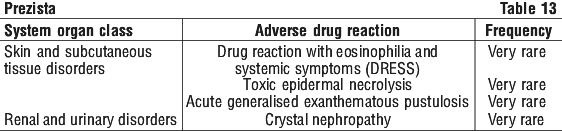
Severe skin reactions. During the clinical development program (N = 3,063), severe skin reactions, which may be accompanied with fever and/or elevations of transaminases, have been reported in 0.4% of patients. Stevens-Johnson Syndrome has been rarely (< 0.1%) reported; and during postmarketing experience toxic epidermal necrolysis, (Drug reaction with eosinophilia and systemic symptoms) (DRESS) and acute generalised exanthematous pustulosis have been reported very rarely (< 0.01%). Discontinue Prezista immediately if signs or symptoms of severe skin reactions develop. These can include but are not limited to severe rash or rash accompanied with fever, general malaise, fatigue, muscle or joint aches, blisters, oral lesions, conjunctivitis, hepatitis and/or eosinophilia.
Rash (all grades, regardless of causality) occurred in 10.3% of patients treated with Prezista (see Section 4.8 Adverse Effects (Undesirable Effects)). Rash was mostly mild to moderate, often occurring within the first four weeks of treatment and resolving with continued dosing. The discontinuation rate due to rash in patients using Prezista/rtv was 0.5%.
Rash occurred more commonly in treatment experienced patients receiving regimens containing Prezista/rtv + raltegravir compared to patients receiving Prezista/rtv without raltegravir or raltegravir without Prezista/rtv.
Darunavir contains a sulfonamide moiety. Prezista should be used with caution in patients with a known sulfonamide allergy. In clinical studies with Prezista/rtv, the incidence and severity of rash was similar in patients with or without a history of sulfonamide allergy.
Haemophiliac patients. There have been reports of increased bleeding, including spontaneous skin haematomas and haemarthrosis in patients with haemophilia type A and B treated with HIV PIs. In some patients, additional factor VIII was given. In more than half of the reported cases, treatment with PIs was continued or reintroduced if treatment had been discontinued. A causal relationship has been suggested, although the mechanism of action has not been elucidated. Haemophiliac patients should therefore be made aware of the possibility of increased bleeding.
Metabolic disorders. Diabetes mellitus/hyperglycaemia. New onset diabetes mellitus, hyperglycaemia or exacerbation of existing diabetes mellitus has been reported in patients receiving antiretroviral therapy, including HIV PIs. In some of these patients, the hyperglycaemia was severe and, in some cases, also associated with ketoacidosis. Many patients had confounding medical conditions, some of which required therapy with agents that have been associated with the development of diabetes mellitus or hyperglycaemia.
Consideration should be given to measurement of fasting serum lipids and blood glucose. Lipid disorders should be managed as clinically appropriate (see Section 4.8 Adverse Effects (Undesirable Effects)).
Immune reconstitution inflammatory syndrome. In HIV infected patients with severe immune deficiency at the time of institution of combination antiretroviral therapy (CART), an inflammatory reaction to asymptomatic or residual opportunistic pathogens may arise and cause serious clinical conditions or aggravation of symptoms. Typically, such reactions have been observed within the first weeks or months of initiation of CART. Relevant examples are cytomegalovirus retinitis, generalised and/or focal mycobacterial infections and Pneumocystis jirovecii pneumonia. Any inflammatory symptoms should be evaluated and treatment instituted when necessary. Autoimmune disorders such as Graves' disease and autoimmune hepatitis have also been reported to occur in the setting of immune reconstitution; however, the time to onset is more variable, and can occur many months after initiation of treatment (see Section 4.8 Adverse Effects (Undesirable Effects)).
Interactions with medicinal products. See Section 4.3 Contraindications; Section 4.5 Interactions with Other Medicines and Other Forms of Interactions.
Darunavir, ritonavir and cobicistat are metabolized by CYP3A. Medicinal products that induce CYP3A activity would be expected to increase the clearance of darunavir, ritonavir and cobicistat resulting in lower plasma concentrations of darunavir, ritonavir and cobicistat.
Darunavir boosted with cobicistat is more sensitive to CYP3A induction than darunavir boosted with ritonavir. (See Section 4.3 Contraindications; Section 4.5 Interactions with Other Medicines and Other Forms of Interactions.) Co-administration with other medicinal products that inhibit CYP3A may decrease the clearance of darunavir, ritonavir and cobicistat and may result in increased plasma concentrations of darunavir, ritonavir and cobicistat (see Section 4.5 Interactions with Other Medicines and Other Forms of Interactions).
Co-administration of Prezista/cobicistat or Prezista/rtv with drugs that have active metabolite(s) formed by CYP3A may result in reduced plasma concentrations of these active metabolite(s), potentially leading to loss of their therapeutic effect (see Section 4.5 Interactions with Other Medicines and Other Forms of Interactions).
Use in hepatic impairment. The safety and efficacy of Prezista have not been established in patients with severe hepatic impairment. Therefore, Prezista should not be used in patients with severe hepatic impairment. Due to an increase in unbound darunavir plasma concentrations, Prezista should be used with caution in patients with mild or moderate hepatic impairment (see Section 5.2 Pharmacokinetic Properties; Section 4.2 Dose and Method of Administration).
Use in renal impairment. There are no pharmacokinetic data available in HIV-1 infected patients with severe renal impairment or endstage renal disease. Since the renal clearance of darunavir is limited, a decrease in total body clearance is not expected in patients with renal impairment. As darunavir and ritonavir are highly bound to plasma proteins, it is unlikely that they will be significantly removed by haemodialysis or peritoneal dialysis (see Section 5.2 Pharmacokinetic Properties; Section 4.2 Dose and Method of Administration).
Use in the elderly. As limited information is available on the use of Prezista/rtv in patients aged 65 and over, caution should be exercised in the administration of Prezista in elderly patients, reflecting the greater frequency of decreased hepatic function and of concomitant disease or other therapy (see Section 5.2 Pharmacokinetic Properties).
Paediatric use. Prezista/rtv should not be used in children below 3 years of age in view of toxicity observed in juvenile rats dosed with darunavir (from 20 mg/kg to 1,000 mg/kg) up to days 23 to 26 of age (see Section 4.6 Fertility, Pregnancy and Lactation).
The safety and efficacy of Prezista/rtv in antiretroviral treatment experienced children aged 3 to less than 6 years and in antiretroviral treatment naïve paediatric patients have not been established.
Effects on laboratory tests. No data available.
4.5 Interactions with Other Medicines and Other Forms of Interactions
The interaction profile of Prezista depends on whether ritonavir or cobicistat is used as a pharmacokinetic enhancer. Prezista may therefore have different recommendations for concomitant medications depending on whether Prezista is boosted with ritonavir or cobicistat. No interaction studies have been performed with Prezista/cobicistat.
Prezista should not be used in combination with other antiretrovirals that also require pharmacokinetic boosting with ritonavir or cobicistat.
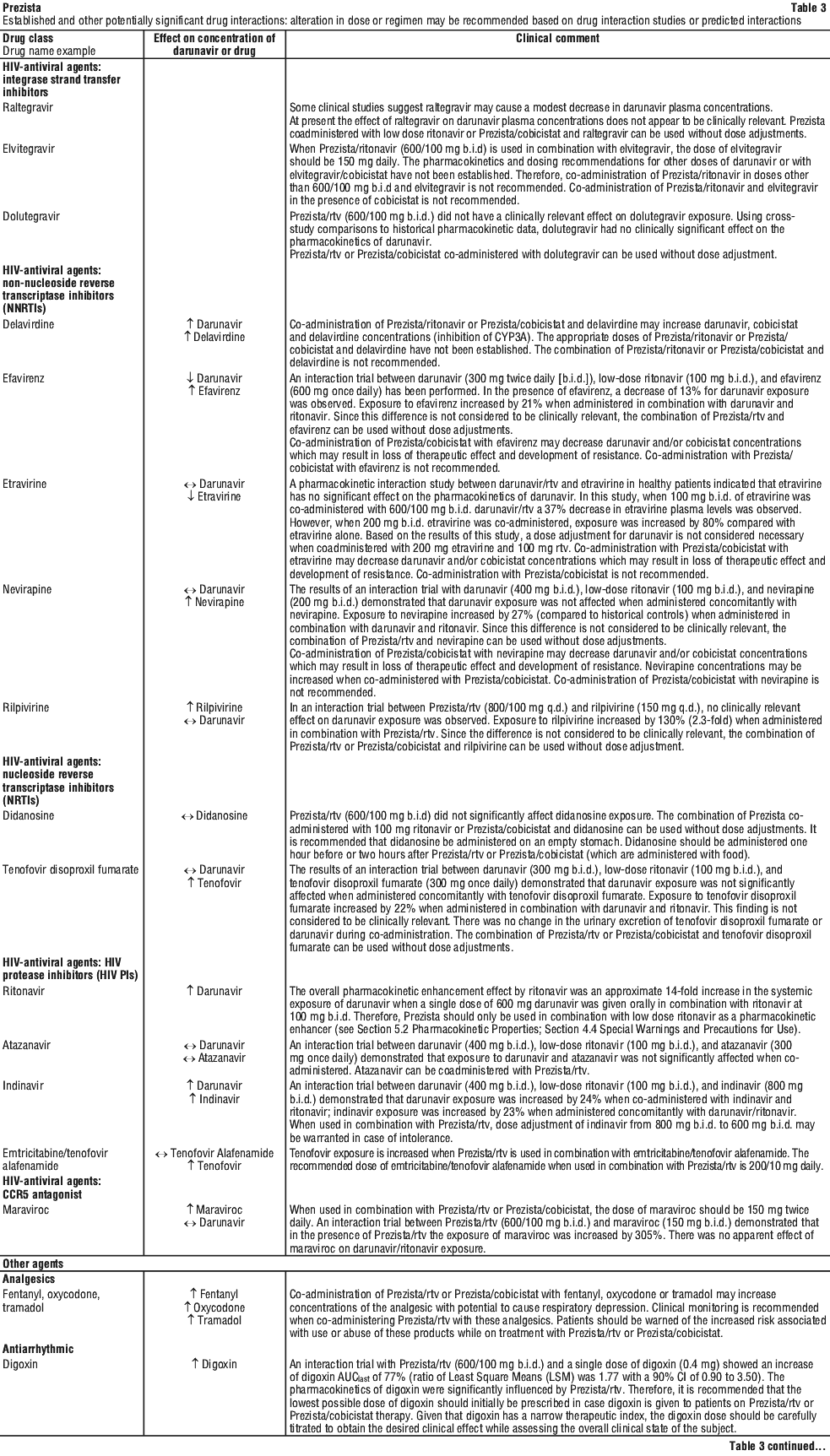
Darunavir, when used in combination with ritonavir or cobicistat, is an inhibitor of CYP3A, CYP2D6 and P-gp. Co-administration with medicinal products primarily metabolized by CYP3A, CYP2D6, or transported by P-gp may result in increased plasma concentrations of such medicinal products, which could increase or prolong their therapeutic effect and adverse events (see Tables 2 and 3). Co-administration of Prezista/cobicistat or Prezista/rtv with drugs that have active metabolite(s) formed by CYP3A may result in reduced plasma concentrations of these active metabolite(s), potentially leading to loss of their therapeutic effect.
Darunavir, ritonavir and cobicistat are metabolised by CYP3A. Medicinal products that induce CYP3A activity would be expected to increase the clearance of darunavir, ritonavir and cobicistat resulting in lower plasma concentrations of darunavir, ritonavir and cobicistat.
Darunavir boosted with cobicistat is more sensitive to CYP3A induction than darunavir boosted with ritonavir. Co-administration with other medicinal products that inhibit CYP3A may decrease the clearance of darunavir, ritonavir and cobicistat and may result in increased plasma concentrations of darunavir, ritonavir and cobicistat.
For further information on combination use with cobicistat and darunavir please see Prezcobix (darunavir/ cobicistat) or Tybost (cobicistat) product information.
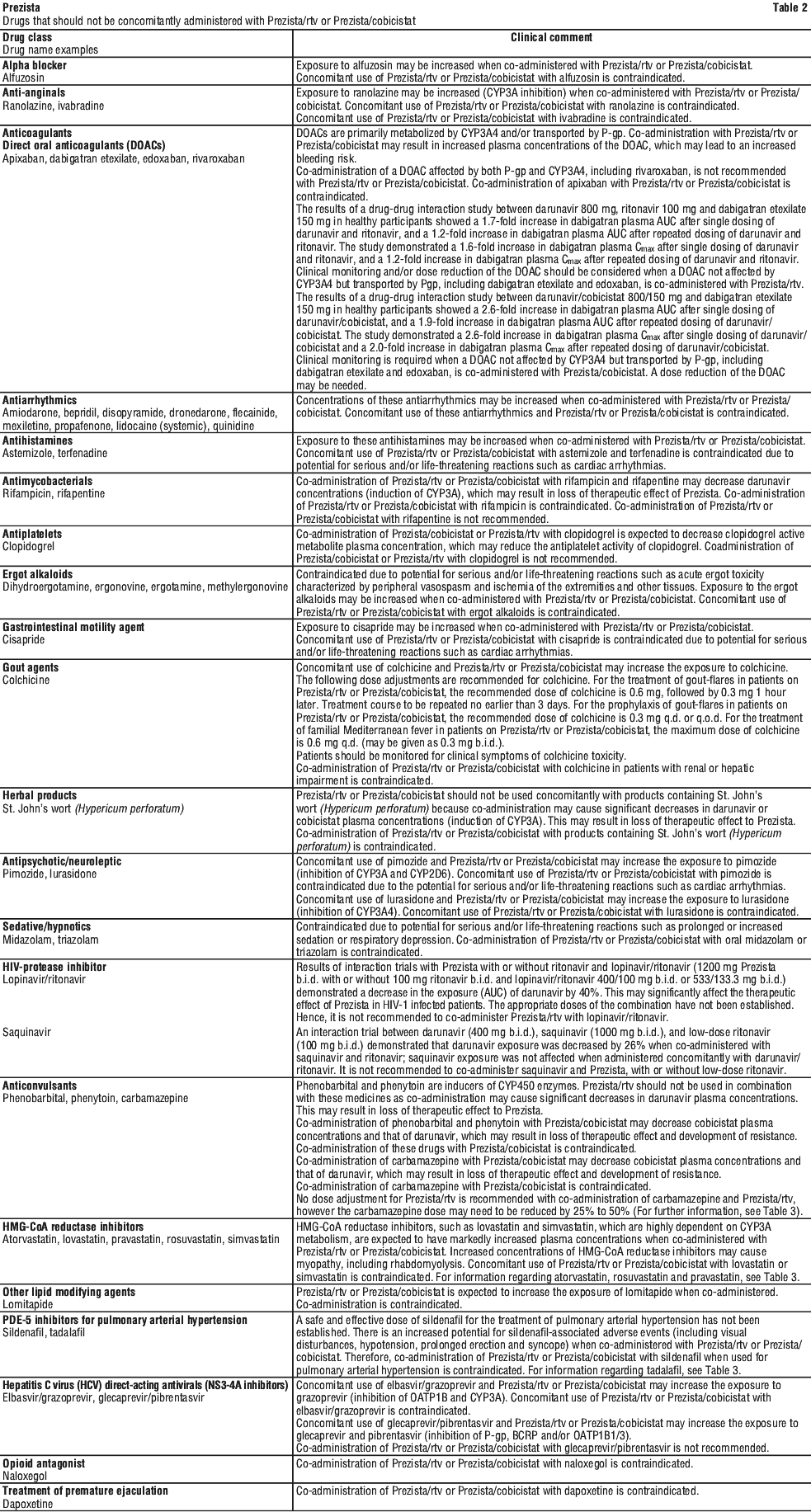
Drugs that are contraindicated and not recommended for concomitant administration with Prezista/rtv are included in Table 2. These recommendations are based on either drug interaction studies or predicted interactions due to the expected magnitude of interaction and potential for serious events or loss of efficacy.
Drug-drug interactions presented by drug class including drug name examples are presented in Tables 2 and 3. The list of examples of drug-drug interactions in Tables 2 and 3 are not comprehensive and therefore the product information of each drug that is co-administered with Prezista should be consulted for information related to the route of metabolism, interaction pathways, potential risks, and specific actions to be taken with regards to co-administration.
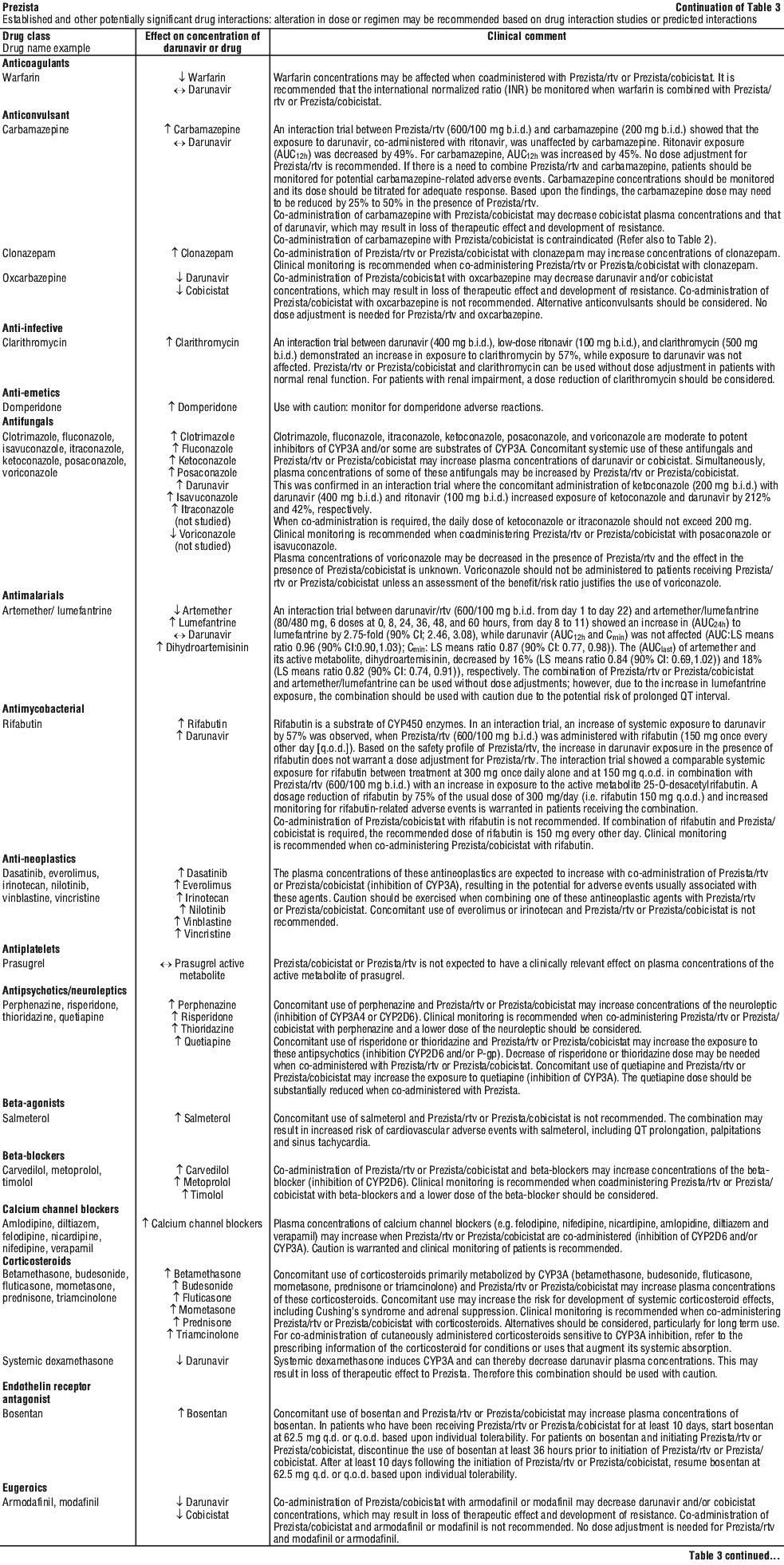
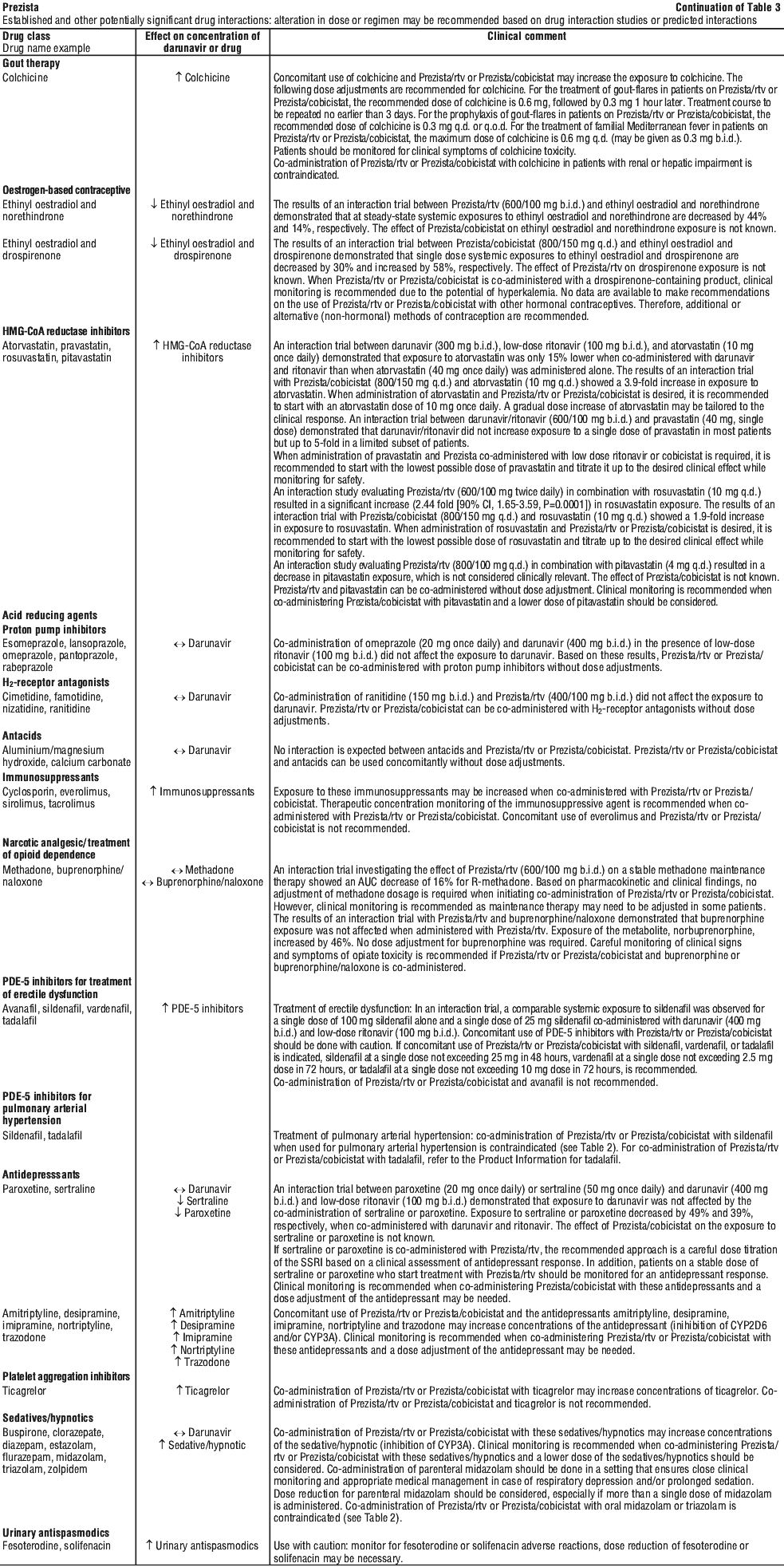
Other HIV protease inhibitors. The concomitant administration of Prezista/rtv and HIV PIs other than lopinavir/ritonavir, saquinavir, atazanavir, and indinavir has not been studied. Therefore, such concomitant administration is not recommended.
4.6 Fertility, Pregnancy and Lactation
Effects on fertility. In a study conducted in rats, there were no effects on mating with Prezista treatment up to 1000 mg/kg/day, but exposure levels were below (AUC 0.5-fold) that in humans at the clinically recommended dose. The number of corpora lutea and hence the number of live young was lower for females at 1000 mg/kg/day Prezista, and correlated with lower maternal bodyweight; the NOAEL for effects on fertility was 200 mg/kg/day Prezista (corresponding to an exposure level 0.3-fold that in humans at the recommended clinical dose).
Use in pregnancy. (Category B2)
There are no adequate and well controlled studies on pregnancy outcome with darunavir in pregnant women.
To monitor maternal-fetal outcomes of pregnant women, an Antiretroviral Pregnancy Registry has been established. This is a voluntary prospective, exposure registration, observational study designed to collect and evaluate data on the outcomes of pregnancy exposures to antiretroviral products (ARVs). Prevalence of birth defects with first trimester exposure to any ARV was 2.8 (230 babies with birth defects out of 8277 live births as of data cut-off date of 31 July 2016). This rate is similar to 2nd and 3rd trimester exposure to the darunavir and other ARVs, as compared to overall prevalence of birth defects.
Darunavir/ritonavir (600/100 mg twice daily or 800/100 mg once daily) in combination with a background regimen was evaluated in a clinical trial of 36 pregnant women during the second and third trimesters, and postpartum. The pharmacokinetic data demonstrate that exposure to darunavir and ritonavir as part of an antiretroviral regimen was lower during pregnancy compared with postpartum (6-12 weeks). Virologic response was preserved throughout the study period in both arms. No mother to child transmission occurred in the infants born to the 31 subjects who stayed on the antiretroviral treatment through delivery. Darunavir/ritonavir was well tolerated during pregnancy and postpartum. There were no new clinically relevant safety findings compared with the known safety profile of darunavir/ritonavir in HIV-1 infected adults (see Section 5.2 Pharmacokinetic Properties).
Darunavir/cobicistat (800/150 mg once daily) in combination with a background regimen was evaluated in a clinical trial of 7 pregnant women during the second and third trimesters, and postpartum (6-12 weeks). The pharmacokinetic data demonstrate that exposure to darunavir and cobicistat was substantially lower during pregnancy compared with postpartum (see Section 5.2 Pharmacokinetic Properties). Virologic response was sustained throughout the study period in 5 out of 6 women who completed the study; the subject with virologic failure was not compliant with study medication.
Therapy with Prezista/cobicistat should not be initiated during pregnancy, and women who become pregnant during therapy with Prezista/cobicistat should be switched to an alternative regimen (see Section 4.2 Dose and Method of Administration). Prezista/ritonavir may be considered as an alternative.
Prezista/ritonavir should be used during pregnancy only if the potential benefit justifies the potential risk.
In animal studies with Prezista treatment up to 1000 mg/kg/day, there was no teratogenicity with darunavir in mice, rats and rabbits when treated alone nor in mice when treated in combination with ritonavir. However, the exposure levels in mice and rats were about half those with the recommended clinical dose in humans, and only 5% in rabbits. In a pre- and post-natal rat study the pups had lower birth weight following maternal treatment with 1000 mg/kg/day darunavir.
Use in lactation. It is not known whether darunavir is excreted in human milk. Studies in rats have demonstrated that darunavir is excreted in milk. Because of both the potential for HIV transmission and the potential for serious adverse events in breastfeeding infants, mothers should be instructed not to breastfeed if they are receiving Prezista.
In a pre- and post-natal development assessment in rats, darunavir with and without ritonavir caused a reduction in bodyweight gain of the offspring during lactation. This was attributed to drug exposure via the milk. No postweaning functions were affected with darunavir alone or in combination with ritonavir.
In juvenile rats directly dosed with darunavir (from 20 mg/kg to 1000 mg/kg) up to days 23 to 26 of age, mortality was observed and, in some of the animals, convulsions. Within this age range exposures in plasma, liver and brain were dose and age dependent and were considerably greater than those observed in adult rats. These findings were attributed to the ontogeny of the CYP450 liver enzymes involved in the metabolism of darunavir and the immaturity of the blood brain barrier. No treatment related mortalities were noted in juvenile rats dosed at 1000 mg/kg darunavir (single dose) on day 26 of age or at 500 mg/kg (repeated dose) from day 23 to 50 of age, and the exposures and toxicity profile were comparable to those observed in adult rats. Due to uncertainties regarding the rate of development of the human blood brain barrier and liver enzymes, Prezista/rtv should not be used in paediatric patients below 3 years of age.
4.7 Effects on Ability to Drive and Use Machines
No trials on the effects of Prezista in combination with ritonavir on the ability to drive or use machines have been performed. However, dizziness has been reported in some patients during treatment with regimens containing Prezista/rtv and should be borne in mind when considering a patient's ability to drive or operate machinery.
4.8 Adverse Effects (Undesirable Effects)
The overall safety profile of Prezista is based on all available clinical trial data (Phase 2b trials POWER 1, 2 and 3, and TMC114-C208 and the Phase 3 trials ARTEMIS, ODIN, TITAN, TMC114-C209, DUET 1 (TMC125-C206) and DUET 2 (TMC125-C216)) and post-marketing data, and is consistent with the data presented below.
Please see ritonavir product information for ritonavir associated adverse reactions.
For combination use with cobicistat and darunavir please see Prezcobix (darunavir/ cobicistat) or Tybost (cobicistat) product information.
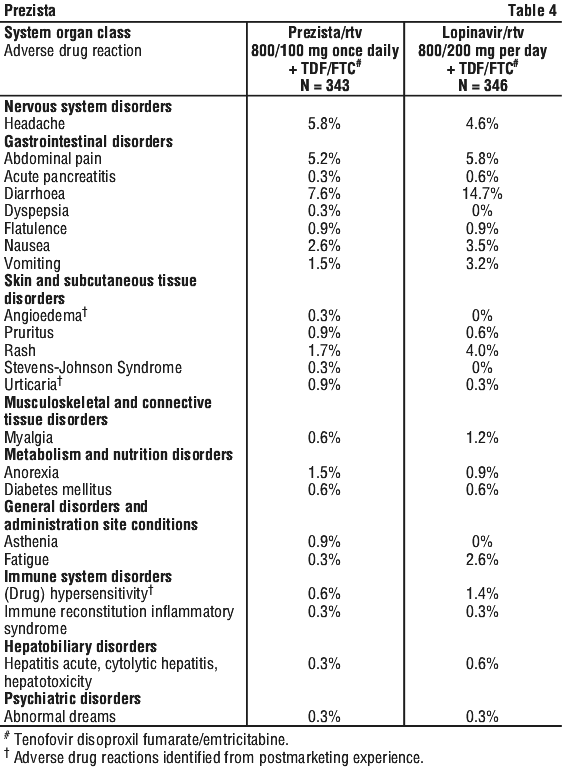
Adverse drug reactions to Prezista/rtv identified in the safety assessment of the clinical trials in adults. Adverse drug reactions to Prezista/rtv (800/100 mg once daily) identified in antiretroviral treatment naïve adult patients. The safety assessment is based on all safety data from the phase 3 trial ARTEMIS comparing Prezista/rtv 800/100 mg once daily versus lopinavir/ ritonavir 800/200 mg per day in antiretroviral naïve HIV-1 infected adult patients. The total patient years exposure in the Prezista/rtv arm and the lopinavir/rtv arm was 626.6 and 608.1, respectively.
The majority of the ADRs reported during treatment with Prezista/rtv were mild in severity.
The most frequent (≥ 5%) ADRs of moderate to severe (grade 2-4) intensity were diarrhoea, headache and abdominal pain.
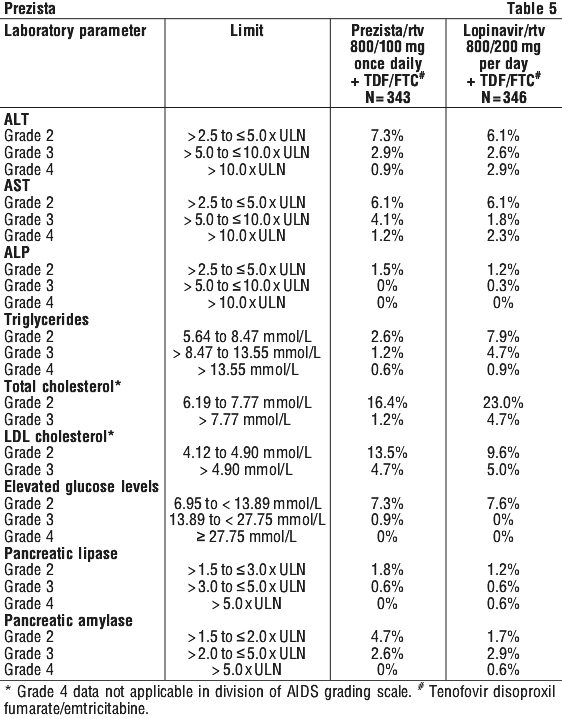
The most frequent (> 1%) ADRs of severe (grade 3 or 4) intensity were related to laboratory abnormalities. All other grade 3 or 4 ADRs were reported in less than 1% of the patients.
2.3% of the patients in the Prezista/rtv arm discontinued treatment due to ADRs.
Adverse drug reactions to Prezista/rtv 800/100 mg once daily of at least moderate intensity (grade 2-4) in antiretroviral treatment naïve HIV-1 infected adult patients are presented in Table 4*.
Laboratory abnormalities, grade 2-4, considered ADRs, in antiretroviral treatment naïve HIV-1 infected adult patients are shown in Table 5.
The majority of the ADRs reported with either Prezista/rtv treatment arm were mild in severity.
The most frequent (≥ 5%) ADRs of moderate to severe (grade 2-4) intensity were diarrhoea, nausea and vomiting.
The most frequent ADRs of severe (grade 3 or 4) intensity in either treatment arm were abdominal pain, diabetes, and increased blood cholesterol. All other grade 3 or 4 ADRs were reported in less than 1% of the patients.
Less than two percent of the patients in either treatment arm discontinued treatment due to ADRs.
Adverse drug reactions to Prezista/rtv 800/100 mg once daily and Prezista/rtv 600/100 mg b.i.d. of at least moderate intensity (grade 2-4) in antiretroviral treatment experienced HIV-1 infected adult patients with no darunavir resistance associated mutations are presented in Table 6*.
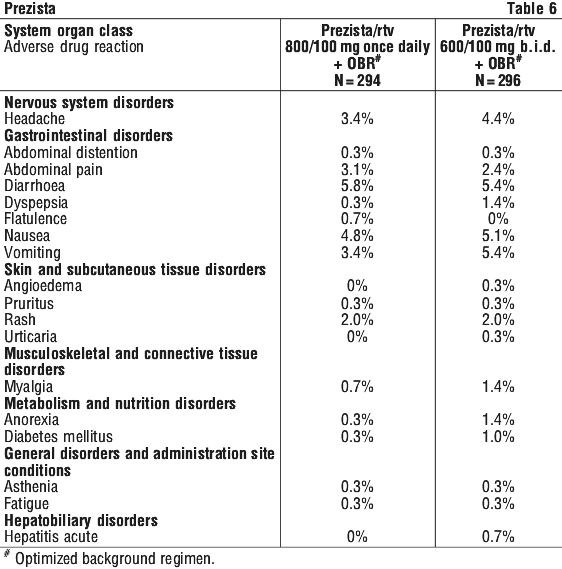
Laboratory abnormalities, grade 2-4, considered ADRs, in antiretroviral treatment experienced HIV-1 infected adult patients with no darunavir resistance associated mutations are shown in Table 7.
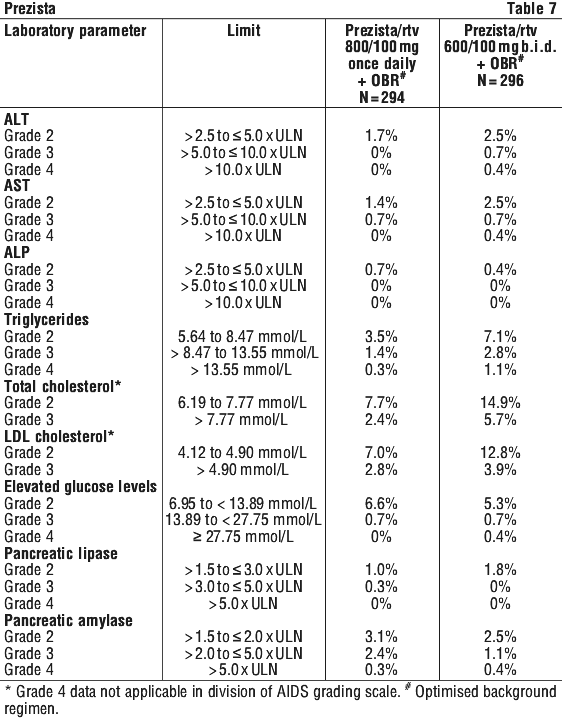
The majority of the ADRs reported during treatment with Prezista/rtv were mild in severity. The most frequent (≥ 5%) ADRs of moderate to severe (grade 2-4) intensity were diarrhoea, hypertriglyceridaemia, hypercholesterolaemia, nausea, abdominal pain, vomiting, hepatic enzymes increased and rash. The most frequent (> 1%) severe (grade 3 or 4) ADRs were related to laboratory abnormalities. All other grade 3 or 4 ADRs were reported in less than 1% of the patients. 4.7 percent of the patients discontinued treatment due to ADRs.
Adverse drug reactions to Prezista/rtv 600/100 mg b.i.d. of at least moderate intensity (grade 2-4) in antiretroviral treatment experienced HIV-1 infected adult patients in the TITAN trial are mentioned in Table 8*.
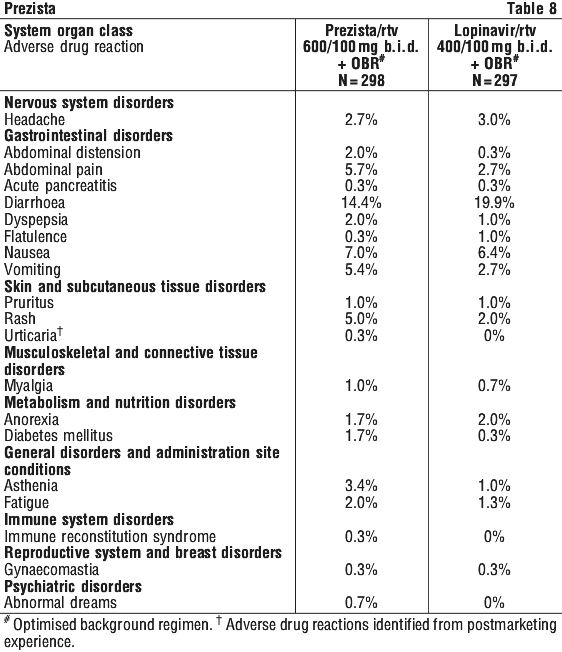
Laboratory abnormalities, grade 2-4, considered ADRs, in antiretroviral treatment experienced HIV-1 infected adult patients in the TITAN trial are shown in Table 9.
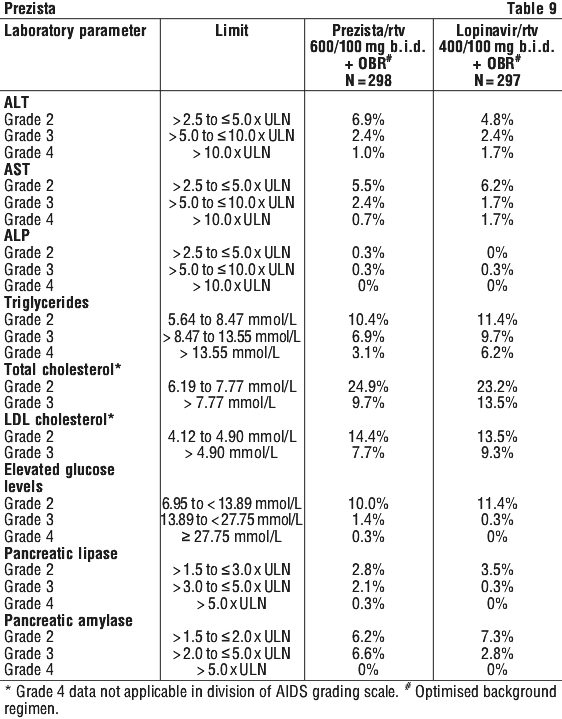
The majority of the ADRs reported during treatment with Prezista/rtv were mild in severity. The most frequent (≥ 5%) moderate to severe (grade 2-4) ADRs were diarrhoea, headache, abdominal pain, nausea and vomiting. The most frequent grade 3 or 4 ADRs were increased hepatic and pancreatic enzymes, hypertriglyceridaemia, diarrhoea, hypercholesterolaemia, headache, abdominal pain and vomiting. All other grade 3 or 4 ADRs were reported in less than 1% of the patients.
2.1 percent of the patients discontinued treatment due to ADRs.
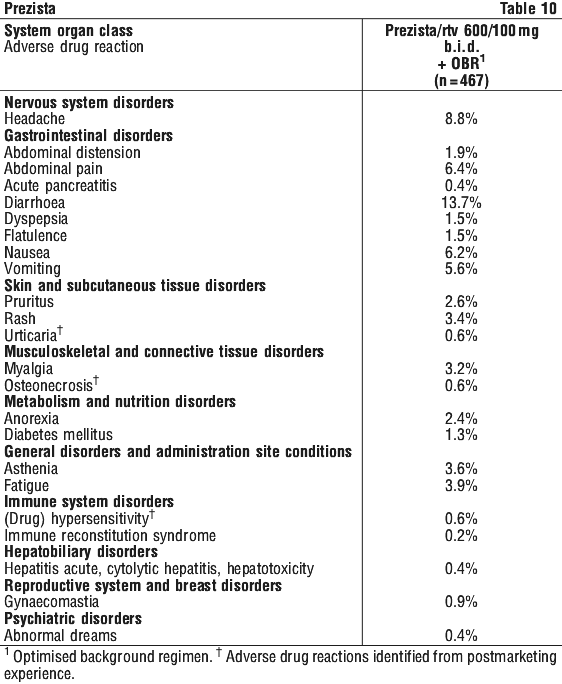
Adverse drug reactions to Prezista/rtv 600/100 mg b.i.d. of at least moderate intensity (grade 2-4) in antiretroviral treatment experienced HIV-1 infected adult patients in the pooled trials POWER 1, 2 and 3 are mentioned in Table 10*.
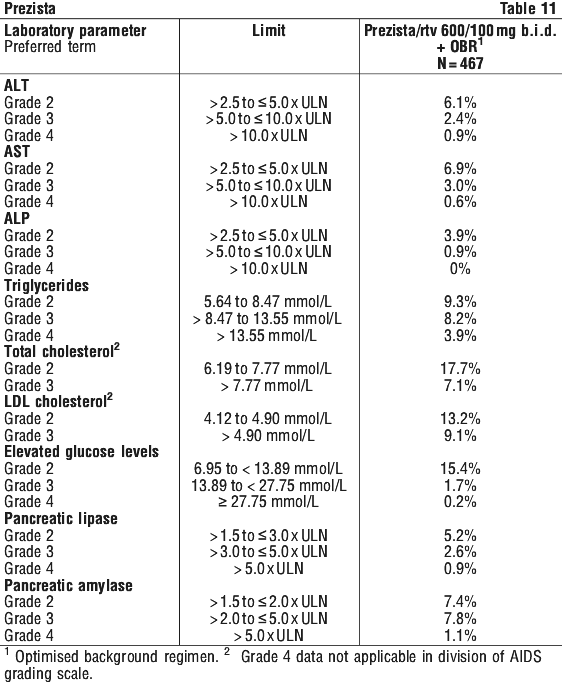
Laboratory abnormalities, considered ADRs, in antiretroviral treatment experienced HIV-1 infected adult patients in the pooled trials POWER 1, 2 and 3 are shown in Table 11.

Post-marketing experience. Adverse drug reactions identified during postmarketing experience (see Table 13).
Effects of combination antiretroviral therapy. Combination antiretroviral therapy has been associated with metabolic abnormalities such as hypertriglyceridaemia, hypercholesterolaemia, insulin resistance, hyperglycaemia and hyperlactataemia.
In HIV infected patients with severe immune deficiency at the time of initiation of combination antiretroviral therapy, an inflammatory reaction to asymptomatic or residual opportunistic infections may arise (immune reactivation syndrome). Autoimmune disorders such as Graves' disease and autoimmune hepatitis have also been reported in the context of immune reactivation syndrome (see Section 4.4 Special Warnings and Precautions for Use).
There have been reports of increased spontaneous bleeding in haemophilia patients receiving PIs.
Increased CPK, myalgia, myositis and, rarely, rhabdomyolysis have been reported with the use of HIV protease inhibitors, particularly in combination with NRTIs.
Special populations. Patients coinfected with hepatitis B and/or hepatitis C virus. In patients co-infected with hepatitis B or C virus receiving Prezista/rtv, the incidence of adverse events and clinical chemistry abnormalities was not higher than in patients receiving Prezista/rtv who were not co-infected, except for increased hepatic enzymes. The pharmacokinetic exposure in co-infected patients was comparable to that in patients without co-infection. Increased AST/ALT monitoring should be considered in patients with hepatitis co-infection, especially during the first months of Prezista/rtv therapy.
Reporting suspected adverse reactions. Reporting suspected adverse reactions after registration of the medicinal product is important. It allows continued monitoring of the benefit-risk balance of the medicinal product. Healthcare professionals are asked to report any suspected adverse reactions at www.tga.gov.au/reporting-problems.
4.9 Overdose
Human experience of acute overdose with Prezista/rtv is limited. Single doses up to 3200 mg of the oral solution of Prezista alone and up to 1600 mg of the tablet formulation of Prezista in combination with ritonavir have been administered to healthy volunteers without untoward symptomatic effects.
There is no specific antidote for overdose with Prezista. Treatment of overdose with Prezista consists of general supportive measures including monitoring of vital signs and observation of the clinical status of the patient. Since darunavir is highly protein bound, dialysis is unlikely to be beneficial in significant removal of the active substance.
For information on the management of overdose, contact the Poisons Information Centre on 131126 (Australia).
5 Pharmacological Properties
Pharmacotherapeutic group: Antivirals for systemic use, protease inhibitors. ATC code: J05AE10.
5.1 Pharmacodynamic Properties
Mechanism of action. Darunavir is an inhibitor of the dimerisation and of the catalytic activity of the HIV-1 protease. It selectively inhibits the cleavage of HIV encoded Gag-Pol polyproteins in virus infected cells, thereby preventing the formation of mature infectious virus particles.
Darunavir binds to HIV-1 protease with a KD of 4.5 x 10⁻¹² M.
Darunavir was not a significant inhibitor of any of 13 tested human cellular proteases.
Antiviral activity in vitro. Darunavir exhibits activity against laboratory strains and clinical isolates of HIV-1 in acutely infected T-cell lines, human peripheral blood mononuclear cells and human monocytes/ macrophages and laboratory strains of HIV-2 in acutely infected T-cell lines, with median EC50 values ranging from 1.2 to 8.5 nanoM (0.7 to 4.7 nanogram/mL). Darunavir demonstrates antiviral activity in vitro against a broad panel of HIV-1 group M (A, B, C, D, E, F, G) and group O primary isolates, with EC50 values ranging from < 0.1 to 4.3 nanoM.
These EC50 values are well below the 50% cellular toxicity concentration range of 87 microM to > 100 microM.
The EC50 value of darunavir increased by a median factor of 5.4 in the presence of 50% human serum in vitro.
Darunavir showed synergistic antiviral activity when studied in combination with the HIV protease inhibitors ritonavir, nelfinavir or amprenavir and additive antiviral activity when studied in combination with the HIV protease inhibitors indinavir, saquinavir, lopinavir, atazanavir or tipranavir, the nucleoside/ nucleotide reverse transcriptase inhibitors (N(t)RTIs) zidovudine, lamivudine, zalcitabine, didanosine, stavudine, abacavir, emtricitabine or tenofovir, the non-nucleoside reverse transcriptase inhibitors (NNRTIs) etravirine, nevirapine, delavirdine or efavirenz and the fusion inhibitor enfuvirtide. No antagonism was observed between darunavir and any of those antiretrovirals.
Resistance in vitro. In vitro selection of darunavir resistant virus from wildtype HIV-1 was lengthy (> 3 years). The selected viruses were unable to grow in the presence of darunavir concentrations above 400 nanoM. Viruses selected in these conditions and showing decreased susceptibility to darunavir (range: 23 to 50-fold) harboured 2 to 4 amino acid substitutions in the protease gene.
In vitro selection of darunavir resistant HIV-1 (range: 53 to 641-fold change in EC50 values (FC)) from 9 HIV-1 strains harbouring multiple HIV PI resistance associated mutations (RAMs) resulted in the overall emergence of 22 mutations in the protease, of which L10F, V32I, L33F, S37N, M46I, I47V, I50V, L63P, A71V and I84V were present in more than 50% of the 9 darunavir resistant isolates.
In 1113 clinical isolates resistant to amprenavir, atazanavir, indinavir, lopinavir, nelfinavir, ritonavir, saquinavir and/or tipranavir and in 886 baseline isolates from the patients enrolled in the POWER 1 (TMC114-C213) and POWER 2 (TMC114-C202) trials and in the POWER 3 analysis (TMC114-C215 + TMC114-C208), only the subgroups with > 10 HIV PI RAMs showed a median FC for darunavir > 10.
Cross resistance in vitro. Cross resistance has been observed among HIV protease inhibitors. Darunavir has a < 10-fold decreased susceptibility against 90% of 3309 clinical isolates resistant to amprenavir, atazanavir, indinavir, lopinavir, nelfinavir, ritonavir, saquinavir and/or tipranavir, showing that many viruses resistant to most HIV PIs remain susceptible to darunavir.
Seven of the 9 darunavir resistant viruses selected from HIV PI resistant viruses had phenotypic data for tipranavir. Six of those showed a fold change in EC50 value < 3 for tipranavir, indicative of limited cross resistance between these 2 HIV protease inhibitors.
Cross resistance between darunavir and N(t)RTIs, NNRTIs, the entry inhibitors or the integrase inhibitors, is unlikely because the viral targets for those inhibitors are different.
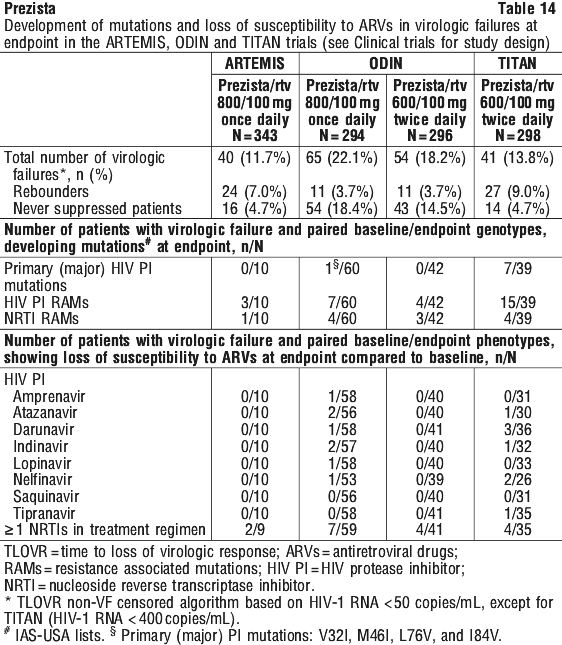
Selection of viral resistance during Prezista/rtv therapy in vivo. Across all studied clinical trials, the lowest rates of developing resistant HIV-1 virus are observed in antiretroviral treatment naïve patients who are treated for the first time with darunavir in combination with other antiretroviral treatment. Table 14 shows the development of mutations and loss of susceptibility to the HIV PIs in virologic failures at endpoint in the ARTEMIS, ODIN and TITAN trials.
Cross resistance with other HIV protease inhibitors in vivo. In the virologic failures of the ARTEMIS trial no cross resistance with other HIV PIs was observed.
Of the viruses isolated from patients receiving Prezista/rtv 800/100 mg once daily experiencing virologic failure in the ODIN trial 96% to 100% that were susceptible at baseline to amprenavir, atazanavir, indinavir, lopinavir, saquinavir or tipranavir remained susceptible to these HIV protease inhibitors after treatment. In the virologic failures receiving Prezista/rtv 600/100 mg b.i.d. no cross resistance with other HIV PIs was observed.
Of the viruses isolated from patients receiving Prezista/rtv 600/100 mg twice daily experiencing virologic failures in the TITAN trial, 8% (n = 3) of those susceptible to darunavir at baseline developed decreased susceptibility to darunavir during treatment. Two of these 3 Prezista/rtv subjects were already resistant to all approved HIV PIs (fos)amprenavir, atazanavir, indinavir, lopinavir, nelfinavir, saquinavir and tipranavir at baseline. The third subject who was resistant to all other HIV approved PIs at baseline, remained susceptible to indinavir and tipranavir after Prezista failure. In the same group of patients experiencing virologic failure, 97% to 100% that were susceptible at baseline to amprenavir, atazanavir, indinavir, lopinavir, saquinavir or tipranavir remained susceptible after Prezista failure.
Of the viruses isolated from patients experiencing virologic failure by rebound from the Prezista/rtv 600/100 mg b.i.d. group of the POWER and DUET trials, 85% that were susceptible to darunavir at baseline developed decreased susceptibility to darunavir during treatment. In the same group of patients, 71% of viruses that were susceptible to tipranavir at baseline remained susceptible after treatment. In the POWER trials, patients with resistance to tipranavir (FC > 3) at baseline showed a mean change in viral load at week 24 of -1.38 log10. Cross resistance with the other HIV PIs could not be studied in the POWER or DUET trials, since most of the baseline viruses were already resistant to these HIV PIs. Patients with no susceptible HIV PI at baseline (excluding tipranavir) showed a mean change in viral load at week 24 of -1.57 log10.
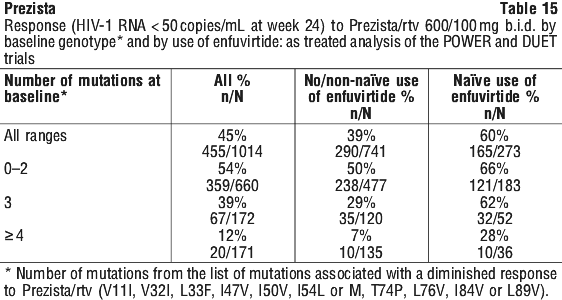
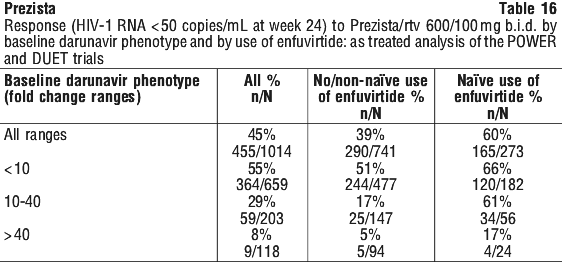
Baseline genotype or phenotype and virologic outcome. In a pooled analysis of the Prezista/rtv 600/100 mg b.i.d. groups of the POWER and DUET trials, the presence at baseline of three or more of the mutations V11I, V32I, L33F, I47V, I50V, I54L or M, T74P, L76V, I84V or L89V was associated with a decreased virologic response to Prezista/rtv.
In early treatment experienced patients (TITAN) three or more of these mutations were only found in 4% of the patients at baseline (see Table 15).
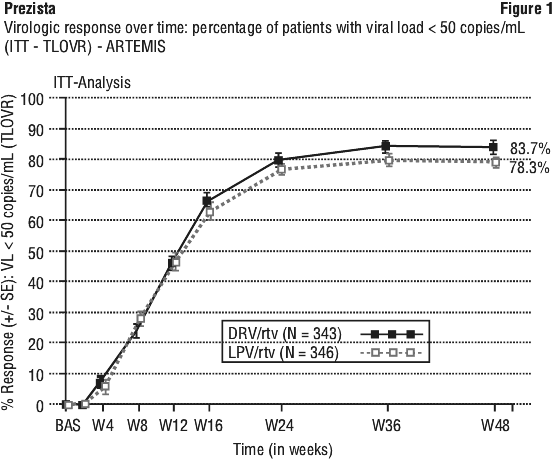
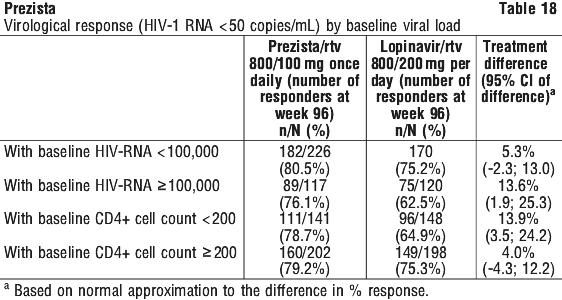
Clinical trials. Efficacy of Prezista/rtv in treatment naïve adult patients. The evidence of efficacy of Prezista/rtv 800/100 mg once daily is based on the analyses of 96 week data from the randomised, controlled, open label phase 3 trial ARTEMIS (TMC114-C211) in antiretroviral treatment naïve HIV-1 infected patients comparing Prezista/rtv 800/100 mg once daily with lopinavir/rtv 800/200 mg per day (given as a twice daily or as a once daily regimen). Both arms used a fixed background regimen consisting of tenofovir disoproxil fumarate 300 mg once daily (TDF) and emtricitabine 200 mg once daily (FTC).
HIV-1 infected patients who were eligible for this trial had plasma HIV-1 RNA > 5000 copies/mL. Randomisation was stratified by screening plasma viral load and screening CD4+ cell count. Virologic response was defined as a confirmed plasma HIV-1 RNA viral load < 50 copies/mL.
Demographics and baseline characteristics were balanced between the Prezista/rtv arm and the lopinavir/rtv arm. The 343 patients on Prezista/rtv 800/100 mg once daily had a median age of 34 years (range 18-70), 70% were male, 40% white, 23% black, 23% Hispanic and 13% Asian. The mean baseline plasma HIV-1 RNA was 4.86 log10 copies/mL and the median baseline CD4+ cell count was 228 x 106 cells/L (range 4-750 x 106 cells/L).
Table 17 shows the efficacy data of the 48 week and 96 week analyses from the ARTEMIS trial.
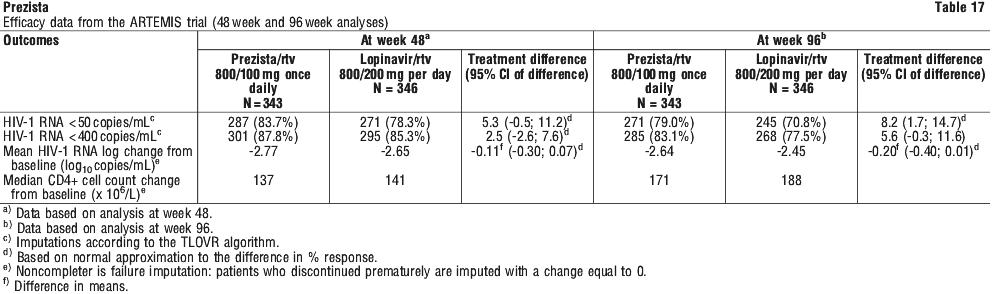
Noninferiority in virologic response to the Prezista/ ritonavir treatment, defined as the percentage of patients with plasma HIV-1 RNA level < 50 copies/mL, was demonstrated (at the predefined 12% noninferiority margin) for both intent to treat (lTT) and on protocol (OP) populations in the 48 week analysis. These results were confirmed in the analyses of data at 96 weeks of treatment in the ARTEMIS trial. Furthermore, superiority of the Prezista/rtv arm over the lopinavir/rtv arm was demonstrated at week 96 (p = 0.012 for the ITT population and p = 0.011 for the OP population).
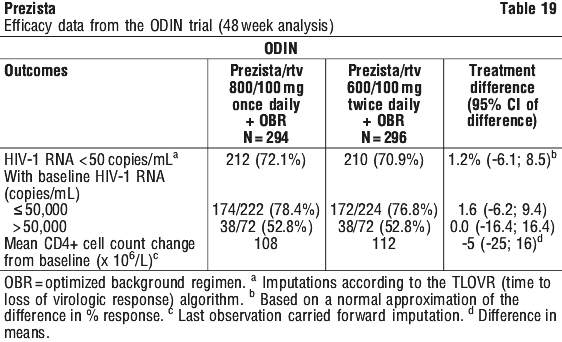
ODIN is a randomised, open label trial comparing Prezista/rtv 800/100 mg once daily to Prezista/rtv 600/100 mg twice daily in treatment experienced HIV-1 infected patients with screening genotype resistance testing showing no darunavir RAMs (i.e. V11I, V32I, L33F, I47V, I50V, I54M, I54L, T74P, L76V, I84V, L89V) and a viral load of > 1,000 HIV-1 RNA copies/mL. Both arms used an optimised background regimen consisting of ≥ 2 NRTIs selected by the investigator.
Demographics and baseline characteristics were balanced between the Prezista/rtv once daily arm and the Prezista/rtv twice daily arm. The 590 patients in total had a median age of 40 years (range 18 to 77), 64% were male, 36% white, 26% black, 18% Hispanic, and 15% Asian. The mean baseline plasma HIV-1 RNA was 4.16 log10 copies/mL and the median baseline CD4+ cell count was 228 x 106 cells/L (range 24-1306 x 106 cells/L).
The primary objective was to demonstrate noninferiority of virologic response of the once daily regimen compared to the twice daily regimen. Virologic response was defined as a confirmed plasma viral load of < 50 HIV-1 RNA copies/mL at week 48. Noninferiority was confirmed if the lower limit of the 95% confidence interval (CI) for the difference in response (once daily minus twice daily) was greater than minus 12%. The analysis was to be performed on the intention to treat population, which included all participants who took at least one dose of study medications.
In the 48 week analysis noninferiority was demonstrated. The virological response was 72.1% for the Prezista/rtv once daily arm and 70.9% for the Prezista/rtv twice daily arm. The difference was 1.2% with 95% confidence interval of -6.1%; 8.5% (see Table 19).
Efficacy of Prezista/rtv (600/100 mg twice daily) in treatment experienced lopinavir naïve adult patients. The evidence of efficacy of Prezista/rtv 600/100 mg b.i.d. in treatment-experienced patients is based on the 48 week analysis of the Phase 3 trial TITAN (TMC114-C214) in treatment experienced, lopinavir/rtv naïve patients and on the analyses of 96 week data from the Phase 2b trials POWER 1, 2 and 3, in patients with high level of HIV PI resistance.
TITAN is a randomised, controlled, open label phase 3 trial comparing Prezista/rtv 600/100 mg b.i.d. versus lopinavir/rtv 400/100 mg b.i.d. in antiretroviral treatment experienced, lopinavir/rtv naïve HIV-1 infected adult patients. Both arms used an optimised background regimen (OBR) consisting of at least 2 antiretrovirals (NRTIs with or without NNRTIs).
HIV-1 infected patients who were eligible for this trial had plasma HIV-1 RNA > 1000 copies/mL and were on a highly active antiretroviral therapy regimen (HAART) for at least 12 weeks.
Virologic response was defined as a confirmed plasma HIV-1 RNA viral load < 400 copies/mL. Analyses included 595 patients in the TITAN trial who had completed 96 weeks of treatment or discontinued earlier.
Demographics and baseline characteristics were balanced between the Prezista/rtv arm and the lopinavir/ ritonavir arm. The 298 patients on Prezista/rtv 600/100 mg b.i.d. had a median age of 40 years (range 18 to 68), 77% were male, 54% white, 18% black, 15% Hispanic and 9% Asian. The mean baseline plasma HIV-1 RNA was 4.33 log10 copies/mL and the median baseline CD4+ cell count was 235 x 106 cells/L (range 3-831 x 106 cells/L).
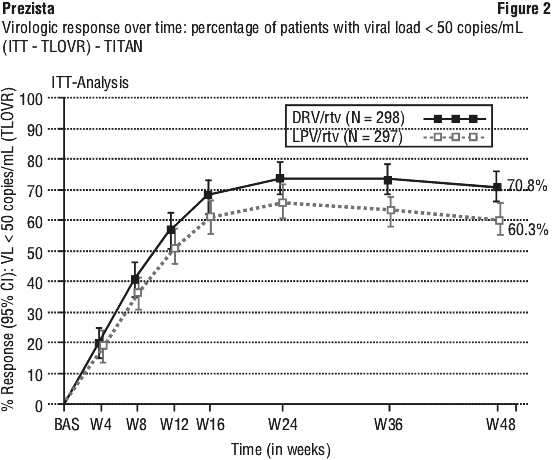
Table 20 shows the efficacy data of the 48 week and 96 week analyses from the TITAN trial.
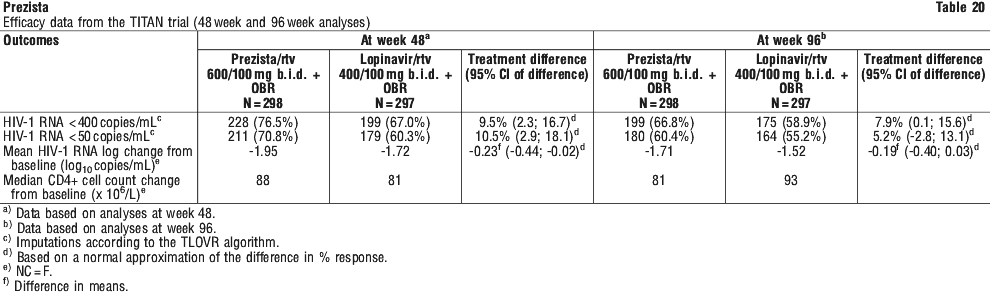
These results were confirmed in the analyses of data at 96 weeks of treatment in the TITAN trial (see Table 21). Furthermore, superiority of the Prezista/rtv arm over the lopinavir/rtv arm was demonstrated at 96 weeks (p = 0.034 for the ITT population and p = 0.033 for the OP population).
HIV-1 infected patients who were eligible for these trials had plasma HIV-1 ribonucleic acid (RNA) > 1000 copies/mL, had prior treatment with HIV PI(s), NNRTI(s) and NRTI(s), had at least 1 primary (i.e. major) PI mutation at screening and were on a stable PI containing regimen at screening for at least 8 weeks. Randomisation was stratified by the number of PI mutations, screening viral load and the use of enfuvirtide.
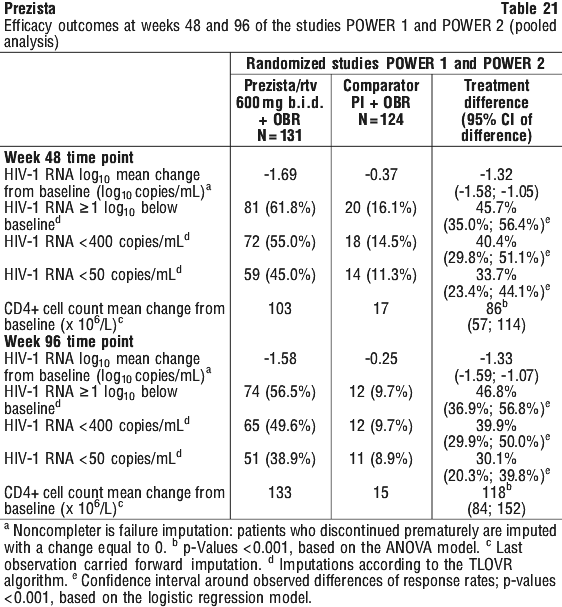
Demographics and baseline characteristics were balanced between the Prezista/rtv arm and the comparator HIV PI arm. In both trials combined, the 131 patients on Prezista/rtv 600/100 mg b.i.d. had a median age of 43 years (range 27-73), 89% were male, 81% white, 10% Black and 7% Hispanic. The mean baseline plasma HIV-1 RNA was 4.61 log10 copies/mL and the median baseline CD4+ cell count was 153 x 106 cells/L (range 3-776 x 106 cells/L). The median darunavir FC was 4.3. In the Prezista/rtv 600/100 mg b.i.d. arm patients had prior exposure to a mean of 4 PIs, 5 NRTIs and 1 NNRTI versus 4 PIs, 6 NRTIs and 1 NNRTI in the comparator arm. Twenty percent of the patients in the Prezista/rtv arm had prior use of enfuvirtide versus 17% in the comparator arm.
The virologic response, defined as a decrease in plasma HIV-1 RNA viral load of at least 1.0 log10 versus baseline, was evaluated in patients receiving Prezista/rtv plus an optimised background regimen (OBR) versus a control arm receiving an investigator selected PI(s) regimen plus an OBR. The OBR consisted of at least 2 NRTIs with or without enfuvirtide (ENF). Based on resistance testing and prior medical history, selected PIs in the control arm included: lopinavir/ ritonavir in 36%, (fos)amprenavir in 34%, saquinavir in 35% and atazanavir in 17%. Twenty three percent of the control patients used dual boosted PIs. Approximately 47% of all patients used enfuvirtide and 35% of the use was in patients who were ENF naïve.
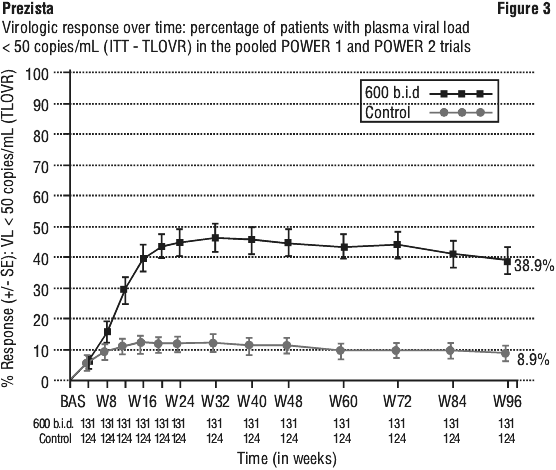
Table 21 shows the efficacy data of the 48 week and 96 week analyses from the pooled POWER 1 and POWER 2 trials (see Figure 3).
Baseline characteristics of the patients included in the TMC114-C215/C208 analysis were comparable to those patients in studies POWER 1 and POWER 2.
The POWER 3 48 week efficacy analysis supported the viral load reduction and CD4+ cell count increases observed in the studies POWER 1 and POWER 2. Of the 334 patients at week 48, 59% had a virologic response defined as a decrease of at least 1.0 log10 in plasma viral load versus baseline and 46% of the patients reached less than 50 HIV-1 RNA copies/mL.
Analyses of data through 96 weeks of treatment with Prezista/rtv (600/100 mg b.i.d.) in the POWER 3 study supported the sustained antiretroviral efficacy and immunological benefit as demonstrated in the studies POWER 1 and POWER 2. Of the 336 patients at week 96 in study POWER 3, 52.2% of patients had a virologic response defined as a decrease of at least 1 log10 in HIV-1 RNA from baseline. 42.1% of the patients reached an HIV-1 RNA level < 50 copies/mL and 50.0% of patients reached less than 400 HIV-1 RNA copies/mL. The mean decrease in HIV-1 RNA level compared to baseline was 1.43 log10 copies/mL and a mean increase in CD4+ cell count of 103 x 106 cells/L was observed. Out of the 206 patients who responded with complete viral suppression (< 50 copies/mL) at week 48 in studies POWER 1, POWER 2 and POWER 3, 177 patients (86% of the responders at week 48) remained responders at week 96.
Description of the clinical study in paediatric patients. DELPHI (TMC114-C212) is an open label, phase 2 trial evaluating the pharmacokinetics, safety, tolerability and efficacy of Prezista/rtv in 80 antiretroviral treatment experienced HIV-1 infected paediatric patients aged 6 to < 18 years and weighing at least 20 kg. At baseline, the mean time since diagnosis was 10.7 years and 37.5% of patients had a baseline viral load ≥ 100,000 copies/mL. At week 24, the virologic response rate was evaluated in paediatric patients receiving Prezista/rtv in combination with other antiretroviral agents (see Section 4.2 Dose and Method of Administration for dosage recommendations per bodyweight). Virologic response was defined as a decrease in plasma HIV-1 RNA viral load of at least 1.0 log10 versus baseline. The mean baseline plasma HIV-1 RNA was 4.64 log10 copies/mL, and the median baseline CD4+ cell count was 330 x 106 cells/L (range: 6 to 1505 x 106 cells/L).
In the study, patients who were at risk of discontinuing therapy due to intolerance of ritonavir oral solution (e.g. taste aversion) were allowed to switch to the capsule formulation. Of the 44 patients taking ritonavir oral solution, 23 switched to the 100 mg capsule formulation and exceeded the weight based ritonavir dose without changes in observed safety.
At week 24, 73.8% of the paediatric patients had at least 1.0 log10 HIV-1 RNA decrease from baseline. The proportion of paediatric patients reaching undetectable viral load (< 50 HIV-1 RNA copies/mL) was 50.0%, and the proportion of paediatric patients with < 400 HIV-1 RNA copies/mL was 63.8%. The mean change in plasma HIV-1 RNA from baseline was -1.98 log10 copies/mL. The mean CD4+ cell count increase from baseline was 117 x 106 cells/L.
5.2 Pharmacokinetic Properties
The pharmacokinetic properties of Prezista, coadministered with ritonavir, have been evaluated in healthy adult volunteers and in HIV-1 infected patients. Exposure to darunavir was higher in HIV-1 infected patients than in healthy participants.
For combination use with cobicistat and darunavir please see Prezcobix (darunavir/ cobicistat) or Tybost (cobicistat) product information.
Darunavir is primarily metabolized by cytochrome P450 3A (CYP3A). Ritonavir inhibits CYP3A, thereby increasing the plasma concentrations of darunavir considerably (see Figure 4).
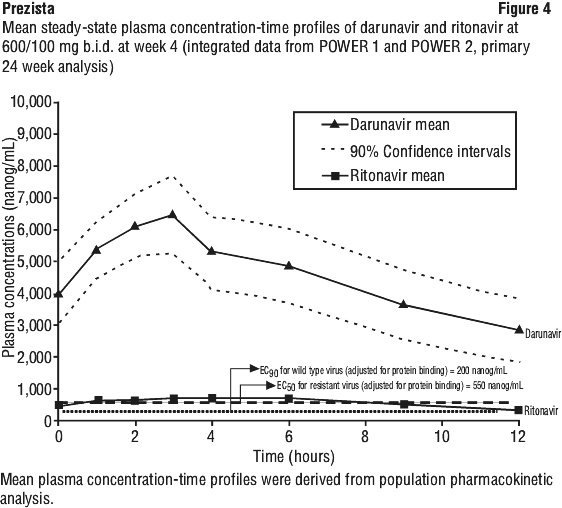
The absolute oral bioavailability of a single 600 mg dose of Prezista alone was approximately 37% and increased to approximately 82% in the presence of 100 mg b.i.d ritonavir. The overall pharmacokinetic enhancement effect by ritonavir was an approximate 14-fold increase in the systemic exposure of darunavir when a single dose of 600 mg Prezista was given orally in combination with ritonavir at 100 mg b.i.d. (see Section 4.4 Special Warnings and Precautions for Use).
When administered without food, the relative bioavailability of Prezista in the presence of low dose ritonavir is 30% lower, compared to intake with food. Therefore, Prezista tablets should be taken with ritonavir and with food. The type of food does not affect exposure to darunavir.
Distribution. Darunavir is approximately 95% bound to plasma protein. Darunavir binds primarily to plasma alpha1-acid glycoprotein. The apparent volume of distribution of darunavir using population pharmacokinetic analysis was 122 L.
Metabolism. In vitro experiments with human liver microsomes indicate that darunavir primarily undergoes oxidative metabolism. Darunavir is extensively metabolised by the hepatic CYP system and primarily by isozyme CYP3A4. A 14C-darunavir trial in healthy volunteers showed that a majority of the radioactivity in plasma after a single 400/100 mg Prezista/rtv dose was due to the parent drug. At least 3 oxidative metabolites of darunavir have been identified in humans; all showed activity that was at least 10-fold less than the activity of darunavir against wildtype HIV.
Excretion. After a 400/100 mg 14C-darunavir/rtv dose, approximately 79.5% and 13.9% of the administered dose of 14C-darunavir could be retrieved in faeces and urine, respectively. Unchanged darunavir accounted for approximately 41.2% and 7.7% of the administered dose in faeces and urine, respectively. The terminal elimination half-life of darunavir was approximately 15 hours when combined with ritonavir.
The intravenous clearance of darunavir alone (150 mg) and in the presence of low dose ritonavir was 32.8 L/h and 5.9 L/h, respectively.
Special populations. Paediatrics. The pharmacokinetics of darunavir in combination with ritonavir in 74 treatment experienced paediatric patients, aged 6 to < 18 years and weighing at least 20 kg, showed that the administered weight based dosages resulted in darunavir exposure comparable to that in adults receiving Prezista/rtv 600/100 mg b.i.d. (see Section 4.2 Dose and Method of Administration). Median (range) darunavir AUC(12h) and C(0h) values in this paediatric population were 63,670 (33,527; 115,360) nanogram.h/mL and 3,888 (1,836; 7,821) nanogram.h/mL, respectively.
Elderly. Population pharmacokinetic analysis in HIV infected patients showed that Prezista pharmacokinetics are not considerably different in the age range (18 to 75 years) evaluated in HIV infected patients (see Section 4.4 Special Warnings and Precautions for Use).
Gender. Population pharmacokinetic analysis showed a slightly higher darunavir exposure in HIV infected females compared to males. This difference is not clinically relevant.
Pregnancy and postpartum. Treatment with darunavir and ritonavir. The exposure to total darunavir and ritonavir after intake of darunavir/ritonavir 600/100 mg b.i.d and darunavir/ritonavir 800/100 mg q.d. as part of an antiretroviral regimen was generally lower during pregnancy compared with postpartum. Reduction in darunavir exposure was more pronounced in the once daily group as compared to the twice daily group across both 2nd and 3rd trimester of pregnancy. However, for unbound (i.e. active) darunavir, the pharmacokinetic parameters were less reduced during pregnancy compared to postpartum, due to an increase in the unbound fraction of darunavir during pregnancy compared to postpartum.
Twice daily dose regimen group. In women receiving darunavir/ritonavir 600/100 mg b.i.d during the 2nd trimester of pregnancy, mean intra-individual values for total darunavir Cmax, AUC12h and Cmin were 28%, 26% and 26% lower, respectively, as compared with postpartum; during the 3rd trimester of pregnancy, total darunavir Cmax, AUC12h and Cmin values were 18%, 16% lower and 2% higher, respectively, as compared with postpartum.
Once daily dose regimen group. In women receiving darunavir/ritonavir 800/100 mg q.d during the 2nd trimester of pregnancy, mean intra-individual values for total darunavir Cmax, AUC24h and Cmin were 33%, 31% and 30% lower, respectively, as compared with postpartum; during the 3rd trimester of pregnancy, total darunavir Cmax, AUC24h and Cmin values were 29%, 32% and 50% lower, respectively, as compared with postpartum (see Section 4.4 Special Warnings and Precautions for Use; Section 4.2 Dose and Method of Administration).
Treatment with darunavir and cobicistat. The exposure to total darunavir and cobicistat after intake of darunavir/cobicistat 800/150 mg q.d. as part of an antiretroviral regimen was substantially lower during the second and third trimester of pregnancy compared with 6-12 weeks postpartum (see Table 22). The decrease in unbound (i.e. active) darunavir pharmacokinetic parameters (Cmax and AUC24h) during pregnancy compared to postpartum was less pronounced than for total darunavir.
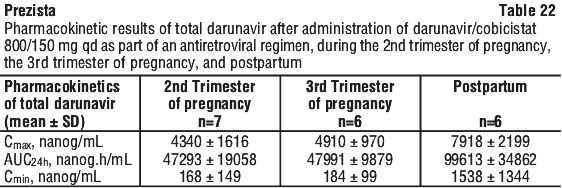
Renal impairment. No pharmacokinetic data are available in patients with severe renal impairment or endstage renal disease.
Results from a mass balance study with 14C-darunavir/rtv showed that approximately 7.7% of the administered dose of darunavir is excreted in the urine as unchanged drug. As darunavir and ritonavir are highly bound to plasma proteins, it is unlikely that they will be significantly removed by hemodialysis or peritoneal dialysis.
Although Prezista has not been studied in patients with renal impairment, population pharmacokinetic analysis showed that the pharmacokinetics of Prezista were not significantly affected in HIV infected patients with moderate renal impairment (CrCl between 30-60 mL/min, n = 20) (see Section 4.2 Dose and Method of Administration; Section 4.4 Special Warnings and Precautions for Use).
For combination use with cobicistat and darunavir please see Prezcobix (darunavir/ cobicistat) or Tybost (cobicistat) product information.
Hepatic impairment. Darunavir is primarily metabolised and eliminated by the liver. In a multiple dose study with Prezista coadministered with ritonavir (600/100 mg) twice daily, it was demonstrated that the steady-state pharmacokinetic parameters of darunavir in patients with mild (Child-Pugh class A, n = 8) and moderate (Child-Pugh class B, n = 8) hepatic impairment were comparable with those in healthy patients. However, darunavir unbound concentrations were approximately 50% and 100% higher, respectively, in mild and moderate hepatic impairment, compared with those in healthy participants. The clinical relevance of this increase in unbound darunavir concentrations is unknown. Therefore, Prezista should be used with caution in mild to moderate hepatic impairment. The effect of severe hepatic impairment on the pharmacokinetics of darunavir has not been studied (see Section 4.2 Dose and Method of Administration; Section 4.4 Special Warnings and Precautions for Use).
Interactions with medicinal products. Darunavir and ritonavir are both inhibitors of the CYP3A and CYP2D6 isoforms, and inhibitors of P-gp. Coadministration of darunavir and ritonavir with medicinal products primarily metabolized by CYP3A, CYP2D6, or transported by P-gp may result in increased plasma concentrations of such drugs, which could increase or prolong their therapeutic effect and adverse events (see Section 4.3 Contraindications; Section 4.4 Special Warnings and Precautions for Use; Section 4.5 Interactions with Other Medicines and Other Forms of Interactions).
Darunavir, ritonavir and cobicistat are metabolized by CYP3A. Drugs that induce CYP3A activity would be expected to increase the clearance of darunavir, ritonavir and cobicistat, resulting in lowered plasma concentrations of darunavir, ritonavir and cobicistat. Darunavir boosted with cobicistat is more sensitive to CYP3A4 induction than darunavir boosted with ritonavir (see Section 4.3 Contraindications; Section 4.5 Interactions with Other Medicines and Other Forms of Interactions). Co-administration with other drugs that inhibit CYP3A may decrease the clearance of darunavir, ritonavir and cobicistat and may result in increased plasma concentrations of darunavir, ritonavir and cobicistat (see Section 4.5 Interactions with Other Medicines and Other Forms of Interactions).
For combination use with cobicistat and darunavir please see Prezcobix (darunavir/ cobicistat) or Tybost (cobicistat) product information.
Drug interaction studies were performed with darunavir and other drugs likely to be coadministered and some drugs commonly used as probes for pharmacokinetic interactions. The effects of coadministration of darunavir on the concentration of darunavir or drug are summarized in Table 3 (see Section 4.5 Interactions with Other Medicines and Other Forms of Interactions).
5.3 Preclinical Safety Data
Genotoxicity. Prezista was not mutagenic or genotoxic in a battery of in vitro and in vivo assays including bacterial reverse mutation (Ames), chromosomal aberration in human lymphocytes and in vivo micronucleus test in mice.
Carcinogenicity. Prezista was evaluated for carcinogenic potential by oral gavage administration to mice and rats up to 104 weeks. Daily doses of 150, 450 and 1000 mg/kg were administered to mice and doses of 50, 150 and 500 mg/kg were administered to rats. Systemic exposures at the highest dose (based on plasma AUC) were approximately 0.5-fold (mice) and 0.75-fold (rats) relative to humans at the recommended therapeutic dose of darunavir/ ritonavir (600/100 mg b.i.d).
The incidences of hepatocellular adenomas were statistically significantly increased at all doses in male mice; at the mid and high dose in female mice and male rats; and at the high dose in female rats. The incidence of hepatocellular carcinomas was significantly increased at the high dose in male mice; and male and female rats. The relevance of these findings for humans is limited. An increase in the incidence of thyroid follicular cell adenomas was noted in male rats. This is considered rodent specific and of no relevance to humans.
6 Pharmaceutical Particulars
6.1 List of Excipients
Microcrystalline cellulose, colloidal anhydrous silica, crospovidone, magnesium stearate, polyvinyl alcohol, macrogol 3350, titanium dioxide (E171), purified talc, sunset yellow FCF aluminium lake (400 mg and 600 mg tablets only), hypromellose (800 mg tablets only), iron oxide red (E172) (800 mg tablets only).
6.2 Incompatibilities
Incompatibilities were either not assessed or not identified as part of the registration of this medicine.
6.3 Shelf Life
In Australia, information on the shelf life can be found on the public summary of the Australian Register of Therapeutic Goods (ARTG). The expiry date can be found on the packaging.
6.4 Special Precautions for Storage
Store below 30°C.
6.5 Nature and Contents of Container
Prezista 75 mg film coated tablets* are provided in high density polyethylene (HDPE) plastic bottles containing 480 tablets, fitted with polypropylene (PP) child resistant closures.
Prezista 400* and 600 mg film coated tablets are provided in high density polyethylene (HDPE) plastic bottles containing 60 tablets, fitted with polypropylene (PP) child resistant closures.
Prezista 800 mg film coated tablets are provided in high density polyethylene (HDPE) plastic bottles containing 30 tablets, fitted with polypropylene (PP) child resistant closures.
*Currently not marketed.
6.6 Special Precautions for Disposal
In Australia, any unused medicine or waste material should be disposed of by taking to your local pharmacy.
6.7 Physicochemical Properties
Chemical structure.
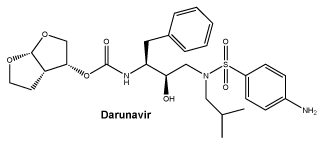
Molecular formula. C27H37N3O7S.
Molecular weight. 547.66 daltons.
The chemical name for darunavir is [(1S,2R)-3-[[(4-aminophenyl)sulfonyl](2-methylpropyl)amino]-2-hydroxy-1-(phenylmethyl)propyl]-carbamic acid (3R,3aS,6aR)-hexahydrofuro[2,3-b]furan-3-yl ester.
Darunavir is isolated as darunavir ethanolate, a pseudo-polymorphic form of darunavir. Darunavir ethanolate is a white to off-white powder that is very slightly soluble in water, sparingly soluble in methanol, slightly soluble in ethanol, and freely soluble in acetone and dichloromethane.
7 Medicine Schedule (Poisons Standard)
S4 - Prescription Only Medicine.
Date of First Approval
15 March 2007
Date of Revision
19 February 2026
Summary Table of Changes

Reasonable care is taken to provide accurate information at the time of creation. This information is not intended as a substitute for medical advice and should not be exclusively relied on to manage or diagnose a medical condition. The Australian Commission on Safety and Quality in Health Care disclaims all liability (including for negligence) for any loss, damage, injury or any other negative effects resulting from reliance on or use of this information. Read our full disclaimer. This website uses cookies. Read our privacy policy.