
Prochlorperazine GH
Brand Information
| Brand name | Prochlorperazine GH |
| Active ingredient | Prochlorperazine maleate |
| Schedule | S4 |
Consumer Medicine Information (CMI) leaflet
Please read this leaflet carefully before you start using the Prochlorperazine GH.
Summary CMI
Prochlorperazine GH
Consumer Medicine Information (CMI) summary
The full CMI on the next page has more details. If you are worried about using this medicine, speak to your doctor or pharmacist.
1. Why am I using Prochlorperazine GH?
Prochlorperazine GH contains the active ingredient Prochlorperazine. Prochlorperazine GH is used to treat nausea, vomiting and dizziness due to various causes, including migraine (severe headache). For more information, see Section 1. Why am I using Prochlorperazine GH? in the full CMI.
2. What should I know before I use Prochlorperazine GH?
Do not use if you have ever had an allergic reaction to prochlorperazine or any of the ingredients listed at the end of the CMI.
Talk to your doctor if you have any other medical conditions, take any other medicines, or are pregnant or plan to become pregnant or are breastfeeding. For more information, see Section 2. What should I know before I use Prochlorperazine GH? in the full CMI.
3. What if I am taking other medicines?
Some medicines may interfere with Prochlorperazine GH and affect how it works. A list of these medicines is in Section 3. What if I am taking other medicines? in the full CMI.
4. How do I use Prochlorperazine GH?
- For adults, the usual recommended dose for nausea and vomiting is 1 or 2 tablets two to three times daily. The usual recommended dose for dizziness is 1 or 2 tablets three to four times daily.
More instructions can be found in Section 4. How do I use Prochlorperazine GH? in the full CMI.
5. What should I know while using Prochlorperazine GH?
| Things you should do |
|
| Things you should not do |
|
| Driving or using machines |
|
| Drinking alcohol |
|
| Looking after your medicine |
|
For more information, see Section 5. What should I know while using Prochlorperazine GH? in the full CMI.
6. Are there any side effects?
Less serious side effects include constipation, dry mouth, drowsiness, restlessness, trembling, rigid posture, mask-like face, slow movements and a shuffling unbalanced walk, uncontrollable twitching, jerking or writhing movements, blurred vision, and low blood pressure. Serious side effects include unusual muscle tone or spasms causing distortion of the body in children, a sudden increase in body temperature, extremely high blood pressure and severe convulsions, shortness of breath, wheezing, difficulty in breathing or swallowing, swelling of the face, lips, tongue or other parts of the body, and a rash, itching or hives on the skin. If you experience any of these serious side effects, go straight to the Emergency Department at your nearest hospital. For more information, including what to do if you have any side effects, see Section 6. Are there any side effects? in the full CMI.
Full CMI
Prochlorperazine GH
Active ingredient(s): prochlorperazine
Consumer Medicine Information (CMI)
This leaflet provides important information about using Prochlorperazine GH. You should also speak to your doctor or pharmacist if you would like further information or if you have any concerns or questions about using Prochlorperazine GH.
Where to find information in this leaflet:
1. Why am I using Prochlorperazine GH?
2. What should I know before I use Prochlorperazine GH?
3. What if I am taking other medicines?
4. How do I use Prochlorperazine GH?
5. What should I know while using Prochlorperazine GH?
6. Are there any side effects?
7. Product details
1. Why am I using Prochlorperazine GH?
Prochlorperazine GH contains the active ingredient Prochlorperazine. Prochlorperazine GH belongs to a group of medicines called phenothiazines.
It helps to correct chemical imbalances in the brain, allowing it to function correctly.
These chemicals may also affect the parts of the brain which control nausea (feeling sick) and vomiting.
Prochlorperazine GH is used to treat nausea, vomiting and dizziness due to various causes, including migraine (severe headache).
Your doctor may have prescribed Prochlorperazine GH for another reason. Ask your doctor if you have any questions about why Prochlorperazine GH has been prescribed for you.
2. What should I know before I use Prochlorperazine GH?
Warnings
Do not use Prochlorperazine GH if:
- you are allergic to prochlorperazine, the group of medicines called phenothiazines, or any of the ingredients listed at the end of this leaflet.
Always check the ingredients to make sure you can use this medicine. - you have any of the following medical conditions:
use this medicine.
- shock
- disease of the blood with a low number of blood cells
- yellowing of the skin and/or eye, also called jaundice
Prochlorperazine GH must not be given to anyone who is unconscious or in a coma.
Check with your doctor if you:
- you have allergies to any other medicines or any other substances, such as foods, preservatives or dyes.
- have any other medical conditions, especially the following:
- phaechromocytoma, a rare tumour of the adrenal glands which sit near the kidneys
- Parkinson's disease, a disease of the brain affecting movement which causes trembling, rigid posture, slow movement and a shuffling, unbalanced walk
- myasthenia gravis, a disease of the muscles causing drooping eyelids, double vision, difficulty in speaking and swallowing and sometimes muscle weakness in the arms or legs
- kidney problems
- heart and blood vessel problems, low blood pressure
- blood clots
- liver disease
- prostate problems
- bowel problems
- epilepsy, seizures or fits o low blood calcium levels
- decreased thyroid activity
- glaucoma, a condition in which there is usually a build-up of fluid in the eye
- neuroleptic malignant syndrome, a reaction to some medicines with a sudden increase in body temperature, extremely high blood pressure and severe convulsions
- a reaction to some medicines with uncontrollable twitching or jerking movements of the arms and legs
- dementia
- diabetes
- a low number of white blood cells
- symptoms of Reye's syndrome in children such as diarrhoea, rapid breathing vomiting and severe fatigue
- chicken pox or measles in children
- dehydration in children
If you have not told your doctor or pharmacist about any of the above, tell them before you start taking Prochlorperazine GH.
During treatment, you may be at risk of developing certain side effects. It is important you understand these risks and how to monitor for them. See additional information under Section 6. Are there any side effects?
Use in Children
Do not use in children less than 2 years of age or weighing less than 10 kg.
Pregnancy and breastfeeding
Use of Prochlorperazine GH is not recommended during pregnancy
Check with your doctor if you are a woman of childbearing age and not using effective contraception, or if you are pregnant, might become pregnant or think you may be pregnant. If there is a need to take Prochlorperazine GH during your pregnancy, your doctor will discuss with you the benefits and risks of using it.
Use of Prochlorperazine GH is not recommended during breastfeeding. If you are breastfeeding or planning to breastfeed, talk to your doctor about using Prochlorperazine GH.
It is recommended that you do not breastfeed while taking Prochlorperazine GH, as it is not known whether Prochlorperazine GH passes into breast milk.
3. What if I am taking other medicines?
Tell your doctor or pharmacist if you are taking any other medicines, including any medicines, vitamins or supplements that you buy without a prescription from your pharmacy, supermarket or health food shop.
Some medicines may interfere with Prochlorperazine GH and affect how it works. These include:
- some medicines used to control depression or mood swings or mental illness such as lithium
- medicines metabolised by CYP2D6 enzymes such as amitriptyline
- alcohol
- desferrioxamine, a drug used in iron overdose
- medicines used for cancer such as procarbazine
- some medicines used to control epilepsy such as phenobarbital and carbamazepine
- antibiotics used to treat infections
- medicines used to treat Parkinson's disease such as levodopa
- medicines used for the treatment of diabetes
- anticholinergic medicines which are used to relieve stomach cramps, spasms and travel sickness
- atropine, a medicine which may be used in some eye drops or cough and cold preparations
- some oral medicines used to prevent your blood from clotting
- medicines used to treat high blood pressure or heart problems such as clonidine, guanethidine and propranolol
- medicines used to treat fluid build-up in your body
- medicines used to treat a fast or irregular heart beat e.g. amiodarone, quinidine, disopyramide.
- medicines that can slow your heart beat e.g. diltiazem, verapamil.
- medicines that can reduce potassium levels in the blood e.g. diuretics, laxatives.
- other medicines that can affect your heart rate e.g. methadone, pentamidine.
- antacids containing magnesium, aluminium and calcium salts, oxides and hydroxides
- adrenaline used for severe allergic reactions
- amfetamine
These medicines may be affected by Prochlorperazine GH or may affect how well it works. You may need different amounts of your medicine or you may need to take different medicines. Your doctor will advise you.
Check with your doctor or pharmacist if you are not sure about what medicines, vitamins or supplements you are taking and if these affect Prochlorperazine GH.
4. How do I use Prochlorperazine GH?
How much to use
Your doctor or pharmacist will tell you how much Prochlorperazine GH you will need to take each day. This depends on your condition and whether or not you are taking any other medicines.
Adults' dose:
- The usual recommended dose for nausea and vomiting is 1 or 2 tablets two to three times daily.
- The usual recommended dose for dizziness is 1 or 2 tablets three to four times daily.
- Follow the instructions provided and use Prochlorperazine GH until your doctor tells you to stop.
Children's dose:
- The recommended dose for nausea, vomiting and dizziness is 1 tablet two to three times a day.
- Follow the instructions provided and use Prochlorperazine GH until your doctor tells you to stop.
When to use Prochlorperazine GH
- It does not matter if you take Prochlorperazine GH before or after food.
How to use Prochlorperazine GH Tablets:
- Swallow Prochlorperazine GH tablets whole with a full glass of water.
- Do not chew the tablets.
If you have trouble remembering to take your medicine, ask your pharmacist for some hints.
If you use too much Prochlorperazine GH
If you think that you have used too much Prochlorperazine GH, you may need urgent medical attention.
Do not try to vomit.
You should immediately:
- phone the Poisons Information Centre
(by calling 13 11 26), or - contact your doctor, or
- go to the Emergency Department at your nearest hospital.
You should do this even if there are no signs of discomfort or poisoning. Your doctor or pharmacist has information on how to recognise and treat an overdose. Ask your doctor or pharmacist if you have any concerns.
5. What should I know while using Prochlorperazine GH?
Things you should do
- Tell any other doctors, dentists and pharmacists who are treating you that you are taking Prochlorperazine GH.
- If you are about to be started on any new medicines, tell your doctor, dentist or pharmacist that you are taking Prochlorperazine GH.
- If you plan to have surgery that needs a general anaesthetic, tell your doctor or dentist that you are taking Prochlorperazine GH.
- If Prochlorperazine GH makes you feel light-headed, dizzy or faint, be careful when getting up from a sitting or lying position. Getting up slowly may help.
Call your doctor straight away if you:
- notice any uncontrolled movements of the tongue, face, mouth or jaw, such as puffing of the cheeks, puckering of the mouth or chewing movements. These are symptoms of a very rare condition called tardive dyskinesia, which may develop in people taking phenothiazine medicines, including Prochlorperazine GH. The condition is more likely to occur during long term treatment with Prochlorperazine GH, especially in elderly women. In very rare cases, this may be permanent.
- become pregnant while taking Prochlorperazine GH.
Things you should not do
- Do not give Prochlorperazine GH to anyone else, even if they have the same condition as you.
- Do not take Prochlorperazine GH to treat any other complaints unless your doctor or pharmacist tells you to.
- Do not stop taking Prochlorperazine GH, or lower the dosage, even if you are feeling better, without checking with your doctor.
- Do not stop taking Prochlorperazine GH suddenly. If you do, your condition may worsen or your chance of getting an unwanted side effect may increase. To prevent this, your doctor may gradually reduce the amount of Prochlorperazine GH you take each day before stopping completely.
- Do not take any medicines that cause drowsiness while you are taking Prochlorperazine GH.
Sun exposure
- Prochlorperazine GH may cause your skin to be much more sensitive to sunlight than it is normally. It is advised to avoid exposure to direct sunlight during treatment.
- If outdoors, wear protective clothing and use at least a 15+ sunscreen.
- Exposure to sunlight may cause a skin rash, itching, redness, or severe sunburn. If your skin does appear to be burning, tell your doctor.
- Make sure you keep cool in hot weather and keep warm in cool weather. Prochlorperazine GH may affect the way your body reacts to temperature changes.
Driving or using machines
Be careful before you drive or use any machines or tools until you know how Prochlorperazine GH affects you.
Prochlorperazine GH may cause drowsiness, dizziness, and blurred vision. If this occurs do not drive.
Drinking alcohol
Tell your doctor if you drink alcohol.
Be careful when drinking alcohol while taking Prochlorperazine GH.
If you drink alcohol, dizziness, drowsiness or lightheadedness may be worse.
Your doctor may suggest you avoid alcohol while you are being treated with Prochlorperazine GH.
Looking after your medicine
- Keep Prochlorperazine GH tablets in a cool dry place where the temperature stays below 30°C. Protect from light. Keep your Prochlorperazine GH in the pack until it is time to take them. If you take the tablets out of the pack, they may not keep well.
Store it in a cool dry place away from moisture, heat or sunlight; for example, do not store it:
- in the bathroom or near a sink, or
- in the car or on window sills.
Keep it where young children cannot reach it.
Getting rid of any unwanted medicine
If you no longer need to use this medicine or it is out of date, take it to any pharmacy for safe disposal.
6. Are there any side effects?
All medicines can have side effects. Prochlorperazine GH helps most people with nausea, vomiting and dizziness, but it may have unwanted side effects in a few people. If you are over 65 years or age you may have an increased chance of getting side effects.
If you do experience any side effects, do not stop taking Prochlorperazine GH without first talking to your doctor or pharmacist. Most side effects are minor and temporary. However, some side effects may need medical attention.
See the information below and, if you need to, ask your doctor or pharmacist if you have any further questions about side effects.
Less serious side effects
| Less serious side effects | What to do |
Gastrointestinal or gut related:
| Speak to your doctor if you have any of these less serious side effects and they worry you. |
Serious side effects
| Serious side effects | What to do |
Allergic reaction related (that can occur either immediately or within several days of drug administration) that may be life-threatening):
| Call your doctor straight away, or go straight to the Emergency Department at your nearest hospital if you notice any of these serious side effects. |
Tell your doctor or pharmacist if you notice anything else that may be making you feel unwell.
Other side effects not listed here may occur in some people.
Reporting side effects
After you have received medical advice for any side effects you experience, you can report side effects to the Therapeutic Goods Administration online at www.tga.gov.au/reporting-problems. By reporting side effects, you can help provide more information on the safety of this medicine.
Always make sure you speak to your doctor or pharmacist before you decide to stop taking any of your medicines.
7. Product details
This medicine is only available with a doctor's prescription.
What Prochlorperazine GH contains
| Active ingredient (main ingredient) | Prochlorperazine maleate 5mg |
| Other ingredients (inactive ingredients) | Lactose monohydrate. Maize starch. Purified water. Colloidal anhydrous silica. Magnesium stearate. |
Do not take this medicine if you are allergic to any of these ingredients.
What Prochlorperazine GH looks like
Prochlorperazine GH tablets are white/off white, circular. Uncoated tablets, and marked with "5" on one side AUST R 172126.
Prochlorperazine GH are available in packs of 25 tablets.
Who distributes Prochlorperazine GH
Generic Health Pty Ltd
Suite 2, Level 2
19-23 Prospect Street
Box Hill, VIC, 3128
Australia ghinfo@generichealth.com.au
 +61 3 9809 7900
 www.generichealth.com.au
This leaflet was prepared in October 2025.
Brand Information
| Brand name | Prochlorperazine GH |
| Active ingredient | Prochlorperazine maleate |
| Schedule | S4 |
MIMS Revision Date: 01 December 2021
1 Name of Medicine
Prochlorperazine maleate.
2 Qualitative and Quantitative Composition
Prochlorperazine GH tablets contain 5 mg of prochlorperazine maleate.
List of excipients with known effects. Lactose monohydrate.
For the full list of excipients, see Section 6.1 List of Excipients.
3 Pharmaceutical Form
Prochlorperazine GH tablets are white to off-white, circular, uncoated tablets with '5' embossed on one side.
4 Clinical Particulars
4.1 Therapeutic Indications
Nausea and vomiting due to various causes including migraine; vertigo due to Meniere's syndrome; labyrinthitis; and other causes.
4.2 Dose and Method of Administration
Nausea and vomiting. Adults. Dosage should be adjusted to suit the response of the individual, beginning with the lowest recommended dosage.
Oral: 5 mg or 10 mg two or three times daily.
Acute: 20 mg at once, followed, if necessary, by 10 mg two hours later.
Children. See Section 4.4 Special Warnings and Precautions for Use, Paediatric use.
If it is considered unavoidable to use prochlorperazine for a child, the dosage is 250 microgram/kg bodyweight, two or three times a day.
Prochlorperazine has been associated with dystonic reactions particularly after a cumulative dosage of 500 microgram/kg. It should therefore be used cautiously in children.
Prochlorperazine is not recommended for children weighing less than 10 kg.
Vertigo in Meniere's disease. Adults. Oral: 5 mg to 10 mg three to four times daily. Dosage may be reduced gradually after several weeks to maintenance.
Children. Oral: same as for nausea and vomiting.
Geriatric. In general dosages in the lower range are sufficient for most elderly patients. Since they are especially susceptible to hypotension and extrapyramidal reactions, such patients should be observed closely. Dosage should be increased more gradually in elderly patients.
Impaired liver function. Since prochlorperazine is extensively metabolised by the liver, dosage reduction may be necessary.
4.3 Contraindications
Circulatory collapse, central nervous system depression (coma or drug intoxication), previous history of a hypersensitivity reaction (e.g. jaundice or blood dyscrasia) to phenothiazines especially to prochlorperazine, bone marrow depression.
4.4 Special Warnings and Precautions for Use
Prochlorperazine should be avoided in patients with liver or renal dysfunction, Parkinson's disease, hypothyroidism, cardiac failure, pheochromocytoma, myasthenia gravis and prostate hypertrophy. It should be avoided in patients with a history of narrow angle glaucoma or agranulocytosis.
As agranulocytosis has been reported, regular monitoring of the complete blood count is recommended. The occurrence of unexplained infections or fever may be evidence of blood dyscrasia and requires immediate haematological investigation.
Prochlorperazine can cause photosensitisation, therefore patients should be advised to avoid exposure to direct sunlight during treatment.
To prevent skin sensitisation in those frequently handling preparations of phenothiazines, the greatest care must be taken to avoid contact of the drug with the skin.
In schizophrenia, the response to prochlorperazine treatment may be delayed. If treatment is withdrawn, the reoccurrence of symptoms may not become apparent for some time. Avoid concomitant treatment with other neuroleptics.
Hypotension. The autonomic side effects of the piperazine derivatives are less troublesome than those of other phenothiazines, however care should be taken if prochlorperazine is used in the elderly or in patients undergoing surgery with spinal anaesthesia.
Postural hypotension with tachycardia as well as local pain or nodule formation may occur after intramuscular administration of prochlorperazine.
Epileptics. Close monitoring is required in patients with epilepsy or a history of seizures, as phenothiazines may lower the seizure threshold. The occurrence of convulsive seizures necessitates the discontinuation of treatment.
Piperazine derivatives are also less epileptogenic than other phenothiazines, but care should still be exercised in epileptic patients.
Anticholinergic effects. Prochlorperazine can cause problems due to anticholinergic effects, especially in the elderly (urinary difficulties, constipation and precipitation of acute narrow angle glaucoma), but to a lesser extent than with other phenothiazines.
Hypocalcaemia. It appears from a study of 5 hypocalcaemic patients with hypoparathyroidism that such patients are prone to acute dystonic reactions with prochlorperazine.
Sedative effect. Prochlorperazine may impair mental and physical activity especially during the first few days of therapy. Patients should be warned about activities requiring alertness.
Antiemetic effects. The antiemetic effects of prochlorperazine may mask signs of overdosage of toxic drugs or obscure the diagnosis of conditions such as intestinal obstruction, brain tumour.
Reye's syndrome. The extrapyramidal symptoms which can occur secondary to prochlorperazine may be confused with the central nervous system signs of an undiagnosed primary disease responsible for the vomiting, e.g. Reye's syndrome or other encephalopathy. The use of prochlorperazine and other potential hepatotoxins should be avoided in children and adolescents whose signs and symptoms suggest Reye's syndrome.
Hypothermia. Severe hypothermia may occur during swimming in cold water or in patients receiving antipyretic therapy.
Tardive dyskinesia. Tardive dyskinesia may develop in patients on antipsychotic drugs. The disorder consists of repetitive involuntary movements of the tongue, face, mouth or jaw (e.g. protrusion of the tongue, puffing the cheeks, puckering of the mouth, chewing movements). The trunk and limbs are less frequently involved. It has been reported that fine vermicular movements of the tongue may be an early sign of the syndrome.
Both the risk of developing the syndrome and the likelihood that it will become irreversible are believed to increase as the duration of treatment and the total cumulative dose of the drug increases. Less commonly, the syndrome can develop after relatively brief treatment periods at low doses. The risk seems to be greater in elderly patients, especially females.
The syndrome may become clinically recognisable either during treatment, upon dosage reduction, or upon withdrawal of treatment. The dosage of antipsychotic drug should be reduced periodically (if clinically possible) and the patient observed for signs of the disorder, since the syndrome may be masked by a higher dose. In patients requiring long-term treatment, the smallest dose and the shortest duration of treatment producing a satisfactory clinical response should be sought.
There is no known effective treatment for tardive dyskinesia. Antiparkinsonian agents usually do not alleviate symptoms. It is suggested that antipsychotic agents be discontinued if symptoms of tardive dyskinesia appear.
Neuroleptic malignant syndrome. A potentially fatal syndrome called neuroleptic malignant syndrome has been reported in association with antipsychotic drugs. The syndrome is characterised by muscular rigidity, fever, hyperthermia, altered consciousness and autonomic instability (e.g. tachycardia, labile blood pressure, profuse sweating, dyspnoea).
It is imperative that prochlorperazine treatment be discontinued in the event of unexplained fever, as this may be a sign of neuroleptic malignant syndrome (pallor, hyperthermia, autonomic dysfunction, altered consciousness, muscle rigidity).
Signs of autonomic dysfunction, such as sweating and arterial instability, may precede the onset of hyperthermia and serve as early warning signs.
The management of neuroleptic malignant syndrome should include immediate discontinuation of antipsychotic drugs, intensive monitoring and treatment of symptoms, and treatment of any associated medical problems.
QT interval. Very rare cases of QT interval prolongation have been reported with prochlorperazine. Neuroleptic phenothiazines may potentiate QT interval prolongation which increases the risk of onset of serious ventricular arrhythmias of the torsade de pointes type, which is potentially fatal (sudden death). QT prolongation is exacerbated, in particular, in the presence of bradycardia, hypokalaemia, and congenital or acquired (i.e. drug induced) QT prolongation. If the clinical situation permits, medical and laboratory evaluations should be performed to rule out possible risk factors before initiating treatment with a neuroleptic agent and as deemed necessary during treatment (see Section 4.8 Adverse Effects (Undesirable Effects)).
Cerebrovascular events. An increased risk of cerebrovascular events has been reported in elderly patients with dementia treated with atypical antipsychotic drugs. An increase in the risk of cerebrovascular events with other antipsychotic drugs or other populations of patients cannot be excluded. Prochlorperazine should therefore be used with caution in patients with stroke risk factors.
Thromboembolism. Cases of venous thromboembolism (VTE), sometimes fatal, have been reported with antipsychotic drugs. Since patients treated with antipsychotics often present with acquired risk factors for VTE, all possible risk factors for VTE should be identified before and during treatment with prochlorperazine and preventative measures undertaken. Therefore, prochlorperazine should be used with caution in patients with risk factors for thromboembolism (see Section 4.8 Adverse Effects (Undesirable Effects)).
Hyperglycaemia. Hyperglycaemia or intolerance to glucose has been reported in patients treated with prochlorperazine. Patients with an established diagnosis of diabetes mellitus or with risk factors for the development of diabetes who are started on prochlorperazine, should get appropriate glycaemic monitoring during treatment (see Section 4.8 Adverse Effects (Undesirable Effects)).
Hypersensitivity reactions. Hypersensitivity reactions including anaphylaxis, urticaria and angioedema have been reported with prochlorperazine use. In case of allergic reactions, treatment with prochlorperazine must be discontinued and appropriate symptomatic treatment initiated (see Section 4.8 Adverse Effects (Undesirable Effects)).
Use in hepatic impairment. Caution should be used in patients with existing liver disease due to the extensive hepatic metabolism of prochlorperazine. A past history of jaundice resulting from phenothiazine therapy indicates a hypersensitivity reaction and there is a likelihood of cross sensitivity to other phenothiazines.
Use in the elderly. It should be used with caution in the elderly, particularly during very hot or very cold weather (risk of hyper-, hypothermia).
The elderly are particularly susceptible to postural hypotension, sedation and extrapyramidal side effects.
Prochlorperazine should be used cautiously in the elderly owing to their susceptibility to drugs acting on the central nervous system and a lower initial dosage is recommended. There is an increased risk of drug-induced Parkinsonism in the elderly particularly after prolonged use. Care should also be taken not to confuse the adverse effects of prochlorperazine, e.g. orthostatic hypotension, with the effects due to the underlying disorder.
Elderly patients with dementia. Elderly patients with dementia related psychosis treated with antipsychotic drugs are at an increased risk of death. Although the causes of death in clinical trials with atypical antipsychotics were varied, most of the deaths appeared to be either cardiovascular (e.g. heart failure, sudden death) or infectious (e.g. pneumonia) in nature. Observational studies suggest that, similar to atypical antipsychotic drugs, treatment with conventional antipsychotic drugs may increase mortality. The extent to which the findings of increased mortality in observational studies may be attributed to the antipsychotic drug as opposed to some characteristic(s) of the patients is not clear.
Prolonged administration of any phenothiazine may result in persistent or tardive dyskinesias, particularly in the elderly and children.
Prochlorperazine is not licensed for the treatment of dementia-related behavioural disturbances.
Paediatric use. Prochlorperazine is not recommended for use in children under 10 kg in weight or under 2 years of age as acute extrapyramidal reactions are more likely to occur.
Prochlorperazine has been associated with dystonic reactions therefore, it should be used cautiously in children.
Effects on laboratory tests. No data available.
4.5 Interactions with Other Medicines and Other Forms of Interactions
Adrenaline must not be used in patients overdosed with prochlorperazine.
Caution is required with the use of the following medicines due to the risk of QT prolongation (see Section 4.4 Special Warnings and Precautions for Use):
class Ia antiarrhythmic agents such as quinidine and disopyramide;
class III antiarrhythmic agents such as amiodarone and sotalol;
other medications such as bepridil, cisapride, sultopride, thioridazine, methadone, intravenous erythromycin, intravenous vincamine, halofantrine, pentamidine, sparfloxacin;
medicines which induce bradycardia, such as bradycardia inducing calcium channel blockers (diltiazem, verapamil), beta-blockers, clonidine, guanfacine, digitalis;
medicines which can cause hypokalaemia, such as diuretics, stimulant laxatives, intravenous amphotericin B (amphotericin), glucocorticoids, tetracosactides (tetracosactrin;
other antipsychotics.
Prochlorperazine may enhance the CNS depressant effects of alcohol and other depressant drugs, and potentiate the anticholinergic effects of atropinic agents and tricyclic antidepressants. Respiratory depression may occur. Impaired vigilance may make it dangerous to drive or use machines. Avoid consumption of alcoholic beverages and medications containing alcohol.
The mild anticholinergic effect of prochlorperazine may be enhanced by other anticholinergic drugs, possibly leading to dry mouth, constipation, heat stroke, urinary retention and other adverse effects.
Some drugs interfere with absorption of prochlorperazine:
anti-Parkinson drugs;
lithium;
Topical gastro-intestinal agents (magnesium, aluminium and calcium salts, oxides and hydroxides): Reduced gastro-intestinal absorption of prochlorperazine. Antacids should not be taken at the same time as prochlorperazine.
High doses of prochlorperazine reduce the response to hypoglycaemic agents.
The hypotensive effect of most antihypertensive drugs especially alpha adrenoceptor blocking agents may be exaggerated by prochlorperazine.
The action of some drugs may be opposed by prochlorperazine; these include amfetamine, levodopa, clonidine, guanethidine, adrenaline.
Increases or decreases in the plasma concentrations of a number of drugs, eg. propranolol, phenobarbital have been observed.
There is an increased risk of arrhythmias when prochlorperazine is used with concomitant QT prolonging drugs (including certain antiarrhythmics, antidepressants and other antipsychotics) and drugs causing electrolyte imbalance.
There is an increased risk of agranulocytosis when prochlorperazine is used concurrently with drugs with myelosuppressive potential, such as carbamazepine or certain antibiotics and cytotoxics.
In patients treated concurrently with prochlorperazine and lithium, there have been rare reports of neurotoxicity.
Phenothiazines are potent inhibitors of CYP2D6. Co-administration of phenothiazines with amitriptyline, a CYP2D6 substrate, may lead to an increase in the plasma levels of amitriptyline. Monitor patients for dose-dependent adverse reactions associated with amitriptyline.
Simultaneous administration of desferrioxamine and prochlorperazine has been observed to induce a transient metabolic encephalopathy characterised by loss of consciousness for 48-72 hours.
Procarbazine has been reported to potentiate the extrapyramidal side effects encountered with the use of prochlorperazine. Phenothiazines have been reported both to impair and increase metabolism of phenytoin, with uncertain clinical significance. Patients on levodopa should not be given phenothiazines because the two drugs are physiologically antagonistic.
Thiazide diuretics may accentuate the orthostatic hypotension that may occur with phenothiazines.
Antihypertensive effects of guanethidine and related compounds may be counteracted when phenothiazines are used concomitantly.
Phenothiazines can diminish the effect of oral anticoagulants. Concomitant administration of propranolol with phenothiazines results in increased plasma levels of both drugs. Phenothiazines may lower the convulsive threshold; dosage adjustments of anticonvulsants may be necessary.
4.6 Fertility, Pregnancy and Lactation
Effects on fertility. No data available.
Use in pregnancy. (Category C)
When given in high doses during late pregnancy, phenothiazines have caused jaundice, hyperreflexia, hyporeflexia or prolonged extrapyramidal disturbances in the child. There is evidence of harmful effects in animals. The following effects have been reported (in post-marketing surveillance) in neonates exposed to phenothiazines during the third trimester of pregnancy:
various degrees of respiratory disorders ranging from tachypnoea to respiratory distress, bradycardia and hypotonia, most often when other drugs such as psychotropic or antimuscarinic drugs were co-administered;
signs related to the atropinic properties of phenothiazines such as meconium ileus, delayed meconium passage, initial feeding difficulties, abdominal bloating, tachycardia;
neurological disorders such as extrapyramidal symptoms including tremor and hypertonia, somnolence, agitation.
Appropriate monitoring and treatment of neonate born to mothers receiving prochlorperazine is recommended.
Like other drugs it should be avoided in pregnancy unless the physician considers it essential. Prochlorperazine may occasionally prolong labour and at such a time should be withheld until the cervix is dilated 3-4 cm. Possible adverse effects on the foetus include lethargy or paradoxical hyperexcitability, tremor and a low Apgar score.
Use in lactation. Trace amounts of another phenothiazine, chlorpromazine, have been detected in breast milk, but there is no information available for prochlorperazine. Consequently, it is not known whether it is excreted in breast milk or whether it has a harmful effect on the newborn. Therefore, prochlorperazine is not recommended for nursing mothers unless the expected benefits outweigh any potential risk.
4.7 Effects on Ability to Drive and Use Machines
Prochlorperazine may impair mental and physical activity especially during the first few days of therapy. Patients should be warned about activities requiring alertness.
4.8 Adverse Effects (Undesirable Effects)
The following reactions have been reported for prochlorperazine or phenothiazines in general.
More common reactions. Gastrointestinal. Constipation, dry mouth.
Nervous system. Drowsiness, akathisia, parkinsonism (with dyskinesia, tremor and rigidity).
Ocular. Blurred vision.
Vascular. Hypotension.
Less common reactions. Biochemical abnormalities. Elevated serum levels of bilirubin and hepatic enzymes may occur if the patient develops cholestatic jaundice.
Cardiovascular. Peripheral oedema, cardiac arrhythmias, ECG changes, QT interval prolongation ST depression, U-Wave and T-Wave changes. Cardiac arrhythmias, including ventricular arrhythmias and atrial arrhythmias, AV block, ventricular tachycardia, which may result in ventricular fibrillation or cardiac arrest have been reported during phenothiazine therapy.
Pre-existing cardiac disease, old age, hypokalaemia and concurrent tricyclic antidepressants may predispose patients to cardiac events. There have been isolated reports of sudden death, with possible causes of cardiac origin (see Section 4.4 Special Warnings and Precautions for Use), as well as cases of unexplained sudden death, in patients receiving neuroleptic phenothiazines.
Cases of venous thromboembolism, including cases of pulmonary embolism, sometimes fatal, and cases of deep vein thrombosis have been reported with antipsychotic drugs (see Section 4.4 Special Warnings and Precautions for Use).
Dermatological. Dermatitis or contact dermatitis, maculopapular eruptions, erythema multiforme, urticaria, photosensitivity, abnormal pigmentation.
Endocrine. Endocrine disturbances including elevated prolactin levels, hyperglycaemia, intolerance to glucose, hypoglycaemia, menstrual irregularities, galactorrhoea, gynaecomastia, amenorrhoea, impotence.
Gastrointestinal. Paralytic ileus.
Genitourinary. Urinary retention, priapism, inhibition of ejaculation.
Haematological. Agranulocytosis, atypical lymphocytes, thrombocytopenia, leukopenia, aplastic anaemia.
Hepatic. Jaundice, liver damage.
Nervous system. Acute dystonia or dyskinesias including oculogyric crisis.
Tardive dyskinesia: It can even occur after treatment has been stopped.
Torticollis and opisthotonus and trismus, seizures, EEG changes, headache, insomnia, catatonia, hyperpyrexia, agitation, dizziness.
Cases of convulsions have been reported.
Ocular. Pigmentary retinopathy.
Brownish deposits in the anterior segment of the eye, due to accumulation of the product.
Psychiatric. Activation of psychotic symptoms.
Respiratory. Respiratory depression, nasal stuffiness.
Metabolism and nutrition disorders. Hyponatraemia and inappropriate antidiuretic hormone secretion have also been reported.
In post-marketing surveillance cases of hyperglycaemia or intolerance to glucose have been reported with antipsychotic phenothiazines (see Section 4.4 Special Warnings and Precautions for Use).
Immune system disorders. Hypersensitivity reactions such as angioedema and urticaria have been reported.
Anaphylactic reaction.
General disorders and administration site conditions. Neuroleptic malignant syndrome (hyperthermia, rigidity, autonomic dysfunction and altered consciousness).
Pregnancy, puerperium and perinatal conditions. Drug withdrawal syndrome neonatal (see Section 4.6 Fertility, Pregnancy and Lactation, Use in pregnancy).
Serious or life threatening reactions. Prochlorperazine can cause very serious acute dystonic reactions in children leading to cyanosis from laryngospasm, apnoea requiring artificial ventilation, life threatening tetanus like syndromes, coma and even death. These reactions can occur with a single therapeutic dose. For treatment, see Section 4.9 Overdose. Also, long-term phenothiazine therapy has been associated with ECG changes and life-threatening cardiac arrhythmias.
Reporting suspected adverse effects. Reporting suspected adverse reactions after registration of the medicinal product is important. It allows continued monitoring of the benefit-risk balance of the medicinal product. Healthcare professionals are asked to report any suspected adverse reactions at www.tga.gov.au/reporting-problems.
4.9 Overdose
Symptoms. Overdosage with phenothiazines may cause CNS depression progressing from drowsiness to coma with areflexia. Patients with early or mild intoxication may experience restlessness, confusion and excitement. Other symptoms include hypotension, tachycardia, hypothermia, pupillary constriction, restlessness, tremor, muscle twitching, spasm or rigidity, convulsions, muscular hypotonia, difficulty in swallowing or breathing, cyanosis, and respiratory and/or vasomotor collapse, possibly with sudden apnoea. There is no information available regarding lethal dose in humans.
High doses cause depression of the central nervous system, presenting as lethargy, dysarthria, ataxia, stupor, reduction in consciousness into coma, convulsions; mydriasis; cardiovascular symptoms (related to risk of QT interval prolongation), such as hypotension, ventricular tachycardia and arrhythmia; respiratory depression; hypothermia. These effects may be potentiated by other medicines or by alcohol. Anticholinergic syndrome is of importance. Extremely serious parkinsonian syndrome may occur.
Treatment. 1. Acute dystonic reactions. Intramuscular benztropine (or another antiparkinsonian agent) should be given immediately (adults: 1 mg to 2 mg i.m.; children: 0.2 mg i.m. initially with increments if necessary).
2. Overdosage. Emesis should not be induced, not only because the antiemetic action of prochlorperazine prevents the effect of the emetic agent, but also because the sedative and extrapyramidal side effects increase the risk of pulmonary aspiration should vomiting occur. Management is generally supportive with particular attention to the possibility of obstructed ventilation, severe hypotension, hypothermia, cardiac arrhythmias, convulsions and prolonged deep sedation. Acute dystonic reactions usually occur early (if at all); treatment is with anticholinergic agents, as above.
Adrenaline must not be used as it may cause a paradoxical further lowering of blood pressure.
For information on the management of overdose, contact the Poisons Information Centre on 13 11 26 (Australia).
5 Pharmacological Properties
5.1 Pharmacodynamic Properties
Prochlorperazine is a phenothiazine with a piperazine moiety in the side chain. It possesses strong antiemetic and antipsychotic activity with less sedative action than chlorpromazine.
Mechanism of action. As with other phenothiazines, prochlorperazine has actions on several neurotransmitter systems:
1. Antidopamine action, which probably contributes to both the therapeutic effect and unwanted effects including extrapyramidal disorders and endocrine disturbances.
2. α-Adrenoreceptor antagonism, which contributes to cardiovascular side effects such as orthostatic hypotension and reflex tachycardia.
3. Potentiation of noradrenaline by blocking its reuptake into nerve terminals.
4. Weak anticholinergic action.
5. Weak antihistamine action.
6. Weak serotonin antagonism.
Prochlorperazine also has an effect on temperature control and blocks conditioned avoidance responses.
Clinical trials. No data available.
5.2 Pharmacokinetic Properties
There are few published data on prochlorperazine pharmacokinetics in humans. Most studies have been done in rats and dose levels do not correspond to those used clinically and metabolic pathways may differ. Similar overall pharmacokinetic patterns however would occur in humans.
Absorption. Prochlorperazine is well absorbed from the GI tract in rats but absorption is slowed in repeatedly treated animals.
Distribution. The drug is widely distributed to tissues including the brain, fat, kidney, heart and skin and is stored in reticuloendothelial tissues.
Metabolism. Phenothiazines are metabolised primarily in the liver and are subject to enterohepatic circulation.
Excretion. Excretion is mainly in the faeces. Only a very small amount (approx. 0.1%) of prochlorperazine and its metabolites are excreted in the first 24 hours in the urine and the drug may continue to be excreted in the urine for up to 3 weeks after cessation of long-term therapy. The elimination half-life is approximately 24 hours, presumably due to its enterohepatic circulation.
5.3 Preclinical Safety Data
Genotoxicity. No data available.
Carcinogenicity. No data available.
6 Pharmaceutical Particulars
6.1 List of Excipients
The tablets contain the following excipients: lactose monohydrate, maize starch, purified water, colloidal anhydrous silica and magnesium stearate.
6.2 Incompatibilities
Incompatibilities were either not assessed or not identified as part of the registration of this medicine.
6.3 Shelf Life
In Australia, information on the shelf life can be found on the public summary of the Australian Register of Therapeutic Goods (ARTG). The expiry date can be found on the packaging.
6.4 Special Precautions for Storage
Store below 25°C. Protect from light.
6.5 Nature and Contents of Container
Prochlorperazine GH 5 mg tablets are available in PVC/PVDC/Al blister packs of 14*, 25, 28*, 56*, 84*, 100* and 250* tablets.
* Non-marketed pack sizes.
Australian registration numbers. Prochlorperazine GH 5 mg tablets: AUST R 172126.
6.6 Special Precautions for Disposal
In Australia, any unused medicine or waste material should be disposed of by taking to your local pharmacy.
6.7 Physicochemical Properties
Prochlorperazine maleate contains 62% of the active base prochlorperazine. It is an odourless, nonhydroscopic, white or almost white, fine granular powder, which becomes coloured on exposure to light. It is sparingly soluble (about 0.1%) in water, ethanol or methanol and is insoluble in ether or chloroform.
Chemical structure.
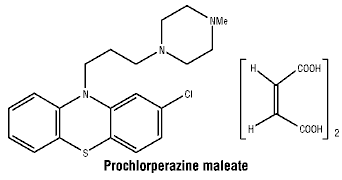
Molecular Formula: C20H24ClN3S.2C4H4O4.
Molecular Weight: 605.2 (as anhydrous).
CAS number. 84-02-6.
7 Medicine Schedule (Poisons Standard)
(S4) Prescription Only Medicine.
Date of First Approval
12 January 2011
Date of Revision
01 November 2021
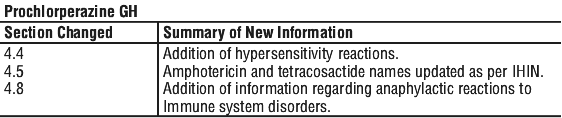
Summary Table of Changes
Reasonable care is taken to provide accurate information at the time of creation. This information is not intended as a substitute for medical advice and should not be exclusively relied on to manage or diagnose a medical condition. The Australian Commission on Safety and Quality in Health Care disclaims all liability (including for negligence) for any loss, damage, injury or any other negative effects resulting from reliance on or use of this information. Read our full disclaimer. This website uses cookies. Read our privacy policy.