
Progesterone ADVZ 100 and 200
Brand Information
| Brand name | Progesterone ADVZ 100 and 200 |
| Active ingredient | Progesterone |
| Schedule | S4 |
Consumer Medicine Information (CMI) leaflet
Please read this leaflet carefully before you start using the Progesterone ADVZ 100 and 200.
Summary CMI
Progesterone ADVZ 100 and 200
Consumer Medicine Information (CMI) summary
The full CMI on the next page has more details. If you are worried about using this medicine, speak to your doctor or pharmacist.
1. Why am I using Progesterone ADVZ?
Progesterone ADVZ contains the active ingredient progesterone. Progesterone ADVZ is for women for the treatment of menstrual abnormalities or secondary amenorrhoea (no menstrual periods) and as hormone replacement therapy (HRT) in combination with estrogen in postmenopausal women with an intact uterus (womb).
For more information, see Section 1. Why am I using Progesterone ADVZ? in the full CMI.
2. What should I know before I use Progesterone ADVZ?
Do not use if you have ever had an allergic reaction to Progesterone ADVZ or any of the ingredients listed at the end of the CMI. Do not use if you are breast-feeding.
Talk to your doctor if you have any other medical conditions, take any other medicines, or are pregnant or plan to become pregnant or are breastfeeding.
For more information, see Section 2. What should I know before I use Progesterone ADVZ? in the full CMI.
3. What if I am taking other medicines?
Some medicines may interfere with Progesterone ADVZ and affect how it works.
A list of these medicines is in Section 3. What if I am taking other medicines? in the full CMI.
4. How do I use Progesterone ADVZ?
Progesterone ADVZ should be used as instructed by your doctor at the recommended dose and timeframes for each use. Progesterone ADVZ is intended to be administered orally.
More instructions can be found in Section 4. How do I use Progesterone ADVZ? in the full CMI.
5. What should I know while using Progesterone ADVZ?
| Things you should do |
|
| Things you should not do |
|
| Driving or using machines |
|
| Drinking alcohol |
|
| Looking after your medicine |
|
For more information, see Section 5. What should I know while using Progesterone ADVZ? in the full CMI.
6. Are there any side effects?
Call your doctor straight away if you experience swelling of the face, lips, tongue, mouth or throat which may cause difficulty swallowing or breathing or hives. Tell your doctor if you notice any of the following and they worry you: loss of menstruation, acne, and vaginal disorders.
For more information, including what to do if you have any side effects, see Section 6. Are there any side effects? in the full CMI.
Full CMI
Progesterone ADVZ 100 and 200
Active ingredient(s): Progesterone (micronised)
Consumer Medicine Information (CMI)
This leaflet provides important information about using Progesterone ADVZ. You should also speak to your doctor or pharmacist if you would like further information or if you have any concerns or questions about using Progesterone ADVZ.
Where to find information in this leaflet:
1. Why am I using Progesterone ADVZ?
2. What should I know before I use Progesterone ADVZ?
3. What if I am taking other medicines?
4. How do I use Progesterone ADVZ?
5. What should I know while using Progesterone ADVZ?
6. Are there any side effects?
7. Product details
1. Why am I using Progesterone ADVZ?
Progesterone ADVZ contains the active ingredient progesterone. Progesterone ADVZ is provided as a soft capsule that contains the natural female hormone progesterone for oral use.
Progesterone ADVZ is used for women for the treatment of menstrual abnormalities or secondary amenorrhoea (no menstrual periods) and as hormone replacement therapy (HRT) in combination with estrogen in postmenopausal women with an intact uterus (womb).
Your doctor may have prescribed Progesterone ADVZ for another purpose. Ask your doctor if you have any questions about why this medicine has been prescribed for you.
Progesterone ADVZ is available only with a doctor's prescription. This medicine is not addictive.
2. What should I know before I use Progesterone ADVZ?
Always check the ingredients to make sure you can use this medicine.
Warnings
Do not use Progesterone ADVZ if:
- you are allergic to progesterone, or any of the ingredients listed at the end of this leaflet.
Symptoms of an allergic reaction may include:
- skin rash, itching or hives
- swelling of the face, lips, tongue or other parts of the body
- shortness of breath, wheezing or difficulty breathing
- you have or have had any of the following conditions:
- if you are allergic to soya
- unusual vaginal bleeding that has not been evaluated by your doctors;
- known missed abortions or ectopic pregnancy;
- severe liver problems;
- known or suspected cancer of the breast or genital tract;
- blood clots (thrombophlebitis or thromboembolic disorder), such as inflammation of a vein, deep vein blood clotting (thrombosis) or a blood clot that travelled to the lungs (pulmonary embolism);
- bleeding on the brain;
- porphyria disorder (a blood disease).
Check with your doctor if you:
- have or had any medical conditions, especially the following:
- epilepsy
- migraine
- high blood pressure
- asthma
- heart, liver or kidney diseases
- diabetes
- skin sensitive to light
- history of depression - have or have had any of the following problems, before you start treatment, as these may return during treatment with HRT. If so you should see your doctor more often for check-ups:
- fibroids inside your womb
- growth of womb lining outside your womb (endometriosis) or a history of excessive growth of the womb lining (endometrial hyperplasia)
- increased risk of developing blood clots
- increased risk of getting estrogen-sensitive cancer (such as a mother, sister or grandmother who has breast cancer)
- gallstones
- severe headaches
- a disease affecting the eardrum and hearing (otosclerosis)
- fluid retention due to cardiac or kidney problems - Tell your doctor or pharmacist if you have allergies to:
- Any other medicines
- Soy (Progesterone ADVZ contains soyabean lecithin which may cause hypersensitivity reactions)
- Any other substances, such as foods, preservatives or dyes
If you have not told your doctor or pharmacist about any of the above, tell them before you use Progesterone ADVZ.
- If you think you have miscarried, you should speak to your doctor as you will need to stop using Progesterone ADVZ.
During treatment, you may be at risk of developing certain side effects. It is important you understand these risks and how to monitor for them. See additional information under Section 6. Are there any side effects?
Progesterone ADVZ is not suitable for use as a contraceptive.
Pregnancy and breastfeeding
Do not take Progesterone ADVZ if you are pregnant or intend to become pregnant.
If you get pregnant while taking Progesterone ADVZ, stop taking it straight away and tell your doctor.
Do not use Progesterone ADVZ if you are breast-feeding.
Children and adolescents
Do not give Progesterone ADVZ to a child of any age. Progesterone ADVZ has not been evaluated in adolescents with childbearing potential.
3. What if I am taking other medicines?
Tell your doctor or pharmacist if you are taking any other medicines, including any medicines, vitamins or supplements that you buy without a prescription from your pharmacy, supermarket or health food shop.
Some medicines may interfere with Progesterone ADVZ and affect how it works or how these medicines work. These include:
- Carbamazepine, Phenobarbital and Phenytoin (medicines for epilepsy)
- Rifampicin
- Phenylbutazone
- Spironolactone
- Griseofulvin
- Some antibiotics including ampicillins and tetracyclines
- Bromocriptine
- Ciclosporin
- Ketoconazole
These medicines may be affected by Progesterone ADVZ or may affect how well they work. You may need different amounts of your medicine or you may need to use different medicines. Your doctor or pharmacist will advise you.
Check with your doctor or pharmacist if you are not sure about what medicines, vitamins or supplements you are taking and if these affect Progesterone ADVZ.
4. How do I use Progesterone ADVZ?
How much to take
Your doctor will tell you how many capsules you need to take each day.
- For women receiving hormone replacement therapy in conjunction with estrogen with an intact uterus (womb), the usual dose is 200 mg/day at bedtime on days 15 to 26 of your cycle. You will usually have a few days withdrawal bleeding (like a period) after this time. Alternatively 100 mg can be taken at bedtime, from days 1 to 25 of each cycle, withdrawal bleeding being less with this treatment schedule.
- For women with secondary amenorrhea (no menstrual periods), the treatment may be taken as a single daily dose of 400 mg at bedtime, for 10 days. The standard daily dose is 200 to 300 mg of progesterone taken in one or two doses (i.e. 200 mg in the evening and another 100 mg in the morning, if needed).
- In menstrual irregularities due to ovulation disorders, treatment is administered over 10 days per menstrual cycle, usually from days 17 to 26 inclusive.
When to take Progesterone ADVZ
- Progesterone ADVZ is to be taken by mouth and swallowed whole with a glass of water.
- Do not take Progesterone ADVZ with food as this may affect the way Progesterone ADVZ works.
- Follow all directions given to you by your doctor carefully. They may differ from the information contained in this leaflet.
If you forget to use Progesterone ADVZ
Progesterone ADVZ should be used as instructed by your doctor for the recommended timeframes for each use. If you miss your dose at the usual time, use it as soon as you remember, and then go back to using your medicine as you would normally.
If it is almost time for your next dose, skip the dose you missed and take your next dose when you are meant to.
Otherwise, take it as soon as you remember, and then go back to taking your medicine as you would normally.
Do not take a double dose to make up for the dose you missed.
If you are not sure what to do, talk to your doctor or pharmacist.
If you have trouble remembering to take your medicine, ask your pharmacist for some hints.
If you use too much Progesterone ADVZ
If you think that you have used too much Progesterone ADVZ, you may need urgent medical attention.
You should immediately:
- phone the Poisons Information Centre
(by calling 13 11 26), or - contact your doctor, or
- go to the Emergency Department at your nearest hospital.
You should do this even if there are no signs of discomfort or poisoning.
Symptoms of an overdose with Progesterone ADVZ include feeling dizzy or feeling tired.
5. What should I know while using Progesterone ADVZ?
Progesterone ADVZ contains soy lecithin. If you are allergic to soy do not use Progesterone ADVZ.
Things you should do
Call your doctor straight away if you:
- Experience any of these symptoms during treatment or even a few days after the last dosage:
- pains in your calves or chest, a sudden shortness of breath or coughing up blood indicating possible clots in the legs, heart or lungs
- severe headache or vomiting, dizziness, faintness or changes in vision or speech, weakness or numbness of an arm or leg indicating possible clots in the brain or eye
- worsening symptoms of depression.
Remind any doctor, dentist or pharmacist you visit that you are using Progesterone ADVZ.
If you are about to start taking any new medicines, tell your doctor or pharmacist that you are taking Progesterone ADVZ.
Things you should not do
- Do not give Progesterone ADVZ to anyone else, even if they have the same condition as you.
- Do not take Progesterone ADVZ to treat any other complaints unless your doctor has told you to.
- Do not stop using Progesterone ADVZ or lower the dosage without checking with your doctor or pharmacist.
Driving or using machines
Be careful before you drive or use any machines or tools until you know how Progesterone ADVZ affects you.
Progesterone ADVZ may cause dizziness or drowsiness in some people. Make sure you know how you react to Progesterone ADVZ before you drive a car, operate machinery or do anything else that could be dangerous if you are dizzy or light-headed. If this occurs, do not drive.
Drinking alcohol
Tell your doctor if you drink alcohol.
Alcohol may increase the effect of Progesterone ADVZ.
Looking after your medicine
Store below 25°C
Store it in a cool dry place away from moisture, heat or sunlight; for example, do not store it:
- in the bathroom or near a sink, or
- in the car or on window sills.
Keep it where young children cannot reach it.
Getting rid of any unwanted medicine
If you no longer need to use this medicine or it is out of date, take it to any pharmacy for safe disposal.
Do not use this medicine after the expiry date.
6. Are there any side effects?
All medicines can have side effects. If you do experience any side effects, most of them are minor and temporary. However, some side effects may need medical attention.
See the information below and, if you need to, ask your doctor or pharmacist if you have any further questions about side effects.
Less serious side effects
| Less serious side effects | What to do |
Side effects such as:
| Speak to your doctor if you have any of these less serious side effects and they worry you. |
Serious side effects
| Serious side effects | What to do |
Side effects such as:
| Tell your doctor as soon as possible if you notice any of these side effects |
Very Serious Side effects such as:
| Call your doctor straight away, or go straight to the Emergency Department at your nearest hospital if you notice any of these serious side effects. |
Tell your doctor or pharmacist if you notice anything else that may be making you feel unwell.
Other side effects not listed here may occur in some people.
Do not be alarmed by the list of possible side effects. You may not experience any of them.
Reporting side effects
After you have received medical advice for any side effects you experience, you can report side effects to the Therapeutic Goods Administration online at www.tga.gov.au/reporting-problems. By reporting side effects, you can help provide more information on the safety of this medicine.
Always make sure you speak to your doctor or pharmacist before you decide to stop taking any of your medicines.
7. Product details
This medicine is only available with a doctor's prescription. This medicine is not addictive.
What Progesterone ADVZ contains
| Active ingredient (main ingredient) | Progesterone 100 mg Progesterone 200 mg |
| Other ingredients (inactive ingredients) | Grape seed oil Lecithin Gelatin Glycerol Titanium dioxide |
| Potential allergens | Lecithin (from soya) |
Do not take this medicine if you are allergic to any of these ingredients.
What Progesterone ADVZ looks like
Progesterone ADVZ 100 are ovoid soft gelatin capsules, off-white coloured containing a thick whitish suspension, approx. 12 mm long and approx. 8 mm wide.
Progesterone ADVZ 200 are ovoid soft gelatin capsules, off-white coloured containing a thick whitish suspension, approx. 16 mm long and approx. 9.6 mm wide.
Progesterone ADVZ 100 soft capsules are supplied in blister strips of 30 capsules and Progesterone ADVZ 200 soft capsules are supplied in blister strips of 42 capsules packaged in an outer carton.
Progesterone ADVZ 100 soft capsule AUST R 474805.
Progesterone ADVZ 200 soft capsule AUST R 474806.
Who distributes Progesterone ADVZ
Boucher & Muir Pty Ltd
t/a ADVANZ PHARMA (Australia)
Level 9, 76 Berry Street
North Sydney NSW 2060
This leaflet was prepared in September 2025.
Brand Information
| Brand name | Progesterone ADVZ 100 and 200 |
| Active ingredient | Progesterone |
| Schedule | S4 |
MIMS Revision Date: 01 May 2026
1 Name of Medicine
Progesterone.
2 Qualitative and Quantitative Composition
Progesterone ADVZ capsules contain the active ingredient: progesterone (micronised) 100 mg or 200 mg.
Excipients with known effect. Soyabean lecithin. May contain sulfur dioxide.
For the full list of excipients, see Section 6.1 List of Excipients.
3 Pharmaceutical Form
Progesterone ADVZ 100 are ovoid soft gelatin capsules, off-white coloured containing a thick whitish suspension, approx. 12 mm long and approx. 8 mm wide.
Progesterone ADVZ 200 are ovoid soft gelatin capsules, off-white coloured containing a thick whitish suspension, approx. 16 mm long and approx. 9.6 mm wide.
4 Clinical Particulars
4.1 Therapeutic Indications
Progesterone ADVZ 100 mg and 200 mg, soft capsules are indicated for:
Treatment of menstrual irregularities. In women with menstrual abnormalities or secondary amenorrhoea due to normogonadotrophic amenorrhoea (see Section 4.2 Dose and Method of Administration).
Hormone replacement therapy. Hormone replacement therapy - adjunctive use with an estrogen in postmenopausal women with an intact uterus.
4.2 Dose and Method of Administration
In women receiving estrogen replacement therapy with intact uterus, the adjunctive use of progesterone at a dose of 200 mg daily at bedtime should be administered for twelve days in the last half of each therapeutic cycle (beginning on day 15 of the cycle and ending on day 26). Withdrawal bleeding may occur in the following week. Alternatively, 100 mg can be given at bedtime from day 1 to day 25 of each therapeutic cycle, withdrawal bleeding being less with this treatment schedule.
In women with secondary amenorrhoea, the treatment may be given as a single daily dose of 400 mg (2 capsules 200 mg) at bedtime for 10 days. Prior to use for this indication, other causes of secondary amenorrhoea such as outflow obstruction, pregnancy, prolactinoma, thyroid disorders, pituitary and hypothalamic disorders should be excluded.
The standard daily dosage regimen is 200 to 300 mg of progesterone taken in one or two doses (i.e. 200 mg in the evening before retiring and another 100 mg in the morning, if needed). In menstrual irregularities due to ovulation disorders or anovulation, the treatment is administered over 10 days per menstrual cycle, usually from cycle days 17 to 26 inclusive.
Children. Not applicable.
Elderly. As for adults.
Method of administration. Oral. Progesterone ADVZ 100 and Progesterone ADVZ 200 should not be taken with food.
4.3 Contraindications
Progesterone ADVZ 100 and Progesterone ADVZ 200 soft capsule should not be used in individuals with any of the following conditions:
Known allergy or hypersensitivity to progesterone or to any of the excipients.
Severe hepatic dysfunction.
Undiagnosed vaginal bleeding.
Known missed abortion or ectopic pregnancy.
Mammary or genital tract carcinoma.
Thromboembolic disorders.
Thrombophlebitis.
Cerebral haemorrhage.
Porphyria.
4.4 Special Warnings and Precautions for Use
The use of oral Progesterone ADVZ 100 and Progesterone ADVZ 200 is not a treatment for premature labour.
During pregnancy, progesterone should only be used during the first three months and only by the vaginal route. Cases of cytolytic liver damage and cases of gravidic cholestasis were exceptionally reported during the administration of micronised progesterone during the 2nd and 3rd trimesters of pregnancy.
Progesterone ADVZ 100 and Progesterone ADVZ 200 is not suitable for use as a contraceptive.
If unexplained, sudden or gradual, partial or complete loss of vision, proptosis or diplopia, papilloedema, jaundice or deterioration in liver function, significant increase in blood pressure, retinal vascular lesions or migraine occur during therapy, the drug should be discontinued, and appropriate diagnostic and therapeutic measures instituted.
Progesterone ADVZ 100 and Progesterone ADVZ 200 is intended to be co-prescribed with an estrogen product as HRT. Epidemiological evidence suggests that the use of HRT is associated with an increased risk of developing deep vein thrombosis (DVT) or pulmonary embolism. The prescribing information for the co-prescribed estrogen product should be referred to for information about the risks of venous thromboembolism.
There is suggestive evidence of a small increased risk of breast cancer with estrogen replacement therapy. It is not known whether concurrent progesterone influences the risk of cancer in postmenopausal women taking hormone replacement therapy. The prescribing information for the co-prescribed estrogen product should be referred to for information about the risks of breast cancer.
Prior to taking hormone replacement therapy (and at regular intervals thereafter) each woman should be assessed. A personal and family medical history should be taken and physical examination should be guided by this and by the contraindications and warnings for this product.
Progesterone ADVZ 100 and Progesterone ADVZ 200 should not be taken with food and should be taken at bedtime. Concomitant food ingestion increases the bioavailability of Progesterone ADVZ 100 and Progesterone ADVZ 200.
Progesterone ADVZ 100 and Progesterone ADVZ 200 should be used cautiously in patients with conditions that might be aggravated or recur during treatment with Progesterone ADVZ 100 and Progesterone ADVZ 200 in particular: fluid retention (e.g. cardiac disease, renal disease); in patients with a history of depression, leiomyoma (uterine fibroids) or endometriosis, risk factors for thromboembolic disorders, risk factors for estrogen dependent tumours (e.g. 1st degree heredity for breast cancer), hypertension, epilepsy, diabetes (with or without vascular involvement), asthma, osteosclerosis, endometrial hyperplasia, choleslithiasis, liver disorders ( e.g. liver adenoma), migraine or photosensitivity and in breast-feeding mothers. Patients should be closely supervised.
Clinical examination of the breasts and pelvic examination should be performed where clinically indicated rather than as a routine procedure. Women should be encouraged to participate in the national breast cancer screening programme (mammography) and the national cervical cancer screening programme (cervical cytology) as appropriate for their age. Breast awareness should also be encouraged, and women advised to report any changes in their breasts to their doctor or nurse.
Progesterone ADVZ 100 and Progesterone ADVZ 200 contains soyabean lecithin which may cause hypersensitivity reactions (urticaria and anaphylactic shock).
Other conditions. HRT use does not improve cognitive function. There is some evidence of increased risk of probable dementia in women who start using continuous combined or estrogen-only HRT after the age of 65.
Use in the elderly. No clinical data have been collected in patients over age of 65.
Paediatric use. There is no experience in children as there is no relevant indication for use of Progesterone ADVZ 100 and Progesterone ADVZ 200 in children.
Effects on laboratory tests. Progesterone ADVZ 100 and Progesterone ADVZ 200 may affect the results of laboratory tests of hepatic and/or endocrine functions.
4.5 Interactions with Other Medicines and Other Forms of Interactions
Progesterone is metabolised primarily by the liver. Caution should be taken with drugs that are P450 enzyme inducers and inhibitors.
Metabolism of Progesterone ADVZ 100 and Progesterone ADVZ 200 is accelerated by rifamycin an antibacterial agent.
The metabolism of progesterone by human liver microsomes was inhibited by ketoconazole (IC50 < 0.1 microM), a known inhibitor of cytochrome P450 3A4. These data therefore suggest that ketoconazole may increase the bioavailability of progesterone. The clinical relevance of the in vitro findings is unknown.
Combination with other medicinal products may decrease progesterone metabolism which may alter its effect.
This applies to:
potent enzyme inducers such as barbiturates, antiepileptics (phenytoin), rifampicin, phenylbutazone, spironolactone and griseofulvin. These medicinal products increase hepatic metabolism.
some antibiotics (ampicillins, tetracyclines): changes in the intestinal flora leading to a change in the steroid enterohepatic cycle.
Progesterone ADVZ 100 and Progesterone ADVZ 200 may interfere with the effects of bromocriptine and may raise the plasma concentration of ciclosporin.
As these interactions may vary between people, the clinical results are not necessarily predictable.
Progestogens, but not natural progesterone may impair glucose tolerance and, because of this, increase requirements for insulin or other antidiabetic agents in diabetic patients.
The bioavailability of progesterone may be reduced by smoking and increased by alcohol abuse.
4.6 Fertility, Pregnancy and Lactation
Effects on fertility. Exogenously administered progesterone has been shown to inhibit ovulation in a number of species and it is expected that high doses given for an extended duration would impair fertility until the cessation of treatment.
Use in pregnancy. (Category A)
Progesterone ADVZ 100 and Progesterone ADVZ 200 should be ceased as soon as pregnancy is confirmed unless otherwise prescribed by the treating physician. Progesterone crosses the placenta. Data from clinical studies and post market adverse event reporting has not found an association between the use of progesterone in human pregnancy and fetal malformations. Male and female genital abnormalities (hypospadias and virilisation) have been observed in fetuses of animals treated with progesterone during gestation.
Use in lactation. Detectable amounts of progesterone enter the breast milk. There are no indications for HRT during lactation.
4.7 Effects on Ability to Drive and Use Machines
Cases of drowsiness and dizzy sensations have been reported for the oral form.
Drivers and machine operators in particular are alerted to the risks of drowsiness and/or dizziness associated with oral use of this medicinal product. These problems can be avoided by taking the capsules at bedtime.
4.8 Adverse Effects (Undesirable Effects)
Somnolence or transient dizziness may occur 1 to 3 hours after intake of the drug.
Bedtime dosing and reduction of the dose may reduce these effects.
Shortening of the cycle or breakthrough bleeding may occur. If this occurs, the dose of Progesterone ADVZ 100 and Progesterone ADVZ 200 can be reduced and taken at bedtime from day 1 to day 25 of each therapeutic cycle.
Acne, urticaria, rashes, fluid retention, weight changes, gastro-intestinal disturbances, changes in libido, breast discomfort, premenstrual symptoms, menstrual disturbances; also chloasma, depression, pyrexia, insomnia, alopecia, hirsutism; rarely jaundice.
Venous thromboembolism, i.e. deep leg or pelvic venous thrombosis and pulmonary embolism, is more frequent among hormone replacement therapy users than among non-users.
The following effects have been reported for progesterone administered orally. See Table 1:
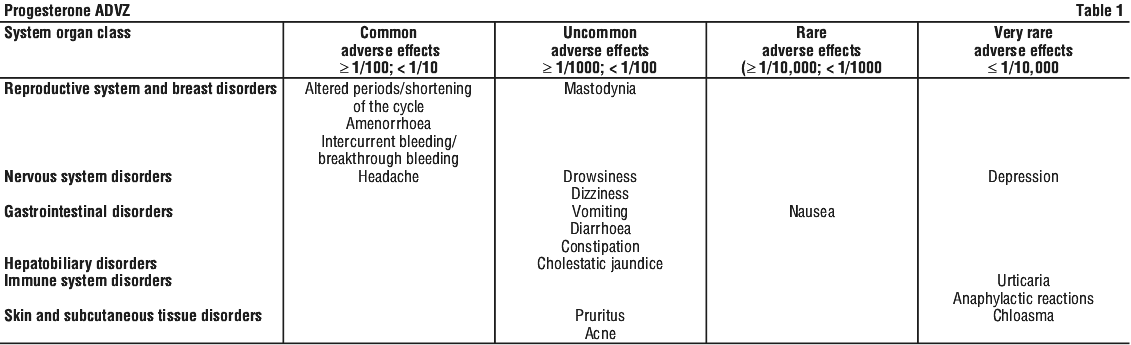
If the treatment sequence is started too early in the month, particularly before the 15th day of the cycle, the cycle may be shortened or intercurrent bleeding may occur.
Changes in periods, amenorrhoea or intercurrent bleeding have been observed and associated with the use of progestogen in general.
Other adverse reactions have been reported in association with estrogen+progestagen treatment:
Rashes.
Weight changes.
Changes in libido.
Skin and subcutaneous disorders: erythema multiforme, erythema nodosum, vascular.
Purpura.
Pyrexia.
Insomnia.
Alopecia.
Hirsutism.
Gall bladder disease.
Probable dementia over the age of 65 (see Section 4.4 Special Warnings and Precautions for Use).
Reporting suspected adverse effects. Reporting suspected adverse reactions after registration of the medicinal product is important. It allows continued monitoring of the benefit-risk balance of the medicinal product. Healthcare professionals are asked to report any suspected adverse reactions at www.tga.gov.au/reporting-problems.
4.9 Overdose
Symptoms of overdosage may include somnolence, dizziness, euphoria or dysmenorrhoea. Treatment is observation and, if necessary, symptomatic and supportive measures should be provided.
The usual dosage may be excessive in some people because of persistence or recurrence of unstable endogenous progesterone secretion, and some people with particular sensitivity to progesterone or excessively low concomitant blood estradiol concentrations. In these situations:
the dosage should be reduced or the progesterone should be administered in the evening at bedtime, 10 days per cycle, if drowsiness or fleeting dizziness occurs.
treatment should be started later in the cycle (such as on day 19 instead of day 17) if the cycle is shortened or spotting occurs.
check that estradiol concentration is sufficient in the perimenopausal period and in hormone replacement therapy in postmenopause.
For information on the management of overdose, contact the Poisons Information Centre on 13 11 26 (Australia).
5 Pharmacological Properties
5.1 Pharmacodynamic Properties
Mechanism of action. Progesterone is a naturally occurring steroid hormone that is secreted by the ovary, placenta and adrenal gland. It acts on the endometrium by converting the proliferating phase to the secretory phase. Progesterone is necessary to increase endometrial receptivity for implantation of an embryo, and once an embryo is implanted, progesterone acts to maintain the pregnancy. As well as gestagenic actions, progesterone also has anti-estrogenic, slightly anti-androgenic and antialdosterone effects.
Clinical trials. Adjunctive use with an estrogen in postmenopausal women with an intact uterus (for hormone replacement therapy [HRT]). Three company-sponsored studies have been conducted to investigate efficacy of progesterone during hormone replacement therapy.
1. Study Lorrain 1994 was an open-label, single-centre, randomised, parallel-group, prospective trial that evaluated and compared the efficacy, safety and tolerance of progesterone and medroxyprogesterone acetate (MPA) in menopausal women receiving transdermal estradiol for a period of at least 13 cycles.
This clinical study was an open-label, single-centre, randomised, parallel-group, prospective trial. Postmenopausal women were randomised to treatment with progesterone 200 mg/day (two 100 mg oral tablets taken at bedtime) or MPA (Provera) 10 mg/day (one 10 mg tablet taken at bedtime). Progesterone or MPA were taken from Day 14 to Day 25. All women received 17-β-estradiol 0.05 mg/day patches that were applied twice weekly from Day 1 to Day 25.
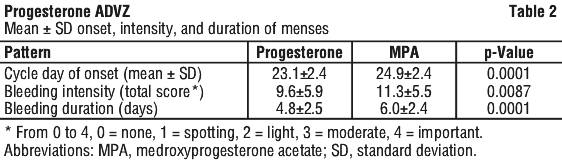
The efficacy outcome measures assessed were bleeding patterns. A total of 40 women were randomised to receive progesterone (n=20) or MPA (n=20). The incidence of amenorrheic cycles was greater in women treated with progesterone (42/215 cycles, 19.5%) versus MPA (6/178, 3.4%). The incidence of breakthrough bleeding was similar in women treated with progesterone (7/222,3.2%) versus MPA (8/181, 4.4%).
Menstruation occurred earlier, was less abundant, and of shorter duration in women treated with progesterone versus MPA (Table 2).
2. Study Moyer 1987 was a 5-year, open-label, non-controlled, single-centre, observational study that evaluated the endometrial situation of patients who regularly used combinations of Estrogel (E2) and progesterone (P) for at least 5 years. The primary outcome for this study was endometrial histology in response to treatment with HRT.
This was a 5-year, open-label, non-controlled, single-centre, observational study. Women were administered combinations of percutaneous oestrogen (Estrogel) at either 1.5 mg/day or 3 mg/day on Days 1 to 21 of their cycle and oral progesterone capsules at either 200 mg/day or 300 mg/day on Days 8 to 21 of their cycle for at least 5 years. Initially, women were administered Estrogel 1.5 mg/day plus progesterone 200 mg/day. The dose of Estrogel was increased to 3.0 mg/day if optimal improvement in clinical menopause symptoms was not obtained within the first 6 months of treatment. The dose of progesterone was increased to 300 mg/day if cyclic withdrawal bleeding was not occurring during the first 6 months of treatment and women preferred cyclic withdrawal bleeding.
In conclusion, Estrogel and progesterone resulted in favourable bleeding patterns with higher doses of Estrogel and progesterone resulting in a higher incidence of cyclic bleeding.
3. Study Christiansen 1985 was a single-centre, double-blind (1st year) then single-blind (2nd year), randomised, parallel-group study that compared and evaluated the efficacy and safety of percutaneous estradiol versus placebo and calcium as prophylaxis of symptoms in early postmenopausal women.
For the estradiol cream (Estrogel 60 mg estradiol per 100 g gel), 5 grams was applied topically from Days 1 to 24 of the woman's cycle. The estradiol gel, Ca2+ tablet, and matching placebos were supplied double blind.
In the 2nd year of the study, progesterone 100 mg oral capsules was added to the treatment regimen for Groups I and II. Women were instructed to take two progesterone 100 mg capsules at bedtime from Days 13 to 24 of their cycle. Progesterone was dispensed open label.
Enrolled women were healthy women 45 to 54 years of age who had experienced a spontaneous menopause in the previous 6 months to 3 years.
The primary outcome measures assessed were the evaluation of menopausal symptoms using the Kupperman index.
The Kupperman index was based on 11 symptoms of menopause: hot flushes, paraesthesia, insomnia, nervousness, melancholia, vertigo, fatigue, arthralgias/myalgias, headaches, palpitations and formication. In the calculation of this index, some of the symptoms are weighted: hot flushes (x4), paraesthesias (x2), insomnia (x2), and nervousness (x2). The maximum score was 51 are the severity of symptoms was scored on a scale of 0 (none) to 3 (severe).
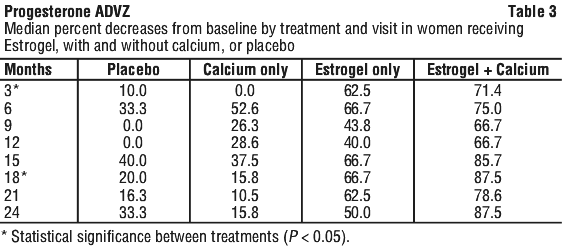
Overall, the median percent decrease in Kupperman score from baseline was greatest for Groups 1 and II (Table 3). After 3 months of treatment, there were statistically significant differences among groups in the median percent decrease from baseline. Both Groups I and II had significantly greater improvements in their scores compared with Groups III and IV (P=0.0033). Significantly greater improvements were also recorded at 18 months for Groups I and II compared with Groups III and IV (P=0.0377). However, there were no statistically significant differences among groups at 6, 9, 12, 15, 21 or 24 months. The addition of progesterone to the treatment regimen in Groups I and II at 12 months did not appear to have any significant effect on the menopausal symptoms.
Findings from the efficacy analysis provided strong evidence for the use of oral progesterone in combination with estrogen for HRT in postmenopausal women with an intact uterus. These findings were based primarily on the pivotal company-sponsored studies showing favourable bleeding patterns with progesterone, a Cochrane review and meta-analysis of data from placebo-controlled RCTs [Maclennan et al, 2004], which was considered to be of high quality. Findings from the meta-analysis of 6 placebo-controlled RCTs showed a significant reduction in the frequency and severity of hot flushes in peri or postmenopausal women receiving oral estrogen in combination with progestogens compared with placebo for at least 3 months. The most recent guidelines from the British Menopause Society [Panay et al, 2013] recommend that transdermal preparations should be used in high-risk women who require HRT and that micronised progesterone or dydrogesterone are suitable options when a progestogen is required. Overall, the aim is to replace hormones to as close to physiological levels as possible.
The body of evidence from national guidelines from Australia [RANZCOG, 2011], Canada [Reid et al, 2009], and the US [NAMS, 2012], and international guidelines [de Villiers et al 2013, Mauritius 2013, de Villiers et al, 2013] suggest that HRT is the most effective treatment for controlling menstrual cycles and for reducing vasomotor symptoms, including hot flushes and night sweats, in postmenopausal women with an intact uterus.
Menstrual irregularities due to ovulation disorders or anovulation. Study Simon 1988 was a single-centre, double-blind, placebo-controlled phase III study that assessed the efficacy and safety of progesterone 200 and 300 mg with placebo in the initiation of withdrawal bleedings in nonmenopausal patients with 2° amenorrhoea.
The aim of this clinical study was to compare the efficacy of progesterone with placebo for the initiation of withdrawal bleeding in women with secondary amenorrhoea.
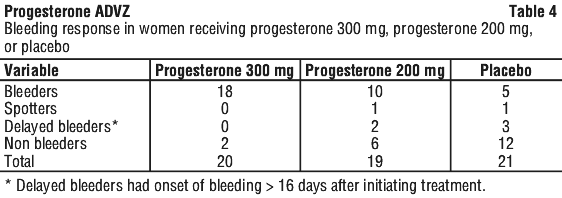
The primary outcome was the initiation of withdrawal bleeding. Withdrawal bleeding was defined as any bleeding or blood-stained discharge from the vagina during the withdrawal interval. The withdrawal interval was defined as the time from the beginning of treatment up to, and including, 1 week after the final dose. The number of days until bleeding occurred was determined by computing the number of days between the first dose of medication and the initiation of withdrawal bleeding. The maximum number of days allowed to be considered as a positive response was 16 days.
The percentage of women experiencing withdrawal bleeding in the 3 groups was 53% (10/19) in the progesterone 200 mg group, 90% (18/20) in the progesterone 300 mg group and 24% (5/21) in the placebo group (Table 4). The differences between the Progesterone 300 mg group and Progesterone 200 mg group, and the progesterone 300 mg group and placebo, were both statistically significant. The difference between the progesterone 200 mg group and placebo was not statistically significant. However, when the analysis was expanded to include all women who had bleeding within 30 days of starting treatment, there was a significant difference between the progesterone 200 mg group and placebo.
One literature study (a Cochrane systematic review) was retrieved from the systematic search. Findings from this systematic review of the literature, published in Hickery-2012, indicated that no high quality evidence currently exists for this indication and that further research is needed to establish the role of progesterone in the management of menstrual irregularities. No RCTs are available to provide strong evidence of a beneficial effect of progesterone in the treatment of menstrual irregularities, primarily due to ovulation disorders and anovulation. However, anecdotal information and limited clinical data do suggest that progesterone does have a beneficial effect when used to treat menstrual irregularities. Progestogens, including progesterone, are widely used, alone or in combination with estrogens, and are authorised in many countries for this indication. The regimen, dose and type of progestogen used vary widely, with little consensus about the optimum treatment approach. The weakness in the data does not preclude treatment where, in the judgment of the physician, progesterone, alone or in combination with estrogen, could help with symptomatic control.
5.2 Pharmacokinetic Properties
Absorption. After oral administration of progesterone as a micronised soft-gelatin capsule formulation, maximum serum concentrations were attained within 3 hours. The absolute bioavailability of micronised progesterone is not known. A bioavailability of 8.6% for the oral capsule of progesterone relative to the intramuscular dosage is suggested. Table 5 summarizes the mean pharmacokinetic parameters in postmenopausal women after five oral daily doses of progesterone capsules 100 mg as a micronised soft-gelatin capsule formulation.
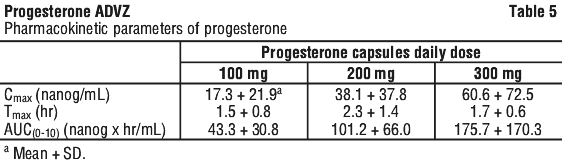
Pharmacokinetic studies conducted in healthy volunteers have shown that after oral administration of two 100 mg capsules (200 mg), plasma progesterone levels increased to reach the Cmax of 13.8 nanogram/mL +/- 2.9 nanogram/mL in 2.2 hours +/- 1.4 hours.
Although there were inter-individual variations, the individual pharmacokinetic characteristics were maintained over several months, indicating predictable responses to the drug.
Distribution. Progesterone is approximately 96-99% bound to serum proteins, primarily to serum albumin (50-54%) and transcortin [corticosteroid binding globulin] (43-48%).
Metabolism. Progesterone is metabolised primarily by the liver. Following oral administration, the main plasma metabolites are 20α hydroxy-Δ4α-prenolone and 5α-dihydroprogesterone. Some progesterone metabolites are excreted in the bile and these may be deconjugated and further metabolised in the gut via reduction, dehydroxylation and epimerisation.
The main plasma and urinary metabolites are similar to those found during the physiological secretion of the corpus luteum.
Following vaginal administration, only low plasma levels of pregnanolone and 5α-dihydroprogesterone are detected, due to the lack of first-pass metabolism.
Excretion. Urinary elimination is observed for 95% in the form of glycuroconjugated metabolites, mainly 3α, 5β-pregnanediol (pregnandiol).
5.3 Preclinical Safety Data
Genotoxicity. Progesterone did not induce chromosomal aberrations or sister chromatid exchanges in cultured human cells nor chromosomal aberrations or DNA strand breaks in rodent cells. Progesterone did not induce dominant lethal mutations in mice or chromosomal aberrations in the bone marrow of rats in vivo although in vivo studies for chromosome damage have yielded positive results in mice at oral doses of 1000 mg/kg and 2000 mg/kg.
Weak clastogenic activity was found for progesterone in the rat hepatocyte micronucleus test after treatment with a high oral dose (100 mg/kg). Studies on transformation of rodent cells in vitro were inconclusive. Variable results were obtained in the mouse lymphoma tk assay. Progesterone was not mutagenic to bacteria.
Carcinogenicity. Progesterone has not been tested for carcinogenicity in animals by the oral route of administration. Progesterone has been shown to induce/promote the formation of ovarian, uterine, mammary, and genital tract tumours in animals. The clinical relevance of these findings is unknown. Literature data provides no indication of potential carcinogenicity in humans.
When implanted into female mice, progesterone produced mammary carcinomas, ovarian granulosa cell tumors and endometrial stromal sarcomas. In dogs, long-term intramuscular injections produced nodular hyperplasia and benign and malignant mammary tumors. Subcutaneous or intramuscular injections of progesterone decreased the latency period and increased the incidence of mammary tumors in rats previously treated with a chemical carcinogen.
6 Pharmaceutical Particulars
6.1 List of Excipients
Progesterone ADVZ 100 and Progesterone ADVZ 200 contains grape seed oil, lecithin, gelatin, glycerol and titanium dioxide.
6.2 Incompatibilities
Incompatibilities were either not assessed or not identified as part of the registration of this medicine.
6.3 Shelf Life
In Australia, information on the shelf life can be found on the public summary of the Australian Register of Therapeutic Goods (ARTG). The expiry date can be found on the packaging.
6.4 Special Precautions for Storage
Store below 25°C.
6.5 Nature and Contents of Container
Progesterone ADVZ 100 and Progesterone ADVZ 200 soft capsules are supplied in PVC-PE-PVDC/Aluminium blisters packaged in an outer carton.
Progesterone ADVZ 100 soft capsules is available in pack size of 30 capsules and Progesterone ADVZ 200 soft capsules is available in pack size of 42 capsules.
6.6 Special Precautions for Disposal
In Australia, any unused medicine or waste material should be disposed of in accordance with local requirements.
6.7 Physicochemical Properties
Progesterone: is a white or almost white crystalline powder or colourless crystals. Is practically insoluble in water, freely soluble in ethanol and sparingly soluble in acetone and in fatty oils.
Chemical structure.
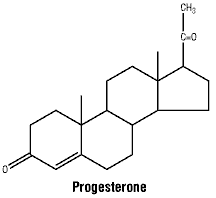
Molecular formula: C21H30O2.
Molecular weight: 314.5.
CAS number. 57-83-0.
7 Medicine Schedule (Poisons Standard)
Schedule 4 - Prescription Only Medicine.
Date of First Approval
20 October 2025
Reasonable care is taken to provide accurate information at the time of creation. This information is not intended as a substitute for medical advice and should not be exclusively relied on to manage or diagnose a medical condition. The Australian Commission on Safety and Quality in Health Care disclaims all liability (including for negligence) for any loss, damage, injury or any other negative effects resulting from reliance on or use of this information. Read our full disclaimer. This website uses cookies. Read our privacy policy.