
Restin Melatonin
Brand Information
| Brand name | Restin Melatonin |
| Active ingredient | Melatonin |
| Schedule | S3 | S4 |
Consumer Medicine Information (CMI) leaflet
Please read this leaflet carefully before you start using the Restin Melatonin.
Summary CMI
RESTIN™ melatonin
Consumer Medicine Information (CMI) summary
The full CMI on the next page has more details. If you are worried about using this medicine, speak to your doctor or pharmacist.
1. Why am I using RESTIN melatonin?
RESTIN melatonin contains the active ingredient Melatonin. RESTIN melatonin is used to improve sleep quality and morning alertness in patients over 55 years of age diagnosed with primary insomnia with poor quality of sleep.
For more information, see Section 1. Why am I using RESTIN melatonin? in the full CMI.
2. What should I know before I use RESTIN melatonin?
Do not use if you have ever had an allergic reaction to RESTIN melatonin or any of the ingredients listed at the end of the CMI.
Talk to your doctor if you have any other medical conditions, take any other medicines, or are pregnant or plan to become pregnant or are breastfeeding.
For more information, see Section 2. What should I know before I use RESTIN melatonin? in the full CMI.
3. What if I am taking other medicines?
Some medicines may interfere with RESTIN melatonin and affect how it works.
A list of these medicines is in Section 3. What if I am taking other medicines? in the full CMI.
4. How do I use RESTIN melatonin?
- Adults 55 years and over: Take one tablet after food, 1-2 hours before you go to bed.
More instructions can be found in Section 4. How do I use RESTIN melatonin? in the full CMI.
5. What should I know while using RESTIN melatonin?
| Things you should do |
|
| Things you should not do |
|
| Driving or using machines |
|
| Drinking alcohol |
|
| Looking after your medicine |
|
For more information, see Section 5. What should I know while using RESTIN? in the full CMI.
6. Are there any side effects?
This medicine has been shown to improve the sleep of most people aged over 55 years, but it may have unwanted side effects in a few people. All medicines can have side effects. Sometimes they are serious, but most of the time they are not. You may need medical treatment if you get some of the side effects.
Ask your doctor or pharmacist to answer any questions you may have.
For more information, including what to do if you have any side effects, see Section 6. Are there any side effects? in the full CMI.
Full CMI
RESTIN™ melatonin
Active ingredient(s): Melatonin
Consumer Medicine Information (CMI)
This leaflet provides important information about using RESTIN melatonin. You should also speak to your doctor or pharmacist if you would like further information or if you have any concerns or questions about using RESTIN melatonin.
Where to find information in this leaflet:
1. Why am I using RESTIN melatonin?
2. What should I know before I use RESTIN melatonin?
3. What if I am taking other medicines?
4. How do I use RESTIN melatonin?
5. What should I know while using RESTIN melatonin?
6. Are there any side effects?
7. Product details
1. Why am I using RESTIN melatonin?
RESTIN melatonin contains the active ingredient melatonin. The active substance of RESTIN melatonin, melatonin, belongs to a group of naturally occurring hormones produced by the body.
Melatonin works by controlling the circadian rhythms and increasing the propensity to sleep.
RESTIN melatonin is used to improve sleep quality and morning alertness in patients over 55 years of age diagnosed with primary insomnia with poor quality of sleep.
2. What should I know before I use RESTIN melatonin?
Warnings
Do not use RESTIN melatonin if:
- you are allergic to melatonin, or any of the ingredients listed at the end of this leaflet.
Always check the ingredients to make sure you can use this medicine. - you have been drinking alcohol or intend to drink alcohol or believe that you may have alcohol in your blood stream.
- you are pregnant or breast-feeding. RESTIN melatonin has not been studies in pregnant or breast-feeding women.
Check with your doctor or pharmacist if you:
- have or have had the following medical conditions:
- suffer from liver problems
- suffer from kidney problems
- suffer from an autoimmune disease
- have a rare hereditary problem of galactose intolerance, the LAPP lactase deficiency or glucose-galactose malabsorption
- take any medicines for any other condition
- Do not give RESTIN melatonin to a child or adolescent.
There is no experience with its use in children or adolescents under 18 years old.
During treatment, you may be at risk of developing certain side effects. It is important you understand these risks and how to monitor for them. See additional information under Section 6. Are there any side effects?
Pregnancy and breastfeeding
Do not take RESTIN melatonin if you are pregnant or breast-feeding. RESTIN melatonin has not been studied in pregnant or breast-feeding women.
3. What if I am taking other medicines?
Tell your doctor or pharmacist if you are taking any other medicines, including any medicines, vitamins or supplements that you buy without a prescription from your pharmacy, supermarket or health food shop.
Some medicines may interfere with RESTIN melatonin and affect how it works. These include:
- Hypnotics and tranquilisers (e.g. benzodiazepine)
- Fluvoxamine, thioridazine and imipramine (used to treat depression or psychiatric problems).
- oestrogen (contraceptives or hormone replacement therapy).
- Cimetidine and psoralens (used to treat skin problems e.g. psoriasis).
- alcohol.
- caffeine
The effect of adding RESTIN melatonin to other medicines used to treat insomnia has not been examined. It is not known if RESTIN melatonin will increase or decrease the effects of other treatments for insomnia.
Check with your doctor or pharmacist if you are not sure about what medicines, vitamins or supplements you are taking and if these affect RESTIN melatonin.
4. How do I use RESTIN melatonin?
How much to take / use
- The standard dose of RESTIN melatonin is one tablet once a day. There is no evidence that taking more than the recommended dose will increase the effect of RESTIN melatonin.
- Swallow your tablet whole with a full glass of water.
- Do not crush, chew or divide your tablet.
- Each RESTIN melatonin tablet has been specially designed to release the right dose of medicine while you sleep. If you crush, chew or divide the tablet they will not work properly.
- Follow the instructions provided with the medicine.
- Do not exceed the recommended dosage.
When to take RESTIN melatonin
- RESTIN melatonin should be taken after food, 1-2 hours before you go to bed.
If you forget to use RESTIN melatonin
RESTIN melatonin should be used regularly at the same time each day. If you miss your dose at the usual time, take another as soon as you remember, before going to bed or wait until it is time for your next dose.
If it is almost time for your next dose, skip the dose you missed and take your next dose when you are meant to.
Do not take a double dose to make up for the dose you missed.
If you have trouble remembering when to take your medicine, ask your pharmacist for some hints.
If you take too much RESTIN melatonin
If you think that you have taken too much RESTIN melatonin, you may need urgent medical attention.
You should immediately:
- phone the Poisons Information Centre
(by calling 13 11 26) - contact your doctor
- go to the Emergency Department at your nearest hospital.
You should do this even if there are no signs of discomfort or poisoning.
5. What should I know while using RESTIN melatonin?
Things you should do
Call your doctor straight away if you:
- Become pregnant while taking RESTIN melatonin, stop taking the tablets and tell your doctor immediately.
- Remind any doctor, dentist, pharmacist that you are using RESTIN melatonin.
Follow these principles of good sleep hygiene:
- Go to bed and arise at the same time daily.
- Engage in relaxing activities before bedtime.
- Exercise regularly but not in the late evening.
- Avoid eating meals or large snacks just before bedtime.
- Eliminate daytime naps.
- Avoid caffeine-containing drinks after midday.
- Avoid alcohol or the use of nicotine late in the evening.
- Minimise external disruption (e.g., light and noise).
- If you are unable to sleep, do not become anxious; leave the bedroom and participate in relaxing activities such as reading or listening to music until you are tired.
Things you should not do
- Do not take RESTIN melatonin to treat any other complaints unless your doctor tells you to.
- Do not give your medicine to anyone else, even if they have the same condition as you.
- Do not take more than the recommended dose unless your doctor tells you to.
- Do not drink alcohol before or after taking this medicine.
Driving or using machines
Be careful before you drive or use any machines or tools until you know how RESTIN melatonin affects you.
RESTIN melatonin rarely causes drowsiness, nevertheless it is not recommended to drive or operate machinery for 8 hours after you take it. RESTIN melatonin does not impair morning alertness, but if you suffer from drowsiness during the day you should consult your doctor.
Drinking alcohol
Tell your doctor or pharmacist if you drink alcohol.
Do not drink alcohol before or after taking this medicine.
Looking after your medicine
- Keep RESTIN melatonin away from sunlight.
- Keep RESTIN melatonin is a cool dry place where the temperature stays below 25°C.
Follow the instructions in the carton on how to take care of your medicine properly.
Store it in a cool dry place away from moisture, heat or sunlight; for example, do not store it:
- in the bathroom or near a sink, or
- in the car or on window sills.
Keep it where young children cannot reach it.
Getting rid of any unwanted medicine
If you no longer need to use this medicine or it is out of date, take it to any pharmacy for safe disposal.
Do not use this medicine after the expiry date.
6. Are there any side effects?
All medicines can have side effects. If you do experience any side effects, most of them are minor and temporary. However, some side effects may need medical attention.
See the information below and, if you need to, ask your doctor or pharmacist if you have any further questions about side effects.
Less serious side effects
| Less serious side effects | What to do |
Psychiatric Disorders
| Speak to your doctor if you have any of these less serious side effects and they worry you. |
Rare side effects
| Serious side effects | What to do |
Infections and Infestations
| Call your doctor straight away, or go straight to the Emergency Department at your nearest hospital if you notice any of these serious side effects. |
Tell your doctor or pharmacist if you notice anything else that may be making you feel unwell.
Other side effects not listed here may occur in some people.
Reporting side effects
After you have received medical advice for any side effects you experience, you can report side effects to the Therapeutic Goods Administration online at www.tga.gov.au/reporting-problems. By reporting side effects, you can help provide more information on the safety of this medicine.
Always make sure you speak to your doctor or pharmacist before you decide to stop taking any of your medicines.
7. Product details
This medicine is available from the pharmacist.
What RESTIN melatonin contains
| Active ingredient (main ingredient) | Melatonin 2mg |
| Other ingredients (inactive ingredients) | Ammonio methacrylate copolymer type B, Calcium hydrogen phosphate, Lactose, Colloidal anhydrous silica, Purified talc, Magnesium stearate |
| Potential allergens | Lactose |
Do not take this medicine if you are allergic to any of these ingredients.
What RESTIN melatonin looks like
RESTIN melatonin tablets are white to off-white round biconvex shaped tablets, plain on both sides. (AUST R 440550).
Restin is available as packs of 7, 15, 21 and 30 tablets as Pharmacist Only Medicine (Schedule 3). Not all pack sizes may be marketed.
Restin is available as a pack of 60 tablets as Prescription Only Medicine (Schedule 4).
Who distributes RESTIN melatonin
Nova Pharmaceuticals Australasia Pty Ltd
Suite 305, 10 Norbrik Drive,
Bella Vista NSW 2153
novapharm.com.au
This leaflet was prepared in July 2024.
Brand Information
| Brand name | Restin Melatonin |
| Active ingredient | Melatonin |
| Schedule | S3 | S4 |
MIMS Revision Date: 01 April 2026
1 Name of Medicine
Melatonin.
2 Qualitative and Quantitative Composition
Restin 2 mg modified release tablets.
The active ingredient in Restin melatonin 2 mg modified release tablets is a melatonin not of plant or animal origin.
Excipients with known effect. Lactose monohydrate.
For the full list of excipients, see Section 6.1 List of Excipients.
3 Pharmaceutical Form
Modified release tablet.
White to off-white, round shaped, biconvex tablets plain on both sides.
4 Clinical Particulars
4.1 Therapeutic Indications
Monotherapy for the short-term treatment of primary insomnia characterized by poor quality of sleep in patients who are aged 55 or over.
4.2 Dose and Method of Administration
Oral use. Tablets should be swallowed whole.
The recommended dose is 2 mg once daily, 1-2 hours before bedtime and after food. This dosage may be continued for up to thirteen weeks.
Renal insufficiency. The effect of any stage of renal insufficiency on melatonin pharmacokinetics has not been studied. Caution should be used when melatonin is administered to such patients.
Hepatic impairment. There is no experience of the use of melatonin modified release tablets in patients with liver impairment. Published data demonstrates markedly elevated endogenous melatonin levels during daytime hours due to decreased clearance in patients with hepatic impairment. Therefore, Restin melatonin 2 mg modified release tablets are not recommended for use in patients with hepatic impairment.
4.3 Contraindications
Restin melatonin 2 mg modified release tablets are contraindicated in patients with a known hypersensitivity to any ingredient of the product (see Section 6.1 List of Excipients).
4.4 Special Warnings and Precautions for Use
Drowsiness. Restin melatonin 2 mg modified release tablets may cause drowsiness. Therefore the product should be used with caution if the effects of drowsiness are likely to be associated with a risk to safety.
Autoimmune diseases. No clinical data exist concerning the use of melatonin modified release tablets in individuals with autoimmune diseases. Therefore Restin melatonin 2 mg modified release tablets are not recommended for use in patients with autoimmune diseases.
Excipients. The tablets contain lactose. Patients with rare hereditary problems of galactose intolerance, the Lapp lactase deficiency or glucose-galactose malabsorption should not take this medicine.
Use in the elderly. Melatonin metabolism is known to decline with age. Across a range of doses, higher AUC and Cmax levels have been reported in older subjects compared to younger subjects, reflecting the lower metabolism of melatonin in the elderly.
Paediatric use. Restin melatonin 2 mg modified release tablets are not recommended for use in children and adolescents below 18 years of age due to insufficient data on efficacy and safety.
Effects on laboratory tests. No information is available on the effect of melatonin on laboratory tests.
4.5 Interactions with Other Medicines and Other Forms of Interactions
Pharmacokinetic interactions. Hepatic enzymes. Melatonin has been observed to induce CYP3A in vitro at supra-therapeutic concentrations. The clinical relevance of the findings is unknown. If induction occurs, plasma concentrations of concomitantly administered drugs can be reduced.
Melatonin does not appear to induce CYP1A enzymes in vitro at supra-therapeutic concentrations. Therefore, interactions between melatonin and other active substances as a consequence of melatonin's effect on CYP1A enzymes are not likely to be significant.
Melatonin's metabolism is mainly mediated by CYP1A enzymes. Therefore, interactions between melatonin and other active substances as a consequence of their effect on CYP1A enzymes is possible.
Quinolones. CYP1A2 inhibitors such as quinolones may give rise to increased melatonin exposure.
Carbamazepine and rifampicin. CYP1A2 inducers such as carbamazepine and rifampicin may give rise to reduced plasma concentrations of melatonin.
Fluvoxamine. Caution should be exercised in patients on fluvoxamine, which increases melatonin levels (17-fold higher AUC and 12-fold higher serum Cmax) by inhibiting its metabolism by hepatic cytochrome P450 (CYP) isozymes CYP1A2 and CYP2C19. The combination should be avoided.
5- or 8-methoxypsoralen. Caution should be exercised in patients on 5- or 8-methoxypsoralen (5 and 8-MOP), which increases melatonin levels by inhibiting its metabolism.
Cimetidine. Coadministration of melatonin modified release tablets with cimetidine resulted in a 1.7 fold increase in exposure to melatonin with no change in the exposure to cimetidine.
Caution should be exercised in patients on cimetidine, a CYP2D inhibitor, which increases plasma melatonin levels by inhibiting its metabolism.
Cigarette smoking. Cigarette smoking may decrease melatonin levels due to induction of CYP1A2.
Oestrogens. Caution should be exercised in patients on oestrogens (e.g. contraceptives or hormone replacement therapy), which increase melatonin levels by inhibiting its metabolism by CYP1A1 and CYP1A2.
Other. There is a large amount of data in the literature regarding the effect of adrenergic agonists/antagonists, opiate agonists/antagonists, antidepressant medicinal products, prostaglandin inhibitors, benzodiazepines, tryptophan and alcohol, on endogenous melatonin secretion. Whether or not these active substances interfere with the dynamic or kinetic effects of Restin or vice versa has not been studied.
Pharmacodynamic interactions. Alcohol. Alcohol should not be taken with Restin melatonin 2 mg modified release tablets, because it reduces the effectiveness of Restin melatonin 2 mg modified release tablets on sleep. The modified release characteristics of Restin melatonin 2 mg modified release tablets may be altered by alcohol, resulting in immediate release of melatonin.
Hypnotics. Restin melatonin 2 mg modified release tablets may enhance the sedative properties of benzodiazepines and non-benzodiazepine hypnotics, such as zaleplon, zolpidem and zopiclone. In a clinical trial, there was clear evidence for a transitory pharmacodynamic interaction between melatonin modified release tablets and zolpidem one hour following co-dosing. Concomitant administration resulted in increased impairment of attention, memory and coordination compared to zolpidem alone.
Thioridazine and imipramine. Melatonin modified release tablets has been co-administered in studies with thioridazine and imipramine, active substances which affect the central nervous system. No clinically significant pharmacokinetic interactions were found in each case. However, melatonin modified release tablet co-administration resulted in increased feelings of tranquility and difficulty in performing tasks compared to imipramine alone, and increased feelings of "muzzy-headedness" compared to thioridazine alone.
4.6 Fertility, Pregnancy and Lactation
Effects on fertility. No significant effects on fertility or reproductive performance were observed in rats given oral melatonin prior to mating to early gestation at doses over 900-fold the recommended clinical dose, based on body surface area.
Use in pregnancy. (Category B3)
No significant effects on embryofetal development were observed in rats given oral melatonin during the period of organogenesis at doses over 900-fold the recommended clinical dose, based on body surface area.
No clinical data on exposed pregnancies are available. In view of the lack of clinical data, use in pregnant women and by women intending to become pregnant is not recommended.
Use in lactation. Maternal transfer of exogenous melatonin to the fetus via the placenta or milk has been demonstrated in several animal species including rats, hamsters, goats, monkeys and cows. A slight reduction in post-natal growth, viability and development was found in rats given oral melatonin during gestation through weaning at doses over 900-fold the recommended clinical dose, based on body surface area; the no-effect dose was over 250-fold the clinical dose.
Endogenous melatonin has been detected in human breast milk, thus exogenous melatonin is likely excreted into human milk. The effects of melatonin on the nursing infant have not been established. Therefore, breast-feeding is not recommended in women under treatment with melatonin.
4.7 Effects on Ability to Drive and Use Machines
Melatonin modified release tablets have negligible influence on the ability to drive and use machines. Nevertheless, patients should avoid engaging in hazardous activities (such as driving or operating machinery) after taking Restin melatonin 2 mg modified release tablets.
4.8 Adverse Effects (Undesirable Effects)
In clinical trials (in which a total of 1931 patients were taking melatonin modified release tablets and 1642 patients were taking placebo), 48.8% of patients receiving melatonin modified release tablets reported an adverse reaction compared with 37.8% taking placebo. Comparing the rate of patients with adverse reactions per 100 patient weeks, the rate was higher for placebo than melatonin modified release tablets (5.743 - placebo vs. 3.013 - melatonin modified release tablets). The most common adverse reactions were headache, nasopharyngitis, back pain, and arthralgia, which were common, by MedDRA definition, in both the melatonin modified release tablets and placebo treated groups. In the melatonin modified release tablets group there were 72 cases (2.9% of the safety population) of adverse events leading to discontinuation of the patient. In the placebo group there were 62 cases (4.0% of the safety population) of the adverse events leading to discontinuation of the patient. See Table 1.
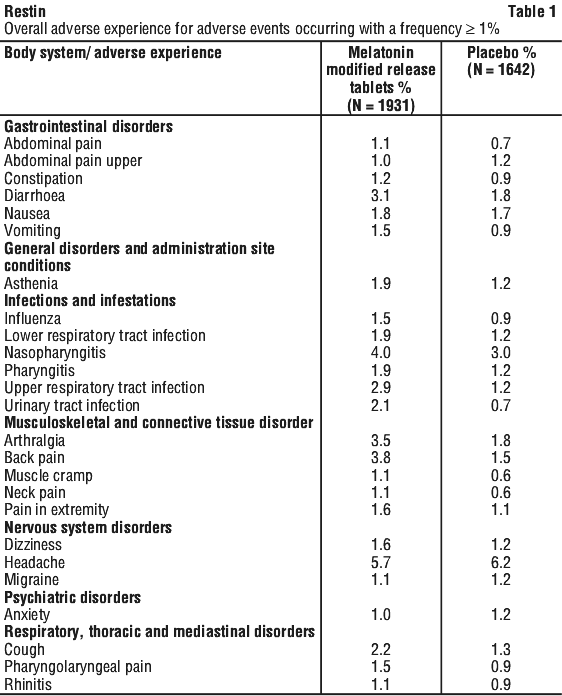
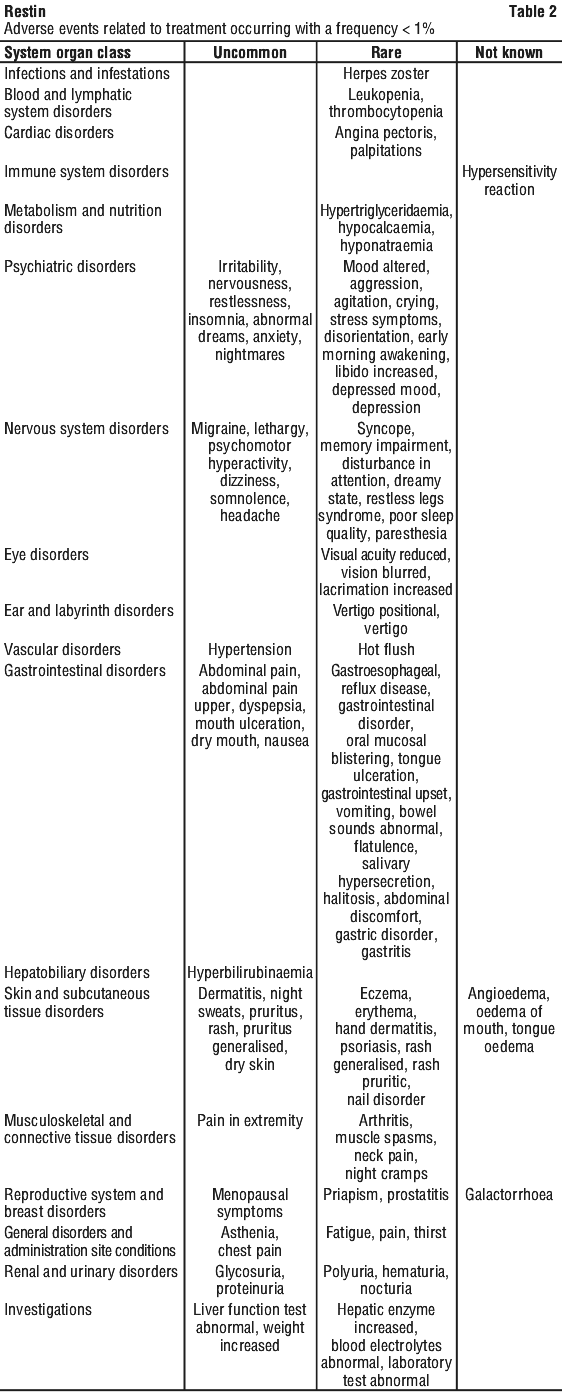
Within each frequency grouping, undesirable effects are presented in order of decreasing seriousness.
Very common (≥ 1/10); common (≥ 1/100 to < 1/10); uncommon (≥ 1/1000 to < 1/100); rare (≥ 1/10000 to < 1/1000); very rare (< 1/10000); not known (cannot be established from the available data).
Reporting suspected adverse effects. Reporting suspected adverse reactions after registration of the medicinal product is important. It allows continued monitoring of the benefit-risk balance of the medicinal product. Healthcare professionals are asked to report any suspected adverse reactions at www.tga.gov.au/reporting-problems.
4.9 Overdose
In general, the main therapy for all overdoses is supportive and symptomatic care.
Symptoms. No case of overdose has been reported. Melatonin modified release tablets have been administered at 5 mg daily doses in clinical trials over 12 months without significantly changing the nature of the adverse reactions reported.
Administration of daily doses of up to 300 mg of melatonin without causing clinically significant adverse reactions have been reported in the literature.
If overdose occurs, drowsiness is to be expected.
Treatment. Clearance of the active substance is expected within 12 hours after ingestion. No special treatment is required.
For information on the management of overdose, contact the Poisons Information Centre (telephone Australia 13 11 26).
5 Pharmacological Properties
5.1 Pharmacodynamic Properties
Pharmacotherapeutic group: melatonin receptor agonists, ATC code: N05CH01.
Melatonin is a naturally occurring hormone produced by the pineal gland and is structurally related to serotonin. Physiologically, melatonin secretion increases soon after the onset of darkness, peaks at 2-4 am and diminishes during the second half of the night. Melatonin is associated with the control of circadian rhythms and entrainment to the light-dark cycle. It is also associated with a hypnotic effect and increased propensity for sleep.
Mechanism of action. The activity of melatonin at the MT1 and MT2 receptors is believed to contribute to its sleep-promoting properties via their distinct actions on the circadian clock. The MT1 receptors are thought to inhibit neuronal firing, while the MT2 receptors have been implicated in the phase-shifting response.
Rationale for use. Because of the role of melatonin in sleep and circadian rhythm regulation, and the age related decrease in endogenous melatonin production, melatonin may effectively improve sleep quality particularly in patients who are over 55 with primary insomnia.
Clinical trials. Three Phase 3 studies and a sleep laboratory study were considered pivotal. These studies enrolled patients with primary insomnia who were aged at least 55 years. Patients suffering from severe neurological, psychiatric or neurosurgical disease or taking CNS medications including benzodiazepines or other hypnotic agents were excluded.
The primary assessment tool was the Leeds Sleep Evaluation Questionnaire (LSEQ), comprising 10 self-rated 100 mm-line analogue questions concerning aspects of sleep and early morning behaviour. The LSEQ measures ease of getting to sleep (GTS), quality of sleep (QOS), ease of waking from sleep (AFS) and behaviour following wakefulness (BFW). The primary outcome variable in the pivotal clinical trials was QOS, or a combination on QOS and BFW, where a patient had to show a clinically relevant improvement on both QOS and BFW. Time to onset of sleep and duration of sleep were measured objectively only in a polysomnography study. Efficacy of melatonin modified release tablets in combination with other hypnotic agents has not been assessed.
In a polysomnography (PSG) study (N = 40; 20 melatonin modified release tablets, 20 placebo) with a run-in of 2 weeks (single-blind with placebo treatment), followed by a treatment period of 3 weeks (double-blind, placebo-controlled, parallel group design) and a 3-week withdrawal period, time to onset of sleep was shortened significantly by 9 minutes compared to placebo. A statistically significant difference favouring melatonin modified release tablets was seen for total duration of time awake prior to sleep onset (approx. change from 10 to 11 minutes for melatonin modified release tablets and from 21 to 20 minutes for placebo). There were no modifications of sleep architecture and no effect on REM sleep duration by melatonin modified release tablets. Modifications in diurnal functioning did not occur with melatonin modified release tablets 2 mg. Melatonin modified release tablets did not prolong the duration of sleep significantly compared to placebo.
In the outpatient studies patients who failed to meet the inclusion criteria at the end of the run-in period due to the instability of their disorder (16% of the total population) were not included in the efficacy analysis.
In an outpatient study (Neurim VII: N = 170; 82 melatonin modified release tablets, 88 placebo) with two week run-in baseline period with placebo, a randomized, double blind, placebo controlled, parallel group treatment period of 3 weeks and two week withdrawal period with placebo, the primary efficacy endpoint was Quality of Sleep (QOS). The rate of patients who showed a clinically significant improvement in both quality of sleep and morning alertness was 47% in the melatonin modified release tablets group compared to 27% in the placebo group There was a mean difference of approximately 6 mm in quality of sleep and approximately 9 mm in morning alertness, both favouring melatonin modified release tablets compared to placebo. Sleep variables gradually returned to baseline with no rebound, no increase in adverse events and no increase in withdrawal symptoms.
In a second outpatient study (N = 334; 169 melatonin modified release tablets, 165 placebo) with two week run-in baseline period with placebo and a randomized, double blind, placebo controlled, parallel group treatment period of 3 weeks, the rate of patients who showed a clinically significant improvement in both quality of sleep and morning alertness was 26% in the melatonin modified release tablets group as compared to 15% in the placebo group. Melatonin modified release tablets shortened patients' reported time to onset of sleep by 24.3 minutes vs 12.9 minutes with placebo. In addition, patients' self-reported quality of sleep, number of awakenings and morning alertness significantly improved with melatonin modified release tablets compared to placebo. Quality of life was improved significantly with melatonin modified release tablets 2 mg compared to placebo.
A third study involved more than 600 patients over 55, over 400 of whom were on melatonin modified release tablets treatment for up to 6 months. Patients given melatonin modified release tablets demonstrated a difference from placebo in mean change from baseline in subjective sleep latency, assessed using a sleep diary, of -7.8 minutes after 3 weeks (p=0.014). Small differences in sleep latency were generally maintained over 13 weeks of placebo-controlled treatment.
The percentage of patients showing both remission of insomnia (PSQI of < 6) and a clinically relevant improvement of 10% in quality of life scores (WHO-5 index) increased from 16.7% (cf. 10.6% placebo, p=0.044) at week 3 to 25.8% at week 13 (cf. 15.7% placebo, p=0.006).
This study also examined the effect of melatonin modified release tablets on sleep latency in younger subjects with primary insomnia and low excretion of melatonin. Clinically significant effects on sleep latency were not demonstrated in these patients.
Long term safety. The safety profile both during 3 weeks and during the 26 week periods was comparable to placebo with no withdrawal and rebound effects.
In an open study where 96 subjects completed 12 months treatment with melatonin modified release tablets no tolerance, rebound or withdrawal effects were reported.
5.2 Pharmacokinetic Properties
Absorption. The absolute bioavailability of melatonin from melatonin modified release tablets has not been assessed. Other oral formulations of melatonin have an absolute bioavailability in the region of 15% but this is highly variable with high first pass metabolism. The relative bioavailability of melatonin from melatonin modified release tablets is comparable to that of an oral melatonin solution.
Data from other formulations of melatonin indicate that the absorption of orally ingested melatonin is complete in adults and may be decreased by up to 50% in the elderly. The kinetics of melatonin is linear over the range of 2-8 mg as obtained from published results using a formulation other than Restin melatonin 2 mg modified release tablets.
Bioavailability as assessed from other oral formulations of melatonin is in the order of 15%. There is a significant first pass effect with an estimated first pass metabolism of 85% as assessed from other oral formulations of melatonin. Tmax occurs after 2.6 hours in a fed state. The rate of melatonin absorption following melatonin modified release tablets 2 mg oral administration is affected by food. The presence of food delayed the absorption of the melatonin resulting in a later Tmax (Tmax = 2.6 hours versus Tmax = 1.6 hours). Cmax and AUC levels were not affected by food.
Distribution. The in vitro plasma protein binding of melatonin is approximately 60%. Melatonin is mainly bound to albumin, alpha1-acid glycoprotein and high density lipoprotein. The binding to the other serum proteins is insignificant. The melatonin binding was constant over the range of the studies concentrations in serum. Literature data indicates that melatonin is distributed in all body fluids and is accessible at all tissues.
Metabolism. Experimental data suggest that isoenzymes CYP1A1, CYP1A2 and possibly CYP2C19 of the cytochrome P450 system are involved in melatonin metabolism. The principal metabolite is 6-sulphatoxy-melatonin (6-S-MT), which is inactive. The site of biotransformation is the liver. The excretion of the metabolite is completed within 12 hours after ingestion.
Excretion. Terminal half-life (T1/2) is 3.5-4 hours. Elimination is by renal excretion of metabolites, 89% as sulphated and glucuronide conjugates of 6-hydroxymelatonin and 2% is excreted as melatonin (unchanged drug).
Gender. A 3-4-fold increase in Cmax is apparent for women compared to men. A five-fold variability in Cmax between different members of the same sex has also been observed.
However, no pharmacodynamic differences between males and females were found despite differences in blood levels.
Elderly. Melatonin metabolism is known to decline with age. Across a range of doses, higher AUC and Cmax levels have been reported in older subjects compared to younger subjects, reflecting the lower metabolism of melatonin in the elderly. Cmax levels around 500 picogram/mL in adults (18 - 45) versus 1200 picogram/mL in the elderly (55 - 65), AUC levels around 3000 picogram*h/mL in adults versus 6000 picogram*h/mL in the elderly.
Renal impairment. Melatonin did not accumulate after repeated dosing with melatonin modified release tablets. This finding is compatible with the short half-life of melatonin in humans.
The levels assessed in the blood of patients at 23:00 (2 hours after administration) following 1 and 3 weeks of daily administration were 411.4 ± 56.5 and 432.0 ± 83.2 picogram/mL respectively, and are similar to those found in healthy volunteers following a single dose of melatonin modified release tablets 2 mg.
Hepatic impairment. The liver is the primary site of melatonin metabolism and therefore, hepatic impairment results in higher endogenous melatonin levels.
Plasma melatonin levels in patients with cirrhosis were significantly increased during daylight hours. Patients had a significantly decreased total excretion of 6-sulphatoxy-melatonin compared with controls.
5.3 Preclinical Safety Data
Genotoxicity. Results from a standard battery of in vitro and in vivo assays showed no evidence of a genotoxic potential for melatonin.
Carcinogenicity. An oral lifetime carcinogenicity study with melatonin in rats showed an increased incidence of thyroid follicular cell adenomas in males at doses around 700-fold the recommended clinical dose, based on body surface area. No neoplastic tissue histopathology was examined at lower doses and therefore the no-effect dose could not be determined. These effects were associated with liver enzyme induction in this species and are unlikely to be relevant to humans.
6 Pharmaceutical Particulars
6.1 List of Excipients
Ammonio methacrylate copolymer, calcium hydrogen phosphate dihydrate, lactose monohydrate, colloidal anhydrous silica, purified talc, magnesium stearate.
6.2 Incompatibilities
See Section 4.5 Interactions with Other Medicines and Other Forms of Interactions.
6.3 Shelf Life
In Australia, information on the shelf life can be found on the public summary of the Australian Register of Therapeutic Goods (ARTG). The expiry date can be found on the packaging.
6.4 Special Precautions for Storage
Store below 25°C. Protect from light.
6.5 Nature and Contents of Container
Blister packs (PVD/PVDC/Al) of 7, 15, 21, 30 and 60 tablets.
6.6 Special Precautions for Disposal
In Australia, any unused medicine or waste material should be disposed of by taking to your local pharmacy.
6.7 Physicochemical Properties
Melatonin is a slightly off-white, odourless crystalline powder. Melatonin is very slightly soluble in water and in dilute hydrochloric acid.
Chemical structure. Chemical name: N-[2-(5-methoxyindol-3-yl)ethyl]acetamide.
Structural formula:
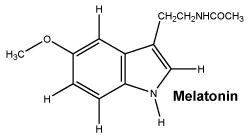
Molecular weight: 232.27.
pKa: 12.3 - 12.7.
CAS number. 73-31-4.
7 Medicine Schedule (Poisons Standard)
S3 - Pharmacist Only Medicine (7, 15, 21 and 30 tablets).
S4 - Prescription Only Medicine (60 tablets).
Date of First Approval
09 February 2024
Date of Revision
23 July 2024
Summary Table of Changes

Reasonable care is taken to provide accurate information at the time of creation. This information is not intended as a substitute for medical advice and should not be exclusively relied on to manage or diagnose a medical condition. The Australian Commission on Safety and Quality in Health Care disclaims all liability (including for negligence) for any loss, damage, injury or any other negative effects resulting from reliance on or use of this information. Read our full disclaimer. This website uses cookies. Read our privacy policy.