
Riamet Tablets
Brand Information
| Brand name | Riamet Tablets |
| Active ingredient | Artemether + Lumefantrine |
| Schedule | S4 |
Consumer Medicine Information (CMI) leaflet
Please read this leaflet carefully before you start using the Riamet Tablets.
Summary CMI
Riamet® Tablets
Consumer Medicine Information (CMI) summary
The full CMI on the next page has more details. If you are worried about using this medicine, speak to your doctor or pharmacist.
1. Why am I using Riamet Tablets?
Riamet Tablets contain the active ingredient Artemether and lumefantrine. Riamet Tablets are used to treat sudden, uncomplicated malaria caused due to a parasite called Plasmodium falciparum. It is used in adults, adolescents, and children weighing ≥ 35 kg or > 12 years of age.
For more information, see Section 1. Why am I using Riamet Tablets? in the full CMI.
2. What should I know before I use Riamet Tablets?
Do not use if you have ever had an allergic reaction to Riamet Tablets or any of the ingredients listed at the end of the CMI.
Talk to your doctor if you have any other medical conditions, take any other medicines, or are pregnant or plan to become pregnant or are breastfeeding.
For more information, see Section 2. What should I know before I use Riamet Tablets? in the full CMI.
3. What if I am taking other medicines?
Some medicines may interfere with Riamet and affect how it works.
A list of these medicines is in Section 3. What if I am taking other medicines? in the full CMI.
4. How do I use Riamet Tablets?
- Your doctor will advise you the appropriate dose.
- Follow the instructions provided when Riamet Tablets were prescribed, including the number of days it should be taken.
More instructions can be found in Section 4. How do I use Riamet Tablets? in the full CMI.
5. What should I know while using Riamet Tablets?
| Things you should do |
|
| Things you should not do |
|
| Driving or using machines |
|
| Looking after your medicine |
|
For more information, see Section 5. What should I know while using Riamet Tablets? in the full CMI.
6. Are there any side effects?
Common side effects include numbness, headache, feeling sick, vomiting, dizziness, itching, tiredness, hives, indigestion, joint pain.
For more information, including what to do if you have any side effects, see Section 6. Are there any side effects? in the full CMI.
Full CMI
Riamet® Tablets 20 mg/120 mg
Active ingredients: Artemether and lumefantrine
Consumer Medicine Information (CMI)
This leaflet provides important information about using Riamet Tablets. You should also speak to your doctor or pharmacist if you would like further information or if you have any concerns or questions about using Riamet Tablets.
Where to find information in this leaflet:
1. Why am I using Riamet Tablets?
2. What should I know before I use Riamet Tablets?
3. What if I am taking other medicines?
4. How do I use Riamet Tablets?
5. What should I know while using Riamet Tablets?
6. Are there any side effects?
7. Product details
1. Why am I using Riamet Tablets?
Riamet Tablets contains the active ingredients Artemether and lumefantrine. They are antimalarial medicines.
Riamet Tablets are used to treat sudden, uncomplicated malaria caused due to a parasite called Plasmodium falciparum. It is used in adults, adolescents, and children weighing ≥ 35 kg or > 12 years of age. Malaria is an infectious disease which is spread by an infected Anopheles mosquito. The infection is caused by a parasite, and the mosquito carries the parasite and injects them into the bloodstream when it bites a person. Common symptoms include fever, chills, headache, feeling sick. Riamet Tablets help to kill the Plasmodium falciparum parasite.
2. What should I know before I use Riamet Tablets?
Warnings
Do not use Riamet Tablets:
- If you are allergic to Artemether and lumefantrine, or any of the ingredients listed at the end of this leaflet. Always check the ingredients to make sure you can use this medicine. Symptoms of an allergic reaction may include shortness of breath, difficulty breathing, swelling of the face, lips, tongue or other parts of the body, rash, hives.
- In patients with severe malaria according to the World Health Organisation definition (shown by both clinical signs and blood tests).
- If you suffer from any heart diseases or any problems with your heart function.
- If you have a family history of heart rate problems, or sudden death.
- If you have symptoms such as muscle weakness, constipation, extreme tiredness (may indicate low potassium level) or weakness, cramps, or tremors (may indicate low level of magnesium in blood).
Check with your doctor if you:
- have any other medical conditions
- have liver or kidney problems
- take any medicines for any other condition
- suffer from heart problems, any history of heart attack, problems with heart function.
During treatment, you may be at risk of developing certain side effects. It is important you understand these risks and how to monitor for them. See additional information under Section 6. Are there any side effects?
Pregnancy and breastfeeding
Check with your doctor if you are pregnant or intend to become pregnant.
Do not take Riamet Tablets if you are pregnant, think you are pregnant, or intend to become pregnant.
Do not use Riamet Tablets during the first trimester of pregnancy.
Do not use Riamet Tablets in the later stages of pregnancy unless clearly indicated by your doctor. Your doctor will discuss with you the potential risks and benefits of taking Riamet Tablets during pregnancy.
Before you take Riamet Tablets, use effective contraception measures to prevent pregnancy and use it until the start of the next menstruation (period) after treatment.
If you are taking hormonal birth control medicine, transdermal patch, you should also use an additional method of birth control.
Talk to your doctor if you are breastfeeding or intend to breastfeed.
Do not take Riamet tablets during breast-feeding. It is recommended not to resume breastfeeding until at least four weeks after the last dose.
3. What if I am taking other medicines?
Tell your doctor or pharmacist if you are taking any other medicines, including any medicines, vitamins or supplements that you buy without a prescription from your pharmacy, supermarket or health food shop.
Some medicines may interfere with Riamet Tablets and affect how it works.
Tell your doctor if you use any of the following medicines:
- Any other antimalarial medicines e.g. mefloquine or quinine, halofantrine
- Anti-retroviral medicines or protease inhibitors which are used to treat HIV infections or AIDS
Do not use Riamet Tablets if you are taking any of the following medicines:
- medicines which are used to treat abnormal heartbeat problems (e.g. flecainide, metoprolol)
- medicines used to treat depression or other mental illnesses (e.g. imipramine, amitriptyline, clomipramine)
- rifampicin, antibiotic used to treat leprosy or tuberculosis
- medicines used to treat epilepsy (e.g carbamazepine, phenytoin)
- St John's wort (Hypericum perforatum), a medicinal plant extract used to relieve some temporary feelings of sadness or low mood.
- triazole antifungal medicines (e.g. fluconazole, itraconazole)
- antibiotics (e.g. macrolides, fluoroquinolones, and imidazole)
- medicine used to treat tummy problems e.g. cisapride,
- certain medicines used to treat swelling or allergies (e.g. non-sedating antihistaminics such as terfenadine or astemizole)
Check with your doctor or pharmacist if you are not sure about what medicines, vitamins or supplements you are taking and if these affect Riamet Tablets.
4. How do I use Riamet Tablets?
How much to take
- Your doctor will advise you the appropriate dose.
- Follow the instructions provided when Riamet Tablets were prescribed, including the number of days it should be taken.
Dose for adults, adolescents, and children weighing ≥ 35 kg or > 12 years of age:
- Take 6 doses of Riamet Tablets over a period of 3 days.
- Each of the 6 doses consists of four tablets (i.e. a total of 24 tablets are taken over 3 days).
- Do not exceed the dose advised by your doctor.
When to take Riamet Tablets
- Follow the instructions provided by your doctor carefully.
- Take the first dose (4 tablets) as advised by your doctor and as soon as possible, after your doctor has diagnosed malaria.
- Take the second dose (4 tablets) 8 hours after the first dose.
- Take the third dose (4 tablets) 24 hours (exactly one day) after the first dose.
- Take the fourth dose (4 tablets) 36 hours after the first dose.
- Take the fifth dose (4 tablets) 48 hours (exactly 2 days) after the first dose.
- Take the sixth dose (4 tablets) 60 hours after the first dose.
- Do not miss any doses.
How to take Riamet Tablets
- Swallow the tablets whole with a full glass of water or with drinks rich in fat (e.g. milk).
- Do not break the tablets.
- Whenever possible, the dose should be taken immediately after food.
- If you are feeling too unwell to eat, still take the tablets.
- Sometimes patients with malaria do not feel like eating, but you should try to eat normally as soon as you can tolerate the food, since this improves the absorption of Riamet Tablets.
- If you vomit within 1 hour of taking Riamet Tablets, take a repeat dose.
If you forget to use Riamet Tablets
Take Riamet Tablets as prescribed by your doctor. If you miss your dose at the usual time, take the missed dose as soon as you remember, and then go back to the schedule prescribed by your doctor.
If it is almost time for your next dose, skip the dose you missed and take your next dose when you are meant to.
Do not take a double dose to make up for the dose you missed.
If you use too many Riamet Tablets
If you think that you have used too many Riamet Tablets, you may need urgent medical attention.
You should immediately:
- phone the Poisons Information Centre
(by calling 13 11 26), or - contact your doctor, or
- go to the Emergency Department at your nearest hospital.
You should do this even if there are no signs of discomfort or poisoning.
5. What should I know while using Riamet Tablets?
Things you should do
- Do not use Riamet Tablets for treatment of any other types of Malaria or as a preventive measure.
- Riamet Tablets may reduce the effectiveness of hormonal contraceptives. If you are taking hormonal birth control medicine, transdermal patch or other systemic hormonal contraceptives, you should also use an additional method of birth control.
Call your doctor straight away if you:
- become pregnant or intend to become pregnant or if you are breastfeeding.
- develop any signs of an allergic reaction.
- suffer from any heart problems.
- take any other antimalarial medicines.
Remind any doctor, dentist or pharmacist you visit that you are using Riamet Tablets.
Things you should not do
- Do not stop using this medicine suddenly.
- Do not give Riamet Tablets to anyone else, even if they seem to have the same condition as you.
- Avoid grapefruit juice during treatment with Riamet Tablets
Laboratory tests:
- Your doctor may do a blood checkup e.g. monitoring blood potassium level or suggest an ECG during treatment with Riamet Tablets.
Driving or using machines
Be careful before you drive or use any machines or tools until you know how Riamet Tablets affect you.
Riamet Tablets may cause dizziness or unusual weakness in some people. In such cases, do not drive or use machines.
Looking after your medicine
- Store below 30°C.
- Keep your medicine in the original blister pack until it is time to take a dose.
Follow the instructions in the carton on how to take care of your medicine properly.
Store it in a cool dry place away from moisture, heat or sunlight; for example, do not store it:
- in the bathroom or near a sink, or
- in the car or on window sills.
Keep it where young children cannot reach it.
Getting rid of any unwanted medicine
If you no longer need to use this medicine or it is out of date, take it to any pharmacy for safe disposal.
Do not use this medicine after the expiry date.
6. Are there any side effects?
All medicines can have side effects. If you do experience any side effects, most of them are minor and temporary. However, some side effects may need medical attention.
See the information below and, if you need to, ask your doctor or pharmacist if you have any further questions about side effects.
Less serious side effects
| Less serious side effects | What to do |
General problems:
| Speak to your doctor if you have any of these less serious side effects and they worry you. |
Serious side effects
| Serious side effects | What to do |
General problems:
| Call your doctor straight away or go straight to the Emergency Department at your nearest hospital if you notice any of these serious side effects. |
Tell your doctor or pharmacist if you notice anything else that may be making you feel unwell.
Other side effects not listed here may occur in some people.
Reporting side effects
After you have received medical advice for any side effects you experience, you can report side effects to the Therapeutic Goods Administration online at www.tga.gov.au/reporting-problems. By reporting side effects, you can help provide more information on the safety of this medicine.
Always make sure you speak to your doctor or pharmacist before you decide to stop taking any of your medicines.
7. Product details
This medicine is only available with a doctor's prescription.
What Riamet Tablets contain
| Active ingredient (main ingredient) | Artemether and lumefantrine |
| Other ingredients (inactive ingredients) | Microcrystalline cellulose, croscarmellose sodium, magnesium stearate, hypromellose, colloidal anhydrous silica and polysorbate 80. |
| Potential allergens | Sugars and latex (in trace amounts) |
Do not take this medicine if you are allergic to any of these ingredients.
What Riamet Tablets look like
Riamet Tablets (20 mg/120 mg) are pale yellow, flat, round, uncoated tablets with bevelled edges; marked with N/C and a score line on one side and CG on the other. They are available in blister packs containing 16*, 24, or 400* tablets.
*Not all presentations may be available.
Australian Registration Number:
Riamet tablet: AUST R 90011
Who distributes Riamet Tablets
Riamet tablets are supplied in Australia by:
NOVARTIS Pharmaceuticals Australia Pty Limited
ABN 18 004 244 160
54 Waterloo Road
Macquarie Park NSW 2113
Telephone: 1 800 671 203
Web site: www.novartis.com.au
® Registered Trademark
This leaflet was prepared in August 2025.
Internal document code:
ria240620c_V2 based on PI ria240620i
Brand Information
| Brand name | Riamet Tablets |
| Active ingredient | Artemether + Lumefantrine |
| Schedule | S4 |
MIMS Revision Date: 01 September 2020
1 Name of Medicine
Artemether and lumefantrine.
2 Qualitative and Quantitative Composition
Riamet tablets and Riamet Dispersible tablets contain the active ingredient artemether and lumefantrine.
Riamet tablets. Excipients with known effect. Sugars and latex (in trace amounts).
Riamet Dispersible tablets. Excipients with known effect. Sugars and latex (in trace amounts).
For the full list of excipients, see Section 6.1 List of Excipients.
3 Pharmaceutical Form
Riamet tablets (20 mg/120 mg). Tablets.
Riamet Dispersible tablets (20 mg/120 mg). Dispersible tablets.
4 Clinical Particulars
4.1 Therapeutic Indications
Riamet tablet is indicated for the treatment of acute, uncomplicated malaria due to Plasmodium falciparum in adults, children and infants of 5 kg and above.
Riamet Dispersible tablet is indicated for the treatment of acute, uncomplicated malaria due to Plasmodium falciparum in children and infants weighing between 5 kg and less than 35 kg.
4.2 Dose and Method of Administration
Dosage regimen. Riamet Dispersible tablets for infants and children weighing 5 kg to < 35 kg, and aged ≥ 3 months up to 12 years. Six doses of 1 to 3 dispersible tablets per dose, depending on bodyweight (i.e. total course of either 6, 12, or 18 tablets), given over a period of 60 hours.
5 to < 15 kg bodyweight, and ≥ 3 months. One dispersible tablet at the time of initial diagnosis, 1 tablet again after 8 hours and then 1 tablet twice daily (morning and evening) on each of the following two days (total course comprises 6 tablets).
15 to < 25 kg bodyweight. Two dispersible tablets as a single dose at the time of initial diagnosis, 2 tablets again after 8 hours and then 2 tablets twice daily (morning and evening) on each of the following two days (total course comprises 12 tablets).
25 to < 35 kg bodyweight, and < 12 years. Three dispersible tablets as a single dose at the time of initial diagnosis, 3 tablets again after 8 hours and then 3 tablets twice daily (morning and evening) on each of the following two days (total course comprises 18 tablets).
Riamet tablets for adults, adolescents, and children weighing ≥ 35 kg or > 12 years of age. Six doses of four tablets (i.e. total course of 24 tablets), given over a period of 60 hours.
Elderly. Although no studies have been carried out in the elderly, no special precautions or dosage adjustments are considered necessary in such patients.
Renal or hepatic impairment. Although no specific studies have been carried out, no dosage adjustments are considered necessary for these conditions.
No specific dose adjustment recommendations can also be made for patients with hepatic impairment (see Section 4.4 Special Warnings and Precautions for Use). Most patients with acute malaria present with some degree of related hepatic impairment. The adverse event profile did not differ in patients with and those without hepatic impairment. Moreover, baseline abnormalities in liver function tests improved in nearly all patients after treatment.
New and recrudescent infections. Data for a limited number of patients show that new and recrudescent infections can be treated with a second course of Riamet. In the absence of carcinogenicity study data, and due to lack of clinical experience, more than two courses of Riamet cannot be recommended.
Method of administration. The first dose, given at the time of initial diagnosis, should be followed by five further doses given at 8, 24, 36, 48 and 60 hours thereafter. Whenever possible, the dose should be taken immediately after food. Patients with acute malaria are frequently averse to food. Patients should be encouraged to resume normal eating as soon as food can be tolerated since this improves absorption of artemether and lumefantrine (see Section 5.2 Pharmacokinetic Properties, Absorption). In the event of vomiting within 1 hour of administration, a repeat dose should be taken.
Riamet Dispersible tablets for infants and children weighing 5 kg to < 35 kg, and aged ≥ 3 months up to 12 years. The dispersible tablet(s) composing 1 dose should be completely dispersed in a small amount of water (approximately 10 mL per tablet). Stir gently and administer immediately to the patient. Rinse the glass with an additional small amount of water (approximately 10 mL) and give immediately to the patient.
Riamet tablets for adults, adolescents, and children weighing ≥ 35 kg or > 12 years of age. Swallow the tablets whole. The tablets may be taken with fluids.
4.3 Contraindications
Riamet and Riamet Dispersible tablets are contraindicated in:
Patients with known hypersensitivity to artemether or lumefantrine or any of the excipients.
Patients with severe malaria according to the World Health Organization definition*.
Patients who are taking any drug which is metabolised by the cytochrome enzyme CYP2D6 (e.g. flecainide, metoprolol, imipramine, amitriptyline, clomipramine).
Patients who are taking any drug metabolised by strong inducers of CYP3A4 (e.g. rifampicin, carbamazepine, phenytoin, St John's wort (Hypericum perforatum)) (see Section 4.5 Interactions with Other Medicines and Other Forms of Interactions).
Patients with known pre-existing prolongation of the QTc interval (see Section 4.4 Special Warnings and Precautions for Use; Section 4.5 Interactions with Other Medicines and Other Forms of Interactions).
Patients with a family history of congenital prolongation of the QTc interval on electrocardiograms or of sudden death or with any other clinical condition known to prolong the QTc interval such as patients with a history of symptomatic cardiac arrhythmias, with clinically relevant bradycardia or with severe cardiac disease.
Patients taking drugs that are known to prolong the QTc interval such as:
antiarrhythmics of classes IA and III;
neuroleptics, antidepressant agents;
certain antibiotics including some agents of the following classes: macrolides, fluoroquinolones, imidazole, and triazole antifungal agents;
certain nonsedating antihistamines (terfenadine, astemizole);
cisapride.
Patients with known disturbances of electrolyte balance, e.g. hypokalaemia or hypomagnesaemia.
Where * indicates the presence of one or more of the following clinical or laboratory features.
Clinical manifestations. Prostration; impaired consciousness or unarousable coma; failure to feed; deep breathing, respiratory distress (acidotic breathing); multiple convulsions; circulatory collapse or shock; pulmonary oedema (radiological); abnormal bleeding; clinical jaundice; haemoglobinuria.
Laboratory tests. Severe normocytic anaemia; haemoglobinuria; hypoglycaemia; metabolic acidosis; renal impairment; hyperlactatemia; hyperparasitemia.
4.4 Special Warnings and Precautions for Use
Identified precautions. Riamet and Riamet Dispersible tablets have not been evaluated for the treatment of complicated malaria, including cases of cerebral malaria or other severe manifestations such as pulmonary oedema or renal failure.
Riamet and Riamet Dispersible tablets are not indicated for, and have not been evaluated in, the treatment of malaria due to P. vivax, P. malariae or P. ovale, although some patients in clinical studies had co-infection with P. falciparum and P. vivax at baseline. Riamet and Riamet Dispersible tablets are active against blood stages of P. vivax, but is not active against hypnozoites. Riamet and Riamet Dispersible tablets are not indicated and have not been evaluated for prophylaxis.
Patients who remain averse to food during treatment should be closely monitored as the risk of recrudescence may be greater.
The exposure to artemether in Riamet Dispersible tablets and Riamet tablets are not bioequivalent (see Section 5.2 Pharmacokinetic Properties).
Riamet should not be used in the first trimester of pregnancy in situations where other suitable and effective antimalarials are available (see Section 4.6 Fertility, Pregnancy and Lactation).
QTc interval prolongation. Halofantrine, quinine and quinidine are known to cause QTc interval prolongation. Like other antimalarials (e.g. halofantrine, quinine and quinidine), Riamet and Riamet Dispersible tablets have the potential to cause QTc interval prolongation with standard dosing, although no clinical adverse event attributable to QTc prolongation (e.g. syncope, sudden death) has been reported. Asymptomatic prolongation of QTc intervals by > 30 milliseconds, with an actual QTc > 450 milliseconds in males and > 470 milliseconds in females, was observed in approximately 7% of patients treated with various dose regimens of Riamet in clinical trials. It is possible that these changes were disease related. No correlation has been found between QTc interval prolongation and plasma concentrations of artemether, dihydroartemisinin or lumefantrine.
Due to the lack of clinical data and due to the propensity of some antimalarial agents to prolong the QTc interval, caution is advised when administering Riamet or Riamet Dispersible tablets to patients in whom there may be detectable concentrations of these drugs in the plasma following prior treatments (see Section 4.5 Interactions with Other Medicines and Other Forms of Interactions).
Due to the lack of data on safety and efficacy, Riamet or Riamet Dispersible tablets should not be given concurrently with any other antimalarial agents. However, if a patient deteriorates whilst taking Riamet or Riamet Dispersible tablets and requires alternative treatment, this should be commenced without delay, but with caution. ECG and blood potassium monitoring are recommended.
Use in hepatic impairment. Neither Riamet nor Riamet Dispersible tablets have been studied for efficacy and safety in patients with severe hepatic insufficiency and therefore no recommendations can be made for this group of patients. In patients with severe hepatic impairment, a clinically relevant increase of exposure to artemether and lumefantrine and/or their metabolites cannot be ruled out. Therefore caution should be exercised in dosing patients with severe hepatic impairment (see Section 5.2 Pharmacokinetic Properties).
Use in renal impairment. Neither Riamet nor Riamet Dispersible tablets have been studied for efficacy and safety in patients with severe renal insufficiency and therefore no recommendations can be made for this group of patients.
Use in patient with cardiac impairment. Caution is advised when administering Riamet or Riamet Dispersible tablets to patients with severe cardiac disease. In these patients, ECG and blood potassium monitoring is advised.
Use in the elderly. There is no information suggesting that the dosage in patients under 65 years of age should be different to younger adults (see Section 5.2 Pharmacokinetic Properties; Section 4.2 Dose and Method of Administration).
Paediatric use. The efficacy of Riamet Dispersible tablet was based on a study population including 1 infant < 3 months of age and the safety data was based on a population including 4 patients less than 3 months of age only one of whom was treated with Riamet Dispersible tablets. (See Section 5.1 Pharmacodynamic Properties, Clinical trials). The safety and efficacy of Riamet or Riamet Dispersible tablets in children aged less than 3 months have not been adequately assessed.
Carcinogenicity, mutagenicity and impairment of fertility. Carcinogenicity studies with Riamet or Riamet Dispersible tablets were not conducted. Neither artemether, lumefantrine or the combination were mutagenic in bacteria, nor were they mutagenic or clastogenic in V79 Chinese hamster ovary cells in vitro, and they did not induce micronuclei in bone marrow erythrocytes of rats following an oral dose of Riamet up to 2000 mg/kg.
Use with other drugs. Caution is recommended when combining Riamet with substrates, inhibitors or weak to moderate inducers of CYP3A4 as the therapeutic effects of some drugs could be altered. Drugs that have a mixed inhibitory/induction effect on CYP3A4, especially antiretroviral drugs such as HIV protease inhibitors and non-nucleoside reverse transcriptase inhibitors should be used with caution in patients taking Riamet (see Section 4.5 Interactions with Other Medicines and Other Forms of Interactions; Section 5.2 Pharmacokinectic Properties).
4.5 Interactions with Other Medicines and Other Forms of Interactions
Interactions resulting in a contraindication. Drugs that are known to prolong the QTc interval. Riamet is contraindicated with concomitant use of drugs (they may cause prolonged QTc interval and torsades de pointes) such as: antiarrhythmics of classes IA and III, neuroleptics and antidepressant agents, certain antibiotics including some agents of the following classes: macrolides, fluoroquinolones, imidazole, and triazole antifungal agents, certain nonsedating antihistamines (terfenadine, astemizole), and cisapride (see Section 4.3 Contraindications).
Drugs metabolized by CYP2D6. Lumefantrine was found to inhibit CYP2D6 in vitro. This may be of particular clinical relevance for compounds with a low therapeutic index. Coadministration of Riamet with drugs which are metabolised by this iso-enzyme is contraindicated (e.g. neuroleptics, flecainide, metoprolol, and tricyclic antidepressants such as imipramine, amitriptyline, clomipramine) (see Section 4.3 Contraindications; Section 5.2 Pharmacokinetic Properties).
Interaction with strong inducers of CYP3A4 such as rifampicin. Oral administration of 600 mg rifampicin daily, a strong CYP3A4 inducer, with Riamet Tablets (6-dose regimen over 3 days) resulted in significant decreases in exposure to artemether, DHA and lumefantrine when compared to exposure values after Riamet alone. Concomitant use of strong inducers of CYP3A4 such as rifampicin, carbamazepine, phenytoin, St John's wort is contraindicated with Riamet (see Section 4.3 Contraindications).
Interactions resulting in concomitant use not being recommended. Other antimalarials. Data on safety and efficacy are limited, and Riamet should therefore not be given concurrently with other antimalarials unless there is no other treatment option (see Section 4.4 Special Warnings and Precautions for Use). If Riamet is given following administration of mefloquine or quinine, close monitoring of food intake (for mefloquine) or of the ECG (for quinine) is advised. The long elimination half-life of lumefantrine must be taken into account when administering quinine in patients previously treated with Riamet.
In vitro studies indicated that lumefantrine metabolism is inhibited by halofantrine and quinine (also see interaction study with quinine in healthy volunteers above).
Due to the lack of clinical data, and due also to the propensity of some antimalarials to prolong the QTc interval, caution is advised when administering Riamet or Riamet Dispersible tablets to patients in whom there may be detectable concentrations of these drugs in the plasma following prior treatments.
In particular, Riamet or Riamet Dispersible tablets must not be coadministered with halofantrine (see Section 4.3 Contraindications; Section 4.4 Special Warnings and Precautions for Use). In patients previously treated with halofantrine, Riamet should be dosed at least one month after the last halofantrine dose.
Drug-drug interaction studies. Three specific pharmacokinetic and pharmacodynamic drug-drug interaction studies with ketoconazole (a potent CYP3A4 inhibitor), quinine and mefloquine have been conducted in healthy volunteers.
Ketoconazole. Sixteen healthy adults were randomised in an open-label, two period crossover design study. Subjects received a single Riamet dose (4 tablets, i.e. 80 mg artemether/ 480 mg lumefantrine) either alone or in combination with multiple oral doses of ketoconazole (400 mg on day 1 followed by 200 mg daily for 4 additional days). The concurrent administration of ketoconazole with Riamet led to an increase (maximum 2.3-fold) in artemether, dihydroartemisinin (the main metabolite) and lumefantrine exposure. The mean percent increase in AUC∞ for artemether, dihydroartemisinin and lumefantrine was 131%, 51% and 61%, respectively. This increase in exposure to the antimalarial combination was not associated with increased side effects or changes in electrocardiographic parameters. Based on this study, dose adjustment of Riamet is considered unnecessary in falciparum malaria patients when administered in association with ketoconazole or other potent CYP3A4 inhibitors. The addition of a CYP3A4 inhibitor to a multiple dose course of Riamet has not been studied.
Quinine. The concurrent intravenous administration of quinine (10 mg/kg body weight) with Riamet had no effect on plasma concentrations of lumefantrine or quinine. Plasma concentrations of artemether and the main metabolite, dihydroartemisinin, appeared to be lower. In this study, administration of Riamet to 14 subjects had no effect on QTc interval. Infusion of quinine alone in 14 other subjects caused a transient prolongation of the QTc interval, with the peak QTc interval post dose increasing by 5.5 milliseconds, which is consistent with the known cardiotoxicity of quinine. This effect was slightly, but significantly, greater when quinine was infused after Riamet in 14 additional subjects, with the peak QTc interval postquinine dose increasing by 15.6 milliseconds. It would thus appear that the inherent risk of QTc interval prolongation associated with intravenous quinine was enhanced by prior administration of Riamet.
Mefloquine. A drug interaction study with Riamet in man involved administration of a 6-dose regimen over 60 hours in healthy volunteers, which was commenced at 12 hours after completion of a 3-dose regimen of mefloquine or placebo. Plasma mefloquine concentrations from the time of addition of Riamet were not affected compared with a group who received mefloquine followed by placebo.
Pre-treatment with mefloquine had no effect on plasma concentrations of artemether or the artemether/dihydroartemisinin ratio but there was a significant reduction in plasma levels of lumefantrine, possibly due to lower absorption secondary to a mefloquine-induced decrease in bile production.
Interactions to be considered. Interactions affecting the use of Riamet and Riamet Dispersible. CYP450 enzymes. Both artemether and lumefantrine are metabolised by the cytochrome enzyme CYP3A4 but do not inhibit this enzyme at therapeutic concentrations. Due to the potential for increased concentrations of lumefantrine which could lead to QT prolongation, Riamet should be used cautiously with drugs that inhibit CYP3A4. Grapefruit juice should be avoided during Riamet treatment (see Section 4.4 Special Warnings and Precautions for Use).
Antiretroviral drugs. Due to variable patterns of inhibition, induction or competition for CYP3A4 with protease inhibitor antiretroviral drugs, use of such drugs, especially combinations of them, concomitantly with Riamet requires caution. Both artemether and lumefantrine are metabolized by CYP3A4. Antiretroviral drugs, such as protease inhibitors and non-nucleoside reverse transcriptase inhibitors, are known to have variable patterns of inhibition, induction or competition for CYP3A4. Riamet should be used cautiously in patients on antiretroviral drugs since decreased artemether, DHA, and/or lumefantrine concentrations may result in a decrease of antimalarial efficacy of Riamet, and increased lumefantrine concentrations may cause QT prolongation (see Section 4.4 Special Warnings and Precautions for Use).
Interaction with weak to moderate inducers of CYP3A4. When Riamet is coadministered with weak to moderate inducers of CYP3A4 it may result in decreased concentrations of artemether and/or lumefantrine and loss of antimalarial efficacy (see Section 4.4 Special Warnings and Precautions for Use).
Interactions resulting in effects of Riamet on other drugs. Interaction with drugs metabolized by CYP450 enzymes. When Riamet is coadministered with substrates of CYP3A4, it may result in decreased concentrations of the substrate and potential loss of substrate efficacy. Whereas in vitro studies with artemether at therapeutic concentrations revealed no significant interactions with cytochrome P450 enzymes, the artemisinins have some capacity to induce the production of the cytochrome enzyme CYP2C19, and perhaps also CYP3A4. It is possible that iso-enzyme induction could alter the therapeutic effects of drugs which are predominantly metabolised by these enzymes (see Section 4.4 Special Warnings and Precautions for Use; Section 5.2 Pharmacokinetic Properties).
Hormonal contraceptives. Riamet may reduce the effectiveness of hormonal contraceptives. Therefore, patients using oral, transdermal patch, or other systemic hormonal contraceptives should be advised to use an additional nonhormonal method of birth control (see Section 4.4 Special Warnings and Precautions for Use).
Drug-food/drink interactions. Riamet should be taken with food or drinks rich in fat such as milk as the absorption of both artemether and lumefantrine is increased (see Section 4.2 Dose and Method of Administration).
Grapefruit juice should be avoided during Riamet and/or Riamet Dispersible treatment.
4.6 Fertility, Pregnancy and Lactation
Effects on fertility. There are no human data addressing the effects of Riamet or Riamet Dispersible tablets on fertility. In a reproductive toxicity study in rats, Riamet had no effects on male or female fertility at an oral dose up to 300 mg/kg/day, corresponding to an estimated systemic exposure to lumefantrine (based on AUC) of 4.7-47 x and an artemether dose of 43 mg/kg/day (artemether exposures could not be estimated due to an extensive first-pass effect). At 1000 mg/kg/day, Riamet reduced the pregnancy rate by decreasing male fertility (reduced sperm motility and epididymal sperm count, increased percentage of morphologically abnormal sperm).
Use in pregnancy. (Category D)
Artemisinins are known to be embryotoxic and teratogenic in animals, causing cardiovascular and skeletal deformities.
Based on animal data, Riamet is suspected to cause serious birth defects when administered during the first trimester of pregnancy (see Section 4.4 Special Warnings and Precautions for Use).
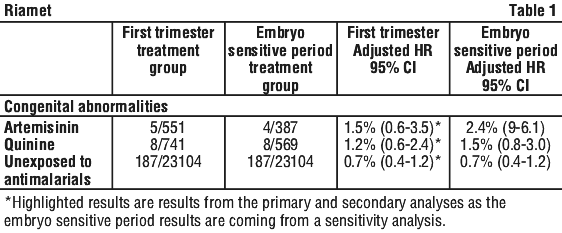
Human data. A meta-analysis of observational studies including over 500 artemether-lumefantrine exposed women in their first trimester of pregnancy assessed adverse pregnancy outcomes.
For congenital abnormalities, the results of the meta-analysis comparing the effect of artemisinin and quinine with the group unexposed to antimalarial were in Table 1.
Safety data from an observational pregnancy study including over 300 pregnant women who were exposed to Riamet during the second or third trimester, and published data of another approximately 500 pregnant women who were exposed to artemether-lumefantrine, as well as published data of over 1,000 pregnant women who were exposed to artemisinin derivatives, did not show an increase in adverse pregnancy outcomes or teratogenic effects over background rates.
In addition, there was no apparent increase in adverse pregnancy outcomes based on data from one open label randomized study of over 800 patients treated with Riamet in the second or third trimester.
Epidemiological studies have important methodological limitations, which hinder interpretation of data, including inability to control for confounders, such as underlying maternal disease, and maternal use of concomitant medications and missing information on the dose and duration of use.
Riamet should not be used during the first trimester of pregnancy in situations where other suitable and effective antimalarials are available.
During the second and third trimester, treatment should only be considered if the expected benefit to the mother outweighs the risk to the fetus.
Use in lactation. Riamet or Riamet Dispersible tablets should not be taken by breast-feeding women as no data on excretion in milk are available. Due to the long elimination half-life of lumefantrine (4 to 6 days), it is recommended that breastfeeding should not resume until at least four weeks after the last dose, unless the potential benefits to the mother and child outweigh the risks of treatment.
There were no data on excretion of artemether, lumefantrine and/or their metabolites in the milk of animals; however distribution studies in pregnant rats suggested retention of the drugs and/or their metabolites in the mammary glands. A peri-postnatal study showed no development changes in rat pups whose mothers received 50 mg/kg/day of Riamet (7.1 mg/kg artemether, 42.9 mg/kg lumefantrine) up to day 21 of lactation.
Women of childbearing potential. As Riamet or Riamet Dispersible tablets are contraindicated during the first trimester of pregnancy, women should not conceive while on this treatment for malaria. This includes women prescribed Riamet, for stand-by emergency treatment of malaria during their travel, in which case an effective form of contraception should be used during travel and until the start of the next menstruation after the treatment.
Women using oral, transdermal patch, or other systemic hormonal contraceptives should be advised to use an additional nonhormonal method of birth control (see Section 4.5).
Embryofoetal development studies were performed in rats and rabbits with oral lumefantrine, artemether, and the combination. Transfer of the drug(s) and/or metabolites to the foetus was demonstrated in both species.
Administration of lumefantrine alone during gestation showed no evidence of maternal or embryofoetal toxicity, nor teratogenicity, at doses up to 1000 mg/kg/day (rats and rabbits), corresponding to approximate systemic exposure ratios (based on AUCs) of 5.3 to 55 times those measured at the maximum recommended clinical dose.
Administration of artemether alone to gestating rats showed no embryofoetal effects at doses up to 3 mg/kg/day. Increased postimplantation loss and decreased foetal bodyweights, but no maternotoxicity, were seen at 10 mg/kg/day. Artemisinins are known to be embryotoxic in animals, causing cardiovascular and skeletal malformations. These effects have been observed in some studies with artemether. In rabbits, there were no maternal or foetal effects at doses up to 25 mg/kg/day, but abortions and increased postimplantation loss occurred at 30 mg/kg/day. Systemic exposures to artemether could not be determined due to an extensive first-pass effect.
Administration of the combination showed no embryofoetal effects in rats at doses up to 30 mg/kg/day (4.3 mg/kg/day artemether), but increased postimplantation losses were seen at 60 mg/kg/day and above. In rabbits, there were no embryofoetal effects at doses up to 105 mg/kg/day (15 mg/kg/day artemether), but increased postimplantation losses and abortions were observed at 175 mg/kg/day (25 mg/kg/day artemether).
4.7 Effects on Ability to Drive and Use Machines
Patients receiving Riamet or Riamet Dispersible tablets should be warned that dizziness or fatigue/ asthenia may occur, in which case they should not drive or use machines.
4.8 Adverse Effects (Undesirable Effects)
Adverse events in clinical trials. Infants and children weighing 5 kg to less than 35 kg and 12 years of age or less. The pooled safety population included 1262 infants and children ≤ 12 years of age and ≥ 5 kg to < 35 kg body weight enrolled in 4 studies who received at least one dose of the assigned 6-dose regimen of Riamet tablets (815) or Riamet Dispersible tablets (447). 96% of the patients were black (studies conducted in Africa) and the remainder were enrolled in studies conducted in Thailand. Only 4 of the 1262 participants were less than 3 months of age.
Riamet and Riamet Dispersible tablets appeared to be well tolerated regardless of the administration form. Most of the reported events were of mild to moderate severity and duration, and likely related to the underlying malaria and/or to an unsatisfactory response to the treatment rather than to Riamet or Riamet Dispersible tablets although a causal relationship could not be excluded for some reports. For other reports, alternative factors were identified as the more likely cause of the events (e.g. concomitant drugs, concomitant infections) or the information provided was too scarce to draw any conclusion.
Adverse reactions are ranked under headings of frequency, the most frequent first, using the following convention: very common (≥ 1/10); common (≥ 1/100, < 1/10); uncommon (≥ 1/1000, < 1/100); rare (≥ 1/10,000, < 1/1000); very rare (< 1/10,000), including isolated reports (see Table 2).
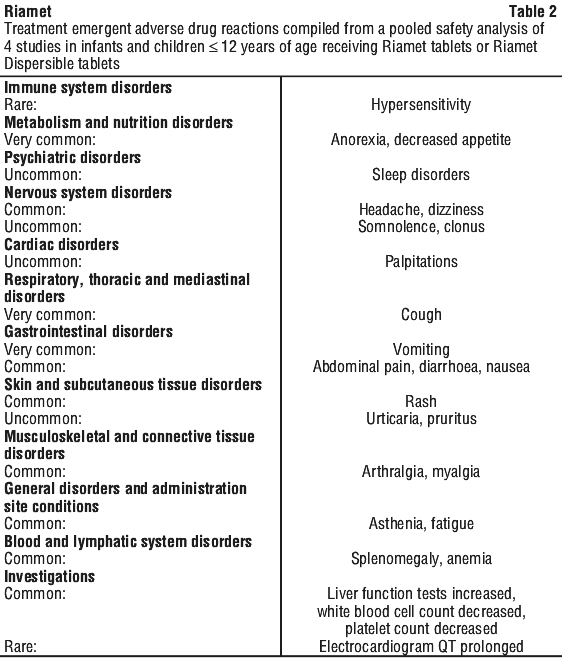
The following adverse reactions were reported in adults with a frequency of uncommon but were not reported in infants or children: hypoaesthesia, ataxia, and gait abnormal.
Adolescents and adults. Treatment emergent signs and symptoms occurring with an incidence of ≥ 1% in patients over 12 years of age given the 6 dose regimen (N = 495) are shown in Table 3. These events are not necessarily related to treatment with the drug and may be related to the underlying disease.
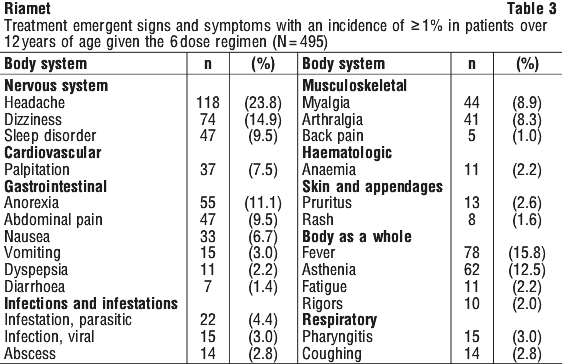
A causal relationship with the use of Riamet could not be excluded for the following adverse events.
The adverse events listed in Table 4 represent a pooled safety analysis of adverse reactions from clinical trials in adults and adolescents > 12 years of age or ≥ 35 kg body weight using the recommended 6-dose regimen.
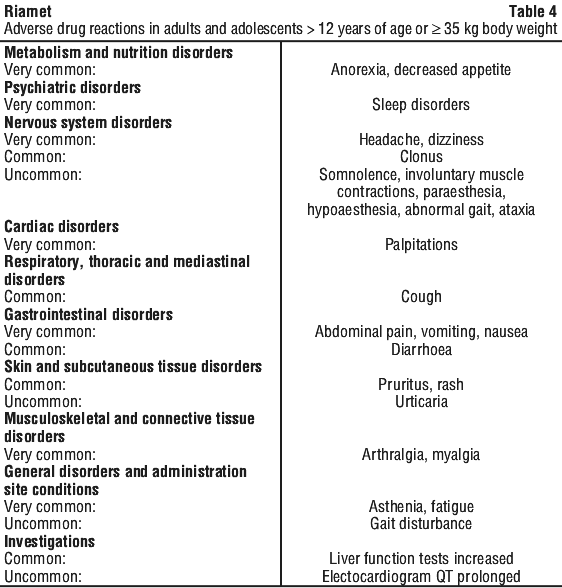
Hypersensitivity reactions including urticaria and angioedema have been rarely reported.
Riamet. It is estimated that over 1,250,000 patients have been exposed to Riamet in other countries.
The following additional adverse drug reactions have been identified based on postmarketing spontaneous reports. Because these reactions are reported voluntarily from a population of uncertain size, it is not always possible to reliably estimate their frequency.
The most frequently reported adverse events since marketing include: anaemia NOS*, chromaturia, diarrhoea NOS, face oedema, haemoglobinuria, hypersensitivity NOS reactions including urticaria and angioedema have been rarely reported, hypertension NOS, jaundice NOS, peripheral oedema, pruritus NOS, pyrexia, erythematous rash, thrombocytopenia, vomiting NOS. On the basis of the above-mentioned patient population exposed to the drug, all these events could be classified as "very rare" (< 0.01%).
(*NOS stands for "Not Otherwise Specified" and means that more specific information was not provided).
Many of these events are likely to be related to the underlying malaria and/or to an unsatisfactory response to the treatment. The remaining are isolated reports where other factors were identified as more likely cause of the events (e.g. concomitant drugs, concomitant infections) or where the information provided was too scarce to draw any conclusion.
Adverse events found in nonrecommended regimens not included in the pooled safety analysis: paraesthesia (1.2% of adolescents and adults).
Reporting suspected adverse effects. Reporting suspected adverse reactions after registration of the medicinal product is important. It allows continued monitoring of the benefit-risk balance of the medicinal product. Healthcare professionals are asked to report any suspected adverse reactions at www.tga.gov.au/reporting-problems.
4.9 Overdose
In cases of suspected overdosage, symptomatic and supportive therapy should be given as appropriate. ECG and electrolytes should be monitored.
For information on the management of overdose, contact the Poisons Information Centre on 13 11 26 (Australia).
5 Pharmacological Properties
5.1 Pharmacodynamic Properties
Mechanism of action. Riamet and Riamet Dispersible tablets are blood schizontocides comprising a fixed ratio of 1:6 parts of artemether and lumefantrine, respectively. The site of antiparasitic action of both components is the food vacuole of the malarial parasite, where they are thought to interfere with the conversion of haem, a toxic intermediate produced during haemoglobin breakdown, to the nontoxic haemozoin, malaria pigment. Lumefantrine is thought to interfere with the polymerisation process, while artemether generates reactive metabolites as a result of the interaction between its peroxide bridge and haem iron. Both artemether and lumefantrine have a secondary action involving inhibition of nucleic acid synthesis and protein synthesis within the malarial parasite.
The antimalarial activity of the combination of lumefantrine and artemether in Riamet is greater than that of either substance alone. In a double-blind comparative study in China, the 28-day cure rate of Riamet when given as 4 doses was 100%, compared with 92% for lumefantrine and 55% for artemether when given as monotherapy.
In comparative clinical trials, Riamet tablets cleared gametocytes in less than one week and more rapidly than nonartemisinin antimalarial comparators.
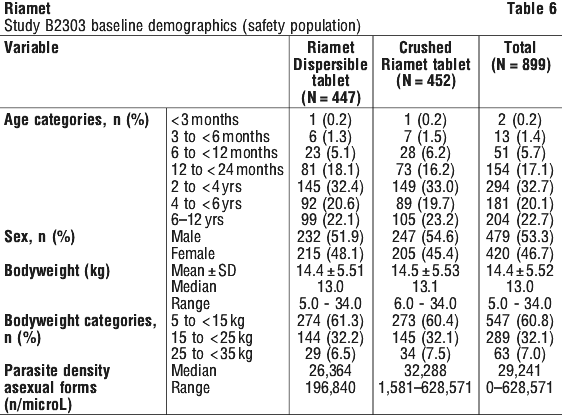
Clinical trials. Efficacy data in infants and children. Study B2303 was a phase III, randomised, investigator-blinded, multicentre, parallel-group trial comparing the efficacy, safety, and tolerability of Riamet Dispersible tablet to crushed Riamet tablets, administered according to body weight ranges, in 899 male and female infants and children, weighing between 5 kg and ≤ 35 kg and aged ≤ 12 years, with microscopically confirmed, acute, uncomplicated P. falciparum malaria or with mixed infection including P. falciparum. The study was conducted in eight study centres in Sub-Saharan Africa.
Riamet Dispersible tablet was compared to crushed Riamet tablet rather than another antimalarial, because Riamet is the approved reference treatment for the treatment of uncomplicated falciparum malaria in several endemic and nonendemic countries in this patient population.
The primary efficacy variable was the proportion of patients who were clinically free of parasitemia (PCR corrected if P. falciparum asexual forms present) at 28 days as measured by PCR corrected parasitological cure rate (see Table 5). Baseline demographics characteristics are presented in Table 6.

Children from nonendemic countries were not included in clinical trials.
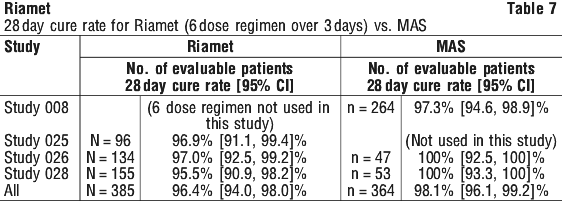
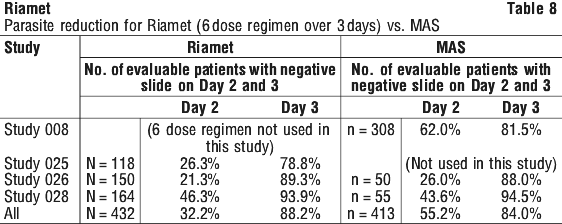
Efficacy data in adults. Active-controlled trials. Three randomised, parallel group studies using the recommended 6-dose regimen were conducted in Thailand. One study (Study 025) compared the efficacy and safety of a 4-dose regimen of Riamet tablets with two 6-dose Riamet tablet regimens (6 doses over 3 days or 6 doses over 5 days). The other two studies (Studies 026 and 028) compared 6 doses of Riamet tablets over 3 days with mefloquine 15 mg/kg on Day 2 and 10 mg/kg on Day 3 + artesunate 4 mg/kg od for 3 days (MAS). In all three studies the primary efficacy criteria was the cure rate at Day 28. Time to parasite clearance was a secondary measure of efficacy. For the 385 evaluable patients given Riamet, the cure rate at Day 28 was 96.4% (95% CI 94.0, 98.0). Parasite clearance had occurred in 32.2% of patients by Day 2 and in 88.2% of patients by Day 3.
Another study conducted in Thailand (Study 008) compared the 4 dose regimen of Riamet tablets with MAS. For the 364 evaluable patients given MAS the cure rate at Day 28 was 98.1% (95% CI 96.1, 99.2). Parasite clearance had occurred in 55.2% of patients by Day 2 and in 84.0% of patients by Day 3. In the two studies where Riamet was compared with MAS, parasite clearance rates at Day 2 and Day 3 were comparable. Cure rates in patients given Riamet were negatively affected by high parasite density at baseline, high body weight and no food before the first 2 doses.
The 28-day cure rate and parasite clearance observed for Riamet given as a 6-dose regimen over 3 days vs. MAS are summarised in Tables 7 and 8, respectively.
No studies using the proposed dose regimen have been conducted in nonimmune travellers. However, two studies using the 4-dose regimen in travellers returning to Europe demonstrate the safety and efficacy of Riamet in this population. In addition, general results demonstrate that the 6-dose regimen is as safe as and more effective than the 4-dose regimen, thereby supporting the use of the 6-dose regimen in nonimmune patients. Efficacy and safety of Riamet for use as a "stand by" treatment have not been assessed.
5.2 Pharmacokinetic Properties
Pharmacokinetic characterisation of Riamet and Riamet Dispersible tablets are limited by the lack of an intravenous formulation, and the very high inter- and intrasubject variability of artemether and lumefantrine plasma concentrations and derived pharmacokinetic parameters (AUC, Cmax).
Absorption. Artemether is absorbed fairly rapidly, with peak plasma concentrations reached about 2 hours after dosing. Absorption of lumefantrine, a highly lipophilic compound, starts after a lag-time of up to 2 hours, with peak plasma concentration about 6-8 hours after dosing.
Food enhances the absorption of both artemether and lumefantrine. In healthy volunteers the relative bioavailability of artemether was increased more than two-fold, and that of lumefantrine sixteen-fold compared with fasted conditions, when Riamet was taken after a high-fat meal. Food has also been shown to increase the absorption of lumefantrine in patients with malaria, although to a lesser extent (approximately two-fold), probably due to the lower fat content of the food ingested by acutely ill patients. The food interaction data indicate that absorption of lumefantrine under fasted conditions is very poor (assuming 100% absorption after a high-fat meal, the amount absorbed under fasted conditions would be < 10% of the dose). Patients should, therefore, be encouraged to take the medication with a normal diet as soon as food can be tolerated.
Distribution. Artemether and lumefantrine are both highly bound to human serum proteins in vitro (97.9% and 99.9%, respectively). Protein binding to human plasma protein is linear.
Metabolism. Artemether is rapidly and extensively metabolised (substantial first-pass metabolism) both in vitro and in humans. Human liver microsomes metabolise artemether to the biologically active main metabolite, dihydroartemisinin (demethylation), predominantly through the enzyme CYP3A4/5. This metabolite has also been detected in humans in vivo. The artemether/dihydroartemisinin AUC ratio is 1.2 after a single dose and 0.3 after 6 doses given over 3 days. In vivo data indicate that artemisinins have some capacity to induce cytochrome isoenzymes CYP2C19 and CYP3A4 (see Section 4.3 Contraindications; Section 4.5 Interactions with Other Medicines and Other Forms of Interactions).
Lumefantrine is N-debutylated, mainly by CYP3A4, in human liver microsomes; the N-debutylated metabolite of lumefantrine is active. In vitro, lumefantrine significantly inhibits the activity of CYP2D6 at therapeutic plasma concentrations (see Section 4.3 Contraindications; Section 4.5 Interactions with Other Medicines and Other Forms of Interactions).
Excretion. Artemether and dihydroartemisinin are rapidly cleared from plasma, with an elimination half-life of about 2 hours. Lumefantrine is eliminated very slowly, with a terminal half-life of 2-3 days in healthy volunteers and 4-6 days in patients with falciparum malaria. Demographic characteristics such as sex and weight appear to have no clinically relevant effects on the pharmacokinetics of Riamet.
In healthy volunteers, neither lumefantrine nor artemether was found in urine after administration of Riamet, and urinary excretion of DHA amounted to less than 0.01% of the artemether dose.
Bioavailability of Riamet tablets and Riamet Dispersible tablets in adults. A randomized, open-label, single-dose, three-period, two-sequence, crossover study (B2104) compared the relative bioavailability of Riamet Dispersible tablet to intact and crushed nondispersible Riamet tablets for oral suspension in healthy adult volunteers. Results showed that the exposure to lumefantrine, artemether, and dihydroartemisinin was similar between Riamet Dispersible and Riamet tablet crushed. Bioequivalence of the two formulations was shown for the AUCs of all three compounds and for Cmax of lumefantrine and dihydroartemisinin. Results also showed that the exposure to lumefantrine was similar between Riamet Dispersible and Riamet tablet intact, and bioequivalence between the two formulations was shown for lumefantrine AUC and Cmax. Of note, the exposure (AUC, Cmax) to artemether and dihydroartemisinin were significantly lower (by 20-35%) following the administration of Riamet Dispersible tablets as compared to intact Riamet tablets.
Pharmacokinetics in special patient populations. Paediatrics. Systemic exposure to artemether, DHA, and lumefantrine when dosed on a mg/kg body weight basis in paediatric malaria patients (≥ 5 to < 35 kg body weight), is comparable to that of the recommended dosing regimen in adult malaria patients.
Elderly patients. No specific pharmacokinetic studies have been performed in elderly patients. However, there is no information suggesting that the dosage in patients over 65 years of age should be different than in younger adults (see Section 4.4 Special Warnings and Precautions for Use; Section 4.2 Dose and Method of Administration).
Renal impairment. No specific pharmacokinetic studies have been performed in patients with renal impairment. Based on the pharmacokinetic data in healthy subjects showing no or insignificant renal excretion of lumefantrine, artemether and DHA, no dose adjustment for the use of Riamet and Riamet Dispersible in patients with renal impairment is advised (see Section 4.4 Special Warnings and Precautions for Use; Section 4.2 Dose and Method of Administration).
Hepatic impairment. No specific pharmacokinetic studies have been performed in patients with hepatic impairment. Metabolism is the primary clearance mechanism of both artemether and lumefantrine and may be affected in patients with hepatic impairment. In patients with severe hepatic impairment, a clinically significant increase in exposure to artemether and lumefantrine and/or their metabolites cannot be ruled out. Therefore caution should be exercised in dosing patients with severe hepatic impairment (see Section 4.4 Special Warnings and Precautions for Use; Section 4.2 Dose and Method of Administration).
5.3 Preclinical Safety Data
Genotoxicity. See Section 4.4 Special Warnings and Precautions for Use, Carcinogenicity, mutagenicity and impairment of fertility.
Carcinogenicity. See Section 4.4 Special Warnings and Precautions for Use, Carcinogenicity, mutagenicity and impairment of fertility.
6 Pharmaceutical Particulars
6.1 List of Excipients
Riamet tablets and Riamet Dispersible tablets contain microcrystalline cellulose, croscarmellose sodium, magnesium stearate, hypromellose, colloidal anhydrous silica and polysorbate 80.
Riamet Dispersible tablets also contain sodium saccharin and cherry flavour.
6.2 Incompatibilities
Incompatibilities were either not assessed or not identified as part of the registration of this medicine.
6.3 Shelf Life
In Australia, information on the shelf life can be found on the public summary of the Australian Register of Therapeutic Goods (ARTG). The expiry date can be found on the packaging.
6.4 Special Precautions for Storage
Store below 30°C.
Protect from moisture (dispersible tablets).
Keep out of the reach of children.
6.5 Nature and Contents of Container
Riamet 20 mg/120 mg dispersible tablets contain artemether 20 mg and lumefantrine 120 mg. They are flat, yellow, round, uncoated tablets with bevelled edges; imprinted with "CD" on one side and "NVR" on the other side. Blister packs containing 6*, 12*, 18, 180*, 360*, 540* dispersible tablets.
Riamet tablets (20 mg/120 mg) contain artemether 20 mg and lumefantrine 120 mg. They are pale yellow, flat, round, uncoated tablets with bevelled edges; marked with N/C and a score line on one side and CG on the other. Blister packs containing 16*, 24, or 400* tablets.
*Not all presentations may be available.
6.6 Special Precautions for Disposal
In Australia, any unused medicine or waste material should be disposed of in accordance with local requirements.
6.7 Physicochemical Properties
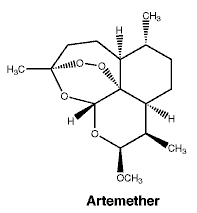
Chemical structure. Active ingredient: artemether. Chemical name: (3R, 5aS, 6R, 8aS, 9R, 10S, 12R, 12aR)- decahydro-10-methoxy- 3,6,9-trimethyl- 3,12-epoxy-12H-pyrano [4,3-j]-1,2-benzodioxepin.
Molecular weight: 298.38.
Molecular formula: C16H26O5.
Active ingredient: lumefantrine. Chemical name: (1RS)-2-dibutylamino- 1-{2,7-dichloro-9-[(Z)4-chlorobenzylidene]- 9H-fluoren-4-yl}-ethanol.
Molecular weight: 528.95.
Molecular formula: C30H32Cl3NO.
Chemical structure:
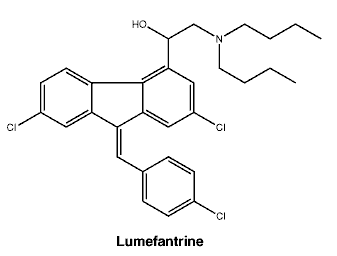
Lumefrantrine: 82186-77-4.
Pharmacotherapeutic group. Antimalarials, artemisinins and derivatives.
ATC code. P01BE52.
7 Medicine Schedule (Poisons Standard)
Schedule 4 - Prescription Only Medicine.
Date of Revision
24 June 2020
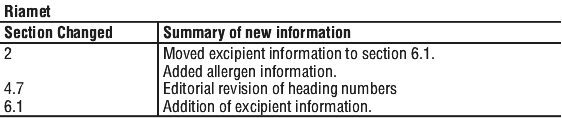
Summary Table of Changes
Reasonable care is taken to provide accurate information at the time of creation. This information is not intended as a substitute for medical advice and should not be exclusively relied on to manage or diagnose a medical condition. The Australian Commission on Safety and Quality in Health Care disclaims all liability (including for negligence) for any loss, damage, injury or any other negative effects resulting from reliance on or use of this information. Read our full disclaimer. This website uses cookies. Read our privacy policy.