
Rystiggo
Brand Information
| Brand name | Rystiggo |
| Active ingredient | Rozanolixizumab |
| Schedule | S4 |
Consumer Medicine Information (CMI) leaflet
Please read this leaflet carefully before you start using the Rystiggo.
Summary CMI
Rystiggo®
Consumer Medicine Information (CMI) summary
The full CMI on the next page has more details. If you are worried about using this medicine, speak to your doctor or pharmacist.
▼ This medicine is new or being used differently. Please report side effects. See the full CMI for further details.
1. Why am I being given Rystiggo®?
Rystiggo® contains the active ingredient rozanolixizumab. Rozanolixizumab is used to treat generalised myasthenia gravis by impairing the body's inflammatory response. The body's inflammatory response can lead to intense muscle weakness, extreme fatigue, difficulty breathing, difficulty with moving and activities of daily living.
For more information, see Section 1. Why am I being given Rystiggo®? in the full CMI.
2. What should I know before I am given Rystiggo®?
Do not get treated with Rystiggo® if you have ever had an allergic reaction or react to rozanolixizumab or any of the ingredients listed at the end of the CMI and before starting treatment inform your doctor if you have any symptoms of infection. Talk to your doctor if you have any other medical conditions, take any other medicines, or are pregnant or plan to become pregnant or are breastfeeding.
For more information, see Section 2. What should I know before I am given Rystiggo®? in the full CMI.
3. What if I am taking other medicines?
Some medicines may interfere with Rystiggo® and affect how it works.
A list of these medicines is in Section 3. What if I am taking other medicines? in the full CMI.
4. How am I given Rystiggo®?
- Rystiggo® is given in treatment cycles of 1 dose a week for 6 weeks. A doctor or nurse will administer Rystiggo® to you via an infusion under the skin. Your doctor will decide on when to initiate a treatment cycle based on your symptoms.
- The required dose for each treatment will be calculated by your doctor based on your body weight.
- More instructions can be found in Section 4. How am I given Rystiggo®? in the full CMI.
5. What should I know while on Rystiggo®?
| Things you should do |
|
| Things you should not do |
|
| Looking after your medicine |
|
For more information, see Section 5. What should I know while on Rystiggo®? in the full CMI.
6. Are there any side effects?
Side effects that need serious medical attention include headache with nausea, vomiting, stiff neck, fever, and/or sensitivity to light. Common side effects include headache including migraine (without fever and/or neck stiffness), fever, nose and throat infections, cold sores, diarrhoea, skin rash sometimes with red bumps, painful skin rash with blisters in one part of the body, joint pain and injection site reaction (including injection site rash, redness of the skin, inflammation, discomfort and infusion site pain).
For more information, including what to do if you have any side effects, see Section 6. Are there any side effects? in the full CMI.
Full CMI
▼ This medicine is subject to additional monitoring. This will allow quick identification of new safety information. You can help by reporting any side effects you may get. You can report side effects to your doctor, or directly at www.tga.gov.au/reporting-problems.
Rystiggo®
Active ingredient(s): rozanolixizumab
Consumer Medicine Information (CMI)
This leaflet provides important information about Rystiggo®. You should also speak to your doctor or pharmacist if you would like further information or if you have any concerns or questions about using Rystiggo®.
Where to find information in this leaflet:
1. Why am I being given Rystiggo®?
2. What should I know before I am given Rystiggo®?
3. What if I am taking other medicines?
4. How am I given Rystiggo®?
5. What should I know while on Rystiggo®?
6. Are there any side effects?
7. Product details
1. Why am I being given Rystiggo®?
Rystiggo® contains the active ingredient rozanolixizumab.
Rozanolixizumab is a selective immunosuppressant that decreases the amount of a specific protein in the body that causes inflammation, preventing your body's systems from attacking and destroying connections between nerves and muscles.
Rystiggo® is used to treat generalised myasthenia gravis by impairing the body's inflammatory response.
The body's inflammatory response can lead to intense muscle weakness, extreme fatigue, difficulty breathing, difficulty with moving and activities of daily living.
2. What should I know before I am given Rystiggo®?
Warnings
Do not use Rystiggo® if:
- you are allergic to rozanolixizumab or any of the ingredients listed at the end of this leaflet.
Always check the ingredients to make sure you can use this medicine.
Check with your doctor if you:
- if you have an infection or any symptoms of an infection,
- and if you have hyperprolinemia (a rare genetic disorder in which an excess of the amino acid, proline, builds up in the body). If you have hyperprolinemia, tell your doctor and do not use this medicine unless your doctor has recommended it.
During treatment, you may be at risk of developing certain side effects. It is important you understand these risks and how to monitor for them. See additional information under Section 6. Are there any side effects?
Pregnancy and breastfeeding
Check with your doctor if you are pregnant or intend to become pregnant.
Talk to your doctor if you are breastfeeding or intend to breastfeed.
The effects of this medicine in pregnancy are not known. You should not use this medicine if you are pregnant or think that you may be pregnant unless your doctor specifically recommends it.
Children and adolescents
Rystiggo® is not recommended for children and young people under 18 years of age.
3. What if I am taking other medicines?
Tell your doctor or pharmacist if you are taking any other medicines, including any medicines, vitamins or supplements that you buy without a prescription from your pharmacy, supermarket or health food shop.
Vaccination
Tell your doctor prior to a vaccination about your treatment with Rystiggo®. This medicine may impair the effect of vaccines. Vaccination with live-attenuated or live vaccines is not recommended during treatment with Rystiggo®.
Other Medicines
Taking Rystiggo® with other medicines may result in the loss of effect of those medications or impair the effect of Rystiggo®. Tell your doctor if you are taking or planning to take other medicines.
Check with your doctor or pharmacist if you are not sure about what medicines, vitamins or supplements you are taking and if these affect Rystiggo®.
4. How am I given Rystiggo®?
How much Rystiggo® is given
Treatment should be administered by a doctor or nurse, as instructed by your doctor.
Rystiggo® is given in treatment cycles of one dose a week for 6 weeks. The weekly dose administered is based on body weight.
The following table gives the recommended total weekly dose of Rystiggo®.
| Body Weight | Dose (mg) | Dose (mL) | Number of vials |
| From 35 to below 50 kg | 280 mg | 2 mL | 1 |
| 50 kg to below 70 kg | 420 mg | 3 mL | 2 |
| 70 kg to below 100 kg | 560 mg | 4 mL | 2 |
| 100 kg or more | 840 mg | 6 mL | 3 |
When is Rystiggo® given
A dose is given once a week, every week for 6 weeks. This is a treatment cycle.
Your doctor will decide on when to start a treatment cycle based on your symptoms.
How is Rystiggo® administered
A doctor or nurse will administer Rystiggo® by an infusion under the skin. It will be injected in the lower right or lower left part of your stomach below the belly button.
Injection should not be given into areas where the skin is tender, bruised, red or hard.
Before Rystiggo® is administered to you, the vials will be removed from the refrigerator for 30 to 120 minutes, to allow the product to reach room temperature.
Each vial of solution for injection must be used only once. Any unused solution should be discarded.
Each injection is done using an infusion pump set at a flow rate up to 20 ml/hr.
An Instruction for Use for Healthcare Professionals Handling Rystiggo® is enclosed in the pack.
If you miss a dose of Rystiggo®
Rystiggo® should be given at the same time each week. If you miss your dose at the usual time, please contact your doctor immediately for advice and to schedule another administration within the next 4 days.
The next dose should be given according to the original dosing schedule until the treatment cycle is completed.
Do not take a double dose to make up for the dose you missed.
If you are given too much Rystiggo®
Your doctor will ensure you are given the correct amount of Rystiggo®. If you think that you have been given too much Rystiggo®, contact your doctor.
You should immediately:
- phone the Poisons Information Centre
(by calling 13 11 26), or - contact your doctor, or
- go to the Emergency Department at your nearest hospital.
You should do this even if there are no signs of discomfort or poisoning.
5. What should I know while on Rystiggo®?
Remind any doctor, dentist or pharmacist you visit that you are using Rystiggo®.
Tell your doctor prior to a vaccination about your treatment with Rystiggo®.
Based on your doctor's instruction, administration of Rystiggo® is required to be done by a doctor or a nurse.
Call your doctor straight away if you:
- develop symptoms such as severe headache, fever, stiffness of the neck, nausea, vomiting and/or intolerance to bright light; because these could be symptoms of aseptic meningitis (non-bacterial inflammation of the membranes that surround the brain and spinal cord) or
- if you have an infection or symptoms of an infection.
Things you should not do:
- Use medicine if the expiration date on the packaging has passed,
- if the carton seals have been broken.
Driving or using machines
Be careful before you drive or use any machines or tools until you know how Rystiggo® affects you.
Rystiggo® is not likely to affect your driving and use of machines.
Looking after your medicine
- Store in a refrigerator between 2°C to 8°C.
- Do not freeze.
- Keep the vial in the outer carton in order to protect from light.
- The Rystiggo® vial may be stored at room temperature (up to 25°C) for a single period of maximum 20 days with protection from light. Once removed from the refrigerator and stored under these conditions, discard after 20 days or by the expiry date, whichever occurs first.
Follow the instructions in the carton on how to take care of your medicine properly.
Keep it where young children cannot reach it.
When to discard your medicine (as relevant)
Discard after the expiry date.
Getting rid of any unwanted medicine
Do not use this medicine after the expiry date.
If you no longer need to use this medicine or it is out of date, take it to any pharmacy for safe disposal.
6. Are there any side effects?
All medicines can have side effects. If you do experience any side effects, most of them are mild and temporary. However, some side effects may need medical attention.
See the information below and, if you need to, ask your doctor or pharmacist if you have any further questions about side effects.
Less serious side effects
| Less serious side effects | What to do |
| Brain and nerves: Headache including migraine (without fever and/or neck stiffness) Muscles and bones:
| Speak to your doctor if you have any of these less serious side effects and they worry you. |
Serious side effects
| Serious side effects | What to do |
Signs of aseptic meningitis (non-bacterial inflammation of the tissue covering the brain and spinal cord), such as:
| Call your doctor straight away or go straight to the Emergency Department at your nearest hospital if you notice any of these serious side effects. |
Tell your doctor or pharmacist if you notice anything else that may be making you feel unwell.
Other side effects not listed here may occur in some people.
Reporting side effects
After you have received medical advice for any side effects you experience, you can report side effects to the Therapeutic Goods Administration online at www.tga.gov.au/reporting-problems. By reporting side effects, you can help provide more information on the safety of this medicine.
Always make sure you speak to your doctor or pharmacist before you decide to stop taking any of your medicines.
7. Product details
This medicine is only available with a doctor's prescription.
What Rystiggo® contains
| Active ingredient (main ingredient) | Rozanolixizumab |
| Other ingredients (Inactive ingredients) | Histidine, histidine hydrochloride monohydrate, proline, polysorbate 80 and water for injections |
Do not take this medicine if you are allergic to or react to any of these ingredients.
What Rystiggo® looks like
Rystiggo® is a colourless to brownish-yellow, clear to slightly opalescent. Each pack has a single 2 mL vial, Aust R 427684.
Who distributes Rystiggo®
UCB Pharma
A division of UCB Australia Pty Ltd
Phone: +613 9828 1800
Website: www.ucbpharma.com.au
E-mail: ucbcares.au@ucb.com
This leaflet was prepared in November 2025
Brand Information
| Brand name | Rystiggo |
| Active ingredient | Rozanolixizumab |
| Schedule | S4 |
▼ This medicinal product is subject to additional monitoring in Australia. This will allow quick identification of new safety information. Healthcare professionals are asked to report any suspected adverse events at www.tga.gov.au/reporting-problems.
MIMS Revision Date: 01 March 2026
1 Name of Medicine
Rozanolixizumab.
2 Qualitative and Quantitative Composition
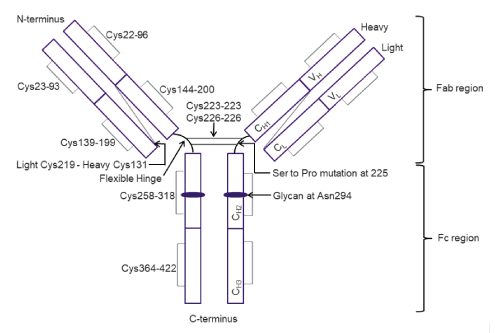
Rystiggo (rozanolixizumab) is a recombinant, humanised anti-neonatal Fc receptor (FcRn) IgG4P monoclonal antibody produced from a dihydrofolate reductase-deficient Chinese Hamster Ovary DG44 cell line.
Each vial contains 140 mg of rozanolixizumab per mL of solution.
For the full list of excipients, see Section 6.1.
3 Pharmaceutical Form
Solution for injection, for subcutaneous (SC) infusion.
Colourless to pale brownish-yellow, clear to slightly opalescent solution.
4 Clinical Particulars
4.1 Therapeutic Indications
Rystiggo is indicated as an add-on to standard therapy for the treatment of generalised myasthenia gravis (gMG) in adult patients who are anti-acetylcholine receptor (AChR) or anti-muscle-specific tyrosine kinase (MuSK) antibody positive.
4.2 Dose and Method of Administration
Treatment should be initiated and supervised by specialist healthcare professionals experienced in the management of patients with neuromuscular or neuro-inflammatory disorders.
Rystiggo is administered as SC infusion once a week in a treatment cycle of 6 weeks. Table 1 indicates the recommended total weekly dose of Rystiggo.
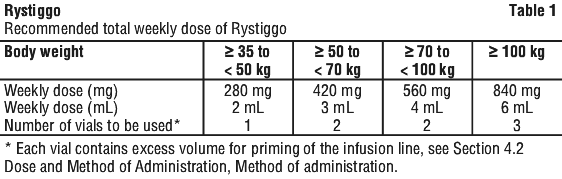
Treatment with Rystiggo must be discontinued in patients who have not demonstrated a response within 3, 6-week treatment cycles (a response is defined as a decrease of ≥ 2 points on the MG-ADL scale from baseline).
The frequency of treatment cycles may vary by patient. In the clinical development program, most participants had treatment-free intervals of 4-13 weeks between cycles. From cycle to cycle approximately 10% of participants had a treatment-free interval of less than 4 weeks. The safety of initiating subsequent cycles sooner than 4 weeks from the last infusion of the previous treatment cycle has not been established.
If a scheduled infusion is missed, Rystiggo may be administered up to 4 days after the scheduled time point. Thereafter, resume the original dosing schedule until the treatment cycle is completed.
Method of administration. For SC infusion, (dilution is not required).
Rystiggo does not contain preservatives and each vial is for single use only, use in 1 patient on 1 occasion only and discard any remaining product. Rystiggo should only be prepared and infused by a healthcare professional and under appropriate medical supervision.
Home administration may be considered for patients who have tolerated administration of Rystiggo well in the clinic, and after evaluation and recommendation from the treating physician. Home administration should be performed by a qualified healthcare professional.
The infusion should be delivered by a pump which is appropriate for SC administration of medicinal products. It is recommended to use a pump where the administered volume can be pre-set as each vial contains excess volume for priming the infusion line.
All the materials from a range of commercially available infusion sets typically used for subcutaneous infusions were found compatible with Rystiggo. Do not use administration devices labelled as containing di(2-ethylhexyl)phthalate (DEHP).
Rystiggo is administered at a constant flow rate up to 20 mL/hr.
However, as this is a small volume infusion; in order to avoid potential interruptions in drug delivery the following criteria should be considered:
the length of tubing should be 61 cm or shorter;
an infusion set with a needle of 26 gauge or with a larger diameter; and
syringe pump occlusion alarm limits must be set to the maximum setting.
The preferred site for SC administration of Rystiggo is into the lower right or lower left part of the abdomen, below the belly button. Infusions should not be given into areas where the skin is tender, erythematous, or indurated.
A population pharmacokinetic (PK) analysis did not reveal a clinically significant impact of age, sex or race on the PK of Rystiggo. No dose adjustments are required.
Hepatic impairment. No data are available in patients with hepatic impairment. No dose adjustment is considered necessary as the PK of rozanolixizumab is unlikely to be affected by hepatic impairment (see Section 5.2 Pharmacokinetic Properties).
Renal impairment. Limited safety and efficacy data are available in patients with mild to moderate renal impairment (eGFR > 45 mL/min/1.73 m2). No data are available in patients with severe renal impairment. No dose adjustment is considered necessary as the pharmacokinetics of rozanolixizumab are unlikely to be affected by renal impairment (see Section 5.2 Pharmacokinetic Properties).
4.3 Contraindications
Hypersensitivity to the active substance or to any of the excipients (see Section 6.1 List of Excipients).
4.4 Special Warnings and Precautions for Use
Aseptic meningitis. Aseptic meningitis (drug-induced aseptic meningitis) has been reported in patients treated with Rystiggo (see Section 4.8 Adverse Effects (Undesirable Effects)). If symptoms consistent with aseptic meningitis develop, diagnostic workup and treatment should be initiated according to the standard of care.
Infections. Based on its mechanism of action, Rystiggo may increase the risk of infection. Treatment with Rystiggo should not be initiated in patients with a clinically important active infection until the infection resolves or is adequately treated. During treatment monitor for clinical signs and symptoms of infections. If a clinically important active infection occurs, consider withholding Rystiggo until the infection has resolved.
Hypersensitivity. If a systemic hypersensitivity reaction occurs during administration, discontinue Rystiggo infusion and institute appropriate supportive measures if needed.
Hyperprolinaemia. This medicinal product contains 29 mg of proline in each mL. The use in patients suffering from hyperprolinaemia should be restricted to cases where no alternative treatment is available (see Section 6.1 List of Excipients).
Body weight < 50 kg. In the clinical study program only a limited number of patients with a body weight below 50 kg were examined. The efficacy of repeated cyclic treatment with rozanolixizumab has not yet been reliably demonstrated in this group.
Use in the elderly. Limited safety and efficacy data are available in patients ≥ 65 years of age treated with Rystiggo at the recommended dose in the placebo-controlled study (n=17). The number of patients aged 65 years or older is not sufficient to determine whether they respond differently from younger adult patients (see Section 5.1 Pharmacodynamic Properties).
Paediatric use. The safety and efficacy of Rystiggo in children and adolescents aged < 18 years have not been established. No data are available.
Effects on laboratory tests. No data available.
Clinical monitoring. In the clinical study program, a limited number of patients received Rystiggo repeated cyclic treatment at the recommended dose (see Section 5.1 Pharmacodynamic Properties). Rystiggo is a symptom driven cyclic treatment. Close monitoring of patients for MG symptoms requiring a new cycle should be performed.
4.5 Interactions with Other Medicines and Other Forms of Interactions
Drug interaction studies have not been conducted with rozanolixizumab. However, because rozanolixizumab binds to the FcRn blocking IgG uptake into the cell, IgG serum concentration decreases and Fc-peptide fusion proteins will decrease if administered concomitantly with Rystiggo (see Section 5.1 Pharmacodynamic Properties). IgG based drugs (e.g. monoclonal antibodies and IVIg) may be affected. It is recommended to initiate these drugs 2 weeks after a Rystiggo infusion and monitor for attenuated efficacy of these medications when administered concomitantly.
Human immunoglobulin treatment may decrease serum concentrations of rozanolixizumab.
Vaccination during rozanolixizumab treatment has not been studied and the response to any vaccine is unknown. Because rozanolixizumab causes a reduction in IgG levels, vaccination with live-attenuated or live vaccines is not recommended during treatment. Evaluate the need to administer age-appropriate vaccines according to immunisation guidelines before initiation of a treatment cycle with Rystiggo.
Administration to cynomolgus monkeys resulted in the expected reduction in IgG. Vaccination during the treatment phase elicited normal IgM levels and a low IgG response due to accelerated IgG degradation. However, boost vaccination after rozanolixizumab clearance resulted in normal IgM and IgG responses.
Interactions with highly-protein bound medications or medications that are substrates, inducers or inhibitors of cytochrome P450 enzymes or transporters are unlikely.
4.6 Fertility, Pregnancy and Lactation
Effects on fertility. The effect of rozanolixizumab on human fertility is not known.
No dedicated animal fertility studies have been conducted with rozanolixizumab. In a repeat-dose toxicity study in cynomolgus monkeys with rozanolixizumab, no treatment-related effects were seen in assessments of menstrual cycling in females, male reproductive endpoints (ejaculate weight, sperm count, sperm motility, and morphology) and histological examination of male and female reproductive tissues at a subcutaneous dose of 150 mg/kg every 3 days for 26 weeks (approximately 210 times the AUC at a human dose of 7 mg/kg).
Use in pregnancy. (Category D)
There are no or limited amount of data from the use of rozanolixizumab in pregnant women to inform any drug associated risks. As rozanolixizumab inhibits the neonatal Fc receptor that is involved in the placental transfer of maternal IgGs, rozanolixizumab treatment during the third trimester may affect immunocompetence in neonates.
In a study with treatment of pregnant cynomolgus monkeys from gestation day 20 to parturition, a higher incidence of early pregnancy loss (mainly between gestation days 20 and 50) was seen with subcutaneous doses of 50 and 150 mg/kg rozanolixizumab every 3 days (9 and 122 times the AUC at a human dose of 7 mg/kg). However, no effects were observed on the fetal or postnatal development. Although, offsprings from treated mothers had very low levels of IgG at birth, levels were comparable to control levels approximately 2 months after birth. There was no impact on immune cell number, lymphoid organ architecture and immune function of the pups of treated mothers as assessed by a T-cell Dependent Antibody Response (TDAR) assay.
As a precaution, Rystiggo treatment during pregnancy should be avoided, unless the benefit of the treatment to the mother clearly outweighs the potential risk to the fetus.
Use in lactation. It is unknown whether Rystiggo is excreted in human breast milk. The decision whether to discontinue Rystiggo or breastfeeding should consider the potential benefits of breastfeeding along with the mother's clinical need for Rystiggo as well as any potential adverse effects on the breastfed infant from Rystiggo.
4.7 Effects on Ability to Drive and Use Machines
Rystiggo has no or negligible influence on the ability to drive and use machines.
4.8 Adverse Effects (Undesirable Effects)
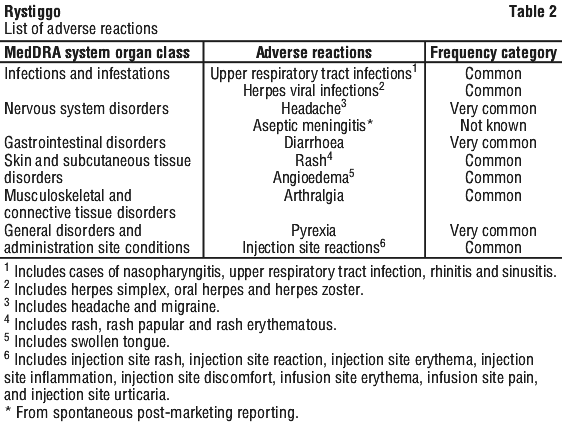
The most commonly reported adverse drug reactions (ADRs) were headache, diarrhoea and pyrexia.
Adverse reactions from clinical studies in gMG (pooled safety data from 188 patients) are listed in Table 2, classified by MedDRA System Organ Class (SOC). Within each SOC, the adverse reactions are ranked by frequency, with the most frequent reactions first.
Frequency categories are defined as follows: very common (≥ 1/10); common (≥ 1/100 to < 1/10); uncommon (≥ 1/1000 to < 1/100); rare (≥ 1/10,000 to < 1/1000); very rare (< 1/10,000); not known (cannot be estimated from the available data).
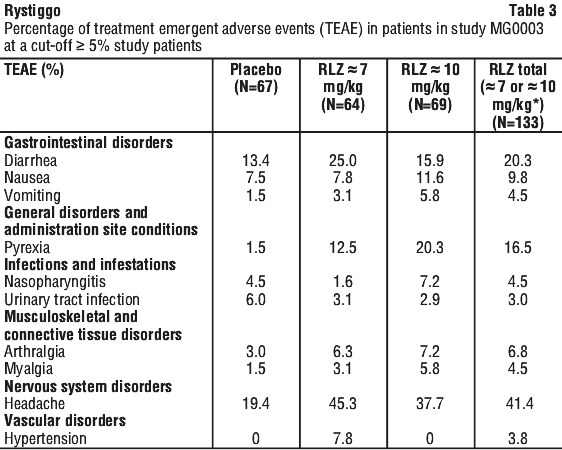
Adverse events. A total of 133 patients have been treated with Rystiggo in a phase 3 double-blinded placebo-controlled clinical study (MG0003) in gMG. Treatment Emergent Adverse Events (TEAEs) in the placebo-controlled phase 3 study is summarised by dose, (as Rystiggo ≈ 7 mg/kg or ≈ 10 mg/kg, and total Rystiggo patients) alongside placebo, presented in Table 3, using a cut-off of ≥ 5% in any treatment group.
The rate for certain events (dyslipidemia, upper respiratory tract infections, dyspnea) was at least two times higher in patients with ADAs than in patients without ADAs. A direct causal relationship between the occurrence of these events and ADAs has not been demonstrated.
Reporting suspected adverse effects. Reporting suspected adverse reactions after registration of the medicinal product is important. It allows continued monitoring of the benefit-risk balance of the medicinal product. Healthcare professionals are asked to report any suspected adverse reactions at www.tga.gov.au/reporting-problems.
4.9 Overdose
There are no data on symptoms associated with an overdose.
A single SC dose of up to 20 mg/kg (2162 mg) and weekly SC doses of approximately 10 mg/kg (1120 mg) for up to 52 weeks have been administered in clinical studies without dose limiting toxicity.
In case of overdose, it is recommended that patients are monitored closely for any adverse effects, and appropriate supportive measures should be instituted immediately.
For information on management of overdose, contact the Poisons Information Centre on 131126 (Australia).
5 Pharmacological Properties
5.1 Pharmacodynamic Properties
Mechanism of action. Rozanolixizumab is a humanised immunoglobulin (Ig) G4 monoclonal antibody which decreases serum IgG concentration by inhibiting the binding of IgG to FcRn, a receptor that normally protects IgG from intracellular degradation and recycles IgG back to the cell surface. By the same mechanism, rozanolixizumab is expected to decrease the concentration of pathogenic IgG autoantibodies associated with gMG. Clinical data with rozanolixizumab have not identified any clinically relevant impact on levels of albumin, which binds at a different site on FcRn.
Pharmacodynamic effects. Weekly SC administration of Rystiggo resulted in a rapid and sustained reduction in total IgG serum concentrations, with significant lowering of IgG compared with baseline within 1 week, and a maximum decrease of 73% at about 3 weeks. After stopping administration, IgG concentrations recovered towards baseline levels within approximately 8 weeks. Similar effects were also observed for all subclasses of IgG.
Clinical trials. The efficacy and safety of Rystiggo were evaluated versus placebo in the pivotal phase 3 study MG0003. Two further phase 3 open label extension (OLE) studies evaluated the long-term safety, tolerability and efficacy of Rystiggo administered either weekly for 52 weeks (MG0004), or for treatment cycles of 6-week duration, repeated based on clinical assessment of patient symptoms (MG0007). Patients in study MG0003 who experienced worsening of symptoms had the opportunity to either receive a rescue therapy (IVIg, PLEX) and complete the observation phase, or roll over into an OLE study.
Study MG0003. The study MG0003 evaluated 200 patients for up to 18 weeks. Patients were randomised to receive weight-tiered doses of Rystiggo equivalent to approximately 7 mg/kg (corresponding to the recommended dose; see Section 4.2) or a higher dose or placebo. Treatment consisted of 1 dose per week for a period of 6 weeks followed by an 8-week observation period.
Patients selected for MG0003 were at least 18 years of age with a body weight ≥ 35 kg and had:
a diagnosis of gMG with autoantibodies against AChR or MuSK;
a Myasthenia Gravis Foundation of America (MGFA) Class II to IVa;
a MG-Activities of Daily Living (MG-ADL, a patient reported outcome measure) score of at least ≥ 3 (with ≥ 3 points from non-ocular symptoms);
a Quantitative Myasthenia Gravis (QMG) score of at least 11;
and has considered additional treatment such as IVIg or PLEX.
Patients were not permitted if they had:
severe (Grade 3 MG-ADL scale) weakness affecting oropharyngeal respiratory muscles or MG crisis or impending crisis at screening or baseline and clinically relevant active infection or serious infections, mycobacterial infections, hepatitis B, hepatitis C, HIV infections.
The efficacy of Rystiggo was evaluated with respect to impact on MG-ADL, Myasthenia Gravis-Composite (MG-C), QMG and a range of other patient reported outcomes (PRO) instruments.
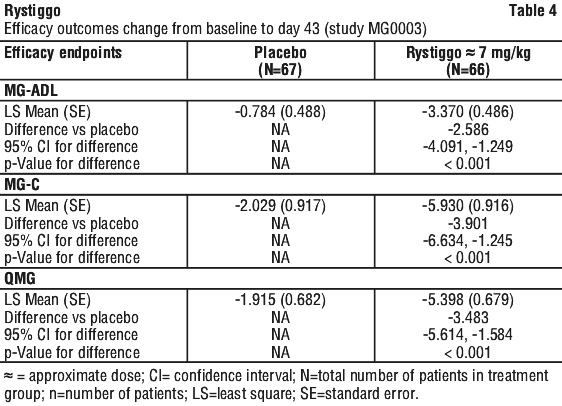
The primary endpoint was the change from baseline to day 43 in the MG-ADL score. Secondary efficacy endpoints included a change from baseline to day 43 in the MG-C, QMG and MG-ADL response at day 43 (≥ 2.0 points improvement [decrease] from baseline). Results for the primary and secondary efficacy endpoints are provided in Table 4.
Treatment with Rystiggo resulted in a statistically significant and clinically meaningful mean change from baseline to day 43 in MG-ADL score in the Rystiggo treatment group, with a mean decrease of approximately 2.6 points, compared with placebo (p-value for difference < 0.001).
A statistically significant and clinically meaningful improvement at day 43 in symptoms was also observed in MG-C and QMG for the Rystiggo treatment group versus placebo.
Clinical responders. A patient's MG-ADL response was defined as ≥ 2 point improvement from Baseline. The proportion of clinical responders at day 43 in the Rystiggo treatment group (46 [71.9%]) was more than double compared with the placebo group (20 [31.3%]). The minimum symptom expression (MSE) represents a MG-ADL total score of 0 or 1 at any time during the study. The proportion of patients achieving MG-ADL MSE at any time was greater in the Rystiggo treatment group (17 [25.8%]) compared with the placebo group (2 [3.0%]).
Rystiggo treatment was associated with a rapid improvement in MG-ADL, MG-C and QMG response in patients, within 1 week of initial dose. The greatest improvement in symptoms occurred at the end of the 6-week treatment period from day 36 to day 43 for both Rystiggo treatment groups (see Figures 1, 2 and 3).
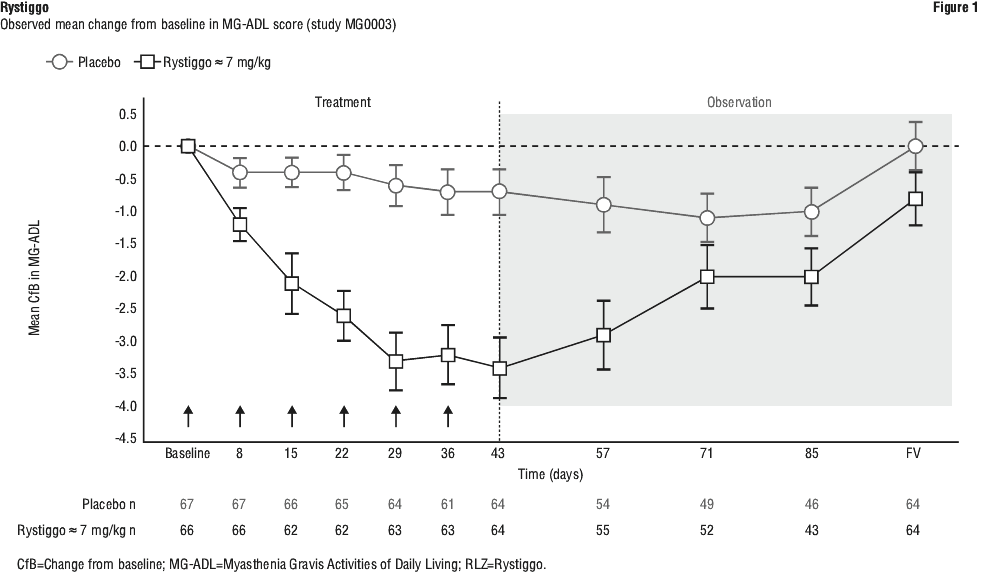
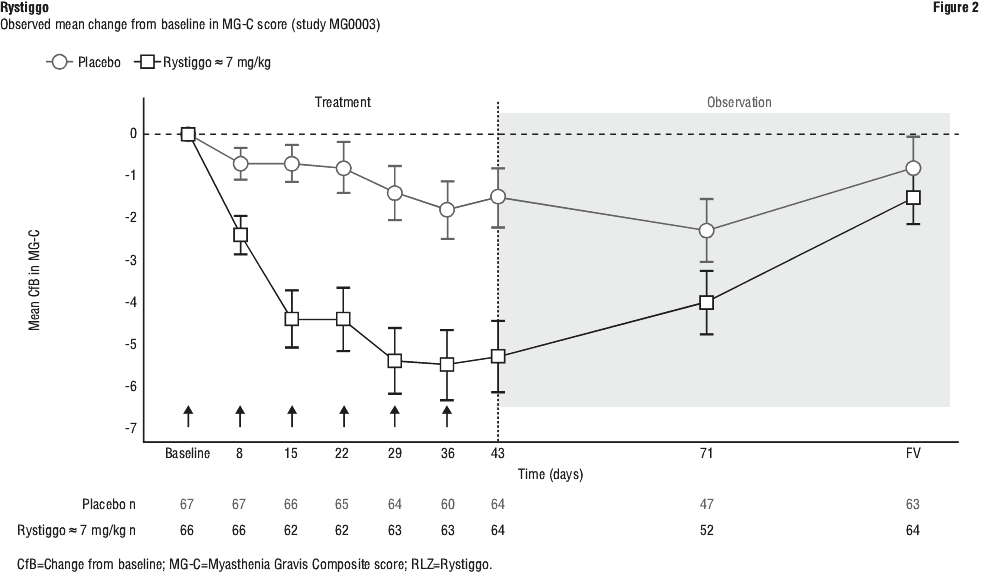
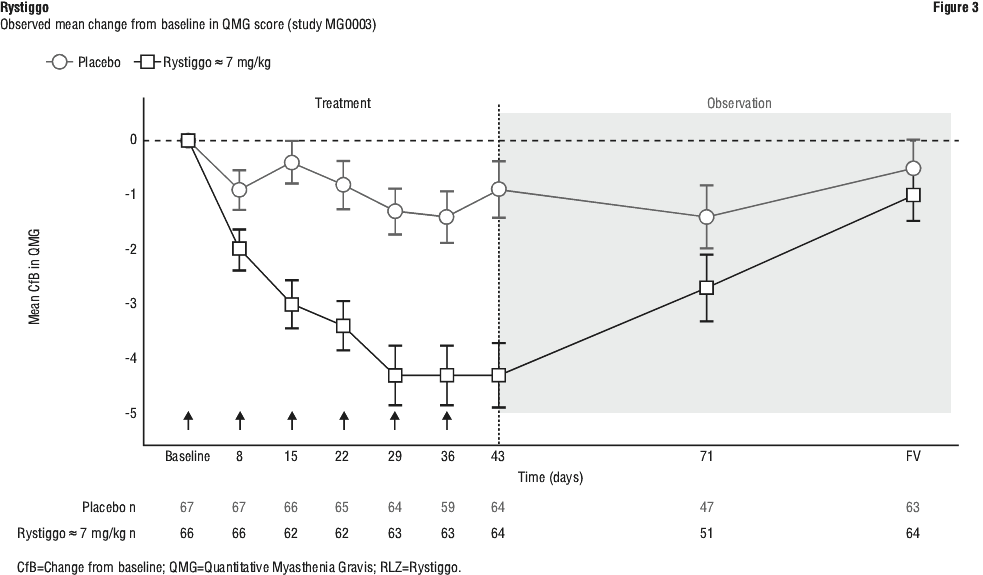
Efficacy in AChR and MuSK autoantibody positive patients. Subgroup analysis by MG-specific autoantibodies, MuSK+ and AChR+, was performed. Clinical efficacy of Rystiggo was observed for AChR+ and MuSK+ patients with improvements from Baseline in MG-ADL, MG-C and QMG scores that were consistent with the results observed in the overall population.
For the 5 MuSK+ patients who received approximately 7 mg/kg Rystiggo treatment and had data available at Day 43, all were MG-ADL, MG-C and QMG responders. (See Table 5).
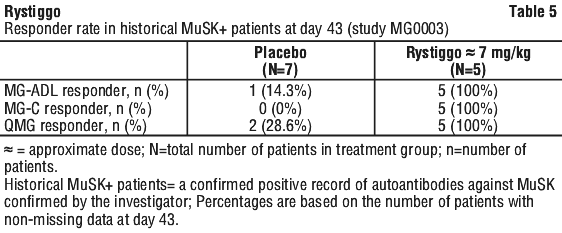
Improvements in MG-C and QMG total score to Day 43 for elderly patients were observed.
OLE studies. Study MG0004 evaluated 71 patients to evaluate the safety and efficacy of weekly Rystiggo treatment of up to 52 weeks. Patients were randomised to receive Rystiggo approximating 7 mg/kg or a higher dose. Enrolment to MG0004 closed when MG0007 was initiated, ongoing patients were eligible to enter MG0007.
Study MG0007 enrolled 165 patients to evaluate the safety and efficacy of repeated cycles of Rystiggo treatment. Treatment consisted of 6 weekly doses followed by an observation period. During the observation period, patients were assessed for worsening symptoms at 4-week intervals. Initiation of additional treatment cycles were based on clinical evaluation of individual MG symptoms. Patients were randomised to receive Rystiggo, approximating 7 mg/kg or a higher dose.
Long-term response to treatment cycles. To assess the efficacy of repeated 6-week cycles of treatment, data from MG0003, MG0007, and MG0004 (first 6 weeks) were pooled and evaluated.
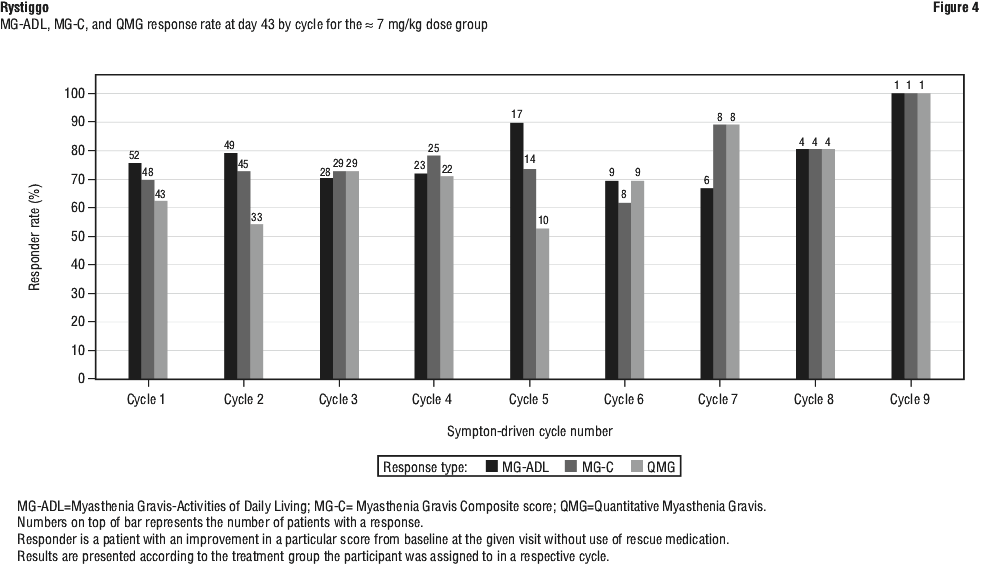
For each 6-week treatment cycle change from baseline to day 43 in MG-ADL, QMG and MG-C showed consistent clinically meaningful improvement. At cycle 1 high rates of responders were observed at day 43 for each score with more than 70% responders for MG-ADL and MG-C and approximately 70% for QMG. These high response rates were consistently reported following repeated cycles of treatment (see Figure 4).
Exposure and treatment-free interval. Analyses were conducted to explore the duration of treatment-free interval corresponding to the time between the end of 1 cycle (last infusion) to the beginning (first infusion) of the next cycle of Rystiggo treatment as driven by symptoms. The estimated median for the first treatment-free interval was approximately 9 weeks. However, shorter treatment-free intervals were observed, the majority of patients had treatment-free intervals between 4 and 13 weeks. From cycle to cycle around 10% of the study patients had a treatment-free interval < 4 weeks.
Efficacy in AChR and MuSK autoantibody positive patients. Subgroup analysis in the OLE by MG-specific autoantibodies, MuSK+ and AChR+, was performed. Consistent clinical improvement in MG-ADL, MG-C, and QMG total scores was observed at day 43 for each cycle.
High MG-ADL, MG-C and QMG responder rates > 60% for anti-AChR+ and > 80% for anti-MuSK+ patients were observed at day 43 upon repeated treatment cycles.
5.2 Pharmacokinetic Properties
Population PK models were developed based on observed PK and total IgG data from phase 1 and phase 2 studies.
Absorption. Following SC administration of rozanolixizumab, peak plasma levels are achieved after approximately 2 days. The absolute bioavailability of rozanolixizumab after SC administration was approximately 70% as estimated by population PK analysis.
Distribution. The apparent volume of distribution of rozanolixizumab is approximately 7 L estimated by population PK analysis.
Metabolism. Rozanolixizumab is expected to be degraded into small peptides and amino acids via catabolic pathways in a manner similar to the metabolism of endogenous IgG.
Excretion. The apparent linear clearance for the free drug is approximately 0.9 L/day. The half-life of rozanolixizumab is concentration-dependent and cannot be calculated. Rozanolixizumab plasma concentrations are undetectable within one week after dosing.
Dose linearity. Rozanolixizumab exhibited nonlinear PK typical for a monoclonal antibody that undergoes target-mediated drug disposition.
At steady-state, maximum plasma concentrations and area under the concentration time curve (AUC) were predicted to be 3-fold and 4-fold higher at weight-tiered doses of ≈ 10 mg/kg as compared to ≈ 7 mg/kg, respectively.
Special populations. Age, sex, or race. A population PK analysis did not indicate a clinically significant impact of age, sex or race on the PK of rozanolixizumab.
Renal or hepatic impairment. No dedicated studies have been conducted in patients with renal or hepatic impairment. However, renal or hepatic impairment is not expected to affect the PK of rozanolixizumab. Based on a population PK analysis, renal function (estimated glomerular filtration rate [eGFR] 38-161 mL/min/1.73 m2) or hepatic biochemical and function tests (ALT, AST, alkaline phosphatase and bilirubin) had no clinically significant effect on rozanolixizumab apparent linear clearance.
Immunogenicity. Development of neutralising antibodies was associated with a 24% decrease in overall plasma exposure of rozanolixizumab. There was no apparent impact of immunogenicity on efficacy and overall safety (see Section 4.8 Adverse Effects (Undesirable Effects)).
5.3 Preclinical Safety Data
Genotoxicity. The genotoxic potential of rozanolixizumab has not been evaluated; however, monoclonal antibodies are not expected to alter DNA or chromosomes.
Carcinogenicity. Carcinogenicity studies have not been conducted with rozanolixizumab.
6 Pharmaceutical Particulars
6.1 List of Excipients
The inactive ingredients are histidine, histidine hydrochloride monohydrate, proline, polysorbate 80 and water for injection.
6.2 Incompatibilities
In the absence of compatibility studies, this medicinal product must not be mixed with other medicinal products for infusion.
6.3 Shelf Life
36 months.
6.4 Special Precautions for Storage
Store in a refrigerator (2-8°C). Do not freeze. Keep the vial in the outer carton in order to protect from light. The Rystiggo vial may be stored at room temperature (up to 25°C) for a single period of maximum 20 days with protection from light. Once removed from the refrigerator and stored under these conditions, discard after 20 days or by the expiry date, whichever occurs first.
6.5 Nature and Contents of Container
Vial (Type I glass) with a rubber stopper sealed with a crimp seal and flip off cap.
Pack size of 1 vial. Each single use vial contains 2 mL of solution for injection.
6.6 Special Precautions for Disposal
In Australia, any unused medicine or waste material should be disposed of by taking to your local pharmacy.
6.7 Physicochemical Properties
Chemical name: Immunoglobulin G4P, anti-FcRn.
Molecular mass: approximately 147,846 Da.
Chemical structure.
7 Medicine Schedule (Poisons Standard)
Schedule 4.
Date of First Approval
07 February 2025
Date of Revision
03 February 2026
Summary Table of Changes

Reasonable care is taken to provide accurate information at the time of creation. This information is not intended as a substitute for medical advice and should not be exclusively relied on to manage or diagnose a medical condition. The Australian Commission on Safety and Quality in Health Care disclaims all liability (including for negligence) for any loss, damage, injury or any other negative effects resulting from reliance on or use of this information. Read our full disclaimer. This website uses cookies. Read our privacy policy.