
Scitropin A
Brand Information
| Brand name | Scitropin A |
| Active ingredient | Somatropin |
| Schedule | S4 |
Consumer Medicine Information (CMI) leaflet
Please read this leaflet carefully before you start using the Scitropin A.
Summary CMI
SCITROPIN A™
Consumer Medicine Information (CMI) summary
The full CMI on the next page has more details. If you are worried about using this medicine, speak to your doctor or pharmacist.
1. Why am I using SciTropin A?
SciTropin A contains the active ingredient somatropin (rbe). SciTropin A is used to treat short stature in children due to growth hormone deficiency, girls with growth disturbance associated with Turner Syndrome and growth disturbance in children with chronic renal insufficiency.
For more information, see Section 1. Why am I using SciTropin A? in the full CMI.
2. What should I know before I use SciTropin A?
Do not use if you have ever had an allergic reaction to somatropin or any of the ingredients listed at the end of the CMI.
Talk to your doctor if you have any other medical conditions, take any other medicines, or are pregnant or plan to become pregnant or are breastfeeding.
For more information, see Section 2. What should I know before I use SciTropin A? in the full CMI.
3. What if I am taking other medicines?
Some medicines may interfere with SciTropin A and affect how it works.
A list of these medicines is in Section 3. What if I am taking other medicines? in the full CMI.
4. How do I use SciTropin A?
- Follow all directions given to you by your doctor or pharmacist carefully. They may differ from the information contained in this leaflet.
- You will be taught how to inject SciTropin A before you use it for the first time.
- Follow the instructions that come with the injector pen (pen provided separately).
More instructions can be found in Section 4. How do I use SciTropin A? in the full CMI.
5. What should I know while using SciTropin A?
| Things you should do |
|
| Things you should not do |
|
| Driving or using machines |
|
| Looking after your medicine |
|
For more information, see Section 5. What should I know while using SciTropin A? in the full CMI.
6. Are there any side effects?
Milder side effects that may occur at the beginning of the therapy and are temporary include reactions at the injection site, joint and or muscle pain, muscle stiffness and swelling or numbness in the arms or legs. Side effects such as severe or recurring headaches, blurred vision, nausea or vomiting, swelling of the face, extreme tiredness, change to thirst or appetite, increased need to pass urine, limping, pain in the hip or knee, and curvature of the spine can be serious, and you may need immediate medical attention. These side effects are rare.
For more information, including what to do if you have any side effects, see Section 6. Are there any side effects? in the full CMI.
Full CMI
SCITROPIN A™
Active ingredient(s): somatropin
Consumer Medicine Information (CMI)
This leaflet provides important information about using SciTropin A. You should also speak to your doctor or pharmacist if you would like further information or if you have any concerns or questions about using SciTropin A.
Where to find information in this leaflet:
1. Why am I using SciTropin A?
2. What should I know before I use SciTropin A?
3. What if I am taking other medicines?
4. How do I use SciTropin A?
5. What should I know while using SciTropin A?
6. Are there any side effects?
7. Product details
1. Why am I using SciTropin A?
SciTropin A contains the active ingredient somatropin which is the same as naturally occurring human growth hormone but is made in a laboratory.
SciTropin A is used to treat:
- short stature in children due to growth hormone deficiency
- girls with growth disturbance associated with Turner Syndrome
- growth disturbance in children with chronic renal insufficiency.
Your doctor may prescribe it for another reason. Ask your doctor if you have any questions about why SciTropin A has been prescribed for you.
2. What should I know before I use SciTropin A?
Warnings
Do not use SciTropin A if:
- you are allergic to somatropin, or any of the ingredients listed at the end of this leaflet. Always check the ingredients to make sure you can use this medicine.
Some of the symptoms of an allergic reaction may include:
- shortness of breath
- wheezing or difficulty breathing
- swelling of the face, lips, tongue or other parts of the body
- rash, itching or hives on the skin. - you have any of the following medical conditions
- active tumours or evidence of tumour growth.
- serious injury or illness, or surgical procedures, requiring intensive care.
- close epiphyses if you are a child (this means that the growth area of the bones is unable to grow anymore).
- are currently being treated for cancer.
- have Prader-Willi syndrome and are severely overweight or have marked difficulty breathing
- Do not give this medicine to children under the age of 3 years - the expiry date printed on the pack or if the packaging is torn or shows signs of tampering. If it has expired or is damaged, return it to your pharmacist for disposal.
- you are not sure if you or your child should start using this medicine, talk to your doctor.
Check with your doctor if you:
- have any other medical conditions
- diabetes mellitus
- thyroid disease
- cancer
- any disorder relating to hormones including adrenocortical insufficiency (also known as ACTH deficiency)
- kidney transplant. - take any medicines for any other condition
- have allergies to any other medicines, foods, preservatives or dyes
Your doctor should monitor you for glucose intolerance during treatment with Omnitrope. If you are treated with insulin, your doctor may need to adjust your insulin dose.
Symptoms of glucose intolerance include increased thirst and need to pass urine
During treatment, you may be at risk of developing certain side effects. It is important you understand these risks and how to monitor them. See additional information under Section 6. Are there any side effects?
Pregnancy and breastfeeding
Check with your doctor if you are pregnant or intend to become pregnant.
Talk to your doctor if you are breastfeeding or intend to breastfeed.
Your doctor can discuss with you the risks and benefits involved.
Use in young children (less in 3 years old)
Do not use more than a week in young children (less than 3 years old) without consulting with your doctor.
SciTropin A 5 mg/1.5 ml solution for injection contains benzyl alcohol.
3. What if I am taking other medicines?
Tell your doctor or pharmacist if you are taking any other medicines, including any medicines, vitamins or supplements that you buy without a prescription from your pharmacy, supermarket or health food shop.
In particular, tell your doctor if you are taking
- any medicines (including insulin) for the treatment of diabetes
- corticosteroids such as cortisol or dexamethasone e.g. for the treatment of severe asthma, some skin conditions or rheumatoid arthritis
- some epilepsy medicines, e.g. Carbamazepine, ethosuximide or tiagabine
- thyroxine (thyroid hormone) for treatment of thyroid deficiency
- replacement therapy for Adrenocorticotropic hormone (ACTH) deficiency, such as hydrocortisone or fludrocortisone
- ciclosporin e.g. for the treatment of severe skin disease (psoriasis), rheumatoid arthritis or after transplant surgery
- hormone therapy e.g. hormone replacement therapy (HRT) for oestrogen deficiency, menopause or osteoporosis (bone thinning), testosterone for hormone deficiency in men, or other hormone therapy for contraception ("the Pill"), endometriosis or some cancers.
These medicines may be affected by SciTropin A or may affect how well it works. You may need different amounts of your medicine, or you may need to take different medicines
Check with your doctor or pharmacist if you are not sure about what medicines, vitamins or supplements you are taking and if these affect SciTropin A.
4. How do I use SciTropin A?
How much to use
- The dose of SciTropin A is different for each person.
Your doctor will tell you what the right dose for you or your child is. - Ask your doctor or pharmacist if you are unsure of the correct dose for you. They will tell you exactly how much to use.
- Follow the instructions provided and use SciTropin A until your doctor tells you to stop.
When to use SciTropin A
- SciTropin A is usually injected once a day in the evening. Normally, growth hormone is made by the body at night. Giving the injection at night helps to copy this process.
How to use SciTropin A
- Follow all directions given to you by your doctor or pharmacist carefully.
- If you do not understand the instructions, ask your doctor or pharmacist for help.
- SciTropin A is given by injection under the skin (subcutaneous).
- Change the site of injection every day.
- After taking SciTropin A out of the refrigerator, allow the glass cartridge to reach room temperature (about 30 minutes) prior to injection.
- Reconstitution is not required for SciTropin A. This medicine is ready-to-use.
- Inspect the product carefully before use. Only use the injection if the solution is clear. Do not inject if the solution is cloudy or has particles in it.
- Put the glass cartridge containing the SciTropin A solution in the injector pen (provided separately).
- Follow the instructions that come with the injector pen.
- Remove the needle from the injector pen after each injection.
- Return the injector pen with the cartridge to the refrigerator after each use.
- Discard the cartridge 28 days after injecting the first dose.
If you forget to use SciTropin A
If you miss your dose at the usual time, inject your dose as soon as you remember, and continue to inject it as you would normally.
If it is almost time for your next injection, skip the dose you missed and inject your next dose when you are meant to.
Do not inject a double dose to make up for the dose you missed.
- This may increase the chance of you getting an unwanted side effect
- If you are not sure what to do, ask your doctor or pharmacist
- If you have trouble remembering to use your medicine, ask your pharmacist for some hints.
If you use too much SciTropin A
If you think that you have injected too much SciTropin A, you may need urgent medical attention.
You should immediately:
- phone the Poisons Information Centre
(by calling 13 11 26), or - contact your doctor, or
- go to the Emergency Department at your nearest hospital.
You should do this even if there are no signs of discomfort or poisoning.
5. What should I know while using SciTropin A?
Things you should do
Call your doctor as soon as possible if you experience any of the following:
- rash, wheezing, swelling of the eyelids, face or lips. These may be symptoms of an allergic reaction
- nausea, vomiting, headaches or problems with your vision. These may be symptoms of raised pressure of the fluid around the brain
- limping
- pain in the hips and/or knees
Tell your doctor if you:
- become pregnant while using this medicine
- start to have difficulty breathing or start to snore, or have an increase in snoring while you are using SciTropin A.
- stop or change your oral oestrogen therapy.
- stop or change your glucocorticoid therapy.
- have concerns about how the product looks e.g. if it looks different from normal.
Remind any other doctors, dentists and pharmacists who treat you that you are using Scitropin-A.
Keep all your doctor's appointments so that your progress can be checked.
Things you should not do
- Do not heat or freeze SciTropin A, it should be stored in the refrigerator at 2-8°C.
- Do not use SciTropin A to treat any other complaints unless your doctor tells you to.
- Do not give your medicine to anyone else, even if they have the same condition as you. Also do not let anyone use your injector pen.
- Do not stop using your medicine or change the dosage without checking with your doctor
Things to be careful of
Follow the instructions for administration of SciTropin A carefully.
Not following instructions might decrease the activity of your medicine or lead to a broken pen injector or cartridge.
Driving or using machines
Be careful before you drive or use any machines or tools until you know how SciTropin A affects you.
Looking after your medicine
- Keep your medicine in its original container to protect from light. If you take it out of its original container it may not keep well.
- Keep your medicine in the refrigerator at 2°C to 8°C.
Do not freeze. - Use an insulated container for transporting your medicine if you are travelling.
Store it in a cool dry place away from moisture, heat or sunlight; for example, do not store it:
- in the bathroom or near a sink, or
- in the car or on windowsills.
Keep it where young children cannot reach it.
Getting rid of any unwanted medicine
Used needles and the empty cartridges should be disposed of in a sharps container or a container composed of hard plastic or glass.
If you no longer need to use this medicine or it is out of date, take it to any pharmacy for safe disposal.
Do not use this medicine after the expiry date.
6. Are there any side effects?
Tell your doctor or pharmacist as soon as possible if you do not feel well while you are using SciTropin A.
All medicines can have side effects. If you do experience any side effects, most of them are minor and temporary. However, some side effects may need medical attention.
See the information below and, if you need to, ask your doctor or pharmacist if you have any further questions about side effects.
Side effects
| side effects | What to do |
Administration site disorders:
| Speak to your doctor if you have any of these side effects and they worry you. |
There have been very rare reports of leukaemia (a cancer that affects the blood system) developing in children using SciTropin A. A causal association of SciTropin A with the development of leukaemia has not been identified.
Tell your doctor or pharmacist if you notice anything else that may be making you feel unwell.
Other side effects not listed here may occur in some people.
Reporting side effects
After you have received medical advice for any side effects you experience, you can report side effects to the Therapeutic Goods Administration online at www.tga.gov.au/reporting-problems. By reporting side effects, you can help provide more information on the safety of this medicine.
Always make sure you speak to your doctor or pharmacist before you decide to stop taking any of your medicines.
7. Product details
This medicine is only available with a doctor's prescription.
What SciTropin A contains
| Active ingredient (main ingredient) | Somatropin |
| Other ingredients (inactive ingredients) | 5 mg/1.5 mL Solution for Injection:
|
Do not take this medicine if you are allergic to any of these ingredients.
What SciTropin A looks like
SciTropin A Solution for Injection is a clear and colourless solution.
SciTropin A 5 mg/1.5 mL Solution for Injection - AUST R 140322
- Each pack of SciTropin A 5mg/1.5mL Solution for Injection contains 1, 2, 5* or 10* colourless glass cartridges.
SciTropin A 10 mg/1.5mL Solution for Injection - AUST R 162529
- Each pack of SciTropin A 10 mg/1.5 mL Solution for Injection contains 1 or 2* colourless glass cartridges.
SciTropin A 15 mg/1.5mL Solution for Injection - AUST R 484045
- Each pack of SciTropin A 15mg/1.5mL Solution for Injection contains 1 colourless glass cartridge
*Not marketed in Australia
Who distributes SciTropin A
SciGen (Australia) Pty Ltd
4/9 Mogo Place
Billinudgel, NSW 2483
Australia
Tel: 1800 676 833
This leaflet was prepared in April 2026.
Brand Information
| Brand name | Scitropin A |
| Active ingredient | Somatropin |
| Schedule | S4 |
MIMS Revision Date: 01 July 2026
1 Name of Medicine
Somatropin (rbe) (recombinant human growth hormone, r-hGH).
2 Qualitative and Quantitative Composition
SciTropin A 5 mg/1.5 mL Solution for Injection contains 3.33 mg/mL somatropin (rbe).
SciTropin A 10 mg/1.5 mL Solution for Injection contains 6.67 mg/mL somatropin (rbe).
SciTropin A 15 mg/1.5 mL solution for injection contains 10 mg/mL somatropin (rbe).
List of excipients with known effect: mannitol (SciTropin A 5 mg/1.5 mL solution for injection preparations).
SciTropin A is produced using recombinant DNA technology. The active substance somatropin (biosynthetic human growth hormone, rDNA-derived human growth hormone [r-hGH]) is produced in cell culture by Escherichia coli cells bearing the gene for human growth hormone.
For the full list of excipients, see Section 6.1 List of Excipients.
3 Pharmaceutical Form
SciTropin A Solution for Injection is a clear, colourless solution.
4 Clinical Particulars
4.1 Therapeutic Indications
SciTropin A is intended for the long-term treatment of children (above three years of age) with:
growth disturbance due to insufficient secretion of pituitary growth hormone;
growth disturbance associated with gonadal dysgenesis (Turner syndrome);
growth disturbance associated with chronic renal insufficiency.
4.2 Dose and Method of Administration
Dosage. Therapy with somatropin should be initiated and monitored by physicians who are experienced in the diagnosis and management of patients with growth hormone deficiency.
The dose is based on bodyweight and must always be adjusted individually in accordance with the response to therapy.
Daily administration by subcutaneous injection in the evening is recommended. The injection sites have to be rotated to minimise the risk of local lipoatrophy.
Patients and caregivers have to receive appropriate training and instruction on the proper use of the SciTropin A vials and the pen, from their physician or other suitably qualified health professionals.
Growth disturbance due to insufficient secretion of growth hormone in children. Generally, a dose of 0.025 to 0.035 mg/kg bodyweight per day or 0.7 to 1.0 mg/m2 body surface area per day is recommended. If the response to therapy is not satisfactory in the following years, the dose can be increased, as higher doses have been used.
Growth disturbance in girls due to Turner syndrome. A dose of 0.045 to 0.05 mg/kg bodyweight per day or 1.4 mg/m2 body surface area per day is recommended. If the response to therapy is not satisfactory in the following years, the dose can be increased.
Growth disturbance in chronic renal insufficiency. A dose of 0.045 to 0.05 mg/kg bodyweight per day or 1.4 mg/m2 body surface area per day is recommended. A dosage adjustment may be necessary after 6 months. If the response to therapy is not satisfactory, the dose can be increased.
Duration of treatment. There is no specific time limit for the duration of treatment with somatropin. Treatment is to be discontinued when the patient has reached a satisfactory final height, when the epiphyses are closed or when the patient no longer responds to growth hormone therapy. Response to somatropin therapy in paediatric patients tends to decrease with time. However, failure to increase growth velocity, particularly during the first year of treatment, suggests the need for close assessment of compliance and other causes of growth failure such as hypothyroidism, undernutrition and advanced bone age.
Method of administration. Reconstitution and stability of solution. As with all parenteral drug products, the solution should be clear after storage. If the solution is cloudy, the contents must not be injected.
SciTropin A is a ready to use solution which is filled in glass cartridges. This presentation is intended for multiple use with a pen device.
SciTropin A 5 mg/1.5 mL solution for injection. SciTropin A 5 mg/1.5 mL is a ready to use solution which is filled in glass cartridges. This presentation is intended for multiple use with a pen device. The SciTropin A Pen 5 needs to be used to administer SciTropin A 5 mg/1.5 mL. After the first injection, the contents of the cartridge must be used within 28 days and the cartridge should remain in the pen and has to be kept at 2°C to 8°C (in a refrigerator). For microbiological reasons, any remaining solution should be discarded after 28 days.
The pen is intended for use by a single patient only.
SciTropin A 10 mg/1.5 mL solution for injection. SciTropin A 10 mg/1.5 mL is a ready to use solution which is filled in glass cartridges. This presentation is intended for multiple use with a pen device. The SciTropin A Pen 10 needs to be used to administer SciTropin A 10 mg/1.5 mL. After the first injection, the contents of the cartridge must be used within 28 days and the cartridge should remain in the pen and has to be kept at 2°C to 8°C (in a refrigerator). For microbiological reasons, any remaining solution should be discarded after 28 days.
The pen is intended for use by a single patient only.
SciTropin A 15 mg/1.5 mL solution for injection. SciTropin A 15 mg/1.5 mL is a ready-to-use solution, which is filled in glass cartridges. This presentation is intended for multiple use with a pen device. After the first injection, the contents of the cartridge must be used within 28 days and the cartridge should remain in the pen and has to be kept at 2°C to 8°C (in a refrigerator). For microbiological reasons, any remaining solution should be discarded after 28 days.
The pen is intended for use by a single patient only.
4.3 Contraindications
Treatment with SciTropin A is contraindicated:
In patients with evidence of malignancies. Intracranial lesions have to be inactive and anti-tumour therapy has to be completed prior to treatment. Treatment with SciTropin A should be discontinued if there is any evidence of recurrent tumour activity.
For growth promotion in paediatric patients with closed epiphyses.
In patients with known hypersensitivity to somatropin or to any of the excipients.
In patients with acute critical illness due to complications following open heart surgery or abdominal surgery, multiple accident trauma, excessive burns or to patients having acute respiratory failure (see Section 4.4 Special Warnings and Precautions for Use).
In patients with Prader-Willi syndrome who are severely obese or have severe respiratory impairment (see Section 4.4 Special Warnings and Precautions for Use).
In new-borns, SciTropin A 5 mg/1.5 mL Solution for Injection should not be used because of the presence of the preservative, benzyl alcohol (see Section 4.4 Special Warnings and Precautions for Use).
4.4 Special Warnings and Precautions for Use
Therapy with SciTropin A should be initiated and monitored by physicians who are appropriately qualified and experienced in the diagnosis and management of patients with growth hormone deficiency. The maximum recommended daily dose should not be exceeded. (See Section 4.2 Dose and Method of Administration.)
There have been reports of fatalities associated with the use of growth hormone in paediatric patients with Prader-Willi syndrome who had one or more of the following risk factors: severe obesity, history of respiratory impairment or sleep apnoea, or unidentified respiratory infection. Another possible risk factor may be male gender (SciTropin A is not indicated for use in patients with Prader-Willi syndrome).
Metabolism. Somatropin may induce a state of insulin resistance and in some patients hyperglycaemia. Therefore patients should be observed for evidence of glucose intolerance during SciTropin A treatment. In rare cases the diagnostic criteria for diabetes mellitus type II may be fulfilled as a result of the somatropin therapy, but risk factors such as obesity, family history, steroid treatment or pre-existing impaired glucose tolerance have been present in most cases where this occurred. SciTropin A should be used with caution in patients with diabetes mellitus or a family history of diabetes mellitus. In patients with already manifested diabetes mellitus, the anti-diabetic therapy might require adjustment when somatropin is instituted.
Endocrine system. Hypothyroidism may develop during therapy with somatropin, and inadequate treatment of hypothyroidism may prevent optimal response to treatment with SciTropin A. Therefore, thyroid hormone levels must be checked periodically during SciTropin A therapy and patients should be treated with thyroid hormone, when indicated.
During treatment with somatropin, an enhanced T4 to T3 conversion has been found, which may result in a reduction in serum T4 concentrations and an increase in serum T3 concentrations. In general, the peripheral thyroid hormone levels have remained within the reference ranges for healthy subjects. The effects of somatropin on thyroid hormone levels may be of clinical relevance in patients with central subclinical hypothyroidism in whom hypothyroidism theoretically may develop. Conversely, in patients receiving replacement therapy with thyroxin, mild hyperthyroidism may occur. It is therefore advisable to test thyroid function after starting treatment with somatropin and after dose adjustment.
Large doses of glucocorticoids may inhibit the growth promoting effect of growth hormone. Patients with co-existing corticotropin deficiencies should have their glucocorticoid replacement doses carefully adjusted.
Somatropin has been reported to reduce serum cortisol levels. Changes to serum levels of unbound serum cortisol have not been reported. The clinical relevance of these findings seems limited. Nevertheless, corticosteroid replacement therapy should be optimised before initiation of SciTropin A therapy.
To achieve a satisfactory stimulation of growth, some girls with Turner syndrome may require a higher dose during the first year of treatment.
Patients with pan hypopituitarism are at risk of adrenal insufficiency after treatment with growth hormone is commenced, particularly if this has not previously been recognised or the patients are on inadequate replacement. Standard replacement therapy should be closely monitored in patients with (pan) hypopituitarism.
Patients with chronic renal disease may develop hyperparathyroidism which should be treated appropriately before initiation of somatropin therapy.
Introduction of somatropin treatment may result in inhibition of 11β-hydroxysteroid dehydrogenase type 1 (11β-HSD-1) and reduced serum cortisol concentrations. In patients treated with somatropin, previously undiagnosed central (secondary) hypoadrenalism may be unmasked and glucocorticoid replacement may be required. In addition, patients treated with glucocorticoid replacement therapy for previously diagnosed hypoadrenalism may require an increase in their maintenance or stress doses, following initiation of somatropin treatment (see Section 4.5 Interactions with Other Medicines and Other Forms of Interactions).
Use with oral oestrogen therapy. If a woman taking somatropin begins oral oestrogen therapy, the dose of somatropin may need to be increased to maintain the serum IGF-1 levels within the normal age-appropriate range. Conversely, if a woman on somatropin discontinues oral oestrogen therapy, the dose of somatropin may need to be reduced to avoid excess of growth hormone and/or side effects (see Section 4.5 Interaction with Other Medicines and Other Forms of Interactions).
Benign intracranial hypertension. In cases of severe or recurrent headache, visual problems, nausea and/or vomiting, a fundoscopy for papilloedema is recommended as some rare cases of benign intracranial hypertension have been reported during somatropin treatment. If papilloedema is confirmed, a diagnosis of benign intracranial hypertension has to be considered, and if appropriate, SciTropin A treatment should be interrupted. At present, insufficient experience exists on how to restart treatment in patients after normalisation of intracranial pressure. If restarting treatment is considered appropriate, the patient has to be carefully monitored for the absence of symptoms of increased intracranial pressure.
Scoliosis. Progression of scoliosis can occur in patients who experience rapid growth. Physicians should be alert to this abnormality which may become apparent during growth hormone therapy due to the rapid increase in growth rate. Signs of scoliosis should be monitored during treatment.
Slipped capital femoral epiphysis and Legg-Calve-Perthes disease. Patients with endocrine disorders, including growth hormone deficiency, hypopituitarism and renal osteodystrophy, may have an increased incidence of slipped capital femoral epiphyses (SCFE), and Legg-Calve-Perthes disease. Any child who develops a limp or complains of hip or knee pain during SciTropin A treatment should be evaluated as this may indicate development of slipped capital femoral epiphysis and Legg-Calve-Perthes disease (see Section 4.8 Adverse Effects (Undesirable Effects), Description of selected adverse reactions).
Chronic renal insufficiency. In chronic renal insufficiency, the renal function should have decreased below 50% of normal before initiation of therapy. Growth should have been followed for a year preceding initiation of therapy with SciTropin A in order to verify the growth disturbance. Conservative treatment for the renal insufficiency should have been established and should be maintained during treatment. Treatment should be discontinued after renal transplantation.
Growth hormone treatment may represent an increased risk for acute rejection in patients with renal allograft and a history of two or more rejection episodes.
Neoplasms. Patients with growth hormone deficiency secondary to an intracranial lesion have to be examined frequently for progression or recurrence of the underlying disease process.
In childhood cancer survivors, an increased risk of a second neoplasm has been reported in patients treated with somatropin after their first neoplasm. Intracranial tumours, in particular meningiomas, in patients treated with radiation to the head for their first neoplasm, were the most common of these second neoplasms.
Newly diagnosed and recurrent cases of leukaemia have been reported in growth hormone deficient children treated with somatropin. The children had other risk factors for leukaemia. A causal association with somatropin has not been identified.
Antibodies. A small percentage of patients may develop antibodies to somatropin. The binding capacity of these antibodies is low and there is no effect on growth rate. Testing for antibodies to somatropin should be carried out in any patient with otherwise unexplained lack of response.
Pancreatitis. Although rare, pancreatitis should be considered in somatropin-treated patients who develop abdominal pain, especially in children.
Critically ill patients. Two placebo controlled clinical trials of patients in intensive care units have demonstrated an increased mortality among patients suffering from acute critical illness due to complications following open heart surgery, abdominal surgery, multiple accidental trauma or acute respiratory failure who were treated with somatropin in high doses (5.3 mg to 8 mg/day). These types of patients should not be treated with somatropin (see Section 4.3 Contraindications). Because there is no information available on the safety of growth hormone therapy in acutely critically ill patients, the benefits of continued treatment in this situation should be weighed against the potential risks involved. In all patients developing other or similar acute critical illness, the possible benefits of treatment with somatropin must be weighed against the potential risk involved.
Use in the elderly. No data available.
Paediatric use. See Section 4.3 Contraindications.
Effects on laboratory tests. No data available.
Benzyl alcohol. SciTropin A 5 mg/1.5 mL solution for injection contains benzyl alcohol:
This medicine contains 9 mg benzyl alcohol in each mL.
Benzyl alcohol may cause allergic reactions.
Intravenous administration of benzyl alcohol has been associated with serious adverse events and death in neonates ("gasping syndrome"). The minimum amount of benzyl alcohol at which toxicity may occur is not known.
Advise the parents or legal guardian to not use more than a week in young children (less than 3 years old) without a physician or pharmacist permission.
Advise pregnant or breast-feeding patients that large amounts of benzyl alcohol can be build up in their body and may cause sides effects (called "metabolic acidosis").
Advise patients who have a liver or kidney disease that large amounts of benzyl alcohol can be build up in their body and may cause sides effects (called "metabolic acidosis").
4.5 Interactions with Other Medicines and Other Forms of Interactions
Concomitant glucocorticoid therapy may inhibit growth and thereby oppose the growth promoting effect of SciTropin A. If glucocorticoid replacement therapy is required, the glucocorticoid dose and compliance have to be monitored carefully to avoid either adrenal insufficiency or inhibition of the growth promoting effects of SciTropin A.
Growth hormone decreases the conversion of cortisone to cortisol and may unmask previously undiscovered central hypoadrenalism or render low glucocorticoid replacement dose ineffective (see Section 4.4 Special Warnings and Precautions for Use).
In women on oral oestrogen replacement, a higher dose of growth hormone may be required to achieve the treatment goal (see Section 4.4 Special Warnings and Precautions for Use).
Data from an interaction study conducted in growth hormone deficient adults, suggest that somatropin administration may increase the clearance of compounds known to be metabolised by cytochrome P450 3A4 (e.g. sex steroids, corticosteroids, anticonvulsants and ciclosporin). The clinical significance of this is unknown.
See Section 4.4 Special Warnings and Precautions for Use regarding diabetes mellitus, thyroid disorder and corticotropin deficiencies.
Insulin dosage may need to be adjusted when SciTropin A is administered to patients with diabetes mellitus (see Section 4.4 Special Warnings and Precautions for Use).
4.6 Fertility, Pregnancy and Lactation
Effects on fertility. No specific study has been conducted in animals to examine the effect of SciTropin A on fertility. However, somatropin is known to have adverse effects on reproduction. Inhibition of reproduction was reported in male and female rats at somatropin doses of 1 mg/kg/day or more, with reduced copulation and conception rates, lengthened or absent oestrus cycles and, at 3.3 mg/kg/day, a lack of responsiveness of females to males and slight reductions in sperm motility and survival. Rat reproduction was unaffected by 0.3 mg/kg/day somatropin, which resulted in a systemic exposure (based on body surface area) of approximately 2 times that anticipated in adult patients at the maximal clinical dose of 0.01 mg/kg/day.
Use in pregnancy. (Category B2)
No specific study has been conducted in animals to examine the reproductive toxicity of SciTropin A. However somatropin was not teratogenic and did not affect foetal growth at subcutaneous maternal doses up to 3.3 mg/kg/day in rats or 1.3 mg/kg/day in rabbits, which resulted in systemic exposures based on body surface area of approximately 40 times the anticipated maximum clinical exposure.
There is no experience with somatropin during pregnancy, nor has the need for such use been established. Somatropin is not recommended during pregnancy and in women of childbearing potential not using contraception. Treatment with SciTropin A should be interrupted if pregnancy occurs.
Use in lactation. It is not known whether somatropin is excreted in breast milk, but the possibility cannot be excluded. However, absorption of intact protein from the gastrointestinal tract of the infant is extremely unlikely. As a general precaution, treatment with SciTropin A should be interrupted during breastfeeding.
4.7 Effects on Ability to Drive and Use Machines
The effects of this medicine on a person's ability to drive and use machines were not assessed as part of its registration.
4.8 Adverse Effects (Undesirable Effects)
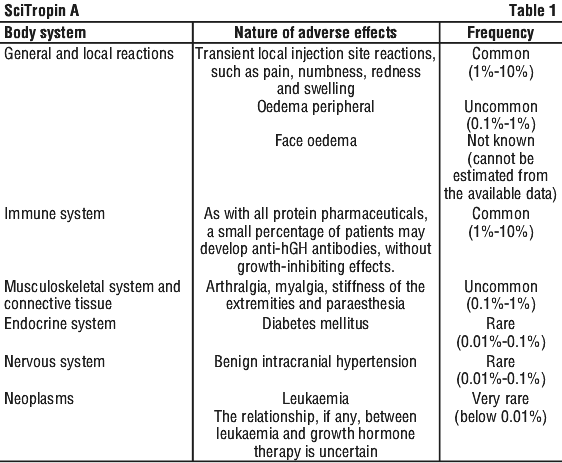
Patients with growth hormone deficiency are characterised by extracellular volume deficit. When treatment with somatropin is started this deficit is rapidly corrected. Adverse reactions related to fluid retention, such as peripheral oedema and arthralgia are very common; musculoskeletal stiffness, myalgia and paraesthesia are common.
The adverse effects for children are presented under headings of system organ class and frequency using the following convention: very common (≥ 1/10), common (≥ 1/100 to < 1/10), uncommon (≥ 1/1,000 to < 1/100), rare (≥ 1/10,000 to < 1/1,000), very rare (< 1/10,000), not known (cannot be estimated from the available data). See Table 1.
Reduced serum cortisol levels. Somatropin has been reported to reduce serum cortisol levels, possibly by affecting carrier proteins or by increasing hepatic clearance. The clinical relevance of these findings may be limited. Nevertheless, corticosteroid replacement therapy should be optimised before initiation of therapy (see Section 4.4 Special Warnings and Precautions for Use).
Leukaemia. Some cases of leukaemia have been reported in growth hormone deficient children treated with somatropin, but the incidence appears to be similar to that in children without growth hormone deficiency (see Section 4.4 Special Warnings and Precautions for Use).
Prader-Willi syndrome. In the post-marketing experience, rare cases of sudden death have been reported in patients affected by Prader-Willi syndrome treated with somatropin, although no causal relationship has been demonstrated. SciTropin A is not indicated for use in patients with Prader-Willi syndrome (see Section 4.4 Special Warnings and Precautions for Use).
Slipped capital femoral epiphysis and Legg-Calve-Perthes disease. Slipped capital femoral epiphysis and Legg-Calve-Perthes disease have been reported in children treated with growth hormone (GH). Slipped capital femoral epiphysis occurs more frequently in case of endocrine disorders and Legg-Calve-Perthes is more frequent in case of short stature. But it is unknown if these 2 pathologies are more frequent or not while treated with somatropin. Their diagnosis should be considered in a child with a discomfort or pain in the hip or knee.
Other adverse drug reactions. Other adverse drug reactions may be considered somatropin class effects, such as possible hyperglycaemia caused by decreased insulin sensitivity, decreased free thyroxin level and benign intra-cranial hypertension.
Reporting suspected adverse effects. Reporting suspected adverse reactions after registration of the medicinal product is important. It allows continued monitoring of the benefit-risk balance of the medicinal product. Healthcare professionals are asked to report any suspected adverse reactions at www.tga.gov.au/reporting-problems.
4.9 Overdose
An acute overdose may lead initially to hypoglycaemia and subsequently to hyperglycaemia.
Long term overdosing could result in signs and symptoms similar to gigantism or acromegaly, consistent with the known effects of excess exposure to growth hormone.
Treatment is symptomatic and supportive. There is no antidote for somatropin overdose. It is recommended to monitor thyroid function following an overdose.
For information on the management of overdose, contact the Poisons Information Centre on 131126 (Australia).
5 Pharmacological Properties
5.1 Pharmacodynamic Properties
Mechanism of action. Human growth hormone (somatropin) is a 191 amino acid polypeptide hormone (molecular weight 22 kilodaltons) normally synthesised and secreted by the somatotrophic cells of the anterior lobe of the pituitary gland. The secretion of growth hormone is controlled by two hypothalamic hormones: growth hormone releasing factor (GRF) and growth hormone inhibiting hormone (somatostatin), and is tightly regulated by an integrated system of neural, metabolic and hormonal factors. Growth hormone is present throughout life and its secretion is both age and sex dependent.
Growth hormone binds to specific receptors that have recently been described and identified on hepatocytes, fibroblasts and lymphoid cells. Its known physiological roles are probably due to both direct actions of growth hormone and indirect actions that are mediated by the somatomedins (also called insulin-like growth factors, IGFs).
The somatomedins are themselves peptide hormones whose secretion is stimulated predominantly by the action of growth hormone and include IGF-1 (somatomedin C) and IGF-2. The major site of somatomedin production is the liver but they may also be synthesised at peripheral sites.
Growth hormone has effects not only on growth but also on body composition and metabolism. The following actions have been demonstrated for somatropin.
Skeletal growth. Somatropin and its mediator IGF-1 stimulate skeletal growth in children with inadequate endogenous secretion of growth hormone. The measurable increase in body length after administration of somatropin results from an effect on the epiphysial plates of long bones. Concentrations of IGF-1 tend to increase during treatment with somatropin.
Cell growth. It has been shown that there are fewer skeletal muscle cells in short statured children who lack endogenous growth hormone when compared to normal children and that treatment with somatropin results in an increase in both the number and size of muscle cells.
Protein metabolism. Linear growth is facilitated in part by increased cellular protein synthesis. This synthesis and growth are reflected by nitrogen retention which can be quantitated by observing the decline in urinary nitrogen excretion following the initiation of somatropin therapy.
Carbohydrate metabolism. Growth hormone is a well known modulator of carbohydrate metabolism. Children with hypopituitarism sometimes experience hypoglycaemia that is improved by somatropin. Large doses of somatropin may impair glucose tolerance.
Lipid metabolism. Somatropin administration has resulted in lipid mobilisation, reduction in body fat stores, and increased plasma free fatty acids in patients with growth hormone deficiency.
Mineral metabolism. Retention of sodium, potassium and phosphorus is induced by somatropin. Serum concentrations of inorganic phosphate are increased in patients with growth hormone deficiency after therapy with somatropin due to metabolic activity associated with bone growth and increased tubular reabsorption in the kidney. Serum calcium is not significantly altered by somatropin.
Connective tissue metabolism. Somatropin stimulates the synthesis of chondroitin sulphate and collagen as well as the urinary excretion of hydroxyproline.
Clinical trials. The efficacy and safety of Somatropin were compared with Genotropin in a randomised controlled open study involving a total of 89 prepubertal children (49 boys, 40 girls) with growth hormone deficiency. Inclusion criteria were height of < -2 standard deviation score (SDS) for chronological age, spontaneous growth velocity < -1 SDS assessed over an interval of at least 6 months before enrolment, and documented results of two standard pharmacological provocation tests with growth hormone peak < 10 microgram/L.
Forty-four children with a mean age of 7.8 years (3.0-13.0 years) received Somatropin Powder for Injection and 45 children with a mean age of 7.6 years (2.0-14.0 years) received Genotropin Powder for Injection. Both Somatropin and Genotropin were administered subcutaneously at a daily dose of 0.03 mg/kg for 9 months.
The following results of the primary efficacy endpoints, obtained in the intention to treat population, demonstrated a comparable efficacy profile between Somatropin and Genotropin.
Mean body height at the start of treatment was 113.3 cm ± 13.33 and 109.3 cm ± 15.68 in the Somatropin and Genotropin groups respectively. After 9 months of treatment, mean body height was 121.9 cm ± 13.06 and 117.7 cm ± 14.71, showing an increase of 8.6 cm and 8.4 cm, respectively.
Mean height velocity (HV) at the start of treatment was 3.8 cm/year ± 1.23 and 4.0 cm/year ± 0.83 in the Somatropin and Genotropin groups, respectively. After 9 months of treatment, mean HV was 10.7 cm/year ± 2.57 and 10.7 cm/year ± 2.90, showing an increase of 6.9 cm/year and 6.7 cm/year, respectively.
The mean height standard deviation score (HSDS) at the start of treatment was -3.0 ± 0.72 SDS and -3.1 ± 0.89 SDS in the Somatropin and Genotropin groups. After 9 months of treatment, mean HSDS had increased to -2.3 ± 0.68 SDS and -2.5 ± 0.73 SDS, respectively.
The mean height velocity standard deviation score (HVSDS) at the start of treatment was -2.4 ± 1.30 in the Somatropin and -2.3 ± 1.12 in the Genotropin group. Over the 9 months of treatment, patients grew at an average rate of 6.1 ± 3.67 and 5.4 ± 3.16, respectively, above the mean growth rate for the normal population.
Mean levels of the two pharmacodynamic markers IGF-1 and IGFBP3 were also comparable between the two treatment groups.
The study was extended to compare the efficacy and safety of Somatropin Powder for Injection with SciTropin A Solution for Injection. Children were eligible for the study if they had completed 9 months of treatment in the previous study. Forty-two children who had received Somatropin Powder for Injection continued with the same treatment, whereas 44 children who had previously received Genotropin Powder for Injection were switched to SciTropin A Solution for Injection. Both treatments were administered subcutaneously at a daily dose of 0.03 mg/kg for 6 months.
After a total of 15 months of treatment, i.e. 15 months with Somatropin Powder for Injection or 9 months with Genotropin Powder for Injection plus 6 months with SciTropin A Solution for Injection, body height had increased significantly by an average of 12.7 cm in both groups, to a mean body height of 126.1 cm ± 12.95 and 122.0 cm ± 14.68, respectively.
Average HV after 15 months of treatment was 8.5 cm/year ± 1.80 in the Somatropin Powder for Injection group and 8.6 cm/year ± 2.04 in the SciTropin A Solution for Injection group.
Mean HSDS after 15 months of treatment had increased to -2.0 ± 0.72 SDS in the Somatropin Powder for Injection group and to -2.2 ± 0.73 SDS in the SciTropin A Solution for Injection group.
The mean HVSDS after 15 months of treatment was 3.4 ± 2.55 SDS in the Somatropin Powder for Injection group and 3.2 ± 2.89 SDS in the SciTropin A Solution for Injection group.
To obtain long-term efficacy and safety data on SciTropin A Solution for Injection, the study was further extended. Children were eligible for the study if they had completed 15 months of treatment in the previous studies. Forty-two children who had previously received Somatropin Powder for Injection were switched to SciTropin A Solution for Injection, whereas 44 children who had received SciTropin A Solution for Injection continued with the same treatment. Both treatments were administered subcutaneously at a daily dose of 0.03 mg/kg for 15 months.
After a total of 30 months, i.e. 15 months with Somatropin Powder for Injection plus 15 months with SciTropin A Solution for Injection or 9 months with Genotropin Powder for Injection plus 21 months with SciTropin A Solution for Injection, 78 patients had completed treatment. Body height had increased by an average of 21.3 cm, to a mean body height of 132.6 cm ± 14.01. Average HV after 30 months of treatment was 7.4 cm/year ± 1.60. Mean HSDS had increased to -1.7 ± 0.87 SDS. The mean HVSDS after 30 months of treatment was 2.5 ± 3.25 SDS.
The results obtained in these studies are consistent with other somatropin preparations in the treatment of children with growth hormone deficiency.
5.2 Pharmacokinetic Properties
Absorption. Maximum somatropin concentrations are reached approximately 4 hours after administration. The elimination half-life is approximately 3 hours. Somatropin serum concentrations return to baseline within 24 hours.
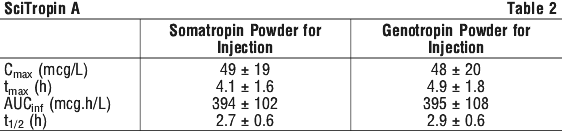
Bioequivalence. Bioequivalence between Somatropin Powder for Injection and Genotropin Powder for Injection was demonstrated in a double blind, randomised, two way crossover study in 24 healthy volunteers (12 males, 12 females) receiving a single dose of 5 mg somatropin subcutaneously. The pharmacokinetic parameters are summarised in Table 2.
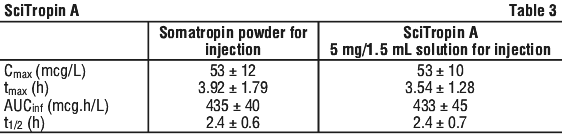
Bioequivalence between Somatropin Powder for Injection and SciTropin A 5 mg/1.5 mL Solution for Injection was demonstrated in a double blind, randomised, two way crossover study in 24 healthy volunteers (12 males, 12 females) receiving a single dose of 5 mg somatropin subcutaneously. The pharmacokinetic parameters are summarised in Table 3.
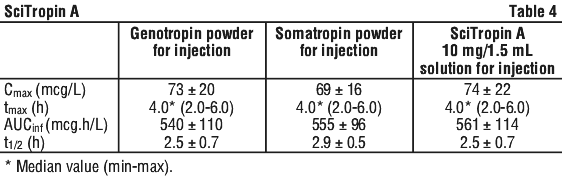
In a double blind, randomised, 3 way crossover study in 36 healthy volunteers receiving a single dose of 5 mg somatropin subcutaneously, the bioequivalence between Somatropin Powder for Injection, SciTropin A 10 mg/1.5 mL Solution for Injection and Genotropin 5 mg Powder for Injection was demonstrated. The pharmacokinetic parameters are summarised in Table 4.
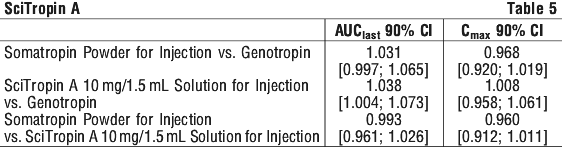
The pharmacokinetic parameters are summarised in Table 6.
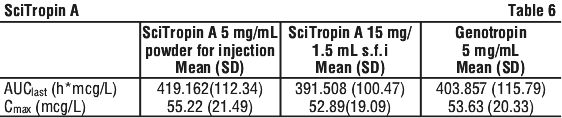
For the comparison of SciTropin A Powder for Injection to Genotropin 5 mg/mL, the ratios of AUClast and Cmax were 103.9% and 101.8%, respectively. The associated 90% CIs were 100.5% to 107.4% for AUClast and 95.2% to 108.9% for Cmax.
For the comparison of SciTropin A 10 mg/mL Solution for Injection to Genotropin 5 mg/mL, the ratios of AUClast and Cmax were 97.6% and 98.9%, respectively. The associated 90% CIs were 94.5% to 100.9% for AUClast and 92.5% to 105.8% for Cmax.
The upper and lower boundaries of the 90% confidence intervals were well within the bioequivalence limits of 80%-125% for all comparisons.
Distribution. No data available.
Metabolism. No data available.
Excretion. No data available.
5.3 Preclinical Safety Data
Genotoxicity. No specific study has been conducted to examine the genotoxic potential of SciTropin A. However, there was no evidence for somatropin genotoxicity in assays for gene mutation in bacteria and mouse lymphoma cells or chromosomal damage in human lymphocytes and rat bone marrow cells.
Carcinogenicity. Somatropin raises the serum levels of IGF-1. Associations between elevated serum IGF-1 concentrations and risks of certain cancers have been reported in epidemiological studies. Causality has not been demonstrated. The clinical significance of these associations, especially for subjects treated with somatropin who do not have growth hormone deficiency and who are treated for prolonged periods, is not known. Serum IGF-1 levels can be affected by factors other than growth hormone status including nutrition.
6 Pharmaceutical Particulars
6.1 List of Excipients
SciTropin A 5 mg/1.5 mL solution for injection. Dibasic sodium phosphate heptahydrate, monobasic sodium phosphate dihydrate, poloxamer, mannitol, phosphoric acid, sodium hydroxide, and water for injections. Contains benzyl alcohol as preservative.
SciTropin A 10 mg/1.5 mL solution for injection. Monobasic sodium phosphate dihydrate, dibasic sodium phosphate heptahydrate, poloxamer, phenol, glycine, phosphoric acid, sodium hydroxide and water for injections. Contains phenol as preservative.
SciTropin A 15 mg/1.5 mL solution for injection. Monobasic sodium phosphate dihydrate, dibasic sodium phosphate heptahydrate, poloxamer, phenol, sodium chloride, phosphoric acid, sodium hydroxide and water for injections.
6.2 Incompatibilities
Incompatibilities were either not assessed or not identified as part of the registration of this medicine.
For information on interactions with other medicines and other forms of interactions, see Section 4.5 Interactions with Other Medicines and Other Forms of Interactions.
6.3 Shelf Life
In Australia, information on the shelf life can be found on the public summary of the Australian Register of Therapeutic Goods (ARTG). The expiry date can be found on the packaging.
6.4 Special Precautions for Storage
Store at 2°C to 8°C (in a refrigerator). Do not freeze. Store in the original package in order to protect from light.
6.5 Nature and Contents of Container
Solution for injection. Colourless Type 1 glass cartridges.
5 mg/1.5 mL. Each pack contains 1, 2, 5* or 10* cartridges.
10 mg/1.5 mL. Each pack contains 1 or 2* cartridges.
15 mg/1.5 mL. Each pack contains 1 cartridge.
* Not marketed in Australia.
6.6 Special Precautions for Disposal
In Australia, any unused medicine or waste material should be disposed of in accordance with local requirements.
6.7 Physicochemical Properties
Chemical structure. N/A.
CAS number. 12629-01-5.
7 Medicine Schedule (Poisons Standard)
S4 - Prescription Only Medicine.
Date of First Approval
08 September 2010
Date of Revision
28 April 2026
Summary Table of Changes

Reasonable care is taken to provide accurate information at the time of creation. This information is not intended as a substitute for medical advice and should not be exclusively relied on to manage or diagnose a medical condition. The Australian Commission on Safety and Quality in Health Care disclaims all liability (including for negligence) for any loss, damage, injury or any other negative effects resulting from reliance on or use of this information. Read our full disclaimer. This website uses cookies. Read our privacy policy.