
SmofKabiven Electrolyte Free
Brand Information
| Brand name | SmofKabiven Electrolyte Free |
| Active ingredient | Amino acids + Triglycerides, medium chain + Glucose |
| Schedule | Unscheduled |
Consumer Medicine Information (CMI) leaflet
Please read this leaflet carefully before you start using the SmofKabiven Electrolyte Free.
Summary CMI
SmofKabiven® Electrolyte Free
Consumer Medicine Information (CMI) summary
The full CMI on the next page has more details. If you are worried about using this medicine, speak to your doctor or pharmacist.
1. Why am I using SmofKabiven Electrolyte Free?
SmofKabiven Electrolyte Free contains the active ingredients alanine, arginine, glycine, histidine, isoleucine, leucine, lysine acetate, methionine, phenylalanine, proline, serine, taurine, threonine, tryptophan, tyrosine, valine, glucose monohydrate, soya oil, medium chain triglycerides, olive oil and fish oil-rich in omega-3 acids.
SmofKabiven Electrolyte Free is used as parenteral nutrition for adult patients when oral or enteral nutrition is impossible, insufficient or contraindicated.
For more information, see Section 1. Why am I using SmofKabiven Electrolyte Free? in the full CMI.
2. What should I know before I use SmofKabiven Electrolyte Free?
Do not use if you have ever had an allergic reaction to SmofKabiven Electrolyte Free or any of the ingredients listed at the end of the CMI.
Talk to your doctor if you have any other medical conditions, take any other medicines, or are pregnant or plan to become pregnant or are breastfeeding.
For more information, see Section 2. What should I know before I use SmofKabiven Electrolyte Free? in the full CMI.
3. What if I am taking other medicines?
Some medicines may interfere with SmofKabiven Electrolyte Free and affect how it works.
A list of these medicines is in Section 3. What if I am taking other medicines? in the full CMI.
4. How do I use SmofKabiven Electrolyte Free?
- Your doctor will decide on the dose for you individually depending on your body weight and function. SmofKabiven
Electrolyte Free will be given to you by a health care professional. - Follow the instructions provided and use SmofKabiven Electrolyte Free until your doctor tells you to stop.
More instructions can be found in Section 4. How do I use SmofKabiven Electrolyte Free? in the full CMI.
5. What should I know while using SmofKabiven Electrolyte Free?
| Things you should do |
|
| Things you should not do |
|
| Driving or using machines |
|
| Drinking alcohol |
|
| Looking after your medicine |
|
For more information, see Section 5. What should I know while using SmofKabiven Electrolyte Free? in the full CMI.
6. Are there any side effects?
Less serious side effects have been reported during post-market monitoring. If you get any adverse effects, talk to your doctor or nurse. For more information, including what to do if you have any side effects, see Section 6. Are there any side effects? in the full CMI.
Full CMI
SmofKabiven® Electrolyte Free
Active ingredient(s): Amino acids 5.1%, lipids 3.8% & glucose 12.7%
Consumer Medicine Information (CMI)
This leaflet provides important information about using SmofKabiven Electrolyte Free. You should also speak to your doctor or pharmacist if you would like further information or if you have any concerns or questions about using SmofKabiven Electrolyte Free.
Where to find information in this leaflet:
1. Why am I using SmofKabiven Electrolyte Free?
2. What should I know before I use SmofKabiven Electrolyte Free?
3. What if I am taking other medicines?
4. How do I use SmofKabiven Electrolyte Free?
5. What should I know while using SmofKabiven Electrolyte Free?
6. Are there any side effects?
7. Product details
1. Why am I using SmofKabiven Electrolyte Free?
SmofKabiven Electrolyte Free contains the active ingredients alanine, arginine, glycine, histidine, isoleucine, leucine, lysine acetate, methionine, phenylalanine, proline, serine, taurine, threonine, tryptophan, tyrosine, valine, glucose monohydrate, soya oil, medium chain triglycerides, olive oil and fish oil-rich in omega-3 acids.
SmofKabiven Electrolyte Free is a solution for parenteral nutrition comprising of amino acids (components used to build proteins), glucose (carbohydrates) and lipids (fat). It is an emulsion for infusion given into your blood by a drip (intravenous infusion).
SmofKabiven Electrolyte Free is used as parenteral nutrition for adult patients when oral or enteral nutrition is impossible, insufficient or contraindicated. A health care professional will give you SmofKabiven Electrolyte Free when other forms of feeding are not good enough or have not worked.
2. What should I know before I use SmofKabiven Electrolyte Free?
Warnings
Do not use SmofKabiven Electrolyte Free if:
- you are allergic to the active ingredients, or any of the ingredients listed at the end of this leaflet.
Always check the ingredients to make sure you can use this medicine. - if you are allergic to fish or egg
- if you are allergic to peanuts, soya or corn (maize) as SmofKabiven Electrolyte Free contains soya oil
- if you have too much fat in the blood (hyperlipidaemia)
- if you have serious liver disease
- if you have blood clotting problems (coagulation disorders)
- if your body has problems using amino acids
- if you have serious kidney disease without access to dialysis
- if you are in acute shock
- if you have too much sugar in your blood (hyperglycaemia) which is uncontrolled
- if you have fluid in the lungs (acute pulmonary oedema)
- if you have too much body fluid (hyperhydrated)
- if you have heart failure that is not treated
- if you have a defect in your blood clotting system (haemophagocytotic syndrome)
- if you are in an unstable condition, such as after serious trauma, uncontrolled diabetes, acute heart attack, stroke, blood clot, metabolic acidosis (a disturbance resulting in too much acid in the blood), serious infection (severe sepsis), coma and if you don't have enough body fluid (hypotonic dehydration).
Check with your doctor if you:
- kidney problems
- diabetes mellitus
- pancreatitis (inflammation of the pancreas)
- liver problems
- hypothyrodism (toxic goiter)
- sepsis (serious infection)
- take any medicines for any other condition
If during the infusion you get fever, rash, swelling, difficulty in breathing, chills, sweating, nausea or vomiting, tell the health care professional immediately because these symptoms might be caused by an allergic reaction or that you have been given too much of the medicine.
Your doctor may regularly need to check your blood for liver function tests and other values.
SmofKabiven Electrolyte Free is not suitable for use in neonates and infants below 2 years of age. There is at present no experience on the use of SmofKabiven Electrolyte Free in children from 2 years to 11 years.
Please tell your doctor if you have or recently have taken some medicines, even without prescription.
During treatment, you may be at risk of developing certain side effects. It is important you understand these risks and how to monitor for them. See additional information under Section 6. Are there any side effects?
Pregnancy and breastfeeding
Check with your doctor if you are pregnant or intend to become pregnant.
Talk to your doctor if you are breastfeeding or intend to breastfeed.
SmofKabiven Electrolyte Free should only be given to pregnant or breast-feeding women if the doctor finds it necessary.
3. What if I am taking other medicines?
Tell your doctor or pharmacist if you are taking any other medicines, including any medicines, vitamins or supplements that you buy without a prescription from your pharmacy, supermarket or health food shop.
Some medicines may interfere with SmofKabiven Electrolyte Free and affect how it works.
Some medicinal products, like insulin, may interfere with the body's lipase system. This kind of interaction seems, however, to be of limited clinical importance.
Heparin given in clinical doses causes a transient release of lipoprotein lipase into the circulation. This may result initially in increased plasma lipolysis followed by a transient decrease in triglyceride clearance.
Soya oil has a natural content of vitamin K1. However, the concentration in SmofKabiven Electrolyte Free is so low that it is not expected to significantly influence the coagulation process in patients treated with coumarin derivatives.
Check with your doctor or pharmacist if you are not sure about what medicines, vitamins or supplements you are taking and if these affect SmofKabiven Electrolyte Free.
4. How do I use SmofKabiven Electrolyte Free?
How much to take / use
- Your doctor will decide on the dose for you individually depending on your body weight and function. SmofKabiven Electrolyte Free will be given to you by a health care professional.
- Follow the instructions provided and use SmofKabiven Electrolyte Free until your doctor tells you to stop.
When to take / use SmofKabiven Electrolyte Free
- SmofKabiven Electrolyte Free should be administered by continuous flow into a large main vein using a sterile tubing and a catheter needle. It should only be administered to you by qualified medical staff.
If you forget to use SmofKabiven Electrolyte Free
This rarely happens as SmofKabiven Electrolyte Free is usually administered under the care of a trained health care professional in a hospital or clinic setting.
If you use too much SmofKabiven Electrolyte Free
This rarely happens as SmofKabiven Electrolyte Free is usually administered under the care of a trained health care professional in a hospital or clinic setting.
If you think that you have been given too much SmofKabiven Electrolyte Free, you may need urgent medical attention.
You should immediately:
- phone the Poisons Information Centre
(by calling 13 11 26), or - contact your doctor, or
- go to the Emergency Department at your nearest hospital.
You should do this even if there are no signs of discomfort or poisoning.
5. What should I know while using SmofKabiven Electrolyte Free?
Things you should do
Follow the instructions provided and use SmofKabiven Electrolyte Free until your doctor tells you to stop.
Call your doctor straight away if you:
- have signs and symptoms of allergic reactions. In case of an allergic reaction, the infusion should be stopped immediately, and appropriate measures need to be taken.
Remind any doctor, nurse, dentist or pharmacist you visit that you are using SmofKabiven Electrolyte Free.
Things you should not do
- Do not stop using this medicine until your doctor tells you to stop.
Driving or using machines
Be careful before you drive or use any machines or tools until you know how SmofKabiven Electrolyte Free affects you.
The effects of SmofKabiven Electrolyte Free on a person's ability to drive and use machines were not studied.
Drinking alcohol
Tell your doctor if you drink alcohol.
The effects of alcohol with SmofKabiven Electrolyte Free use were not studied. Your doctor will decide what you need to do.
Looking after your medicine
SmofKabiven Electrolyte Free should be stored in its overpouch below 25°C and not be frozen. Do not use infusion bags that have been used, have expired or the container is damaged.
Keep it where young children cannot reach it.
Getting rid of any unwanted medicine
Do not use this medicine after the expiry date.
6. Are there any side effects?
All medicines can have side effects. If you do experience any side effects, most of them are minor and temporary. However, some side effects may need medical attention.
See the information below and, if you need to, ask your doctor or pharmacist if you have any further questions about side effects.
The below less serious side effects were reported during post-market monitoring.
Less serious side effects
| Less serious side effects | What to do |
| Speak to your doctor if you have any of these less serious side effects and they worry you. |
Tell your doctor if you notice anything else that may be making you feel unwell.
Other side effects not listed here may occur in some people.
Reporting side effects
After you have received medical advice for any side effects you experience, you can report side effects to the Therapeutic Goods Administration online at www.tga.gov.au/reporting-problems. By reporting side effects, you can help provide more information on the safety of this medicine.
Always make sure you speak to your doctor or pharmacist before you decide to stop taking any of your medicines.
7. Product details
This medicine is only available with a doctor's prescription.
What SmofKabiven Electrolyte Free contains
| Active ingredients (main ingredient) | Alanine, arginine, glycine, histidine, isoleucine, leucine, lysine acetate, methionine, phenylalanine, proline, serine, taurine, threonine, tryptophan, tyrosine, valine, glucose monohydrate, soya oil, medium chain triglycerides, olive oil and fish oil-rich in omega-3 acids |
| Other ingredients (inactive ingredients) | Glycerol, egg lecithin, dl-α-tocopherol, sodium hydroxide, sodium oleate, glacial acetic acid, hydrochloric acid and Water for Injections |
| Potential allergens | Egg lecithin, fish oil, phenylalanine and soya oil |
Do not take this medicine if you are allergic to any of these ingredients.
SmofKabiven Electrolyte Free does not contain gluten, lactose, sucrose, tartrazine or any other azo dyes.
SmofKabiven Electrolyte Free does not contain any preservative.
What SmofKabiven Electrolyte Free looks like
SmofKabiven Electrolyte Free comes in a 3-chamber plastic bag called Biofine bag in 4 pack sizes. Each chamber contains glucose, amino acids and a lipid emulsion separately. The glucose and amino acid solutions are clear, colourless or slightly yellow and free from particles. The lipid emulsion is white and homogeneous.
They can be identified by the following AUST R numbers:
AUST R 173891: 986 mL
AUST R 180548: 1477 mL
AUST R 180549: 1970 mL
AUST R 180550: 2463 mL
Who distributes SmofKabiven Electrolyte Free
Fresenius Kabi Australia Pty Limited
Level 2, 2 Woodland Way,
Mount Kuring-gai, NSW 2080,
Australia.
Telephone: 1300 361 004
This leaflet was prepared in November 2021.
Brand Information
| Brand name | SmofKabiven Electrolyte Free |
| Active ingredient | Amino acids + Triglycerides, medium chain + Glucose |
| Schedule | Unscheduled |
MIMS Revision Date: 01 May 2022
1 Name of Medicine
Amino acids 5.1%. Alanine, arginine, glycine, histidine, isoleucine, leucine, lysine acetate, methionine, phenylalanine, proline, serine, taurine, threonine, tryptophan, tyrosine, valine.
Lipids 3.8%. Soya oil, fish oil - rich in omega-3 acids, medium chain triglycerides, olive oil.
Glucose 12.7%. Glucose monohydrate.
2 Qualitative and Quantitative Composition
SmofKabiven is a three chamber bag system of amino acid solution, glucose solution and lipid emulsion for intravenous infusion.
Each bag contains the following partial volumes depending on the four pack sizes. See Table 1.

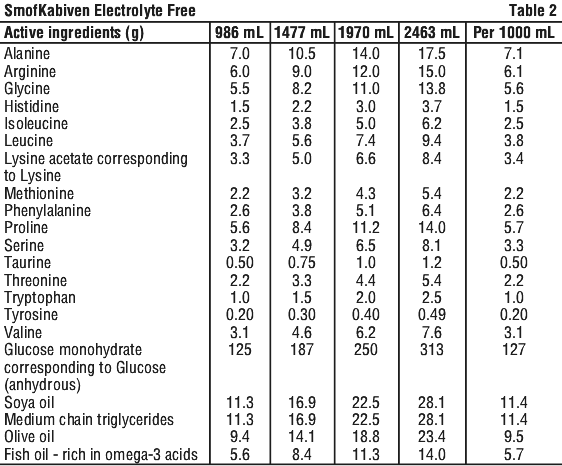
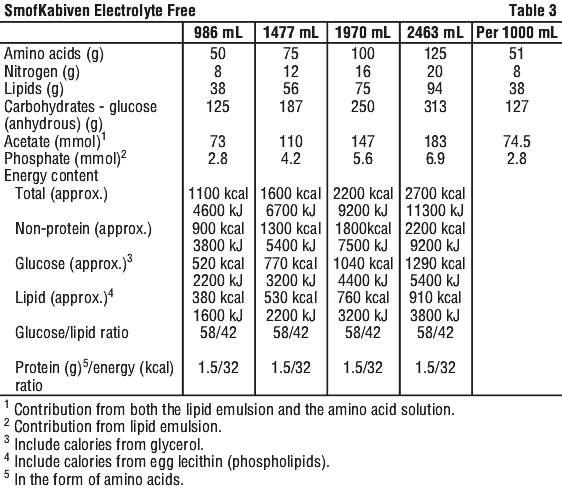
For the full list of excipients, see Section 6.1 List of Excipients.
3 Pharmaceutical Form
Emulsion for intravenous infusion.
Glucose and amino acid solutions are clear and colourless to slightly yellow solution and free from particles.
The lipid emulsion is white and homogenous.
Osmolality: approx. 1600 mOsm/kg water.
Osmolarity: approx. 1300 mOsm/L.
pH (after mixing): approx. 5.6.
4 Clinical Particulars
4.1 Therapeutic Indications
Parenteral nutrition for adult patients when oral or enteral nutrition is impossible, insufficient or contraindicated.
4.2 Dose and Method of Administration
Dosage (dose and interval). The appearance of the product after mixing the three chambers is a white, homogenous emulsion.
The patient's ability to eliminate fat and metabolise nitrogen and glucose, and the nutritional requirements should govern the dosage and infusion rate (see Section 4.4 Special Warnings and Precautions for Use).
The dose should be individualised with regard to the patient's clinical condition and body weight (bw).
The nitrogen requirements for maintenance of body protein mass depend on the patient's condition (e.g. nutritional state and degree of catabolic stress or anabolism).
Additives. The contents of the three separate chambers have to be mixed before any additions are made via the additive port.
Any additions should be made aseptically.
Adults. The requirements are 0.10-0.15 g nitrogen/kg bw/day (0.6-0.9 g amino acids/kg bw/day) in the normal nutritional state or in conditions with mild catabolic stress. In patients with moderate to high metabolic stress with or without malnutrition, the requirements are in the range of 0.15-0.25 g nitrogen/kg bw/day (0.9-1.6 g amino acids/kg bw/day). In some very special conditions (e.g. burns or marked anabolism) the nitrogen need may be even higher.
Dosage. The dosage range of 13 mL-31 mL SmofKabiven Electrolyte Free/kg bw/day corresponds to 0.10-0.25 g nitrogen/kg bw/day (0.6-1.6 g amino acids/kg bw/day) and 14-35 kcal/kg bw/day of total energy (12-27 kcal/kg bw/day of nonprotein energy). This covers the need of the majority of the patients. In obese patients the dose should be based on the estimated ideal body weight.
Infusion rate. The maximum infusion rate for glucose is 0.25 g/kg bw/h, for amino acid 0.1 g/kg bw/h, and for fat 0.15 g/kg bw/h.
The infusion rate should not exceed 2.0 mL/kg bw/h (corresponding to 0.25 g glucose, 0.10 g amino acids, and 0.08 g fat/kg bw/h). The recommended infusion period is 14-24 hours.
Maximum daily dose. The maximum daily dose varies with the clinical condition of the patient and may even change from day to day. The recommended maximum daily dose is 35 mL/kg bw/day.
The recommended maximum daily dose of 35 mL/kg bw/day will provide 0.28 g nitrogen/kg bw/day (corresponding to 1.8 g amino acids/kg bw/day), 4.5 g glucose/kg bw/day, 1.33 g fat/kg bw/day and a total energy of 39 kcal/kg bw/day (corresponding to 31 kcal/kg bw/day of non-protein energy).
Paediatric population. SmofKabiven Electrolyte Free is not recommended for use in children (see Section 4.4 Special Warnings and Precautions for Use).
Method of administration. Intravenous, infusion into a central vein.
The four different package sizes of SmofKabiven Electrolyte Free are intended for patients with high, moderately increased or basal nutritional requirements. To provide total parenteral nutrition, trace elements, vitamins and possibly electrolytes should be added to SmofKabiven Electrolyte Free according to the patient's need.
For instructions on preparation of the medicinal product before administration, see Section 6.4 Special Precautions for Storage.
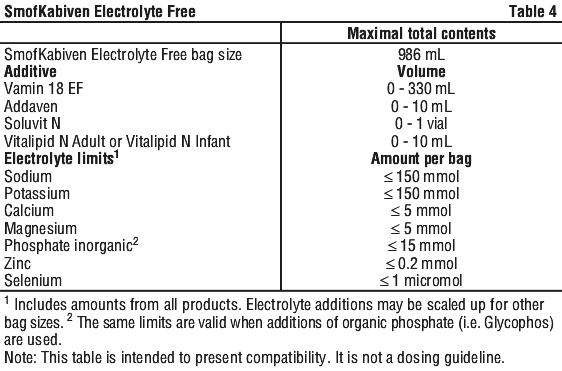
Compatibility. Compatibility data are available with the named branded products Addaven, Vamin 18EF, Glycophos, Vitalipid N Adult/Infant and Soluvit N in defined amounts and generics of electrolytes in defined concentrations. When making electrolyte additions, the amounts already present in the bag should be taken into account to meet the clinical needs of the patient. Generated data supports additions to the activated bag according to the summary in Table 4.
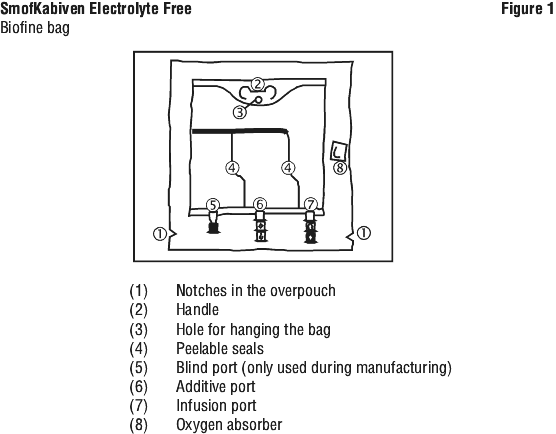
(B) Then simply tear the long side, pull off the overpouch and discard it along with the oxygen absorber.
2. Mixing. Place the bag on a flat surface with text side up and ports pointing away.
Starting from the right hand corner, roll the bag tightly and diagonally with the right hand.
Then applying a constant pressure with the left hand roll straight until the vertical seals are broken. The vertical peel seals open due to the pressure of the fluid. The peel seals can also be opened before removing the overpouch.
Please note. The liquids mix easily although the horizontal seal remains closed.
Mix the contents of the three chambers by inverting the bag three times until the components are thoroughly mixed.
3. Finalising the preparation. (A) Place the bag on a flat surface with text side up again. Shortly before injecting the additives, break off the tamper evident arrow flag from the white additive port.
Please note. The membrane in the additive port is sterile.
(B) Hold the base of the additive port. Insert the needle, inject the additives (with known compatibility) through the centre of the injection site.
Mix thoroughly between each addition by inverting the bag three times. Use syringes with needles of 18-23 gauge and a maximum length of 40 mm.
(C) Shortly before inserting the infusion set, break off the tamper evident arrow flag from the blue infusion port.
Please note. The membrane in the infusion port is sterile.
(D) Use a non-vented infusion set or close the air-inlet on a vented set.
Hold the base of the infusion port.
Push the spike through the infusion port. The spike should be fully inserted to secure it in place.
Please note. The inner part of the infusion port is sterile.
4. Hanging up the bag. Hang the bag up by the hole below the handle.
4.3 Contraindications
Hypersensitivity to fish, egg, soya or peanut protein or corn (maize) and corn products or to any of the active substances or excipients.
Severe hyperlipidaemia.
Severe liver insufficiency.
Severe blood coagulation disorders.
Congenital errors of amino acid metabolism.
Severe renal insufficiency without access to hemofiltration or dialysis.
Acute shock.
Uncontrolled hyperglycaemia.
General contraindications to infusion therapy: acute pulmonary oedema, hyperhydration, and decompensated cardiac insufficiency.
Haemophagocytotic syndrome.
Unstable conditions (e.g. severe post-traumatic conditions, uncompensated diabetes mellitus, acute myocardial infarction, stroke, embolism, metabolic acidosis, severe sepsis, hypotonic dehydration and hyperosmolar coma).
4.4 Special Warnings and Precautions for Use
The capacity to eliminate fat is individual and should therefore be monitored according to the routines of the clinician. This is in general done by checking the triglyceride levels. The concentration of triglycerides in serum should not exceed 3 mmol/L during infusion. An overdose may lead to fat overload syndrome. (Please also see Fat overload syndrome.)
SmofKabiven Electrolyte Free should be given with caution in conditions of impaired lipid metabolism, which may occur in patients with renal failure, diabetes mellitus, pancreatitis, impaired liver function, hypothyroidism and sepsis.
This medicinal product contains soya oil, fish oil, egg phospholipids, corn (maize) and corn products which may rarely cause allergic reactions. Cross allergic reaction has been observed between soybean and peanut.
To avoid risks associated with too rapid infusion rates, it is recommended to use a continuous and well controlled infusion, if possible by using an appropriate infusion pump as per each hospital setting needs, e.g. a volumetric pump.
Since an increased risk of infection is associated with the use of any central vein, strict aseptic precautions should be taken to avoid any contamination during catheter insertion and manipulation.
Disturbances of the electrolyte and fluid balance (e.g. abnormally high or low serum levels of the electrolytes) should be corrected before starting the infusion.
The monitoring of serum glucose, electrolytes, and osmolarity as well as fluid balance, acid/ base status and liver enzyme tests is recommended.
Blood cell count and coagulation should be monitored when fat is given for a longer period.
SmofKabiven Electrolyte Free is almost free of electrolytes for patients with special and/or limited electrolyte requirements. If required, sodium, potassium, calcium, magnesium and additional amounts of phosphate may be added governed by the clinical condition of the patient and by frequent monitoring of serum levels.
In patients with renal insufficiency, the phosphate and potassium intake should be carefully controlled to prevent hyperphosphataemia.
Parenteral nutrition should be given with caution in lactic acidosis, insufficient cellular oxygen supply, and increased serum osmolarity.
The infusion should be stopped immediately at any sign or symptom of anaphylactic reaction (such as fever, shivering, rash or dyspnoea).
Intravenous infusion of amino acids is accompanied by increased urinary excretion of the trace elements, in particular copper and zinc. This should be considered in the dosing of trace elements, especially during long-term intravenous nutrition.
In malnourished patients, initiation of parenteral nutrition can precipitate fluid shifts resulting in pulmonary oedema and congestive heart failure as well as a decrease in the serum concentration of potassium, phosphorus, magnesium, and water-soluble vitamins. These changes can occur within 24 to 48 hours, therefore, careful and slow initiation of parenteral nutrition is recommended in this patient group, together with close monitoring and appropriate adjustments of fluid, electrolytes, minerals and vitamins.
SmofKabiven Electrolyte Free should not be given simultaneously with blood in the same infusion set due to the risk of pseudo-agglutination.
In patients with hyperglycaemia, administration of exogenous insulin might be necessary.
Amino acid solutions may cause acute folate deficiency; folic acid should therefore be given daily.
Vitamin B complex deficiency may occur with glucose administration.
Review of current available literature associated with Parenteral Nutrition Associated Liver Dysfunction (PNALD) shows emerging evidence indicating that fish oil-based lipid emulsions improve liver function within the scope of PN in general and may have the potential to reverse PNALD in children with short bowel syndrome.
Excessive exposure to light and UV light should be avoided as peroxide formation may occur.
Fat overload syndrome. Impaired capacity to eliminate triglycerides can lead to "fat overload syndrome" which may be caused by overdose. Patients should be monitored for possible signs of metabolic overload. The cause may be genetic (individually different metabolism) or the fat metabolism may be affected by ongoing or previous illnesses. This syndrome may also appear during severe hypertriglyceridaemia, even at the recommended infusion rate, and in association with a sudden change in the patient's clinical condition, such as renal function impairment or infection. Fat overload syndrome is characterised by hyperlipidaemia, fever, fat infiltration, hepatomegaly with or without icterus, splenomegaly, anaemia, leukopaenia, thrombocytopaenia, coagulation disorder, haemolysis and reticulocytosis, abnormal liver function tests and coma. The symptoms are usually reversible if the infusion of the fat emulsion is discontinued. Should signs of a fat overload syndrome occur, the infusion of SmofKabiven Electrolyte Free should be discontinued.
Excess of amino acid infusion. As with other amino acid solutions, the amino acid content in SmofKabiven Electrolyte Free may cause undesirable effects when the recommended infusion rate is exceeded. These effects are nausea, vomiting, shivering and sweating. Amino acid infusion may also cause a rise in body temperature. With an impaired renal function, increased levels of nitrogen containing metabolites (e.g. creatinine, urea) may occur.
Excess of glucose infusion. If the glucose clearance capacity of the patient is exceeded, hyperglycaemia will develop.
Use in hepatic impairment. No data available.
Use in renal impairment. No data available.
Use in the elderly. No data available.
Paediatric use. Due to the composition of the amino acid solution in SmofKabiven Electrolyte Free it is not suitable for use in neonates and infants below 2 years of age. There is at present no experience on the use of SmofKabiven Electrolyte Free in children (age 2 years to 11 years).
Effects on laboratory tests. The fat content of SmofKabiven Electrolyte Free may interfere with certain laboratory measurements (e.g. bilirubin, lactate dehydrogenase, oxygen saturation, haemoglobin) if blood is sampled before fat has been adequately cleared from the bloodstream. Fat is cleared after a fat free interval of 5-6 hours in most patients.
4.5 Interactions with Other Medicines and Other Forms of Interactions
Some medicinal products, like insulin, may interfere with the body's lipase system. This kind of interaction seems, however, to be of limited clinical importance.
Heparin given in clinical doses causes a transient release of lipoprotein lipase into the circulation. This may result initially in increased plasma lipolysis followed by a transient decrease in triglyceride clearance.
Soya oil has a natural content of vitamin K1. However, the concentration in SmofKabiven Electrolyte Free is so low that it is not expected to significantly influence the coagulation process in patients treated with coumarin derivatives.
4.6 Fertility, Pregnancy and Lactation
Effects on fertility. The potential effects of SmofKabiven Electrolyte Free on fertility and general reproductive performance have not been determined in animal studies.
Use in pregnancy. (Category B3)
There are no adequate and well controlled studies in pregnant women with SmofKabiven Electrolyte Free or its individual components; therefore, the safety of SmofKabiven Electrolyte Free in pregnant women is not known.
No animal studies have been conducted with the combined lipid components of SmofKabiven Electrolyte Free to evaluate effects on reproduction. Embryotoxicity and increased incidences of foetal skeletal variations have been observed in rabbits that had received medium chain fatty acid containing lipids similar to those in SmofKabiven during the period of organogenesis. SmofKabiven Electrolyte Free should not be used during pregnancy unless the expected therapeutic benefit clearly outweighs the potential risk to the foetus.
Use in lactation. It is not known whether SmofKabiven Electrolyte Free can enter maternal milk. Therefore, SmofKabiven Electrolyte Free should be used during lactation only if clearly needed.
4.7 Effects on Ability to Drive and Use Machines
The effects of this medicine on a person's ability to drive and use machines were not assessed as part of its registration.
4.8 Adverse Effects (Undesirable Effects)
Adverse events with at least possible relationship to the study drug observed in the study 03-3CB7-001 are presented in Table 5.
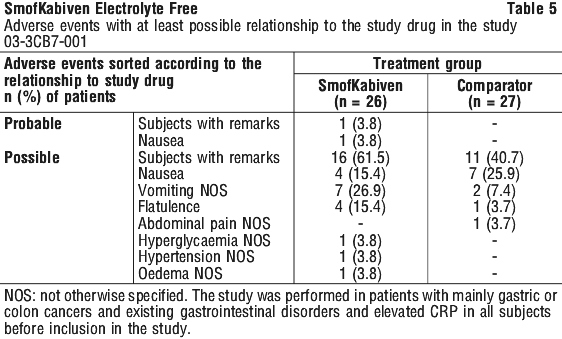
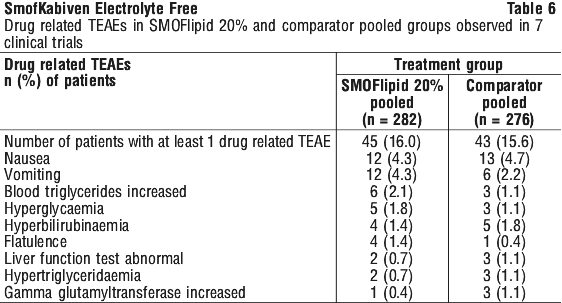
Table 6 lists the common drug-related treatment-emergent adverse events (TEAEs) occurring in more than 2 patients in SMOFlipid 20% group versus comparator pooled groups observed in 7 clinical trials.
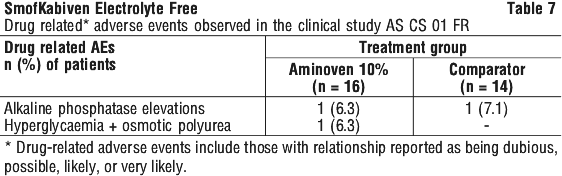
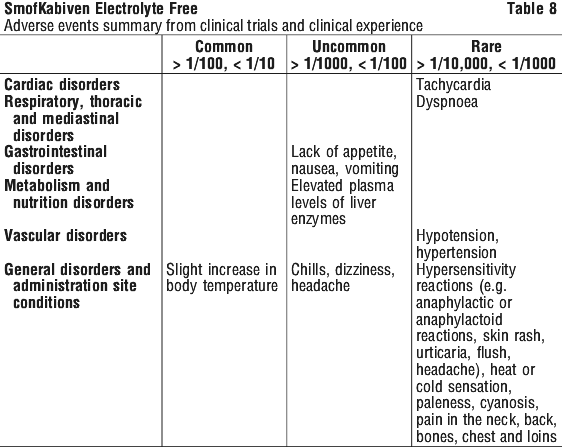
Reporting suspected adverse effects. Reporting suspected adverse reactions after registration of the medicinal product is important. It allows continued monitoring of the benefit-risk balance of the medicinal product. Healthcare professionals are asked to report any suspected adverse reactions at www.tga.gov.au/reporting-problems.
4.9 Overdose
Please also see Section 4.4 Special Warnings and Precautions for Use on "Fat overload syndrome", "Excess of amino acid infusion" and "Excess of glucose infusion".
If symptoms of overdose of fat or amino acids occur, the infusion should be slowed down or discontinued. There is no specific antidote for overdose. Emergency procedures should be general supportive measures, with particular attention to respiratory and cardiovascular systems.
Close biochemical monitoring would be essential and specific abnormalities treated appropriately.
If hyperglycaemia occurs, it should be treated according to the clinical situation either by appropriate insulin administration and/or adjustment of the infusion rate.
Additionally, overdose might cause fluid overload, electrolyte imbalances and hyperosmolality.
In some rare serious cases, haemodialysis, haemofiltration or haemo-diafiltration may be considered.
For information on the management of overdose, contact the Poison Information Centre on 131126 (Australia).
5 Pharmacological Properties
5.1 Pharmacodynamic Properties
Mechanism of action. Lipid emulsion. The lipid emulsion of SmofKabiven Electrolyte Free is composed of SMOFlipid and has a particle size and biological properties similar to those of endogenous chylomicrons. The constituents of SMOFlipid, soya oil, medium chain triglycerides, olive oil and fish oil have, except for their energy contents, individual pharmacodynamic properties.
Soya oil has a high content of essential fatty acids (linoleic acid and alpha-linolenic acid). The omega-6 fatty acid linoleic acid is the most abundant.
Medium chain fatty acids are rapidly oxidised.
Olive oil mainly provides energy in the form of mono-unsaturated fatty acids.
Fish oil is characterised by a high content of eicosapentaenoic acid (EPA) and docosahexaenoic acid (DHA). DHA is an important structural component of cell membranes, whereas EPA is a precursor of eicosanoids as prostaglandins, thromboxanes and leukotrienes.
Amino acids. The amino acids, constituents of protein in ordinary food, are utilised for tissue protein synthesis and any surplus is channelled to a number of metabolic pathways. Studies have shown a thermogenic effect of amino acid infusion.
Glucose. Glucose should have no pharmacodynamic effects apart from contributing to maintain or replete the normal nutritional status.
Clinical trials. A randomised clinical trial has been conducted with SmofKabiven.
In the clinical trial 03-3CB7-001, 53 subjects who had undergone major intestinal surgery were randomised to receive either SmofKabiven (n = 26) or Kabiven G19% (n = 27) for 5-7 days as TPN. The majority of subjects received at least five study infusions: 19 (73.1%) of the SmofKabiven group and 18 (66.7%) of the Kabiven G19% group. Twenty-five (96.2%) of the SmofKabiven group and 23 (85.2%) of the Kabiven G19% group experienced at least one adverse event (AE). The most frequent AEs were gastrointestinal (nausea, flatulence and vomiting) and hypertension. Most events were mild to moderate in severity, with 17 subjects in the SmofKabiven group and 11 subjects in the Kabiven G19% group experiencing AEs which were considered to be possibly or probably related to the study drug. Serious AEs (SAEs) occurred in five subjects in the SmofKabiven group and two subjects in the Kabiven G19% group. All SAEs were judged to be unrelated to the study medication; being considered related to concomitant medication and the abdominal surgery the subjects had undergone. No clinically significant changes in vital signs were recorded. No drug related serious AE was observed in the study. The majority of reported AEs were mild with 14/26 in the SmofKabiven group and 17/27 in the control group or moderate 19/26 and 10/27 respectively. Four patients in each group experienced at least one severe AE, however an unlikely relationship to the study drugs were found in the majority of patients in each group. One patient in the study group experienced an AE probably related to the study drug (nausea). A higher number of subjects experienced AEs that were possibly study drug related in the SmofKabiven group with symptoms like nausea, vomiting and flatulence, which also are common postoperative symptoms after major abdominal surgery.
5.2 Pharmacokinetic Properties
Absorption. Amino acids. The pharmacokinetic properties of the infused amino acids are essentially the same as for amino acids supplied by ordinary food. Except the amino acids of dietary protein first enter the portal vein and then the systemic circulation, while intravenously infused amino acids directly reach the systemic circulation directly.
Characteristic changes in the physiological amino acid pool of the plasma are only foreseeable when the regulative function of essential organs like liver and kidneys are seriously impaired. In such cases, special formulated amino acids solutions may be recommended for restoring homeostasis.
Glucose. The pharmacokinetic properties of infused glucose are essentially the same as those of glucose supplied by ordinary food.
Distribution. No data available.
Metabolism. Amino acids. Only a small proportion of the infused amino acids are eliminated by the kidneys. For the majority of amino acids, plasma half-lives between 10 and 30 minutes have been reported.
Excretion. Lipid emulsion. The individual triglycerides in SMOFlipid have different clearance rates.
5.3 Preclinical Safety Data
Genotoxicity. The genotoxic potential of SmofKabiven Electrolyte Free has not been assessed. The lipid component of SmofKabiven Electrolyte Free, SMOFlipid, was not mutagenic or clastogenic in a battery of genotoxicity studies, including the Ames bacterial mutagenicity assay, a mammalian mutagenicity assay, a chromosome aberration assay in human peripheral lymphocytes, and an in vivo rat micronucleus assay.
Carcinogenicity. No carcinogenicity studies have been conducted with the combined components of SmofKabiven Electrolyte Free.
6 Pharmaceutical Particulars
6.1 List of Excipients
Glycerol, egg lecithin, dl-alpha-tocopherol, sodium hydroxide (pH adjustment), sodium oleate, glacial acetic acid (pH adjustment), hydrochloric acid (pH adjustment), water for injections.
6.2 Incompatibilities
Only medicinal or nutrition solutions for which compatibility has been documented may be added to SmofKabiven Electrolyte Free. See Section 4.2 Dose and Method of Administration, Compatibility.
6.3 Shelf Life
Shelf life before mixing. 2 years.
Shelf life after mixing the contents of the three chambers. Chemical and physical in-use stability of the mixed three chamber bag has been demonstrated for 36 hours at 25°C.
From a microbiological point of view the product should be used immediately. If not used immediately, in-use storage times and conditions prior to use are the responsibility of the user and would normally not be longer than 24 hours at 2-8°C.
Shelf life after mixing with additives. From a microbiological point of view, the product should be used immediately when additions have been made. If not used immediately, the in-use storage time and conditions prior to use are the responsibility of the user and should normally not be longer than 24 hours at 2-8°C.
6.4 Special Precautions for Storage
Store below 25°C. Do not freeze. Store in overpouch.
Instructions for use. Do not use if package is damaged. Use only if the amino acid and glucose solutions are clear and colourless or slightly yellow and the lipid emulsion is white and homogeneous. The contents of the three separate chambers have to be mixed before use, and before any additions are made via the additive port, please see Section 4.2 Dose and Method of Administration, Additives.
After separation of the peelable seals the bag should be inverted on a number of occasions to ensure a homogeneous mixture, which does not show any evidence of phase separation. (Please also see Section 4.2 Dose and Method of Administration, Special handling instructions.)
For single use in one patient only. Any mixture remaining after infusion must be discarded.
Excessive exposure to light and UV light should be avoided as peroxide formation may occur.
Any additions should be made aseptically.
6.5 Nature and Contents of Container
The container consists of a multi-chamber inner bag and an overpouch. The inner bag is separated into three chambers by peelable seals. An oxygen absorber is placed between the inner bag and the overpouch. The inner bag is made of a multilayer polymer film - Biofine.
The Biofine inner bag film consists of poly(propylene-co-ethylene), synthetic rubber poly[styrene-block-(butylene-co-ethylene)] (SEBS) and synthetic rubber poly(styrene-block-isoprene) (SIS).
The infusion and additive ports are made of polypropylene and synthetic rubber SEBS equipped with synthetic polyisoprene (latex free) stoppers.
The blind port, which is only used during manufacturing, is made of polypropylene equipped with a synthetic polyisoprene (latex-free) stopper.
Pack sizes*. 1 x 986 mL, 4 x 986 mL (AUST R 173891).
1 x 1477 mL, 4 x 1477 mL (AUST R 180548).
1 x 1970 mL, 4 x 1970 mL (AUST R 180549).
1 x 2463 mL, 3 x 2463 mL (AUST R 180550).
* Not all pack sizes may be marketed.
6.6 Special Precautions for Disposal
In Australia, any unused medicine or waste material should be disposed of in accordance with local requirements.
6.7 Physicochemical Properties
Chemical structure. Chemical structure is only included for the glucose molecule only. The amino acid and the lipid components are large molecules and therefore structures for these are not included.
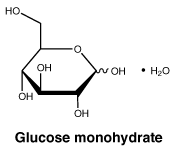
Molecular weight: C6H12O6.H2O.
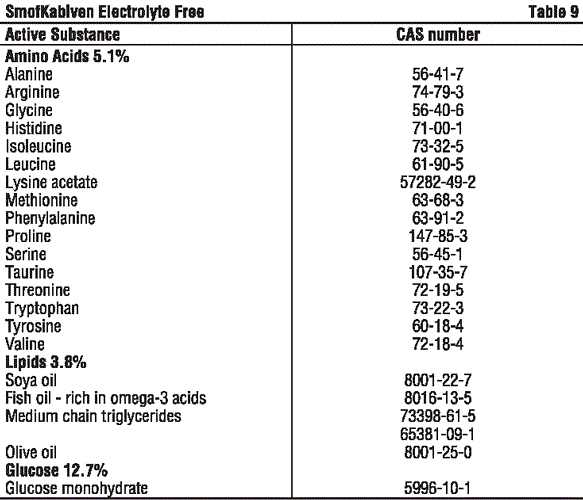
CAS number. See Table 9.
7 Medicine Schedule (Poisons Standard)
Not Scheduled.
Date of First Approval
09 January 2012
Date of Revision
31 January 2022
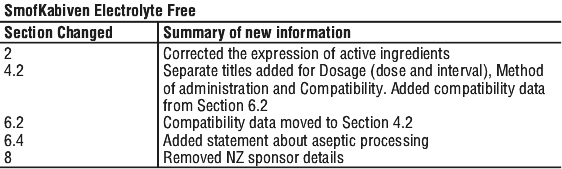
Summary Table of Changes
Reasonable care is taken to provide accurate information at the time of creation. This information is not intended as a substitute for medical advice and should not be exclusively relied on to manage or diagnose a medical condition. The Australian Commission on Safety and Quality in Health Care disclaims all liability (including for negligence) for any loss, damage, injury or any other negative effects resulting from reliance on or use of this information. Read our full disclaimer. This website uses cookies. Read our privacy policy.