
Biological Therapies Sodium Ascorbate Solution
Brand Information
| Brand name | Biological Therapies Sodium Ascorbate Solution |
| Active ingredient | Sodium ascorbate |
| Schedule | Unscheduled |
Consumer Medicine Information (CMI) leaflet
Please read this leaflet carefully before you start using the Biological Therapies Sodium Ascorbate Solution.
Summary CMI
Biological Therapies Sodium Ascorbate Solution Injection for Intravenous Infusion
Consumer Medicine Information (CMI) summary
The full CMI on the next page has more details. If you are worried about using this medicine, speak to your doctor or pharmacist.
1. Why am I being given this medicine?
This medicine contains the active ingredient Sodium Ascorbate. This medicine is used to treat if you have a diagnosed Vitamin C deficiency and are unable to absorb sufficient vitamin C when taking it by mouth.
For more information, see Section 1. Why am I being given this medicine? in the full CMI.
2. What should I know before I am given this medicine?
Do not use if you have ever had an allergic reaction to this medicine or any of the ingredients listed at the end of the CMI.
Talk to your doctor if you have any other medical conditions, take any other medicines, or are pregnant or plan to become pregnant or are breastfeeding.
For more information, see Section 2. What should I know before I am given this medicine? in the full CMI.
3. What if I am taking other medicines?
Some medicines may interfere with Biological Therapies Sodium Ascorbate Solution Injection and affect how it works. A list of these medicines is in Section 3. What if I am taking other medicines? in the full CMI.
4. How is this medicine given to me?
This medicine will be infused intravenously (slowly injected into a vein) by your doctor. Your doctor will tell you how much you will be given and the length of treatment right for you. More instructions can be found in Section 4. How is this medicine given to me? in the full CMI.
5. What should I know while being given this medicine?
| Things you must do |
|
| Things you must not do |
|
| Looking after your medicine |
|
For more information, see Section 5. What should I know while being given this medicine? in the full CMI.
6. Are there any side effects?
The more common side effects of this medicine are dehydration, feeling thirsty, dizziness and light-headedness. For more information, including what to do if you have any side effects, see Section 6. Are there any side effects? in the full CMI.
Full CMI
Biological Therapies Sodium Ascorbate Solution Injection for Intravenous Infusion
Active ingredient(s): Sodium Ascorbate
Consumer Medicine Information (CMI)
This leaflet provides important information about using Biological Therapies Sodium Ascorbate Solution Injection for Intravenous Infusion. You should also speak to your doctor or pharmacist if you would like further information or if you have any concerns or questions about using Biological Therapies Sodium Ascorbate Solution Injection for Intravenous Infusion.
Where to find information in this leaflet:
1. Why am I being given this medicine?
2. What should I know before I am given this medicine?
3. What if I am taking other medicines?
4. How is this medicine given to me?
5. What should I know while being given this medicine?
6. Are there any side effects?
7. Product details
1. Why am I being given this medicine?
Biological Therapies Sodium Ascorbate Solution Injection for Intravenous Infusion contains the active ingredient sodium ascorbate (Vitamin C).
Biological Therapies Sodium Ascorbate Solution Injection for Intravenous Infusion may be prescribed if you have a diagnosed Vitamin C deficiency and are unable to absorb sufficient Vitamin C when taking it by mouth.
Your doctor may have prescribed Sodium Ascorbate Solution Injection for Intravenous Infusion for another reason. Ask your doctor if you have any questions about why Sodium Ascorbate Solution Injection for Intravenous Infusion has been prescribed for you.
Sodium Ascorbate Solution Injection for Intravenous Infusion is not addictive.
2. What should I know before I am given this medicine?
Warnings
You must not be given this medicine if:
- You have a known allergy to Vitamin C. If you have had an allergic reaction to vitamin C before, you may be allergic to Sodium Ascorbate Solution Injection for Intravenous Infusion.
- You have kidney disease or kidney stones. There have been a few cases where injected vitamin C has made kidney disease worse.
If you are not sure whether you should have Sodium Ascorbate Solution Injection for Intravenous Infusion given, talk to your doctor.
Check with your doctor if you have:
- kidney disease or kidney stones.
- haemochromatosis, thalassaemia, polycythemia, leukaemia or sideroblastic anaemia due to enhanced absorption of dietary iron.
- high uric acidity.
- high sodium levels.
- Sickle Cell Anaemia.
- G6PD (Glucose-6-phosphate dehydrogenase Deficiency.
- had an allergy to any of the ingredients in this medicine, any other medicines or any other substances, such as foods, preservatives or dyes.
If you have not told your doctor about any allergies you might have, tell them before you have Sodium Ascorbate Solution Injection for Intravenous Infusion given.
If you have any of the above medical illnesses or conditions, you must tell your doctor. Your doctor will discuss the risks and benefits of using Sodium Ascorbate Solution Injection for Intravenous Infusion if you have any of these illnesses or conditions.
During treatment, you may be at risk of developing certain side effects. It is important you understand these risks and how to monitor for them. See additional information under Section 6. Are there any side effects?
Pregnancy and breastfeeding
Check with your doctor if you are pregnant or intend to become pregnant.
Talk to your doctor if you are breastfeeding or intend to breastfeed.
Your doctor will discuss the risks and benefits of using Sodium Ascorbate Solution Injection for Intravenous Infusion while pregnant or breastfeeding
If you have not told your doctor about any of the above, tell them before you are given Sodium Ascorbate Solution Injection for Intravenous Infusion.
3. What if I am taking other medicines?
Tell your doctor or pharmacist if you are taking any other medicines, including any medicines, vitamins or supplements that you buy without a prescription from your pharmacy, supermarket or health food shop.
Some medicines may interfere with Sodium Ascorbate Solution Injection for Intravenous Infusion and affect how it works.
These include:
- Aspirin
- Iron Oral Supplements
- Alcohol
- Amphetamine or other anti-depressants
- Dicoumarol or Warfarin, medicines used to prevent blood clots
- Ethinyloestradiol, a medicine used in oral contraceptives
- Desferrioxamine, a medicine used to lower iron stores
- Isoprenaline, a medicine used as a heart medication
- Mexiletine, a medicine used as a heart medication and for nerve pain
- Barbiturates or primidone, medicines used as sedatives
- Fluphenazine, a medicine used in psychiatric treatment.
These medicines may be affected by Sodium Ascorbate Injection, or affect how well it works. You may need different amounts of your medicines, or you may need to take different medicines.
Your doctor and pharmacist have more information about medicines to be careful with, or avoid while you are being treated with this medicine.
Check with your doctor or pharmacist if you are not sure about what medicines, vitamins or supplements you are taking and if these affect Sodium Ascorbate Solution Injection for Intravenous Infusion.
4. How is this medicine given to me?
Sodium Ascorbate Solution Injection for Intravenous Infusion will be infused (slowly injected) intravenously (into a vein) by your doctor. Your doctor will decide the best way to do this.
How much is given
Your doctor will tell you how much Sodium Ascorbate Solution Injection for Intravenous Infusion will need to be given.
How long is the treatment time with this medicine
Each person will respond differently to Sodium Ascorbate Solution Injection for Intravenous Infusion.
Your doctor will advise you about the length of treatment with Sodium Ascorbate Solution Injection for Intravenous Infusion.
If you miss an appointment or need to change an appointment
If you miss an appointment, talk to your doctor and arrange another appointment as soon as possible.
If you are not sure what to do, contact your doctor or pharmacist as soon as possible.
If too much of this medicine is given
Your doctor should be the only person to inject Sodium Ascorbate Solution Injection for Intravenous Infusion.
If you think that you or anyone else may have been given too much Sodium Ascorbate Solution Injection for Intravenous Infusion. you may need urgent medical attention.
You should immediately:
- phone the Poisons Information Centre
(by calling 13 11 26), or - contact your doctor, or
- go to the Emergency Department at your nearest hospital.
You should do this even if there are no signs of discomfort or poisoning.
5. What should I know while being given this medicine?
Things you must do
- If you about to be started on any new medicine, remind your doctor and pharmacist that you are being treated with Sodium Ascorbate Solution Injection for Intravenous Infusion.
- Tell all doctors, dentists and pharmacists who treat you that you are being given this medicine.
- It is common to become dehydrated or feel thirsty while being given Sodium Ascorbate Solution Injection for Intravenous Infusion. You should drink plenty of water during and after your injection.
- Sometimes people feel dizzy or faint during an injection of Sodium Ascorbate Solution Injection for Intravenous Infusion. If this happens, immediately tell the person giving you the injection.
- Tell your doctor if you feel that giving Sodium Ascorbate Solution Injection for Intravenous Infusion is not helping your condition.
- Keep all of your doctor's appointments so that your progress can be checked. Your doctor may do some tests from time to time to make sure the medicine is working and to prevent unwanted side effects.
Things you must not do
- Do not attempt to inject this medicine yourself.
- Do not take any other medicines, whether they require a prescription or not, without first telling your doctor or consulting a pharmacist.
- Do not use this medicine if the packaging is torn or shows signs of tampering.
Driving or using machines
Be careful driving or operating machinery until you know how Sodium Ascorbate Solution Injection for Intravenous Infusion affects you.
Sometimes people feel dizzy or faint during an injection of Sodium Ascorbate Solution Injection for Intravenous Infusion. If you have any of these symptoms, do not drive, operate machinery or do anything else that could be dangerous.
Drinking alcohol
Tell your doctor if you drink alcohol.
Looking after your medicine
Unopened bags or vials of Sodium Ascorbate Solution Injection for Intravenous Infusion are to be stored at 2°C to 8°C (Refrigerate. Do not freeze).
Keep it where young children cannot reach it.
When to discard your medicine
This product is for SINGLE USE in one patient on one occasion only. It is for use in one patient on one occasion only and any left over must be discarded.
Getting rid of any unwanted medicine
If your doctor tells you to stop taking this medicine or the expiry date has passed, ask your pharmacist what to do with any vials that are left over.
Do not use this medicine after the expiry date. If you have this medicine after the expiry date, it may not work and it may be harmful to you.
6. Are there any side effects?
Tell your doctor or pharmacist as soon as possible if you do not feel well while you are being given or treated with Sodium Ascorbate Solution Injection for Intravenous Infusion.
This medicine helps most people with Vitamin C deficiency and related disorders, but it may have unwanted side effects in a few people. All medicines can have side effects. Sometimes they are serious, most of the time they are not. You may need medical attention if you get some of the side effects.
Do not be alarmed by the following lists. You may not experience any of them.
See the information below and, if you need to, ask your doctor or pharmacist if you have any further questions about side effects.
Less serious side effects
| Less serious side effects | What to do |
| Speak to your doctor, nurse or pharmacist if you notice any of these less serious side effects and they worry you. |
Serious side effects
| Serious side effects | What to do |
| Call your doctor straight away, or go straight to the Emergency Department at your nearest hospital if you notice any of these serious side effects. |
The above list are rare allergic side effects and you may need urgent medical attention.
Tell your doctor or pharmacist if you notice anything else that may be making you feel unwell, even if is not on this list. This is not a complete list of all possible side effects.
Others may occur in some people and there may be some side effects not yet known.
Ask your doctor or pharmacist if you don't understand anything in this list.
Reporting side effects
After you have received medical advice for any side effects you experience, you can report side effects to the Therapeutic Goods Administration online at www.tga.gov.au/reporting-problems. By reporting side effects, you can help provide more information on the safety of this medicine.
Always make sure you speak to your doctor or pharmacist before you decide to stop taking any of your medicines.
7. Product details
What Sodium Ascorbate Solution Injection for Intravenous Infusion contains
| Active ingredient (main ingredient) | Sodium Ascorbate |
| Other ingredients (inactive ingredients) | Water for injections |
Do not take this medicine if you are allergic to any of these ingredients.
This medicine does not contain gluten, lactose, sucrose, tartrazine or any other azo dyes.
What Biological Therapies Sodium Ascorbate Solution Injection for Intravenous Infusion looks like
Biological Therapies Sodium Ascorbate Solution Injection for Intravenous Infusion comes in plastic bags or glass vials (bottles).
Sodium Ascorbate Solution Injection for Intravenous Infusion is a clear and colourless or slightly straw coloured solution with a pH range of 6.0 – 8.0. When it is first made it is less straw coloured and as it gets older and toward the end of the expiry date it becomes more straw coloured.
This medicine is packed in the following sizes and concentrations:
- 30 g in 100 mL Vial or Bag
- 15 g in 50 mL Vial or Bag
- 15 g in 100 mL Vial or Bag
- 45 g in 500 mL Bag
Australian Registration Number:
- 30 g in 100 mL Vial - AUST R 47757
- 15 g in 50 mL Vial - AUST R 22283
- 15 g in 100 mL Vial - AUST R 22282
- 30 g in 100 mL Bag - AUST R 47750
- 15 g in 50 mL Bag - AUST R 22254
- 15 g in 100 mL Bag - AUST R 22284
- 45 g in 500 mL Bag – AUST R 22286
Who distributes Sodium Ascorbate Solution Injection for Intravenous Infusion
Biological Therapies
A Division of Orthomolecular Medisearch Laboratories Pty Ltd
5 / 20 – 30 Malcolm Road, Braeside VIC 3195
Australia
Tel: + 61 3 9587 3948
Fax: +61 3 9587 1720
Website: www.biologicaltherapies.com.au
Email: biol@biol.com.au
This leaflet was prepared in September 2025.

Brand Information
| Brand name | Biological Therapies Sodium Ascorbate Solution |
| Active ingredient | Sodium ascorbate |
| Schedule | Unscheduled |
MIMS Revision Date: 01 November 2018
1 Name of Medicine
Sodium ascorbate.
2 Qualitative and Quantitative Composition
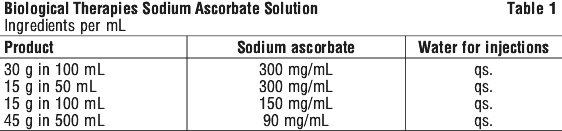
Each Biological Therapies Sodium Ascorbate Injection for Intravenous Infusion contains sodium ascorbate and water for injections. See Table 1.
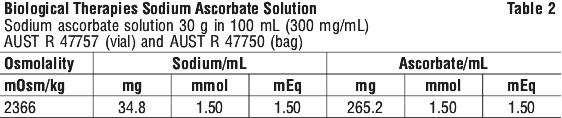
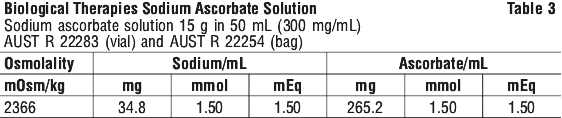
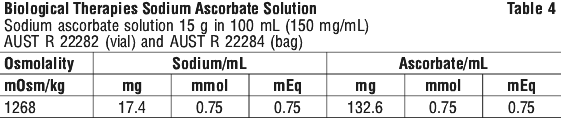
All of the Sodium Ascorbate Solution Injections mentioned in this product information sheet are hypertonic and single use. The pack sizes for these products are as described in Tables 2-5.
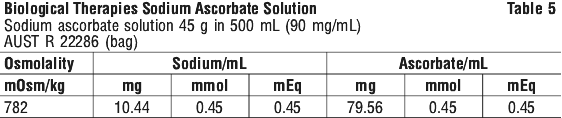
3 Pharmaceutical Form
Biological Therapies Sodium Ascorbate Injection for Intravenous Infusion is a clear and colourless to straw coloured solution with a pH range of 6.0 to 8.0. Presentation is in plastic bags or glass vials.
Biological Therapies Sodium Ascorbate Solution Injection for Intravenous Infusion is a sterile, non pyrogenic concentrated solution in sterile Water for Injections.
4 Clinical Particulars
4.1 Therapeutic Indications
Biological Therapies Sodium Ascorbate Injections are indicated for the treatment of vitamin C deficiency when oral treatment is not feasible.
4.2 Dose and Method of Administration
Treatment of ascorbate deficiency is usually achieved with oral ascorbate. Biological Therapies Sodium Ascorbate Solution Injection for Intravenous Infusion may be used when oral treatment is not feasible. The recommended dose in adults is 100-500 mg daily, and in children, 100-300 mg daily. Treatment may continue for up to three weeks.
Single entry only should be made into the bag or vial and the appropriate dose removed under strict aseptic conditions. The dose may then be given as a straight push or added to an infusion bag of sterile water for injections, saline or dextrose.
If the solution is injected too concentrated and/or too quickly into a small vein, there may be substantial pain in the vein. It is recommended if possible, to only inject into a large vein, usually the cubital vein although the veins on the back of the hand have been used. Pain can be minimised by slowing the infusion rate, or by diluting the infusion, initially 50:50 with sterile water for injections. Further dilution and/or slowing of the infusion rate may be necessary for patients with fine veins or who are unable to tolerate the pain. Where veins are very fine or very damaged even diluting to isotonicity may be required. Isotonic strength is 30 grams sodium ascorbate in 1000 mL of sterile water for injections. Gently massaging the arm along the course of the vein can also help relieve pain. Pain may also be reduced by warming the IV solution to near body temperature.
Care should be exercised to avoid extravasation during the infusion. If this occurs with the hypertonic infusion it can cause quite severe pain. Under these circumstances the needle should be withdrawn and an ice pack (wrapped in cloth) applied to the injection site. Pressure over the site should be maintained for 5 to 10 minutes during which time the pain will usually subside. Provided the patient (and the doctor) are amenable, the other cubital vein may then be tried. Pain usually limits the amount infused/ injected extravenously resulting in no long term after effects. However, if pain is blocked and extravasation occurs then significant sclerosing and/or ulceration could occur.
4.3 Contraindications
Biological Therapies Sodium Ascorbate Solution Injection for Intravenous Infusion is contraindicated in those persons who have shown hypersensitivity to any component of this preparation.
4.4 Special Warnings and Precautions for Use
Use with caution in the following circumstances.
1. Hyperoxaluria. People with hyperoxaluria or who are prone to kidney stones should exercise caution in consuming or being injected with large amounts of vitamin C. Ascorbate may cause acidification of the urine, occasionally leading to precipitation of urate, cystine or oxalate stones or drugs in the urinary tract.
2. Iron overload and iron absorption. Large doses of vitamin C may be dangerous in patients with haemochromatosis, thalassaemia, polycythemia, leukaemia or sideroblastic anaemia due to enhanced absorption of dietary iron, although this enhancement occurs primarily with orally administered vitamin C.
3. Hypernatraemia, congestive cardiac failure or severely impaired kidney function. Care should be exercised in administering intravenous sodium ascorbate to those patients who either have hypernatraemia, congestive cardiac failure or may be unable to handle the increased sodium load as a result of renal insufficiency.
4. Uricosuria. Vitamin C tends to increase the excretion of uric acid and to correspondingly lower serum uric acid. However, no effect of vitamin C on uric acid excretion has also been reported.
5. Sickle cell crisis. Rarely, high doses of vitamin C have been associated with sickle cell crisis in patients with sickle cell anaemia.
6. Glucose-6-phosphate dehydrogenase (G6PD) deficiency. In this condition red cells become highly sensitive to many different drugs and conditions. There have also been a few reports in the literature of high dose vitamin C inducing haemolysis in G6PD deficient patients.
Use in the elderly. No data available.
Paediatric use. No data available.
Effects on laboratory tests. Ascorbic acid, as a strong reducing agent, interferes with laboratory tests involving oxidation and reduction reactions. Falsely elevated or false negative measurements may be obtained in plasma, faeces or urine depending on such factors as the concentration of ascorbate, pH and the specific method employed. Interference may be obtained with glucose measurement by glucose oxidase, or older methods employing reduction of copper, zinc or iron. Vitamin C also interferes with autoanalyser determinations of transaminases and lactic dehydrogenase. It can also affect some tests for occult blood and serum theophylline levels. Provided attention is paid to the test method and to avoiding supplements before such testing there should be no problems.
4.5 Interactions with Other Medicines and Other Forms of Interactions
Aspirin. Increased urinary excretion of ascorbic acid and decreased excretion of aspirin occur when the drugs are administered concurrently. Aspirin has been found to reduce the absorption of ascorbic acid by about a third.
Dicoumarol. An isolated case where the prothrombin time is reduced following intake of ascorbic acid.
Warfarin. Several cases have been reported in which ascorbic acid appeared to reduce the effect of warfarin. These reports have not been confirmed in subsequent trials.
Ethinyloestradiol. Ascorbic acid in an oral dose of 1 g has been reported to increase the bioavailability of ethinyloestradiol in oral contraceptive preparations. This effect can be important if ascorbic acid supplementation is discontinued, as the drop in hormone absorption may lead to breakthrough bleeding or even contraceptive failure. However, there are no studies on this ethinyloestradiol effect when the vitamin C has been administered as an intravenous or intramuscular injection.
Iron (oral). Oral ascorbic acid can increase absorption of iron. However, feedback mechanisms usually control its excessive absorption.
Desferrioxamine. Ascorbic acid may increase the excretion of iron when given concomitantly with desferrioxamine. However, cases of cardiomyopathy and congestive heart failure have occurred in patients on concomitant treatment. It may be that ascorbic acid mobilises iron from spleen and other reticuloendothelial tissues resulting in increased iron deposition in visceral organs. In general it is recommended that the dose of ascorbic acid be administered an hour or two after the infusion of desferrioxamine has started.
Isoprenaline. The chronotropic effect of isoprenaline decreases when administered concurrently with ascorbic acid.
Alcohol. Alcohol reduces ascorbic acid levels.
Disulfiram. Chronic use or high doses of ascorbic acid may interfere with the disulfiram-alcohol interaction when used concurrently.
Mexiletine. High doses of ascorbic acid may accelerate renal excretion of mexiletine when the drugs are administered concurrently.
Barbiturates or primidone. The urinary excretion of ascorbic acid may increase when administered together with barbiturates or primidone.
Fluphenazine and other phenothiazines. Ascorbic acid has been reported to decrease the therapeutic effect of phenothiazines. The concentration of fluphenazine may also be reduced.
Amphetamine and tricyclic antidepressants. Ascorbic acid decreases renal tubular reabsorption of amphetamines and tricyclic antidepressants.
General. Because ascorbate is a urinary acidifier in large doses, the excretion of drugs that are weak acids may be decreased and the excretion of drugs that are weak bases may be increased.
4.6 Fertility, Pregnancy and Lactation
Effects on fertility. No data available.
Use in pregnancy. Exempt from classification.
As there are no documented formal studies studying intravenous Vitamin C during pregnancy, caution should be exercised in treating pregnant women. Ingestion of large doses of ascorbate during pregnancy has resulted in scurvy in neonates.
Use in lactation. Vitamin C crosses the placenta and passes freely into human breast milk. However, as there are no documented formal studies studying intravenous Vitamin C during lactation, caution should be exercised in treating breastfeeding women.
4.7 Effects on Ability to Drive and Use Machines
The effects of this medicine on a person’s ability to drive and use machines were not assessed as part of its registration.
4.8 Adverse Effects (Undesirable Effects)
Reported adverse effects include the following.
Body as a whole. Fever, fatigue, malaise, somnolence.
Gastrointestinal. Nausea, vomiting, diarrhoea, abdominal pain, pancreatitis.
Haematological. Haemolysis, sickle cell crisis (see Section 4.4 Special Warnings and Precautions for Use).
Metabolic. Gout.
Neurological. Headache, dizziness, cerebrovascular disorder, encephalopathy, meningitis-like reaction.
Renal. Renal impairment, renal pain, haematuria, hyperoxaluria, hyperuricosuria, renal calculi.
Skin. Rash, urticaria.
Too rapid intravenous administration of the solution may cause temporary faintness or dizziness. Such reactions are infrequent and if they do occur are usually mild and pass within 15 to 20 minutes. These symptoms may be related to the hypoglycaemic action of vitamin C.
Being a potentially irritating solution to the vein, thrombophlebitis is a theoretical possibility and a potential side effect of short-term venous catheterisation. Therefore, the administering physician should be aware of its possibility and if it does occur, manage appropriately.
Some dehydration usually occurs, so adequate fluid replacement should be given. Water should be kept close by. It is not uncommon to drink several glasses of water during and after a sodium ascorbate infusion. Patients may also usually experience some diuresis following sodium ascorbate infusion.
There may be a transient increase in serum cholesterol in atherosclerotic patients.
Reporting suspected adverse effects. Reporting suspected adverse reactions after registration of the medicinal product is important. It allows continued monitoring of the benefit-risk balance of the medicinal product. Healthcare professionals are asked to report any suspected adverse reactions at www.tga.gov.au/reporting-problems.
4.9 Overdose
There have been a few reports of renal failure reportedly due to excessive oxalate formation following massive doses of intravenous vitamin C. However, some doubt has recently been cast upon the laboratory methods for determination of oxalate. Vitamin C is inherently unstable in body fluids once these are removed from the body or post mortem without homeostatic control mechanisms, resulting in the in vitro formation of oxalate. Also, many of the earlier test methods for estimation of oxalate have subsequently been found to be overestimated as a result of interference by vitamin C. Nevertheless, because the increase in oxalate excretion is controversial, care should be exercised in those patients with renal impairment or who exhibit hyperoxaluria. It may be wise during prolonged sodium ascorbate infusion to monitor kidney function.
Within the many decades of clinical use of sodium ascorbate infusion, there have been no reported severe overdosage effects, other than pain or a transient lightheaded feeling. This lightheadedness may be related to the hypoglycaemic action of vitamin C. This feeling usually passes after 15 to 20 minutes and is helped by eating fruit, having a meal or drinking some fruit juice.
Haemolytic anaemia has been reported in few cases of individuals with glucose-6-phosphate dehydrogenase deficiency.
Treatment of overdosage. In event of overdosage, symptomatic or supportive measures should be taken. Sodium ascorbate infusion should be discontinued.
Should an allergic reaction occur, 0.5-1 mL of Adrenaline Injection BP (adrenaline 1 in 1,000) can be administered intramuscularly and repeated every 10 minutes until improvement occurs. Antihistamines and corticosteroids by slow intravenous injection are a useful adjunctive measure.
For information on the management of overdose please contact the Poisons Information Centre on 13 11 26 (Australia).
5 Pharmacological Properties
5.1 Pharmacodynamic Properties
Vitamin C, a water soluble vitamin, is essential for the synthesis of collagen and intracellular material. Vitamin C deficiency develops when dietary intake is inadequate. It is rare in adults, but may occur in infants, alcoholics or the elderly. Deficiency leads to the development of a well defined syndrome known as scurvy. This is characterised by capillary fragility, bleeding (especially from small blood vessels and the gums), normocytic or macrocytic anaemia, cartilage and bone lesions and slow healing of wounds. Body stores of vitamin C in health are about 1.5 to 3 g. Symptoms of deficiency develop when body stores are less than 0.5 g.
Mechanism of action/ effect. Ascorbic acid is reversibly oxidised to dehydroascorbic acid (DHA). (See Figure 1.)
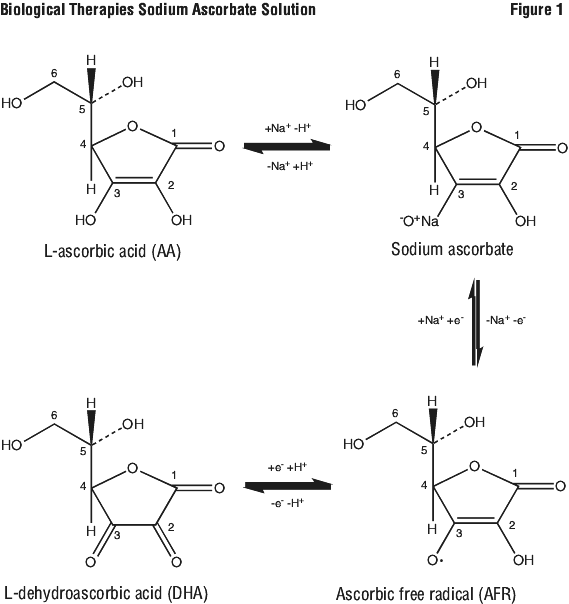
The hydrogen atoms of the hydroxyl groups attached to C2 and C3 of the ascorbic acid molecule (AA) are quite labile because of the tendency of high density electrons in the C2 = C3 double bond to be displaced towards the oxygen of the carbonyl groups.
Ascorbic acid (AA), ascorbic free radical (AFR) and dehydroascorbic acid (DHA) are known to participate in biochemical reactions. Ascorbic acid (or ascorbate, such as sodium ascorbate) acts as a strong reducing agent, ascorbic free radical acts as both a reducing agent and as an oxidising agent as appropriate, and DHA as an oxidising agent.
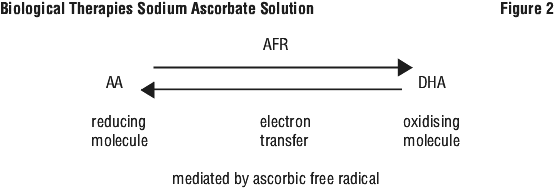
In shorthand biochemical terminology, AA and DHA act as a redox couple. (See Figure 2.)
At physiological pH, ascorbic acid exists as an anion (ascorbate) and is more water soluble (hydrophilic) whereas dehydroascorbic acid is hardly ionised and is more lipid soluble (lipophilic). This difference in solubility may help account for the successful transport of AA via vitamin C transporters into the intracellular and intramitochondrial environments. Small quantities of DHA in the cell membranes, or intraorganelle membranes encourage the transport of ascorbates. Alternatively, DHA may be reduced by glutathione or other SH groups to form ascorbic acid thereby releasing it into the cytosol. The formation of a redox pair between DHA in the cell or organelle membrane and AA is a mechanism for allowing the ordered transfer of electrons. Ascorbate transporters can become faulty leading to impaired vitamin C transport.
Clinical trials. No data available.
5.2 Pharmacokinetic Properties
Absorption. The disposition of ascorbic acid was studied in seven healthy males aged 20 to 26 years. Doses of 15 mg to 1250 mg were administered twice daily in an oral solution at least 90 minutes before meals. Absorption of ascorbate was saturable, the plasma concentration reaching 80% saturation at a dose of 200 mg/day and 100% saturation at 1 g/day. Concentrations in neutrophils, monocytes and lymphocytes reached plateaux at a dose of 100 mg per day. Eighty percent of 100 mg/day dose was absorbed, but only 46% of a 1.25 g/day dose.
Distribution. Ascorbate is widely distributed to body tissues.
Metabolism. Ascorbate is metabolised to dehydroascorbic acid, ascorbate-2-sulphate, diketogulonic acid and oxalic acid, which are excreted by the kidneys.
Excretion. Once the body stores are saturated, ascorbate is eliminated unchanged by the kidneys. In healthy volunteers, 50% of a 200 mg dose was excreted and almost the entire dose of doses above 500 mg. Therefore, doses above 500 mg/day had little impact on body stores. The plasma terminal elimination half-life is 3 h. Oxalate and urate excretion were increased in healthy volunteers at doses of 1 g/day compared with lower doses.
5.3 Preclinical Safety Data
Genotoxicity. Studies demonstrating the mutagenic effect of vitamin C have nearly all been in vitro usually in the presence of copper or chromium which may induce the ascorbyl free radical without any of its in vivo control mechanisms. Therefore the relevance of this data to clinical use in man is not known.
Presently there is no evidence that high intakes of vitamin C will be mutagenic in man, and studies have concluded that 10 g/day will not be mutagenic or teratogenic in humans.
Carcinogenicity. No data available.
6 Pharmaceutical Particulars
6.1 List of Excipients
Water for injections.
6.2 Incompatibilities
Sodium ascorbate (as ascorbic acid injection) is reported to be incompatible with ferric salts, oxidising agents, and salts of heavy metals, particularly copper.
Injections of sodium ascorbate are reported to be incompatible with aminophylline, bleomycin sulfate, erythromycin lactobionate, nafcillin sodium, doxapram hydrochloride, cephazolin sodium, nitrofurantoin sodium, conjugated oestrogens, and sulphafurazole diethanolamine. Incompatibility, dependent on pH or concentration, has been reported with chloramphenicol sodium succinate, chlorothiazide sodium, hydrocortisone sodium succinate and penicillin G potassium.
6.3 Shelf Life
In Australia, information on the shelf life can be found on the public summary of the Australian Register of Therapeutic Goods (ARTG). The expiry date can be found on the packaging.
6.4 Special Precautions for Storage
Store at 2°C to 8°C. (Refrigerate. Do not freeze.) Biological Therapies Sodium Ascorbate Solution should not be used if there is visible turbidity or crystallisation. Normal colour is colourless to straw coloured. However, under extreme conditions or postexpiry date the solution gradually darkens to very dark yellow and finally orange/ brown. Excessive darkening is an indication of increased breakdown.
6.5 Nature and Contents of Container
Container type:
Vials. Clear glass vial with rubber stopper and aluminium seal with a tear-away centre.
Bags. Semi-opaque PVC bag with pigtail tubing in a clear plastic pouch.
Pack sizes:
Vial products. 1 vial per carton.
Bag products. 1 bag per pouch.
6.6 Special Precautions for Disposal
In Australia, any unused medicine or waste material should be disposed of by taking to your local pharmacy.
6.7 Physicochemical Properties
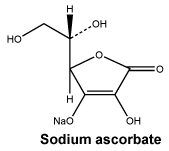
C6H7O6Na. Molecular weight = 198.11.
Chemical structure.
7 Medicine Schedule (Poisons Standard)
Unscheduled.
Date of First Approval
11 October 1999
Date of Revision
11 September 2018
Summary Table of Changes

Reasonable care is taken to provide accurate information at the time of creation. This information is not intended as a substitute for medical advice and should not be exclusively relied on to manage or diagnose a medical condition. The Australian Commission on Safety and Quality in Health Care disclaims all liability (including for negligence) for any loss, damage, injury or any other negative effects resulting from reliance on or use of this information. Read our full disclaimer. This website uses cookies. Read our privacy policy.