
Somac Heartburn Relief Tablets
Brand Information
| Brand name | Somac Heartburn Relief Tablets |
| Active ingredient | Pantoprazole |
| Schedule | S2 | S3 |
Consumer Medicine Information (CMI) leaflet
Please read this leaflet carefully before you start using the Somac Heartburn Relief Tablets.
Summary CMI
Somac® Heartburn Relief Tablets
Consumer Medicine Information (CMI) summary
The full CMI on the next page has more details. If you are worried about using this medicine, speak to your doctor or pharmacist.
1. Why am I using SOMAC Heartburn Relief?
SOMAC Heartburn Relief contains the active ingredient pantoprazole sodium sesquihydrate. SOMAC Heartburn Relief is used for the lasting symptomatic relief of frequent heartburn and stomach acid complaints due to gastro-oesophageal reflux disease (GORD). For more information, see Section 1. Why am I using SOMAC Heartburn Relief? in the full CMI.
2. What should I know before I use SOMAC Heartburn Relief?
Do not use if you have ever had an allergic reaction to pantoprazole or any of the ingredients listed at the end of the CMI. Talk to your pharmacist or doctor if you have any other medical conditions, take any other medicines, or are pregnant or plan to become pregnant or are breastfeeding. Tell your pharmacist or doctor if you have severe liver disease or cirrhosis.
For more information, see Section 2. What should I know before I use SOMAC Heartburn Relief? in the full CMI.
3. What if I am taking other medicines?
Some medicines may interfere with SOMAC Heartburn Relief and affect how it works.
A list of these medicines is in Section 3. What if I am taking other medicines? in the full CMI.
4. How do I use SOMAC Heartburn Relief?
Take one SOMAC Heartburn Relief tablet every day (once every 24 hours) for at least seven days, and up to 14 days. Swallow SOMAC Heartburn Relief tablets whole with a little water with or without food. Do not crush or chew the tablets. More instructions can be found in Section 4. How do I use SOMAC Heartburn Relief? in the full CMI.
5. What should I know while using SOMAC Heartburn Relief?
| Things you should do |
|
| Things you should not do |
|
| Driving or using machines |
|
| Drinking alcohol |
|
| Looking after your medicine |
|
For more information, see Section 5. What should I know while using SOMAC Heartburn Relief? in the full CMI.
6. Are there any side effects?
Headache, dizziness, diarrhoea, nausea or vomiting, stomach pain, excessive gas in stomach or bowel, indigestion, constipation, sore breasts, dry mouth, taste disturbances, metallic taste, weakness/ tiredness, trouble sleeping, increased sweating/body temperature, blurred vision, skin problems, unusual tiredness or weakness, tingling or numbness, blood in urine, increased or decreased need to urinate, frequent infections, chest pain, high blood pressure, irregular heartbeat, water retention, swelling, bleeding/bruising more easily than normal, depression, confusion or anxiety, bone fracture of hip, wrist or spine, seizures, abnormal or fast heartbeat, jerking/shaking movements or muscle cramps, severe and/or persistent diarrhoea. Signs of liver inflammation including yellowing of skin/eyes, nausea, vomiting, loss of appetite, feeling unwell, fever, itching and dark coloured urine; severe skin problems such as itchiness, redness, rash with swelling, blistering or peeling of skin or rash when exposed to sun, possibly with pain in joints and general fever; swelling of face, lips, mouth, tongue or throat which may cause difficulty swallowing or breathing; shortness of breath, wheezing or difficulty breathing; black stools; vomiting blood.
For more information, including what to do if you have any side effects, see Section 6. Are there any side effects? in the full CMI.
Full CMI
Somac® Heartburn Relief Tablets
Active ingredient(s): pantoprazole sodium sesquihydrate
Consumer Medicine Information (CMI)
This leaflet provides important information about using SOMAC Heartburn Relief. It does not take the place of talking to your doctor or pharmacist. You should also speak to your doctor or pharmacist if you would like further information or if you have any concerns or questions about using SOMAC Heartburn Relief.
Where to find information in this leaflet:
1. Why am I using SOMAC Heartburn Relief?
2. What should I know before I use SOMAC Heartburn Relief?
3. What if I am taking other medicines?
4. How do I use SOMAC Heartburn Relief?
5. What should I know while using SOMAC Heartburn Relief?
6. Are there any side effects?
7. Product details
1. Why am I using SOMAC Heartburn Relief?
SOMAC Heartburn Relief contains the active ingredient pantoprazole sodium sesquihydrate. SOMAC Heartburn Relief belongs to a group of medicines called proton pump inhibitors (PPIs). SOMAC Heartburn Relief works by decreasing the amount of acid the stomach makes, to give relief from the symptoms.
Reflux disease
SOMAC Heartburn Relief is used for lasting symptomatic relief of frequent heartburn and stomach acid complaints due to gastro-oesophageal reflux disease (GORD).
These symptoms can be caused by “washing back” (reflux) of food and acid from the stomach into the food pipe, also known as the oesophagus.
Reflux can cause a burning sensation in the chest rising up to the throat, also known as heartburn.
Frequent heartburn is when you have heartburn for two or more days a week. Heartburn that occurs frequently is a typical symptom of GORD.
SOMAC Heartburn Relief is not the right medicine for you if you suffer heartburn only occasionally (one episode of heartburn a week or less), or if you want immediate relief of heartburn.
SOMAC Heartburn Relief will start to suppress acid within a few hours, however it is not intended to provide instant symptom relief. For effective, lasting relief, you should take a full course of SOMAC Heartburn Relief (see ‘How do I use SOMAC Heartburn Relief?' below).
2. What should I know before I use SOMAC Heartburn Relief?
Warnings
Do not take SOMAC Heartburn Relief if:
- you are allergic to pantoprazole sodium sesquihydrate, or any of the ingredients listed at the end of this leaflet.
- you are allergic to any medicines containing proton pump inhibitors.
- always check the ingredients to make sure you can use this medicine.
- symptoms of an allergic reaction may include shortness of breath, wheezing or difficulty breathing, swelling of the face, lips, tongue or other parts of the body, rash, itching or hives on the skin.
- you have severe liver disease or cirrhosis.
- after the expiry date printed on the pack or if the packaging is damaged or shows signs of tampering. If it has expired or is damaged return it to your pharmacist for disposal.
Do not take SOMAC Heartburn Relief in combination with atazanavir or nelfinavir (anti-viral medications).
Do not give SOMAC Heartburn Relief to children or adolescents under 18 years of age. There is not enough information to recommend the use of this medicine for children and adolescents under the age of 18 years.
Check with your doctor if you:
- you have any allergies to any other medicines, foods, preservatives or dyes
- have jaundice, liver problems or anaemia
- a feeling of weakness or you look pale
- previously taken heartburn / indigestion medications continuously for 4 or more weeks
- persisting heartburn symptoms despite taking SOMAC Heartburn Relief (or other similar medicines) continuously for 2 weeks, or your symptoms have recently changed
- been told by your doctor that you have a stomach ulcer, or gastrointestinal surgery is planned
- heartburn/ indigestion symptoms for the first time and you are over 40 years of age
- a scheduled endoscopy (investigation of your stomach lining performed by a specialist)
- have reduced body stores or risk factors for reduced vitamin B12, (pantoprazole may lead to a reduced
- absorption of vitamin B12)
- have any other medical conditions
- take any medicines for any other condition
Tell your doctor if you have any of the following symptoms:
- unintentional weight loss
- repeated vomiting
- vomiting blood
- difficulty or pain when swallowing
- you look pale and feel weak
- you notice blood in your stools
Your doctor may need to perform some additional tests before you take SOMAC Heartburn Relief.
During treatment, you may be at risk of developing certain side effects. It is important you understand these risks and how to monitor for them. See additional information under Section 6. Are there any side effects?
Pregnancy and breastfeeding
Check with your doctor if you are pregnant or intend to become pregnant. It is not known if it is safe for you to take SOMAC Heartburn Relief while you are pregnant. It may affect your baby.
Talk to your doctor if you are breastfeeding or intend to breastfeed. It is not known if your baby can take in SOMAC Heartburn Relief from breast milk if you are breastfeeding.
Ask your doctor about the risks and benefits involved.
3. What if I am taking other medicines?
Tell your doctor or pharmacist if you are taking any other medicines, including any medicines, vitamins or supplements that you buy without a prescription from your pharmacy, supermarket or health food shop.
Do not take SOMAC Heartburn Relief in combination with atazanavir or nelfinavir (anti-viral medications).
Some medicines and SOMAC Heartburn Relief may interfere with each other. These include:
- warfarin, phenprocoumon - medicines used to prevent blood clots (anticoagulants)
- atazanavir, nelfinavir – medicines used to treat viral infections such as HIV
- ketoconazole, itraconazole, posaconazole - medicines used to treat fungal infection
- methotrexate - a medicine used to treat arthritis and some types of cancer
- erlotinib or related medicines used to treat cancer
- tacrolimus, mycophenolate mofetil – medicines used to suppress the immune system
- fluvoxamine - a medicine used to treat anxiety and depression
- pemetrexed - a medicine used to treat some types of cancer
These medicines may be affected by SOMAC Heartburn Relief or may affect how well it works. You may need to use different amounts of your medicine or take different medicines.
Your doctor or pharmacist has more information on medicines to be careful with or to avoid while taking SOMAC Heartburn Relief.
Check with your doctor or pharmacist if you are not sure about what medicines, vitamins or supplements you are taking and if these affect SOMAC Heartburn Relief.
4. How do I use SOMAC Heartburn Relief?
The directions for use are included on the Medicine Information panel on the pack.
If you do not understand the instructions, ask your doctor or pharmacist for help.
Follow all directions given to you by your doctor or pharmacist carefully. They may differ from the information contained in this leaflet.
How much to take
Take one SOMAC Heartburn Relief tablet every day (once every 24 hours).
When to take SOMAC Heartburn Relief
Take SOMAC Heartburn Relief around the same time each day.
Taking it at the same time each day will have the best effect. It will also help you remember when to take it.
How to take SOMAC Heartburn Relief
Swallow your tablets whole with a little water with or without food.
Do not crush or chew the tablets. SOMAC Heartburn Relief tablets have a special coating to protect them from the acidic contents of your stomach. For SOMAC Heartburn Relief to work effectively, this coating must not be broken.
How long to take SOMAC Heartburn Relief
For effective, lasting relief, take SOMAC Heartburn Relief strictly according to the directions on your pack.
SOMAC Heartburn Relief tablets should be taken for at least seven days, and up to 14 days.
If you purchased the pack containing 7 days' supply and you need to take it for longer than 7 days, ask your pharmacist for advice.
Do not take beyond 14 days without consulting your doctor.
SOMAC Heartburn Relief is not intended to provide instant relief from your heartburn/ indigestion symptoms.
If you are not sure, ask your pharmacist or doctor how to take your medicine.
If you forget to take SOMAC Heartburn Relief
SOMAC Heartburn Relief should be used regularly at the same time each day.
If you miss your dose at the usual time, take it as soon as you remember, and then go back to taking it as you would normally.
If it is almost time for your next dose, skip the dose you missed and take your next dose when you are meant to.
Do not take a double dose to make up for the dose you missed. This may increase the chance of getting an unwanted side effect.
If you have trouble remembering when to take your medicine, ask your pharmacist for hints.
If you take too much SOMAC Heartburn Relief
If you think that you have taken too much SOMAC Heartburn Relief, you may need urgent medical attention.
You should immediately:
- phone the Poisons Information Centre
(by calling 13 11 26), or - contact your doctor, or
- go to the Emergency Department at your nearest hospital.
You should do this even if there are no signs of discomfort or poisoning.
5. What should I know while using SOMAC Heartburn Relief?
Things you should do
- If you are about to be started on any new medicine, remind your doctor and pharmacist that you are taking SOMAC Heartburn Relief.
- Tell any other doctors, dentists and pharmacists who treat you that you are taking SOMAC Heartburn Relief.
- If you are going to have surgery, tell the surgeon that you are taking SOMAC Heartburn Relief.
- If you become pregnant while you are taking SOMAC Heartburn Relief, tell your doctor or pharmacist immediately.
- If you are about to have any blood tests, tell your doctor or pharmacist that you are taking SOMAC Heartburn Relief. It may interfere with the results of some tests.
- Keep all of your doctor's appointments so that your progress can be checked. Your doctor may do some tests from time to time to make sure the medicine is working and to prevent unwanted side effects.
- Tell your doctor or pharmacist if you do not feel better while taking SOMAC Heartburn Relief. If your symptoms recur within 2 weeks of completing your course, consult your doctor. Further investigation may be recommended.
- Tell your doctor if your reflux symptoms return after you stop taking this medicine. The symptoms of reflux may return after stopping this medicine suddenly, especially if you have taken it for a while.
Things you should not do
- Do not use SOMAC Heartburn Relief to treat any other complaints unless your doctor tells you to.
- Do not give SOMAC Heartburn Relief to anyone else, even if they have the same symptoms as you.
Driving or using machines
Be careful before you drive or use any machines or tools until you know how SOMAC Heartburn Relief affects you.
A small number of patients have felt dizzy or had problems with their vision after taking SOMAC Heartburn Relief.
Things that may help your condition
Some self-help measures suggested below may help your condition. Your doctor or pharmacist can give you more information about these measures.
- Alcohol – your doctor may advise you to limit your alcohol intake.
- Aspirin and many other medicines used to treat arthritis, period pain, headaches – these medicines may irritate the stomach and may make your condition worse. Your doctor or pharmacist may suggest other medicines you can take.
- Caffeine – your doctor may advise you to limit the number of drinks which contain caffeine, such as coffee, tea, cocoa and cola drinks, because they contain ingredients that may irritate your stomach.
- Eating habits – eat smaller, more frequent meals. Eat slowly and chew your food carefully. Try not to rush at meal times.
- Smoking – your doctor may advise you to stop smoking or at least cut down.
- Weight – your doctor may suggest losing some weight to help your condition.
Looking after your medicine
- Keep your tablets in their blister until it is time to take them.
- Follow the instructions on the carton on how to take care of your medicine properly.
- Keep SOMAC Heartburn Relief in a cool, dry place where the temperature stays below 30°C.
- Do not store it or any other medicines in the bathroom, near a sink or windowsill. Do not leave it in the car. Heat and dampness can destroy some medicines.
Keep it where young children cannot reach it. A locked cupboard at least one-and-a-half metres above the ground, is a good place to store medicines.
When to discard your medicine
If your doctor tells you to stop taking this medicine or if the medicines have passed their expiry date, ask your pharmacist what to do with any tablets that are left over.
Getting rid of any unwanted medicine
If you no longer need to take this medicine or it is out of date, take it to any pharmacy for safe disposal.
Do not use this medicine after the expiry date.
6. Are there any side effects?
All medicines can have side effects. If you do experience any side effects, most of them are minor and temporary. However, some side effects may need medical attention.
See the information below and, if you need to, ask your doctor or pharmacist if you have any further questions about side effects.
Less serious side effects
| Less serious side effects | What to do |
| Speak to your doctor if you have any of these less serious side effects and they worry you. |
Serious side effects
| Serious side effects | What to do |
| Speak to your doctor immediately if you have any of these side effects. These side effects may require medical attention. |
| Call your doctor straight away, or go straight to the Emergency Department at your nearest hospital if you notice any of these serious side effects. |
Tell your doctor or pharmacist if you notice anything else that may be making you feel unwell.
Other side effects not listed here may occur in some people.
Reporting side effects
After you have received medical advice for any side effects you experience, you can report side effects to the Therapeutic Goods Administration online at www.tga.gov.au/reporting-problems. By reporting side effects, you can help provide more information on the safety of this medicine.
Always make sure you speak to your doctor or pharmacist before you decide to stop taking any of your medicines.
7. Product details
This medicine is available over-the-counter without a doctor's prescription.
SOMAC Heartburn Relief is available as a 20 mg tablet. The tablets have an acid-resistant coating called an enteric coating.
What SOMAC Heartburn Relief contains
| Active ingredient (main ingredient) | pantoprazole sodium sesquihydrate |
| Other ingredients (inactive ingredients) |
|
Do not take this medicine if you are allergic to any of these ingredients.
Somac Heartburn Relief tablets do not contain gluten, lactose, sucrose, tartrazine or other azo dyes.
What SOMAC Heartburn Relief looks like
SOMAC Heartburn Relief 20 mg tablets - yellow and oval shaped, marked with 'P20' on one side. SOMAC Heartburn Relief 20 mg tablets are available in blister packs of 7 and 14 tablets.
Pharmacy Medicine (7 tablets) – AUST R 234279
Pharmacist Only Medicine (14 tablets) AUST R 154252
Who distributes SOMAC Heartburn Relief
Takeda Pharmaceuticals Australia Pty Ltd
Level 39
225 George Street
Sydney NSW 2000
Australia
Telephone: 1800 012 612
www.takeda.com/en-au
This leaflet was prepared in July 2026.
TAKEDA and the TAKEDA Logo are registered trademarks of Takeda Pharmaceutical Company Limited
SOMAC Heartburn Relief is a registered trademark of Takeda GmbH
Brand Information
| Brand name | Somac Heartburn Relief Tablets |
| Active ingredient | Pantoprazole |
| Schedule | S2 | S3 |
MIMS Revision Date: 01 September 2026
1 Name of Medicine
Pantoprazole (as pantoprazole sodium sesquihydrate).
2 Qualitative and Quantitative Composition
Somac Heartburn Relief enteric coated tablets, each tablet contains 22.6 mg pantoprazole sodium sesquihydrate, equivalent to 20 mg pantoprazole.
For the full list of excipients, see Section 6.1 List of Excipients.
3 Pharmaceutical Form
Somac Heartburn Relief enteric coated tablets are yellow and oval shaped, marked with the letter "P20" on one side.
4 Clinical Particulars
4.1 Therapeutic Indications
Somac Heartburn Relief is indicated for symptomatic relief of heartburn, acid regurgitation and other symptoms associated with gastro-oesophageal reflux disease (GORD).
4.2 Dose and Method of Administration
Somac Heartburn Relief is indicated for use in adults 18 years of age and over. Somac Heartburn Relief tablets should not be chewed or crushed but swallowed whole with a little water.
Symptomatic GORD. The recommended dosage is one Somac Heartburn Relief 20 mg tablet per day for at least 7 days, and up to 14 days. If symptom control has not been achieved after two weeks of continuous treatment with Somac Heartburn Relief 20 mg tablet per day, patients should be referred to their doctor.
Use in children. There are limited data currently available on the use of pantoprazole in children. Somac Heartburn Relief is not recommended for use in children and adolescents under 18 years of age.
Use in the elderly. No dose adjustment is necessary in elderly patients.
Impaired renal function. No dose adjustment is required when pantoprazole is administered to patients with impaired renal function.
Impaired hepatic function. Pantoprazole is contraindicated in patients with cirrhosis or severe liver disease (see Section 4.3 Contraindications). No dose adjustment is required when pantoprazole is administered to patients with milder forms of impaired liver function.
4.3 Contraindications
Known hypersensitivity to pantoprazole, substituted benzimidazoles or any other components of the formulation, or in cases of cirrhosis or severe liver disease.
Pantoprazole, like other proton pump inhibitors, should not be co-administered with HIV protease inhibitors, such as atazanavir or nelfinavir (see Section 4.5 Interactions with Other Medicines and Other Forms of Interactions).
4.4 Special Warnings and Precautions for Use
Patients should be referred to their doctor for review if:
they have unintentional weight loss, anaemia, gastrointestinal bleeding, dysphagia, persistent vomiting or vomiting with blood, melaena, gastric ulcer is suspected or present or gastrointestinal surgery, as treatment with pantoprazole may alleviate symptoms and delay diagnosis. In these cases, malignancy should be excluded. They have had to take other medication for indigestion or heartburn continuously for four or more weeks in order to control their symptoms;
they are being treated for symptomatic GORD and require Somac Heartburn Relief for more than 14 days;
they have jaundice or severe hepatic impairment (e.g. cirrhosis); or
they have any other significant medical condition.
Clostridium difficile. PPI therapy may be associated with an increased risk of Clostridium difficile infection.
Pantoprazole, like all proton pump inhibitors, might be expected to increase the counts of bacteria normally present in the upper gastrointestinal tract. Treatment with pantoprazole may lead to a slightly increased risk of gastrointestinal infections caused by bacteria such as Salmonella, Campylobacter and Clostridium difficile.
Influence on vitamin B12 absorption. Pantoprazole, as all acid blocking medicines, may reduce the absorption of cyanocobalamin (vitamin B12) due to hypo- or achlorhydria. This should be considered in patients with reduced body stores or risk factors for reduced vitamin B12 absorption such as the elderly and in patients with Zollinger-Ellison Syndrome and other pathological hypersecretory conditions or if respective clinical symptoms are observed. Rare cases of cyanocobalamin deficiency following acid blocking therapy have been reported.
Bone fracture. PPI therapy may be associated with an increased risk for osteoporosis related fractures of the hip, wrist, or spine. The risk of fracture was increased in patients who received high doses; defined as multiple daily doses, and long-term PPI therapy (a year or longer).
Acute interstitial nephritis. Acute interstitial nephritis has been observed in patients taking PPIs including pantoprazole. Acute interstitial nephritis may occur at any point during PPI therapy and is generally associated to an idiopathic hypersensitivity reaction. Discontinue pantoprazole if acute interstitial nephritis develops.
Hypomagnesaemia. Hypomagnesaemia has been rarely reported in patients treated with PPIs for at least three months (in most cases after a year of therapy). Serious consequences of hypomagnesaemia include tetany, arrhythmia, and seizure. Hypomagnesaemia may lead to hypocalcaemia and/or hypokalaemia (see Section 4.8 Adverse Effects (Undesirable Effects)).
Severe cutaneous adverse reactions. Severe cutaneous adverse reactions, including erythema multiforme, Stevens-Johnson syndrome (SJS), toxic epidermal necrolysis (TEN), drug reaction with eosinophilia and systemic symptoms (DRESS), and acute generalized exanthematous pustulosis (AGEP) have been reported in association with the use of PPIs (see Section 4.8 Adverse Effects (Undesirable Effects)). Discontinue pantoprazole at the first signs or symptoms of severe cutaneous adverse reactions or other signs of hypersensitivity and consider further evaluation.
Subacute cutaneous lupus erythematosus (SCLE). Proton pump inhibitors are associated in rare cases with the occurrence of subacute cutaneous lupus erythematosus (SCLE). If lesions occur, especially in sun exposed areas of the skin, and if accompanied by arthralgia, the patient should seek medical help promptly and the healthcare professional should consider stopping the product.
Pemetrexed. Concomitant administration of proton pump inhibitors (PPIs) with pemetrexed may increase pemetrexed-related toxicity. Caution should be taken when these medicinal products are coadministered.
General toxicity. Gastrointestinal system. Treatment with pantoprazole causes dose-dependent hypergastrinaemia as a result of inhibition of gastric acid secretion. Gastrin has a trophic effect on the gastric mucosa, and increases in gastric weight have been observed in rats and dogs to be dependent upon both dose and duration of treatment. Accompanying histopathological changes in the gastric mucosa were increased height, dilatation of fundic glands, chief cell hyperplasia and/or atrophy and parietal cell hyperplasia or vacuolation/degeneration. Increased density of enterochromaffin-like (ECL) cells was observed after 12 months treatment at dose levels from 5 mg/kg/day in rats and 2.5 mg/kg/day in dogs; all changes were reversible after various recovery periods. Since these gastric effects are a consequence of the pharmacological effect of acid secretion inhibition, no-effect doses were not established in all instances.
Although rats might be more susceptible to this effect than other species because of their high ECL cell density and sensitivity to gastrin, ECL cell hyperplasia occurs in other species, including mice and dogs, and has been observed in one of two clinical trials in which ECL cell density was measured (a 2-fold increase was observed in study RR126/97 after up to 5 years of treatment with regular and high doses, but no increase was observed in study RR125/97). No dysplastic or neoplastic changes were observed in gastric endocrine cells in either study.
Ocular toxicity and dermal phototoxicity/sensitivity. Studies have shown that pantoprazole is retained in low levels in the eyes and skin of pigmented rats. It is likely that the retention reflects a reversible association with melanin. Animal studies investigating the potential for phototoxicity/photosensitivity have not been conducted. A 2 week dog study, conducted specifically to investigate the effects on the eye and ear, did not reveal any changes relating to pantoprazole treatment, but the doses chosen were relatively low (40 and 160 mg (about 4 and 15 mg/kg) orally and 60 mg (about 6 mg/kg) IV). No ophthalmological changes or changes in electroretinographs were observed in cynomolgus monkeys at IV doses of up to 15 mg/kg/day for 4 weeks.
Use in the elderly. See Section 4.2 Dose and Method of Administration, Use in the elderly; Section 4.4 Special Warnings and Precautions for Use, Influence on vitamin B12 absorption; Section 5.2 Pharmacokinetic Properties, Special populations.
Paediatric use. To date there has been limited experience with treatment in children.
Effects on laboratory tests. Increased Chromogranin A (CgA) level may interfere with investigations for neuroendocrine tumours. To avoid this interference, proton pump inhibitor treatment should be stopped 14 days before CgA measurements.
Patients should consult their doctor before taking this product if they are due to have an endoscopy.
4.5 Interactions with Other Medicines and Other Forms of Interactions
Pantoprazole is metabolised in the liver via the cytochrome P450 enzyme system. A study using human liver microsomes suggested that the P450 enzymes CYP2C19 and CYP3A4 are involved in its metabolism. In addition, CYP2D6 and CYP2C9-10 were implicated in another study. An interaction of pantoprazole with other drugs or compounds which are metabolised using the same enzyme system cannot be excluded. However, no clinically significant interactions were observed in specific tests with a number of such drugs or compounds, namely carbamazepine, caffeine, diazepam, diclofenac, digoxin, ethanol, glibenclamide, metoprolol, naproxen, nifedipine, phenytoin, piroxicam, theophylline, and the low dose oral contraceptive Triphasil (levonorgestrel and ethinyl oestradiol). There was also no interaction with a concomitantly administered antacid (aluminium hydroxide and magnesium hydroxide).
Treatment of dogs with IV famotidine shortened the duration of the pH elevation effect of pantoprazole.
Four cross-over pharmacokinetic studies designed to examine any interactions between pantoprazole and the drugs clarithromycin, amoxicillin and metronidazole, conducted in 66 healthy volunteers, showed no interactions.
Drugs with pH-dependent absorption pharmacokinetics. As with all acid suppressant medications, the absorption of drugs whose bioavailability is pH dependent (e.g. ketoconazole, itraconazole, posaconazole, erlotinib), might be altered due to the decrease in gastric acidity.
HIV protease inhibitors. It has been shown that co-administration of atazanavir 300 mg/ritonavir 100 mg with omeprazole (40 mg once daily) or atazanavir 400 mg with lansoprazole (60 mg single dose) to healthy volunteers resulted in a substantial reduction in the bioavailability of atazanavir. The absorption of atazanavir is pH dependent. Therefore proton pump inhibitors, including pantoprazole, should not be co-administered with HIV protease inhibitors for which absorption is dependent on acidic intragastric pH, such as atazanavir or nelfinavir (see Section 4.3 Contraindications).
Mycophenolate mofetil. Co-administration of PPIs in healthy subjects and in transplant patients receiving mycophenolate mofetil has been reported to reduce the exposure to the active metabolite, mycophenolic acid. This is possibly due to a decrease in mycophenolate mofetil solubility at an increased gastric pH. The clinical relevance of reduced mycophenolic acid exposure on organ rejection has not been established in transplant patients receiving PPIs and mycophenolate mofetil. Use pantoprazole with caution in transplant patients receiving mycophenolate mofetil.
Methotrexate. Concomitant use with methotrexate (primarily at high dose), may elevate and prolong serum levels of methotrexate and/or its metabolite, possibly leading to methotrexate toxicities.
Drugs that inhibit or induce CYP2C19 (tacrolimus, fluvoxamine). Concomitant administration of pantoprazole and tacrolimus may increase whole blood levels of tacrolimus, especially in transplant patients who are intermediate or poor metabolisers of CYP2C19. Inhibitors of CYP2C19, such as fluvoxamine, would likely increase the systemic exposure of pantoprazole.
Coumarin anticoagulants (phenprocoumon or warfarin). Co-administration of pantoprazole with warfarin or phenprocoumon did not affect the pharmacokinetics of warfarin, phenprocoumon or international normalised ratio (INR). However, there have been reports of increased INR and prothrombin time in patients receiving PPIs and warfarin or phenprocoumon concomitantly. Increases in INR and prothrombin time may lead to abnormal bleeding, and even death. Therefore, in patients being treated with coumarin anticoagulants (e.g. warfarin or phenprocoumon), monitoring of prothrombin time/INR is recommended after initiation, termination or during irregular use of pantoprazole.
4.6 Fertility, Pregnancy and Lactation
Effects on fertility. No data available.
Use in pregnancy. (Category B3)
Teratological studies in rats and rabbits gave no evidence of a teratogenic potential for pantoprazole. In oral rat studies, dose dependent toxic effects were observed on foetuses and pups: increased pre- and postnatal deaths at 450 mg/kg/day, reduced foetal weight at ≥ 150 mg/kg/day and delayed skeletal ossification and reduced pup growth at ≥ 15 mg/kg/day. For the latter a no effect dose was not established. Doses of 450 mg/kg/day were maternotoxic and may have been associated with dystocia and incomplete parturition. Penetration of the placenta was investigated in the rat and was found to increase with advanced gestation. As a result, concentrations of pantoprazole in the foetus are increased shortly before birth regardless of the route of administration.
The significance of these findings in humans is unknown. As there is no information on the safety of the drug during pregnancy in women, pantoprazole should not be used during pregnancy, unless the benefit clearly outweighs the potential risk to the foetus.
Use in lactation. A peri/post-natal study in rats found that treatment with pantoprazole at doses of 10 mg/kg/day or greater decreased pup growth. A transient effect on one of a series of development tests (startle response) was only evident in the 30 mg/kg/day group at an age when male and female offspring showed lower body weights, paralleled with lower brain weight, than the controls. The significance of these findings for humans is unknown, and there is currently no information on the safety of pantoprazole during breast feeding in humans. Excretion into human milk has been reported. Therefore, pantoprazole should only be used during lactation if the benefits clearly outweigh the risks.
4.7 Effects on Ability to Drive and Use Machines
Pantoprazole does not exert its pharmacological action centrally, therefore it is not expected to adversely affect the ability to drive or use machines, however, adverse drug reactions such as dizziness and visual disturbances may occur (see Section 4.8 Adverse Effects (Undesirable Effects)). If affected, patients should not drive or operate machines.
4.8 Adverse Effects (Undesirable Effects)
Pantoprazole tablets are well tolerated. Most of the adverse reactions seen with treatment were of mild or moderate intensity in clinical trials and post-marketing surveillance. The following adverse reactions have been reported in patients receiving pantoprazole.
Adverse reactions within each body system are listed in descending order of frequency.
(Very common: ≥ 10%; common: ≥ 1% and < 10%; uncommon: ≥ 0.1% and < 1%; rare: ≥ 0.01% and < 0.1%; very rare: < 0.01%; not known: cannot be estimated from the available data). These include the following:
General disorders and administration site conditions. Uncommon: fatigue, malaise, asthenia and increased sweating.
Rare: fever, peripheral oedema, and increased body temperature.
Very rare: flushing, substernal chest pain and hot flushes.
Not known: drug fever.
Cardiovascular disorders general. Rare: hypertension.
Very rare: circulatory collapse.
Nervous system disorders. Uncommon: headache, dizziness.
Rare: taste disorders, metallic taste.
Very rare: reduced movement and speech disorder, changes to the senses of smell and taste.
Gastrointestinal system disorders. Uncommon: diarrhoea, nausea, vomiting, abdominal distension and bloating, constipation, dry mouth, abdominal pain and discomfort.
Rare: rectal disorder and colonic polyp.
Very rare: faecal discolouration and increased saliva.
Not known: flatulence, severe eructation, withdrawal of long-term PPI therapy can lead to aggravation of acid-related symptoms and may result in rebound acid hypersecretion.
Hearing and vestibular disorders. Very rare: tinnitus.
Immune system disorders. Rare: hypersensitivity (including anaphylactic reactions and anaphylactic shock).
Hepatobiliary disorders. Uncommon: liver enzymes increased.
Rare: bilirubin increased.
Very rare: hepatocellular failure, cholestatic hepatitis and jaundice.
Not known: hepatocellular injury.
The occurrence of severe hepatocellular damage leading to jaundice or hepatic failure having a temporal relationship to the intake of pantoprazole has been reported with a frequency of approximately one in a million patients.
Metabolism and nutrition disorders. Rare: hyperlipidaemias and lipid increases (triglycerides, cholesterol), weight changes.
Not known: hyponatraemia, hypomagnesaemia, hypocalcaemia, hypokalaemia (hypocalcaemia and/or hypokalaemia may be related to the occurrence of hypomagnesaemia (see Section 4.4 Special Warnings and Precautions for Use)).
Musculoskeletal and connective tissue disorders. Rare: myalgia and arthralgia.
Very rare: pain including skeletal pain.
Not known: fracture of wrist, hip and spine.
Renal and urinary disorders. Very rare: tubulointerstitial nephritis (TIN) (with possible progression to renal failure).
Platelet, bleeding, clotting disorders. Very rare: increased coagulation time.
Blood and lymphatic system disorders. Rare: anaemia, agranulocytosis.
Very rare: leukopaenia, thrombocytopaenia, pancytopaenia.
Psychiatric disorders. Uncommon: sleep disorders.
Rare: depression, hallucination, disorientation and confusion, especially in pre-disposed patients, as well as the aggravation of these symptoms in case of pre-existence.
Very rare: anxiety.
Resistance mechanism disorders. Rare: sepsis.
Respiratory system disorders. Very rare: dyspnoea.
Reproductive system and breast disorders. Rare: gynaecomastia.
Skin and subcutaneous tissue disorders. Uncommon: pruritus, rash, exanthema/ eruption.
Rare: angioedema and urticaria.
Very rare: severe skin reactions such as Stevens Johnson Syndrome, toxic epidermal necrolysis, erythema multiforme, Lyell Syndrome and photosensitivity.
Unknown: subacute cutaneous lupus erythematosus, drug reaction with eosinophilia and systemic symptoms (DRESS), acute generalised exanthematous pustulosis.
Eye disorders. Uncommon: disturbances in vision (blurred vision).
Very rare: conjunctivitis.
Reporting suspected adverse effects. Reporting suspected adverse reactions after registration of the medicinal product is important. It allows continued monitoring of the benefit-risk balance of the medicinal product. Healthcare professionals are asked to report any suspected adverse reactions at www.tga.gov.au/reporting-problems.
4.9 Overdose
There are no known symptoms of overdosage in humans. In individual cases, 240 mg was administered i.v. or p.o. and was well tolerated. As pantoprazole is extensively protein bound, it is not readily dialysable. Treatment should be symptomatic and supportive measures should be utilised. For information on the management of overdosage, contact the Poisons Information Centre on 131126 (Australia).
5 Pharmacological Properties
5.1 Pharmacodynamic Properties
Mechanism of action. Pantoprazole is a proton pump inhibitor (PPI). Pantoprazole is a substituted benzimidazole which inhibits basal and stimulated gastric secretion. It inhibits specifically and dose-proportionately H+/K+-ATPase, the enzyme which is responsible for gastric acid secretion in the parietal cells of the stomach.
The substance is a substituted benzimidazole which accumulates in the acidic environment of the parietal cells after absorption. There, it is converted into the active form, a cyclic sulphenamide which binds to the H+/K+-ATPase, thus inhibiting the proton pump and causing potent and long-lasting suppression of basal and stimulated gastric acid secretion. As pantoprazole acts distal to the receptor level, it can influence gastric acid secretion irrespective of the nature of the stimulus (acetylcholine, histamine, gastrin).
Pantoprazole's selectivity is due to the fact that it only exerts its full effect in a strongly acidic environment (pH < 3), remaining mostly inactive at higher pH values. As a result, its complete pharmacological, and thus therapeutic effect, can only be achieved in the acid-secretory parietal cells. By means of a feedback mechanism this effect is diminished at the same rate as acid secretion is inhibited.
As with other proton pump inhibitors and H2 receptor inhibitors, treatment with pantoprazole causes a reduced acidity in the stomach and thereby an increase in gastrin in proportion to the reduction in acidity. The increase in gastrin is reversible.
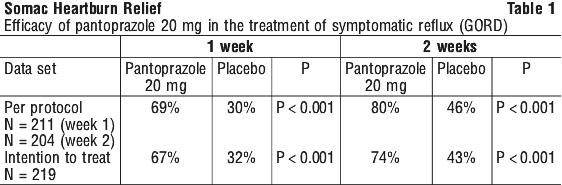
Clinical trials. Treatment of symptomatic reflux (GORD). The relief of symptoms of reflux in patients who showed no oesophageal lesions on endoscopy has been shown in the following double blind, multi-centre, placebo controlled study (245/98) using pantoprazole 20 mg once daily. Overall, 219 patients were enrolled into the study. Each patient was to have a normal oesophagus as assessed by endoscopy and to have suffered from at least one episode of heartburn of at least moderate intensity on all three days prior to inclusion into the study. Additionally, patients were to have a history of reflux symptoms (heartburn, acid eructation, pain on swallowing) for at least 3 months prior to entry into the study. Efficacy of pantoprazole 20 mg is shown in Table 1.
5.2 Pharmacokinetic Properties
Absorption. Pantoprazole is rapidly absorbed and the maximal plasma concentration appears after one single oral dose. After single and multiple oral doses, the median time to reach maximum serum concentrations was approximately 2.5 h, with a Cmax of approximately 1.2 microgram/mL. Terminal half-life is approximately 1 h. Pharmacokinetics do not vary after single or repeated administration. The plasma kinetics of pantoprazole are linear (in the dose range of 10 to 80 mg) after both oral and intravenous administration.
Pantoprazole is completely absorbed after oral administration. The absolute bioavailability of the tablet is approximately 77%. Concomitant intake of food had no influence on AUC, maximum serum concentrations and thus bioavailability.
Distribution. The serum protein binding of pantoprazole is approximately 98%. Volume of distribution is approximately 0.15 L/kg and clearance is approximately 0.1 L/h/kg.
Metabolism. Pantoprazole is metabolised in the liver via the cytochrome P450 enzyme system.
Excretion. Pantoprazole is rapidly eliminated from serum and is almost exclusively metabolised in the liver. Renal elimination represents the most important route of excretion (approximately 80%) for the metabolites of pantoprazole, the rest are excreted with the faeces. The main metabolite in both the serum and urine is desmethyl-pantoprazole which is conjugated with the sulphate. The half-life of the main metabolites (approximately 1.5 h) is not much longer than that of pantoprazole.
In studies in healthy volunteers, 2% of subjects showed a slower elimination of pantoprazole from serum/plasma, with an increase in terminal elimination half-life of up to 10 h. Patients with a half-life of greater than 3.5 h and with an apparent clearance of less than 2 L/h/kg are considered to be slow metabolisers of pantoprazole.
Special populations. After a single 20 mg tablet, AUC increased 3-fold in patients with mild hepatic impairment and 5-fold in patients with severe hepatic impairment compared with healthy controls. Mean elimination half-life was 3.3 h in mild hepatic impairment and 6.0 h in severe hepatic impairment compared with 1.1 h in controls. The maximum serum concentration only increased slightly by a factor of 1.3 compared with healthy subjects.
In patients with renal impairment (including those undergoing dialysis) no dose reduction is required. Although the main metabolite is moderately increased, there is no accumulation. The half-life of pantoprazole is as short as in healthy subjects. Pantoprazole is poorly dialysable.
The slight increase in AUC and Cmax in elderly volunteers compared with their younger counterparts is also not clinically relevant.
5.3 Preclinical Safety Data
Genotoxicity. A number of in vitro and in vivo genotoxicity assays covering mutagenicity, clastogenicity and DNA damage end points were conducted on pantoprazole and the results were generally negative. Exposures achieved in the in vivo tests in mice and rats were well in excess of exposures expected clinically. However, pantoprazole was clearly positive in carefully conducted cytogenetic assays in human lymphocytes in vitro, both in the presence and absence of metabolic activation. Omeprazole was also positive in a comparable test conducted in the same laboratory, suggesting a possible class effect. A minute amount of radioactivity was bound to rat hepatic DNA after treatment with 200 mg/kg/day pantoprazole for 14 days. However, no distinct DNA adduct has been detected.
Pantoprazole was found to be negative in the following studies: in vivo chromosome aberration assay in rat and bone marrow (126E/95), mouse lymphoma test (222E/95) and a gene mutation test in Chinese hamster ovary cells (in vitro) (188E/95). In addition, toxicokinetic studies were conducted in rats at the doses used in the bone marrow assay (50 to 1200 mg/kg) (56E/96) and in mice at the high dose from the earlier micronucleus test (710 mg/kg) (89E/96). In both species, pantoprazole exposure was high with the AUCs being 26 to 30 times higher in the rat or mouse respectively, than humans using the 20 mg tablet.
Carcinogenicity. A two year oral carcinogenicity study in Sprague Dawley rats at doses up to 200 mg/kg/day showed gastric carcinoids after pantoprazole treatment at doses greater than 0.5 mg/kg/day in females and greater than 5 mg/kg/day in males, with none observed in controls. The development of gastric tumours is attributed to chronic elevation of serum gastrin levels with associated histopathological changes in the gastrointestinal system.
In both male and female rats, the development of hepatocellular adenomas was increased at doses greater than 5 mg/kg/day and the development of hepatocellular carcinomas was increased at doses greater than 50 mg/kg/day. Hepatocellular tumours, which were also observed in female mice at oral doses greater than 25 mg/kg/day, may be associated with pantoprazole-induced increases in hepatic enzyme activity.
Treatment with pantoprazole at doses greater than 50 mg/kg/day also increased the development of thyroid follicular cell adenomas in male and female rats. Several studies in rats were conducted to investigate the effect of pantoprazole on the thyroid, the results of which suggested that the effect may be secondary to the induction of enzymes in the liver.
In a more recent carcinogenicity study, Fischer rats were studied using lower doses (5, 15 and 50 mg/kg). Gastric carcinoids were detected at all doses in females and at the 15 and 50 mg/kg doses in males and none were detected in controls. No metastases of these carcinoids were detected. There was no increase in incidence of liver tumours. The dose of 15 mg/kg is seen to be the no-effect level for liver tumours in rodents.
Consideration of the possible mechanisms involved in the development of the above drug related tumour types suggests that it is unlikely that there is any carcinogenic risk in humans at therapeutic dose levels of pantoprazole for short term treatment.
6 Pharmaceutical Particulars
6.1 List of Excipients
Each tablet also contains sodium carbonate anhydrous, mannitol, crospovidone, povidone, calcium stearate, hypromellose, titanium dioxide, iron oxide yellow, propylene glycol, methacrylic acid copolymer, polysorbate 80, sodium lauryl sulfate, triethyl citrate and Opacode Monogramming Ink S 1-16530 Brown.
6.2 Incompatibilities
Please see Section 4.5 Interactions with Other Medicines and Other Forms of Interactions.
6.3 Shelf Life
In Australia, information on the shelf life can be found on the public summary of the Australian Register of Therapeutic Goods (ARTG). The expiry date can be found on the packaging.
6.4 Special Precautions for Storage
Store below 30°C.
6.5 Nature and Contents of Container
Somac Heartburn Relief 20 mg tablets are available in:
Aluminium/aluminium (Al/Al) blister packs of 2s*, 7s and 14s.
* Not all pack sizes may be marketed.
6.6 Special Precautions for Disposal
In Australia, any unused medicine or waste material should be disposed of by taking to your local pharmacy.
6.7 Physicochemical Properties
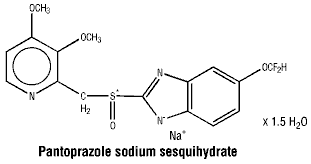
Chemical structure. Pantoprazole sodium sesquihydrate is a white to off-white crystalline powder. Solubility is low at neutral pH and increases with increasing pH.
CAS number. Chemical name (CAS): Sodium-[5-(difluoromethoxy)-2-[[(3,4-dimethoxy-2-pyridinyl)-methyl]-sulfinyl]-1H-benzimidazolide sesquihydrate.
Molecular formula: C16H14F2N3NaO4S.1½ H2O.
CAS number: 164579-32-2.
Molecular weight: 432.4 (sodium salt x 1.5 H2O).
Structural formula:
7 Medicine Schedule (Poisons Standard)
Pharmacy Medicine (Schedule 2) - 2* and 7 tablets.
Pharmacist Only Medicine (Schedule 3) - 14 tablets.
* Not all pack sizes may be marketed.
Date of Revision
14 July 2026
Summary Table of Changes

Reasonable care is taken to provide accurate information at the time of creation. This information is not intended as a substitute for medical advice and should not be exclusively relied on to manage or diagnose a medical condition. The Australian Commission on Safety and Quality in Health Care disclaims all liability (including for negligence) for any loss, damage, injury or any other negative effects resulting from reliance on or use of this information. Read our full disclaimer. This website uses cookies. Read our privacy policy.