
Suboxone Film
Brand Information
| Brand name | Suboxone Film |
| Active ingredient | Buprenorphine + Naloxone |
| Schedule | S8 |
Consumer Medicine Information (CMI) leaflet
Please read this leaflet carefully before you start using the Suboxone Film.
Summary CMI
SUBOXONE® FILM
Consumer Medicine Information (CMI) summary
The full CMI on the next page has more details. If you are worried about using this medicine, speak to your doctor or pharmacist.
WARNING: Important safety information is provided in a boxed warning in the full CMI. Read before using this medicine.
1. Why am I using SUBOXONE FILM?
SUBOXONE FILM contains two active ingredients buprenorphine hydrochloride and naloxone hydrochloride dihydrate. SUBOXONE FILM is used as part of medical, social and psychological treatment program for patients dependent on opioids.
For more information, see Section 1. Why am I using SUBOXONE FILM? in the full CMI.
2. What should I know before I use SUBOXONE FILM?
Do not use if you have ever had an allergic reaction to SUBOXONE FILM or any of the ingredients listed at the end of the CMI.
Talk to your doctor if you have any other medical conditions, take any other medicines, or are pregnant or plan to become pregnant or are breastfeeding.
For more information, see Section 2. What should I know before I use SUBOXONE FILM? in the full CMI.
3. What if I am taking other medicines?
Some medicines may interfere with SUBOXONE FILM and affect how it works.
A list of these medicines is in Section 3. What if I am taking other medicines? in the full CMI.
4. How do I use SUBOXONE FILM?
- SUBOXONE FILM should be used exactly as prescribed by your doctor or healthcare professional.
- The usual starting dose of SUBOXONE FILM is 4 - 8 mg with an additional 4 mg depending on your needs as determined by your treating doctor. The subsequent dosing will be selected by your healthcare professional based on clinical assessment of your condition.
More instructions can be found in Section 4. How do I use SUBOXONE FILM? in the full CMI.
5. What should I know while using SUBOXONE FILM?
| Things you should do |
|
| Things you should not do |
|
| Driving or using machines |
|
| Drinking alcohol |
|
| Looking after your medicine |
|
For more information, see Section 5. What should I know while using SUBOXONE FILM? in the full CMI.
6. Are there any side effects?
For more information, including what to do if you have any side effects, see Section 6. Are there any side effects? in the full CMI.
Full CMI
WARNINGS:
Hazardous and harmful use
Although SUBOXONE FILM is indicated for the treatment of opioid dependence, it still poses risks of hazardous and harmful use which can lead to overdose and death. The doctor will monitor your ongoing risk during treatment with SUBOXONE FILM.
Life threatening respiratory depression
Serious, life-threatening respiratory depression may occur with the use of SUBOXONE FILM. Talk to your doctor about situations which may increase the risk of respiratory depression.
Concomitant use of medicines affecting the central nervous system, including alcohol
Use of SUBOXONE FILM with anti-anxiety medicines, sedatives, antihistamines, some antidepressants, antipsychotics, cannabis and alcohol may result in profound sedation, respiratory depression, coma and death.
SUBOXONE® FILM
Active ingredient(s): buprenorphine hydrochloride and naloxone hydrochloride dihydrate
Consumer Medicine Information (CMI)
This leaflet provides important information about using SUBOXONE FILM. You should also speak to your doctor or pharmacist if you would like further information or if you have any concerns or questions about using SUBOXONE FILM.
Where to find information in this leaflet:
1. Why am I using SUBOXONE FILM?
2. What should I know before I use SUBOXONE FILM?
3. What if I am taking other medicines?
4. How do I use SUBOXONE FILM?
5. What should I know while using SUBOXONE FILM?
6. Are there any side effects?
7. Product details
1. Why am I using SUBOXONE FILM?
SUBOXONE FILM contains two active ingredients buprenorphine hydrochloride and naloxone hydrochloride dihydrate. Buprenorphine acts as a substitute for opioids and it helps withdrawal from opioids over a period of time. When taken sublingually (under the tongue) or buccally (inside the cheek) as prescribed, naloxone has no effect, as it is very poorly absorbed. However, if SUBOXONE FILM is injected, naloxone will act to block the effects of other opioids like heroin, methadone, morphine, oxycodone or codeine, leading to bad withdrawal symptoms. Therefore, naloxone is included in SUBOXONE FILM to discourage misuse by injection, as it can cause very bad withdrawal symptoms.
SUBOXONE FILM is used as part of a medical, social and psychological treatment program for patients dependent on opioids.
Ask your doctor or healthcare professional if you have any questions about why SUBOXONE FILM has been prescribed for you.
2. What should I know before I use SUBOXONE FILM?
Warnings
SUBOXONE FILM is only for adults and children over the age of 16 years. Your doctor will tell you how much SUBOXONE FILM to take and you should always follow medical advice.
Opioids can cause
- sleep apnoea (stopping breathing from time to time while sleeping) which can lead to low levels of oxygen in the blood. Tell your doctor if you have a history of sleep apnoea or if anyone notices you stop breathing from time to time whilst sleeping.
- a decreased level of hormones in the blood caused by a problem with the adrenal glands. The effects of these hormone changes may include nausea, vomiting, loss of appetite, feeling very tired and weak, feeling dizzy, or low blood pressure.
- an increased level of the hormone ‘prolactin’ and decreased level of sex hormones in the blood.
Tell your doctor if you notice any of these symptoms. You may need blood tests, and your doctor may tell you to stop using SUBOXONE FILM.
Do not use SUBOXONE FILM if:
- you are allergic to buprenorphine or to naloxone or to of the ingredients listed at the end of this leaflet.
- you are taking benzodiazepines unless they have been prescribed by your doctor.
- always check the ingredients to make sure you can use this medicine.
- you have serious problems with your liver, or if your doctor detects the development of a serious liver problem during treatment.
- you are under the age of 16 years.
- you have serious breathing problems.
- you are intoxicated due to CNS depressant medicines (e.g. tranquilisers, sedative/hypnotics, narcotic pain killers, anti-anxiety or antipsychotic medicines), alcohol or have delirium tremens (the ‘shakes’ and hallucinations).
- the package is torn, shows signs of tampering or the films do not look quite right.
Check with your doctor if you:
- have any other medical conditions such as asthma or other breathing problems, thyroid problems, prostate problems, problems with excess alcohol use, problems with drowsiness, Adrenal gland problems (e.g. Addison's disease), Kyphoscoliosis (hunchback disease), low blood pressure, urination problems, kidney problems, liver problems,
- have head injuries or have a condition where you have increased pressure within your head
- have problems related to the biliary tract
- have a history of seizures or if you have severe mental problems or hallucinations (seeing or hearing things that are not really there).
- take any medicines for any other condition.
Some people have died from respiratory failure (inability to breathe) when using benzodiazepines (medicines used to treat anxiety or sleeping problems) at the same time as SUBOXONE FILM.
As SUBOXONE FILM contains naloxone, it is highly likely to produce strong opioid withdrawal symptoms if misused as an injection while you are still experiencing the effects of other opioids.
SUBOXONE FILM can cause withdrawal symptoms (dependence) if you
- take it less than six hours after you use a short acting opioid (such as morphine or heroin) or less than 24 hours after a long-acting opioid (such as morphine or heroin) or less than 24 hours after a long-acting opioid (such as methadone) when taken sublingually or buccally
- stop using the medicine too quickly. Withdrawal symptoms may be delayed in some cases.
SUBOXONE FILM may cause
- fatal respiratory failure in children who accidentally ingest it.
- drowsiness, which may be made worse if you also drink alcohol or take sedatives or anti-anxiety medicines. If you are drowsy, do not drive or operate machinery.
- your blood pressure to drop suddenly, causing you to feel dizzy if you get up too quickly from sitting or lying down.
- withdrawal symptoms if taken while still under the influence of another opioid.
SUBOXONE FILM is not intended for occasional use and should be taken only as prescribed.
Athletes should be aware that this medicine may cause a positive reaction to "anti-doping" tests.
The safety and effectiveness in patients over 65 years of age have not been established.
Your doctor may ask you to have additional blood tests to see if this medication is right for you.
During treatment, you may be at risk of developing certain side effects. It is important you understand these risks and how to monitor for them. See additional information under Section 6. Are there any side effects?
Pregnancy and breastfeeding
Check with your doctor if you are pregnant or intend to become pregnant.
Talk to your doctor if you are breastfeeding or intend to breastfeed.
Use of SUBOXONE FILM or other opioids by the mother during pregnancy may result in withdrawal symptoms in the baby following birth, this is called Neonatal Abstinence Syndrome. Neonatal Abstinence Syndrome is a condition that includes disturbances to a newborn baby's nervous, gastro-intestinal and breathing systems. Not all babies who are exposed to SUBOXONE FILM in this way will have withdrawal symptoms. Talk to your doctor if you become pregnant or plan to become pregnant during treatment with SUBOXONE FILM. Your doctor will help you consider the risks and benefits of continued treatment and plan for monitoring your baby following birth. Due to the long duration of buprenorphine effect, your baby will be monitored for several days at the end of pregnancy for effects on breathing and for withdrawal symptoms.
3. What if I am taking other medicines?
Tell your doctor or pharmacist if you are taking any other medicines, including any medicines, vitamins or supplements that you buy without a prescription from your pharmacy, supermarket or health food shop.
Some medicines may interfere with SUBOXONE FILM and affect how it works.
In particular, tell your doctor, nurse or pharmacist if you are taking any of the following medicines:
- medicines containing alcohol
- certain medicines for treating HIV/AIDS
- certain medicines for treating fungal and bacterial infections
- strong painkillers
- cough medicines containing opioid-related substances
- certain antidepressants including monoamine oxidase inhibitors
- certain medicines used to treat fits or epilepsy (anti-convulsants)
- sedating antihistamines
- sedatives
- alcohol
- anti-anxiety medicines
- certain medicines for high blood pressure
- antipsychotic medicines
- naltrexone
- other opioid medicines.
Tell your doctor if you are scheduled to have surgery using a general anesthetic.
Alcohol and certain other medicines (as listed above) may increase the sedative effects of buprenorphine which can make driving and operating machinery hazardous.
Some people have died when using sedatives (benzodiazepines) or other depressants, alcohol or other opioids at the same time as SUBOXONE FILM. You should not use benzodiazepines (medicines used to treat anxiety or sleep disorders) whilst you are taking SUBOXONE FILM unless they are prescribed by your doctor.
Do not drink alcohol or take medicines that contain alcohol whilst you are being treated with SUBOXONE FILM.
Check with your doctor or pharmacist if you are not sure about what medicines, vitamins or supplements you are taking and if these affect SUBOXONE FILM.
4. How do I use SUBOXONE FILM?
How much to use
- Each SUBOXONE FILM contains buprenorphine and naloxone and is available in four different strengths:
- SUBOXONE FILM 2/0.5 containing 2 mg buprenorphine and 0.5 mg naloxone, it is referred to as 'the 2 mg film'
- SUBOXONE FILM 4/1* containing 4 mg buprenorphine and 1 mg naloxone, it is referred to as 'the 4m g film'
- SUBOXONE FILM 8/2 containing 8 mg buprenorphine and 2 mg naloxone, it is referred to as 'the 8 mg film' and
- SUBOXONE FILM 12/3* containing 12 mg buprenorphine and 3 mg naloxone, it is referred to as 'the 12 mg film'.
*Not currently supplied.
- On the first day the usual starting dose is 4-8 mg SUBOXONE FILM with an additional 4 mg depending on your needs as determined by your treating doctor.
- For patients who are still using short acting opioids such as heroin, morphine, oxycodone or codeine: when starting treatment, the dose of SUBOXONE FILM should be taken when the first signs of craving appear or at least 6 hours after your last use of opioid or when the first signs of craving appear.
- For patients receiving methadone: before beginning treatment with SUBOXONE FILM, your doctor will probably reduce your dose of methadone to the minimum daily dose that you can tolerate. The first dose of SUBOXONE FILM should preferably be taken at least 24 hours after your last dose of methadone or when the first signs of craving appear.
How to use SUBOXONE FILM
- Before touching the film, make sure your hands are dry. SUBOXONE FILM should be held between
2 fingers by the outside edges of the film.
The films are taken sublingually and/or buccally. This means that you place the film under your tongue and/ or inside either cheek and allow it to dissolve, which may take between 4 and 8 minutes. This is the only way the films should be taken. If you need to take two films, place them on opposite sides under your tongue or inside your cheeks and try not to have them overlap. If you are taking more than 2 films, place the next films under your tongue or inside your cheeks after the first two have dissolved.
- During your treatment, your doctor may increase your dose of SUBOXONE FILM up to a maximum daily dose of 32 mg, depending upon your response to treatment.
- After a period of successful treatment, your doctor may gradually reduce your dose.
- Depending on your condition, your dose may continue to be reduced under careful medical supervision, until it is stopped altogether.
DO NOT swallow, consume food or drink until the films are completely dissolved. The films will not work if you chew of swallow them whole. They are not designed to be split or broken.
DO NOT inject SUBOXONE FILM. Patients have died from injecting this medicine. Additionally, when injecting SUBOXONE FILM and also taking benzodiazepines (medicines used to treat anxiety or sleeping problems), people were even more likely to die.
If you forget to use SUBOXONE FILM
If you miss your dose of SUBOXONE FILM, take it as soon as you remember. If you are unsure consult your doctor, nurse or pharmacist.
If you use too much SUBOXONE FILM
If you think that you have used too much SUBOXONE FILM, you may need urgent medical attention.
You should immediately:
- phone the Poisons Information Centre
(by calling 13 11 26), or - contact your doctor, or
- go to the Emergency Department at your nearest hospital.
You should do this even if there are no signs of discomfort or poisoning.
Symptoms of an overdose with SUBOXONE FILM may include:
- severe drowsiness, dizziness or difficulty thinking
- severe drop in blood pressure
- severe difficulty breathing.
Other signs of overdose can also include problems with the 'nervous system' caused by damage to the white matter of the brain (known as toxic leukoencephalopathy).
When seeking medical attention, take this leaflet and remaining medicine with you to show the doctor. Also tell them about any other medicines or alcohol which have been taken.
5. What should I know while using SUBOXONE FILM?
Things you should do
If you are about to start on any new medicine, remind your doctor, nurse and pharmacist who treat you that you are using or will be starting SUBOXONE FILM.
If you are going to have surgery, tell the surgeon or anaesthetist that you are using SUBOXONE FILM.
It may affect other medicines used during surgery.
Keep all of your doctor/nurse/pharmacist's appointments so that your progress can be checked.
Call your doctor straight away if you:
- experience allergic reactions such as swelling of the face, lips, mouth or throat, or severe difficulty in breathing, or
- experience severe liver problems such as intense fatigue, no appetite, your skin and eyes look yellow, or you have light coloured bowel motions or dark coloured urine.
- experience severe upper abdominal pain possibly radiating to the back, nausea, vomiting or fever as this could be symptoms associated with inflammation of the pancreas (pancreatitis) and the biliary tract system.
- have difficulty swallowing, regurgitation, chest pain that is not related to your heart, especially if you have been using this medicine for a long time.
Remind any doctor, dentist, nurse or pharmacist you visit that you are using SUBOXONE FILM.
Things you should not do
- Do not inject SUBOXONE FILM. Patients have died from injecting this medicine.
- Do not swallow or consume food or drink until the films are completely dissolved. The films will not work if you chew or swallow them whole, they are not designed to be split or broken.
- Do not stop using this medicine suddenly, as this may cause withdrawal symptoms.
- Do not take your medicine to treat any condition other than the one prescribed for by your doctor.
- Do not give your medicine to anyone else, even if they have the same condition as you. It may harm them.
Things to be careful of
- SUBOXONE FILM may cause your blood pressure to drop suddenly, causing you to feel dizzy if you get up too quickly from sitting or lying down.
- if you feel light-headed, dizzy or faint when getting out of bed or standing up, get up slowly.
- if you stop using SUBOXONE FILM and if you start using opioids again, your sensitivity to opioids may change which could be dangerous. You should talk to your doctor before you start using opioids again.
- SUBOXONE FILM contains a narcotic that can be a target for people who abuse prescription medicines or street drugs. Therefore, keep your medications in a safe place to protect them from theft. Never give them to anyone else
In the event of an emergency
- It is important that your family members or friends tell hospital or ambulance staff that you are dependent on opioids (narcotics) and are being treated with SUBOXONE FILM.
Driving or using machines
Be careful before you drive or use any machines or tools until you know how SUBOXONE FILM affects you.
SUBOXONE FILM may cause drowsiness, which may be made worse if you also drink alcohol or take sedatives or anti-anxiety medicines. If you are drowsy, do not drive or operate machinery.
Drinking alcohol
Do not drink alcohol or take medicines that contain alcohol whilst you are being treated with SUBOXONE FILM.
Tell your doctor if you drink alcohol.
Looking after your medicine
- Keep the films in a dry place where the temperature stays below 25°C in the original package.
- Store this medicine securely, where other people cannot access it. It may harm people who take this medicine by accident, or intentionally when it has not been prescribed for them.
Store it in a cool dry place away from moisture, heat or sunlight; for example, do not store it:
- in the bathroom or near a sink, or
- in the car or on window sills.
Keep it where young children cannot reach it.
Getting rid of any unwanted medicine
If you no longer need to use this medicine or it is out of date, take it to any pharmacy for safe disposal.
Do not use this medicine after the expiry date.
6. Are there any side effects?
All medicines can have side effects. If you do experience any side effects, most of them are minor and temporary. However, some side effects may need medical attention.
See the information below and, if you need to, ask your doctor or pharmacist if you have any further questions about side effects.
Less serious side effects
| Less serious side effects | What to do |
Breathing-related:
| Speak to your doctor if you have any of these less serious side effects and they worry you. |
Serious side effects
| Serious side effects | What to do |
Allergy-related:
Symptoms may include:
| Call your doctor straight away, or go straight to the Emergency Department at your nearest hospital if you notice any of these serious side effects. |
Tell your doctor or pharmacist if you notice anything else that may be making you feel unwell.
Other side effects not listed here may occur in some people.
Reporting side effects
After you have received medical advice for any side effects you experience, you can report side effects to the Therapeutic Goods Administration online at www.tga.gov.au/reporting-problems.
For adverse event reporting please contact:
Indivior Pty Ltd
Tel: +800-270-81901
PatientSafetyRoW@indivior.com
By reporting side effects, you can help provide more information on the safety of this medicine.
Always make sure you speak to your doctor or pharmacist before you decide to stop taking any of your medicines.
7. Product details
This medicine is only available with a doctor's prescription.
What SUBOXONE FILM contains
| Active ingredient (main ingredients) | buprenorphine hydrochloride and naloxone hydrochloride dihydrate |
| Other ingredients (inactive ingredients) | acesulfame potassium citric acid maltitol hypromellose polyethylene oxide sodium citrate Natural Lime Flavour 3000180 Sunset Yellow FCF OPACODE WB monogramming sodium citrate dihydrate |
| Potential allergens | None Known |
Do not take this medicine if you are allergic to any of these ingredients.
What SUBOXONE FILM looks like
SUBOXONE FILM is an orange, rectangular soluble film and is available in the following presentations:
- SUBOXONE FILM 2/0.5 contains 2 mg of buprenorphine (as hydrochloride) + 0.5 mg of naloxone (as hydrochloride dihydrate)
(AUST R 163443). - SUBOXONE FILM 4/1 contains 4 mg of buprenorphine (as hydrochloride) + 1 mg of naloxone (as hydrochloride dihydrate) (AUST R 211117). *
- SUBOXONE FILM 8/2 contains 8 mg of buprenorphine (as hydrochloride) + 2 mg of naloxone (as hydrochloride dihydrate) (AUST R 163444).
- SUBOXONE FILM 12/3 contains 12 mg of buprenorphine (as hydrochloride) + 3 mg of naloxone (as hydrochloride dihydrate) (AUST R 211120). *
*Not currently supplied.
A logo is printed on each film in white ink to indicate the dosage strength: "N2" for the 2 mg, "N4" for the 4 mg, "N8" for the 8 mg and "N12" for the 12 mg. SUBOXONE FILM is individually packed and supplied in a pack containing 28 sachets.
Who distributes SUBOXONE FILM
SUBOXONE FILM is distributed in Australia by:
Indivior Pty Ltd
78 Waterloo Road
Macquarie Park NSW 2113
Australia
This leaflet was prepared in October 2025.
® Registered Trade Mark. The trade marks mentioned in this material are the property of their respective owners
Brand Information
| Brand name | Suboxone Film |
| Active ingredient | Buprenorphine + Naloxone |
| Schedule | S8 |
MIMS Revision Date: 01 November 2025
Life threatening respiratory depression. Serious, life‐threatening or fatal respiratory depression may occur with the use of Suboxone Film. Be aware of situations which increase the risk of respiratory depression, and monitor patients closely, especially on initiation or following a dose increase (see Section 4.4 Special Warnings and Precautions for Use).
Concomitant use of benzodiazepines and other central nervous system (CNS) depressants, including alcohol. Concomitant use of opioids with benzodiazepines, gabapentinoids, antihistamines, tricyclic antidepressants, antipsychotics, cannabis or other central nervous system (CNS) depressants, including alcohol, may result in profound sedation, respiratory depression, coma, and death. Patients and their caregivers should be made aware of the symptoms of respiratory depression. Patients and their caregivers should also be informed of the potential harms of consuming alcohol while taking Suboxone Film.
1 Name of Medicine
Suboxone Film contains buprenorphine (as hydrochloride) and naloxone (as hydrochloride dihydrate) at a ratio of 4:1 buprenorphine:naloxone (ratio of free bases).
2 Qualitative and Quantitative Composition
Suboxone Film is available in four dosage strengths:
2 mg buprenorphine (as hydrochloride) + 0.5 mg naloxone (as hydrochloride dihydrate);
4 mg buprenorphine (as hydrochloride) + 1 mg naloxone (as hydrochloride dihydrate);
8 mg buprenorphine (as hydrochloride) + 2 mg naloxone (as hydrochloride dihydrate); and
12 mg buprenorphine (as hydrochloride) + 3 mg naloxone (as hydrochloride dihydrate).
Buprenorphine hydrochloride is a white powder, weakly acidic with limited solubility in water (19.5 mg/mL at 37°C, pH 4.1). Chemically, it is 21- Cyclopropyl-7α-[(S) -1- hydroxy-1, 2, 2 - trimethylpropyl]-6, 14-endo-ethano-6, 7, 8, 14-tetrahydrooripavine hydrochloride. Buprenorphine hydrochloride has the molecular formula C29H41NO4HCl and the molecular weight is 504.09. The CAS number is 53152-21-9.
Naloxone hydrochloride is a white to slightly off-white powder that exists as the dihydrate and is soluble in water, in dilute acids and in strong alkali. Chemically, it is (-)-17-Allyl-4, 5α-epoxy-3, 14-dihydroxymorphinan-6-one hydrochloride dihydrate. Naloxone hydrochloride has the molecular formula C19H21NO4HCl.2H2O and the molecular weight is 399.87.
For the full list of excipients, see Section 6.1.
3 Pharmaceutical Form
Suboxone Film is a soluble film intended for sublingual and or buccal administration only.
Suboxone Film is supplied as an orange rectangular soluble film with a white printed logo in four dosage strengths:
"N2" for 2/0.5 mg buprenorphine/naloxone;
"N4" for 4/1 mg buprenorphine/naloxone*;
"N8" for 8/2 mg buprenorphine/naloxone; and
"N12" for 12/3 mg buprenorphine/naloxone*.
* Not supplied.
4 Clinical Particulars
4.1 Therapeutic Indications
Treatment of opioid dependence within a framework of medical, social and psychological treatment.
4.2 Dose and Method of Administration
Treatment with Suboxone Film is intended for adults and children aged 16 years or over who have agreed to be treated for opioid dependence.
Suboxone Film and Suboxone Tablet do not meet all criteria for bioequivalence (see Section 5.2 Pharmacokinetic Properties). Patients being switched between tablets and soluble films may therefore require dosage adjustment.
The routes of administration of Suboxone Film is sublingual and buccal only. The film formulation is not designed to be split or broken.
Suboxone Films should not be swallowed whole as this reduces the bioavailability of the medicine. Physicians must advise patients that the sublingual and buccal route are the only effective and safe route of administration for this medicine.
Please note. The following instructions refer to the buprenorphine content of each dose.
Method of administration. Sublingual administration. Place one film under the tongue, close to the base on the left or right side. If an additional film is necessary to achieve the prescribed dose, place an additional film sublingually on the opposite side from the first film. Place the film in a manner to minimize overlapping as much as possible. The film must be kept under the tongue until the film is completely dissolved. If a third film is necessary to achieve the prescribed dose, place it under the tongue on either side after the first 2 films have dissolved.
Buccal administration. Place one film on the inside of the right or left cheek. If an additional film is necessary to achieve the prescribed dose, place an additional film on the inside of the opposite cheek. The film must be kept on the inside of the cheek until the film is completely dissolved. If a third film is necessary to achieve the prescribed dose, place it on the inside of the right or left cheek after the first two films have dissolved.
No food or drink should be consumed until the film is completely dissolved. Suboxone Film should not be chewed, swallowed, or moved from placement.
Starting Suboxone Film. An adequate maintenance dose, titrated to clinical effectiveness, should be achieved as rapidly as possible to prevent undue opioid withdrawal symptoms due to inadequate dosage.
Prior to induction, consideration should be given to the type of opioid dependence (i.e. long- or short-acting opioid), the time since last opioid use and the degree or level of opioid dependence.
Due to naloxone exposure being somewhat higher following buccal administration than sublingual administration, it is recommended that the sublingual site of administration be used during induction to minimise naloxone exposure and to reduce the risk of precipitated withdrawal.
Induction onto Subutex (buprenorphine tablets) is recommended when there is doubt about the level of dependence or previous opioid use, to avoid precipitating opioid withdrawal. Patients can be switched to Suboxone Film on the third day.
When initiating buprenorphine treatment, the physician should be aware of the partial agonist profile of the molecule to the mu opioid receptors, which can precipitate withdrawal in opioid-dependent patients if given too soon after the administration of heroin, methadone or another opioid. To avoid precipitating withdrawal, induction with buprenorphine should be undertaken when objective and clear signs of withdrawal are evident.
Patients taking heroin (or other short-acting opioids). When treatment starts the dose of Suboxone Film should be taken at least 6 hours after the patient last used opioids and when the objective signs of withdrawal appear. The Clinical Opiate Withdrawal Scale (COWS) may be a useful reference assessment however clinical assessment of withdrawal symptoms with consideration of the patient's baseline presentation is important, particularly for patients in mild withdrawal (COWS score of 5-12). The recommended starting dose is 4-8 mg Suboxone Film on Day One, with a possible additional 4 mg depending on the individual patient's requirement. The suggested target total dose for Day One is in the range of 8-12 mg Suboxone Film. For patients with moderate or severe withdrawal at the time of the first dose, an initial dose of 8 mg may be appropriate with an additional 4 mg depending on the individual patient's requirement to a total maximum of 12 mg on Day 1.
Lower doses (e.g. 2 or 4 mg total on Day 1) are suited to those with low or uncertain levels of opioid dependence, with high risk polydrug use (alcohol, benzodiazepines) or with other severe medical complications. Seek specialist advice if concerned.
Patients on methadone. Before starting treatment with Suboxone Film, the maintenance dose of methadone should be reduced to the minimum methadone daily dose that the patient can tolerate. The first dose of Suboxone Film should be taken at least 24 hours after the patient last used methadone. An initial dose of 2 mg Suboxone Film may be administered when moderate withdrawal is apparent (COWS ≥ 13). An additional dose of 6 mg Suboxone Film can be administered one hour later if the initial dose does not precipitate withdrawal. Supplementary doses can be administered every 1 to 3 hours according to withdrawal severity:
0 mg if there is no or minimal withdrawal (COWS < 5);
4 mg if there is mild withdrawal (COWS 5-12);
8 mg if there is moderate to severe withdrawal (COWS ≥ 13).
The suggested target total dose for Day One is in the range of 8 - 16 mg Suboxone Film. A maximum daily dose of 32 mg should not be exceeded.
During the initiation of treatment, patients need frequent monitoring. Suboxone Film should be dispensed in multiple doses over the first 4 to 6 hours of the transfer. Dosing supervision is recommended to ensure proper placement of the dose and to observe patient response to treatment as a guide to effective dose titration according to clinical effect.
Switching between treatments for opioid dependence. Patients should be closely monitored during the switching period from buprenorphine or methadone to buprenorphine/naloxone since withdrawal symptoms have been reported.
Switching between Suboxone Film strengths. The sizes and the compositions of the four units of Suboxone Films, i.e. 2 mg/0.5 mg, 4 mg/1 mg, 8 mg/2 mg and the 12 mg/3 mg units, are different from one another. If patients switch between various combinations of lower and higher strength units of Suboxone Films to obtain the same total dose (e.g. from three 4 mg/1 mg units to a single 12 mg/3 mg unit, or vice-versa), systemic exposures of buprenorphine and naloxone may be different and patients should be monitored for over-dosing or under-dosing. For this reason, pharmacist should not substitute one or more film strengths for another without approval of the prescriber.
Switching between sublingual and buccal sites of administration. The systemic exposure of buprenorphine between buccal and sublingual administration of Suboxone Film is similar. Therefore, once induction is complete, patients can switch between buccal and sublingual administration without significant risk of under or overdosing.
Dose adjustment in hepatic impairment. Use of Suboxone Film is contraindicated in patients with severe hepatic impairment.
Suboxone Film may not be appropriate for patients with moderate hepatic impairment. Suboxone Film may be used with caution for maintenance treatment in patients with moderate hepatic impairment, who have initiated treatment on a buprenorphine-only product. Patients with moderate hepatic impairment prescribed Suboxone should be monitored for signs and symptoms of precipitated opioid withdrawal. In addition, lower initial doses and cautious titration of dosage may be required in patients with moderate hepatic impairment.
No dosage adjustment is needed in patients with mild hepatic impairment.
Dosage adjustment and maintenance. The dose of Suboxone Film should be adjusted progressively according to the clinical effect in the individual patient. The dosage is adjusted in increments or decrements of 2 - 8 mg buprenorphine to a level that maintains the patient in treatment and suppresses opioid withdrawal effects according to reassessments of the clinical and psychological status of the patient.
Most patients require daily buprenorphine doses in the range 12-24 mg to achieve stabilisation, although some patients require higher (e.g. up to 32 mg/day) or lower (4-8 mg/day) doses to achieve their treatment goals. During maintenance therapy, it may be necessary to periodically restabilise patients to new maintenance doses in response to changing patient needs.
Less than daily dosing. After a satisfactory period of stabilisation has been achieved, the frequency of dosing may be decreased to dosing every other day at twice the individually titrated daily dose. For example, a patient stabilised to receive a daily dose of 8 mg may be given 16 mg on alternate days, with no medication on the intervening days. However, the dose given on any one day should not exceed 32 mg.
In some patients, after a satisfactory period of stabilisation has been achieved, the frequency of dosing may be decreased to 3 times a week (for example on Monday, Wednesday and Friday). The dose on Monday and Wednesday should be twice the individually titrated daily dose, and the dose on Friday should be three times the individually titrated daily dose, with no medication on the intervening days. However, the dose given on any one day should not exceed 32 mg.
The patient should be observed following the first multi-dose administration to initiate the less-than-daily dosing regimen, and whenever treated with high doses. Patients who sporadically use concomitant CNS active medications or substances should be monitored closely.
Reducing dosage and stopping treatment. The decision to discontinue therapy with Suboxone Film should be made as part of a comprehensive treatment plan. A possible gradual dose taper over a period of 21 days is shown in Table 1.

4.3 Contraindications
Hypersensitivity to buprenorphine or naloxone or any other component of the soluble film.
Children less than 16 years of age.
Severe respiratory or hepatic insufficiency (Child-Pugh C).
Acute intoxication with alcohol or other CNS depressant.
4.4 Special Warnings and Precautions for Use
General. Suboxone Film should be administered with caution in debilitated patients and those with impairment of hepatic, pulmonary, or renal function; myxoedema or hypothyroidism, adrenal cortical insufficiency (e.g. Addison's disease); CNS depression or coma; toxic psychoses; acute alcoholism; or delirium tremens.
Buprenorphine increases intracholedochal pressure as do other opioids. Therefore, caution should be exercised when Suboxone Film is to be administered to patients with dysfunction of the biliary tract.
As with other opioids, caution is advised in patients using buprenorphine and having hypotension, prostatic hypertrophy or urethral stenosis.
Opioids may produce orthostatic hypotension in ambulatory patients.
As with other mu-opioid receptor agonists, the administration of Suboxone Film may obscure the diagnosis or clinical course of patients with acute abdominal conditions.
Use in the elderly. The safety and efficacy of buprenorphine in elderly patients over 65 years have not been established.
Misuse, abuse and diversion. Although Suboxone Film is indicated for the treatment of opioid dependence it still poses risks of hazardous and harmful use which can lead to overdose and death. Monitor the patient's ongoing risk of hazardous and harmful use regularly during opioid substitution therapy with Suboxone Film.
Suboxone can be misused or abused in a manner similar to other opioids, legal or illicit. Some risks of misuse and abuse include overdose, spread of blood borne viral infections, respiratory depression and hepatic injury. Suboxone misuse by someone other than the intended patient poses the additional risk of new opioid dependent individuals using buprenorphine as the primary opioid of abuse and may occur if the medicine is distributed for illicit use directly by the intended patient or if the medicine is not safeguarded against theft, including in the home. Sub-optimal treatment with Suboxone may prompt medication misuse by the patient, leading to overdose or treatment dropout. A patient who is under-dosed with Suboxone may continue responding to uncontrolled withdrawal symptoms by self-medicating with opioids, alcohol or other sedative-hypnotics such as benzodiazepines. To minimise risk of misuse, abuse or diversion, appropriate precautions should be taken when prescribing and dispensing Suboxone, such as to avoid prescribing multiple refills early in treatment, and to conduct patient follow-up visits with clinical monitoring that is appropriate to the patient's level of stability.
Patients dependent upon concomitant CNS-active substances, including alcohol, should not be treated with the increased doses required by the less-than-daily dosing regimen intended for use in a supervised dose setting. Patients with sporadic use of concomitant non-opioid medications should be monitored closely, and all patients dosed on a less-than-daily basis should be observed following the first multi-dose administration when initiating less-than-daily dosing or whenever treated with high doses.
Respiratory depression. Serious, life‐threatening or fatal respiratory depression may occur with the use of Suboxone Film. Be aware of situations which increase the risk of respiratory depression and monitor patients closely, especially on initiation or following a dose increase.
Suboxone Film is intended for sublingual or buccal use only. Significant respiratory depression has been associated with buprenorphine, particularly by the intravenous route. A number of deaths have occurred when buprenorphine was used in combination with benzodiazepines, in opioid naive individuals, or when buprenorphine was otherwise not used according to prescribing information. Deaths have also been reported in association with concomitant administration of buprenorphine with other depressants such as alcohol or other opioids. Patients should be warned of the potential danger of the self-administration of benzodiazepines or other CNS depressants at the same time as receiving Suboxone Film.
In the event of depression of respiratory or cardiac function, see Section 4.9 Overdose.
Suboxone Film should be used with caution in patients with compromised respiratory function (e.g. chronic obstructive pulmonary disease, sleep apnoea, asthma, cor pulmonale, decreased respiratory reserve, hypoxia, hypercapnia, pre-existing respiratory depression or kyphoscoliosis).
Suboxone Film may cause severe, possible fatal, respiratory depression in children who accidentally ingest it. Protect children against exposure.
CNS depression. Concomitant use of opioids with benzodiazepines, tranquillisers, sedatives, hypnotics, gabapentinoids, antihistamines, tricyclic antidepressants, antipsychotics, cannabis or other central nervous system (CNS) depressants, including alcohol, may result in profound sedation, respiratory depression, coma, and death (see Section 4.5 Interactions with Other Medicines and Other Forms of Interactions). Patients and their caregivers should be made aware of the symptoms of respiratory depression. Patients and their caregivers should also be informed of the potential harms of consuming alcohol while taking Suboxone Film.
Suboxone Film should be used cautiously with MAOIs, based on experience with morphine.
Sleep-related breathing disorders. Opioids can cause sleep-related breathing disorders including central sleep apnoea (CSA) and sleep-related hypoxemia. Opioid use increases the risk of CSA in a dose-dependent fashion. In patients who present with CSA, consider decreasing the total opioid dosage.
Adrenal insufficiency. Adrenal insufficiency has been reported with opioid use, more often following long-term use. Symptoms may include nausea, vomiting, anorexia, fatigue, weakness, dizziness, or low blood pressure. If adrenal insufficiency is suspected, appropriate laboratory testing is recommended and discontinuation of treatment with Suboxone Film should be considered.
Endocrine effects. Opioids, such as Suboxone Film, may influence the hypothalamic-pituitary-adrenal or -gonadal axes. Hormonal disturbances that have been observed include an increase in serum prolactin and decreases in plasma cortisol and testosterone. Clinical symptoms may manifest from these hormonal changes.
Androgen deficiency may manifest as low libido, impotence, erectile dysfunction, amenorrhea, or infertility.
Hepatobiliary disorders. Opioids may cause dysfunction and spasm of the sphincter of Oddi, thus raising intrabiliary pressure and increasing the risk of biliary tract symptoms and pancreatitis. Therefore, Suboxone Film has to be administered with caution in patients with pancreatitis and diseases of the biliary tract.
Gastrointestinal toxicity. Reports of significant oesophageal dysfunction have been observed via high-resolution manometry in patients taking opioid medicines on a long-term basis. Discontinuation or weaning of opioids should be considered in patients presenting with oesophageal complaints including but not limited to dysphagia, regurgitation, or non-cardiac chest pain.
Hepatitis, hepatic events. Cases of acute hepatic injury have been reported in opioid-dependent patients, both in clinical trials and post marketing adverse reaction reports. The spectrum of abnormalities ranges from transient asymptomatic elevations in hepatic transaminases to case reports of cytolytic hepatitis, hepatic failure, hepatic necrosis, hepatorenal syndrome, hepatic encephalopathy and death. Serious cases of acute hepatic injury have also been reported in a context of misuse, especially by the intravenous route. These hepatic injuries were dose-related and could be due to mitochondrial toxicity. Pre-existing or acquired mitochondrial impairment (genetic diseases, viral infections particularly chronic hepatitis C, liver enzyme abnormalities, alcohol abuse, anorexia, associated mitochondrial toxins, e.g. aspirin, isoniazid, valproate, amiodarone, antiviral nucleoside analogues, or drug misuse by injection) could promote the occurrence of such hepatic injuries. These co-factors must be taken into account before prescribing Suboxone Film and during treatment monitoring. Baseline liver function tests and documentation of viral hepatitis status are recommended prior to commencing therapy. Patients who are positive for viral hepatitis, on concomitant medicines (see Section 4.5 Interactions with Other Medicines and Other Forms of Interactions) and/or have existing liver dysfunction are at greater risk of liver injury. Regular monitoring of liver function is recommended. A biological and etiological evaluation is recommended when a hepatic event is suspected. Depending upon the findings, the medicine may be discontinued cautiously so as to prevent withdrawal syndrome and to prevent a return to opioid dependence. If treatment is continued, hepatic function should be monitored closely.
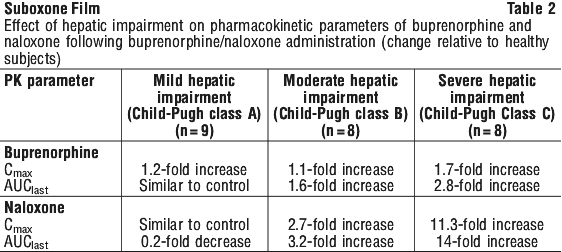
Use in hepatic impairment. Buprenorphine and naloxone are extensively metabolised by the liver. The effects of hepatic impairment on the pharmacokinetics of buprenorphine and naloxone were evaluated in a post-marketing study, in which a Suboxone 2.0/0.5 mg (buprenorphine/naloxone) sublingual tablet was administered to healthy subjects and subjects with varying degrees of hepatic impairment. Plasma levels were found to be elevated for buprenorphine and naloxone in patients with moderate to severe hepatic impairment (Table 2). Patients with severe hepatic impairment experienced substantially greater increases in exposure to naloxone relative to buprenorphine, and patients with moderate hepatic impairment experienced greater increases in exposure to naloxone relative to buprenorphine. The clinical impact in terms of efficacy/safety is unknown, but is likely to be greater for those with severe hepatic impairment than those with moderate hepatic impairment.
The doses of buprenorphine and naloxone in Suboxone cannot be individually titrated. As such, Suboxone should be avoided in patients with severe hepatic impairment. Use of Suboxone may not be appropriate in those with moderate hepatic impairment. It may be used with caution for maintenance treatment in patients with moderate hepatic impairment who have initiated treatment on a buprenorphine-only product. Patients with moderate hepatic impairment should be monitored for signs and symptoms of precipitated opioid withdrawal. In addition, lower initial doses and cautious titration of dosage may be required in patients with moderate hepatic impairment. As with all patients treated with Suboxone, liver function tests should be monitored prior to and during treatment. Also see Section 4.2 Dose and Method of Administration.
Use in renal impairment. Renal elimination plays a relatively small role (~30%) in the overall clearance of buprenorphine. Therefore, no dose modification based on renal function is generally required. Metabolites of buprenorphine accumulate in patients with renal failure. Caution is recommended when dosing patients with severe renal impairment (CLcr < 30 mL/min), which may require dose adjustment.
Head injury and increased intracranial pressure. Suboxone Film, like other potent opioids may itself elevate cerebrospinal fluid pressure, which may cause seizures, and should be used with caution in patients with head injury, intracranial lesions and other circumstances where cerebrospinal pressure may be increased, or history of seizure. Suboxone Film can produce miosis and changes in the level of consciousness, or changes in the perception of pain as a symptom of disease and may interfere with patient evaluation or obscure the diagnosis or clinical course of concomitant disease.
Opioid withdrawal effects. Because Suboxone Film contains naloxone, it is highly likely to produce marked and intense opioid withdrawal symptoms if injected by patients treated with Subutex or Suboxone or by persons dependent on full opioid agonists such as heroin, oxycodone, morphine or methadone.
Suboxone Film may produce withdrawal symptoms in opioid dependent subjects if it is administered too soon after another opioid. Buprenorphine is a partial agonist at the mu-opioid receptor and studies in animals, as well as clinical experience, have shown that buprenorphine may produce dependence, but at a lower level than morphine. Consequently, it is important to follow the recommendations (see Section 4.2 Dose and Method of Administration). Withdrawal symptoms may also be associated with suboptimal dosing. Abrupt discontinuation of treatment is not recommended as it may result in a withdrawal syndrome that may be delayed in onset.
Neonatal abstinence syndrome. Chronic use of buprenorphine by the mother at the end of pregnancy may result in a withdrawal syndrome (e.g. hypertonia, neonatal tremor, neonatal agitation, myoclonus, apnoea, convulsions or bradycardia) in the neonate. In many reported cases the withdrawal was serious and required treatment. The syndrome is generally delayed for several hours to several days after birth (see Section 4.6 Fertility, Pregnancy and Lactation, Use in pregnancy). Due to the long half-life of buprenorphine, neonatal monitoring for several days should be considered to prevent the risk of respiratory depression or withdrawal syndrome in neonates.
Allergic reactions. Cases of acute and chronic hypersensitivity to buprenorphine have been reported both in clinical trials and in the post-marketing experience. The most common signs and symptoms include rashes, hives, and pruritus. Cases of bronchospasm, angioneurotic oedema, and anaphylactic shock have been reported. A history of hypersensitivity to buprenorphine or naloxone is a contraindication to Suboxone Film use.
Paediatric use. Suboxone Film is not recommended for use in children. The safety and effectiveness of Suboxone Film in subjects below the age of 16 has not been established. Due to limited amount of available data, patients between 16 and 18 years of age should be closely monitored during treatment.
Effects on laboratory tests. Athletes should be aware that this medicine may cause a positive reaction to "anti-doping" tests.
Use in opioid naive patients. There have been reported deaths of opioid naive individuals who received doses as low as 2 mg of buprenorphine sublingual tablet for analgesia. Suboxone is not appropriate as an analgesic.
4.5 Interactions with Other Medicines and Other Forms of Interactions
Alcohol. Alcohol increases the sedative effect of buprenorphine/naloxone. Suboxone should not be used together with alcoholic drinks, and must be used cautiously with medicines containing alcohol (see Section 4.4 Special Warnings and Precautions for Use).
Benzodiazepines. This combination may result in death due to respiratory depression of central origin; therefore, patients must be closely monitored when prescribed this combination, and this combination should be avoided where there is a risk of misuse. Patients should be warned that it is extremely dangerous to self-administer non-prescribed benzodiazepines while taking this product, and should also be cautioned to use benzodiazepines concurrently with this product only as prescribed (see Section 4.4 Special Warnings and Precautions for Use).
Other central nervous system depressants. Combining central nervous system depressants with buprenorphine increases central nervous system depressant effects. The reduced level of alertness can make driving and using machinery dangerous. Examples include opioids (e.g. methadone, analgesics, and antitussives), gabapentinoids, cannabis, certain antidepressants, antihistamines (e.g. sedating H1-receptor antagonists), barbiturates, anxiolytics, neuroleptics, clonidine (see Section 4.4 Special Warnings and Precautions for Use).
Opioid analgesics. The analgesic properties of other opioids such as methadone and level III analgesics may be reduced in patients receiving treatment with buprenorphine/naloxone for opioid dependence. Adequate analgesia may be difficult to achieve when administering a full opioid agonist in patients receiving Suboxone. Conversely, the potential for overdose should be considered with higher than usual doses of full agonist opioids, such as methadone or level III analgesics, especially when attempting to overcome buprenorphine partial agonist effects, or when buprenorphine plasma levels are declining. Patients with a need for analgesia and opioid dependence treatment may be best managed by multidisciplinary teams that include both pain and opioid dependence treatment specialists (see Section 4.4 Special Warnings and Precautions for Use).
Naltrexone and other opioid antagonists. Since buprenorphine is a partial mu-opioid agonist, concomitantly administered opioid antagonists such as naltrexone can reduce or completely block the effects of Suboxone Film. Patients maintained on Suboxone Film may experience a sudden onset of prolonged and intense opioid withdrawal symptoms if dosed with opioid antagonists that achieve pharmacologically relevant systemic concentrations.
CYP3A4 inhibitors. An interaction study of buprenorphine with ketoconazole (a potent inhibitor of CYP3A4) resulted in increased Cmax and AUC of buprenorphine (approximately 50% and 70% respectively) and, to a lesser extent, of norbuprenorphine. Patients receiving Suboxone Film should be closely monitored, and may require dose reduction if combined with potent CYP3A4 inhibitors e.g. protease inhibitors like ritonavir, nelfinavir or indinavir, azole antifungals like ketoconazole or itraconazole, calcium channel antagonists, and macrolide antibiotics.
CYP3A4 inducers. Concomitant use of CYP3A4 inducers with buprenorphine may decrease buprenorphine plasma concentrations, potentially resulting in under-treatment of opioid dependence with buprenorphine; therefore, it is recommended that patients receiving Suboxone Film should be closely monitored if inducers (e.g. phenobarbital, carbamazepine, phenytoin, and rifampicin) are co-administered.
Serotonergic drugs. Cases of serotonin syndrome, a potentially life-threatening condition, have been reported during concomitant use of opioids with serotonergic drugs. If concomitant use is warranted, carefully observe the patient, particularly during treatment initiation and dose adjustment. Discontinue buprenorphine if serotonin syndrome is suspected. Examples of serotonergic drugs include selective serotonin reuptake inhibitors (SSRIs), serotonin and norepinephrine reuptake inhibitors (SNRIs), tricyclic antidepressants (TCAs), triptans, 5-HT3 receptor antagonists, serotonin precursors (e.g. tryptophan), drugs that affect the serotonin neurotransmitter system (e.g. mirtazapine, trazodone, tramadol, lithium, St. John's wort), certain muscle relaxants (i.e. cyclobenzaprine, metaxalone), and monoamine oxidase (MAO) inhibitors (those intended to treat psychiatric disorders and also others, such as linezolid and intravenous methylene blue).
4.6 Fertility, Pregnancy and Lactation
Effects on fertility. There were no effects on mating performance or fertility in rats following buprenorphine treatment at oral doses 20 times the maximum clinical dose of 32 mg/day (based on mg/m2). Dietary administration of Suboxone Tablets to rats at doses of 47 mg/kg/day or greater (estimated respective buprenorphine and naloxone exposures 14 and 24 times the anticipated clinical exposure, based on plasma AUC) resulted in reduced female conception rates. A dietary dose of 9.4 mg/kg/day (twice the anticipated clinical exposure for both buprenorphine (based on AUC) and naloxone (based on mg/m2) had no adverse effect on fertility.
Use in pregnancy. (Category C)
In rats, oral administration of buprenorphine at doses up to 20 times the maximum clinical dose of 32 mg/day (based on mg/m2) prior to and during gestation and lactation resulted in reduced implantation, fewer live births, and reduced pup weight gain and survival. There was no evidence of teratogenicity in rats and rabbits following parenteral administration of buprenorphine during the period of organogenesis, although there was embryofoetal toxicity, and reduced pup viability and developmental delays in rats. There was no evidence of teratogenicity in rats and rabbits following oral or intramuscular administration of maternally toxic doses of combinations of buprenorphine + naloxone during the period of organogenesis, although post-implantation losses were increased. In rats, oral (20 times maximum clinical dose, based on mg/m2) or intramuscular administration of buprenorphine from late gestation to weaning was associated with increased stillbirths, reduced postnatal survival, and delayed postnatal development including weight gain and some neurological functions (surface righting reflex and startle response).
Buprenorphine readily crosses the placental barrier and may cause respiratory depression in neonates. During the last three months of pregnancy, chronic use of buprenorphine may be responsible for a withdrawal syndrome in neonates. Suboxone Film should be used during pregnancy only if the potential benefit justifies the potential risk to the foetus. Continued use of heroin during pregnancy is associated with significant risk to the mother and the foetus and neonate.
Data on the use of buprenorphine in pregnancy, and its impact on the mother and foetus, are limited. Data from randomised, controlled trials and observational studies do not indicate an increased risk of maternal or foetal adverse outcomes compared to methadone.
Use in lactation. Animal studies indicate buprenorphine has the potential to inhibit lactation or milk production. In rats, oral (20 times maximum clinical dose, based on mg/m2) or intramuscular administration of buprenorphine from late gestation to weaning was associated with increased stillbirths, reduced postnatal survival, and delayed postnatal development including weight gain and some neurological functions (surface righting reflex and startle response). The no effect level for developmental effects was twice the maximum clinical dose, based on mg/m2. In two studies of thirteen women, buprenorphine was found in low levels in human breast milk. In both studies the estimated infant dose was < 1% of the maternal dose. Because buprenorphine is excreted into human milk, the developmental and health benefits of breastfeeding should be considered along with the mother's clinical need for Suboxone Film and any potential adverse effects on the breastfed child from the treatment or the underlying maternal condition.
4.7 Effects on Ability to Drive and Use Machines
Suboxone may influence the ability to drive and use machinery when administered to opioid dependent patients. This product may cause drowsiness, dizziness, or impaired thinking, especially during treatment induction and dose adjustment. If used together with alcohol or central nervous system depressants, the effect is likely to be more pronounced (see Section 4.4 Special Warnings and Precautions for Use; Section 4.5 Interactions with Other Medicines and Other Forms of Interactions). Patients should be cautioned about operating hazardous machinery, including automobiles, until they are reasonably certain that Suboxone therapy does not adversely affect their ability to engage in such activities.
4.8 Adverse Effects (Undesirable Effects)
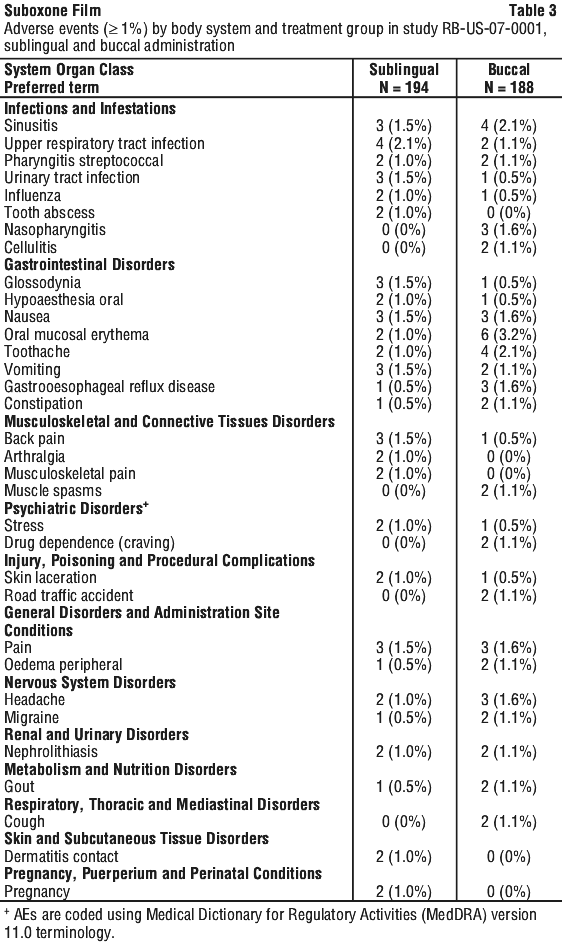
Safety study of Suboxone Film. The clinical safety of Suboxone Film was evaluated in a trial (RB-US-07-0001) of 382 patients stabilised on Suboxone Tablets for at least 30 days and then switched to Suboxone Film for maintenance treatment. Two hundred and forty-nine (249) patients completed at least 12 weeks of dosing with the Suboxone Film. Patients received Suboxone Film sublingually or buccally in a 1:1 ratio (N=194 sublingually, N=188 buccally). Adjunctive treatment was "treatment as usual" with varying levels of counselling and behavioural treatment. Treatment was conducted on an outpatient basis. Among all patients who received Suboxone Film either sublingually or buccally, the most common treatment emergent adverse events were oral mucosal erythema, sinusitis, nausea, toothache, pain and upper respiratory tract infection. The most common treatment emergent adverse event for the patients administered Suboxone Film sublingually was upper respiratory tract infection (4 patients, 2.1%) and for patients administered Suboxone Film buccally were oral mucosal erythema (6 patients, 3.2%), nausea (4 patients, 2.1%) and sinusitis (4 patients, 2.1%). All other adverse events were reported in 3 (1.5% or 1.6%, respectively) or fewer patients.
Adverse events reported to occur to at least 1% of patients being treated with Suboxone Film in this trial are shown in Table 3.
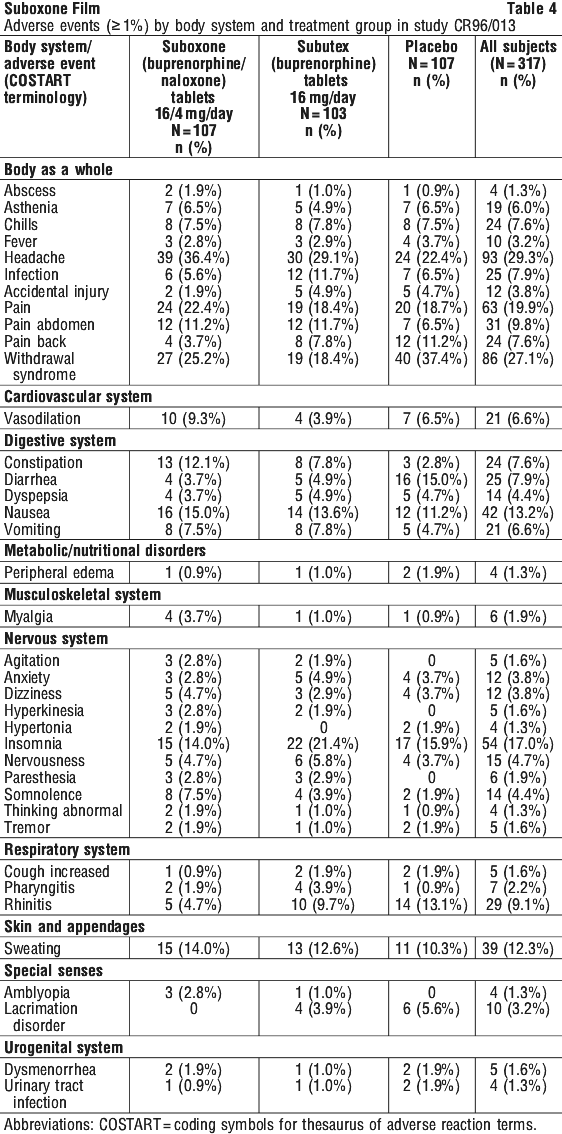
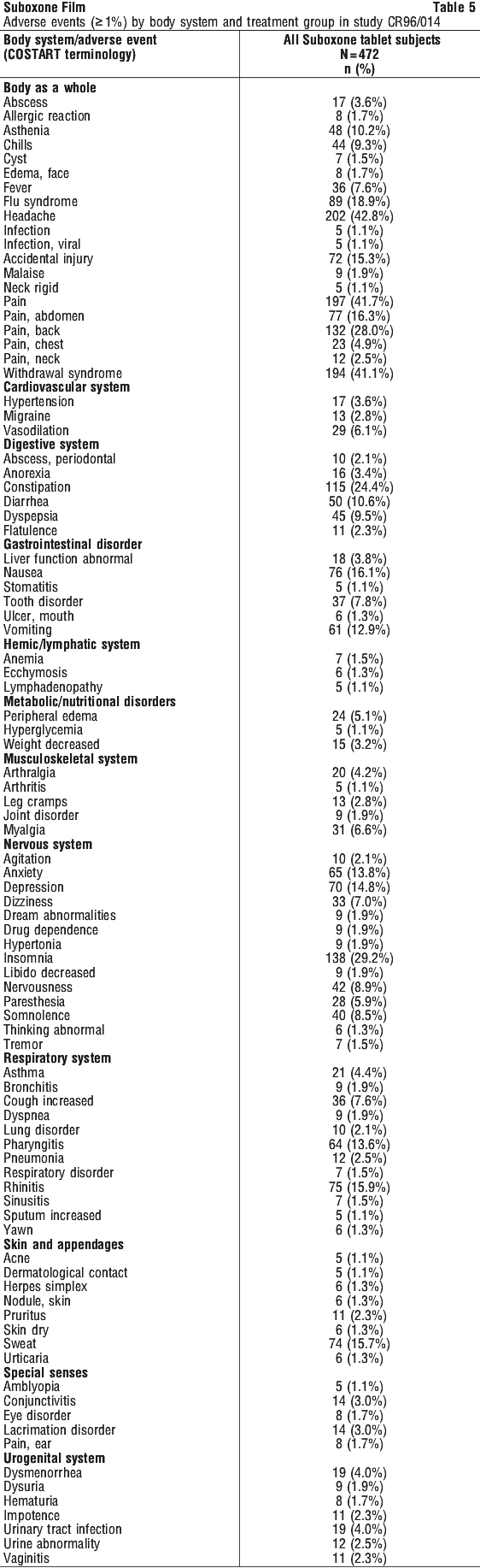
Note. Patients enrolled in study RB-US-07-0001 on the soluble film were on a stable buprenorphine treatment prior to study initiation, while patients enrolled in studies CR96/013 and CR96/014 were buprenorphine-naive individuals. As a result, the number of AEs observed in study RB-US-07-0001 is likely to be lower than that observed in studies CR96/013 and CR96/014.
Post-marketing experience with buprenorphine alone. Post-marketing experience with buprenorphine alone has been associated with the following side effects: respiratory depression (see Section 4.4 Special Warnings and Precautions for Use) and coma, hallucinations, neonatal withdrawal syndrome, neonatal tremor, neonatal feeding disorder, foetal disorders, convulsions, confusion, miosis, weight decrease, asphyxia, hypoventilation, urinary retention, vertigo, drug dependence, headache, nausea, vomiting, drug withdrawal syndrome, peripheral oedema, heart rate and rhythm disorders, and deaths.
Respiratory disorders with a frequency not known. Central sleep apnoea syndrome.
Gastrointestinal disorders with a frequency not known. Pancreatitis.
Hepatobiliary disorders with a frequency not known. Spasm of sphincter of Oddi.
Endocrine disorders with a frequency not known. Androgen deficiency.
Cases of hepatitis, jaundice, hepatic failure, hepatic necrosis, hepatorenal syndrome, hepatic encephalopathy, and elevations in hepatic transaminases have been reported with buprenorphine use (see Section 4.4 Special Warnings and Precautions for Use).
In cases of intravenous misuse of buprenorphine, local reactions, sometimes septic, potentially serious acute hepatitis, pneumonia, endocarditis and other serious infections have been reported.
Cases of acute or chronic hypersensitivity have been reported with buprenorphine with symptoms including rashes, hives, pruritus and reported cases of bronchospasm, angioneurotic oedema, and anaphylactic shock (see Section 4.4 Special Warnings and Precautions for Use; Section 4.3 Contraindications).
Very rare (< 0.01%) side effects: loss of consciousness, cognitive disorders, psychosis, hallucinations, suicidal ideation, disorders of pregnancy (such as miscarriage and termination of pregnancy, premature birth, placental abruption, prolonged labour), foetal and neonatal complications (such as foetal disorders, foetal malformation, foetal growth retardation, foetal cystic hygroma, micrognathia, decreased oxygen saturation, developmental speech disorder, foetal dwarfism, foetal asphyxia, foetal cardiac rhythm disorder, cleft palate, Klinefelter's Syndrome, intersexual genitalia, neonatal withdrawal syndrome, neonatal tremor, neonatal feeding disorder, infant respiratory distress syndrome and subarachnoid bleeding), heart murmur, convulsions, confusion, miosis, weight decrease, asphyxia, hypoventilation, pruritus, angioedema, heart rate and rhythm disorders, pulmonary oedema, septic shock, infections (including sepsis, septic arthritis and septic embolus, staphylococcal sacroileitis, brain abscess, pneumonia and endocarditis and amniotic fluid infection) events associated with intravenous misuse (such as cutaneous ulceration, eschar, lividoid and necrotic lesions and penile and scrotal lesion), aphasia, aphonia, slurred speech, diplopia, facial palsy, ascites and lymphoedema, pulmonary oedema, pulmonary artery thrombosis, pericardial effusion, shock, cerebrovascular accident, Popeye syndrome, intracranial haemorrhage, nephropathy, colic, denutrition splenic infarction, electrolyte imbalance (such as hyperkalaemia, hyponatraemia and hypoglycaemia), deaths (including death from suicide and sudden infant death syndrome) and unusual reactions. The actual incidence of all cases is extremely low and must be taken in consideration with the co-morbidities, life-style, environmental factors, and concomitant illicit and licit opioid use of the population under treatment.
Post-marketing experience with Suboxone Tablets. A post-marketing study looking at injecting practices in Australia suggested that the combination of buprenorphine and naloxone is less commonly injected than buprenorphine alone.
Additionally, post-marketing experience with Suboxone Tablets for treatment of opioid dependence has been associated with the following side effects: anxiety, hyperhidrosis, syncope, insomnia, reduced feeling, anorexia (see also Tables 4 and 5), amnesia, convulsions, blood in vomit, fatigue, jaundice, swollen joints, miscarriage, shortness of breath, and suicide ideation. Treatment with Suboxone has been associated with orthostatic hypotension.
Additionally, post-marketing experience with Suboxone Tablets for treatment of opioid dependence has been associated very rarely (< 0.01%) with the following side effects: attempted suicide, disorders of pregnancy (such as premature birth), foetal and neonatal complications (such as foetal disorders, foetal malformation, foetal growth retardation, foetal cystic hygroma, micrognathia, macrocephaly, meconium staining and aspiration, decreased oxygen saturation, neonatal aspiration, asphyxia, developmental speech disorder, foetal dwarfism, foetal asphyxia, foetal cardiac rhythm disorder, low birth weight, Klinefelter's Syndrome, mitochondrial disease, abnormal behaviour, developmental delay, developmental speech disorder, intersexual genitalia, neonatal withdrawal syndrome, neonatal tremor, neonatal feeding disorder, subarachnoid bleeding and sudden infant death syndrome), pancreatitis, loss of consciousness, depression of consciousness, coordination disturbance, hallucinations, psychosis, mental disturbance and altered mental state, cerebral oedema, heart rate and rhythm disorders, septic shock, infections (including sepsis, pneumonia, chorioamniotitis and amniotic fluid infection) events associated with intravenous misuse (such as cellulitis), blurred vision, papilloedema, ascites and peripheral oedema, renal failure, adrenal insufficiency, electrolyte imbalance (such as hyperkalaemia, hypocalcaemia, hypomagnesaemia, hyponatraemia and hypoglycaemia) and deaths (including death from suicide and sudden infant death syndrome). The actual incidence of all cases is extremely low and must be taken in consideration with the co-morbidities, life-style, environmental factors, and concomitant illicit and licit opioid use of the population under treatment.
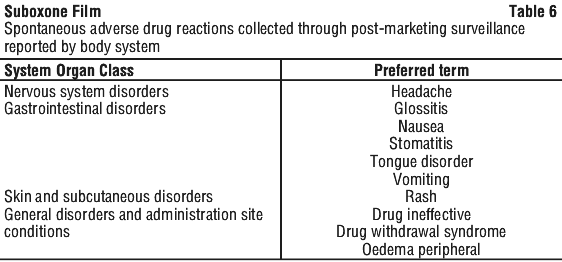
Post-marketing experience with Suboxone Film. Post-marketing experience with Suboxone Film for the treatment of opioid dependence has been most frequently associated with the following adverse reactions appearing in at least 1% of reports by healthcare professionals are included in Table 6.
4.9 Overdose
Manifestations of acute overdose include miosis, sedation, hypotension, respiratory depression and death. Nausea and vomiting may be observed.
Toxic leukoencephalopathy has been observed with opioid overdose.
The major symptom requiring intervention is respiratory depression, which could lead to respiratory arrest and death. If the patient vomits, care must be taken to prevent aspiration of the vomitus.
Treatment. In the event of depression of respiratory or cardiac function, primary attention should be given to the re-establishment of adequate respiratory exchange through provision of a patent airway and institution of assisted or controlled ventilation following standard intensive care measures. The patient should be transferred to an environment within which full resuscitation facilities are available.
Oxygen, intravenous fluids, vasopressors, and other supportive measures should be employed as indicated. High doses of naloxone hydrochloride 10-35 mg/70 kg may be of limited value in the management of buprenorphine overdose.
The long duration of action of Suboxone Film should be taken into consideration when determining the length of treatment needed to reverse the effects of an overdose. Naloxone can be cleared more rapidly than buprenorphine, allowing for a return of previously controlled buprenorphine overdose symptoms, so a continuing infusion may be necessary. Ongoing IV infusion rates should be titrated to patient response. If infusion is not possible, repeated dosing with naloxone may be required.
For information on the management of overdose, contact the Poisons Information Centre on 13 11 26 (Australia).
5 Pharmacological Properties
5.1 Pharmacodynamic Properties
Mechanism of action. Buprenorphine is a mu opioid receptor partial agonist, kappa opioid receptor antagonist. Its activity in opioid maintenance treatment is attributed to its slow dissociation from the mu receptors in the brain which reduces craving for opioids and opioid withdrawal symptoms. This minimises the need of the opioid dependent patient for illicit opioid medicines.
During clinical pharmacology studies in opioid dependent subjects, buprenorphine demonstrated a ceiling effect on a number of parameters, including positive mood, "good effect", and respiratory depression.
Naloxone is an antagonist at mu, delta, and kappa opioid receptors. Because of its almost complete first pass metabolism, naloxone administered orally, sublingually or buccally has no detectable pharmacological activity. However, when administered intravenously to opioid dependent persons, the presence of naloxone in Suboxone Film produces marked opioid antagonist effects and opioid withdrawal, thereby deterring intravenous abuse.
Clinical trials. Efficacy of buprenorphine in combination with naloxone was demonstrated with Suboxone Tablets. No clinical efficacy studies have been conducted with Suboxone Film.
All trials used buprenorphine in conjunction with psychosocial counselling as part of a comprehensive opioid dependence treatment program. There have been no clinical studies conducted to assess the efficacy of buprenorphine as the only component of treatment.
Clinical pharmacology studies on Suboxone Tablets demonstrate an aversive effect if Suboxone Tablets are misused by the injection route by opioid dependent patients.
5.2 Pharmacokinetic Properties
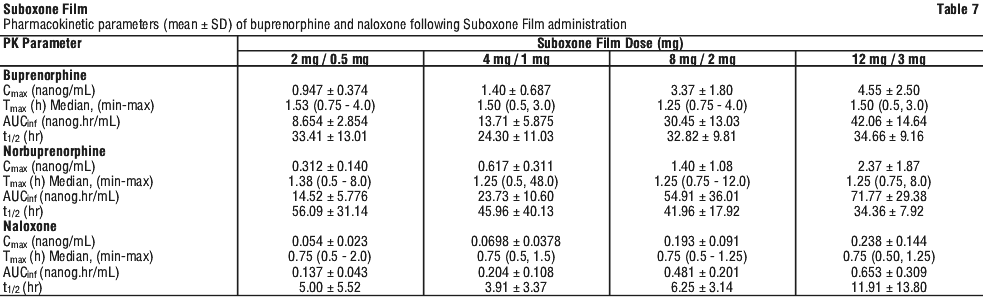
Absorption. When taken orally, buprenorphine undergoes first-pass metabolism with N-dealkylation and glucuronidation in the small intestine and the liver. The use of Suboxone Film by the oral route is therefore inappropriate. Suboxone Films are for sublingual and/or buccal administration. Table 7 shows the pharmacokinetic parameters of buprenorphine, norbuprenorphine, and naloxone after administration of Suboxone Film in randomised, crossover studies. Overall, there was wide variability in the sublingual absorption of buprenorphine and naloxone. Suboxone Film and Suboxone Tablet do not meet all criteria for bioequivalence. Patients being switched between tablets and soluble films may therefore require dosage adjustment (see Section 4.2 Dose and Method of Administration).
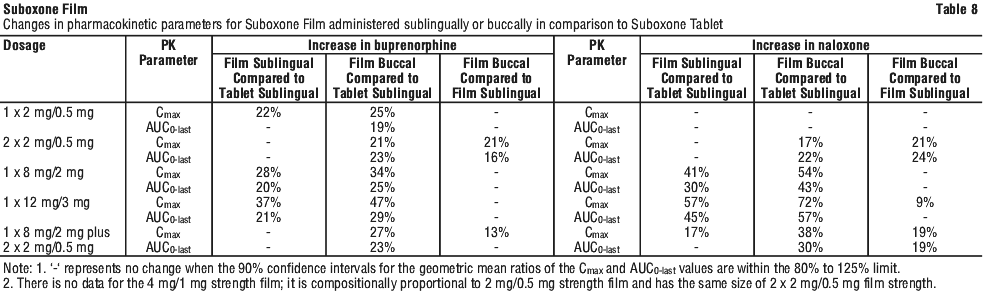
In several pharmacokinetic studies following the administration of different dosages, a dose of one or two of the 2 mg/0.5 mg Suboxone Films administered sublingually or buccally showed comparable relative bioavailability to the same total dose of Suboxone Tablets. In contrast, one 8 mg/2 mg and one 12 mg/3 mg Suboxone Film administered sublingually or buccally showed higher relative bioavailability for both buprenorphine and naloxone compared to the same total dose of Suboxone Tablets. A combination of one 8 mg/2 mg and two 2 mg/0.5 mg Suboxone Films (total dose of 12 mg/3 mg) administered sublingually showed comparable relative bioavailability to the same total dose of Suboxone Tablets, while buccally administered Suboxone Films showed higher relative bioavailability. Table 8 illustrates the relative increase in exposure to buprenorphine and naloxone associated with Suboxone Films compared to Suboxone Tablets, and shows the effect of route of administration.
Buprenorphine is highly lipophilic which leads to rapid penetration of the blood-brain barrier. The medicine is around 96% protein bound primarily to alpha and beta globulin. Naloxone is approximately 45% protein bound, primarily to albumin.
Metabolism. In animals and man buprenorphine is metabolised by Phase 1 (oxidative) and Phase 2 (conjugation) reactions. It is oxidatively metabolised by N-dealkylation to norbuprenorphine by CYP3A4. In in vitro metabolic studies, addition of specific inhibitors of CYP3A4 (e.g. ketoconazole, gestodene, nifedipine, norfluoxetine, ritonavir) inhibited formation of norbuprenorphine (see Section 4.4 Special Warnings and Precautions for Use; Section 4.5 Interactions with Other Medicines and Other Forms of Interactions). There was no indication of the involvement of CYP1A1, 1A2, 2A6, 2B6, 2C8, 2C9, 2C19, 2D6 and 2E1 in the N-dealkylation of buprenorphine. Buprenorphine was a weak competitive inhibitor of CYP2D6 and CYP3A4. Norbuprenorphine is a mu-agonist with weak intrinsic activity and is considered to be an inactive metabolite.
Naloxone undergoes direct glucuroconjugation to naloxone-3-glucuronide as well as N-dealkylation and reduction of the 6-oxo group.
Excretion. Elimination of buprenorphine is bi- or tri-exponential, with a long terminal elimination phase (see Table 1), due in part to re-absorption of buprenorphine after intestinal hydrolysis of the conjugated metabolite, and in part to the highly lipophilic nature of the molecule. Naloxone has a short elimination half-life (see Table 7).
Buprenorphine is essentially eliminated in the faeces by biliary excretion of the glucuroconjugated metabolites (70%), the rest being eliminated in the urine. Naloxone is excreted in the urine.
5.3 Preclinical Safety Data
Genotoxicity. In genotoxicity studies using buprenorphine and naloxone (9:2), assays for bacterial gene mutations and chromosomal damage (human lymphocytes in vitro and rat micronucleus test in vivo) were negative.
Carcinogenicity. In mice, no evidence for carcinogenicity due to buprenorphine was noted in life-time studies at dietary doses of up to 100 mg/kg/day, which equates to ca 14-fold human exposure at the maximum recommended clinical dose of 32 mg based on body surface area.
In rats, statistically significant (trend test adjusted for survival) dose-related increases in testicular interstitial (Leydig) cell tumours occurred at a dietary buprenorphine dose of 55 mg/kg/day (16 fold the maximal recommended human sublingual dose of 32 mg, on a mg/m2 basis); the no-effect dose was 5.4 mg/kg/day (twice the maximal human dose, on a mg/m2 basis). The carcinogenic potential of naloxone alone has not been investigated in long term animal studies.
In a 2-year dietary study with Suboxone Tablets in rats, Leydig cell adenomas were found at doses of 6-115 mg/kg/day, associated with respective exposures (plasma AUC) to buprenorphine and naloxone of 2-21-fold, and up to 58 fold, anticipated human exposure. A NOEL was not established in the study.
6 Pharmaceutical Particulars
6.1 List of Excipients
Each soluble film contains acesulfame potassium, citric acid, maltitol, hypromellose, polyethylene oxide, sodium citrate, Natural Lime Flavour 3000180, Sunset Yellow FCF and Opacode WB monogramming ink NS-78-18007 White.
6.2 Incompatibilities
Incompatibilities were either not assessed or not identified as part of the registration of this medicine.
6.3 Shelf Life
18 months.
6.4 Special Precautions for Storage
Store below 25°C.
6.5 Nature and Contents of Container
Each soluble film is packed in an individual child resistant polyethylene terephthalate (PET)/low density polyethylene (LDPE)/aluminium/LDPE sachet. There are 28 sachets in a pack.
6.6 Special Precautions for Disposal
In Australia, any unused medicine or waste material should be disposed of in accordance with local requirements.
6.7 Physicochemical Properties
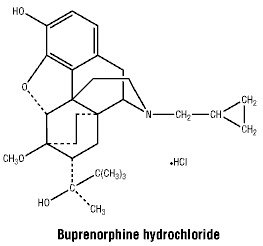
Chemical structure. The chemical structures of buprenorphine hydrochloride and naloxone hydrochloride dihydrate are:
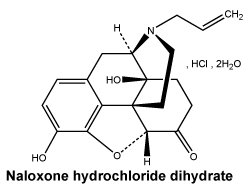
The CAS number of naloxone hydrochloride dihydrate is 51481-60-8.
7 Medicine Schedule (Poisons Standard)
Schedule 8 - Controlled Drug.
Date of First Approval
02 November 2000
Date of Revision
09 September 2025
Summary Table of Changes
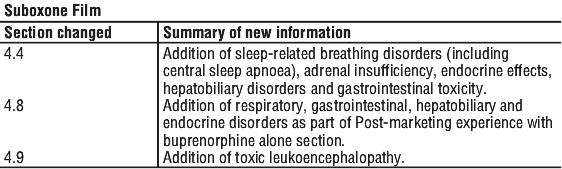
Reasonable care is taken to provide accurate information at the time of creation. This information is not intended as a substitute for medical advice and should not be exclusively relied on to manage or diagnose a medical condition. The Australian Commission on Safety and Quality in Health Care disclaims all liability (including for negligence) for any loss, damage, injury or any other negative effects resulting from reliance on or use of this information. Read our full disclaimer. This website uses cookies. Read our privacy policy.