
Sunlenca
Brand Information
| Brand name | Sunlenca |
| Active ingredient | Lenacapavir |
| Schedule | S4 |
Consumer Medicine Information (CMI) leaflet
Please read this leaflet carefully before you start using the Sunlenca.
Summary CMI
SUNLENCA®
Consumer Medicine Information (CMI) summary
The full CMI on the next page has more details. If you are worried about using this medicine, speak to your doctor or pharmacist.
▼ This medicine is new or being used differently. Please report side effects. See the full CMI for further details.
1. Why am I using SUNLENCA?
SUNLENCA contains the active ingredient lenacapavir. SUNLENCA is used to treat adults who have HIV-1 that are resistant to many other antiretroviral medicines. SUNLENCA is prescribed in combination with other antiretroviral medicines. It is used to treat HIV infection in adults with limited treatment options (for example when other antiretroviral medicines are not sufficiently effective or are not suitable).
For more information, see Section 1. Why am I using SUNLENCA? in the full CMI.
2. What should I know before I use SUNLENCA?
Do not use if you have ever had an allergic reaction to SUNLENCA or any of the ingredients listed at the end of the CMI.
Talk to your doctor if you have any other medical conditions, take any other medicines, or are pregnant or plan to become pregnant or are breastfeeding.
For more information, see Section 2. What should I know before I use SUNLENCA? in the full CMI.
3. What if I am taking other medicines?
Some medicines may interfere with SUNLENCA and affect how it works.
A list of these medicines is in Section 3. What if I am taking other medicines? in the full CMI.
4. How do I use SUNLENCA?
- Your treatment with SUNLENCA starts with tablets taken on Days 1, 2, and 8 followed by two injections on Day 15, and then continues with two injections every six months.
- Talk to your doctor before taking SUNLENCA tablets.
More instructions can be found in Section 4. How do I use SUNLENCA? in the full CMI.
5. What should I know while using SUNLENCA?
| Things you should do |
|
| Things you should not do |
|
| Looking after your medicine |
|
For more information, see Section 5. What should I know while using SUNLENCA? in the full CMI.
6. Are there any side effects?
The most common side effects of SUNLENCA are injection site reactions and nausea.
For more information, including what to do if you have any side effects, see Section 6. Are there any side effects? in the full CMI.
Full CMI
▼ This medicine is subject to additional monitoring. This will allow quick identification of new safety information. You can help by reporting any side effects you may get. You can report side effects to your doctor, or directly at www.tga.gov.au/reporting-problems.
SUNLENCA®
Active ingredient: lenacapavir
Consumer Medicine Information (CMI)
This leaflet provides important information about using SUNLENCA. You should also speak to your doctor or pharmacist if you would like further information or if you have any concerns or questions about using SUNLENCA.
Where to find information in this leaflet:
1. Why am I using SUNLENCA?
2. What should I know before I use SUNLENCA?
3. What if I am taking other medicines?
4. How do I use SUNLENCA?
5. What should I know while using SUNLENCA?
6. Are there any side effects?
7. Product details
1. Why am I using SUNLENCA?
SUNLENCA contains the active ingredient lenacapavir. SUNLENCA injection is a long acting medicine and is used in combination with SUNLENCA tablets and with other antiretroviral medicines to treat type 1 human immunodeficiency virus (HIV-1).
SUNLENCA is used to treat adults who have HIV-1 infection with limited treatment options (for example when other antiretroviral medicines are not sufficiently effective or are not suitable).
SUNLENCA reduces the amount of HIV in your body. This can improve the immune system and reduce the risk of developing illnesses linked to HIV infection.
2. What should I know before I use SUNLENCA?
Warnings
Do not use SUNLENCA if:
- you are allergic to lenacapavir, or any of the ingredients listed at the end of this leaflet.
- always check the ingredients to make sure you can use this medicine.
- you are currently taking rifampicin used to treat some bacterial infections such as tuberculosis.
Check with your doctor if you:
- have any other medical conditions
- take any medicines for any other condition
- have or have had severe liver disease, or if tests have shown problems with your liver.
During treatment, you may be at risk of developing certain side effects. It is important you understand these risks and how to monitor for them. See additional information under Section 6. Are there any side effects?
Pregnancy and breastfeeding
Check with your doctor if you are pregnant or intend to become pregnant.
Talk to your doctor if you are breastfeeding or intend to breastfeed. It is not known if the active substance in this medicine passes into human breast milk. Talk with your doctor about the best way to feed your baby.
Does SUNLENCA reduce the risk of passing HIV to others?
You can still pass on HIV when taking this medicine, although the risk is lowered by effective antiretroviral therapy. Discuss with your doctor the precautions you need to take to avoid infecting other people. This medicine is not a cure for HIV infection. While taking SUNLENCA you may still develop infections or other illnesses associated with HIV infection.
3. What if I am taking other medicines?
Tell your doctor or pharmacist about any other medicines you are taking, including vitamins or supplements that you buy without a prescription from your pharmacy, supermarket or health food shop.
SUNLENCA may interact with other medicines. As a result, the amounts of SUNLENCA or other medicines in your blood may change. This may stop your medicines working properly, or may make side effects worse. In some cases, your doctor may need to adjust your dose or check your blood levels.
Medicines that must never be taken with SUNLENCA:
- rifampicin
- carbamazepine or phenytoin
- St. John's Wort or products containing St John's Wort
Talk to your doctor if you are taking:
- atazanavir/cobicistat, efavirenz, nevirapine or tripranavir/ritonavir
- oxcarbazepine or phenobarbital
- dexamethasone or hydrocortisone/cortisone
- digoxin
- dihydroergotamine or ergotamine
- lovastatin or simvastatin
- midazolam or triazolam
- rifabutin
- rivaroxaban or dabigatran
- tadalafil, sildenafil or vardenafil
Check with your doctor or pharmacist if you are not sure about what medicines, vitamins or supplements you are taking and if these affect SUNLENCA.
4. How do I use SUNLENCA?
SUNLENCA is used in combination with other antiretroviral medicines to treat HIV-1 infection. Your doctor will advise which other medicines you need to take to treat your HIV-1 infection, and when you need to take them.
Your treatment with SUNLENCA starts with tablets taken on Day 1, Day 2 and Day 8 followed by two injections on Day 15, and then continues with two injections every six months.
Day 1 of treatment:
- Two (300 mg) tablets taken by mouth. These can be taken with or without food.
Day 2 of treatment:
- Two (300 mg) tablets taken by mouth. These can be taken with or without food.
Day 8 of treatment:
- One (300mg) tablet taken by mouth. This can be taken with or without food.
Day 15 of treatment:
- Two injections into your abdomen given by your doctor or nurse.
Every 6 months:
- Two injections into your abdomen (tummy) given by your doctor or nurse.
If you forget a SUNLENCA tablet
- It is important not to miss a dose of SUNLENCA tablets.
- If you forget to take your tablets on Day 1, Day 2 or on Day 8, contact your doctor or pharmacist immediately.
- If you vomit within 3 hours after taking SUNLENCA tablets, contact your doctor immediately. If you vomit more than 3 hours after taking SUNLENCA you do not need to take more tablets.
If you miss or plan to miss a SUNLENCA injection
- It is important that you attend your planned appointments every 6 months to receive your injections of SUNLENCA. This will help to control your HIV infection and to stop your illness getting worse.
- If you think you will not be able to attend your injections appointment, call your doctor as soon as possible to discuss your treatment options.
- There is the option to temporarily take SUNLENCA tablets if you plan to miss a scheduled injection. You will take one (300 mg) SUNLENCA tablet by mouth once every 7 days, until your injections resume. It is important to continue SUNLENCA treatment as your healthcare provider tells you.
Do not stop receiving SUNLENCA without talking to your doctor. Keep receiving SUNLENCA injections for as long as your doctor recommends. Stopping SUNLENCA can seriously affect how future treatment works.
SUNLENCA injection is a long-acting medicine. If after talking to your doctor you decide to stop your treatment, you should know low levels of lenacapavir (the active ingredient in SUNLENCA) can remain in your system for many months after your last injection. Other antiretroviral medicines that you take to treat your HIV-1 infection should not be affected by the low levels of lenacapavir. Some other medicines however may be affected by the low levels of lenacapavir in your system if you take them within 9 months after your last SUNLENCA injection. You should check with your doctor which other medicines are safe for you to take when you stop treatment with lenacapavir.
Talk to your doctor if you want to stop receiving SUNLENCA injections.
If you are given too much SUNLENCA injection
Your doctor or a nurse will give this medicine to you, so it is unlikely that you will be given too much. If you are worried, tell the doctor or a nurse.
5. What should I know while using SUNLENCA?
Things you should do
- Remind any doctor, dentist or pharmacist you visit that you are using SUNLENCA.
- Attend your planned appointments every 6 months to receive your SUNLENCA injection to control your HIV infection, and to stop your illness from getting worse.
Things you should not do
- Do not stop receiving SUNLENCA without talking to your doctor.
Driving or using machines
Be careful before you drive or use any machines or tools until you know how SUNLENCA affects you.
SUNLENCA is not expected to have any effect on your ability to drive or use machines.
Looking after your medicine
Keep this medicine out of the sight and reach of children.
Injection:
- Store in the original package. Store below 30°C.
- Sensitive to light.
Tablets:
- Store in the original package. Store below 30°C.
Getting rid of any unwanted medicine
If you no longer need to use this medicine or it is out of date, take it to any pharmacy for safe disposal.
Do not use this medicine after the expiry date.
6. Are there any side effects?
All medicines can have side effects. If you do experience any side effects, most of them are minor and temporary. However, some side effects may need medical attention.
See the information below and, if you need to, ask your doctor or pharmacist if you have any further questions about side effects.
Less serious side effects
| Less serious side effects | What to do |
| Speak to your doctor if you have any of these less serious side effects and they worry you. |
Serious side effects
| Serious side effects | What to do |
| Call your doctor straight away, or go straight to the Emergency Department at your nearest hospital if you notice any of these serious side effects. |
Tell your doctor or pharmacist if you notice anything else that may be making you feel unwell.
Other side effects not listed here may occur in some people.
Reporting side effects
After you have received medical advice for any side effects you experience, you can report side effects to the Therapeutic Goods Administration online at www.tga.gov.au/reporting-problems. By reporting side effects, you can help provide more information on the safety of this medicine.
Always make sure you speak to your doctor or pharmacist before you decide to stop taking any of your medicines.
7. Product details
This medicine is only available with a doctor's prescription.
What SUNLENCA contains
| Active ingredient (main ingredient) | lenacapavir |
| Other ingredients (inactive ingredients) | Injection: macrogol 300 water for injection Tablets: Tablet core: mannitol microcrystalline cellulose croscarmellose sodium copovidone magnesium stearate poloxamer 407 Film coating: polyvinyl alcohol titanium dioxide macrogol 3350 purified talc iron oxide yellow iron oxide black iron oxide red |
| Potential allergens | N/A |
Do not take this medicine if you are allergic to any of these ingredients.
What SUNLENCA looks like
SUNLENCA solution for injections are clear, yellow to brown solution with no visible particles. SUNLENCA comes in two different injection kits.
- Vial access device injection kit containing 2 vials, 2 vial access devices (a device that will allow your doctor or a nurse to withdraw SUNLENCA from the vial), 2 disposable syringes, and 2 injection safety needles for subcutaneous injection.
- Withdrawal needle injection kit containing 2 vials, 2 disposable syringes, 2 withdrawal needles and 2 injection safety needles for subcutaneous injection.
SUNLENCA film-coated tablets are beige, capsule-shaped, film-coated tablets, debossed with “GSI” on one side of the tablet and “62L” on the other side of the tablet. SUNLENCA tablets are supplied in blister packs or bottles.
SUNLENCA blister pack, for initiation of treatment, contains 5 tablets surrounded by a blister card. The blister is placed within a foil pouch. The foil pouch contains a silica gel desiccant that must be kept in the foil pouch to help protect your tablets. The silica gel is contained in a separate sachet or canister and is not to be swallowed.
SUNLENCA bottle pack, for the oral bridging regimen, contains 4 tablets in a white bottle containing a polyester coil and silica gel desiccant. The silica gel is not to be swallowed.
SUNLENCA 463.5 mg/1.5 mL solution for injection vial: AUST R 386895
SUNLENCA 300 mg tablet (blister):
AUST R 392350
SUNLENCA 300 mg tablet (bottle):
AUST R 468505
Who distributes SUNLENCA
Gilead Sciences Pty Ltd
Level 28, 385 Bourke Street
Melbourne, Victoria 3000
Australia
This leaflet was prepared on 11 July 2025.
Brand Information
| Brand name | Sunlenca |
| Active ingredient | Lenacapavir |
| Schedule | S4 |
▼ This medicinal product is subject to additional monitoring in Australia. This will allow quick identification of new safety information. Healthcare professionals are asked to report any suspected adverse events at www.tga.gov.au/reporting-problems.
MIMS Revision Date: 01 October 2025
1 Name of Medicine
Lenacapavir sodium.
2 Qualitative and Quantitative Composition
Each single-dose vial contains lenacapavir sodium equivalent to 463.5 mg/1.5 mL of lenacapavir.
Each tablet contains lenacapavir sodium equivalent to 300 mg of lenacapavir.
For the full list of excipients, see Section 6.1 List of Excipients.
3 Pharmaceutical Form
Solution for injection. Clear, yellow to brown solution with an apparent pH of 9.0 to 10.2 and a viscosity not more than 300 cP.
Film-coated tablet (tablet). Beige, capsule-shaped, film-coated tablets, of dimensions 10 mm x 21 mm debossed with "GSI" on one side of the tablet and "62L" on the other side of the tablet.
4 Clinical Particulars
4.1 Therapeutic Indications
Sunlenca, in combination with other antiretrovirals, is indicated for the treatment of adults with multidrug resistant HIV-1 infection for whom it is otherwise not possible to construct a suppressive anti-viral regimen.
4.2 Dose and Method of Administration
Sunlenca should be prescribed by physicians experienced in the treatment of HIV. Prior to starting Sunlenca, the healthcare professional should carefully select patients who agree to the required injection schedule.
To help maintain viral suppression and reduce the risk of viral rebound and potential development of resistance associated with missed doses, the healthcare professional should also counsel patients about the importance of adherence to both the scheduled dosing visits and the optimised background regimen.
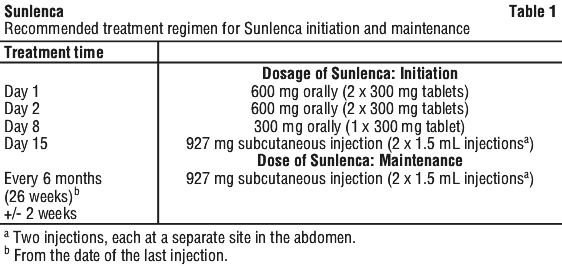
The recommended Sunlenca treatment regimen in adults consists of an initiation dosing period (oral tablets and subcutaneous injections) and once every 6-months maintenance dosing (subcutaneous injections). Sunlenca oral tablets may be taken with or without food.
If Sunlenca is discontinued, it is essential to adopt an alternative, fully suppressive antiretroviral regimen where possible, no later than 28 weeks after the final injection of Sunlenca (see Section 4.4 Special Warnings and Precautions for Use).
Initiation. On treatment Day 1 and Day 2, the recommended dose of Sunlenca is 600 mg per day taken orally. On treatment Day 8, the recommended dose is 300 mg taken orally. Then, on treatment Day 15, the recommended dose is 927 mg administered by subcutaneous injection.
Oral tablets can be taken with or without food.
Maintenance. The recommended dose is 927 mg of Sunlenca administered by subcutaneous injection once every 6 months (26 weeks) from the date of the last injection (+/- 2 weeks) (see Table 1).
less than 6 days, the patient should take 600 mg as soon as possible, and 300 mg on Day 8;
6 days or more, the patient should take 600 mg as soon as possible, and 300 mg on Day 15.
If the Day 8 (300 mg) oral dose is missed by:
less than 6 days, the patient should take 300 mg as soon as possible;
6 days or more, the patient should take 300 mg on Day 15.
Regardless of when the Day 2 or Day 8 oral dose is being taken, subcutaneous injection should be administered on Day 15 as described in Table 1.
If the patient vomits within 3 hours of taking an oral dose of Sunlenca, another oral dose should be taken. If the patient vomits more than 3 hours after taking an oral dose of Sunlenca there is no need to take another oral dose of Sunlenca, and the scheduled dosing regimen should continue.
Missed injections. If the scheduled 6 month injection is delayed by less than 2 weeks (i.e. 26 to 28 weeks since the last injection) and if the patient is still able to receive subcutaneous injections, then administer the every 6 month maintenance dosage as soon as possible.
Oral bridging. If the scheduled 6 month injection is anticipated to be delayed by more than 2 weeks, oral bridging with Sunlenca tablets may be initiated within 26 to 28 weeks since the last injection, on an interim basis. The recommended dosage is 300 mg taken orally once every 7 days for up to 26 weeks. Resume the maintenance injection dosage (see Table 1) within 7 days after the last oral dose.
Re-initiation. If the scheduled 6 month injection is delayed by more than 2 weeks (i.e. > 28 weeks since the last injection) and Sunlenca tablets have not been taken for oral bridging, restart the initiation dosage regimen from Day 1, if clinically appropriate to continue treatment (see Table 1).
Elderly. No dose adjustment of Sunlenca is required for elderly patients.
Renal impairment. No dose adjustment of Sunlenca is required in patients with mild, moderate, or severe renal impairment (CrCl ≥ 15 mL/min). Sunlenca has not been studied in patients with end stage renal disease (ESRD).
Hepatic impairment. No dose adjustment of Sunlenca is required in patients with mild or moderate hepatic impairment (Child-Pugh Class A or B). Sunlenca has not been studied in patients with severe hepatic impairment (Child-Pugh Class C).
Paediatric population. The safety and efficacy of Sunlenca in children under the age of 18 years old has not been established. No data are available.
Method of administration. Injection. For subcutaneous use.
Sunlenca injection is only for subcutaneous administration into the abdomen by a healthcare professional. Do not administer intradermally (see Section 4.4).
Use aseptic technique. Visually inspect the solution in the vials for particulate matter and discoloration prior to administration. Sunlenca injection is a yellow to brown solution.
Do not use Sunlenca injection if the solution contains particulate matter or discoloration. Once the solution is withdrawn from the vials, the subcutaneous injections should be administered as soon as possible (see Section 6.4 Special Precautions for Storage).
There are two available injection kits, which differ only in how Sunlenca injection is prepared (the components and associated method for withdrawal of the solution from the vials) (see Section 6.5). See Figures 1 and 2 for the relevant injection kit.
Sunlenca is for single use in one patient only. Discard any residue. Use of a vial access device is required. Two 1.5 mL injections are required for a complete dose.
Vial access device injection kit. Figure 1 identifies the components for use in the administration steps for the vial access device injection kit, and the administration steps are provided in Figure 2. Use of a vial access device is required in this kit.

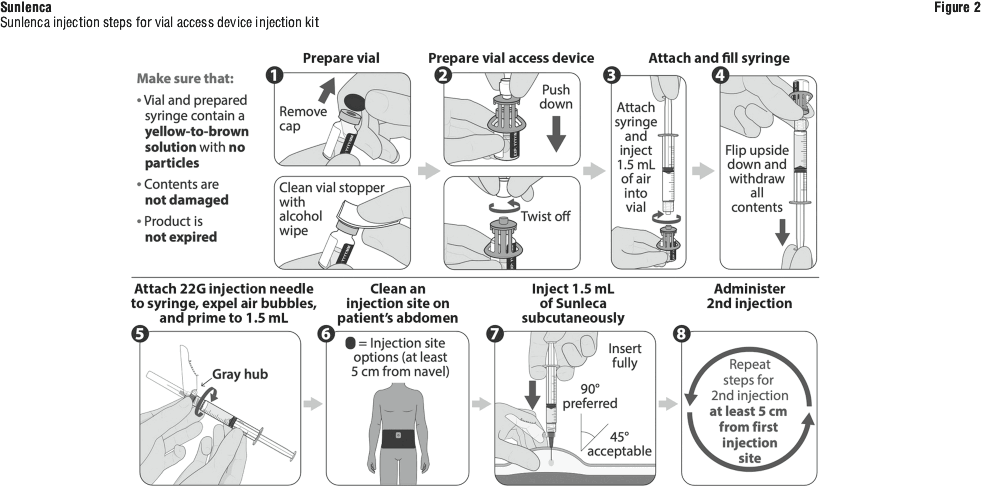

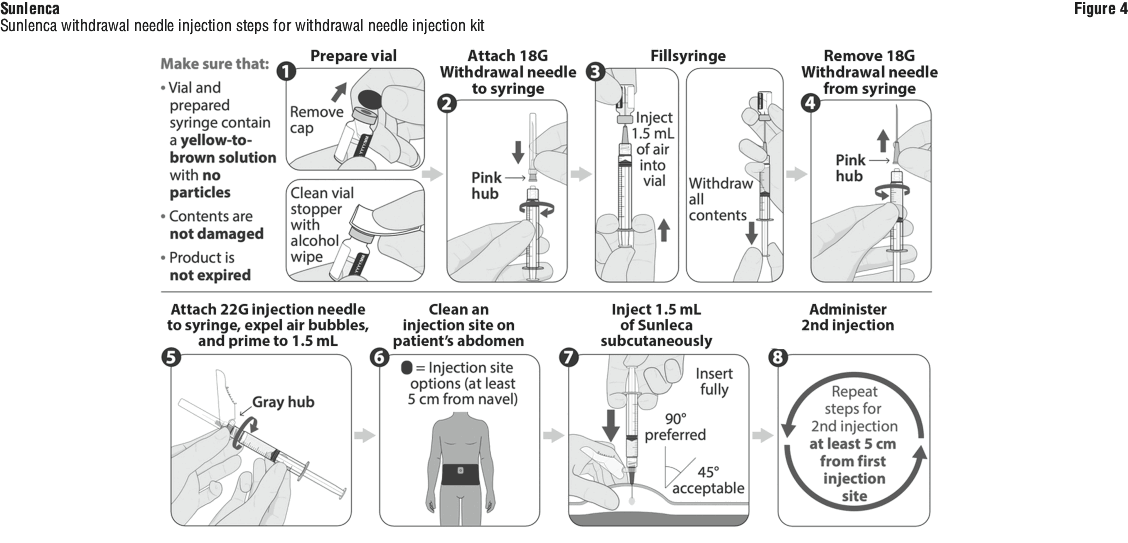
Sunlenca should be taken orally with or without food. The film-coated tablet should not be chewed, crushed, or split.
4.3 Contraindications
Co-administration with strong inducers of CYP3A, P-gp, and UGT1A1, such as rifampicin, carbamazepine, phenytoin, or St. John's wort is contraindicated (see Section 4.5 Interactions with Other Medicines and Other Forms of Interactions).
4.4 Special Warnings and Precautions for Use
Risk of resistance following treatment discontinuation. If Sunlenca is discontinued, to minimise the risk of developing viral resistance it is essential to adopt an alternative, fully suppressive antiretroviral regimen where possible, no later than 28 weeks after the final injection of Sunlenca.
If virologic failure is suspected, an alternative regimen should be adopted where possible.
Use of other medicinal products after discontinuation of lenacapavir. If Sunlenca is discontinued, residual concentrations of lenacapavir may remain in the systemic circulation of patients for prolonged periods. These concentrations may affect the exposures of other medicinal products (i.e. sensitive CYP3A substrates) that are initiated within 9 months after the last subcutaneous dose of Sunlenca (see Section 4.5 Interactions with Other Medicines and Other Forms of Interactions). These concentrations are not expected to affect the exposures of other antiretroviral agents that are initiated after discontinuation of Sunlenca.
Immune reconstitution syndrome. In patients with HIV treated with combination antiretroviral therapy, immune reconstitution syndrome has been reported. In patients with HIV with severe immune deficiency at the time of initiation of antiretroviral therapy, an inflammatory reaction to asymptomatic or residual opportunistic pathogens may arise and cause serious clinical conditions, or aggravation of symptoms. Typically, such reactions have been observed within the first few weeks or months of initiation of antiretroviral therapy. Relevant examples include cytomegalovirus retinitis, generalised and/or focal mycobacterial infections and Pneumocystis jirovecii pneumonia. Any inflammatory symptoms should be evaluated, and treatment instituted when necessary.
Autoimmune disorders (such as Graves' disease and autoimmune hepatitis) have also been reported to occur in the setting of immune reconstitution; however, the reported time to onset is more variable, and these events can occur many months after initiation of treatment.
Injection site reactions with improper administration. Improper administration (intradermal injection) has been associated with serious injection site reactions, including necrosis and ulcer. Ensure Sunlenca is administered subcutaneously (see Section 4.2).
Opportunistic infections. Patients should be advised that Sunlenca or any other antiretroviral therapy does not cure HIV infection and that they may still develop opportunistic infections and other complications of HIV infection. Therefore, patients should remain under close clinical observation by physicians experienced in the treatment of patients with HIV associated diseases.
Co-administration of other medicinal products. Co-administration with medicinal products that are moderate inducers of CYP3A and P-gp (e.g. efavirenz) is not recommended (see Section 4.5 Interactions with Other Medicines and Other Forms of Interactions).
Co-administration with medicinal products that are strong inhibitors of CYP3A, P-gp, and UGT1A1 together (i.e. all 3 pathways), such as atazanavir/cobicistat is not recommended (see Section 4.5 Interactions with Other Medicines and Other Forms of Interactions).
Use in hepatic impairment. See Section 4.2 Dose and Method of Administration; Section 5.2 Pharmacokinetic Properties, Pharmacokinetics in special populations.
Use in renal impairment. See Section 4.2 Dose and Method of Administration; Section 5.2 Pharmacokinetic Properties, Pharmacokinetics in special populations.
Use in the elderly. See Section 4.2 Dose and Method of Administration, Elderly.
Paediatric use. The safety and efficacy of Sunlenca in children aged less than 18 years has not been established. No data are available.
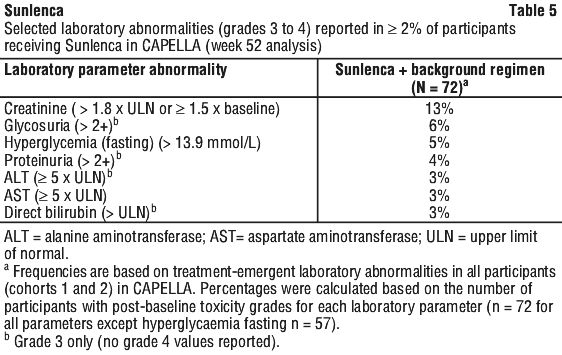
Effects on laboratory tests. See Section 4.8 Adverse Effects (Undesirable Effects), Laboratory abnormalities.
4.5 Interactions with Other Medicines and Other Forms of Interactions
Effect of other medicinal products on the pharmacokinetics of Sunlenca. Lenacapavir is a substrate of CYP3A, P-gp and UGT1A1. Drugs that are strong inducers of CYP3A, P-gp and UGT1A1 (e.g. rifampicin), or that are moderate inducers of CYP3A and P-gp (e.g. efavirenz), may significantly decrease plasma concentrations of lenacapavir, which may result in loss of therapeutic effect of Sunlenca and development of resistance.
Strong inhibitors of CYP3A, P-gp, and UGT1A1 together (i.e. all 3 pathways), such as atazanavir/cobicistat, may significantly increase plasma concentrations of Sunlenca, and therefore co-administration is not recommended (see Section 4.4 Special Warnings and Precautions for Use).
Effect of Sunlenca on the pharmacokinetics of other medicinal products. Lenacapavir is a moderate inhibitor of CYP3A and a P-gp inhibitor. Caution is advised if Sunlenca is coadministered with a sensitive CYP3A and/or P-gp substrate with a narrow therapeutic index. Lenacapavir is not a clinically meaningful inhibitor of BCRP and does not inhibit OATP.
Use of other medicinal products drugs after discontinuation of Sunlenca. If Sunlenca is discontinued, residual concentrations of lenacapavir may remain in the systemic circulation of patients for prolonged periods. These concentrations may affect the exposures of other drugs (i.e. sensitive CYP3A substrates) that are initiated within 9 months after the last subcutaneous dose of Sunlenca. These concentrations are not expected to affect the exposures of other antiretroviral agents that are initiated after discontinuation of Sunlenca.
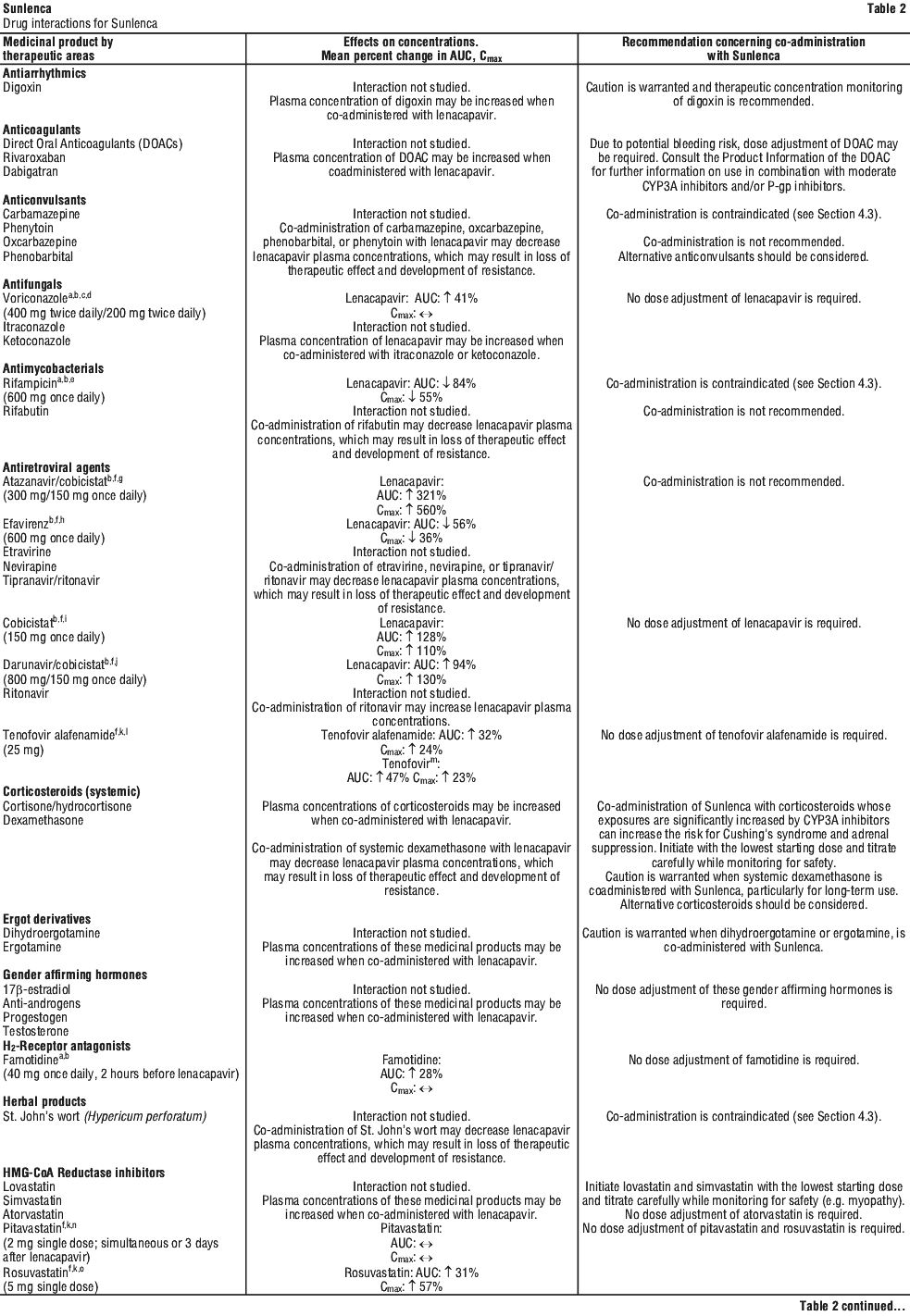
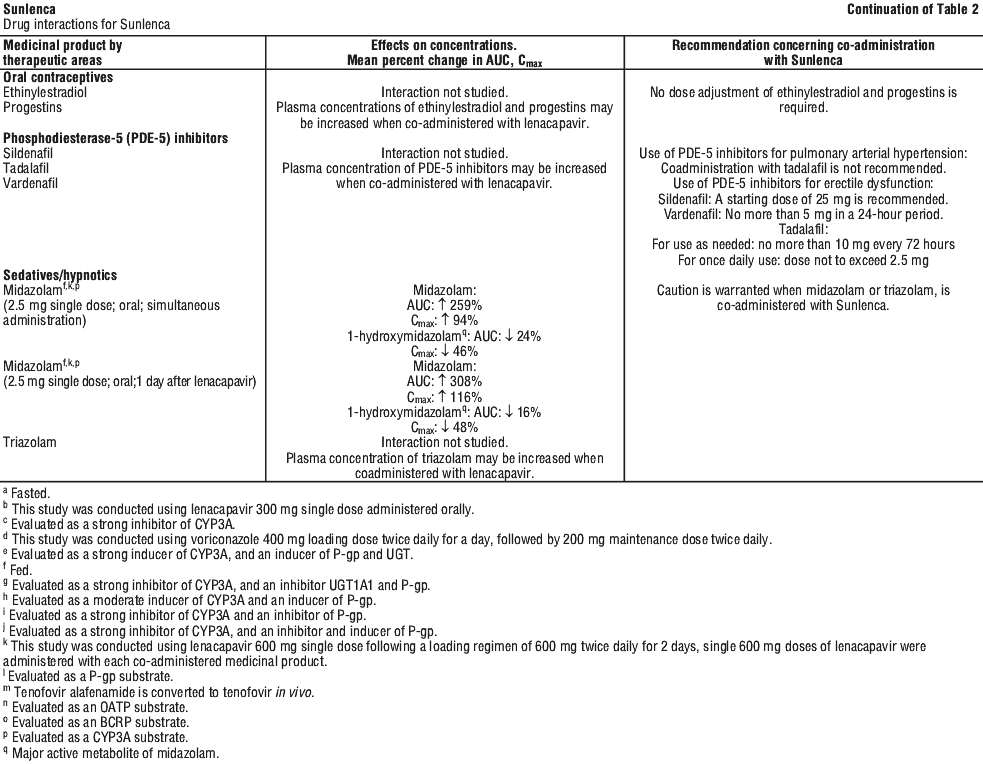
Established and other potentially significant drug interactions. Drug interaction information for Sunlenca with potential concomitant drugs is summarised in Table 2. The drug interactions described are based on the results of the studies conducted with Sunlenca, or are potential drug interactions that may occur with Sunlenca.
4.6 Fertility, Pregnancy and Lactation
Effects on fertility. There are no data on the effects of lenacapavir on human male or female fertility. In rats, subcutaneous administration of lenacapavir (6 weeks prior to mating in males and 4 weeks prior to mating in females) had no adverse effects on fertility at doses up to 100 mg/kg (6 and 3.9 times the human clinical exposure based on AUC in males and females, respectively).
Use in pregnancy. (Category B1)
There are no adequate and well-controlled studies of Sunlenca in pregnant women. Because animal reproductive studies are not always predictive of human response, Sunlenca should be used during pregnancy only if the potential benefit justifies the potential risk to the fetus.
Studies in animals have shown no evidence of teratogenicity or an effect on reproductive function. No adverse effects on embryofetal development were seen in rats receiving ≤ 30 mg/kg/day PO from gestation day (GD) 6-17 (13 times the predicted human exposure at the recommended clinical dose). In rabbits, doses of up to 20 mg/kg/day IV from GD7-19 caused no adverse effects on embryofetal development (at 99 times the predicted human exposure).
Use in lactation. It is unknown whether lenacapavir is excreted in human milk. After a single subcutaneous dose of 300 mg/kg on gestation day 6 to rats, lenacapavir was detected at low levels in the plasma of nursing rat pups, without effects on these nursing pups, at 3.9 times the predicted human exposure.
4.7 Effects on Ability to Drive and Use Machines
The effects of this medicine on a person's ability to drive and use machines were not assessed as part of its registration.
4.8 Adverse Effects (Undesirable Effects)
Experience from clinical studies. Because clinical trials are conducted under widely varying conditions, adverse reaction rates observed in the clinical trials of a drug cannot be directly compared to rates in the clinical trials of another drug and may not reflect the rates observed in practice.
The primary safety assessment of Sunlenca was based on data from heavily treatment experienced adult participants with HIV who received Sunlenca in a Phase 2/3 trial (CAPELLA; N=72) through week 156 (median duration on study of 165 weeks) [see Section 5.1, Clinical trials], as well as supportive data in treatment-naïve adult participants with HIV who received Sunlenca in a Phase 2 trial (CALIBRATE; N=157) at least through Week 80 (median duration of exposure of 152 weeks).
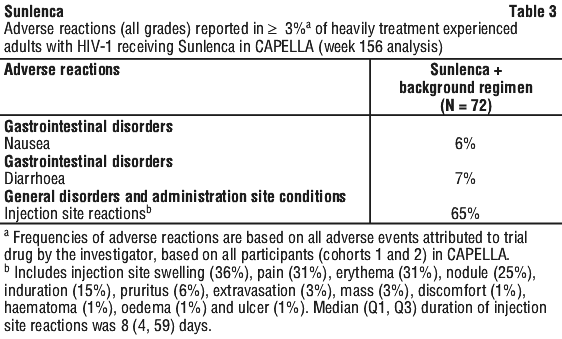
The most common adverse reactions (all Grades) reported in at least 3% of participants in CAPELLA were diarrhoea, nausea and injection site reactions.
Table 3 displays the frequency of adverse reactions (all Grades) greater than or equal to 3% in the Sunlenca group.
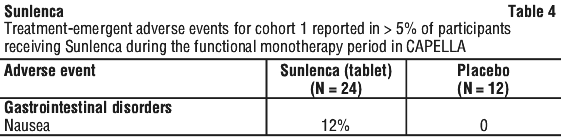
During the functional monotherapy period of CAPELLA, the only adverse event reported in more than one subject receiving Sunlenca was nausea (see Table 4).
Local injection site reactions. Through at least Week 156, most participants had ISRs that were mild (Grade 1, 54%) or moderate (Grade 2, 17%). Six percent (4/72) of participants experienced a severe Grade 3 ISR with a median time to resolution of 15 (range: 1 to 71) days. No participants experienced a Grade 4 ISR. The median duration of all ISRs excluding nodules and indurations was 5 days. The median duration of nodules and indurations was 288 and 190 days, respectively. After a median follow-up of 554 days, nodules associated with the first injections of Sunlenca had not resolved in 10% (7/72) of the participants. All indurations associated with the first injections of Sunlenca had resolved.
Reporting suspected adverse effects. Reporting suspected adverse reactions after registration of the medicinal product is important.
It allows continued monitoring of the benefit-risk balance of the medicinal product. Healthcare professionals are asked to report any suspected adverse reactions at www.tga.gov.au/reporting-problems.
4.9 Overdose
If overdose occurs, the patient must be monitored for evidence of toxicity. Treatment of overdose with Sunlenca consists of general supportive measures including monitoring of vital signs as well as observation of the clinical status of the patient. As lenacapavir is highly protein bound, it is unlikely to be significantly removed by dialysis.
For information on the management of overdose, contact the Poisons Information Centre on 13 11 26 (Australia).
5 Pharmacological Properties
5.1 Pharmacodynamic Properties
Mechanism of action. Lenacapavir is a multistage, selective inhibitor of HIV-1 capsid function that directly binds to the interface between capsid protein (CA) subunits. Lenacapavir inhibits HIV-1 replication by interfering with multiple, essential steps of the viral lifecycle, including capsid-mediated nuclear uptake of HIV-1 proviral DNA (by blocking nuclear import proteins binding to capsid), virus assembly (by interfering with Gag/Gag-Pol functioning, reducing production of CA subunits), and capsid core formation (by disrupting the rate of capsid subunit association, leading to virions with malformed capsids and reduced infectivity).
Lenacapavir has activity that is specific to human immunodeficiency virus (HIV-1 and HIV-2).
Antiviral activity. The antiviral activity of lenacapavir against laboratory and clinical isolates of HIV-1 was assessed in lymphoblastoid cell lines, PBMCs, primary monocyte/macrophage cells, and CD4+ T-lymphocytes. The EC50 and selectivity (CC50/EC50) values ranged from 30 to 190 picoM and 140,000 to > 1,670,000, respectively, for wild-type HIV-1 virus. The protein binding adjusted EC95 for lenacapavir was 4 nanoM (3.87 nanogram per mL) in the MT-4 T-cell line for wild-type HIV-1 virus.
In a study of lenacapavir in combination with representatives from the main classes of antiretroviral agents (NRTIs, NNRTIs, INSTIs, and PIs), synergistic antiviral effects were observed. No antagonism was observed for these combinations.
Lenacapavir displayed antiviral activity in cell culture against all HIV-1 groups (M, N, O), including subtypes A, A1, AE, AG, B, BF, C, D, E, F, G, H.
Lenacapavir was 15- to 25-fold less active against HIV-2 isolates relative to HIV-1.
Resistance. In cell culture. HIV-1 variants with reduced susceptibility to lenacapavir have been selected in cell culture.
In vitro resistance selections with lenacapavir identified 7 mutations in CA: L56I, M66I, Q67H, K70N, N74D/S, and T107N singly or in dual combination. Another mutation conferring resistance to lenacapavir was N57H. Phenotypic susceptibility to lenacapavir was reduced 4- to > 5000-fold, relative to wild-type virus.
In heavily treatment experienced patients. In CAPELLA, 39% (28/72) of participants met the criteria for resistance analyses through Week 156 (HIV-1 RNA ≥ 50 copies/mL at confirmed virologic failure [suboptimal virologic response at Week 4, virologic rebound, or viremia at last visit]) and were analysed for lenacapavir-associated mutation emergence. Lenacapavir-associated capsid mutations were found in 19% (n=14) participants. The M66I CA mutation was observed in 8% (n=6) of participants, alone or in combination with other lenacapavir-associated capsid mutations including, Q67Q/H//K/N, K70K/N/R/S, N74D/H, A105T, and T107T/A/C. Four participants had emergence of Q67H + K70R in CA with or without A105T and/or T107N. One participant had emergence of K70N + N74K +T107T/N, one participant had emergence of N74D alone, one participant had emergence of Q67Q/H alone and one participant had emergence of Q67K + K70H. Eight participants with virologic failure had emergent resistance substitutions to components of the optimised background regimen (OBR).
Phenotypic analyses indicated that the M66I and Q67K + K70H mutation patterns were associated with decrease in lenacapavir susceptibility of 234-fold (median) and 167-fold, respectively, in comparison to wild-type. The Q67H + K70R + A105T or T107N resistance pattern was associated with an average 195-fold decrease in Sunlenca susceptibility compared to wild-type and Q67H + K70R alone was associated with a 15-fold decrease in Sunlenca susceptibility compared to wild-type. The presence of mutations K70N + N74K was associated with a 289-fold decrease in Sunlenca susceptibility compared to wildtype, and the Q67Q/H mutation was associated with a 5.9-fold decrease in Sunlenca susceptibility compared to wild-type.
Cross resistance. The in vitro antiviral activity of lenacapavir was determined against a broad spectrum of HIV-1 site-directed mutants and patient-derived HIV-1 isolates with resistance to the 4 main classes of antiretroviral agents (NRTIs, NNRTIs, INSTIs and PIs; n=58), as well as to viruses resistant to maturation inhibitors (n=32), and to viruses resistant to the entry inhibitors (EI) class (fostemsavir, ibalizumab, maraviroc, and enfuvirtide; n=42). These data indicated that lenacapavir remained fully active against all variants tested, thereby demonstrating a nonoverlapping resistance profile. In addition, the antiviral activity of lenacapavir in patient isolates was unaffected by the presence of naturally occurring Gag polymorphisms.
Effects on electrocardiogram. In a parallel-design thorough QT/QTc study, lenacapavir had no clinically relevant effect on the QTcF interval. At supratherapeutic exposures of lenacapavir (9-fold higher than the therapeutic exposures of lenacapavir), the predicted mean (upper 90% confidence interval) increase in QTcF interval was 2.6 (4.8) msec, and there was no association (p=0.36) between observed lenacapavir plasma concentrations and change in QTcF.
Clinical trials. The efficacy and safety of Sunlenca in heavily treatment experienced participants with multidrug resistant HIV-1 is based on 156-week data from a partially randomised, placebo-controlled, double-blind, multicentre study, GS-US-200-4625 ("CAPELLA").
CAPELLA was conducted in 72 heavily treatment-experienced participants with multiclass resistant HIV-1. Participants were required to have a viral load ≥ 400 copies/mL, documented resistance to at least two antiretroviral medications from each of at least 3 of the 4 classes of antiretroviral medications (nucleoside reverse transcriptase inhibitors [NRTI], non-nucleoside reverse transcriptase inhibitors [NNRTI], protease inhibitors [PI] and integrase strand-transfer inhibitors [INSTI]), and ≤ 2 fully active antiretroviral medications from the 4 classes of antiretroviral medications remaining at baseline due to resistance, intolerability, drug access, contraindication, or other safety concerns.
The trial was composed of two cohorts. Participants were enrolled into the randomised cohort (Cohort 1) if they had a < 0.5 log10 HIV-1 RNA decline compared to the screening visit.
Participants were enrolled into the non-randomised cohort (Cohort 2) if they had a ≥ 0.5 log10 HIV-1 RNA decline compared to the screening visit or after Cohort 1 reached its planned sample size. Participants were administered 600 mg, 600 mg, and 300 mg lenacapavir orally on Days 1, 2, and 8, respectively, followed by 927 mg subcutaneously on Day 15 and 927 mg subcutaneously every 6 months thereafter (see Section 5.1 Pharmacodynamic Properties).
Cohort 1 (N=36, randomised). In the 14-day functional monotherapy period, participants in cohort 1 were randomised in a 2:1 ratio in a blinded fashion, to receive either Sunlenca or placebo, while continuing their failing regimen. This period was to establish the virologic activity of Sunlenca. After the functional monotherapy period, participants who had received Sunlenca continued on Sunlenca along with an OBR; participants who had received placebo during this period initiated Sunlenca along with an OBR.
Participants in cohort 1 had a mean age of 52 years (range: 24 to 71), 72% were male, 46% were White, 46% were Black, and 9% were Asian. 29% percent of participants identified as Hispanic/Latino. The mean baseline plasma HIV-1 RNA was 4.3 log10 copies/mL (range: 2.3 to 5.4). 19% of participants had baseline viral loads greater than 100,000 copies/mL. The mean baseline CD4+ cell count was 161 cells/mm3 (range: 6 to 827). 75% of participants had CD4+ cell counts below 200 cells/mm3. The mean number of years since participants first started HIV treatment was 24 years (range: 7 to 33); the mean number of antiretroviral agents in failing regimens at baseline was 4 (range: 1 to 7). The percentage of participants in the randomised cohort with known resistance to at least 2 agents from the NRTI, NNRTI, PI and INSTI classes was 97%, 94%, 78% and 75%, respectively. In cohort 1, 53% of participants had no fully active agents, 31% had 1 fully active agent, and 17% had 2 or more fully active agents within their initial failing regimen, including 6% of participants who were receiving fostemsavir, which was an investigational agent at the start of the CAPELLA trial.
Cohort 2 (N=36, non-randomised). Participants in cohort 2 initiated Sunlenca and an OBR on Day 1.
Participants in cohort 2 had a mean age of 48 years (range: 23 to 78), 78% were male, 36% were White, 31% were Black, 33% were Asian, and 14% of patients identified as Hispanic/Latino.
The mean baseline plasma HIV-1 RNA was 4.1 log10 copies/mL (range: 1.3 to 5.7). 19% of patients had baseline viral loads greater than 100,000 copies/mL. The mean baseline CD4+ cell count was 258 cells/mm3 (range: 3 to 1296). 53% of participants had CD4+ cell counts below 200 cells/mm3. The mean number of years since patients first started HIV treatment was 19 years (range: 3 to 35); the mean number of antiretroviral agents in failing regimens at baseline was 4 (range: 2 to 7). The percentage of participants in the non-randomised cohort with known resistance to at least 2 agents from the NRTI, NNRTI, PI and INSTI classes was 100%, 100%, 83% and 64%, respectively. In cohort 2, 31% of participants had no fully active agents, 42% had 1 fully active agent, and 28% had 2 or more fully active agents within their initial failing regimen, including 6% of participants who were receiving fostemsavir, which was an investigational agent at the start of the CAPELLA trial.
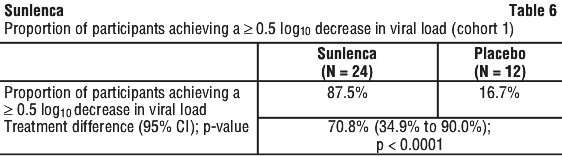
The primary efficacy endpoint was the proportion of participants in cohort 1 achieving ≥ 0.5 log10 copies/mL reduction from baseline in HIV-1 RNA at the end of the functional monotherapy period. The results of the primary endpoint analysis demonstrated the superiority of Sunlenca compared with placebo, as shown in Table 6.
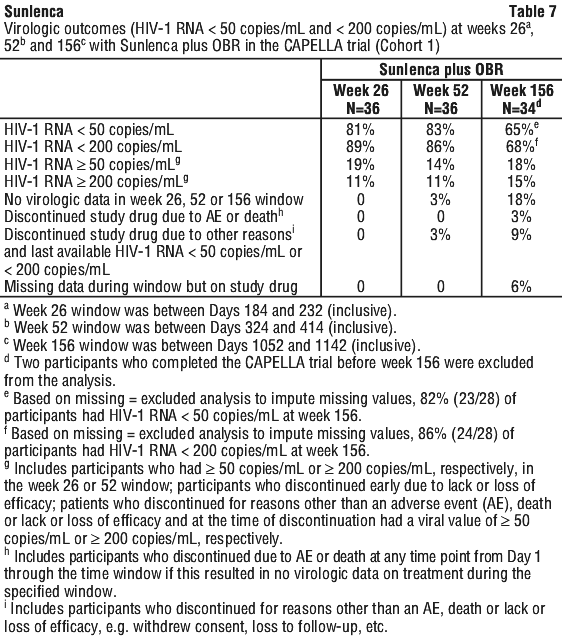
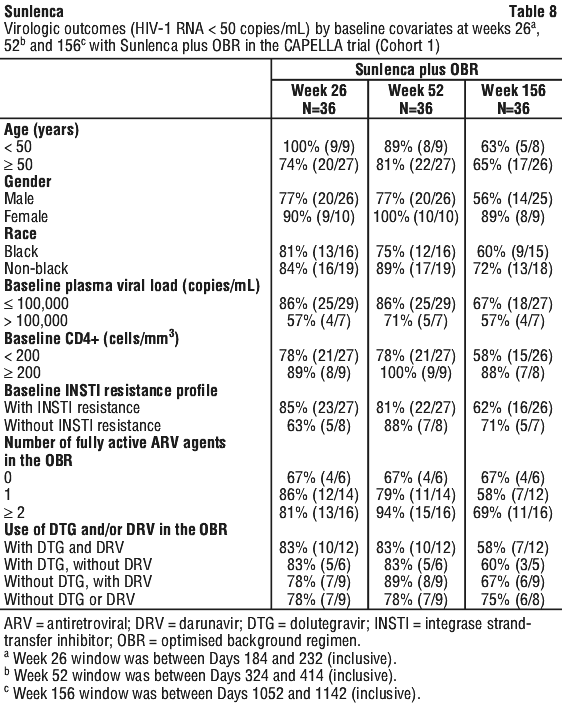
In cohort 2, at Weeks 26, 52 and 156, 81% (29/36) and 72% (26/36) and 58% (21/36) of participants achieved HIV-1 RNA < 50 copies/mL, respectively, and the mean change from baseline in CD4+ cell count was 98 cells/mm3 (range: -103 to 459), 113 cells/ mm3 (range: -124 to 405), and 173 cells/mm3 (range: -168 to 455), respectively.
Oral bridging. In CAPELLA across Cohorts 1 and 2, 79% of patients (57/72) received Sunlenca 300 mg once every 7 days as oral bridging. A total of 13, 29, and 15 patients started oral bridging following Weeks 26, 52, and 78 injections, respectively. The median (Q1, Q3) duration of oral bridging was 19 weeks (11, 22), and 12% (7/57) received oral bridging for at least 28 weeks.
In a post-hoc analysis, rates of virologic suppression and change from baseline in CD4+ cell counts in the subset of patients who received oral bridging were consistent before and during the oral bridging period.
5.2 Pharmacokinetic Properties
Absorption. Oral administration. Lenacapavir is absorbed following oral administration with peak plasma concentrations occurring 4 hours after administration of Sunlenca. Absolute bioavailability following oral administration of lenacapavir is low (approximately 6-10%). Lenacapavir is a substrate of P-gp.
Lenacapavir AUC, Cmax and Tmax were comparable following administration of a low fat (~400 kcal, 25% fat) or high fat (~1000 kcal, 50% fat) meal relative to fasted conditions. Oral lenacapavir can be administered without regard to food.
Subcutaneous administration. Lenacapavir is completely absorbed following subcutaneous administration. Due to slow release from the site of subcutaneous administration, the absorption profile of subcutaneously administered lenacapavir is complex with peak plasma concentrations occurring 77 to 84 days postdose.
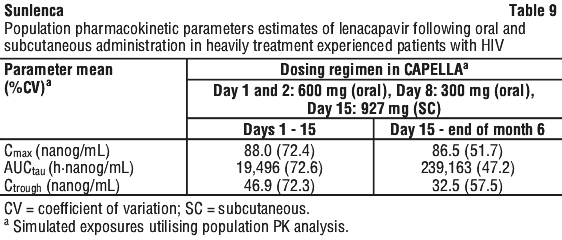
Pharmacokinetic parameters. Simulated steady state exposures of lenacapavir following recommended dosing regimen in heavily treatment experienced participants with HIV are provided in Table 9.
Distribution. Lenacapavir steady state volume of distribution was 976 litres in heavily treatment experienced participants with HIV 1 infection based on population pharmacokinetic analysis.
Lenacapavir is highly bound to plasma proteins (> 98.5%).
Biotransformation. Following a single intravenous dose of radiolabelled-lenacapavir to healthy participants, 76% of the total radioactivity was recovered from faeces and < 1% from urine. Unchanged lenacapavir was the predominant moiety in plasma (69%) and faeces (33%). Metabolism played a lesser role in lenacapavir elimination. Lenacapavir was metabolised via oxidation, N-dealkylation, hydrogenation, amide hydrolysis, glucuronidation, hexose conjugation, pentose conjugation, and glutathione conjugation; primarily via CYP3A and UGT1A1. No single circulating metabolite accounted for > 10% of plasma drug-related exposure.
Elimination. The median half-life following oral and subcutaneous administration ranged from 10 to 12 days, and 8 to 12 weeks, respectively. Lenacapavir clearance was 3.62 L/h in heavily treatment experienced participants with HIV 1 infection based on population pharmacokinetic analysis.
Linearity/non-linearity. The single dose pharmacokinetics of lenacapavir after oral administration are non-linear and less than dose proportional over the dose range of 50 to 1800 mg.
The single dose pharmacokinetics of lenacapavir after subcutaneous injection (309 mg/mL) are dose proportional over the dose range of 309 to 927 mg.
Pharmacokinetics in special populations. Age, gender and race. Population PK analyses using data from adult trials did not identify any clinically relevant differences in the exposure of lenacapavir due to age, gender, race/ethnicity or weight.
Hepatic impairment. The pharmacokinetics of a single 300 mg oral dose of lenacapavir were evaluated in a dedicated study in participants with moderate hepatic impairment (Child-Pugh Class B). Lenacapavir mean exposures were increased (47% and 161% for AUCinf and Cmax, respectively) in participants with moderate hepatic impairment (Child-Pugh B) compared to participants with normal hepatic function; however, the increase was not considered clinically relevant. The pharmacokinetics of lenacapavir have not been studied in patients with severe hepatic impairment (Child-Pugh C).
Renal impairment. The pharmacokinetics of a single 300 mg oral dose of lenacapavir were evaluated in a dedicated study in participants with severe renal impairment (estimated creatinine clearance ≥ 15 and < 30 mL/minute). Lenacapavir exposures were increased (84% and 162% for AUCinf and Cmax, respectively) in participants with severe renal impairment compared with participants with normal renal function; however, the increase was not considered clinically relevant. The pharmacokinetics of lenacapavir have not been studied in participants with end-stage renal disease, including those on dialysis. As lenacapavir is > 98.5% protein bound, dialysis is not expected to alter exposures of lenacapavir.
5.3 Preclinical Safety Data
Genotoxicity. Lenacapavir was not mutagenic in bacteria or clastogenic in cultured mammalian cells in vitro or an in vivo rat micronucleus assay.
Carcinogenicity. Lenacapavir was not carcinogenic in a 6-month rasH2 transgenic mouse study at doses of up to 300 mg/kg/dose once every 13 weeks, which resulted in exposures of approximately 71 times the exposure in humans at the recommended human dose. A 104-week carcinogenicity study was conducted in male and female rats at lenacapavir doses of 0, 102, 309, or 927 mg/kg by subcutaneous injection once every 13-weeks. A treatment-related increase in the incidence of malignant sarcoma at the injection site was observed at the highest dose (927 mg/kg or 464 mg/kg per subcutaneous injection site). 11/110 animals manifested sarcomas where each animal had up to 16 injection sites - corresponding to an incidence of < 1% total injection sites across animals at the high dose. The no-observed-adverse-effect level (NOAEL) at the injection site was 17 times the recommended human dose (RHD) on a mg/kg per injection site basis. These tumors are considered to be a secondary response to chronic tissue irritation and granulomatous inflammation in rats, which are prone to sarcoma formation at the subcutaneous injection site. The clinical relevance of these findings is unknown. There were no neoplasms associated with systemic exposure to lenacapavir at any dose up to 927 mg/kg/dose once every 13 weeks, which resulted in exposures of approximately 26 times the exposure in humans at the RHD, based on AUC.
6 Pharmaceutical Particulars
6.1 List of Excipients
Sunlenca injection. Macrogol 300, water for injection.
Sunlenca tablets. Tablet core. Mannitol, microcrystalline cellulose, croscarmellose sodium, copovidone, magnesium stearate, poloxamer 407.
Film coat. Polyvinyl alcohol, titanium dioxide, macrogol 3350, purified talc, iron oxide yellow, iron oxide black, iron oxide red.
See Section 2 Qualitative and Quantitative Composition.
6.2 Incompatibilities
Incompatibilities were either not assessed or not identified as part of the registration of this medicine.
6.3 Shelf Life
In Australia, information on the shelf life can be found on the public summary of the Australian Register of Therapeutic Goods (ARTG). The expiry date can be found on the packaging.
6.4 Special Precautions for Storage
Sunlenca injection. Store in the original package. Store below 30°C. Keep the vials in the original carton until just prior to preparation of the injections in order to protect them from light. Once the solution has been drawn into the syringes, the injections should be administered as soon as possible.
Sunlenca tablets. Store in the original package. Store below 30°C.
6.5 Nature and Contents of Container
Sunlenca injection is packaged in one of two different injection kits.
Vial access device injection kit. Sunlenca injection is packaged in a dosing kit containing:
2 single-use clear glass vials of Sunlenca, each containing sufficient volume to allow withdrawal of 1.5 mL/463.5 mg (309 mg/mL) of lenacapavir. Vials are sealed with an elastomeric closure and aluminium overseal with flip-off cap;
2 vial access devices, 2 disposable syringes, and 2 injection safety needles for subcutaneous injection (22-gauge, ½ inch).
Withdrawal needle injection kit. Sunlenca injection is packaged in a withdrawal needle injection kit containing:
2 single-use clear glass vials of Sunlenca, each containing sufficient volume to allow
withdrawal of 1.5 mL/463.5 mg (309 mg/mL) of lenacapavir. Vials are sealed with an
elastomeric closure and aluminum overseal with flip-off cap;
2 disposable syringes, 2 withdrawal needles (18-gauge, 1½ inch), and 2
injection safety needles for subcutaneous injection (22-gauge, ½ inch).
The Sunlenca tablets blister pack presentation is intended for the initiation regimen. The Sunlenca tablets bottle presentation is intended for the oral bridging regimen (see Section 4.2 Dose and Method of Administration).
Sunlenca tablets are packaged in a blister pack containing: five (5) tablets of Sunlenca, each containing 300 mg of lenacapavir, are packaged in a clear blister film sealed to a foil lidding material. The blister card, which is fitted between child-resistant sealed paperboard cards, is packaged with silica gel desiccant in a sealed flexible laminated pouch.
Sunlenca tablets are packaged in a bottle containing: four (4) tablets are packaged in a 45 mL, white, high-density polyethylene (HDPE) bottle containing polyester coil and silica gel desiccant. Each bottle is capped using a white, continuous thread, child-resistant polypropylene screw cap with an induction sealed, aluminium-faced liner.
6.6 Special Precautions for Disposal
In Australia, any unused medicine or waste material should be disposed of in accordance with local requirements.
6.7 Physicochemical Properties
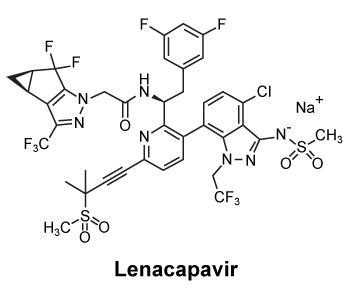
Chemical structure. The chemical name of lenacapavir is (4-chloro-7-(2-((S)-1-(2-((3bS,4aR)-5,5-difluoro-3-(trifluoromethyl)-3b,4,4a,5-tetrahydro-1H -cyclopropa[3,4] cyclopenta[1,2-c]pyrazol-1-yl)acetamido)-2-(3,5-difluorophenyl)ethyl)-6-(3-methyl-3-(methylsulfonyl)but-1-yn-1-yl)pyridin-3-yl)-1-(2,2,2-trifluoroethyl)-1H-indazol-3-yl)(methylsulfonyl)amide.
7 Medicine Schedule (Poisons Standard)
Schedule 4 - Prescription Only Medicine.
Date of First Approval
27 March 2023
Date of Revision
05 September 2025
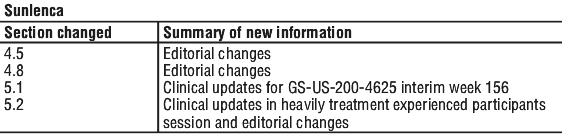
Summary Table of Changes
Reasonable care is taken to provide accurate information at the time of creation. This information is not intended as a substitute for medical advice and should not be exclusively relied on to manage or diagnose a medical condition. The Australian Commission on Safety and Quality in Health Care disclaims all liability (including for negligence) for any loss, damage, injury or any other negative effects resulting from reliance on or use of this information. Read our full disclaimer. This website uses cookies. Read our privacy policy.