
Sutent
Brand Information
| Brand name | Sutent |
| Active ingredient | Sunitinib |
| Schedule | S4 |
Consumer Medicine Information (CMI) leaflet
Please read this leaflet carefully before you start using the Sutent.
Summary CMI
SUTENT®
Consumer Medicine Information (CMI) summary
The full CMI on the next page has more details. If you are worried about taking this medicine, speak to your doctor or pharmacist.
1. Why am I taking SUTENT?
SUTENT contains the active ingredient sunitinib. SUTENT is taken to treat renal cell carcinoma (kidney cancer), gastrointestinal stromal tumour (cancer of the stomach and bowels) and pancreatic neuroendocrine tumours (cancer in the cells of the pancreas that release hormones). For more information, see Section 1. Why am I taking SUTENT? in the full CMI.
2. What should I know before I take SUTENT?
Do not take if you have ever had an allergic reaction to sunitinib or any of the ingredients listed at the end of the CMI.
Talk to your doctor if you have any other medical conditions, take any other medicines, or are pregnant or plan to become pregnant or are breastfeeding. For more information, see Section 2. What should I know before I take SUTENT? in the full CMI.
3. What if I am taking other medicines?
Some medicines may interfere with SUTENT and affect how it works. A list of these medicines is in Section 3. What if I am taking other medicines? in the full CMI.
4. How do I take SUTENT?
Your doctor will tell you the dose that you should take. The dose depends on the type of cancer. More instructions can be found in Section 4. How do I take SUTENT? in the full CMI.
5. What should I know while taking SUTENT?
| Things you should do |
|
| Things you should not do |
|
| Driving or taking machines |
|
| Looking after your medicine |
|
For more information, see Section 5. What should I know while taking SUTENT? in the full CMI.
6. Are there any side effects?
Common side effects include tiredness, weakness, diarrhoea, constipation, nausea, vomiting, change/loss of taste, loss of appetite, weight loss, change in skin/hair colour, hair loss, tingling or rash on palms of hands or soles of feet, dry/red/scaly/itchy skin or rash, blisters; skin infections, pus formation, skin ulcers, dizziness, headache, sore tongue/mouth, dry mouth, difficulty swallowing, cold sores, cough, shortness of breath, stomach pain, wind, heart burn, indigestion, pain in fingers, arms or legs; muscle pain, joint pain, back pain, nose bleed, watery eyes, tingling or numbness of hands or feet, difficulty sleeping, depression, fever or chills, flu-like symptoms, urinary tract infections, swelling, weight gain, enlarged thyroid gland, feeling overheated, increased sweating, fast or irregular heart beat. Serious side effects include allergic reaction, fits/seizures, bleeding, low blood sugar, serious infections, toxicity or damage to the heart, gastrointestinal tract, muscle, bone, liver or brain.
For more information, including what to do if you have any side effects, see Section 6. Are there any side effects? in the full CMI.
Full CMI
SUTENT®
Active ingredient(s): sunitinib malate
Consumer Medicine Information (CMI)
This leaflet provides important information about taking SUTENT. You should also speak to your doctor or pharmacist if you would like further information or if you have any concerns or questions about taking SUTENT.
Where to find information in this leaflet:
1. Why am I taking SUTENT?
2. What should I know before I take SUTENT?
3. What if I am taking other medicines?
4. How do I take SUTENT?
5. What should I know while taking SUTENT?
6. Are there any side effects?
7. Product details
1. Why am I taking SUTENT?
SUTENT contains the active ingredient sunitinib.
SUTENT is a protein kinase inhibitor. It is used to treat cancer by preventing the activity of a group of proteins involved in the growth and spread of cancer cells.
SUTENT is taken to treat:
- renal cell carcinoma, a type of kidney cancer.
- gastrointestinal stromal tumour (GIST), cancer of the stomach and bowels.
- pancreatic neuroendocrine tumours, a rare cancer of the cells of the pancreas that release hormones.
2. What should I know before I take SUTENT?
Warnings
Do not take SUTENT if:
- you are allergic to sunitinib, or any of the ingredients listed at the end of this leaflet. Always check the ingredients to make sure you can take this medicine.
Check with your doctor if you:
- have high blood pressure
- have or have had an aneurysm (abnormal balloon-like swelling in the wall of an artery)
- have problems with your heart or an abnormal heart rhythm
- have or have ever had problems with your liver or kidneys
- have diabetes or problems with your thyroid
During treatment, you may be at risk of developing certain side effects. It is important you understand these risks and how to monitor for them. See additional information under Section 6. Are there any side effects?
Pregnancy and breastfeeding
Check with your doctor if you are pregnant or intend to become pregnant.
STUTENT should not be taken during pregnancy. Your doctor will discuss the risks with you.
Talk to your doctor if you are breastfeeding or intend to breastfeed.
You should not breastfeed while taking SUTENT.
You should have a dental check up before starting treatment with SUTENT.
Use in children
Safety and effectiveness in children have not been established for SUTENT.
3. What if I am taking other medicines?
Tell your doctor or pharmacist if you are taking any other medicines, including any medicines, vitamins or supplements that you buy without a prescription from your pharmacy, supermarket or health food shop.
Some medicines may interfere with SUTENT and affect how it works. Some of these medicines include:
- ketoconazole, a medicine to treat fungal infections
- itraconazole, a medicine to treat fungal infections
- ritonavir, a medicine to treat HIV and some other infections
- erythromycin or clarithromycin, medicines to treat infections
- rifampicin, a medicine to treat tuberculosis and some other infections
- dexamethasone, a medicine to treat dermatitis, asthma and some other conditions
- phenobarbital (phenobarbitone), phenytoin or carbamazepine, medicines to treat seizures
- St. John's wort (a herbal medicine, also called Hypericum perforatum) to treat anxiety
- medicines used to treat irregular heart beat
- medicines called bisphosphonates, such as zoledronic acid, alendronate pamidronate or ibandronate to treat osteoporosis and some types of cancers
- medicines to treat diabetes
Check with your doctor or pharmacist if you are not sure about what medicines, vitamins or supplements you are taking and if these affect SUTENT.
4. How do I take SUTENT?
How much to take
Your doctor will tell you the dose that you should take. The dose depends on the type of cancer.
For renal cell carcinoma and GIST, the usual dose is 50 mg taken once a day for 4 weeks followed by no medicine for 2 weeks, making a 6-week cycle. Your doctor will let you know how many cycles of treatment you will need.
For pancreatic neuroendocrine tumours, the usual recommended dose is 37.5 mg taken once daily.
Your doctor may change your dose or dosing schedule during treatment.
How to take it
Swallow the capsules with a glass of water.
SUTENT can be taken with or without food.
When to take it
Take the capsules at about the same time each day.
Taking them at the same time each day will help you to remember to take them.
How long to take it
Continue taking SUTENT for as long as your doctor prescribes it.
If you forget to take SUTENT
If you miss your dose at the usual time, skip the dose you missed and take your next dose when you are meant to.
Do not take a double dose to make up for the dose you missed.
If you take too much SUTENT
If you think that you have taken too much SUTENT, you may need urgent medical attention.
You should immediately:
- phone the Poisons Information Centre
(by calling 13 11 26), or - contact your doctor, or
- go to the Emergency Department at your nearest hospital.
You should do this even if there are no signs of discomfort or poisoning.
5. What should I know while taking SUTENT?
Things you should do
- Make sure you follow your doctor's instructions and keep all appointments.
- You will need regular follow-up to make sure the treatment is working.
- Your doctor will need to measure and monitor your blood pressure.
- You will need to have a blood test at the start of each treatment cycle or every 4 weeks if you are receiving continuous treatment with SUTENT.
- Your will need to have your blood glucose levels checked regularly if you have diabetes.
- Use an effective method of birth control to prevent pregnancy while being treated with SUTENT and for at least 4 weeks after finishing treatment with SUTENT.
- Tell your doctor immediately if you become pregnant while taking SUTENT.
- Tell your doctor if you are going to have surgery (an operation) or dental treatment while taking SUTENT.
- Tell any doctor, dentist or pharmacist who treats you that you are taking SUTENT.
- If you are about to be started on any new medicine, remind your doctor and pharmacist that you are taking SUTENT.
Things you should not do
- Do not drink grapefruit juice or eat grapefruit during your treatment with SUTENT.
- Do not take SUTENT to treat any other complaints unless your doctor tells you to.
- Do not give SUTENT to anyone else, even if their condition seems similar to yours.
Driving or taking machines
Be careful before you drive or use any machines or tools until you know how SUTENT affects you.
SUTENT may cause dizziness or tiredness in some people. If you have any of these symptoms, do not drive, operate machinery or do anything that requires you to be alert.
Drinking alcohol
Tell your doctor if you drink alcohol.
Looking after your medicine
- Store SUTENT in a cool dry place where the temperature stays below 25°C.
- Keep the capsules in the pack until it is time to take them.
Do not store SUTENT:
- in the bathroom or near a sink, or
- in the car or on window sills.
Heat and dampness can destroy some medicines.
Keep it where young children cannot reach it.
A locked cupboard at least one-and-a-half metres above the ground is a good place to store medicines.
Getting rid of any unwanted medicine
If you no longer need to take this medicine or it is out of date, take it to any pharmacy for safe disposal.
Do not take this medicine after the expiry date.
6. Are there any side effects?
All medicines can have side effects. If you do experience any side effects, most of them are minor and temporary. However, some side effects may need medical attention.
See the information below and, if you need to, ask your doctor or pharmacist if you have any further questions about side effects.
Common side effects
| Common side effects | What to do |
General disorders:
| Speak to your doctor if you have any of these common side effects and they worry you. |
Serious side effects
| Serious side effects | What to do |
Heart related:
| Call your doctor straight away if you notice any of these serious side effects. |
Signs of allergic reaction:
| Call your doctor straight away, or go straight to the Emergency Department at your nearest hospital if you notice any of these serious side effects. |
Tell your doctor or pharmacist if you notice anything else that may be making you feel unwell.
Other side effects not listed here may occur in some people.
Some of these side effects (for example, low blood count, abnormal thyroid or liver function tests) can only be found when your doctor does tests from time to time to check your progress.
Reporting side effects
After you have received medical advice for any side effects you experience, you can report side effects to the Therapeutic Goods Administration online at www.tga.gov.au/safety/reporting-problems. By reporting side effects, you can help provide more information on the safety of this medicine.
Always make sure you speak to your doctor or pharmacist before you decide to stop taking any of your medicines.
7. Product details
This medicine is only available with a doctor's prescription.
What SUTENT contains
| Active ingredient (main ingredient) | sunitinib malate equivalent to 12.5 mg, 25 mg, 37.5 mg or 50 mg of sunitinib. |
| Other ingredients (inactive ingredients) | mannitol croscarmellose sodium povidone magnesium stearate gelatin titanium dioxide (E171) sodium lauryl sulfate red iron oxide CI77491 (E172) (12.5 mg, 25 mg and 50 mg) yellow iron oxide CI77492 (E172) (25 mg, 37.5 mg and 50 mg) black iron oxide CI77499 (E172) (25 mg and 50 mg) Shellac propylene glycol sodium hydroxide (12.5 mg, 25 mg and 50 mg) ammonia (37.5 mg) butan-1-ol (37.5 mg) ethanol absolute (37.5 mg) isopropyl alcohol (37.5 mg) potassium hydroxide (37.5mg) purified water (37.5 mg) |
Do not take this medicine if you are allergic to any of these ingredients.
SUTENT capsules do not contain lactose, sucrose, gluten, tartrazine or any other azo dyes
What SUTENT looks like
SUTENT 12.5 mg capsules have a Swedish Orange (a brownish red colour) cap and body and are printed with "Pfizer" on the cap and "STN 12.5mg" on the body in white ink.
SUTENT 25 mg capsules have a caramel-coloured cap and Swedish Orange (a brownish red colour) body and are printed with "Pfizer" on the cap and "STN 25mg" on the body in white ink.
SUTENT 37.5 mg capsules have a yellow cap and body and are printed with "Pfizer" on the cap and "STN 37.5mg" on the body in black ink.
SUTENT 50 mg capsules have a caramel-coloured cap and body and are printed with "Pfizer" on the cap and "STN 50mg" on the body in white ink.
Each blister pack contains 28 capsules.
SUTENT 12.5 mg:
AUST R 149114 (blister pack)
SUTENT 25 mg:
AUST R 149115 (blister pack)
SUTENT 37.5 mg:
AUST R 156801 (blister pack)
SUTENT 50 mg:
AUST R 149116 (blister pack)
Who distributes SUTENT
Pfizer Australia Pty Ltd
Sydney NSW
Toll Free Number: 1800 675 229
www.pfizermedicalinformation.com.au
This leaflet was prepared in November 2025.
Brand Information
| Brand name | Sutent |
| Active ingredient | Sunitinib |
| Schedule | S4 |
MIMS Revision Date: 01 April 2025
1 Name of Medicine
Sunitinib malate.
2 Qualitative and Quantitative Composition
Each Sutent capsule contains sunitinib malate equivalent to sunitinib 12.5 mg, 25 mg, 37.5 mg or 50 mg. Sunitinib malate is a yellow to orange powder with a pKa of 8.95. The solubility of sunitinib malate in aqueous media over the range pH 1.2 to pH 6.8 is in excess of 25 mg/mL.
For the full list of excipients, see Section 6.1 List of Excipients.
3 Pharmaceutical Form
Capsule.
Sutent is supplied as a hard gelatin capsule for oral administration. The capsules are differentiated by size, colour and printing. The hard gelatin capsules consist of Swedish Orange cap and body (12.5 mg), Swedish Orange body and caramel cap (25 mg), yellow cap and body (37.5 mg) and caramel cap and body (50 mg) and are printed with white printing ink (12.5 mg, 25 mg and 50 mg) or black printing ink (37.5 mg).
12.5 mg strength. Hard gelatin capsule with Swedish Orange cap and Swedish Orange body, printed with white ink "Pfizer" on the cap, "STN 12.5 mg" on the body.
25 mg strength. Hard gelatin capsule with caramel cap and Swedish Orange body, printed with white ink "Pfizer" on the cap, "STN 25 mg" on the body.
37.5 mg strength. Hard gelatin capsule with yellow cap and yellow body, printed with black ink "Pfizer" on the cap, "STN 37.5 mg" on the body.
50 mg strength. Hard gelatin capsule with caramel cap and caramel body, printed with white ink "Pfizer" on the cap, "STN 50 mg" on the body.
4 Clinical Particulars
4.1 Therapeutic Indications
Sutent is indicated for:
treatment of advanced renal cell carcinoma (RCC);
treatment of gastrointestinal stromal tumour (GIST) after failure of imatinib mesilate treatment due to resistance or intolerance;
treatment of unresectable, well differentiated pancreatic neuroendocrine tumours (pancreatic NET).
4.2 Dose and Method of Administration
Therapy should be initiated by a physician experienced in the administration of anticancer agents.
Advanced RCC. The recommended dose of Sutent is 50 mg taken orally once daily for 4 consecutive weeks followed by a 2 week rest period (Schedule 4/2) to comprise a complete cycle of 6 weeks.
GIST. The recommended dose of Sutent is 50 mg taken orally once daily for 4 consecutive weeks followed by a 2 week rest period (schedule 4/2) to comprise a complete cycle of 6 weeks.
Pancreatic NET. The recommended dose of Sutent is 37.5 mg taken orally once daily without a scheduled rest period.
Sutent may be taken with or without food.
If a dose is missed, the patient should not be given an additional dose. The patient should take the usual prescribed dose on the following day.
Dosage adjustment. For GIST and mRCC, dose modifications in 12.5 mg steps may be applied based on individual safety and tolerability. The daily dose should not exceed 75 mg nor be decreased below 25 mg.
For pancreatic NET, dose modification in 12.5 mg steps may be applied based on individual safety and tolerability. The maximum dose administered in the phase 3 pancreatic NET study was 50 mg daily.
Dose interruptions may be required based on individual safety and tolerability.
No adjustment to starting dose is required when administering Sutent to patients with mild or moderate hepatic impairment or with renal impairment (see Section 5.2 Pharmacokinetic Properties; Section 4.4 Special Warnings and Precautions for Use). Subsequent dose adjustments should be based on individual safety and tolerability.
Population pharmacokinetic analyses of demographic data indicate that no dose adjustments are necessary for age, bodyweight, race, gender or ECOG score.
Co-administration with CYP3A4 inhibitors or inducers. Strong CYP3A4 inhibitors such as ketoconazole may increase Sutent plasma concentrations. Coadministration of Sutent with potent CYP3A4 inhibitors, such as ketoconazole, should be avoided (see Section 4.5 Interactions with Other Medicines and Other Forms of Interactions). If this is not possible, the dose of Sutent may need to be reduced to a minimum of 37.5 mg daily for GIST and mRCC or 25 mg daily for pancreatic NET, based on careful monitoring of tolerability.
CYP3A4 inducers such as rifampicin may decrease Sutent plasma concentrations. Coadministration of Sutent with potent CYP3A4 inducers, such as rifampicin, should be avoided (see Section 4.5 Interactions with Other Medicines and Other Forms of Interactions). If this is not possible, the dose of Sutent may need to be increased in 12.5 mg steps (up to 87.5 mg per day for GIST and RCC or 62.5 mg per day for pancreatic NET) based on careful monitoring of tolerability.
Selection of an alternative concomitant medication with no or minimal potential to induce or inhibit CYP3A4 should be considered.
4.3 Contraindications
Use of Sutent is contraindicated in patients with hypersensitivity to sunitinib malate or to any other component of Sutent capsules.
4.4 Special Warnings and Precautions for Use
Skin and tissues. Skin discolouration possibly due to the colour of the active drug substance (yellow) was a very common adverse reaction reported in clinical trials. Patients should be advised that depigmentation of the hair or skin may also occur during treatment with Sutent. Other possible dermatologic effects may include dryness, thickness or cracking of the skin, blisters or occasional rash on the palms of the hands and soles of the feet.
The above events were not cumulative, were typically reversible and generally did not result in treatment discontinuation.
Severe cutaneous reactions have been reported, including cases of erythema multiforme (EM) and cases suggestive of Stevens-Johnson syndrome (SJS), some of which were fatal. If signs or symptoms of SJS or EM (e.g. progressive skin rash often with blisters or mucosal lesions) are present, Sutent treatment should be discontinued. If the diagnosis of SJS is confirmed, treatment must not be restarted. In some cases of suspected EM, patients tolerated the reintroduction of Sutent therapy at a lower dose after resolution of the reaction; some of these patients also received concomitant treatment with corticosteroids or antihistamines.
Haemorrhagic events. Haemorrhagic events reported through postmarketing experience, some of which were fatal, have included gastrointestinal (GI), respiratory, tumour, urinary tract and brain haemorrhages. In clinical trials, treatment related tumour haemorrhage occurred in approximately 2% of patients with GIST. These events may occur suddenly and, in the case of pulmonary tumours, may present as severe and life threatening haemoptysis or pulmonary haemorrhage. Cases of pulmonary haemorrhage, some with a fatal outcome, have been observed in clinical trials and have been reported in postmarketing experience in patients treated with sunitinib for mRCC, GIST and metastatic nonsmall cell lung cancer (NSCLC). Sutent is not approved for use in patients with NSCLC.
Treatment emergent bleeding events occurred in 18% of patients receiving sunitinib in the double-blind treatment phase of the GIST study, compared to 17% of patients receiving placebo. In patients receiving sunitinib for treatment naïve mRCC, 39% of patients had bleeding events compared with 11% of patients receiving interferon-α (IFN-α). Seventeen (4.5%) patients on sunitinib versus 5 (1.7% of patients on IFN-α experienced grade 3 or greater treatment related bleeding events. Of patients receiving sunitinib for cytokine refractory mRCC, 26% experienced bleeding. Bleeding events, excluding epistaxis, occurred in 19% of patients receiving sunitinib in the phase 3 pancreatic NET study compared to 4% of patients receiving placebo. Epistaxis was reported in 21% of patients receiving Sutent for pancreatic NET and 5% of patients receiving placebo.
Routine assessment of haemorrhagic events should include complete blood counts and physical examination.
Epistaxis was the most common treatment related haemorrhagic adverse event reported. Less common bleeding events in mRCC, GIST and pancreatic NET patients included rectal, gingival, upper GI, genital and wound bleeding.
Haematological. Decreased absolute neutrophil counts and decreased platelet counts were reported in clinical trials (see Section 4.8 Adverse Effects (Undesirable Effects)). Such events were not cumulative, were typically reversible and generally did not result in treatment discontinuation. No haematological events in the phase 3 studies were fatal, but rare fatal haematological events have been reported through postmarketing experience.
Complete blood counts should be performed at the beginning of each treatment cycle or every 4 weeks during continuous therapy for patients receiving treatment with Sutent.
Cardiovascular. Cardiovascular events, including heart failure, cardiomyopathy, myocardial ischaemia and myocardial infarction, some of which were fatal, have been reported through postmarketing experience. Use sunitinib with caution in patients who are at risk for, or who have a history of, these events. In clinical trials, decreases in left ventricular ejection fraction (LVEF) of ≥ 20% and below the lower limit of normal occurred in approximately 2% of Sutent treated GIST patients, 4% of cytokine refractory mRCC patients and 2% of placebo treated patients. These LVEF declines do not appear to have been progressive and often improved as treatment continued.
In the treatment naïve mRCC study, 27% and 15% of patients on sunitinib and IFN-α, respectively, had an LVEF value below the LLN. Two patients (< 1%) who received sunitinib were diagnosed with congestive heart failure (CHF).
In GIST patients, treatment related adverse events of 'cardiac failure', 'cardiac failure congestive' or 'left ventricular failure' were reported in 0.7% of patients treated with sunitinib and 1% of patients treated with placebo. In the phase 3 GIST study, treatment related fatal cardiac reactions occurred in 1% of patients on each of the sunitinib and placebo arms of the study. In the phase 2 study in cytokine refractory mRCC patients, 0.9% of patients experienced treatment related fatal myocardial infarction and in the phase 3 study in treatment naïve mRCC patients, 0.6% of patients on the IFN-α arm and 0% patients on the sunitinib arm experienced fatal cardiac events. In the phase 3 pancreatic NET study, one (1%) patient who received sunitinib had treatment related fatal cardiac failure.
Patients who presented with cardiac events within 12 months prior to Sutent administration, such as myocardial infarction (including severe/unstable angina), coronary/peripheral artery bypass graft, symptomatic congestive heart failure (CHF), cerebrovascular accident or transient ischaemic attack, or pulmonary embolism were excluded from Sutent clinical studies. It is unknown whether patients with these concomitant conditions may be at a higher risk of developing drug related left ventricular dysfunction. Physicians are advised to weigh this risk against the potential benefits of the drug. These patients should be carefully monitored for clinical signs and symptoms of CHF while receiving Sutent. Baseline and periodic evaluations of LVEF should also be considered while the patient is receiving Sutent. In patients without cardiac risk factors, a baseline evaluation of ejection fraction should be considered.
In the presence of clinical manifestations of CHF, discontinuation of Sutent is recommended. The dose of Sutent should be interrupted and/or reduced in patients without clinical evidence of CHF but with an ejection fraction < 50% and > 20% below baseline.
QT interval prolongation. The effect of sunitinib on QT interval was investigated in an open, positive control (moxifloxacin 400 mg) trial of 24 patients, aged 20-87 years with advanced malignancies. At plasma concentrations seen with normal recommended doses, the maximum QTcF (Fridericia's correction) mean change from baseline was 9.6 msec (upper 95% CI: 15.1 msec). At plasma concentrations approximately twice those seen with recommended doses, the maximum QTcF mean change from baseline was 15.4 msec (upper 95% CI: 22.4 msec). The positive control (moxifloxacin 400 mg) showed a maximum QTcF mean change from baseline of 5.6 msec.
One case of torsades de pointes has been reported in a patient receiving sunitinib 50 mg per day. Sunitinib should be used with caution in patients with a known history of QT interval prolongation, patients who are taking other drugs known to prolong the QT interval (e.g. antiarrhythmics) or patients with relevant pre-existing cardiac disease, bradycardia or electrolyte disturbances. Concomitant treatment with potent CYP3A4 inhibitors, which may increase sunitinib plasma concentrations, should be used with caution and the dose of sunitinib reduced (see Section 4.5 Interactions with Other Medicines and Other Forms of Interactions; Section 4.2 Dose and Method of Administration).
Hypertension. Hypertension was a very common adverse reaction reported in clinical trials in subjects with solid tumours. Sutent dosing was reduced or temporarily delayed in approximately 2.7% of this patient population. None of these patients was discontinued from treatment with Sutent. Severe hypertension (> 200 mmHg systolic or 110 mmHg diastolic) occurred in 4.7% of this patient population. Treatment related hypertension was reported in approximately 33.9% of patients receiving sunitinib for treatment naïve mRCC compared to 3.6% of patients receiving IFN-α. Severe hypertension occurred in 12% of treatment naïve patients on sunitinib and < 1% of patients on IFN-α. Treatment related hypertension was reported in 23% of patients receiving sunitinib in a phase 3 pancreatic NET study, compared to 4% of patients receiving placebo. Severe hypertension occurred in 10% of pancreatic NET patients on sunitinib and 3% of patients on placebo. Patients should be screened for hypertension and controlled as appropriate. Temporary suspension is recommended in patients with severe hypertension that is not controlled with medical management. Treatment may be resumed once hypertension is appropriately controlled.
Venous thromboembolic events. Seven patients (3%) on Sutent and none on placebo in the double-blind treatment phase of the GIST study experienced venous thromboembolic events; five of the seven were grade 3 deep venous thrombosis (DVT) and two were grade 1 or 2. Four of these seven GIST patients discontinued treatment following first observation of DVT.
Thirteen patients (3%) receiving sunitinib in the phase 3 treatment naïve mRCC study and four patients (2%) on the two cytokine refractory mRCC studies had treatment related venous thromboembolic events reported. Nine of these patients had pulmonary embolisms, one was grade 2 and eight were grade 4, eight patients had DVT, one with grade 1, two with grade 2, four with grade 3, and 1 with Grade 4. One subject with pulmonary embolism in the cytokine refractory mRCC study experienced dose interruption.
In treatment naïve mRCC patients receiving IFN-α, six (2%) venous thromboembolic events occurred; one patient (< 1%) experienced a grade 3 DVT and five patients (1%) had pulmonary embolisms, all grade 4.
No treatment related venous thromboembolic events were reported for patients receiving sunitinib and one grade 2 DVT was reported for a patient receiving placebo in the phase 3 pancreatic NET study. No cases with fatal outcome were reported in GIST, mRCC and pancreatic NET registration studies. Cases with fatal outcome have been reported in the postmarketing setting.
Aneurysms and artery dissections. The use of VEGF pathway inhibitors in patients with or without hypertension may promote the formation of aneurysms and/or artery dissections. Before initiating Sutent, this risk should be carefully considered in patients with risk factors such as hypertension or history of aneurysm.
Thyroid dysfunction. Baseline laboratory measurement of thyroid function is recommended and patients with hypothyroidism or hyperthyroidism should be treated as per standard medical practice prior to the start of sunitinib treatment. All patients should be observed closely for signs and symptoms of thyroid dysfunction on sunitinib treatment. Hypothyroidism may develop during treatment (see Section 4.8 Adverse Effects (Undesirable Effects)).
Patients with signs and/or symptoms suggestive of thyroid dysfunction should have laboratory monitoring of thyroid function performed and be treated as per standard medical practice.
Treatment emergent acquired hypothyroidism was noted in 4% of GIST patients on Sutent versus 1% on placebo. Hypothyroidism was reported as an adverse event in 16% of patients on sunitinib in the treatment naïve mRCC study and three patients (< 1%) in the IFN-α arm and in 4% of patients across the two cytokine refractory mRCC studies. Additionally, thyroid stimulating hormone (TSH) elevations were reported in 2% of cytokine refractory mRCC patients. Overall, 7% of the cytokine refractory mRCC population had either clinical or laboratory evidence of treatment emergent hypothyroidism. In the phase 3 pancreatic NET study treatment related hypothyroidism was reported in 5 patients (6%) receiving sunitinib and in one patient (1%) on placebo.
Cases of hyperthyroidism, some followed by hypothyroidism, have been reported in clinical trials and through postmarketing experience.
Gastrointestinal events. Nausea, diarrhoea, stomatitis, dyspepsia and vomiting were the most commonly reported treatment related gastrointestinal events. Supportive care for gastrointestinal adverse events requiring treatment may include medication with an antiemetic or antidiarrhoeal medication.
Gastrointestinal tract. Serious, sometimes fatal, gastrointestinal complications, including gastrointestinal perforation, have occurred rarely in patients with intra-abdominal malignancies treated with Sutent.
Pancreatitis. Increases in serum lipase and amylase were observed in patients with various solid tumours who received Sutent. Increases in lipase levels were transient and were generally not accompanied by signs or symptoms of pancreatitis in subjects with various solid tumours. Pancreatitis has been observed uncommonly (≤ 1%) in patients receiving sunitinib for GIST or mRCC. Cases of serious pancreatic events, some with fatal outcome, have been reported.
No treatment related pancreatitis was reported in the phase 3 pancreatic NET study.
If symptoms of pancreatitis are present, Sutent should be discontinued and patients provided with appropriate supportive care.
Hepatotoxicity. Hepatotoxicity has been observed in patients treated with sunitinib. Cases of hepatic failure, some with a fatal outcome, were observed in < 1% of solid tumour patients treated with sunitinib. Monitor liver function tests (alanine transaminase [ALT], aspartate transaminase [AST], bilirubin levels) before initiation of treatment, during each cycle of treatment and as clinically indicated. Sunitinib should be interrupted for grade 3 or 4 hepatic related adverse events and discontinued if there is no resolution.
Seizures. In clinical studies of Sutent, seizures have been observed in subjects with radiological evidence of brain metastases. In addition, there have been rare (< 1%) reports, some fatal, of subjects presenting with seizures and radiological evidence of reversible posterior leukoencephalopathy syndrome (RPLS). Patients with seizures and signs/symptoms consistent with RPLS, such as hypertension, headache, decreased alertness, altered mental functioning and visual loss, including cortical blindness should be controlled with medical management including control of hypertension. Temporary suspension of Sutent is recommended; following resolution, treatment may be resumed at the discretion of the treating physician.
Surgical procedures. Cases of impaired wound healing have been reported during sunitinib therapy. Temporary interruption of sunitinib therapy is recommended for precautionary reasons in patients undergoing major surgical procedures. There is limited clinical experience regarding the timing of reinitiation of therapy following major surgical intervention. Therefore, the decision to resume sunitinib therapy following a major surgical intervention should be based upon clinical judgment of recovery from surgery.
Osteonecrosis of the jaw (ONJ). Cases of ONJ have been reported in patients treated with Sutent. The majority of cases occurred in patients who had received prior or concomitant treatment with intravenous (IV) bisphosphonates, for which ONJ is an identified risk. Caution should therefore be exercised when Sutent and IV bisphosphonates are used either simultaneously or sequentially.
Invasive dental procedures are also an identified risk factor. Prior to treatment with Sutent, a dental examination and appropriate preventive dentistry should be considered. In patients who have previously received or are receiving IV bisphosphonates, invasive dental procedures should be avoided if possible.
Tumour lysis syndrome (TLS). Cases of TLS, some fatal, have been rarely observed in clinical trials and have been reported in postmarketing experience in patients treated with sunitinib. Patients generally at risk of TLS are those with high tumour burden prior to treatment. These patients should be monitored closely and treated as clinically indicated.
Necrotising fasciitis. Rare cases of necrotising fasciitis, including of the perineum, sometimes fatal, have been reported. Sunitinib therapy should be discontinued in patients who develop necrotising fasciitis and appropriate treatment should be promptly initiated.
Thrombotic microangiopathy. Thrombotic microangiopathy (TMA), including thrombotic thrombocytopenic purpura and haemolytic uraemic syndrome (HUS), sometimes leading to renal failure or a fatal outcome, has been reported in clinical trials and in postmarketing experience of sunitinib as monotherapy and in combination with bevacizumab. Discontinue sunitinib in patients developing TMA. Reversal of the effects of TMA has been observed after treatment discontinuation.
Proteinuria. Cases of proteinuria and nephrotic syndrome have been reported. Baseline urinalysis is recommended and patients should be monitored for the development or worsening of proteinuria. The safety of continued sunitinib treatment in patients with moderate to severe proteinuria has not been systematically evaluated. Discontinue sunitinib in patients with nephrotic syndrome.
Hypoglycaemia. Decreases in blood glucose, in some cases clinically symptomatic, have been reported during sunitinib treatment. Blood glucose levels in diabetic patients should be checked regularly in order to assess if antidiabetic drug dosage needs to be adjusted to minimise the risk of hypoglycaemia.
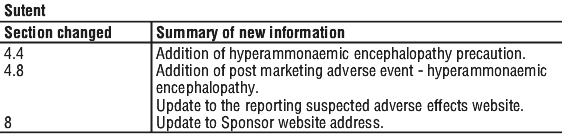
Hyperammonaemic encephalopathy. Hyperammonaemic encephalopathy has been reported with sunitinib. In patients who develop unexplained lethargy or changes in mental status, ammonia level should be measured, and appropriate clinical management should be initiated (see Section 4.8 Adverse Effects (Undesirable Effects)).
Tolerability. Schedule modifications and/or dose interruptions may be required based on individual safety and tolerability. For example, in patients who are unable to tolerate sunitinib on the 4 weeks on, 2 weeks off (4/2) schedule, completion of the 6 week treatment cycle utilising a planned dose interruption after week 2 lasting for 1 week, i.e. 2 weeks on, 1 week off (2/1) schedule may be considered.
Use in hepatic impairment. No adjustment to starting dose is required when administering Sutent to patients with mild or moderate (Child-Pugh class A and B) hepatic impairment. Sutent has not been studied in subjects with severe (Child-Pugh class C) hepatic impairment (see Section 5.2 Pharmacokinetic Properties).
Studies in cancer patients have excluded patients with ALT or AST > 2.5 x ULN (Upper Limit of Normal) or, if due to liver metastasis > 5.0 x ULN.
Use in renal impairment. No adjustment to starting dose is required when administering Sutent to patients with renal impairment (mild-severe) or with ESRD on haemodialysis (see Section 5.2 Pharmacokinetic Properties).
Use in the elderly. Approximately 34% of the subjects in the GIST and mRCC clinical studies of Sutent were 65 or over. No significant differences in safety or efficacy were observed between younger and older patients.
Paediatric use. The safety and efficacy of Sutent in paediatric patients have not been established.
Effects on laboratory tests. Complete blood counts should be performed at the beginning of each treatment cycle for patients receiving treatment with Sutent.
4.5 Interactions with Other Medicines and Other Forms of Interactions
In vitro studies of CYP inhibition and induction. In vitro studies indicate that sunitinib does not induce major CYP enzymes, including CYP3A4. The calculated in vitro Ki values for inhibition of CYP isoforms, CYP1A2, CYP2A6, CYP2B6, CYP2C8, CYP2C9, CYP2C19, CYP2D6, CYP2E1, CYP3A4/5 AND CYP4A9/11, by sunitinib and its primary active metabolite indicated that neither compound is likely to have any clinically relevant drug-drug interactions with drugs that may be metabolised by these enzymes.
Medicines that may increase sunitinib plasma concentrations. Concomitant administration of Sutent with the strong CYP3A4 inhibitor, ketoconazole, resulted in a 49% and 51% increase of the complex [sunitinib + primary active metabolite] Cmax and AUC0-∞ values, respectively, after a single dose of sunitinib malate in healthy volunteers.
Administration of Sutent with strong inhibitors of the CYP3A4 family (e.g. ritonavir, itraconazole, erythromycin, clarithromycin, grapefruit juice) may increase sunitinib concentrations. Concomitant administration with inhibitors should therefore be avoided or the selection of an alternative concomitant medication with no or minimal potential to inhibit CYP3A4 should be considered. If this is not possible, the dosage of sunitinib may need to be reduced (see Section 4.2 Dose and Method of Administration).
Medicines that may decrease sunitinib plasma concentrations. Concomitant use of Sutent with the CYP3A4 inducer, rifampicin, resulted in a 23% and 46% reduction of the complex [sunitinib + primary active metabolite] Cmax and AUC0-∞ values, respectively, after a single dose of Sutent in healthy volunteers.
Administration of Sutent with strong inducers of the CYP3A4 family (e.g. dexamethasone, phenytoin, carbamazepine, rifampicin, phenobarbital (phenobarbitone) or Hypericum perforatum known also as St John's wort) may decrease sunitinib concentrations. Concomitant administration with inducers should therefore be avoided, or selection of an alternative concomitant medication with no or minimal potential to induce CYP3A4 should be considered. If this is not possible, the dosage of sunitinib may need to be increased (see Section 4.2 Dose and Method of Administration).
4.6 Fertility, Pregnancy and Lactation
Effects on fertility. Rat fertility was unaffected by doses of up to 10 mg/kg/day (males) or 5 mg/kg/day (females), which resulted in exposures (AUC) to sunitinib plus its primary metabolite that were respectively about 26 times and 5 times the human value with the recommended daily dose of 50 mg. Embryolethality was seen in treated females at 5 mg/kg/day, but not at 1.5 mg/kg/day.
Adverse effects on the female reproductive system were seen in toxicity studies in cynomolgus monkeys (including impaired ovarian follicular development, uterine endometrial atrophy and vaginal epithelial atrophy) and rats (corpora lutea degeneration and uterine atrophy). Adverse effects on the male reproductive system were also seen in toxicity studies in rats (including testicular tubular atrophy). In both species, these effects mainly occurred at doses that elicited major toxicity.
Use in pregnancy. (Category D)
There are no studies in pregnant women using sunitinib.
As angiogenesis is a critical component of embryonic and fetal development, inhibition of angiogenesis following administration of Sutent may result in adverse effects on pregnancy.
Sunitinib was shown to be embryotoxic and teratogenic when administered to pregnant rats and rabbits. Increased fetal resorptions, decreased fetal weights and skeletal malformations were observed in rats with a dose of 5 mg/kg/day, while increased fetal variations occurred at 3 mg/kg/day. These doses resulted in exposures of sunitinib plus its primary metabolite (AUC) that were about 6 and 2 times the human value with the recommended daily dose of 50 mg, respectively. Limited investigations in rabbits showed the occurrence of cleft lip at doses of 1 and 5 mg/kg/day, which resulted in exposures of sunitinib plus its primary metabolite that were about 0.3 times and 3 times the human value, respectively. Increased fetal resorptions were observed at 5 mg/kg/day.
Sunitinib (0.3, 1.0, 3.0 mg/kg/day) was evaluated in a pre and postnatal development study in pregnant rats. Maternal bodyweight gains were reduced during gestation and lactation at ≥ 1 mg/kg/day but no maternal reproductive toxicity was observed up to 3 mg/kg/day (estimated exposure 2.3 times the AUC in patients at the daily dose of 50 mg). Reduced offspring bodyweights were observed during the pre-weaning and postweaning periods at 3 mg/kg/day. No development toxicity was observed at 1 mg/kg/day (approximate exposure 0.6 times the AUC in patients at the daily dose of 50 mg).
Sutent should not be used during pregnancy. Women of childbearing potential must be advised to avoid becoming pregnant while receiving treatment with Sutent. If the drug is used during pregnancy or if the patient becomes pregnant while receiving this drug, the patient should be apprised of the potential hazard to the fetus. Adequate contraception should be used during therapy and for at least 4 weeks after completion of therapy.
Use in lactation. It is not known whether sunitinib or its primary metabolite are excreted in human milk. Sunitinib and/or its metabolites are readily excreted in rat milk (milk:plasma concentration ratio of approximately 5:1). Because of the potential for serious adverse reactions in nursing infants, women should not breastfeed while taking Sutent.
4.7 Effects on Ability to Drive and Use Machines
No studies on the effects on the ability to drive or operate machinery have been performed. Patients should be advised that they may experience fatigue or dizziness during treatment with Sutent.
4.8 Adverse Effects (Undesirable Effects)
The data described below reflect exposure to Sutent in patients who participated in the placebo controlled trial for the treatment of GIST, the active controlled trial for the treatment of mRCC or the placebo controlled trial for the treatment of pancreatic NET. The GIST and mRCC patients received a starting oral dose of 50 mg daily on Schedule 4/2 in repeated cycles and the pancreatic NET patients received a starting oral dose of 37.5 mg daily without a scheduled rest period.
Adverse events occurring in the GIST, RCC and pancreatic NET studies are described below.
See Section 4.4 Special Warnings and Precautions for Use for more information on haematological events, seizures, thyroid dysfunction, gastrointestinal disorders, including pancreatitis, and cardiovascular events, including QT interval prolongation, hypertension and venous thromboembolic events, reported during the clinical trials.
Adverse events in placebo controlled GIST. Median duration of blinded study treatment was two cycles for patients on Sutent (mean 3.0, range 1-9) and one cycle (mean 1.8, range 1-6) for patients on placebo at the time of the interim analysis. Dose reductions occurred in 23 patients (11%) on Sutent and none on placebo. Dose interruptions occurred in 59 patients (29%) on Sutent and 31 patients (30%) on placebo. The rates of treatment emergent, nonfatal adverse events resulting in permanent discontinuation were 7% and 6% in the Sutent and placebo groups, respectively.
Most treatment emergent adverse events in both study arms were grade 1 or 2 in severity. Grade 3 or 4 treatment emergent adverse events were reported in 56% vs. 51% of patients on Sutent versus placebo, respectively, in the double-blind treatment phase of the trial. Diarrhoea, hypertension, bleeding, mucositis, skin abnormalities and altered taste were more common in patients receiving Sutent. Table 1 compares the incidence of common (> 10%) treatment emergent adverse events for patients receiving Sutent versus those on placebo.
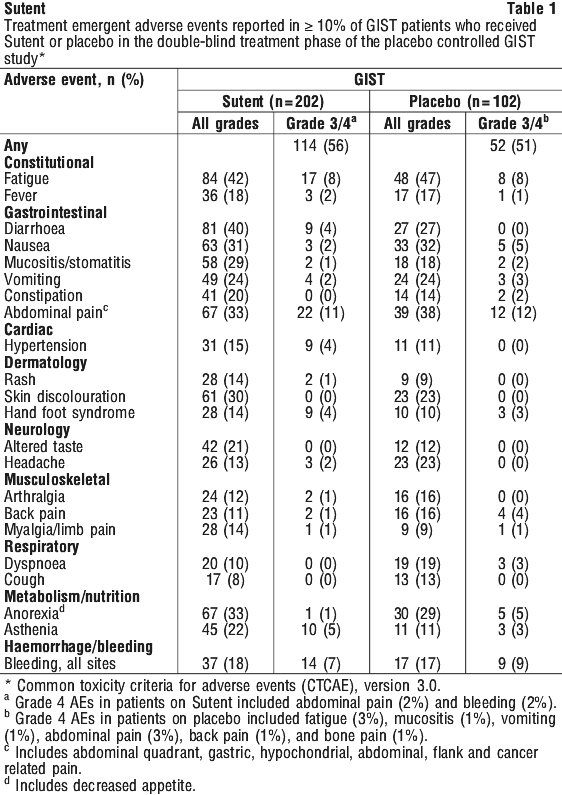
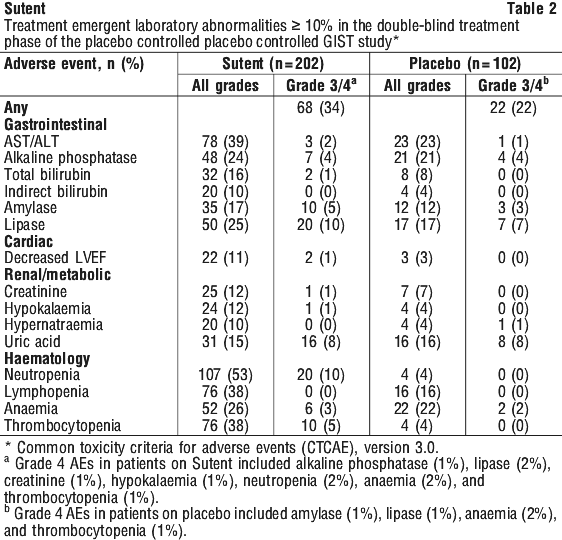
Table 2 provides common (≥ 10%) treatment emergent laboratory abnormalities.
For the 255 patients who ultimately received open-label Sutent treatment, median duration of study treatment was 6 cycles (mean 7.8, range 1 - 37) from the time of the unblinding. A total of 118 patients (46%) required dosing interruptions, and a total of 72 patients (28%) required dose reductions. The incidence of treatment-emergent adverse reactions resulting in permanent discontinuation was 20%. The most common Grade 3 or 4 treatment-related adverse reactions experienced by patients receiving Sutent in the open-label treatment phase were fatigue (10%), hypertension (8%), asthenia (5%), diarrhoea (5%), hand-foot syndrome (5%), nausea (4%), abdominal pain (3%), anorexia (3%), mucositis (2%), vomiting (2%), and hypothyroidism (2%).
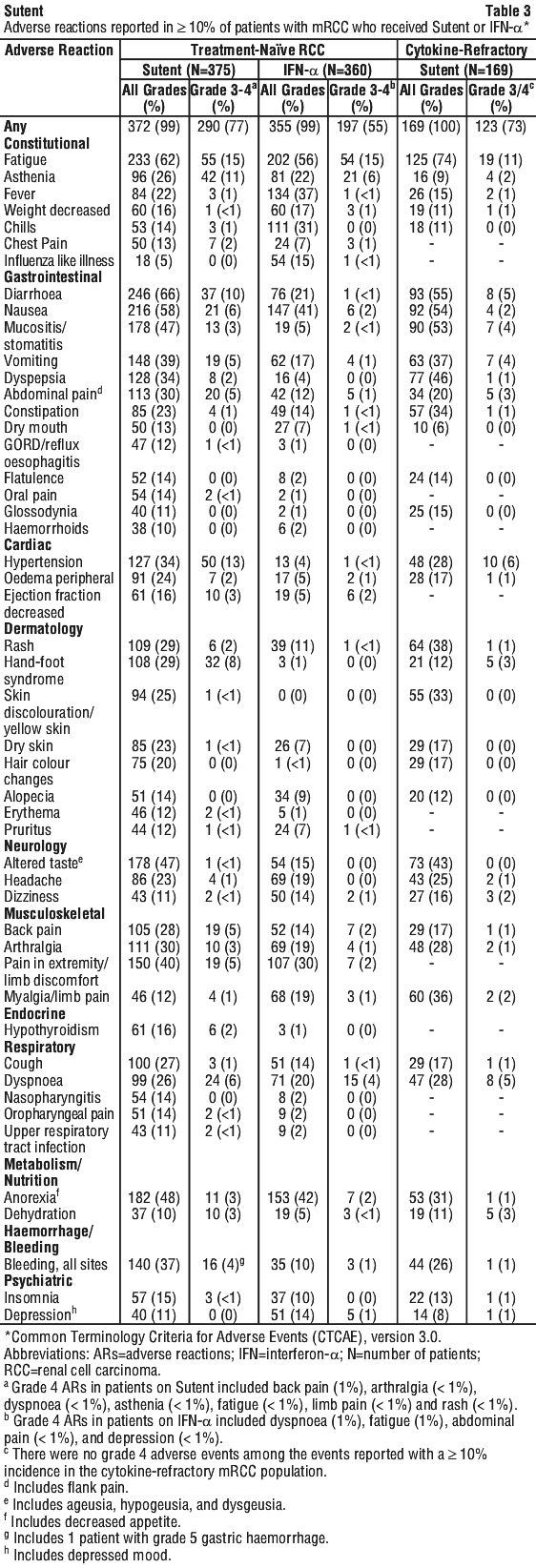
Adverse events in RCC studies. Treatment-naïve mRCC. The as-treated patient population for the treatment-naïve mRCC study included 735 patients, 375 randomised to Sutent and 360 randomised to IFN-α. The median duration of treatment was 11.1 months (range: 0.4 - 46.1) for Sutent treatment and 4.1 months (range: 0.1 - 45.6) for IFN-α treatment. Dose reductions occurred in 194 (52%) patients on Sutent and 98 (27%) patients on IFN-α. Dose interruptions occurred in 202 (54%) patients on Sutent and 141 (39%) patients on IFN-α. The rates of treatment-emergent, nonfatal adverse events resulting in permanent discontinuation were 20% and 23% in the Sutent and IFN-α groups, respectively. Most treatment-emergent adverse events in both study arms were Grade 1 or 2 in severity. Grade 3 or 4 treatment-emergent adverse events were reported in 77% versus 55% of patients on Sutent versus IFN-α, respectively. Diarrhoea, hypertension, bleeding, mucositis, skin abnormalities and altered taste were more common in patients receiving Sutent. Table 3 compares the incidence of common (≥ 10%) treatment-emergent adverse events for patients receiving Sutent versus those on IFN-α.
Data on treatment with Sutent in the 169 patients enrolled in the pivotal and supportive studies in cytokine refractory mRCC are also included in Table 3. The median duration of treatment was 5.5 months (range: 0.8-11.2) in the pivotal study and 7.7 months (range: 0.2-16.1) in the supportive study. Dose interruptions occurred in 48 patients (45%) in the pivotal study and 45 patients (71%) in the supportive study; one or more dose reductions occurred in 23 patients (22%) in the pivotal study and 22 patients (35%) in the supportive study.
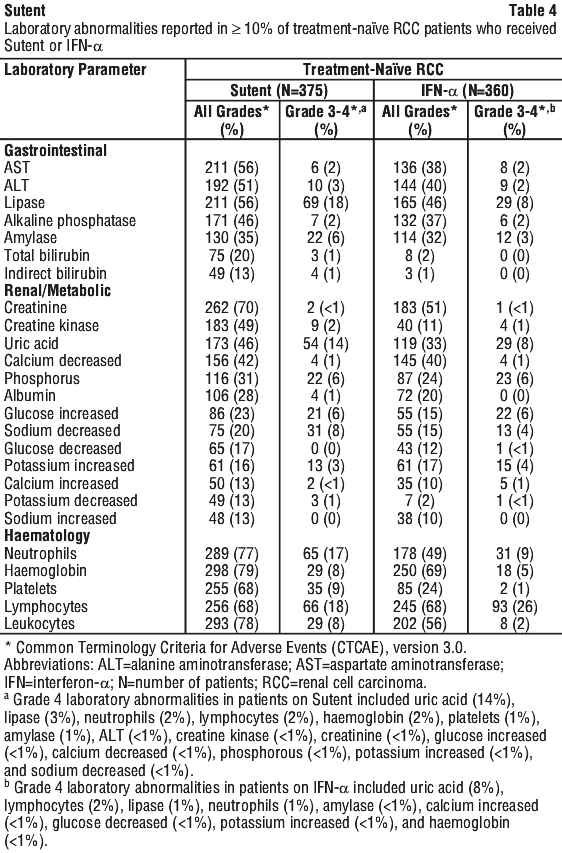
Common treatment-emergent laboratory abnormalities reported in treatment-naïve patients are presented in Table 4.
Prolonged treatment with sunitinib was not associated with new types of treatment-related adverse events. Hypothyroidism occurred early as well as late during treatment with sunitinib. Interval analysis showed frequency increasing from 14% at 0 - < 1 year to 42% at 5 - < 6 years, indicating that new cases were occurring. See Section 4.4 Special Warnings and Precautions for Use.
Cumulative analysis showed that for the most common Grade 3/4 treatment-related AEs during the first year, frequencies increased over the 6 year period as follows: hand-foot syndrome from 9% to 13%, hypertension 8% to 12%, fatigue 7% to 11%, thrombocytopenia 6% to 7%, neutropenia 6% to 9%, and diarrhoea 5% to 11%. Grade 3/4 anaemia increased from 1% to 4%.
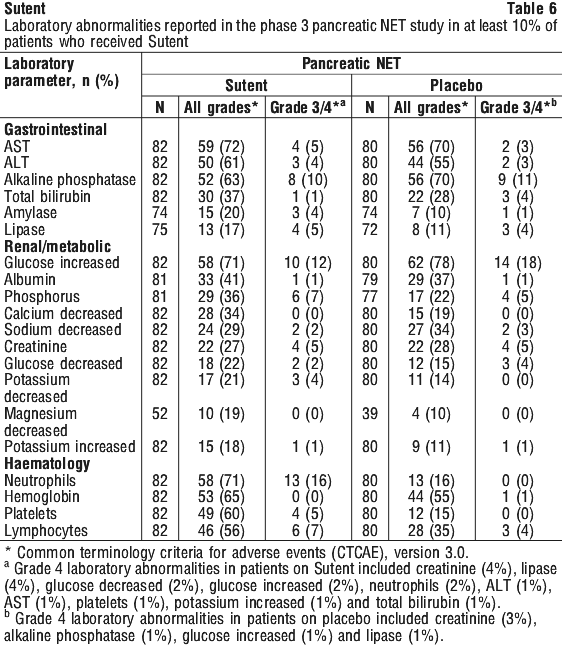
Adverse events in the phase 3 pancreatic NET study. The median number of days on treatment was 139 days (range 13-532 days) for patients on Sutent and 113 days (range 1-614 days) for patients on placebo. Nineteen patients (23%) on Sutent and 3 patients (4%) on placebo were on study for > 1 year. Dose interruptions occurred in 25 patients (30%) on Sutent and 10 patients (12%) on placebo. Dose reductions occurred in 26 patients (31%) on Sutent and 9 patients (11%) on placebo. Discontinuation rates due to adverse events were 22% for Sutent and 17% for placebo.
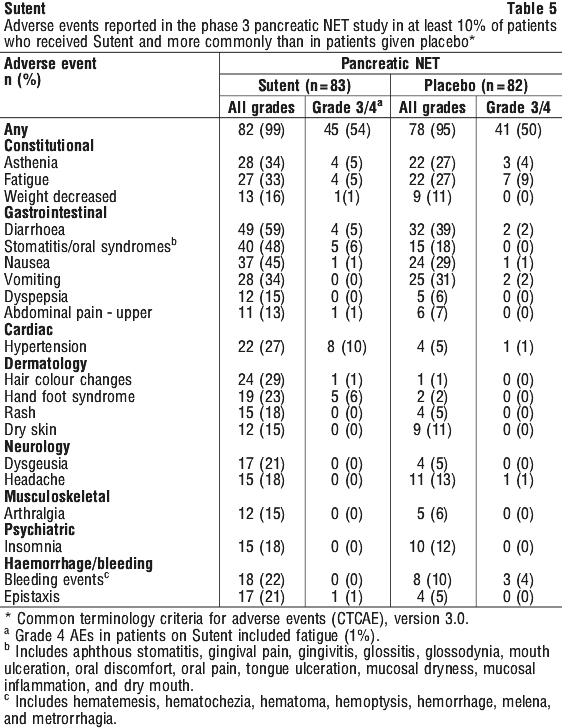
Most treatment emergent adverse events in both study arms were grade 1 or 2 in severity. Grade 3 or 4 treatment emergent adverse events were reported in 54% versus 50% of patients on Sutent versus placebo, respectively. Table 5 compares the incidence of common (≥ 10%) treatment emergent adverse events for patients receiving Sutent and reported more commonly in patients receiving Sutent than in patients receiving placebo.
Blood and lymphatic system disorders. Pancytopenia has been reported. Rare cases of thrombotic microangiopathy, some with fatal outcome, have been reported. Temporary suspension of sunitinib is recommended; following resolution, treatment may be resumed at the discretion of the treating physician (see Section 4.4 Special Warnings and Precautions for Use, Thrombotic microangiopathy).
Cardiac disorders. Cardiac failure, cardiomyopathy, myocardial ischaemia, myocardial infarction and left ventricular failure, some with fatal outcome, have been reported. Congestive cardiac failure, prolonged QT interval and torsade de pointes have been reported.
Endocrine disorders. Cases of hyperthyroidism, some followed by hypothyroidism, have been reported in clinical trials and through postmarketing experience (see Section 4.4 Special Warnings and Precautions for Use, Thyroid dysfunction). Cases of thyroiditis have also been reported.
Gastrointestinal disorders. Pancreatitis, gastrointestinal perforation and oesophagitis have been reported.
Haemorrhagic events. Cases of pulmonary, GI, tumour, urinary tract and brain haemorrhage, some fatal, have been reported. Cases of fatal haemorrhage associated with thrombocytopenia have been reported.
Hepatobiliary disorders. Cases of hepatic failure and cholecystitis, particularly acalculous cholecystitis, have been reported.
Immune system disorders. Hypersensitivity reactions, including angioedema, have been reported.
Infections and infestations. Cases of serious infection (with or without neutropenia), in some cases with fatal outcome, have been reported. The infections observed most commonly with sunitinib treatment are infections typically seen in cancer patients, including respiratory infections (e.g. pneumonia, bronchitis), urinary tract infections, skin infections (e.g. cellulitis), sepsis/septic shock and abscess (e.g. oral, genital, anorectal, skin, limb, visceral). Infections may be bacterial (e.g. intra-abdominal, osteomyelitis), viral (e.g. nasopharyngitis, oral herpes) or fungal (e.g. candidiasis: oral, oesophageal). Rare cases of necrotising fasciitis, including of the perineum, sometimes fatal, have been reported (see Section 4.4 Special Warnings and Precautions for Use).
Investigations. Increased TSH and blood uric acid have been reported.
Metabolism and nutrition disorders. Cases of tumour lysis syndrome (TLS), some fatal, have been reported in patients treated with sunitinib.
Decreases in blood glucose, in some cases clinically symptomatic, have been reported (see Section 4.4 Special Warnings and Precautions for Use, Hypoglycaemia).
Musculoskeletal and connective tissue disorders. Cases of myopathy and/or rhabdomyolysis, with or without acute renal failure, in some cases with fatal outcome, have been reported. Most of these patients had pre-existing risk factors and/or were receiving concomitant medications known to be associated with these adverse reactions. Patients with signs or symptoms of muscle toxicity should be managed as per standard medical practice.
Cases of fistula formation, sometimes associated with tumour necrosis and/or regression, in some cases with fatal outcome, have been reported.
Cases of osteonecrosis of the jaw (ONJ) have been reported in patients treated with sunitinib, most of which occurred in patients who had identified risk factors for ONJ, in particular exposure to IV bisphosphonates and/or a history of dental disease requiring invasive dental procedures (see Section 4.4 Special Warnings and Precautions for Use).
Nervous system disorders. Taste disturbances, including ageusia, have been reported.
Hyperammonaemic encephalopathy has been reported.
Renal and urinary disorders. Cases of renal impairment and/or failure, in some cases with fatal outcome, have been reported.
Cases of proteinuria and rare cases of nephrotic syndrome have been reported (see Section 4.4 Special Warnings and Precautions for Use).
Respiratory, thoracic and mediastinal disorders. Pulmonary embolism, in some cases with fatal outcome, has been reported. Cases of pleural effusion have been reported.
Skin and subcutaneous tissue disorders. Cases of erythema multiforme, pyoderma gangrenosum and Stevens-Johnson syndrome have been reported.
Vascular disorders. Cases of arterial thromboembolic events (ATE), sometimes fatal, have been reported in patients treated with sunitinib. The most frequent events included cerebrovascular accident, transient ischaemic attack and cerebral infarction. Risk factors associated with ATE, in addition to the underlying malignant disease and age ≥ 65 years, included hypertension, diabetes mellitus and prior thromboembolic disease.
Cases of aneurysms and artery dissections, sometimes fatal, have been reported.
Reporting suspected adverse effects. Reporting suspected adverse reactions after registration of the medicinal product is important. It allows continued monitoring of the benefit-risk balance of the medicinal product. Healthcare professionals are asked to report any suspected adverse reactions at www.tga.gov.au/safety/reporting-problems.
4.9 Overdose
Cases of overdose have been reported; some cases were associated with adverse reactions consistent with the known safety profile of Sutent.
There is no specific antidote for overdosage with Sutent and treatment of overdose should consist of general supportive measures.
Sunitinib is not removed from blood by dialysis.
For information on the management of overdose, contact the Poisons Information Centre on 13 11 26 (Australia).
5 Pharmacological Properties
5.1 Pharmacodynamic Properties
Mechanism of action. Sunitinib is a small molecule that simultaneously inhibits multiple receptor tyrosine kinases (RTKs) that are implicated in tumour growth, pathologic angiogenesis and metastatic progression of cancer. Sunitinib was evaluated for its inhibitory activity against a wide range of kinases and was identified as a potent inhibitor of platelet derived growth factor receptor β (PDGFRβ), vascular endothelial growth factor receptors (VEGFR1, VEGFR2 and VEGFR3), stem cell factor receptor (KIT), Fms-like tyrosine kinase-3 (FLT3), colony stimulating factor receptor type 1 (CSF-1R) and the glial cell line derived neurotrophic factor receptor (RET).
Inhibition of the tyrosine kinase activity of these RTKs by sunitinib has been demonstrated in biochemical and cellular assays and inhibition of function has been demonstrated in cell proliferation assays in which the activity of PDGFRα was inhibited. The primary metabolite exhibits similar potency compared to sunitinib in biochemical and cellular assays for inhibition of PDGFRβ, VEGFR2 and KIT tyrosine kinase activities.
Sunitinib inhibited the phosphorylation of multiple RTKs (PDGFRβ, VEGFR2, KIT) in tumour xenografts expressing RTK targets in vivo and demonstrated inhibition of tumour growth or tumour regression, and/or inhibited metastases in some experimental models of cancer. Consistent with its multitargeted profile, sunitinib demonstrated the ability to directly inhibit growth of tumour cells expressing dysregulated RTK targets (PDGFR, RET, FLT3 or KIT) and to inhibit tumour angiogenesis.
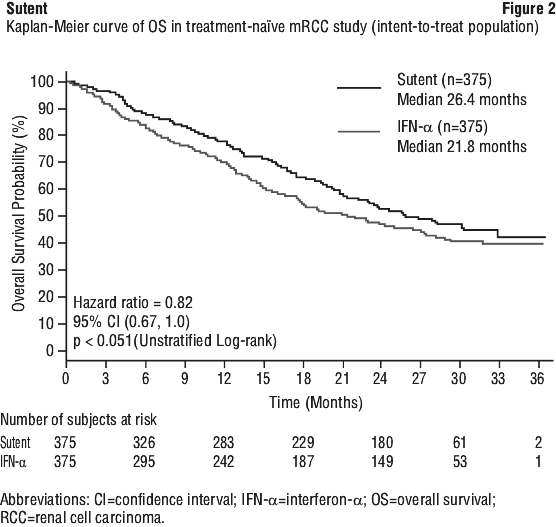
Clinical trials. Renal cell carcinoma (RCC). A randomised, multi-centre, phase 3 study comparing Sutent with interferon-α2a (IFN-α) was conducted in patients with treatment-naïve metastatic RCC (mRCC). The primary objective was to compare progression free survival (PFS) in subjects receiving sunitinib versus subjects receiving IFN-α. Secondary objectives included time to tumour progression (TTP), objective response rate (ORR), overall survival (OS), safety and patient reported outcomes (PROs). Seven hundred and fifty (750) subjects patients were randomised (1:1) to receive either sunitinib 50 mg orally once daily as a single agent for 4 consecutive weeks followed by 2 weeks off (Schedule 4/2) or IFN-α administered subcutaneously at 9 MIU three times weekly. Subjects were treated until disease progression or withdrawal from the study.
Baseline age, gender, race and Eastern Cooperative Oncology Group (ECOG) performance status were comparable and balanced between the sunitinib and IFN-α groups. The most common site of metastases present at screening was the lung (78% versus 80%, respectively), followed by the lymph nodes (58% versus 53%, respectively), and bone (30% each arm). The majority of the subjects had multiple (2 or more) metastatic sites at baseline (80% versus 77%, respectively).
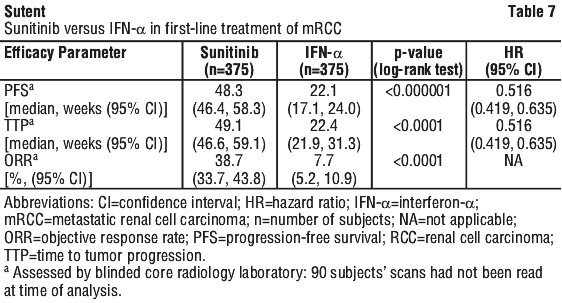
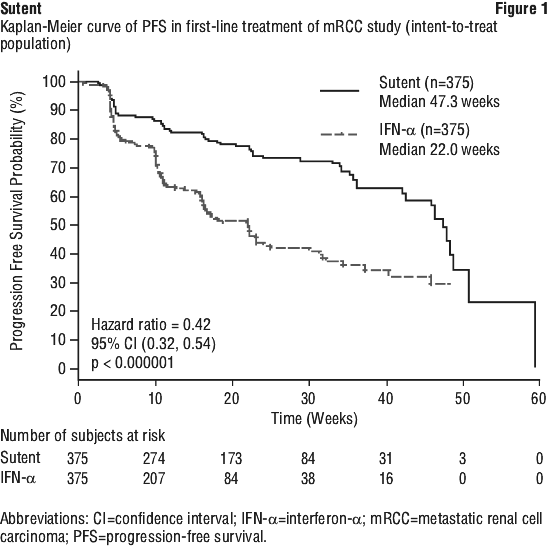
There was a statistically-significant advantage for sunitinib over IFN-α in the endpoint of PFS (see Table 7 and Figure 1). In the pre-specified stratification factors of lactate dehydrogenase (LDH) (> 1.5 ULN versus ≤ 1.5 ULN), ECOG performance status (0 versus 1), and prior nephrectomy (yes versus no), the hazard ratio (HR) favoured sunitinib over IFN-α. Core radiology assessment was discontinued after the primary endpoint had been met. The ORR as determined by the investigator's assessment was 46% (95% CI: 41, 51) for the sunitinib arm and 12% (95% CI: 9, 16) for the IFN-α arm [p < 0.001]. The median duration of treatment was 11.1 months (range 0.4-46.1) for sunitinib treatment and 4.1 months (range 0.1-45.6) for IFN-α treatment.
The results were similar in the supportive analyses and they were robust when controlling for demographic (age, gender, race and performance status) and known risk factors. For 262 of 750 subjects (35%) with no known risk factors, median PFS was 64.1 weeks in the sunitinib arm and was 34.1 weeks in the IFN-α arm (HR: 0.447; 95% CI: 0.313, 0.640); for the 424 subjects (56%) with 1 or 2 risk factors, median PFS was 46.6 weeks in the sunitinib arm and 16.1 weeks in the IFN-α arm (HR: 0.547; 95% CI: 0.423, 0.707); and for the 47 subjects (6%) with ≥ 3 risk factors, median PFS was 12.1 weeks in the sunitinib arm and 5.7 weeks in the IFN-α arm (HR: 0.679; 95% CI: 0.330, 1.398).
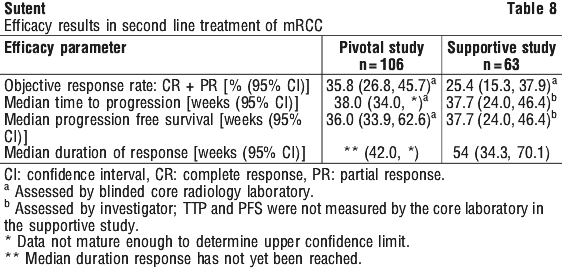
Cytokine-refractory RCC. The use of single agent Sutent in the treatment of advanced cytokine refractory RCC was investigated in two studies, a pivotal phase 2 study and a supportive phase 2 study. Both studies were single arm, nonrandomised, multicentre, open label studies in patients with mRCC who were refractory to prior cytokine treatment (interferon-α, interleukin 2 or interferon-α plus interleukin 2). The primary endpoint for both studies was ORR. Secondary endpoints included assessment of time to tumour progression (TTP), PFS, duration of response (DR) and OS.
The pivotal study enrolled 106 patients and the supportive study enrolled 63 patients. The starting dose in both studies was sunitinib 50 mg daily on Schedule 4/2. Therapy was continued until the patients met withdrawal criteria or had progressive disease. The baseline age, gender, race, ECOG performance status, baseline malignancy and prior treatment history of the patients were comparable between the two studies. Most patients enrolled in the studies (97% of the pooled population) had undergone nephrectomy; prior nephrectomy was required for patients enrolled in the pivotal study. All patients had received one previous cytokine regimen, to which 9.5% (n = 16) had experienced an objective disease response. Metastatic disease present at the time of study entry included lung metastases in 81% of patients. Liver metastases were more common in the pivotal study (27% vs. 16% in the supportive study) and bone metastases were more common in the supportive study (51% vs. 25% in the pivotal study); 52% of patients in the pooled population had at least 3 metastatic sites.
The results of the two studies are provided in Table 8.
Gastrointestinal stromal tumours (GIST). An initial open label, dose escalation study was conducted in patients with GIST after failure of imatinib (median maximum daily dose 800 mg) due to resistance or intolerance. Ninety-seven patients were enrolled at various doses and schedules; 55 patients received a dose of 50 mg daily at the recommended treatment schedule of 4 weeks on followed by 2 weeks off (Schedule 4/2). In this study the investigator assessed median TTP was 34.0 weeks (95% CI = 22.0-46.0).
A randomised, double blind, placebo controlled phase 3 study of Sutent was conducted in patients with GIST who were intolerant to, or had experienced disease progression during or following treatment with, imatinib (median maximum daily dose 800 mg). At the time of a pre-specified interim analysis, the ITT population included 312 patients randomised (2:1) to receive either Sutent 50 mg or placebo orally once daily on Schedule 4/2 until disease progression or withdrawal from the study for another reason (207 patients received Sutent and 105 patients received placebo).
The results of the dose escalating and phase 3 studies are provided in Table 9.
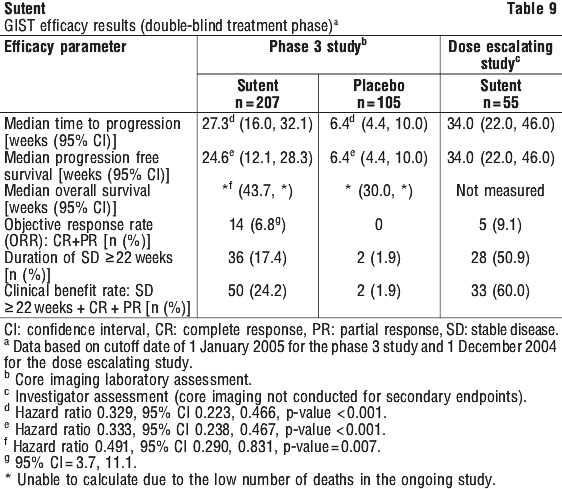
In the double-blind treatment phase of the phase 3 study, 14 PRs (6.8% ORR), as determined by response evaluation criteria in solid tumours (RECIST) using core laboratory assessment were observed in patients treated with Sutent, while none was observed in the placebo arm. Results of the dose escalating study were consistent, with 5 PRs reported (9.1% ORR) by investigator assessment.
When evaluated for clinical benefit response (percentage of patients experiencing CR, PR or stable disease (SD) ≥ 22 weeks), 50 (24.2%) of patients treated with Sutent in the phase 3 study experienced clinical benefit, while only 2 (1.9%) placebo treated patients experienced clinical benefit. In the dose escalating study, the clinical benefit rate was 60%. The difference in clinical benefit response rates between studies is the result of the longer follow-up period in the dose escalating study, resulting in more patients treated for at least 22 weeks compared to the phase 3 study. These results demonstrate the ability of Sutent to achieve and maintain disease control in patients with GIST after failure of imatinib.
The difference in OS was statistically significant (HR: 0.491; 95% CI: 0.290, 0.831, p = 0.007) in the phase 3 study (Figure 4). The risk of death was twice as high in patients in the placebo arm of the study compared to the Sutent arm. Median OS had not yet been reached in either treatment arm at the time of the interim analysis. The percentages of deaths were 14% for Sutent vs. 25% for placebo.
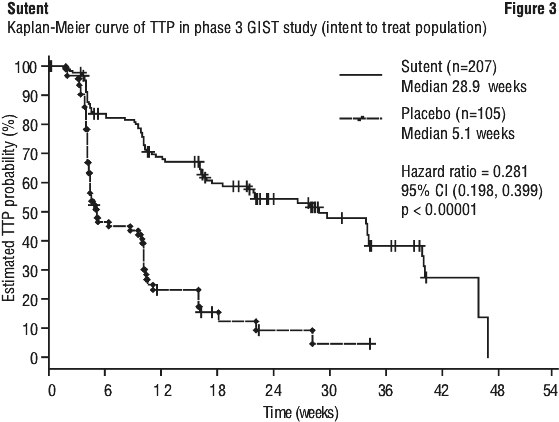
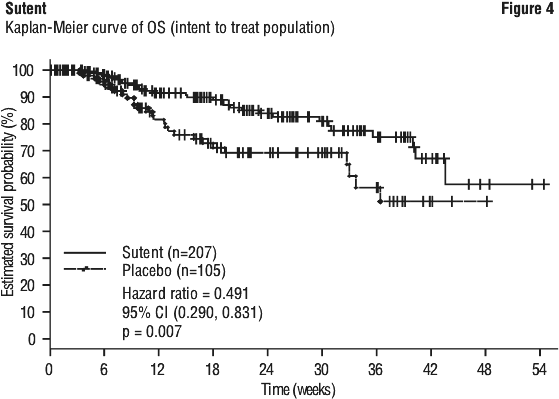
A total of 255 patients received sunitinib in the open-label treatment phase of the study, including 99 patients who were initially treated with placebo. In the final analyses, the placebo arm included those patients randomised to placebo who subsequently received open-label sunitinib treatment.
The final analyses of primary and secondary endpoints of the study reaffirmed the results obtained at the time of the interim analysis, as shown in Table 10.
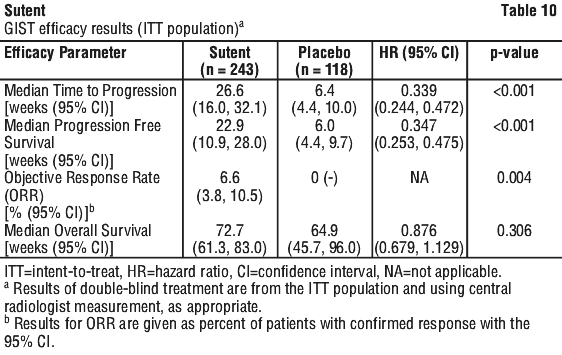
Overall, the study demonstrated a statistically significant and clinically meaningful improvement in TTP, the primary endpoint, for sunitinib plus best supportive care compared with placebo plus best supportive care.
Pancreatic neuroendocrine tumours (pancreatic NET). A supportive phase 2, open label, multicentre study evaluated the efficacy and safety of single agent Sutent 50 mg daily on Schedule 4/2 (4 weeks on treatment, 2 week rest period) in patients with unresectable pancreatic NET. In a pancreatic islet cell tumour cohort of 66 patients, the primary endpoint of response rate was 17%. All were partial responses.
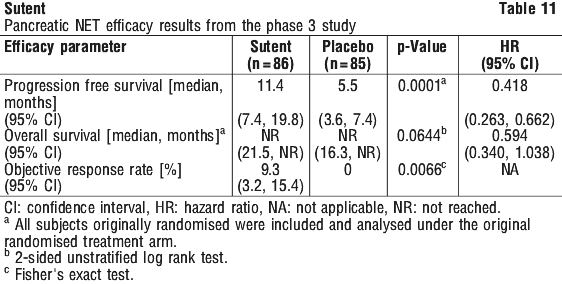
A pivotal phase 3, multicentre, international, randomised, double blind placebo controlled study of single agent Sutent was conducted in patients with unresectable, well differentiated pancreatic NET. Patients were required to have documented progression, based on RECIST, within the prior 12 months and were randomised (1:1) to receive either 37.5 mg sunitinib once daily without a scheduled rest period (n = 86) or placebo (n = 85). The primary objective was to compare PFS in patients receiving sunitinib versus patients receiving placebo. Other endpoints included OS, ORR, PRO and safety. Use of somatostatin analogs was allowed in the study.
Demographics were comparable between the Sutent and placebo groups. Additionally, 49% of Sutent patients had nonfunctioning tumours versus 52% of placebo patients and 92% of patients in both arms had liver metastases. A total of 66% of Sutent patients received prior systemic therapy compared with 72% of placebo patients. In addition, 24% of Sutent patients had received somatostatin analogs compared with 22% of placebo patients.
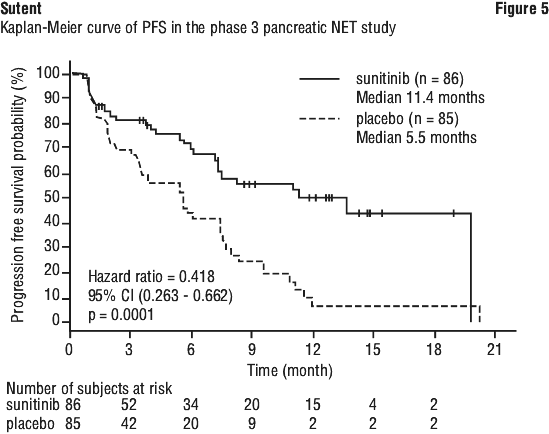
A clinically significant advantage in PFS for Sutent over placebo was seen. The median PFS was 11.4 months for the sunitinib arm compared to 5.5 months for the placebo arm (hazard ratio: 0.418 (95% CI: 0.263, 0.662) p-value = 0.0001). A hazard ratio favouring Sutent was observed in all subgroups of baseline characteristics evaluated. The results are provided in Table 11.
This study was terminated early at the recommendation of an independent Drug Monitoring Committee and patients offered open label Sutent in extension studies (see Figure 5 and 6).
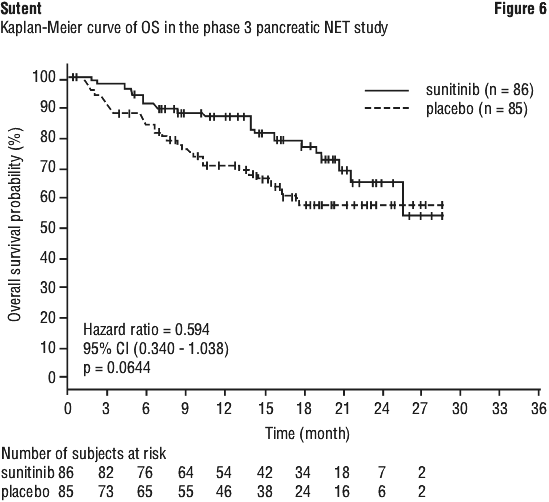
Results from the European Organization for Research and Treatment of Cancer Quality of Life Questionnaire (EORTC QLQC-30) demonstrated that the overall global health related quality of life and the five functioning domains (physical, role, cognitive, emotional and social) were maintained for patients on sunitinib treatment as compared to placebo with limited adverse symptomatic effects.
5.2 Pharmacokinetic Properties
The pharmacokinetics of sunitinib and sunitinib malate have been evaluated in 135 healthy volunteers and 266 patients with solid tumours.
Absorption. Absolute bioavailability has not been determined.
Maximum plasma concentrations (Cmax) are generally observed between 6-12 hours (Tmax) following oral administration. In multiple dose studies in the dosing ranges of 25 to 100 mg, the area under the plasma concentration time curve (AUC) and Cmax increase proportionately with dose. With repeated daily administration, sunitinib accumulates 3 to 4-fold and its primary metabolite accumulates 7 to 10-fold. Steady-state concentrations of sunitinib and its primary active metabolite are achieved within 10 to 14 days. By day 14, combined plasma concentrations of sunitinib and its active metabolite are 62.9-101 nanogram/mL which are target concentrations predicted from preclinical data to inhibit receptor phosphorylation in vitro and result in tumour stasis/growth reduction in vivo.
Food has no effect on the bioavailability of sunitinib.
Distribution. Binding of sunitinib and its primary active metabolite to human plasma protein in vitro was 95% and 90%, respectively, with no apparent concentration dependence in the range of 100-4000 nanogram/mL. The apparent volume of distribution (Vd/F) for sunitinib was large, 2230 L, indicating distribution into the tissues.
Metabolism. Sunitinib is metabolised primarily by the cytochrome P450 enzyme, CYP3A4, which produces its primary active metabolite, which is also metabolised by CYP3A4. The primary active metabolite comprises 23 to 37% of the total exposure.
Excretion. Following oral administration in healthy volunteers, the elimination half-lives of sunitinib and its primary active metabolite are approximately 40-60 hours and 80-110 hours, respectively.
Excretion is primarily via faeces (61%) with renal elimination of drug and metabolites accounting for 16% of the administered dose. Sunitinib and its primary active metabolite were the major drug related compounds identified in plasma, urine and faeces, representing 91.5%, 86.4% and 73.8% of radioactivity in pooled samples, respectively. Minor metabolites were identified in urine and faeces, but generally were not found in plasma. Total oral clearance (Cl/F) was 34-62 L/hr with an interpatient variability of 40%.
No significant changes in the pharmacokinetics of sunitinib or the primary, active metabolite are observed with repeated daily administration or with repeated cycles in the dosing regimens tested.
Special populations. The pharmacokinetics were similar in all solid tumour populations tested and in healthy volunteers.
Hepatic impairment. Sunitinib and its primary metabolite are mainly metabolised by the liver. Systemic exposures after a single dose of Sutent were similar in subjects with mild or moderate (Child-Pugh class A and B) hepatic impairment compared to subjects with normal hepatic function. Sutent was not studied in subjects with severe (Child-Pugh class C) hepatic impairment.
Renal impairment. Systemic exposures after a single dose of Sutent were similar in subjects with severe renal impairment (ClCr < 30 mL/min) compared to subjects with normal renal function (ClCr > 80 mL/min). Although sunitinib and its primary metabolite were not eliminated through haemodialysis in subjects with endstage renal disease (ESRD), the total systemic exposures were lower by 47% for sunitinib and 31% for its primary metabolite compared to subjects with normal renal function.
Population pharmacokinetics. Population pharmacokinetic analyses of demographic data indicate that there are no clinically relevant effects of age, bodyweight, creatinine clearance, gender, race or Eastern Cooperative Oncology Group (ECOG) performance status on the pharmacokinetics of sunitinib or the primary active metabolite.
There are no pharmacokinetic data available in paediatric patients.
5.3 Preclinical Safety Data
Genotoxicity. Sunitinib was not genotoxic in in vitro tests for bacterial gene mutation and human lymphocyte structural chromosomal aberrations, or in an in vivo micronucleus test in rats. Polyploidy (numerical chromosome aberrations) was induced by high sunitinib concentrations in human lymphocytes in vitro. The major active metabolite was indirectly evaluated in these tests.
Carcinogenicity. In a 1-month, oral gavage dose-range finding study (0, 10, 25, 75, or 200 mg/kg/day) with continuous daily dosing in rasH2 transgenic mice, carcinoma and hyperplasia of Brunner's glands of the duodenum were observed at the highest dose (200 mg/kg/day) tested.
A 6-month, oral gavage carcinogenicity study (0, 8, 25, or 75 [reduced to 50] mg/kg/day), with daily dosing was conducted in rasH2 transgenic mice. Gastroduodenal carcinomas, an increased incidence of background hemangiosarcomas, and/or gastric mucosal hyperplasia were observed at doses of ≥ 25 mg/kg/day for 1 to 6-months duration (≥ 7.3 times the AUC in subjects at the daily dose of 50 mg).
In a 2-year rat carcinogenicity study (0, 0.33, 1, or 3 mg/kg/day), administration of sunitinib in 28-day cycles followed by 7-day dose-free periods resulted in increases in the incidence of pheochromocytomas and hyperplasia in the adrenal medulla of male rats given 3 mg/kg/day following > 1 year of dosing (7 times the AUC in subjects at 50 mg/day). Brunner's glands carcinoma occurred in the duodenum at ≥ 1 mg/kg/day in females (0.8 times the AUC in subjects at 50 mg/day) and at 3 mg/kg/day in males, and mucous cell hyperplasia was evident in the glandular stomach at 3 mg/kg/day in males. Although the relevance to humans of the neoplastic findings observed in the mouse (rasH2 transgenic) and rat carcinogenicity studies with sunitinib treatment is unclear, sunitinib may be carcinogenic in humans with long term treatment.
6 Pharmaceutical Particulars
6.1 List of Excipients
Sutent capsules also contain the following inactive ingredients: mannitol, croscarmellose sodium, povidone, magnesium stearate, gelatin, titanium dioxide, red iron oxide CI77491 (12.5 mg, 25 mg and 50 mg), yellow iron oxide CI77492 (25 mg and 50 mg), black iron oxide CI77499 (25 mg and 50 mg).
6.2 Incompatibilities
Incompatibilities were either not assessed or not identified as part of the registration of this medicine.
6.3 Shelf Life
In Australia, information on the shelf life can be found on the public summary of the Australian Register of Therapeutic Goods (ARTG). The expiry date can be found on the packaging.
6.4 Special Precautions for Storage
Store below 25°C.
6.5 Nature and Contents of Container
Sutent 12.5 mg, 25 mg, 37.5 mg and 50 mg capsules are supplied in HDPE bottles or PVC/PCTFE (Aclar)/Al blister packs containing 28 capsules. The 37.5 mg and 50 mg capsules may also be supplied in blister packs containing 7 capsules (starter pack).
Not all presentations may be available.
6.6 Special Precautions for Disposal
In Australia, any unused medicine or waste material should be disposed of by taking to your local pharmacy.
6.7 Physicochemical Properties
Chemical structure. The active ingredient of Sutent is sunitinib malate. The structural formula of sunitinib malate is shown below:
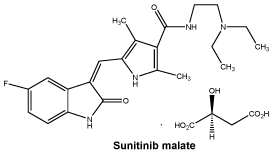
Molecular formula: C22H27FN4O2.C4H6O5.
Molecular weight: 532.57.
CAS number. CAS Registry Number: 341031-54-7.
7 Medicine Schedule (Poisons Standard)
S4 (Prescription Only Medicine).
Date of First Approval
14 September 2006
Date of Revision
21 February 2025
Summary Table of Changes
Reasonable care is taken to provide accurate information at the time of creation. This information is not intended as a substitute for medical advice and should not be exclusively relied on to manage or diagnose a medical condition. The Australian Commission on Safety and Quality in Health Care disclaims all liability (including for negligence) for any loss, damage, injury or any other negative effects resulting from reliance on or use of this information. Read our full disclaimer. This website uses cookies. Read our privacy policy.