
Sylvant
Brand Information
| Brand name | Sylvant |
| Active ingredient | Siltuximab |
| Schedule | S4 |
Consumer Medicine Information (CMI) leaflet
Please read this leaflet carefully before you start using the Sylvant.
Summary CMI
SYLVANT®
Consumer Medicine Information (CMI) summary
The full CMI on the next page has more details. If you are worried about using this medicine, speak to your doctor or pharmacist.
1. Why am I using SYLVANT
SYLVANT contains the active ingredient siltuximab. SYLVANT is used to treat multicentric Castleman's disease (MCD) in patients who do not have human immunodeficiency virus (HIV) and human herpesvirus-8 (HHV-8) infection.
For more information, see Section 1. Why am I using SYLVANT? in the full CMI.
2. What should I know before I use SYLVANT?
Do not use if you have ever had an allergic reaction to siltuximab or any of the ingredients listed at the end of the CMI.
Talk to your doctor if you have any other medical conditions, take any other medicines, or are pregnant or plan to become pregnant or are breastfeeding.
For more information, see Section 2. What should I know before I use SYLVANT? in the full CMI.
3. What if I am taking other medicines?
Some medicines may interfere with SYLVANT and affect how it works.
A list of these medicines is in Section 3. What if I am taking other medicines? in the full CMI.
4. How do I use SYLVANT?
- SYLVANT will be prepared and given to you by a healthcare professional. SYLVANT is administered as an intravenous infusion.
- The infusion will be given to you over a period of about 1 hour. SYLVANT will be given every 3 weeks.
More instructions can be found in Section 4. How do I use SYLVANT? in the full CMI.
5. What should I know while using SYLVANT?
| Things you should do |
|
| Things you should not do |
|
| Driving or using machines |
|
| Looking after your medicine |
|
For more information, see Section 5. What should I know while using SYLVANT? in the full CMI.
6. Are there any side effects?
All medicines may have some unwanted side effects. Sometimes they are serious, but most of the time they are not. Some side effects are serious like a severe allergic reaction during or after the infusion. Signs include: difficulty breathing, chest tightness, wheezing, severe dizziness or light-headedness, swelling of the lips or skin rash.
For more information, including what to do if you have any side effects, see Section 6. Are there any side effects? in the full CMI.
Full CMI
SYLVANT®
Active ingredient: siltuximab
Consumer Medicine Information (CMI)
This leaflet provides important information about using SYLVANT. You should also speak to your doctor or pharmacist if you would like further information or if you have any concerns or questions about using SYLVANT.
Where to find information in this leaflet:
1. Why am I using SYLVANT?
2. What should I know before I use SYLVANT?
3. What if I am taking other medicines?
4. How do I use SYLVANT?
5. What should I know while using SYLVANT?
6. Are there any side effects?
7. Product details
1. Why am I using SYLVANT?
SYLVANT contains the active ingredient siltuximab.
SYLVANT blocks the action of a specific protein called "interleukin-6", which can cause inflammation. Blocking this protein helps to reduce the size of the affected lymph nodes and reduce the symptoms of the illness such as feeling tired. This should help you carry out your normal daily tasks.
SYLVANT is a prescription medicine used to treat multicentric Castleman's disease (MCD) in patients who do not have human immunodeficiency virus (HIV) and human herpesvirus-8 (HHV-8) infection.
Multicentric Castleman's disease causes non-cancerous growths (tumours) to develop in the lymph nodes in the body. This disease may also make you feel tired, sweat at night, have a tingling feeling, and a loss of appetite.
Ask your doctor if you have any questions about why it has been prescribed for you.
2. What should I know before I use SYLVANT?
Warnings
Do not use SYLVANT if:
- you are allergic to siltuximab, or any of the ingredients listed at the end of this leaflet.
Symptoms of an allergic reaction may include skin rash, itching or hives on the skin, shortness of breath, wheezing or difficulty breathing, swelling of the face, lips, tongue or other parts of the body. - Always check the ingredients to make sure you can use this medicine.
Check with your doctor if you:
- have an infection at the moment.
- are due to have a vaccine or may need to have one in the near future - this is because some vaccines should not be given with SYLVANT.
- have high levels of fats in your blood (hyperlipidaemia) - this is because SYLVANT may increase these levels. Your doctor may prescribe medicines to correct this.
- had a risk of getting a hole or tear in the stomach or gut (gastrointestinal perforation) such as intestinal ulcers or diverticulitis. Signs of this include stomach pain getting worse, feeling sick (nausea), change in bowel habits and fever.
- have kidney disease.
- have liver disease or changes that show up in blood tests of the liver
- get any new health problems or any of them get worse.
If any of the above apply to you or you are not sure, talk to your doctor, pharmacist, or nurse before you are given SYLVANT.
SYLVANT should be used with caution in some patients.
During treatment, you may be at risk of developing certain side effects. It is important you understand these risks and how to monitor for them. See additional information under Section 6. Are there any side effects?
Pregnancy and breastfeeding
Check with your doctor if you are pregnant or intend to become pregnant.
Talk to your doctor if you are breastfeeding or intend to breastfeed.
It is not known if SYLVANT may affect the baby of a pregnant or breast-feeding woman. You must not become pregnant while you are being treated with SYLVANT and for 3 months after your treatment has finished. You should use effective methods of contraception during this time.
It is not known if SYLVANT passes into breast milk. You and your doctor should decide if you will take SYLVANT or breast-feed. You should not do both.
3. What if I am taking other medicines?
Tell your doctor or pharmacist if you are taking any other medicines, including any medicines, vitamins or supplements that you buy without a prescription from your pharmacy, supermarket or health food shop.
Some medicines may interfere with SYLVANT and affect how it works.
Using SYLVANT with certain other medicines may result in greater or lesser effects or even side effects from these medicines. Tell your doctor about everything you are taking including prescription and non-prescription medicines, vitamins and herbal supplements so that your doctor can tell you whether you can continue the medicines you are taking or reduce the dose.
Be sure to tell your doctor if you are taking:
- theophylline, used to treat asthma
- warfarin (a blood thinner), used to stop your blood from clotting
- cyclosporin, used during and after organ transplants
- oral contraceptives to prevent pregnancy.
Check with your doctor or pharmacist if you are not sure about what medicines, vitamins or supplements you are taking and if these affect SYLVANT.
4. How do I use SYLVANT?
How SYLVANT is given
- SYLVANT will be prepared and given to you by a healthcare professional. SYLVANT is administered as an intravenous infusion, which means that the medicine will be administered to you through a needle placed in a vein in your arm. The infusion will be given to you over a period of about 1 hour. SYLVANT will be given every 3 weeks. During the infusion with SYLVANT, you will be monitored for side effects.
Follow your doctor's instructions carefully and do not stop receiving SYLVANT infusions without consulting your doctor first.
You will receive treatment until you and your doctor agree that you will no longer benefit from the treatment.
If you forget to use SYLVANT
If you forget or miss your appointment to be given SYLVANT, make another appointment as soon as possible.
If you are given too much SYLVANT
As this medicine will be given to you by your doctor or nurse, it is unlikely that you will be given too much. If you think you or anybody else has been given too much SYLVANT, contact your doctor, pharmacist or the Poisons Information Centre who will advise you what to do. The side effects of having too much SYLVANT are not known.
You should immediately:
- phone the Poisons Information Centre
by calling
Australia: 13 11 26
New Zealand: 0800 POISON or 0800764766 or - contact your doctor, or
- go to the Emergency Department at your nearest hospital.
You should do this even if there are no signs of discomfort or poisoning.
5. What should I know while using SYLVANT?
Things you should do
Follow your doctor's instructions carefully.
Call your doctor straight away if you:
- have a severe allergic reaction during or after the infusion. Signs include: difficulty breathing, chest tightness, wheezing, severe dizziness or light-headedness, swelling of the lips or skin rash.
- may be more likely to get infections while you are being treated with SYLVANT. These infections may be serious, such as pneumonia or blood poisoning (also called "sepsis").
Tell your doctor immediately if you get any signs of infection during treatment with SYLVANT.
Signs include:
- cough
- flu-like symptoms
- feeling unwell
- red or hot skin
- fever
Your doctor may stop giving you SYLVANT right away.
Remind any doctor, dentist or pharmacist you visit that you are using SYLVANT.
Ask your doctor or pharmacist before taking any other medicines. These include herbal treatments and those bought in a pharmacy or supermarket.
Things you should not do
- Do not miss or stop the treatment without consulting your doctor first
- Do not give SYLVANT to anyone else, even if they have the same condition as you.
Driving or using machines
Be careful before you drive or use any machines or tools until you know how SYLVANT affects you.
SYLVANT may cause dizziness, tiredness or other effects in some people. Make sure you know how you react to SYLVANT before you drive a car, operate machinery, or do anything else that could be dangerous if you have side effects.
Looking after your medicine
SYLVANT must be stored in the refrigerator (2°C-8°C). Heat and dampness can destroy some medicines.
Follow the instructions in the carton on how to take care of your medicine properly.
Store it in a cool dry place away from moisture, heat or sunlight; for example, do not store it:
- in the bathroom or near a sink, or
- in the car or on windowsills.
Keep it where young children cannot reach it.
When to discard your medicine
SYLVANT should not be used after the expiration date stated on the label and carton even if it is stored properly.
Getting rid of any unwanted medicine
If you no longer need to use this medicine or it is out of date, take it to any pharmacy for safe disposal.
Do not use this medicine after the expiry date.
Do not use it if the packaging is torn or shows signs of being tampered with.
6. Are there any side effects?
All medicines can have side effects. If you do experience any side effects, most of them are minor and temporary. However, some side effects may need medical attention.
See the information below and, if you need to, ask your doctor or pharmacist if you have any further questions about side effects.
Less serious side effects
| Less serious side effects | What to do |
Infection related
| Speak to your doctor if you have any of these less serious side effects and they worry you. |
Serious side effects
| Serious side effects | What to do |
Respiratory related
| Call your doctor straight away, or go straight to the Emergency Department at your nearest hospital if you notice any of these serious side effects. As with other medications similar to SYLVANT, allergic reactions may occur. These may be serious side effects of SYLVANT. You may need urgent medical attention and your doctor may need to stop your treatment. |
Tell your doctor or pharmacist if you notice anything else that may be making you feel unwell.
Other side effects not listed here may occur in some people.
Reporting side effects
After you have received medical advice for any side effects you experience, you can report side effects to the Therapeutic Goods Administration online at www.tga.gov.au/reporting-problems. By reporting side effects, you can help provide more information on the safety of this medicine.
Always make sure you speak to your doctor or pharmacist before you decide to stop taking any of your medicines.
7. Product details
This medicine is only available with a doctor's prescription.
What SYLVANT contains
| Active ingredient (main ingredient) | siltuximab |
| Other ingredients (inactive ingredients) | histidine polysorbate-80 sucrose |
Do not take this medicine if you are allergic to any of these ingredients.
What SYLVANT looks like
SYLVANT is supplied in a vial as a powder for concentrate for solution for infusion. Each vial contains either 100 mg or 400 mg of siltuximab.
100mg vials: AUST R 229996
400 mg vials: AUST R 229997
Who distributes SYLVANT
Australia
Recordati Rare Diseases Australia Pty Ltd
Level 10
100 Arthur Street
North Sydney
NSW 2060
Australia
Phone: +61 (0) 408 061 403
rrdaustraliainfo@recordati.com
New Zealand
Pharmacy Retailing (NZ) Ltd/ Health Care Logistics
P O Box 62027
Sylvia Park
AUCKLAND 1644
Telephone: +64 9 918 5100
This leaflet was prepared in December 2025.
Brand Information
| Brand name | Sylvant |
| Active ingredient | Siltuximab |
| Schedule | S4 |
MIMS Revision Date: 01 February 2026
1 Name of Medicine
Sylvant siltuximab (rmc) 100 mg powder for injection vial.
Sylvant siltuximab (rmc) 400 mg powder for injection vial.
2 Qualitative and Quantitative Composition
Sylvant is a chimeric (human murine) immunoglobulin G1k (IgG1k) monoclonal antibody against human Interleukin-6 (IL-6) produced in a Chinese Hamster Ovary (CHO) cell line.
Sylvant 100 mg powder for injection. Each single use vial contains 100 mg siltuximab powder for concentrate for solution for infusion. After reconstitution, the solution contains 20 mg siltuximab per 1 mL.
Sylvant 400 mg powder for injection. Each single use vial contains 400 mg siltuximab powder for concentrate for solution for infusion. After reconstitution, the solution contains 20 mg siltuximab per 1 mL.
For the full list of excipients, see Section 6.1.
3 Pharmaceutical Form
Powder for injection, for intravenous infusion.
Sylvant is supplied as a single-use vial containing a lyophilised cake of white powder for reconstitution.
4 Clinical Particulars
4.1 Therapeutic Indications
Sylvant is indicated for the treatment of patients with multicentric Castleman's disease (MCD) who are human immunodeficiency virus (HIV) negative and human herpes virus 8 (HHV-8) negative.
4.2 Dose and Method of Administration
The recommended dose is 11 mg/kg siltuximab given over 1 hour as an intravenous infusion administered every 3 weeks until treatment failure.
Intravenous infusion (IV) of Sylvant should be administered by qualified healthcare professionals. Appropriate personnel and medicinal product should be available to treat anaphylaxis if it occurs.
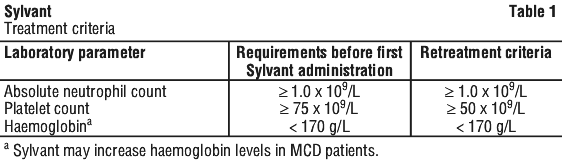
Treatment criteria. Haematology laboratory tests should be performed prior to each dose of Sylvant therapy for the first 12 months and every 3 dosing cycles thereafter. The prescriber should consider delaying treatment if the treatment criteria outlined in Table 1 are not met, before administering Sylvant. Dose reduction is not recommended.
If the patient develops a severe infusion related reaction, anaphylaxis, severe allergic reaction, or cytokine release syndrome related to Sylvant infusion, further administration of Sylvant should be discontinued permanently.
Discontinuing the product should be considered if there are more than 2 dose delays due to toxicities related to the treatment during the first 48 weeks.
Dosage adjustments. Renal impairment. No formal studies have been conducted to investigate the pharmacokinetics of Sylvant in patients with renal impairment. No dose adjustments can be recommended (see Section 4.4).
Hepatic impairment. No formal studies have been conducted to investigate the pharmacokinetics of Sylvant in patients with hepatic impairment. No dose adjustments can be recommended (see Section 4.4).
Instructions for use and handling. Product is for single use in one patient only. Discard any residue.
1. Use aseptic technique.
2. Calculate the dose, total volume of reconstituted Sylvant solution required and the number of vials needed. The recommended needle for preparation is 21 gauge 1-½ inch. Infusion bags (250 mL) must contain Dextrose 5% and must be made of polyvinyl chloride (PVC), or polyolefin (PO) or polypropylene (PP) or polyethylene (PE). Alternatively, PE bottles may be used.
3. Allow vial(s) of Sylvant to come to room temperature over approximately 30 minutes. Sylvant should remain at room temperature for the duration of the preparation.
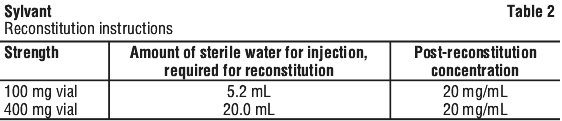
4. For 100 mg and 400 mg vials: Each vial should/ must be reconstituted as instructed in Table 2.
6. The reconstituted product Sylvant should be kept for no more than two hours prior to addition into the IV bag. The infusion should be completed within 6 hours of the addition of the reconstituted solution to the infusion bag. Administer the diluted solution over a period of 1 hour using administration sets lined with PVC or Polyurethane (PU) or PE, containing a 0.2 micron inline polyethersulfone (PES) filter. Sylvant does not contain preservatives; therefore do not store any unused portion of the infusion solution for reuse.
7. No physical biochemical compatibility studies have been conducted to evaluate the co-administration of Sylvant with other agents. Do not infuse Sylvant concomitantly in the same intravenous line with other agents.
8. Any unused product or waste material should be disposed of in accordance with local requirements.
4.3 Contraindications
Severe hypersensitivity to the active substance or to any of the excipients.
4.4 Special Warnings and Precautions for Use
Because of the size of the dataset used to evaluate the safety profile for siltuximab, some, but not all uncommon (infrequent) events (events occurring ≥ 1/1000 and < 1/100) may not have been captured.
Concurrent and serious infections. Infections, including localised infections, should be treated prior to administration of Sylvant. Serious infections including pneumonia and sepsis were observed during clinical studies (see Section 4.8). Opportunistic infections reported in Castleman's disease trials with Sylvant monotherapy include herpes zoster and simplex, fungal infections, hepatic echinococcus and pseudomonas.
Hypoglobulinaemia was observed in 4 to 11.3% of patients in the clinical study. Decreases in total IgG, IgA, or IgM levels below normal were observed in the range of 4 to 11% patients in the MCD trial (Study CNTO328MCD2001).
All clinical studies with Sylvant excluded patients with clinically significant infections, including those known to be hepatitis B surface antigen positive. Two cases of reactivated hepatitis B have been reported when Sylvant was administered concomitantly with high dose dexamethasone, and bortezomib, melphalan and prednisone in multiple myeloma patients.
Sylvant may mask signs and symptoms of acute inflammation including suppression of fever and of acute phase reactants such as C-reactive protein (CRP). Therefore, prescribers should diligently monitor patients receiving treatment in order to detect serious infections.
Vaccinations. Live, attenuated vaccines should not be given concurrently or within 4 weeks before initiating Sylvant, because clinical safety has not been established and because IL-6 inhibition may interfere with the normal immune response to new antigens.
Lipid parameters. Elevations in triglycerides and cholesterol (lipid parameters) were observed in patients treated with Sylvant (see Section 4.8). Patients should be managed according to current clinical guidelines for management of hyperlipidaemia.
Infusion related reactions and hypersensitivity. During IV infusion of Sylvant, mild to moderate infusion reactions may improve following slowing of or stopping the infusion. Upon resolution of the reaction, reinitiating the infusion at a lower infusion rate and therapeutic administration of antihistamines, acetaminophen, and corticosteroids may be considered. For patients who do not tolerate the infusion following these interventions, Sylvant should be discontinued. During or following infusion, treatment with Sylvant should be discontinued in patients who have severe infusion related hypersensitivity reactions (e.g. anaphylaxis). The management of severe infusion reactions should be dictated by the signs and symptoms of the reaction. Appropriate personnel and medication should be available to treat anaphylaxis if it occurs (see Section 4.8).
Malignancy. Immunomodulatory drugs may increase the risk of malignancy. On the basis of limited experience with siltuximab, the present data do not suggest any increased risk of malignancy.
Gastrointestinal perforation. Gastrointestinal (GI) perforation has been reported in siltuximab clinical trials although not in MCD trials. Use with caution in patients who may be at increased risk for GI perforation. Promptly evaluate patients presenting with symptoms that may be associated or suggestive of GI perforation.
Immunogenicity. There is a low risk of immunogenicity following treatment with Sylvant (see Section 5.2, Immunogenicity).
Hepatic impairment. No formal studies have been conducted to investigate the pharmacokinetics of Sylvant in patients with hepatic impairment. For subjects with baseline alanine transaminase ranging from 0.1 to 3.7 times the upper limit of normal and baseline albumin ranging from 15 to 58 g/L, there was no meaningful effect on siltuximab PK.
Following treatment with Sylvant in clinical trials, elevation of hepatic transaminases or other liver function tests such as bilirubin have been reported. Sylvant-treated patients should be monitored for signs or symptoms of hepatic dysfunction (see Section 4.2 Dose and Method of Administration, Dosage adjustments).
Renal impairment. No formal studies have been conducted to investigate the pharmacokinetics of Sylvant in patients with renal impairment. For subjects with baseline calculated creatinine clearance of 12 mL/min or greater, there was no meaningful effect on siltuximab PK. Four patients with severe renal impairment (creatinine clearance 12 to 30 mL/min) were included in the data set.
Use in the elderly. The population PK of siltuximab were analysed to evaluate the effects of demographic characteristics. The results showed no significant difference in the PK of siltuximab in patients older than 65 years. No major age related differences in pharmacokinetic (PK) or in safety profile were observed in clinical studies. No dose adjustment is required.
Paediatric use. The safety and efficacy of siltuximab have not been established in paediatric patients.
4.5 Interactions with Other Medicines and Other Forms of Interactions
No formal drug-drug interaction studies have been conducted with Sylvant. In nonclinical studies, IL-6 is known to decrease the activity of cytochrome P450 (CYP450). Binding bioactive IL-6 by siltuximab may result in increased metabolism of CYP450 substrates, because CYP450 enzyme activity will normalise. Therefore, administering Sylvant with CYP450 substrates that have a narrow therapeutic index has the potential to change drug therapeutic effects and toxicity due to alterations in the CYP450 pathways. Upon initiation or discontinuation of Sylvant in patients being treated with concomitant medications that are CYP450 substrates and have a narrow therapeutic index, monitoring of the effect (e.g. warfarin) or drug concentration (e.g. cyclosporine or theophylline) is recommended. The dose of the concomitant medication should be adjusted as needed. The effect of Sylvant on CYP450 enzyme activity can persist for several weeks after stopping therapy. Prescribers should also exercise caution when Sylvant is co-administered with CYP3A4 substrate drugs where a decrease in effectiveness would be undesirable (e.g. oral contraceptives).
4.6 Fertility, Pregnancy and Lactation
Effects on fertility. Effects of siltuximab on fertility have not been evaluated in human patients. Siltuximab did not produce any histopathological changes in the reproductive organs of sexually immature monkeys given weekly IV doses of up to 46 mg/kg for 6 months (15-fold the anticipated clinical exposure, based on AUC). In mice dosed subcutaneously with an anti-mouse IL-6 monoclonal antibody, no effects on male or female fertility were observed.
Use in pregnancy. (Category C)
There are no data from the use of Sylvant in pregnant women.
No maternal or foetal toxicity was observed in cynomolgus monkeys after intravenous administration of siltuximab at weekly doses of up to 46 mg/kg from gestation day 20 to 118, including period of organogenesis (4 times the anticipated clinical exposure, based on Cmax). However, reduced globulin levels were observed in monkeys and their offspring given a humanised version of siltuximab at IV doses up to 50 mg/kg/week from gestation day 20 to 167 (natural delivery), including the period of organogenesis.
It is not known whether siltuximab can cause foetal harm when administered to a pregnant woman or can affect reproduction capacity. Sylvant should be given to a pregnant woman only if the benefit clearly outweighs the risk. Women of childbearing potential must use effective contraception during and up to 3 months after treatment. Prescribers should also exercise caution when Sylvant is administered with CYP3A4 substrates where a decrease in effectiveness would be undesirable, e.g. oral contraceptives (see Section 4.5). As with other immunoglobulin G antibodies, siltuximab crosses the placenta as observed in studies in monkeys. Consequently, infants born to women treated with Sylvant may be at increased risk of infection, and caution is advised in the administration of live vaccines to these infants.
Use in lactation. Minimal milk excretion of a humanised version of siltuximab was observed in monkeys.
It is not known whether siltuximab or its metabolites are excreted in human milk. Because many drugs and immunoglobulins are excreted in human milk, and because of the potential for adverse reactions in nursing infants from Sylvant, a decision should be made whether to discontinue nursing or to discontinue the drug, taking into account the importance of the drug to the mother.
4.7 Effects on Ability to Drive and Use Machines
No studies of the effects on the ability to drive and use machines have been performed. It is not known if Sylvant has an effect on motor skills.
4.8 Adverse Effects (Undesirable Effects)
Data from all patients treated with Sylvant monotherapy (n=370) form the overall basis of the safety evaluation.
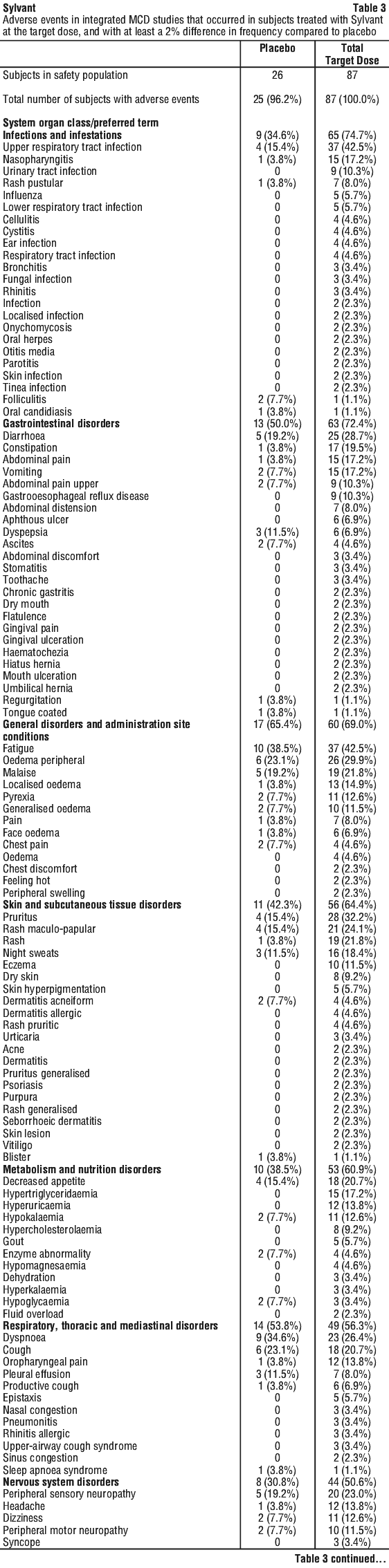
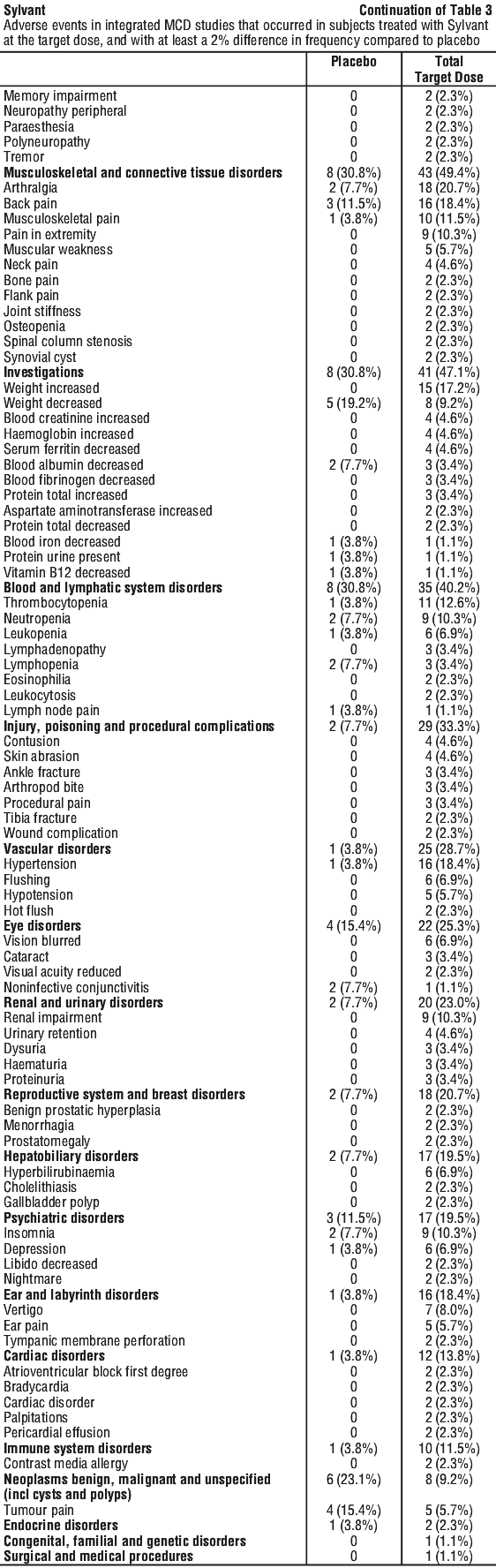
Table 3 reflects the frequencies of identified adverse effects in the 87 MCD patients (Study CNTO328MCD2001, Study C0328T03 and study CNT0328MCD2002) treated at the recommended dosage of 11 mg/kg every 3 weeks.
In Study CNTO328MCD2001 (Study 1), a randomised placebo controlled Phase 2 study in (MCD), 53 patients were randomised to the Sylvant treatment arm and treated at the recommended dose, 11 mg/kg, every 3 weeks and 26 patients were randomised to the placebo arm. Of the 26 placebo-treated patients, 18 patients subsequently crossed-over to receive Sylvant.
In Study C0328T03 (Study 2), a Phase 1 study, 16 of 37 patients with CD were treated with Sylvant, at the recommended dosage of 11 mg/kg every 3 weeks.
In study CNT0328MCD2002 (Study 3), an open-label, multicenter, non-randomized Phase 2 study in 60 patients with MCD who were previously enrolled in Study 1 (41 patients) or Study 2 (19 patients), patients were treated with siltuximab, at the recommended dosage of 11 mg/kg every 3 weeks. Subjects with a confirmed PR or CR for more than 6 months were permitted (at the investigator's discretion) to receive dosing every 6 weeks.
The most frequent adverse effects (> 20% of patients) during treatment with Sylvant in the MCD clinical trials were upper respiratory tract infection, pruritus, maculo-papular rash, arthralgia, diarrhoea, fatigue, oedema peripheral, malaise, decreased appetite, dyspnea, cough, peripheral sensory neuropathy. Nausea and constipation were also reported in 20% of patients. The most serious adverse effect associated with the use of Sylvant was anaphylactic reaction.
Adverse effects observed in MCD patients treated with Sylvant at the recommended dosage of 11 mg/kg every 3 weeks are summarised in Table 3.
In long-term treatment of MCD patients with siltuximab at the recommended dosage of 11 mg/kg every 3 weeks, infusion related reactions or hypersensitivity reactions occurred at a frequency of 6.3% (1.3% for severe reactions).
Reporting suspected adverse reactions after registration of the medicinal product is important. It allows continued monitoring of the benefit-risk balance of the medicinal product. Healthcare professionals are asked to report any suspected adverse reactions at www.tga.gov.au/reporting-problems.
4.9 Overdose
No case of overdose has been reported. Repeated dosing of 15 mg/kg every 3 weeks has been administered without additional adverse drug reactions.
For information on the management of overdose, contact the Poison Information Centre on 131126 (Australia).
5 Pharmacological Properties
5.1 Pharmacodynamic Properties
Mechanism of action. Siltuximab is a human mouse chimeric monoclonal antibody that binds to human IL-6. Siltuximab prevents the binding of human IL-6 to both soluble and membrane bound IL-6 receptors (IL-6R), thus inhibiting the formation of the hexameric signalling complex with gp130 on the cell surface. IL-6 is a pleiotropic pro-inflammatory cytokine produced by a variety of cell types including T and B cells, lymphocytes, monocytes and fibroblasts, as well as malignant cells. IL-6 has been shown to be involved in diverse normal physiologic processes such as induction of immunoglobulin secretion, initiation of hepatic acute phase protein synthesis, and stimulation of hematopoietic precursor cell proliferation and differentiation. Overproduction of IL-6 has been hypothesised to play a central role in driving plasma cell proliferation and systemic manifestations in patients with CD.
Pharmacodynamics. In vitro, siltuximab dose dependently inhibited the growth of an IL-6 dependent murine plasmacytoma cell line in response to human IL-6. In cultures of human hepatoma cells, IL-6 stimulated production of the acute phase protein serum amyloid A was dose dependently inhibited by siltuximab. Similarly, in cultures of human Burkitt's B lymphoma cells, the production of immunoglobulin M (IgM) protein in response to IL-6 was dose dependently inhibited by siltuximab.
Biomarkers. While siltuximab treatment lowered CRP levels (an expected pharmacodynamic response), there was no correlation with the clinical response observed in patients with MCD and thus monitoring should be based on clinical and radiological assessments not CRP measurements. Measurement of IL-6 concentrations in serum or plasma during treatment should not be used as a pharmacodynamic marker, as siltuximab neutralised antibody IL-6 complexes interfere with current immunological based IL-6 quantification methods.
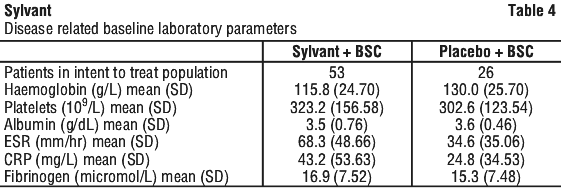
Clinical trials. Study CNTO328MCD2001. A Phase 2, multinational, randomised (2:1) double blind, placebo controlled study was conducted to assess the efficacy and safety of Sylvant (11 mg/kg every 3 weeks) compared with placebo in combination with best supportive care in patients with MCD. Treatment was continued until treatment failure (defined as disease progression based on increase in symptoms, radiologic progression or deterioration in performance status) or unacceptable toxicity. A total of 79 patients with symptomatic MCD were randomised and treated. Median age was 47 years (range 20-74) in the Sylvant arm and 48 years (range 27-78) in the placebo arm. More male patients were enrolled in the placebo arm (85% in placebo vs. 56% in Sylvant arm). ECOG performance status score (0/1/2) at baseline was 42%/45%/13% in Sylvant arm and 39%/62/0% in the placebo arm respectively. At baseline 55% of patients in the Sylvant arm and 65% of patients in the placebo arm had received prior systemic therapies for MCD and 30% of patients in the Sylvant arm and 31% in the placebo arm were using corticosteroids. Histological subtype was similar in both treatment arms, with 33% hyaline vascular subtype, 23% plasmacytic subtype and 44% mixed subtype. Disease related baseline laboratory parameters are summarised in Table 4. CRP and erythrocyte sedimentation rate (ESR) showed wide variability across both treatment arms.
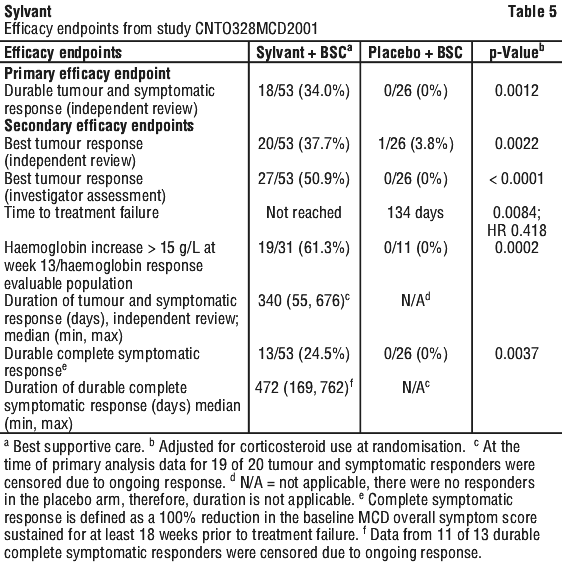
Study CNTO328MCD2001 demonstrated a statistically significant improvement in independently reviewed durable tumour and symptomatic response rate in the Sylvant arm compared with the placebo arm (34% vs. 0%, respectively; 95% CI: 11.1, 54.8; p=0.0012). Sensitivity analyses further supported the primary endpoint analysis showing a significantly higher investigator assessed durable tumour and symptom response rate of 45% in Sylvant treated patients compared with 0% in placebo treated patients (p < 0.0001). The overall tumour response rate was evaluated based on modified Cheson criteria both by independent review and investigator assessment.
Key efficacy results from study CNTO328MCD2001 are summarised in Table 5.
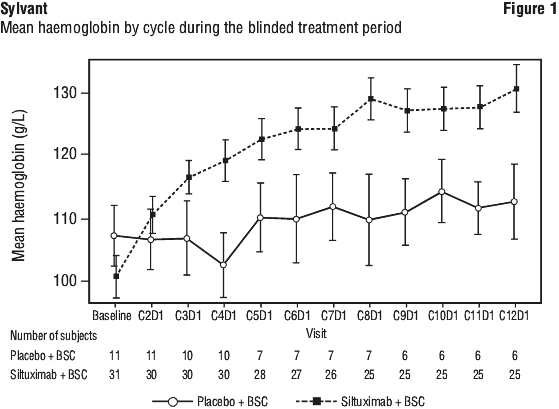
Haemoglobin response was defined as a change from baseline of ≥ 15 g/L at week 13. Mean haemoglobin by cycle during the blinded treatment period is presented in Figure 1.
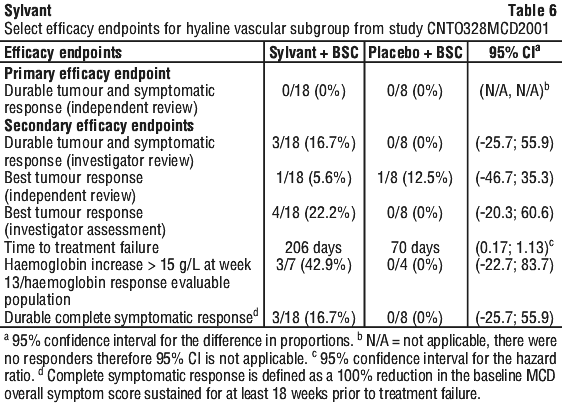
Subgroup analyses. Analyses for both primary and secondary endpoints on various subgroups including age (< 65 years and ≥ 65 years); race (White and non-White); region (North America, EMEA, and Asia Pacific); baseline corticosteroid use (yes and no); prior therapy (yes and no); and MCD histology (plasmatic and mixed histology) consistently showed that the treatment effect favoured the Sylvant arm except for the hyaline vascular subgroup. A consistent treatment effect favouring Sylvant treated patients across all major secondary endpoints was shown in the hyaline vascular subgroup. Select efficacy results from Study CNTO328MCD2001 in the hyaline vascular subgroup are summarised in Table 6.
The clinical benefit observed in Study CNTO328MCD2001 was supported by Study C0328T03. Median duration of Sylvant treatment was 1278 days and mean number of Sylvant administrations was 51 in Sylvant patients. In the 16 patients with MCD treated with 11 mg/kg every 3 weeks, overall tumour response rate by independent review was 43.8% with 6.3% complete response. All tumour responses were durable for > 18 weeks. For patients with haemoglobin below lower limit of normal at baseline, the haemoglobin response rate at Week 13 was 50%. The 1 year survival rate of Sylvant treated patients was 100%.
Study CNT0328MCD2002. An open-label, multicenter, non-randomized Phase 2 study assessed the safety and efficacy of extended treatment with siltuximab in 60 patients with MCD who were previously enrolled in Study CNTO328MCD2001 (41 patients) or Study C0328T03 (19 patients). Median duration of siltuximab treatment was 5.52 years (range: 0.8 to 10.8 years); more than 50% of patients received siltuximab treatment for ≥ 5 years. After a median of 6 years of follow-up, none of the 60 patients had died. The rate of serious or Grade ≥ 3 adverse events did not increase over time as a function of cumulative exposure.
5.2 Pharmacokinetic Properties
Following the first administration of siltuximab (doses ranging from 0.9 to 15 mg/kg), the area under the concentration time curve (AUC) and maximal serum concentration (Cmax) increased in a dose proportional manner and clearance (CL) was independent of dose. Following the single dose administration at the recommended dose regimen (11 mg/kg given once every 3 weeks), the clearance was 3.54 ± 0.44 mL/kg/day and half-life was 16.3 ± 4.2 days. Following the repeat dose administration at the recommended dose, siltuximab clearance was found to be time invariant, and systemic accumulation was moderate (accumulation index of 1.7). Consistent with half-life after the first dose, serum concentrations reached steady-state levels by the sixth every 3 week infusion with mean (± SD) peak and trough concentrations of 332 ± 139 and 84 ± 66 microgram/mL, respectively.
Immunogenicity. Immunogenicity data are highly dependent on the sensitivity and specificity of the test methods used. Additionally, the observed incidence of a positive result in a test method may be influenced by several factors, including sample handling, timing of sample collection, drug interference, concomitant medication and the underlying disease. Therefore, comparison of the incidence of antibodies to Sylvant with the incidence of antibodies to other products may be misleading. The clinical significance of anti-siltuximab antibodies following treatment with Sylvant is not known.
The immunogenicity of siltuximab has been evaluated using antigen-bridging enzyme immunoassay (EIA) and electrochemiluminescence-based immunoassay (ECLIA) methods. A total of 432 patients across the clinical studies were evaluated at multiple time points for antitherapeutic antibody (ATA) responses to siltuximab after treatment with Sylvant. Following Sylvant dosing, 0/243 (0%) patients tested positive for anti-siltuximab antibodies by EIA and 4/189 (2%) patients tested positive by ECLIA, all in patients with MCD. Further immunogenicity analyses were conducted for all positive samples from the 4 patients with detectable anti-siltuximab antibodies. None of these patients had neutralizing antibodies.
Special populations. Cross study population PK analyses were performed using data from 378 patients with a variety of conditions, who received single agent siltuximab at doses ranging from 0.9 to 15 mg/kg. The effects of various covariates on siltuximab pharmacokinetics were assessed in the analyses.
Siltuximab clearance increased with increasing body weight; however, no dose adjustment is required for body weight since administration is on an mg/kg basis. The population PK analysis included 139 patients age 65 years or older. The following factors had no clinical effect on the clearance of siltuximab: gender, age, ethnicity and use of corticosteroids. The effect of anti-siltuximab antibody status was not examined as there were insufficient numbers of anti-siltuximab antibody positive patients.
No formal studies of siltuxumab in patients with renal impairment have been conducted. A population PK analysis was performed based on pre-existing renal function data in patients receiving siltuximab, including 176 with normal renal function (creatinine clearance [CRCL] ≥ 90 mL/min), 122 with Stage 2 renal impairment (CRCL < 90 and ≥ 60 mL/min), 75 with Stage 3 renal impairment (CRCL < 60 and ≥ 30 mL/min), and 4 with Stage 4/5 renal impairment (CRCL < 30 mL/min). There was no meaningful effect of renal function on siltuximab PK.
No formal studies of siltuximab in patients with hepatic impairment have been conducted. A population PK analysis was performed based on pre-existing hepatic function as defined using the National Cancer Institute (NCI) criteria of hepatic dysfunction, including 302 patients with normal function, 72 with mild impairment and 3 with moderate impairment. There was no meaningful effect of hepatic function on siltuximab PK.
5.3 Preclinical Safety Data
Genotoxicity. Formal genotoxicity studies have not been performed for siltuximab.
Carcinogenicity. Formal carcinogenicity studies have not been performed for siltuximab.
6 Pharmaceutical Particulars
6.1 List of Excipients
Histidine, Polysorbate-80, Sucrose.
6.2 Incompatibilities
In the absence of compatibility studies, this medicinal product must not be mixed with other medicinal products.
6.3 Shelf Life
In Australia, information on the shelf life can be found on the public summary of the Australian Register of Therapeutic Goods (ARTG). The expiry date can be found on the packaging.
Stability after reconstitution and dilution. Chemical and physical in use stability has been demonstrated for 8 hours at room temperature. Unless the method of opening/ reconstitution/ dilution precludes the risk of microbial contamination, the product should be used immediately after reconstitution.
6.4 Special Precautions for Storage
Store in a refrigerator (2°C - 8°C). Do not freeze.
Store in the original package in order to protect from light.
Keep out of the sight and reach of children.
For storage conditions after reconstitution and dilution of the medicinal product, see Section 6.3.
6.5 Nature and Contents of Container
100 mg vial. The product is supplied (as a sterile, single-use lyophilised dosage form) in an 8 mL Type 1 glass vial with an elastomeric closure and an aluminium seal with a flip-off button.
400 mg vial. The product is supplied (as a sterile, single-use lyophilised dosage form) in an 30 mL Type 1 glass vial with an elastomeric closure and an aluminium seal with a flip-off button.
6.6 Special Precautions for Disposal
Any unused product or waste material should be disposed of in accordance with local requirements.
6.7 Physicochemical Properties
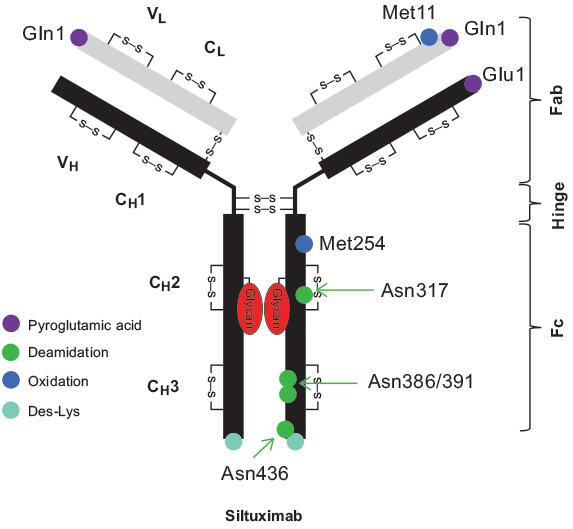
Siltuximab.
7 Medicine Schedule (Poisons Standard)
S4 - Prescription Only Medicine.
Date of First Approval
31 August 2015
Date of Revision
18 December 2025
Summary Table of Changes

Reasonable care is taken to provide accurate information at the time of creation. This information is not intended as a substitute for medical advice and should not be exclusively relied on to manage or diagnose a medical condition. The Australian Commission on Safety and Quality in Health Care disclaims all liability (including for negligence) for any loss, damage, injury or any other negative effects resulting from reliance on or use of this information. Read our full disclaimer. This website uses cookies. Read our privacy policy.