
Synthamin Intravenous Infusion with or without electrolytes
Brand Information
| Brand name | Synthamin Intravenous Infusion with or without electrolytes |
| Active ingredient | Amino acids |
| Schedule | Unscheduled |
Consumer Medicine Information (CMI) leaflet
Please read this leaflet carefully before you start using the Synthamin Intravenous Infusion with or without electrolytes.
Summary CMI
Synthamin Intravenous Infusion with or without electrolytes
Consumer Medicine Information (CMI) summary
The full CMI on the next page has more details. If you are worried about using this medicine, speak to your doctor or pharmacist.
1. Why am I receiving Synthamin?
Synthamin Intravenous Infusion with or without electrolytes (Synthamin) is a nutrition source that a doctor or nurse gives you directly into your veins. The main ingredients are amino acids and, in some mixtures, salts. Synthamin is used as a source of nutrients (amino acids and, in some mixtures, salts) for those who cannot sufficiently eat or absorb food normally through their mouth or stomach.
For more information, see Section 1. Why am I receiving Synthamin? in the full CMI.
2. What should I know before I receive Synthamin?
Do not use if you have ever had an allergic reaction to any of the ingredients listed at the end of the CMI.
Talk to your doctor if you have any other medical conditions, take any other medicines, or are pregnant or plan to become pregnant or are breastfeeding.
For more information, see Section 2. What should I know before I receive Synthamin? in the full CMI.
3. What if I am taking other medicines?
Some medicines may interfere with Synthamin and affect how it works.
A list of these medicines is in Section 3. What if I am taking other medicines? in the full CMI.
4. How is Synthamin given?
- Your doctor or nurse will give Synthamin as a slow, continuous infusion into a large vein.
- The drip usually runs around 8 hours. Your doctor will advise how long it will take.
- Your doctor will determine the amount of Synthamin that is right for you. They will closely monitor your condition and your blood during treatment to ensure that you safely receive the right amount.
More instructions can be found in Section 4. How is Synthamin given? in the full CMI.
5. What should I know while receiving Synthamin?
| Things you should do |
|
| Things you should not do |
|
| Driving or using machines |
|
| Looking after your medicine |
|
For more information, see Section 5. What should I know while receiving Synthamin? in the full CMI.
6. Are there any side effects?
For more information on what to do if you have any side effects, see Section 6. Are there any side effects? in the full CMI.
Full CMI
Synthamin Intravenous Infusion with or without electrolytes
Active ingredient(s): amino acids with or without electrolytes (see product details for full list)
Consumer Medicine Information (CMI)
This leaflet provides important information about using Synthamin Intravenous Infusion with or without electrolytes (Synthamin). You should also speak to your doctor, nurse or pharmacist if you would like further information or if you have any concerns or questions about receiving Synthamin.
Where to find information in this leaflet:
1. Why am I receiving Synthamin?
2. What should I know before I receive Synthamin?
3. What if I am taking other medicines?
4. How is Synthamin given?
5. What should I know while receiving Synthamin?
6. Are there any side effects?
7. Product details
1. Why am I receiving Synthamin?
Synthamin is a nutrition source that a doctor or nurse gives you directly into your veins.
The main ingredients in Synthamin are amino acids, the building blocks of proteins. Your body needs protein for things like building and repairing tissues, healing wounds, and keeping your immune system working.
Some formulations of Synthamin also contain electrolytes, which your body needs to work properly.
Synthamin is used as a source of amino acids and, in some mixtures, salts for people who cannot sufficiently consume enough food by mouth. It is usually given with other nutrition solutions containing glucose, fats, minerals and vitamins.
2. What should I know before I receive Synthamin?
Warnings
Do not have Synthamin if you:
- are allergic to any of the ingredients listed at the end of this leaflet. Always check the ingredients to make sure you can use this medicine.
- have severe liver disease
- kidney failure (not producing any urine) - only for Synthamin with electrolytes
- have high blood levels of sodium, potassium, magnesium and/or phosphorus in your blood - only for Synthamin with electrolytes
- have problems processing amino acids
Check with your doctor if you:
- have liver or kidney problems
- have heart problems
- have a buildup of fluid around the lungs or ankles
- have a condition that causes a buildup of fluid around your body
- have any other medical conditions
- take any medicines for any other condition
During treatment, you may be at risk of developing certain side effects. It is important you understand these risks and how to monitor for them. See additional information under Section 6. Are there any side effects?
Pregnancy and breastfeeding
Check with your doctor if you are pregnant or intend to become pregnant.
Talk to your doctor if you are breastfeeding or intend to breastfeed.
Use in Children
This product can be used in newborns, babies and children.
Doctors take special precautions when giving Synthamin to babies and children.
3. What if I am taking other medicines?
Tell your doctor or pharmacist if you are taking any other medicines, including any medicines, vitamins or supplements that you buy without a prescription from your pharmacy, supermarket or health food shop.
Synthamin may interfere with how some medicines work, including:
- Some medicines used for lowering blood pressure (such as diuretics, ACE inhibitors, angiotensin II receptor antagonists)
- Medicines used in transplant patients to suppress the immune system (ciclosporin, tacrolimus)
Check with your doctor or pharmacist if you are not sure about what medicines, vitamins or supplements you are taking and if these affect Synthamin.
4. How is Synthamin given?
How it is given
- Your doctor or nurse will give Synthamin as a slow, continuous infusion, usually into a large vein.
- The drip usually runs for about 8 hours. Your doctor will advise how long it will take.
- Synthamin is usually given in a hospital, clinic or nursing home. The infusion requires special equipment and medical training. You may receive it at home if your doctor has arranged for it.
- Your doctor may mix Synthamin with other nutrition solutions and give them in the same infusion session.
How much is given
- Your doctor will determine the amount of Synthamin that's right for you.
- Your doctor will closely monitor your condition, as well as your blood and urine, during treatment to make sure you are receiving the correct amount.
- Your doctor may need to adjust your dose depending on your response.
- Your doctor will decide when to stop giving you Synthamin.
If too much Synthamin is given
As Synthamin will be given to you by a doctor or nurse, it is unlikely that you will be given an overdose.
Your doctor will regularly monitor your condition and test your blood and urine to prevent any problems.
If you think that you have been given too much Synthamin, you may need urgent medical attention.
You should immediately:
- phone the Poisons Information Centre
(by calling 13 11 26), or - contact your doctor, or
- go to the Emergency Department at your nearest hospital.
You should do this even if there are no signs of discomfort or poisoning.
5. What should I know while receiving Synthamin?
Things you should do
Remind any doctor, nurse, dentist or pharmacist you visit that you are using Synthamin.
Things you should not do
- Do not stop using this medicine suddenly.
Driving or using machines
Be careful before you drive or use any machines or tools until you know how Synthamin affects you.
Synthamin may cause dizziness in some people.
Looking after your medicine
This medicine is stored in the pharmacy or the hospital ward, kept below 30°C and in the dark until use.
Medical professionals handle and prepare it according to the manufacturer's instructions.
Getting rid of any unwanted medicine
Synthamin is for single use, and for one person only. Your doctor or nurse will discard any unused Synthamin. They will not save unused portions for later, either for you or anyone else.
6. Are there any side effects?
All medicines can have side effects. If you do experience any side effects, most of them are minor and temporary. However, some side effects may need medical attention.
See the information below and, if you need to, ask your doctor or pharmacist if you have any further questions about side effects.
Less serious side effects
| Less serious side effects | What to do |
At the site of infusion:
| Speak to your doctor if you have any of these less serious side effects and they worry you. |
Serious side effects
| Serious side effects | What to do |
Allergic reaction-related:
| Call your doctor straight away, or go straight to the Emergency Department at your nearest hospital if you notice any of these serious side effects. |
Tell your doctor or pharmacist if you notice anything else that may be making you feel unwell.
Other side effects not listed here may occur in some people.
Reporting side effects
After you have received medical advice for any side effects you experience, you can report side effects to the Therapeutic Goods Administration online at www.tga.gov.au/reporting-problems. By reporting side effects, you can help provide more information on the safety of this medicine.
Always make sure you speak to your doctor or pharmacist before you decide to stop taking any of your medicines.
7. Product details
This medicine is only available with a doctor's prescription.
What Synthamin contains
| Active ingredients (main ingredients) | Amino acids: Alanine, arginine, glycine, histidine, isoleucine, leucine, lysine hydrochloride, methionine, phenylalanine, proline, serine, threonine, tryptophan, tyrosine and valine. Electrolytes (in some formulations of Synthamin): dibasic potassium phosphate, magnesium chloride hexahydrate, sodium acetate and sodium chloride |
| Other ingredients (inactive ingredients) |
|
Do not take this medicine if you are allergic to any of these ingredients.
What Synthamin looks like
Synthamin is a clear and virtually colourless solution, contained in a 500mL glass bottle.
- Synthamin 9 Intravenous Infusion with Electrolytes (Aust R 19451)
- Synthamin 17 Intravenous Infusion (Aust R 19446)
- Synthamin 17 Intravenous Infusion with Electrolytes (Aust R 19449)
Not all products may be marketed.
Who distributes Synthamin
Baxter Healthcare Pty Ltd
1 Baxter Drive
Old Toongabbie
NSW 2146
Australia
This leaflet was prepared in September 2025
Brand Information
| Brand name | Synthamin Intravenous Infusion with or without electrolytes |
| Active ingredient | Amino acids |
| Schedule | Unscheduled |
MIMS Revision Date: 01 February 2023
1 Name of Medicine
Alanine, arginine, glycine, histidine, isoleucine, leucine, lysine hydrochloride, methionine, phenylalanine, proline, serine, threonine, tryptophan, tyrosine and valine.
Synthamin Intravenous Infusion with electrolytes also includes dibasic potassium phosphate, magnesium chloride hexahydrate, sodium acetate and sodium chloride.
2 Qualitative and Quantitative Composition
Synthamin Intravenous Infusions are solutions of essential and non-essential L-amino acids provided with or without electrolytes available in 5.5%, 8% and 10% strengths. The excipients are sodium metabisulfite, acetic acid and water for injections. Each strength has a pH of approximately 6.0 and each 500 mL unit contains amino acids and nitrogen in the following quantities (see Table 1):

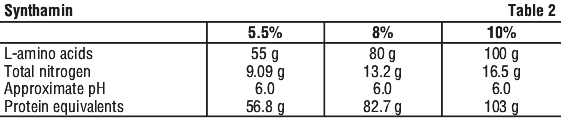
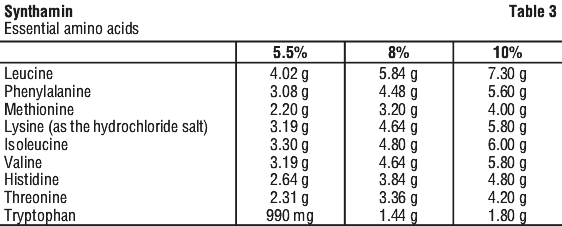
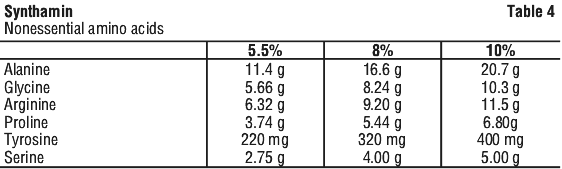
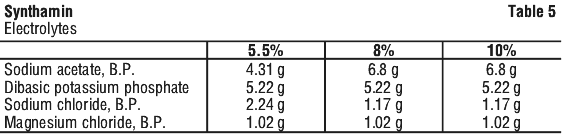
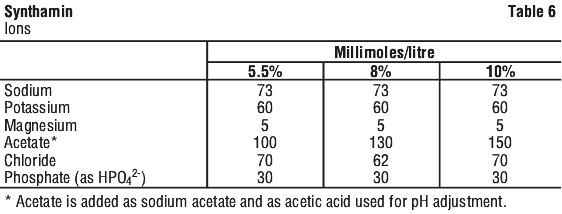
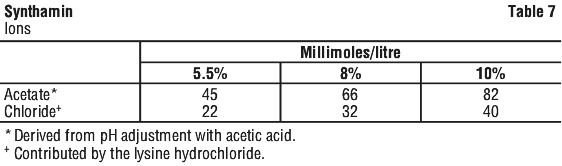
In addition, Synthamin Intravenous Infusions with Electrolytes contain in each 1000 mL (see Table 5):
3 Pharmaceutical Form
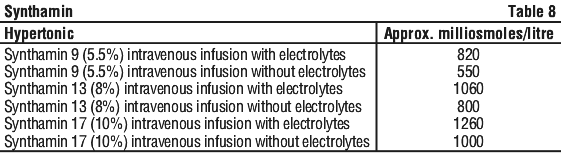
Synthamin Intravenous Infusions are sterile, nonpyrogenic, hypertonic, clear and colourless to slightly yellow solutions of essential and non-essential L-amino acids provided with or without electrolytes. Synthamin Intravenous Infusions are available in 5.5%, 8% and 10% strengths, each in 500 mL units for intravenous administration.
4 Clinical Particulars
4.1 Therapeutic Indications
Synthamin Intravenous Infusions are indicated as an adjunct in the prevention of net nitrogen loss or in the treatment of negative nitrogen balance in patients where: (1) the alimentary tract, by the oral, gastrostomy or jejunostomy route, cannot or should not be used, (2) gastrointestinal absorption of protein is impaired, or (3) metabolic requirements for protein are substantially increased, as with extensive burns.
4.2 Dose and Method of Administration
Parenteral drug products should be inspected visually for particulate matter and discoloration prior to administration. Use of a final filter is recommended during administration of all parenteral nutrition solutions.
The total daily dose of the solution depends on the patient's metabolic requirement and clinical response. The determination of nitrogen balance and accurate daily body weights corrected for fluid balance, are probably the best means of assessing individual nitrogen requirements. As indicated on an individual basis, vitamins and trace elements and other components (including glucose and lipids) can be added to the parenteral nutrition regimen to meet nutrient needs and prevent deficiencies and complications from developing (see Section 4.4 Special Warnings and Precautions for Use).
Fat emulsion co-administration should be considered when prolonged parenteral nutrition is required in order to prevent essential fatty acid deficiency (EFAD).
In adults, hypertonic mixtures of amino acids and glucose may be safely administered by continuous infusion through a central venous catheter with the tip located in the vena cava. Typically 500 mL of Synthamin Intravenous Infusion mixed with 500 mL of 50% Glucose Intravenous Infusion with Electrolytes (if indicated) is administered over an 8 hour period (if the rate of administration should fall behind schedule, no attempt to "catch up" to planned intake should be made). The osmolarity of a specific infusion solution must be taken into account when peripheral administration is considered.
The clinical needs of the patient may necessitate additional electrolyte supplementation despite the use of Synthamin Intravenous Infusion with Electrolytes.
In addition to meeting nitrogen needs, the administration rate is governed, especially during the first few days of therapy, by the patient's tolerance to glucose. Daily intake of amino acids and glucose should be increased gradually to the maximum required dose as indicated by frequent determinations of urine and blood sugar levels. The flow rate must be adjusted taking into account the dose being administered, the daily volume intake, and the duration of the infusion. The recommended infusion rate upper limit is 0.2 g amino acids/kg body weight/hour.
Recommended daily dietary allowances1 for protein range from 2.2 g/kg body weight for infants to 0.8 g/kg body weight for adults. Associated carbohydrate calories should be administered in a quantity not less than 167 kilojoules (40 kilocalories)/kg body weight/day. Maximal nitrogen utilisation with Synthamin Intravenous Infusion is promoted by providing approximately 840 non-protein kJ (200 kcal)/g of infused nitrogen.
Intravenous lipid (fat) emulsions 10% or 20% should be administered as part of an intravenous total nutrition program via peripheral vein (if given alone) or central venous catheter. For adults 10% or 20% lipid emulsion injections can provide up to a maximum of 60% of the patient's daily energy requirements. The other 40% or more should be provided by carbohydrate and amino acids. Both the lipid emulsion dose and these high amino acid doses are upper limits.
Levels up to these amounts can be employed; however, lesser amounts are commonly used. For the initial treatment of trauma or protein-calorie malnutrition, higher doses of protein and carbohydrate will be necessary to promote adequate patient response to therapy. The severity of the illness being treated is the primary consideration in determining proper dose level.
Care should be exercised to ensure the maintenance of proper levels of serum potassium. There may be need for exogenous insulin in certain cases (see Section 4.4 Special Warnings and Precautions for Use).
When used in neonates, infants and children, the solution (in containers and administration sets) should be protected from light exposure after admixture through administration (see Section 4.4 Special Warnings and Precautions for Use).
Any unused portion of Synthamin Intravenous Infusion should be discarded and should not be used for subsequent admixing.
1Food and Nutrition Board National Academy of Sciences - National Research Council (Revised 1974) U.S.A.
Paediatric dosage and administration. The dosage of parenteral nutrition solution should be individually tailored to the amino acid and caloric requirements of the patient. The following approximate nitrogen equivalent and caloric values can be used as a means of calculating dosage (see Table 9):

The use of a laminar flow hood is recommended. The solution so prepared is stable for up to 24 hours; any solution not administered immediately after preparation should be stored in a refrigerator for not longer than 24 hours.
Dosage for the paediatric patient usually will be higher than for adults in recognition of requirements of growth as well as of maintenance for neonates especially low birth weights and preterm neonates. Quantities of 2 g to 4 g of amino acid/kg/day often are necessary, accompanied by sufficient amounts of energy substrates (glucose, lipid emulsion) to satisfy immediate metabolic needs. For paediatric patients, 10% to 20% lipid emulsion infusions can provide up to a maximum of 60% of the patient's daily energy requirements. The other 40% or more should be provided by carbohydrate and amino acids. Both the lipid emulsion dose and these high amino acid doses are upper limits. Levels up to these amounts can be employed; however, lesser amounts are commonly used.
Neonatal and low birth weight patients may exhibit unusual metabolic capacities which should be evaluated regularly during amino acid therapy.
Note. It is recommended that all intravenous administration apparatus be replaced at least every 24 hours.
When used in neonates, infants and children, protect from light exposure when admixtures include trace elements and/or vitamins, after admixture through administration. Exposure of Synthamin Intravenous Infusions to ambient light after admixture generates peroxides and other degradation products that can be reduced by protection from light (see Section 4.4 Special Warnings and Precautions for Use).
4.3 Contraindications
Patients with renal failure - anuria (for Synthamin Intravenous Infusions with Electrolytes, only).
Patients with clinically significant elevation of plasma concentrations of sodium, potassium, magnesium and/or phosphorus (for Synthamin Intravenous Infusions with Electrolytes, only).
Patients with severe liver disease - hepatic coma.
Patients with a congenital abnormality of amino acid metabolism.
Known hypersensitivity to one or more amino acids, any other active or excipient.
4.4 Special Warnings and Precautions for Use
1. Do not administer unless solution is clear. This solution should not be administered simultaneously with blood through the same infusion set because of the possibility of pseudoagglutination.
2. Proper administration of Synthamin Intravenous Infusions requires a knowledge of fluid and electrolyte balance and nutrition, as well as clinical expertise in recognition and treatment of the complications which may occur. Severe water and electrolyte disorders, severe fluid overload states, and severe metabolic disorders should be corrected before starting the infusion.
Frequent clinical evaluation and laboratory determinations appropriate to the patient's clinical situation and condition are necessary for proper monitoring during administration. Studies should include blood and urine glucose, serum proteins, kidney and liver function tests, water and serum electrolytes, haemogram and carbon dioxide combining power or content, acid/base balance, serum and urine osmolarities, blood cultures and blood ammonia levels.
3. Metabolic complications may occur if the nutrient intake is not adapted to the patient's requirements, or the metabolic capacity of any given dietary component is not accurately assessed. It is essential to provide adequate calories concurrently if parenterally administered amino acids are to be retained by the body and utilised for protein synthesis. Concentrated glucose solutions are an effective source of such calories. Adverse metabolic effects may arise from administration of inadequate or excessive nutrients, or from inappropriate composition of an admixture for a particular patient's needs.
4. With the administration of Synthamin 9 (5.5%) Intravenous Infusions in combination with highly concentrated glucose solutions, hyperglycaemia, glycosuria and hyperosmolar syndrome may result. Blood and urine glucose should be monitored on a routine basis in patients receiving this therapy. In some patients provision of adequate calories in the form of hypertonic glucose may require the administration of exogenous insulin to prevent hyperglycaemia and glycosuria.
5. Sudden cessation in administration of a concentrated glucose solution may result in insulin reaction due to continued endogenous insulin production. Parenteral nutrition mixtures should be withdrawn slowly.
6. Synthamin Intravenous Infusions with Electrolytes contain sufficient electrolytes for most parenteral nutrition needs with the possible exception of potassium, where supplementation may be required. Primarily, this is dependent on the amount of carbohydrate administered and metabolised by the patient.
7. Replacement of exceptional electrolyte loss due to nasogastric suction, fistula drainage, or unusual tissue exudation may be necessary. All serum electrolytes should be monitored frequently, especially potassium, phosphate, bicarbonate and chloride.
Note. Electrolytes may be added to the Synthamin intravenous infusion without electrolytes as dictated by the patient's electrolyte profile.
8. Anaphylactic/anaphylactoid reactions and other hypersensitivity/infusion reactions have been reported with Synthamin Intravenous Infusions administered as a component of parenteral nutrition (see Section 4.8 Adverse Effects (Undesirable Effects)). The infusion must be stopped immediately if any signs or symptoms of a reaction develop.
9. Pulmonary vascular precipitates causing pulmonary vascular emboli and pulmonary distress have been reported in patients receiving parenteral nutrition. In some cases, fatal outcomes have occurred. Excessive addition of calcium and phosphate increases the risk of the formation of calcium phosphate precipitates. Precipitates have been reported even in the absence of phosphate salt in the solution. Precipitation distal to the in-line filter and suspected in vivo precipitate formation has also been reported.
Pulmonary vascular precipitates have also been reported with Synthamin Intravenous Infusions (see Section 4.8 Adverse Effects (Undesirable Effects)). If signs of pulmonary distress occur, the infusion should be stopped and medical evaluation initiated.
In addition to inspection of the solution, the infusion set and catheter should also periodically be checked for precipitates.
10. Infection and sepsis may occur as a result of the use of intravenous catheters to administer parenteral formulations, poor maintenance of catheters or contaminated solutions (see Septic, below). Immunosuppression and other factors such as hyperglycaemia, malnutrition and/or their underlying disease state may predispose patients to infectious complications. Careful symptomatic and laboratory monitoring for fever/chills, leukocytosis, technical complications with the access device, and hyperglycaemia can help recognize early infections.
11. Refeeding severely undernourished patients may result in the refeeding syndrome that is characterized by the shift of potassium, phosphorus, and magnesium intracellularly as the patient becomes anabolic. Thiamine deficiency and fluid retention may also develop. Careful monitoring and slowly increasing nutrient intakes while avoiding overfeeding can prevent these complications.
12. Patients on parenteral nutrition may experience hepatic complications (including cholestasis, hepatic steatosis, fibrosis and cirrhosis, possibly leading to hepatic failure, as well as cholecystitis and cholelithiasis), and should be monitored accordingly. The aetiology of these disorders is thought to be multifactorial and may differ between patients. Patients developing abnormal laboratory parameters or other signs of hepatobiliary disorders should be assessed by a clinician knowledgeable in liver diseases in order to identify possible causative and contributory factors, and possible therapeutic and prophylactic interventions.
13. Administration of amino acid solutions to a patient with hepatic insufficiency may result in serum amino acid imbalances, hyperammonaemia, stupor and coma. Amino acid solutions should be used with caution in patients with preexisting liver disease or liver insufficiency. Liver function parameters should be closely monitored in these patients, and they should be monitored for possible symptoms of hyperammonaemia.
Conservative doses of Synthamin Intravenous Infusions should be given to patients with known or suspected hepatic dysfunction. Should symptoms of hyperammonaemia develop, administration should be discontinued and the patient's clinical status re-evaluated.
Commonly reported complications of parenteral nutrition, increased blood ammonia levels, hyperammonaemia and hyperchloraemic metabolic acidosis. Hyperammonaemia appears to be related to a deficiency of the urea cycle amino acids of genetic or product origin. It is essential that blood ammonia be measured frequently in neonates and infants (see Paediatric use).
14. While the potassium, phosphate, metabolisable acetate anion and amino acid profiles in Synthamin Intravenous Infusions with Electrolytes were designed to minimise or prevent occurrences of these imbalances, the physician should be aware that these imbalances may indicate the presence of a congenital disorder of amino acid metabolism and be immediately ready with appropriate counter-measures, if they become necessary.
15. Administration of amino acid solutions, in the presence of impaired renal function presents special dangers associated with retention of added electrolytes. Azotaemia may occur in particular in the presence of renal impairment, and has been reported with parenteral administration of solutions containing amino acids. Use with caution in patients with renal insufficiency. Fluid and electrolyte status should be closely monitored in these patients.
16. Care should be taken to avoid circulatory overload, particularly in patients with cardiac insufficiency, pulmonary oedema, cardiac and/or renal failure. Fluid status should be closely monitored.
17. Hypertonic infusion solutions may cause irritation of the vein when administered into a peripheral vein (see Section 4.8 Adverse Effects (Undesirable Effects)). Strongly hypertonic nutrient solutions should be administered through an indwelling intravenous catheter with the tip located in the superior vena cava. Administration of amino acid solutions and other nutrients via central venous catheter may be associated with complications which can be prevented or minimised by careful attention to all aspects of the procedure. This includes attention to solution preparation, administration and patient monitoring. It is essential that a carefully prepared protocol, based on current medical practices be followed, preferably by an experienced team.
18. Light exposure of solutions for intravenous parenteral nutrition, after admixture with trace elements and/or vitamins, may have adverse effects on clinical outcome in neonates, due to generation of peroxides and other degradation products. When used in neonates, infants and children, Synthamin Intravenous Infusions should be protected from ambient light after admixture until administration is complete (see Section 4.2 Dose and Method of Administration).
Although a detailed discussion of the complications is beyond the scope of this Product Information, the following summary lists those based on current literature:
Technical. The placement of a central venous catheter should be regarded as a surgical procedure. The physician should be fully acquainted with various techniques of catheter insertion as well as recognition and treatment of complications. For details of techniques and placement sites consult the medical literature. X-ray is the best means of verifying catheter placement. Complications known to occur from the placement of central venous catheters are pneumothorax, haemothorax, hydrothorax, artery puncture and transection, injury to the brachial plexus, malposition of the catheter, formation of arteriovenous fistula, phlebitis, thrombosis, cardiac arrhythmia and catheter embolus.
Septic. The constant risk of sepsis is present during administration of this solution. Since contaminated solutions and infusion catheters are potential sources of infection, it is imperative that the preparation of the solution and the placement and maintenance of catheters be accomplished under controlled aseptic conditions. If fever develops, the solution, its delivery system and the site of the indwelling catheter should be changed.
The occurrence of septic complications can be decreased with heightened emphasis on solution preparation under controlled aseptic conditions such as in the hospital pharmacy under a laminar flow hood. The key factor in their preparation is careful aseptic technique to avoid inadvertent touch contamination during mixing of solutions and addition of other nutrients.
Solutions should be used promptly after mixing. Any storage should be under refrigeration and limited to a brief period of time, preferably less than 24 hours.
Metabolic. The following metabolic complications have been reported; metabolic acidosis, hypophosphataemia, alkalosis, hyperglycaemia and glycosuria, osmotic diuresis and dehydration, rebound hypoglycaemia, elevated liver enzymes, hypo and hypervitaminosis, electrolyte imbalances and hyperammonaemia. Frequent clinical evaluation and laboratory determinations are necessary, especially during the first few days of therapy, to prevent or minimise these complications.
Use in hepatic impairment. See point 13 above.
Use in renal impairment. See point 15 above.
Use in the elderly. In general, dose selection for an elderly patient should be cautious, reflecting the greater frequency of decreased hepatic, renal, or cardiac function, and of concomitant disease or drug therapy.
Paediatric use. Hyperammonaemia is of special significance in infants. It is essential that blood ammonia be measured frequently in neonates and infants.
Jaundice in children has been reported in association with administration of some parenteral nutrients containing amino acids. The jaundice appeared to be cholestatic in type; was easily reversed, and there was no evidence of long term toxicity.
No formal studies in children have been performed with Synthamin Intravenous Infusions.
Effects on laboratory tests. No data available.
4.5 Interactions with Other Medicines and Other Forms of Interactions
As Synthamin Intravenous Infusions with electrolytes contain potassium, they should be administered with caution in patients treated with agents or products that can cause hyperkalaemia or increase the risk of hyperkalaemia, such as potassium sparing diuretics (amiloride, spironolactone, triamterene), with ACE inhibitors, angiotensin II receptor antagonists, or the immunosuppressants, tacrolimus and cyclosporine.
No formal interaction studies have been performed with Synthamin Intravenous Infusions with/out electrolytes.
4.6 Fertility, Pregnancy and Lactation
Effects on fertility. No data available.
Use in pregnancy. Synthamin Intravenous Infusions have not been approved for use in pregnant women.
There are no adequate data from the use of Synthamin Intravenous Infusions in pregnant women.
Use in lactation. Synthamin Intravenous Infusions have not been approved for use in nursing mothers. There are no adequate data from the use of Synthamin Intravenous Infusions in lactating women.
4.7 Effects on Ability to Drive and Use Machines
The effects of this medicine on a person's ability to drive and use machines were not assessed as part of its registration.
4.8 Adverse Effects (Undesirable Effects)
The following adverse reactions have been reported in the post-marketing experience.
The adverse reactions listed below have been identified from post-marketing reports of Synthamin Intravenous Infusions administered as a component of parenteral nutrition.
Immune system disorders. Anaphylactic/anaphylactoid reactions, including skin, gastrointestinal and severe circulatory (shock) and respiratory manifestations as well as other hypersensitivity/infusion reactions, including pyrexia, chills, hypotension, hypertension, arthralgia, myalgia, urticaria/rash, pruritus, erythema, and headache.
Vascular disorders. Pulmonary vascular precipitates.
The following adverse reactions have been reported with other parenteral amino acid products: azotemia, hyperammonaemia.
Adverse reactions reported with parenteral nutrition with other similar products to which the amino acid component may play a causal or contributory role include:
Hepatic failure, hepatic cirrhosis, hepatic fibrosis, cholestasis, hepatic steatosis, blood bilirubin increased, hepatic enzyme increased; cholecystitis, cholelithiasis.
Infusion site thrombophlebitis; venous irritation (infusion site phlebitis, pain, erythema, warmth, swelling, induration).
Reporting suspected adverse effects. Reporting suspected adverse reactions after registration of the medicinal product is important. It allows continued monitoring of the benefit-risk balance of the medicinal product. Healthcare professionals are asked to report any suspected adverse reactions at www.tga.gov.au/reporting-problems.
4.9 Overdose
In the event of inappropriate administration (overdose and/or infusion rate higher than recommended), hypervolaemia, electrolyte disturbances, acidosis and/or azotaemia may occur. In such situations, the infusion must be stopped immediately. If medically appropriate, further intervention may be indicated to prevent clinical complications.
There is no specific antidote for overdose. Emergency procedures should include appropriate corrective measures.
For information on the management of overdose, contact the Poison Information Centre on 13 11 26 (Australia).
5 Pharmacological Properties
5.1 Pharmacodynamic Properties
Mechanism of action. Synthamin Intravenous Infusions provide a biologically utilisable source material for protein synthesis when administered with adequate calories such as concentrated carbohydrate solutions, vitamins and minerals. This mixture provides (with the exception of essential fatty acids and trace elements) adequate parenteral nutrition.
Clinical trials. No data available.
5.2 Pharmacokinetic Properties
No data available.
5.3 Preclinical Safety Data
Genotoxicity. No data available.
Carcinogenicity. No data available.
6 Pharmaceutical Particulars
6.1 List of Excipients
See Section 2 Qualitative and Quantitative Composition.
6.2 Incompatibilities
Additives may be incompatible. Do not add other medicinal products or substances without first confirming their compatibility and the stability of the resulting preparation.
Excessive addition of calcium and phosphate increases the risk of the formation of calcium phosphate precipitates (see Section 4.4 Special Warnings and Precautions for Use).
6.3 Shelf Life
In Australia, information on the shelf life can be found on the public summary of the Australian Register of Therapeutic Goods (ARTG). The expiry date can be found on the packaging.
6.4 Special Precautions for Storage
Synthamin Intravenous Infusions should be stored below 30°C in the dark until use.
6.5 Nature and Contents of Container
Synthamin Intravenous Infusions with electrolytes and without electrolytes are available in 5.5%, 8% and 10% concentrations. Synthamin Intravenous Infusions are packed in bottles.
6.6 Special Precautions for Disposal
In Australia, any unused medicine or waste material should be disposed of in accordance with local requirements.
6.7 Physicochemical Properties
Chemical structure. No data available.
CAS number. No data available.
7 Medicine Schedule (Poisons Standard)
Not scheduled.
Date of First Approval
15 August 1984
Date of Revision
16 December 2022
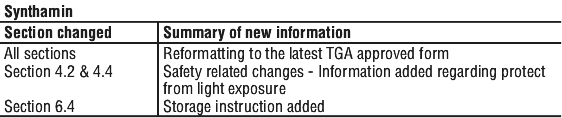
Summary Table of Changes
Reasonable care is taken to provide accurate information at the time of creation. This information is not intended as a substitute for medical advice and should not be exclusively relied on to manage or diagnose a medical condition. The Australian Commission on Safety and Quality in Health Care disclaims all liability (including for negligence) for any loss, damage, injury or any other negative effects resulting from reliance on or use of this information. Read our full disclaimer. This website uses cookies. Read our privacy policy.