
Tenofovir GH
Brand Information
| Brand name | Tenofovir GH |
| Active ingredient | Tenofovir disoproxil phosphate |
| Schedule | S4 |
Consumer Medicine Information (CMI) leaflet
Please read this leaflet carefully before you start using the Tenofovir GH.
Summary CMI
Tenofovir GH
Consumer Medicine Information (CMI) summary
The full CMI on the next page has more details. If you are worried about using this medicine, speak to your doctor or pharmacist.
1. Why am I using Tenofovir GH?
Tenofovir GH contains the active ingredient tenofovir disoproxil phosphate. Tenofovir GH is used to an antiviral medication used to treat Chronic Hepatitis B (HBV) virus and Human Immunodeficiency Virus (HIV-1) infection in adults and children aged over 12 years and weighing at least 35 kg.
For more information, see Section 1. Why am I using Tenofovir GH? in the full CMI.
2. What should I know before I use Tenofovir GH?
Do not use if you have ever had an allergic reaction to tenofovir disoproxil phosphate or any of the ingredients listed at the end of the CMI.
Talk to your doctor or pharmacist if you have any other medical conditions, take any other medicines, or are pregnant or plan to become pregnant or are breastfeeding.
For more information, see Section 2. What should I know before I use Tenofovir GH? in the full CMI.
3. What if I am taking other medicines?
Some medicines may interfere with Tenofovir GH and affect how it works.
A list of these medicines is in Section 3. What if I am taking other medicines? in the full CMI.
4. How do I use Tenofovir GH?
- The usual dose of Tenofovir GH is one tablet once a day.
- Take Tenofovir GH exactly as prescribed by your doctor,
More instructions can be found in Section 4. How do I use Tenofovir GH? in the full CMI.
5. What should I know while using Tenofovir GH?
| Things you should do |
|
| Things you should not do |
|
| Driving or using machines |
|
| Drinking alcohol |
|
| Looking after your medicine |
|
For more information, see Section 5. What should I know while using Tenofovir GH? in the full CMI.
6. Are there any side effects?
Some patients treated with this medicine have had kidney problems. If you have had kidney problems in the past or need to take another drug that can cause kidney problems, your doctor may need to perform additional blood tests.
For more information, including what to do if you have any side effects, see Section 6. Are there any side effects? in the full CMI.
Full CMI
Tenofovir GH
Active ingredient(s): tenofovir disoproxil phosphate
Consumer Medicine Information (CMI)
This leaflet provides important information about using Tenofovir GH. You should also speak to your doctor or pharmacist if you would like further information or if you have any concerns or questions about using Tenofovir GH.
Where to find information in this leaflet:
1. Why am I using Tenofovir GH?
2. What should I know before I use Tenofovir GH?
3. What if I am taking other medicines?
4. How do I use Tenofovir GH?
5. What should I know while using Tenofovir GH?
6. Are there any side effects?
7. Product details
1. Why am I using Tenofovir GH?
Tenofovir GH contains the active ingredient tenofovir disoproxil phosphate. Tenofovir GH is a type of medicine called a hepatitis B virus (HBV) polymerase inhibitor and a nucleotide analogue reverse transcriptase inhibitor (NRTI).
Tenofovir GH an antiviral medication is used to treat:
- Chronic Hepatitis B (an infection with hepatitis B virus [HBV]) in adults and paediatric patients aged 12 years and older and weighing at least 35 kg.
- HIV infection in adults and paediatric patients aged 12 years and older and weighing at least 35 kg. Tenofovir GH is always used in combination with other anti-HIV medicines to treat people with HIV-1 infection.
Together with your doctor, you need to decide whether Tenofovir GH is right for you.
Tenofovir GH does not cure HIV infection or AIDS.
The long-term effects of Tenofovir GH are not known at this time. People taking Tenofovir GH may still get opportunistic infections or other conditions that happen with HIV-1 infection.
Opportunistic infections are infections that develop because the immune system is weak. Some of these conditions are:
- pneumonia;
- herpes virus infections; and
- mycobacterium avium complex (MAC) infection.
Tenofovir GH does not reduce the risk of passing HIV-1 or HBV to others through sexual contact or blood contamination.
Continue to practice safe sex and do not use or share dirty needles.
2. What should I know before I use Tenofovir GH?
Warnings
Do not use Tenofovir GH if:
- you are allergic to tenofovir disoproxil phosphate or any of the ingredients listed at the end of this leaflet. Some of the symptoms of an allergic reaction may include:
- shortness of breath;
- wheezing or difficulty breathing;
- swelling of the face, lips, tongue, throat or other parts of the body;
- rash, itching or hives on the skin.
Always check the ingredients to make sure you can use this medicine. - you are already taking any other medicines that contain the same active ingredients.
- you are already taking adefovir dipivoxil to treat HBV infection.
- you are already taking tenofovir alafenamide to treat HIV or HBV infection.
- the expiry date on the pack has passed.
Check with your doctor if you:
- Have, or have had, any other medical conditions, including:
- kidney problems;
- bone problems;
- liver problems including HBV and hepatitis C virus (HCV);
- HIV-1 infection. - have allergies to any other medicines, foods, preservatives or dyes.
- take any medicines for any other condition.
During treatment, you may be at risk of developing certain side effects. It is important you understand these risks and how to monitor for them. See additional information under Section 6. Are there any side effects?
How Tenofovir GH works in the treatment of CHB
Tenofovir GH works by interfering with the normal working of enzymes (HBV DNA polymerase) that are essential for HBV to reproduce itself. Tenofovir GH may help lower the amount of HBV in your body by lowering the ability of the virus to multiply and infect new liver cells and can improve the inflammation and scar tissue caused by the HBV in your liver. Lowering the amount of virus in your body may reduce the chance of developing cirrhosis, liver failure and liver cancer.
We do not know how long Tenofovir GH may help treat your hepatitis. Sometimes viruses change in your body and medicines no longer work. This is called drug resistance.
How Tenofovir GH works in the treatment of HIV-Infection
HIV infection destroys CD4 (T) cells, which are important to the immune system. After a large number of T cells are destroyed, acquired immune deficiency syndrome (AIDS) develops. Tenofovir GH helps to block HIV-1 reverse transcriptase, a chemical (enzyme) in your body that is needed for HIV-1 to multiply.
Tenofovir GH lowers the amount of HIV 1 in the blood (called viral load) and may help to increase the number of T cells. Lowering the amount of HIV-1 in the blood lowers the chance of death or infections that happen when your immune system is weak (opportunistic infections).
You do not have to have HIV-infection to be treated with Tenofovir GH for HBV and vice versa.
Pregnancy and breastfeeding
Check with your doctor if you are pregnant or intend to become pregnant. The effects of Tenofovir GH on pregnant women or their unborn babies are not known.
Do not breastfeed if you are taking Tenofovir GH. The active substance in this medicine (tenofovir disoproxil) has been found in breast milk at low concentrations.
Do not breastfeed if you have HIV or HBV. If you are a woman who has or will have a baby, talk with your doctor or pharmacist about the best way to feed your baby.
If your baby does not already have HIV or HBV, there is a chance that the baby can get HIV or HBV through breastfeeding.
Use in Children
Tenofovir GH is for adults and paediatric patients aged 12 years and older and weighing at least 35 kg.
3. What if I am taking other medicines?
Tell your doctor or pharmacist if you are taking any other medicines, including any medicines, vitamins or supplements that you buy without a prescription from your pharmacy, supermarket or health food shop.
Some medicines may interfere with Tenofovir GH and affect how it works. Tell your doctor or pharmacist if you take:
- Vosevi (sofosbuvir/velpatasvir/voxilaprevir), Harvoni (ledipasvir/sofosbuvir) or Epclusa (sofosbuvir/ velpatasvir) to treat your HCV infection. These medicines may increase the amount of tenofovir disoproxil in your blood, which could result in additional or more intense side effects (see additional information under Section 6. Are there any side effects?).
- Videx, Videx EC (didanosine). Tenofovir GH may increase the amount of didanosine in your blood. Your treatment may need to be followed more carefully if you are taking Videx and Tenofovir GH together. If you are taking Videx and Tenofovir GH together, your doctor may need to reduce your dose of Videx.
- Reyataz (atazanavir sulfate) or Kaletra (lopinavir/ritonavir).
These medicines may increase the amount of tenofovir disoproxil in your blood, which could result in more side effects (see Section 6. Are there any side effects?). Your treatment may need to be followed more carefully if you are taking Tenofovir GH and Reyataz or Kaletra together. Tenofovir GH may decrease the amount of atazanavir sulfate in your blood. If you are taking Tenofovir GH and Reyataz together you should also be taking Norvir (ritonavir).
It is a good idea to keep a complete list of all the medicines that you take. Make a new list when medicines are added or stopped. Give copies of this list to your doctor or pharmacist every time you visit your doctor or fill in a prescription.
Check with your doctor or pharmacist if you are not sure about what medicines, vitamins or supplements you are taking and if these affect Tenofovir GH.
4. How do I use Tenofovir GH?
How much to take
- The usual dose of Tenofovir GH is one tablet once a day.
- If you have kidney problems, your doctor may recommend that you take Tenofovir GH less frequently.
- If you are taking Tenofovir GH to treat HIV, or if you have HIV and HBV co-infection and are taking Tenofovir GH, always take Tenofovir GH in combination with other anti-HIV medicines.
- Follow the instructions provided and use Tenofovir GH until your doctor tells you to stop.
When to take Tenofovir GH
- Tenofovir GH is best taken with a meal or just afterwards, however taking it without food should not reduce the effectiveness of the medicine.
How long to take Tenofovir GH
- Do not change your treatment or stop treatment without first talking with your doctor.
- When your Tenofovir GH supply starts to run low, get more from your doctor or pharmacist.
If you forget to use Tenofovir GH
Tenofovir GH should be used regularly at the same time each day. If you miss your dose of Tenofovir GH at the usual time, take it as soon as possible and then take your next scheduled dose at its regular time.
It is important that you do not miss any doses.
If it is almost time for your next dose, skip the dose you missed and take your next dose when you are meant to.
Do not take a double dose to make up for the dose you missed.
If you take too much Tenofovir GH
If you think that you have used too much Tenofovir GH, you may need urgent medical attention.
You should immediately:
- phone the Poisons Information Centre
(by calling 13 11 26); or - contact your doctor; or
- go to the Emergency Department at your nearest hospital.
You should do this even if there are no signs of discomfort or poisoning.
5. What should I know while using Tenofovir GH?
Things you should do
- Stay under a doctor's care when taking Tenofovir GH.
- Take Tenofovir GH exactly as your doctor prescribed it.
- Follow the directions from your doctor or pharmacist, exactly as written on the label.
- Set up a dosing schedule and follow it carefully.
- Tenofovir GH and other medicines like Tenofovir GH, may be less likely to work in the future if you are not taking it with other anti-HIV medicines because you may develop resistance to those medicines. If you have any questions about what medicines you should or should not be taking, please see your doctor or pharmacist.
- If you have been given Tenofovir GH to treat CHB, you are advised to get a HIV test before you start taking Tenofovir GH and at any time after that when there is a chance you were exposed to HIV.
- If you are about to be started on any new medicine, tell your doctor and pharmacist that you are taking this medicine.
Call your doctor straight away if you:
- become pregnant or plan to breastfeed while taking this medicine.
Remind any doctor, dentist or pharmacist you visit that you are using Tenofovir GH.
Things you should not do
- Do not stop using this medicine suddenly, even if for a short period.
This is very important because the amount of virus in your blood may increase if the medicine is stopped for even a short time. The virus may develop resistance to Tenofovir GH, and may become harder to treat. If you are taking Tenofovir GH to treat CHB, stopping treatment may result in very severe hepatitis and serious liver problems (see additional information under Section 6. Are there any side effects?). - Do not breastfeed.
- Only take medicine that has been prescribed specifically for you.
- Do not give Tenofovir GH to others, or take medicine prescribed for someone else, even if they have the same condition as you.
- Do not use this medicine for a condition for which it was not prescribed.
- Do not use if seal over bottle opening is broken or missing.
Driving or using machines
Be careful before you drive or use any machines or tools until you know how Tenofovir GH affects you.
Tenofovir GH may cause dizziness in some people.
Drinking alcohol
Tell your doctor if you drink alcohol.
Looking after your medicine
- Store Tenofovir GH below 25°C.
- Keep your Tenofovir GH tablets in the bottle with the cap tightly closed until you take them. If you take Tenofovir GH tablets out of their pack they may not keep well.
Follow the instructions on the carton on how to take care of your medicine properly.
Store it in a cool dry place away from moisture, heat or sunlight; for example, do not store it:
- in the bathroom or near a sink; or
- in the car or on window sills.
Keep it where young children cannot reach it.
Getting rid of any unwanted medicine
If you no longer need to use this medicine or it is out of date, take it to any pharmacy for safe disposal.
Do not use this medicine after the expiry date.
6. Are there any side effects?
All medicines can have side effects. If you do experience any side effects, most of them are minor and temporary. However, some side effects may need medical attention.
See the information below and, if you need to, ask your doctor or pharmacist if you have any further questions.
Less serious side effects
| Less serious side effects | What to do |
| Speak to your doctor if you have any of these less serious side effects and they worry you. |
Serious side effects
| Serious side effects | What to do |
Kidney Problems
| Call your doctor straight away, or go straight to the Emergency Department at your nearest hospital if you notice any of these serious side effects. |
After stopping Tenofovir GH, tell your doctor immediately about any new, unusual, or worsening symptoms that you notice after stopping treatment.
After you stop taking Tenofovir GH, your doctor will still need to check your health and take blood tests to check your liver for several months.
Tell your doctor or pharmacist if you notice anything else that may be making you feel unwell.
Other side effects not listed here may occur in some people.
Reporting side effects
After you have received medical advice for any side effects you experience, you can report side effects to the Therapeutic Goods Administration online at www.tga.gov.au/reporting-problems. By reporting side effects, you can help provide more information on the safety of this medicine.
Always make sure you speak to your doctor or pharmacist before you decide to stop taking any of your medicines.
7. Product details
This medicine is only available with a doctor's prescription.
What Tenofovir GH contains
| Active ingredient (main ingredient) | Tenofovir disoproxil phosphate |
| Other ingredients (inactive ingredients) | Croscarmellose sodium Stearic acid Microcrystalline cellulose OPADRY II complete film-coating system 39K505001 Blue (ARTG 138537) |
Do not take this medicine if you are allergic to any of these ingredients.
Note: The innovator product contains 300 mg of tenofovir disoproxil fumarate and Tenofovir GH contains 291 mg of tenofovir disoproxil phosphate - 291 mg of tenofovir disoproxil phosphate is equivalent to 300 mg of tenofovir disoproxil fumarate. Bioequivalence has been established between the two salt forms of tenofovir disoproxil.
What Tenofovir GH looks like
Tenofovir GH is a blue coloured, oval-shaped, biconvex, film-coated tablet debossed on one side with “T1” and plain on other side (AUST R 269193).
Who distributes Tenofovir GH
Generic Health Pty Ltd
Suite 2, Level 2
19-23 Prospect Street
Box Hill, VIC, 3128
Australia

 +61 3 9809 7900

This leaflet was prepared in November 2025.
Brand Information
| Brand name | Tenofovir GH |
| Active ingredient | Tenofovir disoproxil phosphate |
| Schedule | S4 |
MIMS Revision Date: 01 March 2025
Notes
Distributed by Generic Health Pty Ltd
1 Name of Medicine
Tenofovir disoproxil phosphate.
2 Qualitative and Quantitative Composition
Tenofovir GH film-coated tablets contain 291 mg of tenofovir disoproxil phosphate. The innovator product contains 300 mg of tenofovir disoproxil fumarate - 291 mg of tenofovir disoproxil phosphate is equivalent to 300 mg of tenofovir disoproxil fumarate.
List of excipients with known effects. Lactose monohydrate.
For the full list of excipients, see Section 6.1 List of Excipients.
3 Pharmaceutical Form
Each Tenofovir GH film-coated tablet is blue, oval shaped, biconvex and debossed with 'T1' on one side and plain on other side. The tablets are supplied in bottles with a screw cap closure.
4 Clinical Particulars
4.1 Therapeutic Indications
Tenofovir GH in combination with other antiretroviral agents is indicated for the treatment of HIV-infected adults and paediatric patients 12 years of age and older.
Tenofovir GH is indicated for the treatment of chronic hepatitis B in adults (see Section 5.1 Pharmacodynamic Properties, Clinical trials).
Tenofovir GH is indicated for the treatment of chronic hepatitis B in paediatric patients 12 years of age and older with compensated liver disease and with evidence of immune active disease, i.e. active viral replication, persistently elevated serum ALT levels or evidence of active inflammation.
4.2 Dose and Method of Administration
Each Tenofovir GH tablet contains 291 mg of tenofovir disoproxil phosphate. The innovator product contains 300 mg of tenofovir disoproxil fumarate - 291 mg of tenofovir disoproxil phosphate is equivalent to 300 mg of tenofovir disoproxil fumarate. Bioequivalence has been established between the two salt forms of tenofovir disoproxil.
Adults. The recommended dose of Tenofovir GH (tenofovir disoproxil phosphate) is 291 mg (one tablet) once daily taken orally. In order to optimise the absorption of tenofovir, it is recommended that Tenofovir GH film-coated tablets be taken with food.
Paediatric patients (≥ 12 years of age and ≥ 35 kg). The recommended dose of Tenofovir GH (tenofovir disoproxil phosphate) for paediatric patients (12 years of age and older), who weigh ≥ 35 kg, is 291 mg (one tablet) once daily taken orally. In order to optimise the absorption of tenofovir, it is recommended that Tenofovir GH film-coated tablets be taken with food.
The safety and efficacy of Tenofovir GH in patients under the age of 12 years have not been established. Tenofovir GH must not be administered to children under 12, until further data become available.
Dosage adjustment. Elderly. No data are available on which to make a dose recommendation for patients over the age of 65 years. The safety and efficacy of Tenofovir GH has not been established in patients over the age of 65 years. Caution should be exercised when administering Tenofovir GH to elderly patients until further data become available describing the disposition of tenofovir disoproxil phosphate in these patients (see Section 4.4 Special Warnings and Precautions for Use). The greater frequency of decreased hepatic, renal or cardiac function in these patients, presence of any concomitant illnesses or the need for treatment with other medicinal products concomitantly with Tenofovir GH should be taken into consideration.
Renal impairment. Tenofovir is eliminated by renal excretion and the exposure to tenofovir increases in patients with renal dysfunction. Dosing interval adjustment is required in all patients with creatinine clearance < 50 mL/min (calculated using the Cockcroft Gault equation), as detailed in Table 1. The proposed dose interval modifications are based on limited data and may not be optimal. The safety and efficacy of these dosing interval adjustment guidelines have not been clinically evaluated. Therefore, clinical response to treatment and renal function should be closely monitored in these patients (see Section 4.4 Special Warnings and Precautions for Use).
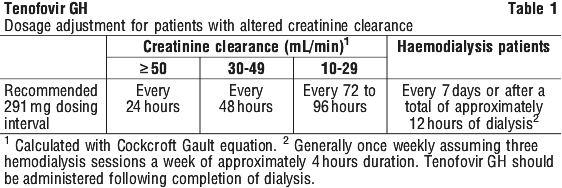
No data are available to make dose recommendations in paediatric patients 12 years of age and older with renal impairment.
Hepatic impairment. There were no substantial alterations in tenofovir pharmacokinetics in patients with hepatic impairment compared with unimpaired patients. No change in Tenofovir GH dosing is required in patients with hepatic impairment.
Chronic hepatitis B. Treatment with Tenofovir GH may be discontinued if there is HBsAg loss or HBsAg seroconversion, otherwise the optimal duration of treatment is unknown.
4.3 Contraindications
Known hypersensitivity to tenofovir, tenofovir disoproxil, or to any of the excipients in the film-coated tablets.
Tenofovir GH must not be administered to children less than 12 years of age until further data become available.
Tenofovir GH should not be administered concurrently with fixed dose combination tablets containing tenofovir disoproxil, tenofovir alafenamide or adefovir dipivoxil.
4.4 Special Warnings and Precautions for Use
General. Patients receiving tenofovir disoproxil or any other antiretroviral therapy may continue to develop opportunistic infections and other complications of HIV infection, and therefore should remain under close clinical observation by physicians experienced in the treatment of patients with HIV associated diseases.
Patients should be advised that antiretroviral therapies, including tenofovir disoproxil, have not been proven to prevent the risk of transmission of HIV or HBV to others through sexual contact or blood contamination. Appropriate precautions must continue to be used. Patients should also be informed that tenofovir disoproxil is not a cure for HIV infection.
HIV antibody testing should be offered to all HBV-infected patients before initiating tenofovir disoproxil therapy (see Section 4.4 Special Warnings and Precautions for Use, HIV and HBV co-infection).
In the treatment of chronic hepatitis B, limited data are currently available in immuno-suppressed patients or those receiving immuno-suppressive regimens, orthotopic liver transplant patients and patients co-infected with the hepatitis C or D virus. As clinical studies have not included sufficient numbers of subjects to determine whether these patients respond differently to tenofovir disoproxil chronic hepatitis B therapy, such patients should be closely monitored.
Lactic acidosis/ severe hepatomegaly with steatosis. Lactic acidosis and severe hepatomegaly with steatosis, including fatal cases, have been reported with the use of antiretroviral nucleoside analogues alone or in combination, including tenofovir disoproxil, in the treatment of HIV infection. A majority of these cases have been reported in women. The preclinical and clinical data suggest that the risk of occurrence of lactic acidosis, a class effect of nucleoside analogues is low for tenofovir disoproxil. However, as tenofovir is structurally related to nucleoside analogues, this risk cannot be excluded. Caution should be exercised when administering tenofovir disoproxil to any patient, and particularly to those with known risk factors for liver disease. Treatment with tenofovir disoproxil should be suspended in any patient who develops clinical or laboratory findings suggestive of lactic acidosis or hepatotoxicity.
HIV and HBV co-infection. Due to the risk of development of HIV resistance, tenofovir disoproxil should only be used as part of an appropriate antiretroviral combination regimen in HIV/HBV co-infected patients.
Exacerbation of hepatitis after discontinuation of treatment. Discontinuation of anti-HBV therapy, including tenofovir disoproxil may be associated with severe acute exacerbations of hepatitis. Patients infected with HBV who discontinue tenofovir disoproxil should be closely monitored with both clinical and laboratory follow-up for at least several months after stopping treatment. If appropriate, resumption of anti-hepatitis B therapy may be warranted. In patients with advanced liver disease or cirrhosis, discontinuation of anti-hepatitis B therapy is not recommended since post-treatment exacerbation of hepatitis may lead to hepatic decompensation.
Early virologic failure. Clinical studies in HIV-infected patients have demonstrated that certain regimens that only contain 3 nucleoside reverse transcriptase inhibitors (NRTI) are generally less effective than triple drug regimens containing 2 NRTIs in combination with either a non-nucleoside reverse transcriptase inhibitor or a HIV-1 protease inhibitor. In particular, early virological failure and high rates of resistance mutations have been reported in clinical studies of combinations of tenofovir, lamivudine and abacavir or tenofovir, lamivudine and didanosine. Triple nucleoside regimens should therefore be used with caution. Patients on a therapy utilising a triple nucleoside-only regimen should be carefully monitored and considered for treatment modification.
Immune reconstitution syndrome. Immune reconstitution syndrome has been reported in patients treated with combination antiviral therapy, including tenofovir disoproxil fumarate. In HIV-infected patients with severe immune deficiency at the time of initiation of antiretroviral therapy, an inflammatory reaction to asymptomatic or residual opportunistic pathogens may arise and cause serious clinical conditions, or aggravation of symptoms. Typically, such reactions have been observed within the first few weeks or months of initiation of antiretroviral therapy. Relevant examples include cytomegalovirus retinitis, generalised and/or focal mycobacterial infections and Pneumocystis jirovecii pneumonia. Any inflammatory symptoms should be evaluated and treatment instituted when necessary.
Autoimmune disorders (such as autoimmune hepatitis) have also been reported to occur in the setting of immune reconstitution; however, the reported time to onset is more variable, and these events can occur many months after initiation of treatment.
Bone effects. Bone toxicities including a reduction in bone mineral density (BMD) have been observed in studies in three animal species (see Section 5.3 Preclinical Safety Data, Animal toxicology). Clinically relevant bone abnormalities have not been seen in long term clinical studies in adults (> 3 years).
Bone abnormalities may be associated with proximal renal tubulopathy (see Section 4.8 Adverse Effects (Undesirable Effects), Post marketing experience). If bone abnormalities are suspected during therapy then appropriate consultation should be obtained.
There is limited clinical experience with tenofovir disoproxil in paediatric patients. In a clinical study of HIV-1 infected paediatric patients 12 years of age and older (Study 0321), bone effects were similar to adult patients. Under normal circumstances BMD increases rapidly in this age group. In this study, the mean rate of bone gain was less in the tenofovir disoproxil-treated group compared to the placebo group. Six tenofovir disoproxil treated patients and one placebo treated patient had significant (> 4%) lumbar spine BMD loss in 48 weeks. Markers of bone turnover in tenofovir disoproxil-treated paediatric patients 12 years of age and older suggest increased bone turnover, consistent with the bone effects observed in adults. The effects of tenofovir disoproxil-associated changes in BMD and biochemical markers on long-term bone health and fracture risk are unknown. In a clinical study (Study 115) conducted in paediatric subjects 12 years of age and older with chronic HBV infection, both the tenofovir disoproxil and placebo treatment arms experienced an overall increase in mean spine BMD, as expected for an adolescent population. The percent increase from baseline in spine BMD in tenofovir disoproxil-treated subjects was less than the increase observed in placebo-treated subjects. During the study, three subjects in the tenofovir disoproxil group and two subjects in the placebo group had a decrease of more than 4% in lumbar spine BMD.
Use in renal impairment. Dosing interval adjustment is required in all patients with creatinine clearance < 50 mL/min (see Section 4.2 Dose and Method of Administration). The proposed dose interval modifications are based on limited data and may not be optimal. The safety and efficacy of these dosing interval adjustment guidelines have not been clinically evaluated, and so the potential benefit of tenofovir disoproxil therapy should be assessed against the potential risk of renal toxicity. Therefore, clinical response to treatment and renal function should be closely monitored in these patients.
Renal impairment, including cases of acute renal failure and Fanconi syndrome (renal tubular injury with severe hypophosphataemia), has been reported in association with the use of tenofovir disoproxil (see Section 4.8 Adverse Effects (Undesirable Effects), Post marketing experience).
Tenofovir disoproxil should be avoided with concurrent or recent use of a nephrotoxic agent.
It is recommended that creatinine clearance is calculated in all patients prior to initiating therapy and, as clinically appropriate, during tenofovir disoproxil therapy. Patients at risk for, or with a history of, renal dysfunction, including patients who have previously experienced renal events while receiving adefovir dipivoxil, should be routinely monitored for changes in serum creatinine and phosphorus.
Use in the elderly. Tenofovir disoproxil has not been studied in patients over the age of 65. In general, dose selection for the elderly patient should be cautious, keeping in mind the greater frequency of decreased hepatic, renal or cardiac function, and of concomitant disease or other drug therapy (see Section 4.2 Dose and Method of Administration).
Paediatric use. The safety and efficacy of tenofovir disoproxil in paediatric patients aged 12 to < 18 years is supported by data from two randomised studies in which tenofovir disoproxil was administered to HIV-infected treatment experienced patients and patients with chronic hepatitis B (see Section 5.1 Pharmacodynamic Properties, Clinical trials; Section 4.8 Adverse Effects (Undesirable Effects)). The safety and efficacy of tenofovir disoproxil has not been established in children less than 12 years of age.
The clinical relevance of the long term effects of tenofovir disoproxil treatment on BMD are unknown, and at present the data on the reversibility of renal toxicity effects is limited. Therefore, a multidisciplinary approach is recommended to consider the benefit/risk balance of treatment.
As hepatitis B is a chronic disease of the liver, ongoing clinical monitoring is recommended.
Effects on laboratory tests. No data available.
4.5 Interactions with Other Medicines and Other Forms of Interactions
See Section 5.2 Pharmacokinetic Properties, Drug interactions for further information.
Based on the results of in vitro experiments and the known elimination pathway of tenofovir, the potential for CYP450 mediated interactions involving tenofovir with other medicinal products is low.
Tenofovir is excreted renally. Coadministration of tenofovir disoproxil with medicinal products that decrease or compete for renal clearance may increase serum concentrations of tenofovir.
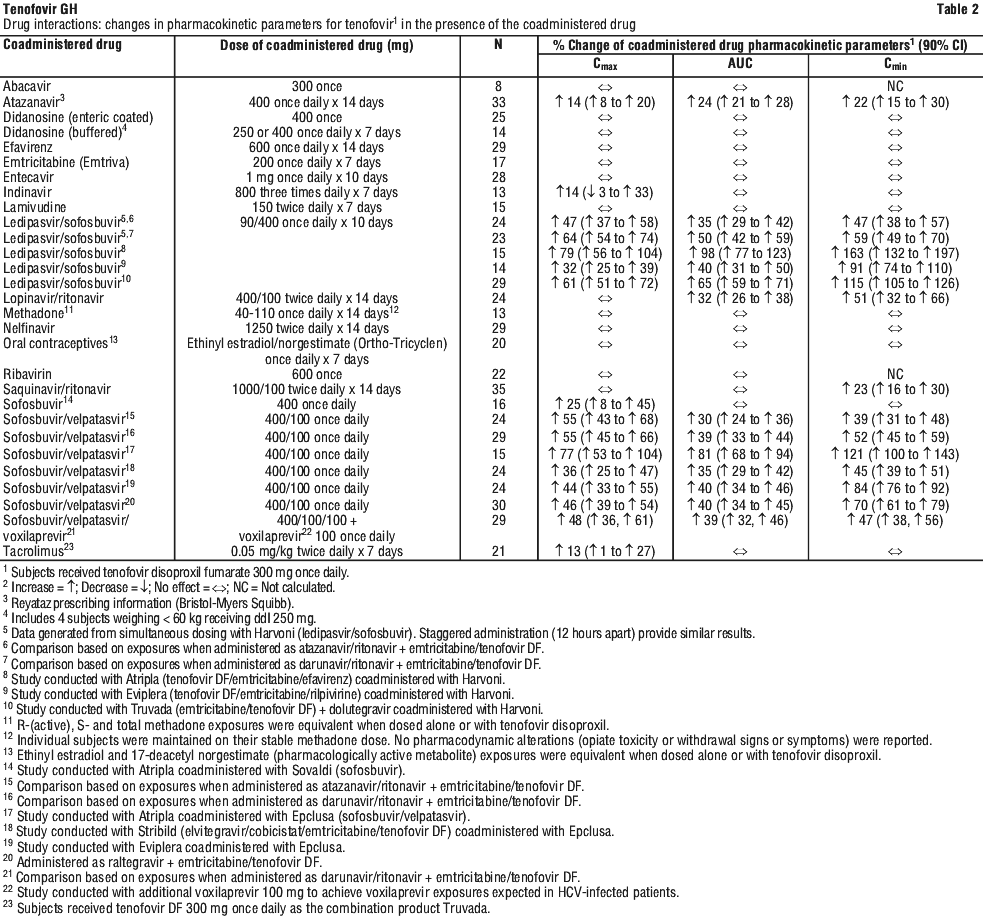
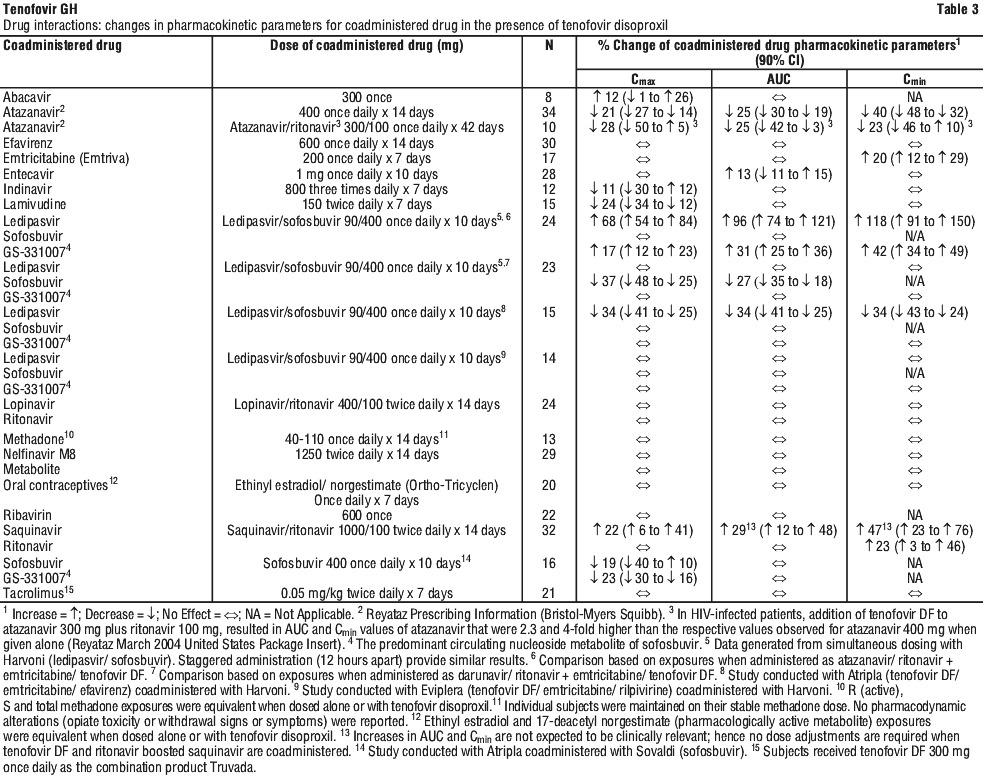
Tenofovir disoproxil has been evaluated in healthy volunteers in combination with abacavir, didanosine, efavirenz, emtricitabine (Emtriva), entecavir, indinavir, lamivudine (3TC), ledipasvir/ sofosbuvir, lopinavir/ ritonavir, methadone, nelfinavir, oral contraceptives, ribavirin, rifampicin, saquinavir/ ritonavir, sofosbuvir and tacrolimus (see Tables 2 and 3).
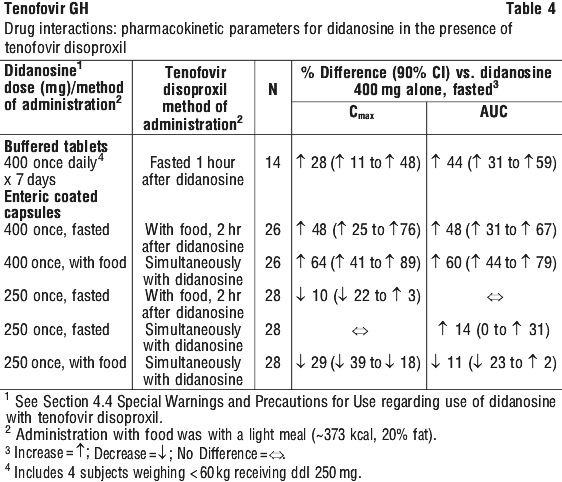
When administered with tenofovir disoproxil, Cmax and AUC of didanosine administered as either the buffered or enteric-coated formulation at a dose of 400 mg daily increased significantly (see Table 4). The mechanism of this interaction is unknown. Higher didanosine concentrations could potentiate didanosine-associated adverse events, including pancreatitis, lactic acidosis and neuropathy.
Suppression of CD4 cell counts has been observed in patients receiving tenofovir disoproxil fumarate with didanosine at a dose of 400 mg daily. In patients weighing ≥ 60 kg, the didanosine dose should be reduced to 250 mg when it is coadministered with tenofovir disoproxil. Data are not available to recommend a dose adjustment of didanosine for adult or paediatric patients weighing < 60 kg. When coadministered, tenofovir disoproxil and didanosine EC may be taken under fasted conditions or with a light meal (< 400 kcal, 20% fat). Coadministration of didanosine buffered tablet formulation with tenofovir disoproxil should be under fasted conditions. Coadministration of Tenofovir GH and didanosine should be undertaken with caution and patients receiving this combination should be monitored closely for didanosine-associated adverse events. Didanosine should be discontinued in patients who develop didanosine-associated adverse events.
Tenofovir disoproxil affects the pharmacokinetics of atazanavir. Tenofovir disoproxil should only be administered with boosted atazanavir (ATZ 300 mg/RTV 100 mg). The safety and efficacy of this regimen has been substantiated over 48 weeks in a clinical study.
Coadministration of tenofovir disoproxil and Harvoni (ledipasvir/sofosbuvir), Epclusa (sofosbuvir/velpatasvir), or Vosevi (sofosbuvir/velpatasvir/voxilaprevir) has been shown to increase tenofovir exposure. Patients receiving a regimen containing tenofovir disoproxil concomitantly with Harvoni, Epclusa or Vosevi should be monitored for adverse reactions associated with tenofovir disoproxil.
Since tenofovir is primarily eliminated by the kidneys, coadministration of tenofovir disoproxil with drugs that reduce renal function or compete for active tubular secretion may increase serum concentrations of tenofovir and/or increase the concentrations of other renally eliminated drugs.
Drug interactions. At concentrations substantially higher (~ 300-fold) than those observed in vivo, tenofovir did not inhibit in vitro drug metabolism mediated by any of the following human CYP450 isoforms: CYP3A4, CYP2D6, CYP2C9 or CYP2E1. However, a small (6%) but statistically significant reduction in metabolism of CYP1A substrate was observed. Based on the results of in vitro experiments and the known elimination pathway of tenofovir, the potential for CYP450 mediated interactions involving tenofovir with other medicinal products is low (see Section 5.2 Pharmacokinetic Properties).
Tenofovir is primarily excreted by the kidneys by a combination of glomerular filtration and active tubular secretion. Co-administration of Tenofovir GH with drugs that are eliminated by active tubular secretion may increase serum concentrations of either tenofovir or the co-administered drug, due to competition for this elimination pathway. Drugs that decrease renal function may also increase serum concentrations of tenofovir.
Tenofovir disoproxil has been evaluated in healthy volunteers in combination with abacavir, didanosine, efavirenz, emtricitabine (Emtriva), entecavir, indinavir, lamivudine (3TC), lopinavir/ritonavir, methadone, nelfinavir, oral contraceptives, ribavirin saquinavir/ritonavir and tacrolimus. Tables 2 and 3 summarise pharmacokinetic effects of co-administered drug on tenofovir pharmacokinetics and effects of tenofovir disoproxil on the pharmacokinetics of co-administered drug.
When unboosted atazanavir (400 mg) was co-administered with tenofovir disoproxil, atazanavir increased tenofovir Cmax by 14% and AUC by 24%. Similarly, lopinavir (400 mg)/ritonavir (100 mg) increased tenofovir AUC by 32%.
Co-administration of tenofovir disoproxil with didanosine and atazanavir results in changes in the pharmacokinetics of didanosine and atazanavir that may be of clinical significance. Table 4 summarises the drug interaction between tenofovir disoproxil and didanosine. When administered with multiple doses of tenofovir disoproxil, the Cmax and AUC of didanosine 400 mg increased significantly. The mechanism of this interaction is unknown. When didanosine 250 mg enteric-coated capsules were administered with tenofovir disoproxil, systemic exposures to didanosine were similar to those seen with the 400 mg enteric-coated capsules alone under fasted conditions (see Section 4.4 Special Warnings and Precautions for Use).
4.6 Fertility, Pregnancy and Lactation
Effects on fertility. There are limited clinical data with respect to the effect of tenofovir disoproxil on fertility. Animal studies do not indicate harmful effects of tenofovir disoproxil on fertility (see Section 5.3 Preclinical Safety Data).
Use in pregnancy. (Category B3)
Tenofovir GH (300 mg given once daily to mothers) in combination with standard of care (administration of hepatitis B immunoglobulin and hepatitis B vaccine in infants) was evaluated for the prevention of mother to child transmission (MTCT) of HBV in three controlled, clinical studies in women who were pregnant and chronically infected with HBV. In these studies, Tenofovir GH was administered to a total of 327 HBeAg-positive pregnant women from 28 to 32 weeks gestation through 1 to 2 months postpartum. Patients were followed up to 12 months after delivery; there were no new safety findings in mothers compared with the known safety profile of Tenofovir GH in HBV-infected adults and there were no clinically relevant safety findings in the infants.
Animal studies do not indicate harmful effects of tenofovir disoproxil fumarate with respect to pregnancy (see Section 5.3 Preclinical Safety Data).
Because animal reproduction studies are not always predictive of human response, Tenofovir GH should be used during pregnancy only if clearly needed.
Use in lactation. In humans, samples of breast milk obtained from five HIV-1 infected mothers show that tenofovir is secreted in human milk at low concentrations (estimated neonatal concentrations 128 to 266 times lower than the tenofovir IC50 (50% maximal inhibitory concentration). Tenofovir associated risks, including the risk of developing viral resistance to tenofovir, in infants breastfed by mothers being treated with tenofovir disoproxil are unknown. It is recommended that HIV and HBV infected women do not breast feed their infants in order to avoid transmission of HIV and HBV to the infant.
4.7 Effects on Ability to Drive and Use Machines
No studies on the effects on ability to drive or use machines have been performed. However, patients should be informed that dizziness has been reported during treatment with tenofovir disoproxil.
4.8 Adverse Effects (Undesirable Effects)
From clinical studies. Clinical trials in adult patients with HIV infection. More than 12,000 patients have been treated with tenofovir disoproxil alone or in combination with other antiretroviral medicinal products for periods of 28 days to 215 weeks in Phase I-III clinical trials and expanded access studies. A total of 1,544 patients have received tenofovir disoproxil fumarate 300 mg once daily in Phase I-III clinical trials; over 11,000 patients have received tenofovir disoproxil in expanded access studies.
Treatment-experienced adult patients. Treatment-emergent adverse events. The most common adverse events that occurred in patients receiving tenofovir disoproxil with other antiretroviral agents in clinical trials were mild to moderate gastrointestinal events, such as nausea, diarrhoea, vomiting and flatulence. Less than 1% of patients discontinued participation in the clinical studies due to gastrointestinal adverse events (Study 907).
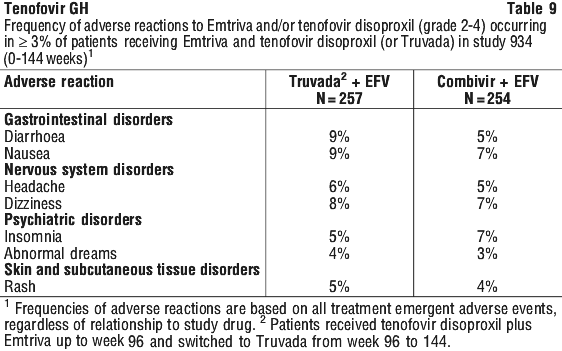
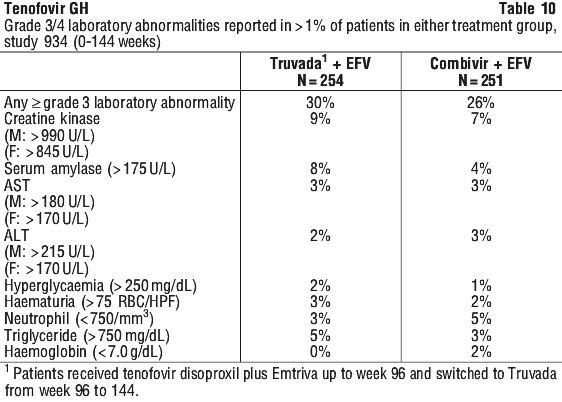
A summary of treatment-emergent adverse events that occurred during the first 48 weeks of Study 907 is provided in Table 5.
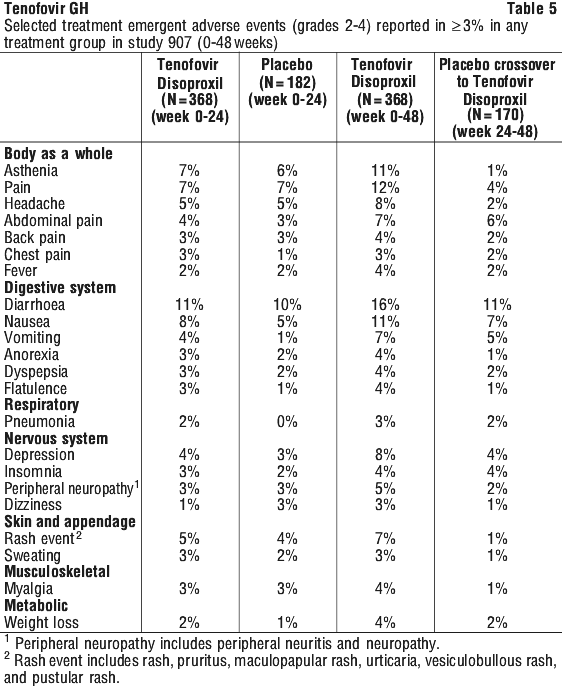
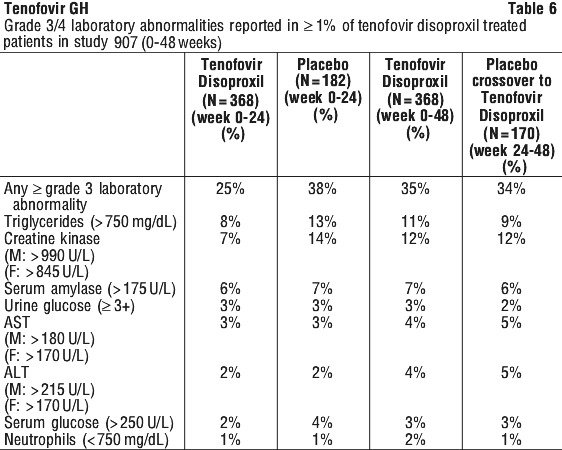
Mild adverse events (Grade 1) were common with a similar incidence in both arms, and included dizziness, diarrhoea and nausea.
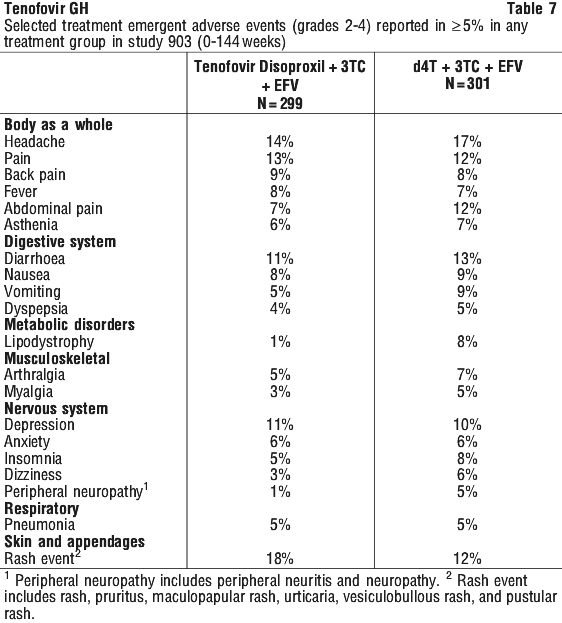
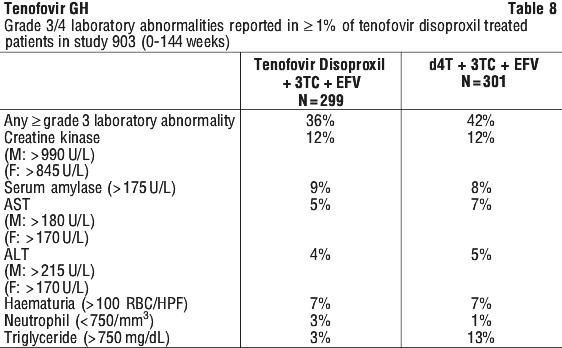
Bone effects similar to those seen in adults were observed in this study (see Section 4.4 Special Warnings and Precautions for Use).
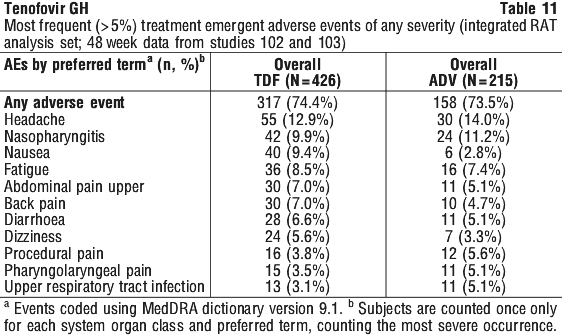
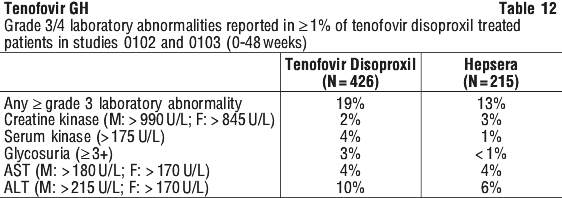
Clinical trials in adult patients with hepatitis B. Assessment of adverse reactions is based on experience in 2 double-blind comparative controlled studies (0102 and 0103) in which 641 patients with chronic hepatitis B and compensated liver disease received treatment with tenofovir disoproxil fumarate 300 mg daily (n = 426) or Hepsera 10 mg daily (n = 215) for 48 weeks (see Table 11).
The adverse reactions with suspected (at least possible) relationship to treatment are listed below by body system organ class and frequency.
Gastrointestinal disorders. Common: nausea.
Nucleos(t)ide-experienced patients. No new adverse reactions to tenofovir disoproxil were identified in those patients in Studies 0102, 0103 and 0106 and 0121 who had been previously treated with Hepsera, lamivudine or other nucleoside analogues (n = 493).
Patients with decompensated liver disease. No new adverse reactions to tenofovir disoproxil were identified from a double-blind active-controlled study (Study 0108) in which patients with decompensated liver disease received treatment with tenofovir disoproxil (n = 45) for 48 weeks. Among the 45 subjects receiving tenofovir disoproxil, the most frequently reported treatment-emergent adverse reactions of any severity were abdominal pain (22%), nausea (20%), insomnia (18%), pruritus (16%), vomiting (13%), dizziness (13%), and pyrexia (11%). Two of 45 (4%) subjects died through Week 48 of the study due to progression of liver disease. Three of 45 (7%) subjects discontinued treatment due to an adverse event. Four of 45 (9%) subjects experienced a confirmed increase in serum creatinine of 0.5 mg/dL (1 subject also had a confirmed serum phosphorus < 2 mg/dL through Week 48). Three of these subjects (each of whom had a Child-Pugh score ≥ 10 and MELD score ≥ 14 at entry) developed renal failure. Because both tenofovir disoproxil and decompensated liver disease may have an impact on renal function, the contribution of tenofovir disoproxil to renal impairment in this population is difficult to ascertain.
One of 45 subjects experienced an on-treatment hepatic flare during the 48 Week study.
At week 168, in this population of patients with decompensated liver disease, the rate of death was of 13% (6 of 45) in the tenofovir disoproxil group, 11% (5 of 45) in the emtricitabine plus tenofovir disoproxil group and 14% (3 of 22) in the entecavir group. The rate of serious hepatocellular carcinoma was 18% (8 of 45) in the tenofovir disoproxil group, 7% (3 of 45) in the emtricitabine plus tenofovir disoproxil group and 9% (2 of 22) in the entecavir group. The rate of serious ascites, which was experienced in 7% (3 of 45) in the tenofovir disoproxil group, 7% (3 of 45) in the emtricitabine plus tenofovir disoproxil group and 5% (1 of 22) in the entecavir group. The rate of serious hepatic encephalopathy was 7% (3 of 45) in the tenofovir disoproxil group, 2% (1 of 45) in the emtricitabine plus tenofovir disoproxil group, and 9% (2 of 22) in the entecavir group (see Section 5.1 Pharmacodynamic Properties, Clinical trials).
Clinical trials in paediatric patients 12 years of age and older with HBV infection. Assessment of adverse reactions is based on 1 randomised study (Study 0115) in 106 paediatric patients (12 to < 18 years of age) infected with chronic hepatitis B receiving treatment with tenofovir disoproxil (n = 52) or placebo (n = 54) for 72 weeks. The adverse reactions observed in paediatric patients who received treatment with tenofovir disoproxil were consistent with those observed in clinical studies in adults (see Section 4.8 Adverse Effects (Undesirable Effects)).
Post marketing experience. In addition to adverse events reported from clinical trials, the following events have been identified during post-approval use of tenofovir disoproxil. Because these events have been reported voluntarily from a population of unknown size, estimates of frequency cannot be made.
Immune system disorders. Allergic reaction (including angioedema), autoimmune hepatitis (see Section 4.4 Special Warnings and Precautions for Use).
Immune reconstitution syndrome: In HIV-infected patients with severe immune deficiency at the time of initiation of antiretroviral therapy, an inflammatory reaction to infectious pathogens (active or inactive) may arise (see Section 4.4 Special Warnings and Precautions for Use).
Metabolism and nutrition disorders. Hypokalaemia, hypophosphataemia, lactic acidosis.
Respiratory, thoracic, and mediastinal disorders. Dyspnoea.
Gastrointestinal disorders. Increased amylase, abdominal pain, pancreatitis.
Hepatobiliary disorders. Hepatic steatosis, increased liver enzymes (most commonly AST, ALT, gamma GT), hepatitis.
Skin and subcutaneous tissue disorders. Rash.
Musculoskeletal and connective tissue disorders. Rhabdomyolysis, muscular weakness, myopathy, osteomalacia (manifested as bone pain and infrequently contributing to fractures).
Renal and urinary disorders. Increased creatinine, renal insufficiency, renal failure, acute renal failure, Fanconi syndrome, proximal renal tubulopathy, nephrogenic diabetes insipidus, proteinuria, acute tubular necrosis, polyuria, interstitial nephritis (including acute cases).
General disorders and administration site conditions. Asthenia.
Reactions as a consequence of proximal renal tubulopathy. The following adverse reactions, listed under the body system headings above, may occur as a consequence of proximal renal tubulopathy: rhabdomyolysis, osteomalacia (manifested as bone pain and infrequently contributing to fractures), hypokalaemia, muscular weakness, myopathy, and hypophosphataemia. These events are not considered to be causally associated with tenofovir DF therapy in the absence of proximal renal tubulopathy.
In HBV infected patients, clinical and laboratory evidence of exacerbations of hepatitis have occurred after discontinuation of HBV therapy (see Section 4.4 Special Warnings and Precautions for Use).
Adverse reactions attendant to class. Nephrotoxicity (elevation in serum creatinine and urine protein, and decrease in serum phosphorus) is the dose-limiting toxicity associated with other nucleotide analogues (cidofovir and high doses of adefovir dipivoxil evaluated for HIV disease (60 mg and 120 mg)).
Reporting suspected adverse effects. Reporting suspected adverse reactions after registration of the medicinal product is important. It allows continued monitoring of the benefit-risk balance of the medicinal product. Healthcare professionals are asked to report any suspected adverse reactions at www.tga.gov.au/reporting-problems.
4.9 Overdose
Each Tenofovir GH tablet contains 291 mg of tenofovir disoproxil phosphate. The innovator product contains 300 mg of tenofovir disoproxil fumarate - 291 mg of tenofovir disoproxil phosphate is equivalent to 300 mg of tenofovir disoproxil fumarate. Bioequivalence has been established between the two salt forms of tenofovir disoproxil.
Clinical experience of doses higher than the therapeutic dose of tenofovir disoproxil is available from two studies. In one study, intravenous tenofovir, equivalent to 16.7 mg/kg/day of tenofovir disoproxil fumarate, was administered daily for 7 days. In the second study, 600 mg of tenofovir disoproxil fumarate was administered to patients orally for 28 days.
No unexpected or severe adverse reactions were reported in either study. The effects of higher doses are not known.
If overdose occurs the patient must be monitored for evidence of toxicity (see Section 4.8 Adverse Effects (Undesirable Effects); Section 4.4 Special Warnings and Precautions for Use), and standard supportive treatment applied as necessary.
Tenofovir is efficiently removed by haemodialysis with an extraction coefficient of approximately 54%. Following a single 300 mg dose of tenofovir disoproxil fumarate, a four-hour haemodialysis session removed approximately 10% of the administered tenofovir dose.
For information on the management of overdose, contact the Poison Information Centre on 13 11 26 (Australia) and 0800 764 766 (New Zealand).
5 Pharmacological Properties
5.1 Pharmacodynamic Properties
Each Tenofovir GH tablet contains 291 mg of tenofovir disoproxil phosphate. The innovator product contains 300 mg of tenofovir disoproxil fumarate - 291 mg of tenofovir disoproxil phosphate is equivalent to 300 mg of tenofovir disoproxil fumarate. All clinical data in this product information (including pharmacokinetic, mechanism of action and clinical trial data) relevant to tenofovir are based on tenofovir disoproxil fumarate. Bioequivalence has been established between the two salt forms of tenofovir disoproxil.
Mechanism of action. Tenofovir disoproxil phosphate is a salt of an oral prodrug of tenofovir, a nucleoside monophosphate (nucleotide) analogue and obligate chain terminator with activity against HIV reverse transcriptase and HBV polymerase.
Tenofovir is converted to the active metabolite, tenofovir diphosphate, by constitutively expressed cellular enzymes through two phosphorylation reactions. This conversion occurs in both resting and activated T cells. Tenofovir diphosphate has an intracellular half-life of 10 hours in activated and 50 hours in resting peripheral blood mononuclear cells (PBMCs). Tenofovir diphosphate inhibits viral polymerases by direct binding competition with the natural deoxyribonucleotide substrate and, after incorporation into DNA, by DNA chain termination. Tenofovir diphosphate is a weak inhibitor of mammalian DNA polymerases α, β, and mitochondrial DNA polymerase γ. At concentrations of up to 300 microM, tenofovir shows no effect on the synthesis of mitochondrial DNA (human liver, skeletal muscle and renal proximal tubular epithelial cells) or lactic acid production (human liver and skeletal muscle cells) in vitro.
Pharmacodynamic effects. Tenofovir has in vitro antiviral activity against retroviruses and hepadnaviruses.
Anti-HIV-1 activity in vitro. The in vitro antiviral activity of tenofovir against laboratory and clinical isolates of HIV was assessed in lymphoblastoid cell lines, primary monocyte/ macrophage cells and peripheral blood lymphocytes. The IC50 (50% inhibitory concentration) for tenofovir was in the range of 0.04 microM to 8.5 microM. In drug combination studies of tenofovir with nucleoside and non-nucleoside analogue inhibitors of HIV reverse transcriptase, and protease inhibitors, additive to synergistic effects were observed. In addition, tenofovir has also been shown to be active in vitro against HIV-2, with similar potency as observed against HIV-1.
Tenofovir shows activity within 3-fold of wild-type IC50 against recombinant HIV-1 expressing didanosine resistance (L74V), zalcitabine resistance (T69D), or multinucleoside drug resistance (Q151M complex) mutations in reverse transcriptase. Tenofovir shows slightly increased activity against HIV-1 expressing the abacavir/ lamivudine resistance mutation M184V. The activity of tenofovir against HIV-1 strains with thymidine analogue-associated mutations (thymidine-associated mutations) appears to depend on the type and number of these resistance mutations. In the presence of mutation T215Y, a twofold increase of the IC50 was observed. In 10 samples which had multiple thymidine-associated mutations (mean 3.4), a mean 3.7-fold increase of the IC50 was observed (range 0.8 to 8.4). There are insufficient data at this time to correlate specific thymidine-associated mutation patterns with reduced susceptibility to tenofovir.
Multinucleoside resistant HIV-1 with T69S double insertions have reduced susceptibility to tenofovir (IC50 > 10-fold compared with wild type). Tenofovir shows activity against non-nucleoside reverse transcriptase inhibitor resistant HIV-1 with K103N or Y181C mutations. Cross-resistance to protease inhibitor resistance mutations is not expected due to the different viral enzymes targeted.
Strains of HIV-1 with reduced susceptibility to tenofovir have been selected in vitro. The selected viruses express a K65R mutation in RT and showed 3 to 4-fold reduced susceptibility to tenofovir. The K65R mutation in RT also results in reduced susceptibility to zalcitabine, didanosine, stavudine (d4T), abacavir, and lamivudine (14-, 4-, 2-, 3-, and 25-fold, respectively). In addition, a K70E substitution in HIV-1 reverse transcriptase has been selected by tenofovir and results in low-level reduced susceptibility tenofovir. This substitution is also associated with reduced susceptibility to abacavir, didanosine, emtricitabine and lamivudine.
Anti-hepatitis B virus activity in vitro. The in vitro antiviral activity of tenofovir against laboratory strains and clinical isolates of HBV was assessed in HepG2 cells. The EC50 values for tenofovir were in the range 0.06 to 1.5 microM. Tenofovir diphosphate inhibits recombinant HBV polymerase with a Ki (inhibition constant) of 0.18 microM. In in vitro drug combination studies of tenofovir with nucleoside anti-HBV reverse transcriptase inhibitors lamivudine, telbivudine and entecavir, additive anti-HBV activity was observed. Additive to slight synergistic effects were observed with the combination of tenofovir and emtricitabine.
Clinical trials. Clinical efficacy in HIV infection. The demonstration of benefit of tenofovir disoproxil is based on analyses of plasma HIV-1 RNA levels and CD4 cell counts in controlled studies of tenofovir disoproxil in treatment-naive adults and in treatment-experienced adults.
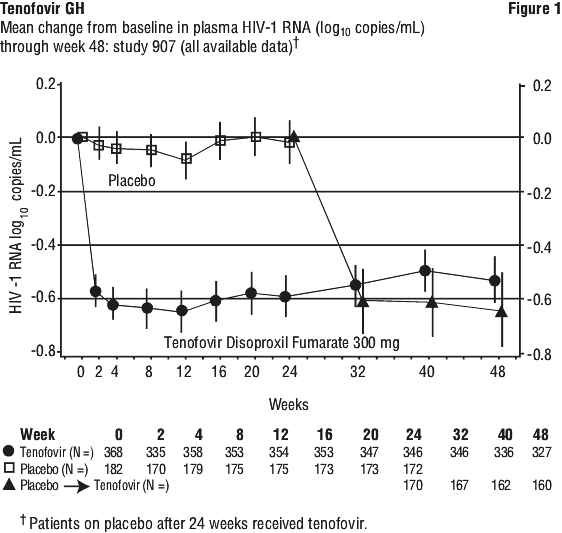
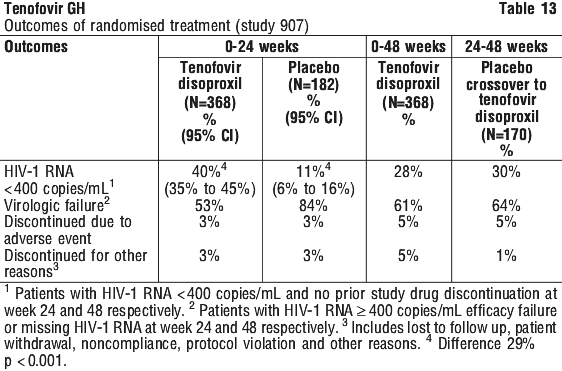
Treatment-experienced adult patients. Study 907: tenofovir disoproxil plus standard background therapy (SBT) compared to placebo plus SBT. Study 907 was a 24 week, double-blind placebo-controlled multi-centre study of tenofovir disoproxil added to a stable background regimen of antiretroviral agents in 550 treatment-experienced patients. After 24 weeks of blinded study treatment, all patients continuing on study were offered open-label tenofovir disoproxil for an additional 24 weeks. Patients had a mean baseline CD4 cell count of 427 cells/mm3 (range 23-1385), median baseline plasma HIV-1 RNA of 2340 (range 50-75,000) copies/mL, and mean duration of prior HIV-1 treatment was 5.4 years. Mean age of the patients was 42 years, 85% were male and 69% were Caucasian, 17% Black and 12% Hispanic.
Changes from baseline in log10 copies/mL plasma HIV-1 RNA levels over time up to week 48 are presented in Figure 1.
Treatment-experienced paediatric patients 12 years of age and older. In study GS-US-104-0321 (study 321), 87 treatment-experienced patients 12 to < 18 years of age were treated with tenofovir disoproxil (n = 45) or placebo (n = 42) in combination with an optimised background regimen (OBR) for 48 weeks. The mean baseline CD4 cell count was 374 cells/mm3 and the mean baseline plasma HIV-1 RNA was 4.6 log10 copies/mL. The median DAVG24 and DAVG48 in plasma HIV-1 RNA were -1.58 and -1.42 log10 copies/mL, respectively, for the tenofovir disoproxil treatment group compared with -1.55 and -1.35 log10 copies/mL, respectively, for the placebo group at weeks 24 and 48. Overall, the trial failed to show a difference in virologic response between the 2 treatment groups. Subgroup analyses suggest the lack of difference in virological response may be attributable to imbalances between treatment arms in baseline viral susceptibility to tenofovir disoproxil and OBR. In patients with partially active or non-active OBR (genotypic sensitivity score ≤ 1), the addition of tenofovir disoproxil or placebo resulted in median DAVG24 in plasma HIV RNA of -1.66 and -1.14 log10 copies/mL, respectively. Although changes in HIV-1 RNA in these highly treatment experienced patients were less than anticipated, the comparability of the pharmacokinetic and safety data to that observed in adults supports the use of tenofovir disoproxil in paediatric patients ≥ 12 years of age who weigh ≥ 35 kg whose HIV-1 isolate is expected to be sensitive to tenofovir disoproxil.
HIV-1 isolates from 43 patients who had plasma HIV-1 RNA ≥ 400 copies/mL were evaluated for tenofovir resistance-associated substitutions. One patient developed the K65R substitution by week 48.
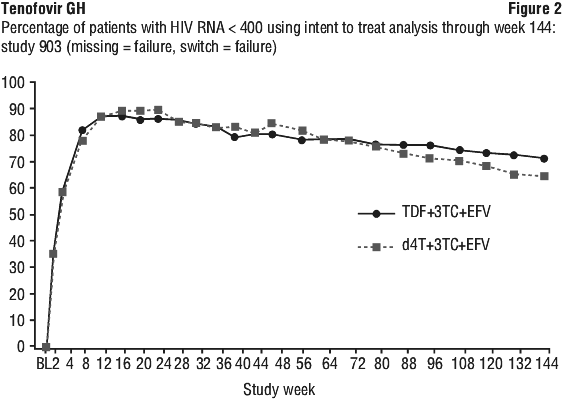
Treatment-naive adult patients. Study 903: tenofovir disoproxil plus lamivudine plus efavirenz compared to stavudine plus lamivudine plus efavirenz. Data through 144 weeks are reported for Study 903, a double-blind, active-controlled multi-centre study comparing tenofovir disoproxil fumarate (300 mg once daily) administered in combination with lamivudine and efavirenz versus d4T, lamivudine, and efavirenz in 600 antiretroviral-naive patients. Patients had a mean age of 36 years (range 18-64), 74% were male, 64% were Caucasian and 20% were Black. The mean baseline CD4 cell count was 279 cells/mm3 (range 3-956) and median baseline plasma HIV-1 RNA was 77,600 copies/mL (range 417-5,130,000). Patients were stratified by baseline HIV-1 RNA and CD4 count. Forty-three percent of patients had baseline viral loads > 100,000 copies/mL and 39% had CD4 cell counts < 200 cells/mm3. Treatment outcomes through 144 weeks are presented in Table 14.
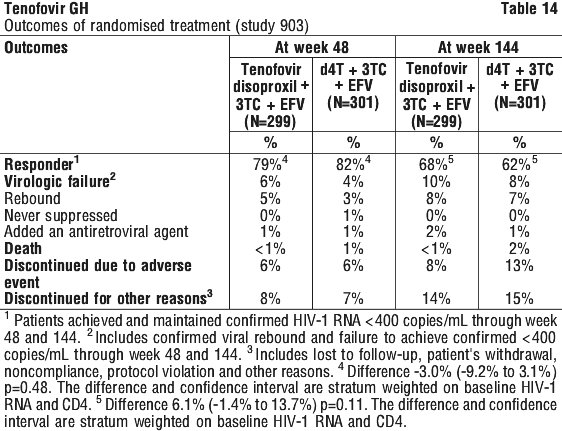
The percentage of patients who achieved and maintained confirmed HIV RNA < 400 using intent-to-treat analysis through 144 weeks of treatment in Study 903 is presented in Figure 2. Genotypic analyses of patients with virologic failure showed development of efavirenz-associated and lamivudine-associated mutations to occur most frequently and with no difference between the treatment arms. The K65R mutation occurred in 8 patients on the tenofovir disoproxil arm and in 2 patients on the d4T arm. Of the 8 patients who developed K65R in the tenofovir disoproxil arm through 144 weeks, 7 of these occurred in the first 48 weeks of treatment and the last 1 at week 96. Among these patients, 5 of 8 patients subsequently gained full virologic control (< 50 copies/mL) upon switching to new regimens that included a protease inhibitor in combination with nucleoside reverse transcriptase inhibitors through a median of 155 weeks of follow-up. One patient in the tenofovir disoproxil arm developed the K70E substitution in the virus. From both genotypic and phenotypic analyses there was no evidence for other pathways of resistance to tenofovir disoproxil.
For inclusion in the study, antiretroviral treatment naive adult patients (≥ 18 years) with plasma HIV RNA greater than 10,000 copies/mL, must have an estimated glomerular filtration rate as measured by Cockcroft-Gault method of ≥ 50 mL/min, adequate haematologic function, hepatic transaminases and alanine aminotransferases ≤ 3 ULN, total bilirubin ≤ 1.5 mg/dL, serum amylase ≤ 1.5 ULN and serum phosphorus ≥ 2.2 mg/dL. Exclusion criteria included: a new AIDS defining condition diagnosed within 30 days (except on the basis of CD4 criteria), ongoing therapy with nephrotoxic drugs or agents that interacted with efavirenz, pregnancy/ lactation, a history of clinically significant renal/bone disease or malignant disease other than Kaposi's sarcoma or basal-cell carcinoma, or a life expectancy of less than one year. If efavirenz-associated central nervous system toxicities occurred, nevirapine could be substituted for efavirenz. Patients who were not receiving their originally assigned treatment regimen after week 48 or 96 and during the 30-day extension study window were not eligible to continue to weeks 96 or 144 respectively.
Patients had a mean age of 38 years (range 18 to 80), 86% were male, 59% were Caucasian and 23% were Black. The mean baseline CD4 cell count was 245 cells/mm3 (range 2 to 1191) and median baseline plasma HIV-1 RNA was 5.01 log10 copies/mL (range 3.56 to 6.54). Patients were stratified by baseline CD4 count (< or ≥ 200 cells/mm3); 41% had CD4 cell counts < 200 cells/mm3 and 51% of patients had baseline viral loads > 100,000 copies/mL. Treatment outcomes at 48 and 144 weeks for those patients who did not have efavirenz resistance at baseline are presented in Table 15.
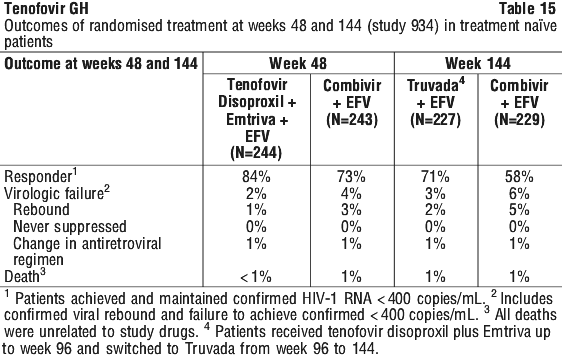
Through 48 weeks of therapy, 80% and 70% of patients in the tenofovir disoproxil plus Emtriva and the Combivir arms, respectively, achieved and maintained HIV-1 RNA < 50 copies/mL. The difference in the proportions of responders between the tenofovir disoproxil plus Emtriva group and the Combivir group was 9.1%, and the 95% CI was 1.6% to 16.6% (p = 0.021) at week 48. The proportion of patients responding at 144 weeks of therapy was higher in the Truvada group (64%) compared with the Combivir group (56%); p = 0.082, a difference of 8.1% and the 95% CI was -0.8% to 17.0%.
The mean increase from baseline in CD4 cell count was 190 cells/mm3 and 312 cells/mm3 for the tenofovir disoproxil plus Emtriva plus efavirenz arm, and 158 cells/mm3 and 271 cells/mm3 for the Combivir plus efavirenz arm (p = 0.002 and p = 0.088) at weeks 48 and 144 respectively.
Resistance analysis was performed on HIV isolates from all patients with > 400 copies/mL of HIV-1 RNA at week 144 while on study drug or after treatment switch. Genotypic resistance to efavirenz, predominantly the K103N mutation, was the most common form of resistance that developed in both treatment groups. Resistance to efavirenz occurred in 68% (13 of 19) analysed patients in the Truvada group and in 72% (21 of 29) analysed patients in the Combivir group. The M184V mutation, associated with resistance to emtricitabine and lamivudine, developed significantly less in the analysed patients in the Truvada group 11% (2 of 19) compared with the analysed patients in the Combivir group, 34% (10 of 29). Two patients in the Combivir group developed thymidine analogue mutations, specifically D67N or K70R mutations in the reverse transcriptase gene. No patient in either treatment group developed the K65R or K70E mutation, which is associated with reduced susceptibility to tenofovir disoproxil.
Genotypic analyses of tenofovir disoproxil in patients with previous antiretroviral therapy (study 902 and 907). The virologic response to tenofovir disoproxil therapy has been evaluated with respect to baseline viral genotype (N = 222) in treatment experienced patients participating in trials 902 and 907. In both of these studies, 94% of the participants evaluated had baseline HIV isolates expressing at least one NRTI mutation. These included resistance mutations associated with zidovudine (M41L, D67N, K70R, L210W, T215Y/F or K219Q/E/N), the lamivudine/ abacavir-associated mutation (M184V), and others. In addition the majority of participants evaluated had mutations associated with either PI or NNRTI use. Virologic responses for patients in the genotype substudy were similar to the overall results in Studies 902 and 907.
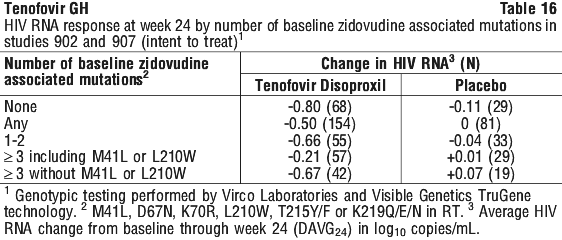
Several exploratory analyses were conducted to evaluate the effect of specific mutations and mutational patterns on virologic outcome. Descriptions of numerical differences in HIV RNA response are displayed in Table 16. Because of the large number of potential comparisons, statistical testing was not conducted.
Varying degrees of cross-resistance to tenofovir disoproxil from pre-existing zidovudine-associated mutations were observed and appeared to depend on the number and type of mutations. Tenofovir disoproxil-treated patients whose HIV expressed 3 or more zidovudine-associated mutations that included either the M41L or L210W reverse transcriptase mutation showed reduced responses to tenofovir disoproxil therapy; however, these responses were still improved compared with placebo. The presence of the D67N, K70R, T215Y/F or K219Q/E/N mutation did not appear to affect responses to tenofovir disoproxil therapy. The HIV RNA responses by number and type of baseline zidovudine-associated mutations are shown in Table 16.
There were limited data on patients expressing some primary nucleoside reverse transcriptase inhibitor mutations and multi-drug resistant mutations at baseline. However, patients expressing mutations at K65R (N = 6), or L74V without zidovudine-associated mutations (N = 6) appeared to have reduced virologic responses to tenofovir disoproxil.
The presence of at least one HIV protease inhibitor or non-nucleoside reverse transcriptase inhibitor mutation at baseline did not appear to affect the virologic response to tenofovir disoproxil. Cross-resistance between tenofovir disoproxil and HIV protease inhibitors is unlikely because of the different enzyme targets involved.
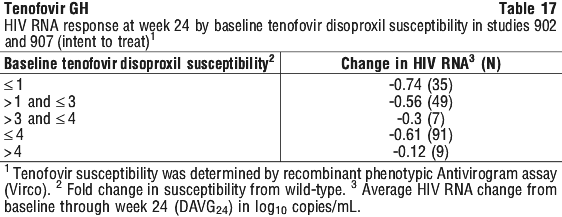
Phenotypic analyses of tenofovir disoproxil in patients with previous antiretroviral therapy (study 902 and 907). The virologic response to tenofovir disoproxil therapy has been evaluated with respect to baseline phenotype (N = 100) in treatment experienced patients participating in trials 902 and 907. Phenotypic analysis of baseline HIV from patients in Studies 902 and 907 demonstrated a correlation between baseline susceptibility to tenofovir disoproxil and response to tenofovir disoproxil therapy. Table 17 summarises the HIV RNA response by baseline tenofovir disoproxil susceptibility.
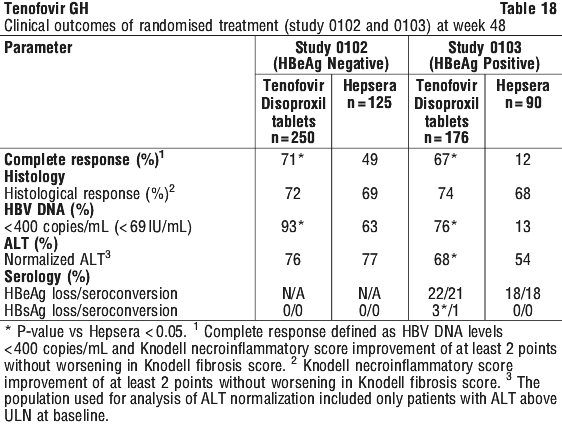
Study 0102 and 0103: tenofovir disoproxil compared with Hepsera (adefovir dipivoxil). Results through 48 weeks from two Phase 3 randomised, double-blind studies comparing tenofovir disoproxil to Hepsera in patients with compensated liver disease are presented in Table 18. Study GS-US-174-0103 (0103) was conducted in 266 (randomised and treated) HBeAg positive patients while Study GS-US-174-0102 (0102) was conducted in 375 (randomised and treated) patients who were negative for HBeAg and positive for HBeAb.
In both of these studies tenofovir disoproxil was statistically significantly superior to Hepsera for the primary efficacy endpoint of complete response, (defined as HBV DNA levels < 400 copies/mL and Knodell necroinflammatory score improvement of at least 2 points without worsening in Knodell fibrosis score). Treatment with tenofovir disoproxil fumarate 300 mg was also associated with significantly greater proportions of patients with HBV DNA < 400 copies/mL, when compared with Hepsera 10 mg treatment. Both treatments produced similar results with regard to histological response (defined as Knodell necroinflammatory score improvement of at least 2 points without worsening in Knodell fibrosis score) at Week 48 (see Table 18).
In Study 0103 a significantly greater proportion of patients in the tenofovir disoproxil group than in the Hepsera group had normalised ALT and achieved HBsAg loss at Week 48 (see Table 18).
Response to treatment with tenofovir disoproxil was comparable in nucleoside-experienced (n = 51) and nucleoside-naive (n = 375) patients and in patients with normal ALT (n = 21) and abnormal ALT (n = 405) at baseline when Studies 0102 and 0103 were combined. Forty-nine of the 51 nucleoside-experienced patients were previously treated with lamivudine. Seventy-three percent of nucleoside-experienced and 69% of nucleoside-naive patients achieved complete response to treatment; 90% of nucleoside-experienced and 88% of nucleoside-naive patients achieved HBV DNA suppression < 400 copies/mL. All patients with normal ALT at baseline and 88% of patients with abnormal ALT at baseline achieved HBV DNA suppression < 400 copies/mL.
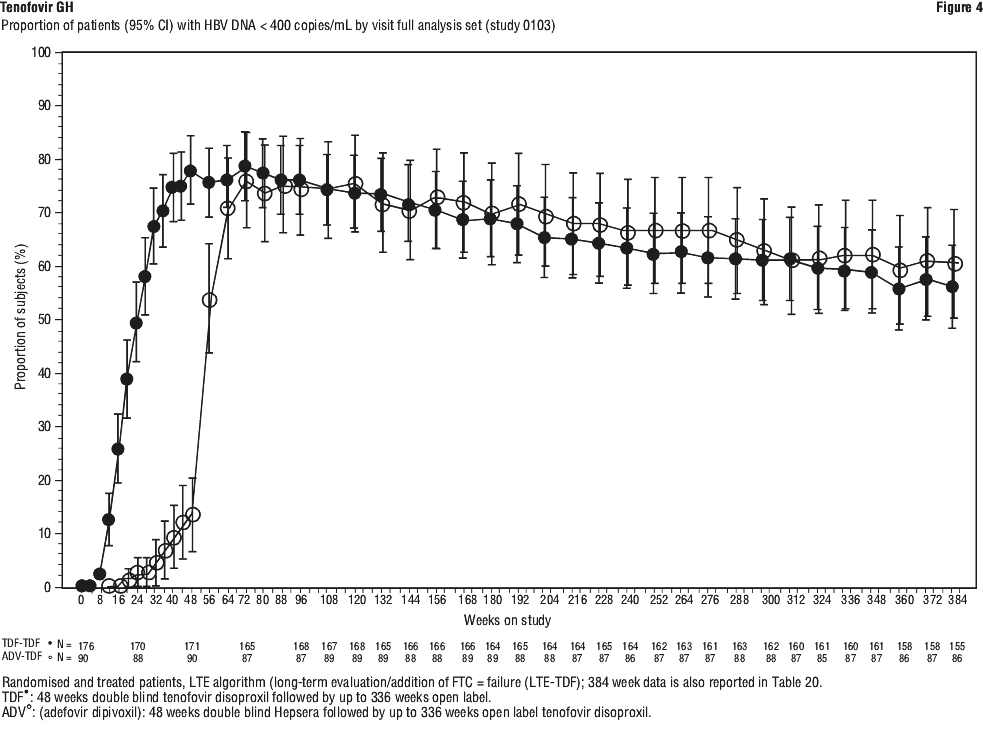
Treatment beyond 48 weeks (studies 0102 and 0103). In Studies 0102 (n = 347) and 0103 (n = 238), after receiving double-blind treatment for 48 weeks (either tenofovir disoproxil or Hepsera), patients rolled over with no treatment interruption, to open-label tenofovir disoproxil.
In Study 0102, 266 of 347 patients (77%) continued through week 384, while in Study 0103, 146 of 238 (61%) continued through week 384. At weeks 96, 144, 192, 240, 288 and 384 viral suppression, biochemical and serological responses were maintained with continued tenofovir disoproxil treatment (see Tables 19 and 20).
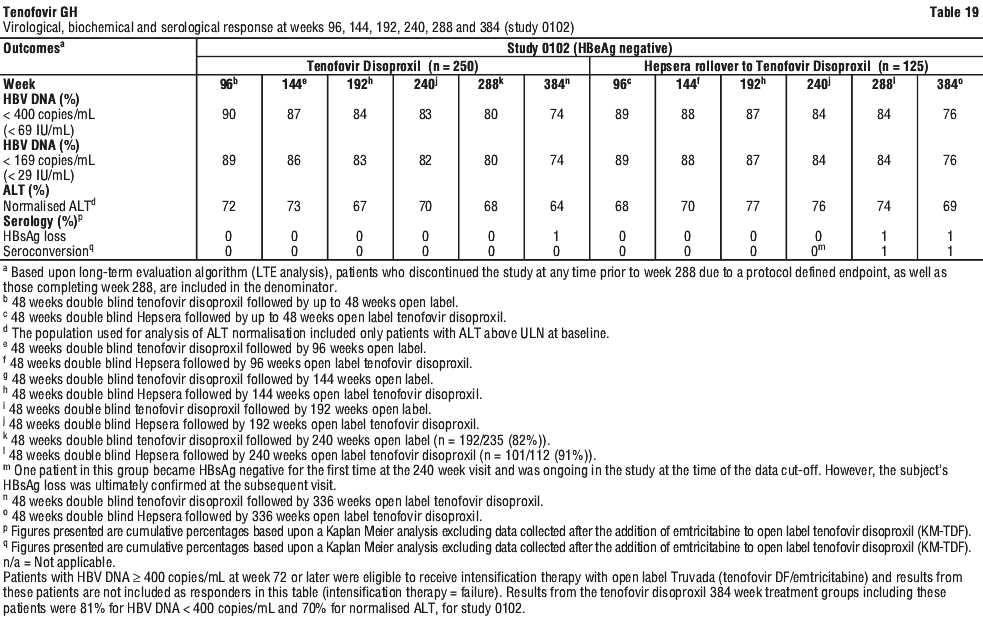
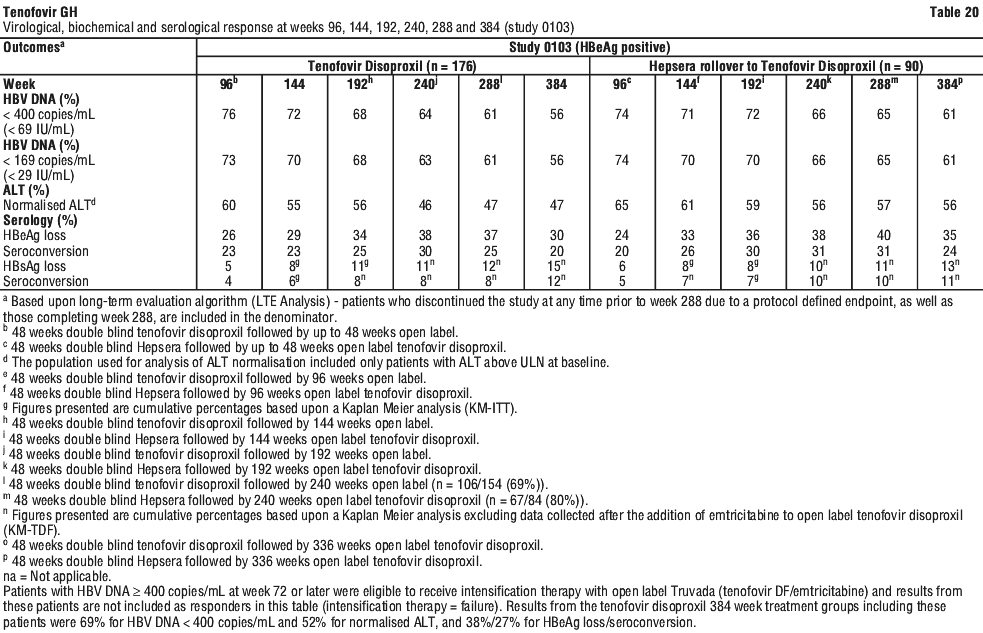
Similarly (using the on-therapy analysis), in the group of patients who received 48 weeks of double-blind treatment with Hepsera followed by open-label treatment with tenofovir disoproxil; 100% (90 of 90) and 95% (55 of 58) of patients had HBV DNA < 400 copies/mL and 88% (74 of 84) and 88% (50 of 57) of patients had ALT normalisation, at week 384, in Studies 0102 and 0103 respectively. In Study 0103, HBeAg loss was reported for 50% (24 of 48) of patients and 36% (17 of 47) of patients experienced HBeAg seroconversion. HBsAg loss was experienced in 13% and 11% of patients experienced HBsAg seroconversion, while on tenofovir disoproxil.
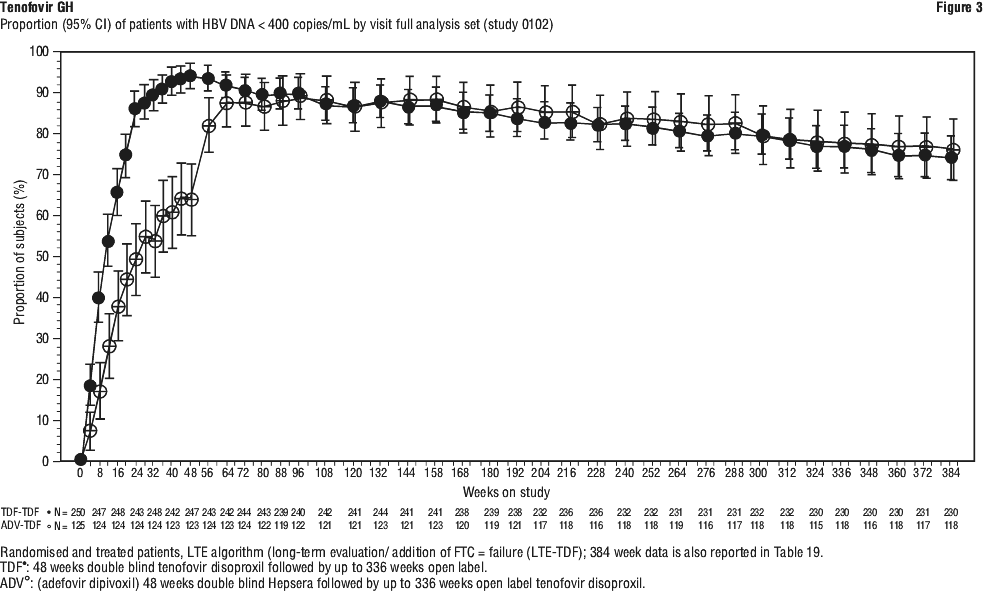
The proportion of patients in Studies 0102 and 0103 with HBV DNA < 400 copies/mL are shown in Figures 3 and 4.
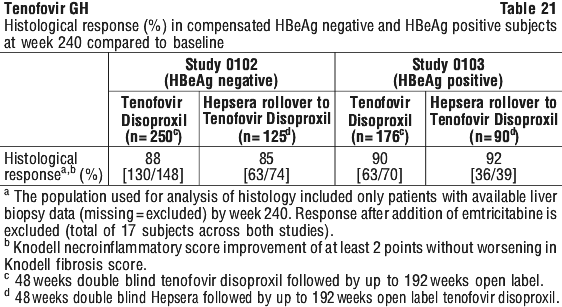
After 96 weeks of treatment, 126 of 141 subjects (89%) randomised to tenofovir disoproxil had HBV DNA < 400 copies/mL, and 49 of 79 subjects (62%) had ALT normalisation. Among the HBeAg-positive subjects randomised to tenofovir disoproxil, 10 of 65 subjects (15%) experienced HBeAg loss, and 7 of 65 subjects (11%) experienced anti-HBe seroconversion through Week 96.
Experience with patients co-infected with HIV and HBV (study ACTG 5127). In a randomised, 48 week double-blind, non-inferiority trial, tenofovir disoproxil fumarate (TDF) 300 mg daily was compared with Hepsera (ADV) 10 mg daily in the treatment of chronic hepatitis B patients who were co-infected with HIV and were stable on antiretroviral therapy. Mean baseline serum HBV DNA were 9.45 log10 copies/mL and 8.85 log10 copies/mL in subjects randomised to TDF (n = 27) and ADV (n = 25), respectively. In subjects for whom there was week 48 data (n = 35), the mean change from baseline in serum HBV DNA was -5.74 log10 copies/mL for the TDF group (n = 18) and -4.03 log10 copies/mL for the ADV group (n = 17), respectively. A total of 61% of subjects (36% in the TDF group and 25% in the ADV group) had normalised serum ALT at week 48, but the differences were not statistically significant. The study showed that over 48 weeks, treatment with either ADV or TDF resulted in clinically important suppression of serum HBV DNA and TDF was not inferior to ADV in HBV viral suppression.
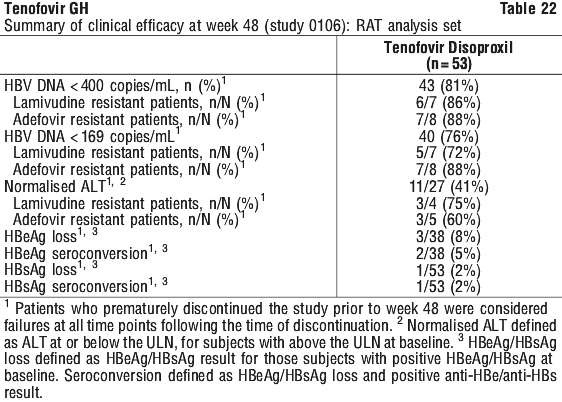
Experience in patients who had incomplete viral response to Hepsera (study 0106). The efficacy and safety of tenofovir disoproxil fumarate 300 mg or Truvada (tenofovir DF/ emtricitabine) is being evaluated in a randomised, double-blind study (Study GS-US-174-0106, 0106), in HBeAg positive and HBeAg negative patients who had persistent viraemia (HBV DNA ≥ 1,000 copies/mL) while receiving Hepsera 10 mg for more than 24 weeks. Overall at Week 48, treatment with tenofovir disoproxil resulted in 66% (35 of 53) of patients with HBV DNA < 400 copies/mL and 64% (34 of 53) of patients with undetectable HBV DNA (below 169 copies/mL the limit of quantification of the Roche Cobas TaqMan HBV assay); patients that discontinued prior to 48 weeks, including those who received intensification therapy (Truvada (tenofovir DF/ emtricitabine)) were excluded. In addition, at Week 48, the percentage of patients who had ALT normalisation was 33% (9 of 27).
In Study 0106, patients were also analysed based upon lamivudine- or adefovir-resistant HBV results at baseline; patients that discontinued prior to 48 weeks were considered as failures. Table 22 summarises Week 48 results of patients treated with tenofovir disoproxil.
Experience in patients with decompensated liver disease at 48 weeks (study 0108). Study GS-US-174-0108 (0108) is a randomised, double-blind, active controlled study evaluating the safety and efficacy of tenofovir disoproxil (n = 45) for 48 weeks in patients with decompensated liver disease. In the tenofovir disoproxil treatment arm, patients had a mean Child-Pugh-Turcotte (CPT) score of 7.2, mean HBV DNA of 5.8 log10 copies/mL and mean serum ALT of 61 U/L at baseline. Forty-two percent (42%) (19 of 45) of patients had at least 6 months of prior lamivudine experience and 9 of 45 patients (20%) had lamivudine and/or adefovir resistance substitutions at baseline. The co-primary safety endpoints were discontinuation due to an adverse event and confirmed increase in serum creatinine ≥ 0.5 mg/dL or confirmed decrease in serum phosphorus of < 2 mg/dL.
In the tenofovir disoproxil treatment arm, 3 of 45 patients (7%) discontinued treatment due to an adverse event; 4 of 45 (9%) experienced a confirmed increase in serum creatinine of ≥ 0.5 mg/dL or confirmed decrease in serum phosphorus of < 2 mg/mL through week 48. These results were similar to those in the non-tenofovir disoproxil containing treatment arm. HBV DNA < 400 copies/mL and normal ALT were observed in 31 of 44 patients (70%) and 25 of 44 patients (57%), respectively, in the tenofovir disoproxil treatment arm. The mean change from baseline in CPT score was -0.8; the mean absolute CPT score was 6 at week 48.
After 168 weeks, 16% (7 of 45) of the tenofovir disoproxil group, 4% (2 of 45) of the emtricitabine plus tenofovir disoproxil group, and 14% (3 of 22) of the entecavir group experienced tolerability failure. Thirteen percent (13%) (6 of 45) of the tenofovir disoproxil group, 13% (6 of 45) of the emtricitabine plus tenofovir disoproxil group, and 9% (2 of 22) of the entecavir group had a confirmed increase in serum creatinine ≥ 0.5 mg/dL or confirmed serum phosphate of < 2 mg/dL.
Experience in paediatric patients 12 years of age and older (study 0115). In Study GS-US-174-0115 (0115), 106 HBeAg negative and positive patients aged 12 to < 18 years with chronic HBV infection [HBV DNA ≥ 105 copies/mL], elevated serum ALT (≥ 2 x ULN) or a history of elevated serum ALT levels in the past 24 months were treated with tenofovir disoproxil (n = 52) or placebo (n = 54) for 72 weeks. At Week 72, 88% (46 of 52) of patients in the tenofovir disoproxil treatment group and 0% (0 of 54) of patients in the placebo group had HBV DNA < 400 copies/mL. Seventy-four percent (74%) (26/35) of patients in the tenofovir disoproxil group had normalised ALT at Week 72 compared with 31% (13 of 42) in the placebo group. Response to treatment with tenofovir disoproxil was comparable in nucleos(t)ide-naive patients (n = 20) and nucleos(t)ide-experienced (n = 32) patients. Ninety-five percent (95%) of nucleos(t)ide-naive patients and 84% nucleos(t)ide-experienced patients achieved HBV DNA < 400 copies/mL at Week 72. At week 72, 96% (27 of 28) of immune-active patients (HBV DNA ≥ 105 copies/mL, serum ALT > 1.5 x ULN) in the tenofovir disoproxil treatment group and 0% (0/32) of patients in the placebo group had HBV DNA < 400 copies/mL. Seventy-five percent (75%) (21 of 28) of immune-active patients in the tenofovir disoproxil group had normal ALT at week 72 compared to 34% (11 of 32) in the placebo group.
Clinical resistance. Of 279 HBeAg negative and HBeAg positive patients who received treatment with tenofovir disoproxil for up to 384 weeks in Studies 0102 and 0103, genotypic analysis was performed on HBV isolates for all patients with HBV DNA > 400 copies/mL (n = 2). No amino acid substitutions occurred in these subjects' isolates which were associated with tenofovir resistance.
In Studies 0102 and 0103, 152 patients treated with Hepsera for 48 weeks, rolled over to treatment with tenofovir disoproxil for up to 366 weeks; two patients with HBV DNA remaining > 400 copies/mL was evaluated for resistance. No amino acid substitutions occurred in these subjects' isolates which were associated with tenofovir resistance.
Among the 53 treatment-experienced patients in Study 0106 treated with tenofovir disoproxil, 17 had HBV DNA > 400 copies/mL following up to 48 weeks of treatment with tenofovir disoproxil. Among these patients, no amino acid substitutions were observed in association with tenofovir resistance.
In Study 0108, 45 patients (including 9 patients with lamivudine and/or adefovir resistance substitutions at baseline) received tenofovir disoproxil for up to 168 weeks. Genotypic data from paired baseline and on treatment HBV isolates were available for 8 of 9 patients with HBV DNA > 400 copies/mL. No amino acid substitutions associated with tenofovir resistance were identified in these isolates.
In Studies 0102, 0103 and 0106, 12 patients randomised to tenofovir disoproxil had HBV containing lamivudine-resistance associated substitutions at baseline. Following up to 48 weeks (0106; n = 7) or 240 weeks (0102 and 0103; n = 4) of treatment with tenofovir disoproxil, two patients in Study 0106 had HBV DNA > 400 copies/mL; no amino acid substitutions were observed in association with tenofovir resistance.
In Studies 0102, 0103 and 0106, 13 patients treated with tenofovir disoproxil had adefovir-resistance associated substitutions at baseline. Following up to 48 weeks (0106; n = 8) or 240 weeks (0102 and 0103; n = 5) of treatment with tenofovir disoproxil, one patient in Study 0103 and two patients in Study 0106 had HBV DNA > 400 copies/mL; no amino acid substitutions were observed in association with tenofovir resistance.
In a paediatric study (Study GS-US-174-0115), HBV isolates from 5 patients who had plasma HBV DNA > 400 copies/mL were evaluated for tenofovir resistance-associated substitutions. No amino acid substitutions associated with resistance to tenofovir disoproxil were identified in these isolates by Week 72.
In Study 0121, 141 patients with lamivudine resistance substitutions at baseline received tenofovir disoproxil for up to 96 weeks. Genotypic data from paired baseline and on treatment HBV isolates were available for 6 of 9 patients with HBV DNA > 400 copies/mL at their last time point on tenofovir disoproxil. No amino acid substitutions associated with resistance to tenofovir disoproxil were identified in these isolates.
Cross resistance. Cross-resistance has been observed among HBV reverse transcriptase inhibitors. In cell based assays, HBV strains expressing the rtV173L, rtL180M and rtM204I/V mutations associated with resistance to lamivudine, telbivudine and reduced susceptibility to entecavir showed a susceptibility to tenofovir ranging from 0.7 to 3.4-fold that of wild type virus. HBV strains expressing the rtL180M, rtT184G, rtS202G/I, rtM204V and rtM250V mutations associated with resistance to entecavir showed a susceptibility to tenofovir ranging from 0.6 to 6.9-fold that of wild type virus. HBV strains expressing the adefovir-associated resistance mutations rtA181V and rtN236T showed a susceptibility to tenofovir ranging from 2.9 to 10-fold that of wild type virus. Viruses containing the rtA181T mutation remained susceptible to tenofovir with EC50 values 1.5-fold that of wild type virus.
5.2 Pharmacokinetic Properties
Tenofovir disoproxil phosphate is a water soluble ester prodrug of the active ingredient tenofovir. Tenofovir is converted intracellularly to tenofovir monophosphate and tenofovir diphosphate. The pharmacokinetics of tenofovir disoproxil fumarate has been evaluated in healthy volunteers and HIV-1 infected individuals. Tenofovir pharmacokinetics are similar between these populations.
Absorption. Following oral administration, tenofovir disoproxil is rapidly absorbed and converted to tenofovir. The oral bioavailability of tenofovir from tenofovir disoproxil fumarate tablets in fasted patients was approximately 25%. Following oral administration of a single dose of tenofovir disoproxil fumarate 300 mg to HIV-1 infected patients in the fasted state, maximum serum concentrations (Cmax) are achieved in 1.0 ± 0.4 hrs. Cmax and AUC values are 296 ± 90 nanogram/mL and 2287 ± 685 nanogram.h/mL, respectively.
Effects of food on oral absorption. Administration of tenofovir disoproxil fumarate following a high-fat meal (~700 to 1000 kcal containing 40 to 50% fat) increases the oral bioavailability, with an increase in tenofovir AUC0-∞ of approximately 40% and an increase in Cmax of approximately 14%. Food delays the time to tenofovir Cmax by approximately 1 hour. Cmax and AUC of tenofovir are 326 ± 119 nanogram/mL and 3324 ± 1370 nanogram.h/mL following multiple doses of tenofovir disoproxil fumarate 300 mg once daily in the fed state, when meal content was not controlled.
Distribution. After oral administration of tenofovir disoproxil, tenofovir is distributed to most tissues with the highest concentrations occurring in the kidney, liver and the intestinal contents (preclinical studies). In vitro protein binding of tenofovir to human plasma or serum protein was less than 0.7 and 7.2%, respectively, over the tenofovir concentration range 0.01 to 25 microgram/mL. The volume of distribution at steady-state is 1.3 ± 0.6 L/kg and 1.2 ± 0.4 L/kg, following intravenous administration of tenofovir 1.0 mg/kg and 3.0 mg/kg.
Metabolism. In vitro studies have determined that neither tenofovir disoproxil fumarate nor tenofovir are substrates for the CYP450 enzymes. Moreover, at concentrations substantially higher (~ 300-fold) than those observed in vivo, tenofovir did not inhibit in vitro drug metabolism mediated by any of the major human CYP450 isoforms involved in drug biotransformation (CYP3A4, CYP2D6, CYP2C9, CYP2E1, or CYP1A1/2). Tenofovir disoproxil fumarate at a concentration of 100 microM had no effect on any of the CYP450 isoforms, except CYP1A1/2, where a small (6%) but statistically significant reduction in metabolism of CYP1A1/2 substrate was observed. Based on these data, it is unlikely that clinically significant drug-drug interactions involving tenofovir disoproxil and medicinal products metabolised by CYP450 would occur.
Excretion. Tenofovir is primarily excreted by the kidneys by a combination of glomerular filtration and active tubular secretion. There may be competition for elimination with other compounds that are also renally eliminated.
Linearity/non-linearity. The pharmacokinetics of tenofovir were independent of tenofovir disoproxil fumarate dose over the dose range 75 to 600 mg and were not affected by repeated dosing at any dose level.
Special populations. Age, gender and ethnicity. Gender. Pharmacokinetics of tenofovir in patients are similar with regard to gender.
Paediatric patients 12 years of age and older. Steady-state pharmacokinetics of tenofovir were evaluated in eight HIV-1 infected paediatric patients (12 to < 18 years). Mean (± SD) Cmax and AUCtau are 0.38 ± 0.13 microgram/mL and 3.39 ± 1.22 microgram.hr/mL, respectively. Tenofovir exposure achieved in paediatric patients aged 12 years of age and older receiving oral daily doses of tenofovir disoproxil fumarate 300 mg were similar to exposures achieved in adults receiving once-daily doses of tenofovir disoproxil fumarate 300 mg.
Tenofovir exposure in HBV infected paediatric patients (12 to < 18 years of age) receiving oral daily dose of tenofovir disoproxil fumarate 300 mg tablet was similar to exposures achieved in adults receiving once-daily doses of tenofovir disoproxil fumarate 300 mg. Pharmacokinetic studies have not been performed with in paediatric subjects < 12 years of age.
Elderly patients. Pharmacokinetic studies have not been performed in the elderly (> 65 years).
Ethnicity. Pharmacokinetics have not been specifically studied in different ethnic groups.
Patients with impaired renal function. The pharmacokinetics of tenofovir are altered in subjects with renal impairment (see Section 4.4 Special Warnings and Precautions for Use). In non-HIV and non-HBV infected subjects with creatinine clearance < 50 mL/min or with end-stage renal disease (ESRD) requiring dialysis, Cmax, and AUC0-∞ of tenofovir were increased (Table 23). It is required that the dosing interval for Tenofovir GH be modified in patients with creatinine clearance < 50 mL/min or in patients with ESRD who require dialysis (see Section 4.2 Dose and Method of Administration).
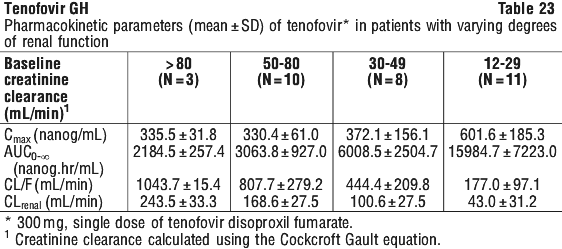
Patients with hepatic impairment. The pharmacokinetics of tenofovir following a 300 mg single dose of tenofovir disoproxil fumarate have been studied in non-HIV and non-HBV infected subjects with moderate to severe hepatic impairment. There were no substantial alterations in tenofovir pharmacokinetics in patients with hepatic impairment compared with unimpaired patients. No change in Tenofovir GH dosing is required in patients with hepatic impairment.
Pharmacokinetic/pharmacodynamic relationship. Tenofovir disoproxil fumarate has demonstrated a dose related significant and sustained anti-HIV effect at doses ranging from 75 mg to 300 mg.
Intracellular pharmacokinetics. In non-proliferating human peripheral blood mononuclear cells (PBMCs) in vitro, the half-life of tenofovir diphosphate was found to be approximately 50 hours, whereas the half-life in phytohaemagglutinin-stimulated PBMCs was found to be approximately 10 hours.
5.3 Preclinical Safety Data
Genotoxicity. No data available.
Carcinogenicity. In a long-term carcinogenicity study conducted in mice with tenofovir disoproxil fumarate there was a low incidence of duodenal tumours with the highest dose of 600 mg/kg/day. These were associated with a high incidence of duodenal mucosal hyperplasia, which was also observed with a dose of 300 mg/kg/day. These findings may be related to high local drug concentrations in the gastro-intestinal tract, likely to result in much higher exposure margins than that based on the AUC. At therapeutic doses the risk of these duodenal effects occurring in humans is likely to be low. The systemic drug exposure (AUC) with the 600 mg/kg/day dose was approximately 15 times the human exposure at the therapeutic dose of 300 mg/day. No tumourigenic response was observed in rats treated with doses of up to 300 mg/kg/day (5 times the human systemic exposure at the therapeutic dose based on AUC).
Tenofovir disoproxil was mutagenic in an in vitro mouse L5178Y lymphoma cell assay (tk locus) and in an ex vivo assay for unscheduled DNA synthesis in rat hepatocytes, but it was negative in in vitro bacterial assays for gene mutation and an in vivo mouse micronucleus test for chromosomal damage. Tenofovir base was not active in in vitro bacterial assays for gene mutation, and an equivocal response was seen in the in vitro mouse L5178Y lymphoma assay at a high concentration.
Animal toxicology. Tenofovir and tenofovir disoproxil administered in toxicology studies to rats, dogs and monkeys at exposures (based on AUCs) between 6 and 12-fold those observed in humans caused bone toxicity. In monkeys the bone toxicity was diagnosed as osteomalacia. Osteomalacia observed in monkeys appeared to be reversible upon dose reduction or discontinuation of tenofovir. In rats and dogs, the bone toxicity manifested as reduced bone mineral density. The mechanism(s) underlying bone toxicity in unknown.
Evidence of renal toxicity was noted in 4 animal species. Increases in serum creatinine, BUN, glycosuria, proteinuria, phosphaturia and/or calciuria and decreases in serum phosphate were observed to varying degrees in these animals. These toxicities were noted at exposures (based on AUCs) 2-20 times higher than those observed in humans. The relationship of the renal abnormalities, particularly the phosphaturia, to the bone toxicity is not known.
Fertility, pregnancy and lactation. Male and female rat fertility and mating performance or early embryonic development were unaffected by an oral tenofovir disoproxil fumarate dose (600 mg/kg/day) that achieved systemic drug exposures that were in excess of the value in humans receiving the therapeutic dose (5-fold based on plasma AUC). There was, however, an alteration of the oestrous cycle in female rats.
Reproductive toxicity studies performed in rats and rabbits did not reveal any evidence of harm to the foetus due to tenofovir at respective exposures (AUC) of 4-13 and 66-fold the human exposure. Subcutaneous treatment of pregnant rhesus monkeys with a dose of 30 mg/kg/day of the tenofovir base during the last half of pregnancy resulted in reduced foetal serum phosphorus concentrations.
In animal studies tenofovir was excreted in milk after oral administration of tenofovir disoproxil (rats) and after subcutaneous administration of tenofovir base (non-human primates).
6 Pharmaceutical Particulars
6.1 List of Excipients
Tenofovir GH film-coated tablets contain the following ingredients as excipients.
Core. Microcrystalline cellulose, croscarmellose sodium and stearic acid.
Coating. Opadry II complete film coating system 39K505001 Blue (ARTG 138537).
6.2 Incompatibilities
Incompatibilities were either not assessed or not identified as part of the registration of this medicine.
6.3 Shelf Life
In Australia, information on the shelf life can be found on the public summary of the Australian Register of Therapeutic Goods (ARTG). The expiry date can be found on the packaging.
6.4 Special Precautions for Storage
Store below 25°C.
6.5 Nature and Contents of Container
Tenofovir GH film-coated tablets are supplied in high density polyethylene (HDPE) bottles containing 30 or 100 film-coated tablets with a desiccant (molecular sieve sachet) and polyester fibre packing material. Each bottle is capped with a polypropylene child-resistant closure with an induction-sealed, aluminium-faced liner.
Not all pack sizes may be marketed.
6.6 Special Precautions for Disposal
In Australia, any unused medicine or waste material should be disposed of by taking to your local pharmacy.
6.7 Physicochemical Properties
Tenofovir disoproxil phosphate is a salt of a prodrug of tenofovir.
Tenofovir disoproxil phosphate is a white to off-white powder with a solubility of 82.05 mg/mL in water at 37°C. The partition coefficient (log P) for tenofovir disoproxil is 0.81 and the pKa is 3.5-4.5. The active pharmaceutical product is a single enantiomer that does not undergo racemisation either in vitro or in vivo.
Chemical structure.
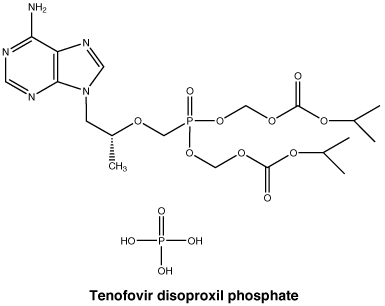
Molecular formula: C19H33N5O14P2.
Molecular weight: 617.44.
CAS number. 1453166-76-1.
7 Medicine Schedule (Poisons Standard)
(S4) Prescription Only Medicine.
Date of First Approval
30 January 2017
Date of Revision
07 January 2025
Summary Table of Changes

Reasonable care is taken to provide accurate information at the time of creation. This information is not intended as a substitute for medical advice and should not be exclusively relied on to manage or diagnose a medical condition. The Australian Commission on Safety and Quality in Health Care disclaims all liability (including for negligence) for any loss, damage, injury or any other negative effects resulting from reliance on or use of this information. Read our full disclaimer. This website uses cookies. Read our privacy policy.