
Tobramycin PF
Brand Information
| Brand name | Tobramycin PF |
| Active ingredient | Tobramycin |
| Schedule | S4 |
Consumer Medicine Information (CMI) leaflet
Please read this leaflet carefully before you start using the Tobramycin PF.
Summary CMI
Tobramycin PF
Consumer Medicine Information (CMI) summary
The full CMI on the next page has more details. If you are worried about using this medicine, speak to your doctor or pharmacist.
1. Why am I being treated with Tobramycin PF?
Tobramycin PF contains the active ingredient tobramycin. Tobramycin PF is used for the treatment of serious infections caused by bacteria. For more information, see Section 1. Why am I being treated with Tobramycin PF? in the full CMI.
2. What should I know before being treated with Tobramycin PF?
Do not use if you have ever had an allergic reaction to tobramycin or any similar medicines, or any of the ingredients listed at the end of the CMI.
Talk to your doctor if you have any other medical conditions including kidney problems, muscular disorders, cystic fibrosis, hearing problems or mitochondrial disorders; take any other medicines; are pregnant or plan to become pregnant or are breastfeeding.
For more information, see Section 2. What should I know before being treated with Tobramycin PF? in the full CMI.
3. What if I am taking other medicines?
Some medicines may interfere with Tobramycin PF and affect how it works.
A list of these medicines is in Section 3. What if I am taking other medicines? in the full CMI.
4. How is Tobramycin PF given?
- Your doctor will decide what dose you will receive. This depends on your condition and other factors, such as your weight and kidney function.
- Tobramycin PF is given as an injection into a muscle or as a slow injection (drip) into a vein and should only be given by a doctor or nurse.
More instructions can be found in Section 4. How is Tobramycin PF given? in the full CMI.
5. What should I know during treatment with Tobramycin PF?
| Things you should do |
|
| Driving or using machines |
|
| Drinking alcohol |
|
For more information, see Section 5. What should I know during treatment with Tobramycin PF? in the full CMI.
6. Are there any side effects?
Tiredness, weakness; tingling, numbness, pins and needles or pain in the hands or feet; dizziness; headache; fever; nausea, vomiting; sore mouth and gums; pain at the injection site; rash or itching; signs of anaemia (tiredness, being short of breath, looking pale); mental confusion, disorientation. Serious side effects may include signs of an allergic reaction (rash, itching or hives on the skin; swelling of the face, lips, tongue or other parts of the body; shortness of breath, wheezing or difficulty breathing or swallowing); severe flaking or peeling of the skin; severe skin reaction with painful red areas, large blisters and peeling of layers of skin accompanied by fever and chills, aching muscles and generally feeling unwell; severe blisters and bleeding in the lips, eyes, mouth, nose and genitals; hearing problems such as hearing loss, ringing or unusual sounds in the ears; vertigo; roaring in the ears even after stopping treatment for several weeks; double vision; drooping eyelids, difficulty in speaking and swallowing, muscle weakness in the arms or legs; muscle cramps; increased or decreased urination; diarrhoea even several weeks after stopping treatment; bleeding or bruising more easily than normal.
For more information, including what to do if you have any side effects, see Section 6. Are there any side effects? in the full CMI.
Full CMI
Tobramycin PF (toh-bruh-mahy-sin)
Active ingredient(s): tobramycin
Consumer Medicine Information (CMI)
This leaflet provides important information about being treated with Tobramycin PF. You should also speak to your doctor or pharmacist if you would like further information or if you have any concerns or questions about being treated with Tobramycin PF.
Where to find information in this leaflet:
1. Why am I being treated with Tobramycin PF?
2. What should I know before being treated with Tobramycin PF?
3. What if I am taking other medicines?
4. How is Tobramycin PF given?
5. What should I know during treatment with Tobramycin PF?
6. Are there any side effects?
7. Product details
1. Why am I being treated with Tobramycin PF?
Tobramycin PF contains the active ingredient tobramycin. Tobramycin PF is an antibiotic that belongs to a group of medicines called aminoglycosides. Tobramycin works by preventing bacteria from growing and thereby killing them.
Tobramycin PF is used to treat serious infections caused by bacteria including;
- meningitis (infection of the brain)
- septicaemia (infection of the blood)
- neonatal sepsis (infection in infants)
- lower respiratory tract infections
- gastrointestinal tract infections
- bone, skin and skin structure infections, including burns
- urinary tract infections
2. What should I know before being treated with Tobramycin PF?
Warnings
Tobramycin PF should not be given to you if you are allergic to:
- tobramycin, or any of the ingredients listed at the end of this leaflet
- any similar medicines such as amikacin, neomycin, gentamicin, vancomycin, colistin, cisplatin or neomycin
Always check the ingredients to make sure you can use this medicine.
Before you are given it, tell your doctor or pharmacist if you have allergies to:
- any other medicines
Tell your doctor or nurse if you have or have had any medical conditions, especially the following:
- kidney disease or kidney problems
- muscular disorders (e.g. myasthenia gravis, Parkinson's disease)
- cystic fibrosis
- hearing problems, or if you or your family have a mitochondrial mutation disease, or loss of hearing due to antibiotic medicines; certain mitochondrial mutations may increase your risk of hearing loss with this medicine.
If you have not told your doctor or nurse about any of the above, tell them before you are given tobramycin.
During treatment, you may be at risk of developing certain side effects. It is important you understand these risks and how to monitor for them. See additional information under Section 6. Are there any side effects?
Pregnancy and breastfeeding
Check with your doctor if you are pregnant or intend to become pregnant.
Talk to your doctor if you are breastfeeding or intend to breastfeed.
Tobramycin PF is potentially harmful to the fetus.
Your doctor will discuss with you the benefits and risks of using it during pregnancy and breastfeeding.
Tobramycin PF is potentially harmful to your baby.
3. What if I am taking other medicines?
Tell your doctor, nurse or pharmacist if you are taking any other medicines, including any medicines, vitamins or supplements that you buy without a prescription from your pharmacy, supermarket or health food shop.
Some medicines may interfere with Tobramycin PF and affect how it works.
These medicines may be affected by tobramycin or may affect how well it works. You may need different amounts of your medicine, or you may need to take/use different medicines. Your doctor, nurse or pharmacist will advise you.
Your doctor, nurse and pharmacist may have more information on medicines to be careful with or avoid while receiving tobramycin. e.g.
- fluid tablets (diuretics) e.g. furosemide (frusemide), etacrynic acid
- cisplatin, a medicine used to treat cancer
- ciclosporin, a medicine used to stop organ rejection in transplant patients
- other antibiotics to treat infections, including penicillins, cephalosporins, particularly cefalotin, and aminoglycosides vancomycin, amikacin, gentamicin, as well as colistin and neomycin
- amphotericin B, an antifungal medicine
- methoxyflurane an inhaled medicine for strong pain relief
- skeletal muscle relaxants, such as suxamethonium
- medicines used to prevent blood clots, eg warfarin, phenindione
- neostigmine and pyridostigmine, medicines used to treat myasthenia gravis.
Check with your doctor or pharmacist if you are not sure about what medicines, vitamins or supplements you are taking and if these affect Tobramycin PF.
4. How is Tobramycin PF given?
How much is given
Your doctor will decide what dose you will receive. This depends on your condition and other factors, such as your weight and kidney function.
How is Tobramycin PF given
- Tobramycin PF is given as an injection into a muscle or as a slow injection (drip) into a vein and should only be given by a doctor or nurse.
If you are given too much Tobramycin PF
As Tobramycin PF is usually given to you in hospital under the supervision of your doctor, it is very unlikely that you will receive an overdose.
However, if you experience any dizziness, ringing or unusual sounds in the ears, vertigo or change in hearing, or severe side effects tell your doctor or nurse immediately or if you are not already in hospital, immediately telephone your doctor or the Poisons Information Centre (telephone 13 11 26) for advice, or go to Emergency at the nearest hospital.
You may need urgent medical attention.
Symptoms of a tobramycin overdose may include the side effects listed below in the ‘Side Effects’ section but are usually of a more severe nature.
5. What should I know during treatment with Tobramycin PF?
Things your doctor should do
Your doctor should monitor blood and urine test results regularly while you are receiving Tobramycin PF. This is to ensure that you are receiving the correct dose of tobramycin.
Things you should do
If you are about to be started on any new medicine, remind your doctor, nurse, dentist or pharmacist that you are being given Tobramycin PF.
Tell any other doctors, nurses, dentists, and pharmacists who are treating you that you are being given Tobramycin PF.
If you are going to have surgery, tell the surgeon or anaesthetist that you are being given Tobramycin PF.
It may affect other medicines used during surgery.
If you become pregnant while being treated with Tobramycin PF, tell your doctor immediately.
Driving or using machines
Be careful before you drive or use any machines or tools until you know how Tobramycin PF affects you.
Tobramycin PF may cause tiredness, dizziness, or drowsiness in some people. If you have any of these symptoms, do not drive, operate machinery, or do anything else that could be dangerous. Children should be careful performing activities requiring attention such as riding bicycles or climbing.
If you feel light-headed, dizzy or faint when getting out of bed or standing up, get up slowly.
Standing up slowly, especially when you get up from bed or chairs, will help your body get used to the change in position and blood pressure. If this problem continues or gets worse, talk to your doctor.
Drinking alcohol
No information is available.
Looking after your medicine
Tobramycin PF is stored in the pharmacy or on the hospital ward.
6. Are there any side effects?
All medicines can have side effects. If you do experience any side effects, most of them are minor and temporary. However, some side effects may need medical attention.
See the information below and, if you need to, ask your doctor or pharmacist if you have any further questions about side effects. If you have myasthenia gravis, are dehydrated, or over 65 years of age you may have an increased chance of getting side effects.
| Side effects | What to do |
| Speak to your doctor or nurse if you have any of these side effects and they worry you. |
| Serious side effects | What to do |
| Tell your doctor or nurse straight away, or go straight to the Emergency Department at your nearest hospital if you notice any of these serious side effects. |
Tell your doctor or pharmacist if you notice anything else that may be making you feel unwell.
Other side effects not listed here may occur in some people.
Reporting side effects
After you have received medical advice for any side effects you experience, you can report side effects to the Therapeutic Goods Administration online at www.tga.gov.au/safety/reporting-problems. By reporting side effects, you can help provide more information on the safety of this medicine.
Always make sure you speak to your doctor or pharmacist before you decide to stop taking any of your medicines.
7. Product details
This medicine is only available with a doctor's prescription.
What Tobramycin PF contains
| Active ingredient (main ingredient) | tobramycin |
| Other ingredients (inactive ingredients) | disodium edetate sulfuric acid sodium hydroxide Water for injections |
Do not take this medicine if you are allergic to any of these ingredients.
What Tobramycin PF looks like
Tobramycin PF is a clear, colourless liquid in vials.
80 mg/2 mL (AUST R 10776).
Who distributes Tobramycin PF
Pfizer Australia Pty Ltd
Sydney NSW
Toll Free Number: 1800 675 229
www.pfizermedicalinformation.com.au
This leaflet was prepared in October 2025.
Brand Information
| Brand name | Tobramycin PF |
| Active ingredient | Tobramycin |
| Schedule | S4 |
MIMS Revision Date: 01 January 2025
1 Name of Medicine
Tobramycin (as tobramycin sulfate).
2 Qualitative and Quantitative Composition
Each steriluer of Tobramycin PF contains 80 mg/2 mL tobramycin (as tobramycin sulfate).
For the full list of excipients, see Section 6.1 List of Excipients.
3 Pharmaceutical Form
Solution for injection.
Tobramycin PF is a clear, colourless, sterile, preservative-free solution, free from visible impurities.
4 Clinical Particulars
4.1 Therapeutic Indications
For the treatment of serious infections of the following type where they are caused by susceptible organisms:
skin and skin structure infections including burns, bone infections;
gastrointestinal infections including peritonitis;
central nervous system infections including meningitis, septicaemia and neonatal sepsis;
lower respiratory tract infections including pneumonia, bronchopneumonia and acute bronchitis;
complicated and recurrent urinary tract infections such as pyelonephritis and cystitis.
Aminoglycosides, including tobramycin, should not be used in uncomplicated initial episodes of urinary tract infection unless the causative organisms are not susceptible to other less toxic antibiotics.
Tobramycin can be used in serious staphylococcal infections for which penicillin or other less toxic drugs are contraindicated and where susceptibility testing and clinical judgement indicate its use. If susceptibility tests show a resistance to tobramycin in the causative organisms other appropriate therapy should be instituted.
Note that bacterial cultures should be obtained before and during treatment to isolate and identify etiologic organisms and to test their susceptibility to tobramycin. If the organisms are resistant, other appropriate therapy should be instituted. In patients in whom Gram negative septicaemia, neonatal sepsis or meningitis is suspected, including those in whom concurrent therapy with a penicillin or cephalosporin and an aminoglycoside may be indicated, tobramycin therapy may be initiated before results of susceptibility studies are obtained. The decision to continue tobramycin therapy should be based upon the results of susceptibility studies, the severity of infection and the important additional concepts discussed below.
4.2 Dose and Method of Administration
Dosage. Tobramycin PF may be given intravenously (IV) or intramuscularly (IM) and in either case the dosage is the same. It is recommended to measure both peak and trough serum levels whenever possible to ensure the correct dosage is given (see Section 4.4 Special Warnings and Precautions for Use).
Prior to administration, the patient's body weight should be measured for the correct calculation of dosage. In obese patients, the appropriate dose can be calculated by assuming body weight to be the patient's estimated lean body weight plus 40% of the excess. Blood levels should always be determined in patients with chronic infections such as cystic fibrosis, or where longer duration of treatment may be necessary, or in patients with decreased renal function.
In patients with extensive burns or cystic fibrosis, altered pharmacokinetics may result in reduced serum concentrations of aminoglycosides. In such patients treated with tobramycin, measurement of serum concentration is especially recommended as a basis for determination of appropriate dosage.
The usual duration of treatment is 7 - 10 days. A longer duration of treatment may be necessary in complicated infections but should always be combined with renal, auditory and vestibular monitoring. Neurotoxicity is more likely to occur when treatment is for more than 10 days.
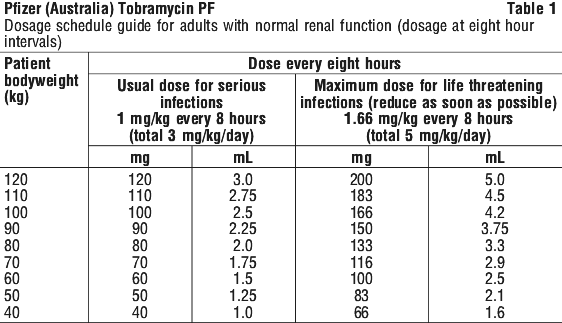
Adults (dosage in patients with normal renal function). For serious infections. 3 mg/kg/day in three doses given every eight hours in equal doses.
For mild to moderate urinary tract infections. 2 - 3 mg/kg/day in two or three equally divided doses.
Life threatening infections. Up to 5 mg/kg/day in 3 or 4 equal doses with reduction to 3 mg/kg/day as soon as clinically indicated. Doses should never exceed 5 mg/kg/day unless serum levels are monitored.
Table 1 should be used as a guide.
Children and older infants. 6 - 7.5 mg/kg/day in 3 or 4 equally divided doses (as an example, 2 - 2.5 mg/kg every eight hours or 1.5 - 1.89 mg/kg every six hours).
Neonates (one week of age or less). Up to 4 mg/kg/day may be administered in two equal doses every 12 hours.
Method of administration. As a general guide, care should be taken to avoid peak levels greater than 12 microgram/mL and trough levels greater than 3 microgram/mL. Treatment period should not usually exceed 10 - 14 days. A useful guideline would be to perform serum level assays after two or three doses, so that the dosage could be adjusted if necessary, and also at three to four day intervals during therapy. In the event of changing renal function, more frequent serum levels should be obtained and the dosage or dosage interval adjusted.
In order to measure the peak level, a serum sample should be drawn about 30 minutes after completion of the intravenous infusion or one hour after an intramuscular injection. Trough levels are measured by obtaining serum samples eight hours after the dose or just prior to the next dose of tobramycin. These suggested time intervals are intended only as guidelines and may vary according to institutional practices. These serum-level assays may be especially useful for monitoring the treatment of severely ill patients with changing renal function or of those infected with less sensitive organisms or those receiving maximum dosage.
Each ampoule is for use in a single patient on one occasion only.
Dilution and admixture. For IV administration, the prescribed dose of tobramycin must be diluted in 100-200 mL of sterile normal saline or 5% glucose in water for injections. The concentration of tobramycin in the solution should not exceed 1 mg/mL. The diluted solution usually should be infused over a period of 20 to 60 minutes. Infusion periods of less than 20 minutes are not recommended, because peak serum levels may exceed 12 microgram/mL.
Tobramycin Injection must not be mixed with other drugs, but should be administered separately according to recommended dose and route (see Section 4.5 Interactions with Other Medicines and Other Forms of Interactions; Section 6.2 Incompatibilities). In order to reduce microbiological hazard, use as soon as practicable after dilution. If storage is necessary, hold at 2 - 8°C for not more than 24 hours.
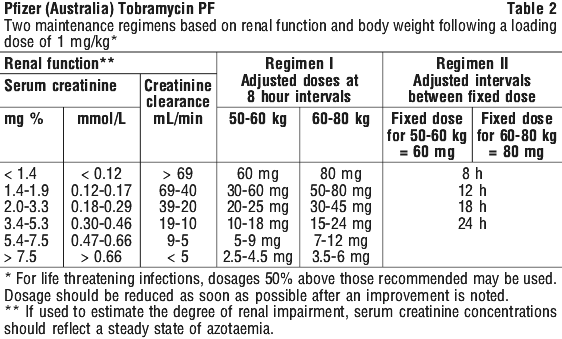
Dosage adjustment. Renal impairment. Serum tobramycin concentrations should be monitored during therapy. A loading dose of 1 mg/kg is usually given and following that, subsequent doses should be reduced using one of the following regimes: lower the doses or increase the time interval between doses. Both regimes are only guides to be used when serum levels of drug cannot be monitored. They are based on creatinine clearance or serum creatinine level because these levels correlate with the half-life of tobramycin. Neither regime should be used when dialysis is being performed.
Regimen 1: reduced dosage at eight hour intervals. An appropriate reduced dosage range can be found in Table 2 for any patient for whom the creatinine clearance or serum creatinine values are known. The choice of dose within the specified range depends on the severity of infection, the susceptibility of the pathogen and the individual patient considerations, especially renal function.
An alternative rough guide for determining reduced dosage at eight hour intervals (for patients whose steady state serum creatinine values are known) is to divide the recommended dose by the patient's serum creatinine (expressed as mg %).
Regimen 2: prolonged intervals between fixed doses. Recommended intervals between doses are given in Table 2. The dosage frequency in hours can be determined by multiplying the patient's serum creatinine level (expressed as mg %) by six.
The dosage schedule derived from either method should be used in conjunction with careful laboratory observations of the patient and should be modified as necessary (see Section 4.4 Special Warnings and Precautions for Use).
4.3 Contraindications
Known hypersensitivity to tobramycin or disodium edetate.
Previous toxic reactions (ototoxicity, nephrotoxicity) or hypersensitivity to aminoglycosides because of the known cross sensitivity of patients to drugs in this class.
Intrathecal administration.
4.4 Special Warnings and Precautions for Use
Clostridioides difficile-associated disease. Antibiotic associated pseudomembranous colitis has been reported with many antibiotics including tobramycin. A toxin produced with Clostridioides difficile appears to be the primary cause. The severity of the colitis may range from mild to life threatening. It is important to consider this diagnosis in patients who develop diarrhoea or colitis in association with antibiotic use (this may occur up to several weeks after cessation of antibiotic therapy). Mild cases usually respond to drug discontinuation alone. However, in moderate to severe cases appropriate therapy with a suitable oral antibacterial agent effective against Clostridioides difficile should be considered. Fluids, electrolytes and protein replacement should be provided when indicated.
Nephrotoxicity and ototoxicity. As with other aminoglycosides, patients treated with tobramycin should be kept under close clinical observation because of its inherent potential to cause ototoxicity and nephrotoxicity.
Ototoxicity. Tobramycin is prone to cause eighth cranial nerve damage, both vestibular and auditory ototoxicity may occur with high, prolonged, set levels of the drug.
The auditory changes are usually irreversible, usually bilateral and may be partial or total. Eighth cranial nerve impairment may develop in patients with pre-existing renal damage and if tobramycin is administered for longer periods or in higher doses than those recommended. The risk of aminoglycoside induced hearing loss increases with the degree of exposure to either high peak or high trough serum concentrations.
During therapy, some patients who develop cochlear damage may not show symptoms that warn of eighth cranial nerve damage, and partial or total bilateral damage may continue to develop even after therapy has been discontinued, therefore eighth nerve function should be carefully monitored. Serial audiograms should be obtained in patients that are old enough to be tested. Other manifestations of neurotoxicity include numbness, skin tingling, muscle twitching and convulsions.
Patients with mitochondrial DNA mutations, particularly the nucleotide 1555 A to G substitution in the 12S rRNA gene may be at higher risk for ototoxicity, even if the patient's aminoglycoside serum levels were within the recommended range. In case of family history of aminoglycoside induced deafness or known mitochondrial DNA mutations in the 12S rRNA gene, alternative treatments other than aminoglycosides should be considered.
Nephrotoxicity. Renal function should be closely monitored, especially in patients with known or suspected renal impairment and also in those whose renal function is initially normal but who develop signs of renal dysfunction during therapy.
Tobramycin is selectively concentrated in renal cortical cells and it produces changes in proximal tubules. The drug causes renal impairment characterised by excretion of casts, oliguria, proteinuria and a progressive rise in blood urea and serum creatinine values.
Serum creatinine and creatinine clearance, serum calcium, magnesium, potassium, sodium levels and blood urea nitrogen should also be monitored. For urine, specific gravity and excretion of protein, cells and casts should be observed.
Aminoglycosides induced nephrotoxicity is usually reversible. Rarely, nephrotoxicity may not manifest until the first few days after cessation of therapy.
Topical and other routes of administration. Although not indicated for local irrigation or application, aminoglycosides administered in this fashion may be absorbed in significant quantities from body surfaces and may cause neurotoxicity and nephrotoxicity. In addition, there have been reports of macular necrosis following intraocular and/or subconjunctival injection of aminoglycosides including tobramycin.
Use in patients with muscular disorders. Aminoglycosides should be used with caution in patients suffering from muscular disorders such as myasthenia gravis or Parkinsonism, as these drugs may aggravate muscle weakness because of its potential curare-like effect on neuromuscular function.
Use during anaesthesia. Neuromuscular blockade and respiratory paralysis have been reported in cats receiving very high doses of tobramycin (40 mg/kg). The possibility of prolonged or secondary apnoea should be considered if the drug is administered to anaesthetised patients who are concurrently receiving neuromuscular blocking agents such as suxamethonium (succinylcholine), tubocurarine or decamethonium (see Section 4.5 Interactions with Other Medicines and Other Forms of Interactions). This also applies to patients who are receiving massive transfusions of citrated blood. If neuromuscular blockade occurs, it may be reversed by the administration of calcium salts.
Use in patients with burns or cystic fibrosis. In patients who have extensive burns or cystic fibrosis, pharmacokinetics may be altered resulting in reduced serum levels of tobramycin. Dosage should therefore be based on measured serum levels in these patients.
Superinfection. Therapy with tobramycin may result in overgrowth of non-susceptible organisms. If overgrowth of non-susceptible organisms occurs, appropriate therapy should be initiated.
Allergic reactions. Administration of tobramycin may result in allergic reaction. Cross-allergenicity among aminoglycosides has also been known to occur.
Severe cutaneous adverse reactions. Serious allergic reactions including anaphylaxis and dermatologic reactions including exfoliative dermatitis, toxic epidermal necrolysis, erythema multiforme, and Stevens-Johnson syndrome have been reported rarely in patients on tobramycin therapy. Although rare, fatalities have been reported.
If an allergic reaction occurs, the drug should be discontinued and appropriate therapy instituted.
Use in impaired renal, vestibular and/or auditory function. Evidence of impairment in renal, vestibular and/or auditory function requires discontinuation of the drug or at least reduction in dose if continuation of therapy is considered essential.
Patients with reduced renal function are particularly prone to the potential ototoxic and nephrotoxic effects of this drug, so dosage should be adjusted carefully on the basis of regular monitoring of serum drug concentrations and of renal function. Renal and eighth cranial nerve function should be monitored closely in patients in whom renal impairment is known or who develop signs of dysfunction during therapy.
In high risk patients, the serum concentration of tobramycin should be monitored closely. Prolonged concentrations above 12 microgram/mL should be avoided. Rising trough levels above 2 microgram/mL may indicate accumulation of the drug in tissues. It is this accumulation, high peak concentrations, advanced age, dehydration and cumulative doses which may contribute to ototoxicity and nephrotoxicity. Ototoxicity may occur with peak levels lower than 12 microgram/mL (for advice on monitoring levels see Section 4.2 Dose and Method of Administration).
Use in the elderly. Elderly patients may have a reduced renal function and therefore it is important that renal function is monitored in such patients. As routine screening tests (such as blood urea nitrogen or serum creatinine) may not show reduced renal function, a creatinine clearance may be more useful.
Paediatric use. Tobramycin should be used with caution in premature and neonatal infants because of their renal immaturity and the resulting prolongation of serum half-life of the drug. In neonates, infants and children, dosage reductions may also be necessary to avoid toxicity. Eighth cranial nerve toxicity should also be monitored.
Effects on laboratory tests. No data available.
4.5 Interactions with Other Medicines and Other Forms of Interactions
Concurrent and sequential use of other nephrotic, neurotoxic or ototoxic drugs, should be avoided.
Potent diuretics. Etacrynic acid, furosemide (frusemide) and other potent diuretics may cause ototoxicity themselves, or they may enhance the toxicity of tobramycin by altering antibiotic concentrations in serum and tissue.
Other neurotoxic and/or nephrotoxic agents. The concurrent or sequential use of other neurotoxic and/or nephrotoxic drugs may enhance neurotoxicity or nephrotoxicity of tobramycin. This includes other aminoglycosides and cephalosporins, particularly neomycin, streptomycin, kanamycin, gentamicin, paromomycin, viomycin, vancomycin, amikacin and cefaloridine, as well as polymyxin B, colistin and cisplatin. Other factors that may increase patient risk are advanced age and dehydration.
β-lactam antibiotics. Inactivation of tobramycin and other aminoglycosides has been demonstrated in vitro with beta-lactam antibiotics (penicillins and cephalosporins). This has also occurred in patients with severe renal impairment. This inactivation has not been found in patients with normal renal function who have been given the drugs by separate routes of administration.
Cephalosporins. There is an increased risk of nephrotoxicity when tobramycin is used in conjunction with cephalosporins, particularly cefalotin.
Cisplatin/ciclosporin. There is an increased risk of nephrotoxicity and possibly ototoxicity with cisplatin, and an increased risk of nephrotoxicity with ciclosporins.
Skeletal muscle relaxants. Enhanced neuromuscular blockade and respiratory paralysis may occur if tobramycin is given in conjunction with skeletal muscle relaxants such as suxamethonium, tubocurarine or decamethonium. This should be treated with calcium infusions.
Warfarin and phenindione. Tobramycin has been known to potentiate the effects of warfarin and phenindione.
Neostigmine and pyridostigmine. Antagonism of the effects of neostigmine and pyridostigmine.
Other. Amphotericin B may produce renal toxicity by synergism. Methoxyflurane may produce additive or synergistic nephrotoxicity. Renal impairment may appear at lower than usual dosage levels of the drug.
4.6 Fertility, Pregnancy and Lactation
Effects on fertility. See Section 4.6 Fertility, Pregnancy and Lactation, Use in pregnancy.
Use in pregnancy. (Category D)
Drugs which have caused, are suspected to have caused or may be expected to cause, an increased incidence of human fetal malformations or irreversible damage. These drugs may also have adverse pharmacological effects. Accompanying texts should be consulted for further details.
Aminoglycosides, including tobramycin, cross the placental membrane producing fetal serum levels 25 to 50% of those found in maternal serum and can cause fetal harm when administered to a pregnant woman. There is evidence of selective uptake of aminoglycosides by the fetal kidney resulting in damage (probably reversible) to immature nephrons. Eighth cranial nerve damage has also been reported following in utero exposure to some of the aminoglycosides. Because of their chemical similarity, all aminoglycosides must be considered potentially nephrotoxic and ototoxic to the fetus. It should also be noted that therapeutic blood concentrations in the mother do not equate with safety for the fetus.
The daily subcutaneous administration of tobramycin doses as great as 100 mg/kg to rats had no adverse effect on fertility or reproduction, nor did it affect fetal development. Daily subcutaneous doses of 20 - 40 mg/kg to pregnant rabbits caused anorexia, weight loss, and renal injury. Fifteen percent of the animals of the 20 mg/kg group and 85 percent of those of the 40 mg/kg group died or aborted. Fetal development appeared normal in these animals at the time of death or abortion. No drug related abnormalities were noted in any of the progeny, despite the maternal toxicity.
Serious side effects to mother, fetus or newborn have been reported in the treatment of pregnant women with aminoglycosides, (e.g. several reports of total irreversible bilateral congenital deafness in children whose mothers received streptomycin during pregnancy). Tobramycin should not be administered to the pregnant patient unless the potential benefits clearly outweigh any potential risk. If tobramycin is used during pregnancy or if the patient becomes pregnant while taking tobramycin, she should be informed of the potential hazard to the fetus.
Use in lactation. Tobramycin is excreted in the breast milk with concentrations of 0.60 and 0.85 microgram/mL at one and eight hours after an intramuscular dose of 80 mg. Because of the potential risk to the newborn it is recommended that breastfeeding be discontinued during therapy.
4.7 Effects on Ability to Drive and Use Machines
The effects of this medicine on a person's ability to drive and use machines were not assessed as part of its registration. Patients should refrain from driving or using machines until they know that the medicinal product does not negatively affect these abilities.
4.8 Adverse Effects (Undesirable Effects)
As with other aminoglycosides, ototoxicity and nephrotoxicity can occur. The risk of adverse effects is increased in patients with poor renal function, the elderly, patients on prolonged treatment or with serious underlying pathology.
More common adverse reactions. Ear and labyrinth disorders. Ototoxicity occurs as the drug penetrates into the inner ear during periods of high serum concentration. Both auditory and vestibular branches of the eighth nerve may be adversely affected. Ototoxicity initially manifests as vestibular dysfunction with or without loss of high tone activity, similar to that of other aminoglycosides. Symptoms include dizziness, vertigo, tinnitus, roaring in the ears and hearing loss. Hearing loss is usually irreversible. Ototoxic damage may progress in some patients even after the drug is discontinued.
Renal and urinary disorders. Patients with pre-existing renal impairment who are treated for longer periods or with higher doses than those recommended are at greater risk. Nephrotoxicity and acute kidney injury manifests as changes in renal function: rising serum urea, blood urea nitrogen (BUN), nonprotein nitrogen (NPN) and serum creatinine and by oliguria, cylindruria and increased proteinuria. Nephrotoxicity may be increased by the concurrent administration of other drugs (see Section 4.5 Interactions with Other Medicines and Other Forms of Interactions). Patients with pre-existing renal impairment are at greatest risk. Adverse renal effects can occur in patients with initially normal renal function.
Gastrointestinal disorders. Nausea, vomiting and diarrhoea.
Less common reactions. Musculoskeletal. The aminoglycosides are known to possess neuromuscular blocking effects and to be capable of exacerbating impairment of neuromuscular transmission in clinical conditions such as myasthenia gravis or severe hypocalcaemia, or when used in conjunction with nondepolarising neuromuscular relaxants such as d-tubocurarine.
Neuromuscular blockade may result in weakness of skeletal muscles and respiratory depression especially in patients with myasthenia gravis, severe hypocalcaemia or who have recently received other neuromuscular blocking agents. Peritoneal lavage with tobramycin could precipitate apnoea because high concentrations of drug come in contact with the diaphragm. Rarely, blockade has been observed following intramuscular or intravenous injection. Tobramycin is usually safely used prior to surgery if given in recommended single doses.
Skin and subcutaneous tissue disorders. Maculopapular rash, urticaria, itching.
Rare reactions. Investigations. Some patients with malignant diseases have developed a complex metabolic syndrome of 2-8 weeks duration after administration of tobramycin, including hypocalcaemia, hypomagnesaemia, hypokalaemia, hypoalbuminaemia, hypophosphataemia and hypouricaemia. Other reported abnormalities include increased aspartate aminotransferase (AST), alanine aminotransferase (ALT), serum bilirubin and alkaline phosphatase.
Blood and lymphatic system disorders. Anaemia, granulocytopenia and thrombocytopenia; eosinophilia, and leukopenia.
Immune system disorders. Fever, rash, itching, urticaria. Adverse effects on the immune response via inhibition of chemotaxis and microbicidal activity of phagocytes have been reported. Angioedema, exfoliative dermatitis, stomatitis and anaphylaxis are hypersensitivity reactions reported with aminoglycosides in general.
Nervous system and psychiatric disorders. Lethargy, mental confusion and disorientation. Acute brain syndrome has been reported in an elderly patient after four days of therapy with tobramycin. The delirium was reversed after drug discontinuance. Neurotoxicity is rare with tobramycin. Peripheral neuropathy, paraesthesia and muscle weakness have been reported.
General disorders and administration site conditions. Pain after intramuscular administration and thrombophlebitis after intravenous administration.
Frequency not known (cannot be estimated from available data). Blood and lymphatic system disorders. Leukocytosis.
Nervous system disorders. Dizziness, headache.
Investigations. Blood sodium decrease.
Reporting suspected adverse effects. Reporting suspected adverse reactions after registration of the medicinal product is important. It allows continued monitoring of the benefit-risk balance of the medicinal product. Healthcare professionals are asked to report any suspected adverse reactions at www.tga.gov.au/safety/reporting-problems.
4.9 Overdose
Signs and symptoms. The severity of the signs and symptoms following a tobramycin overdose are dependent on the dose administered, the patient's renal function, state of hydration, age and whether or not other medications with similar toxicities are being administered concurrently. Toxicity may occur in patients treated for more than 10 days, given more than 5 mg/kg/day, children given more than 7.5 mg/kg/day, or patients with reduced renal function whose dose has not been appropriately adjusted.
Nephrotoxicity following the parenteral administration of an aminoglycoside is most closely related to the area under the curve of the serum concentration versus time graph. Nephrotoxicity is more likely if trough blood concentrations fail to fall below 2 microgram/mL and is also proportional to the average blood concentration. Patients who are elderly, have abnormal renal function, are receiving other nephrotoxic or ototoxic drugs, or are volume depleted are at greater risk for developing acute tubular necrosis. Auditory and vestibular toxicities have been associated with aminoglycoside overdose and occur in patients treated longer than 10 days, patients with abnormal renal function, dehydrated patients and patients receiving medications with additive auditory toxicities. These patients may not have signs or symptoms or may experience dizziness, tinnitus, vertigo, and a loss of high tone acuity as ototoxicity progresses. Ototoxicity signs and symptoms may not begin to occur until long after the drug has been discontinued.
Neuromuscular blockade or respiratory paralysis may occur following administration of aminoglycosides. Neuromuscular blockade, prolonged respiratory paralysis and respiratory failure may occur more commonly in patients with myasthenia gravis or Parkinson's disease. Prolonged respiratory paralysis may also occur in patients receiving decamethonium, tubocurarine, or suxamethonium.
Treatment. In managing overdose, consider the possibility of multiple drug overdoses, interaction among drugs, and unusual drug kinetics in the patient. If neuromuscular blockade occurs, it may be reversed by the administration of calcium salts but controlled or assisted ventilation may be necessary.
The initial intervention in a tobramycin overdose is to establish an airway and ensure oxygenation and ventilation. Resuscitative measures should be initiated promptly if respiratory paralysis occurs.
Patients that have received an overdose of tobramycin and have normal renal function should be adequately hydrated to maintain a urine output of 3 - 5 mL/kg/hr.
Fluid balance, creatinine clearance and tobramycin plasma levels should be carefully monitored until the serum tobramycin level falls below 2 microgram/mL.
Patients in whom the elimination half-life is greater than 2 hours or whose renal function is abnormal may require more aggressive therapy. In such patients, haemodialysis may be beneficial.
For information on the management of overdose, contact the Poisons Information Centre on 13 11 26 (Australia).
5 Pharmacological Properties
5.1 Pharmacodynamic Properties
Class. Aminoglycoside antibiotic.
Mechanism of action. Microbiology. Tobramycin has bactericidal activity against many Gram negative aerobes and against some strains of staphylococci. Aminoglycosides are taken up into sensitive bacterial cells by an active transport process that is inhibited in anaerobic, acidic or hyperosmolar environments. Within the bacterial cell aminoglycosides bind primarily to the 30S ribosomal subunit, inhibiting protein synthesis and generating errors in the transcription of the genetic code. The manner in which cell death is brought about is not fully elucidated.
Tobramycin is usually active against most strains of the following organisms: Escherichia coli, Proteus species (indole positive and indole negative) including Proteus mirabilis, Proteus morganii, Proteus rettgeri and Proteus vulgaris; Klebsiella, Enterobacter, Serratia species; Providencia species and Citrobacter species; Staphylococci, including Staphylococci aureus (coagulase positive and coagulase negative).
Tobramycin is considered to be more active than most other aminoglycosides against Pseudomonas aeruginosa and less active against Serratia.
Aminoglycosides have a low order of activity against most Gram positive organisms; enterococci and streptococci are insensitive.
Aminoglycosides exhibit synergy with antibiotics, such as beta-lactams and vancomycin, which affect the bacterial cell wall and enhance aminoglycoside penetration. In vitro studies have shown that an aminoglycoside combined with an antibiotic that interferes with cell wall synthesis affects some group D streptococcal strains synergistically. The combination of benzylpenicillin and tobramycin results in a synergistic bactericidal effect in vitro against certain strains of S. faecalis. However, this combination is not synergistic against other closely related organisms, e.g. S. faecium. Speciation of group D Streptococci alone cannot, therefore, be used to predict susceptibility. Susceptibility testing and tests for antibiotic synergism are recommended.
Anaerobic organisms, yeasts and fungi are resistant to aminoglycosides.
Cross resistance between aminoglycosides occurs and depends largely on inactivation by bacterial enzymes.
Susceptibility tests. Dilution or diffusion techniques - either quantitative (MIC) or breakpoint should be used following a regularly updated, recognised and standardised method (e.g. NCCLS). Standardised susceptibility test procedures require the use of laboratory control microorganisms to control the technical aspects of the laboratory procedures.
A report of "Susceptible" indicates that the pathogen is likely to be inhibited if the antimicrobial compound in the blood reaches the concentrations usually achievable. A report of "Intermediate" indicates that the result should be considered equivocal, and if the microorganism is not fully susceptible to alternative, clinically feasible drugs, the test should be repeated. This category implies possible clinical applicability in body sites where the drug is physiologically concentrated or in situations where high dosage of drug can be used. This category also provides a buffer zone, which prevents small uncontrolled technical factors from causing major discrepancies in interpretation.
A report of "Resistant" indicates that the pathogen is not likely to be inhibited if the antimicrobial compound in the blood reaches the concentrations usually achievable; other therapy should be selected.
Clinical trials. No data available.
5.2 Pharmacokinetic Properties
Absorption. In adults with normal renal function, a single intramuscular injection of 1 mg/kg body weight will produce peak plasma levels of about 4 microgram/mL within 30-90 minutes. Serum concentrations can be measured for as long as eight hours. Following intravenous infusion over one hour, the serum concentrations achieved are similar to those obtained after intramuscular administration. Tobramycin is poorly absorbed from the gastrointestinal tract.
Distribution. Tobramycin has been detected in body fluids such as sputum, peritoneal fluid, synovial fluid and abscess fluids following intravenous administration but only low concentrations are found in the cerebrospinal fluid even in the presence of meningeal inflammation. Low concentrations are found in the bile and stools suggesting that biliary excretion is minimal.
Tobramycin accumulates in the kidney, where it is selectively concentrated in renal cortical cells. The half-life of tobramycin in renal tissue is about 74 h.
Tobramycin does cross the placental membranes and is excreted in breast milk.
Metabolism and excretion. Aminoglycosides do not appear to be metabolised and are excreted virtually unchanged in the urine by glomerular filtration. Practically no serum protein binding occurs. Renal clearance is similar to that of endogenous creatinine. In patients with normal renal function, up to 84% of the dose is recoverable from the urine in eight hours and up to 93% in 24 hours. The serum half-life is usually 2-3 hours in adults with normal renal function but in patients with impaired renal function a range from 5 to 70 hours has been reported.
Adjustments in the frequency of administration of tobramycin are necessary to allow for the degree of renal impairment. In infants, an average plasma elimination half-life of 4.6 hours has been reported for full-term infants and an average of 8.7 hours for low birth weight infants.
Peak urine concentrations ranging from 75 to 100 microgram/mL have been observed after the intramuscular injection of a single dose of 1 mg/kg. After several days of treatment, the amount of tobramycin excreted in the urine approaches the daily amount administered. When renal function is impaired, excretion of tobramycin is slowed and accumulation of the drug may cause toxic blood levels. In patients undergoing dialysis, 25 to 70% of the administered dose may be removed, depending on the duration and type of dialysis.
5.3 Preclinical Safety Data
Genotoxicity. No data available.
Carcinogenicity. No data available.
6 Pharmaceutical Particulars
6.1 List of Excipients
Disodium edetate, sodium hydroxide, sulfuric acid, water for injections.
6.2 Incompatibilities
Tobramycin injections have been reported to be physically or chemically incompatible with solutions of the following: alcohol 5% in dextrose 5%, cefamandole nafate, clindamycin phosphate and heparin sodium. As a general rule, tobramycin injections should not be mixed with other drugs but should be administered separately according to the recommended dose and route.
6.3 Shelf Life
In Australia, information on the shelf life can be found on the public summary of the Australian Register of Therapeutic Goods (ARTG). The expiry date can be found on the packaging.
6.4 Special Precautions for Storage
Store between 2-8°C and protect from light. Refrigerate, do not freeze. Single use only. Discard unused portion.
6.5 Nature and Contents of Container
Tobramycin Injection PF 80 mg/2 mL (sterile) Steriluer LPDE ampoules (5s).
6.6 Special Precautions for Disposal
In Australia, any unused medicine or waste material should be disposed of by taking to your local pharmacy.
6.7 Physicochemical Properties
Chemical structure.
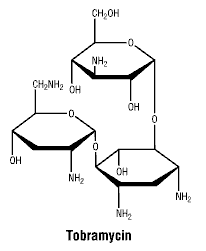
Tobramycin is an antimicrobial substance produced by Streptomyces tenebrarius. It is a white or almost white powder that is freely soluble in water; very slightly soluble in ethanol (96%); practically insoluble in chloroform and in ether.
Molecular formula: C18H37N5O9.
Molecular weight: 467.5.
CAS number. 32986-56-4.
7 Medicine Schedule (Poisons Standard)
S4 - Prescription Only Medicine.
Date of First Approval
09 July 1991
Date of Revision
18 November 2024
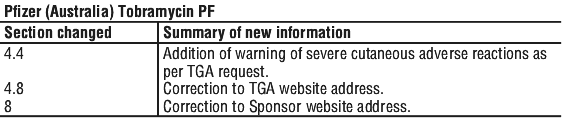
Summary Table of Changes
Reasonable care is taken to provide accurate information at the time of creation. This information is not intended as a substitute for medical advice and should not be exclusively relied on to manage or diagnose a medical condition. The Australian Commission on Safety and Quality in Health Care disclaims all liability (including for negligence) for any loss, damage, injury or any other negative effects resulting from reliance on or use of this information. Read our full disclaimer. This website uses cookies. Read our privacy policy.