
Tomudex
Brand Information
| Brand name | Tomudex |
| Active ingredient | Raltitrexed |
| Schedule | S4 |
Consumer Medicine Information (CMI) leaflet
Please read this leaflet carefully before you start using the Tomudex.
Summary CMI
TOMUDEX®
Consumer Medicine Information (CMI) summary
The full CMI on the next page has more details. If you are worried about using this medicine, speak to your doctor or pharmacist.
1. Why am I being treated with TOMUDEX?
TOMUDEX contains the active ingredient raltitrexed. TOMUDEX is a cytotoxic agent (chemotherapy) used to treat cancer which affects the colon and rectum (parts of your large intestine or bowel). For more information, see Section 1. Why am I being treated with TOMUDEX? in the full CMI.
2. What should I know before treatment with TOMUDEX?
You should not be given TOMUDEX if you have ever had an allergic reaction to raltitrexed or any of the ingredients listed at the end of the CMI; are taking calcium folinate (folic acid) or vitamin preparations with folate; have severe kidney problems; are pregnant or may become pregnant or are breastfeeding.
Talk to your doctor if you have any other medical conditions, including problems with your liver, kidneys, blood or bone marrow, stomach or bowel problems; or take any other medicines. Pregnancy must be avoided (including your partner if you are male) while being treated with TOMUDEX, and for 6 months after treatment.
For more information, see Section 2. What should I know before treatment with TOMUDEX? in the full CMI.
3. What if I am taking other medicines?
Some medicines may interfere with TOMUDEX and affect how it works. A list of these medicines is in Section 3. What if I am taking other medicines? in the full CMI.
4. How is TOMUDEX given?
Your doctor will decide how much you will be given and for how long. TOMUDEX is given as a slow drip into a vein. More instructions can be found in Section 4. How is TOMUDEX given? in the full CMI.
5. What should I know while I am being treated with TOMUDEX?
| Things you should do |
|
| Things you should not do |
|
| Driving or using machines |
|
For more information, see Section 5. What should I know while I am being treated with TOMUDEX? in the full CMI.
6. Are there any side effects?
Side effects of this medicine may include diarrhoea, loss of appetite, weight loss, constipation; nausea and vomiting, abdominal pain or indigestion, flatulence; blistering of the digestive tract with risk of bleeding; sore throat, dry mouth, mouth ulcers, oral thrush or cold sores; inflammation or bleeding in mouth/throat; unusual bleeding or bruising; yellowing of the skin/eyes, changes in urine colour, fatigue; dehydration; muscle aches and cramps, sadness, insomnia; dizziness; tingling or numbness of the hands/feet; hiccups, runny or itchy nose that may bleed; hair loss, dry rash and itchy/peeling of skin, sweating, altered taste; generally feeling unwell with flu-like symptoms; back/chest pain; fever, chills, infection, low blood pressure, fast heart rate or mental confusion.
For more information, including what to do if you have any side effects, see Section 6. Are there any side effects? in the full CMI.
Full CMI
TOMUDEX®
Active ingredient(s): raltitrexed
Consumer Medicine Information (CMI)
This leaflet provides important information about using TOMUDEX.
You should also speak to your doctor or pharmacist if you would like further information or if you have any concerns or questions about using TOMUDEX.
Where to find information in this leaflet:
1. Why am I being treated with TOMUDEX?
2. What should I know before treatment with TOMUDEX?
3. What if I am taking other medicines?
4. How is TOMUDEX given?
5. What should I know while I am being treated with TOMUDEX?
6. Are there any side effects?
7. Product details
1. Why am I being treated with TOMUDEX?
TOMUDEX contains the active ingredient raltitrexed.
TOMUDEX belongs to a group of medicines known as anti-neoplastic or cytotoxic agents, and also referred to as a chemotherapy medicine. These medicines are used for the treatment of cancer. TOMUDEX works by killing cancer cells and stopping cancer cells from growing and multiplying.
TOMUDEX is used to treat cancer which affects the colon and rectum (parts of your large intestine or bowel).
2. What should I know before treatment with TOMUDEX?
Warnings
You must not be given TOMUDEX if:
- you are allergic to raltitrexed or to any ingredients listed at the end of this CMI
- you are taking calcium folinate (folic acid) or vitamin preparations with folate as these preparations may interfere with the medication
- you have severe kidney problems
- are pregnant, may become pregnant during treatment, or are breastfeeding
Tell your doctor if you have allergies to any other medicines, foods, preservatives or dyes. If you are not sure if you are allergic to any of the above, ask your doctor.
Check with your doctor if you have any other medical conditions such as:
- kidney disease
- problems with your liver
- blood and bone marrow disorder with reduced number of red blood cells, white blood cells or platelets.
- stomach or bowel (intestinal) problems such as diarrhoea.
Tell your doctor if you have previously had radiation therapy (treatment with high dose X-rays).
Your doctor may need to cease, delay or reduce treatment depending on your white blood cell count.
Tell your doctor if you have been given TOMUDEX before and experienced any of the following:
- soreness or ulceration of the inside of your mouth
- unusual bruising or bleeding
- diarrhoea
During treatment, you may be at risk of developing certain side effects. It is important you understand these risks and how to monitor for them. See additional information under Section 6. Are there any side effects?
Pregnancy
TOMUDEX may have serious effects on a developing baby.
Females: Talk to your doctor if you are pregnant, or plan to become pregnant. TOMUDEX must not be used in women who are pregnant, may become pregnant or are breastfeeding. Pregnancy should be excluded before treatment with TOMUDEX is commenced.
Males: Pregnancy must be avoided while you are being treated with TOMUDEX. Tell your doctor if your partner becomes pregnant or plans to become pregnant while you are being treated with this medicine.
Females and males: It is recommended that pregnancy should be avoided for at least 6 months after completion of treatment. This includes if your partner is receiving TOMUDEX.
Talk to your doctor about the need for additional contraception while being given TOMUDEX.
Breastfeeding
Talk to your doctor if you are breastfeeding or intend to breastfeed.
You must not breastfeed during treatment with TOMUDEX, and for a period of time after treatment has finished.
TOMUDEX may pass into breast milk as there may be potential serious side effects to your baby.
Talk to your doctor who will provide you with appropriate instruction.
Use in children
The safety and effectiveness of TOMUDEX in children have not been established.
Use in the elderly
If you are over 65 years of age there may be a greater chance of kidney issues when using TOMUDEX. Your doctor may order extra tests and will monitor you closely for this.
3. What if I am taking other medicines?
Tell your doctor, nurse or pharmacist if you are taking any other medicines, including any medicines, vitamins or supplements that you buy without a prescription from your pharmacy, supermarket or health food shop.
Some medicines may interfere with TOMUDEX and affect how it works.
These include:
- medicines containing calcium folinate, folic acid or vitamin preparations containing folate.
- medicines containing warfarin, used to treat or prevent blood clots
- non-steroidal anti-inflammatory drugs (NSAIDs) such as aspirin and ibuprofen, used to treat pain, inflammation or reduce temperature.
- other medicines used to treat cancer containing cisplatin, carboplatin or oxaliplatin.
- other treatments such as radiation therapy or any other treatment which lowers your immune system
Your doctor or pharmacist has more information on medicines to be careful with or avoid while being given TOMUDEX.
Check with your doctor or pharmacist if you are not sure about what medicines, vitamins or supplements you are taking and if these affect TOMUDEX.
4. How is TOMUDEX given?
How much is given
Your doctor will decide how much TOMUDEX you should receive and the length of time for which you should receive it. This depends on your condition and other factors, such as your weight, kidney function and other chemotherapy medicines you are being given.
How is it given
TOMUDEX is usually given as intravenous infusion (as a slow drip into a vein) over a period of 15 minutes.
How long will it be given for
TOMUDEX is usually given once every 3 weeks. Each infusion is called one ‘cycle’ of chemotherapy. Your doctor will decide how many of these cycles you will need.
Several courses of TOMUDEX therapy may be needed depending on your response to treatment.
If you have any concerns or questions about the time between TOMUDEX doses, please ask your doctor.
Your doctor will decide if TOMUDEX is given alone or in combination with other drugs.
If you are given too much TOMUDEX
As TOMUDEX Is given under supervision of your doctor, it is very unlikely that you will receive too much. However, if you experience any severe side effects, after being given this medicine, tell your doctor or nurse immediately. You may need urgent medical attention.
Symptoms of a TOMUDEX overdose may include the side effects listed in Section 6. ‘Side effects’ section but are usually of a more severe nature. Alert your doctor immediately if you experience severe diarrhoea; redness, swelling, pain, sores, ulcers or bleeding in the mouth or throat; fever, chills; severe cough or shortness of breath; any abnormal bruising or bleeding including nosebleeds, bleeding gums, heavy periods, or blood in your stool (poo) or urine (wee).
Tell your doctor or nurse immediately if you are concerned that you may have been given too much TOMUDEX.
5. What should I know while I am being treated with TOMUDEX?
Things you should do
If you are about to be started on any new medicine, remind your doctor and pharmacist that you are being treated with TOMUDEX.
Tell any other doctors, dentists, and pharmacists who are treating you that you are being given this medicine.
Tell your doctor or nurse immediately if;
- you are having radiation therapy
- you or your partner become pregnant while taking this medicine
- you are going to have surgery. It is important to let the surgeon or anaesthetist know that you are being treated with this medicine. It may affect other medicines used during surgery.
Keep follow-up appointments with your doctor and have any tests as directed by your doctor.
It is important to have your follow-up treatments (cycles) of TOMUDEX at the appropriate times to get the optimal result from your treatment.
Use additional contraception while being given TOMUDEX.
Tell your doctor straight away if you experience:
- shortness of breath, feel dizzy or lightheaded, experience swelling of the face, tongue, lips, mouth or throat, or itching
- severe pain on eating, drinking or swallowing, or difficulty talking due to ulcers or pain
- severe or persistent diarrhoea during or after treatment
- fever, chills; severe cough or shortness of breath
- any abnormal bruising or bleeding including nosebleeds, bleeding gums, heavy periods, or blood in your stool (poo) or urine (wee)
- discomfort with your infusion site at the time of treatment
Things you should not do
- Do not breastfeed if you are being treated with this medicine.
Things to be careful of
During therapy with TOMUDEX, liver function, kidney function and blood cell counts should be monitored. You should attend all tests as requested by your doctor.
This medicine can lower the number of white blood cells and platelets in your blood. This means that you have an increased chance of getting an infection or bleeding.
The following precautions should be taken to reduce your risk of infection or bleeding:
- Avoid people who have infections. Check with your doctor immediately if you think you may be getting an infection, or if you get a fever, chills, cough, hoarse throat, lower back or side pain or find it painful or difficult to urinate.
- Be careful when using a toothbrush, toothpick or dental floss. Your doctor, dentist, nurse or pharmacist may recommend other ways to clean your teeth and gums. Check with your doctor before having any dental work.
- Be careful not to cut yourself when you are using sharp objects such as a razor or nail cutters.
- Avoid contact sports or other situations where you may bruise or get injured.
- Your body fluids will contain TOMUDEX and its associated breakdown products for a number of days once you are given TOMUDEX. Body fluids and waste, include blood, urine (wee), stool (poo), vomit and semen.
In general, precautions to protect other people should be taken both while receiving and after treatment as directed by your doctor. Precautions include:
- Flushing the toilet twice to dispose of any body fluids and waste.
- Wearing gloves to clean any spill of body fluid or waste. Use paper towels or old rags, a strong solution of non-bleaching detergent and large amounts of water to mop up the spill. Discard the towels or rags into a separate waste bag and dispose of fluids in the toilet.
- Wash linen or clothing that is heavily contaminated by body fluids or waste separately from other items. Use a strong solution of non-bleaching detergent and large amounts of water.
- Place soiled disposable nappies and other pads in a plastic bag, seal and dispose into the garbage.
- For sexual intercourse, use a barrier method such as a condom.
Driving or using machines
Be careful before you drive or use any machines or tools until you know how TOMUDEX affects you.
TOMUDEX may cause extreme tiredness, dizziness or light-headedness in some people. If you have these symptoms, do not drive, or or operate machinery which could be dangerous.
Drinking alcohol
No information is available.
Looking after your medicine
TOMUDEX will be stored in the pharmacy or on the hospital ward under the correct conditions.
Disposal of TOMUDEX
The hospital staff will dispose of any leftover TOMUDEX.
6. Are there any side effects?
All medicines can have side effects. If you do experience any side effects, most of them are minor and temporary. However, some side effects may need medical attention.
See the information below and, if you need to, ask your doctor or pharmacist if you have any further questions about side effects.
Side effects
| Side effects | What to do |
| Speak to your nurse or doctor if you have any of these side effects and they worry you. |
| Call your doctor straight away, or go straight to the Emergency Department at your nearest hospital if you notice any of these serious side effects. |
Tell your doctor or nurse as soon as possible if you do not feel well while you are having treatment with TOMUDEX.
Diarrhoea and vomiting may be severe and lead to dehydration and kidney issues. Urgent medical attention should be sought as treatment may be changed.
TOMUDEX may cause abnormalities of your blood, due to effects on your bone marrow or your liver. Your doctor will check your blood regularly to detect whether abnormalities have occurred.
Some of these side effects (for example certain liver conditions, and blood abnormalities) can only be found when your doctor does tests from time to time to check your progress.
Other side effects not listed here may occur in some people.
The above list includes very serious side effects. You may need urgent medical attention or hospitalisation.
Reporting side effects
After you have received medical advice for any side effects you experience, you can report side effects to the Therapeutic Goods Administration online at www.tga.gov.au/reporting-problems. By reporting side effects, you can help provide more information on the safety of this medicine.
Always make sure you speak to your doctor or pharmacist before you decide to stop taking any of your medicines.
7. Product details
This medicine is only available with a doctor's prescription.
What TOMUDEX contains
| Active ingredient (main ingredient) | raltitrexed |
| Other ingredients (inactive ingredients) | dibasic sodium phosphate dodecahydrate mannitol sodium hydroxide |
Do not take this medicine if you are allergic to any of these ingredients.
TOMUDEX does not contain lactose, sucrose, gluten, tartrazine or any other azo dyes.
What TOMUDEX looks like
TOMUDEX is a powder for injection in a vial, which is white to cream coloured solid powder.
TOMUDEX raltitrexed 2mg AUST R 54638
Who distributes TOMUDEX
Pfizer Australia Pty Ltd
Sydney NSW
Toll Free Number: 1800 675 229
www.pfizermedicalinformation.com.au
This leaflet was prepared in December 2025.
Brand Information
| Brand name | Tomudex |
| Active ingredient | Raltitrexed |
| Schedule | S4 |
MIMS Revision Date: 01 April 2021
1 Name of Medicine
Raltitrexed.
2 Qualitative and Quantitative Composition
Raltitrexed is a pale yellow/brown to brown powder. Its aqueous solubility is pH dependent, ranging from slightly soluble at pH 5 to sparingly soluble at pH 9. In organic solvents it is very slightly soluble in acetone, diethyl ether, octan-1-ol and chloroform, slightly soluble in tetrahydrofuran and 95% ethanol and sparingly soluble in methanol.
Tomudex contains 2 mg raltitrexed and includes the following excipients: mannitol 203 mg, dibasic sodium phosphate dodecahydrate 2.0 mg and sodium hydroxide qs to pH 7.4.
Tomudex contains no preservative or bacteriostatic agent.
For the full list of excipients, see Section 6.1 List of Excipients.
3 Pharmaceutical Form
Tomudex powder for injection, is a white to cream coloured solid cake practically free from visible particles.
4 Clinical Particulars
4.1 Therapeutic Indications
For use as a single agent in the palliative treatment of advanced colorectal cancer (distant metastases or unresectable local disease).
4.2 Dose and Method of Administration
Dosage. Use in adults. The dose of Tomudex is calculated on the basis of the body surface area. The recommended dose is 3 mg/m2 given intravenously as a single short, intravenous infusion in 50 to 250 mL of either 0.9% sodium chloride solution or 5% glucose solution. It is recommended that the infusion is given over a 15 minute period. Other drugs should not be mixed with Tomudex in the same infusion container. In the absence of toxicity, treatment may be repeated every 3 weeks.
Dose escalation above 3 mg/m2 is not recommended, since higher doses have been associated with an increased incidence of life threatening or fatal toxicity.
Prior to the initiation of treatment and before each subsequent treatment a full blood count (including a differential count and platelets), liver transaminases, serum bilirubin and serum creatinine measurements should be performed. The total white cell count should be greater than 4,000/mm3, the neutrophil count greater than 2,000/mm3 and the platelet count greater than 100,000/mm3 prior to treatment. In the event of toxicity the next scheduled dose should be withheld until signs of toxic effects regress. In particular, signs of gastrointestinal toxicity (diarrhoea or mucositis) and haematological toxicity (neutropenia or thrombocytopenia) should have completely resolved before subsequent treatment is allowed. Patients who develop signs of gastrointestinal toxicity should have their full blood counts monitored at least weekly for signs of haematological toxicity.
Based on the worst grade of gastrointestinal and haematological toxicity observed on the previous treatment and provided that such toxicity has completely resolved, the dosage adjustment scheme provided in Table 1 should be adopted.

Treatment should be discontinued in the event of any WHO grade 4 gastrointestinal toxicity (diarrhoea or mucositis) or in the event of a WHO grade 2 or grade 3 gastrointestinal toxicity associated with WHO grade 4 haematological toxicity.
Patients with toxicity necessitating discontinuation of treatment should be managed promptly with standard supportive care measures including IV hydration and bone marrow support. In addition, pre-clinical data suggests that consideration should be given to the administration of calcium folinate (folinic acid). From clinical experience with other antifolates calcium folinate may be given at a dose of 25 mg/m2 IV every 6 hours until the resolution of symptoms. Further use of Tomudex in such patients is not recommended.
It is essential that the dose reduction scheme should be adhered to since the potential for life-threatening and fatal toxicity increases if the dose is not reduced or treatment not stopped as appropriate.
Use in the elderly. Dosage and administration as for adults. However, as with other cytotoxics, Tomudex should be used with caution in elderly patients (see Section 4.4 Special Warnings and Precautions for Use).
Use in children. Tomudex is not recommended for use in children as safety and efficacy have not been established in this group of patients.
Method of administration. Instructions for use/handling. Each vial, containing 2 mg of raltitrexed, should be reconstituted with 4 mL of sterile water for injections to produce a 0.5 mg/mL solution.
The appropriate dose of solution is diluted in 50 to 250 mL of either 0.9% sodium chloride or 5% glucose injection and administered by a short intravenous infusion over a period of 15 minutes.
There is no preservative or bacteriostatic agent present in Tomudex or the materials specified for reconstitution or dilution. Tomudex must, therefore, be reconstituted and diluted under aseptic conditions. To reduce microbiological hazard, use as soon as practicable after reconstitution/ preparation. If storage is necessary, hold at 2 to 8°C for not more than 24 hours.
In accordance with established guidelines, when diluted in 0.9% sodium chloride or 5% glucose solution, it is recommended that administration of the admixed solution should commence as soon as possible after admixing. The admixed solution must be completely used or discarded within 24 hours of reconstitution of Tomudex intravenous injection.
Reconstituted and diluted solutions do not need to be protected from light.
Do not store partially used vials or admixed solutions for future patient use.
Any unused injection or reconstituted solution should be discarded in a suitable manner for cytotoxics.
Tomudex should be reconstituted for injection by trained personnel in a designated area for the reconstitution of cytotoxic agents. Cytotoxic preparations such as Tomudex should not be handled by pregnant women.
Reconstitution should normally be carried out in a partial containment facility with extraction, e.g. a laminar air flow cabinet, and work surfaces should be covered with disposable plastic-backed absorbent paper.
Appropriate protective clothing, including normal surgical disposable gloves and goggles should be worn. In case of contact with skin, immediately wash thoroughly with water. For splashes in the eyes irrigate with clean water, holding the eyelids apart, for at least 10 minutes. Seek medical attention.
Any spillages should be cleared up using standard procedures.
Waste material should be disposed of by incineration in a manner consistent with the handling of cytotoxic agents.
Dosage adjustments. Renal impairment. For patients with abnormal serum creatinine, before the first or any subsequent treatment, a creatinine clearance should be performed or calculated. For patients with a normal serum creatinine when the serum creatinine may not correlate well with the creatinine clearance due to factors such as age or weight loss, the same procedure should be followed. If creatinine clearance is ≤ 65 mL/min, the following dose modifications are recommended (see Table 2):

Hepatic impairment. No dosage adjustment is necessary for patients with mild to moderate hepatic impairment. However, given that a proportion of the drug is excreted via the faecal route (see Section 5.2 Pharmacokinetic Properties), and that these patients usually form a poor prognosis group, patients with mild to moderate hepatic impairment need to be treated with caution (see Section 4.4 Special Warnings and Precautions for Use). Tomudex has not been studied in patients with severe hepatic impairment, clinical jaundice or decompensated liver disease and its use in such patients is not recommended.
Use in patients with fluid collections. No data are available on the disposition of raltitrexed in third space fluids such as ascites or pleural effusion. Therefore, no guidelines can be provided on dose adjustment in patients with such fluid collections.
4.3 Contraindications
Hypersensitivity to raltitrexed or any of the excipients.
In pregnant women, in women who may become pregnant during treatment or women who are breast-feeding. Pregnancy should be excluded before treatment with Tomudex is commenced (see Section 4.6 Fertility, Pregnancy and Lactation).
In patients with severe renal impairment (creatinine clearance < 25 mL/minute).
Concomitant administration of calcium folinate (folinic acid), folic acid or vitamin preparations containing these agents.
4.4 Special Warnings and Precautions for Use
It is recommended that Tomudex is only given by or under the supervision of a physician who is experienced in cancer chemotherapy and in the management of chemotherapy related toxicity. Patients undergoing therapy should be subject to appropriate supervision so that signs of possible toxic effects or adverse reactions (particularly diarrhoea) may be detected and treated promptly (see Section 4.2 Dose and Method of Administration).
In common with other cytotoxic agents of this type, caution is necessary in patients with depressed bone marrow function, poor general condition or prior radiotherapy.
Extreme care should be taken in such patients to ensure adequate monitoring of adverse reactions, especially signs of gastrointestinal toxicity (diarrhoea or mucositis) and myelosuppression (neutropenia, thrombocytopenia and infection), and dose should be reduced and/or delayed as appropriate (see Section 4.2 Dose and Method of Administration).
It is recommended that pregnancy should be avoided during treatment and for at least 6 months after cessation of treatment if either partner is receiving Tomudex (see Section 4.6 Fertility, Pregnancy and Lactation).
Tomudex is a cytotoxic agent and should be handled according to normal procedures adopted for such agents (see Section 4.2 Dose and Method of Administration).
Pre-clinical safety data. Perivascular tolerance in studies in animals did not reveal any significant irritant reaction.
Chronic toxicity. In one month continuous and six month intermittent dosing studies in the rat, toxicity was related entirely to the cytotoxic nature of the drug. Principal target organs were the gastrointestinal tract, bone marrow and testes. Similar target organs for the toxic effects of raltitrexed were observed in analogous studies in dogs, but plasma drug levels associated with toxicity in this species were markedly lower than those anticipated clinically. In addition, cardiovascular changes (bradycardia) were observed in a 30 day consecutive dosing study in dogs. The mechanism behind this effect is not known.
Use in hepatic impairment. A proportion of Tomudex is excreted via the faecal route, (see Section 5.2 Pharmacokinetic Properties) therefore, patients with mild to moderate hepatic impairment should be treated with caution.
Treatment with Tomudex in patients with severe hepatic impairment is not recommended.
Use in the elderly. Elderly patients are more vulnerable to the toxic effects of Tomudex. Since renal function tends to decline with age and the plasma clearance of raltitrexed is reduced with renal function impairment, there is a potential for accumulation of raltitrexed in elderly patients.
Paediatric use. Tomudex is not recommended for use in children as safety and efficacy have not been established in this group of patients.
Effects on laboratory tests. No data available.
4.5 Interactions with Other Medicines and Other Forms of Interactions
Clinical trials evaluating the use of Tomudex in combination with other antitumour therapies are currently underway.
There is no experience to date in relation to the combined use of TOMUDEX with other cytotoxic agents.
Calcium folinate (folinic acid), folic acid. Calcium folinate (folinic acid), folic acid or vitamin preparations containing these agents must not be given immediately prior to or during administration of Tomudex, since they may interfere with its action.
Warfarin/NSAIDs. Tomudex is 93% protein bound and, while it has the potential to interact with similarly high protein bound drugs, no displacement interaction with warfarin has been observed in vitro. Data suggest that active tubular secretion may contribute to the renal excretion of raltitrexed, indicating a potential interaction with other actively secreted drugs such as nonsteroidal anti-inflammatory drugs (NSAIDs). However, a review of the clinical trial safety database did not reveal evidence of clinically significant interactions in patients treated with Tomudex who also received concomitant NSAIDs, warfarin and other commonly prescribed drugs.
Nephrotoxic drugs. Raltitrexed is mainly eliminated unchanged by the kidneys (see Section 5.2 Pharmacokinetic Properties). Therefore, concomitant administration of nephrotoxic drugs, such as cisplatin, could potentially result in delayed clearance of raltitrexed. This combination should be used with caution. If necessary, creatinine clearance should be closely monitored.
4.6 Fertility, Pregnancy and Lactation
Effects on fertility. Fertility studies in the rat indicate that Tomudex can cause impairment of male fertility at dose levels of 1 mg/kg/day IV (approximately twice the estimated human exposure based on AUC values) and above. Fertility returned to normal three months after dosing ceased.
Because of the relatively high endogenous levels of thymidine in the rat compared with humans, these studies may underestimate the threshold for raltitrexed-induced reproductive toxicity in humans.
Use in pregnancy. (Category D)
Pregnancy should be avoided if either partner is receiving Tomudex. It is also recommended that conception should be avoided for at least 6 months after cessation of treatment.
Tomudex should not be used during pregnancy or in women who may become pregnant during treatment. Pregnancy should be excluded before treatment with Tomudex is started. Tomudex caused embryolethality and fetal abnormalities in pregnant rats at IV doses of 3 mg/kg/day (approximately 3 times the estimated human exposure based on AUC values).
Use in lactation. Tomudex should not be given to women who are breast-feeding.
4.7 Effects on Ability to Drive and Use Machines
The effect of the medicinal product on the ability to drive or use machines has not been systematically evaluated. Patients should refrain from driving or using machines until they know that the medicinal product does not negatively affect these abilities.
Tomudex may cause malaise or asthenia following infusion and the ability to drive/use machinery could be impaired whilst such symptoms continue.
4.8 Adverse Effects (Undesirable Effects)
As with other cytotoxic drugs, Tomudex may be associated with certain adverse reactions. These mainly include reversible effects on the haemopoietic system, liver enzymes and gastrointestinal tract.
The following effects were reported as adverse drug reactions (i.e. drug related events) occurring with an incidence of 2% or more of patients in either treatment group in 4 open trials. See Table 3.

Diarrhoea is usually mild or moderate in intensity (WHO grade 1 and 2) and can occur at any time following the administration of Tomudex. However, severe diarrhoea (WHO grade 3 and 4) can occur, and may be associated with concurrent haematological suppression, especially leukopenia (neutropenia in particular). Subsequent treatment may need to be discontinued or dose reduced according to the grade of toxicity (see Section 4.2 Dose and Method of Administration).
Nausea and vomiting are usually mild (WHO grade 1 and 2), occur usually in the first week following the administration of Tomudex, and responsive to antiemetics.
Severe diarrhoea and vomiting, if untreated, may proceed to dehydration, hypovolemia and renal impairment.
Haemopoietic system. Leucopenia (neutropenia in particular), anaemia and thrombocytopenia, alone or in combination, have been reported as possible adverse drug reactions in clinical trials (24%, 19% and 6% of patients, respectively). They are usually mild to moderate, reaching a nadir in the first or second week after treatment and recover by the third week. Severe (WHO grade 3 and 4) leucopenia (neutropenia in particular) and thrombocytopenia of WHO grade 4 can occur and may be life-threatening or fatal, especially if associated with signs of gastrointestinal toxicity.
Metabolic and nutritional. Reversible increases in AST and ALT have been commonly reported as adverse drug reactions in clinical trials (15% and 18% of patients respectively). The incidence of WHO grade 3 and 4 rises of AST and/or ALT reported as adverse drug reaction was 8%. The mechanism of these liver enzymes changes is unknown, however, they have usually been asymptomatic and self limiting when not associated with progression of the underlying malignancy. Other less frequent effects are weight loss, dehydration, peripheral oedema, hyperbilirubinaemia and increases in alkaline phosphatase.
Musculoskeletal and nervous system. Arthralgia and hypertonia (usually muscular cramps) have each been reported as possible adverse drug reactions in 2% and 3%, respectively, of patients who received Tomudex in clinical trials.
Skin, appendages and special senses. Rash was commonly reported in clinical trials (16% of patients), sometimes associated with pruritus. Other less frequent effects were desquamation, alopecia, sweating, taste perversion and conjunctivitis.
Whole body. The most frequent effects in clinical trials were asthenia (53% of patients) and fever (26%) which were usually mild to moderate following the first week of administration of Tomudex and reversible. Severe asthenia can occur and may be associated with malaise and a flu-like syndrome. Other less frequent effects were abdominal pain, pain, headache, cellulitis and sepsis.
Reporting suspected adverse effects. Reporting suspected adverse reactions after registration of the medicinal product is important. It allows continued monitoring of the benefit-risk balance of the medicinal product. Healthcare professionals are asked to report any suspected adverse reactions at www.tga.gov.au/reporting-problems.
4.9 Overdose
Higher doses have been associated with an increased incidence of life-threatening or fatal toxicity.
There is no clinically proven antidote available. In the case of inadvertent or accidental administration of an overdose, preclinical data suggest that consideration should be given to the administration of calcium folinate. From clinical experience with other antifolates, calcium folinate may be given at a dose of 25 mg/m2 IV every 6 hours. As the time interval between Tomudex administration and calcium folinate rescue increases, its effectiveness in counteracting toxicity may diminish.
The expected manifestations of overdose are likely to be an exaggerated form of the adverse drug reactions anticipated with the administration of the drug. Patients should, therefore, be carefully monitored for signs of gastrointestinal and haematological toxicity. Symptomatic treatment and standard supportive care measures for the management of this toxicity should be applied.
For information on the management of overdose, contact the Poisons Information Centre on 13 11 26 (Australia).
5 Pharmacological Properties
5.1 Pharmacodynamic Properties
Mechanism of action. Raltitrexed is a folate analogue belonging to the family of antimetabolites and has potent inhibitory activity against the enzyme thymidylate synthase (TS). Compared to other anti-metabolites such as fluorouracil or methotrexate, raltitrexed acts as a direct and specific TS inhibitor. TS is a key enzyme in the de novo synthesis of thymidine triphosphate (TTP), a nucleotide required exclusively for deoxyribonucleic acid (DNA) synthesis. Inhibition of TS leads to DNA fragmentation and cell death. Raltitrexed is transported into cells via a reduced folate carrier (RFC) and is then extensively polyglutamated by the enzyme folyl polyglutamate synthetase (FPGS) to polyglutamate forms that are retained in cells and are even more potent inhibitors of TS. Raltitrexed polyglutamation enhances TS inhibitory potency and increases the duration of TS inhibition in cells, which may improve antitumour activity. Polyglutamation could also contribute to increased toxicity due to drug retention in normal tissues.
Clinical trials. In clinical trials, Tomudex at the dose of 3 mg/m2 IV every 3 weeks has demonstrated clinical antitumour activity with an acceptable toxicity profile in patients with advanced colorectal cancer.
Four large clinical trials have been conducted with Tomudex in advanced colorectal cancer. Of the three comparative trials, two showed no statistical differences between Tomudex and the combination of fluorouracil plus calcium folinate for survival, while one trial (0010) showed a statistically significant difference (p = 0.01) in favour of the combination of fluorouracil plus calcium folinate. Tomudex as a single agent was as effective as the combination of fluorouracil plus calcium folinate in terms of objective response rate in all trials.
Tomudex has been studied in 4 pivotal efficacy studies: one phase II uncontrolled study in 177 patients (trial 002), and three controlled phase III studies comparing Tomudex to a combination of fluorouracil and calcium folinate in 439 patients (trial 003), 427 patients (trial 0010) and 495 patients (trial 0012). Table 4 summarises the efficacy results from the 4 studies.

In trial 0010 the median survival of 9.7 months was less than that for fluorouracil plus calcium folinate (12.7 months). Possible confounding, but not conclusive, factors for this observation have been identified:
1. Early closure of a 3rd, high dose (4 mg/m2) raltitrexed arm of the trial may have resulted in a more cautious approach to use of raltitrexed in the recommenced trial.
2. Familiarity with the fluorouracil plus calcium folinate Mayo regimen in North America compared to raltitrexed therapy.
3. There were differences in duration of treatment between fluorouracil plus calcium folinate and raltitrexed, with a higher proportion of patients continuing on a fluorouracil plus calcium folinate treatment beyond progression than in the raltitrexed group.
The median time to progression (TTP) for patients on Tomudex in trials 0010 and 0012 was also shorter than for those patients receiving fluorouracil plus calcium folinate. It should be noted that disease assessment times were more frequent for raltitrexed patients in line with the 3 weekly treatment schedule versus the 4 or 5 weekly schedule for fluorouracil plus calcium folinate patients. Consequently raltitrexed patients were seen earlier and more frequently giving an opportunity for earlier clinical assessment of progression.
5.2 Pharmacokinetic Properties
Following intravenous administration at 3.0 mg/m2, the concentration-time profile in patients was triphasic. Peak concentrations found at the end of the infusion were followed by a rapid initial decline in concentration. This was followed by a slow elimination phase. The key pharmacokinetic parameters are presented below. These are based on administration of a 15 minute infusion of raltitrexed to 27 cancer patients. See Table 5.

Although there is some interpatient variability, the mean maximum concentrations of raltitrexed increased proportionately over 1.6 to 3 mg/m2 dose range.
Limited clinical data supported by simulated pharmacokinetic modelling suggest during repeated administration at three week intervals there was no clinically significant plasma accumulation of raltitrexed in patients with normal renal function.
Apart from the expected intracellular polyglutamation, raltitrexed was not metabolised and was excreted unchanged, mainly in the urine, 40 to 50%. Raltitrexed was also excreted in the faeces with approximately 15% of the radioactive dose being eliminated over a 10 day period. In the [14C]-raltitrexed trial approximately half of the radiolabel was not recovered during the study period. This suggests that a proportion of the raltitrexed dose is retained within tissues, perhaps as raltitrexed polyglutamates, beyond the end of the measurement period (29 days). Trace levels of radiolabel were detected in red blood cells on day 29.
Raltitrexed pharmacokinetics are independent of age and gender. Pharmacokinetics have not been evaluated in children. Preliminary data suggest that hepatic impairment may reduce the clearance of raltitrexed but the magnitude of the reduction has not been fully defined. The reduction in clearance appeared to be less than 25% in patients with mild to moderate hepatic impairment. Mild to moderate renal impairment in a study of 8 cancer patients (creatinine clearance of 25 to 65 mL/min) led to a significant reduction (approximately 50%) in raltitrexed plasma clearance.
5.3 Preclinical Safety Data
Genotoxicity. Tomudex was not mutagenic in a histidine reversion assay in S. typhimurium or in supplementary tests using E. coli or Chinese hamster ovary cells. Tomudex caused increased levels of chromosome damage in an in vitro assay of human lymphocytes, and increased the number of single strand DNA breaks in human ileocaecal adenocarcinoma (HCT-8) cells in vitro. The effect in human lymphocytes and in HCT-8 cells was ameliorated by the addition of thymidine, [6R.S]-5-formyltetrahydrofolate or deoxythymidine, suggesting it to be due, at least in part, to the antimetabolite nature of the drug. An in vivo micronucleus study in the rat indicated that at cytotoxic dose levels, Tomudex is capable of causing chromosomal damage in the bone marrow.
Carcinogenicity. The carcinogenic potential of Tomudex has not been evaluated.
6 Pharmaceutical Particulars
6.1 List of Excipients
Dibasic sodium phosphate dodecahydrate, mannitol, sodium hydroxide.
6.2 Incompatibilities
There is no information on incompatibilities at present and, therefore, Tomudex should not be mixed with any other drug.
6.3 Shelf Life
In Australia, information on the shelf life can be found on the public summary of the Australian Register of Therapeutic Goods (ARTG). The expiry date can be found on the packaging.
6.4 Special Precautions for Storage
Store below 25°C. Protect from light. (For storage recommendation for reconstituted Tomudex, see Section 4.2 Dose and Method of Administration.)
6.5 Nature and Contents of Container
Tomudex is a sterile lyophilised powder for intravenous injection containing 2 mg raltitrexed per vial. It is packed in neutral type I glass vials with a bromobutyl rubber closure and an aluminium crimp seal with a plastic flip off cover. The vials are packed in individual cardboard cartons to protect from light.
6.6 Special Precautions for Disposal
In Australia, any unused medicine or waste material should be disposed of in accordance with local requirements.
6.7 Physicochemical Properties
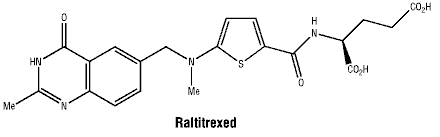
Chemical structure.
7 Medicine Schedule (Poisons Standard)
Schedule 4.
Date of First Approval
21 June 2010
Date of Revision
05 February 2021
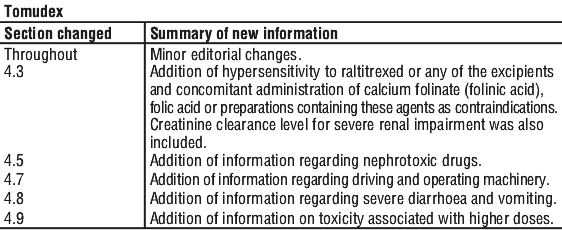
Summary Table of Changes
Reasonable care is taken to provide accurate information at the time of creation. This information is not intended as a substitute for medical advice and should not be exclusively relied on to manage or diagnose a medical condition. The Australian Commission on Safety and Quality in Health Care disclaims all liability (including for negligence) for any loss, damage, injury or any other negative effects resulting from reliance on or use of this information. Read our full disclaimer. This website uses cookies. Read our privacy policy.