
Vaqta
Brand Information
| Brand name | Vaqta |
| Active ingredient | Hepatitis A child/adolescent vaccine |
| Schedule | S4 |
Consumer Medicine Information (CMI) leaflet
Please read this leaflet carefully before you start using the Vaqta.
Summary CMI
VAQTA®
Consumer Medicine Information (CMI) summary
The full CMI on the next page has more details. If you are worried about using this vaccine, speak to your doctor, nurse or pharmacist.
1. Why am I or my child being given VAQTA?
VAQTA contains hepatitis A virus protein which is an inactivated virus and is injected into the body. VAQTA is a vaccine used to help prevent hepatitis A. It can be given to children 12 months of age and older, teenagers and adults.
For more information, see Section 1. Why am I or my child being given VAQTA? in the full CMI.
2. What should I know before my child or I are given VAQTA?
Do not use if you or your child have ever had an allergic reaction to VAQTA or any of the ingredients listed at the end of the CMI.
Talk to your doctor if you or your child have any other medical conditions, take any other medicines, or are pregnant or plan to become pregnant or are breastfeeding.
For more information, see Section 2. What should I know before my child or I are given VAQTA? in the full CMI.
3. What if my child or I are taking other medicines?
Some medicines may interfere with VAQTA and affect how it works.
A list of these medicines is in Section 3. What if my child or I are taking other medicines? in the full CMI.
4. How is VAQTA given?
A doctor or nurse will give you or your child this vaccine as an injection, usually into the upper arm.
The vaccine should not be injected directly into veins (intravenously).
More instructions can be found in Section 4. How is VAQTA given? in the full CMI.
5. What should I know after my child or I have been given VAQTA?
| Things you should do |
|
| Driving or using machines |
|
| Looking after your medicine | It is unlikely that you will be asked to store VAQTA. If you are:
|
For more information, see Section 5. What should I know after my child or I have been given VAQTA? in the full CMI.
6. Are there any side effects?
Common side effects include: local reaction around the injection site such as pain, soreness, tenderness, warmth, redness or swelling; fever, sore throat, runny nose, cough, stomach pain, feeling sick (nausea), vomiting, diarrhoea, headache
Serious side effects may include allergic reactions such as skin rash; itching; or hives (pinkish, itchy swellings on the skin).
For a complete list of side effects and more information, including what to do if you or your child have any side effects, see Section 6. Are there any side effects? in the full CMI.
Full CMI
VAQTA®
Active ingredient(s): Hepatitis A vaccine, Inactivated (hepatitis A virus, inactivated)
Consumer Medicine Information (CMI)
This leaflet provides important information about using VAQTA. You should also speak to your doctor or pharmacist if you would like further information or if you have any concerns or questions about using VAQTA.
Where to find information in this leaflet:
1. Why am I or my child being given VAQTA?
2. What should I know before my child or I are given VAQTA?
3. What if my child or I are taking other medicines?
4. How is VAQTA given?
5. What should I know after my child or I have been given VAQTA?
6. Are there any side effects?
7. Product details
1. Why am I or my child being given VAQTA?
VAQTA is a vaccine used to help prevent hepatitis A. It can be given to children 12 months of age and older, teenagers and adults.
What is Hepatitis A
Hepatitis A is an infection of the liver caused by the hepatitis A virus. It can be caught by coming into contact with an infected person who has poor sanitary habits, eating or drinking foods prepared by an infected food handler, or, while uncommon, by blood transfusion from an infected donor. Other circumstances that can increase the risk of infection include:
- travelling to areas where hepatitis A is common
- living in a community with one or more recorded outbreaks within the last five years
- being around groups of other children, for example, daycare centres
- living in the same house as someone who is infected
- having chronic liver disease or having had a liver transplant
- sexual contact with someone who is infected
- being infected with Human Immunodeficiency Virus (HIV)
- working in the healthcare field
- eating raw shellfish
- sharing needles for injecting drugs
- having a blood disorder requiring transfusion of blood products.
Symptoms of hepatitis A usually begin 2 to 8 weeks after coming into contact with the virus. These include loss of appetite, feeling sick (nausea), vomiting, fever, chills, tiredness, yellowing of the skin and/or eyes and dark urine. Most people recover completely from hepatitis A disease. However, occasionally cases develop into severe disease and death.
Hepatitis A occurs in Australia and New Zealand, but is not common. However, it is very common in many parts of the world and the risk of infection is greatest in those areas where hygiene and sanitation are poor. Immunisation against hepatitis A is suggested for travellers to such areas, including Asia, India, Africa, Central and South America.
How does it work
The vaccine contains inactivated virus and is injected into the body. The body then produces its own protection by making disease-fighting substances (antibodies) to fight the virus. The vaccine itself cannot cause the infection. If a vaccinated person comes into contact with live virus the body is usually ready, and produces antibodies to destroy it. However, as with all vaccines, 100% protection against hepatitis A cannot be guaranteed.
Because hepatitis A infection can go undetected for a long period of time, it is possible that an individual may already be infected at the time the vaccine is given. The vaccine may not prevent hepatitis A in these individuals.
VAQTA will not protect against hepatitis caused by other agents or viruses (such as hepatitis B, hepatitis C, hepatitis D, hepatitis E).
2. What should I know before my child or I are given VAQTA?
Warnings
Do not get VAQTA if:
- you or your child are allergic to VAQTA, or any of the ingredients listed at the end of this leaflet. Always check the ingredients to make sure you can use this medicine.
- the expiry date on the pack has passed. If the vaccine is used after the expiry date has passed, it may not work.
If you are not sure whether you or your child should be given VAQTA, talk to your doctor.
Do not give VAQTA to children under 12 months of age.
Check with your doctor if you or your child:
- have any medical conditions, especially the following:
- bleeding problems
- diseases which decrease the immune system, for example, AIDS
- cancer
VAQTA may not work as well as it should if you or your child have diseases or conditions which decrease the body's immune defence system. Your doctor will decide whether or not to give the vaccine. - have an acute infection or a high temperature
Your doctor may decide to delay your injection of VAQTA. - have any allergies to any other medicines or any other substances, such as foods, preservatives, latex rubber or dyes.
If you have not told your doctor about any of the above, tell them before you or your child are given an injection of VAQTA.
During treatment, you may be at risk of developing certain side effects. It is important you understand these risks and how to monitor for them. See additional information under Section 6. Are there any side effects?
Pregnancy and breastfeeding
Check with your doctor if you are pregnant or intend to become pregnant. It is not known whether the vaccine is harmful to an unborn baby when administered to a pregnant woman. Your doctor will give you VAQTA only if it is clearly needed.
Talk to your doctor if you are breastfeeding or intend to breastfeed. It is not known whether VAQTA passes into breast milk. Your doctor will discuss the possible risks and benefits of you being given VAQTA while breast-feeding.
Use in Children
Do not give VAQTA to children under 12 months of age.
The safety and effectiveness of VAQTA in these children have not been established.
3. What if my child or I are taking other medicines?
Tell your doctor or pharmacist if you are taking any other medicines, including any medicines, vitamins or supplements that you buy without a prescription from your pharmacy, supermarket or health food shop.
VAQTA may not work as well as it should if you or your child are taking medicines that decrease the immune system, such as corticosteroids (e.g. prednisone) or cyclosporin.
Your doctor will advise you if you are taking any of these or other medicines that decrease the immune system.
Your doctor will decide whether or not to give the vaccine.
Use with other vaccines
VAQTA may be given at the same time as yellow fever, typhoid, measles, mumps, rubella, varicella and pneumococcal 7-valent conjugate vaccines. VAQTA may also be given at the same time as an immune globulin injection. The injections should be given at different places on the body and using separate syringes.
There is limited information available regarding the administration of other vaccines at the same time as VAQTA. Your doctor will decide if VAQTA should be given with other vaccines.
Check with your doctor or pharmacist if you are not sure about what medicines, vitamins or supplements you are taking and if these affect VAQTA.
4. How is VAQTA given?
How much will you be given
Your doctor will decide on the dose of VAQTA that you will be given. This depends on your age.
- The usual dose for children and teenagers (12 months through 17 years of age) is 0.5 mL (approx. 25U).
- The usual dose for adults (18 years and older) is 1.0 mL (approx. 50U).
How is it given
- VAQTA is given as an injection, usually into your upper arm muscle by a doctor or trained nurse.
- The vaccine should not be injected directly into veins (intravenously).
Vaccination Schedule
VAQTA is generally given as a total of two doses. Each dose is given on a separate visit.
The schedule for children and teenagers (12 months to 17 years) is:
- 1st dose: at elected date
- 2nd dose: 6 to 18 months later
The schedule for adults is:
- 1st dose: at elected date
- 2nd dose: 6 to 18 months later
The schedule for adults infected with HIV is:
- 1st dose: at elected date
- 2nd dose: 6 months later
It is important to return at the scheduled date for the follow-up dose.
If you have been given another hepatitis A vaccine as your 1st dose, VAQTA may be given as the 2nd dose, 6 to 12 months later.
5. What should I know after my child or I have been given VAQTA?
Things you should do
Keep your follow-up appointment with your doctor or clinic.
It is important to have your follow-up dose of VAQTA at the appropriate time to make sure the vaccine has the best chance of providing protection against the hepatitis A virus.
Remind any doctor, dentist or pharmacist you visit that you are using VAQTA.
Driving or using machines
Be careful before you drive or use any machines or tools until you know how VAQTA affects you.
VAQTA should not normally interfere with your ability to drive a car or operate machinery. However, VAQTA may cause tiredness or weakness in some people. Make sure you know how you react to VAQTA before you drive a car, operate machinery, or do anything else that could be dangerous if you are tired or weak.
Looking after your medicine
It is unlikely that you will be asked to store VAQTA. However if you need to store VAQTA:
- Keep it where children cannot reach it.
- Keep it in the refrigerator, but not in the door compartment.
- Do not put VAQTA in the freezer, as freezing destroys the vaccine.
- Keep the injection in the original pack until it is time for it to be given.
Getting rid of any unwanted medicine
If you no longer need to use this medicine or it is out of date, take it to any pharmacy for safe disposal.
Do not use this medicine after the expiry date.
6. Are there any side effects?
All medicines, including vaccines, can have side effects. If you or your child do experience any side effects, most of them are minor and temporary. However, some side effects may need medical attention.
See the information below and, if you need to, ask your doctor, nurse, or pharmacist if you have any further questions about side effects.
Common side effects in Children, Teenagers and Adults
| Common side effects | What to do |
| Speak to your doctor if you or your child have any of these side effects and they worry you. |
Common side effects in children 12 months to 23 months of age
| Common side effects | What to do |
| Speak to your doctor if your child has any of these common side effects and they worry you. |
Additional common side effects in adults
| Common side effects | What to do |
| Speak to your doctor if you have any of these common side effects and they worry you. |
Serious side effects in children/teenagers 2 years to 17 years of age and adults 18 years of age and older
| Serious side effects | What to do |
Allergic Reactions
| Call your doctor straight away, or go straight to the Emergency Department at your nearest hospital if you or your child experience any of these serious side effects. |
Tell your doctor or pharmacist if you notice anything else that may be making you feel unwell.
Other side effects not listed here may occur in some people.
Reporting side effects
After you have received medical advice for any side effects you experience, you can report side effects to the Therapeutic Goods Administration online at www.tga.gov.au/reporting-problems. By reporting side effects, you can help provide more information on the safety of this medicine.
Always make sure you speak to your doctor or pharmacist before you decide to stop taking any of your medicines.
7. Product details
This medicine is only available with a doctor's prescription.
What VAQTA contains
| Active ingredient (main ingredient) | Hepatitis A virus protein |
| Other ingredients (inactive ingredients) | Aluminium (as amorphous aluminium hydroxyphosphate sulfate) Borax Sodium chloride |
Do not take this medicine if you are allergic to any of these ingredients.
VAQTA is made without any human blood or blood products. It does not contain any infectious material.
The manufacture of this product includes exposure to bovine derived materials. No evidence exists that any case of vCJD (considered to be the human form of bovine spongiform encephalopathy) has resulted from the administration of any vaccine product.
What VAQTA looks like
VAQTA comes in glass vials and prefilled syringes. It is a white milky liquid. Two different vaccine doses are available:
- approximately 25 Units in 0.5 mL of liquid
- approximately 50 Units in 1 mL of liquid
In the injection vial products, the vial stopper contains dry natural latex rubber.
In the injection syringe products, the syringe plunger stopper and tip cap are not made with natural rubber latex.
Australian Register Numbers:
VAQTA hepatitis A vaccine inactivated 25 units/0.5mL injection vial (AUST R 58534)
VAQTA hepatitis A vaccine inactivated 50 units/1mL injection vial (AUST R 58536)
VAQTA hepatitis A vaccine inactivated 25 units/0.5mL injection syringe (AUST R 58539)
VAQTA hepatitis A vaccine inactivated 50 units/1mL injection syringe (AUST R 58540)
Who sponsors VAQTA
Merck Sharp & Dohme (Australia) Pty Ltd
Level 1, Building A, 26 Talavera Road
Macquarie Park NSW 2113
www.msd-australia.com.au
Tel: (+61) 02 8988 8000
Who distributes VAQTA
Seqirus (Australia) Pty Ltd
Melbourne, Victoria
Australia
www.seqirus.com.au
Tel: 1800 642 865
This leaflet was prepared in October 2025.
WPPI-V251-I-062025
RCN: 000028162-AU; 000024768-AU
Copyright © 2025 Merck & Co., Inc., Rahway, NJ, USA, and its affiliates. All rights reserved.
Brand Information
| Brand name | Vaqta |
| Active ingredient | Hepatitis A child/adolescent vaccine |
| Schedule | S4 |
MIMS Revision Date: 01 December 2025
Notes
Sponsored by Merck Sharp & Dohme (Australia) Pty Ltd
1 Name of Medicine
Hepatitis A virus, inactivated.
2 Qualitative and Quantitative Composition
VAQTA (hepatitis A vaccine, inactivated) is an inactivated whole virus vaccine derived from hepatitis A virus grown in cell culture in human MRC-5 diploid fibroblasts and has been shown to induce antibody to hepatitis A virus protein. It contains inactivated virus of a strain which was originally derived by further serial passage of a proven attenuated strain. The virus is grown, harvested, purified by a combination of physical and high performance liquid chromatographic techniques, formalin inactivated, and then adsorbed onto amorphous aluminium hydroxyphosphate sulfate adjuvant. One mL of the vaccine contains approximately 50 units (U) of hepatitis A antigen, which is highly purified and is formulated without a preservative. Within the limits of current assay variability, the 50 U dose of VAQTA contains less than 0.1 microgram of non-viral protein, less than 4 x 10⁻⁶ microgram of DNA, less than 10-4 microgram of bovine albumin and less than 0.8 microgram of formaldehyde. Other process chemical residuals (including neomycin) are less than 10 parts per billion (ppb).
The manufacture of this product includes exposure to bovine related materials. No evidence exists that any case of vCJD (considered to be the human form of bovine spongiform encephalopathy) has resulted from the administration of any vaccine product.
VAQTA is supplied in two formulations:
Paediatric/ adolescent formulation. Each 0.5 mL dose contains approximately 25 U of hepatitis A virus protein as the active ingredient.
Adult formulation. Each 1 mL dose contains approximately 50 U of hepatitis A virus protein as the active ingredient.
For the full list of excipients, see Section 6.1 List of Excipients.
3 Pharmaceutical Form
VAQTA is a suspension for injection.
4 Clinical Particulars
4.1 Therapeutic Indications
VAQTA is indicated for active pre-exposure prophylaxis against disease caused by hepatitis A virus in persons 12 months of age and older. Primary immunisation should be given at least 2 weeks prior to expected exposure to hepatitis A virus.
Individuals who are or will be at increased risk of infection include:
Travellers to areas of intermediate or high endemicity for hepatitis A.
Persons for whom hepatitis A is an occupational hazard, i.e. employees of child daycare centres, certain institutional workers (e.g. caretakers for the intellectually disabled), health workers and teachers in remote Aboriginal and Torres Strait Islander communities, nursing staff and other healthcare workers in contact with patients in paediatric wards and infectious disease wards; sewerage workers.
Recipients of blood products.
Individuals with chronic liver disease and those who have had a liver transplant.
Homosexually active males.
Human immunodeficiency virus (HIV) infected adults.
4.2 Dose and Method of Administration
Do not inject intravascularly or intradermally.
VAQTA is for intramuscular injection. The deltoid muscle is the preferred site for intramuscular injection. While intramuscular injection results in the best immune response, VAQTA may be administered subcutaneously when clinically appropriate (see Section 4.4 Special Warnings and Precautions for Use).
VAQTA does not contain a preservative. The vials and prefilled syringes are for use in a single patient only and any residual vaccine must be discarded.
The vaccination series consists of one primary dose and one booster dose given according to the following schedule.
Children/ adolescents 12 months to 17 years of age. Individuals 12 months to 17 years of age should receive a single 0.5 mL (~ 25 U) dose of vaccine at elected date and a booster dose of 0.5 mL (~ 25 U) 6 to 18 months later.
Adults. Adults 18 years of age and older should receive a single 1.0 mL (~ 50 U) dose of vaccine at elected date and a booster dose of 1.0 mL (~ 50 U) 6 to 18 months later.
Adults with human immunodeficiency virus (HIV). HIV infected adults should receive a single 1.0 mL (~ 50 U) dose of vaccine at elected date and a booster dose of 1.0 mL (~ 50 U) 6 months later.
Interchangeability of the booster dose. A booster dose of VAQTA may be given at 6 to 12 months following the initial dose of other inactivated hepatitis A vaccines.
Use with other vaccines. VAQTA may be given concomitantly with yellow fever, typhoid, measles, mumps, rubella, varicella and pneumococcal 7-valent conjugate vaccines (see Section 5.1 Pharmacodynamic Properties, Clinical trials, Use with other vaccines; Section 4.8 Adverse Effects (Undesirable Effects)).
Immunogenicity data are insufficient to support concomitant administration of VAQTA with DTaP. Data on concomitant use with other vaccines are limited. (See Section 4.5 Interactions with Other Medicines and Other Forms of Interactions, Use with other vaccines.)
Separate injection sites and syringes should be used for concomitant administration of injectable vaccines.
Known or presumed exposure to hepatitis A virus/ travel to endemic areas. Use with immune globulin. VAQTA may be administered concomitantly with IG using separate sites and syringes. The vaccination regimen for VAQTA should be followed as stated above. Consult the manufacturer's product information for the appropriate dosage of IG. A booster dose of VAQTA should be administered at the appropriate time as outlined above (also see Section 4.5 Interactions with Other Medicines and Other Forms of Interactions).
The vaccine should be used as supplied; no reconstitution is necessary.
Shake well before withdrawal and use. Thorough agitation is necessary to maintain suspension of the vaccine.
Parenteral drug products should be inspected visually for extraneous particulate matter and discolouration prior to administration whenever solution and container permit. After thorough agitation, VAQTA is a slightly opaque, white suspension.
It is important to use a separate sterile syringe and needle for each individual to prevent transmission of infectious agents from one person to another.
4.3 Contraindications
Hypersensitivity to any component of the vaccine.
4.4 Special Warnings and Precautions for Use
General. Individuals who develop symptoms suggestive of hypersensitivity after an injection of VAQTA should not receive further injections of the vaccine (see Section 4.3 Contraindications).
Use caution when vaccinating latex sensitive individuals using the single dose vial since the vial stopper contains dry natural latex rubber that may cause allergic reactions.
If VAQTA is used in individuals with malignancies or those receiving immunosuppressive therapy or who are otherwise immunocompromised, the expected immune response may not be obtained.
VAQTA will not prevent hepatitis caused by infectious agents other than hepatitis A virus. Because of the long incubation period (approximately 20 to 50 days) for hepatitis A, it is possible for unrecognised hepatitis A infection to be present at the time the vaccine is given. The vaccine may not prevent hepatitis A in such individuals.
As with any vaccine, adequate treatment provisions, including adrenaline (epinephrine), should be available for immediate use should an anaphylactic or anaphylactoid reaction occur.
As with any vaccine, vaccination with VAQTA may not result in a protective response in all susceptible vaccinees.
Any acute infection or febrile illness may be reason for delaying use of VAQTA except when, in the opinion of the physician, withholding the vaccine entails a greater risk.
VAQTA should be administered with caution to people with bleeding disorders who are at risk of haemorrhage following intramuscular injection.
VAQTA may be administered subcutaneously when clinically appropriate (e.g. people with bleeding disorders who are at risk of haemorrhage), although the kinetics of seroconversion are slower for the first subcutaneous dose of VAQTA compared with historical data for intramuscular administration.
Use in the elderly. See Section 5.1, Clinical trials, Interchangeability of the booster dose.
Paediatric use. VAQTA has been shown to be generally well tolerated and highly immunogenic in individuals 12 months to 17 years of age. See Section 4.2 Dose and Method of Administration for the recommended dosage schedule.
Safety and effectiveness in infants below 12 months of age have not been established.
Effects on laboratory tests. See Section 4.8 Adverse Effects (Undesirable Effects), Laboratory findings.
4.5 Interactions with Other Medicines and Other Forms of Interactions
Use with immune globulin. For subjects requiring postexposure prophylaxis or combined immediate and longer-term protection (e.g. travellers departing on short notice to endemic areas), VAQTA may be administered concomitantly with IG using separate sites and syringes. Results from one clinical trial in adults support this regimen (see Section 5.1 Pharmacodynamic Properties, Clinical trials, Immunogenicity).
Use with other vaccines. VAQTA may be given concomitantly with yellow fever, typhoid, measles, mumps, rubella, varicella and pneumococcal 7-valent conjugate vaccines (see Section 5.1 Pharmacodynamic Properties, Clinical trials, Use with other vaccines; Section 4.8 Adverse Effects (Undesirable Effects)).
Immunogenicity data are insufficient to support concomitant administration of VAQTA with DTaP. Data on concomitant use with other vaccines are limited (see Section 5.1 Pharmacodynamic Properties, Clinical trials, Use with other vaccines).
Separate injection sites and syringes should be used for concomitant administration of injectable vaccines.
The Advisory Committee on Immunisation Practices (ACIP advises the US Public Health Service on vaccination policy), has stated that limited data from studies conducted among adults indicate that simultaneous administration of hepatitis A vaccine with diphtheria, poliovirus (oral and inactivated), tetanus, oral typhoid, cholera, Japanese encephalitis, rabies, or yellow fever vaccine does not decrease the immune response to either vaccine or increase the frequency of reported adverse events. Studies indicate that hepatitis B vaccine can be administered simultaneously with hepatitis A vaccine without affecting either vaccine's immunogenicity or increasing the frequency of adverse events.
4.6 Fertility, Pregnancy and Lactation
Effects on fertility. VAQTA has not been evaluated for its potential to impair fertility.
Use in pregnancy. (Category B2)
Animal reproduction studies have not been conducted with VAQTA. It is also not known whether VAQTA can cause foetal harm when administered to a pregnant woman or can affect reproduction capacity. VAQTA should be given to a pregnant woman only if clearly needed.
Use in lactation. It is not known whether VAQTA is excreted in human milk. Because many drugs are excreted in human milk, caution should be exercised when VAQTA is administered to a woman who is breastfeeding.
4.7 Effects on Ability to Drive and Use Machines
There were no specific data. However, asthenia/ fatigue, and headache have been reported following administration of VAQTA.
4.8 Adverse Effects (Undesirable Effects)
Clinical trials. In combined clinical trials, VAQTA was administered to 3159 children 12 to 23 months of age, and 8361 healthy children, adolescents and adults and was generally well tolerated.
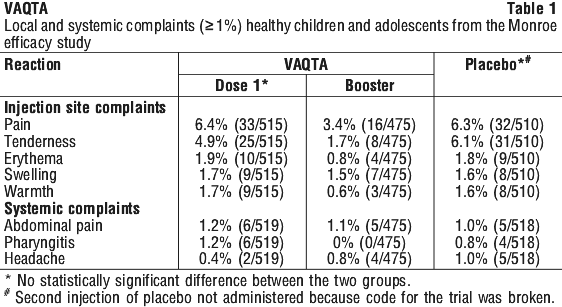
The Monroe efficacy study. In the Monroe efficacy study, 1037 healthy children and adolescents 2 to 16 years of age received either a primary dose of ~ 25 U of hepatitis A vaccine and a booster 6, 12 or 18 months later, or placebo. Subjects were followed during a 5 day period for fever and local complaints and during a 14 day period for systemic complaints. Injection site complaints, generally mild and transient, were the most frequently reported complaints. Table 1 summarises the local and systemic complaints (≥ 1%) reported in this study, without regard to causality. There were no significant differences in the rates of any complaint between vaccine and placebo recipients after dose 1.
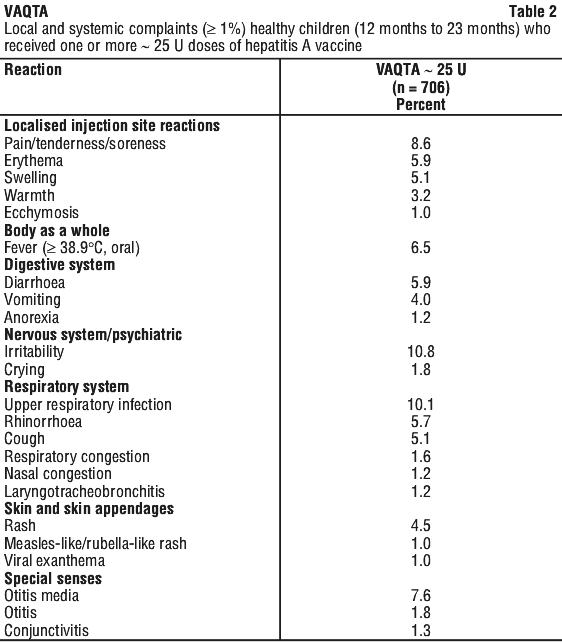
Based on a post hoc analysis, the rate of fever (> 98.6°F (> 37.0°C) or feverish) after any dose of VAQTA was increased in subjects who received VAQTA with ProQuad as compared to VAQTA alone in the 14 days after vaccination {risk difference (11.8% [95% CI: 6.8, 17.2]) and relative risk (1.72 [95% CI: 1.40, 2.12])}. The difference in rate of fever (> 98.6°F (> 37°C) or feverish) was higher after dose 1 (11.5%) as compared to dose 2 (4.0%). The rates of fever ≥ 100.4°F (≥ 38.0°C) and ≥ 102.2°F (≥ 39.0°C) in the 5 days after any dose of VAQTA were similar in both treatment groups.
Concomitant use with ProQuad and pneumococcal 7-valent conjugate vaccine [Prevnar] (see Section 5.1 Pharmacodynamic Properties, Clinical trials, Use with other vaccines). In a clinical trial involving 653 healthy children 12 to 15 months of age, 330 were randomised to receive the first dose of VAQTA (~ 25 U), the first dose of ProQuad [Measles, Mumps, Rubella and Varicella (Oka/Merck) Virus Vaccine Live, MSD] and the fourth dose of Prevnar (Pneumococcal 7-valent Conjugate Vaccine) concomitantly on day 1; these subjects received the second doses of VAQTA and ProQUAD at week 24 or later. The remaining 232 subjects were randomised to receive their first dose of ProQuad and fourth dose of Prevnar concomitantly on day 1, followed by the first dose of VAQTA 6 weeks later; these subjects received a second dose of VAQTA at week 30 or later, and a second dose of ProQuad at week 34 or later. Subjects in both study groups received the second dose of VAQTA at least 24 weeks after their first dose. Among all subjects, fever (> 98.6°F or feverish) was the most common systemic adverse event, and injection site pain/tenderness was the most common injection site adverse reaction.
In the 14 days after vaccination with any dose of VAQTA, the rate of fever (> 98.6°F or feverish) was increased in subjects who received VAQTA with ProQuad and pneumococcal 7-valent conjugate vaccine as compared to VAQTA alone {risk difference (20.0% [95% CI: 13.0, 26.8]) and relative risk (2.10 [95% CI: 1.59, 2.79] in post hoc analysis)}. A difference in rates of fever was noted after dose 1 of VAQTA with ProQuad and pneumococcal 7-valent conjugate vaccine, but not after dose 2 of VAQTA with ProQuad. The rates of fever ≥ 100.4°F and ≥ 102.2°F in the five days after vaccination were similar in both treatment groups (see Table 4).
In the 28 days after vaccination, the administration of dose 1 of VAQTA with dose 1 of ProQuad and dose 4 of pneumococcal 7-valent conjugate vaccine does not increase incidence rates of fever (> 98.6°F or feverish) as compared to when ProQuad is administered with pneumococcal 7-valent conjugate vaccine alone {38.6% and 42.7%, respectively; relative risk (0.9 [95% CI: 0.75, 1.09])} in post hoc analysis. Similarly, the administration of dose 2 of VAQTA with dose 2 of ProQuad does not increase incidence rates of fever (> 98.6°F or feverish) as compared to when dose 2 of ProQuad is administered alone {17.4% and 17.0%, respectively; relative risk (1.02 [95% CI: 0.70, 1.51])}.
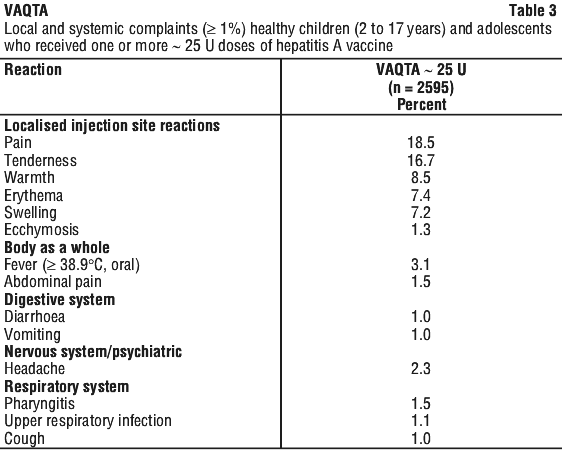
Children/ adolescents 2 to 17 years of age. In combined clinical trials (including Monroe efficacy study participants) involving 2595 healthy children (≥ 2 years of age) and adolescents who received one or more ~ 25 U doses of hepatitis A vaccine, subjects were followed for fever and local complaints during a 5 day period postvaccination and systemic complaints during a 14 day period postvaccination. Injection site complaints, generally mild and transient, were the most frequently reported complaints. Table 3 summarises the local and systemic complaints (≥ 1%) reported in these studies, without regard to causality.
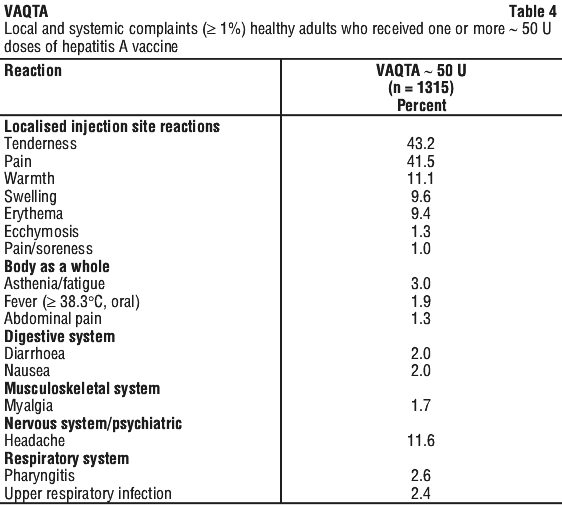
Adults 18 years of age and over. In combined clinical trials involving 1315 healthy adults who received one or more ~ 50 U doses of hepatitis A vaccine, subjects were followed for fever and local complaints during a 5 day period postvaccination, and systemic complaints during a 14 day period postvaccination. Injection site complaints, generally mild and transient, were the most frequently reported complaints. Table 4 summarises the local and systemic complaints (≥ 1%) reported in these studies, without regard to causality.
As with any vaccine, there is the possibility that use of VAQTA in very large populations might reveal adverse experiences not observed in clinical trials.
Postmarketing safety study. In a postmarketing safety study, a total of 42,110 individuals ≥ 2 years of age received 1 or 2 doses of VAQTA. There was no serious, vaccine related, adverse event identified. There was no nonserious, vaccine related, adverse event resulting in outpatient visits, with the exception of diarrhoea/ gastroenteritis in adults at a rate of 0.5%.
Marketed experience. The following additional adverse reactions have been reported with use of the marketed vaccine.
Nervous system. Very rarely, Guillain-Barré syndrome, cerebellar ataxia, encephalitis.
Haemic and lymphatic system. Very rarely, thrombocytopenia.
Reporting suspected adverse effects. Reporting suspected adverse reactions after registration of the medicinal product is important. It allows continued monitoring of the benefit-risk balance of the medicinal product. Healthcare professionals are asked to report any suspected adverse reactions at www.tga.gov.au/reporting-problems.
4.9 Overdose
For information on the management of overdose, contact the Poisons Information Centre on 131126 (Australia).
5 Pharmacological Properties
5.1 Pharmacodynamic Properties
Mechanism of action. VAQTA (hepatitis A vaccine, inactivated) is an inactivated whole virus vaccine which has been shown to induce antibody to hepatitis A virus protein.
Clinical trials. Clinical trials have been conducted worldwide with several formulations of the vaccine in 3159 children 12 to 23 months of age and 8361 healthy individuals ranging from 2 to 85 years of age.
Protection from hepatitis A disease has been shown to be related to the presence of antibody; an anamnestic antibody response occurs in healthy individuals with a history of infection who are subsequently re-exposed to hepatitis A virus. Protection after vaccination with VAQTA was associated with the onset of seroconversion (≥ 10 mIU/mL of hepatitis A antibody) and with an anamnestic antibody response following booster vaccination with VAQTA.
Immunogenicity. In a clinical study, 96% of 471 children ~ 12 months of age seroconverted with a geometric mean titre of 48 mIU/mL within 6 weeks after the primary ~ 25 U intramuscular dose of VAQTA. After each dose of VAQTA, the hepatitis A antibody titres were comparable between children who were initially seropositive to hepatitis A and children who were initially seronegative to hepatitis A. These data suggest that maternal antibody to hepatitis A in children ~ 12 months of age does not affect the immune response to VAQTA.
In another study of children 12 through 15 months of age at entry, who received two ~ 25 U intramuscular doses of VAQTA 6 months apart with or without other vaccines, 100% (n = 182; 95% CI: 98.0%, 100%) were seropositive within 4 weeks after the second dose of VAQTA given with other vaccines for both doses, and 99.4% (n = 159, 95% CI: 96.5%, 100%) were seropositive within 4 weeks after a second dose of VAQTA only.
In combined clinical studies, 97% of 1214 children and adolescents 2 to 17 years of age seroconverted within 4 weeks after a single ~ 25 U intramuscular dose of VAQTA. Similarly, 96% of 1039 adults ≥ 18 years of age seroconverted within 4 weeks after a single ~ 50 U intramuscular dose of VAQTA. Immune memory was later demonstrated by an anamnestic antibody response in individuals who received a booster dose (see Persistence).
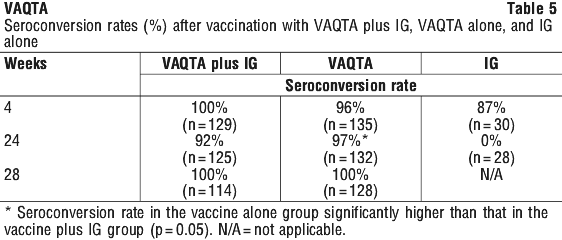
While a study evaluating VAQTA alone in a postexposure setting has not been conducted, the concurrent use of VAQTA (~ 50 U) and immune globulin (IG, 0.06 mL/kg) was evaluated in a clinical study involving healthy adults 18 to 39 years of age. Table 5 provides seroconversion rates at 4 and 24 weeks after the first dose in each treatment group and at one month after a booster dose of VAQTA (administered at 24 weeks).
Because of the long incubation period of the disease (approximately 20 to 50 days, or longer in children), the analysis of protective efficacy was based on cases** of clinically confirmed hepatitis A occurring ≥ 50 days after vaccination in order to exclude any children incubating the infection before vaccination. In subjects who were initially seronegative, the protective efficacy of a single dose of VAQTA was observed to be 100% with 21 cases of clinically confirmed hepatitis A occurring in the placebo group and none in the vaccine group (p < 0.001). Twenty eight cases of clinically confirmed hepatitis occurred in the placebo group while none occurred in the vaccine group ≥ 30 days after vaccination. In addition, it was observed in this trial that no cases of clinically confirmed hepatitis A occurred in the vaccine group after day 16+. Following demonstration of protection with a single dose and termination of the study, a booster dose was administered to most vaccinees 6, 12 or 18 months after the primary dose.
No studies of the efficacy of VAQTA in children < 2 years of age were performed. Use in this group is supported by immunogenicity data alone. The presence of hepatitis A antibody has been used as a correlate of protection, and similarity of the immune response has been established between ~ 12 month old children and 2 to 3 year old children.
* Trademark of Abbott Laboratories.
** The clinical case definition included all of the following occurring at the same time: 1) one or more typical clinical signs or symptoms of hepatitis A (e.g. jaundice, malaise, fever ≥ 38.3°C); 2) elevation of hepatitis A IgM antibody (HAVAB-M); 3) elevation of alanine transferase (ALT) ≥ 2 times the upper limit of normal.
+ One vaccinee did not meet the predefined criteria for clinically confirmed hepatitis A but did have positive hepatitis A IgM and borderline liver enzyme (ALT) elevations on days 34, 50 and 58 after vaccination with mild clinical symptoms observed on days 49 and 50.
Persistence. The total duration of the protective effect of VAQTA in healthy vaccinees is unknown at present. However, seropositivity was shown to persist up to 18 months after a single ~ 25 U dose in most children and adolescents who participated in the Monroe efficacy study.
Follow-up surveillance, in over 880 vaccine recipients, for up to 9 years after termination of the study showed that VAQTA continued to confer complete protection against clinical hepatitis A disease despite a small number of documented cases in the community among nonvaccinated individuals visiting or residing there. To date, no cases of hepatitis A disease ≥ 50 days after vaccination have occurred in those vaccinees from the Monroe efficacy study monitored for up to 9 years.
In adults, seropositivity has been shown to persist up to 18 months after a single ~ 50 U dose. Persistence of immunologic memory was demonstrated with an anamnestic antibody response to a booster dose of ~ 25 U given 6 to 18 months after the primary dose in children and adolescents, and to a booster dose of ~ 50 U given 6 to 18 months after the primary dose to adults.
In a study of healthy children (≥ 2 years of age) and adolescents who received two doses (~ 25 U) of VAQTA at 0 and 6 to 18 months, the hepatitis A antibody response to date has been shown to persist for at least 10 years. The GMTs declined over the first 5 to 6 years, but appeared to plateau through 10 years. There are no data on persistence of antibody in children who commenced vaccination at 12 to 23 months of age.
In studies of healthy adults who received two doses (~ 50 U) of VAQTA at 0 and 6 months, the hepatitis A antibody response to date has been shown to persist at least 6 years (n = 171). After an initial decline over 2 to 3 years, the GMTs appeared to plateau and were stable at the last assessment 6 years after the initial dosing.
Follow-up of subjects in a study in children and adolescents (2 to 16 years of age) indicated:
For subjects who received VAQTA at 0 and 6 months, 100% (175/175) of subjects remained seropositive (≥ 10 mIU anti-HAV/mL) with a GMT of 819 mIU/mL at 2.5 to 3.5 years, 100% (174/174) of subjects remained seropositive with a GMT of 505 mIU/mL at 5 to 6 years, and 100% (114/114) of subjects remained seropositive with a GMT of 574 mIU/mL at 10 years postvaccination.
For subjects who received VAQTA at 0 and 12 months, 100% (49/49) of subjects remained seropositive with a GMT of 2224 mIU/mL at 2.5 to 3.5 years, 100% (47/47) remained seropositive with a GMT of 1191 mIU/mL at 5 to 6 years, and 100% (36/36) remained seropositive with a GMT of 1005 mIU/mL at 10 years postvaccination.
For subjects who received VAQTA at 0 and 18 months, 100% (53/53) of subjects remained seropositive with a GMT of 2501 mIU/mL at 2.5 and 3.5 years, 100% (56/56) of subjects remained seropositive with a GMT of 1614 mIU/mL at 5 to 6 years, and 100% (41/41) remained seropositive with a GMT of 1507 mIU/mL at 10 years postvaccination.
Follow-up of subjects in a study in adults (18-41 years of age) who received VAQTA at 0 and 6 months indicated:
100% (378/378) subjects remained seropositive with a GMT of 1734 mIU/mL at 1 year postvaccination; 99.2% (252/254) of subjects remained seropositive with a GMT of 687 mIU/mL at 2 to 3 years postvaccination; 99.1% (219/221) of subjects remained seropositive with a GMT of 605 mIU/mL at 4 years postvaccination, and 99.4% (170/171) of subjects remained seropositive with a GMT of 684 mIU/mL at 6 years postvaccination.
Follow-up of subjects in a study in children and adolescents (2 to 17 years of age) who received VAQTA at 0 and 6 months indicated:
99.7% (307/308) subjects remained seropositive with a GMT of 2424 mIU/mL at 1 year postvaccination, 99.6% (275/276) of subjects remained seropositive with a GMT of 1022 mIU/mL at 2 to 3 years postvaccination, 100% (267/267) of subjects remained seropositive with a GMT of 881 mIU/mL at 4 years postvaccination, and 100% (220/220) of subjects remained seropositive with a GMT of 927 mIU/mL at 6 years postvaccination.
Data available from long term studies show persistence of antibodies up to 10 years in subjects who received 2 doses of VAQTA. Although the total duration of the protective effect of VAQTA in healthy, immunocompetent subjects is unknown, mathematical modeling using persistence data from subjects up to 41 years of age projects that at least 99% of subjects should remain seropositive (≥ 10 mIU anti-HAV/mL) for 25 years or possibly longer.
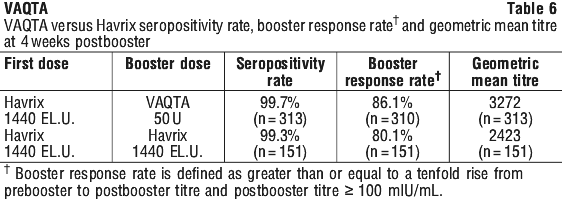
Interchangeability of the booster dose. A clinical study in 537 healthy adults, 18 to 83 years of age, evaluated the immune response to a booster dose of VAQTA and Havrix^ (hepatitis A vaccine, inactivated) given at 6 or 12 months following an initial dose of Havrix^. When VAQTA was given as a booster dose following Havrix^, the vaccine produced an adequate immune response (see Table 6) and was generally well tolerated. (See Section 4.2 Dose and Method of Administration, Interchangeability of the booster dose.)
^ Trademark of GlaxoSmithKline, Philadelphia, PA, U.S.A.
The hepatitis A response rates after each dose of VAQTA when VAQTA was given alone or concomitantly with M-M-R II and Varivax or DTaP and an optional dose of polio vaccine were similar. The hepatitis A response rates also were similar to predefined historical rates seen in 2 to 3 year old children administered VAQTA alone. When VAQTA was administered concomitantly with M-M-R II and Varivax, the measles, mumps and rubella response rates were similar to the historical rates for M-M-R II. VAQTA may be given concomitantly at separate injection sites with M-M-R II. Immunogenicity data are insufficient to support concomitant administration of VAQTA with DTaP. The immune responses to polio vaccine coadministered with VAQTA are not available. (See Section 4.2 Dose and Method of Administration, Use with other vaccines.)
In a clinical trial involving 653 healthy children 12 to 15 months of age, 330 were randomised to receive VAQTA (~ 25 U), ProQuad [Measles, Mumps, Rubella and Varicella (Oka/Merck) Virus Vaccine Live, MSD], and Prevenar (Pneumococcal 7-valent Conjugate Vaccine) concomitantly, and 323 were randomised to receive ProQuad and Prevenar concomitantly followed by VAQTA 6 weeks later. The seropositivity rate after 2 doses of VAQTA given concomitantly with ProQuad and Prevenar was 100% [95% CI: 98.0%, 100.0%] and for VAQTA given without ProQuad and Prevenar was 99.4% [95% CI: 96.5%, 100.0%]. Hepatitis A response was similar among the two groups who received VAQTA with or without ProQuad and Prevenar. Seroconversion rates and antibody titers for varicella and S. pneumoniae types 4, 6B, 9V, 14, 18C, 19F, and 23F were similar between the groups at 6 weeks postvaccination.
For the varicella component of ProQuad, in subjects with baseline antibody titres < 1.25 gpELISA units/mL, the observed seroprotection rate per protocol population (the population with a titre ≥ 5 gpELISA units/mL) was reported as 93.3% (95% CI: [89.2%, 96.2%]) when VAQTA was given concomitantly with ProQuad and Prevnar, compared with 98.3% (95% CI: [95.6%, 99.5%]) when ProQuad and Prevnar were given concomitantly followed by VAQTA 6 weeks later.
In a clinical trial involving 1800 healthy children 12 to 23 months of age, 1453 received two ~ 25 U intramuscular doses of VAQTA, and 347 were randomised to receive two ~ 25 U intramuscular doses of VAQTA concomitantly with 2 doses of ProQuad at least 6 months apart. Rates of solicited injection site reactions (pain/tenderness, erythema, swelling) were higher than prior experience with VAQTA in 12 to 23 month old children. Among all subjects, fever [ > 98.6°F (37°C) or feverish] was the most common systemic adverse event and injection site pain/tenderness was the most common injection site reaction.
A controlled clinical study was conducted with 240 healthy adults, 18 to 54 years of age, who were randomised to receive either VAQTA, yellow fever and typhoid vaccines concomitantly at separate injection sites; yellow fever and typhoid vaccines concomitantly at separate injection sites; or VAQTA alone. The seropositivity rate for hepatitis A when VAQTA, yellow fever and typhoid vaccines were administered concomitantly was generally similar to when VAQTA was given alone. The antibody response rates for yellow fever and typhoid were adequate when yellow fever and typhoid vaccines were administered concomitantly with and without VAQTA. The concomitant administration of these three vaccines at separate injection sites was generally well tolerated.
The immune response to polio vaccine, Haemophilus influenzae type b (HIB) conjugate vaccine, and meningococcal polysaccharide vaccine coadministered with VAQTA are not available (see Section 4.2 Dose and Method of Administration, Use with other vaccines.)
Subcutaneous administration. In a clinical study with 114 healthy seronegative adults who received subcutaneous administration of VAQTA (~ 50 U), at 4 weeks following the first dose, the seropositivity rate (SPR) was 78%, and the GMT was 21 mIU/mL. At 24 weeks following the first dose and just prior to the second subcutaneous injection, the SPR was 95%, and the GMT was 153 mIU/mL. At 4 weeks following the second subcutaneous injection, the SPR was 100%, and the GMT was 1564 mIU/mL. The SPR and GMT measured 4 weeks after the first dose and the GMT after the second dose were lower than has historically been seen after intramuscular injection. At 24 weeks after the first dose, prior to the booster dose, the SPR was similar to that seen after intramuscular injection. Patients receiving VAQTA by subcutaneous injection should be advised that protection from infection is not reliably achieved until 24 weeks after the first dose. Subcutaneous injection was associated with a higher rate of local adverse events than intramuscular injection.
Administration in HIV infected adults. In a clinical study with 180 adults, 60 HIV positive and 90 HIV negative adults received VAQTA (~ 50 U) and 30 HIV positive adults received placebo. At 4 weeks following the first dose of VAQTA, the SPR was 61% for HIV positive adults and 90% for HIV negative adults. At 28 weeks following the first dose (4 weeks following the second dose) of VAQTA, the SPRs were satisfactory for all groups: 94% (GMT of 1060 mIU/mL) in HIV positive and 100% (GMT of 3602 mIU/mL) in HIV negative adults. Furthermore, in the HIV positive group receiving VAQTA, the SPR was 100% (GMT of 1959 mIU/mL) in subjects with CD4 cell counts ≥ 300 cell/mm3; however, the SPR was 87% (GMT of 517 mIU/mL) in subjects with CD4 cell counts < 300 cell/mm3. The kinetics of the immune response were slower in the HIV positive group compared with the HIV negative group. In HIV positive adults, administration of VAQTA did not appear to adversely affect the CD4 cell counts and HIV RNA burden.
The immunogenicity of VAQTA after subcutaneous administration to HIV infected individuals has not been assessed.
5.2 Pharmacokinetic Properties
Not applicable.
5.3 Preclinical Safety Data
Genotoxicity. VAQTA has not been evaluated for its genotoxic potential.
Carcinogenicity. VAQTA has not been evaluated for its carcinogenic potential.
6 Pharmaceutical Particulars
6.1 List of Excipients
Aluminium (as amorphous aluminium hydroxyphosphate sulfate), borax, sodium chloride.
6.2 Incompatibilities
Incompatibilities were either not assessed or not identified as part of the registration of this medicine. Please see Section 4.5 Interactions with Other Medicines and Other Forms of Interactions for further information.
6.3 Shelf Life
The expiry date can be found on the packaging. In Australia, information on the shelf life can be found on the public summary of the Australian Register of Therapeutic Goods (ARTG).
6.4 Special Precautions for Storage
Store the vaccine at 2-8°C. Storage above or below the recommended temperature may reduce potency.
Do not freeze since freezing destroys potency.
6.5 Nature and Contents of Container
VAQTA is a sterile suspension for intramuscular use and is available as single dose vials and prefilled syringes of vaccine.
In the injection vial products, the vial stopper contains dry natural latex rubber.
In the injection syringe products, the syringe plunger stopper and tip cap are not made with natural rubber latex.
Please see Section 4.4 Special Warnings and Precautions for Use.
6.6 Special Precautions for Disposal
In Australia, any unused medicine or waste material should be disposed of in accordance with local requirements.
6.7 Physicochemical Properties
Chemical structure. Not applicable.
CAS number. Not applicable.
7 Medicine Schedule (Poisons Standard)
Prescription Only Medicine (S4).
Date of First Approval
08 January 1997
Date of Revision
17 October 2025
Summary Table of Changes
Reasonable care is taken to provide accurate information at the time of creation. This information is not intended as a substitute for medical advice and should not be exclusively relied on to manage or diagnose a medical condition. The Australian Commission on Safety and Quality in Health Care disclaims all liability (including for negligence) for any loss, damage, injury or any other negative effects resulting from reliance on or use of this information. Read our full disclaimer. This website uses cookies. Read our privacy policy.