
Zolgensma
Brand Information
| Brand name | Zolgensma |
| Active ingredient | Onasemnogene abeparvovec |
| Schedule | S4 |
Consumer Medicine Information (CMI) leaflet
Please read this leaflet carefully before you start using the Zolgensma.
Summary CMI
Zolgensma®
Consumer Medicine Information (CMI) summary
The full CMI on the next page has more details. If you are worried about using this medicine, speak to your doctor or pharmacist.
▼ This medicine is new or being used differently. Please report side effects. See the full CMI for further details.
WARNING: Important safety information is provided in a boxed warning in the full CMI. Read before your child is given this medicine.
1. Why is my child being given Zolgensma?
Zolgensma contains onasemnogene abeparvovec. It is a gene therapy used to treat babies, toddlers and young children, who have a rare, serious inherited condition called "spinal muscular atrophy" (SMA).
For more information, see Section 1. Why is my child being given Zolgensma? in the full CMI.
2. What should I know before my child is given Zolgensma?
Do not use if your child is allergic to onasemnogene abeparvovec, or any of the ingredients listed at the end of this leaflet.
Talk to your doctor if your child has any other medical conditions.
For more information, see Section 2. What should I know before my child is given Zolgensma? in the full CMI.
3. What if my child is taking other medicines?
Some medicines may interfere with Zolgensma and affect how it works.
A list of these medicines is in Section 3. What if my child is taking other medicines? in the full CMI.
4. How will my child be given Zolgensma?
Children weighing between 2.6 and 21.0 kg only can be treated with Zolgensma.
Zolgensma is given to your child by a single infusion (drip). This will be given over a period of approximately 1 hour into a vein in your child's leg or arm. Before treatment your child will be given a medication called prednisolone or another corticosteroid. Your child will be given prednisolone/corticosteroid treatment daily for approximately 2 months after the dose of Zolgensma, or until your child's increased liver enzymes decrease to an acceptable level.
More instructions can be found in Section 4. How will my child be given Zolgensma? in the full CMI.
5. What should I know after my child is given Zolgensma?
| Things you should do |
|
| After your child is given Zolgensma |
|
For more information, see Section 5. What should I know after my child is given Zolgensma? in the full CMI.
6. Are there any side effects?
There can be some serious side effects before and after Zolgensma treatment.
For more information, including what to do if you have any side effects, see Section 6. Are there any side effects? in the full CMI.
Full CMI
▼ This medicine is subject to additional monitoring. This will allow quick identification of new safety information. You can help by reporting any side effects you may get. You can report side effects to your doctor, or directly at www.tga.gov.au/reporting-problems.
WARNING: HEPATOTOXICITY Acute serious liver injury, acute liver failure and increased liver enzymes can occur with ZOLGENSMA. Cases of acute liver failure with fatal outcomes have been reported. If your child has a pre-existing liver condition before Zolgensma they may be at increased risk. Your doctor will check the liver function of your child by tests. Corticosteroid medicine will be given before, and after, your child is given Zolgensma. Liver function will be checked for at least 3 months after treatment.
Zolgensma®
Active ingredient(s): onasemnogene abeparvovec
Consumer Medicine Information (CMI)
This leaflet provides important information about using Zolgensma. You should also speak to your doctor or pharmacist if you would like further information or if you have any concerns or questions about using Zolgensma.
Where to find information in this leaflet:
1. Why is my child being given Zolgensma?
2. What should I know before my child is given Zolgensma?
3. What if my child is taking other medicines?
4. How will my child be given Zolgensma?
5. What should I know after my child is given Zolgensma?
6. Are there any side effects?
7. Product details
1. Why is my child being given Zolgensma?
Zolgensma (also known as onasemnogene abeparvovec) is a type of medicine called a "gene therapy". It contains human genetic material.
Zolgensma is used to treat babies, toddlers and young children who have a rare, serious inherited condition called "spinal muscular atrophy" (SMA).
SMA occurs when there is a missing or abnormal version of a gene needed to make an essential protein called 'Survival Motor Neuron' (SMN) protein. Lack of SMN protein causes nerves that control muscles (motor neurons) to die. This results in muscles becoming weak and wasting away, with eventual loss of movement. Zolgensma can rescue viable motor neurons, but does not rescue dead motor neurons.
How does Zolgensma work?
Zolgensma works by supplying a fully functioning copy of the SMN gene which then helps the body produce enough SMN protein. The gene is delivered into the cells where it is needed using a modified virus that does not cause disease in humans.
2. What should I know before my child is given Zolgensma?
Warnings
Do not use Zolgensma if:
- your child is allergic to onasemnogene abeparvovec, or any of the ingredients listed at the end of this leaflet.
Your doctor will check if this medicine is suitable for your child before starting treatment. He/she will:
- Test for antibodies which will help decide if this treatment is suitable.
- Check if your child has had any liver problems and check their liver function. Zolgensma can cause an immune response that could lead to an increase in enzymes produced by the liver or injury to the liver. Injury to the liver can lead to serious outcomes, including liver failure and death.
- Check how much your child's illness has advanced.
- Check your child for any signs of infection.
- Check platelets because they help blood to clot and they may get too low after taking Zolgensma.
- Check the amount of blood cells (including red blood cells and platelets) as well as creatinine level which is an indicator of how the kidneys are working.
Infections
If your child develops an infection (e.g. cold, flu or bronchiolitis) before or after being treated with Zolgensma this could possibly lead to more serious complications. Caregivers and close contacts with the patient should follow infection prevention practices (e.g., hand hygiene, respiratory/cough etiquette, limit potential contacts). Signs of a possible infection you need to look out for in your child include coughing, wheezing, sneezing, runny nose, sore throat or fever. Tell your child's doctor straightaway if you notice your child develops any symptoms suggestive of infection before or after Zolgensma treatment.
Prednisolone
Your child will also be given a medicine called prednisolone for a period of time as part of their treatment with Zolgensma. This is a type of medicine called a 'corticosteroid' which will help manage any potential increase in liver enzymes that your child could develop after being given Zolgensma. Your child's doctor will decide if your child should be given prednisolone or another corticosteroid.
Vaccinations
As corticosteroids can affect the body's immune system, your child's doctor may decide to delay giving any vaccinations to your child while he/she is receiving prednisolone/corticosteroid treatment. Talk to your child's doctor or nurse if you have any questions.
During treatment, your child may be at risk of developing certain side effects. It is important you understand these risks and how to monitor for them. See additional information under Section 6. Are there any side effects?
Use In Children
- Zolgensma is suitable for use in babies, toddlers and children weighing between 2.6 and 21.0 kg, with spinal muscular atrophy (SMA) with bi-allelic mutations in the survival motor neuron 1 (SMN1) gene.
- The benefit of taking Zolgensma is reduced in children with severe muscle weakness, breathing problems, on a ventilator machine permanently, or who are not able to swallow. Your child's doctor will decide if your child should be given this medicine.
Theoretical risk of tumours
There is a possibility that medicines like Zolgensma can insert into the DNA of human body cells. As a result, Zolgensma could cause tumours because of the nature of the medicine.
3. What if my child is taking other medicines?
Tell your doctor or pharmacist if your child is taking any other medicines, including any medicines, vitamins or supplements that you buy without a prescription from your pharmacy, supermarket or health food shop.
Some medicines may interfere with Zolgensma and affect how it works.
Where possible, change your child's vaccination schedule to allow for prednisolone/corticosteroid use before and after Zolgensma infusion.
Check with your doctor or pharmacist if you are not sure about what medicines, vaccines, vitamins or supplements, including medicines you may have bought from a health shop, you are giving your child and whether these may affect Zolgensma.
4. How will my child be given Zolgensma?
How much will be given
- Zolgensma will be given to your child ONCE only. The amount of medicine given is based on your child's weight. Your doctor will work out the correct dose to give.
When will Zolgensma be given
- Children weighing between 2.6 and 21.0 kg only can be treated with Zolgensma.
- Your child will also be given treatment with prednisolone by mouth (or another corticosteroid), starting 24 hours before starting the Zolgensma infusion (drip). The dose of corticosteroid will also depend on your child's weight. The recommended dose of prednisolone is 1 mg per kg body weight daily. Your child's doctor will work out the total dose to give.
How will Zolgensma be given
- Zolgensma will be given to your child by a doctor or nurse experienced in treating SMA
- Zolgensma is given to your child by a single infusion (drip). This will be given over a period of approximately 1 hour into a vein in your child's leg or arm.
5. What should I know after my child is given Zolgensma?
Your child will be given prednisolone (or another corticosteroid) daily for approximately 2 months after the dose of Zolgensma, or until your child's increased liver enzymes decrease to an acceptable level and all other assessments return to normal range. The dose of corticosteroid given to your child will be slowly decreased during this time until treatment can be fully stopped. Your child's doctor will explain when and how they will stop corticosteroid treatment for your child.
Things you should do
Keep all your doctor's appointments and appointments for blood tests after your child receives Zolgensma.
The active medicine in Zolgensma may pass for a short time through your child's bodily waste. Your child's doctor or nurse will explain to you the proper handling of your child's stools and disposable nappies (e.g. using gloves when changing nappies, using bags to dispose of soiled nappies and other waste). Bagged disposable nappies can be disposed of in household waste.
They will also advise you on good hand-hygiene to use when coming into direct contact with your child's bodily waste.
You should continue to follow these instructions for at least 1 month after your child's treatment with Zolgensma. Talk to your child's doctor or nurse if you have any questions.
If you have any further questions on the use of Zolgensma or prednisolone ask your child's doctor or nurse.
After treatment your child will have regular blood tests:
- Your child will have regular blood tests to monitor liver function for at least 3 months after treatment.
Possible signs of liver problems include vomiting, jaundice (yellowing of the skin or of the whites of the eyes) or reduced alertness. Tell your child's doctor straight away if you notice your child develops any symptoms suggestive of injury to the liver. - Zolgensma may lower the blood platelet count (thrombocytopenia). This has been observed to generally occur within the first two weeks after Zolgensma treatment. Your child will have regular blood tests to monitor for changes in blood platelets for up to 3 months after infusion.
Possible signs of a low blood-platelet count you need to look out for after your child is given Zolgensma include abnormal bruising or bleeding.
Call your doctor straight away if you notice:
- A change in your child's skin colour to pale grey/blue skin colour or yellow skin colour.
- Increased tiredness (tires easily), or difficulty breathing (rapid breathing, shortness of breath) at rest or with activity in your child.
- Signs of an infection or sweats during feeding.
- Bruising easily, seizures (fits) or decrease in urine output. This has been observed to generally occur within the first two weeks after Zolgensma treatment.
- Bruising or bleeding for longer than usual if your child has been hurt.
- Signs of infusion-related effects such as rash, hives, vomiting, difficulty breathing, shortness of breath, changes in heart rate.
Remind any doctor, dentist, nurse or pharmacist you visit that your child was given Zolgensma.
6. Are there any side effects?
All medicines can have side effects. If your child experiences any side effects, most of them are minor and temporary. However, some side effects may need medical attention.
See the information below and, if you need to, ask your doctor or pharmacist if you have any further questions about side effects.
Less serious side effects
| Less serious side effects | What to do |
| Speak to your doctor if your child has any of these less serious side effects and they worry you. |
Serious side effects
| Serious side effects | What to do |
| Call your doctor straight away, or go straight to the Emergency Department at your nearest hospital if you notice any of these serious side effects. |
Tell your doctor or pharmacist if you notice anything else that may be making your child feel unwell.
Other side effects not listed here may occur in some people.
Some side effects can only be found when your doctor does tests to check your child's progress. These include increase in liver enzymes (that give information about the health of the liver).
Reporting side effects
After you have received medical advice for any side effects you experience, you can report side effects to the Therapeutic Goods Administration online at www.tga.gov.au/reporting-problems. By reporting side effects, you can help provide more information on the safety of this medicine.
7. Product details
Zolgensma is only given in a hospital.
What Zolgensma contains
| Active ingredient (main ingredient) | Onasemnogene abeparvovec |
| Other ingredients (inactive ingredients) | Trometamol Magnesium chloride hexahydrate Sodium chloride Poloxamer Hydrochloric acid (for pH adjustment) Water for injections |
Do not use this medicine if your child is allergic to any of these ingredients.
Zolgensma contains less than 1 mmol sodium (23 mg) per mL sodium
What Zolgensma looks like
Zolgensma is supplied in a vial with a stopper, seal and coloured cap. The amount of liquid in each vial may be either 5.5 mL or 8.3 mL.
5.5 mL vial Aust R 327906
8.3 mL Aust R 327905
Combination pack Aust R 327907
Who distributes Zolgensma
Zolgensma is supplied in Australia by:
Novartis Pharmaceuticals Australia Pty Limited
(ABN 18 004 244 160)
54 Waterloo Road
Macquarie Park NSW 2113
Telephone 1 800 671 203
Website: www.novartis.com.au
This leaflet was prepared in April 2026.
® Registered trademark of Novartis.
Internal document code: (zol250326c_v2) based on PI (zol250326i)
Brand Information
| Brand name | Zolgensma |
| Active ingredient | Onasemnogene abeparvovec |
| Schedule | S4 |
▼ This medicinal product is subject to additional monitoring in Australia. This will allow quick identification of new safety information. Healthcare professionals are asked to report any suspected adverse events at www.tga.gov.au/reporting-problems.
MIMS Revision Date: 01 May 2026
Patients with pre-existing hepatic impairment may be at higher risk (see Section 4.4 Special Warnings and Precautions for Use).
Prior to infusion, assess liver function of all patients by clinical examination and laboratory testing (e.g. hepatic aminotransferases [aspartate aminotransferase (AST) and alanine aminotransferase (ALT)], total bilirubin, prothrombin time, albumin, partial thromboplastin time (PTT), and international normalised ratio (INR)). Administer systemic corticosteroid to all patients before and after Zolgensma infusion. Continue to monitor liver function for at least 3 months after infusion and at other times as clinically indicated (see Section 4.2 Dose and Method of Administration, Laboratory testing and monitoring to assess safety).
1 Name of Medicine
Onasemnogene abeparvovec.
2 Qualitative and Quantitative Composition
Onasemnogene abeparvovec is a gene therapy medicinal product that expresses the human survival motor neuron (SMN) protein. It is a non-replicating recombinant adeno-associated vector serotype 9 (AAV9) containing the cDNA of the human SMN gene under the control of the cytomegalovirus enhancer/chicken-β-actin-hybrid promoter.
Onasemnogene abeparvovec is produced in human embryonic kidney cells by recombinant DNA technology.
Each mL contains onasemnogene abeparvovec with a nominal concentration of 2 x 10¹³ vector genomes (vg). Vials will contain an extractable volume of not less than either 5.5 mL or 8.3 mL. The total number of vials and combination of fill volumes in each finished pack will be customised to meet dosing requirements for individual patients depending on their weight (see Section 4.2 Dose and Method of Administration; Section 6.5 Nature and Contents of Container).
Excipient with known effect. This medicinal product contains 0.2 mmol sodium per mL.
For the full list of the excipients, see Section 6.1 List of Excipients.
3 Pharmaceutical Form
Injection for intravenous infusion.
When thawed, it is a clear to slightly opaque, colourless to faint white solution.
4 Clinical Particulars
4.1 Therapeutic Indications
Zolgensma (onasemnogene abeparvovec) is indicated for the treatment of paediatric patients with 5q spinal muscular atrophy (SMA) with bi-allelic mutations in the survival motor neuron 1 (SMN1) gene with 3 or fewer copies of the SMN2 gene. (See Section 4.2 Dose and Method of Administration, Special populations, Paediatric patients; Section 5.1 Pharmacodynamic Properties, Clinical trials.)
4.2 Dose and Method of Administration
Dose. For single-dose intravenous infusion only.
Treatment with Zolgensma should be supervised by a physician experienced in the management of patients with SMA.
In order to improve the traceability of biological medicinal products, the name and the batch number of the administered product should be clearly recorded.
An immune response to the adeno-associated viral vector serotype 9 (AAV9) capsid will occur after infusion of Zolgensma, thus patients should not be re-dosed with Zolgensma.
Zolgensma is for a single treatment only.
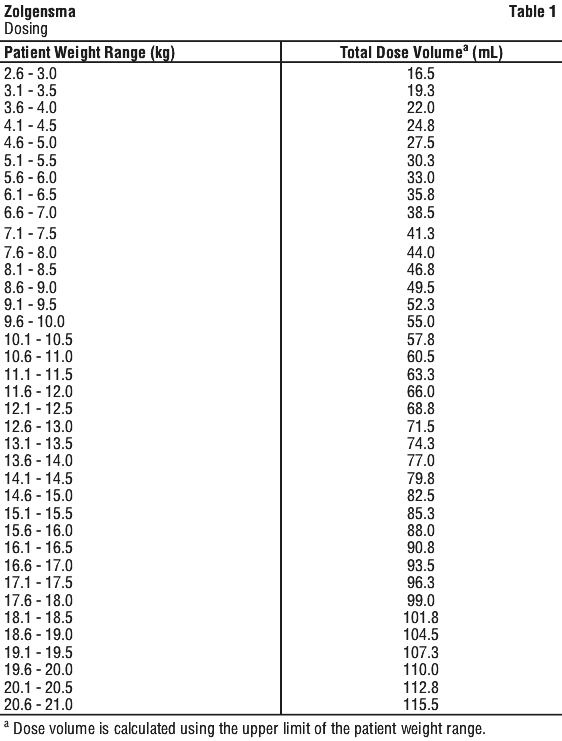
The recommended dose of Zolgensma is 1.1 x 10¹⁴ vector genomes per kilogram (vg/kg) of body weight. The total volume is determined by patient body weight. Table 1 gives the recommended dosing for patients who weigh 2.6 kg to 21.0 kg. The safety and efficacy of Zolgensma in patients over 21 kg has not been established.
Patients with ALT, AST or total bilirubin greater than 2 times ULN should not be dosed with Zolgensma. The exception is when the elevated total bilirubin is due to neonatal jaundice.
Laboratory testing and monitoring to assess safety. Prior to Zolgensma infusion, the following tests should be conducted at baseline (see Section 4.4 Special Warnings and Precautions for Use, Hepatotoxicity, Immunogenicity, Thrombocytopenia and Thrombotic microangiopathy):
AAV9 antibody testing (retesting may be performed if AAV9 antibody titres are reported as > 1:50).
Liver function (clinical exam, aspartate aminotransferase (AST), alanine aminotransferase (ALT), total bilirubin, prothrombin time, albumin, partial thromboplastin time (PTT) and international normalised ratio (INR)).
Creatinine.
Complete blood count (including haemoglobin and platelet count).
After Zolgensma infusion the following tests should be conducted on a regular basis (see Section 4.4 Special Warnings and Precautions for Use, Hepatotoxicity and Thrombocytopenia).
Liver function (clinical exam, aspartate aminotransferase (AST), alanine aminotransferase (ALT), total bilirubin, prothrombin time) weekly for the month after Zolgensma infusion and then weekly during the corticosteroid taper period. If the patient is clinically stable with unremarkable findings at the end of the corticosteroid taper period, liver function should continue to be monitored every two weeks for another month.
Platelet counts weekly for the first month, and then every other week for the second and third months, until platelet counts return to baseline.
Systemic corticosteroid treatment pre- and post-Zolgensma infusion. Transient elevations in liver aminotransferases after treatment with Zolgensma were experienced by some patients (see Section 4.8 Adverse Effects (Undesirable Effects)). To manage a possible increase in liver aminotransferases, all patients should receive systemic corticosteroids given orally before and after dosing Zolgensma (see Section 4.4 Special Warnings and Precautions for Use, Hepatotoxicity).
Treatment with systemic corticosteroid prior to Zolgensma infusion. One day prior to Zolgensma infusion, pre-treat with oral prednisolone at a dose of 1 mg/kg/day (or equivalent if another corticosteroid is used).
Continued treatment with systemic corticosteroid and liver function monitoring following Zolgensma infusion. Prednisolone should be administered daily at 1 mg/kg/day (or equivalent if another corticosteroid is used) for 30 days following infusion with Zolgensma.
At the end of the 30-day period of systemic corticosteroid treatment, check liver status clinically and by assessing ALT, AST, total bilirubin, and prothrombin time. Liver function should be monitored for at least 3 months following Zolgensma infusion, and at other times as clinically indicated (see Section 4.4 Special Warnings and Precautions for Use, Hepatotoxicity).
Promptly clinically assess and closely monitor patients with worsening liver function test results and/or signs or symptoms of acute illness.
For patients with unremarkable findings (normal clinical exam, total bilirubin, and prothrombin time, and ALT and AST levels below 2 x ULN): Taper the prednisolone (or equivalent if another corticosteroid is used) dose over the next 28 days, e.g. 2 weeks at 0.5 mg/kg/day and then 2 weeks at 0.25 mg/kg/day oral prednisolone. Systemic corticosteroids should not be stopped abruptly, rather tapered gradually (see Section 4.4 Special Warnings and Precautions for Use, Hepatotoxicity).
If liver function abnormalities persist, continue systemic corticosteroids (equivalent to oral prednisolone at 1 mg/kg/day) until AST and ALT values are both below 2 x ULN and all other assessments return to normal range, and then taper the corticosteroid dose over the next 28 days or longer if needed. Systemic corticosteroids should not be stopped abruptly, rather tapered gradually.
Promptly consult a paediatric gastroenterologist or hepatologist if patients do not respond adequately to the equivalent of 1 mg/kg/day oral prednisolone. If oral corticosteroid therapy is not tolerated or not effective, intravenous corticosteroids may be considered as clinically indicated.
Variance from these recommendations is at the discretion of the treating physician. If another corticosteroid is used by the physician in place of prednisolone, similar considerations and approach to taper the corticosteroid dose after 30 days following infusion with Zolgensma should be taken as appropriate.
Where feasible, the patient's vaccination schedule should be adjusted to accommodate concomitant corticosteroid administration prior to and following Zolgensma infusion (see Section 4.4 Special Warnings and Precautions for Use; Section 4.5 Interactions with Other Medicines and Other Forms of Interactions).
Requirements for a genetically-modified organism. Zolgensma contains a genetically-modified organism. Follow local institutional guidelines for storage, handling, administration and disposal of medicinal products containing genetically-modified organisms.
The onasemnogene abeparvovec syringe should be prepared aseptically under sterile conditions.
Personal protective equipment (to include gloves, safety goggles, laboratory coat and sleeves) should be worn while preparing or administering onasemnogene abeparvovec. Personnel should not work with onasemnogene abeparvovec if skin is cut or scratched.
All spills of onasemnogene abeparvovec must be wiped with absorbent gauze pad and the spill area must be disinfected using a bleach solution followed by alcohol wipes. All clean up materials must be double bagged and disposed of per institutional guidelines for biohazard waste.
All materials that may have come in contact with onasemnogene abeparvovec (e.g. vial, all materials used for injection, including sterile drapes and needles) must be disposed of in accordance with local institutional biosafety guidelines.
Take precautions to avoid accidental exposure to onasemnogene abeparvovec. In the event of exposure to skin, the affected area must be thoroughly cleaned with soap and water for at least 15 minutes. In the event of exposure to eyes, the affected area must be thoroughly flushed with water for at least 15 minutes.
Method of administration. Administer Zolgensma as a single-dose intravenous infusion through a venous catheter.
Zolgensma is for single use in one patient only. Discard any residue.
Preparation. Zolgensma should be prepared aseptically under sterile conditions.
Thaw Zolgensma before use. The contents of the Zolgensma pack will thaw in approximately 12 hours when placed in a refrigerator (2°C - 8°C), or in approximately 4 hours if placed at room temperature (20°C - 25°C).
If thawed in a refrigerator, remove from refrigerator on day of dosing.
When thawed, Zolgensma is a clear to slightly opaque, colourless to faint white liquid, free of particles. Visually inspect vials for particulate matter and discolouration prior to infusion. Do not use vials if particulates or discolouration are present.
Do not shake.
Prior to dosing draw the appropriate dose volume from all vials into a syringe, remove air from the syringe, cap the syringe, and deliver the syringe at room temperature to the patient infusion location. Dispose of vials in accordance with local institutional biosafety guidelines.
Use Zolgensma within 6 hours of drawing into syringe. Discard the vector-containing syringe if the drug is not infused within the 6 hour timeframe. Dispose of the syringe in accordance with local institutional biosafety guidelines.
Do not refreeze.
Follow the steps below for infusion. 1. Place a primary catheter into a vein (generally a peripheral vein in the arm or leg). Insertion of a back-up catheter is recommended.
2. Program syringe pump for saline priming, or prime tubing manually with saline.
3. Administer Zolgensma as a slow infusion over 60 minutes. Do not infuse as an intravenous push or bolus.
4. Flush line with saline following completion of infusion.
Special populations. Paediatric patients. Administration of Zolgensma to premature neonates before reaching full-term gestational age should be carefully considered. The safety and efficacy of Zolgensma in these patients have not been established.
The efficacy and safety of Zolgensma was studied in paediatric patients who received Zolgensma infusion at age 0.3 to 7.9 months (weight 3.0 kg to 8.4 kg) in studies AVXS-101-CL-303, AVXS-101-CL-101 and AVXS-101-CL-304 and patients weighing from > 8.5 kg to < 21 kg (patient age range 1.51 to 9.13) in study COAV101A12306 (see Section 4.8 Adverse Effects (Undesirable Effects); Section 5.1 Pharmacodynamic Properties, Clinical trials). The safety and efficacy of Zolgensma in patients over 21 kg has not been established. Safety and efficacy are limited in patients with 4 copies of the SMN2 gene.
4.3 Contraindications
Hypersensitivity to the active substance or to any of the excipients listed in Section 6.1 List of Excipients.
4.4 Special Warnings and Precautions for Use
Advanced SMA. Since SMA results in progressive and non-reversible damage to motor neurons, the benefit of Zolgensma in symptomatic patients depends on the degree of disease burden at the time of treatment, with earlier treatment resulting in potential higher benefit.
Progressive motor neuron loss is irreversible. The treating physician should consider that the benefit is seriously reduced in patients with profound muscle weakness and respiratory failure, patients on permanent ventilation, and patients not able to swallow.
Patients requiring permanent ventilatory support have not been evaluated and treatment with Zolgensma is not recommended. Permanent ventilation is defined as requiring invasive ventilation (tracheostomy), or respiratory assistance for 16 or more hours per day (including noninvasive ventilatory support) continuously for 14 or more days in the absence of an acute reversible illness, excluding perioperative ventilation.
Hepatotoxicity. Administration of AAV vector may result in aminotransferase elevations, which may be serious. In clinical trials, elevated transaminases greater than 2 times ULN were observed in 31% of patients treated at the recommended dose (see Section 4.8 Adverse Effects (Undesirable Effects)).
Acute serious liver injury and acute liver failure have occurred with Zolgensma use. Cases of acute liver failure with fatal outcomes have been reported.
Patients with pre-existing hepatic impairment or acute hepatic viral infection may be at higher risk of acute serious liver injury/acute liver failure.
Patients with ALT, AST or total bilirubin greater than 2 times ULN should not be dosed with Zolgensma. The exception is when the elevated total bilirubin is due to neonatal jaundice.
Prior to infusion, liver function of all patients should be assessed by clinical examination and laboratory testing (AST, ALT, total bilirubin, prothrombin time, albumin, PTT and INR).
In order to mitigate potential aminotransferase elevations, a systemic corticosteroid should be administered to all patients before and after Zolgensma infusion (see Section 4.2 Dose and Method of Administration).
Liver function (clinical exam, ALT, AST, total bilirubin and prothrombin time) should be monitored for at least 3 months after infusion and at other times as clinically indicated (see Section 4.2 Dose and Method of Administration).
Promptly clinically assess and closely monitor patients with worsening liver function test results and/or signs or symptoms of acute illness.
In case hepatic injury is suspected, further testing is recommended (e.g. albumin, PTT and INR).
The risks and benefits of Zolgensma therapy should be carefully considered in patients with pre-existing hepatic impairment.
Immune-mediated hepatotoxicity that generally manifested as elevated ALT and/or AST levels has been reported with Zolgensma use. Immune-mediated hepatotoxicity may require adjustment of the corticosteroid treatment regimen including longer duration, increased dose or prolongation of the corticosteroid taper (see Section 4.2 Dose and Method of Administration; Section 4.8 Adverse Effects (Undesirable Effects)).
Laboratory tests AST, ALT, total bilirubin, albumin, prothrombin time, PTT and INR should be assessed before Zolgensma infusion. AST, ALT, prothrombin time and total bilirubin should be monitored weekly for the month after Zolgensma infusion and then weekly during the corticosteroid taper period. If the patient is clinically stable with unremarkable findings at the end of the corticosteroid taper period, liver function should continue to be monitored every two weeks for another month. Tapering of systemic corticosteroids should not be considered until AST/ALT levels are less than 2 x ULN and all other assessments are unremarkable (see Section 4.2 Dose and Method of Administration, Systemic corticosteroid treatment pre- and post-Zolgensma infusion).
Systemic immune response. Due to the increased risk of serious systemic immune response, it is recommended that patients are clinically stable in their overall health status (e.g. hydration and nutritional status, absence of infection) prior to Zolgensma infusion. Zolgensma should be postponed in patients with infections until the infection has resolved and the patient is clinically stable. Clinical signs or symptoms of infection should not be evident at the time of Zolgensma infusion (see Section 4.2 Dose and Method of Administration).
Infection, either acute (e.g. respiratory) or chronic uncontrolled, could increase the risk of serious systemic immune response, potentially resulting in more severe clinical courses of the infection. Patients with infection were excluded from participation in Zolgensma clinical trials. Increased vigilance in the prevention, monitoring and management of infection is recommended before and after Zolgensma infusion. Seasonal prophylaxis against respiratory syncytial virus (RSV) is recommended and should be up-to-date.
The treating physician should be aware of the possibility of adrenal insufficiency related to longer duration of treatment with corticosteroids or increased dose.
Immunogenicity. In Zolgensma clinical trials, confirmation of AAV9 antibody titres at or below 1:50 was required prior to infusion. It has not been established whether infusion of Zolgensma may represent a risk for an immune response for patients with pre-existing AAV9 antibodies at higher titres. The safety and efficacy of Zolgensma has not been established in patients with baseline AAV9-antibody titres above 1:50. Patients should be tested for the presence of AAV9 antibodies prior to infusion with Zolgensma. Retesting may be performed if AAV9 antibody titres are reported as above 1:50. An immune response to the adeno-associated viral vector serotype 9 (AAV9) capsid will occur after infusion of Zolgensma.
Thrombocytopenia. Transient decreases in platelet counts, some of which met the criteria for thrombocytopenia, were typically observed within the first two weeks after Zolgensma infusion (see Section 4.8 Adverse Effects (Undesirable Effects)).
Platelet counts should be obtained before Zolgensma infusion and should be closely monitored for significant decreases within the first two weeks following infusion and on a regular basis afterwards; at least weekly for the first month and every other week for the second and third months until platelet counts return to baseline (see Section 4.2 Dose and Method of Administration, Laboratory testing and monitoring to assess safety).
Thrombotic microangiopathy. Cases of thrombotic microangiopathy (TMA) have been reported to occur generally within the first two weeks after Zolgensma infusion in the post-marketing setting (see Section 4.8 Adverse Effects (Undesirable Effects)). Thrombotic microangiopathy is characterized by thrombocytopenia, microangiopathic haemolytic anaemia, and acute kidney injury.
Concurrent immune system activation (e.g. infections, vaccinations) was identified as a contributing factor in some cases.
Prompt attention to signs and symptoms of TMA is advised, as TMA can result in life-threatening or fatal outcomes.
Thrombocytopenia is a key feature of TMA, therefore platelet counts should be closely monitored for significant decreases within the first two weeks following infusion and on a regular basis afterwards (see Section 4.4, Thrombocytopenia above), as well as signs and symptoms of TMA, such as hypertension, increased bruising, seizures or decreased urine output. In case these signs and symptoms occur in the presence of thrombocytopenia, further diagnostic evaluation for haemolytic anaemia and renal dysfunction should be promptly undertaken. If clinical signs, symptoms and/or laboratory findings consistent with TMA occur, a paediatric haematologist and/or paediatric nephrologist should be consulted immediately to manage TMA as clinically indicated.
Elevated troponin-I. Cardiac toxicity was observed in animal studies (see Section 5.3 Preclinical Safety Data). The clinical relevance of these findings is not known. Increases in cardiac troponin-I levels (up to 0.2 microgram/L) were observed following Zolgensma infusion in clinical trials (see Section 4.8 Adverse Effects (Undesirable Effects)). In completed clinical studies, cardiac findings of concern have not been observed following administration of Zolgensma. Consider cardiac evaluation as needed.
Theoretical risk of tumorigenicity as a result of vector integration. There is a theoretical risk of tumorigenicity due to integration of AAV vector DNA into the genome.
Zolgensma is composed of a non-replicating AAV9 vector whose DNA persists largely in episomal form. Rare instances of random vector integration into human DNA are possible with recombinant AAV. The clinical relevance of individual integration events is unknown, but it is acknowledged that individual integration events could potentially contribute to a risk of tumorigenicity.
Systemic corticosteroid administration and live vaccines. Live vaccines should not be administered to patients receiving high doses of corticosteroids (i.e. ≥ 2 weeks of daily receipt of 20 mg or 2 mg/kg body weight of prednisone or equivalent) prior to and following Zolgensma infusion (see Section 4.5 Interactions with Other Medicines and Other Forms of Interactions).
Infusion-related reactions. Infusion-related reactions, including hypersensitivity reactions and anaphylaxis, have occurred during, and/or shortly after, infusion of Zolgensma (see Section 4.8 Adverse Effects (Undesirable Effects)). Signs and symptoms may include, but are not limited to, rash, urticaria, vomiting, dyspnea, respiratory symptoms and/or alterations in heart rate and blood pressure. Closely monitor patients and provide treatment as needed for clinical signs and symptoms of infusion-related reactions.
Use in hepatic impairment. Zolgensma has not been studied in patients with hepatic impairment. Zolgensma therapy should be carefully considered in patients with hepatic impairment. One patient who received Zolgensma developed acute serious liver injury; that patient had elevated aminotransferase levels prior to Zolgensma infusion. In clinical trials, elevation of aminotransferases was observed in patients following Zolgensma infusion (see Section 4.4, Hepatotoxicity).
Use in renal impairment. The safety and efficacy of Zolgensma have not been established in patients with renal impairment.
Use in the elderly. Not applicable to this medicine.
Paediatric use. Administration of Zolgensma to premature neonates before reaching full-term gestational age is not recommended because concomitant treatment with corticosteroids may adversely affect neurological development. Delay Zolgensma infusion until the corresponding full-term gestational age is reached.
There is no information on whether breastfeeding should be restricted in mothers who may be seropositive for anti-AAV9 antibodies.
The efficacy and safety of Zolgensma was studied in paediatric patients who received Zolgensma infusion at age 0.3 to 7.9 months (weight 3.0 kg to 8.4 kg) in studies AVXS-101-CL-303, AVXS-101-CL-101 and AVXS-101-CL-304 and patients weighing from ≥ 8.5 kg to ≤ 21 kg (patient age range 1.51 to 9.13) in study COAV101A12306 (see Section 4.8 Adverse Effects (Undesirable Effects); Section 5.1 Pharmacodynamic Properties, Clinical trials). Caution should be exercised in patients over 21 kg and with more than 3 copies of the SMN2 gene. The safety and efficacy of Zolgensma in patients over 21 kg has not been established. Safety and efficacy are limited in patients with 4 copies of the SMN2 gene.
Effects on laboratory tests. No data are available.
4.5 Interactions with Other Medicines and Other Forms of Interactions
No interaction studies have been performed. Interactions with antiviral medicinal products are not expected. Live vaccines, such as MMR and varicella, are contraindicated for patients on a substantially immunosuppressive steroid dose (i.e. ≥ 2 weeks of daily receipt of 20 mg or 2 mg/kg body weight of prednisone or equivalent) because high doses of corticosteroids may reduce the immune response to these vaccines. Where feasible, adjust a patient's vaccination schedule to accommodate concomitant corticosteroid administration prior to and following Zolgensma infusion (see Section 4.2 Dose and Method of Administration). Seasonal RSV prophylaxis is not precluded.
Zolgensma has not been studied in conjunction with other therapies for SMA. No information is available whether use of multiple therapies might carry additional risks.
4.6 Fertility, Pregnancy and Lactation
Effects on fertility. There are no fertility data available.
Use in pregnancy. (Category B2)
There are no available data regarding Zolgensma use in pregnant women. No animal reproductive and developmental toxicity studies have been conducted with Zolgensma.
Use in lactation. There is no information available on the presence of Zolgensma in human milk, the effects on the breastfed infant, or the effects on milk production.
4.7 Effects on Ability to Drive and Use Machines
The effects of this medicine on a person's ability to drive and use machines were not assessed as part of its registration.
4.8 Adverse Effects (Undesirable Effects)
Summary of the safety profile. The safety of Zolgensma was evaluated in 99 patients who received the recommended dose (1.1 x 10¹⁴ vg/kg) from 5 open-label clinical studies (CL-101, CL-303, CL-302, CL-304, CL-306). The patients ranged in age from 0.3 months to 7.9 months at the time of administration (weight range: 3.0 kg to 8.4 kg). Through the cutoff date of 11-Jun-2020, patients receiving the therapeutic dose had been followed for a median of 14.6 months, with follow-up ranging from 1.0 month in Study CL-306 to 25.7 months in Study CL-101.
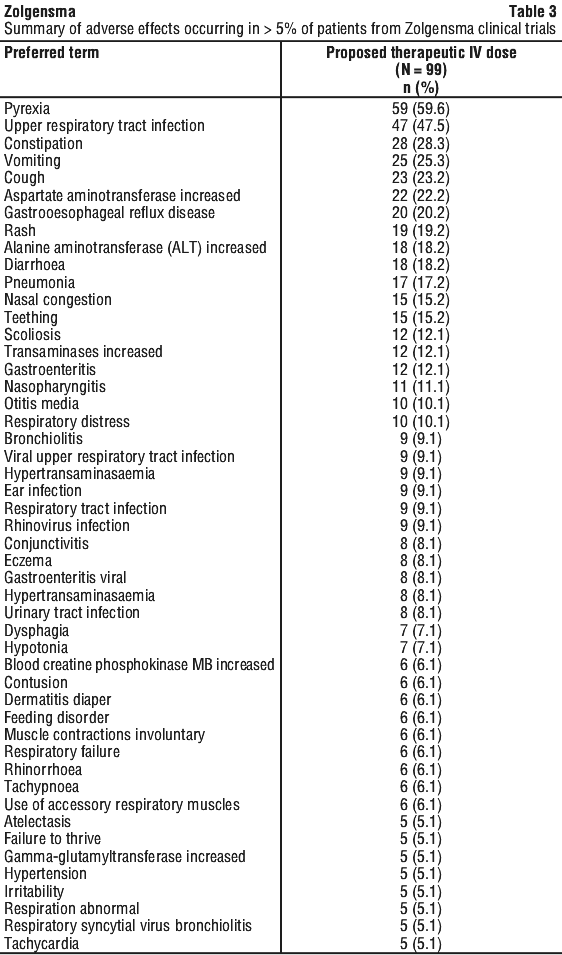
Of the 99 patients who received the therapeutic dose, 46 patients (46.5%) had at least 1 SAE, and 39 patients (39.4%) had at least one Treatment-Emergent Adverse Event (TEAE) that was Grade 3 or 4. See Table 3 for the most frequently reported TEAEs (≥ 5%) at the proposed therapeutic IV dose.
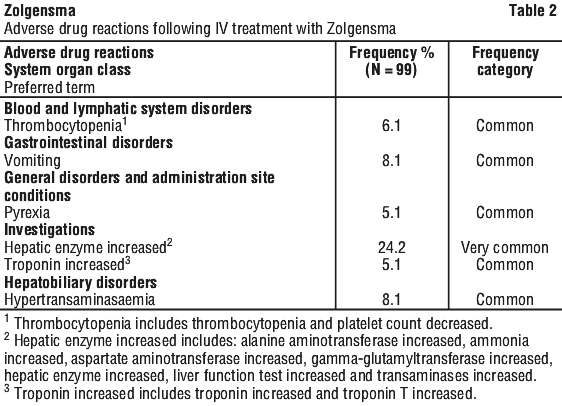
The adverse drug reactions identified with Zolgensma in patients treated with intravenous infusion at the recommended dose from the 5 open-label clinical studies are presented in Table 2. Among these 99 patients, the most frequently reported (≥ 5%) adverse reactions following administration were hepatic enzyme increased, hypertransaminasaemia, vomiting, thrombocytopenia, troponin increased and pyrexia.
Adverse drug reactions from clinical trials are listed by MedDRA system organ class. Within each system organ class, the adverse drug reactions are ranked by frequency, with the most frequent reactions first. Within each frequency grouping, adverse reactions are presented in order of decreasing seriousness. Frequency categories are derived according to the following conventions (CIOMS III): very common (≥ 1/10); common (≥ 1/100 to < 1/10); uncommon (≥ 1/1,000 to < 1/100); rare (≥ 1/10,000 to < 1/1,000); very rare (< 1/10,000).
Some patients have experienced AST and ALT elevations > 20 x ULN and have been symptomatic (e.g. vomiting, jaundice), which required the use of corticosteroids, sometimes with prolonged duration and/or a higher dose.
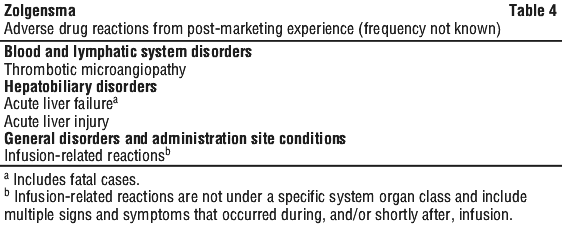
Outside of clinical trials, including in the post marketing setting, there have been reports of children developing signs and symptoms of acute liver failure (e.g. jaundice, coagulopathy, encephalopathy) typically within 2 months of treatment with Zolgensma, despite receiving prophylactic corticosteroids before and after infusion. Cases of acute liver failure with fatal outcomes have been reported.
Transient thrombocytopenia. In clinical trials, transient decreases from baseline in mean platelet counts (some of which met the criteria for thrombocytopenia) that reached levels of potential clinical significance were seen in 5.1% of patients at multiple time points post-dose and normally resolved within two weeks; the decreases were reported as thrombocytopenia in 6.1% of patients. Decreases in platelet counts were more prominent during the first week of treatment (see Section 4.4 Special Warnings and Precautions for Use).
Increases in troponin-I levels. Increases in cardiac troponin-I levels up to 0.2 microgram/L following Zolgensma infusion were observed. (See Section 4.4 Special Warnings and Precautions for Use.)
Immunogenicity. The detection of antibody formation is highly dependent on the sensitivity and specificity of the assay. In addition, the observed incidence of antibody (including neutralising antibody) positivity in an assay may be influenced by several factors including assay methodology, sample handling, timing of sample collection, concomitant medicinal products and underlying disease. Pre- and post-gene therapy titres of AAV9 antibody were measured in the clinical studies (see Section 4.4 Special Warnings and Precautions for Use; Section 5.1 Pharmacodynamic Properties, Clinical trials).
In Zolgensma clinical trials, patients were required to have baseline anti-AAV9 antibody titres of ≤ 1:50, measured using an enzyme-linked immunosorbent assay (ELISA). Evidence of prior exposure to AAV9 was uncommon. Mean increases from baseline in anti-AAV9 antibody titres were observed in all patients at all but one time point for antibody titre levels to AAV9 peptide, reflecting normal response to non-self viral antigen. Some patients experienced anti-AAV9 titres exceeding the level of quantification, however most of these patients did not have potentially clinically significant adverse drug reactions. Thus, no relationship has been established between high AAV9 antibody titres and the potential for adverse drug reactions or efficacy parameters.
In the CL-101 clinical study, 16 patients were screened for AAV9 antibody titre: 13 had titres less than 1:50 and were enrolled in the study; three patients had titres greater than 1:50, two of whom were retested following cessation of breast-feeding and their titres were measured at less than 1:50 and both were enrolled in the study. There is no information on whether breastfeeding should be restricted in mothers who may be seropositive for AAV9 antibodies. Patients all had less than or equal to 1:50 AAV9 antibody titre prior to treatment with Zolgensma and subsequently demonstrated an increase in AAV9 antibody titres to at least 1:102,400 and up to greater than 1:819,200. No Zolgensma-treated patient demonstrated an immune response to the transgene. Readministration of Zolgensma in the presence of high anti-AAV9 antibody titre has not been evaluated.
Other special populations. Body weight ≥ 8.5 kg to ≤ 21 kg. The safety of Zolgensma was evaluated in a post-authorisation clinical study (COAV101A12306) in 24 patients weighing ≥ 8.5 kg to ≤ 21 kg (median weight: 15.8 kg). The patients ranged in age from approximately 1.5 to 9 years at the time of administration. 1 of the 24 patients was under the age of 2 at the time of administration (median age: 4.9 years). Patients had 2 to 4 copies of SMN2. Before treatment with Zolgensma, 21 patients discontinued their previous treatment with nusinersen or risdiplam. The types of adverse reactions observed were consistent with that of the 5 open-label studies.
AST or ALT elevations > 2 x ULN were observed in the majority of patients (23/24). These patients were clinically asymptomatic and there were no elevations of bilirubin. The AST and ALT elevations were managed with the use of corticosteroids, typically with prolonged duration and/or a higher dose (see Section 4.4 Special Warnings and Precautions for Use).
Transient decreases in platelet counts, which met the criteria for thrombocytopenia were observed in 20 out of 24 patients (see Section 4.8 Adverse Effects (Undesirable Effects), Transient thrombocytopenia).
Reporting of suspected adverse effects. Reporting suspected adverse reactions after registration of the medicinal product is important. It allows continued monitoring of the benefit-risk balance of the medicinal product. Healthcare professionals are asked to report any suspected adverse reactions at www.tga.gov.au/reporting-problems.
4.9 Overdose
No data from clinical studies are available regarding overdose of Zolgensma. The dose of the medicinal product is specific to each individual patient's weight and is administered once only (see Section 4.2 Dose and Method of Administration), therefore overdose is considered unlikely. Adjustment of the dose of prednisolone, close clinical observation and monitoring of laboratory parameters (including clinical chemistry and haematology) for systemic immune response are recommended (see Section 4.4 Special Warnings and Precautions for Use).
For information on the management of overdose, contact the Poisons Information Centre on 131126 (Australia).
5 Pharmacological Properties
5.1 Pharmacodynamic Properties
Pharmacotherapeutic group: Other drugs for disorders of the musculo-skeletal system, ATC code: M09AX09.
Mechanism of action. SMA is caused by a bi-allelic mutation in the SMN1 gene, which results in insufficient SMN protein expression. Onasemnogene abeparvovec is a non-replicating recombinant AAV vector that utilises the AAV9 capsid to deliver a stable fully functional copy of the transgene encoding the human survival motor gene (SMN1) protein. The SMN1 gene present in onasemnogene abeparvovec is designed to reside as episomal DNA in the nucleus of transduced cells and is expected to be stably expressed for an extended period of time in post-mitotic cells. Rare instances of random vector integration into human DNA are possible with recombinant AAV (see Section 4.4 Special Warnings and Precautions for Use). The AAV9 virus is not known to cause disease in humans. Intravenous administration of Zolgensma that results in cell transduction and expression of the SMN protein has been observed in two human case studies (see Section 5.2 Pharmacokinetic Properties).
Pharmacodynamics (PD). There are no clinically relevant pharmacodynamics data for onasemnogene abeparvovec.
Clinical trials. Zolgensma has not been studied in patients with a bi-allelic mutation of the SMN1 gene and only 1 copy of SMN2 or ≥ 4 copies SMN2 in clinical trials.
AVXS-101-CL-303 phase 3 study in patients with type 1 SMA. AVXS-101-CL-303 (Study CL-303) is a phase 3, open-label, single-arm, single-dose study of intravenous administration of Zolgensma at the therapeutic dose (1.1 x 10¹⁴ vg/kg). All patients had genetically confirmed bi-allelic SMN1 gene deletions, 2 copies of the SMN2 gene, absence of the c.859G > C modification in exon 7 of the SMN2 gene and onset of clinical symptoms consistent with SMA prior to 6 months of age. Patient ages and weight at administration ranged from 0.5 to 5.9 months and 3.9 to 7.5 kg. Of the 22 enrolled patients, three patients discontinued the study and two patients had an event (death or permanent ventilation) leading to 90.9% (95% CI: 79.7%, 100.0%) event-free survival (alive without permanent ventilation) at 14 months of age (see Figure 1). This is markedly improved compared to the natural history of infantile onset SMA as reported in the Pediatric Neuromuscular Clinical Research natural history cohort (PNCR), in which only 25% of subjects were alive without permanent ventilation by the age of 14 months.


Motor function improvements were also observed as measured by the Children's Hospital of Philadelphia Infant Test of Neuromuscular Disorders (CHOP-INTEND), see Figure 2. Twenty-one patients (95.5%) achieved a CHOP-INTEND score ≥ 40, 14 (64%) had achieved a CHOP-INTEND score ≥ 50, and 5 patients (23%) had achieved a CHOP-INTEND score ≥ 60. Patients with untreated SMA Type 1 almost never achieve a CHOP-INTEND score ≥ 40.

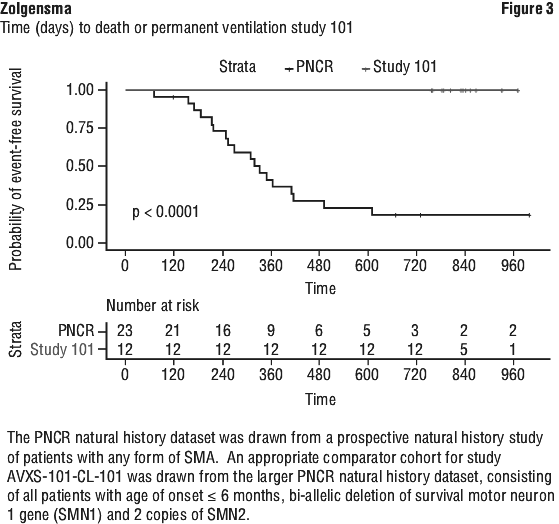
Ten of 12 patients from Study CL-101 who received the proposed therapeutic dose of Zolgensma continue to be followed in a long-term study (for up to 5.7 years after dosing) and all have either maintained all previously attained milestones or even gained new milestones including sitting with support, stand with assistance and walk alone.
AVXS-101-CL-304 phase 3 study in patients with pre-symptomatic SMA. Study CL-304 is an ongoing, global, Phase 3, open-label, single-arm, single-dose, multicentre study of intravenous Zolgensma in pre-symptomatic newborn patients up to 6 weeks of age with genetically confirmed bi-allelic SMN1 gene deletions, 2 or 3 copies of the SMN2 gene and absence of the c.859G > C modification in exon 7 of the SMN2 gene. Study CL-304 treated 14 patients with 2 copies of SMN2 and 15 patients with 3 copies of SMN2. At the time of the last study visit prior to 31 December 2019, treated patients with 2 copies of SMN2 were between 6 months and 18.6 months of age and had been in the study for an average of 10.5 months (range: 5.1 to 18.0 months), and the 15 patients with 3 copies of SMN2 were between 3.3 and 15.1 months of age and had been in the study for an average of 8.74 months (range: 2 to 13.9 months). All patients in Study CL-304 were alive and free of permanent ventilation as of their last study visit prior to 31 December 2019. At the time of their last visit before the data cut-off, 6 of the 14 (42.9%) patients with 2 copies of SMN2 were less than 9.2 months of age. The 8 older individuals achieved sitting prior to their last visit before 31 December 2019, at ages ranging from 6.4 to 11.8 months, with 7 of these 8 (87.5%) achieving independent sitting prior to the 9.2 months of age, the 99th percentile for development of this milestone. Twelve patients (85.7%) have achieved CHOP-INTEND scores ≥ 60 as of the 31 December 2019 data cut-off. Of the patients with 3 copies of SMN2, 10 of 15 patients were able to sit without support for at least 30 seconds, 4 patients were able to stand alone without support for at least 3 seconds, and 2 patients were able to walk at least five steps independently. Patients with 3 copies of SMN2 who have not yet achieved the Cohort 2 primary endpoint developmental milestone of standing alone without support for at least 3 seconds are 6.4 to 13.6 months of age. These patients remain within the normal age development window for obtaining these milestones.
COAV101A12306 phase 3 study in patients with SMA weighing ≥ 8.5 kg to ≤ 21 kg. Study COAV101A12306 is a completed, phase 3, open-label, single-arm, single-dose, multicentre study of intravenous administration of Zolgensma at the therapeutic dose (1.1 × 10¹⁴ vg/kg) in 24 paediatric patients with SMA weighing ≥ 8.5 kg to ≤ 21 kg (median weight: 15.8 kg). The patients ranged in age from approximately 1.5 to 9 years at the time of administration. 1 of the 24 patients was under the age of 2 at the time of administration (median age: 4.9 years). Patients had 2 to 4 copies of SMN2 (two [n=5], three [n=18], four [n=1]). Before treatment with Zolgensma, 21 patients discontinued their previous treatment with nusinersen or risdiplam.
At week 52, the mean change from baseline in overall Hammersmith Functional Motor Scale - Expanded (HFMSE) total score was 3.7 (18/24 patients), which is clinically meaningful based on SMA natural history data. The mean increase in overall revised upper limb module (RULM) total score was 2.0 (17/24 patients) at week 52.
5.2 Pharmacokinetic Properties
Pharmacokinetics (PK). Vector shedding after infusion with onasemnogene abeparvovec was investigated at multiple time points during the completed clinical trial CL-101. Samples of saliva, urine and stool were collected the day after infusion, weekly through Day 30, and then monthly through Month 12 and every 3 months thereafter. Samples from 5 patients were used for onasemnogene abeparvovec vector DNA shedding analysis through the Month 18 visit.
Vector DNA was shed in saliva, urine and stool after infusion of onasemnogene abeparvovec. Clearance was primarily via faeces and the majority was cleared within 30 days after dose administration. The vector DNA concentration in saliva was low on Day 1 after infusion and declined to undetectable levels within 3 weeks. In urine, the vector DNA concentration was very low on Day 1 after infusion and declined to undetectable levels within 1 to 2 weeks. In stool, the vector DNA concentration was much higher than in saliva or urine for 1 to 2 weeks after infusion and declined to undetectable levels by 1 to 2 months after infusion.
Biodistribution. Biodistribution was evaluated in two patients who died 5.7 months and 1.7 months, respectively, after infusion of onasemnogene abeparvovec at the dose of 1.1 x 10¹⁴ vg/kg. Both cases showed that the highest levels of vector DNA were found in the liver. Vector DNA was also detected in the spleen, heart, pancreas, inguinal lymph node, skeletal muscles, peripheral nerves, kidney, lung, intestines, gonads, spinal cord, brain, and thymus. Immunostaining for SMN protein showed generalised SMN expression in spinal motor neurons, neuronal and glial cells of the brain, and in the heart, liver, skeletal muscles, and other tissues evaluated.
5.3 Preclinical Safety Data
In toxicology studies conducted in neonatal mice, dose-dependent cardiac and hepatic toxicities were observed following intravenous administration of onasemnogene abeparvovec. Onasemnogene abeparvovec-related findings in the myocardium, at doses of 7.9 x 10¹³ vg/kg and higher, included slight to mild mononuclear cell inflammation accompanied by oedema, slight to mild fibrosis, and scattered myocardial cell degeneration/regeneration. Additional cardiac findings at dose levels of 1.5 x 10¹⁴ vg/kg and higher included minimal to moderate atrial thrombosis and slight to marked atrial dilation. Liver findings included hepatocellular hypertrophy, Kupffer cell activation, perinuclear vacuolation, and scattered hepatocellular necrosis. Target organ toxicity in the heart and liver was associated with mortality at dose levels of 2.4 x 10¹⁴ vg/kg and above, approximately 2.2-fold higher than the recommended clinical dose level.
In a toxicology study conducted in non-human primates, administration of a single dose of onasemnogene abeparvovec intrathecally, without corticosteroid treatment, resulted in minimal to marked mononuclear cell inflammation in the dorsal root ganglia, with neuronal satellitosis, neuronal necrosis, or complete neuronal loss with rare mineralisation. The clinical relevance of this finding is unknown.
Genotoxicity and carcinogenicity. No studies have been performed to evaluate the genotoxic or carcinogenic potential of onasemnogene abeparvovec.
6 Pharmaceutical Particulars
6.1 List of Excipients
Trometamol, magnesium chloride hexahydrate, sodium chloride, poloxamer, hydrochloric acid (for pH adjustment) and water for injections.
Contains no preservative.
6.2 Incompatibilities
In the absence of compatibility studies, this product must not be mixed with other medicinal products.
6.3 Shelf Life
In Australia, information on the shelf life can be found on the public summary of the Australian Register of Therapeutic Goods (ARTG). The expiry date can be found on the packaging.
Preparation of pack contents is carried out aseptically under sterile conditions. To reduce microbiological hazard, use as soon as practicable after dispensing into the syringe. If storage is necessary, hold at room temperature (20°C - 25°C) for not more than 6 hours.
6.4 Special Precautions for Storage
Store and transport frozen (≤ -60°C).
Upon receipt, immediately place the pack (in original carton to protect from light) in a refrigerator at 2°C to 8°C.
Zolgensma is stable for 14 days from receipt when stored at 2°C to 8°C.
For storage conditions after thawing of the medicinal product, see Section 6.3 Shelf Life.
Do not refreeze.
6.5 Nature and Contents of Container
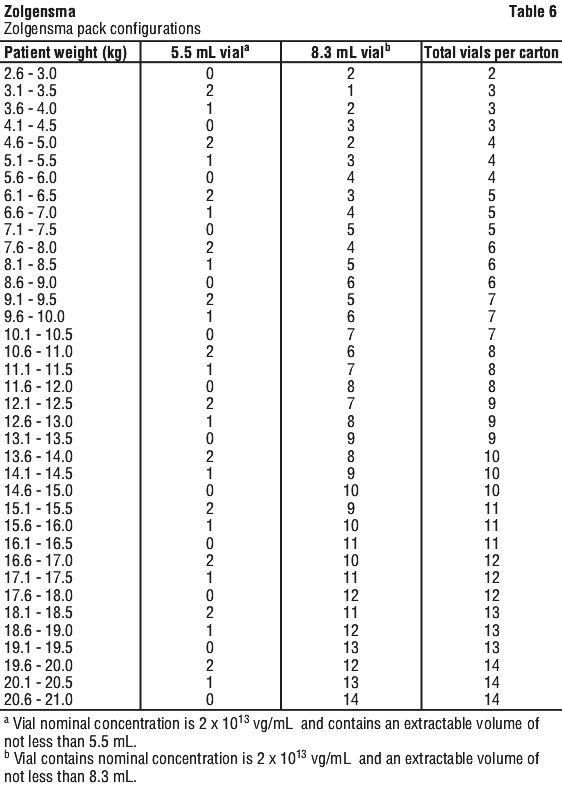
Zolgensma is supplied in a single-use vial (10 mL polymer crystal zenith) with stopper (20 mm chlorobutyl rubber) and seal (aluminium, flip-off) with a coloured cap (plastic), in two different vial fill volume sizes, either 5.5 mL or 8.3 mL.
The dose of Zolgensma and exact number of vials required for each patient is calculated according to the patient's weight (see Section 4.2 Dose and Method of Administration; see Table 6).
6.6 Special Precautions for Disposal
This medicine contains genetically modified organisms. Unused medicine and waste products must be disposed of in compliance with the local institutional guidelines for genetically modified organisms or biohazardous waste, as appropriate.
Temporary onasemnogene abeparvovec shedding may occur, primarily through bodily waste. Caregivers and patient families should be advised on the proper handling of patient stools. Instructions should be provided regarding good hand-hygiene when coming into direct contact with patient bodily waste for a minimum of 1 month after onasemnogene abeparvovec treatment. Disposable nappies should be sealed in plastics bags and can be disposed of in household waste.
6.7 Physicochemical Properties
CAS number. 1922968-73-7.
7 Medicine Schedule (Poisons Standard)
Prescription Only Medicine.
Date of First Approval
04 March 2021
Date of Revision
01 April 2026
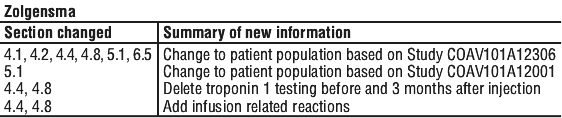
Summary Table of Changes
Reasonable care is taken to provide accurate information at the time of creation. This information is not intended as a substitute for medical advice and should not be exclusively relied on to manage or diagnose a medical condition. The Australian Commission on Safety and Quality in Health Care disclaims all liability (including for negligence) for any loss, damage, injury or any other negative effects resulting from reliance on or use of this information. Read our full disclaimer. This website uses cookies. Read our privacy policy.