
Zomig Tablets
Brand Information
| Brand name | Zomig Tablets |
| Active ingredient | Zolmitriptan |
| Schedule | S4 |
Consumer Medicine Information (CMI) leaflet
Please read this leaflet carefully before you start using the Zomig Tablets.
Summary CMI
ZOMIG tablets
Consumer Medicine Information (CMI) summary
The full CMI on the next page has more details. If you are worried about using this medicine, speak to your doctor or pharmacist.
1. Why am I using ZOMIG?
ZOMIG contains the active ingredient zolmitriptan. It is used to relieve migraine attacks.
For more information, see Section 1. Why am I using ZOMIG? in the full CMI.
2. What should I know before I use ZOMIG?
Do not use if you have ever had an allergic reaction to zolmitriptan or any of the ingredients listed at the end of the CMI.
Talk to your doctor if you have any other medical conditions, take any other medicines, or are pregnant or are breastfeeding.
For more information, see Section 2. What should I know before I use ZOMIG? in the full CMI.
3. What if I am taking other medicines?
Some medicines may interfere with ZOMIG and affect how it works.
A list of these medicines is in Section 3. What if I am taking other medicines? in the full CMI.
4. How do I use ZOMIG?
- The recommended dose for adults is one tablet (2.5 mg) as soon as you feel the migraine headache start.
- Swallow the tablet whole with a glass of water. Do not crush or break the tablet.
- If the first dose helps with the migraine but another attack occurs, another dose can be taken after 2 hours.
- Do not take more than 4 tablets (10 mg total) within 24 hours.
More instructions can be found in Section 4. How do I use ZOMIG? in the full CMI.
5. What should I know while using ZOMIG?
| Things you should do |
|
| Things you should not do |
|
| Driving or using machines |
|
| Looking after your medicine |
|
For more information, see Section 5. What should I know while using ZOMIG? in the full CMI.
6. Are there any side effects?
Less serious side effects of ZOMIG include: increased feeling or sensitivity, especially in the skin; feeling warm; feelings of heaviness, tightness, pain or pressure in the throat, neck, arms or legs; unusual tiredness or weakness; aching muscles not caused by exercise; dizziness; nausea; stomach pain; vomiting; headache; palpitations; sleepiness; and dry mouth.
More serious side effects of ZOMIG include: a feeling of tightness, pressure or heaviness in the chest; irregular heartbeats/increased heart rate; numbness or loss of strength of arms or legs, headache, dizziness, confusion, visual disturbance, difficulty swallowing, slurred speech or loss of speech; confusion, restlessness, fever, sweating, uncoordinated movement of limb or eyes; uncontrollable jerking of muscles, myoclonus and/or diarrhoea (particularly if you are taking medicines to treat depression); bloody diarrhoea or prolonged stomach pain; and an allergic reaction.
For more information, including what to do if you have any side effects, see Section 6. Are there any side effects? in the full CMI.
Full CMI
ZOMIG tablets
Active ingredient: zolmitriptan
Consumer Medicine Information (CMI)
This leaflet provides important information about using ZOMIG.
You should also speak to your doctor or pharmacist if you would like further information or if you have any concerns or questions about using ZOMIG.
Where to find information in this leaflet:
1. Why am I using ZOMIG?
2. What should I know before I use ZOMIG?
3. What if I am taking other medicines?
4. How do I use ZOMIG?
5. What should I know while using ZOMIG?
6. Are there any side effects?
7. Product details
1. Why am I using ZOMIG?
ZOMIG contains the active ingredient zolmitriptan. It belongs to a group of medicines called serotonin agonists and is used to relieve migraine.
Migraine is thought to be caused by the widening of certain blood vessels in the brain. ZOMIG makes the blood vessels narrower to ease the migraine.
Some people have a warning stage called 'aura' before the migraine headache starts. Aura can include numbness in the face or down one arm, changes in mood, or problems with eyesight such as seeing blank spots or flashing lights.
ZOMIG can be used in migraine with or without aura. It should not be used to treat types of migraine called 'hemiplegic' or 'basilar' migraine.
ZOMIG does not work in headaches that are not migraine.
Ask your doctor if you want more information.
Your doctor may have prescribed it for another reason.
There is no evidence that this medicine is addictive.
2. What should I know before I use ZOMIG?
Warnings
Do not take ZOMIG if:
- you are allergic to zolmitriptan or any of the ingredients listed at the end of this leaflet.
- Symptoms of an allergic reaction may include shortness of breath, wheezing or difficulty in breathing; swelling of the face, lips, tongue, or any other parts of the body; rash, itching or hives on the skin. - you have or have had any of the following medical conditions:
- heart disease or heart attack
- shortness of breath, pain or tightness in the chest, jaw or upper arm
- peripheral vascular disease (pain in the back of the legs) or are prone to cold, tingling or numb hands and feet
- Prinzmetal's angina (an uncommon form of angina where pain is experienced at rest rather than during activity)
- angina
- high blood pressure
- stroke. - you are taking any other medicines for migraine, such as:
- ergotamine (e.g. Cafergot)
- dihydroergotamine (e.g. Dihydergot)
- methysergide (e.g. Deseril)
- naratriptan (e.g. Naramig)
- sumatriptan (e.g. Imigran). - the expiry date printed on the pack has passed
- the packaging is town or shows signs of tampering.
Check with your doctor if:
- you have any other medical conditions, especially the following:
- kidney or liver disease
- high cholesterol levels in the blood
- diabetes. - you have had any allergy to any other medicines, or any other substances, such as foods, preservatives, or dyes.
During treatment, you may be at risk of developing certain side effects. It is important you understand these risks and how to monitor for them. See additional information under Section 6. Are there any side effects?
Pregnancy and breastfeeding
Do not use ZOMIG if you are pregnant or breastfeeding unless you and your doctor have discussed the risks and benefits involved.
Use in children
Do not give ZOMIG to children.
There is no experience of its use in children under 12 years of age. One study in children aged 12 to 17 years indicated no benefit with ZOMIG treatment.
3. What if I am taking other medicines?
Tell your doctor or pharmacist if you are taking any other medicines, including any medicines, vitamins or supplements that you buy without a prescription from your pharmacy, supermarket or health food shop.
Some medicines may interfere with ZOMIG and affect how it works. These include:
- other migraine medicines (e.g. ergotamine, dihydroergotamine, methysergide, naratriptan or sumatriptan).
- medicines for depression
- cimetidine, for the treatment of indigestion or stomach ulcers
- antibiotics known as quinolones (e.g. noroxin).
- St John's Wort (Hypericum perforatum).
Your doctor or pharmacist has more information on medicines to be careful with or avoid while taking this medicine.
4. How do I use ZOMIG?
How much to take
The usual dose is one ZOMIG tablet (2.5 mg) as soon as you feel the migraine headache start.
If your migraine is still present after two hours, or if it returns within 24 hours, you can take another tablet.
Do NOT take more than four tablets (making a total strength of 10 mg) in 24 hours.
When to take it
You can take ZOMIG when you feel the headache start or after it has already begun.
ZOMIG tablets should only be taken to treat the migraine headache after it has started. They should not be used to prevent the migraine attacks from occurring.
How to take it
Swallow the ZOMIG tablet whole with a glass of water.
You can take it before or after food.
If you take too much
If you think that you have taken too many ZOMIG tablets, you may need urgent medical attention.
You should immediately:
- phone the Poisons Information Centre
(by calling 13 11 26), or - contact your doctor, or
- go to the Emergency Department at your nearest hospital.
You should do this even if there are no signs of discomfort or poisoning.
5. What should I know while using ZOMIG?
Things you should do
- If you are about to undergo surgery or an operation, tell your doctor or surgeon that you are taking ZOMIG.
- Remind any doctor, dentist or pharmacist you visit that you are using ZOMIG, especially if you are being started on any new medicines.
Things you should not do
- Do not give this medicine to anyone else, even if their symptoms seem similar like yours.
- Do not use ZOMIG to treat any other complaints unless your doctor tells you to.
Driving or using machines
Be careful before you drive or use any machines or tools until you know how ZOMIG affects you.
ZOMIG can make some people feel dizzy or sleepy. Make sure you know how you react to ZOMIG before you do anything that could be dangerous if you are dizzy or sleepy.
Looking after your medicine
- Keep ZOMIG tablets in their pack until it is time to take them.
- Store ZOMIG in a cool dry place, away from moisture or heat, where the temperature stays below 25°C.
For example, do not store it:
- In the bathroom or near a sink, or
- In the car or on window sills
Heat and dampness can destroy some medicines.
Follow the instructions in the carton on how to take care of your medicine properly.
Keep it where young children cannot reach it.
Getting rid of any unwanted medicine
If you no longer need to use this medicine or it is out of date, take it to any pharmacy for safe disposal.
6. Are there any side effects?
All medicines can have side effects. If you do experience any side effects, most of them are minor and temporary. However, some side effects may need medical attention.
See the information below and, if you need to, ask your doctor or pharmacist if you have any further questions about side effects.
Less serious side effects
| Less serious side effects | What to do |
| Tell your doctor if you experience any of these less serious side effects and they worry you. These are all common and mild side effects of ZOMIG. |
Serious side effects
| Serious side effects | What to do |
| Stop taking ZOMIG and call your doctor or go straight to the Emergency Department at your nearest hospital if you notice any of these serious side effects. Serious side effects are rare. |
As with other migraine treatments, using too much ZOMIG can cause daily headaches or can make your migraine headaches worse.
Ask your doctor if you think that this is the case for you. You may need to stop using ZOMIG to correct the problem.
Tell your doctor or pharmacist if you notice anything else that may be making you feel unwell.
Other side effects not listed here may occur in some people.
Reporting side effects
After you have received medical advice for any side effects you experience, you can report side effects to the Therapeutic Goods Administration online at www.tga.gov.au/reporting-problems. By reporting side effects, you can help provide more information on the safety of this medicine.
Always make sure you speak to your doctor or pharmacist before you decide to stop taking any of your medicines.
7. Product details
This medicine is only available with a doctor's prescription.
What ZOMIG contains
| Active ingredient (main ingredient) |
|
| Other ingredients (inactive ingredients) |
|
| Potential allergens |
|
Do not take this medicine if you are allergic to any of these ingredients.
What ZOMIG looks like
ZOMIG 2.5 mg is a round, biconvex, yellow film-coated tablet with a ‘Z’ on one side and plain on the other. Blister packs of 2 tablets.
Australian Registration number: AUST R 61325
Who distributes ZOMIG
Aspen Pharmacare Australia Pty Ltd
34-36 Chandos St
St Leonards NSW 2065
Australia
This leaflet was revised in August 2025.
Brand Information
| Brand name | Zomig Tablets |
| Active ingredient | Zolmitriptan |
| Schedule | S4 |
MIMS Revision Date: 01 March 2025
1 Name of Medicine
Zolmitriptan.
2 Qualitative and Quantitative Composition
Zomig is presented as round, yellow (2.5 mg) or pink (5 mg), biconvex film-coated intagliated (with a 'Z' on one side) tablets containing 2.5 mg or 5 mg zolmitriptan.
The 2.5 mg tablets are 7.4 mm in diameter and are compressed to a weight of 122 mg. The 5 mg tablets are 8.6 mm in diameter and are compressed to a weight of 244 mg.
Zomig Rapimelt is presented as orally dispersible white round uncoated orange flavoured tablets containing 2.5 mg zolmitriptan. The tablets are 6.4 mm in diameter, flat-faced with a bevelled edge and intagliated with 'Z' on one side. The tablets are compressed to a weight of 100 mg.
Excipient(s) with known effect. Lactose monohydrate (Zomig), aspartame (Zomig Rapimelt).
For the full list of excipients, see Section 6.1 List of Excipients.
3 Pharmaceutical Form
Tablet, film-coated.
Tablet, dispersible (oral).
4 Clinical Particulars
4.1 Therapeutic Indications
Zomig is indicated for the acute treatment of migraine with or without aura.
4.2 Dose and Method of Administration
The recommended initial dose of Zomig to treat a migraine attack is 2.5 mg.
The Zomig conventional tablet should be swallowed whole with water.
The Zomig Rapimelt orally dispersible tablet rapidly dissolves when placed on the tongue and is swallowed with the patient's saliva. A drink of water is not required when taking the Zomig Rapimelt orally dispersible tablet. Zomig Rapimelt orally dispersible tablets can be taken when water is not available thus allowing early administration of treatment for a migraine attack. This formulation may also be beneficial for patients who suffer from nausea and are unable to drink during a migraine attack, or for patients who do not like swallowing conventional tablets or have difficulty swallowing whole tablets.
If symptoms of migraine persist or recur within 24 hours of an initial response, a second dose may be taken. If a second dose is required, it should not be taken within 2 hours of the initial dose.
If a patient does not achieve satisfactory relief with 2.5 mg doses, subsequent attacks can be treated with 5 mg doses of Zomig.
The onset of action in responders is apparent within 1 hour of dosing.
Zomig is equally effective whenever the tablets are taken during a migraine attack, although it is advisable that Zomig tablets are taken as early as possible after the onset of migraine headache.
In the event of recurrent attacks, it is recommended that the total intake of Zomig, in a 24 hour period, should not exceed 10 mg.
Zomig is not indicated for prophylaxis of migraine.
Patient subgroups. Zomig is consistently effective in migraine, with or without aura, and in menstrually associated migraine. The efficacy of Zomig is also unaffected by gender, duration of the attack, pretreatment nausea and concomitant use of common prophylactic migraine drugs.
Paediatric use. The efficacy of Zomig tablets was not established in a placebo controlled clinical trial for patients aged 12 to 17 years. The efficacy and safety of Zomig in paediatric patients below 12 years have not been evaluated.
Use in the elderly. The safety and efficacy of Zomig in individuals aged over 65 years have not been systematically evaluated. Use of Zomig in the elderly is therefore not recommended.
Use in adults with hepatic impairment. Although metabolism is reduced in patients with mild or moderate hepatic impairment (see Section 5.2 Pharmacokinetic Properties), no dosage adjustment is required. However, for patients with severe hepatic impairment a maximum dose of 5 mg in 24 hours is recommended.
Use in adults with renal impairment. A study was carried out in patients with creatinine clearances from 5 to 39 mL/min. No dosage adjustment required (see Section 5.2 Pharmacokinetic Properties).
Instructions for use/ handling. Zomig tablets. No specific instructions.
Zomig Rapimelt orally dispersible tablets. The blister pack should be peeled open as shown on the foil (tablets should not be pushed through the foil). The Zomig Rapimelt tablet should be placed on the tongue, where it will dissolve and be swallowed with the saliva.
4.3 Contraindications
Hypersensitivity to any component of the product.
A history of myocardial infarction.
Ischaemic heart disease; Prinzmetal angina/ coronary vasospasm; peripheral vascular disease; symptoms or signs consistent with ischaemic heart disease.
Moderate or severe hypertension and mild uncontrolled hypertension.
Ergotamine or ergotamine derivatives should not be used concomitantly with Zomig.
Other 5HT1D receptor agonists should not be used concomitantly with Zomig.
Creatinine clearance of less than 15 mL/min.
On theoretical grounds (see Section 5.1 Pharmacodynamic Properties, Mechanism of action), Zomig should not be administered to patients with a history of cerebrovascular accident (CVA) or transient ischaemic attack (TIA).
4.4 Special Warnings and Precautions for Use
Cerebrovascular events have been reported in patients treated with 5HT1 agonists, some resulting in fatalities. In a number of cases, it appears that the cerebrovascular events were primary, the agonist having been administered in the incorrect belief that the symptoms were a consequence of the migraine. Zomig should only be used when a clear diagnosis of migraine has been established. Care should be taken to exclude other potentially serious neurological conditions. There are no data on the use of Zomig in hemiplegic or basilar migraine.
Migraneurs may be at risk of certain cerebrovascular events. Cerebral haemorrhage, subarachnoid haemorrhage, stroke and other cerebrovascular events have been reported in patients treated with 5HT1 agonists.
There have been rare reports of anaphylaxis/ anaphylactoid reactions in patients receiving Zomig.
Zomig should not be given to patients with symptomatic Wolff-Parkinson-White syndrome or arrhythmias associated with other cardiac accessory conduction pathways.
This class of compounds (5HT1B/1D agonists) has been associated with coronary vasospasm, angina pectoris and myocardial infarction. In very rare cases this has occurred with Zomig. In patients with risk factors for ischaemic heart disease, cardiovascular evaluation prior to commencement of treatment with this class of compounds, including Zomig, is recommended (see Section 4.3 Contraindications). These evaluations, however, may not identify every patient who has cardiac disease and, in very rare cases, serious cardiac events have occurred in patients without underlying cardiovascular disease.
As with other 5HT1D agonists, atypical sensations over the precordium (see Section 4.8 Adverse Effects (Undesirable Effects)) have been reported after the administration of zolmitriptan. Where such symptoms are thought to indicate ischaemic heart disease, no further doses of zolmitriptan should be given and appropriate evaluation carried out.
Serotonin syndrome has been reported with combined use of triptans and other serotonergic medicines, such as selective serotonin reuptake inhibitors (SSRIs) and serotonin noradrenaline reuptake inhibitors (SNRIs). Serotonin syndrome is a potentially life threatening condition.
Signs and symptoms may include mental status changes (e.g. agitation, hallucinations, coma), autonomic instability (e.g. tachycardia, labile blood pressure, hyperthermia), neuromuscular aberrations (e.g. hyper-reflexia, incoordination, weakness) and/or gastrointestinal symptoms (e.g. nausea, vomiting, diarrhoea).
In accordance with the Hunter Criteria, diagnosis is likely when (in presence of a serotonergic agent) one of the following is observed:
spontaneous clonus;
inducible or ocular clonus with agitation or diaphoresis;
tremor and hyperreflexia;
hypertonia and body temperature > 38°C and inducible or ocular clonus.
Careful observation of the patient is advised when Zomig is administered with an SSRI or SNRI, particularly during treatment initiation and dosage increases (see Section 4.5 Interactions with Other Medicines and Other Forms of Interactions).
Withdrawal of the serotonergic medicines usually brings about an improvement. Treatment depends on the type and severity of the symptoms.
Overuse of acute migraine medications may lead to exacerbations of headache (medication overuse headache). Medication overuse headache may present as migraine-like daily headaches or as a marked increase in frequency of migraine attacks. Detoxification of patients, including withdrawal of the overused medications, and treatment of withdrawal symptoms (which often includes a transient worsening of headache) may be necessary.
Transient increases in systemic blood pressure (which may be more pronounced in the elderly) have been reported in patients with and without a history of hypertension; very rarely these increases in blood pressure have been associated with significant clinical events.
Patients with phenylketonuria should be informed that Zomig Rapimelt orally dispersible tablets contain phenylalanine (a component of aspartame). Each orally dispersible tablet contains 2.81 mg of phenylalanine.
Use in adults with hepatic impairment. Although metabolism is reduced in patients with mild or moderate hepatic impairment (see Section 5.2 Pharmacokinetic Properties), no dosage adjustment is required. However, for patients with severe hepatic impairment a maximum dose of 5 mg in 24 hours is recommended.
Use in adults with renal impairment. A study was carried out in patients with creatinine clearances from 5 to 39 mL/min. No dosage adjustment required (see Section 5.2 Pharmacokinetic Properties).
Use in the elderly. The safety and efficacy of Zomig in individuals aged over 65 years have not been systematically evaluated. Use of Zomig in the elderly is therefore not recommended.
Paediatric use. The efficacy of Zomig tablets was not established in a placebo controlled clinical trial for patients aged 12 to 17 years. The efficacy and safety of Zomig in paediatric patients below 12 years have not been evaluated.
Effects on laboratory tests. Zolmitriptan is not known to interfere with commonly employed clinical laboratory tests.
4.5 Interactions with Other Medicines and Other Forms of Interactions
There is no evidence that concomitant use of migraine prophylactic medications has any effect on the efficacy or unwanted effects of Zomig (for example beta-blockers, oral dihydroergotamine, pizotifen).
The pharmacokinetics and tolerability of Zomig were unaffected by acute symptomatic treatments such as paracetamol, metoclopramide and ergotamine. Concomitant administration of other 5HT1D agonists within 24 hours of Zomig treatment should be avoided.
Data from healthy subjects suggest there are no pharmacokinetic or clinically significant interactions between Zomig and ergotamine. However, the increased risk of coronary vasospasm is a theoretical possibility, and concomitant administration is contraindicated. It is advised to wait at least 24 hours following the use of ergotamine containing preparations before administering Zomig. Conversely, it is advised to wait at least six hours following use of Zomig before administering an ergotamine containing product.
The major metabolite of zolmitriptan, the indole acetic acid (2161W92), is derived from the active metabolite N-desmethyl zolmitriptan (183C91) by the action of monoamine oxidase A. This is evidenced by the effects of coadministration of the selective MAO-A inhibitor moclobemide, which resulted in a 3-fold increase in the exposure to N-desmethyl zolmitriptan but had minimal effects (increase of 26% in AUC) on zolmitriptan levels. (The metabolite N-desmethyl zolmitriptan is also a 5HT1D agonist with higher receptor affinity than the parent drug and therefore contributes to the overall effect after zolmitriptan administration.) Hence, in patients taking a MAO-A inhibitor (selective or non-selective), a maximum intake of 5 mg Zomig in 24 hours is recommended.
Following the administration of cimetidine, a general P450 inhibitor, the half-life of zolmitriptan was increased by 44% and the AUC increased by 48%. In addition, the half-life and AUC of the active, N-desmethylated, metabolite (N-desmethyl zolmitriptan) were doubled. A maximum dose of 5 mg Zomig in 24 hours is recommended in patients taking cimetidine. Based on the overall interaction profile, an interaction with inhibitors of the cytochrome P450 isoenzyme CYP1A2 cannot be excluded. Therefore, the same dosage reduction is recommended with compounds of this type, such as fluvoxamine and the quinolone antibiotics (e.g. ciprofloxacin). Following the administration of rifampicin, no clinically relevant differences in the pharmacokinetics of zolmitriptan or its active metabolite were observed.
Cases of life threatening syndrome have been reported during combined use of triptans and SSRIs (e.g. fluoxetine, fluvoxamine, paroxetine, sertraline) and SNRIs (e.g. venlafaxine) (see Section 4.4 Special Warnings and Precautions for Use).
As with other 5HT1B/1D agonists, there is a potential pharmacodynamic interaction with the herbal remedy St John's wort (Hypericum perforatum) which may result in an increase in undesirable effects.
4.6 Fertility, Pregnancy and Lactation
Effects on fertility. A fertility study by the oral route of administration, during which male and female rats were dosed daily with zolmitriptan prior to and throughout the mating period, showed no evidence of impaired fertility at doses producing plasma concentrations greater than 100 times those attained in humans after the maximum recommended daily dose of 10 mg (based on AUC).
Use in pregnancy. (Category B3)
There are no adequate and well controlled studies in pregnant women. Studies in rats and rabbits treated with oral zolmitriptan during organogenesis showed no direct teratogenic effects. Plasma concentrations in rats and rabbits receiving the highest doses were greater than 100 times and 40 times, respectively, the exposure (based on AUC) attained in humans after the maximum recommended daily dose of 10 mg. Administration of zolmitriptan should only be considered if the expected benefit to the mother is greater than any possible risk to the foetus.
Use in lactation. Studies have shown that zolmitriptan passes into the milk of lactating animals. No data exist for passage of zolmitriptan into human breast milk. Therefore, caution should be exercised when administering Zomig to women who are breastfeeding.
4.7 Effects on Ability to Drive and Use Machines
Even though there was no significant impairment of psychomotor test performances in healthy volunteers following doses of up to 20 mg, somnolence was reported in pharmacological and clinical trials. Caution is recommended in patients performing skilled tasks (e.g. driving or operating machinery) as drowsiness and other symptoms may occur during a migraine attack and following treatment.
4.8 Adverse Effects (Undesirable Effects)
Zomig is well tolerated. Adverse reactions are typically mild/ moderate, transient, not serious and resolve spontaneously without additional treatment. The adverse event profile is similar for both Zomig 2.5 mg and 5 mg tablets and for Zomig Rapimelt tablets.
Possible adverse reactions tend to occur within four hours of dosing and are no more frequent following repeated dosing; certain symptoms may be considered to be part of the migraine attack itself.
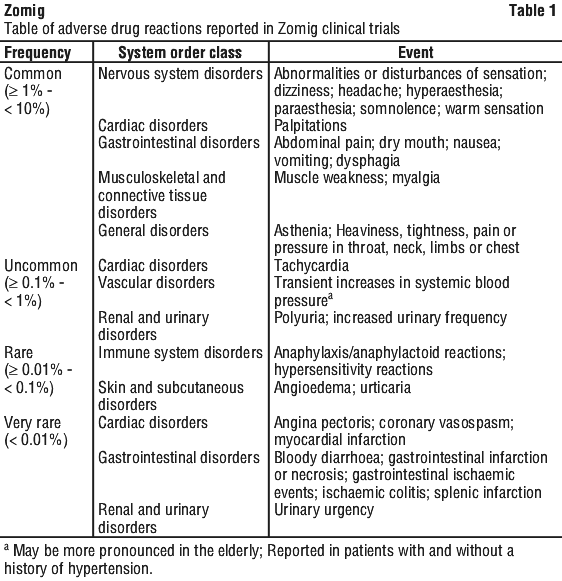
Clinical trial data. The incidence of adverse drug reactions associated with Zomig therapy is shown in Table 1 according to the format recommended by the Council for International Organisations of Medical Sciences (CIOMS III working group; 1995).
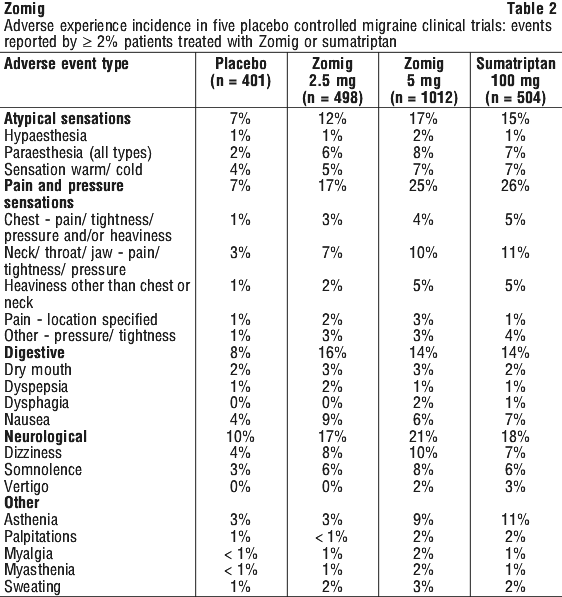
Atypical sensation. Uncommon was hyperaesthesia of the mouth and skin.
General. Uncommon were allergy reaction, chills, facial oedema, fever, malaise and photosensitivity.
Cardiovascular. Uncommon were arrhythmias, hypertension and syncope. Rare were bradycardia, extrasystoles, postural hypotension, QT prolongation, tachycardia and thrombophlebitis.
Digestive. Uncommon were increased appetite, tongue oedema, esophagitis, gastroenteritis, liver function abnormality and thirst. Rare were anorexia, constipation, gastritis, haematemesis, pancreatitis, melaena and ulcer.
Haemic. Uncommon was ecchymosis. Rare were cyanosis, thrombocytopenia, eosinophilia and leucopenia.
Metabolic. Uncommon was oedema. Rare were hyperglycaemia and alkaline phosphatase increased.
Musculoskeletal. Uncommon were back pain, leg cramps and tenosynovitis. Rare were arthritis, tetany and twitching.
Neurological. Uncommon were agitation, anxiety, depression, emotional lability and insomnia; rare were akathisia, amnesia, apathy, ataxia, dystonia, euphoria, hallucinations, cerebral ischaemia, hyperkinesia, hypotonia, hypertonia and irritability.
Respiratory. Uncommon were bronchitis, bronchospasm, epistaxis, hiccup, laryngitis and yawn. Rare were apnoea and voice alteration.
Skin. Uncommon were pruritus, rash and urticaria.
Special senses. Uncommon were dry eye, eye pain, hyperacusis, ear pain, parosmia and tinnitus. Rare were diplopia and lacrimation.
Urogenital. Uncommon were haematuria, cystitis, polyuria, urinary frequency, urinary urgency. Rare were miscarriage and dysmenorrhoea.
Postmarketing data. See Section 4.8 Adverse Effects (Undesirable Effects).
Reporting suspected adverse effects. Reporting suspected adverse reactions after registration of the medicinal product is important. It allows continued monitoring of the benefit-risk balance of the medicinal product. Healthcare professionals are asked to report any suspected adverse reactions at www.tga.gov.au/reporting-problems.
4.9 Overdose
Volunteers receiving single oral doses of 50 mg commonly experienced sedation.
The elimination half-life of zolmitriptan tablets is 2.5 to 3 hours (see Section 5.2 Pharmacokinetic Properties) and, therefore, monitoring of patients after overdose with Zomig tablets should continue for at least 15 hours or while symptoms or signs persist.
There is no specific antidote to zolmitriptan. In cases of severe intoxication, intensive care procedures are recommended, including establishing and maintaining a patent airway, ensuring adequate oxygenation and ventilation, and monitoring and support of the cardiovascular system.
It is unknown what effect haemodialysis or peritoneal dialysis has on the serum concentrations of zolmitriptan.
For information on the management of overdose, contact the Poison Information Centre on 131126 (Australia).
5 Pharmacological Properties
5.1 Pharmacodynamic Properties
Mechanism of action. In preclinical studies, zolmitriptan has been demonstrated to be a selective agonist for the vascular human recombinant 5HT1B and 5HT1D receptor subtypes. Zolmitriptan is a high affinity 5HT1B/1D receptor agonist with modest affinity for 5HT1A receptors. Zolmitriptan has no significant affinity (as measured by radioligand binding assays) or pharmacological activity at 5HT2, 5HT3, 5HT4; α1, α2 or β1-adrenergic; H1 or H2-histaminic; muscarinic; dopaminergic1 or dopaminergic2 receptors. The N-desmethyl metabolite, N-desmethyl zolmitriptan, is also a 5HT1B/1D agonist and is 2 to 6 times more potent, in animal models, than zolmitriptan. This metabolite shows higher in vitro affinity for 5HT1B/1D receptors than zolmitriptan and also has modest affinity for 5HT1A receptors.
It has been demonstrated that the pain sensitive structures of the cranial cavity in humans are the blood vessels and the vasculature of the dura mater. These tissues are innervated by trigeminal afferent fibres. In animal models the administration of zolmitriptan, with its agonist activity on the vascular 5HT1 receptors, causes vasoconstriction associated with an inhibition of the release of calcitonin gene related peptide (CGRP), vasoactive intestinal peptide (VIP) and substance P. These two events, vasoconstriction and inhibition of neuropeptide release, are proposed to cause relief from the migraine attack, as reflected by an onset of pain relief within 1 hour of administration and relief of nausea and vomiting, photophobia and phonophobia associated with migraine.
In addition to these peripheral actions, experimental studies in animals suggest zolmitriptan has action on the central nervous system allowing access to both the peripheral and migraine centres in the brain stem which may explain the consistent effect over a series of attacks in a single patient. Vasodilatation is achieved with the activation of a reflex pathway mediated by trigeminal orthodromic fibres and parasympathetic innervation of the cerebral circulation via the release of VIP as a main effector transmitter. It is suggested that zolmitriptan blocks this reflex pathway and the release of VIP.
Clinical trials. Treatment of acute migraine, with or without aura, with Zomig 2.5 mg and 5 mg tablets. Overall there were 4,003 unique individuals who participated in the zolmitriptan clinical development. A total of 3,096 unique individuals were exposed to zolmitriptan. Of this total, 316 unique individuals were accounted for in clinical pharmacology studies; 2,633 in placebo controlled treatment of migraine studies; 79 in the long-term multiple attack study (study 015: 2,058 subjects in total, 79 of whom were unique subjects not previously exposed to zolmitriptan); 38 in two uncontrolled patient treatment studies; and 30 in an acute prevention of migraine study. In addition 524 unique individuals were exposed to placebo (119 in clinical pharmacology studies, 401 in treatment of migraine studies).
These subjects received almost 50,000 oral doses of zolmitriptan. Across all patient studies, a total of 34,296 attacks were treated with zolmitriptan. The majority of these (31,579) were treated in a long-term study.
In patient studies, the protocol inclusion criteria required patients to have an established diagnosis of migraine, with or without aura (as defined by the International Headache Society criteria). Patients had a migraine history of at least 1 year with an age of onset less than 50 years and had one to six migraines per month over the preceding 6 months. In addition, patients had to have screening laboratory values within acceptable ranges and be without evidence of ischaemic heart disease, arrhythmia, or accessory pathways, based on a 12-lead ECG. The age range of patients was 18-65 years in most studies.
The first of the pivotal studies was a phase II study of almost 1,200 patients comparing zolmitriptan (n = 900) to placebo. The response rates at 2 hours in patients receiving placebo, zolmitriptan 5 mg, 10 mg, 15 mg and 20 mg were 21%, 61%, 67%, 67% and 74%, respectively. The response rate had been slightly lower at 1 hour postdosing, being 16% in the group receiving placebo and 44-50% in the groups treated with zolmitriptan. The percentage of patients with no pain at 2 hours was 1% in the placebo group, and 39%, 39%, 43% and 47% in the zolmitriptan 5 mg, 10 mg, 15 mg and 20 mg groups, respectively. The placebo group also showed a far greater recurrence rate over 24 hours than the zolmitriptan groups, with median time to recurrence being 4.5 hours with placebo and 15.3 hours with zolmitriptan.
The incidence of adverse events was proportional to dose, and consisted predominantly of asthenia, heaviness (in the chest, limbs, head), nausea, paraesthesia, a feeling of warmth, dizziness, somnolence, vertigo and dry mouth. Of the cardiovascular events, 34 were noted with zolmitriptan versus 1 with placebo, but there was only 1 serious adverse event (tachycardia in a patient with a pre-existing condition of Wolff-Parkinson-White syndrome, see Section 4.4 Special Warnings and Precautions for Use).
The phase III study also investigated approximately 1,200 patients, but included lower doses of zolmitriptan (1 mg, 2.5 mg, 5 mg and 10 mg). The findings indicated that the response to zolmitriptan 1 mg was greater than the response to placebo, however no difference between placebo and zolmitriptan 1 mg was found in another study. The 2.5 mg dose was associated with a response rate of 63% versus 65% with the 5 mg dose, suggesting that these two dose levels were equi-effective. This study also showed the incidence of nausea to be reduced significantly with zolmitriptan treatment when compared with placebo. The safety profile of zolmitriptan was similar to that observed in the previous trials. There were no serious adverse events reported in this selected trial population.
Treatment of migraine, with or without aura, with Zomig Rapimelt 2.5 mg tablets. The efficacy and tolerability of Zomig Rapimelt in the acute treatment of migraine headaches (with or without aura), as defined by the International Headache Society criteria was demonstrated in a large double blind, placebo controlled, parallel group clinical trial, involving 471 patients. Patients were randomised to receive either Zomig Rapimelt 2.5 mg (n = 231) or placebo (n = 240). For persistent or recurrent headaches a second trial tablet or escape medication could be taken if required no sooner than two hours after the first dose. The primary endpoint was headache response at 2 hours, defined as a reduction in headache severity from moderate or severe pain to mild or no pain. Secondary endpoints were used to assess onset of action and included the proportion pain free (no pain) at 30 minutes, 1, 2 and 4 hours; proportion with a one point reduction in migraine headache rating scale at 30 minutes and 1 hour; subjective patient preference over conventional tablet; and adverse events.
The trial excluded patients with a history of basilar, ophthalmoplegic or hemiplegic migraine; a history or symptoms suggestive of ischaemic heart disease, other vascular disease, cardiac arrhythmias such as Wolff-Parkinson-White syndrome and conditions considered risk factors for ischaemic heart disease.
Both study groups were similar in terms of age, height, weight, race and migraine history (attacks/month over last 3 months; with or without aura; average duration and associated symptoms including nausea, photophobia, phonophobia and headache).
Zomig Rapimelt was superior to placebo in the relief of headache and associated symptoms of migraine during the four hour measurement period. This effect was established one hour after ingestion and was maximal between 2 and 4 hours. Efficacy results for headache response are shown in Table 3 for the intention to treat population.
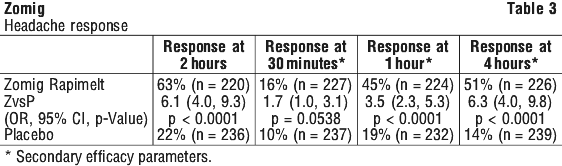
The percentage of patients with associated symptoms of nausea, photophobia and phonophobia were lower in the zolmitriptan group in the 4 hours following treatment. Subgroup analysis revealed a numerically greater response in those with moderate (as opposed to severe) headache and those without associated symptoms. In addition to producing a more significant reduction in headache and associated symptoms, zolmitriptan treatment was associated with a lower use of rescue medication compared with placebo.
The adverse event profile, including those affecting the upper gastrointestinal tract for Zomig Rapimelt tablets was similar to that of zolmitriptan conventional tablets. The majority of adverse events were mild to moderate in intensity.
5.2 Pharmacokinetic Properties
Absorption. Following oral administration of Zomig conventional tablets, zolmitriptan is rapidly and well absorbed (at least 64%). The mean absolute bioavailability of the parent compound is approximately 40% but there is some degree of intersubject variability.
In healthy subjects, when given as a single dose, zolmitriptan and its active metabolite N-desmethyl zolmitriptan display dose proportional AUC and Cmax over the dose range 2.5 to 50 mg. Absorption is rapid with 75% of Cmax achieved within 1 hour and plasma concentrations are sustained subsequently for 4 to 6 hours. Zolmitriptan absorption is unaffected by the presence of food. There is no evidence of accumulation on multiple dosing of zolmitriptan.
Plasma concentration of zolmitriptan and its metabolites are lower in the first 4 hours after drug administration during a migraine compared with a migraine free period, suggesting delayed absorption consistent with the reduced rate of gastric emptying observed during a migraine attack.
Distribution. Plasma protein binding of zolmitriptan and the N-desmethyl metabolite is low (approximately 25%).
The volume of distribution for the parent drug following i.v. administration is 2.4 L/kg.
Metabolism. Metabolism of zolmitriptan is dependent on CYP1A2 and the metabolism of the active metabolite N-desmethylzolmitriptan is via the monoamine oxidase A (MAO-A) enzyme system. There are three major metabolites: the indole acetic acid (the major metabolite in plasma and urine), the N-oxide and N-desmethyl analogues. The N-desmethylated metabolite (N-desmethyl zolmitriptan) is active whilst the others are not. Plasma concentrations of N-desmethyl zolmitriptan are approximately half those of the parent drug, hence it would therefore be expected to contribute to the therapeutic action of Zomig.
Excretion. Zolmitriptan is eliminated largely by hepatic biotransformation followed by urinary excretion of the metabolites. Over 60% of a single oral dose is excreted in the urine (mainly as the indole acetic acid metabolite) and about 30% in faeces mainly as unchanged parent compound. The plasma half-life (T½) of zolmitriptan was 4.7 hours in healthy volunteers. The corresponding T½ values for the N-desmethylzolmitriptan metabolite was 5.7 hours. Following intravenous administration, the mean total plasma clearance is approximately 10 mL/min/kg for the parent drug, of which one-quarter is renal clearance. Renal clearance is greater than glomerular filtration rate, suggesting renal tubular secretion. The mean elimination half-life of zolmitriptan is 2.5 to 3 hours. The half-lives of its metabolites are similar, suggesting their elimination is formation rate limited.
Special patient populations. Renal impairment. Renal clearance of zolmitriptan and its metabolites is reduced (7 to 8-fold) in patients with moderate to severe renal impairment compared to healthy subjects, although the AUC of the parent compound and the active metabolite were only slightly higher (16 and 35%, respectively) with a 1 hour increase in half-life to 3 to 3.5 hours. These parameters are within the ranges seen in healthy volunteers.
Hepatic impairment. A study to evaluate the effect of liver disease on the pharmacokinetics of zolmitriptan showed that the AUC and Cmax were increased by 94% and 50% respectively in patients with moderate liver disease and by 226% and 47% in patients with severe liver disease compared with healthy volunteers. Exposure to the metabolites, including the active metabolite, was decreased. For the N-desmethyl zolmitriptan metabolite, AUC and Cmax were reduced by 33% and 44% in patients with moderate liver disease and by 82% and 90% in patients with severe liver disease.
The plasma half-life (T½) of zolmitriptan was 7.3 hours in patients with moderate liver disease and 12 hours in those with severe liver disease. The corresponding T½ values for the 183C91 metabolite were 7.5 hours and 7.8 hours, respectively.
Use in the elderly. The pharmacokinetics of zolmitriptan in healthy elderly subjects were similar to those in healthy young volunteers.
Pharmacokinetic interactions with other medicines. In a small group of healthy individuals, there was no pharmacokinetic interaction with ergotamine. Concomitant administration of Zomig with ergotamine/ caffeine was well tolerated and did not result in any increase in adverse events or blood pressure changes as compared to Zomig alone.
Following administration of moclobemide, a specific MAO-A inhibitor, there was a small increase (26%) in AUC for zolmitriptan and a 3-fold increase in AUC of the active metabolite. Therefore, a maximum intake of 5 mg Zomig in 24 hours is recommended in patients taking a MAO-A inhibitor. The drugs should not be used together if doses of moclobemide higher than 150 mg b.i.d. are administered.
Selegiline, a MAO-B inhibitor, and fluoxetine, a selective serotonin reuptake inhibitor (SSRI), had no effect on the pharmacokinetic parameters of zolmitriptan.
Zomig Rapimelt. The Zomig Rapimelt orally dispersible formulation was found to be bioequivalent with the conventional tablet in terms of AUC and Cmax for zolmitriptan and its active metabolite (N-desmethyl zolmitriptan). The time to maximum plasma concentration following administration of Zomig Rapimelt is similar for the active metabolite (N-desmethyl zolmitriptan) but can be prolonged for zolmitriptan with this formulation relative to the conventional tablet. In a clinical pharmacology study to compare the two formulations, for the active metabolite N-desmethyl zolmitriptan, the tmax ranged from 0.75 to 5 hours (median 3.0 hours) for the conventional tablet, and 1 to 6 hours (median 3.0 hours) for the orally dispersible tablet, whereas for zolmitriptan the ranges were 0.5 to 3 hours (median 1.5 hours) and 0.6 to 5 hours (median 3.0 hours), respectively. However, plasma concentrations of zolmitriptan for the orally dispersible and conventional tablet formulations are similar up to 45 minutes postdose, the period of most importance for initial absorption following administration.
5.3 Preclinical Safety Data
Genotoxicity. Zolmitriptan showed no evidence of genotoxicity in a series of assays for gene mutations (bacteria and Chinese hamster ovary cells). Tests for chromosomal damage in human lymphocytes in vitro showed that zolmitriptan was clastogenic; however, zolmitriptan was not clastogenic in vivo.
Carcinogenicity. In carcinogenicity studies, rats and mice were given zolmitriptan by oral gavage for 104 and 92 weeks, respectively. Average plasma concentrations in rats and mice receiving the highest doses were greater than 100 times the exposure (based on AUC) attained in humans after the maximum recommended daily dose of 10 mg. The rat study revealed an increased incidence of thyroid follicular cell adenoma at the highest dose tested, thought to be due to enhanced hepatic thyroxine clearance. There was no evidence of an increased incidence of tumours in the mouse.
6 Pharmaceutical Particulars
6.1 List of Excipients
Zomig film coated tablets. Hypromellose, lactose monohydrate, magnesium stearate, microcrystalline cellulose, macrogol (400 and 8000), sodium starch glycollate, titanium dioxide, iron oxide yellow CI 77492 (2.5 mg) and iron oxide red CI 77491 (5 mg).
Zomig Rapimelt. Aspartame, microcrystalline cellulose, citric acid, crospovidone, magnesium stearate, mannitol, orange flavour SN027512, sodium bicarbonate and colloidal anhydrous silica.
6.2 Incompatibilities
Incompatibilities were either not assessed or not identified as part of the registration of this medicine.
6.3 Shelf Life
In Australia, information on the shelf life can be found on the public summary of the Australian Register of Therapeutic Goods (ARTG). The expiry date can be found on the packaging.
6.4 Special Precautions for Storage
Zomig 2.5 mg film-coated tablets. Store below 25°C.
Zomig 5 mg film-coated tablets and Zomig Rapimelt. Store below 30°C.
6.5 Nature and Contents of Container
Zomig 2.5 mg tablets. Presented in an aluminium laminate/aluminium foil blister pack containing 2, 3, 6 or 18 tablets.1
Zomig 5 mg tablets. Presented in an aluminium laminate/aluminium foil blister pack containing 2, 3, 6 or 18 tablets.2
Zomig Rapimelt tablets. Presented in a peelable aluminium laminate blister pack containing 2 or 6 tablets.3
1 Zomig 2.5 mg tablet is marketed in the 2-tablet foil blister pack in Australia, the 3, 6 and 18 tablet foil blister packs are not marketed in Australia.
2 Zomig 5 mg tablet is not marketed in Australia.
3 Zomig Rapimelt tablet is not marketed in Australia.
6.6 Special Precautions for Disposal
In Australia, any unused medicine or waste material should be disposed of by taking to your local pharmacy.
6.7 Physicochemical Properties
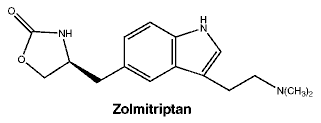
Zolmitriptan is a white to almost white powder slightly soluble in water (1.3 mg/mL at 250°C) but shows greater solubility in 0.1 M hydrochloric acid. Zolmitriptan has a pKa of 9.6. Zolmitriptan is a chiral molecule, which is synthesised as the S enantiomer.
Chemical structure. Chemical name: (S)-4-[[3- [2-(dimethylamino)ethyl] -1H-indol-5-yl]methyl] -2-oxazolidinone (IUPAC).
The empirical formula is C16H21N3O2, representing a molecular weight of 287.36.
7 Medicine Schedule (Poisons Standard)
Prescription only medicine (Schedule 4).
Date of First Approval
20 April 1998
Date of Revision
09 January 2025
Summary Table of Changes

Reasonable care is taken to provide accurate information at the time of creation. This information is not intended as a substitute for medical advice and should not be exclusively relied on to manage or diagnose a medical condition. The Australian Commission on Safety and Quality in Health Care disclaims all liability (including for negligence) for any loss, damage, injury or any other negative effects resulting from reliance on or use of this information. Read our full disclaimer. This website uses cookies. Read our privacy policy.