
Zydelig
Brand Information
| Brand name | Zydelig |
| Active ingredient | Idelalisib |
| Schedule | S4 |
Consumer Medicine Information (CMI) leaflet
Please read this leaflet carefully before you start using the Zydelig.
Summary CMI
ZYDELIG®
Consumer Medicine Information (CMI) summary
The full CMI on the next page has more details. If you are worried about using this medicine, speak to your doctor or pharmacist.
WARNING: Important safety information is provided in a boxed warning in the full CMI. Read before using this medicine.
1. Why am I using ZYDELIG?
ZYDELIG contains the active ingredient idelalisib. ZYDELIG is used in combination with other medicines, for the treatment of chronic lymphocytic leukaemia (CLL)/small lymphocytic lymphoma (SLL) in patients whose disease has returned following a period of improvement. ZYDELIG is also used for the treatment of Follicular lymphoma (FL) in patients whose disease no longer responds to other treatments.
For more information, see Section 1. Why am I using ZYDELIG? in the full CMI.
2. What should I know before I use ZYDELIG?
Do not use if you have ever had an allergic reaction to ZYDELIG or any of the ingredients listed at the end of the CMI.
Talk to your doctor if you have any other medical conditions, take any other medicines, or are pregnant or plan to become pregnant or are breastfeeding.
For more information, see Section 2. What should I know before I use ZYDELIG? in the full CMI.
3. What if I am taking other medicines?
Some medicines may interfere with ZYDELIG and affect how it works.
A list of these medicines is in Section 3. What if I am taking other medicines? in the full CMI.
4. How do I use ZYDELIG?
- Take ZYDELIG orally twice daily.
- Take the exact amount of ZYDELIG your doctor has prescribed for you.
More instructions can be found in Section 4. How do I use ZYDELIG? in the full CMI.
5. What should I know while using ZYDELIG?
| Things you should do |
|
| Things you should not do |
|
| Driving or using machines |
|
| Looking after your medicine |
|
For more information, see Section 5. What should I know while using ZYDELIG? in the full CMI.
6. Are there any side effects?
The most common side effects of ZYDELIG are diarrhoea/inflammation of the large intestine, decreased number of white blood cells, infections, rash, fever. ZYDELIG can cause serious infections that may lead to death. Tell your doctor right away if you have a fever or any signs of an infection while taking ZYDELIG.
For more information, including what to do if you have any side effects, see Section 6. Are there any side effects? in the full CMI.
Full CMI
WARNING: ZYDELIG can cause serious infections that may lead to death. Tell your doctor right away if you have a fever or any signs of an infection while taking ZYDELIG.
If you have the above serious side effect during treatment with ZYDELIG, your doctor may completely stop your treatment, stop your treatment for a period of time, or change your dose of ZYDELIG.
ZYDELIG®
Active ingredient(s): idelalisib
Consumer Medicine Information (CMI)
This leaflet provides important information about using ZYDELIG. You should also speak to your doctor or pharmacist if you would like further information or if you have any concerns or questions about using ZYDELIG.
Where to find information in this leaflet:
1. Why am I using ZYDELIG?
2. What should I know before I use ZYDELIG?
3. What if I am taking other medicines?
4. How do I use ZYDELIG?
5. What should I know while using ZYDELIG?
6. Are there any side effects?
7. Product details
1. Why am I using ZYDELIG?
ZYDELIG contains the active substance idelalisib. ZYDELIG which belongs to a group of medicines called antineoplastic agents. This medicine blocks the effects of an enzyme called PI3K-delta. It affects the growth of malignant (cancerous) lymphocytes (a type of white blood cell), causing them to die.
ZYDELIG is used to treat Chronic lymphocytic leukaemia/small lymphocytic lymphoma
Chronic lymphocytic leukaemia (CLL)/small lymphocytic lymphoma (SLL) are cancers of the blood which affect a type of white blood cell called lymphocytes. The lymphocytes become abnormal causing them to multiply too quickly and live for too long. Patients with CLL/SLL have too many abnormal lymphocytes circulating in the blood, causing the symptoms you may have. The disease can also affect other organs in your body.
ZYDELIG is used in combination with other medicines, for the treatment of CLL/SLL in patients whose disease has returned following a period of improvement.
ZYDELIG is also used to treat Follicular lymphoma
Follicular lymphoma (FL) is a cancer of the lymphatic system affecting a type of white blood cell called lymphocytes. The lymphocytes become abnormal causing them to multiply too quickly and live for too long and are involved in the cause of some of the symptoms you may have. ZYDELIG is a medicine that can be used for the treatment of FL in patients whose disease no longer responds to other treatments.
Your doctor may have prescribed ZYDELIG for another reason.
2. What should I know before I use ZYDELIG?
Warnings
Do not use ZYDELIG if:
- you are allergic to idelalisib, or any of the ingredients listed at the end of this leaflet.
- Always check the ingredients to make sure you can use this medicine.
Check with your doctor if you:
- have any other medical conditions
- take any medicines for any other condition
- have an active infection
- have lung or breathing problems
- have liver problems, including Hepatitis B or Hepatitis C. Your doctor may screen you for Hepatitis B or Hepatitis C infection before you start your treatment with ZYDELIG.
During treatment, you may be at risk of developing certain side effects. It is important you understand these risks and how to monitor for them. See additional information under Section 6. Are there any side effects?
Pregnancy and breastfeeding
Tell your doctor if you are pregnant or plan to become pregnant or are breast-feeding.
ZYDELIG is not recommended for use during pregnancy or breast-feeding.
There is no information about the safety of ZYDELIG in pregnant women.
Use a reliable method of contraception to avoid becoming pregnant while you're being treated with ZYDELIG and for 1 month after your last treatment.
Your doctor will discuss the potential benefits and risks of taking ZYDELIG to you and your child.
It is not known whether the ingredients in ZYDELIG pass into human milk.
If you are breast-feeding, talk to you doctor to discuss whether you should continue before starting treatment with ZYDELIG.
Immunisation and ZYDELIG
There is not enough information available about the use of immunisation with ZYDELIG.
Your doctor will determine if you are at substantial risk of an infection (eg, influenza or pneumoccal sepsis) that may be prevented by immunisation.
Your doctor may consider giving you the vaccine prior to treatment.
Progressive multifocal leukoencephalopathy (PML)
PML is a serious and life threatening brain condition. PML has been reported in some patients who have received immunotherapy.
Use in Children
- Do not give this medicine to a child under the age of 18 years.
- Safety and effectiveness in children younger than 18 years have not been established.
3. What if I am taking other medicines?
Tell your doctor or pharmacist if you are taking any other medicines, including any medicines, vitamins or supplements that you buy without a prescription from your pharmacy, supermarket or health food shop.
Some medicines and ZYDELIG may interfere with each other. These include:
- carbamazepine, phenytoin (used to prevent seizures)
- rifampicin (used to prevent and treat tuberculosis and other infections)
- St. John's Wort (Hypericum perforatum, a herbal remedy used for depression and anxiety)
- alfentanil, fentanyl (used for pain relief)
- ciclosporin, sirolimus, tacrolimus (used to control your body's immune response after a transplant)
- dihydroergotamine, ergotamine (used to treat migraine headache)
- pimozide (used to treat illnesses affecting the way you think, feel or behave)
- quinidine (used to correct irregular heartbeats)
These medicines may be affected by ZYDELIG or may affect how well it works. You may need different amounts of your medicines, or you may need to take different medicines.
Your doctor and pharmacist have more information on medicines to be careful with or avoid while taking this medicine.
Know the medicines you take. Keep a list of medicines and show it to your doctor and pharmacist when you get a new medicine.
Do not start any new medicines while you are taking ZYDELIG without first talking with your doctor or pharmacist.
Check with your doctor or pharmacist if you are not sure about what medicines, vitamins or supplements you are taking and if these affect ZYDELIG.
4. How do I use ZYDELIG?
How much to take
- The recommended dose for adults is 150 mg administered orally twice daily.
- Take the exact amount of ZYDELIG your doctor has prescribed for you. Never change the dose on your own. Your dose may be reduced by your doctor to 100 mg (taken orally twice daily) if you experience particular side effects.
- ZYDELIG can be taken with or without food.
When to take ZYDELIG
- Take your medicine at about the same time each day.
- Taking it at the same time each day will help you remember when to take it.
How to take ZYDELIG
- Swallow the tablet whole.
- Do not chew, crush or split the tablet.
- Tell your doctor if you have problems swallowing tablets.
How long to take ZYDELIG
- Continue taking your medicine for as long as your doctor tells you.
- It is important to keep taking your medicine even if you feel well.
- Do not stop this medicine unless your healthcare provider tells you to stop.
If you forget to use ZYDELIG
ZYDELIG should be used regularly at the same time each day.
If you miss a dose of ZYDELIG by less than 6 hours, take the missed dose right away. Then take your next dose as you would normally.
If you miss a dose of ZYDELIG by more than 6 hours, skip the dose you missed and take your next dose when you would normally.
Do not take a double dose to make up for the dose you missed.
Do not change your dose or stop taking ZYDELIG without first talking to your doctor.
If you use too much ZYDELIG
If you think that you have used too much ZYDELIG, you may need urgent medical attention.
You should immediately:
- phone the Poisons Information Centre
(by calling 13 11 26), or in New Zealand the Poisons Centre (telephone 0800 764 766) - contact your doctor, or
- go to the Emergency Department at your nearest hospital.
You should do this even if there are no signs of discomfort or poisoning.
If you accidentally take more than the recommended dose of ZYDELIG you may be at increased risk of experiencing possible side effects with this medicine.
5. What should I know while using ZYDELIG?
Things you should do
Call your doctor straight away if you get any of the following symptoms during treatment with ZYDELIG:
Infection
- fever, severe chills, sore throat or mouth
- cough or flu-like symptoms
- blood in your phlegm
- muscle aches
- diarrhoea or stomach pain
- burning when you urinate or urinating more often than normal
- tiredness, headaches, being short of breath when exercising, dizziness and looking pale
Severe Skin Reactions
- painful sores or ulcers on your skin, lips or in your mouth
- severe rash with blisters or peeling skin
Liver Problems
- yellowing of your skin or the white part of your eyes (jaundice)
- dark or brown (tea coloured) urine
- pain in the upper right side of your stomach area (abdomen)
- bleeding or bruising more easily than normal
Blood tests may also show changes in your liver.
Before and during treatment with ZYDELIG, you will have regular blood tests to check for the proper functioning of your liver. Your doctor may decide to temporarily interrupt treatment to allow your liver to recover, before resuming treatment at the same or a lower dose.
Diarrhoea and Fever
ZYDELIG may increase the risk of diarrhoea and fever during treatment. Tell your doctor as soon as possible if you have these symptoms or you experience any changes in these symptoms.
Remind any doctor, dentist or pharmacist you visit that you are using ZYDELIG.
Things you should not do
- Do not stop using this medicine suddenly.
- Do not breast-feed.
- Do not take ZYDELIG after the expiry or “use by” date (EXP) printed on the bottle. If you take it after the expiry date has passed, it may not work as well.
- Do not take ZYDELIG if the packaging is torn or shows signs of tampering.
Driving or using machines
Be careful before you drive or use any machines or tools until you know how ZYDELIG affects you.
You may feel tired after taking ZYDELIG, which may affect your ability to drive or use any tools or machinery.
Drinking alcohol
Tell your doctor if you drink alcohol.
Looking after your medicine
- Keep ZYDELIG tablets in a cool, dry place where it stays below 30°C.
- Keep your ZYDELIG tablets in the bottle with the cap tightly closed until you take them. If you take ZYDELIG tablets out of their pack they may not keep well.
Follow the instructions in the carton on how to take care of your medicine properly.
Store it in a cool dry place away from moisture, heat or sunlight; for example, do not store it:
- in the bathroom or near a sink, or
- in the car or on window sills.
Heat and dampness can destroy some medicines.
Keep it where young children cannot reach it. A locked cupboard at least one-and-a half metres above the ground is a good place to store them.
Getting rid of any unwanted medicine
If you no longer need to use this medicine or it is out of date, take it to any pharmacy for safe disposal.
Do not use this medicine after the expiry date which is stated on the bottle and carton after EXP.
The expiry date refers to the last day of that month.
6. Are there any side effects?
All medicines can have side effects. If you do experience any side effects, most of them are minor and temporary. However, some side effects may need medical attention.
See the information below and, if you need to, ask your doctor or pharmacist if you have any further questions about side effects.
Serious side effects
| Serious side effects | What to do |
Some of the symptoms of an allergic reaction may include:
| Call your doctor straight away, or go straight to the Emergency Department at your nearest hospital if you notice any of these serious side effects. |
Tell your doctor or pharmacist if you notice anything else that may be making you feel unwell.
Other side effects not listed here may occur in some people.
Reporting side effects
After you have received medical advice for any side effect you experience, you can report side effects in Australia to the Therapeutic Goods Administration online at www.tga.gov.au/reporting-problems and in New Zealand online at pophealth.my.site.com/carmreportnz/s/. By reporting side effects, you can help provide more information on the safety of this medicine.
Always make sure you speak to your doctor or pharmacist before you decide to stop taking any of your medicines.
7. Product details
This medicine is only available with a doctor's prescription.
What ZYDELIG contains
| Active ingredient (main ingredient) | idelalisib |
| Other ingredients (inactive ingredients) | microcrystalline cellulose hyprolose croscarmellose sodium sodium starch glycolate magnesium stearate Film-coating (150 mg): polyvinyl alcohol (E1203) macrogol 3350 (E1521) titanium dioxide (E171) talc (E553B) iron oxide red (E172) Film-coating (100 mg): Polyvinyl alcohol (E1203) macrogol 3350 (E1521) titanium dioxide (E171) talc (E553B) sunset yellow FCF aluminium lake (E110). |
| Potential allergens | N/A |
Do not take this medicine if you are allergic to any of these ingredients.
What ZYDELIG looks like
ZYDELIG 150 mg film-coated tablets are pink, oval-shaped film-coated tablets, debossed on one side with “GSI” and “150” on the other side (AUST R 218839)
ZYDELIG 100 mg film-coated tablets are orange, oval-shaped film-coated tablets, debossed on one side with “GSI” and “100” on the other side (AUST R 218837).
ZYDELIG tablets are supplied in bottles containing 60 tablets.
Who distributes ZYDELIG
Australia
Gilead Sciences Pty Ltd
Level 28, 385 Bourke Street,
Melbourne, Victoria, 3000, Australia
New Zealand
c/o Tompkins Wake
Level 17, 88 Shortland Street,
Auckland, 1010
This leaflet was prepared in December 2025.
ZYDELIG is a trademark or registered trademark of Gilead Sciences, Inc., or its related companies. All other trademarks referenced herein are the property of their respective owners.
Brand Information
| Brand name | Zydelig |
| Active ingredient | Idelalisib |
| Schedule | S4 |
MIMS Revision Date: 01 June 2024
In three large randomised studies in relapsed early line iNHL and first line CLL patients, more patients died in idelalisib containing arms than in placebo containing arms (7.4% vs 3.5%). Death often occurred within 180 days of treatment starting (4.4% vs 1.0% respectively) and was often due to infection (e.g. sepsis and pneumonia). These studies were stopped early.
In approved uses of idelalisib, the risk of serious infection is also considered present, therefore:
Do not start idelalisib treatment in patients with active infection.
Use antibiotic prophylaxis against Pneumocystis jirovecii throughout idelalisib treatment and for a period of time after treatment is stopped.
Monitor closely for laboratory and clinical evidence of CMV infection. Use of idelalisib may need to be interrupted or stopped.
See Section 4.4 Special Warnings and Precautions for Use, Serious infections.
Idelalisib can cause fatal pneumonitis. Some of the imbalance in deaths noted above may have been due to idelalisib induced pneumonitis. See Section 4.4 Special Warnings and Precautions for Use, Pneumonitis.
1 Name of Medicine
Zydelig (idelalisib).
2 Qualitative and Quantitative Composition
Zydelig (100 mg and 150 mg idelalisib) tablets. The active substance in Zydelig tablets is idelalisib. For the full list of excipients, see Section 6.1 List of Excipients.
3 Pharmaceutical Form
Zydelig is available as tablets. Zydelig tablets are for oral administration. Each tablet contains 100 mg or 150 mg idelalisib. Each 100 mg Zydelig tablet is oval-shaped, film-coated and orange in colour. Each tablet is debossed with 'GSI' on one side and '100' on the other side. Each 150 mg Zydelig tablet is oval-shaped, film-coated and pink in colour. Each tablet is debossed with 'GSI' on one side and '150' on the other side.
Zydelig is the brand name for idelalisib, an isoform-selective, small-molecule inhibitor of phosphatidylinositol 3-kinase p110δ (PI3Kδ).
4 Clinical Particulars
4.1 Therapeutic Indications
Zydelig in combination with rituximab is indicated for the treatment of adult patients with chronic lymphocytic leukaemia (CLL)/small lymphocytic lymphoma (SLL) upon relapse in patients for whom chemoimmunotherapy is not considered suitable.
Zydelig in combination with ofatumumab is indicated for the treatment of adult patients with CLL/SLL upon relapse in patients for whom chemoimmunotherapy is not considered suitable.
Zydelig is indicated as monotherapy for the treatment of patients with follicular lymphoma which is refractory to at least two prior systemic therapies. The disease must be refractory to both rituximab and an alkylating agent.
4.2 Dose and Method of Administration
The recommended dose of Zydelig for adults is 150 mg, taken orally, twice daily.
Zydelig can be taken with or without food.
Continue treatment until disease progression or unacceptable toxicity.
See Section 5.1 Pharmacodynamic Properties, Clinical trials, Zydelig in combination with chemotherapy and immunotherapy, Study 312-0119, for details of the recommended ofatumumab dosing regimen used in combination with Zydelig in the clinical study. The dose of ofatumumab was lower when used in combination with Zydelig than when used alone in study 312-0119. For patients in the Zydelig + ofatumumab group, the first dose of ofatumumab was administered at 300 mg, followed by 1000 mg weekly for 7 doses.
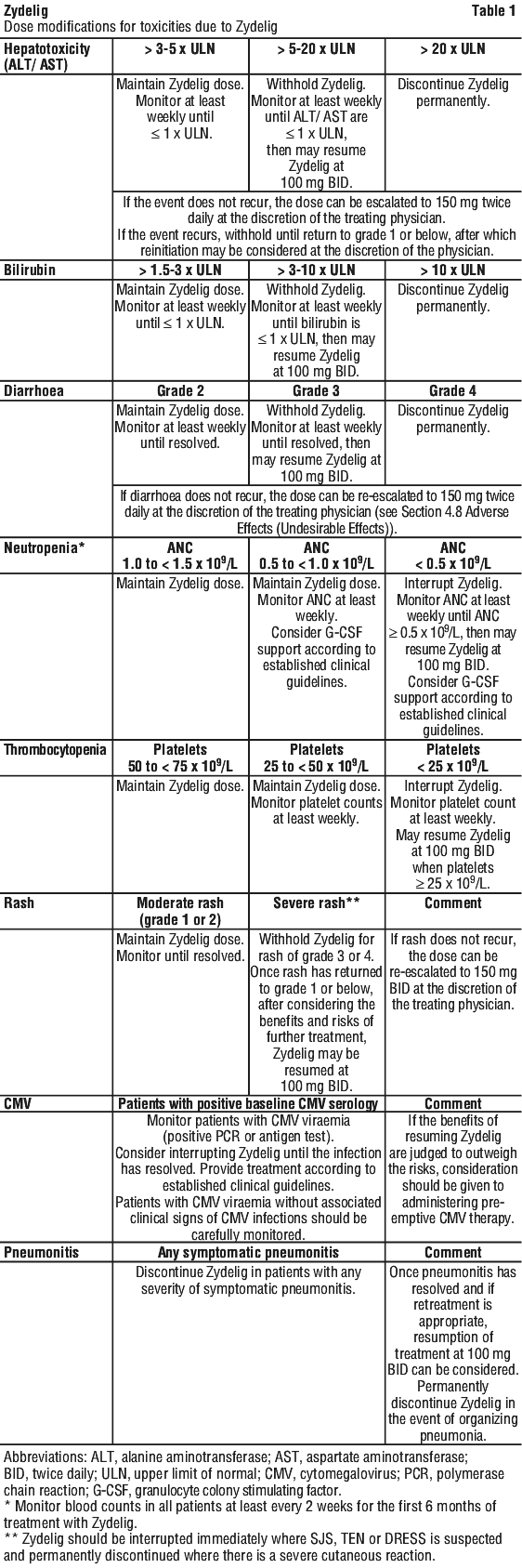
Dose modification. See Table 1 for dose modification instructions for specific toxicities related to Zydelig.
Renal impairment. No dose adjustment is required for patients with mild, moderate, or severe renal impairment (see Section 5.2 Pharmacokinetic Properties).
Hepatic impairment. No dose adjustment is required when initiating treatment with Zydelig in patients with mild or moderate hepatic impairment, but an intensified monitoring of side effects is recommended (see Section 4.4 Special Warnings and Precautions for Use). There is insufficient data to make dose recommendations for patients with severe hepatic impairment. Therefore, caution is recommended when administering Zydelig in this population and intensified monitoring of side effects is recommended (see Section 4.4 Special Warnings and Precautions for Use).
Paediatric population. The safety and efficacy of Zydelig in children under the age of 18 years have not been established. No data are available (see Section 4.4 Special Warnings and Precautions for Use).
4.3 Contraindications
Zydelig tablets are contraindicated in patients with known hypersensitivity to the active substance or to any other component of the tablets.
4.4 Special Warnings and Precautions for Use
Serious infections. Treatment with Zydelig should not be initiated in patients with any evidence of ongoing systemic bacterial, fungal, or viral infection (see Immunisation). Serious and fatal infections have occurred with Zydelig, including opportunistic infections such as Pneumocystis jirovecii pneumonia (PJP) and cytomegalovirus (CMV). Most frequently observed were infections in the respiratory system and septic events. In many instances the pathogen was not identified; however, both conventional and opportunistic pathogens, including PJP and CMV, were among those identified.
Administer prophylaxis for PJP to all patients throughout Zydelig treatment, and for a period of 2 to 6 months after discontinuation. The duration of post-treatment prophylaxis should be based on clinical judgment and may take into account a patient's risk factors such as concomitant corticosteroid treatment and prolonged neutropenia (see Section 4.8 Adverse Effects (Undesirable Effects); Section 4.2 Dose and Method of Administration, Dose modification, Table 1).
Before commencing Zydelig, all patients should have CMV status assessed. At least monthly clinical and laboratory monitoring for CMV infection is recommended in patients with positive CMV serology at baseline or other evidence of a history of CMV infection or disease. Patients with CMV viraemia without attributable symptoms or signs should be monitored for evidence of high or rising viral load. For asymptomatic patients with evidence of high or rising viral load, consideration should be given to interruption of Zydelig and commencement of antiviral therapy to prevent invasive disease. For patients with evidence of CMV viraemia and attributable symptoms or signs, initiate antiviral therapy; and strong consideration should be given to interrupting Zydelig until CMV disease has resolved. If the benefits of resuming Zydelig are judged to outweigh the risks, consideration should be given to administering pre-emptive CMV therapy. Patients with fever and/or other signs of infection should be evaluated promptly and treated accordingly (see Section 4.8 Adverse Effects (Undesirable Effects); Section 4.2 Dose and Method of Administration, Dose modification, Table 1).
Hepatotoxicity. Elevations in ALT and AST grade 3 and 4 (greater than 5 times the upper limit of normal) have occurred with Zydelig. Transaminitis was sometimes accompanied by elevated bilirubin. Grade 3-4 transaminitis was reported in 9-11% of patients in Zydelig containing arms of CLL studies 312-0116 and 312-0119 (versus 0-1% of control arm patients), and in 13% of patients in the iNHL study 101-09. A higher rate has been reported in other Zydelig studies. These laboratory findings were generally observed within the first 12 weeks of treatment, were generally asymptomatic, and were reversible with dose interruption. Most patients resumed treatment at a lower dose without recurrence (see Section 4.2 Dose and Method of Administration). Monitor ALT, AST, and total bilirubin in all patients every 2 weeks for the first 3 months of treatment, then as clinically indicated. If grade 2 or higher elevations in ALT and/or AST are observed, monitor weekly until resolved to grade 1 or below.
Intensified monitoring of side effects is recommended in patients with impaired hepatic function as exposure is expected to be increased in this population, in particular in patients with severe hepatic impairment (see Section 5.2 Pharmacokinetic Properties). No patients with severe hepatic impairment were included in clinical studies of idelalisib. Caution is recommended when administering Zydelig in this population.
Hepatitis infection and reactivation. Idelalisib has not been studied in patients with chronic active hepatitis including viral hepatitis. Caution should be exercised when administering Zydelig in patients with active hepatitis.
All patients should be screened for hepatitis B viruses (HBV) and hepatitis C viruses (HCV) in accordance with local guidelines prior to starting treatment with Zydelig. Such screening should at least include determination of HBsAg and anti-HBc, and be expanded to cover other appropriate markers. A single case of treatment emergent hepatitis B reactivation occurred in a patient with iNHL who was receiving Zydelig with concomitant bendamustine and rituximab.
Diarrhoea/colitis. Severe diarrhoea or colitis (grade 3 or higher) occurred in 18% of Zydelig treated patients across clinical studies (see Section 4.8 Adverse Effects (Undesirable Effects)). Most cases resolved within a few weeks with drug interruption and additional treatment (e.g. antidiarrhoeal and anti-inflammatory agents such as enteric budesonide) but some had a fatal outcome (see Section 4.2 Dose and Method of Administration). Of these patients, 32% resumed treatment without any recurrence of diarrhoea. In the pivotal study of patients with CLL, in the Zydelig + rituximab group both the incidence and prevalence of all grade and grade ≥ 3 diarrhoea/colitis increased with time (after 24 weeks compared to the incidence and prevalence in the 12-24 week period). Infectious causes (e.g. Clostridium difficile, CMV) should be excluded when assessing patients with colitis (see Section 4.4 Special Warnings and Precautions for Use, Serious infections). Assessment of hydration status should be considered for all patients with diarrhoea, especially in those with increased risk for dehydration, such as pre-existing renal failure.
Intestinal perforation. Fatal and serious intestinal perforation has occurred in Zydelig treated patients. At the time of perforation, some patients had moderate to severe diarrhoea. Advise patients to promptly report any new or worsening abdominal pain, chills, fever, nausea or vomiting. Discontinue Zydelig permanently in patients who experience intestinal perforation.
Pneumonitis. Cases of pneumonitis, including organizing pneumonia, some with a fatal outcome have occurred with Zydelig. In patients presenting with pulmonary symptoms or radiographic appearances, Zydelig should be interrupted and the patient assessed for an explanatory etiology. If pneumonitis is suspected the patient should be treated accordingly. Infectious causes (e.g. CMV) should be considered when assessing patients with pneumonitis (see Section 4.4 Special Warnings and Precautions for Use, Serious infections). Where moderate-severe symptomatic pneumonitis occurs, Zydelig should not be reinstituted. If organizing pneumonia is diagnosed, appropriate treatment should be initiated and Zydelig should be permanently discontinued (see Section 4.2 Dose and Method of Administration).
Immunisation. Due to an increased risk of infections during Zydelig treatment, pneumococcal and influenza vaccines are recommended. For patients who are at substantial risk of an infection (e.g. influenza or pneumococcal sepsis), the vaccine should be provided prior to Zydelig treatment.
The safety of immunisation with live or inactivated live vaccines in association with Zydelig therapy has not been studied, and therefore vaccination with live vaccines is not recommended.
Neutropenia, anaemia, lymphopenia and thrombocytopenia. Treatment emergent grade 3 or 4 neutropenia, including febrile neutropenia, have occurred in patients treated with Zydelig. Monitor blood counts in all patients at least every 2 weeks for the first 6 months of treatment with Zydelig, and at least weekly in patients while absolute neutrophil count is less than 1.0 x 10⁹/L (see Section 4.2 Dose and Method of Administration, Table 1: Dose modifications for toxicities due to Zydelig). Management of neutropenia, including administration of G-CSF should be per established clinical guidelines and institutional standard of care. The absence of neutropenia does not exclude idelalisib mediated immunosuppression and risk of serious infection.
Treatment emergent neutropenia, anaemia, lymphopenia and thrombocytopenia have occurred in Zydelig treated patients across clinical trials. Severe cases should be managed through temporary dose interruptions until resolved (see Section 4.2 Dose and Method of Administration).
Severe cutaneous reactions. Severe or life threatening (grade ≥ 3) cutaneous reactions have been reported in Zydelig treated patients. In the pivotal study of patients with CLL, in the Zydelig + rituximab group both the incidence and prevalence of rash (any grade) increased with time (after 24 weeks compared to the incidence and prevalence in the 12-24 week period).
Fatal cases of Stevens-Johnson syndrome (SJS) and toxic epidermal necrolysis (TEN) have occurred when patients were treated with Zydelig. Cases of drug reaction with eosinophilia and systemic symptoms (DRESS) have also occurred in Zydelig-treated patients. Cases of SJS and TEN with fatal outcomes have been reported when Zydelig was administered concomitantly with other medications associated with SJS-TEN. If SJS, TEN or DRESS is suspected, treatment with Zydelig should be interrupted immediately, and where there is a severe cutaneous reaction, Zydelig should be permanently discontinued.
Progressive multifocal leukoencephalopathy (PML). PML has been reported in patients with CLL receiving cytotoxic pharmacotherapy. A single case of PML occurred in one study of Zydelig in a patient with CLL who had previously received rituximab. A diagnosis of PML should be considered in any patient receiving Zydelig who reports the new onset of, or changes in pre-existing neurologic signs and symptoms.
Transient lymphocytosis. Transient lymphocytosis has occurred in Zydelig treated patients across clinical trials. Lymphocytosis is a pharmacodynamic effect and should not be considered progressive disease in the absence of other clinical findings.
Use in the elderly. In clinical trials of Zydelig in patients with FL, SLL, and CLL, 62% were 65 years of age and older, while 22% were 75 years of age and older. No overall differences in effectiveness were observed between older and younger patients.
In patients 65 years of age or older with CLL in comparison to younger patients, older patients had a higher incidence of discontinuation due to an adverse reaction (28% vs 21%), higher incidence of serious adverse reactions (68% vs 60%), and similar incidence of death (8% vs 7%).
Paediatric use. The safety and efficacy of Zydelig in children under the age of 18 years have not been established. No data are available (see Section 4.2 Dose and Method of Administration).
Effects on laboratory tests. No data available.
4.5 Interactions with Other Medicines and Other Forms of Interactions
Established and other potentially significant interactions. Effects of other drugs on Zydelig. CYP3A inducers. The AUC of idelalisib was reduced by 75% when Zydelig was coadministered with a strong CYP3A inducer. Avoid coadministration of Zydelig with strong CYP3A inducers such as rifampin, phenytoin, St John's wort, or carbamazepine.
CYP3A inhibitors. Coadministration of Zydelig with a strong CYP3A inhibitor (ketoconazole) resulted in a 26% increase in Zydelig Cmax and a 79% increase in AUCinf. While no initial dose adjustment of Zydelig is considered necessary when administered with a CYP3A inhibitor, intensified monitoring of side effects is recommended.
Effects of Zydelig on other drugs. CYP3A substrates. Caution is recommended if Zydelig is coadministered with sensitive and/or narrow therapeutic index CYP3A substrates (e.g. alfentanil, cyclosporine, sirolimus, tacrolimus, cisapride, pimozide, fentanyl, quinidine, ergotamine, dihydroergotamine).
Zydelig is a strong CYP3A inhibitor; plasma AUC of sensitive CYP3A substrate, midazolam increased 440% with Zydelig. Coadministration of Zydelig with CYP3A substrates (e.g. certain antiarrhythmics, calcium channel blockers, benzodiazepines, HMG-CoA reductase inhibitors, phosphodiesterase-5 (PDE5) inhibitors, and warfarin) may increase their systemic exposures.
4.6 Fertility, Pregnancy and Lactation
Effects on fertility. Idelalisib did not affect male or female fertility in conventional rat fertility and early embryonic development studies at doses ≤ 100 mg/kg/day (resulting in exposures [AUC] 8 and 15 times the clinical AUC in males and females, respectively). However, embryolethality was observed. Idelalisib caused seminiferous tubular atrophy/degeneration and hypospermatogenesis in rats and dogs treated chronically with idelalisib. A NOEL was not established. Exposures (AUC) at the LOEL were subclinical.
Females of reproductive potential should be advised to use highly-effective contraception while taking Zydelig and for 1 month after stopping treatment. The effect of idelalisib on oral contraceptives is unknown.
Use in pregnancy. (Category D)
There are no adequate and well controlled studies of Zydelig in pregnant women.
Based on findings in animals (see below), idelalisib may cause fetal harm when administered to a pregnant woman. If this drug is used during pregnancy, or if the patient becomes pregnant while receiving this drug, the patient should be apprised of the potential hazard to the fetus. Women of childbearing potential should be advised to use highly effective contraception methods while receiving idelalisib.
Embryofetal lethality (increased postimplantation loss), embryofetal toxicity (reduced fetal weights and incomplete ossification) and teratogenicity (short tail, anury, vertebral agenesis, microphthalmia/ anophthalmia and hydrocephaly) were seen in rats that received oral doses of idelalisib (≥ 75 mg/kg/day) during the period of organogenesis. Exposure (AUC) at the NOAEL for embryofetal effects was approximately equivalent to the clinical AUC.
Use in lactation. It is not known whether idelalisib is excreted in human milk.
A risk to the newborns/infants cannot be excluded.
A decision must be made whether to discontinue breastfeeding or to discontinue/abstain from Zydelig therapy taking into account the benefit of breastfeeding for the child and the benefit of therapy for the woman.
Due to the effects of idelalisib on fertility, its use is not recommended during pregnancy or lactation.
4.7 Effects on Ability to Drive and Use Machines
No studies of the effects of Zydelig on the ability to drive or use machines have been performed with idelalisib. A detrimental effect on such activities is not expected based on the known pharmacology and safety profile of Zydelig.
4.8 Adverse Effects (Undesirable Effects)
Reporting suspected adverse effects. Reporting suspected adverse reactions after registration of the medicinal product is important. It allows continued monitoring of the benefit-risk balance of the medicinal product. Healthcare professionals are asked to report any suspected adverse reactions at www.tga.gov.au/reporting-problems.
Experience from clinical trials. Summary of clinical trials in chronic lymphocytic leukemia. Assessment of adverse reactions is based on 2 phase 3 studies (312-0116 and 312-0119). Study 312-0116 was a randomized, double blind, placebo controlled study in which 110 patients with relapsed CLL received Zydelig + rituximab. In addition, 86 patients from this study who were randomised to receive placebo + rituximab went on to receive Zydelig as a single agent in an extension study. Study 312-0119 was an open label study in which 173 patients with relapsed CLL received Zydelig + ofatumumab. Table 2 and Table 3 summarise common adverse reactions and laboratory abnormalities reported for Zydelig + rituximab and placebo + rituximab arms in study 312-0116.
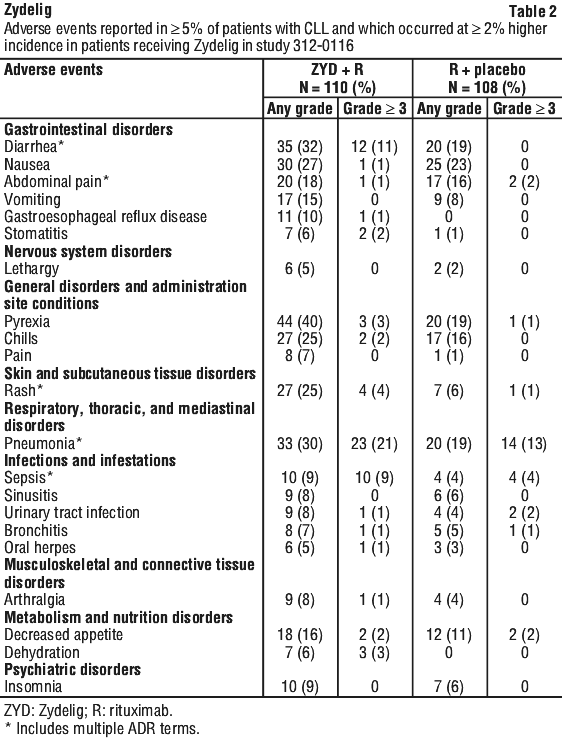
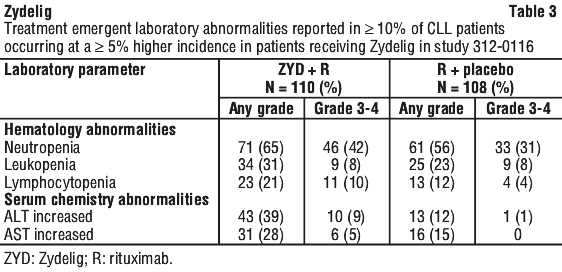
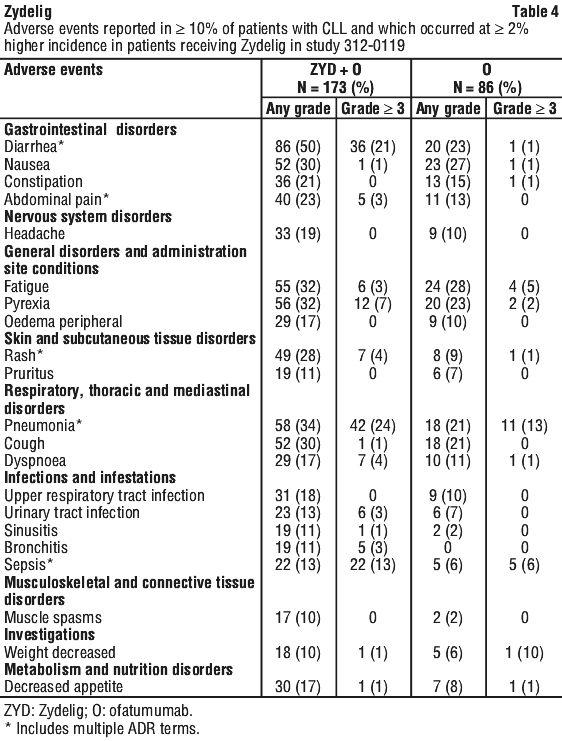
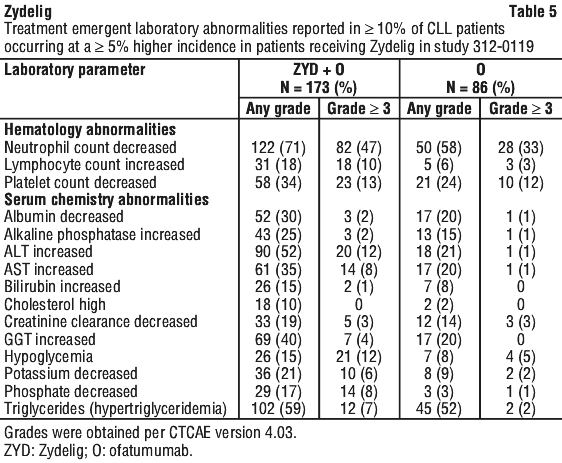
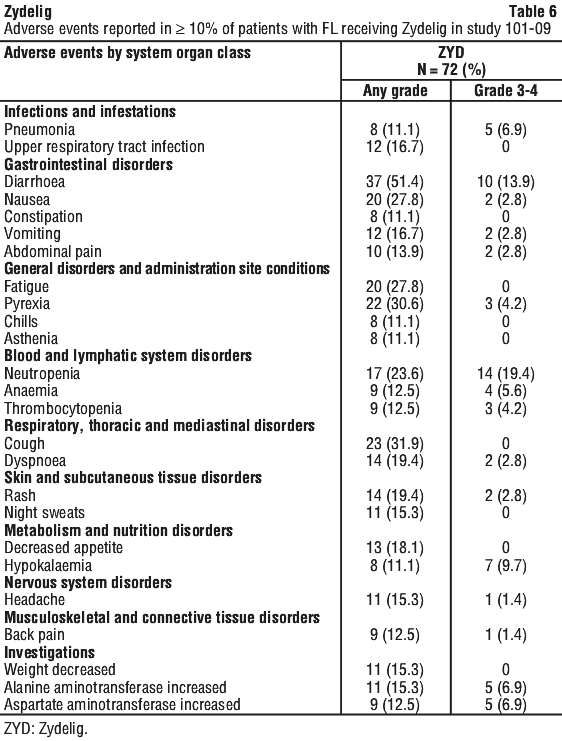
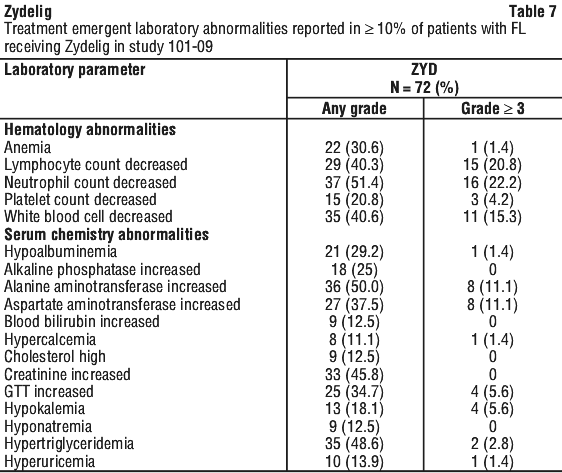
Table 6 and Table 7 summarise common adverse reactions and laboratory abnormalities reported for Zydelig monotherapy in study 101-09.
Skin and subcutaneous tissue disorders. Stevens-Johnson syndrome, toxic epidermal necrolysis, and drug reaction with eosinophilia and systemic symptoms (DRESS) (see Section 4.4 Special Warnings and Precautions for Use).
Respiratory, thoracic and mediastinal disorders. Organizing pneumonia (see Section 4.4 Special Warnings and Precautions for Use).
4.9 Overdose
If overdose occurs the patient must be monitored for evidence of toxicity. Treatment of overdose with Zydelig consists of general supportive measures including monitoring of vital signs as well as observation of the clinical status of the patient.
For information on the management of overdose, contact the Poison Information Centre on 13 11 26 (Australia) and 0800 764 766 (New Zealand).
5 Pharmacological Properties
5.1 Pharmacodynamic Properties
Pharmacotherapeutic group: antineoplastic agents, ATC code: L01XX47.
Mechanism of action. Idelalisib inhibits PI3Kδ kinase, which is hyperactive in B cell malignancies and is central to multiple signalling pathways that drive proliferation, survival, homing, and retention of malignant cells in lymphoid tissues and bone marrow. Idelalisib is a selective inhibitor of adenosine-5'-triphosphate (ATP) binding to the catalytic domain of PI3Kδ, resulting in inhibition of the phosphorylation of the key lipid second messenger phosphatidylinositol (PIP) and prevention of Akt phosphorylation.
Idelalisib induces apoptosis and inhibits proliferation in cell lines derived from malignant B cells and in primary tumour cells. Idelalisib inhibits homing and retention of malignant B cells in the tumour microenvironment including lymphoid tissues and the bone marrow.
Effects on electrocardiogram. The effect of idelalisib at therapeutic (150 mg) and supratherapeutic (400 mg) doses on the QTc interval was evaluated in a placebo and positive controlled (moxifloxacin 400 mg) crossover study in 40 healthy patients. No significant changes in the baseline corrected QTc based on Friderica's correction method (QTcF) (i.e. ≥ 10 ms) were observed.
Clinical trials. Chronic lymphocytic leukaemia (CLL). Zydelig in combination with chemotherapy and immunotherapy. Study 312-0116. Study 312-0116 was a randomised, double blind, placebo controlled study in 220 patients with relapsed CLL who required treatment but were not considered suitable for cytotoxic chemotherapy based on one of the following criteria: cumulative illness rating score (CIRS) > 6; estimated CrCl < 60 mL/min; grade ≥ 3 neutropenia or grade ≥ 3 thrombocytopenia resulting from myelotoxic effects of prior therapy with cytotoxic agents. Patients were randomised 1:1 to receive 8 cycles of rituximab (first cycle at 375 mg/m2, subsequent cycles at 500 mg/m2) in combination with either an oral placebo twice daily or Zydelig 150 mg taken twice daily until disease progression or unacceptable toxicity.
The median age was 71 years (range 47, 92 years) with 78.2% over 65, 65.5% were male, 90.0% were white, 64.1% had a Rai stage of III or IV, and 55.9% had Binet stage C. Patients had a median CIRS score of 8; 81 (36.8%) had cardiac, 114 (51.8%) had respiratory, 87 (39.5%) had renal, and 92 (41.8%) had endocrine/metabolic comorbidities. Two hundred and eight (94.5%) had 3 or more organs with comorbidities and 82 (37.3%) had severe (score of 3 or higher in any system) comorbidities. The median number of prior therapies was 3. Nearly all (95.9%) patients had received prior anti-CD20 monoclonal antibodies. The most common (> 15%) prior regimens were: bendamustine + rituximab (98 patients, 44.5%), fludarabine + cyclophosphamide + rituximab (75 patients, 34.1%), single agent rituximab (67 patients, 30.5%), fludarabine + rituximab (38 patients, 17.3%), and chlorambucil (36 patients, 16.4%). Most patients had adverse cytogenetic prognostic factors: 43.2% had a 17p deletion and/or TP53 mutation, and 83.6% had an unmutated IGHV.
The primary endpoint was progression free survival (PFS), defined as the interval from randomization to the earlier of the first documentation of definitive progressive disease (PD) or death from any cause; definitive disease progression was based on standard criteria other than lymphocytosis alone. Other efficacy outcomes included the overall response rate (ORR), lymph node response rate (LNR), and overall survival (OS). The primary analyses of PFS, ORR and LNR were based on assessment by an independent review committee (IRC) which included board certified radiologists and oncologist/ hematologists operating under an independent review charter.
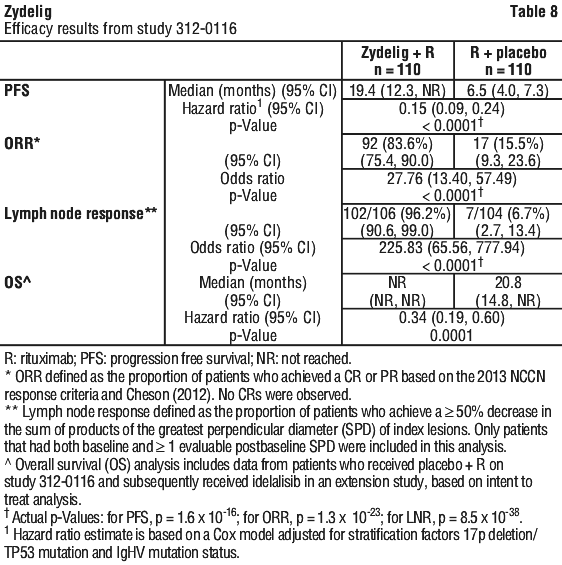
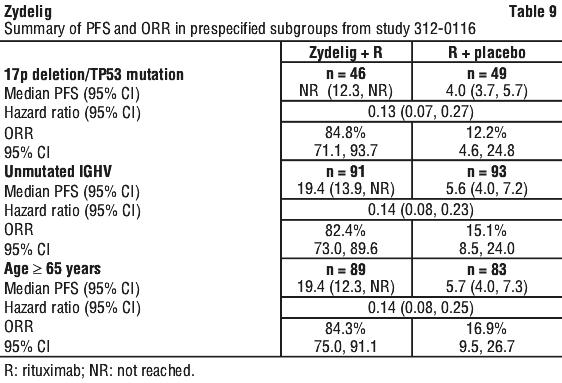
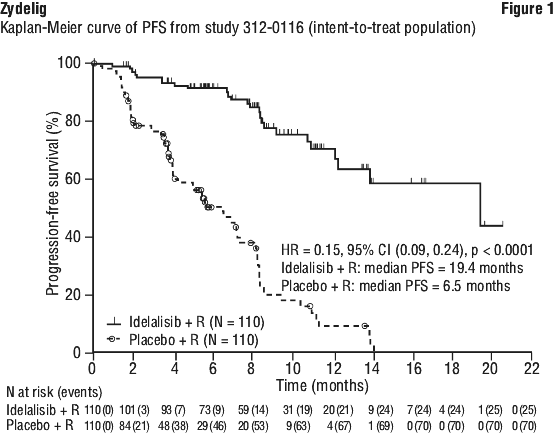
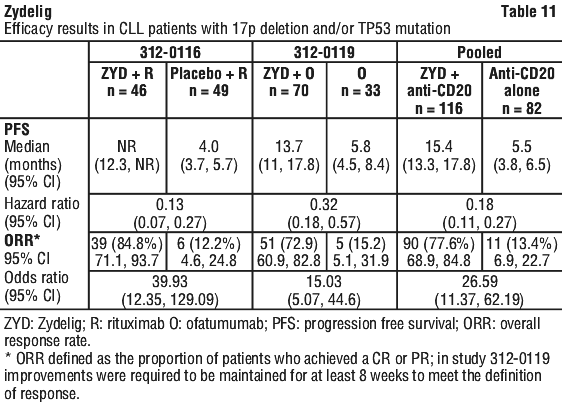
The trial was stopped for overwhelming efficacy following the first prespecified interim analysis. Results of the final analysis continued to show statistically significant improvement for Zydelig + rituximab over placebo + rituximab for the primary endpoint of PFS (HR: 0.15, p < 0.0001; see Table 8). This statistically significant improvement in PFS was consistently present in all prespecified subgroups including patients with 17p deletion/TP53 mutation. Zydelig + rituximab also demonstrated a statistically significant improvement in overall survival over placebo + rituximab (HR: 0.34, p-value from stratified log rank test = 0.0001; see Table 8), in addition to a statistically significant improvement in ORR and LNR. No CRs were observed in either arm. Table 9 presents a summary of response rates (PFS and ORR) across prespecified subgroups. The Kaplan-Meier curve for PFS is provided in Figure 1.
Study 312-0119. Zydelig was evaluated in a randomised, open label, multicenter, controlled, parallel group study in 261 patients with relapsed CLL who had measurable lymphadenopathy, required treatment, and experienced CLL progression < 24 months since the completion of the last prior treatment. Patients were randomised 2:1 to receive Zydelig 150 mg taken twice daily with 12 infusions of ofatumumab over 24 weeks (ZYD + O), or 12 infusions of ofatumumab only over 24 weeks (O). The first infusion of ofatumumab was administered at a dose of 300 mg and was continued with a dose of either 1000 mg (Zydelig + O) or 2000 mg (O) weekly for 7 doses, and then every 4 weeks for 4 doses. Zydelig was taken until disease progression or unacceptable toxicity.
The median age was 68 (range 36 to 85) with 64.0% over 65 years of age, 71.3% were male, 84.3% were white, 63.6% had a Rai stage of III or IV, and 58.2% had Binet stage C. Patients had a median CIRS score of 4. The median time since diagnosis was 7.7 years and the median number of prior therapies was 3. The most common last prior regimens were: bendamustine + rituximab (28.7%), fludarabine + cyclophosphamide + rituximab (21.5%), fludarabine + rituximab (5.4%), and single agent rituximab (5.0%).
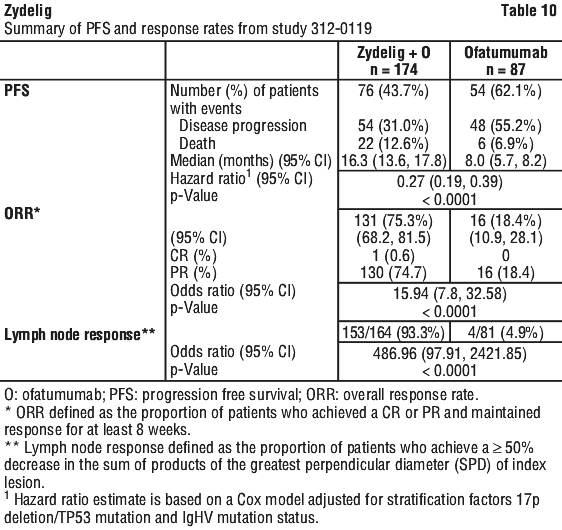
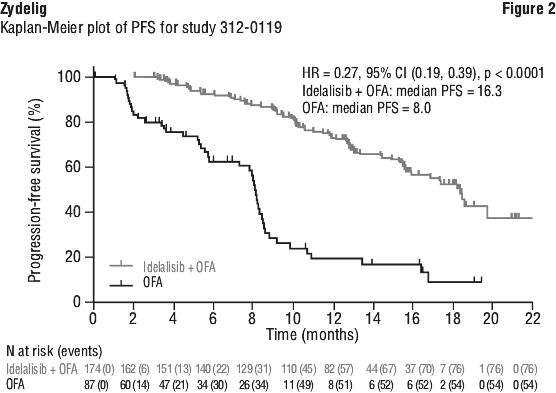
The primary endpoint was PFS, as assessed by an IRC. Results of the final analysis showed a statistically significant improvement for Zydelig + ofatumumab over ofatumumab alone for PFS (HR: 0.27, 95% CI [0.19, 0.39], p < .0001).
Zydelig + ofatumumab also demonstrated a statistically significant improvement in ORR and LNR.
A statistically significant difference OS between treatment groups was not achieved. Overall, a total of 64 patients died on study (42 patients in the Zydelig + ofatumumab group and 22 patients in the ofatumumab alone group) with an adjusted HR (95% CI) of 0.74 (0.44, 1.25); p = 0.27.
The efficacy results are shown in Table 10 and the Kaplan-Meier curve for PFS is shown in Figure 2.
Study 101-08. Study 101-08 enrolled 64 patients with previously untreated CLL, including 5 with SLL. The median age was 71 (range 65, 90), 62.5% were male, 95.3% were white. Of the 64 patients, 9 (14.1%) had 17p deletion and/or TP53 mutation, and 37 (57.8%) had an unmutated IGHV. Patients received Zydelig 150 mg twice daily and rituximab 375 mg/m2 weekly. The ORR was 96.9%, with 12 CRs (18.8%) and 50 PRs (78.1%); the 2 patients who didn't respond were not evaluable. The median DOR has not been reached. Of the 9 patients with a 17p deletion and/or TP53 mutation, 3 had a CR and 6 had a PR. Of the 37 patients with unmutated IGHV, 2 had a CR and 34 had a PR. For the 5 patients with SLL, the ORR was 100%.
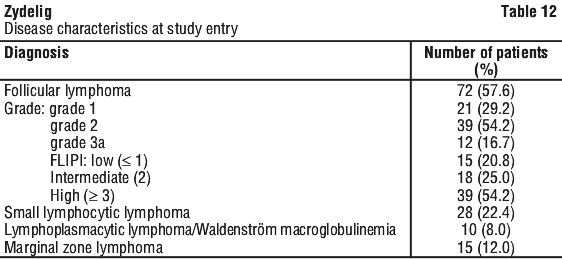
Follicular lymphoma. Study 101-09. The safety and efficacy of Zydelig were assessed in a single arm, multicentre clinical trial (study 101-09) conducted in 125 patients with indolent B cell non-Hodgkin lymphoma who had a history of failing to respond or having relapsed within 6 months of both rituximab therapy and an alkylating agent (separately or in combination). Patients received 150 mg of Zydelig orally twice daily until evidence of disease progression or unacceptable toxicity.
Of the 125 patients enrolled, 80 (64%) were male, the median age was 64 (range 33 to 87), and 110 (89%) were white. Table 12 presents details of disease characteristics at time of study entry.
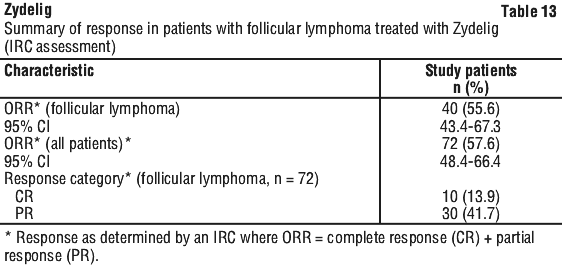
The primary endpoint was the overall response rate (ORR) defined as the proportion of patients who achieved a complete response (CR) or partial response (PR) based on the revised response criteria for malignant lymphoma (Cheson). Duration of response (DOR) was a secondary endpoint and was defined as the time from the first documented response (CR, PR, or MR) to the first documentation of disease progression or death from any cause. Efficacy results on ORR are summarised in Table 13.
5.2 Pharmacokinetic Properties
Absorption. Following oral administration of a single 400 mg dose of idelalisib, peak plasma concentrations were observed 2 to 4 hours postdose under fed conditions and 0.5 to 1.5 hours under fasted conditions.
The Cmax and AUC of idelalisib increased in a less than dose proportional manner.
Relative to fasting conditions, administration of a single idelalisib dose with a high-fat meal resulted in no change in Cmax and a 36% increase in mean AUCinf. Idelalisib can be administered without regard to food.
Distribution. Idelalisib is 93% to 94% bound to human plasma proteins and the binding is independent of concentrations observed clinically. The mean blood to plasma ratio was approximately 0.5.
Metabolism. The metabolism of idelalisib is primarily via aldehyde oxidase, and to a lesser extent via CYP3A and UGT1A4. The primary and only circulating metabolite, GS-563117, is inactive against PI3Kδ. GS-563117 is a strong inhibitor of CYP3A.
The terminal elimination half-life of idelalisib is 8.2 hours following idelalisib 150 mg twice daily oral administration. Following a single 150 mg oral dose of [14C]-labelled idelalisib, approximately 78% and 15% was excreted in faeces and urine, respectively.
Age, gender and ethnicity. Race. Population pharmacokinetic analyses indicated that race had no clinically relevant effect on the exposures of idelalisib or its primary metabolite GS-563117.
Gender. Population pharmacokinetic analyses indicated that gender had no clinically relevant effect on the exposures of idelalisib or its primary metabolite GS-563117.
Paediatric population. The pharmacokinetics of idelalisib has not been studied in paediatric patients.
Elderly. Population pharmacokinetic analyses indicated that age had no clinically relevant effect on the exposures of idelalisib or its primary metabolite GS-563117, including geriatric (65 years of age and older) compared to younger patients.
Patients with impaired renal function. A study of pharmacokinetics and safety of idelalisib was performed in healthy patients and patients with severe renal impairment (estimated creatinine clearance 15 to 29 mL per min). Following a single 150 mg dose, no clinically relevant changes in exposures to idelalisib or its primary metabolite, GS-563117, were observed in patients with severe renal impairment compared to healthy patients. Therefore, no dose adjustment is necessary in patients with mild, moderate, or severe renal impairment.
Patients with hepatic impairment. A study of pharmacokinetics and safety of idelalisib was performed in healthy patients and patients with moderate (Child-Pugh class B) or severe (Child-Pugh class C) hepatic impairment. Following a single 150 mg dose, idelalisib AUC was ~ 60% (1.6-fold) higher in patients with moderate and severe hepatic impairment compared to matched controls. As chronic use of Zydelig has not been studied in cancer patients with severe hepatic impairment, caution is recommended when administering Zydelig in this population. Patients with baseline hepatic impairment should be monitored for signs of Zydelig toxicity.
5.3 Preclinical Safety Data
Genotoxicity. Idelalisib did not induce mutations in the microbial mutagenesis (Ames) assay and was not clastogenic in the in vitro chromosome aberration assay using human peripheral blood lymphocytes. An in vivo rat micronucleus study gave equivocal results. The risk of genotoxicity is considered low.
Carcinogenicity. Carcinogenicity studies with idelalisib have not been conducted.
Malignancies. There is an increased incidence of second malignancies in patients with CLL. Data from the pivotal study in patients with CLL does not demonstrate an increased risk of second malignancies following Zydelig therapy.
6 Pharmaceutical Particulars
6.1 List of Excipients
Zydelig 100 mg. Each tablet contains 100 mg of idelalisib and the following ingredients as excipients:
Tablet core. Microcrystalline cellulose, hyprolose, croscarmellose sodium, sodium starch glycolate, and magnesium stearate.
Film coating. Sunset yellow FCF aluminium lake (E110), macrogol 3350 (E1521), talc (E553B), polyvinyl alcohol (E1203), and titanium dioxide (E171).
Zydelig 150 mg. Each tablet contains 150 mg of idelalisib and the following ingredients as excipients:
Tablet core. Cellulose-microcrystalline, hyprolose, croscarmellose sodium, sodium starch glycolate, and magnesium stearate.
Film coating. Iron oxide red (E172), macrogol 3350 (E1521), talc (E553B), polyvinyl alcohol (E1203), and titanium dioxide (E171).
6.2 Incompatibilities
Incompatibilities were either not assessed or not identified as part of the registration of this medicine.
6.3 Shelf Life
In Australia, information on the shelf life can be found on the public summary of the Australian Register of Therapeutic Goods (ARTG). The expiry date can be found on the packaging.
6.4 Special Precautions for Storage
Zydelig should be stored below 30°C.
6.5 Nature and Contents of Container
Zydelig is supplied in high density polyethylene (HDPE) bottles containing 60 tablets and a polyester coil and is closed with a child resistant closure.
The tablets are supplied in bottles with child resistant closures.
6.6 Special Precautions for Disposal
In Australia, any unused medicine or waste material should be disposed of by taking to your local pharmacy.
6.7 Physicochemical Properties
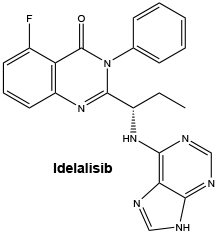
Chemical structure. Idelalisib. The chemical name for idelalisib is 5-fluoro-3-phenyl-2-[(1S)-1-(9H-purin-6 ylamino) propyl] quinazolin-4(3H)-one. It has a molecular formula of C22H18FN7O and a molecular weight of 415.42. It has the following structural formula:
CAS number. CAS registry number: 870281-82-6.
7 Medicine Schedule (Poisons Standard)
S4.
Date of First Approval
09 February 2015
Date of Revision
30 April 2024
Summary Table of Changes

Reasonable care is taken to provide accurate information at the time of creation. This information is not intended as a substitute for medical advice and should not be exclusively relied on to manage or diagnose a medical condition. The Australian Commission on Safety and Quality in Health Care disclaims all liability (including for negligence) for any loss, damage, injury or any other negative effects resulting from reliance on or use of this information. Read our full disclaimer. This website uses cookies. Read our privacy policy.