
This presentation is an introduction module for nursing and care staff.
This medication skills assessment is intended for nursing and care staff in residential aged care facilities (RACFs) who deliver medicine/s to residents using the National Residential Medication Chart (NRMC).
This evaluation report summarises Phase 1 of the Pharmaceutical Benefits Scheme Hospital Medication Chart (PBS HMC) Project.
Literature review on safety culture assessment modes
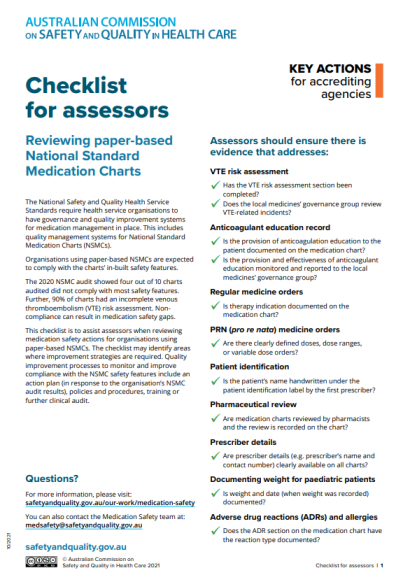
This checklist is to assist assessors when reviewing medication safety actions for organisations using paper-based National Standard Medication Charts (NSMC).
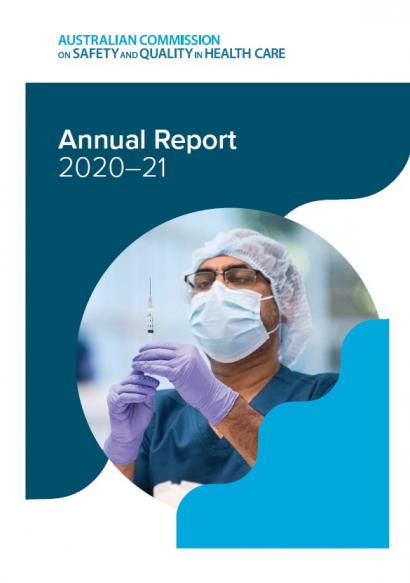
The Annual Report 2021-21 provides an overview of our performance, governance arrangements, organisational structure and financial statements for the past financial year.
This report describes and quantifies incidents that have involved anticoagulants. Incidents have been captured from healthcare settings (primarily hospitals) in states and territories across Australia.
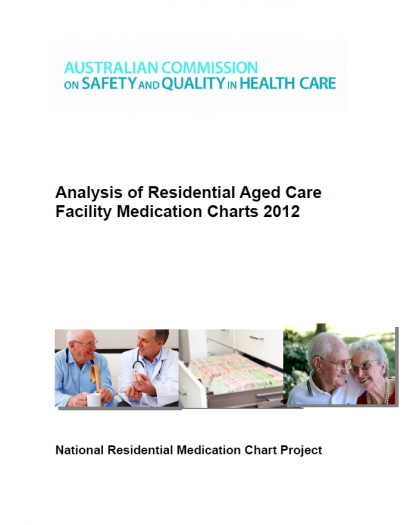
The Analysis of Residential Aged Care Facility Medication Charts 2012 presents research and analysis on medication charts currently in use in Australian residential aged care facilities (RACFs). The aim of the research and analysis was to collect and classify data related to the content and types of medication charts and systems currently in use across a diverse sample of RACFs proportionately representative of the sector.