
ARX-Nitrofurantoin
Brand Information
| Brand name | ARX-Nitrofurantoin |
| Active ingredient | Nitrofurantoin |
| Schedule | S4 |
Consumer Medicine Information (CMI) leaflet
Please read this leaflet carefully before you start using the ARX-Nitrofurantoin.
Summary CMI
ARX-NITROFURANTOIN CAPSULES
Consumer Medicine Information (CMI) summary
The full CMI on the next page has more details. If you are worried about using this medicine, speak to your doctor or pharmacist.
1. Why am I using ARX-NITROFURANTOIN?
ARX-NITROFURANTOIN contains the active ingredient nitrofurantoin. ARX-NITROFURANTOIN is used to treat infections of the urinary system caused by bacteria, for example, bladder infections.
For more information, see Section 1. Why am I using ARX-NITROFURANTOIN? in the full CMI.
2. What should I know before I use ARX-NITROFURANTOIN?
Do not use if you have ever had an allergic reaction to nitrofurantoin or any of the ingredients listed at the end of the CMI. Do not take ARX-Nitrofurantoin if you are close to giving birth or have severe kidney problems. Do not give ARX-Nitrofurantoin to infants under three (3) months of age.
Talk to your doctor if you have any other medical conditions, take any other medicines, or are pregnant or plan to become pregnant or are breastfeeding.
For more information, see Section 2. What should I know before I use ARX-NITROFURANTOIN? in the full CMI.
3. What if I am taking other medicines?
Some medicines may interfere with ARX-NITROFURANTOIN and affect how it works.
A list of these medicines is in Section 3. What if I am taking other medicines? in the full CMI.
4. How do I use ARX-NITROFURANTOIN?
- Follow directions given to you by your doctor and other health professionals carefully.
More instructions can be found in Section 4. How do I use ARX-NITROFURANTOIN? in the full CMI.
5. What should I know while using ARX-NITROFURANTOIN?
| Things you should do |
|
| Things you should not do |
|
| Driving or using machines |
|
| Looking after your medicine |
|
For more information, see Section 5. What should I know while using ARX-NITROFURANTOIN? in the full CMI.
6. Are there any side effects?
The more common side effects are nausea, vomiting and flatulence.
Some of the more serious side effects are allergic reactions, numbness or tingling in any area of the body, liver problems (with symptoms such as yellowing of the skin and eyes, lower back pain, dark urine, tiredness and a general feeling of being unwell), breathing issues and fever, chills, cough, or chest pain, asthma attacks, and diarrhoea (which may occur up to several weeks after taking ARX-Nitrofurantoin).
For more information, including what to do if you have any side effects, see Section 6. Are there any side effects? in the full CMI.
Full CMI
ARX-NITROFURANTOIN CAPSULES
Active ingredient(s): nitrofurantoin (macrocrystals)
Consumer Medicine Information (CMI)
This leaflet provides important information about using ARX-Nitrofurantoin Capsules. You should also speak to your doctor or pharmacist if you would like further information or if you have any concerns or questions about using ARX-NITROFURANTOIN.
Where to find information in this leaflet:
1. Why am I using ARX-NITROFURANTOIN?
2. What should I know before I use ARX-NITROFURANTOIN?
3. What if I am taking other medicines?
4. How do I use ARX-NITROFURANTOIN?
5. What should I know while using ARX-NITROFURANTOIN?
6. Are there any side effects?
7. Product details
1. Why am I using ARX-NITROFURANTOIN?
ARX-NITROFURANTOIN contains the active ingredient nitrofurantoin. ARX-NITROFURANTOIN is an antibiotic which belongs to a group of medicines called nitrofurans. It works by killing or stopping the growth of the bacteria and other organisms causing these infections.
ARX-NITROFURANTOIN is used to is used to treat infections of the urinary system caused by bacteria, for example, bladder infections.
2. What should I know before I use ARX-NITROFURANTOIN?
Warnings
Do not use ARX-NITROFURANTOIN if:
- you are allergic to nitrofurantoin, or any of the ingredients listed at the end of this leaflet.
- Always check the ingredients to make sure you can use this medicine.
- you have severe kidney problems
- you are pregnant or close to giving birth as there is a risk that it might affect the baby.
Infants under three (3) months of age should not be given ARX-NITROFURANTOIN.
Check with your doctor if you:
- have any other medical conditions
- have kidney problems
- have anaemia (a blood disorder), diabetes, or vitamin B deficiency
- lack an enzyme in red blood cells (G-6-PD deficiency) which occurs in a very small number of people of African descent, people of Mediterranean and Near Eastern origin.
- Have lung disease
- Have liver or kidney disease
- take any medicines for any other condition
When taking ARX-NITROFURANTOIN your urine may turn brown. This is temporary and not associated with any serious effects.
ARX-NITROFURANTOIN may interfere with the normal production of sperm cells. This is reversible. If this causes you any concerns, please speak to your doctor.
During treatment, you may be at risk of developing certain side effects. It is important you understand these risks and how to monitor for them. See additional information under Section 6. Are there any side effects?
Pregnancy and breastfeeding
Check with your doctor if you are pregnant or intend to become pregnant.
Talk to your doctor if you are breastfeeding or intend to breastfeed.
3. What if I am taking other medicines?
Tell your doctor or pharmacist if you are taking any other medicines, including any medicines, vitamins or supplements that you buy without a prescription from your pharmacy, supermarket or health food shop.
Some medicines may interference with ARX-NITROFURANTOIN.
These medicines may be affected by ARX-NITROFURANTOIN or may affect how well they work.
- phenobarbitone, a medicine used to treat epilepsy
- medicines used to treat gout, such as probenecid and sulfinpyrazone
- antacids, medicines used to treat heartburn, indigestion or reflux
- agents used to make the urine more acidic, such as ammonium chloride tablets
- agents used to make the urine more alkaline, such as sodium bicarbonate
You may need different amounts of your medicine, or you may need to take different medicines. Your doctor or pharmacist has more information on medicines to be careful with or avoid while taking ARX-NITROFURANTOIN.
Check with your doctor or pharmacist if you are not sure about what medicines, vitamins or supplements you are taking and if these affect ARX-NITROFURANTOIN.
4. How do I use ARX-NITROFURANTOIN?
The directions given to you by your doctor or pharmacist on how to take ARX-NITROFURANTOIN may differ from the information contained in this leaflet. You may be given a different dosage depending on your condition or how you react to the medicine.
How much to take
Adults
- If you already have an infection: The usual dose is one (1) capsule (either 50 mg or 100 mg strength) four times daily.
- To prevent an infection: The usual dose is one (1) capsule (either 50 mg or 100 mg strength) taken at night.
Children
- The dose for children will depend on their body weight. The usual dose is 1.25 to 1.75 mg/kg of body weight given four times a day. Your doctor will calculate the proper dose taking into account the age and weight of the child and how severe the infection is.
Follow the instructions provided and use ARX-NITROFURANTOIN until your doctor tells you to stop.
Do not stop taking your medicine earlier than this, even if you are feeling better.
When to take ARX-NITROFURANTOIN
- ARX-NITROFURANTOIN should be swallowed with or immediately after food or with a glass of milk.
If taken on an empty stomach it may cause stomach upset.
If you forget to use ARX-NITROFURANTOIN
ARX-NITROFURANTOIN should be used regularly at the same time each day. If you miss your dose at the usual time, take it as soon as you remember, then go back to taking your medicine as you would normally.
If it is almost time for your next dose, skip the dose you missed and take your next dose when you are meant to.
Do not take a double dose to make up for the dose you missed.
If you use too much ARX-NITROFURANTOIN
If you think that you have used too much ARX-NITROFURANTOIN, you may need urgent medical attention.
You should immediately:
- phone the Poisons Information Centre
(by calling 13 11 26), or - contact your doctor, or
- go to the Emergency Department at your nearest hospital.
You should do this even if there are no signs of discomfort or poisoning.
5. What should I know while using ARX-NITROFURANTOIN?
Things you should do
- If the symptoms of your infection do not improve, or if they become worse, tell your doctor.
- If you become pregnant while you are taking ARX-NITROFURANTOIN, tell your doctor.
- If you are about to start taking any new medicines, tell your doctor and pharmacist that you are taking ARX-NITROFURANTOIN.
- If you have to have any urine or blood tests, tell your doctor you are taking ARX-NITROFURANTOIN. This medicine may affect the results of some laboratory tests.
Remind any doctor, dentist or pharmacist you visit that you are using ARX-NITROFURANTOIN.
Things you should not do
- Do not stop taking your medicine before you finish the pack or as advised by your doctor, even if you are feeling better. If you do not complete the full course prescribed by your doctor, all of the bacteria causing your infection may not be killed. These bacteria may continue to grow and multiply so that your infection may not clear completely or may return.
- Do not take antacid preparations at the same time as ARX-NITROFURANTOIN. These preparations may affect how well ARX-NITROFURANTOIN works.
- Do not give ARX-NITROFURANTOIN to anyone else, even if they have the same condition as you.
- Do not use ARX-NITROFURANTOIN to treat any other medical complaints unless your doctor tells you to.
Driving or using machines
Be careful before you drive or use any machines or tools until you know how ARX-NITROFURANTOIN affects you.
ARX-NITROFURANTOIN may cause dizziness or drowsiness in some people.
Drinking alcohol
Tell your doctor if you drink alcohol.
Looking after your medicine
- Keep the medicine in the blister pack until it is time to take it. If you take the capsules out of the blister, the medicine may not keep well.
- ARX-NITROFURANTOIN must be stored where it stays below 25°C.
Follow the instructions in the carton on how to take care of your medicine properly.
Store it in a cool dry place away from moisture, heat or sunlight; for example, do not store it:
- in the bathroom or near a sink, or
- in the car or on windowsills.
Keep it where young children cannot reach it.
Getting rid of any unwanted medicine
If you no longer need to use this medicine or it is out of date, take it to any pharmacy for safe disposal.
Do not use this medicine after the expiry date.
6. Are there any side effects?
All medicines can have side effects. If you do experience any side effects, most of them are minor and temporary. However, some side effects may need medical attention.
See the information below and, if you need to, ask your doctor or pharmacist if you have any further questions about side effects.
Less serious side effects
| Less serious side effects | What to do |
| Speak to your doctor if you have any of these less serious side effects and they worry you. |
Serious side effects
| Serious side effects | What to do |
| Call your doctor straight away, or go straight to the Emergency Department at your nearest hospital if you notice any of these serious side effects. |
Tell your doctor or pharmacist if you notice anything else that may be making you feel unwell.
Other side effects not listed here may occur in some people.
Reporting side effects
After you have received medical advice for any side effects you experience, you can report side effects to the Therapeutic Goods Administration online at www.tga.gov.au/reporting-problems. By reporting side effects, you can help provide more information on the safety of this medicine.
Always make sure you speak to your doctor or pharmacist before you decide to stop taking any of your medicines.
7. Product details
This medicine is only available with a doctor's prescription.
What ARX-NITROFURANTOIN contains
| Active ingredient (main ingredient) | nitrofurantoin |
| Other ingredients (inactive ingredients) |
Capsule shells contain:
|
| Potential allergens | lactose |
Do not take this medicine if you are allergic to any of these ingredients.
What ARX-NITROFURANTOIN looks like
ARX-NITROFURANTOIN is available as 50 mg and 100 mg capsules. These are supplied in Blister Pack of 3 X 10 Capsules (30 capsules) per carton.
The 50 mg capsules are Size '3' opaque yellow cap and opaque white body hard gelatin capsule, imprinted with “EM28” with 360-degree thin band, in black ink on cap filled with yellow powder. (AUST R 373271).
The 100 mg capsules are Size '2' opaque yellow cap and opaque yellow body hard gelatin capsule, imprinted with “EM29” with 360-degree thin band, in black ink on cap filled with yellow powder. (AUST R 373270).
Who distributes ARX-NITROFURANTOIN
Arrotex Pharmaceuticals Pty Ltd
15–17 Chapel Street
Cremorne VIC 3121
This leaflet was prepared in June 2026.
Brand Information
| Brand name | ARX-Nitrofurantoin |
| Active ingredient | Nitrofurantoin |
| Schedule | S4 |
MIMS Revision Date: 01 August 2026
1 Name of Medicine
ARX-Nitrofurantoin capsules 50 mg and 100 mg (nitrofurantoin macrocrystals).
2 Qualitative and Quantitative Composition
Each 50 mg and 100 mg of ARX-Nitrofurantoin capsule contains 50 mg and 100 mg of nitrofurantoin (macrocrystals) respectively.
Excipient with known effect. "Lactose monohydrate".
For the full list of excipients, see Section 6.1 List of Excipients.
3 Pharmaceutical Form
Nitrofurantoin capsules (macrocrystals) 50 mg. Size '3' opaque yellow cap and opaque white body hard gelatin capsule, imprinted with "EM28" with 360 degree thin band, in black ink on cap filled with yellow powder.
Nitrofurantoin capsules (macrocrystals) 100 mg. Size '2' opaque yellow cap and opaque yellow body hard gelatin capsule, imprinted with "EM29" with 360 degree thin band, in black ink on cap filled with yellow powder.
4 Clinical Particulars
4.1 Therapeutic Indications
Treatment of urinary tract infections such as cystitis and pyelitis when due to susceptible pathogens. Nitrofurantoin does not reach effective levels in plasma and consequently is not indicated for cortical or perinephric abscesses and in cases of prostatitis.
4.2 Dose and Method of Administration
To be taken with food or milk.
Adults. 50-100 mg four times a day. Do not exceed 400 mg daily.
Prophylactic therapy: 50 mg or 100 mg night.
Children. Should be calculated on the basis of 5-7 mg/kg body weight per 24 hours to be given in divided doses four times a day.
ARX-Nitrofurantoin should not be administered to infants under three months of age.
Therapy should be continued for at least one week and for at least 3 days after sterility of the urine is obtained. Continued infection indicates the need for re-evaluation. If the drug is to be used for prophylactic or for long-term suppressive therapy, consideration should be given to finding the lowest effective dose.
4.3 Contraindications
Anuria and oliguria or extensive impairment of renal function (creatinine clearance under 60 mL/min or clinically significant elevated serum creatinine);
Patients suffering from renal disfunction with an eGFR below 45 mL/min;
G6PD deficiency (also see Section 4.6 Fertility, Pregnancy and Lactation);
Hypersensitivity to the active substance, or other nitrofurans or any of the excipients listed in Section 6.1 List of Excipients;
Acute porphyria;
Nitrofurantoin should not be administered to pregnant women during labour and delivery, or when the onset of labour is imminent;
Neonates and infants under three months of age because of the possibility of producing a haemolytic anaemia due to immature enzyme systems (glutathione instability) in the early neonatal period.
4.4 Special Warnings and Precautions for Use
Nitrofurantoin is not effective for the treatment of parenchymal infections in a unilaterally non-functioning kidney. A surgical cause for infection should be excluded in recurrent or severe cases.
Nitrofurantoin may be used with caution as short-course therapy only for the treatment of uncomplicated lower urinary tract infection in individual cases with an eGFR between 30-44 mL/min to treat resistant pathogens, when the benefits are expected to outweigh the risks.
Since pre-existing conditions may mask adverse reactions, nitrofurantoin should be used with caution in patients with pulmonary disease, hepatic dysfunction, neurological disorders, and allergic diathesis.
Peripheral neuropathy. Peripheral neuropathy (including optic neuritis) and susceptibility to peripheral neuropathy, which may become severe or irreversible, has occurred. Fatalities have been reported. Therefore treatment should be stopped at the first signs of neural involvement (paraesthesia). Conditions such as renal impairment (creatinine clearance under 60 mL/min or clinically significant elevated serum creatinine), anaemia, diabetes mellitus, electrolyte imbalance, vitamin B deficiency, and debilitating disease may enhance the occurrence of peripheral neuropathy. Patients receiving long-term therapy should be monitored periodically for changes in renal function. If numbness or tingling occurs in any area, administration of the drug should be discontinued (see Section 4.8 Adverse Effects (Undesirable Effects), Neurological).
Use in hepatic impairment. Hepatic reactions, including hepatitis, cholestatic jaundice, chronic active hepatitis and hepatic necrosis occur rarely. Fatalities have been reported. The onset of chronic active hepatitis may be insidious, and patients should be monitored periodically for changes in liver function. If hepatitis occurs, the drug should be withdrawn immediately and appropriate measures should be taken (see Section 4.8 Adverse Effects (Undesirable Effects), Hepatic).
Use in renal impairment or acidosis. In the presence of impairment of renal function or acidosis, administer nitrofurantoin with caution. If employed under such circumstances the blood pH, CO2-content or combining power and urea nitrogen or non-protein nitrogen should be followed closely. This is particularly important if treatment is continued beyond fourteen days.
Renal function should be monitored, especially those who are at risk of renal impairment (such as the elderly) or where renal function may acutely change (such as use of nephrotoxic medicines) (see Section 4.2 Dose and Method of Administration).
Pulmonary reactions. Acute, subacute or chronic pulmonary reactions have been observed in patients treated with nitrofurantoin in acute and prophylactic treatment. These reactions can be life threatening; therefore, if they occur treatment should be stopped immediately. Signs of pulmonary damage include difficulty and or pain when breathing, shortness of breath and coughing up blood or mucus.
Acute pulmonary reactions usually occur within the first week of treatment and are reversible with cessation of therapy. Increased vigilance for respiratory symptoms in patients who have just started therapy is warranted (especially in the elderly). Acute pulmonary reactions are commonly manifested by fever, chills, cough, chest pain, dyspnoea, pulmonary infiltration with consolidation or pleural effusion on chest x-ray, and eosinophilia. In subacute pulmonary reactions, fever and eosinophilia occur less often than in the acute form (see Section 4.8 Adverse Effects (Undesirable Effects)).
Chronic pulmonary reactions (diffuse interstitial pneumonitis or pulmonary fibrosis, or both) can develop insidiously and can often occur in elderly patients. These reactions occur rarely and generally in patients receiving therapy for six months or longer. Malaise, dyspnoea on exertion, difficulty breathing, cough, coughing up blood or mucus, and altered pulmonary function are common manifestations which can occur insidiously. Close monitoring of the pulmonary condition of patients receiving long-term therapy is warranted and requires that the benefits of therapy be weighed against potential risks (see Section 4.8 Adverse Effects (Undesirable Effects), Pulmonary hypersensitivity).
Patient should be monitored closely for signs of hepatitis (particularly in long term use). Urine may be coloured yellow or brown after taking nitrofurantoin. Patients on nitrofurantoin are susceptible to false positive urinary glucose (if tested for reducing substances).
Nitrofurantoin should be discontinued at any sign of haemolysis in those with suspected glucose-6-phosphate dehydrogenase deficiency.
Discontinue treatment with nitrofurantoin if otherwise unexplained pulmonary, hepatic, haematological or neurological syndromes occur.
Upon cessation of therapy, recovery may require several months. If the symptoms are not recognised as being drug-related and nitrofurantoin therapy is not stopped, the symptoms may become more severe.
Changes in ECG may occur associated with pulmonary reactions.
Patients who have experienced pulmonary toxicity with nitrofurantoin must not be re-exposed (see Section 4.3 Contraindications).
Hepatotoxicity. Hepatic reactions, including hepatitis, autoimmune hepatitis, cholestatic jaundice, chronic active hepatitis, and hepatic necrosis, occur rarely. Fatalities have been reported. The onset of chronic active hepatitis may be insidious, and patients should be monitored periodically for changes in biochemical tests that would indicate liver injury. If hepatitis occurs, the drug should be withdrawn immediately, and appropriate measures should be taken. Patients who have experienced hepatic toxicity with nitrofurantoin must not be re-exposed (see Section 4.3 Contraindications).
Use caution when prescribing nitrofurantoin in patients with hepatic dysfunction, which may mask the signs and symptoms of adverse reactions.
The onset of hepatitis may be gradual and may not have obvious symptoms at first.
Cholestatic jaundice is generally associated with short-term therapy (usually up to 2 weeks). Chronic active hepatitis, occasionally leading to hepatic necrosis is generally associated with long-term therapy (usually after 6 months).
It is important to monitor patients periodically for changes in biochemical tests that could indicate hepatic dysfunction and for clinical signs or symptoms of liver abnormality, especially in patients taking long-term nitrofurantoin.
Advise parents and caregivers of the symptoms of hepatic dysfunction: yellowing of the skin or eyes, upper right abdominal pain, dark urine and pale or grey-coloured stools, itching or joint pain and swelling to seek immediate medical advice if these occur.
Haemolytic anaemia. Haemolytic anaemia of the primaquine-sensitivity type has been induced by nitrofurantoin. The haemolysis appears to be linked to a glucose-6-phosphate dehydrogenase deficiency in the affected patients' red blood cells. This deficiency is found in 10% of African descent individuals and in a small percentage of ethnic groups of Mediterranean and Near Eastern origin. G6PD deficiency has also been reported occasionally amongst Caucasian groups. Any sign of haemolysis is an indication to discontinue the drug. Haemolysis ceases when the drug is withdrawn.
Colitis. Antibiotic associated Pseudomembranous colitis has been reported with many antibacterials including sporadic reports with nitrofurantoin. A toxin produced with Clostridium difficile appears to be the primary cause. The severity of the colitis may range from mild to life threatening. It is important to consider this diagnosis in patients who develop diarrhoea or colitis in association with antibiotic use (this may occur up to several weeks after cessation of antibiotic therapy). Mild cases usually respond to drug discontinuation alone. However, in moderate to severe cases appropriate therapy with a suitable oral antibacterial agent effective against Clostridium difficile should be considered. Fluids, electrolytes and protein replacement should be provided when indicated. Drugs which delay peristalsis, e.g. opiates and diphenoxylate with atropine may prolong and/or worsen the condition and should not be used.
Patients should be advised that nitrofurantoin may cause brownish discolouration of the urine.
Clostridium difficile-associated diarrhoea. Clostridium difficile-associated diarrhoea (CDAD) has been reported with use of nearly all antibacterial agents, including nitrofurantoin, and may range in severity from mild diarrhoea to fatal colitis. Treatment with antibacterial agents alters the normal flora of the colon leading to overgrowth of C. difficile.
C. difficile produces toxins A and B which contribute to the development of CDAD. Hypertoxin producing strains of C. difficile cause increased morbidity and mortality, as these infections can be refractory to antimicrobial therapy and may require colectomy. CDAD must be considered in all patients who present with diarrhoea following antibiotic use. Careful medical history is necessary since CDAD has been reported to occur over two months after the administration of antibacterial agents.
If CDAD is suspected or confirmed, ongoing antibiotic use not directed against C. difficile may need to be discontinued. Appropriate fluid and electrolyte management, protein supplementation, antibiotic treatment of C. difficile, and surgical evaluation should be instituted as clinically indicated.
Excipients. Patients with rare hereditary problems of galactose intolerance, total lactase deficiency or glucose-galactose malabsorption should not take this medicine. See Section 2 Qualitative and Quantitative Composition; Section 6.1 List of Excipients.
Information for patients. Patients should be advised to take nitrofurantoin capsules with food (ideally breakfast and dinner) to further enhance tolerance and improve drug absorption. Patients should be instructed to complete the full course of therapy; however, they should be advised to contact their physician if any unusual symptoms occur during therapy. Patients should be advised not to use antacid preparations containing magnesium trisilicate while taking nitrofurantoin capsules.
Patients should be counselled that antibacterial drugs including nitrofurantoin should only be used to treat bacterial infections. They do not treat viral infections (e.g. the common cold). When nitrofurantoin capsules are prescribed to treat a bacterial infection, patients should be told that although it is common to feel better early in the course of therapy, the medication should be taken exactly as directed. Skipping doses or not completing the full course of therapy may decrease the effectiveness of the immediate treatment and increase the likelihood that bacteria will develop resistance and will not be treatable by nitrofurantoin or other antibacterial drugs in the future.
Diarrhoea is a common problem caused by antibiotics which usually ends when the antibiotic is discontinued. Sometimes after starting treatment with antibiotics, patients can develop watery and bloody stools (with or without stomach cramps and fever) even as late as two or more months after having taken the last dose of the antibiotic. If this occurs, patients should contact their physician as soon as possible.
Use in the elderly. Clinical studies of nitrofurantoin did not include sufficient numbers of subjects aged 65 and over to determine whether they respond differently from younger subjects. Other reported clinical experience has not identified differences in responses between the elderly and younger patients. Spontaneous reports suggest a higher proportion of pulmonary reactions, including fatalities, in elderly patients; these differences appear to be related to the higher proportion of elderly patients receiving long-term nitrofurantoin therapy.
As in younger patients, chronic pulmonary reactions generally are observed in patients receiving therapy for six months or longer (see Section 4.4 Special Warnings and Precautions for Use). Spontaneous reports also suggest an increased proportion of severe hepatic reactions, including fatalities, in elderly patients (see Section 4.4 Special Warnings and Precautions for Use).
In general, the greater frequency of decreased hepatic, renal, or cardiac function, and of concomitant disease or other drug therapy in elderly patients should be considered when prescribing nitrofurantoin. This drug is known to be substantially excreted by the kidney, and the risk of toxic reactions to this drug may be greater in patients with impaired renal function. Anuria, oliguria, or significant impairment of renal function (creatinine clearance under 60 mL per minute or clinically significant elevated serum creatinine) are contraindications (see Section 4.3 Contraindications). Because elderly patients are more likely to have decreased renal function, it may be useful to monitor renal function.
Paediatric use. Nitrofurantoin should not be administered to infants under three months of age. For information regarding dosage in children see Section 4.2 Dose and Method of Administration.
Safety and effectiveness in paediatric patients below the age of twelve years have not been established.
Effects on laboratory tests. Nitrofurantoin can interfere with certain laboratory tests e.g. serum bilirubin (false positive or spuriously high reading), urine creatinine (false positive, or accurate readings cannot be made, due to interference), serum urea (no accurate reading due to interference), urine glucose (false positive or spuriously high readings have been observed with Benedict's and Fehling's solutions). Urine glucose tests dependent on glucose oxidase are not affected e.g. Clinistix and Testape.
4.5 Interactions with Other Medicines and Other Forms of Interactions
The excretion of nitrofurantoin is decreased by acidifying drugs, whereby potentiation of nitrofurantoin may occur. Conversely, alkalinising drugs increase the rate of excretion and may diminish the effect of nitrofurantoin. Phenobarbitone has an inhibitory action on nitrofurantoin. Uricosuric drugs, such as probenecid and sulfinpyrazone, can inhibit renal tubular secretion of nitrofurantoin. The resulting increase in nitrofurantoin serum levels may increase toxicity and the decreased urinary levels could lessen its efficacy as a urinary tract antibacterial.
Antacids reduce the potency of the drug. Patients should be advised not to use antacid preparations at the same time as nitrofurantoin. Antacids containing magnesium trisilicate, when administered concomitantly with nitrofurantoin, reduce both the rate and extent of absorption. The mechanism for this interaction probably is adsorption of nitrofurantoin onto the surface of magnesium trisilicate.
There may be decreased antibacterial activity for nitrofurantoin in the presence of carbonic anhydrase inhibitors and urine alkalinising agents.
Antagonism has been demonstrated in vitro between nitrofurantoin and quinolone antimicrobials. The clinical significance of this finding is unknown.
Use with other medicines that are known to cause pulmonary or hepatic toxicity, such as methotrexate, may increase the risk of adverse effects.
As nitrofurantoin is an antibacterial, it will inactivate oral typhoid vaccines.
4.6 Fertility, Pregnancy and Lactation
Effects on fertility. Rats given large doses of nitrofurantoin have developed lesions in seminiferous tubules which vary from atrophy to arrest of spermatogenesis. The arrest of spermatogenesis was reversible and treated male rats sired normal litters after recovery. In man, nitrofurantoin can decrease sperm counts and produce abnormal testicular histology suggestive of arrested spermatogenesis.
Use in pregnancy. (Category A)
Short term therapy. Nitrofurantoin has had widespread clinical use for many years. Studies, to date, have not shown a potential for nitrofurantoin to cause birth defects. Nitrofurantoin crosses the placenta, and caution should be exercised when administering nitrofurantoin at term or to infants under three months of age because of the possibility of producing a haemolytic anaemia in patients with glucose-6-phosphate dehydrogenase (G6PD) deficiency due to immature enzyme systems in the early neonatal period.
As with all other drugs, the maternal side effects may adversely affect the course of pregnancy. The drug should be used at the lowest dose as appropriate for the specific indication and only after careful assessment of benefits and risks.
Use in lactation. Although studies have shown that the amount of nitrofurantoin excreted in breast milk after normal therapeutic doses is negligible, the possibility of producing a haemolytic anaemia due to immature enzyme systems in the early neonatal period should be considered when administering the drug to nursing mothers.
Breast feeding an infant known or suspected to have an erythrocyte enzyme deficiency (including G6PD deficiency), must be temporarily avoided, since nitrofurantoin is detected in trace amounts in breast milk.
4.7 Effects on Ability to Drive and Use Machines
Nitrofurantoin may cause dizziness and drowsiness and the patient should not drive or operate machinery if affected this way.
4.8 Adverse Effects (Undesirable Effects)
A tabulated list of undesirable effects is outlined, see Table 1.
The undesirable effects are listed according to organ systems and following frequencies: rare (≥ 1/10,000 to < 1/1,000); not known (cannot be estimated from the available data).
Neurological reactions. Polyneuropathy, (including optic neuritis) which starts peripherally with initial sensory loss and paraesthesia but progresses to motor loss often with severe muscle atrophy, has occurred during nitrofurantoin therapy. A predisposing condition in most of these patients was renal failure which often was accompanied by anaemia, diabetes, electrolyte imbalance, vitamin B deficiency and debilitating disease. After stopping nitrofurantoin therapy, further deterioration is generally halted and total or partial regression occurs in almost 80% of those affected. These reactions may be severe or irreversible, but are rarely fatal. Polyneuropathy occurs in adults and children.
If numbness or tingling occurs in any area, administration of the drug should be discontinued. Headache, dizziness, nystagmus, drowsiness, asthenia, vertigo, amblyopia, depression, euphoria, confusion, psychotic reactions and benign intracranial hypertension have also been reported.
Peripheral neuropathy, which may become severe or irreversible, has occurred. Fatalities have been reported. Conditions such as renal impairment (creatinine clearance under 60 mL per minute or clinically significant elevated serum creatinine), anemia, diabetes mellitus, electrolyte imbalance, vitamin B deficiency, and debilitating diseases may increase the possibility of peripheral neuropathy.
Respiratory reactions. Chronic, subacute, or acute pulmonary hypersensitivity reactions may occur with the use of nitrofurantoin.
Chronic pulmonary reactions generally occur in patients who have received continuous treatment for six months or longer. Malaise, dyspnoea on exertion, cough, and altered pulmonary function are common manifestations which can occur insidiously. Radiologic and histologic findings of diffuse interstitial pneumonitis or fibrosis, or both, are also common manifestations of the chronic pulmonary reaction. Fever is rarely prominent. The severity of chronic pulmonary reactions and their degree of resolution appear to be related to the duration of therapy after the first clinical signs appear. Pulmonary function may be impaired permanently, even after cessation of therapy. The risk is greater when chronic pulmonary reactions are not recognized early.
Acute pulmonary reactions are commonly manifested by fever, chills, cough, chest pain, dyspnoea, pulmonary infiltration with consolidation or pleural effusion on x-ray, and eosinophilia. Acute reactions usually occur within the first week of treatment and are reversible with cessation of therapy. Resolution often is dramatic. (See Section 4.4 Special Warnings and Precautions for Use.)
In subacute pulmonary reactions, fever and eosinophilia occur less often than in the acute form.
Upon cessation of therapy, recovery may require several months. If the symptoms are not recognized as being drug-related and nitrofurantoin therapy is not stopped, the symptoms may become more severe.
Changes in ECG (e.g. non-specific ST/T wave changes, bundle branch block) have been reported in association with pulmonary reactions.
Cyanosis has been reported rarely.
Hepatic reactions. Hepatic reactions can occur, including hepatitis, cholestatic jaundice, chronic active hepatitis and hepatic necrosis. These reactions can be life threatening, therefore, if they occur treatment should be stopped immediately. Chronic hepatic reactions can develop insidiously, but usually occur in patients on therapy for 5 months or longer. Patients on prolonged therapy should be re-examined at intervals not exceeding 6 months.
Dermatological reactions. Exfoliative dermatitis, erythema multiforme, (including Stevens-Johnson syndrome) maculopapular, erythematous or eczematous eruptions and transient alopecia may occur.
Haematological reactions. Glucose-6-phosphate dehydrogenase deficiency anaemia, haemolytic anaemia, leucopenia, granulocytopenia, eosinophilia, thrombocytopenia, agranulocytosis, aplastic anaemia and megaloblastic anaemia. Return of the blood picture to normal has followed cessation of therapy. Cyanosis secondary to methemoglobinemia has been reported rarely.
Allergic reactions. Vasculitis (sometimes associated with pulmonary reactions) have been reported. Hypersensitivity reactions represent the most frequent spontaneously-reported adverse events in worldwide post-marketing experience with nitrofurantoin formulations.
Miscellaneous reactions. As with other microbial agents, urinary tract superinfections by resistant organisms (e.g. Pseudomonas or Candida) can occur. There are sporadic reports of Clostridium difficile superinfections, or pseudomembranous colitis, with the use of nitrofurantoin.
The most frequent laboratory test abnormalities reported with use of nitrofurantoin are as follows: eosinophilia, increased AST (SGOT), increased ALT (SGPT), decreased haemoglobin, increased serum phosphate.
The following laboratory adverse events also have been reported with the use of nitrofurantoin: glucose-6-phosphate dehydrogenase deficiency anaemia (see Section 4.4 Special Warnings and Precautions for Use), agranulocytosis, leukopenia, granulocytopenia, haemolytic anaemia, thrombocytopenia, megaloblastic anaemia. In most cases, these hematologic abnormalities resolved following cessation of therapy. Aplastic anaemia has been reported rarely.
Reporting suspected adverse effects. Reporting suspected adverse reactions after registration of the medicinal product is important. It allows continued monitoring of the benefit-risk balance of the medicinal product. Healthcare professionals are asked to report any suspected adverse reactions at www.tga.gov.au/reporting-problems.
4.9 Overdose
There are very little data available on toxicity of nitrofurantoin after overdose. No toxic serum levels have been established.
Symptoms. Symptoms expected would be mainly extensions of side effects. Occasional incidents of acute overdosage have not resulted in any specific symptoms other than vomiting.
Treatment. There is no specific treatment of overdosage and no antidotes are recommended. Treatment is essentially symptomatic and supportive.
As nitrofurantoin is excreted rapidly in the urine administration of adequate amounts of fluid will hasten excretion of the absorbed drug. In a patient with normal renal function 50 to 250 mg/L are considered normal urine levels after taking a therapeutic dose.
For information on the management of overdose, contact the Poisons Information Centre on 13 11 26 (Australia).
5 Pharmacological Properties
5.1 Pharmacodynamic Properties
Mechanism of action. Nitrofurantoin is bacteriostatic at low concentrations (1:100,000 to 1:200,000) and in vitro is considered to be bactericidal in higher concentrations. Its presumed mode of action is based upon its interference with several bacterial enzyme systems.
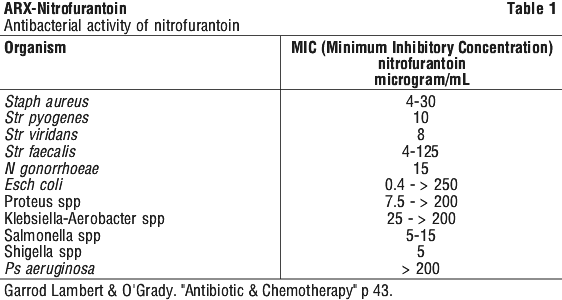
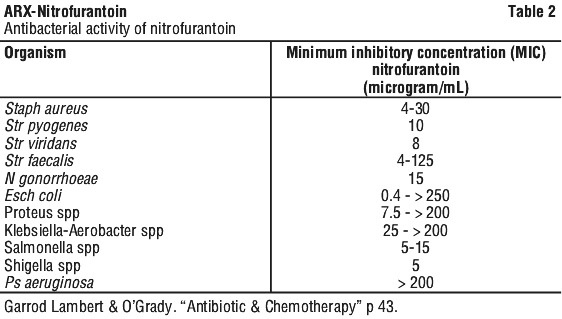
Nitrofurantoin is active against Gram-positive and Gram-negative urinary tract pathogens, particularly E. coli, but Ps. aeruginosa and some Klebsiella, Aerobacter and Proteus strains are insensitive. See Table 2.
Bacteria develop only a limited resistance to furan derivatives.
Clinical trials. No data available.
5.2 Pharmacokinetic Properties
Absorption. Nitrofurantoin is well absorbed orally. The peak plasma level appears 1-2 hours after an oral dose and has been found not to exceed 2.5 microgram/mL. The presence of food or agents which delay gastric emptying can increase the bioavailability of nitrofurantoin.
Distribution. 25-60% of nitrofurantoin is bound to serum proteins. The plasma half life of the drug is 20 min. The average urinary drug recoveries following a therapeutic dose regimen (100 mg four times daily for 7 days) were reported to be 37.9% (day 1) and 35% (day 7) for the macrocrystalline dosage form.
Metabolism and excretion. Nitrofurantoin is excreted rapidly in the urine, mainly in the unchanged form, the only metabolic pathway of importance involving reduction of the nitro group. Excretion is via the kidney both in the glomerular filtrate and by tubular secretion.
5.3 Preclinical Safety Data
Genotoxicity. It may be concluded that although nitrofurantoin has genotoxic properties in vitro, it is of low genotoxic potential in whole animals. Thus, it is unlikely that the increased tumour incidences seen in male rats are due to genotoxic action.
Carcinogenicity. Nitrofurantoin has caused increases in the incidence of renal tubular cell adenomas when administered to male rats at 65-125 mg/kg/day for 2 years. The biological significance of this remains to be established. When administered to female mice at 375 mg/kg/day for 2 years, nitrofurantoin induced an increase in the incidence of benign ovarian tumours. It would appear that this effect may be secondary to its primary toxic activity of inducing ovarian atrophy and sterility.
Mutagenicity. Nitrofurantoin is mutagenic in certain bacterial systems and although it is not known how far this relates to the clinical situation the possibility of a permanent mutagenic effect on spermatozoa-producing cells requires that careful consideration be given to its use in young males.
6 Pharmaceutical Particulars
6.1 List of Excipients
Lactose monohydrate, pregelatinized starch and purified talc.
The capsule shells contain gelatin, titanium dioxide, quinoline yellow, iron oxide yellow, sodium lauryl sulfate and black ink TEK SW 9008.
6.2 Incompatibilities
See Section 4.5 Interactions with Other Medicines and Other Forms of Interactions.
6.3 Shelf Life
In Australia, information on the shelf life can be found on the public summary of the Australian Register of Therapeutic Goods (ARTG). The expiry date can be found on the packaging.
6.4 Special Precautions for Storage
Store below 25°C.
6.5 Nature and Contents of Container
PVC/Aluminium blisters of 3 x 10 capsules per carton (30s).
6.6 Special Precautions for Disposal
In Australia, any unused medicine or waste material should be disposed of in accordance with local requirements.
6.7 Physicochemical Properties
Nitrofurantoin is a synthetic antibacterial nitrofuran derivative. It occurs as lemon yellow crystals, or fine powder, and is very slightly soluble in water or alcohol. However, solubility of the drug in water and urine increases with rises in pH. Nitrofurantoin darkens on exposure to light or to alkali and is decomposed upon contact with metals other than stainless steel or aluminium. In view of this, the drug should not be exposed to light.
Note. Nitrofurantoin (macrocrystals) is a larger crystal form of nitrofurantoin. The absorption of nitrofurantoin is slower and the excretion of nitrofurantoin is somewhat less, when the two are compared. The reduced incidence of gastrointestinal intolerance with nitrofurantoin is probably due to delayed and decreased absorption; this however does not significantly reduce clinical effectiveness. A number of patients who cannot tolerate nitrofurantoin tablets can take nitrofurantoin capsules without nausea.
Chemical structure. Nitrofurantoin has the following chemical structure:
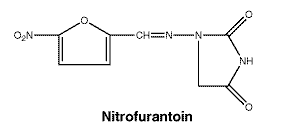
Molecular formula: C8H6N4O5.
Molecular weight: 238.2.
CAS number. 67-20-9.
7 Medicine Schedule (Poisons Standard)
S4, Prescription Only Medicine.
Date of First Approval
17 December 2021
Date of Revision
19 June 2026
Summary Table of Changes

Reasonable care is taken to provide accurate information at the time of creation. This information is not intended as a substitute for medical advice and should not be exclusively relied on to manage or diagnose a medical condition. The Australian Commission on Safety and Quality in Health Care disclaims all liability (including for negligence) for any loss, damage, injury or any other negative effects resulting from reliance on or use of this information. Read our full disclaimer. This website uses cookies. Read our privacy policy.