
ARX-Vildagliptin/Metformin
Brand Information
| Brand name | ARX-Vildagliptin/Metformin |
| Active ingredient | Vildagliptin + Metformin hydrochloride, Vildagliptin + Metformin hydrochloride |
| Schedule | S4 |
Consumer Medicine Information (CMI) leaflet
Please read this leaflet carefully before you start using the ARX-Vildagliptin/Metformin.
Summary CMI
ARX-VILDAGLIPTIN/METFORMIN
Consumer Medicine Information (CMI) summary
The full CMI on the next page has more details. If you are worried about using this medicine, speak to your doctor or pharmacist.
1. Why am I using ARX-VILDAGLIPTIN/METFORMIN?
ARX-VILDAGLIPTIN/METFORMIN contains the active ingredients Vildagliptin and Metformin Hydrochloride. ARX-VILDAGLIPTIN/METFORMIN is used to treat type 2 diabetes mellitus in people who are already taking vildagliptin and metformin tablets separately, or whose diabetes cannot be controlled by metformin alone.
For more information, see Section 1. Why am I using ARX-VILDAGLIPTIN/METFORMIN? in the full CMI.
2. What should I know before I use ARX-VILDAGLIPTIN/METFORMIN?
Do not use if you have ever had an allergic reaction to Vildagliptin or Metformin or any of the ingredients listed at the end of the CMI.
Talk to your doctor if you have any other medical conditions, take any other medicines, or are pregnant or plan to become pregnant or are breastfeeding.
For more information, see Section 2. What should I know before I use ARX-VILDAGLIPTIN/METFORMIN? in the full CMI.
3. What if I am taking other medicines?
Some medicines may interfere with ARX-VILDAGLIPTIN/METFORMIN and affect how it works.
A list of these medicines is in Section 3. What if I am taking other medicines? in the full CMI.
4. How do I use ARX-VILDAGLIPTIN/METFORMIN?
- Swallow ARX-VILDAGLIPTIN/METFORMIN tablets whole with a glass of water
- Take your medicine at about the same time each day either with or just after food.
More instructions can be found in Section 4. How do I use ARX-VILDAGLIPTIN/METFORMIN? in the full CMI.
5. What should I know while using ARX-VILDAGLIPTIN/METFORMIN?
| Things you should do |
|
| Things you should not do |
|
| Driving or using machines | Be careful before you drive or use any machines or tools until you know how ARX-VILDAGLIPTIN/METFORMIN affects you. |
| Drinking alcohol | Tell your doctor if you drink alcohol. Alcohol may increase the risk of your blood glucose becoming too low. |
| Looking after your medicine | Store it in a cool dry place away from moisture, heat or sunlight; for example, do not store it:
|
For more information, see Section 5. What should I know while using ARX-VILDAGLIPTIN/METFORMIN? in the full CMI.
6. Are there any side effects?
The common side effects include skin reddening or itching, peeling of skin or blister, skin lesions, joint pain, swelling of the hands, ankles, or feet, low blood glucose, diarrhea, abdominal pain, a burning sensation in the chest rising to the throat (heartburn), metallic taste, loss of appetite, constipation, wind (flatulence), and weight increase.
For more information, including what to do if you have any side effects, see Section 6. Are there any side effects? in the full CMI.
Full CMI
ARX-VILDAGLIPTIN/METFORMIN
Active ingredient(s): Vildagliptin/Metformin hydrochloride
Consumer Medicine Information (CMI)
This leaflet provides important information about using ARX-VILDAGLIPTIN/METFORMIN. You should also speak to your doctor or pharmacist if you would like further information or if you have any concerns or questions about using ARX-VILDAGLIPTIN/METFORMIN.
Where to find information in this leaflet:
1. Why am I using ARX-VILDAGLIPTIN/METFORMIN?
2. What should I know before I use ARX-VILDAGLIPTIN/METFORMIN?
3. What if I am taking other medicines?
4. How do I use ARX-VILDAGLIPTIN/METFORMIN?
5. What should I know while using ARX-VILDAGLIPTIN/METFORMIN?
6. Are there any side effects?
7. Product details
1. Why am I using ARX-VILDAGLIPTIN/METFORMIN?
ARX-VILDAGLIPTIN/METFORMIN contains two active ingredients vildagliptin and metformin hydrochloride. Vildagliptin belongs to class of medicine called ‘islet enhancers’, and metformin belongs to ‘biguanide class’.
ARX-VILDAGLIPTIN/METFORMIN is used to treat type 2 diabetes mellitus in people who are already taking vildagliptin and metformin tablets separately, or whose diabetes cannot be controlled by metformin alone.
ARX-VILDAGLIPTIN/METFORMIN is also used with a sulfonylurea by patients whose blood sugar levels are not adequately controlled when taking only metformin and a sulfonylurea.
ARX-VILDAGLIPTIN/METFORMIN is also added to insulin in patients when a stable dose of insulin and metformin do not provide adequate blood sugar control.
It is prescribed by your doctor together with diet and exercise.
Type 2 diabetes mellitus used to be known as 'non-insulin-dependent diabetes mellitus (NIDDM)' or 'maturity onset diabetes'.
Type 2 diabetes develops if the body does not produce enough insulin, or where the insulin that your body makes does not work as well as it should. It can also develop if the body produces too much glucagon.
Insulin is a substance which helps to lower the level of sugar in your blood, especially after meals. Glucagon is another substance which triggers the production of sugar by the liver, causing the blood sugar to rise. The pancreas makes both of these substances.
ARX-VILDAGLIPTIN/METFORMIN helps to control the blood sugar level. It works by making the pancreas produce insulin and less glucagon (effect of vildagliptin) and also by helping the body to make better use of the insulin it produces (effect of metformin).
Your doctor will prescribe ARX-VILDAGLIPTIN/METFORMIN either alone or in combination with another antidiabetic medicine to replace the antidiabetic medicine(s) you are already taking, where that medicine(s) alone is not enough to control your blood sugar level.
It is important that you continue to follow the diet and/or exercise recommended for you whilst you are on treatment with ARX-VILDAGLIPTIN/METFORMIN.
ARX-VILDAGLIPTIN/METFORMIN is not a substitute for insulin. It is not used to treat type 1 diabetes (where your body does not produce insulin at all), or diabetic ketoacidosis.
2. What should I know before I use ARX-VILDAGLIPTIN/METFORMIN?
Warnings
Do not use ARX-VILDAGLIPTIN/METFORMIN if:
- you are allergic to vildagliptin or metformin, or any of the ingredients listed at the end of this leaflet.
- Always check the ingredients to make sure you can use this medicine.
- You have an allergy to any other similar medicines (such as medicines of the same class or with a similar structure, if listed in the PI).
Check with your doctor if you have:
- Severely reduced kidney function where your doctor has considered use of ARX-VILDAGLIPTIN/METFORMIN to be unsuitable.
- Taken this medicine before and your doctor told you to stop taking it because of liver problems.
- Had a recent heart attack or heart failure.
- Serious circulation problems, including shock and breathing problems.
- Serious complications of diabetes for example diabetic ketoacidosis (a complication of diabetes involving rapid weight loss, nausea or vomiting) or diabetic coma.
- Type 1 diabetes (a condition where your body does not produce any insulin at all. ARX-VILDAGLIPTIN/METFORMIN is not suitable for insulin).
- Diabetic ketoacidosis (a complication in patients with diabetic mellitus who have little to no insulin. ARX-VILDAGLIPTIN/METFORMIN is not a substitute for insulin)
- Hypothyroidism (a condition where the thyroid gland does not produce enough thyroid hormone)
- Genetically inherited disease affecting mitochondria (the energy-producing components within cells) such as Mitochondrial Encephalopathy with Lactic Acidosis, and Stroke-like episodes (MELAS) syndrome or Maternal inherited diabetes and deafness (MIDD).
During treatment, you may be at risk of developing certain side effects. It is important you understand these risks and how to monitor for them. See additional information under Section 6. Are there any side effects?
Before you start to take it
Discard any other medicines containing metformin that your doctor might have prescribed to you in the past and that you may still have in your possession.
ARX-VILDAGLIPTIN/METFORMIN contains metformin. If you have more than one metformin-containing medicine in your possession you may accidentally take too much (overdose). Accidentally taking too much metformin can cause a very serious side effect called lactic acidosis.
ACCIDENTAL METFORMIN OVERDOSING IS A SIGNIFICANT SAFETY RISK.
Ask your doctor or pharmacist if you are unsure if you have any other medicines containing metformin.
Metformin is sold under many different brand names in Australia. Your doctor or pharmacist will know which other medicines also contain metformin.
Pregnancy and breastfeeding
Call your doctor straight away if you become pregnant while taking this medicine.
ARX-VILDAGLIPTIN/METFORMIN should not be taken if you are pregnant. Insulin is more suitable for controlling blood glucose during pregnancy.
Talk to your doctor if you are breastfeeding or intend to breastfeed.
It is not known if the active ingredient of ARX-VILDAGLIPTIN/METFORMIN passes into breast milk and could affect your baby.
3. What if I am taking other medicines?
Tell your doctor or pharmacist if you are taking any other medicines, including any medicines, vitamins, or supplements that you buy without a prescription from your pharmacy, supermarket, or health food shop.
You may need to different amounts of your medicine or to take different medicines while you are taking ARX-VILDAGLIPTIN/METFORMIN.
This is particularly important with the following medicines:
- Certain medicines used to treat infections (e.g., vancomycin, trimethoprim)
- Certain medicines used to treat inflammations (e.g., corticosteroids)
- Certain medicines used to treat high blood pressure (e.g., amiloride, triamterene, nifedipine, enalapril, losartan, diuretics)
- Certain medicines used to treat irregular heartbeat (e.g., digoxin, quinidine)
- Certain medicines used to treat pain (e.g., morphine, diclofenac)
- Certain medicines used to treat stomach disorders (e.g., cimetidine, ranitidine)
- Certain medicines used to treat psychiatric disorders (e.g., phenothiazine)
- Certain medicines used to treat thyroid disorders (e.g., levothyroxine)
- Oral contraceptives and certain medicines used to reduce symptoms in women experiencing menopause or osteoporosis (e.g., oestrogen)
- If you need to have an injection of a contrast medium that contains iodine into your bloodstream, for example in the context of an X-ray or scan, you must stop taking ARX-VILDAGLIPTIN/METFORMIN before or at the time of injection. This medicine may affect your kidney function so you will need to stop taking it before or at the time of the procedure and for a few days after.
Your doctor will decide when you must stop and when to start your treatment with ARX-VILDAGLIPTIN/METFORMIN.
If you have not told your doctor about any of these things, tell him/her before you start taking this medicine.
4. How do I use ARX-VILDAGLIPTIN/METFORMIN?
How much to take
- The usual dose of ARX-VILDAGLIPTIN/METFORMIN is one tablet twice a day. Your doctor will tell you exactly how many tablets to take. Do not exceed two tablets a day.
- Your doctor will monitor your blood glucose levels and may increase or decrease the dose of ARX-VILDAGLIPTIN/METFORMIN to maintain good control of your diabetes.
- If you have reduced kidney function, your doctor may prescribe a lower dose. Also if you are taking any anti-diabetic medicine known as sulfonylureas your doctor may prescribe a lower dose.
When to take ARX-VILDAGLIPTIN/METFORMIN
- ARX-VILDAGLIPTIN/METFORMIN should be taken at the same time each day will have best effect. It will also help you remember when to take it.
How to take ARX-VILDAGLIPTIN/METFORMIN
Swallow ARX-VILDAGLIPTIN/METFORMIN tablets whole with a glass of water.
Take this medicine either with or just after food.
This will reduce the chance of you getting an upset stomach.
Continue taking your medicine for as long as your doctor tells you to.
Your doctor will check your progress to make sure the medicine is working and will discuss with you how long your treatment should continue.
Do not stop taking ARX-VILDAGLIPTIN/METFORMIN unless your doctor tells you to.
If you forget to take ARX-VILDAGLIPTIN/METFORMIN
If it is almost time for your next dose, skip the dose you missed and take your next dose when you are meant to.
Otherwise, take it as soon as you remember, and then go back to taking your medicine as you would normally.
Do not take a double dose to make up for the dose you missed.
This may increase the chance of you getting an unwanted side effect.
If not sure what to do, ask your doctor or pharmacist.
If you have trouble remembering when to take your medicine, ask your pharmacist for some hints.
If you use too much ARX-VILDAGLIPTIN/METFORMIN
If you think that you have used too much ARX-VILDAGLIPTIN/METFORMIN, you may need urgent medical attention.
You should immediately:
- phone the Poisons Information Centre
(By calling 13 11 26), or - contact your doctor, or
- go to the Emergency Department at your nearest hospital.
You should do this even if there are no signs of discomfort or poisoning.
Keep the telephone numbers for these places handy.
You may need urgent medical attention.
Symptoms of an overdose include:
- swelling in hands or feet
- tingling or numbness in hands or feet
- muscle pain
- fever
Symptoms of an overdose can also include the symptoms of lactic acidosis:
- feeling cold (especially in your arms and legs)
- feeling very weak, tired
- feeling light-headed, dizzy
- severe nausea or vomiting
- feeling uncomfortable
- muscle pain
- drowsiness
- abdominal pain
- unexplained weight loss
- irregular heartbeat
- rapid or difficult breathing
5. What should I know while using ARX-VILDAGLIPTIN/METFORMIN?
Things you should do
Carefully follow your doctor's and/or dietician's advice on diet, drinking alcohol and exercise.
Keep all your doctor's appointments so that your progress can be checked.
Your doctor will do regular checks to help prevent you from having side effects from the medicine or developing a serious complication of diabetes. These will include test for:
- Blood and urine
These should be regularly tested for sugar. - Kidney function
This should be checked at the start of treatment and at least once a year whilst you are on treatment.
This should be checked more often if you are elderly. - Liver function
This should be checked at the start of treatment and every 03 months during your first year of treatment, and regularly thereafter. - General blood tests
This should be done at least once a year. - Vitamin B12 levels
This will be checked at least every 2 to 3 years.
Make sure you check your blood glucose levels regularly.
This is the best way to tell if your diabetes is being controlled properly. Your doctor or diabetes educator will show you how and when to do this.
Tell your doctor if you become ill or experience extra stress, injury, fever, infection or need surgery.
Your blood glucose may become difficult to control at these times.
Make sure you keep enough medicine to last over weekends and holidays.
It is important to keep your blood glucose controlled at all times to prevent serious complications of diabetes from happening.
Remind your doctor and pharmacist that you are taking ARX-VILDAGLIPTIN/METFORMIN if you are about to be started on any new medicine.
Tell your doctor, dentist or pharmacist who treats you that you are taking ARX-VILDAGLIPTIN/METFORMIN.
Things you should not do
Do not stop using this medicine suddenly.
Do not give this medicine to anyone else, even if their condition seems similar to yours.
Do not use it to treat any other complaints unless your doctor tells you to.
Things to be careful of
Be careful when doing any of the following things, which increase the risk of your blood glucose becoming too low:
- drinking alcohol
- not eating enough
- doing unexpected or vigorous exercise
Driving or using machines
Be careful before you drive or use any machines or tools until you know how ARX-VILDAGLIPTIN/METFORMIN affects you.
If your blood glucose levels become too low, you may feel dizzy, lightheaded, weak, or tired and your reaction time may be slower than usual. If you have any of these symptoms, do not drive or do anything else that could be dangerous.
Drinking alcohol
Tell your doctor if you drink alcohol.
Alcohol may increase the risk of your blood glucose becoming too low.
Looking after your medicine
- Keep your medicine in the original container until it is time to take it.
- Store it in a cool dry place where the temperature stays below 30°C.
- Protect from moisture.
Store it in a cool dry place away from moisture, heat or sunlight; for example, do not store it:
- in the bathroom or near a sink, or
- in the car or on windowsills.
Keep it where young children cannot reach it.
A locked cupboard at least one-and-a-half meters above the ground is a good place to store medicines.
Getting rid of any unwanted medicine
If you no longer need to use this medicine or it is out of date, take it to any pharmacy for safe disposal.
Do not use this medicine after the expiry date.
6. Are there any side effects?
All medicines can have side effects. If you do experience any side effects, most of them are minor and temporary. However, some side effects may need medical attention.
See the information below and, if you need to, ask your doctor or pharmacist if you have any further questions about side effects.
Less serious side effects
| Less serious side effects | What to do |
| Speak to your doctor, pharmacist, or diabetes educator if you have any of these less serious side effects and they worry you. |
Serious side effects
| Serious side effects | What to do |
| Call your doctor straight away, or go straight to the Emergency Department at your nearest hospital if you notice any of these serious side effects. |
Very Serious side effects
| Very Serious side effects | What to do |
| Stop taking ARX-VILDAGLIPTIN/METFORMIN if you get any of the symptoms of lactic acidosis and go to Accident and Emergency immediately. Metformin has caused lactic acidosis in rare cases. This is a medical emergency that can cause death. It is caused by build-up of lactic acid in your blood. The symptoms of lactic acidosis are:
| Call your doctor straight away, or go straight to the Emergency Department at your nearest hospital if you notice any of these serious side effects. |
Tell your doctor or pharmacist if you notice anything else that may be making you feel unwell.
Other side effects not listed here may occur in some people.
Reporting side effects
After you have received medical advice for any side effects you experience, you can report side effects to the Therapeutic Goods Administration online at www.tga.gov.au/reporting-problems. By reporting side effects, you can help provide more information on the safety of this medicine.
Always make sure you speak to your doctor or pharmacist before you decide to stop taking any of your medicines.
7. Product details
This medicine is only available with a doctor's prescription. It is not addictive.
There is not enough information to recommend this medicine for use in children under 18 years of age.
What ARX-VILDAGLIPTIN/METFORMIN contains
| Active ingredient (main ingredient) | Vildagliptin Metformin hydrochloride |
| Other ingredients (inactive ingredients) | Microcrystalline cellulose Copovidone Crospovidone Hyprolose Magnesium stearate Hypromellose Titanium dioxide Macrogol 8000 Purified talc Iron oxide yellow Iron oxide red (for 50/500 mg only) |
ARX-VILDAGLIPTIN/METFORMIN does not contain lactose, gluten, tartrazine or any other azo dyes.
What ARX-VILDAGLIPTIN/METFORMIN looks like
ARX-VILDAGLIPTIN/METFORMIN 50/500 is a light yellow, ovaloid, film-coated tablet with bevelled edge, plain surface on both sides.
ARX-VILDAGLIPTIN/METFORMIN 50/850 is a yellow, ovaloid, film-coated tablet with bevelled edge, plain surface on both sides.
ARX-VILDAGLIPTIN/METFORMIN 50/1000 is a dark yellow, ovaloid, film-coated tablet with bevelled edge, plain surface on both sides.
ARX-VILDAGLIPTIN/METFORMIN is available in blister packs containing 60 tablets.
Who distributes ARX-VILDAGLIPTIN/METFORMIN
Arrotex Pharmaceuticals Pty Ltd
15 – 17 Chapel Street
Cremorne VIC 3121
www.arrotex.com.au
Australian Registration Numbers:
ARX-VILDAGLIPTIN/METFORMIN 50/500 tablets – AUST R 432003
ARX-VILDAGLIPTIN/METFORMIN 50/850 tablets – AUST R 432004
ARX-VILDAGLIPTIN/METFORMIN 50/1000 tablets – AUST R 432002
This leaflet was prepared in March 2026.
Brand Information
| Brand name | ARX-Vildagliptin/Metformin |
| Active ingredient | Vildagliptin + Metformin hydrochloride, Vildagliptin + Metformin hydrochloride |
| Schedule | S4 |
MIMS Revision Date: 01 April 2026
1 Name of Medicine
Vildagliptin/metformin hydrochloride.
2 Qualitative and Quantitative Composition
ARX-Vildagliptin/Metformin film coated tablets are available in 3 strengths:
ARX-Vildagliptin/Metformin 50/500. 50 mg vildagliptin and 500 mg metformin hydrochloride.
ARX-Vildagliptin/Metformin 50/850. 50 mg vildagliptin and 850 mg metformin hydrochloride.
ARX-Vildagliptin/Metformin 50/1000. 50 mg vildagliptin and 1,000 mg metformin hydrochloride.
For the full list of excipients, see Section 6.1 List of Excipients.
3 Pharmaceutical Form
ARX-Vildagliptin/Metformin 50/500. Pale yellow, ovaloid, film-coated tablet with bevelled edge, plain surface on both sides.
ARX-Vildagliptin/Metformin 50/850. Yellow, ovaloid, film-coated tablet with bevelled edge, plain surface on both sides.
ARX-Vildagliptin/Metformin 50/1000. Dark yellow, ovaloid, film-coated tablet with bevelled edge, plain surface on both sides.
4 Clinical Particulars
4.1 Therapeutic Indications
For patients with type 2 diabetes mellitus (T2DM):
ARX-Vildagliptin/Metformin is indicated as an adjunct to diet and exercise to improve glycaemic control in patients whose diabetes is not adequately controlled on metformin hydrochloride alone or who are already treated with the combination of vildagliptin and metformin hydrochloride, as separate tablets. Treatment should not be initiated with this fixed-dose combination.
ARX-Vildagliptin/Metformin is indicated in combination with a sulfonylurea (i.e. triple combination therapy) as an adjunct to diet and exercise in patients inadequately controlled with metformin and a sulfonylurea.
ARX-Vildagliptin/Metformin is indicated as add-on to insulin as an adjunct to diet and exercise to improve glycaemic control in patients when stable dose of insulin and metformin alone do not provide adequate glycaemic control.
4.2 Dose and Method of Administration
Life threatening lactic acidosis can occur due to accumulation of metformin. The main risk factor is renal impairment, other risk factors include old age associated with reduced renal function and high doses of metformin above 2 g per day.
To minimise the risk of lactic acidosis, only one strength of ARX-Vildagliptin/Metformin should be prescribed and used at any one time. Patients should also be advised to discard their previous metformin medication when initiated on ARX-Vildagliptin/Metformin.
Adults. The use of antihyperglycaemic therapy in the management of T2DM should be individualized on the basis of effectiveness and tolerability. The recommended starting dose of ARX-Vildagliptin/Metformin should be based on the patient's current regimen of vildagliptin and/or metformin hydrochloride. ARX-Vildagliptin/Metformin should be given with meals to reduce the gastrointestinal side effects associated with metformin hydrochloride. When using ARX-Vildagliptin/Metformin the maximum daily dose of vildagliptin (100 mg) should not be exceeded.
Starting dose for patients inadequately controlled on metformin hydrochloride monotherapy. Based on the patient's current dose of metformin hydrochloride, ARX-Vildagliptin/Metformin may be initiated at either the 50 mg/500 mg, 50 mg/850 mg or 50 mg/1,000 mg tablet strength twice daily.
Starting dose for patients switching from combination therapy of vildagliptin plus metformin hydrochloride as separate tablets. ARX-Vildagliptin/Metformin may be initiated with either the 50 mg/500 mg, 50 mg/850 mg or 50 mg/1,000 mg tablet strength based on the dose of vildagliptin or metformin already being taken.
Use in combination with a sulfonylurea or with insulin. The dose of ARX-Vildagliptin/Metformin should provide vildagliptin dosed as 50 mg twice daily (100 mg total daily dose) and a dose of metformin similar to the dose already being taken.
Special populations. Renal impairment. A glomerular filtration rate (GFR) should be assessed before initiation of treatment with metformin-containing products (such as ARX-Vildagliptin/Metformin) and at least annually thereafter. In patients at increased risk of further progression of renal impairment and in the elderly, renal function should be assessed more frequently, e.g. every 3 to 6 months.
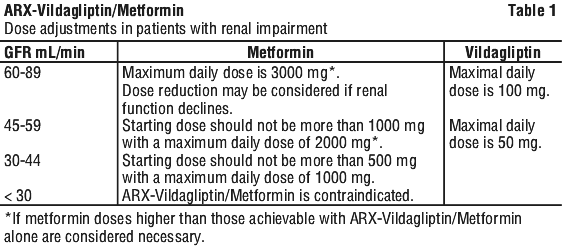
The maximum daily dose of metformin should preferably be divided into 2 to 3 daily doses. Factors that may increase the risk of lactic acidosis (see Section 4.4 Special Warnings and Precautions for Use) should be reviewed before considering initiation of metformin-containing products (such as ARX-Vildagliptin/Metformin) in patients with GFR < 60 mL/min. ARX-Vildagliptin/Metformin is contraindicated in patients with GFR < 30 mL/min because of its metformin component (see Section 4.3 Contraindications).
The following dosing recommendations apply to metformin and vildagliptin, used separately or in combination, in patients with renal impairment. If no adequate strength of ARX-Vildagliptin/Metformin is available, individual components should be used instead of the fixed dose combination. See Table 1.
4.3 Contraindications
Hypersensitivity. ARX-Vildagliptin/Metformin is contraindicated in patients with known hypersensitivity to vildagliptin or metformin hydrochloride or to any of the excipients (see Section 2 Qualitative and Quantitative Composition).
Patients with renal impairment. ARX-Vildagliptin/Metformin is contraindicated in patients with severe renal impairment (GFR < 30 mL/min) (see Section 4.2 Dose and Method of Administration; Section 4.4 Special Warnings and Precautions for Use).
Congestive heart failure. ARX-Vildagliptin/Metformin is contraindicated in patients with congestive heart failure requiring pharmacologic treatment (see Section 4.4 Special Warnings and Precautions for Use).
Metabolic acidosis. ARX-Vildagliptin/Metformin is contraindicated in patients with acute or chronic metabolic acidosis, including lactic acidosis or diabetic ketoacidosis, with or without coma. Diabetic ketoacidosis should be treated with insulin.
Radiologic studies. ARX-Vildagliptin/Metformin should be temporarily discontinued in patients undergoing radiologic studies involving intravascular administration of iodinated contrast materials, because use of such products may result in acute alteration of renal function (see Section 4.4 Special Warnings and Precautions for Use).
4.4 Special Warnings and Precautions for Use
General. ARX-Vildagliptin/Metformin is not a substitute for insulin in patients requiring insulin. ARX-Vildagliptin/Metformin should not be used in patients with T1D or for the treatment of diabetic ketoacidosis.
Monitoring of renal function. GFR should be assessed before treatment initiation and regularly thereafter (see Section 4.2 Dose and Method Administration). ARX-Vildagliptin/Metformin is contraindicated in patients with GFR < 30 mL/min because of its metformin component and should be temporarily discontinued in the presence of conditions that alter renal function (see Section 4.3 Contraindications). Metformin hydrochloride is known to be substantially excreted by the kidney and the risk of metformin hydrochloride accumulation and lactic acidosis increases with the degree of renal function impairment. Patients with serum creatinine levels above the ULN for their age should not receive ARX-Vildagliptin/Metformin. Since advancing age is associated with reduced renal function, metformin-containing products (such as ARX-Vildagliptin/Metformin) should be carefully titrated in the elderly to establish the minimum dose for adequate glycaemic effect, and renal function should be monitored regularly (see Section 4.3 Contraindications; Section 4.2 Dose and Method of Administration).
Concomitant medications that may affect renal function or metformin hydrochloride disposition. Concomitant medications that may affect renal function, result in significant haemodynamic change or inhibit renal transport and increase metformin systemic exposure should be used with caution (see Section 4.5 Interactions with Other Medicines and Other Forms of Interactions).
Cardiac failure. ARX-Vildagliptin/Metformin is contraindicated in patients with congestive heart failure requiring pharmacologic treatment, which may potentially interact with metformin hydrochloride (see Section 4.3 Contraindications; Section 4.5 Interactions with Other Medicines and Other Forms of Interactions).
A clinical study of vildagliptin in patients with NYHA functional class I-III showed that treatment with vildagliptin was not associated with a change in left-ventricular function or worsening of pre-existing CHF versus placebo. Clinical experience in patients with NYHA functional class III treated with vildagliptin is still limited and results are inconclusive (see Section 5.1 Pharmacodynamic Properties, Clinical trials).
There is no experience of vildagliptin use in clinical studies in patients with NYHA functional class IV and therefore use is not recommended in these patients.
Use in hepatic impairment. Vildagliptin, and hence ARX-Vildagliptin/Metformin is not recommended in patients with clinical or laboratory evidence of hepatic impairment, including patients with pre-treatment ALT or AST > 2.5 x the ULN.
Since impaired hepatic function has been associated with some cases of lactic acidosis (a risk associated with metformin hydrochloride), metformin-containing products (such as ARX-Vildagliptin/Metformin) should generally be avoided in patients with clinical or laboratory evidence of hepatic disease.
Liver enzyme monitoring. Rare cases of hepatic dysfunction (including hepatitis) have been reported with vildagliptin. In these cases, the patients were generally asymptomatic without clinical sequelae and liver function tests (LFTs) returned to normal after discontinuation of treatment. LFTs should be performed prior to the initiation of treatment with ARX-Vildagliptin/Metformin. ARX-Vildagliptin/Metformin is not recommended in patients with a pre-treatment ALT or AST > 2.5 x the ULN. LFTs should be monitored during ARX-Vildagliptin/Metformin treatment at three-month intervals during the first year and periodically thereafter. Patients who develop increased transaminase levels should be monitored with a second liver function evaluation to confirm the finding and be followed up thereafter with frequent liver function tests until the abnormality/abnormalities return to normal. Should an increase in AST or ALT of 3 x the ULN or greater persist, withdrawal of therapy with ARX-Vildagliptin/Metformin is recommended. Patients who develop jaundice or other signs suggestive of liver dysfunction should discontinue ARX-Vildagliptin/Metformin and contact their physician immediately. Following withdrawal of treatment with ARX-Vildagliptin/Metformin and LFT normalisation, ARX-Vildagliptin/Metformin should not be reinitiated. ARX-Vildagliptin/Metformin is not recommended in patients with hepatic impairment.
Lactic acidosis. Lactic acidosis is a very rare but serious metabolic complication that most often occurs with acute worsening of renal function, or cardiorespiratory illness or sepsis. Metformin accumulation occurs with acute worsening of renal function and increases the risk of lactic acidosis.
In case of dehydration (e.g. due to severe diarrhea or vomiting, fever or reduced fluid intake), the patient should stop taking metformin-containing products (such as ARX-Vildagliptin/Metformin) and seek immediate medical attention.
Medicinal products that can acutely impair renal function (such as antihypertensives, diuretics and NSAIDs) should be initiated with caution in patients treated with metformin-containing products (such as ARX-Vildagliptin/Metformin). Other risk factors for lactic acidosis are excessive alcohol intake, hepatic impairment, inadequately controlled diabetes, ketosis, prolonged fasting and any conditions associated with hypoxia, as well as concomitant use of medicinal products that may cause lactic acidosis (see Section 4.3 Contraindications; Section 4.5 Interactions with Other Medicines and Other Forms of Interactions).
Diagnosis of lactic acidosis. Patients and/or caregivers should be informed of the risk of lactic acidosis. Lactic acidosis is characterised by acidotic dyspnoea, abdominal pain, muscle cramps, asthenia and hypothermia followed by coma. If suspected symptoms occur, the patient should stop taking metformin-containing products (such as ARX-Vildagliptin/Metformin) and seek immediate medical attention. Diagnostic laboratory findings are decreased blood pH (< 7.35), increased plasma lactate levels (> 5 mmol/L) and an increased anion gap and lactate/pyruvate ratio. If metabolic acidosis is suspected, treatment with metformin-containing products (such as ARX-Vildagliptin/Metformin) should be discontinued and the patient should be immediately hospitalised (see Section 4.9 Overdose).
Hypothyroidism. Metformin induces a reduction in thyrotropin (thyroid stimulating hormone (TSH)) levels in patients with treated or untreated hypothyroidism (see Section 4.8 Adverse Effects (Undesirable Effects). Regular monitoring of TSH levels is recommended in patients with hypothyroidism.
Studies have shown that metformin reduces plasma TSH levels, often to subnormal levels, when it is administered to patients with untreated hypothyroidism or to hypothyroid patients effectively treated with levothyroxine. The metformin-induced reduction of plasma TSH levels is not observed when metformin is administered to patients with normal thyroid function. Metformin has been suggested to enhance the inhibitory modulation of thyroid hormones on TSH secretion.
Levothyroxine can reduce the hypoglycaemic effect of metformin. Careful monitoring of blood glucose levels is recommended in patients with hypothyroidism treated with levothyroxine, especially when thyroid hormone therapy is initiated, changed, or stopped (see Section 4.5 Interactions with Other Medicines and Other Forms of Interactions, Levothyroxine).
Patients with known or suspected mitochondrial diseases. In patients with known mitochondrial diseases such as mitochondrial encephalopathy with lactic acidosis, and stroke-like episodes (MELAS) syndrome and maternal inherited diabetes and deafness (MIDD), metformin is not recommended due to the risk of lactic acidosis exacerbation and neurologic complications which may lead to worsening of the disease.
In case of signs and symptoms suggestive of MELAS syndrome or MIDD, treatment with metformin-containing products (such as ARX-Vildagliptin/Metformin) should be discontinued immediately and proper diagnostic evaluation should be performed.
Administration of intravascular iodinated contrast materials. Intravascular administration of iodinated contrast agents may lead to contrast-induced nephropathy, resulting in metformin accumulation and increased risk of lactic acidosis. Metformin-containing products (such as ARX-Vildagliptin/Metformin) should be discontinued prior to or at the time of the imaging procedures and not restarted until 48 hours subsequent to the procedure and reinstituted only after renal function has been re-evaluated and found to be stable (see Section 4.2 Dose and Method of Administration; Section 4.5 Interactions with Other Medicines and Other Forms of Interactions).
Hypoxic states. Cardiovascular collapse (shock), acute congestive heart failure, acute myocardial infarction and other conditions characterized by hypoxaemia have been associated with lactic acidosis and may also cause pre-renal azotemia. If such events occur in patients receiving metformin-containing products (such as ARX-Vildagliptin/Metformin), the medication should be promptly discontinued.
Surgical procedures. Metformin-containing products (such as ARX-Vildagliptin/Metformin) must be discontinued at the time of surgery under general, spinal or epidural anaesthesia (except minor procedures not associated with restricted intake of food and fluids) and may be restarted no earlier than 48 hours following surgery or until the patient's oral nutrition has resumed and renal function has been re-evaluated and found to be stable.
Alcohol intake. Alcohol is known to potentiate the effect of metformin hydrochloride on lactate metabolism. Patients should be warned against excessive alcohol intake while receiving metformin-containing products (such as ARX-Vildagliptin/Metformin).
Alcohol intoxication is associated with an increased risk of lactic acidosis, particularly in cases of fasting, malnutrition or hepatic impairment.
Vitamin B12 levels. Metformin has been associated with a decrease in serum vitamin B12 levels without clinical manifestations, in approximately 7% of patients. Such a decrease is very rarely associated with anaemia and appears to be rapidly reversible with discontinuation of metformin hydrochloride and/or vitamin B12 supplementation. Measurement of haematological parameters on at least an annual basis is advised for patients receiving metformin-containing products (such as ARX-Vildagliptin/Metformin) and any apparent abnormalities should be appropriately investigated and managed. Certain individuals (e.g. those with inadequate vitamin B12 or calcium intake or absorption) appear to be predisposed to developing subnormal vitamin B12 levels. In these patients, routine serum vitamin B12 measurements at minimally two to three year intervals may be useful.
Change in clinical status of patients with previously controlled T2DM. A patient with T2DM previously well controlled on ARX-Vildagliptin/Metformin who develops laboratory abnormalities or clinical illness (especially vague and poorly defined illness) should promptly be evaluated for ketoacidosis and/or lactic acidosis. If acidosis of either form occurs, ARX-Vildagliptin/Metformin must be stopped immediately and appropriate measures initiated.
Hypoglycaemia. Hypoglycaemia does not usually occur in patients receiving ARX-Vildagliptin/Metformin alone, but could occur when caloric intake is deficient, when strenuous exercise is not compensated by caloric supplementation, or ethanol use. Elderly, debilitated or malnourished patients and those with adrenal or pituitary insufficiency or alcohol intoxication are susceptible to hypoglycaemic effects. Hypoglycaemia may be difficult to recognize in the elderly and in people taking beta-adrenergic blocking drugs.
Loss of control of blood glucose. When a patient stabilized on any diabetic regimen is exposed to stress such as fever, trauma, infection, surgery, etc., a temporary loss of glycaemic control may occur. At such times, it may be necessary to withhold ARX-Vildagliptin/Metformin and temporarily administer insulin. ARX-Vildagliptin/Metformin may be reinstituted after the acute episode is resolved.
Arthralgia. There have been post-marketing reports of joint pain, which may be severe, in patients taking DPP-4 inhibitors. Onset of symptoms following initiation of treatment may be rapid or may occur after longer periods. Discontinuation of therapy should be considered in patients who present with or experience an exacerbation of joint symptoms during treatment with DPP-4 inhibitors.
Bullous pemphigoid. Post-marketing cases of bullous pemphigoid requiring hospitalisation have been reported with DPP-4 inhibitor use. In reported cases, patients typically recovered with topical or systemic immunosuppressive treatment and discontinuation of the DPP-4 inhibitor. Tell patients to report development of blisters or erosions while receiving ARX-Vildagliptin/Metformin. If bullous pemphigoid is suspected, ARX-Vildagliptin/Metformin should be discontinued and referral to a dermatologist should be considered for diagnosis and appropriate treatment.
Use in the elderly (≥ 65 years). As metformin is excreted via the kidney, and elderly patients have a tendency to decreased renal function, elderly patients taking metformin-containing products (such as ARX-Vildagliptin/Metformin) should have their renal function monitored regularly. ARX-Vildagliptin/Metformin should only be used in elderly patients with normal renal function (see Section 4.3 Contraindications).
Paediatric use. The safety and effectiveness of vildagliptin/metformin tablets in paediatric patients have not been established. Therefore, ARX-Vildagliptin/Metformin is not recommended for use in children below 18 years of age.
Effects on laboratory tests. See Section 4.4 Special Warnings and Precautions for Use, Use in hepatic impairment, Liver enzyme monitoring.
4.5 Interactions with Other Medicines and Other Forms of Interactions
No clinically relevant pharmacokinetic interactions have been observed when vildagliptin (100 mg once daily) was co-administered with metformin hydrochloride (1,000 mg once daily). Drug interactions for each component of ARX-Vildagliptin/Metformin have been extensively studied. However, the concomitant use of the active substances in patients in clinical studies and in widespread clinical use has not resulted in any unexpected interactions.
The following statements reflect the information available on the individual active substances (vildagliptin and metformin).
Vildagliptin. Vildagliptin has low potential for drug interactions. Since vildagliptin is not a cytochrome P (CYP) 450 enzyme substrate nor does it inhibit or induce CYP450 enzymes, it is not likely to interact with co-medications that are substrates, inhibitors or inducers of these enzymes.
Furthermore, vildagliptin does not affect metabolic clearance of co-medications metabolised by CYP1A2, CYP2C8, CYP2C9, CYP2C19, CYP2D6, CYP2E1, and CYP3A4/5. Drug-drug interaction studies were conducted with commonly co-prescribed medications for patients with T2DM or medications with a narrow therapeutic window. As a result of these studies no clinically relevant interactions with other oral antidiabetics (glibenclamide, pioglitazone, metformin hydrochloride), amlodipine, digoxin, ramipril, simvastatin, valsartan or warfarin were observed after co-administration with vildagliptin.
Metformin hydrochloride. Levothyroxine. Levothyroxine can reduce the hypoglycaemic effect of metformin. Monitoring of blood glucose levels is recommended, especially when thyroid hormone therapy is initiated, changed, or stopped (see Section 4.4 Special Warnings and Precautions for Use), and dosage adjusted as necessary.
Furosemide. Furosemide increased Cmax and blood AUC of metformin with no change in renal clearance of metformin. Metformin decreased Cmax, blood AUC of furosemide, with no change in renal clearance of furosemide.
Nifedipine. Nifedipine increased absorption, Cmax and AUC of metformin, and increased excretion of metformin in urine. Metformin had minimal effects on nifedipine.
Glyburide. Glyburide produced no changes in metformin PK/PD parameters. Decreases in Cmax, blood AUC of glyburide were observed, but were highly variable. Therefore the clinical significance of this finding was unclear.
Iodinated contrast agents. Metformin-containing products (such as ARX-Vildagliptin/Metformin) must be discontinued prior to or at the time of the imaging procedure and not restarted until at least 48 hours after, provided that renal function has been re-evaluated and found to be stable (see Section 4.2 Dose and Method of Administration; Section 4.4 Special Warnings and Precautions for Use).
Drugs that reduce metformin clearance. Concomitant use of drugs that interfere with common renal tubular transport systems involved in the renal elimination of metformin (e.g. organic cationic transporter-2 [OCT2]/multidrug and toxin extrusion [MATE] inhibitors such as ranolazine, vandetanib, dolutegravir, and cimetidine) could increase systemic exposure to metformin.
Other. Some drugs can adversely affect renal function which may increase the risk of lactic acidosis, e.g. NSAIDs, including selective cyclo-oxygenase (COX) II inhibitors, ACE inhibitors, angiotensin II receptor antagonists and diuretics, especially loop diuretics. When starting or using such products in combination with metformin-containing products (such as ARX-Vildagliptin/Metformin), close monitoring of renal function is necessary.
Certain drugs tend to cause hyperglycaemia and may lead to loss of glycaemic control. These drugs include the thiazides and other diuretics, corticosteroids, phenothiazines, thyroid products, estrogens, oral contraceptives, phenytoin, nicotinic acid, sympathomimetics, calcium channel blocking drugs, and isoniazid. Close monitoring of glycaemic control and metformin dose adjustments are recommended when such drugs are administered or withdrawn for these patients.
There is an increased risk of lactic acidosis in acute alcohol intoxication (particularly in the case of fasting, malnutrition or hepatic impairment) due to metformin. Consumption of alcohol and medicinal products containing alcohol should be avoided (see Section 4.4 Special Warnings and Precautions for Use).
4.6 Fertility, Pregnancy and Lactation
Effects on fertility. No studies have been conducted with vildagliptin and metformin in combination to evaluate potential effects on fertility. Fertility studies have been performed with vildagliptin in rats at doses producing exposures equivalent to up to 160 times the human dose and have revealed no evidence of impaired male or female fertility or early embryonic development due to vildagliptin. Fertility of male or female rats was also unaffected by metformin administration at doses up to 600 mg/kg/day, or approximately 3-times the maximum recommended daily human dose on a body surface area basis.
Use in pregnancy. (Category C)
Embryofetal development (teratology) studies have been conducted in rats and rabbits with the combination of vildagliptin and metformin hydrochloride in a 1:10 ratio. There was no evidence of teratogenicity at oral doses yielding plasma exposure levels up to ca 14-20 times (rats) or 1.3-2 times (rabbits) that anticipated in patients at the maximum recommended clinical dose. An increase in the incidence of incomplete ossification in rats and an increase in early resorptions in rabbits were observed at these doses.
However, there are no adequate and well-controlled studies in pregnant women, and animal studies are not always predictive of the human response. Therefore ARX-Vildagliptin/Metformin should not be used during pregnancy unless the potential benefit justifies the potential risk to the foetus.
Because current information strongly suggests that abnormal blood glucose levels during pregnancy are associated with a higher incidence of congenital anomalies as well as increased neonatal morbidity and mortality, most experts recommend that insulin monotherapy be used during pregnancy to maintain blood glucose levels as close to normal as possible.
Use in lactation. No studies have been conducted with the combined components of ARX-Vildagliptin/Metformin. Metformin is excreted into human breast milk. It is not known whether vildagliptin is excreted in human milk or not. ARX-Vildagliptin/Metformin should not be administered to breast-feeding women.
4.7 Effects on Ability to Drive and Use Machines
No studies on the effects on the ability to drive and use machines have been performed. Patients who are prone to dizziness should therefore avoid driving vehicles or using machines (see Section 4.8 Adverse Effects (Undesirable Effects)).
4.8 Adverse Effects (Undesirable Effects)
Reporting suspected adverse effects. Reporting suspected adverse reactions after registration of the medicinal product is important. It allows continued monitoring of the benefit-risk balance of the medicinal product. Healthcare professionals are asked to report any suspected adverse reactions at www.tga.gov.au/reporting-problems.
The data presented here relate to the administration of vildagliptin and metformin as a free or fixed dose combination.
Rare cases of angioedema have been reported on vildagliptin at a similar rate to controls. A greater proportion of cases were reported when vildagliptin was administered in combination with an angiotensin converting enzyme inhibitor (ACE inhibitor). The majority of events were mild in severity and resolved with ongoing vildagliptin treatment.
Rare cases of hepatic dysfunction (including hepatitis) have been reported with vildagliptin. In these cases, the patients were generally asymptomatic without clinical sequelae and liver function tests (LFTs) returned to normal after discontinuation of treatment. In data from controlled monotherapy and add-on therapy studies lasting up to 24 weeks, the incidence of ALT or AST elevations ≥ 3 x ULN (classified as present on at least 2 consecutive measurements or at the final on-treatment visit) was 0.2%, 0.3% and 0.2% for vildagliptin 50 mg daily, vildagliptin 50 mg twice daily and all comparators, respectively. These elevations in transaminases were generally asymptomatic, non-progressive in nature and not associated with cholestasis or jaundice.
In clinical studies with the combination of vildagliptin + metformin, 0.4% of patients withdrew due to adverse reactions in the vildagliptin 50 mg once daily + metformin treatment group, and no withdrawal due to adverse reactions was reported in either the vildagliptin 50 mg twice daily + metformin or the placebo + metformin treatment groups.
In clinical studies, the incidence of hypoglycaemia was uncommon in patients receiving vildagliptin 50 mg once daily in combination with metformin (0.9%), patients receiving vildagliptin 50 mg twice daily in combination with metformin (0.5%) and in patients receiving placebo and metformin (0.4%). No severe hypoglycaemic events were reported in the vildagliptin arms.
Vildagliptin is weight-neutral when administered in combination with metformin.
Gastrointestinal adverse reactions including diarrhoea and nausea are known to occur very commonly during the introduction of metformin hydrochloride. In the vildagliptin monotherapy clinical program (n = 2264) where vildagliptin was administered 50 mg once daily, 50 mg twice daily, or 100 mg once daily, the rate of diarrhoea was 1.2%, 3.5% and 0.8%, respectively, and the rate of nausea was 1.7%, 3.7% and 1.7%, respectively, as compared to 2.9% for both in the placebo group (n = 347) and 26.2% and 10.3%, respectively, in the metformin hydrochloride group (n = 252).
Overall, gastrointestinal symptoms were reported in 13.2% (50 mg once daily or twice daily) of patients treated with the combination of vildagliptin and metformin hydrochloride compared to 18.1% of patients treated with metformin hydrochloride alone.
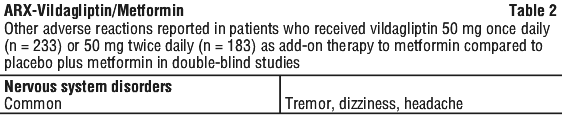
Adverse reactions reported in patients who received vildagliptin in double-blind studies as an add-on to metformin and as monotherapy, are listed in Table 2 for each indication, by system organ class and absolute frequency. Frequencies are defined as: very common (≥ 1/10); common (≥ 1/100, < 1/10); uncommon (≥ 1/1,000, < 1/100); rare (≥ 1/10,000, < 1/1,000); very rare (< 1/10,000), including isolated reports. Within each frequency grouping, undesirable effects are presented in order of decreasing seriousness.
Metabolic. Reduction of TSH level in patients with treated or untreated hypothyroidism (see Section 4.4 Special Warnings and Precautions for Use).
Combination with insulin. Pooled safety data from two controlled clinical studies using vildagliptin 50 mg twice daily in combination with insulin, with or without concomitant metformin, identified the following adverse reactions:
Common: headache, chills, nausea, gastrooesophageal reflux disease, decreased blood glucose.
Uncommon: diarrhoea, flatulence.
The overall incidence of withdrawals due to adverse reactions was 0.3% in the vildagliptin treatment group and there were no cases of withdrawal in the placebo group.
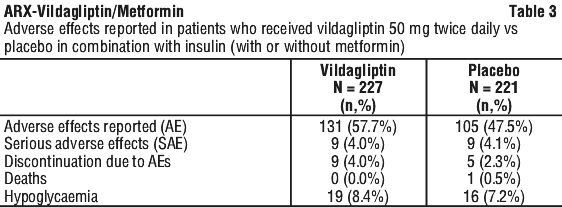
The incidence of hypoglycaemia was similar in both treatment groups (14.0% in the vildagliptin group vs 16.4% in the placebo group). Two patients reported severe hypoglycaemic events in the vildagliptin group, and 6 patients in the placebo group.
At the end of the study, the effect on mean body weight was neutral (+0.6 kg change from baseline in the vildagliptin group and no weight change in the placebo group).
The adverse effect profiles for the vildagliptin and placebo arms of the 24-week study investigating vildagliptin as add-on to insulin treatment (with or without metformin) is shown in Table 3.
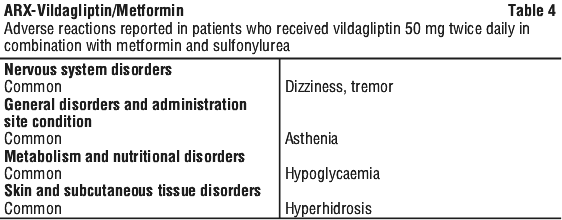
The incidence of hypoglycaemia was common (≥ 1/100, < 1/10) in both treatment groups, but was numerically greater for the vildagliptin + metformin + glimepiride group (5.1%) than the placebo + metformin + glimepiride group (1.9%). One severe hypoglycaemic event was reported in the vildagliptin group.
At the end of the study, the effect on mean body weight was neutral (+0.6 kg in the vildagliptin group and -0.1 kg in the placebo group). See Table 4.
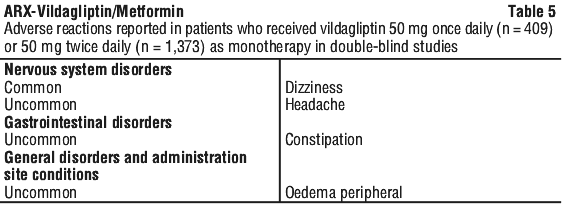
The overall incidence of withdrawal from monotherapy studies due to adverse reactions was no greater for patients treated with vildagliptin at a dose of 50 mg once daily (0.2%) or vildagliptin at a dose of 50 mg twice daily (0.1%) than for placebo (0.6%) or comparators (0.5%).
In monotherapy studies, hypoglycaemia was uncommon reported in 0.5% (2 of 409) of patients treated with vildagliptin 50 mg once daily and 0.3% (4 of 1373) of patients treated with vildagliptin 50 mg twice daily compared to 0.2% (2 of 1082) of patients in the groups treated with an active comparator or placebo, with no serious or severe events reported. Vildagliptin is weight neutral when administered as monotherapy.
Long term clinical studies of up to 2 years did not show any additional safety signals or unforeseen risks with vildagliptin monotherapy.
Post-marketing experience with vildagliptin. During post-marketing experience the following additional adverse drug reaction has been reported:
Rare cases of hepatitis reversible upon drug discontinuation.
Frequency not known*: urticaria, bullous and exfoliative skin lesions, including bullous pemphigoid (see Section 4.4 Special Warnings and Precautions for Use); cutaneous vasculitis; pancreatitis; arthralgia, sometimes severe; cholecystitis.
*Because these reactions are reported voluntarily from a population of uncertain size, it is not possible to reliably estimate their frequency which is therefore categorized as "not known".
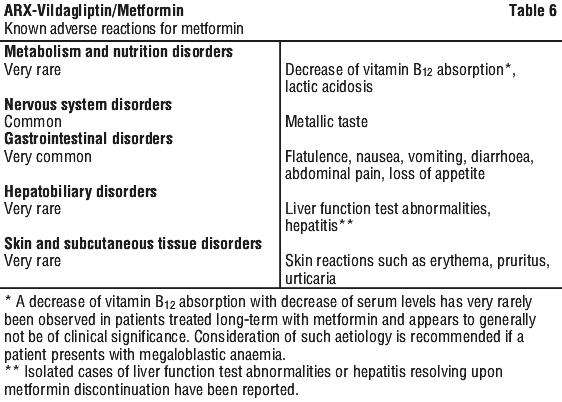
Metformin hydrochloride. Known adverse reactions for the metformin are summarized in Table 6.
4.9 Overdose
Accidental overdose resulting from the continuance of previously prescribed products may occur. To avoid accidental overdose, patients should be advised to discard their previous metformin medication when prescribed with ARX-Vildagliptin/Metformin.
Symptoms and treatment. Vildagliptin. In healthy subjects (seven to fourteen subjects per treatment group), vildagliptin was administered in once-daily doses of 25, 50, 100, 200, 400, and 600 mg for up to 10 consecutive days. Doses up to 200 mg were well tolerated. At 400 mg, there were three cases of muscle pain, and individual cases of mild and transient paraesthesia, fever, oedema and transient increase in lipase levels (2 x ULN). At 600 mg, one subject experienced oedema of the hands and feet, and an excessive increase in creatine phosphokinase (CPK) levels, accompanied by elevations of aspartate aminotransferase (AST), C-reactive protein, and myoglobin. Three additional subjects in this dose group presented with oedema of both feet, accompanied by paraesthesia in two cases. All symptoms and laboratory abnormalities resolved after study drug discontinuation.
Vildagliptin is not dialyzable, however the major hydrolysis metabolite (LAY151) can be removed by haemodialysis.
Metformin hydrochloride. Overdose of metformin hydrochloride has occurred, including ingestion of amounts greater than 50 grams. Hypoglycaemia was reported in approximately 10% of cases, but no causal association with metformin hydrochloride has been established. Lactic acidosis has been reported in approximately 32% of metformin hydrochloride overdose cases. Metformin hydrochloride is dialyzable with a clearance of up to 170 mL/min under good haemodynamic conditions. Therefore, haemodialysis may be useful for removal of the accumulated drug from patients in whom metformin hydrochloride overdosage is suspected.
In the event of overdosage, appropriate supportive treatment should be initiated according to patient's clinical signs and symptoms. Contact the Poisons Information Centre on 13 11 26 for advice on management.
For information on the management of overdose, contact the Poisons Information Centre on 13 11 26 (Australia).
5 Pharmacological Properties
5.1 Pharmacodynamic Properties
Mechanism of action. ARX-Vildagliptin/Metformin combines two antihyperglycaemic agents with different mechanisms of action to improve glycaemic control in patients with type 2 diabetes (T2DM): vildagliptin, a member of the DPP-4 (dipeptidyl-peptidase-4) inhibitor class and metformin hydrochloride, a member of the biguanide class.
Vildagliptin. Vildagliptin, a member of the islet enhancer class, is a high affinity dipeptidyl-peptidase-4 (DPP-4) inhibitor that improves glycaemic control.
The administration of vildagliptin results in rapid and near complete inhibition of DPP-4 activity. In patients with type 2 diabetes, administration of vildagliptin led to inhibition of DPP-4 enzyme activity for a 24-hour period. Vildagliptin inhibition of DPP-4 results in increased fasting and postprandial endogenous levels of the incretin hormones GLP-1 (glucagon-like peptide 1) and GIP (glucose-dependent insulinotropic polypeptide).
By increasing the endogenous levels of these incretin hormones, vildagliptin enhances the sensitivity of beta cells to glucose, resulting in improved glucose-dependent insulin secretion. Treatment with 50 to 100 mg daily in patients with T2DM significantly improved markers of beta-cell function. The degree of improvement in beta cell function is dependent on the initial degree of impairment; in non-diabetic (normal glycaemic) individuals, vildagliptin does not stimulate insulin secretion or reduce glucose levels.
By increasing endogenous GLP-1 levels, vildagliptin enhances the sensitivity of alpha cells to glucose, resulting in more glucose-appropriate glucagon secretion. The reduction in inappropriate glucagon during meals in turn attenuates insulin resistance.
The enhanced increase in the insulin/glucagon ratio during hyperglycaemia (due to increased incretin hormone levels) results in a decrease in fasting and postprandial hepatic glucose production, leading to reduced glycaemia.
The known effect of increased GLP-1 levels to delay gastric emptying is not observed with vildagliptin treatment. In addition, a reduction in postprandial lipaemia that is not associated with vildagliptin's incretin mediated effect to improve islet function has been observed.
Metformin hydrochloride. Metformin hydrochloride improves glucose tolerance in patients with T2DM, lowering both basal and postprandial plasma glucose. Metformin hydrochloride decreases hepatic glucose production, decreases intestinal absorption of glucose and improves insulin sensitivity by increasing peripheral glucose uptake and utilization. Unlike sulfonylureas, metformin hydrochloride does not cause hypoglycaemia in either patients with T2DM or normal subjects (except in special circumstances), and does not cause hyperinsulinaemia. With metformin hydrochloride therapy, insulin secretion remains unchanged while fasting insulin levels and day-long plasma insulin response may actually decrease.
Metformin hydrochloride stimulates intracellular glycogen synthesis by acting on glycogen synthase and increases the transport capacity of specific types of membrane glucose transporters (GLUT-1 and GLUT-4).
In humans, metformin hydrochloride has favourable effects on lipid metabolism, independent of its action on glycemia. This has been shown at therapeutic doses in controlled, medium-term or long-term clinical studies: metformin hydrochloride reduces total cholesterol, LDLc and triglyceride levels.
Clinical trials. Vildagliptin. More than 15,000 patients with T2DM participated in double-blind, placebo- or active-controlled clinical studies of more than 2 years of treatment duration [1]. In these studies, vildagliptin was administered to more than 9,000 patients at daily doses of 50 mg once daily, 50 mg twice daily, or 100 mg once daily. More than 5,000 male and more than 4,000 female patients received vildagliptin 50 mg once daily or 100 mg daily. More than 1,900 patients receiving vildagliptin 50 mg once daily or 100 mg daily were ≥ 65 years of age. In these studies, vildagliptin was administered as monotherapy in drug-naïve patients with T2DM or in combination in patients not adequately controlled by other antidiabetic medicinal products [2].
Overall, vildagliptin improved glycaemic control when given as monotherapy or when used in combination with metformin hydrochloride, as measured by clinically relevant reductions in HbA1c and fasting plasma glucose from baseline at the study endpoint [3]. When given as monotherapy or in combination with metformin hydrochloride in studies of up to 52 weeks in duration, these improvements in glucose homeostasis were durable [4,5].
Metformin. The prospective randomised (UKPDS) study has established the long-term benefit of intensive blood glucose control in type 2 diabetes. Analysis of the results for overweight patients treated with metformin hydrochloride after failure of diet alone showed:
a significant reduction of the absolute risk of any diabetes related complication in the metformin hydrochloride group (29.8 events/1,000 patient-years) versus diet alone (43.3 events/1,000 patient-years), p = 0.0023, and versus the combined sulfonylurea and insulin monotherapy groups (40.1 events/1,000 patient-years), p = 0.0034;
a significant reduction of the absolute risk of diabetes related mortality: metformin hydrochloride 7.5 events/1,000 patient-years, diet alone 12.7 events/1,000 patient-years, p = 0.017;
a significant reduction of the absolute risk of overall mortality: metformin hydrochloride 13.5 events/1,000 patient-years versus diet alone 20.6 events/1,000 patient-years (p = 0.011), and versus the combined sulfonylurea and insulin monotherapy groups 18.9 events/1,000 patient-years (p = 0.021); and
a significant reduction in the absolute risk of myocardial infarction: metformin hydrochloride 11 events/1,000 patient-years, diet alone 18 events/1,000 patient-years (p = 0.01).
Vildagliptin combination therapy with metformin. The efficacy and safety of the separate components have previously been established and the efficacy and safety of the co-administration of the separate components have been evaluated in clinical studies. These clinical studies established an added benefit of vildagliptin in patients with inadequately controlled T2DM while on metformin hydrochloride therapy. Vildagliptin/metformin tablets were shown to be bioequivalent to the individual components.
In a double-blind, placebo-controlled study (Study 2303; n=544) in patients with T2DM whose hyperglycaemia was inadequately controlled on a maximum dose of metformin hydrochloride alone, the addition of vildagliptin (50 mg once daily or 100 mg in divided doses) for 24 weeks led to statistically significant reductions in HbA1c and increased the proportion of patients achieving at least a 0.7% reduction in HbA1c, when compared to patients who continued on metformin hydrochloride alone [6]. Group mean baseline HbA1c (%) ranged from 8.3% (placebo plus metformin hydrochloride) to 8.4% (in both vildagliptin plus metformin hydrochloride groups). Vildagliptin combined with metformin hydrochloride resulted in additional statistically significant mean reductions in HbA1c compared to placebo (between group differences of -0.7% to -1.1% for vildagliptin 50 mg and 100 mg, respectively). The proportion of patients who achieved a clinically meaningful and robust decrease in HbA1c (defined as a decrease ≥ 0.7% from baseline) was statistically significantly higher in both vildagliptin plus metformin hydrochloride groups (46% and 60%, respectively) versus the metformin hydrochloride plus placebo group (20%). Patients on the combination of vildagliptin plus metformin hydrochloride did not experience a meaningful change in body weight compared to baseline. After 24 weeks, there was a decrease from baseline for both systolic and diastolic blood pressure in the vildagliptin treatment groups combined with metformin hydrochloride. Mean changes from baseline were -2.0/-0.8 mmHg, -3.5/-2.2 mmHg, and -0.8/-0.1 mmHg, in patients receiving metformin hydrochloride combined with vildagliptin 50 mg once daily, vildagliptin 50 mg twice daily or placebo, respectively. The incidence of gastrointestinal side effects ranged from 10% to 15% in the vildagliptin plus metformin hydrochloride groups as compared to 18% in the metformin hydrochloride plus placebo group.
The effect of vildagliptin in combination with metformin hydrochloride was evaluated in another, double-blind, placebo-controlled clinical study (Study 2204E1) lasting 52 weeks in total (12-week core study plus a 40-week extension) involving 132 patients with T2DM on stable doses of metformin hydrochloride (1,500 mg to 3,000 mg daily) [5]. The addition of vildagliptin (50 mg once daily) to metformin hydrochloride resulted in an additional statistically significant reduction in mean HbA1c (-0.6%) from baseline compared to placebo plus metformin hydrochloride (+0.1%) at the end of the 12-week study interval (mean baseline HbA1c of 7.7% and 7.9%, respectively). Of these patients, 71 continued add-on treatment with vildagliptin or placebo for an additional 40 weeks (placebo-controlled, double-blind extension) and 58 of these patients completed the full 52-week treatment. At 52 weeks, mean change from baseline in HbA1c was statistically significantly greater and sustained with vildagliptin (50 mg) plus metformin hydrochloride versus patients continued on metformin hydrochloride alone (between group difference of -1.1%) indicating a durable effect on glycaemic control. In contrast, glycaemic control in the metformin hydrochloride plus placebo group deteriorated over the course of the study.
In a double-blind, active-controlled 24-week study (Study 2354; n=576), vildagliptin (100 mg/day; 50 mg in the morning and 50 mg in the evening) was compared to pioglitazone (30 mg once daily) in patients with type 2 diabetes inadequately controlled with metformin alone [7]. Mean reductions from baseline HbA1c of 8.4% were -0.9% with vildagliptin added to metformin and -1.0% with pioglitazone added to metformin. The decrease in HbA1c from baseline > 9.0% was greater (-1.5%) in both treatment groups. Patients receiving pioglitazone in addition to metformin experienced an increase in weight of 1.9 kg while those receiving vildagliptin in addition to metformin experienced an increase in weight of 0.3 kg. In a 28 week extension, HbA1c reductions were similar between treatment groups and the body weight difference further increased.
In a long term, double-blind, active-controlled study of more than 2 years (Study 2308; n=3118), vildagliptin (100 mg/day; 50 mg in the morning and 50 mg in the evening) was compared to glimepiride (up to 6 mg/day) in patients with type 2 diabetes treated with metformin. After 1 year, mean reductions in HbA1c were -0.4% with vildagliptin added to metformin and -0.5% with glimepiride added to metformin. Body weight change with vildagliptin was -0.2 kg vs +1.6 kg with glimepiride. The incidence of hypoglycaemia was significantly lower in the vildagliptin group (1.7%) than in the glimepiride group (16.2%). At the study endpoint (2 years), the HbA1c was similar to baseline values in both treatment groups and the body weight changes and hypoglycaemia differences were maintained [8].
In a 24-week study (study 2302) the efficacy of the fixed dose combination of vildagliptin and metformin (gradually titrated to a dose of 50 mg/500 mg twice daily or 50 mg/1,000 mg twice daily) as initial therapy in drug naïve patients was evaluated. The mean HbA1c reductions were significantly greater with vildagliptin plus metformin combination therapy compared to either monotherapy. Vildagliptin/metformin 50 mg/1,000 mg twice daily reduced HbA1c by -1.82% and vildagliptin/metformin 50 mg/500 mg twice daily by -1.61% from a mean baseline HbA1c of 8.6%. The decrease in HbA1c observed in patients with a baseline ≥ 10.0% was greater. Body weight decreased in all groups, with a mean reduction of -1.2 kg for both vildagliptin plus metformin combinations. The incidence of hypoglycaemia was similar across treatment groups (0% with vildagliptin plus metformin combinations and 0.7% with each monotherapy) [9].
Combination with insulin. A 24-week randomized, double-blind, placebo-controlled study (Study A23135) was conducted in 449 patients to evaluate the efficacy and safety of vildagliptin (50 mg twice daily) in combination with a stable dose of basal or premixed insulin (mean daily dose 41 U), with (N = 276) or without (N = 173) concomitant metformin. The patients treated concomitantly with metformin were given separate doses of vildagliptin and metformin rather than the fixed dose combination tablets, and only a limited number of patients were treated with doses matching those available from vildagliptin/metformin tablets.
Vildagliptin in combination with insulin significantly decreased HbA1c compared with placebo. In the overall population, the placebo-adjusted mean reduction from a mean baseline HbA1c 8.8% was -0.72%. In the subgroups treated with insulin with or without concomitant metformin the placebo-adjusted mean reduction in HbA1c was -0.63% and -0.84%, respectively. The incidence of hypoglycaemia in the overall population was 8.4% and 7.2% in the vildagliptin and placebo groups, respectively. Changes in weight were +0.2 kg and -0.7 kg in the vildagliptin and placebo groups, respectively [10].
Triple combination therapy with glimepiride. A 24-week randomized, double-blind, placebo-controlled study was conducted in 318 patients to evaluate the efficacy and safety of vildagliptin (50 mg twice daily) in combination with metformin (≥ 1,500 mg daily) and glimepiride (≥ 4 mg daily). Vildagliptin in combination with metformin and glimepiride significantly decreased HbA1c compared with placebo: the placebo-adjusted mean reduction from a mean baseline HbA1c 8.8% was -0.76% [11].
Cardiac failure. A 52-week multi-centre, randomized, double-blind study was conducted in patients with type 2 diabetes and congestive heart failure (CHF) New York Heart Association (NYHA) functional class I - III to evaluate the effect of vildagliptin 50 mg twice daily (N=128) compared to placebo (N=126) on left ventricular ejection fraction (LVEF). Vildagliptin was not associated with a change in left-ventricular function or worsening of pre-existing CHF. Adjudicated cardiovascular events were overall balanced. There were more cardiac events in vildagliptin treated patients with NYHA class III heart failure compared to placebo. However there were imbalances in baseline CV risk favouring placebo and the number of events was low, precluding firm conclusions. Vildagliptin significantly decreased HbA1c compared with placebo (difference of 0.6%) from a mean baseline of 7.8%. In the subgroup of patients with NYHA class III heart failure, the decrease in HbA1c compared to placebo was lower (difference 0.3%) but this conclusion is limited by the small number of patients (n=44). The incidence of hypoglycaemia in the overall population was 4.7% and 5.6% in the vildagliptin and placebo groups, respectively [12].
Cardiovascular risk. A meta-analysis of independently and prospectively adjudicated cardiovascular events from 37 phase III and IV monotherapy and combination therapy clinical studies of up to more than 2 years in duration was performed. It involved 9,599 patients with type 2 diabetes treated with vildagliptin 50 mg once daily or 50 mg twice daily and showed that vildagliptin treatment was not associated with an increase in cardiovascular risk. The composite endpoint of adjudicated major adverse cardio-vascular events (MACE) including acute myocardial infarction, stroke or CV death was similar for vildagliptin versus combined active and placebo comparators [risk ratio (RR) 0.82 (95% confidence interval 0.61-1.11)] supporting the cardiovascular safety of vildagliptin. A MACE occurred in 83 out of 9,599 (0.86%) vildagliptin-treated patients and in 85 out of 7,102 (1.20%) comparator treated patients. Assessment of each individual MACE component showed no increased risk (similar RR). Confirmed heart failure events defined as heart failure requiring hospitalization or new onset of heart failure were reported in 41 (0.43%) vildagliptin-treated patients and 32 (0.45%) comparator-treated patients, with RR 1.08 (95% CI 0.68-1.70) showing no increased risk of heart failure in vildagliptin treated patients [1].
5.2 Pharmacokinetic Properties
Absorption. In the bioequivalence studies of vildagliptin/metformin tablets at three dose strengths (50 mg/500 mg, 50 mg/850 mg and 50 mg/1,000 mg), versus free combination of vildagliptin and metformin hydrochloride tablets at the corresponding doses, the area under the curve (AUC) and maximum concentration (Cmax) of both the vildagliptin component and the metformin hydrochloride component of the vildagliptin/metformin tablets were demonstrated to be bioequivalent to that of free combination tablets.
Food does not affect the extent and rate of absorption of vildagliptin from vildagliptin/metformin tablets. The Cmax and AUC of the metformin hydrochloride component from vildagliptin/metformin tablets were decreased by 26% and 7%, respectively when given with food. The absorption of metformin hydrochloride was also delayed as reflected by the Tmax (2.0 to 4.0 hrs) when given with food. These changes in Cmax and AUC are consistent but lower than those observed when metformin hydrochloride was given alone under fed conditions. The effects of food on the pharmacokinetics of both the vildagliptin component and metformin hydrochloride component of vildagliptin/metformin tablets were similar to the pharmacokinetics of vildagliptin and metformin hydrochloride when given alone with food.
Vildagliptin. Vildagliptin is rapidly absorbed with an absolute oral bioavailability of 85%. Peak plasma concentrations for vildagliptin and the area under the plasma concentration versus time curve increased in an approximately dose-proportional manner over the therapeutic dose range.
Following oral administration in the fasting state, vildagliptin is rapidly absorbed with peak plasma concentrations observed at 1.75 hours. Co-administration with food slightly decreases the rate of absorption of vildagliptin, as characterized by a 19% decrease in peak concentrations, and a delay in the time to peak plasma concentration to 2.5 hours. There is no change in the extent of absorption, and food does not alter the overall exposure (AUC).
Metformin hydrochloride. Studies using single oral doses of metformin tablets indicate a lack of dose proportionality, due to increased absorption of metformin with increasing doses.
The absolute bioavailability of a 500 mg metformin hydrochloride tablet given under fasting conditions is approximate 50 to 60%. Studies using single oral doses of metformin hydrochloride tablets 500 mg to 1,500 mg, and 850 mg to 2550 mg, indicate that there is a lack of dose proportionality with increasing doses, which is due to decreased absorption rather than an alteration in elimination. Food decreases the extent of and slightly delays the absorption of metformin hydrochloride, as shown by approximately a 40% lower mean peak plasma concentration (Cmax), a 25% lower area under the plasma concentration versus time curve, and a 35-minute prolongation of the time to peak plasma concentration (Tmax) following administration of a single 850 mg tablet of metformin hydrochloride with food, compared to the same tablet strength administered fasting. The clinical relevance of these decreases is unknown.
Distribution. Vildagliptin. The plasma-protein binding of vildagliptin is low (9.3%), and vildagliptin distributes equally between plasma and red blood cells. The mean volume of distribution of vildagliptin at steady-state after intravenous administration (Vss) is 71 litres, suggesting extravascular distribution.
Metformin hydrochloride. The apparent volume of distribution (V/F) of metformin hydrochloride following single oral doses of 850 mg averaged 654 ± 358 litres. Metformin hydrochloride is negligibly bound to plasma proteins, in contrast to sulfonylureas, which are more than 90% protein bound. Metformin hydrochloride partitions into erythrocytes, most likely as a function of time. At usual clinical doses and dosing schedules of metformin hydrochloride, steady-state plasma concentrations of metformin hydrochloride are reached within 24 to 48 hours and are generally < 1 microgram/mL. During controlled clinical studies of metformin hydrochloride, maximum metformin hydrochloride plasma levels did not exceed 5 microgram/mL, even at maximum doses.
Metabolism. Vildagliptin. Metabolism is the major elimination pathway for vildagliptin in humans, accounting for 69% of the dose. The major metabolite, LAY151, is pharmacologically inactive and is the hydrolysis product of the cyano moiety, accounting for 57% of the dose, followed by the amide hydrolysis product (4% of the dose). DPP-4 contributes partially to the hydrolysis of vildagliptin as shown in an in vivo study using DPP-4 deficient rats. Vildagliptin is not metabolized by cytochrome P450 enzymes to any quantifiable extent. In vitro studies demonstrated that vildagliptin does not inhibit or induce cytochrome P450 enzymes.
Metformin hydrochloride. Metformin is excreted unchanged in the urine and does not undergo hepatic metabolism. In patients with significantly decreased renal function, the plasma half-life of metformin is prolonged and renal clearance is decreased.
Excretion. Vildagliptin. Following oral administration of [14C]-vildagliptin, approximately 85% of the dose is excreted into the urine and 15% of the dose is recovered in the faeces. Renal excretion of the unchanged vildagliptin accounts for 23% of the dose after oral administration. After an intravenous administration to healthy subjects, the total plasma and renal clearances of vildagliptin are 41 litres/hour and 13 litres/hour, respectively. The mean elimination half-life after intravenous administration is approximately 2 hours. The elimination half-life after oral administration is approximately 3 hours and is independent of the dose.
Metformin hydrochloride. Intravenous single dose studies in normal subjects demonstrate that metformin hydrochloride is excreted unchanged in the urine and does not undergo hepatic metabolism (no metabolites have been identified in humans) or biliary excretion. Renal clearance is approximately 3.5 times greater than creatinine clearance, which indicates that tubular secretion is the major route of elimination. Following oral administration, approximately 90% of the absorbed drug is eliminated via the renal route within the first 24 hours, with a plasma elimination half-life of approximately 6.2 hours. In blood, the elimination half-life is approximately 17.6 hours, suggesting that the erythrocyte mass may be a compartment of distribution.
Special populations. Elderly. Vildagliptin. In otherwise healthy elderly subjects (≥ 70 years), the overall exposure to vildagliptin (100 mg once daily) increased by 32% with an 18% increase in peak plasma concentration compared to younger healthy subjects (18 to 40 years). These changes are not considered to be clinically relevant. DPP-4 inhibition by vildagliptin is not affected by age in the age groups studied.
Metformin hydrochloride. Limited data from controlled pharmacokinetic studies of metformin hydrochloride in healthy elderly subjects suggest that total plasma clearance of metformin hydrochloride is decreased, the half-life is prolonged, and Cmax is increased, compared to healthy young subjects. From these data, it appears that the change in metformin hydrochloride pharmacokinetics with aging is primarily accounted for by a change in renal function.
ARX-Vildagliptin/Metformin treatment should not be initiated in patients ≥ 80 years of age unless measurement of creatinine clearance demonstrates that renal function is not reduced.
Paediatric. No pharmacokinetic data are available in children.
Gender. Vildagliptin. No differences in the pharmacokinetics of vildagliptin were observed between male and female subjects with a diverse range of age and body mass index (BMI). DPP-4 inhibition by vildagliptin was unaffected by gender.
Metformin hydrochloride. Metformin hydrochloride pharmacokinetic parameters did not differ significantly between normal subjects and patients with T2DM when analysed according to gender (males=19, females=16). Similarly, in controlled clinical studies in patients with T2DM, the antihyperglycaemic effect of metformin hydrochloride was comparable in males and females.
Obesity. Vildagliptin. BMI does not show any impact on the pharmacokinetic parameters of vildagliptin. DPP-4 inhibition by vildagliptin was unaffected by BMI.
Hepatic impairment. Vildagliptin. The effect of impaired hepatic function on the pharmacokinetics of vildagliptin was studied in subjects with mild, moderate, and severe hepatic impairment based on the Child-Pugh scores (ranging from 6 for mild to 12 for severe) in comparison to subjects with normal hepatic function. The exposure to vildagliptin (100 mg) after a single dose in subjects with mild and moderate hepatic impairment decreased (20% and 8%, respectively), while the exposure to vildagliptin for subjects with severe impairment increased by 22%. The maximum change (increase or decrease) in the exposure to vildagliptin is ~30%, which is not considered to be clinically relevant. There was no correlation between the severity of hepatic function impairment and changes in exposure to vildagliptin.
The use of vildagliptin is not recommended in patients with hepatic impairment including patients with a pre-treatment ALT or AST > 2.5 x the upper limit of normal (ULN).
Metformin hydrochloride. No pharmacokinetic studies of metformin hydrochloride have been conducted in subjects with hepatic impairment.
Renal impairment. Vildagliptin. AUC increased on average 1.4, 1.7 and 2-fold in patients with mild, moderate and severe renal impairment, respectively, compared to normal healthy subjects. The AUC of the metabolites LAY151 increased 1.6, 3.2 and 7.3-fold and that of BQS867 increased 1.4, 2.7 and 7.3-fold in patients with mild, moderate and severe renal impairment, respectively, compared to healthy volunteers. Limited data from patients with end stage renal disease (ESRD) indicate that vildagliptin exposure is similar to that in patients with severe renal impairment. LAY151 concentrations in ESRD patients were approximately 2-3-fold higher than in patients with severe renal impairment. Dosage adjustment may be required in patients with renal impairment (see Section 4.2 Dose and Method of Administration).
Vildagliptin was removed by hemodialysis to a limited extent (3% over a 3-4 hour haemodialysis session starting 4 hours post dose).
Metformin hydrochloride. In patients with decreased renal function (based on measured creatinine clearance), the plasma and blood half-life of metformin hydrochloride is prolonged and the renal clearance is decreased in proportion to the decrease in creatinine clearance.
Race. Vildagliptin. There is no evidence that ethnicity affects the pharmacokinetics of vildagliptin.
Metformin hydrochloride. No studies of metformin hydrochloride pharmacokinetic parameters according to race have been performed. In controlled clinical studies of metformin hydrochloride in patients with T2DM, the antihyperglycaemic effect was comparable in white (n=249), black (n=51) and Hispanic (n=24) patients.
5.3 Preclinical Safety Data
Genotoxicity. Vildagliptin was not mutagenic in a bacterial reverse mutation assay and a human lymphocyte chromosomal aberration assay. Some clastogenic potential was exhibited in an in vitro micronucleus test in V79 Chinese hamster cells after long exposure to high, cytotoxic concentrations. However, no clastogenicity was observed in either mouse or rat micronucleus tests in vivo at up to ca 400 times the maximum human exposure, based on AUC. Furthermore, an in vivo mouse liver comet assay using the same dose was also negative. The weight of evidence indicates vildagliptin is unlikely to be genotoxic in humans at clinically relevant doses.
Metformin was not mutagenic in the bacterial reverse mutation assay, gene mutation test (mouse lymphoma cells), chromosomal aberrations test (human lymphocytes), or in vivo micronuclei formation test (mouse bone marrow).
Carcinogenicity. No carcinogenicity studies have been conducted with the combined components of ARX-Vildagliptin/Metformin.
Long-term oral studies with vildagliptin in rats and mice showed evidence of haemangiosarcomas at high exposures. Tumour incidence was increased at exposure levels 46-235 times (mice) and 150 times (rats) human exposure at the maximum clinical dose, based on AUC. No significant increase in incidence was observed at 15 (males) to 80 (females) times human exposure in mice. No effect levels of ca 80 to 160 times the human exposure were established in rats. Mammary tumour incidence was increased in female mice at approximately 185 times the maximum anticipated human exposures to vildagliptin, but was not increased at ca 80 times. The tumours are thought to result from species specific hormonal disturbances. Based on the available data vildagliptin is not anticipated to present a carcinogenic risk at clinically relevant exposures.
Long-term carcinogenicity studies with metformin were performed in rats (dosing duration of 104 weeks) and mice (dosing duration of 91 weeks) at doses up to and including 900 and 1,500 mg/kg/day respectively. These doses are approximately three to four times the recommended human daily dose on a body surface area basis. No evidence of carcinogenicity with metformin was found in either male or female mice. Similarly, there was no tumorigenic potential observed with metformin in male rats. However, an increased incidence of benign stromal uterine polyps was seen in female rats treated with 900 mg/kg/day.
Effects on skin. In a 13-week toxicology study in cynomolgus monkeys, skin lesions have been recorded at all oral doses administered (5 to 160 mg/kg/day). These were consistently located on the extremities (hands, feet, ears and tail) and included flaking skin, peeling skin, scabs, tail sores and blisters. At 5 mg/kg/day (approximately equivalent to human AUC exposure at the 100 mg dose), lesions were reversible despite continued treatment. Necrotic lesions of the tail were observed at ≥ 80 mg/kg/day (18 times human AUC exposure at the maximum recommended clinical dose). Skin lesions were not reversible in monkeys treated at 160 mg/kg/day (35 times human AUC exposure) during a 4-week recovery period. Skin lesions have not been observed in other animal species and no excess of skin lesions with vildagliptin treatment relative to comparator treatments have been observed in the clinical trial programme.
6 Pharmaceutical Particulars
6.1 List of Excipients
Microcrystalline cellulose, copovidone, crospovidone, hyprolose, magnesium stearate, hypromellose, titanium dioxide, macrogol 8000, purified talc, iron oxide yellow, iron oxide red (ARX-Vildagliptin/Metformin 50/500 only).
6.2 Incompatibilities
Incompatibilities were either not assessed or not identified as part of the registration of this medicine.
6.3 Shelf Life
In Australia, information on the shelf life can be found on the public summary of the Australian Register of Therapeutic Goods (ARTG). The expiry date can be found on the packaging.
6.4 Special Precautions for Storage
Store below 25°C. Store in the original package. Protect from moisture.
6.5 Nature and Contents of Container
ARX-Vildagliptin/Metformin is available in Al/Al/PVC blister packs.
Pack sizes. ARX-Vildagliptin/Metformin 50/500, 50/850 and 50/1000: 60 tablets.
6.6 Special Precautions for Disposal
In Australia, any unused medicine or waste material should be disposed of by taking to your local pharmacy.
6.7 Physicochemical Properties
Vildagliptin is a white to slightly yellowish or slightly greyish crystalline powder with a melting point/range of approximately 150°C. It is freely soluble in water. Metformin is a white crystalline powder which is almost odourless and hygroscopic. It is freely soluble in water, slightly soluble in ethanol (96%), and practically insoluble in chloroform and in ether.
Chemical structure. Vildagliptin.
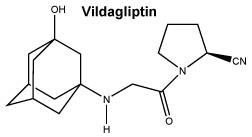
Molecular formula: C17H25N3O2.
Molecular weight: 303.40.
Metformin hydrochloride.
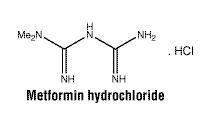
Molecular formula: C4H11N5.HCl.
Molecular weight: 165.6.
CAS number. Vildagliptin. 274901-16-5.
Metformin hydrochloride. 1115-70-4.
7 Medicine Schedule (Poisons Standard)
Schedule 4 - Prescription Only Medicine.
Date of First Approval
02 July 2025
Date of Revision
06 March 2026
Summary Table of Changes
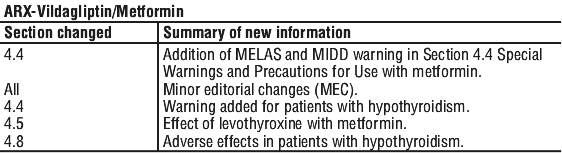
References
1. McInnes G, Evans M, Del Prato S, Stumvoll M, Schweizer A, Lukashevich V et al. Cardiovascular and heart failure safety profile of vildagliptin: a meta-analysis of 17,000 patients. Diabetes, Obesity and Metabolism. 2015;17(11):1085-1092.
2. Mathieu C, Kozlovski P, Paldanius P, Foley J, Modgill V, Evans M et al. Clinical Safety and Tolerability of Vildagliptin - Insights from Randomised Trials, Observational Studies and Post-marketing Surveillance. European Endocrinology. 2017;13(2):68-72.
3. Keating G. Vildagliptin: A Review of Its Use in Type 2 Diabetes Mellitus. Drugs. 2014;74(5):587-610.
4. Ahren B, Pacini G, Foley J, Schweizer A. Improved Meal-Related β-Cell Function and Insulin Sensitivity by the Dipeptidyl Peptidase-IV Inhibitor Vildagliptin in Metformin-Treated Patients With Type 2 Diabetes Over 1Year. Diabetes Care. 2005;28(8):1936-1940.
5. Ahren B, Gomis R, Standl E, Mills D, Schweizer A. Twelve- and 52-Week Efficacy of the Dipeptidyl Peptidase IV Inhibitor LAF237 in Metformin-Treated Patients With Type 2 Diabetes. Diabetes Care. 2004;27(12):2874-2880.
6. Bosi E, Camisasca R, Collober C, Rochotte E, Garber A. Effects of Vildagliptin on Glucose Control Over 24 Weeks in Patients With Type 2 Diabetes Inadequately Controlled With Metformin. Diabetes Care. 2007;30(4):890-895.
7. Bolli G, Dotta F, Colin L, Minic B, Goodman M. Comparison of vildagliptin and pioglitazone in patients with type 2 diabetes inadequately controlled with metformin. Diabetes, Obesity and Metabolism. 2009;11(6):589-595.
8. Ferrannini E, Fonseca V, Zinman B, Matthews D, Ahren B, Byiers S et al. Fifty-two-week efficacy and safety of vildagliptin vs. glimepiride in patients with type 2 diabetes mellitus inadequately controlled on metformin monotherapy. Diabetes, Obesity and Metabolism. 2009;11(2):157-166.
9. Bosi E, Dotta F, Jia Y, Goodman M. Vildagliptin plus metformin combination therapy provides superior glycaemic control to individual monotherapy in treatment-naive patients with type 2 diabetes mellitus. Diabetes, Obesity and Metabolism. 2009;11(5):506-515.
10. Kothny W, Foley J, Kozlovski P, Shao Q, Gallwitz B, Lukashevich V. Improved glycaemic control with vildagliptin added to insulin, with or without metformin, in patients with type 2 diabetes mellitus. Diabetes, Obesity and Metabolism. 2013;15(3):252-257.
11. Lukashevich V, Del Prato S, Araga M, Kothny W. Efficacy and safety of vildagliptin in patients with type 2 diabetes mellitus inadequately controlled with dual combination of metformin and sulphonylurea. Diabetes, Obesity and Metabolism. 2014;16(5):403-409.
12. McMurray J, Ponikowski P, Bolli G, Lukashevich V, Kozlovski P, Kothny W et al. Effects of Vildagliptin on Ventricular Function in Patients With Type 2 Diabetes Mellitus and Heart Failure: A Randomized Placebo-Controlled Trial. JACC: Heart Failure. 2018;6(1):8-17.
Reasonable care is taken to provide accurate information at the time of creation. This information is not intended as a substitute for medical advice and should not be exclusively relied on to manage or diagnose a medical condition. The Australian Commission on Safety and Quality in Health Care disclaims all liability (including for negligence) for any loss, damage, injury or any other negative effects resulting from reliance on or use of this information. Read our full disclaimer. This website uses cookies. Read our privacy policy.