
Enalapril/HCT Sandoz
Brand Information
| Brand name | Enalapril/HCT Sandoz |
| Active ingredient | Enalapril maleate + Hydrochlorothiazide |
| Schedule | S4 |
Consumer Medicine Information (CMI) leaflet
Please read this leaflet carefully before you start using the Enalapril/HCT Sandoz.
Summary CMI
Enalapril/HCT Sandoz® 20 mg/6 mg
Consumer Medicine Information (CMI) summary
The full CMI on the next page has more details. If you are worried about using this medicine, speak to your doctor or pharmacist.
1. Why am I using Enalapril/HCT Sandoz 20 mg/6 mg?
Enalapril/HCT Sandoz 20 mg/6 mg contains the active ingredient enalapril maleate and hydrochlorothiazide. Enalapril/HCT Sandoz 20 mg/6 mg is used to lower high blood pressure, which doctors call hypertension.
For more information, see Section 1. Why am I using Enalapril/HCT Sandoz 20 mg/6 mg? in the full CMI.
2. What should I know before I use Enalapril/HCT Sandoz 20 mg/6 mg?
Do not use if you have ever had an allergic reaction to enalapril, hydrochlorothiazide or any of the ingredients listed at the end of the CMI.
Talk to your doctor if you have any other medical conditions, take any other medicines, or are pregnant or plan to become pregnant or are breastfeeding.
For more information, see Section 2. What should I know before I use Enalapril/HCT Sandoz 20 mg/6 mg? in the full CMI.
3. What if I am taking other medicines?
Some medicines may interfere with Enalapril/HCT Sandoz 20 mg/6 mg and affect how it works.
A list of these medicines is in Section 3. What if I am taking other medicines? in the full CMI.
4. How do I use Enalapril/HCT Sandoz 20 mg/6 mg?
- For most patients, the usual dose is one tablet a day
More instructions can be found in Section 4. How do I use Enalapril/HCT Sandoz 20 mg/6 mg? in the full CMI.
5. What should I know while using Enalapril/HCT Sandoz 20 mg/6 mg?
| Things you should do |
|
| Things you should not do |
|
| Driving or using machines |
|
| Drinking alcohol |
|
| Looking after your medicine |
|
For more information, see Section 5. What should I know while using Enalapril/HCT Sandoz 20 mg/6 mg? in the full CMI.
6. Are there any side effects?
Common side effects include headache, light-headedness or dizziness, tiredness or weakness, dry cough, nausea, vomiting, loss of appetite, diarrhoea, constipation, stomach upset, pain or cramps, muscle cramps, blurred or yellow vision. Serious side effects include fast or irregular heartbeat, chest pain, fainting, severe dizziness, yellowing of the skin or eyes, skin rash/itchiness/hives, worrying or frequent infections, signs of anaemia, signs of dehydration, numbness or tingling in the hands or feet, symptoms of an allergic reaction (i.e. swelling of the face or throat, hives, shortness of breath etc.), blue fingertips and lips, visual disturbances, swelling of the hands or feet, collapse, numbness or weakness of arms and legs.
For more information, including what to do if you have any side effects, see Section 6. Are there any side effects? in the full CMI.
Full CMI
Enalapril/HCT Sandoz® 20 mg/6 mg
Active ingredient(s): enalapril maleate and hydrochlorothiazide
Consumer Medicine Information (CMI)
This leaflet provides important information about using Enalapril/HCT Sandoz 20 mg/6 mg. You should also speak to your doctor or pharmacist if you would like further information or if you have any concerns or questions about using Enalapril/HCT Sandoz 20 mg/6 mg.
Where to find information in this leaflet:
1. Why am I using Enalapril/HCT Sandoz 20 mg/6 mg?
2. What should I know before I use Enalapril/HCT Sandoz 20 mg/6 mg?
3. What if I am taking other medicines?
4. How do I use Enalapril/HCT Sandoz 20 mg/6 mg?
5. What should I know while using Enalapril/HCT Sandoz 20 mg/6 mg?
6. Are there any side effects?
7. Product details
1. Why am I using Enalapril/HCT Sandoz 20 mg/6 mg?
Enalapril/HCT Sandoz 20 mg/6 mg contains the active ingredients enalapril maleate and hydrochlorothiazide.
The active ingredient enalapril maleate belongs to a group of medicines called Angiotensin Converting Enzyme (ACE) inhibitors. It works by widening your blood vessels. This means that blood is able to pass through them more easily and the heart doesn't have to pump as hard to move blood around the body.
The other active ingredient is hydrochlorothiazide, which is a fluid tablet or diuretic. It helps reduce the amount of fluid in the body by making your kidneys pass more water and salt.
Both of these active ingredients help to lower high blood pressure.
Enalapril/HCT Sandoz 20 mg/6 mg lowers high blood pressure, which doctors call hypertension.
Everyone has blood pressure. This pressure helps get your blood all around your body. Your blood pressure may be different at different times of the day, depending on how busy or worried you are. You have hypertension (high blood pressure) when your blood pressure stays higher than is needed, even when you are calm and relaxed.
There are usually no symptoms of hypertension. The only way of knowing that you have hypertension is to have your blood pressure checked on a regular basis. If high blood pressure is not treated it can lead to serious health problems. You may feel fine and have no symptoms, but eventually hypertension can cause stroke, heart disease and kidney failure. Enalapril/HCT Sandoz 20 mg/6 mg helps to lower your blood pressure.
2. What should I know before I use Enalapril/HCT Sandoz 20 mg/6 mg?
Warnings
Do not use Enalapril/HCT Sandoz 20 mg/6 mg if:
- you are allergic to enalapril or hydrochlorothiazide, or any of the ingredients listed at the end of this leaflet.
Symptoms of an allergic reaction may include skin rash, itchiness, hives, fever, shortness of breath, swelling of the face, lips or tongue, muscle pain or tenderness, or joint pain. - you have an allergy to any sulfur medicines or sulfonamide antibiotics.
One of the active ingredients in Enalapril/HCT Sandoz 20 mg/6 mg, hydrochlorothiazide, is a sulfur-containing medicine (a sulfonamide). Therefore, if you are allergic to sulfur medicines, such as some antibiotics or some tablets used to treat diabetes, you are likely to be allergic to Enalapril/HCT Sandoz 20 mg/6 mg. Check with your doctor or pharmacist if you are not sure whether you are - you have taken any other 'ACE inhibitor' medicines for high blood pressure or heart failure before, which caused your face, lips, tongue, throat, hands or feet to swell up, or made it hard for you to breathe.
If you have had an allergic reaction to an ACE inhibitor before, you may be allergic to Enalapril/HCT Sandoz 20 mg/6 mg.
Always check the ingredients to make sure you can use this medicine. - you have a history of swelling of the face, lips, tongue, throat, hands or feet, for no apparent reason.
- you have renal artery stenosis, a disease of the kidney
- you are not passing urine
- you have diabetes and are taking a medicine called aliskiren to reduce blood pressure.
- you are taking a medicine containing a neprilysin inhibitor (e.g., sacubitril). Do not take Enalapril/HCT Sandoz 20 mg/6 mg for at least 36 hours before or after you take sacubitril/valsartan, a medicine containing a neprilysin inhibitor.
- you are pregnant or breast-feeding.
- the packaging is torn or shows signs of tampering.
Check with your doctor if you:
- have any other medical conditions especially the following:
- kidney disease, or if you are undergoing dialysis
- diabetes
- passing less urine than is normal
- liver disease
- heart problems - are or intend to become pregnant or intend to breast-feed
- have recently suffered from excessive vomiting or diarrhoea
- are following a very low salt diet
- are taking potassium supplements, potassium-sparing agents, potassium-containing salt substitutes or other drugs that may increase serum potassium (e.g., trimethoprim-containing products)
- take any medicines for any other condition
- have had an allergy to any other medicines or any other substances, such as foods, preservatives or dyes
- suffer from low blood pressure (you may notice this as faintness or dizziness, especially when standing)
- are planning to have surgery and anaesthesia (even at the dentist office), as there may be a sudden fall in blood pressure associated with anaesthesia
- are taking a medicine containing a neprilysin inhibitor (e.g., sacubitril)
- are taking a medicine containing vildagliptin
- have had skin cancer or if you develop a new skin lesion during the treatment.
- Treatment with hydrochlorothiazide, particularly long-term use with high doses, may increase the risk of some types of skin and lip cancer (non-melanoma skin cancer). Discuss with your doctor how to protect your skin from sun exposure, and avoid artificial tanning.
During treatment, you may be at risk of developing certain side effects. It is important you understand these risks and how to monitor for them. See additional information under Section 6. Are there any side effects?
Pregnancy and breastfeeding
Do not take Enalapril/HCT Sandoz 20 mg/6 mg if you are pregnant or intend to become pregnant.
Do not take Enalapril/HCT Sandoz 20 mg/6 mg if you are breastfeeding or intend to breastfeed.
Your baby may absorb this medicine in the womb or from breast milk and therefore there is a possibility of harm to the baby.
Use in children
- Do not give Enalapril/HCT Sandoz 20 mg/6 mg to a child.
- The safety of Enalapril/HCT Sandoz 20 mg/6 mg in children has not been established.
3. What if I am taking other medicines?
Tell your doctor or pharmacist if you are taking any other medicines, including any medicines, vitamins or supplements that you buy without a prescription from your pharmacy, supermarket or health food shop.
Some medicines may interfere with Enalapril/HCT Sandoz 20 mg/6 mg and affect how it works.
Medicines that may increase the effect of Enalapril/HCT Sandoz 20 mg/6 mg or the risk of side effects include:
- other fluid tablets (diuretics)
- other medicines used to treat high blood pressure
- potassium tablets or potassium-containing salt substitutes
- potassium-sparing agents (e.g. spironolactone, eplerenone, triamterene, amiloride)
- other drugs that may increase serum potassium (e.g., trimethoprim-containing products)
- steroid medicines such as cortisone, prednisone
- barbiturates, used to treat epilepsy, such as phenobarbital
- strong pain killers such as codeine, morphine, dextropropoxyphene
- arthritis medicines including gold therapy
- mammalian target of rapamycin inhibitors (e.g. temsirolimus, sirolimus, everolimus) or a medicine containing a neprilysin inhibitor (e.g. sacubitril) or vildagliptin as coadministration with Enalapril/HCT Sandoz 20 mg/6 mg could increase the risk for an allergic reaction called angioedema
- alcohol
Medicines that may reduce the effect of Enalapril/HCT Sandoz 20 mg/6 mg include:
- non-steroidal anti-inflammatory medicines (NSAIDs or COX-2 inhibitors), used to treat inflammation, pain, arthritis
- colestyramine and colestipol, used to treat high cholesterol
Medicines that may be affected when taken with Enalapril/HCT Sandoz 20 mg/6 mg include:
- lithium, used to treat severe mood swings and some types of depression
- insulin or oral antidiabetic medicines. You should be closely monitored for low blood glucose levels, especially during the first month of treatment with Enalapril/HCT Sandoz 20 mg/6 mg
- medicines used to relax muscles before or during surgery
- medicines used in emergency situations, such as adrenaline (epinephrine)
Check with your doctor or pharmacist if you are not sure about what medicines, vitamins or supplements you are taking and if these affect Enalapril/HCT Sandoz 20 mg/6 mg.
4. How do I use Enalapril/HCT Sandoz 20 mg/6 mg?
How much to take
- For most patients, the usual dose is one tablet a day.
- Follow the instructions provided and use Enalapril/HCT Sandoz 20 mg/6 mg until your doctor tells you to stop.
- Enalapril/HCT Sandoz 20 mg/6 mg helps control your high blood pressure but does not cure it. Therefore Enalapril/HCT Sandoz 20 mg/6 mg must be taken every day.
When to take Enalapril/HCT Sandoz 20 mg/6 mg
- Take your Enalapril/HCT Sandoz 20 mg/6 mg at about the same time each day. This is best in the morning, for example, at breakfast time.
Taking Enalapril/HCT Sandoz 20 mg/6 mg at the same time each day will have the best effect. It will also help you remember when to take the tablets.
How to take Enalapril/HCT Sandoz 20 mg/6 mg
- Swallow Enalapril/HCT Sandoz 20 mg/6 mg with a glass of water.
If you forget to use Enalapril/HCT Sandoz 20 mg/6 mg
Enalapril/HCT Sandoz 20 mg/6 mg should be used regularly at the same time each day. If you miss your dose at the usual time, take it as soon as you remember, and then go back to taking your tablet(s) as you would normally.
If it is less than six hours until your next dose, skip the dose you missed and take your next dose when you are meant to.
Do not take a double dose to make up for the dose you missed.
If you use too much Enalapril/HCT Sandoz 20 mg/6 mg
If you think that you have used too much Enalapril/HCT Sandoz 20 mg/6 mg, you may need urgent medical attention.
You should immediately:
- phone the Poisons Information Centre
(by calling 13 11 26), or - contact your doctor, or
- go to the Emergency Department at your nearest hospital.
You should do this even if there are no signs of discomfort or poisoning.
If you take too many tablets, you will probably feel light-headed or dizzy, or you may faint. You may also become very thirsty, confused, have a change in the amount of urine passed or have a fast heart beat.
5. What should I know while using Enalapril/HCT Sandoz 20 mg/6 mg?
Things you should do
- Have your blood pressure checked when your doctor says, to make sure Enalapril/HCT Sandoz 20 mg/6 mg is working.
- Go to your doctor regularly for a check-up.
Your doctor may occasionally do a blood test to check your potassium level in the blood and to see how your kidneys are working. - If you feel light-headed, dizzy or faint, get up slowly when getting out of bed or standing up.
This may be because your blood pressure is falling suddenly. Standing up slowly, especially when you get up from bed or chairs, will help your body get used to the change in position and blood pressure. If this problem gets worse or continues, talk to your doctor. - Make sure you drink enough water during exercise and hot weather when you are taking Enalapril/HCT Sandoz 20 mg/6 mg, especially if you sweat a lot.
If you do not drink enough water while taking Enalapril/HCT Sandoz 20 mg/6 mg, you may faint or feel light-headed or sick. This is because your blood pressure is dropping suddenly. If you continue to feel unwell, tell your doctor. - If you plan to have surgery (even at the dentist) that needs a general anaesthetic, tell your doctor or dentist that you are taking Enalapril/HCT Sandoz 20 mg/6 mg.
Your blood pressure may drop suddenly.
Call your doctor straight away if you:
- feel any light-headedness or dizziness after you take your first dose of Enalapril/HCT Sandoz 20 mg/6 mg or if your dose is increased, tell your doctor immediately.
- experience any fever, breathing faster than normal or severe shortness of breath or difficulty breathing, slightly blue fingertips and lips after taking Enalapril/HCT Sandoz 20 mg/6 mg. Stop the medication and seek medical attention immediately.
- experience acute onset of decreased visual acuity or ocular pain. These could be symptoms of fluid accumulation in the vascular layer of the eye (choroidal effusion) or an increase of pressure in your eye and can happen within hours to weeks of taking Enalapril/HCT Sandoz 20 mg/6 mg. This can lead to permanent vision loss, if not treated.
- have excessive vomiting and/or diarrhoea while taking Enalapril/HCT Sandoz 20 mg/6 mg, or you have any of the following symptoms:
- dry mouth, thirst
- weakness, tiredness, drowsiness
- muscle pains or cramps
- fast heart beat
- passing less urine than normal
You may be dehydrated because you are losing too much water. This may also drop your blood pressure too much. - become pregnant while taking Enalapril/HCT Sandoz 20 mg/6 mg
Remind any doctor, dentist or pharmacist you visit that you are using Enalapril/HCT Sandoz 20 mg/6 mg.
Things you should not do
- Do not give this medicine to anyone else, even if they have the same condition as you.
Things that would be helpful for your blood pressure
Some self-help measures suggested below may help your condition. Talk to your doctor or pharmacist about these measures and for more information.
- Alcohol - your doctor may advise you to limit your alcohol intake.
- Diet - eat a healthy diet which includes plenty of fresh vegetables, fruit, bread, cereals and fish. Also eat less fat and sugar.
- Exercise - regular exercise helps to reduce blood pressure and helps the heart get fitter, but it is important not to overdo it. Walking is good exercise, but try to find a route that is fairly flat. Before starting any exercise, ask your doctor about the best kind of program for you.
- Salt - your doctor may advise you to watch the amount of salt in your diet. To reduce your salt intake you should avoid using salt in cooking or at the table.
- Smoking - your doctor may advise you to stop smoking or at least cut down.
- Weight - your doctor may suggest losing some weight to help lower your blood pressure and help lessen the amount of work your heart has to do. Some people may need a dietician's help to lose weight.
Driving or using machines
Be careful before you drive or use any machines or tools until you know how Enalapril/HCT Sandoz 20 mg/6 mg affects you.
Enalapril/HCT Sandoz 20 mg/6 mg may cause dizziness or light-headedness in some people, especially after the first dose or if the dose is increased. Make sure you know how you react to Enalapril/HCT Sandoz 20 mg/6 mg before you drive a car, operate machinery, or do anything else that could be dangerous if you are dizzy or light-headed.
Drinking alcohol
Tell your doctor if you drink alcohol.
If you drink alcohol, dizziness or light-headedness may be worse.
Looking after your medicine
- Keep Enalapril/HCT Sandoz 20 mg/6 mg in a cool dry place where the temperature stays below 25°C.
- Keep your tablets in the blister pack until it is time to take them.
If you take the tablets out of the blister pack and store them in another container they will not keep well and they may become soft and crumbly.
Follow the instructions in the carton on how to take care of your medicine properly.
Store it in a cool dry place away from moisture, heat or sunlight; for example, do not store it:
- in the bathroom or near a sink, or
- in the car or on window sills.
Keep it where young children cannot reach it.
Getting rid of any unwanted medicine
If you no longer need to use this medicine or it is out of date, take it to any pharmacy for safe disposal.
Do not use this medicine after the expiry date.
6. Are there any side effects?
All medicines can have side effects. If you do experience any side effects, most of them are minor and temporary. However, some side effects may need medical attention.
See the information below and, if you need to, ask your doctor or pharmacist if you have any further questions about side effects.
Less serious side effects
| Less serious side effects | What to do |
Heart/circulation-related:
| Speak to your doctor if you have any of these less serious side effects and they worry you. |
Serious side effects
| Serious side effects | What to do |
| Call your doctor straight away, or go straight to the Emergency Department at your nearest hospital if you notice any of these serious side effects. |
| Tell your doctor immediately if you notice any of these serious side effects. |
Tell your doctor or pharmacist if you notice anything else that may be making you feel unwell.
Other side effects not listed here may occur in some people.
Reporting side effects
After you have received medical advice for any side effects you experience, you can report side effects to the Therapeutic Goods Administration online at www.tga.gov.au/reporting-problems. By reporting side effects, you can help provide more information on the safety of this medicine.
Always make sure you speak to your doctor or pharmacist before you decide to stop taking any of your medicines.
7. Product details
This medicine is only available with a doctor's prescription.
What Enalapril/HCT Sandoz 20 mg/6 mg contains
| Active ingredient (main ingredient) |
|
| Other ingredients (inactive ingredients) |
|
| Potential allergens | lactose monohydrate |
Do not take this medicine if you are allergic to any of these ingredients.
What Enalapril/HCT Sandoz 20 mg/6 mg looks like
Enalapril/HCT Sandoz 20 mg/6 mg - white, oval, biconvex snap-tab tablets, both sides scored and debossed "EN20" on one side. This medicine is available in blister packs of 30 tablets (Aust R 126490).
Who distributes Enalapril/HCT Sandoz 20 mg/6 mg
Sandoz Pty Ltd
100 Pacific Highway
North Sydney, NSW 2060
Australia
Tel 1800 726 369
This leaflet was prepared in June 2026.
® Registered Trade Mark. The trade marks mentioned in this material are the property of their respective owners.
Brand Information
| Brand name | Enalapril/HCT Sandoz |
| Active ingredient | Enalapril maleate + Hydrochlorothiazide |
| Schedule | S4 |
MIMS Revision Date: 01 August 2026
1 Name of Medicine
Enalapril maleate/ hydrochlorothiazide.
2 Qualitative and Quantitative Composition
Each Enalapril/HCT Sandoz 20 mg/6 mg tablet contains enalapril maleate 20 mg and hydrochlorothiazide 6 mg.
Excipient with known effect. Sugars (as lactose).
For the full list of excipients, see Section 6.1 List of Excipients.
3 Pharmaceutical Form
Enalapril/HCT Sandoz 20 mg/6 mg are white oval, biconvex snap-tab tablets, both sides scored and debossed "EN20" on one side.
4 Clinical Particulars
4.1 Therapeutic Indications
Mild to moderate hypertension. Treatment should not be initiated with this fixed dose combination.
4.2 Dose and Method of Administration
Dosage. Treatment with enalapril/HCT 20 mg/6 mg should only be commenced after titration of the enalapril component has been shown not to be effective in achieving the required lowering of blood pressure.
Hypertension. In hypertension, the usual dosage of enalapril/HCT 20 mg/6 mg is one tablet, administered once daily.
Prior diuretic therapy. Symptomatic hypotension may occur following the initial dose of enalapril/HCT 20 mg/6 mg; this is more likely in patients who are volume or salt depleted as a result of prior diuretic therapy. The diuretic therapy should be discontinued for two to three days prior to initiation of therapy with enalapril/HCT 20 mg/6 mg. Patients receiving concomitant diuretic and ACE inhibitor therapy in doses greater than or equal to those contained in enalapril/HCT 20 mg/6 mg may be transferred to enalapril/HCT 20 mg/6 mg without discontinuation of the diuretic.
Method of administration. Enalapril/HCT 20 mg/6 mg is supplied as tablets for oral administration.
Dosage adjustment in renal impairment. Thiazides may not be appropriate diuretics for use in patients with renal impairment and are ineffective at creatinine clearance values of 30 mL/minute or below (i.e. moderate or severe renal insufficiency).
In patients with creatinine clearance of > 30 and < 80 mL/minute, enalapril/HCT 20 mg/6 mg should be used only after titration of the enalapril component.
The recommended initial dose of enalapril maleate, when used alone, in mild renal insufficiency is 5 mg.
4.3 Contraindications
Enalapril/HCT 20 mg/6 mg is contraindicated in:
patients with anuria;
patients who are hypersensitive to any component of this product and in patients with a history of angioneurotic oedema relating to previous treatment with an angiotensin converting enzyme inhibitor, and in patients with hereditary or idiopathic angioedema;
patients who have shown hypersensitivity to other sulfonamide derived drugs;
patients with renal artery stenosis;
use during pregnancy (see Section 4.6 Fertility, Pregnancy and Lactation, Use in pregnancy);
use during lactation (see Section 4.6 Fertility, Pregnancy and Lactation, Use in lactation).
Enalapril/HCT 20 mg/6 mg should not be administered with aliskiren in patients with diabetes (see Section 4.5 Interactions with Other Medicines and Other Forms of Interactions).
Enalapril/HCT 20 mg/6 mg is contraindicated in combination with a neprilysin inhibitor (e.g. sacubitril). Do not administer enalapril/HCT 20 mg/6 mg within 36 hours of switching to or from sacubitril/ valsartan, a product containing a neprilysin inhibitor (see Section 4.4 Special Warnings and Precautions for Use; Section 4.5 Interactions with Other Medicines and Other Forms of Interactions).
4.4 Special Warnings and Precautions for Use
Enalapril maleate. Angioedema. Angioedema of the face, extremities, lips, tongue, glottis and/or larynx has been reported in patients treated with angiotensin converting enzyme inhibitors, including enalapril maleate. This may occur at any time during treatment. In such cases, enalapril maleate should be promptly discontinued and the patient carefully observed until the swelling disappears. Even in those instances where swelling of only the tongue is involved, without respiratory distress, patients may require prolonged observation since treatment with antihistamines and corticosteroids may not be sufficient. Very rarely, fatalities have been reported due to angioedema associated with laryngeal oedema or tongue oedema. Patients with involvement of the tongue, glottis or larynx are likely to experience airway obstruction, especially those with a history of airway surgery.
Where there is involvement of the tongue, glottis or larynx likely to cause airway obstruction, appropriate therapy, which may include subcutaneous adrenaline (epinephrine) solution 1:1000 (0.3 to 0.5 mL), and/or measures to ensure a patent airway, should be promptly administered (see Section 4.8 Adverse Effects (Undesirable Effects)).
Black patients receiving ACE inhibitors have been reported to have a higher incidence of angioedema compared to non-blacks.
Patients receiving coadministration of ACE inhibitor and mTOR (mammalian target of rapamycin) inhibitor (e.g. temsirolimus, sirolimus, everolimus) therapy may be at increased risk for angioedema (e.g. swelling of the airways or tongue, with or without respiratory impairment).
Patients receiving concomitant ACE inhibitor and neprilysin inhibitor therapy may be at increased risk for angioedema (see Section 4.3 Contraindications; Section 4.5 Interactions with Other Medicines and Other Forms of Interactions).
Patients receiving concomitant ACE inhibitor and vildagliptin may be at an increased risk for angioedema (see Section 4.5 Interactions with Other Medicines and Other Forms of Interactions).
The onset of angioedema associated with use of ACE inhibitors may be delayed for weeks or months. Patients may have multiple episodes of angioedema with long symptom free intervals. Angioedema may occur with or without urticaria.
Hypotension. As with all antihypertensive therapy, excessive hypotension may occur in some patients. In patients with heart failure, with or without associated renal insufficiency, excessive hypotension has been observed and may be associated with oliguria and/or progressive azotaemia, and rarely with acute renal failure and/or death. Because of the potential fall in blood pressure in these patients, therapy should be started under very close medical supervision. Such patients should be followed closely for the first two weeks of treatment and if the dose of enalapril/HCT 20 mg/6 mg is increased.
Similar considerations may apply to patients with ischaemic heart or cerebrovascular disease, in whom an excessive fall in blood pressure could result in a myocardial infarction or cerebrovascular accident.
If hypotension occurs, the patient should be placed in the supine position and, if necessary, should receive an intravenous infusion of normal saline. A transient hypotensive response is not a contraindication to further doses. Following restoration of effective blood volume and pressure reinstitution of therapy at reduced dosage may be possible; or either of the components may be used appropriately alone.
Neutropenia/ agranulocytosis. Another angiotensin converting enzyme inhibitor has been shown to cause agranulocytosis and bone marrow depression (including leucopenia/ neutropenia). These reports generally involve patients who have pre-existing renal dysfunction and/or collagen vascular disease, some of whom have received concomitant immunosuppressant therapy. Most reports describe transient episodes for which a causal relationship to the ACE inhibitor could not be established. Available data from clinical trials of enalapril are insufficient to show that enalapril does not cause agranulocytosis at similar rates. International marketing experience has revealed cases of neutropenia or agranulocytosis in which a causal relationship to enalapril cannot be excluded.
It is recommended that periodic haematological monitoring be considered in patients with diseases known to affect bone marrow function (e.g. renal dysfunction, collagen vascular disease, etc.) and/or who are taking concomitant therapy known to be associated with bone marrow depression.
Aortic stenosis/ hypertrophic cardiomyopathy. As with all vasodilators, ACE inhibitors should be given with caution to patients with obstruction in the outflow tract of the left ventricle.
Surgery/ anaesthesia. In patients undergoing major surgery or during anaesthesia with agents that produce hypotension, enalapril blocks angiotensin II formation, secondary to compensatory renin release. If hypotension occurs and is considered to be due to this mechanism, it can be corrected by volume expansion.
Hyperkalaemia. (Also see Section 4.5 Interactions with Other Medicines and Other Forms of Interactions, Serum potassium.)
Risk factors for the development of hyperkalaemia include renal insufficiency, diabetes mellitus, and concomitant use of potassium sparing diuretics (e.g. spironolactone, eplerenone, triamterene, or amiloride), potassium supplements, potassium containing salt substitutes; or other drugs that may increase serum potassium (e.g. trimethoprim containing products).
The use of potassium supplements, potassium sparing diuretics, potassium containing salt substitutes, or other drugs that may increase serum potassium, particularly in patients with impaired renal function may lead to a significant increase in serum potassium. Hyperkalaemia can cause serious, sometimes fatal, arrhythmias.
If concomitant use of enalapril/HCT 20 mg/6 mg and any of the above-mentioned agents is deemed appropriate, they should be used with caution and with frequent monitoring of serum potassium.
The combination of enalapril and a low dose diuretic cannot exclude the possibility of hyperkalaemia to occur.
Anaphylactoid reactions during Hymenoptera desensitisation. Rarely, patients receiving ACE inhibitors during desensitisation with Hymenoptera venom have experienced life threatening anaphylactoid reactions. These reactions were avoided by temporarily withholding ACE inhibitor therapy prior to each desensitisation.
Cough. A persistent, nonproductive, ticklish cough has been reported in some patients undergoing treatment with enalapril and other ACE inhibiting drugs. The cough is often worse when lying down. The cough is more common in women (who account for about two-thirds of reported cases). The patients who cough may have increased bronchial reactivity compared to those who do not cough. It may disappear in some patients with continued use or diminish or disappear if the dose of the drug is reduced.
In those in whom cough persists, the drug should be discontinued. The cough usually returns on rechallenge. No residual effects have been reported.
Primary aldosteronism. Patients with primary aldosteronism will generally not respond to antihypertensive medicines acting through inhibition of the renin angiotensin system.
Hydrochlorothiazide. Non-melanoma skin cancer. An increased risk of non-melanoma skin cancer (basal cell carcinoma (BCC) and squamous cell carcinoma (SCC)) with increasing cumulative dose of hydrochlorothiazide has been observed in epidemiological studies. Photosensitising actions of hydrochlorothiazide could act as a possible mechanism for non-melanoma skin cancer.
Patients taking hydrochlorothiazide should be informed of the risk of non-melanoma skin cancer and advised to take preventive measures to reduce sun and artificial UVA exposure. Patients should regularly check their skin for new lesions and promptly report suspicious skin lesions to their physicians for evaluation. The use of hydrochlorothiazide may also need to be reconsidered in patients who have experienced previous non-melanoma skin cancer. (See Section 4.8 Adverse Effects (Undesirable Effects)).
Acute respiratory toxicity. Very rare severe cases of acute respiratory toxicity, including acute respiratory syndrome (ARDS) have been reported after taking hydrochlorothiazide. Pulmonary oedema typically develops within minutes to hours after hydrochlorothiazide intake. At the onset, symptoms include dyspnoea, fever, pulmonary deterioration and hypotension. If diagnosis of ARDS is suspected, Enalapril/HCT Sandoz should be withdrawn, and appropriate treatment should be given. Enalapril/HCT Sandoz should not be administered to patients who previously experienced ARDS following hydrochlorothiazide intake (see Section 4.8 Adverse Effects (Undesirable Effects)).
Fluid/ electrolyte imbalance. Patients should be observed for clinical signs of fluid or electrolyte imbalance, e.g. volume depletion, hyponatraemia, hypochloraemic alkalosis, hypomagnesaemia or hypokalaemia which may occur during intercurrent diarrhoea or vomiting. Periodic determination of serum electrolytes should be performed at appropriate intervals in such patients.
Choroidal effusion, acute myopia and secondary angle closure glaucoma. Hydrochlorothiazide, a sulfonamide, can cause an idiosyncratic reaction resulting in choroidal effusion with visual field defect, acute transient myopia and acute angle closure glaucoma. Symptoms include acute onset of decreased visual acuity or ocular pain and typically occur within hours to weeks of drug initiation. Untreated acute angle closure glaucoma can lead to permanent vision loss.
The primary treatment is to discontinue hydrochlorothiazide as rapidly as possible. Prompt medical or surgical treatments may need to be considered if the intraocular pressure remains uncontrolled. Risk factors for developing acute angle closure glaucoma may include a history of sulfonamide or penicillin allergy.
Postsympathectomy. The antihypertensive effects of thiazide diuretics may be increased in the postsympathectomy patient.
Sensitivity reactions. In patients receiving thiazides, sensitivity reactions may occur with or without a history of allergy or bronchial asthma.
Systemic lupus erythematosus. Exacerbation or activation of systemic lupus erythematosus has been reported with the use of thiazide diuretics.
Enalapril maleate and hydrochlorothiazide. Metabolic and endocrine effects. Experience with therapeutic doses of hydrochlorothiazide higher than that contained in enalapril/HCT 20 mg/6 mg indicates that thiazide therapy may impair glucose tolerance, increase cholesterol and triglyceride levels and decrease serum sodium, magnesium and potassium levels. In clinical studies with 6 mg of hydrochlorothiazide, however, no clinically significant effect on glucose, cholesterol, triglycerides, sodium, magnesium or potassium was reported.
Thiazide therapy has been associated with the development of hyperuricaemia and/or gout in certain patients. This hyperuricaemic effect appears to be dose related and is not clinically significant at the 6 mg dose contained in enalapril/HCT 20 mg/6 mg. In addition, enalapril may increase urinary uric acid and thus attenuate the hyperuricaemic effect of hydrochlorothiazide.
Although no data exist for enalapril/HCT 20 mg/6 mg, thiazide therapy may decrease urinary calcium excretion. Marked hypercalcaemia may be evidence of occult hyperparathyroidism. Thiazides should be discontinued before performing tests for parathyroid function.
Haemodialysis patients. The use of enalapril/HCT 20 mg/6 mg is not indicated in patients requiring dialysis for renal failure (see Section 4.2 Dose and Method of Administration). Anaphylactoid reactions have been reported in patients dialysed with high flux membranes (e.g. AN 69) and treated concomitantly with an ACE inhibitor. In these patients, consideration should be given to using a different type of dialysis membrane or a different class of antihypertensive agent.
Use in hepatic impairment. Enalapril maleate. Rarely, ACE inhibitors have been associated with a syndrome that starts with cholestatic jaundice or hepatitis and progresses to fulminant hepatic necrosis and (sometimes) death. The mechanism of this syndrome is not understood. Patients receiving ACE inhibitors who develop jaundice or marked elevations of hepatic enzymes should discontinue the ACE inhibitor and receive appropriate medical follow-up.
Hydrochlorothiazide. Thiazides should be used with caution in patients with impaired hepatic function or progressive liver disease, since minor alterations of fluid and electrolyte balance may precipitate hepatic coma.
Use in renal impairment. Thiazides may not be appropriate diuretics for use in patients with renal impairment and are ineffective at creatinine clearance values of 30 mL/minute or below (i.e. moderate or severe renal insufficiency).
Enalapril/HCT 20 mg/6 mg should not be administered to patients with renal insufficiency (creatinine clearance < 80 mL/minute) until titration of enalapril has shown the need for the doses present in the combination tablet (see Section 4.2 Dose and Method of Administration).
Azotaemia may be precipitated or increased by hydrochlorothiazide. Cumulative effects of the drug may develop in patients with impaired renal function. If increasing azotaemia and oliguria occur during treatment of renal disease, the diuretic should be discontinued.
Some hypertensive patients with no apparent pre-existing renal disease have developed usually minor and transient increases in blood urea and serum creatinine when enalapril has been given concomitantly with a diuretic. If this occurs during therapy with enalapril/HCT 20 mg/6 mg, the combination should be discontinued. Reinstitution of therapy at reduced dosage may be possible; or either of the components may be used appropriately alone.
In some patients with bilateral renal artery stenosis or stenosis of the artery to a solitary kidney, increases in blood urea and serum creatinine, usually reversible upon discontinuation of therapy, have been seen with angiotensin converting enzyme (ACE) inhibitors.
There is no data on the use of enalapril/HCT 20 mg/6 mg in patients with renal function impairment.
Evaluation of the hypertensive patient should always include assessment of renal function (see Section 4.2 Dose and Method of Administration).
Use in the elderly. In clinical studies, the efficacy and tolerability of enalapril maleate and hydrochlorothiazide, administered concomitantly, were similar in both elderly and younger hypertensive patients.
Paediatric use. Safety and effectiveness in children have not been established.
Effects on laboratory tests. Laboratory test findings which have been reported with the use of enalapril alone include:
Serum electrolytes. Hyperkalaemia (see Section 4.4 Special Warnings and Precautions for Use), hyponatraemia.
Creatinine, blood urea nitrogen. In controlled clinical trials minor increases in blood urea nitrogen and serum creatinine, reversible upon discontinuation of therapy, were observed in about 0.2 percent of patients with essential hypertension treated with enalapril alone. Increases are more likely to occur in patients receiving concomitant diuretics or in patients with renal artery stenosis (see Section 4.4 Special Warnings and Precautions for Use).
Haemoglobin and haematocrit. Small decreases in haemoglobin and haematocrit (mean decreases of approximately 0.3 g percent and 1.0 vol percent, respectively) occur frequently in hypertensive patients treated with enalapril but are rarely of clinical importance unless another cause of anaemia coexists. In clinical trials, less than 0.1 percent of patients discontinued therapy due to anaemia.
Other (causal relationship unknown). In marketing experience, rare cases of pancreatitis, neutropenia, thrombocytopenia, bone marrow depression, and agranulocytosis have been reported. A few cases of haemolysis have been reported in patients with G6PD deficiency.
Liver function tests. Elevations of liver enzymes and/or serum bilirubin have occurred.
4.5 Interactions with Other Medicines and Other Forms of Interactions
Other antihypertensive therapy. The antihypertensive effect of enalapril/HCT 20 mg/6 mg is augmented by antihypertensive agents that cause renin release (e.g. diuretics).
The combination of enalapril maleate with beta-adrenergic blocking agents, methyldopa or calcium entry blockers has been shown to improve the efficacy of lowering the blood pressure.
Ganglionic blocking agents or adrenergic blocking agents, combined with enalapril, should only be administered under careful observation of the patient.
Serum potassium (see Section 4.4 Special Warnings and Precautions for Use, Hyperkalaemia). Serum potassium usually remains within normal limits. The use of potassium supplements, potassium sparing agents, potassium containing salt substitutes, or other drugs that may increase serum potassium (e.g. trimethoprim-containing products), particularly in patients with impaired renal function, may lead to a significant increase in serum potassium. If concomitant use of enalapril/HCT 20 mg/6 mg and any of these agents is deemed appropriate, they should be used with caution and with frequent monitoring of serum potassium.
Lithium. Diuretic agents and ACE inhibitors reduce the renal clearance of lithium and add a high risk of lithium toxicity. Concomitant use is not recommended. See the package inserts for lithium preparations before use of such preparations.
Nonsteroidal anti-inflammatory drugs including selective cyclooxygenase-2 inhibitors. Nonsteroidal anti-inflammatory drugs (NSAIDs) including selective cyclooxygenase-2 inhibitors (COX-2 inhibitors) may reduce the effect of diuretics and other antihypertensive drugs. Therefore, the antihypertensive effect of angiotensin II receptor antagonists or ACE inhibitors may be attenuated by NSAIDs including selective COX-2 inhibitors.
In some patients with compromised renal function (e.g. elderly patients or patients who are volume depleted, including those on diuretic therapy) who are being treated with nonsteroidal anti-inflammatory drugs including selective cyclooxygenase-2 inhibitors, the coadministration of angiotensin II receptor antagonists or ACE inhibitors may result in a further deterioration of renal function, including possible acute renal failure. These effects are usually reversible.
These interactions should be considered in patients taking NSAIDs including selective COX-2 inhibitors concomitantly with diuretics and ACE inhibitors. Therefore, the combination should be administered with caution in patients with compromised renal function.
In some patients, the administration of a non-steroidal anti-inflammatory agent including a selective cyclooxygenase-2 inhibitor can reduce the diuretic, natriuretic and antihypertensive effects of diuretics.
Combination use of angiotensin converting enzyme inhibitors or angiotensin receptor antagonists, anti-inflammatory drugs and thiazide diuretics. The use of an ACE inhibiting drug (ACE inhibitor or angiotensin receptor antagonist), an anti-inflammatory drug (NSAID or COX-2 inhibitor) and a thiazide diuretic at the same time increases the risk of renal impairment. This includes use in fixed combination products containing more than one class of drug. Combined use of these medications should be accompanied by increased monitoring of serum creatinine, particularly at the institution of the combination. The combination of drugs from these three classes should be used with caution, particularly in elderly patients or those with pre-existing renal impairment.
Dual blockade of the renin angiotensin aldosterone system. Dual blockade of the renin angiotensin aldosterone system (RAAS) with angiotensin receptor blockers, ACE inhibitors, or direct renin inhibitors (such as aliskiren) is associated with increased risks of hypotension, syncope, hyperkalaemia, and changes in renal function (including acute renal failure) compared to monotherapy. Closely monitor blood pressure, renal function, and electrolytes in patients on enalapril/HCT 20 mg/6 mg and other agents that affect the RAAS. Do not coadminister aliskiren with enalapril/HCT 20 mg/6 mg in patients with diabetes. Avoid use of aliskiren with enalapril/HCT 20 mg/6 mg in patients with renal impairment (GFR < 60 mL/min).
Nondepolarising muscle relaxants. Thiazides may increase the responsiveness to tubocurarine.
Gold. Nitritoid reactions (symptoms include facial flushing, nausea, vomiting and hypotension) have been reported rarely in patients on therapy with injectable gold (sodium aurothiomalate) and concomitant ACE inhibitor therapy including enalapril.
Mammalian target of rapamycin (mTOR) inhibitors. Patients taking concomitant mTOR inhibitor (e.g. temsirolimus, sirolimus, everolimus) therapy may be at increased risk for angioedema (see Section 4.4 Special Warnings and Precautions for Use).
Neprilysin inhibitors. Patients taking a concomitant neprilysin inhibitor (e.g. sacubitril) may be at increased risk for angioedema (see Section 4.3 Contraindications; Section 4.4 Special Warnings and Precautions for Use).
Vildagliptin. Patients taking concomitant vildagliptin may be at increased risk for angioedema (see Section 4.4 Special Warnings and Precautions for Use).
Alcohol, barbiturates or narcotics. Potentiation of orthostatic hypotension may occur.
Antidiabetic drugs. For oral agents and insulin, dosage adjustment of the antidiabetic drug may be required as thiazides can increase blood glucose concentration.
Colestyramine and colestipol resins. Absorption of hydrochlorothiazide is impaired in the presence of anionic exchange resins. Single doses of either colestyramine or colestipol resins bind the hydrochlorothiazide and reduce its absorption from the gastrointestinal tract by up to 85 and 43%, respectively.
Corticosteroids, ACTH (adrenocorticotrophic hormone). Intensified electrolyte depletion, particularly hypokalaemia, may occur when corticosteroids or ACTH are used with thiazide diuretics.
Pressor amines (e.g. adrenaline (epinephrine)). Possible decreased response to pressor amines may occur but not sufficiently to preclude their use.
4.6 Fertility, Pregnancy and Lactation
Effects on fertility. There were no adverse effects on reproductive performance in male and female rats treated with 10 to 90 mg/kg/day of enalapril. The effects of hydrochlorothiazide or the enalapril maleate/ hydrochlorothiazide combination on fertility and reproductive performance have not been evaluated.
Use in pregnancy. (Category D)
Enalapril/HCT 20 mg/6 mg contains an ACE inhibitor and therefore should not be used during pregnancy.
Enalapril maleate. As with all ACE inhibitors, enalapril should not be taken during pregnancy. Pregnancy should be excluded before starting treatment with enalapril/HCT 20 mg/6 mg and avoided during treatment.
If a patient intends to become pregnant, treatment with ACE inhibitors must be discontinued and replaced by another form of treatment.
If a patient becomes pregnant while on ACE inhibitors, she must immediately inform her doctor to discuss a change in medication and further management.
There are no adequate and well controlled studies of enalapril in pregnant women. Data, however, show that enalapril crosses the human placenta. Postmarketing experience with all ACE inhibitors suggest that exposure in utero may be associated with hypotension and decreased renal perfusion in the foetus. ACE inhibitors have also been associated with foetal death in utero. There have been reports of foetal hypotension, renal failure, hyperkalaemia, skull hypoplasia and death when ACE inhibitors have been used during the second and third trimesters of pregnancy.
A historical cohort study in over 29,000 infants born to nondiabetic mothers has shown 2.7 times higher risk for congenital malformations in infants exposed to any ACE inhibitor during the first trimester compared to no exposure. The risk ratios for cardiovascular and central nervous system malformations were 3.7 times (95% confidence interval 1.89 to 7.3) and 4.4 times (95% confidence interval 1.37 to 14.02), respectively, compared to no exposure.
There is a potential risk of foetal hypotension, decreased birthweight and decreased renal perfusion or anuria in the foetus from in utero exposure to ACE inhibitors. Oligohydramnios in the mother has also been reported, presumably representing decreased renal function in the foetus and may result in limb contractures, craniofacial deformations, and hypoplastic lung development. Any neonate exposed to enalapril in utero should be observed closely for adequate urine output, blood pressure and hyperkalaemia. If required, appropriate medical measures should be initiated including administration of fluids or dialysis to remove enalaprilat from the circulatory system.
The maternal and foetal toxicity occurred in some rabbits at doses of 1 mg/kg/day or more. Saline supplementation prevented the maternal and foetal toxicity seen at doses of 3 and 10 mg/kg/day, but not at 30 mg/kg/day. Enalapril was not teratogenic in rabbits. There was no foetotoxicity or teratogenicity in rats treated with up to 200 mg/kg/day of enalapril. Foetotoxicity expressed as a decrease in average foetal weight occurred in rats given 1,200 mg/kg/day of enalapril, but did not occur when these animals were supplemented with saline.
Hydrochlorothiazide. Thiazides, related diuretics and loop diuretics enter the foetal circulation and may cause electrolyte disturbances. Neonatal thrombocytopenia has been reported with thiazides and related diuretics. Loop diuretics like furosemide and bumetanide are probably also associated with this risk. During the latter part of pregnancy products of this type should, therefore, only be given on sound indications, and then in the lowest effective dose.
The routine use of diuretics in otherwise healthy pregnant women with or without mild oedema is not indicated and exposes mother and foetus to unnecessary hazard. Diuretics do not prevent development of toxaemia of pregnancy and there is no satisfactory evidence that they are useful in the treatment of toxaemia.
Thiazides cross the placental barrier and appear in cord blood. Therefore, the use of hydrochlorothiazide when pregnancy is present or suspected requires that the benefits of the drug be weighed against possible hazards to the foetus. These hazards include foetal or neonatal jaundice, thrombocytopenia and possibly other adverse reactions, which occurred in the adult.
Enalapril maleate and hydrochlorothiazide. Reproductive toxicity studies in rats, mice and rabbits suggested that maternal toxicity and foetal toxicity (based on decreased foetal weight) may be increased when enalapril maleate and hydrochlorothiazide are given in combination than when each drug is given alone.
Use in lactation. Both enalapril and thiazides appear in human milk. If use of the drug is deemed essential, the patient should stop breastfeeding.
4.7 Effects on Ability to Drive and Use Machines
When driving vehicles or operating machines it should be taken into account that occasionally, dizziness or weariness may occur (see Section 4.8 Adverse Effects (Undesirable Effects)).
4.8 Adverse Effects (Undesirable Effects)
Enalapril/HCT 20 mg/6 mg is usually well tolerated. In clinical studies, side effects have usually been mild and transient and in most instances have not required interruption of therapy.
The most common side effects reported during clinical study with enalapril/HCT 20 mg/6 mg were headache (1%) and cough (3%).
No clinically important changes in standard laboratory parameters were associated with administration of enalapril/HCT 20 mg/6 mg.
Enalapril maleate. Additional side effects reported with enalapril alone are listed below:
Frequent (> 1/100). Body as a whole. Dizziness, headache, fatigue, chest pain, syncope.
Circulatory. Orthostatic effects including hypotension.
Gastrointestinal. Diarrhoea, nausea.
Respiratory. Cough.
Less frequent. Body as a whole. Asthenia, somnolence, impotence.
Circulatory. Palpitations.
Gastrointestinal. Abdominal pain, dyspepsia.
Skin. Rash, pruritus, flushing, urticaria.
Respiratory. Dyspnoea, pharyngeal pain.
Rare (< 1/1000). Body as a whole. Anorexia, hyperhidrosis.
Circulatory. Rhythm disturbances, vasculitis, Raynaud's phenomenon.
Gastrointestinal. Vomiting, constipation, ileus, glossitis, stomatitis, taste disturbances.
Skin. Alopecia, photosensitivity, angioedema of the face, extremities, lips, tongue, glottis and/or larynx.
Liver. Hepatitis or cholestatic jaundice, pancreatitis.
Respiratory. Bronchospasm/asthma, rhinorrhoea, hoarseness.
Neurological. Paraesthesia.
Psychological. Insomnia, nervousness, depression, confusion, dream abnormality.
Urogenital. Renal dysfunction including oliguria, renal failure.
Eyes. Blurred vision.
Ears. Tinnitus.
Very rare (< 1/10,000). Endocrine. Syndrome of inappropriate antidiuretic hormone secretion (SIADH).
Frequency not known (cannot be estimated from the available data). Gastrointestinal. Hepatic failure.
Neurological. Vertigo.
Respiratory. Pulmonary infiltrates.
Skin. Diaphoresis, erythema multiforme, exfoliative dermatitis, Stevens-Johnson syndrome, toxic epidermal necrolysis, pemphigus.
A symptom complex has been reported which may include some or all of the following: fever, serositis, vasculitis, myalgia/ myositis, arthralgia/ arthritis, a positive ANA, elevated ESR, eosinophilia, and leukocytosis. Rash, photosensitivity or other dermatologic manifestations may occur. These symptoms have disappeared after discontinuation of therapy.
Angioedema. Angioedema has been reported in patients (0.2 percent) receiving enalapril maleate. Angioedema associated with laryngeal oedema may be fatal. If angioedema of the face, extremities, lips, tongue, glottis and/or larynx occurs, treatment with enalapril/HCT 20 mg/6 mg should be discontinued and appropriate therapy instituted immediately (see Section 4.4 Special Warnings and Precautions for Use). In very rare cases, intestinal angioedema has been reported with angiotensin converting enzyme inhibitors including enalapril.
Additional side effects seen postmarketing are myocardial infarction or cerebrovascular accident, possibly secondary to excessive hypotension in high risk patients (see Section 4.4 Special Warnings and Precautions for Use, Hypotension), angina pectoris and muscle cramps.
Potential adverse effects. Additional side effects which have been seen with other combinations of enalapril and hydrochlorothiazide or with hydrochlorothiazide alone and may be potential side effects with enalapril/HCT 20 mg/6 mg are the following:
Other combinations of enalapril and hydrochlorothiazide. Tachycardia, flatulence, decreased libido, dry mouth, gout, arthralgia, hyperglycaemia, hyperuricaemia, hypokalaemia, nonorthostatic hypotension.
Hydrochlorothiazide. Gastric irritation, cramping, diarrhoea, sialadenitis, xanthopsia, leukopenia, agranulocytosis, aplastic anemia, hemolytic anemia, purpura, photosensitivity, fever, necrotizing angiitis (vasculitis), interstitial nephritis, anaphylactic reaction, hyperglycaemia, glycosuria, hyperuricemia, electrolyte imbalance (including hypokalaemia), restlessness, muscle spasm, weakness, transient blurred vision, acute myopia, acute angle-closure glaucoma, choroidal effusion (frequency not known). Cases of choroidal effusion with visual field defect have been reported after the use of thiazide diuretics.
Respiratory, thoracic and mediastinal disorders. Respiratory distress, pneumonitis and pulmonary oedema. Acute respiratory distress has been reported in very rare instances (see Section 4.4 Special Warnings and Precautions for Use).
Neoplasms. Non-melanoma skin cancer (basal cell carcinoma, squamous cell carcinoma).
Based on available data from epidemiological studies, a cumulative dose-dependent association between hydrochlorothiazide and non-melanoma skin cancer (BCC and SCC) has been observed.
The largest study included a population comprised of 71,553 cases of BCC and 8,629 cases of SCC matched to 1,430,883 and 172,462 population controls, respectively. High cumulative hydrochlorothiazide use (≥ 50,000 mg) was associated with an adjusted odds ratio (OR) of 1.29 (95% CI: 1.23-1.35) for BCC and 3.98 (95% CI: 3.68-4.31) for SCC. A cumulative dose-response relationship was observed for both BCC and SCC. Another study evaluated the association between lip cancer (SCC) and exposure to hydrochlorothiazide: 633 cases of lip cancer were matched with 63,067 population controls. A cumulative dose-response relationship was demonstrated with an adjusted OR of 2.1 (95% CI: 1.7-2.6) for ever-use, increasing to an OR of 3.9 (95% CI: 3.0-4.9) for high use (≥ 25,000 mg) and an OR of 7.7 (95% CI: 5.7-10.5) for the highest cumulative dose (≥ 100,000 mg).
Reporting suspected adverse effects. Reporting suspected adverse reactions after registration of the medicinal product is important. It allows continued monitoring of the benefit-risk balance of the medicinal product. Healthcare professionals are asked to report any suspected adverse reactions at www.tga.gov.au/reporting-problems.
4.9 Overdose
No specific information is available on the treatment of overdosage with enalapril/HCT 20 mg/6 mg. Treatment is symptomatic and supportive. Therapy with enalapril/HCT 20 mg/6 mg should be discontinued and the patient observed closely. Suggested measures include induction of emesis if ingestion is recent, and correction of dehydration, electrolyte imbalance and hypotension by established procedures.
Enalapril maleate. The most prominent features of overdosage reported to date are marked hypotension, beginning some six hours after ingestion of tablets, concomitant with blockade of the renin angiotensin system and stupor. Serum enalaprilat levels 100- and 200-fold higher than usually seen after therapeutic doses have been reported after ingestion of 300 mg and 440 mg of enalapril maleate, respectively.
The recommended treatment of overdosage is intravenous infusion of normal saline solution. Enalaprilat may be removed from the general circulation by haemodialysis. (See Section 4.4 Special Warnings and Precautions for Use, Use in renal impairment and Haemodialysis patients.)
Vital signs, serum electrolytes and creatinine concentrations should be monitored continuously.
Hydrochlorothiazide. The most common signs and symptoms observed are those caused by electrolyte depletion (hypokalaemia, hypochloraemia, hyponatraemia) and dehydration resulting from excessive diuresis. If digitalis has also been administered, hypokalaemia may accentuate cardiac arrhythmias.
For information on the management of overdose, contact the Poisons Information Centre on 131126 (Australia).
5 Pharmacological Properties
5.1 Pharmacodynamic Properties
Mechanism of action. Enalapril/HCT (enalapril maleate and hydrochlorothiazide) is a combination of an angiotensin converting enzyme inhibitor (enalapril maleate) and a diuretic (hydrochlorothiazide).
Enalapril/HCT 20 mg/6 mg provides antihypertensive activity. Enalapril maleate and hydrochlorothiazide have been used singly and concomitantly for the treatment of hypertension. Although 6 mg of hydrochlorothiazide alone does not produce a clinically significant antihypertensive effect compared with placebo, when 6 mg of hydrochlorothiazide is combined with enalapril a clinically synergistic effect on blood pressure is achieved. The antihypertensive effect is maintained for at least 24 hours.
Enalapril maleate. Angiotensin converting enzyme (ACE) is a peptidyl dipeptidase which catalyses the conversion of angiotensin I to the pressor substance angiotensin II. After absorption, enalapril is hydrolysed to enalaprilat, which inhibits ACE. Inhibition of ACE results in decreased plasma angiotensin II, which leads to increased plasma renin activity (due to removal of negative feedback of renin release) and decreased aldosterone secretion.
ACE is identical to kininase II. Thus, enalapril may also block the degradation of bradykinin, a potent vasodepressor peptide. However, the role that this plays in the therapeutic effects of enalapril remains to be elucidated.
While the mechanism through which enalapril lowers blood pressure is believed to be primarily suppression of the renin angiotensin aldosterone system, which plays a major role in the regulation of blood pressure, enalapril is antihypertensive even in patients with low renin hypertension.
Administration of enalapril maleate to patients with hypertension results in a reduction of both supine and standing blood pressure without a significant increase in heart rate.
Symptomatic postural hypotension is infrequent. In some patients, the development of optimal blood pressure reduction may require several weeks of therapy. Abrupt withdrawal of enalapril maleate has not been associated with rapid increase in blood pressure.
Effective inhibition of ACE activity usually occurs two to four hours after oral administration of an individual dose of enalapril. Onset of antihypertensive activity was usually seen at one hour, with peak reduction of blood pressure achieved by four to six hours after administration. The duration of effect is dose related. However, at recommended doses, antihypertensive and haemodynamic effects have been shown to be maintained for at least 24 hours.
In haemodynamic studies in patients with essential hypertension, blood pressure reduction was accompanied by a reduction in peripheral arterial resistance with an increase in cardiac output and little or no change in heart rate. Following administration of enalapril maleate there was an increase in renal blood flow; glomerular filtration rate was unchanged. However, in patients with low pretreatment glomerular filtration rates, the rates were usually increased.
Hydrochlorothiazide. Hydrochlorothiazide is a diuretic and antihypertensive agent, which increases plasma renin activity. The mechanism of the antihypertensive effect of thiazides is unknown. Hydrochlorothiazide usually does not affect normal blood pressure.
Enalapril maleate and hydrochlorothiazide. Although enalapril alone is antihypertensive even in patients with low renin hypertension, concomitant administration of hydrochlorothiazide in these patients leads to greater reduction of blood pressure. The mechanism for this synergy is unknown.
Clinical trials. No data available.
5.2 Pharmacokinetic Properties
Absorption. Enalapril maleate. Oral enalapril maleate is rapidly absorbed, with peak serum concentrations of enalapril occurring within one hour. Based on urinary recovery, the extent of absorption of enalapril from oral enalapril maleate is approximately 60%. The extent of absorption of enalapril is similar for the various doses in the recommended therapeutic range.
Distribution. Peak serum concentrations of enalaprilat occur three to four hours after an oral dose of enalapril maleate. Protein binding is approximately 50%. The serum concentration profile of enalaprilat exhibits a prolonged terminal phase, apparently associated with binding to ACE. In subjects with normal renal function, steady-state serum concentrations of enalaprilat were achieved by the fourth day of administration of enalapril maleate. The plasma concentration time profile of enalaprilat was complex with several exponentials including a very prolonged terminal phase (t1/2 > 30 hours). The effective half-life for accumulation of enalaprilat following multiple doses of oral enalapril maleate is eleven hours.
Metabolism. Following absorption, oral enalapril is rapidly and extensively hydrolysed to enalaprilat, a potent angiotensin converting enzyme inhibitor. Except for conversion to enalaprilat, there is no evidence for significant metabolism of enalapril. The extent of hydrolysis of enalapril is similar for the various doses in the recommended therapeutic range.
Excretion. Excretion of enalapril is primarily renal. The principal components in urine are enalaprilat, accounting for about 40% of the dose, and intact enalapril.
Hydrochlorothiazide. Hydrochlorothiazide is not metabolised but is eliminated rapidly by the kidney. When plasma levels have been followed for at least 24 hours, the plasma half-life has been observed to vary between 5.6 and 14.8 hours. At least 61% of the oral dose is eliminated unchanged within 24 hours.
Enalapril maleate/ hydrochlorothiazide. There are no bioavailability data on the enalapril/HCT 20 mg/6 mg combination tablet. Concomitant multiple doses of enalapril maleate and hydrochlorothiazide have little or no effect on the bioavailability of these drugs. Various tablet combinations of enalapril and hydrochlorothiazide have been shown in studies to be bioequivalent to concomitant administration of the separate entities. However, in a study comparing the bioavailability of a 10 mg enalapril/25 mg hydrochlorothiazide combination tablet and the single entity tablets given concomitantly, both the AUC and Cmax for enalaprilat were approximately 20% lower in the combination tablet than in the single enalapril tablet. This suggests that hydrochlorothiazide may have an effect on the pharmacokinetics of enalapril when they are given in a combination tablet. Enalapril/HCT 20 mg/6 mg may be assumed to be clinically bioequivalent to the separate entities.
There are no data on the possible pharmacokinetic interactions between enalapril and hydrochlorothiazide in the enalapril/HCT 20 mg/6 mg combination tablet. There are no pharmacokinetic data on the use of enalapril/HCT 20 mg/6 mg in patients with hepatic or renal failure.
The absorption of oral enalapril maleate was not influenced by the presence of food in the gastrointestinal tract when examined in studies of the single agent enalapril maleate tablet. No food interaction studies have been performed with the combination enalapril maleate/ hydrochlorothiazide tablets.
5.3 Preclinical Safety Data
Enalapril/HCT 20 mg/6 mg has greater toxicity than that of the component agents. In particular, studies in rats, dogs and monkeys showed that the renal toxic effects of enalapril maleate are increased when the drug is given in combination with hydrochlorothiazide. The combination of enalapril maleate and hydrochlorothiazide produced gastrointestinal toxicity (haemorrhage, erosion and necrosis) in dogs, but similar effects have not been observed with enalapril, and these were considered to be secondary to uraemia as a result of renal toxicity in dogs given high doses of enalapril.
Genotoxicity. Enalapril maleate. Neither enalapril maleate nor the active diacid was mutagenic in the Ames microbial mutagen test with or without metabolic activation. Enalapril was also negative in the following genotoxicity studies: rec-assay, reverse mutation assay with E. coli, sister chromatid exchange with cultured mammalian cells, and the micronucleus test with mice, as well as in an in vivo cytogenic study using mouse bone marrow.
Hydrochlorothiazide. Hydrochlorothiazide was not genotoxic in vitro in the Ames mutagenicity assay of Salmonella typhimurium strains TA 98, TA 100, TA 1535, TA 1537 and TA 1538 and in the Chinese hamster ovary (CHO) test for chromosomal aberrations, or in vivo in assays using mouse germinal cell chromosomes, Chinese hamster bone marrow chromosomes, and the Drosophila sex linked recessive lethal trait gene. Positive test results were obtained only in the in vitro CHO sister chromatid exchange (clastogenicity) and in the mouse lymphoma cell (mutagenicity) assays, using concentrations of hydrochlorothiazide from 43 to 1,300 microgram/mL, and in the Aspergillus nidulans non-disjunction assay at an unspecified concentration.
Enalapril maleate and hydrochlorothiazide. Neither enalapril nor enalaprilat, nor enalapril in combination with hydrochlorothiazide, was mutagenic in the Ames microbial mutagen test with or without metabolic activation.
The combination of enalapril and hydrochlorothiazide was also negative in an in vitro alkaline elution assay in rat hepatocytes and in an in vitro chromosome aberration assay.
Carcinogenicity. Enalapril maleate. There was no evidence of a carcinogenic effect when enalapril was administered for 106 weeks to rats at doses up to 90 mg/kg/day. Enalapril has also been administered for 94 weeks to male and female mice at doses up to 90 and 180 mg/kg/day, respectively, and showed no evidence of carcinogenicity.
At least one ACE inhibitor has caused an increase in the incidence of oxyphilic renal tubular cells and oncocytomas in rats. The potential for ACE inhibitors to cause this effect in humans is unknown. Moreover, the progression of oxyphilic cells to oncocytomas is rare in humans and when it does occur, it is considered benign.
Hydrochlorothiazide. Two year feeding studies in mice and rats uncovered no evidence of a carcinogenic potential of hydrochlorothiazide in female mice (at doses up to approximately 600 mg/kg/day) or in male and female rats (at doses of up to approximately 100 mg/kg/day). The studies, however, uncovered equivocal evidence for hepatocarcinogenicity in male mice.
6 Pharmaceutical Particulars
6.1 List of Excipients
Lactose monohydrate, magnesium stearate, maize starch, sodium bicarbonate, purified talc.
6.2 Incompatibilities
Incompatibilities were either not assessed or not identified as part of the registration of this medicine.
For information on interactions with other medicines and other forms of interactions, see Section 4.5 Interactions with Other Medicines and Other Forms of Interactions.
6.3 Shelf Life
In Australia, information on the shelf life can be found on the public summary of the Australian Register of Therapeutic Goods (ARTG). The expiry date can be found on the packaging.
6.4 Special Precautions for Storage
Store below 25°C. Protect from light and moisture.
6.5 Nature and Contents of Container
Enalapril/HCT Sandoz 20 mg/6 mg are packed in aluminium/aluminium blisters of 30 tablets.
6.6 Special Precautions for Disposal
In Australia, any unused medicine or waste material should be disposed of by taking to your local pharmacy.
6.7 Physicochemical Properties
Enalapril maleate. Enalapril maleate is the ethyl ester of the parent diacid, enalaprilat.
Enalapril maleate is a white to off white crystalline powder. It is sparingly soluble in water, soluble in ethanol and freely soluble in methanol and dimethyl formamide.
Chemical structure.
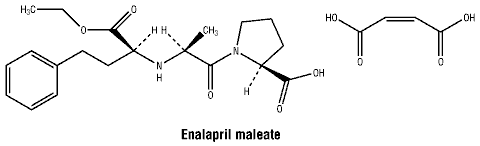
Molecular formula: C20H28N2O5.C4H4O4.
Molecular weight: 492.53.
Hydrochlorothiazide. Hydrochlorothiazide is a white, or practically white, crystalline powder. It is slightly soluble in water, but freely soluble in sodium hydroxide solution.
Chemical structure.
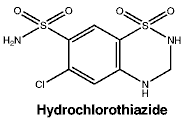
Molecular formula: C7H8ClN3O4S2.
Molecular weight: 297.74.
CAS number. Enalapril maleate. 76095-16-4.
Hydrochlorothiazide. 58-93-5.
7 Medicine Schedule (Poisons Standard)
S4 - Prescription Only Medicine.
Date of First Approval
11 July 2007
Date of Revision
25 June 2026
Summary Table of Changes

Reasonable care is taken to provide accurate information at the time of creation. This information is not intended as a substitute for medical advice and should not be exclusively relied on to manage or diagnose a medical condition. The Australian Commission on Safety and Quality in Health Care disclaims all liability (including for negligence) for any loss, damage, injury or any other negative effects resulting from reliance on or use of this information. Read our full disclaimer. This website uses cookies. Read our privacy policy.