
Levemir FlexPen
Brand Information
| Brand name | Levemir FlexPen |
| Active ingredient | Insulin detemir |
| Schedule | S4 |
Consumer Medicine Information (CMI) leaflet
Please read this leaflet carefully before you start using the Levemir FlexPen.
Summary CMI
Levemir® FlexPen®
Consumer Medicine Information (CMI) summary
The full CMI on the next page has more details. If you are worried about using this medicine, speak to your doctor or pharmacist.
1. Why am I using Levemir® FlexPen®?
Levemir® FlexPen® contains the active ingredient insulin detemir (rys). Levemir® FlexPen® is used to treat diabetes mellitis.
For more information, see Section 1. Why am I using Levemir® FlexPen®? in the full CMI.
2. What should I know before I use Levemir® FlexPen®?
Do not use if you have ever had an allergic reaction to insulin or any of the ingredients listed at the end of the CMI.
Do not use if you are experiencing low blood sugar ("hypo") when your dose is due.
Talk to your doctor if you have any other medical conditions, take any other medicines, or are pregnant or plan to become pregnant or are breastfeeding.
For more information, see Section 2. What should I know before I use Levemir® FlexPen®? in the full CMI.
3. What if I am taking other medicines?
Some medicines may interfere with insulin and affect how it works.
A list of these medicines is in Section 3. What if I am taking other medicines? in the full CMI.
4. How do I use Levemir® FlexPen®?
Carefully follow all instructions given to you by your doctor, nurse educator and pharmacist regarding how to use your medicine, including preparing and injecting it.
More instructions can be found in Section 4. How do I use Levemir® FlexPen®? in the full CMI.
5. What should I know while using Levemir® FlexPen®?
| Things you should do |
|
| Things you should not do |
|
| Driving or using machines |
|
| Drinking alcohol |
|
| Looking after your medicine |
|
For more information, see Section 5. What should I know while using Levemir® FlexPen®? in the full CMI.
6. Are there any side effects?
The most common side effect when using insulin is low blood sugar levels (a hypo). Tell your relatives, friends, close workmates, teachers or carers that you have diabetes. It is important that they can recognise the signs and symptoms of a hypo.
For more information, including what to do if you have any side effects, see Section 6. Are there any side effects? in the full CMI.
Full CMI
Levemir® FlexPen®
Active ingredient: insulin detemir (rys)
Consumer Medicine Information (CMI)
This leaflet provides important information about using Levemir® FlexPen®. You should also speak to your doctor or pharmacist if you would like further information or if you have any concerns or questions about using Levemir® FlexPen®.
Where to find information in this leaflet:
1. Why am I using Levemir® FlexPen®?
2. What should I know before I use Levemir® FlexPen®?
3. What if I am taking other medicines?
4. How do I use Levemir® FlexPen®?
5. What should I know while using Levemir® FlexPen®?
6. Are there any side effects?
7. Product details
1. Why am I using Levemir® FlexPen®?
Levemir® FlexPen® contains the active ingredient insulin detemir (rys). Levemir® is a basal (background) insulin. The abbreviation "rys" indicates the method of genetic engineering used to manufacture this insulin.
Levemir® is a long-acting insulin used to treat diabetes mellitus.
Diabetes mellitus is a condition where your pancreas does not produce enough insulin to control your blood sugar (glucose) level. Extra insulin is therefore needed.
There are two types of diabetes mellitus:
Type 1 diabetes
Type 2 diabetes.
Patients with type 1 diabetes always require insulin to control their blood sugar levels.
Some patients with type 2 diabetes may also require insulin if initial treatment with diet, exercise and tablets is not enough.
Levemir® can be used with a fast-acting insulin in Type 1 diabetes, and as add-on therapy to some Type 2 diabetes medicines.
Levemir® lowers your blood sugar level after injection. The effect may last for up to 24 hours.
FlexPen® is a pre-filled dial-a-dose insulin pen able to deliver from 1 to 60 units of Levemir® in increments of 1 unit.
As with all insulins, the duration of action will vary according to the dose, injection site, blood flow, temperature and level of physical activity.
Insulin is not addictive. Insulin is available only with a doctor's prescription.
2. What should I know before I use Levemir® FlexPen®?
Warnings
Do not use Levemir® FlexPen® if:
- you are allergic to insulin detemir, or any of the ingredients listed at the end of this leaflet.
- If you are experiencing a low blood sugar level (a hypo) when your dose is due.
- If the expiry date printed on the pack has passed, or if the packaging is torn or shows signs of tampering.
- in insulin pumps
Do not inject Levemir® directly into a vein or muscle.
Check with your doctor if you:
- are experiencing a lot of hypos, and follow their advice
- have any other medical conditions, such as: kidney liver, adrenal gland, pituitary gland or thyroid gland problems
- take any medicines for any other condition
- have an infection or fever
- are planning to travel
During treatment, you may be at risk of developing certain side effects. It is important you understand these risks and how to monitor for them. See additional information under Section 6. Are there any side effects?
Pregnancy and breastfeeding
Check with your doctor if you are pregnant or intend to become pregnant. Pregnancy can make managing your diabetes more difficult, and may require adjustment of how much insulin you need.
Talk to your doctor if you are breastfeeding or intend to breastfeed.
Heart disease or a history of stroke
Tell your doctor as soon as possible if you experience signs of heart failure such as unusual shortness of breath or rapid increase in weight or localised swelling (oedema).
Some patients with long-standing type 2 diabetes mellitus and heart disease or previous stroke, and who are treated with a class of medicines known as thiazolidinediones in combination with insulin can develop heart failure.
3. What if I am taking other medicines?
Tell your doctor or pharmacist if you are taking any other medicines, including any medicines, vitamins or supplements that you buy without a prescription from your pharmacy, supermarket or health food shop.
Some medicines may interfere with insulin and affect how it works.
Medicines that may increase the effect of insulin, and therefore reduce insulin requirements include:
- other medicines used to treat type 2 diabetes
- octreotide - used to treat gastrointestinal endocrine tumours and enlargement of parts of the body (e.g. hands, feet, head) caused by abnormal growth hormone levels
- lanreotide - used to treat enlargement of parts of the body (e.g. hands, feet, head) caused by abnormal hormone levels
- monoamine oxidase inhibitors (MAOIs) - used to treat depression
- non-selective beta-blockers - used to treat certain heart conditions and high blood pressure
- alpha-blockers - used to treat high blood pressure and to relieve difficulty in passing urine caused by an enlarged prostate
- angiotensin converting enzyme (ACE) inhibitors - used to treat certain heart conditions, high blood pressure and elevated protein/albumin in the urine
- salicylates, e.g. aspirin - used to relieve pain and lower fever
- anabolic steroids - used to promote growth
- quinine - used to treat malaria and relieve muscle cramps
- quinidine - used to treat heart problems
- sulphonamides - a type of antibiotic used to treat bacterial infections.
Medicines that may reduce the effect of insulin, and increase insulin requirements include:
- oral contraceptives ("the pill") - used for birth control
- thiazides, frusemide or ethacrynic acid - used to treat high blood pressure or fluid retention (oedema)
- glucocorticoids (except when applied locally) - used to treat inflammatory conditions
- thyroid hormones - used to treat malfunction of the thyroid gland
- sympathomimetics - used to treat asthma
- octreotide - used to treat gastrointestinal endocrine tumours and enlargement of parts of the body (e.g. hands, feet, head) caused by abnormal growth hormone levels
- lanreotide - used to treat enlargement of parts of the body (e.g. hands, feet, head) caused by abnormal hormone levels
- growth hormone - used to treat growth disorders
- diazoxide - used to treat high blood pressure
- asparaginase - used to treat leukaemia and lymph gland tumours
- nicotinic acid - used to treat high cholesterol levels in the blood
- oxymetholone - used to treat certain blood disorders
- danazol - used to treat endometriosis, menorrhagia, fibrocystic breast disease and hereditary angioedema.
Check with your doctor or pharmacist if you are not sure about what medicines, vitamins or supplements you are taking and if these affect Levemir®.
4. How do I use Levemir® FlexPen®?
How much to use
Carefully follow all instructions given to you by your doctor, nurse educator and pharmacist regarding how to use your medicine.
- Your doctor or diabetes education nurse will tell you how much of this medicine you need to use each day.
- It is very important that you manage your diabetes carefully. Too much or too little insulin can cause serious effects.
When to use Levemir® FlexPen®
Levemir® is either injected once or twice daily. If you require twice daily dosing, the evening dose can be administered either with the evening meal, at bedtime, or 12 hours after the morning dose. Your doctor will tell you when to inject your medicine.
How to use Levemir® FlexPen®
Follow the detailed instructions on how to inject Levemir® FlexPen® in the instructions for use supplied with the product. These instructions are also available via the following hyperlinks:
Levemir® FlexPen®
medsinfo.com.au/media/noilevfp
- Your doctor or diabetes education nurse will tell you when and how often to inject your insulin.
- Inject insulin under the skin (subcutaneous injection) as shown by your doctor or diabetes education nurse
- Check the name and coloured label of your pen to make sure that it contains the correct type of insulin.
- Always use a new needle for each injection. This reduces the risk of contamination, infection, leakage of insulin, blocked needles and inaccurate dosing.
- Do not to bend or damage the needle before use.
- Do not use your Levemir FlexPen® unless the insulin appears clear and colourless. Do not use it if the insulin appears thick, coloured, or has solid bits in it.
Checking for insulin flow
- Always check your Levemir FlexPen® for insulin flow (priming) before each injection, as described in the Instructions for Use.
- The priming procedure may highlight a malfunction with your insulin delivery device. Priming also removes any air bubbles and helps indicate whether or not a needle is broken.
- Only dial up your required dose after you see a drop of insulin at the needle tip.
- After priming, if you need to put the insulin delivery device down, make sure the needle does not touch anything.
Choose a site for injection
- Inject the medicine into the abdomen, thighs, upper arms or buttocks.
- Change the injection site so that the same position is not used more often than once a month. This reduces the risk of developing lumps or skin pitting.
- Pinch the skin between two fingers, push the needle into the raised skin, and inject the full dose of insulin under the skin.
- Slowly count to 6 before pulling the needle out.
- Keep the push button fully depressed until the needle has been withdrawn.
- Apply gentle pressure over the injection site for several seconds
- Do not rub the area
After injecting
- Dispose of your used needle safely into a yellow plastic sharps container after each injection.
- Always remove the needle after each injection and store your FlexPen® without the needle attached.
- Do not share needles, insulin or insulin delivery devices.
How long to use Levemir® FlexPen®
Do not stop using Levemir® FlexPen® unless your doctor tells you to.
If you forget to inject your insulin - hyperglycaemia
Levemir® FlexPen® must be used strictly as advised by your doctor or nurse educator.
If you forget your insulin dose, test your blood sugar level as soon as possible.
If you are not sure what to do, talk to your doctor, diabetes education nurse or pharmacist.
Do not use a double dose of your insulin.
If it is almost time for your next dose, skip the dose you missed and inject your next dose when you are meant to.
Otherwise, use it as soon as you remember and then go back to using it as you would normally.
If you use too much insulin - hypoglycaemia
If you think that you have used too much insulin, you may need urgent medical attention.
You should immediately:
- phone the Poisons Information Centre
(by calling 13 11 26), or - contact your doctor, or
- go to the Emergency Department at your nearest hospital.
You should do this even if there are no signs of discomfort or poisoning.
5. What should I know while using Levemir® FlexPen®?
Hypoglycaemia
Your blood sugar level may become too low (you may experience hypoglycaemia (a hypo) if you:
- accidentally use too much of this medicine
- have too much or unexpected exercise
- delay eating meals or snacks
- eat too little food
- are ill.
The first symptoms of mild to moderate hypos can come on suddenly. They may include:
- cold sweat, cool pale skin
- fatigue, drowsiness, unusual tiredness and weakness
- nervousness, feeling anxious, tremor, rapid heart beat
- confusion, difficulty concentrating
- excessive hunger
- vision changes
- headache, nausea.
Always carry some sugary food or fruit juice with you.
Do not inject any insulin if you feel a hypo coming on.
Tell your relatives, friends, close workmates or carers that you have diabetes. It is important that they recognise the signs and symptoms of a hypo.
Make sure they know to give you some sugary food or fruit juice for mild to moderate symptoms of a hypo.
If you lose consciousness, make sure they know:
- to turn you on your side and get medical help immediately
- not to give you anything to eat or drink as you may choke.
An injection of the hormone glucagon may speed up recovery from unconsciousness. This can be given by a relative, friend, workmate or carer who knows how to give it.
If glucagon is used, eat some sugary food or have a sugary drink as soon as you are conscious again.
If you do not feel better after this, contact your doctor, diabetes education nurse, or the closest hospital.
See your doctor if you keep having hypo reactions, or if you have ever become unconscious after using insulin.
Your insulin dose may need to be changed.
If a severe hypo is not treated, it can cause convulsions, brain damage and even death.
Hyperglycaemia
Your blood sugar levels may become high (hyperglycaemia) if you:
- miss doses of insulin or use less insulin than you need
- have uncontrolled diabetes
- exercise less than usual
- eat more carbohydrates than usual
- are ill or stressed.
High blood sugar levels over a long period of time can lead to too much acid in the blood (diabetic ketoacidosis).
Contact your doctor immediately if your blood sugar level is high or you recognise any of the following symptoms.
Symptoms of mild to moderate hyperglycaemia include:
- drowsy feeling
- flushed face
- thirst, loss of appetite
- fruity odour on the breath
- blurred vision
- passing larger amounts of urine than usual
- getting up at night more often than usual to pass urine
- high levels of glucose and acetone in the urine.
Symptoms of severe hyperglycaemia include:
- heavy breathing
- fast pulse
- nausea, vomiting
- dehydration
- loss of consciousness.
Severe hyperglycaemia can lead to unconsciousness and in extreme cases death if untreated.
Things you should do
Measure your blood sugar levels regularly.
Make sure all friends, relatives, workmates or carers know that you have diabetes.
If your child has diabetes, it is important to tell their teachers and carers.
Keep using your insulin even if you feel well. It helps to control your diabetes, but does not cure it.
Always carry some sugary food or fruit juice with you.
Tell your doctor if you are feeling sick, especially if you are experiencing nausea or vomiting.
Tell your doctor if you have trouble recognising the symptoms of hypos.
Remind any doctor, dentist or pharmacist you visit that you are using Levemir FlexPen.
Tell your doctor if your diet changes or you are exercising more.
Tell your doctor if you notice any skin changes at the injection site.
The injection site should be rotated to help prevent changes to the fatty tissue under the skin, such as skin thickening, skin shrinking or lumps under the skin. The insulin may not work very well if you inject into a lumpy, shrunken or thickened area. Change the injection site with each injection to help prevent these skin changes.
Tell your doctor, diabetes education nurse or pharmacist if you are travelling. Ask them for a letter explaining why you are taking injecting devices with you. Each country you visit will need to see this letter, so you should take several copies.
You may need to inject your insulin and eat your meals at different times because of time differences in and between countries.
You may not be able to get the same type of insulin in the country you are visiting. Your doctor, diabetes education nurse or pharmacist can provide you with some helpful information.
Things you should not do
Do not stop using your insulin unless your doctor tells you to.
Do not give your insulin to anyone else, even if they have diabetes.
Do not share needles or pens.
Driving or using machines
Be careful before you drive or use any machines or tools until you know how the insulin affects you.
If your blood sugar is low or high your concentration and ability to react might be affected, and therefore also your ability to drive or operate a machine.
Bear in mind that you could endanger yourself or others. Please ask your doctor whether you can drive a car, especially if:
- you have frequent hypos
- you find it hard to recognise hypos.
Drinking alcohol
Tell your doctor if you drink alcohol.
Alcohol may mask the signs of a hypo. Carefully monitor your blood sugar levels when drinking.
Looking after your medicine
- Store Levemir® FlexPen® that are not being used between 2°C and 8°C in the refrigerator (away from the cooling element).
- Keep the Levemir® FlexPen® that you are using, or that you are carrying as a spare, either below 30°C or in a refrigerator (2°C - 8°C).
- Protect the insulin in FlexPen® from light by keeping the pen cap on when not in use.
- Do not allow Levemir® FlexPen® to be frozen, or exposed to excessive heat and light.
- Never use Levemir® FlexPen® if the solution is not clear and colourless.
Keep it where young children cannot reach it.
When to discard your medicine
You can use Levemir® FlexPen® for up to 4 weeks after taking it out of the refrigerator if kept below 30°C.
Discard Levemir® FlexPen® after 4 weeks even if there is still some insulin left in it.
Getting rid of any unwanted medicine
If you no longer need to use this medicine or it is out of date, take it to any pharmacy for safe disposal.
Do not use this medicine after the expiry date.
Never use insulin after the expiry date printed on the FlexPen® label and carton after 'Expiry'. The expiry date refers to the last day of that month.
6. Are there any side effects?
All medicines can have side effects. If you do experience any side effects, most of them are minor and temporary. However, some side effects may need medical attention.
See the information below and, if you need to, ask your doctor or pharmacist if you have any further questions about side effects.
Less serious side effects
| Less serious side effects | What to do |
Hypoglycaemia (mild to moderate):
Other effects when you first start using insulin:
| Speak to your doctor if you have any of these less serious side effects and they worry you. |
Serious side effects
| Serious side effects | What to do |
Hypoglycaemia (severe):
| Call your doctor straight away, or go straight to the Emergency Department at your nearest hospital if you notice any of these serious side effects. |
Tell your doctor or pharmacist if you notice anything else that may be making you feel unwell.
Other side effects not listed here may occur in some people.
Reporting side effects
After you have received medical advice for any side effects you experience, you can report side effects to the Therapeutic Goods Administration online at www.tga.gov.au/reporting-problems. By reporting side effects, you can help provide more information on the safety of this medicine.
Always make sure you speak to your doctor or pharmacist before you decide to stop taking any of your medicines.
7. Product details
This medicine is only available with a doctor's prescription.
What Levemir® FlexPen® contains
| Active ingredient (main ingredient) | insulin detemir (rys) 100 U/mL |
| Other ingredients (inactive ingredients) | glycerol phenol metacresol zinc acetate dibasic sodium phosphate dihydrate sodium chloride Water for Injection hydrochloric acid and sodium hydroxide to adjust the pH |
| Potential allergens | metacresol |
Do not take this medicine if you are allergic to any of these ingredients.
What Levemir® FlexPen® looks like
Levemir® is a clear, colourless solution for subcutaneous injection. Levemir® FlexPen® is a 3mL pre-filled glass cartridge contained in a dial-a-dose insulin pen.
(AUST R 172234)
Who distributes Levemir® FlexPen®
Levemir® FlexPen® is supplied in Australia by:
Novo Nordisk Pharmaceuticals Pty Ltd
Level 10
118 Mount Street
North Sydney NSW 2060
Australia
Levemir® FlexPen® is supplied in New Zealand by:
Novo Nordisk Pharmaceuticals Ltd.
PO Box 51-268
Pakuranga
Auckland
New Zealand
Further information
For further information call Novo Nordisk Medical Information on 1800 668 626 (Australia) or 0800 733 737 (New Zealand).
You can also get more information about diabetes from
Diabetes Australia:
- freecall helpline 1300 136 588
- www.diabetesaustralia.com.au
Diabetes New Zealand:
- freecall helpline 0800 342 238
- www.diabetes.org.nz
Levemir® and FlexPen® are registered trademarks of
Novo Nordisk A/S.
© 2025
Novo Nordisk A/S
This leaflet was prepared in October 2025.
Brand Information
| Brand name | Levemir FlexPen |
| Active ingredient | Insulin detemir |
| Schedule | S4 |
MIMS Revision Date: 01 November 2023
1 Name of Medicine
Insulin detemir.
2 Qualitative and Quantitative Composition
Levemir is a soluble, basal insulin analogue with a prolonged duration of effect. Insulin detemir (rys) is produced by recombinant DNA technology using Saccharomyces cerevisiae.
One unit of insulin detemir contains 0.142 mg salt-free anhydrous insulin detemir. One unit (U) of insulin detemir corresponds nominally to one IU (international unit) of human insulin.
Levemir also contains the following inactive ingredients: glycerol, phenol, metacresol, zinc acetate, dibasic sodium phosphate dihydrate, sodium chloride, hydrochloric acid, sodium hydroxide and water for injections.
3 Pharmaceutical Form
Levemir is a clear, colourless, neutral solution of insulin detemir 100 U/mL. Levemir is a solution for injection.
4 Clinical Particulars
4.1 Therapeutic Indications
Treatment of diabetes mellitus. (See Section 5 Pharmacological Properties; Section 5.1 Pharmacodynamic Properties, Clinical trials.)
4.2 Dose and Method of Administration
Dosage. Levemir is a long-acting insulin analogue used alone as a basal insulin or in combination with bolus insulin. It can also be used in combination with oral antidiabetic drugs (OADs) or as add-on therapy to liraglutide.
For patients with type 1 diabetes mellitus, Levemir must be used in combination with rapid- or short-acting insulin.
When Levemir is used as part of a basal-bolus insulin regimen Levemir should be administered once or twice daily depending on patients' needs. Dosage of Levemir should be adjusted individually. For patients who require twice daily dosing to optimise blood glucose control, the evening dose can be administered either with the evening meal, at bedtime, or 12 hours after the morning dose.
In combination with OADs or as add on therapy to liraglutide in type 2 diabetes it is recommended to initiate Levemir treatment with once daily administration at a dose of 10 U or 0.1-0.2 U/kg. The dose of Levemir should be titrated based on individual patients' needs. Based on study results, the following titration guideline is recommended (Table 1).
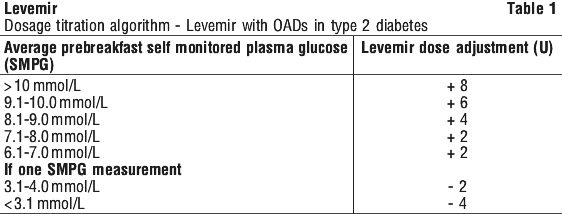
As with all insulins, adjustment of dosage may also be necessary if patients undertake increased physical activity, change their usual diet or during concomitant illness.
Special populations. Elderly, renal and hepatic impairment. As with all insulins, in elderly patients and patients with renal or hepatic impairment, glucose monitoring should be intensified and insulin detemir dosage adjusted on an individual basis.
Paediatric use. Specific nonclinical studies in juvenile animals have not been conducted.
The efficacy and safety of Levemir were demonstrated in adolescents and children aged 2 years and above in studies up to 24 months in duration (see Section 5.1 Pharmacodynamic Properties, Clinical trials).
As with all insulins, in children and adolescents, glucose monitoring should be intensified and the Levemir dose adjusted on an individual basis.
Pregnancy. In general, intensified blood glucose control and monitoring of pregnant women with diabetes are recommended throughout pregnancy and when contemplating pregnancy. Insulin requirements usually fall in the first trimester and increase subsequently during the second and third trimester. After delivery, insulin requirements normally return rapidly to pre-pregnancy values.
Hypoalbuminaemia. There are limited data in patients with severe hypoalbuminaemia. Careful monitoring is recommended in these patients.
Transfer from other insulins. Transfer to Levemir from intermediate or long-acting insulins may require adjustment of dose and timing of administration (see Section 4.4 Special Warnings and Precautions for Use). As with all insulins, close glucose monitoring is recommended during the transition and in the initial weeks thereafter.
Concomitant antidiabetic treatment may need to be adjusted (dose and/or timing of concurrent short/rapid-acting insulins or OADs). An increase in soluble insulin requirements has been demonstrated in some individuals who have been transferred from human insulin to Levemir.
Method of administration. Levemir is for subcutaneous administration only by injection in the thigh, abdominal wall, the upper arm, or the gluteal region. As with human insulin, the rate and extent of absorption of insulin detemir may be higher when administered subcutaneously in the abdomen or upper arm as opposed to the thigh. Injection sites should be rotated within the same region in order to reduce the risk of lipodystrophy and cutaneous amyloidosis (see Section 4.4 Special Warnings and Precautions for Use; Section 4.8 Adverse Effects (Undesirable Effects)). Formal studies with administration in the gluteal region have not been conducted. As with all insulin products, the duration of action will vary according to the dose, injection site, blood flow, temperature and level of physical activity.
Instructions for use and handling. Levemir FlexPen and Levemir Penfill are for use by one person only. Levemir must not be used if it has been frozen. Levemir must not be used if the solution does not appear clear and colourless.
Levemir FlexPen. The carton contains a Consumer Medicine Information package leaflet with instructions for use and handling. Please note that insulin is not delivered if the patient reverse dials the insulin pen by returning the dose selector to zero after inserting the needle. Patients should be instructed that insulin injection only occurs when the pushbutton is depressed.
The cartridge inside Levemir FlexPen must not be refilled. NovoFine needles up to a length of 8 mm are designed to be used with Levemir FlexPen. The patient should be advised to discard the needle after each injection.
Levemir Penfill. The carton contains a Consumer Medicine Information package leaflet with instructions for use and handling. The leaflet refers to the instructions for using the accompanying Novo Nordisk insulin delivery system (durable device for repeated use).
Levemir Penfill cartridges must not be refilled. Levemir Penfill cartridges are designed to be used with Novo Nordisk insulin delivery systems and NovoFine disposable needles. The patient should be advised to discard the needle after each injection.
4.3 Contraindications
Hypersensitivity to insulin detemir or any of the excipients.
4.4 Special Warnings and Precautions for Use
Hyperglycaemia. Inadequate dosing or discontinuation of treatment, especially in type 1 diabetes, may lead to hyperglycaemia and diabetic ketoacidosis. Usually the first symptoms of hyperglycaemia develop gradually over a period of hours or days. They include thirst, increased frequency of urination, nausea, vomiting, drowsiness, flushed dry skin, dry mouth, loss of appetite as well as acetone odour of breath. In type 1 diabetes, untreated hyperglycaemic events eventually lead to diabetic ketoacidosis, which is potentially lethal.
Hypoglycaemia. Hypoglycaemia may occur if the insulin dose is too high in relation to the insulin requirement (see Section 4.8 Adverse Effects (Undesirable Effects); Section 4.9 Overdose).
Omission of a meal or unplanned strenuous physical exercise may lead to hypoglycaemia (see Section 4.8 Adverse Effects (Undesirable Effects); Section 4.9 Overdose).
Patients whose blood glucose control is greatly improved, for example by intensified insulin therapy, may experience a change in their usual warning symptoms of hypoglycaemia, and should be advised accordingly. Usual warning symptoms may disappear in patients with longstanding diabetes.
Concomitant illness, especially infections and feverish conditions, usually increases the patient's insulin requirements. Concomitant diseases in the kidney, liver or affecting the adrenal, pituitary or thyroid gland can require changes in the insulin dose.
Administration. Levemir is for subcutaneous administration only. Intramuscular administration should be avoided. Levemir is not to be administered intravenously as it may result in severe hypoglycaemia.
Levemir is not to be used in insulin infusion pumps.
Avoidance of accidental mix-ups/medication errors. Patients must be instructed to always check the insulin label before each injection to avoid accidental mix-ups between Levemir and other insulin products.
Injection site reactions. As with any insulin therapy, injection site reactions may occur and include pain, itching, redness, hives, bruising, swelling and inflammation. Continuous rotation of the injection site within a given area may help to reduce or prevent these reactions. Reactions usually resolve in a few days to a few weeks. On rare occasions, injection site reactions may require discontinuation of Levemir.
Levemir contains metacresol, which may cause allergic reactions.
Skin and subcutaneous tissue disorders. Patients must be instructed to perform continuous rotation of the injection site to reduce the risk of developing lipodystrophy and cutaneous amyloidosis. There is a potential risk of delayed insulin absorption and worsened glycaemic control following insulin injections at sites with these reactions. A sudden change in the injection site to an unaffected area has been reported to result in hypoglycaemia. Blood glucose monitoring is recommended after the change in the injection site from an affected to an unaffected area, and dose adjustment of antidiabetic medications may be considered.
Transfer of patients between insulin types. Transferring a patient to another type or brand of insulin should be done under strict medical supervision. Changes in strength, brand (manufacturer), type, origin (human insulin, insulin analogue) and/or method of manufacture may result in the need for a change in dosage. Patients transferred to Levemir from another type of insulin may require a change in dosage from that used with their usual insulin products. If an adjustment is needed, it may occur with the first dose or during the first few weeks or months.
Travelling with insulin. Before travelling between different time zones, the patient should seek the doctor's advice since this means that the patient has to take the insulin and meals at different times.
Combination of thiazolidinediones and insulin. Cases of congestive heart failure have been reported when thiazolidinediones were used in combination with insulin, especially in patients with risk factors for development of congestive heart failure. This should be kept in mind if treatment with the combination of thiazolidinediones and insulin medicinal products is considered. If the combination is used, patients should be observed for signs and symptoms of congestive heart failure, weight gain and oedema. Thiazolidinediones should be discontinued if any deterioration in cardiac symptoms occurs.
Incompatibilities. Substances added to Levemir may cause degradation of insulin detemir, for example if the medicinal product contains thiols or sulphites. Levemir should not be added to infusion fluids.
Use in the elderly. See Section 5.2 Pharmacokinetic Properties.
Paediatric use. See Section 5.2 Pharmacokinetic Properties.
Effects on laboratory tests. No data available.
4.5 Interactions with Other Medicines and Other Forms of Interactions
A number of medicinal products are known to interact with glucose metabolism. Possible interactions must therefore be taken into account by the physician.
The following substances may reduce the patient's insulin requirements:
Oral antidiabetic drugs (OADs), GLP-1 receptor agonists, monoamine oxidase inhibitors (MAOIs), non-selective beta-adrenergic blocking agents, angiotensin converting enzyme (ACE) inhibitors, salicylates, anabolic steroids (except danazol and oxymetholone), alpha-adrenergic blocking agents, quinine, quinidine and sulphonamides.
The following substances may increase the patient's insulin requirements:
Oral contraceptives, thiazides, glucocorticoids, thyroid hormones, sympathomimetics, growth hormone, diazoxide, asparaginase, nicotinic acid, oxymetholone and danazol.
Insulin detemir is greater than 97% protein-bound in plasma, independent of gender. The results of in vitro studies do not suggest any clinically relevant albumin binding interactions between insulin detemir and fatty acids or other protein-bound drugs (such as warfarin, frusemide, tolbutamide, diazepam, glibenclamide, nicardipine, repaglinide, aspirin or valproic acid) or other drugs known to bind to domains IIA and IIIA of the albumin molecule. As there is a vast excess (about 400,000) of albumin binding sites available in plasma per insulin detemir molecule, there would be little risk that lower albumin concentrations resulting from some disease states like nephrotic syndrome might affect the ratio of bound to free insulin detemir or that acute displacement could occur. This is supported by in vitro studies as well as subgroup analyses from the clinical trial programme. Nevertheless, there are limited data in patients with severe hypoalbuminaemia.
Beta blockers may mask the symptoms of hypoglycaemia and delay recovery from hypoglycaemia.
Octreotide and lanreotide may either increase or decrease the insulin requirement.
Alcohol may intensify and prolong, or reduce, the hypoglycaemic effect of insulin.
4.6 Fertility, Pregnancy and Lactation
Effects on fertility. No adverse effects on male or female fertility were apparent in a study in rats dosed at levels up to 50 U/kg/day s.c.
Use in pregnancy. (Category A)
Treatment with Levemir can be considered during pregnancy, if the benefit justifies possible risks.
In a randomised controlled clinical trial (study 1687), pregnant women with type 1 diabetes were treated in a basal-bolus regimen where Levemir (N=152) was compared to NPH insulin (N=158), with insulin aspart as meal time insulin. A total of 470 women were randomised to two parallel treatment groups (233 and 237 subjects in Levemir and NPH groups, respectively). The Full Analysis Set consisted of 152 women in the Levemir group (79 pregnant (gestational age 8-12 weeks) at randomisation; 73 became pregnant post randomisation) and 158 women in the NPH group (83 pregnant (gestational age 8-12 weeks) at randomisation; 75 became pregnant post randomisation). Levemir was shown to be non-inferior to NPH insulin measured by HbA1c at gestational week 36.
There was no statistically significant difference between Levemir and NPH insulin treatment groups in the rate of hypoglycaemic episodes during pregnancy. The overall frequencies of maternal adverse events during pregnancy were similar for Levemir and NPH insulin treatment groups; however, a numerically higher frequency of serious adverse events during pregnancy in the mothers (61 (40%) vs. 49 (31%)) and in the offspring during pregnancy and after birth (36 (24%) vs. 32 (20%)) was seen for Levemir compared to NPH insulin. The number of live born children of women becoming pregnant after randomisation were 50 (83%) for Levemir and 55 (89%) for NPH insulin. The frequency of children with congenital malformations was 4 (5%) in the Levemir group and 11 (7%) in the NPH insulin group. Thereof, 3 (4%) children in the Levemir group and 3 (2%) children in the NPH insulin group had major malformations. Pre-eclampsia is a syndrome defined by symptoms of hypertension and proteinuria. Pre-eclampsia was reported at an incidence of 10.5% with Levemir compared to 7% in NPH group.
The clinical trial results showed similar efficacy of Levemir and NPH insulin (see Section 5.1 Pharmacodynamic Properties, Clinical trials, Clinical studies in pregnancy).
Post-marketing data (approximately 300 outcomes from pregnant women exposed to Levemir) indicate no adverse effect of Levemir on pregnancy and no malformative or feto/neonatal toxicity of insulin detemir.
Animal reproduction studies showed increases in post-implantation loss and fetal anomalies in rats following treatment with insulin detemir at doses of 25-50 U/kg/day s.c. A teratology study in rabbits revealed increased in utero deaths and post-implantation losses following dosing with 37.5 U/kg/day s.c. Lower doses were not tested. Similar effects have also been reported for human insulin and other human insulin analogues. These effects are probably secondary to maternal hypoglycaemia.
In general, intensified blood glucose control and monitoring of pregnant women with diabetes are recommended throughout pregnancy and when contemplating pregnancy. Insulin requirements usually fall in the first trimester and increase subsequently during the second and third trimester. After delivery, insulin requirements normally return rapidly to pre-pregnancy values.
Use in lactation. There is currently no clinical experience with insulin detemir during lactation. Lactating women may require adjustments in insulin dose and diet.
4.7 Effects on Ability to Drive and Use Machines
The patient's ability to concentrate and react may be impaired as a result of hypoglycaemia. This may constitute a risk in situations where these abilities are of special importance (for example, driving a car or operating machinery). Patients should be advised to take precautions to avoid hypoglycaemia while driving. This is particularly important in those who have reduced or absent awareness of the warning signs of hypoglycaemia or who have frequent episodes of hypoglycaemia. The advisability of driving should be considered in these circumstances.
4.8 Adverse Effects (Undesirable Effects)
a. Summary of the safety profile. Adverse drug reactions observed in patients using Levemir are mainly dose-dependent and due to the pharmacologic effect of insulin. The most frequently reported adverse reaction is hypoglycaemia. It may occur if the insulin dose is too high in relation to the insulin requirement. Severe hypoglycaemia may lead to unconsciousness and/or convulsions and may result in temporary or permanent impairment of brain function or even death.
Injection site reactions are seen more frequently during treatment with Levemir than with human insulin. These reactions include pain, redness, hives, inflammation, bruising, swelling and itching at the injection site. Most of the injection site reactions are minor and of a transitory nature, i.e. they normally disappear during continued treatment in a few days to a few weeks.
At the beginning of the insulin treatment, refraction anomalies and oedema may occur; these reactions are usually of transitory nature. Fast improvement in blood glucose control may be associated with acute painful neuropathy, which is usually reversible. Intensification of insulin therapy with abrupt improvement in glycaemic control may be associated with temporary worsening of diabetic retinopathy, while long-term improved glycaemic control decreases the risk of progression of diabetic retinopathy.
b. Tabulated list of adverse events and adverse reactions. See Table 2.
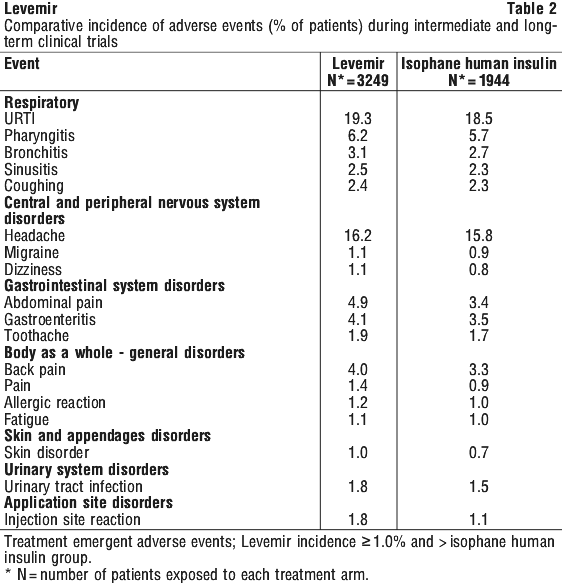
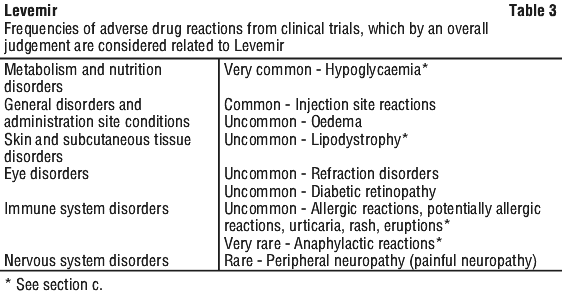

Anaphylactic reactions. The occurrence of generalised hypersensitivity reactions (including generalised skin rash, itching, sweating, gastrointestinal upset, angioneurotic oedema, difficulties in breathing, palpitation and reduction in blood pressure) is very rare but can potentially be life threatening.
Hypoglycaemia. The most frequently reported adverse reaction is hypoglycaemia. It may occur if the insulin dose is too high in relation to the insulin requirement. Severe hypoglycaemia may lead to unconsciousness and/or convulsions and may result in temporary or permanent impairment of brain function or even death. The symptoms of hypoglycaemia usually occur suddenly. They may include cold sweats, cool pale skin, fatigue, nervousness or tremor, anxiousness, unusual tiredness or weakness, confusion, difficulty in concentration, drowsiness, excessive hunger, vision changes, headache, nausea and palpitation.
Skin and subcutaneous tissue disorders. Lipodystrophy (including lipohypertrophy, lipoatrophy) and cutaneous amyloidosis may occur at the injection site and delay local insulin absorption. Continuous rotation of the injection site within the given injection area may help to reduce or prevent these reactions (see Section 4.4 Special Warnings and Precautions for Use).
Antibody development. Antibody development has been observed with the use of Levemir in adults and children, however no discernible impact on glycaemic control dose has been noted. In a 12 month clinical trial in children and adolescents aged 6-17 years with type 1 diabetes (1689 study), rises in insulin detemir specific and cross-reacting antibodies were observed in the Levemir but not the NPH comparator groups. In the 1690 extension study to 24 months, insulin antibody levels decreased during the second year to those slightly higher than pre-trial levels (see Section 5.1 Pharmacodynamic Properties, Clinical trials).
Reporting suspected adverse effects. Reporting suspected adverse reactions after registration of the medicinal product is important. It allows continued monitoring of the benefit-risk balance of the medicinal product. Healthcare professionals are asked to report any suspected adverse reactions at www.tga.gov.au/reporting-problems.
4.9 Overdose
A specific overdose for insulin cannot be defined, however hypoglycaemia may develop over sequential stages if doses are administered which are too high relative to the patient's requirements.
Mild hypoglycaemic episodes can be treated by oral administration of glucose or sugary products. It is therefore recommended that the person with diabetes always carry products containing sugar with them. Adjustments in drug dosage or meal patterns may be needed.
Severe hypoglycaemic episodes, where the patient is not able to treat themselves, can be treated with glucagon (0.5 to 1 mg) given intramuscularly or subcutaneously by a trained person, or with glucose given intravenously by a medical professional. Glucose must be given intravenously if the patient does not respond to glucagon within 10 to 15 minutes. After apparent clinical recovery from hypoglycaemia, continued observation and additional carbohydrate intake may be necessary to avoid recurrence of hypoglycaemia.
For information on the management of overdose, contact the Poisons Information Centre on 13 11 26 (Australia).
5 Pharmacological Properties
5.1 Pharmacodynamic Properties
Mechanism of action. Levemir is a soluble, basal insulin analogue with a prolonged duration of effect (Figure 1).
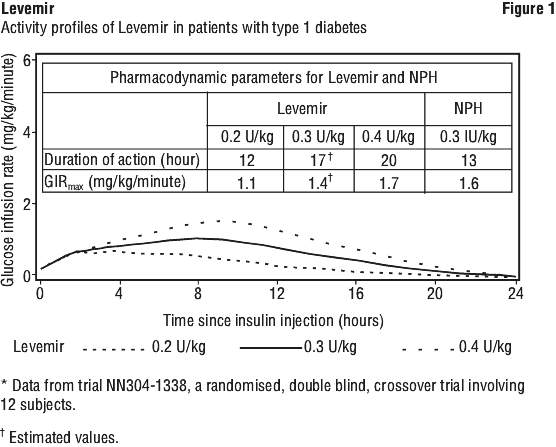
Dose proportionality in pharmacodynamic response (maximum effect, duration of action, total effect) is observed after subcutaneous administration.
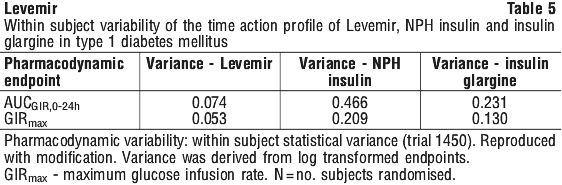
The time action profile of Levemir was significantly less variable than NPH (Neutral Protamine Hagedorn) insulin and insulin glargine in a study that enrolled 54 (N=18 per arm) subjects with type 1 diabetes (Table 5).
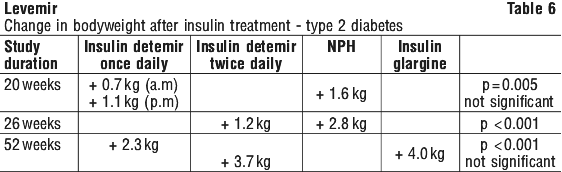
Studies in patients with type 2 diabetes treated with basal insulin in combination with oral antidiabetic drugs (OADs) demonstrated that glycaemic control (HbA1c) with Levemir is equivalent to NPH and to insulin glargine. Treatment with Levemir was associated with less weight gain (Table 6), however the trials were not specifically designed to test for this outcome and the clinical benefit has not been demonstrated. In the study versus insulin glargine, Levemir was administered once or twice daily based on patients' needs, whereas insulin glargine was administered once a day.
In clinical trials in adults using basal bolus insulin therapy, the overall rates of hypoglycaemia with Levemir and NPH insulin were similar. Analyses of nocturnal hypoglycaemia in patients with type 1 diabetes showed a significantly lower risk of minor nocturnal hypoglycaemia (able to self-treat and confirmed by capillary blood glucose less than 2.8 mmol/L or 3.1 mmol/L if expressed as plasma glucose) than with NPH insulin, whereas no difference was seen in type 2 diabetes. Furthermore, the overall risk of nocturnal hypoglycaemia in children and adolescents aged 2 to 17 years with type 1 diabetes was significantly lower with Levemir compared to NPH insulin. In trials with the use of OAD insulin combination therapy in adults with type 2 diabetes, Levemir treatment resulted in a 61-65% lower risk of minor nocturnal hypoglycaemia compared to NPH.
The prolonged action of Levemir is thought to be mediated by the strong self-association of insulin detemir molecules at the injection site, and binding to plasma proteins, most likely albumin, via the fatty acyl side-chain. Insulin detemir is distributed more slowly to peripheral target tissues compared to isophane insulin.
The blood glucose lowering effect of Levemir is due to the facilitated uptake of glucose following binding of insulin detemir to receptors on muscle and fat cells and to decreased glucose output from the liver. In vitro testing of insulin detemir's binding to the insulin and IGF-1 receptors has shown that Levemir has reduced affinity to both receptors. The clinical correlates of this have not been established. The molar dose of insulin detemir is approximately fourfold higher compared with human insulin. One unit of Levemir is approximately equipotent to one international unit of human insulin. See Section 5.1 Pharmacodynamic Properties, Clinical trials for dose data observed in randomised clinical trials in types 1 and 2 diabetes.
Clinical trials. The confirmatory therapeutic clinical development programme to evaluate the efficacy and safety of Levemir consisted of 15 phase 3, randomised, parallel-group (versus isophane insulin and/or insulin glargine), open-label, multicentre clinical trials. The trial programme randomised a total of 1945 adult patients with type 1 diabetes and a total of 2433 adult patients with type 2 diabetes. Ten of the studies employed the marketed formulation, and the remaining five employed a less concentrated (but nevertheless bioequivalent) 'early-development' formulation. In addition, the efficacy and safety of Levemir were demonstrated in two studies in children and adolescents with type 1 diabetes. One of these studies, of 6 months' duration, investigated children aged 6 to 17 years (N=347). The second of these studies, of 12 months' duration (N=347) plus an extension phase to 24 months (N=146), investigated children and adolescents aged from 2 to 17 years. The efficacy component of the clinical trials were designed primarily to test non-inferiority to the comparator, not equivalence.
In intermediate and long-term treatment trials intended to demonstrate the non-inferiority of the marketed formulation of Levemir to human insulin, the primary outcome was HbA1c. Secondary outcomes included FPG levels, multi-point blood glucose profiles, within-subject variation for fasting blood/plasma glucose (FBG or FPG), hypoglycaemia, quality of life, antibody levels, daily doses and safety profiles as measured by adverse events, laboratory safety parameters, physical examination, weight and vital signs. Levemir provides equivalent glycaemic control as measured by HbA1c and better glycaemic control as measured by FPG, although not at some other times as determined by 9 point blood glucose profiles, compared to human isophane insulin treatment in type 1 diabetes. Intensive therapy with Levemir is also associated with lower day to day FBG variation in type 1 diabetes, and equivalent safety profiles except for weight. Reduced variability in FPG for Levemir versus human isophane insulin was not able to be demonstrated consistently in subjects with type 2 diabetes.
Levemir is not associated with weight gain over 4-6 months in type 1 diabetes, however the trials were not designed to test for this outcome and the clinical benefit of this has not been demonstrated.
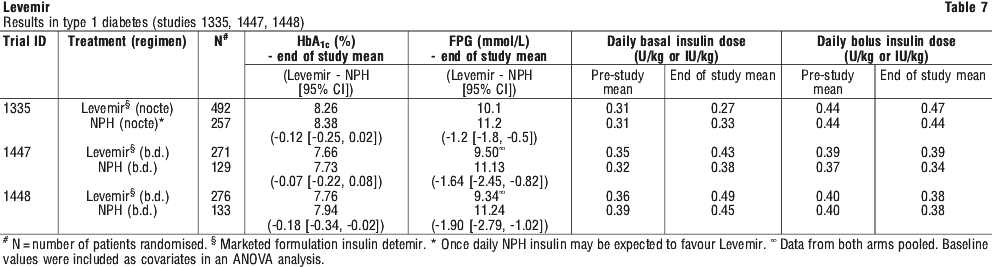
Clinical studies in type 1 diabetes. In three large randomised, controlled clinical studies, adult patients with type 1 diabetes (1335 study, N=749; 1447 study, N=400; 1448 study, N=409) were randomised to basal/bolus treatment with once- or twice-daily Levemir (marketed formulation insulin detemir) or with NPH insulin once- or twice-daily, for 4 to 6 months. The bolus (mealtime) treatment was soluble human insulin (1335 study) or insulin aspart (1447 and 1448 studies). In these studies, Levemir and NPH had a similar effect on the primary outcome of HbA1c (Table 7). In the secondary outcomes, Levemir demonstrated significantly improved FPG (Table 7) and within-subject variation (1335 study p < 0.001, 1447 study p < 0.001; 1448 study p < 0.001), with similar overall rates of hypoglycaemia and safety profiles including adverse events, laboratory safety parameters, physical examination, and vital signs, compared with NPH insulin. In a 9 point blood glucose profile (1335 study), the overall profiles were significantly different between Levemir and NPH insulin (p=0.006), with blood glucose concentrations being lower from before breakfast and throughout the day until after bedtime, in the Levemir group. In 10 point blood glucose profiles (1447 and 1448 studies), the overall profiles were similar during the day but tended to differ at night, with lower night-time blood glucose concentrations in some of the Levemir groups. In the 1335 study, antibody formation was increased with Levemir but did not compromise glycaemic control.
Two additional multicentre, open-label, randomised, confirmatory clinical trials were conducted in adult subjects with type 1 diabetes to assess HbA1c response during treatment for up to 6 months. Twice daily Levemir (early-development formulation insulin detemir) or NPH insulin were compared when combined with bolus insulin aspart (1205 study; N=448) or with bolus soluble human insulin (1181 study; N=461). At the end of 6 months of treatment, the primary outcomes of mean HbA1c values were equivalent for Levemir and NPH in both studies. In the 1205 study, the secondary outcomes which were statistically different between treatment groups included lower within-subject variation in FBG with Levemir compared with NPH insulin (p < 0.001), lower relative risk (0.78) of hypoglycaemia with Levemir compared with NPH insulin [95% CI: 0.62, 0.97], and a significant difference in the 9 point blood glucose profile, with blood glucose concentrations lower before breakfast and higher from lunch through 02:00 hours in the Levemir group compared with the NPH insulin group (p=0.036). The mean doses of both basal and bolus insulins were higher after 6 months in the Levemir group compared with the NPH group.
Both 1205 and 1181 clinical trials were extended for an additional 6 months (as trial IDs 1316 and 1243 respectively) to assess maintenance of Levemir efficacy up to a period of 1 year of treatment. At the end of extension trials 1316 and 1243, HbA1c values for Levemir treatment were equivalent to those of the NPH parallel treatment group.
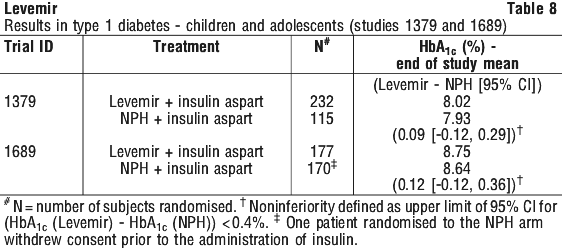
Study 1689 was a 12-month, multinational, multicentre, open-labelled, randomised, parallel, efficacy and safety clinical trial comparing Levemir and NPH Insulin in 348 children and adolescents 2-16 years with type 1 diabetes on a basal-bolus regimen with insulin aspart as bolus insulin. Glycaemic control (HbA1c) with Levemir was similar to NPH insulin when given as basal-bolus therapy. A lower risk of 24h and nocturnal hypoglycaemia and a lower rate (number of events/1000 exposure years) of severe adverse events were observed with Levemir than with NPH. Furthermore, less weight gain was observed with Levemir than with NPH insulin. The change in mean weight at 52 weeks from baseline in the Levemir group was 3.2 kg and 4.1 kg in the NPH group. No severe nocturnal hypoglycaemic episodes were reported with Levemir in this trial.
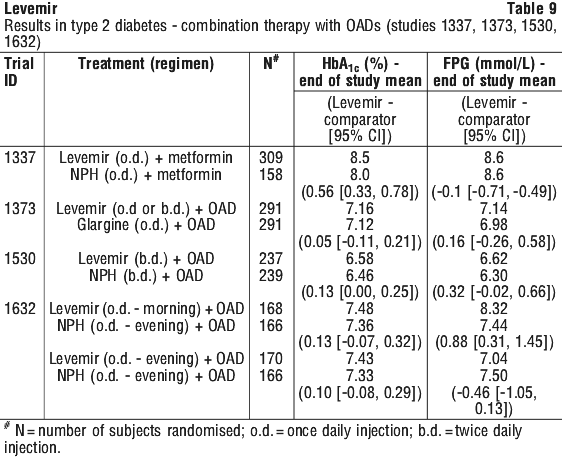
Clinical studies in type 2 diabetes. Combination therapy with oral antidiabetic drugs (OADs) (studies 1337, 1373, 1530, 1632). Four phase 3, multicentre, open, randomised studies of Levemir versus NPH and/or insulin glargine, all in combination with one or more OADs, have been conducted in patients with type 2 diabetes inadequately controlled on OADs (or, in the case of study 1337, inadequately controlled on basal monotherapy). The studies (N=2029 total) were conducted with durations between 20 weeks and 1 year, and in all studies the primary efficacy measure was HbA1c and secondary endpoints included FPG, multi-point blood glucose profiles, within-subject variability, hypoglycaemia, weight and safety profiles.
In study 1337 (N=467), the earliest of the aforementioned combination with OAD studies, Levemir was inferior to NPH insulin for HbA1c (mean difference (Levemir-NPH) [95% CI] was 0.56 [0.33, 0.78]). In the studies performed subsequently (N=1562 total), Levemir was non-inferior to the NPH/insulin glargine comparator for HbA1c (Table 9). Secondary endpoints were similar between Levemir and comparators with the exception of weight (see Section 5.1 Pharmacodynamic Properties).
In study 1373, a comparison with insulin glargine, the results of the primary efficacy endpoint was for the ITT group 0.045 (-0.114 to 0.205), indicating that the predefined non-inferiority criteria were met. In the ITT group, the mean (SE) HbA1c at end of treatment was 7.16 (0.078) for the Levemir group and 7.12 (0.078) for the glargine group. For the once daily Levemir group, the difference was 0.061 (-0.142 to 0.263) and for the twice daily group, 0.003 (-0.189 to 0.195). There was no significant difference in fasting plasma glucose at 52 weeks. The ratio of final daily dose (U/kg Levemir/glargine) was 1.16 for the once daily Levemir group and 2.26 for the twice daily group, and 1.77 overall.
In study 1632, there was less risk of nocturnal hypoglycaemia with morning Levemir than evening Levemir.
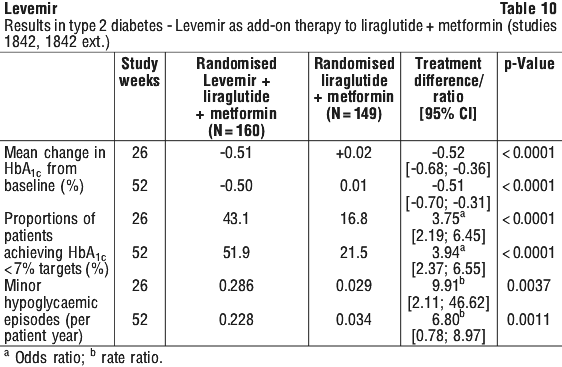
Results of other ongoing studies supporting the basal/bolus use of Levemir in patients with type 2 diabetes mellitus are not yet available.
Basal monotherapy (study 1166). Study 1166 (N=439) was a 6 month, phase 3 basal monotherapy study of twice-daily Levemir (early development formulation insulin detemir) versus NPH, in patients aged 35 years or more with type 2 diabetes receiving ≤ 120 IU total insulin per day. The primary endpoint was HbA1c, and after 6 months Levemir was inferior to NPH insulin (mean difference (Levemir-NPH) [95% CI] was 0.660 [0.436, 0.885]). Secondary endpoints included FPG, 9 point blood glucose profiles, within-subject variability, hypoglycaemia and weight control. FPG and 9 point blood glucose profiles were inferior with Levemir compared with NPH. Within-subject variability and hypoglycaemia were similar between the two treatment arms. Withdrawals due to lack of efficacy were seen in 10.7% of Levemir subjects versus 0.7% of NPH subjects.
Clinical studies in pregnancy. In a randomised controlled clinical trial (study 1687), pregnant women with type 1 diabetes (N=310) were treated in a basal-bolus regimen where Levemir (N=152) was compared to NPH insulin (N=158), with insulin aspart as meal time insulin. Levemir was shown to be non-inferior to NPH insulin measured by HbA1c at gestational week 36 (treatment difference in the full analysis set, -0.06% [95% CI: -0.21 to 0.08]). The changes in mean HbA1c through pregnancy were similar for subjects in the Levemir and NPH insulin groups. The target of HbA1c ≤ 6.0% at both gestational week 24 and 36 was reached by 41% of the subjects in the Levemir group and by 32% in the NPH insulin group. At gestational weeks 24 and 36, mean FPG was statistically significantly lower in the Levemir group than in the NPH insulin group. The estimated treatment difference was -0.94 mmol/L (95% CI: [-1.67; -0.21], p=0.012) at 24 gestational weeks and -0.65 mmol/L (95% CI: [-1.19; -0.12], P=0.017) at 36 gestational weeks.
The rate of hypoglycaemic episodes during pregnancy was similar between the Levemir and NPH groups. The overall frequencies of maternal adverse events during pregnancy were similar for Levemir and NPH insulin treatment groups; however, a numerically higher frequency of serious adverse events during pregnancy in the mothers (61 (40%) vs. 49 (31%)) and in the offspring during pregnancy and after birth (36 (24%) vs. 32 (20%)) was seen for Levemir compared to NPH insulin. The number of live born children of women becoming pregnant after randomisation were 50 (83%) for Levemir and 55 (89%) for NPH insulin. The frequency of children with congenital malformations was 4 (5%) in the Levemir group and 11 (7%) in the NPH insulin group. Thereof, 3 (4%) children in the Levemir group and 3 (2%) children in the NPH insulin group had major malformations (see Section 4.6 Fertility, Pregnancy and Lactation, Use in pregnancy).
5.2 Pharmacokinetic Properties
Absorption. Maximum serum concentration is reached 6 to 8 hours after administration. When administered twice daily, steady state serum concentrations are reached after 2 to 3 dose administrations. Intra-subject variation in absorption is lower for Levemir in type 1 diabetes than for other basal insulin preparations.
Distribution. An apparent volume of distribution for Levemir (approximately 0.1 L/kg) indicates that a high fraction of insulin detemir is circulating in the blood.
The results of the in vitro and in vivo protein binding studies demonstrate that there is no clinically relevant interaction between Levemir and fatty acids or other protein bound drugs.
Metabolism. Degradation of insulin detemir is similar to that of human insulin; all metabolites formed are likely to be inactive.
Excretion. The terminal half-life after subcutaneous administration is determined by the rate of absorption from the subcutaneous tissue. The terminal half-life is between 5 and 7 hours depending on dose.
Linearity. Dose proportionality in serum concentrations (maximum concentration, extent of absorption) is observed after subcutaneous administration in the therapeutic dose range.
No pharmacokinetic or pharmacodynamic interactions were observed between liraglutide and Levemir when administering a single dose of Levemir 0.5 U/kg with liraglutide 1.8 mg at steady state in patients with type 2 diabetes.
Special populations. Elderly, renal and hepatic impairment. There was no clinically relevant difference in pharmacokinetics of Levemir between elderly and young subjects, or between subjects with renal or hepatic impairment and healthy subjects.
Gender. There was no clinically relevant difference between genders in pharmacokinetic parameters of Levemir.
Paediatric use. The pharmacokinetic properties of Levemir were investigated in children (6-12 years) and adolescents (13-17 years) with type 1 diabetes, and compared to adults with type 1 diabetes. A total of 16 males and 18 females were studied. No difference in pharmacokinetics was observed between the three age groups.
5.3 Preclinical Safety Data
Genotoxicity. Insulin detemir was not genotoxic in assays for reverse gene mutation in bacterial or chromosomal damage in cultured human lymphocytes. An in vivo micronucleus test in mice was also negative.
Carcinogenicity. The carcinogenic potential of insulin detemir has not been investigated in long-term animal studies.
6 Pharmaceutical Particulars
6.1 List of Excipients
See Section 2 Qualitative and Quantitative Composition.
6.2 Incompatibilities
If Levemir is mixed with other insulin preparations the profile of action of one or both individual components may change. Mixing Levemir with a rapid-acting insulin analogue like insulin aspart will reduce and delay the maximum effect of the rapid-acting insulin compared to that observed following separate injections.
6.3 Shelf Life
Before opening. 30 months.
During use or when carried as a spare. The product can be stored for a maximum of 4 weeks.
6.4 Special Precautions for Storage
Before opening. Levemir products should be stored in a refrigerator between 2°C and 8°C. Keep away from the cooling element. Do not freeze.
During use or when carried as a spare. Levemir FlexPen: Store below 30°C or in a refrigerator (2°C-8°C) for up to 4 weeks. Do not freeze.
Levemir Penfill: Store below 30°C for up to 4 weeks. Do not refrigerate. Do not freeze. Keep the cartridges in the outer carton in order to protect from light.
After 4 weeks, any remaining insulin must be discarded. Levemir products should not be exposed to excessive heat or light.
6.5 Nature and Contents of Container
Levemir contains insulin detemir 100 U/mL. The following presentations are registered. Not all presentations may be marketed.
Levemir FlexPen. Levemir FlexPen is a pre-filled, multidose, disposable syringe consisting of a pen injector and a 3 mL cartridge. The cartridge is made of glass, contains a bromobutyl rubber piston and is closed with a latex-free bromobutyl/polyisoprene rubber disc. The pen injector is made of plastic (polypropylene, POM). Five Levemir FlexPen are packed in a carton.
Levemir Penfill. Levemir Penfill is a 3 mL cartridge made of glass, containing a bromobutyl rubber piston and closed with a latex-free bromobutyl/polyisoprene rubber disc. Five Levemir Penfill cartridges are packed in a carton.
6.6 Special Precautions for Disposal
In Australia, any unused medicine or waste material should be disposed of by taking to your local pharmacy.
6.7 Physicochemical Properties
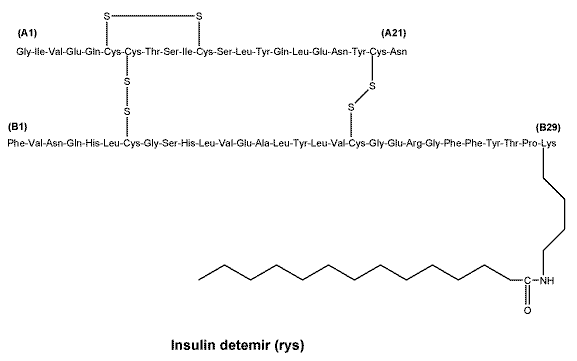
Chemical structure. Insulin detemir (rys) has the empirical formula C267H402N64O76S6 and a molecular weight of 5916.9.
7 Medicine Schedule (Poisons Standard)
S4.
Date of First Approval
09 September 2011
Date of Revision
29 September 2023
Summary Table of Changes

Reasonable care is taken to provide accurate information at the time of creation. This information is not intended as a substitute for medical advice and should not be exclusively relied on to manage or diagnose a medical condition. The Australian Commission on Safety and Quality in Health Care disclaims all liability (including for negligence) for any loss, damage, injury or any other negative effects resulting from reliance on or use of this information. Read our full disclaimer. This website uses cookies. Read our privacy policy.