
Marcain 0.5% and Marcain Spinal 0.5% Heavy Injection
Brand Information
| Brand name | Marcain 0.5% and Marcain Spinal 0.5% Heavy Injection |
| Active ingredient | Bupivacaine hydrochloride + Glucose monohydrate |
| Schedule | S4 |
Consumer Medicine Information (CMI) leaflet
Please read this leaflet carefully before you start using the Marcain 0.5% and Marcain Spinal 0.5% Heavy Injection.
Summary CMI
MARCAIN SPINAL 0.5% HEAVY injection
Consumer Medicine Information (CMI) summary
The full CMI on the next page has more details. If you are worried about using this medicine, speak to your doctor or pharmacist.
1. Why am I using MARCAIN SPINAL 0.5% HEAVY injection?
MARCAIN SPINAL 0.5% HEAVY injection contains the active ingredient bupivacaine hydrochloride. MARCAIN SPINAL 0.5% HEAVY injection is used to prevent or relieve pain before surgery of the lower abdomen and lower limbs. It will not put you to sleep. MARCAIN SPINAL 0.5% HEAVY injection can also be used to make childbirth less painful.
For more information, see Section 1. Why am I using MARCAIN SPINAL 0.5% HEAVY injection? in the full CMI.
2. What should I know before I use MARCAIN SPINAL 0.5% HEAVY injection?
Do not use if you have ever had an allergic reaction to bupivacaine hydrochloride, other local anaesthetics or any of the ingredients listed at the end of the CMI.
Talk to your doctor if you have any other medical conditions, take any other medicines, or are pregnant or are breastfeeding.
For more information, see Section 2. What should I know before I use MARCAIN SPINAL 0.5% HEAVY injection? in the full CMI.
3. What if I am taking other medicines?
Some medicines may interfere with MARCAIN SPINAL 0.5% HEAVY injection and affect how it works.
A list of these medicines is in Section 3. What if I am taking other medicines? in the full CMI.
4. How MARCAIN SPINAL 0.5% HEAVY injection is given?
- MARCAIN SPINAL 0.5% HEAVY injection will be injected by your doctor into the spinal canal, through a space between the bones in your lower back.
- The dosage you will be given will depend on your body size, age and the type of pain relief required.
More instructions can be found in Section 4. How MARCAIN SPINAL 0.5% HEAVY injection is given? in the full CMI.
5. What should I know while using MARCAIN SPINAL 0.5% HEAVY injection?
| Things you should do |
|
| Driving or using machines |
|
| Drinking alcohol |
|
| Looking after your medicine |
|
For more information, see Section 5. What should I know while using MARCAIN SPINAL 0.5% HEAVY injection? in the full CMI.
6. Are there any side effects?
Tell your doctor or nurse as soon as possible if you do not feel well while you are being given MARCAIN SPINAL 0.5% HEAVY injection.
Some of the mild side effects of MARCAIN SPINAL 0.5% HEAVY injection include nervousness, dizziness, blurred vision, drowsiness, ringing in the ears, numbness, feeling strange (disoriented), nausea, vomiting
For more information, including what to do if you have any side effects, see Section 6. Are there any side effects? in the full CMI.
Full CMI
MARCAIN SPINAL 0.5% HEAVY injection
Active ingredient: bupivacaine hydrochloride
Consumer Medicine Information (CMI)
This leaflet provides important information about using MARCAIN SPINAL 0.5% HEAVY injection.
You should also speak to your doctor or pharmacist if you would like further information or if you have any concerns or questions about using MARCAIN SPINAL 0.5% HEAVY injection.
Where to find information in this leaflet:
1. Why am I using MARCAIN SPINAL 0.5% HEAVY injection?
2. What should I know before I use MARCAIN SPINAL 0.5% HEAVY injection?
3. What if I am taking other medicines?
4. How MARCAIN SPINAL 0.5% HEAVY injection is given?
5. What should I know while using MARCAIN SPINAL 0.5% HEAVY injection?
6. Are there any side effects?
7. Product details
1. Why am I using MARCAIN SPINAL 0.5% HEAVY injection?
MARCAIN SPINAL 0.5% HEAVY injection contains the active ingredient bupivacaine hydrochloride.
MARCAIN SPINAL 0.5% HEAVY injection belongs to a group of medicines called spinal local anaesthetics. They are injected into the spinal fluid where they make the nerves unable to pass messages to the brain. Depending on the amount used, MARCAIN SPINAL 0.5% HEAVY injection will either totally stop pain or will cause a partial loss of feeling.
MARCAIN SPINAL 0.5% HEAVY injection is used to prevent or relieve pain before surgery of the lower abdomen and lower limbs. It will not put you to sleep. This medicine can also be used to make childbirth less painful.
Follow all directions given to you by your doctor carefully.
Your doctor will have explained why you are being treated with MARCAIN SPINAL 0.5% HEAVY injection and told you what dose you will be given.
Ask your doctor if you want more information.
Your doctor may prescribe this medicine for another use.
MARCAIN SPINAL 0.5% HEAVY injection is not addictive.
2. What should I know before I use MARCAIN SPINAL 0.5% HEAVY injection?
Warnings
You must not be given MARCAIN SPINAL 0.5% HEAVY injection if:
- you are allergic to bupivacaine hydrochloride, or any of the ingredients listed at the end of this leaflet
- you are allergic to other local anaesthetics e.g. lignocaine and any other substances.
If you have an allergic reaction, you may get a skin rash, hay fever or difficulty breathing. - you are pregnant or breastfeeding unless your doctor says so. We do not know if it is safe for you to be given it while you are pregnant. It may affect your baby if you take it early in pregnancy or in the last weeks before your baby is due. However, they can be used during childbirth. Your baby can take in very small amounts of MARCAIN 0.5% from breast milk if breastfeeding.
- the expiry date printed on the pack has passed.
- the solution is not clear, or the packaging is torn or shows signs of tampering.
Check with your doctor if you:
- have or have had any of the following medical conditions:
- problems with your blood pressure or circulation
- blood poisoning
- problems with the clotting of your blood
- nerve or heart problems
- liver or kidney problems
- malignant hyperthermia
- diseases of the brain or spine
- some types of back problems.
It may not be safe for you to be given MARCAIN SPINAL 0.5% HEAVY injection if you have any of these conditions.
During treatment, you may be at risk of developing certain side effects. It is important you understand these risks and how to monitor for them. See additional information under Section 6. Are there any side effects?
Pregnancy and breastfeeding
Do not use MARCAIN SPINAL 0.5% HEAVY injection if you are pregnant or breastfeeding unless your doctor says so.
Ask your doctor about the risks and benefits involved.
We do not know if it is safe for you to be given it while you are pregnant. It may affect your baby if you take it early in pregnancy or in the last weeks before your baby is due. However, they can be used during childbirth. Your baby can take in very small amounts of MARCAIN SPINAL 0.5% HEAVY injection from breast milk if breastfeeding.
3. What if I am taking other medicines?
Tell your doctor or pharmacist if you are taking any other medicines, including any medicines, vitamins or supplements that you buy without a prescription from your pharmacy, supermarket or health food shop.
This medicine may affect the way MARCAIN SPINAL 0.5% HEAVY injection work.
Your doctor or pharmacist can tell you what to do if you are taking any of these medicines.
Check with your doctor or pharmacist if you are not sure about what medicines, vitamins or supplements you are taking and if these affect MARCAIN SPINAL 0.5% HEAVY injection.
4. How MARCAIN SPINAL 0.5% HEAVY injection is given?
How much is given
The dosage you will be given will depend on your body size, age and the type of pain relief required.
Your doctor will have had a lot of experience injecting MARCAIN SPINAL 0.5% HEAVY injection or other local anaesthetics and will choose the best dose for you.
How MARCAIN SPINAL 0.5% HEAVY injection is administered
MARCAIN SPINAL 0.5% HEAVY injection will be injected by your doctor into the spinal canal, through a space between the bones in your lower back. This is called a spinal injection and it will result in a feeling of numbness in your lower body, in an area that may seem unrelated to the site of injection.
MARCAIN SPINAL 0.5% HEAVY injection should not be injected directly into the blood.
If you are given too much
The doctor giving you MARCAIN SPINAL 0.5% HEAVY injection will be experienced in the use of spinal local anaesthetics, so it is unlikely that you will be given an overdose.
However, if you are particularly sensitive to MARCAIN SPINAL 0.5% HEAVY injection, or the dose is accidently injected directly into your blood, you may develop problems for a short time with your sight or hearing. You may get a numb feeling in or around the mouth, feel dizzy or stiff, or have twitchy muscles.
Whenever you are given MARCAIN SPINAL 0.5% HEAVY injection, equipment will be available to care for you if an overdose happens.
If an overdose occurs, you should immediately:
- phone the Poisons Information Centre
(by calling 13 11 26), or - contact your doctor, or
- go to the Emergency Department at your nearest hospital.
You should do this even if there are no signs of discomfort or poisoning.
You may need medical attention.
5. What should I know while using MARCAIN SPINAL 0.5% HEAVY injection?
Things you should do
Remind any doctor, dentist or pharmacist you visit that you are using MARCAIN SPINAL 0.5% HEAVY injection.
Driving or using machines
Be careful driving or operating machinery after you have been given MARCAIN SPINAL 0.5% HEAVY injection.
You may be drowsy and your reflexes may be slow.
Drinking alcohol
Do not drink alcohol while you are being given MARCAIN SPINAL 0.5% HEAVY injection.
If you drink alcohol while you are being given MARCAIN SPINAL 0.5% HEAVY injection your blood pressure may drop, making you feel dizzy and faint.
Looking after your medicine
MARCAIN SPINAL 0.5% HEAVY injection will be stored by your doctor or pharmacist under the recommended conditions.
It should be kept in a cool dry place where the temperature stays below 25°C.
When to discard your medicine
Any MARCAIN SPINAL 0.5% HEAVY injection which is not used, will be disposed of in a safe manner by your doctor or pharmacist.
6. Are there any side effects?
Tell your doctor or nurse as soon as possible if you do not feel well while you are being given MARCAIN SPINAL 0.5% HEAVY injection.
All medicines can have side effects. If you do experience any side effects, most of them are minor and temporary. However, some side effects may need medical attention.
MARCAIN SPINAL 0.5% HEAVY injection will prevent or relieve pain in most people, but they may have unwanted side-effects.
See the information below and, if you need to, ask your doctor or nurse if you have any further questions about side effects.
Less serious side effects
| Less serious side effects | What to do |
| Speak to your doctor or nurse if you have any of these mild side effects and they worry you. These are all mild side effects of MARCAIN SPINAL 0.5% HEAVY injection. |
Serious side effects
| Serious side effects | What to do |
If MARCAIN SPINAL 0.5% HEAVY injection is given wrongly, or you are very sensitive to it, it sometimes causes
| Tell your doctor straight away if you notice any of these serious side effects. You may need urgent medical attention. These are all serious side effects. |
After a spinal injection you may develop a headache or backache which is not always related to the medicine used. These can, on rare occasions, last for some months after the injection is given.
Tell your doctor if you notice anything else that may be making you feel unwell.
Other side effects not listed here may occur in some people.
Reporting side effects
After you have received medical advice for any side effects you experience, you can report side effects to the Therapeutic Goods Administration online at www.tga.gov.au/reporting-problems. By reporting side effects, you can help provide more information on the safety of this medicine.
7. Product details
This medicine is only available with a doctor's prescription.
What MARCAIN SPINAL 0.5% HEAVY injection contains
| Active ingredient (main ingredient) |
|
| Other ingredients (inactive ingredients) |
|
The inclusion of glucose in MARCAIN SPINAL 0.5% HEAVY injection means that it will move along your spinal canal with gravity, depending on which way your body is tilted.
Do not take this medicine if you are allergic to any of these ingredients.
What MARCAIN SPINAL 0.5% HEAVY injection looks like
MARCAIN SPINAL 0.5% HEAVY is a clear and colourless sterile solution for injection. Available in sterile theatre packs of 5 x 4 mL glass ampoules.
Australian Registration number: AUST R 11941
Who distributes MARCAIN SPINAL 0.5% HEAVY injection
Aspen Pharmacare Australia Pty Ltd
34-36 Chandos St
St Leonards NSW 2065
Australia
This leaflet was revised in June 2025.
Brand Information
| Brand name | Marcain 0.5% and Marcain Spinal 0.5% Heavy Injection |
| Active ingredient | Bupivacaine hydrochloride + Glucose monohydrate |
| Schedule | S4 |
MIMS Revision Date: 01 March 2022
1 Name of Medicine
Bupivacaine hydrochloride.
2 Qualitative and Quantitative Composition
Marcain Spinal 0.5% Heavy contains bupivacaine hydrochloride 0.5% w/v (5 mg/mL) with glucose monohydrate 8% w/v (80 mg/mL).
Marcain Spinal 0.5% Heavy solution for injection is a sterile, hyperbaric, isotonic aqueous solution of bupivacaine hydrochloride in Water for Injections BP. It has a specific gravity of 1.026 at 20°C. The pH of the solution is adjusted with sodium hydroxide or hydrochloric acid to remain between 4.0 - 6.0 during the approved shelf-life.
Marcain Spinal 0.5% contains bupivacaine hydrochloride 0.5% (5 mg/mL).
Marcain Spinal 0.5% solution for injection is a sterile, isobaric, isotonic aqueous solution bupivacaine hydrochloride and sodium chloride in Water for Injections BP. The pH of the solution is adjusted with sodium hydroxide or hydrochloric acid to remain between 4.0 - 6.5 during the approved shelf-life.
For the full list of excipients, see Section 6.1 List of Excipients.
3 Pharmaceutical Form
Clear, colourless solution for injection.
4 Clinical Particulars
4.1 Therapeutic Indications
Marcain Spinal 0.5% and Marcain Spinal 0.5% Heavy are indicated for the production of spinal anaesthesia.
Marcain Spinal 0.5% is suitable for lower limb surgery lasting 3-4 hours where muscle relaxation is desired or needed.
Marcain Spinal 0.5% Heavy is suitable for abdominal surgery lasting 45-60 minutes and urological and lower limb surgery lasting 2-3 hours.
4.2 Dose and Method of Administration
As with all local anaesthetics, the dosage varies and depends upon the area to be anaesthetised, the vascularity of the tissues, the number of neuronal segments to be blocked, the depth of anaesthesia and degree of muscle relaxation required, individual tolerance, the technique of anaesthesia and the physical condition of the patient.
The lowest dosage that results in effective anaesthesia should be used. In general, surgical anaesthesia requires the use of higher concentrations and doses than those required for analgesia.
The presentations of Marcain injection solutions are for use in one patient on one occasion only. Any solution remaining from an opened container should be discarded.
The following dosage recommendations should be regarded as a guide only, for use in normal, healthy adults:
Spinal anaesthesia for surgery. The spread of anaesthesia obtained with both Marcain Spinal 0.5% and Marcain Spinal 0.5% Heavy is dependent on several factors, the most important being volume of solution injected, position of patient and rate of injection.
(a) Marcain Spinal 0.5% (isobaric). 3-4 mL Marcain Spinal 0.5% (15-20 mg bupivacaine hydrochloride).
The difference in spread between 3 and 4 mL is approximately 2 segments. The larger volume gives ½ to 1 hour longer duration of anaesthesia in the lumbar segments and more lasting motor blockade.
When injected into the L3-L4 interspace with the patient in the supine horizontal position, 3 mL of Marcain Spinal 0.5% spreads to T5-T7. If the patient is placed in the sitting position the anaesthesia spreads to T4-T5.
The effects of subarachnoid injection of Marcain Spinal 0.5% exceeding 4.5 mL have not yet been studied and can therefore not be recommended.
(b) Marcain Spinal 0.5% Heavy (hyperbaric). 2-4 mL Marcain Spinal 0.5% Heavy (10-20 mg bupivacaine hydrochloride).
When 3 mL Marcain Spinal 0.5% Heavy was injected into the L3-L4 interspace and patients were kept in the sitting position for 2 minutes before being placed supine, blockade spread to the T7-T10 segment. When a similar injection was made in patients in the lateral position who were then immediately placed supine, blockade spread to the T4-T7 segment.
The effects of injections of Marcain Spinal 0.5% Heavy exceeding 4 mL have not yet been studied and such volumes can therefore not be recommended.
Note. Hypotension. During spinal anaesthesia, a marked fall in blood pressure and/or intercostal paralysis may be seen, possibly due to the use of excessive doses or improper positioning of the patient. Hypotension and bradycardia may occur as a result of sympathetic blockade.
Standard textbooks should be consulted with respect to techniques for administration of Marcain for spinal anaesthesia.
Use in children. The use of spinal anaesthesia in children requires a thorough knowledge of the differences between adults and children to enable the administration of adequate doses of the drug. Since a relatively high CSF volume is found in infants and neonates, proportionately larger doses per kg are required to produce the same level of block. In small children the nerves are less myelinated, allowing easier diffusion of the drug and a more rapid onset of anaesthesia, hence lower concentrations are needed to block nerve conduction. The hypotension usually seen following spinal block in adults is uncommon in children below the age of 8.
The following doses of Marcain Spinal 0.5% and Marcain Spinal 0.5% Heavy are recommended for use in children:
0.4-0.5 mg/kg for infants up to 5 kg.
0.3-0.4 mg/kg for children weighing between 5 and 15 kg.
0.25-0.3 mg/kg for children weighing more than 15 kg.
The onset of anaesthesia is slower than with lignocaine and lasts for 60-120 minutes.
Use in pregnancy. It should be noted that the dose should be reduced in patients in the late stages of pregnancy.
Use in debilitated or elderly patients. The dose should be reduced in the elderly.
4.3 Contraindications
1. Allergy or hypersensitivity to amide type local anaesthetics.
Detection of suspected sensitivity by skin testing is of limited value.
2. Intravenous administration.
3. Diseases of the cerebrospinal system, such as meningitis, tumours (primary or secondary), poliomyelitis, subacute combined degeneration of the spinal cord, cranial haemorrhage, demyelinating disease and raised intracranial pressure.
4. Certain conditions of the bones of the vertebral column such as tuberculosis, tumours and osteomyelitis.
5. Arthritis, spondylitis, spinal stenosis and other diseases of the vertebral column, or recent trauma due to fracture, rendering spinal puncture impossible.
6. Local anaesthetics are contraindicated for epidural and spinal anaesthesia in patients with uncorrected hypotension or coagulation disorders or in patients receiving anti-coagulant treatment.
7. Local anaesthetic techniques must not be used when there is inflammation and/or sepsis in the region of the proposed injection or in the presence of septicaemia.
8. Pernicious anaemia with subacute combined degeneration of the spinal cord.
9. Cardiogenic or hypovolaemic shock.
4.4 Special Warnings and Precautions for Use
1. When any local anaesthetic agent is used, resuscitative equipment and drugs, including oxygen, should be immediately available in order to manage possible adverse reactions involving the cardiovascular, respiratory or central nervous systems.
Because of the possibility of hypotension and bradycardia following major blocks, an IV cannula should be inserted before the local anaesthetic is injected.
Delay in proper management of dose-related toxicity, under-ventilation from any cause and/or altered sensitivity may lead to the development of acidosis, cardiac arrest and death.
2. Injection should always be made slowly with frequent aspirations to avoid inadvertent intravascular injection, which may produce toxic effects.
3. Careful and constant monitoring of cardiovascular and respiratory vital signs and the patient's state of consciousness should be accomplished after each local anaesthetic injection. It should be kept in mind that at such times restlessness, anxiety, tinnitus, dizziness, blurred vision, tremors, depression or drowsiness may be early warning signs of CNS toxicity.
4. Local anaesthetics should be given with great caution (if at all) to patients with pre-existing abnormal neurological pathology, e.g. myasthenia gravis. Use with extreme caution in spinal anaesthesia when there are serious diseases of the CNS or of the spinal cord, e.g. meningitis, spinal fluid block, cranial or spinal haemorrhage, tumours, poliomyelitis, syphilis, tuberculosis or metastatic lesions of the spinal cord.
5. Neurological disorders, such as multiple sclerosis, hemiplegia, paraplegia and neuromuscular disorders are not thought to be adversely affected by intrathecal anaesthesia, but call for caution. Before treatment is instituted, consideration should be taken if the benefits outweigh the possible risks for the patient.
6. Patients with hypovolaemia can develop sudden and severe hypotension during intrathecal anaesthesia.
7. A rare, though severe, adverse reaction following spinal anaesthesia is high or total spinal blockade resulting in cardiovascular and respiratory depression. The cardiovascular depression is caused by extensive sympathetic blockade which may result in profound hypotension and bradycardia, or even cardiac arrest. Respiratory depression may be caused by blockade of the innervation of the respiratory muscles, including the diaphragm.
8. Neurological injury is a rare consequence of intrathecal anaesthesia and may result in paraesthesia, anaesthesia, motor weakness and paralysis. Occasionally, these are permanent.
9. There is an increased risk for high or total spinal blockade in the elderly and in patients in the late stages of pregnancy. The dose should therefore be reduced in these patients.
10. The safety and effectiveness of Marcain depend on proper dosage, correct technique and adequate precautions. Standard textbooks should be consulted for specific techniques and precautions for spinal anaesthetic procedures.
11. The lowest dosage that results in effective anaesthesia should be used (see Section 4.2 Dose and Method of Administration). Repeated injections of Marcain may cause accumulation of bupivacaine or its metabolites and result in toxic effects.
Tolerance to elevated blood levels varies with the status of the patient. Elderly, young or debilitated patients, including those with partial or complete conduction block, advanced liver disease or severe renal impairment, should be given reduced doses commensurate with their age and physical condition.
12. Bupivacaine may cause acute toxicity effects on the central nervous and cardiovascular systems if utilised for local anaesthetic procedures resulting in high blood concentrations of the drug. This is especially the case after unintentional intravascular administration. Ventricular arrhythmia, ventricular fibrillation, sudden cardiovascular collapse and death have been reported in connection with high systemic concentrations of bupivacaine. However, high systemic concentrations are not expected with doses normally used for intrathecal anaesthesia.
13. Bupivacaine should be given with great caution to patients with epilepsy, impaired cardiac conduction, bradycardia, severe shock or digitalis intoxication. Bupivacaine should also be administered with great caution to patients with impaired cardiovascular function as they may be less able to compensate for functional changes associated with the prolongation of AV conduction produced by these drugs. Patients being treated with anti-arrhythmic drugs class III (e.g. amiodarone) should be under close surveillance and ECG monitoring since cardiac effects may be additive.
In patients with Stokes-Adams syndrome or Wolff-Parkinson-White syndrome extreme care should be taken to avoid accidental arterio-venous injection.
14. Bupivacaine should be used with caution in patients with known drug sensitivities.
15. Bupivacaine should be used with caution in patients with genetic predisposition to malignant hyperthermia as the safety of amide local anaesthetic agents in these patients has not been fully established. A standard protocol for the management of malignant hyperthermia should be available.
16. Intrathecal anaesthesia may lead to hypotension and bradycardia. Hypotension should be treated promptly.
17. Hepatic dysfunction, with reversible increases of alanine aminotransferase (ALT), alkaline phosphates (AlkP) and bilirubin, has been observed following repeated injections or long-term infusions of bupivacaine. Association between bupivacaine use and the development of drug-induced liver injury (DILI) has been reported in a small number of literature reports especially with prolonged use. While the pathophysiology of this reaction remains unclear, immediate withdrawal of bupivacaine has shown rapid clinical improvement. If signs of hepatic dysfunction are observed during administration with bupivacaine, the medicinal product should be discontinued.
Use in hepatic impairment. Bupivacaine is eliminated primarily by hepatic metabolism and changes in hepatic function may have significant consequences. Bupivacaine has an intermediate clearance which depends on its unbound fraction and intrinsic metabolic clearance. Bupivacaine should therefore be used with caution in patients with severe hepatic disease.
Use in renal impairment. Bupivacaine should be used with caution in patients with severe renal dysfunction because acidosis and reduced plasma protein concentration, which are frequently seen in these patients, may increase the risk of systemic toxicity. Patients with hyperthyroidism are also more susceptible to toxicity with bupivacaine.
Use in the elderly. Please see Section 4.2 Dose and Method of Administration, Use in debilitated or elderly patients.
Paediatric use. Caution should be used when administering bupivacaine to children under 12 years of age.
Effects on laboratory tests. No data available.
4.5 Interactions with Other Medicines and Other Forms of Interactions
Bupivacaine should be used with caution in patients receiving other local anaesthetics or agents structurally related to amide-type local anaesthetics, since the systemic toxic effects are additive.
1. Anti-arrhythmic drugs. Local anaesthetics of the amide type, such as bupivacaine, should be used with caution in patients receiving other local anaesthetics or agents structurally related to amide-type local anaesthetics e.g. certain antiarrhythmic drugs such as mexiletine and lignocaine, since potentiation of cardiac effects may occur. Specific interaction studies with bupivacaine and anti-arrhythmic drugs class III (e.g. amiodarone) have not been performed, but caution should be advised (see Section 4.4 Special Warnings and Precautions for Use).
4.6 Fertility, Pregnancy and Lactation
Effects on fertility. The effect on fertility has not been determined. There is no evidence from human data that bupivacaine may impair fertility.
Use in pregnancy. (Category A)
The safe use of bupivacaine during pregnancy has not been established. Although bupivacaine has been used extensively for surgical procedures during pregnancy with no reports of ill effects to mother or fetus, there are no adequate and well controlled studies in pregnant women of the effect of bupivacaine on the developing fetus. It should therefore be used cautiously during pregnancy, other than labour, with the dose being reduced in patients in the late stages of pregnancy.
Bupivacaine has been effectively used for obstetrical analgesia and adverse effects on the course of labour or delivery are rare. After epidural administration of bupivacaine to women in labour, bupivacaine crosses the placental barrier. However, concentrations in umbilical veins are lower than those found in the maternal circulation. It has been suggested that blood glucose levels should be checked in newborns after obstetric regional anaesthesia.
Use in lactation. Bupivacaine passes into breast milk. The amount of bupivacaine appearing in breast milk from a nursing mother receiving parenteral bupivacaine is unlikely to lead to a significant accumulation of the parent drug in the breast-fed infant.
At maternal serum levels of up to 0.45 microgram/mL produced by the epidural use of bupivacaine for vaginal delivery, bupivacaine could not be detected in breast milk during the first 24 hours after delivery (detection limit 0.02 microgram/mL).
The remote possibility of an idiosyncratic or allergic reaction in the breast-fed infant from bupivacaine remains to be determined.
4.7 Effects on Ability to Drive and Use Machines
Depending on the dosage, local anaesthetics may have a mild effect on mental function and coordination and may temporarily impair locomotion and coordination.
4.8 Adverse Effects (Undesirable Effects)
Adverse reactions to bupivacaine are similar in nature to those observed with other amide local anaesthetics. These adverse reactions are, in general, dose related and may result from high plasma levels caused by excessive dosage or rapid absorption, or may result from a hypersensitivity, idiosyncrasy or diminished tolerance on the part of the patient.
A rare, though severe, adverse reaction following spinal bupivacaine is extensive (total) spinal blockade. Total spinal blockade will result in cardiovascular and respiratory depression. The cardiovascular depression is caused by an extensive sympathetic blockade which may result in profound hypotension and bradycardia, or even cardiac arrest. Ventilatory depression is caused by blockade of respiratory muscles including the diaphragm.
In view of the low dosage employed, systemic adverse reactions are rarely associated with spinal anaesthesia. The following types are those most commonly reported:
Central nervous system. CNS manifestations are excitatory and/or depressant and may be characterised by light-headedness, nervousness, apprehension, euphoria, confusion, dizziness, drowsiness, tinnitus, blurred vision, nausea, vomiting, sensations of heat, cold or numbness, urinary retention, paraesthesia, dysaesthesia, twitching, tremors, convulsions, unconsciousness, respiratory depression and/or arrest, agitation, difficulty swallowing and slurred speech.
The excitatory manifestations may be very brief or may not occur at all, in which case the first manifestation of toxicity may be drowsiness merging into unconsciousness and respiratory arrest. Drowsiness following administration of bupivacaine is usually an early sign of a high blood level of the drug and may occur as a result of rapid absorption. In unconscious patients, circulatory collapse should be watched as CNS effects may not be apparent as an early manifestation of toxicity may in some cases progress to frank convulsions and ultimately lead to respiratory depression and/or arrest. It is crucial to have resuscitative equipment and anticonvulsant drugs available to manage such patients (see Section 4.9 Overdose, Treatment of overdosage).
Cardiovascular. Cardiovascular manifestations are usually depressant and are characterised by bradycardia, hypotension, and cardiovascular collapse, which may lead to cardiac arrest.
Musculoskeletal, connective tissue and bone disorders. Muscle weakness, back pain.
Haemodynamic. Regional anaesthesia may lead to maternal hypotension.
Allergic. Allergic reactions are characterised by cutaneous lesions, urticaria, oedema or anaphylactoid reactions.
Allergy to amide type local anaesthetics is rare. If such a reaction occurs, it should be managed by conventional means.
The detection of sensitivity by skin testing is of doubtful value.
Neurologic. The incidences of adverse reactions associated with the use of local anaesthetics may be related to the total dose of local anaesthetic administered and are also dependent on the particular drug used, the route of administration and the physical status of the patient.
Adverse effects experienced subsequent to spinal administration of local anaesthetic may include spinal block of varying magnitude (including total spinal block), hypotension secondary to spinal block, loss of bladder and bowel control and loss of perineal sensation and sexual function. Persistent motor, sensory and/or autonomic (sphincter control) deficit of some lower spinal segments with slow recovery (several months) or incomplete recovery have been reported in rare instances. Backache and headache have also been noted following use of this anaesthetic procedure. Paresis, paraplegia, paralysis, neuropathy and arachnoiditis have been observed.
Pronounced acidosis, hyperkalaemia, hypocalcaemia or hypoxia in the patient may increase the risk and severity of toxic reactions.
The effects of systemic overdose and unintentional intravascular injection may involve the central nervous system and/or the cardiovascular system (see Section 4.9 Overdose). Inadvertent subarachnoid injection of high doses of local anaesthetic may lead to CNS depression, respiratory arrest and cardiovascular collapse.
Reporting suspected adverse effects. Reporting suspected adverse reactions after registration of the medicinal product is important. It allows continued monitoring of the benefit-risk balance of the medicinal product. Healthcare professionals are asked to report any suspected adverse reactions at www.tga.gov.au/reporting-problems.
4.9 Overdose
Acute emergencies associated with the use of local anaesthetics are generally related to high plasma levels (see Section 4.8 Adverse Effects (Undesirable Effects); Section 4.4 Special Warnings and Precautions for Use). Since the dose required for spinal anaesthesia is so small (20% or less than that required for epidural anaesthesia), acute systemic toxicity is extremely unlikely and has not been reported.
With accidental intravascular injections of local anaesthetics, the toxic effects will be obvious within 1-3 minutes. With overdosage, peak plasma concentrations may not be reached for 20-30 minutes, depending on the site of injection, and toxic signs will be delayed. Toxic reactions mainly involve the central nervous and cardiovascular systems.
Symptoms of acute toxicity. Central nervous system toxicity is a graded response with symptoms and signs of escalating severity. The first symptoms are circumoral paraesthesia, numbness of the tongue, lightheadedness, hyperacusis and tinnitus. Visual disturbances and muscular tremors are more serious and precede the onset of generalised convulsions. These signs must not be mistaken for neurotic behaviour.
Unconsciousness and grand mal convulsions may follow. These may last from a few seconds to several minutes. Hypoxia and hypercapnia occur rapidly following convulsions due to increased muscular activity, together with the interference with normal respiration and loss of the airway. In severe cases, apnoea may occur. Acidosis, hyperkalaemia, hypocalcaemia and hypoxia increase and extend the toxic effects of local anaesthetics.
Recovery is due to redistribution of the local anaesthetic drug from the central nervous system and metabolism. Recovery may be rapid unless large amounts of the drug have been injected.
Cardiovascular toxicity indicates a more severe situation. Hypotension, bradycardia, arrhythmia and even cardiac arrest may occur as a result of high systemic concentrations of local anaesthetics.
Cardiovascular toxic effects are generally preceded by signs of toxicity in the central nervous system, unless the patient is receiving a general anaesthetic or is heavily sedated with drugs such as benzodiazepines or barbiturates.
Treatment of overdosage. If signs of acute systemic toxicity appear, injection of the local anaesthetic should be immediately stopped.
If convulsions occur then immediate attention is required for the maintenance of patent airway and assisted or controlled ventilation with oxygen, via a positive airway pressure delivery system mask. Adequacy of the circulation should then be evaluated, bearing in mind that drugs used to treat convulsions depress the circulation when administered intravenously.
Should convulsions persist despite adequate respiratory support, and if the status of the circulation permits, appropriate anticonvulsant medication such as an ultra-short acting barbiturate (e.g. thiopentone) or a benzodiazepine (e.g. diazepam) may be administered IV. The clinician should be familiar with these anticonvulsant drugs prior to use of local anaesthetics.
Suxamethonium will stop the muscle convulsions rapidly but will require tracheal intubation and controlled ventilation, and should only be used by those familiar with these procedures.
If cardiovascular depression occurs (hypotension, bradycardia), appropriate treatment with intravenous fluids, vasopressor, inotropic agents and/or lipid emulsion should be considered. Children should be given doses commensurate with age and weight.
If ventricular fibrillation or cardiac arrest occurs, effective cardiovascular resuscitation treatment must be instituted and maintained for a prolonged period if necessary. Optimal oxygenation and ventilation, and circulatory support as well as treatment of acidosis are of vital importance.
To counteract the pressor effects of adrenaline, use rapidly acting vasodilators, for instance nitrates or α-blocking agents.
For information on the management of overdose, contact the Poisons Information Centre on 13 11 26 (Australia).
5 Pharmacological Properties
5.1 Pharmacodynamic Properties
Mechanism of action. Bupivacaine, like other local anaesthetics, causes a reversible blockade of impulse propagation along nerve fibres by preventing the inward movement of sodium ions through the nerve membrane. Bupivacaine is classed as a membrane stabilising agent and is a local anaesthetic of the amide type. Local anaesthetics of the amide type are thought to act within the sodium channels of the nerve membrane.
Local anaesthetic drugs may have similar effects on excitable membranes in the brain and myocardium. If excessive amounts of drug reach the systemic circulation rapidly, symptoms and signs of toxicity will appear, emanating mainly from the central nervous system and cardiovascular systems.
Central nervous system toxicity usually precedes the cardiovascular effects as it occurs at lower plasma concentrations. Direct effects of local anaesthetics on the heart include slow conduction, negative inotropism and eventually cardiac arrest.
Indirect cardiovascular effects, e.g. hypotension and bradycardia, may occur after epidural or spinal administration depending on the extent of the concomitant sympathetic block.
Clinical trials. No data available.
5.2 Pharmacokinetic Properties
Bupivacaine is a long-acting, amide-type local anaesthetic chemically related to lignocaine and mepivacaine. It is approximately four times as potent as lignocaine. The onset of the blockade is slower than with lignocaine, especially when anaesthetising large nerves.
Bupivacaine has a total plasma clearance of 0.58 L/min, a volume of distribution at steady-state of 73 L, an elimination half-life of 2.7 hours and an intermediate hepatic extraction ratio of 0.40 following experimental IV administration in adults. The terminal elimination half-life is prolonged in the newborn to approximately 8 hours. In children aged over 3 months, the elimination half-life is similar to that in adults. Bupivacaine is mainly bound to α1-acid glycoprotein in plasma with a plasma binding of 96%.
Marcain Spinal 0.5% and Marcain Spinal 0.5% Heavy have a rapid onset and long duration of action. The duration of analgesia from the isobaric solution is 3-5 hours in the lower thoracic and lumbar segments, and that from the hyperbaric solution is between 2-3 hours in the T10-T12 segments.
Marcain Spinal 0.5% produces muscle relaxation in the lower limbs which lasts 3-4 hours, somewhat shorter than the duration of sensory blockade.
Marcain Spinal 0.5% Heavy produces moderate muscle relaxation in the lower extremities lasting 2-3 hours. Motor blockade of the abdominal muscles makes the solution suitable for performance of abdominal surgery lasting 45-60 minutes. The duration of motor blockade does not exceed the duration of analgesia.
An increase in α1-acid glycoprotein, which occurs postoperatively after major surgery, may cause an increase in the total plasma concentration of bupivacaine. The level of free drug will remain the same. This explains why total plasma concentrations above the apparent toxic threshold level of 2.6-3.0 mg/L are apparently well tolerated in this situation.
Following IV administration, bupivacaine is excreted in the urine principally as metabolites with about 6% as unchanged drug. Following epidural administration, the urinary recovery of unchanged bupivacaine is about 0.2%, of pipecolylxylidine (PPX) about 1% and of 4-hydroxy-bupivacaine about 0.1% of the administered dose.
Various pharmacokinetic parameters can be significantly altered by a number of factors including the presence of hepatic and renal disease, route of administration, age of the patient and certain concomitant medication.
5.3 Preclinical Safety Data
Genotoxicity. Mutagenic potential has not been determined. There is no evidence from human data that bupivacaine may be mutagenic.
Carcinogenicity. Long-term studies in animals of most local anaesthetics, including bupivacaine, to evaluate the carcinogenic potential have not been conducted. There is no evidence from human data that bupivacaine may be carcinogenic.
6 Pharmaceutical Particulars
6.1 List of Excipients
Marcain Spinal 0.5% Heavy. Glucose monohydrate, sodium hydroxide and/or hydrochloric acid and water for injection.
Marcain Spinal 0.5%. Sodium chloride, sodium hydroxide and/or hydrochloric acid and water for injection.
6.2 Incompatibilities
Local anaesthetics react with certain metals and cause the release of their respective ions which, if injected, may cause severe local irritation. Adequate precautions should be taken to avoid prolonged contact between Marcain and metal surfaces such as metal bowls, cannulae and syringes with metal parts.
6.3 Shelf Life
In Australia, information on the shelf life can be found on the public summary of the Australian Register of Therapeutic Goods (ARTG). The expiry date can be found on the packaging.
Solutions showing discolouration and unused portions of solutions should be discarded. The solution should be used immediately after opening the ampoule. Marcain solutions contain no antimicrobial agent and should be used only once and any residue discarded.
Autoclaving causes decomposition of glucose which may result in a decreased duration of anaesthesia of the hyperbaric solution. It is advisable not to re-autoclave ampoules of Marcain Spinal 0.5% Heavy.
6.4 Special Precautions for Storage
Store below 25°C.
6.5 Nature and Contents of Container
Marcain Spinal 0.5% Heavy. 4 mL glass ampoules Sterile AstraZeneca Theatre Pack in packs of 5.
Marcain Spinal 0.5%. 4 mL glass ampoules Sterile AstraZeneca Theatre Pack in packs of 5.
6.6 Special Precautions for Disposal
In Australia, any unused medicine or waste material should be disposed of by taking to your local pharmacy.
6.7 Physicochemical Properties
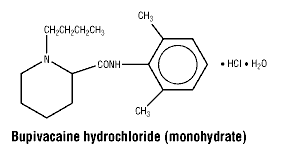
Chemical structure. The chemical name for bupivacaine hydrochloride is (2RS)-1-butyl-N-(2,6-dimethylphenyl) piperidine-2-carboxamide hydrochloride monohydrate.
Bupivacaine has a pKa of 8.1 and is more lipid soluble than lignocaine. The Australian Approved Name is bupivacaine hydrochloride monohydrate.
The chemical structure of bupivacaine hydrochloride monohydrate is:
7 Medicine Schedule (Poisons Standard)
Prescription Only Medicine (S4).
Date of First Approval
06 April 2004
Date of Revision
25 January 2022
Summary Table of Changes

Reasonable care is taken to provide accurate information at the time of creation. This information is not intended as a substitute for medical advice and should not be exclusively relied on to manage or diagnose a medical condition. The Australian Commission on Safety and Quality in Health Care disclaims all liability (including for negligence) for any loss, damage, injury or any other negative effects resulting from reliance on or use of this information. Read our full disclaimer. This website uses cookies. Read our privacy policy.