
Metoprolol Sandoz
Brand Information
| Brand name | Metoprolol Sandoz |
| Active ingredient | Metoprolol tartrate |
| Schedule | S4 |
Consumer Medicine Information (CMI) leaflet
Please read this leaflet carefully before you start using the Metoprolol Sandoz.
Summary CMI
Metoprolol Sandoz®
Consumer Medicine Information (CMI) summary
The full CMI on the next page has more details. If you are worried about using this medicine, speak to your doctor or pharmacist.
1. Why am I using Metoprolol Sandoz?
Metoprolol Sandoz contains the active ingredient metoprolol tartrate. Metoprolol Sandoz is used to lower high blood pressure (also called hypertension), prevent angina, treat or prevent heart attacks, or reduce your risk of heart complications following a heart attack or to prevent migraine headaches.
For more information, see Section 1. Why am I using Metoprolol Sandoz? in the full CMI.
2. What should I know before I use Metoprolol Sandoz?
Do not use if you have ever had an allergic reaction to Metoprolol Sandoz or any of the ingredients listed at the end of the CMI, if you have asthma, wheezing, difficulty breathing or other lung problems, or have had them in the past, you have a history of allergic problems, including hay fever, you have low blood pressure, you have a very slow heartbeat (less than 45-50 beats/minute), you have certain other heart conditions, you have phaeochromocytoma (a rare tumour of the adrenal gland) which is not being treated already with other medicines, you have a severe blood vessel disorder causing poor circulation in the arms and legs or if you are receiving/having emergency treatment for shock or severely low blood pressure.
Talk to your doctor if you have any other medical conditions, take any other medicines, or are pregnant or plan to become pregnant or are breastfeeding.
For more information, see Section 2. What should I know before I use Metoprolol Sandoz? in the full CMI.
3. What if I am taking other medicines?
Some medicines may interfere with Metoprolol Sandoz and affect how it works.
A list of these medicines is in Section 3. What if I am taking other medicines? in the full CMI.
4. How do I use Metoprolol Sandoz?
- Metoprolol Sandoz is available as either 50 mg or 100 mg tablets. The dose of Metoprolol Sandoz depends on what condition you are being treated for. Your doctor will tell you what dose to take.
- Swallow the tablet with a glass of fluid.
More instructions can be found in Section 4. How do I use Metoprolol Sandoz? in the full CMI.
5. What should I know while using Metoprolol Sandoz?
| Things you should do |
|
| Things you should not do |
|
| Looking after your medicine |
|
For more information, see Section 5. What should I know while using Metoprolol Sandoz? in the full CMI.
6. Are there any side effects?
All medicines can have side effects. If you do experience side effects, most of them are minor and temporary. However, some side effects may be serious and could require urgent medical attention or hospitalisation.
For more information, including what to do if you have any side effects, see Section 6. Are there any side effects? in the full CMI.
Full CMI
Metoprolol Sandoz®
Active ingredient(s): metoprolol tartrate
Consumer Medicine Information (CMI)
This leaflet provides important information about using Metoprolol Sandoz. You should also speak to your doctor or pharmacist if you would like further information or if you have any concerns or questions about using Metoprolol Sandoz.
Where to find information in this leaflet:
1. Why am I using Metoprolol Sandoz?
2. What should I know before I use Metoprolol Sandoz?
3. What if I am taking other medicines?
4. How do I use Metoprolol Sandoz?
5. What should I know while using Metoprolol Sandoz?
6. Are there any side effects?
7. Product details
1. Why am I using Metoprolol Sandoz?
Metoprolol Sandoz contains the active ingredient metoprolol tartrate. Metoprolol Sandoz belongs to a group of medicines called beta-blockers.
Metoprolol Sandoz is used to:
- lower high blood pressure, also called hypertension
- prevent angina
- treat or prevent heart attacks, or reduce your risk of heart complications following a heart attack
- prevent migraine headaches
It works by affecting the body's response to some nerve impulses, especially in the heart.
As a result, it decreases the heart's need for blood and oxygen and therefore reduces the amount of work the heart has to do. It also widens the blood vessels in the body, as well as helping the heart to beat more regularly.
2. What should I know before I use Metoprolol Sandoz?
Warnings
Do not use Metoprolol Sandoz if:
- you are allergic to metoprolol tartrate, or any of the ingredients listed at the end of this leaflet, or any other beta-blocker medicine.
Some of the symptoms of an allergic reaction may include shortness of breath, wheezing or difficulty breathing; swelling of the face, lips, tongue or other parts of the body; rash, itching or hives on the skin or you may feel faint. - you have asthma, wheezing, difficulty breathing or other lung problems, or have had them in the past
- you have a history of allergic problems, including hayfever
- you have low blood pressure
- you have a very slow heartbeat (less than 45-50 beats/minute)
- you have certain other heart conditions
- you have phaeochromocytoma (a rare tumour of the adrenal gland) which is not being treated already with other medicines
- you have a severe blood vessel disorder causing poor circulation in the arms and legs
- you are receiving/having emergency treatment for shock or severely low blood pressure
Check with your doctor if you:
- are not sure whether any of the above apply to you
- have any other medical conditions
- take any medicines for any other condition
During treatment, you may be at risk of developing certain side effects. It is important you understand these risks and how to monitor for them. See additional information under Section 6. Are there any side effects?
Pregnancy and breastfeeding
Check with your doctor if you are pregnant or intend to become pregnant.
Like most beta-blocker medicines, Metoprolol Sandoz is not recommended for use during pregnancy.
Talk to your doctor if you are breastfeeding or intend to breastfeed.
The active ingredient in Metoprolol Sandoz passes into breast milk and therefore there is a possibility that the breastfed baby may be affected.
Children and adolescents
Do not give Metoprolol Sandoz to children.
The safety and effectiveness of Metoprolol Sandoz in children has not been established.
Tell your doctor if you have, or have had, any medical conditions, especially the following:
- asthma, wheezing, difficulty breathing or other lung problems
- diabetes
- an overactive thyroid gland
- liver problems
- kidney problems
- certain types of angina
- any other heart problems
- phaeochromocytoma, a rare tumour of the adrenal gland
- any blood vessel disorder causing poor circulation in the arms and legs
3. What if I am taking other medicines?
Tell your doctor or pharmacist if you are taking any other medicines, including any medicines, vitamins or supplements that you buy without a prescription from your pharmacy, supermarket or health food shop.
Some medicines may interfere with Metoprolol Sandoz and affect how it works. These include:
- other beta-blocker medicines, including beta-blocker eye drops
- calcium channel blockers or calcium antagonists, medicines used to treat high blood pressure and angina, for example verapamil and diltiazem
- medicines used to treat high blood pressure, for example clonidine, hydralazine, and prazosin
- medicines used to treat abnormal or irregular heartbeat, for example amiodarone, disopyramide and quinidine
- medicines used to treat arthritis, pain, or inflammation, for example indomethacin and ibuprofen
- warfarin, a medicine used to prevent blood clots
- digoxin, a medicine used to treat heart failure
- medicines used to treat diabetes
- cimetidine, a medicine used to treat stomach ulcers
- medicines used to treat bacterial infections, for example rifampicin
- medicines used to treat depression
- monoamine-oxidase inhibitors (MAOIs).
These medicines may be affected by Metoprolol Sandoz or may affect how well it works. You may need to take different amounts of your medicine, or you may need to take different medicines.
Your doctor will advise you. Your doctor and pharmacist have more information on medicines to be careful with or avoid while taking Metoprolol Sandoz.
Check with your doctor or pharmacist if you are not sure about what medicines, vitamins or supplements you are taking and if these affect Metoprolol Sandoz.
4. How do I use Metoprolol Sandoz?
How much to take
For high blood pressure:
- The usual starting dose is one 50 mg or 100 mg tablet once a day for one week.
- The dose is then usually increased to 50 mg or 100 mg once or twice daily.
- Your doctor may tell you to take a different amount of Metoprolol Sandoz.
Follow your doctor's instructions carefully. - If you are taking other prescription medicines which lower blood pressure, your doctor may need to change the dose of them to obtain the best results for you.
For angina pectoris:
- The usual starting dose is one 50 mg or 100 mg taken two or three times a day.
After myocardial infarction (heart attack):
- The usual starting dose is 100 mg taken twice a day, often starting with a lower dose for 2 days.
For migraine prevention:
- The usual dose is 100-150 mg taken twice a day, taken in divided doses morning and evening.
Ask your doctor or pharmacist if you are unsure of the correct dose for you.
They will tell you exactly how much to take.
How to take Metoprolol Sandoz
Swallow the tablet with a glass of fluid.
When to take Metoprolol Sandoz
Take your medicine at about the same time each day before or after food.
Taking it at the same time each day will have the best effect. It will also help you remember when to take it.
How long to take Metoprolol Sandoz
Continue taking your medicine for as long as your doctor tells you. This medicine helps to control your condition, but does not cure it.
It is important to keep taking your medicine even if you feel well.
DO NOT STOP TAKING METOPROLOL SANDOZ SUDDENLY.
The dose needs to be reduced slowly over 7 to 14 days to make sure that your condition does not get worse. Your doctor will tell you how to gradually reduce the dose before stopping completely.
If you forget to use Metoprolol Sandoz
If it is almost time for your next dose, skip the dose you missed and take your next dose when you are meant to.
Otherwise, take it as soon as you remember, and then go back to taking your tablets as you would normally.
Do not take a double dose to make up for the dose you missed.
If you are not sure what to do, ask your doctor or pharmacist.
If you have trouble remembering when to take your medicine, ask your pharmacist for some hints.
If you use too much Metoprolol Sandoz
If you think that you have used too much Metoprolol Sandoz, you may need urgent medical attention.
You should immediately:
- phone the Poisons Information Centre
(by calling 13 11 26), or - contact your doctor, or
- go to the Emergency Department at your nearest hospital.
You should do this even if there are no signs of discomfort or poisoning. You may need urgent medical attention.
If you take too many Metoprolol Sandoz tablets your blood pressure may drop too far. You will feel faint, and your heart rate will also slow down. You may also have nausea, vomiting, and convulsions. In extreme cases, serious heart and lung problems may occur.
5. What should I know while using Metoprolol Sandoz?
Things you should do
Be sure to keep all of your doctor's appointments so that your progress can be checked.
Elderly patients especially need to be monitored to stop their blood pressure falling too far.
If you feel light-headed, dizzy or faint when getting out of bed or standing up, get up slowly.
You may feel light-headed or dizzy when you begin to take Metoprolol Sandoz.
This is because your blood pressure has fallen suddenly.
Standing up slowly, especially when you get up from bed or chairs, will help your body get used to the change in position and blood pressure. If this problem gets worse or continues, talk to your doctor.
Make sure you drink enough water during exercise and hot weather when you are taking Metoprolol Sandoz, especially if you sweat a lot.
If you do not drink enough water while taking Metoprolol Sandoz, you may feel faint or light headed or sick. This is because your blood pressure is dropping too much. If you continue to feel unwell, tell your doctor.
If you are being treated for diabetes, make sure you check your blood sugar level regularly and report any changes to your doctor.
Metoprolol Sandoz may change how well your diabetes is controlled. It may also cover up some of the symptoms of low blood sugar (hypoglycaemia).Metoprolol Sandoz may increase the time your body takes to recover from low blood sugar. Your doses of diabetic medicines, including insulin, may need to change.
Call your doctor straight away if you:
- become pregnant while taking Metoprolol Sandoz
- have a severe allergic reaction to foods, medicines or insect stings
If you have a history of allergies, there is a chance that Metoprolol Sandoz may cause allergic reactions to be worse and harder to treat.
If you are about to be started on any new medicine, remind your doctor and pharmacist that you are taking Metoprolol Sandoz.
- Tell any doctors, dentists, and pharmacists who are treating you that you are taking Metoprolol Sandoz.
- If you plan to have surgery (even at the dentist) that needs an anaesthetic, tell your doctor or dentist that you are taking Metoprolol Sandoz.
- If you have to have any medical tests while you are taking Metoprolol Sandoz, tell your doctor.
Metoprolol Sandoz may affect the results of some tests.
Things you should not do
- Do not stop using this medicine suddenly without checking with your doctor.
Your doctor may want you to gradually reduce the amount of Metoprolol Sandoz you are taking before stopping completely. This may help reduce the possibility of your condition getting worse. - Do not give Metoprolol Sandoz to anyone else even if they have the same condition as you.
- Do not use Metoprolol Sandoz to treat any other complaints unless your doctor tells you to.
Driving or using machines
Be careful before you drive or use any machines or tools until you know how Metoprolol Sandoz affects you.
As with other beta-blocker medicines, Metoprolol Sandoz may cause dizziness, light-headedness, tiredness, or drowsiness in some people. Make sure you know how you react to Metoprolol Sandoz before you drive a car, operate machinery, or do anything else that could be dangerous if you are dizzy or light-headed.
Drinking alcohol
Tell your doctor if you drink alcohol.
If you drink alcohol, dizziness or light-headedness may be worse.
Dress warmly during cold weather, especially if you will be outside for a long time (for example when playing winter sports).
Metoprolol Sandoz, like other beta-blocker medicines, may make you more sensitive to cold temperatures especially if you have circulation problems.
Looking after your medicine
Keep your tablets in the blister pack until it is time to take them.
If you take Metoprolol Sandoz out of the blister pack it will not keep well.
Follow the instructions in the carton on how to take care of your medicine properly.
Store it in a cool dry place where the temperature stays below 25°C, away from moisture, heat or sunlight; for example, do not store it:
- in the bathroom or near a sink, or
- in the car or on window sills.
Heat and dampness can destroy some medicines.
Keep it where young children cannot reach it.
When to discard your medicine
Do not use Metoprolol Sandoz if the expiry date (EXP) printed on the pack has passed or if the packaging is torn or shows signs of tampering.
If it has expired or is damaged, return it to your pharmacist for disposal.
Getting rid of any unwanted medicine
If you no longer need to use this medicine or it is out of date, take it to any pharmacy for safe disposal.
Do not use this medicine after the expiry date.
6. Are there any side effects?
All medicines can have side effects. If you do experience any side effects, most of them are minor and temporary. However, some side effects may need medical attention.
If you are over 65 years of age you may have an increased chance of getting side effects.
See the information below and, if you need to, ask your doctor or pharmacist if you have any further questions about side effects.
Less serious side effects
| Less serious side effects | What to do |
| Speak to your doctor if you have any of these less serious side effects and they worry you. |
Serious side effects
| Serious side effects | What to do |
| Call your doctor straight away, or go straight to the Emergency Department at your nearest hospital if you notice any of these serious side effects. |
Very serious side effects
| Very serious side effects | What to do |
| Call your doctor straight away, or go straight to the Emergency Department at your nearest hospital if you notice any of these very serious side effects. You may need urgent medical attention or hospitalisation. |
Tell your doctor or pharmacist if you notice anything else that may be making you feel unwell.
Other side effects not listed here may occur in some people.
Do not be alarmed by this list of possible side effects. You may not experience any of them.
Reporting side effects
After you have received medical advice for any side effects you experience, you can report side effects to the Therapeutic Goods Administration online at www.tga.gov.au/reporting-problems. By reporting side effects, you can help provide more information on the safety of this medicine.
Always make sure you speak to your doctor or pharmacist before you decide to stop taking any of your medicines.
7. Product details
This medicine is only available with a doctor's prescription.
What Metoprolol Sandoz contains
| Active ingredient (main ingredient) | metoprolol tartrate |
| Other ingredients (inactive ingredients) |
|
| Potential allergens | sugars as lactose |
Do not take this medicine if you are allergic to any of these ingredients.
What Metoprolol Sandoz looks like
Metoprolol Sandoz 50 mg – white, round tablets, scored on one side. Available in blisters of 100 tablets (Aust R 62560).
Metoprolol Sandoz 100 mg: white, round tablets, scored on one side. Available in blisters of 60 tablets. (Aust R 62561).
Who distributes Metoprolol Sandoz
Sandoz Pty Ltd
100 Pacific Highway
North Sydney, NSW 2060
Australia
Tel 1800 726 369
This leaflet was prepared in August 2026.
® Registered Trade Mark. The trade marks mentioned in this material are the property of their respective owners.
Brand Information
| Brand name | Metoprolol Sandoz |
| Active ingredient | Metoprolol tartrate |
| Schedule | S4 |
MIMS Revision Date: 01 January 2025
1 Name of Medicine
Metoprolol tartrate.
2 Qualitative and Quantitative Composition
Each Metoprolol Sandoz 50 mg tablet contains metoprolol tartrate 50 mg.
Each Metoprolol Sandoz 100 mg tablet contains metoprolol tartrate 100 mg.
Excipients with known effect. Lactose monohydrate.
For the full list of excipients, see Section 6.1 List of Excipients.
3 Pharmaceutical Form
Metoprolol Sandoz 50 mg tablets. White, round, biconvex, with a score notch on one side.
Metoprolol Sandoz 100 mg tablets. White, round, biconvex, with a score notch on one side.
4 Clinical Particulars
4.1 Therapeutic Indications
Hypertension; angina pectoris; suspected or definite myocardial infarction; migraine prophylaxis.
4.2 Dose and Method of Administration
Metoprolol Sandoz is recommended for oral therapy in hypertension, angina pectoris, suspected or definite myocardial infarction and migraine prophylaxis.
Hypertension. Initially. Mild hypertension: 50 or 100 mg once daily for one week.
Severe hypertension: 50 or 100 mg twice daily for one week.
Maintenance. 50 or 100 mg once or twice daily.
Some patients will respond to 50 mg once daily. However, a large number of patients will respond to 100 mg once daily as initial and maintenance therapy. Response is rarely improved by increasing the dose beyond 200 mg daily. The maximum daily dose should not exceed 400 mg. Although twice daily dosage is optimal in patients where maintenance dosage is 150 mg daily or less, it may be administered as a single dose.
Angina pectoris. 50 to 100 mg two or three times daily.
Myocardial infarction. Initially. Therapy should commence with Metoprolol Sandoz 50 mg tablets twice daily and be continued for 48 hours.
Maintenance. The oral maintenance dose is generally 100 mg twice daily.
Migraine prophylaxis. 100 to 150 mg given in divided doses morning and evening.
4.3 Contraindications
Bronchospasm. β-Adrenergic blockade of the smooth muscle of bronchioles may result in an increased airways resistance. These medicines also reduce the effectiveness of asthma treatment. This may be dangerous in susceptible patients.
Therefore, β-blockers are contraindicated in any patient with a history of airways obstruction or a tendency to bronchospasm. Use of cardioselective β-blockers can also result in severe bronchospasm. If such therapy must be used, great caution should be exercised. Alternative therapy should be considered (see Section 4.4 Special Warnings and Precautions for Use).
Allergic disorders (including allergic rhinitis) which may suggest a predisposition to bronchospasm.
Right ventricular failure secondary to pulmonary hypertension.
Significant right ventricular hypertrophy.
Sinus bradycardia (less than 45 to 50 beats/minute).
Second and third degree atrioventricular block.
Shock (including cardiogenic and hypovolaemic shock).
Hypersensitivity to metoprolol tartrate and related derivatives.
Hypersensitivity to any of the excipients in Metoprolol Sandoz.
Sensitivity to other β-blockers as cross sensitivity between β-blockers can occur.
Non-compensated congestive heart failure (see Section 4.4 Special Warnings and Precautions for Use).
Sick sinus syndrome.
Severe peripheral arterial circulatory disorders.
Myocardial infarction patients with a heart rate of < 45 beats/minute, a PR interval of > 0.24 seconds, a systolic blood pressure of < 100 mmHg, and/or moderate to severe non-compensated heart failure.
Hypotension.
Untreated phaeochromocytoma (see Section 4.4 Special Warnings and Precautions for Use).
Continuous or intermittent inotropic therapy acting through β-receptor agonism.
4.4 Special Warnings and Precautions for Use
Use with caution in the following circumstances.
Use in special patient groups. Bronchospastic disease. In general, patients with bronchospastic disease should not be given beta-blockers of any type (e.g. selective or nonselective), including metoprolol. If such therapy must be used, great caution should be exercised. Alternative therapy should be considered. However, because of its relative cardioselectivity, oral metoprolol may be administered with caution to patients with mild or moderate bronchospastic diseases who do not respond to, or cannot tolerate, other suitable treatments. Since beta1-selectivity is not absolute, a beta2-agonist should be administered concomitantly, and the lowest possible dose of metoprolol should be used.
Cardiac failure. β-Blockade depresses myocardial contractility and may precipitate cardiac failure in some patients with a history of cardiac failure, chronic myocardial insufficiency, or unsuspected cardiomyopathy. In patients without a history of cardiac failure, continuing depression of the myocardium may lead to cardiac failure. If signs of cardiac failure are present, the patient should be fully digitalised and/or given a diuretic and carefully monitored. If cardiac failure develops, metoprolol should be discontinued gradually (see Section 4.4 Special Warnings and Precautions for Use, Abrupt withdrawal). β-Blockers should not be used in patients with uncontrolled congestive heart failure; this condition should first be stabilised.
Because of their negative effect on atrioventricular conduction, beta-blockers, including metoprolol, should be given only with caution with first degree atrioventricular block (see Section 4.3 Contraindications).
Note. Although congestive heart failure has been considered to be a contraindication to the use of β-blockers, there is growing literature on the experimental use of β-adrenergic blocking medicines in heart failure. As further trials are needed to identify which patients are most likely to respond to which medicines, β-blockers including metoprolol should not normally be prescribed for heart failure outside specialist centres.
Myocardial infarction. In patients with myocardial infarction, if significant hypotension occurs, metoprolol should be discontinued, and the hemodynamic status of the patient and the extent of myocardial ischemia carefully assessed. Intensive hemodynamic monitoring may be required and appropriate treatment modalities should be instituted. If hypotension is associated with significant bradycardia or atrioventricular block, treatment should be directed at reversing these.
Prinzmetal angina. There is a risk of exacerbating the number and duration of coronary artery spasms if patients with Prinzmetal angina or variant angina pectoris are treated with a β-blocker including metoprolol. If this treatment is essential, it should only be undertaken in a coronary or intensive care unit.
Conduction disorders. Very rarely, a pre-existing A-V conduction disorder of moderate degree may become aggravated (possibly leading to A-V block). Metoprolol should be administered with caution to patients with first degree A-V block (see Section 4.3 Contraindications).
Phaeochromocytoma. In patients with this condition, or suspected of having this condition, an α-blocking medicine (e.g. phentolamine or phenoxybenzamine) should be administered before the β-blocker to avoid exacerbation of hypertension.
Diabetes. Metoprolol should be used with caution in patients with diabetes mellitus, especially those who are receiving insulin or oral hypoglycaemic agents. Diabetes patients should be warned that β-blockers including metoprolol affect glucose metabolism and may mask some important premonitory signs of acute hypoglycaemia, such as tachycardia.
In patients with insulin or noninsulin dependent diabetes, especially labile diabetes, or with a history of spontaneous hypoglycaemia, β-blockade may result in the loss of diabetic control and delayed recovery from hypoglycaemia. The dose of insulin or oral hypoglycaemic agent may need to be adjusted. Diabetic patients receiving metoprolol should be monitored to ensure that diabetes control is maintained.
Allergic conditions. Allergic reactions may be exaggerated by β-blockade (e.g. allergic rhinitis during the pollen season and allergic reactions to bee and wasp stings). β-Blockers including metoprolol should be avoided if there is a risk of bronchospasm.
In patients taking β-blockers including metoprolol, anaphylactic shock assumes a more severe form and may be resistant to normal doses of adrenaline. Whenever possible, β-blockers including metoprolol should be avoided in patients who are at increased risk of anaphylaxis.
Hyperthyroidism. Special care should be exercised in those patients who are hyperthyroid and also receiving beta-blockers because β-blockers may mask the clinical signs of developing or continuing hyperthyroidism, resulting in symptomatic improvement without any change in thyroid status, special care should be exercised in hyperthyroid patients who are also receiving β-blockers. Where metoprolol is administered to patients having, or suspected of developing thyrotoxicosis, both thyroid and cardiac function should be monitored closely.
Interactions. Calcium channel blocker of the verapamil (phenylalkylamine) type should not be given intravenously to patients receiving metoprolol because there is a risk of cardiac arrest in this situation (see Section 4.5 Interactions with Other Medicines and Other Forms of Interactions).
Peripheral circulatory disorders. β-Blockade may impair the peripheral circulation and exacerbate the symptoms of peripheral vascular disease (see Section 4.3 Contraindications). Metoprolol should be used with caution in patients with peripheral arterial circulatory disorders (for example, Raynaud's disease or phenomenon, intermittent claudication).
Possible effects of treatment. Effects on the heart rate. If the patient develops increasing bradycardia (heart rate less than 50 to 55 beats/minute) the dosage of metoprolol should be gradually reduced or treatment gradually withdrawn (see Section 4.3 Contraindications).
Effects on thyroid. The effects of β-blockers on thyroid hormone metabolism may result in elevations of serum free thyroxine (T4) levels. In the absence of any signs or symptoms of hyperthyroidism, additional investigation is necessary before a diagnosis of thyrotoxicosis can be made.
Other metabolic effects. β-Adrenoreceptors are involved in the regulation of lipid as well as carbohydrate metabolism. Some medicines affect the lipid profile adversely although the long-term clinical significance of this change is unknown and the effect appears to be less for medicines with intrinsic sympathomimetic activity.
Effects on the eye and skin. Various rashes and conjunctival xerosis have been reported with β-blocking agents. Cross reactions may occur between β-blockers, therefore substitutions within the group may not necessarily preclude occurrence of symptoms.
During long-term treatment with the β-blocking medicine practolol, a specific rash bearing a superficial resemblance to psoriasis was occasionally described. In a number of patients affected, this rash was accompanied by adverse effects on the eye (xerophthalmia and/or keratoconjunctivitis) of varying severity. This condition is called the oculomucocutaneous or practolol syndrome. On a few rare occasions, serious otitis media, sclerosing peritonitis, pericarditis and pleurisy have been reported as part of this syndrome.
The full oculomucocutaneous syndrome reported with practolol has not been reported with metoprolol. However, part of the syndrome (dry eyes, either alone or occasionally with skin rashes) have been reported with metoprolol. In most cases the symptoms cleared when metoprolol treatment was withdrawn. Patients should be observed carefully for potential ocular effects. If such symptoms occur, discontinuation of metoprolol should be considered.
More recently, an association between Peyronie's disease (a fibrosing induration of the penis) and various β-blockers has been suggested but is not proven.
Abrupt withdrawal. Care should be taken if β-blockers have to be discontinued abruptly in patients with coronary artery disease. Severe exacerbation of angina and precipitation of myocardial infarction and ventricular arrhythmias have occurred following abrupt discontinuation of β-blockade in patients with ischaemic heart disease. Therefore it is recommended that the dosage be reduced gradually over a period of 8 to 14 days, during which time the patient's progress should be assessed. Metoprolol should be temporarily reinstituted if the angina worsens. If the medicine must be withdrawn abruptly in these patients, close observation is required. In the perioperative period, metoprolol should not be withdrawn unless withdrawal is specifically indicated.
Women of child-bearing potential. Upon confirming the diagnosis of pregnancy, women should immediately inform the doctor.
Use in hepatic impairment. Metoprolol is mainly eliminated by means of hepatic metabolism (see Section 5.2 Pharmacokinetic Properties). Therefore, hepatic impairment may increase the systemic bioavailability of metoprolol and reduce its total clearance, leading to increased plasma concentrations. Metoprolol blood levels are likely to increase substantially in patients with hepatic impairment. Therefore, metoprolol should be initiated at low doses with cautious gradual dose titration according to clinical response.
Use in renal impairment. Patients with renal impairment may usually be treated with normal doses. In patients with severe renal disease, haemodynamic changes following β-blockade may impair renal function further. β-blockers, which are excreted mainly by the kidney, may require dose adjustment in patients with renal failure.
Use in the elderly. Caution is indicated in elderly patients. An excessive decrease in blood pressure or pulse rate may cause the blood supply to vital organs to fall to inadequate levels (see Section 5.2 Pharmacokinetic Properties).
Paediatric use. The safety and efficacy of metoprolol in children have not been established.
Effects on laboratory tests. No data available.
4.5 Interactions with Other Medicines and Other Forms of Interactions
Effects of other medicinal products on metoprolol. The effects of metoprolol and other antihypertensive drugs on blood pressure are usually additive. Patients receiving concurrent treatment with catecholamine depleting drugs, other beta-blockers (including those in form of eye drops), or monoamine oxidase (MAO) inhibitors, should be carefully monitored.
The following medicinal products may increase the effect or plasma concentrations of metoprolol. Antiarrhythmic medicines. Care should be taken when prescribing β-blockers with antiarrhythmic medicines. Interactions have been reported during concomitant β-blocker therapy with the class IA agents disopyramide, procainamide, ajmaline and less frequently, quinidine; class IB agents, tocainide, mexiletine and lignocaine; class IC agents, flecainide and propafenone (not available in Australia); the class III agent, amiodarone; and the class IV antiarrhythmic agents (e.g. verapamil). Particularly, in patients with pre-existing sinus node dysfunction, concomitant administration of amiodarone may result in additive electro-physiologic effects including bradycardia, sinus arrest, and atrioventricular block.
When metoprolol is given together with antiarrhythmic agents the patient should be monitored for possible negative inotropic and chronotropic effects. The negative inotropic and negative chronotropic effects of antiarrhythmic agents of the quinidine type and amiodarone may be enhanced by β-blockers.
Other anti-hypertensive agents. Metoprolol enhances the effects of other antihypertensive medicines. The combined effects of metoprolol and other antihypertensive drugs on blood pressure are usually additive. Particular care is required when initiating administration of a β-blocker and prazosin together.
Calcium antagonists. The concomitant use of calcium antagonists with myocardial suppressant and sinus node activity (e.g. verapamil and, to a lesser extent, diltiazem) and β-blockers may cause bradycardia, hypotension and asystole. Extreme caution is required if these medicines have to be used together. A calcium channel blocker of the phenylalkylamine type (i.e. verapamil) should not be administered intravenously to patients receiving metoprolol because there is a risk of cardiac arrest in this situation. Concomitant administration of a beta-adrenergic antagonist with a calcium channel blocker may produce an additive reduction in myocardial contractility due to negative chronotropic and inotropic effects. Patients taking an oral calcium blocker of this type in combination with metoprolol should be closely monitored. The combination of β-blockers with dihydropyridine calcium channel blockers with a weak myocardial effect (e.g. felodipine, nifedipine) can be administered together with caution. In case excess hypotension develops, the calcium antagonist should be stopped or the dosage reduced.
When metoprolol is given together with calcium antagonists of the verapamil and diltiazem type the patient should be monitored for possible negative inotropic and chronotropic effects. Calcium antagonists of the verapamil type should not be given by intravenous administration to patients treated with β-blockers.
CYP2D6 inhibitors. Potent inhibitors of this enzyme may increase the plasma concentration of metoprolol. Strong inhibition of CYP2D6 would result in the change of phenotype into poor metaboliser. Caution should therefore be exercised when coadministering potent CYP2D6 inhibitors with metoprolol. Known clinically significant potent inhibitors of CYP2D6 are antidepressants such as fluvoxamine, fluoxetine, paroxetine, sertraline, bupropion, clomipramine, desipramine, antipsychotics such as chlorpromazine, fluphenazine, haloperidol, thioridazine, antiarrhythmics such as quinidine or propafenone, antiretrovirals such as ritonavir, antihistamines such as diphenhydramine, antimalarials such as hydroxychloroquine or quinidine, antifungals such as terbinafine and medications for stomach ulcers such as cimetidine.
Hydralazine. Concomitant administration of hydralazine may inhibit presystemic metabolism of metoprolol leading to increased concentrations of metoprolol.
General anaesthetics. The necessity or desirability of withdrawing beta-blocking agents prior to major surgery is controversial. The impaired ability of the heart to respond to reflex adrenergic stimuli may augment the risks of general anaesthesia and surgical procedures. The benefits of continuing a treatment with a beta-blocker should be balanced against the risk of withdrawing it in each patient.
β-Blockade may have beneficial effects in decreasing the incidence of arrhythmias and myocardial ischaemia during anaesthesia and the postoperative period. It is currently recommended that maintenance β-blockade be continued perioperatively. The anaesthetist must be made aware of β-blockade because of the potential for interactions with other medicines, resulting in severe bradyarrhythmias and hypotension, the decreased reflex ability to compensate for blood loss, hypovolaemia and regional sympathetic blockade, and the increased propensity for vagally induced bradycardia. Incidents of protracted severe hypotension or difficulty restoring normal cardiac rhythm during anaesthesia have been reported.
Acute initiation of high dose metoprolol to patients undergoing non-cardiac surgery should be avoided, since it has been associated with bradycardia, hypotension and stroke including fatal outcome in patients with cardiovascular risk factors.
Modern inhalational anaesthetic agents are generally well tolerated, although older agents (ether, cyclopropane, methoxyflurane, trichlorethylene) were sometimes associated with severe circulatory depression in the presence of β-blockade. If it is thought necessary to withdraw β-blocker therapy before surgery, this should be done gradually and be completed about 48 hours before surgery (see Section 4.4 Special Warnings and Precautions for Use, Abrupt withdrawal).
Glyceryl trinitrate. Glyceryl trinitrate may enhance the hypotensive effect of metoprolol.
Hepatic enzyme inhibitors. Enzyme inhibiting substances may exert an influence on the plasma concentration of metoprolol. The plasma concentration of metoprolol may be raised by cimetidine.
Other drugs causing decrease in heart rate. Concomitant administration of β-blockers with other drugs known to decrease heart rate such as sphingosine-1-phosphate receptor modulators (e.g. fingolimod) may result in additive heart rate lowering effect.
Other drugs causing decrease in blood pressure. Concomitant administration of β-blockers with other drugs known to decrease blood pressure such as aldesleukin may result in an enhanced hypotensive effect.
The following medicinal products may decrease the effect or plasma concentrations of metoprolol. Digitalis glycosides. Digitalis glycosides, in association with beta-blockers, may increase atrioventricular conduction time and may induce bradycardia. Monitoring heart rate and PR interval is recommended.
Liver enzyme effects. Enzyme inducing and enzyme inhibiting substances may change the plasma level of metoprolol. The plasma level of metoprolol is lowered by rifampicin and may be raised by cimetidine, alcohol, hydralazine and selective serotonin re-uptake inhibitors (SSRIs), e.g. paroxetine, fluoxetine and sertraline.
Non-steroidal anti-inflammatory drugs. Concomitant administration of non-steroidal anti-inflammatory drugs such as indomethacin including COX-2 inhibitors with a beta-blocker may decrease the antihypertensive effect of metoprolol, possibly as a result of the inhibition of renal prostaglandin synthesis and sodium and fluid retention caused by non-steroidal anti-inflammatory drugs.
Prostaglandin synthetase inhibiting agents. Concomitant treatment with indomethacin or other prostaglandin synthetase inhibiting agents may decrease the antihypertensive effect of β-blockers.
Prazosin. Particular caution is called for when administering a β-blocker and prazosin together for the first time.
Sympathomimetics. Concomitant administration of sympathomimetic such as adrenaline, noradrenaline, isoprenaline, ephedrine, phenylpropanolamine, and xanthine derivatives (including, in antitussives or nose and eye drops) may provoke hypertensive reactions when used concomitantly with β-blockers; however, this is less likely with therapeutic doses of β1-selective drugs than with non-selective β-blockers.
A watch should be kept for possible negative inotropic and chronotropic effects when metoprolol is given together with calcium antagonists and/or anti-arrhythmic agents.
Patients receiving concomitant treatment with sympathetic ganglion blocking agents, other β-blockers (also in the form of eye drops), or monoamine oxidase (MAO) inhibitors should be kept under close surveillance.
Interactions resulting in effects on other medicines. Alcohol. Metoprolol may modify the pharmacokinetic behaviour of alcohol when taken together. The plasma level of metoprolol may be raised by alcohol.
Catecholamine depleting agents. Concomitant use of medicines such as reserpine and guanethidine requires careful monitoring since the added effect of a β-blocker may produce an excessive reduction of the resting sympathetic nervous tone.
Anti-adrenergic agents. Antihypertensive effect of alpha-adrenergic blockers such as guanethidine, betanidine, reserpine, alpha-methyldopa or clonidine may be potentiated by β-blockers. Beta-adrenergic blockers may also potentiate the postural hypotensive effect of the first dose of prazosin, probably by preventing reflex tachycardia. Concurrent use of β-blockers and clonidine should be avoided because of the risk of adverse interaction and severe symptoms. If administered concomitantly, the clonidine should not be discontinued until several days after the withdrawal of the β-blocker. The rebound hypertension associated with clonidine withdrawal can be exacerbated by the presence of a beta-blocker. If both drugs are withdrawn simultaneously, a marked rise in blood pressure and/or arrhythmias may result.
Antidiabetic drugs and insulin. Beta-blockers may interfere with the usual hemodynamic response to hypoglycemia and produce a rise in blood pressure associated with severe bradycardia. Beta-blockers may also antagonise the hypoglycaemic effects of sulfonylureas. The risk of either effect is less with a beta1-selective drug such as metoprolol than with a non-selective beta-blocker. However, diabetic patients receiving metoprolol should be monitored to ensure that diabetes control is maintained (see Section 4.4 Special Warnings and Precautions for Use).
Anaesthetics. Inhalation anaesthetics enhance the cardiosuppressant effect of beta-blocker therapy (see Section 4.4 Special Warnings and Precautions for Use). Metoprolol may also reduce the clearance of other drugs (e.g. lignocaine, leading to increased lignocaine effects).
Warfarin. A limited number of reports have demonstrated a rise in AUC and concentration of warfarin when taken with another β-blocker. This could potentially increase the anticoagulant effect of warfarin.
Ergot alkaloid. Concomitant administration with beta-blockers may enhance the vasoconstrictive action of ergot alkaloids.
Dipyridamole. In general, administration of a beta-blocker should be withheld before dipyridamole testing, with careful monitoring of heart rate following the dipyridamole injection.
4.6 Fertility, Pregnancy and Lactation
Effects on fertility. No data available.
Use in pregnancy. (Category C)
Upon confirming the diagnosis of pregnancy, women should immediately inform the doctor.
In general, no drug should be taken during the first 3 months of pregnancy, and the relative benefits and risks of treatment should be carefully considered throughout pregnancy.
β-Blockers may cause pharmacological effects such as bradycardia in the foetus and newborn infant.
Experience with metoprolol in the first trimester of pregnancy is limited, but no foetal malformations attributable to metoprolol have been reported. However, beta-blockers may reduce placental perfusion and clinical experience suggests that in cases where its use is considered to be essential, metoprolol may be administered during pregnancy.
During the later stages of pregnancy these medicines should only be given after weighing the needs of the mother against the risk to the foetus.
The lowest possible dose should be used and treatment should be discontinued at least 2 to 3 days before delivery to avoid increased uterine contractility and effects of β-blockade in the newborn (e.g. bradycardia, hypoglycaemia).
Animal studies have not demonstrated adverse maternal or foetal effects except in high doses in the rabbit, where slight reduction of litter size and slightly higher value of foetal loss were demonstrated.
There are few clinical data on the use of metoprolol tartrate during the first trimester of pregnancy.
Metoprolol crosses the placental barrier in pregnant women; in one study the concentration in the umbilical vein was almost the same as in maternal vein plasma.
Use in lactation. Metoprolol is excreted in human breast milk. β-Blockers taken by the mother may cause side effects, e.g. bradycardia, in the breastfed infant, although when the doses used are within the recommended therapeutic range, the very small amount of the drug ingested by the infant renders such effects unlikely. Experience suggests that metoprolol only need be discontinued during lactation if the infant's hepatic function is severely impaired.
4.7 Effects on Ability to Drive and Use Machines
Metoprolol may cause dizziness, fatigue or visual disturbances (see Section 4.8 Adverse Effects (Undesirable Effects)) and, therefore, may adversely affect the patient's ability to drive or use machinery.
4.8 Adverse Effects (Undesirable Effects)
Cardiovascular adverse effects (related, possibly related, unassessable or unknown) reported by ≥ 1% in 1,395 patients during randomised clinical trials of metoprolol and placebo are shown in Table 1.
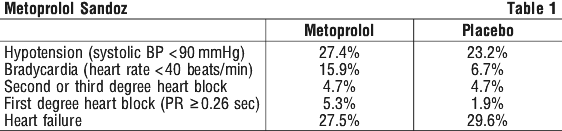
Adverse drug reactions from clinical trials. Blood and the lymphatic system disorders. Rare: agranulocytosis.
Very rare: thrombocytopenia.
Psychiatric disorders Rare: depression, nightmares.
Very rare: personality disorder, hallucinations, mental confusion.
Nervous system disorders. Common: dizziness, headache.
Rare: depressed level of consciousness, somnolence or insomnia, paraesthesia, short term memory loss.
Eye disorders. Very rare: visual impairment (e.g. blurred vision), dry eyes, eye irritation.
Ear and labyrinth disorders. Very rare: tinnitus, hearing disorders1 (e.g. hypoacusis or deafness).
Cardiac disorders. Common: bradycardia.
Rare: cardiac failure, arrhythmias, palpitation.
Very rare: conduction disorders, precordial pain.
Vascular disorders. Common: orthostatic hypotension (occasionally with syncope), peripheral oedema, hypertension (mild and transient), cold extremities, arterial insufficiency.
Rare: oedema, Raynaud's phenomenon.
Very rare: gangrene2, angina (mild and transient), intermittent claudication.
Respiratory, thoracic and mediastinal disorders. Common: dyspnoea, exertional dyspnoea.
Rare: bronchospasm3.
Very rare: rhinitis.
Gastrointestinal disorders. Common: nausea and vomiting, abdominal pain, heartburn, flatulence, gastric pain.
Rare: diarrhoea or constipation.
Very rare: dry mouth, retroperitoneal fibrosis (relationship to metoprolol has not been definitely established), unstable diabetes.
Hepatobiliary disorders. Very rare: hepatitis.
Skin and subcutaneous tissue disorders Common: pruritus, rash.
Rare: rash (in the form of urticaria, psoriasiform and dystrophic skin lesions).
Very rare: photosensitivity reaction, hyperhydrosis, reversible alopecia, worsening of psoriasis, sweating increased.
Musculoskeletal, connective tissue disorders. Rare: muscle spasms.
Very rare: arthritis, musculoskeletal pain.
Reproductive system and breast disorders. Very rare: erectile dysfunction, libido disorder and potency, Peyronie's disease4.
Immune system disorders. Hypersensitivity.
General disorders and administration site conditions. Common: fatigue, tiredness.
Investigations. Very rare: weight gain, liver function test abnormal.
1 In doses exceeding those recommended.
2 In patients with pre-existing severe peripheral circulatory disorders.
3 Which may occur in patients without a history of obstructive lung disease.
4 Relationship to metoprolol has not been definitely established.
Discontinuation of the drug should be considered if any such reaction is not otherwise explicable.
The oculomucocutaneous syndrome associated with the beta-blocker, practolol, has not been reported with metoprolol (see Section 4.4 Special Warnings and Precautions for Use).
Post-marketing data. In addition to the adverse events reported in the clinical trials, the following events have been reported during post-marketing surveillance of metoprolol*.
Nervous system disorders. Confusional state.
Investigations. Increase in blood triglycerides, decrease in high density lipoprotein (HDL).
* Because these reports are from a population of uncertain size and are subject to confounding factors, it is not possible to reliably estimate their frequency.
Potential adverse reactions. A variety of adverse reactions not listed above have been reported with other beta-adrenergic blocking agents and should be considered potential adverse reactions to metoprolol.
Cardiac disorders. Intensification of A-V block (see Section 4.3 Contraindications).
Blood and the lymphatic system disorders. Nonthrombocytopenic purpura, thrombocytopenic purpura.
Nervous system disorders. Reversible mental depression progressing to catatonia, an acute reversible syndrome characterised by disorientation for time and place, short-term memory loss, emotional lability, slightly clouded sensorium, and decreased performance in neuropsychometrics.
Hypersensitivity reactions. Fever combined with aching and sore throat, laryngospasm, and respiratory distress.
Reporting suspected adverse effects. Reporting suspected adverse reactions after registration of the medicinal product is important. It allows continued monitoring of the benefit-risk balance of the medicinal product. Healthcare professionals are asked to report any suspected adverse reactions at www.tga.gov.au/reporting-problems.
4.9 Overdose
Symptoms. Overdosage is characterised by excessive bradycardia, hypotension, possible cardiac failure and bronchoconstriction. AV block, cardiogenic shock, impairment of consciousness (even coma), convulsions, nausea, vomiting and cyanosis may also occur. Concomitant ingestion of alcohol, antihypertensives, quinidine or barbiturates may aggravate the patient's condition. The first signs of overdose can appear in 20 minutes after ingestion of tablets, but are more commonly seen within one to two hours. The effects of massive overdosage may persist for several days despite declining plasma concentrations.
Treatment. Metoprolol Sandoz should be withdrawn. The patient should be hospitalised and, generally, should be managed in an intensive care setting with continuous monitoring of cardiac function, blood gases, and blood biochemistry. Emergency supportive measures such as artificial ventilation or cardiac pacing should be instituted if appropriate. Even apparently well patients who have taken a small overdose should be closely observed for signs of poisoning for at least 4 hours.
In general, patients with acute or recent myocardial infarction may be more haemodynamically unstable than other patients and should be treated accordingly.
In the event of a potentially life threatening oral overdose, use induction of vomiting or gastric lavage (if within 4 hours after ingestion of metoprolol) and/or activation charcoal to remove the drug from the gastrointestinal tract. Haemodialysis is unlikely to make a useful contribution to metoprolol elimination.
Atropine may be given intravenously to control significant bradycardia. Intravenous beta-agonists such as prenalterol or isoprenaline should be used to treat bradycardia and hypotension; very high doses may be needed to overcome the beta-blockade. Dopamine, dobutamine or noradrenaline may be given to maintain blood pressure. Glucagon has positive inotropic and chronotropic effects on the heart that are independent of beta-adrenergic receptors, and has proved effective in the treatment of resistant hypotension and heart failure associated with beta-blocker overdose.
Diazepam is the drug of choice for controlling seizures. A beta-agonist or aminophylline can be used to reverse bronchospasm; patients should be monitored for evidence of cardiac arrhythmias during and after administration of the bronchodilator.
The beta-blocker withdrawal phenomenon (see Section 4.4 Special Warnings and Precautions for Use) may occur after overdose.
For information on the management of overdose, contact the Poisons Information Centre on 131126 (Australia).
5 Pharmacological Properties
5.1 Pharmacodynamic Properties
Mechanism of action. Metoprolol tartrate is structurally related to other cardioselective β-blockers. It is a relatively cardioselective β-adrenoceptor blocking medicine without intrinsic sympathomimetic activity, and is suited for the treatment of hypertension. It acts on β1-receptors mainly located in the heart at lower doses than those needed to influence the β2-receptors mainly located in the bronchi and peripheral vessels. Metoprolol reduces blood pressure in patients with hypertension, in both the standing and supine position. It also reduces the extent of rises in blood pressure occurring in response to physical and mental stress. In angina pectoris metoprolol reduces the frequency and severity of the attacks and the need for glyceryl trinitrate relief, and increases exercise tolerance.
Metoprolol has been shown to reduce mortality in patients with suspected or definite myocardial infarction. The mechanisms of action for these effects are not fully understood but may be related to a lower incidence of ventricular fibrillation and limitation of infarct size. Metoprolol has also been shown to reduce the incidence of recurrent myocardial infarction.
In cases of supraventricular tachycardia or atrial fibrillation, and in the presence of extra systoles, metoprolol has a regulating effect on the heart rate.
Orthostatic effects or disturbances of electrolyte balance have not been observed.
In therapeutic doses, metoprolol has less effect on the peripheral circulation and the bronchial muscles than non-selective β-blockers. However, metoprolol should be used with caution in patients with asthma, and concomitant use of an adrenergic bronchodilator, e.g. terbutaline or salbutamol, is advisable. Patients with reversible airways obstruction who are already taking β2-stimulants may require adjustment of the dosage of these if metoprolol therapy is subsequently introduced.
The stimulant effect of catecholamines on the heart is reduced or inhibited by metoprolol. This leads to a decrease in heart rate, cardiac contractility and cardiac output. Metoprolol will inhibit catecholamine induced lipolysis. It has also been shown to reduce diuretic induced increases in plasma renin activity. Metoprolol will inhibit catecholamine induced insulin secretion to a far lesser degree than non-selective β-blockers.
Metoprolol is practically devoid of membrane stabilising activity and does not display partial agonist activity (i.e. intrinsic sympathomimetic activity (ISA)) at doses required to produce β-blockade.
Metoprolol tartrate forms an active metabolite which does not, however, contribute significantly to the therapeutic effect.
Metoprolol is considered a relatively lipid soluble compound, i.e. less soluble than propranolol and more lipid soluble than atenolol. It has been shown to exert a prophylactic effect in both classical and common migraine.
Clinical trials. No data available.
5.2 Pharmacokinetic Properties
Absorption. Metoprolol is rapidly and almost completely (more than 95%) absorbed from the gastrointestinal tract.
Distribution. It is rapidly and extensively distributed to the extravascular tissues. The volume of distribution is 5.6 L/kg. At therapeutic concentrations, approximately 12% is bound to human serum proteins.
Metabolism. Long-term studies have shown that metoprolol neither enhances nor inhibits its own metabolism.
Excretion. Studies with the radioactively labelled drug have shown that more than 90% of the dose is excreted in the urine within 72 hours, mainly in the form of known metabolites. Only about 3% of the administered dose is excreted unchanged in the urine in 72 hours. The rate of renal excretion of metoprolol has a linear relationship to its plasma concentration. Metoprolol is excreted mainly by glomerular filtration.
The elimination half-life of metoprolol tartrate is between three and five hours. The duration of the β-blocking effect is dose dependent (as measured by reduction of exercise heart rate).
5.3 Preclinical Safety Data
Genotoxicity. No data available.
Carcinogenicity. No data available.
6 Pharmaceutical Particulars
6.1 List of Excipients
Contains lactose monohydrate, maize starch, microcrystalline cellulose, magnesium stearate, colloidal anhydrous silica, hyprolose, calcium hydrogen phosphate dihydrate and crospovidone.
6.2 Incompatibilities
Incompatibilities were either not assessed or not identified as part of the registration of this medicine.
For information on interactions on other medicines and other forms of interactions, see Section 4.5 Interactions with Other Medicines and Other Forms of Interactions.
6.3 Shelf Life
In Australia, information on the shelf life can be found on the public summary of the Australian Register of Therapeutic Goods (ARTG). The expiry date can be found on the packaging.
6.4 Special Precautions for Storage
Store below 25°C.
Protect from light and moisture.
6.5 Nature and Contents of Container
Metoprolol Sandoz 50 mg tablets: PVC/PVDC Aluminium or PP/Aluminium blister packs of 100 tablets.
Metoprolol Sandoz 100 mg tablets: PVC/PVDC Aluminium or PP/Aluminium blister packs of 60 tablets.
6.6 Special Precautions for Disposal
In Australia, any unused medicine or waste material should be disposed of by taking to your local pharmacy.
6.7 Physicochemical Properties
Metoprolol tartrate is a white crystalline powder. Melting point: approximately 120°C. The powder is practically odourless. It is very soluble in water, soluble in chloroform, methylene chloride and alcohol, and almost insoluble in benzene, diethyl ether and acetone.
Chemical structure.
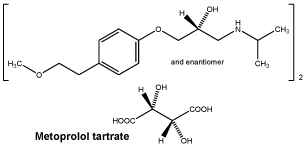
Molecular formula: (C15H25NO3)2.C4H6O6.
Molecular weight: 684.8.
CAS number. 56392-17-7.
7 Medicine Schedule (Poisons Standard)
S4 - Prescription Only Medicine.
Date of First Approval
17 December 1997
Date of Revision
19 November 2024
Summary Table of Changes

Reasonable care is taken to provide accurate information at the time of creation. This information is not intended as a substitute for medical advice and should not be exclusively relied on to manage or diagnose a medical condition. The Australian Commission on Safety and Quality in Health Care disclaims all liability (including for negligence) for any loss, damage, injury or any other negative effects resulting from reliance on or use of this information. Read our full disclaimer. This website uses cookies. Read our privacy policy.