
Pulmozyme
Brand Information
| Brand name | Pulmozyme |
| Active ingredient | Dornase alfa |
| Schedule | S4 |
Consumer Medicine Information (CMI) leaflet
Please read this leaflet carefully before you start using the Pulmozyme.
Summary CMI
PULMOZYME®
Consumer Medicine Information (CMI) summary
The full CMI on the next page has more details. If you are worried about using this medicine, speak to your doctor or pharmacist.
1. Why am I using Pulmozyme?
Pulmozyme contains the active ingredient dornase alfa. Pulmozyme is used to treat cystic fibrosis (CF), a hereditary disease that causes thick, sticky mucus to build up in the lungs and other parts of the body. It works by breaking down DNA in the mucus, improving lung function, easing symptoms, and reducing the risk of infections. Pulmozyme helps manage CF but is not a cure.
For more information, see Section 1. Why am I using Pulmozyme? in the full CMI.
2. What should I know before I use Pulmozyme?
Do not use if you have ever had an allergic reaction to dornase alfa, have had a reaction to Chinese Hamster Ovary (CHO) proteins or any of the ingredients listed at the end of the CMI. Do not use if the package is damaged, expired or the solution is cloudy.
Talk to your doctor if you have any other medical conditions, take any other medicines, or are pregnant or plan to become pregnant or are breastfeeding. For more information, see Section 2. What should I know before I use Pulmozyme? in the full CMI.
3. What if I am taking other medicines?
Tell your doctor or pharmacist about any medicines, vitamins, or supplements you are taking, including non-prescription products. Standard CF treatments like antibiotics, bronchodilators, vitamins, corticosteroids, and painkillers can be safely used with Pulmozyme, but they should not be mixed in the nebuliser.
A list of these medicines is in Section 3. What if I am taking other medicines? in the full CMI.
4. How do I use Pulmozyme?
- Inhale Pulmozyme using a nebuliser and compressor recommended by your doctor. Follow all device maintenance instructions. Pulmozyme should not be diluted (watered down) or mixed with other medicines in the nebuliser.
- Use Pulmozyme long-term unless instructed otherwise by your doctor.
- Take Pulmozyme at the same time each day. If you miss a dose, do not double up; take your next dose as scheduled.
More instructions can be found in Section 4. How do I use Pulmozyme? in the full CMI.
5. What should I know while using Pulmozyme?
| Things you should do |
|
| Things you should not do |
|
| Looking after your medicine |
|
For more information, see Section 5. What should I know while using Pulmozyme? in the full CMI.
6. Are there any side effects?
Pulmozyme can cause side effects, but not everyone experiences them. Most are not serious, but some may require medical attention. Tell your doctor if you experience any of the following: voice hoarseness, sore vocal cords, sore throat, skin rash, chest pain, or conjunctivitis (red, sore, gritty, or weeping eyes). For more information, including what to do if you have any side effects, see Section 6. Are there any side effects? in the full CMI.
Full CMI
PULMOZYME® (pronounced pull-mo-zime)
Active ingredient(s): dornase alfa
Consumer Medicine Information (CMI)
This leaflet provides important information about using Pulmozyme. You should also speak to your doctor or pharmacist if you would like further information or if you have any concerns or questions about using Pulmozyme.
Where to find information in this leaflet:
1. Why am I using Pulmozyme?
2. What should I know before I use Pulmozyme?
3. What if I am taking other medicines?
4. How do I use Pulmozyme?
5. What should I know while using Pulmozyme?
6. Are there any side effects?
7. Product details
1. Why am I using Pulmozyme?
Pulmozyme contains the active ingredient dornase alfa which is an enzyme. Enzymes are proteins that carry out normal processes in the human body.
What it is used for
Pulmozyme is used to help people who have cystic fibrosis (CF).
- CF is a hereditary disease where the body produces abnormally thick and sticky secretions. This mainly affects the lung passages and the pancreas.
- Pulmozyme is only one part of the treatment for CF, and it is not a cure for this disease.
How Pulmozyme works
The enzyme in Pulmozyme, dornase alfa is almost identical to the one that is found in people without CF. Its job is to break down DNA that builds up in lung secretions (mucous). CF patients have too much of this substance.
- The DNA comes from dead white blood cells that accumulate in the airways.
- By breaking down this excessive DNA, Pulmozyme reduces the thickness of the lung mucous.
- As a result, Pulmozyme improves lung function and eases the symptoms of breathlessness, cough and congestion.
- Pulmozyme also reduces the chance of lung infections and lowers the rate at which the disease affects the lungs. This decreases the need for injected (intravenous) antibiotics.
Your doctor, however, may have prescribed Pulmozyme for another purpose. If you are not sure if you should be using Pulmozyme, talk to your doctor.
2. What should I know before I use Pulmozyme?
Warnings
Do not use Pulmozyme if:
- you are allergic to dornase alfa, or any of the ingredients listed at the end of this leaflet. Always check the ingredients to make sure you can use this medicine.
- you have had an allergic reaction to protein of Chinese Hamster Ovary (CHO) origin
- the package is torn or shows signs of tampering
- the expiry date (EXP) printed on the pack has passed.
If you use this medicine after the expiry date has passed, it may not work as well. - the solution in the ampoule is cloudy or discoloured.
Check with your doctor if you:
- have any other health problems
- are allergic to any other medicines, foods, dyes or preservatives.
- are younger than 5 years or if you are the caregiver of a child under 5 years. There is only limited experience using Pulmozyme in this age group.
During treatment, you may be at risk of developing certain side effects. It is important you understand these risks and how to monitor for them. See additional information under Section 6. Are there any side effects?
Pregnancy and breastfeeding
Check with your doctor if you are pregnant or intend to become pregnant.
It is not known whether Pulmozyme is harmful to an unborn baby when used by a pregnant woman. If there is a need to use Pulmozyme when you are pregnant your doctor will discuss the risks and benefits to you and the unborn baby.
Talk to your doctor if you are breastfeeding or intend to breastfeed.
It is not known whether Pulmozyme passes into the breast milk. Your doctor will discuss the risks and benefits of using Pulmozyme if you are breast-feeding.
3. What if I am taking other medicines?
Tell your doctor or pharmacist if you are taking any other medicines, including any medicines, vitamins or supplements that you buy without a prescription from your pharmacy, supermarket or health food shop.
Standard treatments for CF [antibiotics, bronchodilators (medicines that expand the airways), vitamins, inhaled and systemic (taken by mouth) corticosteroids] and pain killers can be used safely with Pulmozyme.
However, Pulmozyme should not be mixed in the nebuliser with these other treatments.
Check with your doctor or pharmacist if you are not sure about what medicines, vitamins or supplements you are taking and if these affect Pulmozyme.
4. How do I use Pulmozyme?
How much to use
- Your doctor will tell you when and how much Pulmozyme to inhale each day.
The usual dose for adults and children is the content of one ampoule inhaled once a day. For some people over 21 years of age, the dose may be increased to one ampoule twice a day.
How to use Pulmozyme
Pulmozyme should be inhaled using a nebuliser and compressor recommended below.
You must follow your doctor's instructions when using Pulmozyme with the nebuliser and compressor your doctor has recommended to you.
The manufacturer's instructions on the maintenance of the nebuliser and compressor should be followed. Instructions are usually available with the device.
Pulmozyme should not be diluted (watered down) or mixed with other medicines or solutions in the nebuliser bowl.
Recommended nebulisers and compressors
The following nebuliser/compressor combinations have been tested with Pulmozyme and found to be effective:
- Airlife Misty/Pulmo-Aide
- Hudson T Updraft II/Pulmo-Aide
- Customised Respiguard/ Pulmo-Aide
- Sidestream/Portaneb
The following nebuliser/compressor systems have been tested and are similar to those listed above:
- e-Flow Rapid nebuliser
- Pari LC Sprint/TurboBoy
- Rapid Flo/Ventalair
- Pari Baby Set/Pariboy Proneb
- Pari LC+/Pari Proneb
- Rapid Flo/Vitalair RapidNeb
There are some nebulisers that have not been tested with Pulmozyme and therefore may not be effective.
Ultrasonic nebulisers may be unsuitable for delivery of Pulmozyme as they may stop Pulmozyme from working properly.
How long to use Pulmozyme
Pulmozyme should be used long-term. Continue using Pulmozyme until your doctor tells you to stop.
If you forget to use Pulmozyme
Always try to use Pulmozyme regularly at the same time each day. If you miss a dose, take your next dose at its scheduled time. Do not take a double dose to make up for the dose you missed.
If you use too much Pulmozyme
If you think that you have inhaled too much Pulmozyme, you may need urgent medical attention.
You should immediately:
- phone the Poisons Information Centre
(by calling 13 11 26), or - contact your doctor, or
- go to the Emergency Department at your nearest hospital.
You should do this even if there are no signs of discomfort or poisoning.
5. What should I know while using Pulmozyme?
Things you should do
- Tell all doctors, dentists and pharmacists who are treating you that you are using Pulmozyme.
- Throw out any left-over solution in the ampoule or nebuliser bowl. Pulmozyme cannot be kept for the next dose. This is because Pulmozyme does not contain any preservatives.
- Tell your doctor if, for any reason, you have not used your medicine exactly as prescribed. Otherwise, your doctor may think that it was not effective and change your treatment unnecessarily.
- Tell your doctor if you feel Pulmozyme is not helping your condition. Your doctor may adjust your dose or suggest alternative treatment.
- Be sure to keep all of your appointments with your doctor so that your progress can be checked.
Call your doctor straight away if you:
- become pregnant while using Pulmozyme.
Things you should not do
- Do not stop using Pulmozyme or change the dose without first checking with your doctor.
- Do not let yourself run out of medicine over the weekend or on holidays.
- Do not mix other medicines or solutions with Pulmozyme in the nebuliser bowl, unless advised to do so by your doctor.
- Do not give Pulmozyme to anyone else even if they have the same condition as you.
- Do not use Pulmozyme to treat other complaints unless your doctor says to.
- Do not take any other medicines, whether they require a prescription or not, without first telling your doctor or consulting with a pharmacist.
Driving or using machines
Be careful before you drive or use any machines or tools until you know how Pulmozyme affects you.
Pulmozyme has not been shown to impair your ability to drive or operate machinery.
Looking after your medicine
Follow the instructions in the carton on how to take care of your medicine properly.
- Keep Pulmozyme ampoules in their protective foil pouches in their box in the fridge at 2 to 8°C until it is time to use them.
- Protect Pulmozyme from light.
Store it in a cool dry place away from moisture, heat or sunlight; for example, do not store it:
- in the bathroom or near a sink, or
- in the car or on window sills.
Heat and dampness can destroy this medicine.
Keep it where young children cannot reach it.
When to discard your medicine
If your doctor tells you to stop using Pulmozyme, or the ampoules have passed their expiry date, ask your pharmacist what to do with any ampoules that are left over.
6. Are there any side effects?
All medicines can have side effects. If you do experience any side effects, most of them are minor and temporary. However, some side effects may need medical attention.
Tell your doctor or pharmacist as soon as possible if you do not feel well while you are using Pulmozyme.
See the information below and, if you need to, ask your doctor or pharmacist if you have any further questions about side effects.
Less serious side effects
| Less serious side effects | What to do |
Mouth and throat
| Speak to your doctor if you have any of these less serious side effects and they worry you. |
Tell your doctor or pharmacist if you notice anything else that may be making you feel unwell.
Other side effects not listed here may occur in some people.
Reporting side effects
After you have received medical advice for any side effects you experience, you can report side effects to the Therapeutic Goods Administration online at www.tga.gov.au/reporting-problems. By reporting side effects, you can help provide more information on the safety of this medicine.
Always make sure you speak to your doctor or pharmacist before you decide to stop taking any of your medicines.
7. Product details
This medicine is only available with a doctor's prescription.
What Pulmozyme contains
| Active ingredient (main ingredient) | dornase alfa |
| Other ingredients (inactive ingredients) | sodium chloride calcium chloride dihydrate water for injections |
| Potential allergens | Pulmozyme does not contain gluten, lactose, sucrose, tartrazine or any other azo dyes. |
Do not take this medicine if you are allergic to any of these ingredients.
What Pulmozyme looks like
Pulmozyme is a clear, colourless to slightly yellow solution.
Pulmozyme comes in packs of 30 ampoules.
(AUST R 49822).
Who distributes Pulmozyme
Roche Products Pty Limited
ABN 70 000 132 865
Level 8, 30-34 Hickson Road
Sydney NSW 2000
AUSTRALIA
How to contact us
You can contact us at www.medinfo.roche.com/australia or by scanning the below code:

You can also call us on 1800 233 950
Please check with your pharmacist for the latest Consumer Medicine Information.
This leaflet was prepared in December 2025.
Brand Information
| Brand name | Pulmozyme |
| Active ingredient | Dornase alfa |
| Schedule | S4 |
MIMS Revision Date: 01 August 2018
1 Name of Medicine
Dornase alfa.
2 Qualitative and Quantitative Composition
Pulmozyme solution for inhalation contains 1.0 mg/mL dornase alfa.
For the full list of excipients, see Section 6.1.
3 Pharmaceutical Form
Nebuliser solution, clear, colourless to slightly yellowish solution.
The nominal pH of the solution is 6.3.
4 Clinical Particulars
4.1 Therapeutic Indications
Chronic administration of Pulmozyme is indicated for the management of demonstrated respiratory complications in cystic fibrosis. Continued use should depend on demonstrating a sustained benefit based on clinical response and, if able to be performed, pulmonary function tests.
4.2 Dose and Method of Administration
The recommended dose for use in most patients is one 2.5 mg single use ampoule inhaled once per day using the recommended nebuliser (see Method of administration below).
Patients over the age of 21 may benefit from twice daily (bd) dosing.
Most patients gain optimal benefit from continued daily use of Pulmozyme. The optimal timing for the use of Pulmozyme in relation to the use of standard treatments such as physiotherapy and antibiotics has not been established.
The recommended dose should not be exceeded because of the dose dependent occurrence of "irritant" side effects with no additional efficacy.
Cystic fibrosis patients have received up to 10 mg bd for up to 2 out of 4 weeks intermittently over a 6 month period and these doses are well tolerated and improved pulmonary function. The results of this study indicate that improvement in pulmonary function subsides within several days of cessation of therapy. Studies demonstrating the reduction in the rate of respiratory tract infectious exacerbations involved chronic, daily administration of dornase alfa. Therefore patients should be instructed to take their medication every day.
Patients who experience adverse events common to cystic fibrosis can, in general, safely continue administration of Pulmozyme, as evidenced by the high percentage of patients completing the clinical trials.
Method of administration. Pulmozyme is provided as a solution for inhalation in single use ampoules. The complete contents of a single ampoule should be placed in the bowl of a jet nebuliser and used in conjunction with a source of compressed air (nominal flow rate 6-8 L/minute). Pulmozyme should not be diluted or mixed with any other medicines or solutions in the nebuliser bowl.
The patient should continue his/ her standard regimen of chest physiotherapy. At present, no recommendation can be made as to the optimal time of day for the administration of Pulmozyme.
Patients should be instructed on proper use, maintenance and care of the nebuliser and compressor used to deliver Pulmozyme. Only nebulisers and compressors registered as devices in Australia and trialled for administration with Pulmozyme should be used (see Consumer Medicine Information for a list of recommended nebulisers and compressors). Ultrasonic nebulisers may be unsuitable for delivery of Pulmozyme because they may inactivate Pulmozyme or have unacceptable aerosol delivery characteristics. In children under the age of 5 years, it is recommended that Pulmozyme be administered with a tight fitting mask. This was the method used for most patients in this age group, in the clinical study which demonstrated adequate lung deposition.
4.3 Contraindications
Pulmozyme is contraindicated in patients who develop or have known hypersensitivity to dornase alfa, Chinese hamster ovary cell products or any component of the product.
4.4 Special Warnings and Precautions for Use
Patients should continue to receive regular medical care for their cystic fibrosis when being treated with Pulmozyme.
In order to improve the traceability of biological medicinal products, the trade name of the administered product should be clearly recorded in the patient medical record. Substitution of Pulmozyme by any other biological medicinal product requires the consent of the prescribing physician.
Drug abuse and dependence. No effects are known.
Paediatric use. There is limited experience in the use of Pulmozyme in patients under the age of 5 years (see Section 5.1 Pharmacodynamic Properties).
Treatment of young adult animals with a dose that gave a concentration of drug at the alveoli calculated to be similar to that in children given the recommended dose caused alveolitis, sometimes with bronchiolitis.
A four week inhalation toxicity study in juvenile rats commenced dosing 22 days after parturition at doses to the lower respiratory tract (LRT) of 0, 51, 102 and 260 microgram/kg/day. Dornase alfa was well tolerated, and no lesions were found in the respiratory tract.
Use in the elderly. No data available.
Effects on laboratory tests. No data available.
4.5 Interactions with Other Medicines and Other Forms of Interactions
Pulmozyme can be effectively and safely used in conjunction with standard cystic fibrosis therapies such as antibiotics, bronchodilators, digestives, vitamins, inhaled and systemic corticosteroids and analgesics.
4.6 Fertility, Pregnancy and Lactation
Effects on fertility. In studies with rats given intravenous doses up to 10 mg/kg/day, fertility and reproductive performance of either males or females were not affected.
Use in pregnancy. (Category B1)
Reproduction studies have been performed in rats and rabbits with intravenous doses of 10 mg/kg/day. These studies have revealed no evidence of impaired fertility or harm to the foetus in rats and rabbits, and no effects on perinatal and postnatal development in rats due to dornase alfa. There are however no adequate or well controlled studies in pregnant women. Because animal reproduction studies are not always predictive of the human response, this medicine should be used in pregnancy only if clearly needed.
Use in lactation. When dornase alfa is administered to humans according to the dosage recommendations, there is minimal systemic absorption; therefore no measurable concentrations of dornase alfa would be expected in human milk. Nevertheless caution should be exercised when dornase alfa is administered to a breastfeeding woman (see Section 5.2 Pharmacokinetic Properties).
In a study performed in lactating cynomolgus monkeys, in which high doses of dornase alfa were given by the intravenous route, (100 microgram/kg bolus followed by 80 microgram/kg/hour for 6 hours), low concentrations of the drug (< 0.1% of the concentrations seen in the serum of pregnant cynomolgus monkeys given the same dose) were measurable in milk. Thus, concentrations of dornase alfa in human milk would be expected to be negligible. Any dornase alfa excreted in milk and ingested by the nursing infant would be expected to be rapidly degraded in the infant's gastrointestinal tract.
4.7 Effects on Ability to Drive and Use Machines
No effects on the patient's ability to drive and use machines have been reported.
4.8 Adverse Effects (Undesirable Effects)
Clinical trials. Pulmozyme is well tolerated. In double blind clinical trials in over 600 patients receiving Pulmozyme 2.5 mg once or twice a day for six months, most adverse events were the sequelae of the underlying lung disease.
Adverse reactions attributed to Pulmozyme are rare (< 1/1000). In most cases, the adverse reactions are mild, and transient in nature, and do not require alterations in Pulmozyme dosing.
Events that increased in incidence in the double blind, placebo controlled trials increased with higher dose.
Eye disorder. Conjunctivitis.
Respiratory, thoracic and mediastinal disorders. Dysphonia, dyspnoea, pharyngitis, laryngitis, rhinitis (all noninfectious).
Investigations. Pulmonary function tests decreased.
Gastrointestinal disorders. Dyspepsia.
Skin and appendages disorders. Rash, urticaria.
General disorders. Chest pain (pleuritic/ noncardiac), pyrexia.
In a phase III clinical trial, few patients experienced adverse events resulting in permanent discontinuation from Pulmozyme, and the discontinuation rate was observed to be similar between placebo (2%) and Pulmozyme (3%).
Upon initiation of Pulmozyme therapy, as with any aerosol, pulmonary function may decline and expectoration of sputum may increase.
Allergic reactions. Rhinitis, wheeze and haemoptysis do not appear to be related to Pulmozyme administration when compared to placebo in controlled trials. However an increased incidence of these events was noted in patients treated with 10 mg Pulmozyme on an intermittent schedule.
There have been no reports of serious allergic reactions or anaphylaxis associated with administration of dornase alfa. Skin rashes have been observed and have been mild and transient in nature. Less than 5% of patients treated with dornase alfa have developed antibodies to dornase alfa, and none of these patients have developed IgE antibodies to dornase alfa. Improvement in pulmonary function tests have still occurred even after the development of antibodies to dornase alfa.
The safety of 2 weeks daily inhalation of Pulmozyme was compared in 65 patients aged 3 months to < 5 years and 33 patients aged 5 to 10 years (see Section 5.1 Pharmacodynamic Properties). The number of patients reporting cough as an adverse event was higher in the younger than the older age group (29/65, 45% compared to 10/33, 30%), as was the number reporting moderate to severe cough (24/65, 37% as compared to 6/33, 18%). Other adverse events tended to be of mild to moderate severity. The number of patients reporting rhinitis was also higher in the younger age group (23/65, 35% compared to 9/33, 27%), as was the number reporting rash (4/65, 6% as compared to 0/33). The nature of adverse events was similar to that seen in the larger trials of Pulmozyme.
Postmarketing experience. Postmarketing spontaneous reports and prospectively collected safety data from observational studies confirm the safety profile to be as described in Clinical trials.
Reporting of suspected adverse reactions. Reporting suspected adverse reactions after registration of the medicinal product is important. It allows continued monitoring of the benefit-risk balance of the medicinal product. Healthcare professionals are asked to report any suspected adverse reactions at www.tga.gov.au/reporting-problems.
4.9 Overdose
The effect of Pulmozyme overdosage has not been established.
Cystic fibrosis patients have inhaled up to 20 mg Pulmozyme twice daily (16 times the recommended dose) for up to 6 days and 10 mg twice daily (8 times the recommended dose) intermittently (2 weeks on/2 weeks off drug) for 168 days. Six adult noncystic fibrosis patients received a single intravenous dose of 125 microgram/kg of dornase alfa, followed 7 days later by 125 microgram/kg subcutaneously for two consecutive 5 day periods, without either neutralising antibodies to DNase or any change in serum antibodies against double stranded DNA being detected. All of these doses were well tolerated.
Systemic toxicity of Pulmozyme has not been observed and is not expected due to the poor absorption and short serum half-life of dornase alfa. Systemic treatment of overdose is, therefore, unlikely to be necessary (see Section 5.2 Pharmacokinetic Properties).
Treatment of overdose should consist of general supportive measures.
For information on the management of overdose, contact the Poisons Information Centre on 13 11 26 (Australia).
5 Pharmacological Properties
5.1 Pharmacodynamic Properties
Pharmacotherapeutic group: respiratory system, ATC code: R05CB13.
Mechanism of action. DNA is believed to be the major factor responsible for the abnormal viscoelastic properties of infected sputum. In in vitro studies, rhDNase cleaves extracellular DNA in purulent sputum and greatly alters the viscoelastic properties of sputum rich in DNA.
Pharmacodynamic effect. Recombinant human DNase is a genetically engineered version of a naturally occurring human enzyme which cleaves extracellular DNA.
Retention of viscous, purulent secretions in the airways contributes both to reduced pulmonary function and to exacerbations of infection. Infected sputum of cystic fibrosis (CF) patients contains an abundant amount of mucus glycoproteins and extracellular DNA (approximately 6 mg/mL) derived primarily from degenerating neutrophils that accumulate in the airways in response to infection.
Clinical trials. Pulmozyme has been evaluated in CF patients of various ages and with differing severities of lung disease. Most studies were double blind and placebo controlled, and all patients received concomitant therapies as deemed necessary by their physician.
Patients over 5 years of age with forced vital capacity (FVC) over 40% predicted. A parallel design, randomised, placebo controlled, three armed, double blind, multicentre study was undertaken to determine the safety and effectiveness of once or twice daily therapy using Pulmozyme in cystic fibrosis outpatients treated for 24 weeks. A total of 968 cystic fibrosis patients equal to or greater than 5 years of age were enrolled if clinically stable and if their forced vital capacity (FVC) was equal to or greater than 40% of predicted.
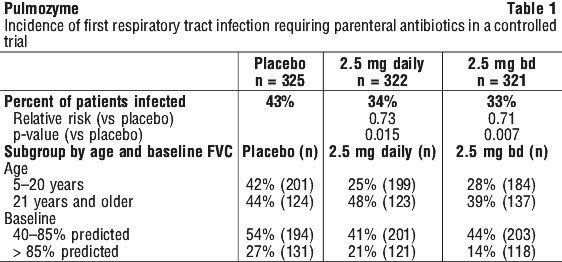
Respiratory tract infection. Patients were treated with placebo or Pulmozyme 2.5 mg once daily or 2.5 mg twice daily.
Both doses of Pulmozyme resulted in significant reductions compared with the placebo group in the number of patients experiencing respiratory tract infections requiring use of parenteral antibiotics. Administration of Pulmozyme reduced the relative risk of developing a respiratory tract infection by 27% and 29% for the 2.5 mg daily dose and the 2.5 mg twice daily dose, respectively (see Table 1). The data suggest that the effects of Pulmozyme in older patients (> 21 years) may be smaller than in younger patients and that twice daily dosing may be required in the older patients. Patients with baseline FVC > 85% may also benefit from twice daily dosing (see Table 1). The reduced risk of respiratory exacerbation observed in patients treated with Pulmozyme persisted throughout the 6 month study period and did not correlate with improvement in forced expiratory volume in one second (FEV1) during the initial two weeks of therapy.
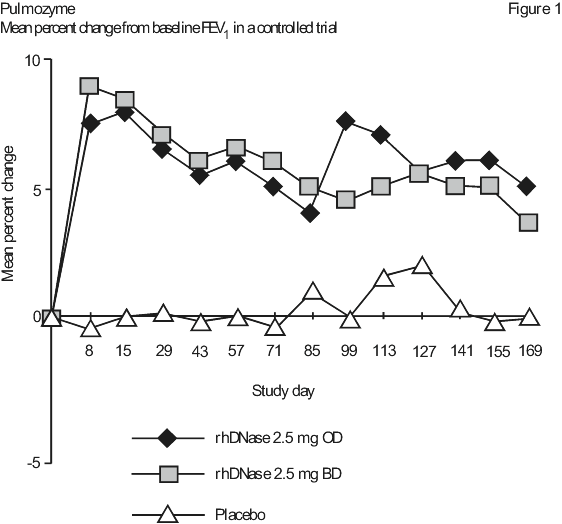
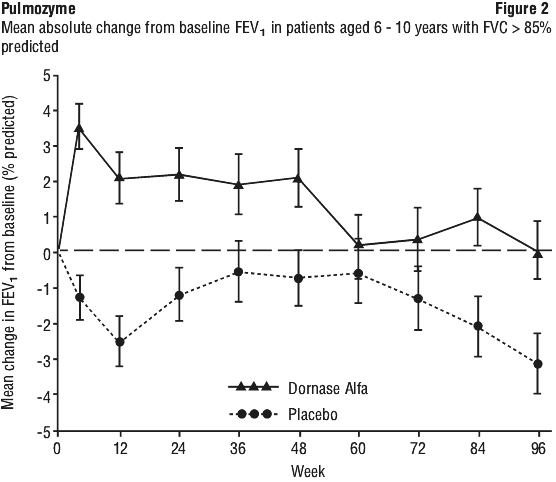
Patients aged 6-10 years with FVC over 85% predicted. After 2 years of treatment with Pulmozyme 2.5 mg once daily, administered via a Durable SideStream nebuliser with a PortaNeb compressor, the treatment benefit observed for FEV1 in patients treated with Pulmozyme compared with placebo was 3.2 ± 1.2% predicted (p = 0.006) (treatment group, n = 237; placebo group, n = 234). An increase in FEV1 was observed up to 48 weeks of treatment; at 2 years, patients treated with Pulmozyme maintained FEV1 at their baseline value, while patients in the control group experienced a mean decrease from baseline (Figure 2).
The risk of respiratory tract exacerbations was reduced by 34% in patients treated with Pulmozyme (p = 0.048). Subanalysis did not detect any correlation between this response and change in FEV1 at 4 weeks (< 3% predicted group, n = 118; ≥ 3% predicted group, n = 115).
Patients with FVC less than 40% predicted. A double blind placebo controlled trial showed that 12 weeks treatment with Pulmozyme 2.5 mg once daily significantly improved FEV1 and FVC in this patient population. Relative increases from baseline FEV1 and FVC were 9.4% and 12.4% in the Pulmozyme group versus 2.1% and 7.3% in the placebo group, respectively (p < 0.01) (treatment group, n = 156; placebo group, n = 162). A second study found no difference between treatments during a 14 day double blind, placebo controlled trial (2.5 mg Pulmozyme twice daily, n = 31; placebo twice daily, n = 34) but found continued improvements in FEV1 and FVC over a 6 month open extension period when all patients received Pulmozyme 2.5 mg twice daily (n = 38).
Phase II study in infants and children. Pulmozyme has been evaluated in an open label 2 week study in 98 patients with cystic fibrosis aged 3 months to 9 years of age. Pulmozyme, 2.5 mg by inhalation, was administered daily (65 infants 3 months to < 5 years, of which 37/65 were aged ≤ 2 years; 33 children aged 5 to 9 years); a tight fitting facemask was used in patients unable to demonstrate the ability to inhale or exhale orally throughout the entire treatment period (54/65 - 83%, of the younger and 2/33 - 6%, of the older patients). Broncheolar lavage (BAL) fluid was obtained within 90 minutes of the first dose. BAL DNase concentrations were detectable in all patients but showed a broad range, from 0.007 to 1.8 microgram/mL. Median concentrations in children aged less than 5 years were comparable to those obtained in the 5-9 years age group. The study therefore demonstrated that adequate lung deposition can be obtained in patients under the age of 5 years. Over an average of 14 days of exposure, serum DNase concentrations (mean ± SD) increased by 1.1 ± 1.6 nanogram/mL for the younger age group and by 0.8 ± 1.2 nanogram/mL for the older age group. Safety in this population is addressed (see Section 4.8 Adverse Effects (Undesirable Effects)).
5.2 Pharmacokinetic Properties
Absorption. Inhalation studies conducted in rats and nonhuman primates show a low percentage of dornase alfa systemic absorption (< 15% for rats and < 2% for monkeys). Consistent with the results of these animal studies, dornase alfa administered to patients as an inhaled aerosol shows low systemic exposure.
Absorption of rhDNase from the gastrointestinal tract following oral administration to rats is negligible.
DNase is normally present in human serum. Inhalation of up to 40 mg of dornase alfa for 6 days did not result in a significant elevation of serum DNase concentrations above normal, suggesting negligible systemic exposure. No increase in serum DNase concentration greater than 10 nanogram/mL was observed. After administration of dornase alfa 2.5 mg bd for 24 weeks, serum concentrations of DNase were not different from the pretreatment baseline value of 3.5 ± 0.1 nanogram/mL; suggesting low systemic absorption or accumulation.
Distribution. Studies in rats and monkeys have shown that, following intravenous administration, rhDNase was cleared rapidly from the serum. The initial volume of distribution was similar to serum volume in these studies.
Inhalation of 2.5 mg dornase alfa results in a mean sputum concentration of dornase alfa of approximately 3 microgram/mL within 15 minutes in CF patients. Concentrations of dornase alfa in sputum rapidly decline following inhalation.
Metabolism. Dornase alfa is expected to be metabolised by proteases present in biological fluids.
Excretion. Human intravenous studies suggest an elimination half-life from serum of 3-4 hours. Studies in rats and monkeys have also shown that, following intravenous administration, DNase is cleared rapidly from the serum.
Studies in rats indicate that, following aerosol administration, the disappearance half-life of rhDNase from the lungs is 11 hours. In humans, sputum DNase levels declined below half of those detected immediately postadministration within 2 hours but effects on sputum rheology persisted beyond 12 hours.
No pharmacokinetic data are available in very young or geriatric animals.
5.3 Preclinical Safety Data
Genotoxicity. No evidence of genotoxic potential was found in the Ames test, the mouse lymphoma test, a chromosomal aberration test in cultured human peripheral blood lymphocytes or in the mouse micronucleus test.
Carcinogenicity. Groups of 60 rats per sex received dornase alfa at 51, 101 or 246 microgram/kg/day to the LRT for up to two years. Two control groups of the same size received air and vehicle, respectively. Dornase alfa was well tolerated, and there were no unusual tumour types or increased incidence of tumours attributable to test article oncogenicity in the respiratory tract or other organs or tissues in the rat. The maximum dose tested was approximately 11-16 times (depending on age) the maximum recommended dose in humans.
6 Pharmaceutical Particulars
6.1 List of Excipients
Calcium chloride dihydrate, sodium chloride, water for injections.
6.2 Incompatibilities
Pulmozyme is an unbuffered aqueous solution and should not be diluted or mixed with other medicines or solutions in the nebuliser bowl. Mixing of Pulmozyme with other medicines could lead to adverse structural and/or functional changes in Pulmozyme or the admixed compound.
6.3 Shelf Life
In Australia, information on the shelf life can be found on the public summary of the Australian Register of Therapeutic Goods (ARTG). The expiry date can be found on the packaging.
6.4 Special Precautions for Storage
Pulmozyme does not contain any preservative. Once opened, the entire ampoule must be used at one time.
The product must be stored in the refrigerator at 2-8°C and protected from light.
A single brief exposure to elevated temperatures (less than or equal to 24 hours at up to 30°C) does not affect product stability. The solution should not be used if it is cloudy or discoloured.
Do not use beyond the expiration date stamped on the pack. Store unused ampoules in their protective foil pouch in the outer carton under refrigeration.
6.5 Nature and Contents of Container
Pulmozyme is supplied in a single-use, low-density polyethylene plastic ampoule. Each ampoule delivers 2.5 mL of Pulmozyme to the nebuliser chamber.
Each pack of 30 ampoules consists of five foil pouches, each containing six ampoules.
6.6 Special Precautions for Disposal
The release of medicines into the environment should be minimised. Medicines should not be disposed of via wastewater and disposal through household waste should be avoided.
In Australia, any unused medicine or waste material should be disposed of by taking to your local pharmacy.
6.7 Physicochemical Properties
Molecular formula: C1321H1995N339O396S9.
Pulmozyme (dornase alfa) is an enzyme that cleaves extracellular DNA and reduces the viscosity of purulent lung secretions. The active ingredient is produced by genetically engineered Chinese hamster ovary (CHO) cells containing DNA that encodes for the human protein, deoxyribonuclease I (DNase). Purification of the product is achieved by conventional tangential flow filtration and column chromatography technology. The purified glycoprotein contains 260 amino acids with a relative molecular weight of approximately 37,000 daltons. The primary amino acid structure of rhDNase is the same as the native human enzyme (DNase).
CAS number. 143831-71-4.
7 Medicine Schedule (Poisons Standard)
S4.
Date of First Approval
29 November 1994
Date of Revision
27 June 2018
Summary Table of Changes

Reasonable care is taken to provide accurate information at the time of creation. This information is not intended as a substitute for medical advice and should not be exclusively relied on to manage or diagnose a medical condition. The Australian Commission on Safety and Quality in Health Care disclaims all liability (including for negligence) for any loss, damage, injury or any other negative effects resulting from reliance on or use of this information. Read our full disclaimer. This website uses cookies. Read our privacy policy.