
Reminyl
Brand Information
| Brand name | Reminyl |
| Active ingredient | Galantamine |
| Schedule | S4 |
Consumer Medicine Information (CMI) leaflet
Please read this leaflet carefully before you start using the Reminyl.
Summary CMI
REMINYL®
Consumer Medicine Information (CMI) summary
The full CMI on the next page has more details. If you are worried about using this medicine, speak to your doctor or pharmacist.
1. Why am I using REMINYL?
REMINYL contains the active ingredient galantamine (as hydrobromide). REMINYL is used to treat mild to moderately severe dementia of the Alzheimer's type.
For more information, see Section 1. Why am I using REMINYL? in the full CMI.
2. What should I know before I use REMINYL?
Do not use REMINYL if you have ever had an allergic reaction to any medicine containing galantamine or any of the ingredients listed at the end of the CMI or have severe liver and/or kidney disease.
Talk to your doctor if you have any other medical conditions, take any other medicines, or are pregnant or plan to become pregnant or are breastfeeding.
For more information, see Section 2. What should I know before I use REMINYL? in the full CMI.
3. What if I am taking other medicines?
Some medicines may interfere with REMINYL and affect how it works.
A list of these medicines is in Section 3. What if I am taking other medicines? in the full CMI.
4. How do I use REMINYL?
REMINYL should be taken at least once daily, preferably with food. Be sure to drink plenty of liquids during your treatment with REMINYL to keep yourself hydrated. Follow dosage directions given to you by your doctor or pharmacist and continue taking it for as long as your doctor tells you.
More instructions can be found in Section 4. How do I use REMINYL? in the full CMI.
5. What should I know while using REMINYL?
| Things you should do |
|
| Things you should not do |
|
| Driving or using machines |
|
| Looking after your medicine |
|
For more information, see Section 5. What should I know while using REMINYL? in the full CMI.
6. Are there any side effects?
Common side effects include nausea, vomiting, diarrhoea, stomach pain, indigestion, decreased appetite, dizziness, headache, tremors, fainting, fatigue, drowsiness, depression, fast heartbeat, muscle spasms, loss of strength, feeling ill, weight loss. More serious side effects include signs of allergy (rash or hives on the skin, swelling of the face, lips, tongue or other parts of the body, and wheezing or difficulty breathing), vomiting blood, bloody diarrhoea, seizures, chest tightness or pain, widespread severe rash with peeling skin or white pus-filled spots which may be accompanied by fever, flu-like symptoms, blisters in the mouth, eyes, and/or genitals.
For more information, including what to do if you have any side effects, see Section 6. Are there any side effects? in the full CMI.
Full CMI
REMINYL®
Active ingredient(s): Galantamine (as hydrobromide)
Consumer Medicine Information (CMI)
This leaflet provides important information about using REMINYL. You should also speak to your doctor or pharmacist if you would like further information or if you have any concerns or questions about using REMINYL.
Where to find information in this leaflet:
1. Why am I using REMINYL?
2. What should I know before I use REMINYL?
3. What if I am taking other medicines?
4. How do I use REMINYL?
5. What should I know while using REMINYL?
6. Are there any side effects?
7. Product details
1. Why am I using REMINYL?
REMINYL contains the active ingredient galantamine (as hydrobromide).
REMINYL is used to treat mild to moderately severe dementia of the Alzheimer type.
The symptoms of Alzheimer's disease include confusion, memory loss, or other changes in behaviour. As the disease progresses, patients find it more difficult to carry out their normal activities.
The symptoms of Alzheimer's disease are thought to be due to a lack of acetylcholine, a substance which transmits messages between brain cells. REMINYL increases the amount of acetylcholine to help improve or stabilise the symptoms and therefore slow the progress of Alzheimer's disease.
Your doctor may have prescribed REMINYL for another reason. Ask your doctor if you have any questions about why this medicine has been prescribed for you.
2. What should I know before I use REMINYL?
Warnings
Always check the ingredients to make sure you can use this medicine.
Do not use REMINYL if:
- you are allergic to Galantamine (as hydrobromide), or any of the ingredients listed at the end of this leaflet.
- you have severe liver and/or kidney disease.
- the package is torn or shows signs of tampering.
Check with your doctor if you have or have had any of the following medical conditions:
- liver and/or kidney disease
- heart problems
- stomach ulcers
- brain disorders such as Parkinson's disease or seizures
- problems controlling movements of the body or limbs (extrapyramidal disorders)
- breathing disorders such as asthma or pneumonia
- recent gut or bladder surgery
- difficulties passing urine
- attacks of sudden abdominal pain
- low potassium levels in the blood which may be causing weakness, muscle cramps, numbness and tingling that begins in the lower extremities
Initial results from clinical trials in patients with mild cognitive impairments of various causes have shown a slightly higher death rate in those taking REMINYL than those taking placebo (a pill without an active ingredient which is commonly used in clinical trials as a reference for comparison). The reason for this difference is currently not known and may just be due to chance. There is no evidence of increased risk of death in those with mild to moderately severe Alzheimer's disease taking REMINYL.
During treatment, you may be at risk of developing certain side effects. It is important you understand these risks and how to monitor for them. See additional information under Section 6. Are there any side effects?
Pregnancy and breastfeeding
Check with your doctor if you are pregnant or intend to become pregnant.
Talk to your doctor if you are breastfeeding or intend to breastfeed.
Children
REMINYL is not recommended for children.
3. What if I am taking other medicines?
Tell your doctor or pharmacist if you are taking any other medicines, including any medicines, vitamins or supplements that you buy without a prescription from your pharmacy, supermarket or health food shop.
Some medicines may interfere with REMINYL and affect how it works. These medicines include:
- Anticholinergic medicines (used to prevent travel sickness, relieve stomach cramps, spasms, or diarrhoea).
- Cholinergic medicines (e.g., bethanechol and certain medicines used during surgery).
- Medicines used to treat Parkinson's disease.
- Medicines for certain heart problems (such as digoxin or quinidine) or to help lower blood pressure (such as a class of medicine called beta blockers).
- Medicines used for breathing problems.
- Certain medicines used to treat fungal infections (such as ketoconazole) or bacterial infections (such as erythromycin)
- Certain medicines used to relieve pain, swelling and other symptoms of inflammation including arthritis.
- Certain medicines used to treat depression, obsessive compulsive disorder (OCD), panic disorder or anxiety (such as paroxetine, fluoxetine, or fluvoxamine).
Your doctor or pharmacist can tell you what to do if you are taking any of these medicines.
Check with your doctor or pharmacist if you are not sure about what medicines, vitamins or supplements you are taking and if these affect REMINYL.
4. How do I use REMINYL?
How much to take
REMINYL should be taken at least once daily, preferably with food. Be sure to drink plenty of liquids during your treatment with REMINYL to keep yourself hydrated. The capsule must be swallowed whole. The contents should not be crushed or sprinkled in food.
Adults
The dose of REMINYL is gradually increased to the most suitable dose. The necessary dosage steps should be determined by your doctor to suit your needs.
The following scheme is an example of how your doctor may increase the dose:
- Start with 8 mg a day.
- After four weeks of treatment raise the dose to 16 mg a day.
- After at least another four weeks of treatment, raise the dose to 24 mg a day.
For long-term treatment, up to 24 mg a day is usually suitable, but your doctor will determine if that dose is best for you.
Follow the instructions provided and use REMINYL until your doctor tells you to stop.
Children
REMINYL is not recommended for children.
When to take REMINYL
REMINYL should be taken at the same time each day in the morning.
If you forget to use REMINYL
If it is almost time for your next dose, skip the dose you missed and take your next dose when you are meant to.
Otherwise, take it as soon as you remember, and then go back to taking it as you would normally.
Do not take a double dose to make up for the dose you missed.
If you have missed more than one dose, or are not sure what to do, check with your doctor or pharmacist.
If you have trouble remembering when to take your medicine, ask your pharmacist for some hints.
If you use too much REMINYL
If you think that you have used too much REMINYL, you may need urgent medical attention.
You should immediately:
- phone the Poisons Information Centre
(by calling 13 11 26 in Australia OR
0800 764 766 or 0800 POISON in New Zealand), or - contact your doctor, or
- go to the Emergency Department at your nearest hospital.
You should do this even if there are no signs of discomfort or poisoning.
Symptoms of taking too much REMINYL may include nausea, vomiting, stomach cramps, excessive production of saliva, tears or sweat, dry mouth, loss of control of bladder or bowels, a slow or fast heart beat, low blood pressure, dizziness, light-headedness, muscle weakness or twitching, fits, breathing difficulties, chest pain, hallucinations, or you may collapse.
If you do not understand the instructions provided with this medicine, ask your doctor or pharmacist for help.
5. What should I know while using REMINYL?
Things you should do
- Always follow your doctor's instructions carefully.
- If you are about to start taking a new medicine, tell your doctor or pharmacist that you are taking REMINYL.
- Tell your doctor if you develop a rash or fever.
- Tell your doctor if you become pregnant while taking REMINYL.
Call your doctor straight away if you:
- experience any of the serious side effects listed under Section 6. Are there any side effects.
Remind any doctor, dentist or pharmacist you visit that you are using REMINYL.
Things you should not do
- Do not use REMINYL to treat any other complaint unless your doctor says so.
- Do not give REMINYL to anyone else, even if their symptoms seem similar to yours.
Driving or using machines
Discuss with your doctor whether it is safe for you to drive or operate machinery while taking REMINYL.
REMINYL may cause dizziness in some people, especially during initial treatment.
Alzheimer's disease may reduce your ability to drive or operate machines.
Looking after your medicine
- Keep REMINYL in the pack until it is time to take them.
- Keep REMINYL in a cool dry place where the temperature is below 30°C.
Follow the instructions in the carton on how to take care of your medicine properly.
Store it in a cool dry place away from moisture, heat or sunlight; for example, do not store it:
- in the bathroom or near a sink, or
- in the car or on window sills.
Keep it where young children cannot reach it.
A locked cupboard at least one-and-a-half metres (1.5 m) above the ground is a good place to store medicines.
How to discard your medicine
If your doctor tells you to stop taking REMINYL, or your medicine has passed its expiry date, ask your pharmacist what to do with any medicine which may be left over.
6. Are there any side effects?
All medicines can have side effects. If you do experience any side effects, most of them are minor and temporary. However, some side effects may need medical attention.
See the information below and, if you need to, ask your doctor or pharmacist if you have any further questions about side effects.
Less serious side effects
| Less serious side effects | What to do |
General disorders:
Some of these less serious side effects may also be due to Alzheimer's disease but always inform your doctor about any unwanted effect that has occurred while taking REMINYL. | Speak to your doctor if you have any of these less serious side effects and they worry you. |
Serious side effects
| Serious side effects | What to do |
Allergy related:
| Call your doctor straight away, or go straight to the Emergency Department at your nearest hospital if you notice any of these serious side effects. |
Tell your doctor or pharmacist if you notice anything else that may be making you feel unwell.
Other side effects not listed here may occur in some people.
Reporting side effects
After you have received medical advice for any side effects you experience, you can report side effects to the Therapeutic Goods Administration online at www.tga.gov.au/reporting-problems. By reporting side effects, you can help provide more information on the safety of this medicine.
Always make sure you speak to your doctor or pharmacist before you decide to stop taking any of your medicines.
7. Product details
This medicine is only available with a doctor's prescription.
What REMINYL contains
| Active ingredient (main ingredient) | Galantamine (as hydrobromide) |
| Other ingredients (inactive ingredients) | Capsule pellets:
Capsule shell:
Printing ink:
|
Do not take this medicine if you are allergic to any of these ingredients.
What REMINYL looks like
REMINYL modified release capsules are available in blister pack of 28 capsules:
- 8 mg modified release capsules (AUST R 97883): White opaque capsules marked with 'G8', containing white to off-white pellets.
- 16 mg modified release capsules (AUST R 97885): Pink opaque capsules marked with 'G16', containing white to off-white pellets.
- 24 mg modified release capsules (AUST R 97887): Caramel opaque capsules marked with 'G24', containing white to off-white pellets.
Who distributes REMINYL
Australia
Clinect Pty Ltd
120-132 Atlantic Drive
Keysborough VIC 3173
Telephone: 1800 899 005
New Zealand
Clinect NZ Pty Limited
C/- Ebos Group Limited
108 Wrights Road
Christchurch 8024
Telephone: 0800 138 803
This leaflet was prepared in November 2025.
Brand Information
| Brand name | Reminyl |
| Active ingredient | Galantamine |
| Schedule | S4 |
MIMS Revision Date: 01 September 2025
1 Name of Medicine
Galantamine (as hydrobromide).
2 Qualitative and Quantitative Composition
Reminyl modified release capsules contain the active galantamine hydrobromide, equivalent to 8, 16, 24 mg galantamine base.
Excipients with known effect. Sugars.
For the full list of excipients, see Section 6.1 List of Excipients.
3 Pharmaceutical Form
Reminyl 8 mg modified release capsules are white opaque, size 4 hard gelatin capsules with the inscription "G8", containing white to off-white pellets.
Reminyl 16 mg modified release capsules are pink opaque, size 2 hard gelatin capsules with the inscription "G16", containing white to off-white pellets.
Reminyl 24 mg modified release capsules are caramel opaque, size 1 hard gelatin capsules with the inscription "G24", containing white to off-white pellets.
4 Clinical Particulars
4.1 Therapeutic Indications
Reminyl is indicated for the treatment of mild to moderately severe dementia of the Alzheimer type.
4.2 Dose and Method of Administration
Reminyl modified release capsules should be administered once daily in the morning, preferably with food. Ensure adequate fluid intake during treatment. The dose of Reminyl should be gradually increased to the maintenance dose to minimise side effects.
Starting dose. The recommended starting dose is 8 mg a day for four weeks.
Maintenance dose. The initial maintenance dose is 16 mg a day and patients should be maintained on this dose for at least 4 weeks.
An increase to the maximum recommended maintenance dose of 24 mg a day should be considered after appropriate assessment including evaluation of clinical benefit and tolerability.
There is no rebound effect after abrupt discontinuation of treatment, for example, prior to surgery.
Reinitiation of therapy. If treatment is interrupted for longer than several days, treatment should be reinitiated with the lowest daily dose and gradually increased to the maximum tolerated dose to achieve the desired clinical effect. The incidence and severity of adverse events are generally related to the higher doses of Reminyl.
Concomitant treatment. In patients cotreated with ketoconazole or potent inhibitors of cytochrome P450 2D6, dose reductions can be considered (see Section 4.5 Interactions with Other Medicines and Other Forms of Interactions).
Use in patients with hepatic and renal impairment. Plasma levels of galantamine may be increased in patients with moderate to severe hepatic or renal impairment.
In patients with moderately impaired hepatic function, based on pharmacokinetic modelling, dosing should begin with 8 mg every other day for at least one week, preferably taken in the morning. Then dosage should be increased to 8 mg once daily for at least four weeks. In these patients, total daily doses should not exceed 16 mg a day.
In patients with severe hepatic impairment (Child-Pugh score greater than 9), the use of Reminyl is contraindicated (see Section 6.1 List of Excipients).
No dosage adjustment is required for patients with mild hepatic impairment.
For patients with a creatinine clearance greater than 9 mL/min, no dosage adjustment is required. In patients with severe renal impairment (creatinine clearance less than 9 mL/min), the use of Reminyl is contraindicated (see Section 6.1 List of Excipients).
4.3 Contraindications
Reminyl is contraindicated in patients with known hypersensitivity to galantamine hydrobromide or any excipients used in the formulation (see Section 6.1 List of Excipients).
Since no data are available on the use of Reminyl in patients with severe hepatic impairment (Child-Pugh score greater than 9) or severe renal impairment (creatinine clearance less than 9 mL/min), Reminyl is contraindicated in these populations.
4.4 Special Warnings and Precautions for Use
As with other cholinomimetics, Reminyl should be given with caution in the following conditions.
Cardiovascular conditions. Because of their pharmacological action, cholinomimetics may have vagotonic effects on heart rate, including bradycardia and all types of atrioventricular node block (see Section 4.8 Adverse Effects (Undesirable Effects)). The potential for this action may be particularly important to patients with 'sick sinus syndrome' or other supraventricular cardiac conduction disturbances or who concomitantly use medicines that significantly reduce heart rate (e.g. digoxin and beta-blockers) (see Section 4.5 Interactions with Other Medicines and Other Forms of Interactions). Cholinomimetics should, therefore, be given with caution to patients in the immediate post-myocardial infarction period, who have new-onset atrial fibrillation, who have second-degree heart block or greater, who have unstable angina pectoris, uncorrected electrolyte disturbance (e.g. hyperkalaemia, hypokalaemia) or congestive cardiac failure, especially NYHA group III-IV. In clinical trials, use of Reminyl has been associated with syncope and rarely with severe bradycardia.
There have been reports of QT prolongation in patients using therapeutic doses of galantamine and of torsades de pointes in association with overdose. Galantamine should therefore be used with caution in patients with prolongation of the QT interval, in patients treated with drugs affecting the QT interval, or in patients with relevant preexisting cardiac disease or electrolyte disturbances (also see Section 4.5 Interactions with Other Medicines and Other Forms of Interactions).
Gastrointestinal conditions. Patients at increased risk of developing peptic ulcers (e.g. those with a history of ulcer disease or those predisposed to these conditions), including those receiving concurrent nonsteroidal anti-inflammatory drugs (NSAIDs), should be monitored for symptoms. However, clinical studies with Reminyl showed no increase, relative to placebo, in the incidence of either peptic ulcer disease or gastrointestinal bleeding. The use of Reminyl is not recommended in patients with gastrointestinal obstruction or recovering from gastrointestinal surgery.
Neurological conditions. Cholinomimetics are believed to have some potential to cause seizures. Convulsions have been reported with Reminyl (see Section 4.8 Adverse Effects (Undesirable Effects)). Seizure activity may also be a manifestation of Alzheimer's disease. An increase in cholinergic tone may worsen parkinsonian symptoms and symptoms related to extrapyramidal disorders (see Section 4.8 Adverse Effects (Undesirable Effects), Postmarketing data).
Pulmonary conditions. Because of their cholinomimetic actions, cholinomimetics should be prescribed with care for patients with a history of severe asthma or obstructive pulmonary disease. Similarly, caution should be exercised in treating patients with active pneumonia.
Genitourinary. The use of Reminyl is not recommended in patients with urinary outflow obstruction or recovering from bladder surgery.
Use in other types of dementia. The benefit of Reminyl in patients with other types of dementia or other types of memory impairment has not been demonstrated. Reminyl is indicated for patients with mild to moderately severe dementia of the Alzheimer type.
Serious skin reactions. Serious skin reactions (Stevens-Johnson syndrome and acute generalized exanthematous pustulosis) have been reported in patients receiving Reminyl (see Section 4.8 Adverse Effects (Undesirable Effects)). It is recommended that patients be informed about the signs of serious skin reactions, and that use of Reminyl be discontinued at the first appearance of skin rash.
Weight monitoring. Patients with Alzheimer's disease lose weight. Treatment with cholinesterase inhibitors, including galantamine, has been associated with weight loss in these patients. During therapy, patient's weight should be monitored.
Mortality in subjects with mild cognitive impairment. Reminyl is not indicated for individuals with mild cognitive impairment (MCI), i.e. those who demonstrate isolated memory impairment greater than expected for their age and education, but do not meet current diagnostic criteria for Alzheimer's disease.
In two randomized placebo controlled trials of 2 years duration in subjects with mild cognitive impairment (MCI), a total of 14 deaths were initially recorded in the double blind period with 13 subjects randomised to Reminyl (n = 1026) and 1 randomised to placebo (n = 1022). The relative risk (95% exact confidence interval) was 6.19 (2.17, 17.68). This dataset consists of the number of deaths originally recorded in the double blind period of the 2 studies and up to 30 days after stopping study medicine. The deaths were due to various causes which could be expected in an elderly population; about half of the Reminyl and placebo deaths appeared to result from various vascular causes (myocardial infarction, stroke and sudden death).
Although the difference in initially recorded mortality between Reminyl and placebo-treated groups was significant, the results were highly discrepant with other studies of Reminyl. Specifically, in these two MCI studies, the initially recorded mortality rate in subjects randomised to placebo was markedly lower than the rate in placebo-treated patients in trials of Reminyl in Alzheimer's disease or other dementias (0.7 per 1000 person years compared to 22-61 per 1000 person years, respectively). Although the initially recorded mortality rate in MCI subjects randomised to Reminyl was also lower than that observed in Reminyl-treated patients in Alzheimer's disease and other dementia trials (10.2 per 1000 person years compared to 23-31 per 1000 person years, respectively), the relative difference was much less. When the Alzheimer's disease and other dementia studies were pooled (n = 6000), the mortality rate in the placebo group numerically exceeded that in the Reminyl group. Furthermore, in the MCI studies, no subjects in the placebo group died after 6 months, a highly unexpected finding in this population. Because of this finding a retrieved drop out study was conducted to determine the mortality status of all subjects who participated in the two studies. Mortality status and cause of death where known were collected for subjects who had dropped out of the two studies and hence were not recorded in the initial analysis. Three additional deaths were identified as specified in the protocol; thus 14 deaths in subjects randomised to Reminyl and 3 in placebo occurred during the double blind period within up to 30 days of stopping study medicine. The relative risk (95% exact confidence interval) was 4.08 (1.57, 10.57). Information on subsequent treatment or adverse events following drop out was not collected and, therefore, the data may be subjected to bias. On completion of this study with vital status recorded on greater than 98% of enrolled subjects, a total of 46 deaths were recorded on subjects randomised to placebo compared to 56 deaths recorded with Reminyl. The relative risk (95% exact confidence interval) was 1.24 (0.84, 1.83).
There is no evidence of an increased risk of mortality in the current approved indication of mild to moderately severe Alzheimer's disease.
Use in hepatic impairment. Plasma levels of galantamine may be increased in patients with moderate to severe hepatic impairment. In patients with moderately impaired hepatic function, dosage should be adjusted (see Section 4.2 Dose and Method of Administration).
Since no data are available on the use of Reminyl in patients with severe hepatic impairment, its use is contraindicated (see Section 4.3 Contraindications).
Use in renal impairment. For patients with a creatinine clearance greater than 9 mL/min, no dosage adjustment is required. In patients with severe renal impairment (creatinine clearance less than 9 mL/min), the use of Reminyl is contraindicated (see Section 4.3 Contraindications).
Use in the elderly. No data available.
Paediatric use. Use of Reminyl in children is not recommended. No data on the use of Reminyl in paediatric patients are available.
Effects on laboratory tests. No data available.
4.5 Interactions with Other Medicines and Other Forms of Interactions
Pharmacodynamic interactions. Because of its mechanism of action, Reminyl should not be given concomitantly with other cholinomimetics. Reminyl antagonises the effect of anticholinergic medication. As expected with cholinomimetics, a pharmacodynamic interaction is possible with medicines that significantly reduce the heart rate (e.g. digoxin and beta-blockers). Caution should be taken with medicinal products that have potential to cause torsades de pointes. In such cases and ECG should be considered (also see Section 4.4 Special Warnings and Precautions for Use). Reminyl, as a cholinomimetic, is also likely to exaggerate succinylcholine type muscle relaxation during anaesthesia.
Pharmacokinetic interactions. Inhibition of gastric acid secretion will not impair the absorption of galantamine.
Multiple metabolic pathways and renal excretion are involved in the elimination of galantamine. This may explain why no major interactions were observed.
Other medicines affecting the metabolism of galantamine. Formal medicine interaction studies showed an increase in galantamine bioavailability of about 40% during coadministration of paroxetine (a potent CYP2D6 inhibitor) and of 30% and 12% during coadministration with ketoconazole and erythromycin (both CYP3A4 inhibitors). Therefore, during initiation of treatment with potent inhibitors of CYP2D6 (e.g. quinidine, paroxetine, fluoxetine or fluvoxamine) or CYP3A4 (e.g. ketoconazole), patients may experience an increase incidence of cholinergic side effects, predominantly nausea and vomiting. Based on tolerability, a reduction of the galantamine maintenance dose can be considered.
Memantine, an N-methyl-D-aspartate (NMDA) receptor antagonist, at a dose of 10 mg once daily for 2 days followed by 10 mg twice daily for 12 days had no effect on the pharmacokinetics of galantamine 16 mg once daily at steady state.
Effect of galantamine on the metabolism of other medicines. Therapeutic doses of galantamine (12 mg twice daily) had no effect on the kinetics of digoxin and warfarin. Galantamine did not affect the increase prothrombin time induced by warfarin.
In vitro studies indicated that the inhibition potential of galantamine with respect to the major forms of human cytochrome P450 is very low and is not considered clinically relevant.
4.6 Fertility, Pregnancy and Lactation
Effects on fertility. Galantamine had no effect on the fertility in rats at plasma AUC0-24 h levels 5 times higher than those in humans at the maximum recommended dose.
Use in pregnancy. (Category B1)
No studies are available on the use of Reminyl in pregnant women. Reminyl should be used with caution during pregnancy and only if the potential benefit justifies the potential risk to the foetus.
Reproduction studies in pregnant rats and rabbits at respective exposure levels up to 5 and 3 times higher than that in humans at the maximum recommended dose (based on plasma AUC values), did not show any evidence of teratogenic potential. Minor skeletal abnormalities and decreased birth weight were seen at the highest dose in rats.
Use in lactation. It is not known whether Reminyl is excreted in human breast milk and no studies have been performed in lactating women. Therefore, women taking Reminyl should not breastfeed.
4.7 Effects on Ability to Drive and Use Machines
Alzheimer's disease may cause gradual impairment of driving performance or compromise the ability to use machinery. As with other cholinomimetics, Reminyl may cause dizziness and somnolence, especially during the first weeks after initiation of treatment. This could affect the ability to drive or use machines.
4.8 Adverse Effects (Undesirable Effects)
Clinical trial data. Double-blind data - adverse reactions reported at ≥ 1% frequency. The safety of Reminyl was evaluated in 6502 subjects with mild to moderately severe dementia of the Alzheimer's type who participated in 8 placebo-controlled, double-blind clinical trials. The information presented in this section was derived from pooled data.
Adverse reactions reported by ≥ 1% of Reminyl-treated subjects in these trials are shown in Table 1.
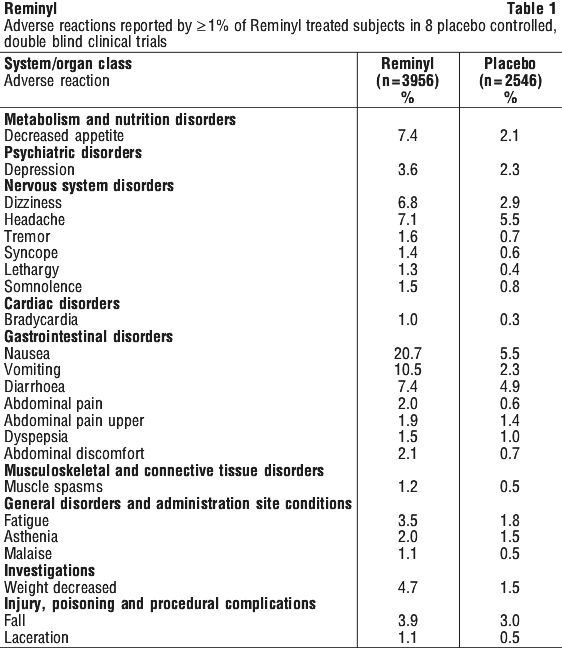
Nausea and vomiting, the most frequent adverse reactions, occurred mainly during titration periods, lasted less than a week in most cases and the majority of patients had one episode. Prescription of antiemetics and ensuring adequate fluid intake may be useful in these instances.
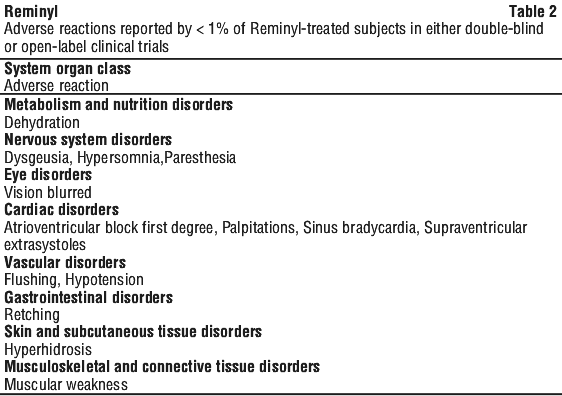
Double blind and open-label data - adverse reactions reported at < 1% frequency. In addition to double-blind clinical trials, the safety of Reminyl was evaluated in 1454 subjects with mild to moderately severe dementia of the Alzheimer's type who participated in 5 open-label clinical trials.
Additional adverse reactions not reported in Table 1 that occurred in < 1% of Reminyl-treated subjects in the double-blind and 5 open-label clinical datasets are listed in Table 2.
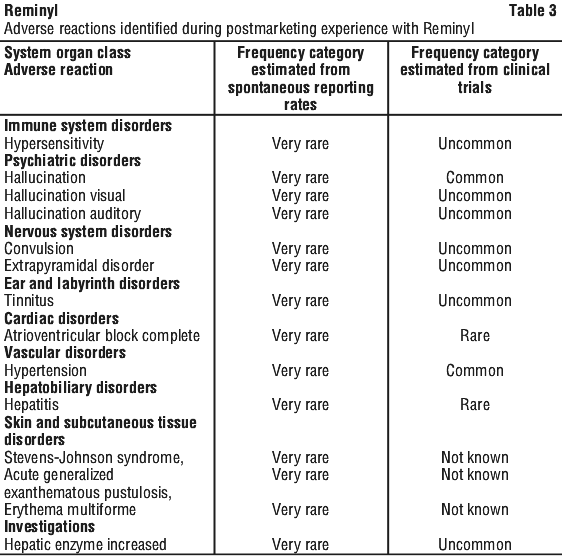
very common: ≥ 1/10; common: ≥ 1/100 and < 1/10; uncommon: ≥ 1/1000 and < 1/100; rare: ≥ 1/10,000 and < 1/1000; very rare: < 1/10,000, including isolated reports.
4.9 Overdose
Symptoms. Signs and symptoms of significant overdosing of galantamine are predicted to be similar to those of overdosing of other cholinomimetics. These effects generally involve the central nervous system, the parasympathetic nervous system, and the neuromuscular junction. In addition to muscle weakness or fasciculations, some or all of the signs of a cholinergic crisis may develop: severe nausea, vomiting, gastrointestinal cramping, salivation, lacrimation, urination, defecation, sweating, bradycardia, hypotension, collapse and convulsions. Increasing muscle weakness together with tracheal hypersecretions and bronchospasm may lead to vital airway compromise.
There have been postmarketing reports of torsades de pointes, QT prolongation, bradycardia, ventricular tachycardia and brief loss of consciousness in association with inadvertent overdoses of galantamine. In one case where the dose was known, eight 4 mg tablets (32 mg total) were ingested on a single day. Two additional cases of accidental ingestion of 32 mg (nausea, vomiting and dry mouth; nausea, vomiting and substernal chest pain) and one of 40 mg (vomiting), resulted in brief hospitalizations for observation with full recovery. One patient, who was prescribed 24 mg/day and had a history of hallucinations over the previous two years, mistakenly received 24 mg twice daily for 34 days and developed hallucinations requiring hospitalization. Another patient, who was prescribed 16 mg/day of oral solution, inadvertently ingested 160 mg (40 mL) and experienced sweating, vomiting, bradycardia and near syncope one hour later, which necessitated hospital treatment. His symptoms resolved within 24 hours.
Treatment. As in any case of overdose, general supportive measures should be used. In severe cases, anticholinergics such as atropine can be used as a general antidote for cholinomimetics. An initial dose of 0.5 to 1.0 mg given intravenously is recommended, with subsequent doses based on the clinical response.
As strategies for the management of overdose are continually evolving, it is advisable to contact a Poisons Information Centre to determine the latest recommendations for the management of an overdose.
For information on the management of overdose, contact the Poison Information Centre on 131126 (Australia).
5 Pharmacological Properties
5.1 Pharmacodynamic Properties
Reminyl (galantamine) is a cholinomimetic with a dual mechanism of action. Reminyl is a reversible inhibitor of the enzyme acetylcholinesterase and enhances the intrinsic action of acetylcholine on nicotinic receptors.
Mechanism of action. The cognitive dysfunction (memory, attention, learning) in dementia of the Alzheimer type is related to the profound dysfunction of the cholinergic neurotransmission system in the brain. Galantamine, a tertiary alkaloid, enhances the efficacy of the physiologically available acetylcholine through a dual mechanism of action: acetylcholinesterase inhibition and nicotinic receptor modulation.
Galantamine is a selective, competitive and reversible inhibitor of acetylcholinesterase, the enzyme responsible for the breakdown of the neurotransmitter acetylcholine. As a consequence, the breakdown of acetylcholine, released by the remaining healthy brain cells, is slowed down leaving more neurotransmitter available to support normal brain function.
In addition, galantamine enhances the intrinsic action of acetylcholine on nicotinic receptors, probably through binding to an allosteric site of the receptor. Stimulation of nicotinic receptors has been associated with improved cognitive function and neuroprotection against amyloid induced neurotoxicity. Amyloid peptide is the major component of amyloid plaques, one of the hallmarks of Alzheimer's disease. Modulation of the nicotinic receptor could also lead to enhanced neurotransmitter release, including the release of acetylcholine.
Animal studies have shown that galantamine effectively increases brain acetylcholine levels and enhances cognitive function, as inferred from its pharmacological mode of action.
Clinical trials. At the time of registration, more than 2500 patients in Australia, Canada, Europe and USA had received galantamine in both controlled and uncontrolled clinical studies. The efficacy of Reminyl in treating patients with the symptoms of mild to moderate Alzheimer's disease was assessed in three pivotal double blind, randomised, placebo controlled clinical trials of 5 months (GAL-USA-10) and 6 months duration (GAL-INT-1 and GAL-USA-1). GAL-INT-1 and GAL-USA-1 studied the effect of galantamine at maintenance doses of 24 mg/day (n = 428) and 32 mg/day (n = 429). GAL-USA-10 (n = 979) was conducted to evaluate the efficacy and tolerability of lower maintenance doses (16 mg/day and 24 mg/day) of galantamine with a slower dose escalation regimen. Reminyl was shown to be effective at 16, 24 and 32 mg/day in controlled clinical trials.
In the assessment of galantamine for the treatment of Alzheimer's disease, improvement of symptoms was assessed in three domains: cognition as measured by objective tests, activities of daily living and an overall clinical response as measured by a global assessment. All three domains were assessed in each of the above pivotal clinical trials. In addition, a fourth domain of behavioural assessment was included in GAL-USA-10 and GAL-INT-2.
NINCDS-ADRDA criteria were used to select patients with probable Alzheimer's disease. Mild to moderate disease was defined as Mini Mental State Exam score of 11-24 with an ADAScog score ≥ 12 at baseline. Other causes of dementia were excluded, and patients with psychiatric illness were excluded based on DSM-IV criteria.
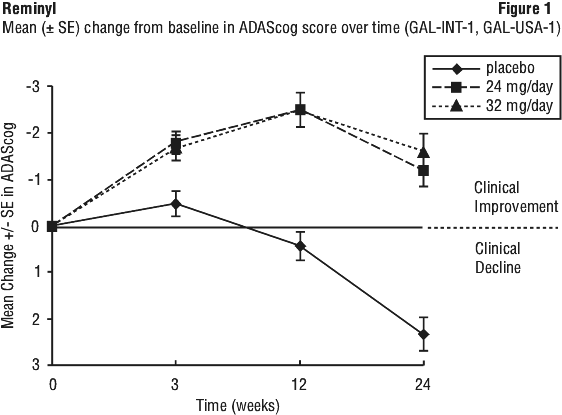
Cognitive endpoint - ADAScog. The cognitive subscale of the Alzheimer's Disease Assessment Scale (ADAScog) was used to measure the ability of Reminyl to improve cognitive performance. The ADAScog is an established scale, specifically designed to assess cognitive therapy in Alzheimer's disease. The ADAScog is a multi-item test battery that examines select aspects of cognitive performance including memory, orientation, attention, reasoning, language and praxis. The ADAScog scale extends from 0 to 70, higher scores indicating greater cognitive impairment. Elderly, normal patients may score as low as 0 or 1 unit, but individuals judged not to be demented can score higher. The mean score of patients entering each study was approximately 27 units. The ADAScog score is reported to deteriorate at a rate of about 8 to 11 units per year for untreated patients with Alzheimer's disease.
As shown in Figure 1, the cognitive performance of patients who were treated with Reminyl in GAL-INT-1 and GAL-USA-1 was statistically significantly better than that of patients who were given placebo (p < 0.001). The cognitive improvement was also statistically significant from as early as 3 weeks after the start of treatment.
The cognitive performance of patients treated with Reminyl, at the end of the 6 month observation period, was still well above the baseline performance whereas patients treated with placebo deteriorated. The effect size compared to placebo increased over time and was greatest at the end of the double blind treatment period. Sub-analysis revealed that patients treated with Reminyl performed better than placebo treated patients in all clusters addressing specific cognitive domains contained in the ADAScog. This shows that the overall effect of treatment was not related to a specific domain of cognitive performance, but that Reminyl improved all domains.
In GAL-USA-10, statistically significant reductions in cognitive impairment was observed for the 16 and 24 mg/day groups (p < 0.001) when compared to placebo after 5 months. The results for the 16 and 24 mg/day doses were similar at all time points (see Figure 2).
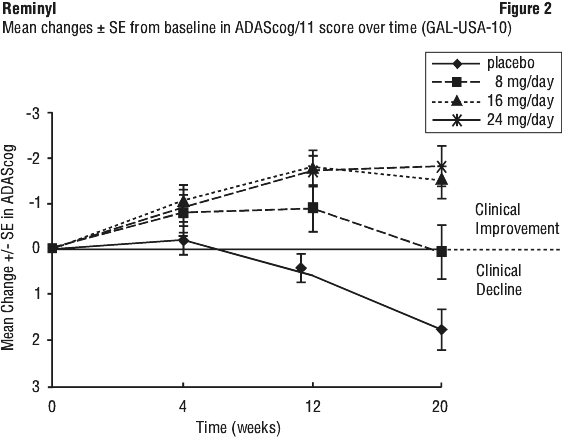
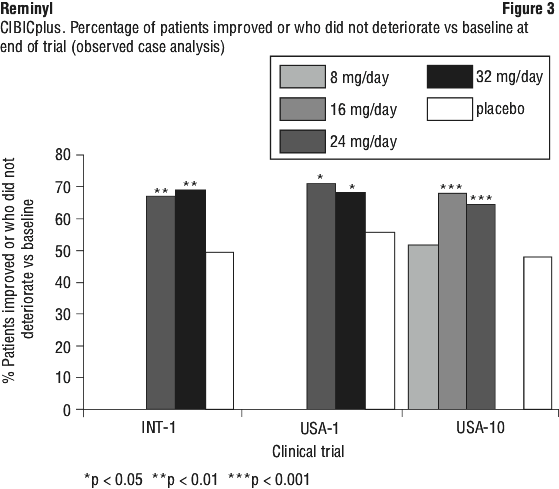
Figure 3 displays the percentage of patients who improved or did not deteriorate over the course of the trial according to CIBICplus. In both trials there were always more patients treated with Reminyl found to have improved or not deteriorated compared to the placebo treated patients, and the differences were consistently statistically significant.
The results of the CIBICplus indicate that independent clinicians were able to discern a treatment effect and thus the result on the global test confirm the findings on the ADAScog and render it clinically relevant.
As expected, the functional endpoint (DAD) showed more variability within groups and showed less consistent treatment effects compared to the cognitive and global endpoints. In all trials patients treated with Reminyl maintained functionality over the observation period. Significant differences between placebo and Reminyl were seen in trials where a significant placebo deterioration was present.
In GAL-USA-10, ADCS/ADL (Alzheimer's Disease Cooperative Study Activities Daily Living) inventory was used to measure the overall change in activities of daily living. At months 3 and 5, a significantly superior treatment effect was demonstrated in the groups receiving 16 and 24 mg/day of galantamine when compared to the placebo group.
The effect of Reminyl on caregiver burden was evaluated in clinical studies. In GAL-INT-1, the average time required for patient's care was less in the Reminyl group as opposed to the placebo group at month 6. Patients treated with Reminyl could also be left unsupervised for a longer period of time than the placebo group.
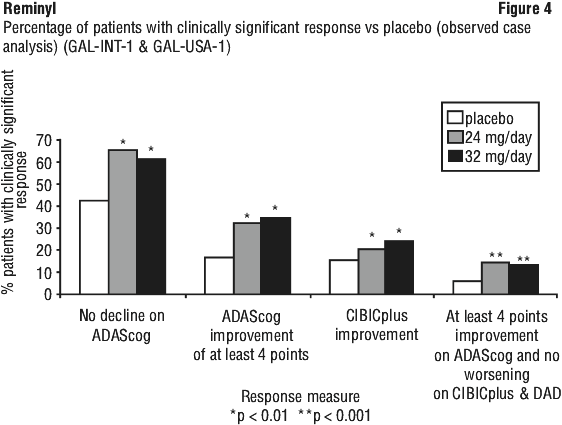
Clinically relevant response - overall benefit. Figure 4 shows the results of a pooled analysis of the two pivotal studies in which different types of 'responders' are assessed. A clinically relevant response was categorised either as no decline on ADAScog, improvement of at least 4 points on the ADAScog, improvement on the CIBICplus, or improvement of at least 4 points on the ADAScog and no worsening on the CIBICplus and no worsening on the DAD.
There is a statistically significant difference for both doses of galantamine compared to placebo for all response categories.
In order to assess the overall efficacy of Reminyl in the treatment of the symptoms of mild to moderate Alzheimer's disease, all three endpoints (cognitive, global and functional performance) must be considered to determine whether a clinically significant effect can be concluded.
Figure 4 shows the percentage of patients with a clinically significant response on a combination of scales: improvement of at least 4 points on the ADAScog and no worsening on the CIBICplus and no worsening on the DAD. In the placebo group, 5.5% of patients met the criterion, whilst this percentage was 14.3% for patients treated with Reminyl 24 mg daily, and 13.3% for patients treated with Reminyl 32 mg daily. The difference between placebo and both Reminyl treatment groups was statistically significant (p < 0.001).
In comparison to the placebo group or the 8 mg/day group, galantamine showed a statistically significant (p ≤ 0.05) advantage in maintaining the total NPI score after 5 months of treatment at doses of 16 mg/day and 24 mg/day. Stabilised behaviour was observed in patients receiving 16 or 24 mg/day of galantamine.
Long-term safety and efficacy. The long-term safety and efficacy of 24 mg Reminyl (12 mg twice daily) in Alzheimer's disease patients who had completed GAL-USA-1 was evaluated during an additional six month open label extension. These patients had received either placebo, 24 mg or 32 mg of galantamine during the initial six month trial.
The extension study (GAL-USA-3) results support the findings of the 24 week pivotal trials in demonstrating the safety and efficacy of Reminyl. Patients treated with Reminyl 24 mg/day for the entire 12 month period maintained cognitive benefits during the second six months of treatment. They finished the extension trial with ADAScog scores no worse than they were at baseline. Although no placebo group was available for comparison in this study, the result is quite significant considering that literature suggests the average decline for Alzheimer's disease patients on the ADAScog over 12 months is eight to eleven points.
Patients who received placebo for the first 24 week period in GAL-USA-1 and were given Reminyl 24 mg daily in GAL-USA-3, did experience an improvement in their cognitive function according to ADAScog after 3 months treatment with Reminyl. Although the ADAScog score at the end of the initial placebo phase had deteriorated by 2.2 points from baseline (i.e. at the start of GAL-USA-1), there was no further statistically significant change for this group during treatment with Reminyl.
No rebound effect on cognitive performance was seen in patients abruptly withdrawn from Reminyl treatment. Contrary to what would be expected from a purely symptomatic treatment, patients did not completely lose the treatment benefits during a six week observation period after cessation of Reminyl treatment.
Gastrointestinal tolerability of Reminyl improved during modified release prolonged dosing, and no unexpected time dependent adverse events were apparent.
Reminyl modified release capsules. The efficacy of Reminyl modified release (MR) capsules was studied in a randomised, double blind, placebo and active controlled trial using a 4 week dose escalation, flexible dosing regimen of 16 or 24 mg/day for a treatment duration of 6 months. The three treatment groups in the study were Reminyl modified release capsule, Reminyl immediate release tablets and placebo.
NINCDS-ADRDA criteria were used to select patients with probable Alzheimer's disease. Mild to moderate disease was defined as Mini Mental State Exam score of 10 to 24 with an ADAScog/11 score ≥ 18 at screening.
In the protocol specified primary efficacy analysis for the two endpoints (ADAScog/11 and CIBICplus), at month 6, Reminyl MR capsules showed a statistically significant improvement over placebo for ADAScog/11. A numerical trend in favour of Reminyl modified release capsules was observed for the CIBICplus score, however neither Reminyl MR capsules or Reminyl IR tablets achieved the nominal statistical significance when compared to placebo. This may have been due to the over-representation of subjects with a screening MMSE score > 22 in the placebo group. These patients contributed to the disproportionately high placebo response rate. In addition, Reminyl MR capsules was statistically significantly better than placebo in improving activities of daily living (ADCS-ADL), a key secondary efficacy measure. There were no clinically relevant differences in medicine compliance, including dose titration, dose reduction, discontinuation and daily dose compliance.
Efficacy results were similar for Reminyl modified release capsules and Reminyl tablets, which served as an active control in this study.
5.2 Pharmacokinetic Properties
Galantamine has a low clearance (plasma clearance of approximately 300 mL/min) with a moderate volume of distribution (average Vdss of 175 L). The disposition of galantamine is biexponential, with a terminal half-life in the order of 7-8 hours.
After repeated oral dosing of the immediate release tablets (12 mg galantamine twice daily), mean trough and peak plasma concentrations fluctuated between 30 and 90 nanogram/mL. The pharmacokinetics of galantamine are linear in the dose range of 4-16 mg twice daily for the immediate release formulation.
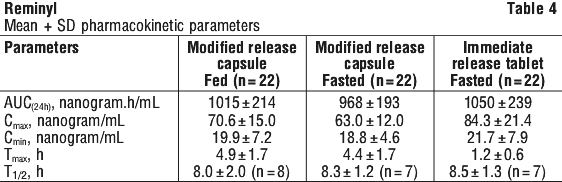
Reminyl modified release capsules (24 mg once daily) are bioequivalent to the immediate release tablets (12 mg twice daily) with respect to AUC24h and Cmin at steady state. The Cmax value was about 24% lower than that of tablet. Galantamine pharmacokinetics of Reminyl modified release capsules are dose proportional within the studied dose range of 8 mg to 24 mg in elderly and young age groups. The terminal half-life of Reminyl modified release capsule is similar to that of immediate release tablet.
Data from clinical trials indicate that the plasma concentrations of galantamine (immediate release tablet) in patients with Alzheimer's disease are 30-40% higher than in healthy young subjects.
Absorption. Immediate release tablets. Absorption is rapid, with a Tmax of about 1 hour. The absolute bioavailability of galantamine is high, 88.5 ± 5.4%. The presence of food delays the rate of absorption (Tmax) and reduces peak concentration (Cmax) by about 25%, without affecting the extent of absorption (AUC).
Modified release capsules. Well absorbed with Tmax value around 4.4 hours. Food has no significant effect on AUC of the modified release capsules. Cmax was increased by about 12% and Tmax increased by about 30 minutes when the capsule was given after food. However, these changes are unlikely to be clinically significant.
The mean pharmacokinetic parameters at steady state in 22 healthy adults following the 24 mg once daily modified release capsules and the 12 mg twice daily immediate release tablets are summarised in Table 4.
Metabolism. Major metabolic pathways were N-oxidation, N-demethylation, O-demethylation, glucuronidation and epimerisation. O-demethylation was far more important in extensive metabolisers of CYP2D6. The levels of excretion of total radioactivity in urine and faeces did not differ between poor and extensive metabolisers. In vitro studies confirmed that cytochrome P450 2D6 and 3A4 were the major cytochrome P450 isoenzymes involved in the metabolism of galantamine.
In plasma from poor and extensive metabolisers, unchanged galantamine and its glucuronide accounted for most of the sample radioactivity. In plasma from extensive metabolisers, the glucuronide of O-desmethylgalantamine was also present.
None of the active metabolites of galantamine (norgalantamine, O-desmethylgalantamine and O-desmethyl-norgalantamine) could be detected in their unconjugated form in plasma from poor or extensive metabolisers after single dosing. Norgalantamine was detectable in plasma from patients after multiple dosing, but did not represent more than 10% of the galantamine levels.
Excretion. Seven days after a single oral dose of 4 mg 3H-galantamine (solution), 90-97% of the radioactivity was recovered in urine and 2.2-6.3% in the faeces. After intravenous and oral solution administration, 18-22% of the dose was excreted as unchanged galantamine in the urine in 24 hours, with a renal clearance of about 65 mL/min, which represents 20-25% of the total plasma clearance.
The disposition of galantamine (8 mg immediate release tablet) was studied in young subjects with varying degrees of renal function. Elimination of galantamine decreased with decreasing creatinine clearance. Plasma concentrations of galantamine increased in subjects with impaired renal function by 38% in moderate (creatinine clearance between 52-104 mL/min) or 67% in severe renal impairment (creatinine clearance between 9-51 mL/min), compared to age and weight matched healthy subjects (creatinine clearance greater than or equal to 121 mL/min). A population pharmacokinetic analysis and simulations indicate that no dose adjustments are needed in Alzheimer patients with renal impairment provided that the creatinine clearance is at least 9 mL/min.
The pharmacokinetics of galantamine in subjects with mild hepatic impairment (Child-Pugh score of 5-6) were comparable to those in healthy subjects. In patients with moderate hepatic impairment (Child-Pugh score of 7-9), AUC and half-life of galantamine (4 mg immediate release tablet) were increased by about 30%.
5.3 Preclinical Safety Data
Genotoxicity. Galantamine was not mutagenic in bacterial reverse mutation tests in Salmonella typhimurium and Escherichia coli or in a mammalian gene mutation test in vitro. Galantamine did not induce chromosome aberrations in Chinese hamster ovary cells in vitro or in the micronucleus test in mice in vivo.
Carcinogenicity. Galantamine showed no medicine-related increase in tumour incidences in transgenic tumour-suppressor-gene p53-deficient mice at plasma AUC0-24 h levels slightly greater than those in humans after the maximum recommended dose. There was also no increase in tumour incidences in a 24-month carcinogenicity study in Charles River CD1 mice at plasma AUC0-24 h levels 1 to 2 times those in humans at the maximum recommended dose.
In a 24-month carcinogenicity study in Wistar rats, dose-related increases in the incidences of endometrial (adeno) carcinomas and sarcomas of the genital tract were observed in females. At the no-effect level of 2.5 mg/kg/day, systemic exposure (plasma AUC0-24 h) was slightly greater than that in humans at the maximum therapeutic dose. The mechanism of tumour development has not been clearly established, but may be related to decreased prolactin levels.
6 Pharmaceutical Particulars
6.1 List of Excipients
Reminyl contains the following inactive ingredients:
Capsule pellets. Diethyl phthalate, ethylcellulose, hypromellose, non-pareil beads (ARTG PI No 1014), Opadry clear OY-7240 (ARTG PI No 3234).
Capsule shell. 8 mg: Empty hard gelatin capsules size 4 white Op. 44.000/44.000 pure bovine (ARTG PI No 108031).
16 mg: Empty hard gelatin capsules size 2 37.024 Flesh Op.C024 pure bovine (ARTG PI No 108029).
24 mg: Empty hard gelatin capsules size 1 36.092 Caramel Op.C024 pure bovine (ARTG PI No 108030).
Printing ink. TekPrint SW-9008 Black Ink (ARTG PI No 2328), or Opacode monogramming ink S-1-277002 Black (ARTG PI No 107581).
6.2 Incompatibilities
Incompatibilities were either not assessed or not identified as part of the registration of this medicine.
6.3 Shelf Life
In Australia, information on the shelf life can be found on the public summary of the Australian Register of Therapeutic Goods (ARTG). The expiry date can be found on the packaging.
6.4 Special Precautions for Storage
Reminyl modified release capsules should be stored below 30°C.
6.5 Nature and Contents of Container
Reminyl modified release capsules are available in PVC/PE/PVDC/Al blister packs - 7 and 28 modified release capsules for the 8 mg strength and 28, 56 and 84 modified release capsules for the 16 mg and 24 mg strength.
* Not all pack sizes are marketed.
6.6 Special Precautions for Disposal
In Australia, any unused medicine or waste material should be disposed of by taking to your local pharmacy.
6.7 Physicochemical Properties
Galantamine hydrobromide, (4aS, 6R, 8aS)-4a,5,9,10,11,12- hexahydro-3- methoxy-11- methyl-6H-benzofuro[3a,3,2-ef][2]benzazepin-6-ol hydrobromide, is a white to almost white powder with a solubility in water of 3.1 g/100 mL. Galantamine hydrobromide contains three chiral centres and is presented as a single enantiomer.
Chemical structure.
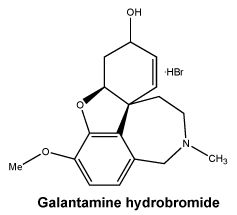
MW: 368.27.
CAS number. CAS-1953-04-4 (galantamine hydrobromide).
7 Medicine Schedule (Poisons Standard)
S4 Prescription only medicine.
Date of First Approval
16 November 2010
Date of Revision
17 July 2025
Summary Table of Changes

Reasonable care is taken to provide accurate information at the time of creation. This information is not intended as a substitute for medical advice and should not be exclusively relied on to manage or diagnose a medical condition. The Australian Commission on Safety and Quality in Health Care disclaims all liability (including for negligence) for any loss, damage, injury or any other negative effects resulting from reliance on or use of this information. Read our full disclaimer. This website uses cookies. Read our privacy policy.