
Ritalin LA
Brand Information
| Brand name | Ritalin LA |
| Active ingredient | Methylphenidate hydrochloride |
| Schedule | S8 |
Consumer Medicine Information (CMI) leaflet
Please read this leaflet carefully before you start using the Ritalin LA.
Summary CMI
Ritalin LA®
Consumer Medicine Information (CMI) summary
The full CMI on the next page has more details. If you are worried about using this medicine, speak to your doctor or pharmacist.
WARNING: Important safety information is provided in a boxed warning in the full CMI. Read before using this medicine.
1. Why am I taking Ritalin LA?
Ritalin LA contains the active ingredient Methylphenidate hydrochloride. Ritalin LA is used to treat Attention-Deficit Hyperactivity Disorder (ADHD).
For more information, see Section 1. Why am I taking Ritalin LA? in the full CMI.
2. What should I know before I take Ritalin LA?
Do not use if you have ever had an allergic reaction to Ritalin LA or any of the ingredients listed at the end of the CMI.
Talk to your doctor if you have any other medical conditions, take any other medicines, or are pregnant or plan to become pregnant or are breastfeeding.
For more information, see Section 2. What should I know before I take Ritalin LA? in the full CMI.
3. What if I am taking other medicines?
Some medicines may interfere with Ritalin LA and affect how it works.
A list of these medicines is in Section 3. What if I am taking other medicines? in the full CMI.
4. How do I take Ritalin LA?
- Your doctor will advise you of the appropriate dose.
- Take Ritalin LA orally once daily in the morning with or without food.
- Take the medicine exactly as prescribed by your doctor.
More instructions can be found in Section 4. How do I take Ritalin LA? in the full CMI.
5. What should I know while using Ritalin LA?
| Things you should do |
|
| Things you should not do |
|
| Driving or using machines |
|
| Drinking alcohol |
|
| Looking after your medicine |
|
For more information, see Section 5. What should I know while using Ritalin LA? in the full CMI.
6. Are there any side effects?
Common side effects include blurred vision, drowsiness, fatigue, mood changes, vomiting, rash, joint pain, depression, anxiety, nervousness, agitation, aggression.
For more information, including what to do if you have any side effects, see Section 6. Are there any side effects? in the full CMI.
Full CMI
WARNING: DRUG DEPENDENCE: Ritalin LA should be given cautiously to patients with a history of drug dependence or alcoholism. Chronic abusive use can lead to marked tolerance and psychological dependence with varying degrees of abnormal behaviour. Frank psychotic episodes can occur, especially with parenteral abuse. Careful supervision is required during withdrawal from abusive use since severe depression may occur. Withdrawal following chronic therapeutic use may unmask symptoms of the underlying disorder that may require follow up.
Ritalin LA®
Active ingredient(s): Methylphenidate hydrochloride.
Consumer Medicine Information (CMI)
This leaflet provides important information about using Ritalin LA. You should also speak to your doctor or pharmacist if you would like further information or if you have any concerns or questions about using Ritalin LA.
Where to find information in this leaflet:
1. Why am I taking Ritalin LA?
2. What should I know before I take Ritalin LA?
3. What if I am taking other medicines?
4. How do I take Ritalin LA?
5. What should I know while using Ritalin LA?
6. Are there any side effects?
7. Product details
1. Why am I taking Ritalin LA?
Ritalin LA contains the active ingredient Methylphenidate hydrochloride. Ritalin LA is a class of medicine that increases the activity of the brain.
Ritalin LA is used to treat Attention-Deficit Hyperactivity Disorder (ADHD).
2. What should I know before I take Ritalin LA?
Warnings
Do not use Ritalin LA if:
- you are allergic to Methylphenidate hydrochloride, or any of the ingredients listed at the end of this leaflet.
- you have anxiety, tension or agitation
- you have Tourette's Syndrome (uncontrolled speech, body movements or tics) or a family history of Tourette's
- you have Glaucoma (increased pressure in the eye)
- you have an overactive thyroid or other thyroid problems
- you have heart problems - heart attack, irregular heartbeat, chest pain (angina), heart failure, heart disease or if you were born with a heart problem
- you have very high blood pressure (hypertension) or narrowing of the blood vessels (arterial occlusive disease, which can cause pain in the arms and legs)
- you have severe depression, an eating disorder (anorexia) or other mental illness
- you have a tumour in the adrenal gland which can cause high blood pressure and headaches.
Do not use Ritalin LA in known drug dependence or alcohol abuse cases.
Ritalin LA should not be taken on the day of surgery with anesthetics due to an increased risk of blood pressure.
Check with your doctor if you:
- have any other medical conditions such as depression, suicidal thoughts or behaviour, seeing or feeling things that are not there (hallucinations), unusual active or depressed mood (bipolar illness), aggressive behaviour
- have abnormal thoughts or are over-excited, over-active or un-inhibited
- have motor or verbal tics, uncontrolled speech or movements, repeated twitching or make repeated sounds or words, or if a family member has any of these
- have had fits/convulsions
- experience all of these problems: restlessness, tremor, sudden muscle contractions, abnormal high temperature, nausea, vomiting
- have high blood pressure (headaches, blurred vision, chest pain)
- have any other medical conditions such as current or previous heart problems or serious heart rhythm problems.
- have any other medical conditions such as weakening of the blood vessels in the brain, inflammation of the blood vessels, have had a stroke
- have eye problems, including increased pressure in your eye, glaucoma or trouble seeing close-up
- take any medicines for any other condition
- have painful or long-lasting erections
- have serious heart problems. You should be examined by a Heart Specialist before you take Ritalin.
During treatment, you may be at risk of developing certain side effects. It is important you understand these risks and how to monitor for them. See additional information under Section 6. Are there any side effects?
Pregnancy and breastfeeding
Check with your doctor if you are pregnant or intend to become pregnant.
Talk to your doctor if you are breastfeeding or intend to breastfeed.
Ritalin LA should not be taken during pregnancy unless your doctor specifically advises you.
It may affect your developing baby, if you take it during pregnancy.
Do not breast feed while you are on Ritalin LA as the active ingredient in Ritalin LA can pass into the breast milk.
Children under 6 years
- Do not use Ritalin LA in children under 6 years of age.
Children under 18 years of age
- Your doctor needs to take a detailed history and evaluation before you take Ritalin LA.
Children may have slower growth if taking Ritalin LA for a long time.
3. What if I am taking other medicines?
Tell your doctor or pharmacist if you are taking any other medicines, including any medicines, vitamins or supplements that you buy without a prescription from your pharmacy, supermarket or health food shop.
Do not take Ritalin LA if:
- you are taking monoamine oxidase inhibitors (MAOI) or have taken this medicine in the last 2 weeks.
Tell your doctor or pharmacist if you are taking any of the following medicines:
- medicines that increase blood pressure;
- tricyclic antidepressants (treats depression);
- alpha 2 agonists (treat high blood pressure);
- oral anticoagulants (prevent blood clots);
- anticonvulsants (treat fits/seizures);
- medicines that treat mental illnesses (antipsychotics)
- phenylbutazone (treats pain or fever);
- medicines that influence dopamine levels e.g. disease which affects movement (Parkinson's disease);
that change the level of serotonin in the body such as sertraline or venlafaxine that are used to treat depression.
Check with your doctor or pharmacist if you are not sure about what medicines, vitamins or supplements you are taking and if these affect Ritalin LA.
4. How do I take Ritalin LA?
How much to take
- Your doctor will decide the appropriate dose for you.
- The recommended starting dose of Ritalin LA in adults is 20 mg once daily.
- Daily doses above 80 mg are not recommended for adults.
- The recommended starting dose in children aged 6 years and older is 5 mg (refer to Ritalin 10 CMI).
- Daily doses above 60 mg are not recommended for children 6 years and above.
- Your doctor may adjust your dose or ask you to discontinue the medication based on your response.
- If you do not understand your dose, ask your doctor or pharmacist for help.
- Follow the instructions provided and use Ritalin LA until your doctor tells you to stop.
When to take Ritalin LA
- Ritalin LA should be taken orally once daily in the morning and as per your doctor's instructions.
- Ritalin LA capsule may be swallowed as whole with a glass of water.
- The capsules may be taken with or without food but always ensure to take them in the same way (e.g. always with food or always without food).
- Consult your doctor if you do not understand how to take your medicine.
- Ritalin LA capsules and/or their contents should not be crushed, chewed or divided.
If you have problems swallowing the capsules:
- The capsule contents can be sprinkled onto cold applesauce but should be swallowed WITHOUT chewing.
- Do not store the drug and food mixture for future use.
If you forget to take Ritalin LA
Ritalin LA should be taken regularly at the same time each day. If you miss your dose at the usual time, take it as soon as possible.
If it is almost time for your next dose, skip the dose you missed and take your next dose when you are meant to.
Do not take a double dose to make up for the dose you missed.
- Take the medicine as prescribed by your doctor. Do not take it more often and do not use it for longer than your doctor advises you - this medicine can be addictive.
If you use too much Ritalin LA
If you think that you have used too much Ritalin LA, you may need urgent medical attention.
Symptoms of overdose:
- vomiting, headache, sweating, very high fever, high blood pressure, dryness of mucous membranes.
- agitation, euphoria (feeling of extreme happiness), severe confusion, seeing, feeling or hearing things that are not there (hallucinations)
- tremors
- unusually increased reflexes
- muscle twitching
- convulsions (may be followed by coma)
- flushing, fast heart rate, fast or irregular heartbeats
- dilated pupils and temporary paralysis or weakness of muscles.
You should immediately:
- phone the Poisons Information Centre
(by calling 13 11 26), or - contact your doctor, or
- go to the Emergency Department at your nearest hospital.
You should do this even if there are no signs of discomfort or poisoning.
5. What should I know while using Ritalin LA?
Things you should do
Take your medicine as directed by your doctor.
Make sure you keep any doctor's or specialist appointments as your doctor needs to assess your treatment periodically. Your doctor may check your or your child's blood pressure, height, weight, blood pressure and do some blood tests regularly.
Call your doctor straight away if you:
- Have any chest pain, fainting or other possible heart problems.
- Have any abnormal thoughts, over-active/excited or uninhibited actions, aggressive behaviour, are seeing things.
- Have fits or tics
- Have eye problems
- Have slurred speech, confusion, loss of coordination, sudden numbness
- Have painful or long-lasting erections.
Remind any doctor, dentist or pharmacist you visit that you are using Ritalin LA.
Things you should not do
- Do not stop using this medicine suddenly without first consulting with your doctor. You may need medical supervision if you have interrupted the treatment.
- Do not change the dose without consulting your doctor.
- Do not take this drug to treat any other problems unless your doctor tells you to.
- Do not give this medicine to anyone else, even if their condition seems like yours.
Keep all doctors and specialists appointments.
Misuse of Ritalin LA may cause sudden death and other serious heart problems.
Growth in children
- Some children taking Ritalin LA for a long time can have a slower than normal growth.
Medicines that raise serotonin
- For example sertraline, venlafaxine used to treat depression.
- If you feel restless, have tremor, abnormal high temperature, nausea, vomiting - stop using Ritalin LA.
Driving or using machines
Be careful before you drive or use any machines or tools until you know how Ritalin LA affects you.
Ritalin LA may cause dizziness, drowsiness, blurred vision, or hallucinations (seeing or hearing things that aren't there) in some people.
If you have any of the above symptoms, do not drive, use machines, or engage in any other potentially hazardous activities.
Drinking alcohol
Do not drink alcohol while taking Ritalin LA.
Alcohol can make the side effects worse. Check to make sure food and other medicines taken do not contain alcohol.
Ritalin LA may give a false positive lab test when testing for drug use. This includes testing used in sport.
Taking stimulants
Stimulants including caffeine containing medications, foods, or beverages (e.g., energy drinks).
As these are also stimulants, using them together with Ritalin LA can increase side effects such as fast or irregular heartbeat and high blood pressure.
Looking after your medicine
- Store below 30°C
Follow the instructions in the carton on how to take care of your medicine properly.
Store it in a cool dry place away from moisture, heat or sunlight; for example, do not store it:
- in the bathroom or near a sink, or
- in the car or on window sills.
Keep it where young children cannot reach it.
Getting rid of any unwanted medicine
If you no longer need to use this medicine or it is out of date, take it to any pharmacy for safe disposal.
Do not use this medicine after the expiry date.
6. Are there any side effects?
All medicines can have side effects. If you do experience any side effects, most of them are minor and temporary. However, some side effects may need medical attention.
See the information below and, if you need to, ask your doctor or pharmacist if you have any further questions about side effects.
Less serious side effects
| Less serious side effects | What to do |
Problems of the brain, spinal cord and nerves:
| Speak to your doctor if you have any of these less serious side effects and they worry you. |
Serious side effects
| Serious side effects | What to do |
Problems of the brain, spinal cord and nerves:
| Call your doctor straight away, or go straight to the Emergency Department at your nearest hospital if you notice any of these serious side effects. |
Tell your doctor or pharmacist if you notice anything else that may be making you feel unwell.
Other side effects not listed here may occur in some people.
Reporting side effects
After you have received medical advice for any side effects you experience, you can report side effects to the Therapeutic Goods Administration online at www.tga.gov.au/reporting-problems. By reporting side effects, you can help provide more information on the safety of this medicine.
Always make sure you speak to your doctor or pharmacist before you decide to stop taking any of your medicines.
7. Product details
This medicine is only available with a doctor's prescription.
What Ritalin LA contains
| Active ingredient (main ingredient) | Methylphenidate hydrochloride. |
| Other ingredients (inactive ingredients) | sugar spheres (sucrose and maize starch), methacrylic acid copolymer, purified talc, triethyl citrate, macrogol 6000, gelatin, titanium dioxide, iron oxide yellow (10, 30, 40 mg and 60 mg capsules only), iron oxide black (10, 40 mg and 60 mg capsules only), iron oxide red (40 mg and 60 mg capsules only) and TekPrint SW 8010. |
| Potential allergens | Sucrose, animal product |
Do not take this medicine if you are allergic to any of these ingredients.
What Ritalin LA looks like
Ritalin LA are modified release capsules that present as follows:
10 mg containing white to off-white beads in a light brown opaque hard gelatin capsule with the imprint of NVR on the cap and R10 on a white opaque body in tan-coloured ink.
20 mg containing white to off-white beads in a white opaque hard gelatin capsule with imprint NVR on the cap and R20 on body in tan-coloured ink.
30 mg containing white to off-white beads in a yellow opaque hard gelatin capsule with the imprint NVR on cap and R30 on body in tan-coloured ink.
40 mg containing white to off-white beads in a light brown opaque hard gelatin capsule with the imprint NVR on cap and R40 on body in tan-coloured ink.
60 mg containing white to off-white beads in a light brown opaque cap and a yellow opaque body hard gelatin capsule with imprint NVR on cap and R60 on body in tan-coloured ink. Not all presentations are available.
Australian Registration Number
Ritalin LA 10 mg: AUST R 160228
Ritalin LA 20 mg: AUST R 82957
Ritalin LA 30 mg: AUST R 82958
Ritalin LA 40 mg: AUST R 82959
Ritalin LA 60 mg: AUST R 236251
Who distributes Ritalin LA
Ritalin LA capsules are supplied in Australia by:
NOVARTIS Pharmaceuticals Australia Pty Limited
ABN 18 004 244 160
Level 25, Victoria Cross Tower
155 Miller Street
North Sydney NSW 2060
Telephone: 1 800 671 203
Web site: www.novartis.com.au
® = Registered Trademark
This leaflet was prepared in July 2026.
Internal document code:
rtlLA230726c based on PI rtl230726i
Brand Information
| Brand name | Ritalin LA |
| Active ingredient | Methylphenidate hydrochloride |
| Schedule | S8 |
MIMS Revision Date: 01 September 2026
1 Name of Medicine
Methylphenidate hydrochloride.
2 Qualitative and Quantitative Composition
Ritalin 10 contain methylphenidate hydrochloride 10 mg.
Ritalin LA modified release capsules contain 10 mg, 20 mg, 30 mg, 40 mg or 60 mg of methylphenidate hydrochloride.
Ritalin 10 contains lactose, sugars, milk products, lactitol, gluten and sulfur dioxide. Ritalin LA contains sucrose.
For the full list of the excipients, see Section 6.1.
3 Pharmaceutical Form
Ritalin 10 tablets are immediate release white tablets that are scored and marked AB and CG on the reverse.
Ritalin LA are modified release capsules that presented as follows:
10 mg containing white to off-white beads in a light brown opaque hard gelatin capsule with the imprint of NVR on the cap and R10 on a white opaque body in tan-coloured ink.
20 mg containing white to off-white beads in a white opaque hard gelatin capsule with imprint NVR on the cap and R20 on body in tan-coloured ink.
30 mg containing white to off-white beads in a yellow opaque hard gelatin capsule with the imprint NVR on cap and R30 on body in tan-coloured ink.
40 mg containing white to off-white beads in a light brown opaque hard gelatin capsule with the imprint NVR on cap and R40 on body in tan-coloured ink.
60 mg containing white to off-white beads in a light brown opaque cap and a yellow opaque body hard gelatin capsule with imprint NVR on cap and R60 on body in tan-coloured ink. Not all presentations are available.
4 Clinical Particulars
4.1 Therapeutic Indications
Ritalin 10 tablets and Ritalin LA capsules are indicated for the treatment of ADHD. Ritalin 10 tablets are also indicated for the treatment of narcolepsy.
Attention-deficit hyperactivity disorder (ADHD). ADHD was previously known as attention-deficit disorder. Other terms used to describe this behavioural syndrome include: minimal brain dysfunction in children, hyperkinetic child syndrome, minimal brain damage, minimal cerebral dysfunction, minor cerebral dysfunction and psycho-organic syndrome of children.
Ritalin 10/ Ritalin LA are indicated as an integral part of a total treatment program for ADHD that may include other measures (psychological, educational and social) for patients with this syndrome. Stimulants are not intended for use in the patient who exhibits symptoms secondary to environmental factors and/or other primary psychiatric disorders, including psychosis.
Special diagnostic considerations for ADHD in children. The aetiology of this syndrome is unknown and there is no single diagnostic test. Adequate diagnosis requires the use, not only of medical, but also of psychological, educational and social resources. Characteristics commonly reported include: chronic history of short attention span, distractibility, emotional lability, impulsivity, moderate to severe hyperactivity, minor neurological signs and an abnormal EEG. Learning may or may not be impaired. The diagnosis must be based upon a complete history and evaluation of the child and not solely on the presence of one or more of these characteristics.
Drug treatment is not indicated for all children with this syndrome. Stimulants are not intended for use in children who exhibit symptoms secondary to environmental factors (e.g. child abuse in particular) or primary psychiatric disorders. Appropriate educational placement is essential and psychosocial intervention is generally necessary. When remedial measures alone are insufficient, the decision to prescribe stimulant medicine will depend upon the physician's assessment of the chronicity and severity of the child's symptoms.
Continuation of treatment in adolescent and special diagnostic considerations for ADHD in adults. There is limited information to guide clinicians about how long older adolescents should continue to receive treatment with drugs for attention deficit hyperactivity disorder (ADHD). The decision should be based on the extent to which symptoms of ADHD and social functioning have improved to a point that medication is no longer needed. If older adolescents have been largely symptom free for a year and are functioning well, a trial without medication is warranted. This should be undertaken at times of low stress such as during holidays or in a period when a school routine is well established.
ADHD needs to be considered in adults who present with longstanding symptoms suggestive of ADHD (inattention, impulsivity, disorganisation) that appear to have started in childhood and are persisting into adult life. Further, people with personality disorder and/or problems with drug use accompanied by a significant level of impulsivity and inattention should be referred for evaluation by a psychiatrist with the training and skills required to assess and treat ADHD. This expertise is necessary due to the overlap of ADHD symptoms with anxiety, mood and personality disorders.
Narcolepsy. The symptoms include daytime sleepiness, inappropriate sleep episodes and rapidly occurring loss of voluntary muscle tone. Ritalin 10 is effective for symptoms of sleepiness but not for loss of voluntary muscle tone.
4.2 Dose and Method of Administration
Pre-treatment screening. Treatment should only be initiated by specialist physicians with experience in the use of the drug. Before initiating Ritalin 10/ Ritalin LA treatment, patients should be assessed for pre-existing cardiovascular and psychiatric disorders and a family history of sudden death, ventricular arrhythmia and psychiatric disorders. Weight and height should also be measured before treatment and documented on a growth chart (see Section 4.3 Contraindications; Section 4.4 Special Warnings and Precautions for Use).
Dosage. The dosage of Ritalin 10/ Ritalin LA should be individualised according to the patient's clinical needs and responses.
Treatment with Ritalin 10/ Ritalin LA should be initiated at a low dose, with increments at weekly intervals.
ADHD. In the treatment of ADHD, an attempt should be made to time administration of the drug to coincide with periods of greatest academic, behavioural or social difficulties for the patient.
If symptoms do not improve after dose titration over a one-month period, the drug should be discontinued.
If symptoms worsen or other adverse effects occur, the dosage should be reduced or, if necessary, the drug discontinued.
If the effect of the drug wears off too early in the evening, disturbed behaviour and/or inability to go to sleep may recur. A small evening dose of Ritalin 10 mg tablet may help solve this problem.
Periodic assessment of the treatment in ADHD. Drug treatment does not need to be indefinite. Physicians should periodically re-evaluate the treatment with trial periods off medication to assess the patient's functioning without pharmacotherapy. Improvement may be sustained when the drug is either temporarily or permanently discontinued. When used in children with ADHD, treatment can usually be discontinued during or after puberty.
If therapy is interrupted for reasons other than those stated above, it should not be restarted at the dose that had been reached prior to treatment interruption, but should be re-titrated.
Children and adolescents (6 years and over). Ritalin 10 tablets. Start with 5 mg once or twice daily (e.g. at breakfast and at lunch) with gradual increments of 5 or 10 mg weekly. The total daily dosage should be administered in divided doses.
In some children with ADHD, sleeplessness may occur as the effect of the drug wears off. On rare occasions, an additional dose at about 8.00 p.m. may help; a trial dose may help to clarify the issue in an individual case, if the symptom warrants treatment.
Ritalin LA capsules. Maximum daily doses. Daily doses above 60 mg are not recommended for the treatment of ADHD in children and adolescents.
Patients new to methylphenidate. The recommended starting dose of Ritalin LA who are currently not taking methylphenidate is 20 mg once daily.
When in the judgement of the clinician a lower initial dose is appropriate treatment may begin with Ritalin LA 10 mg.
Patients currently using methylphenidate. Treatment may be continued with the same daily dose. If the patient was previously treated with an immediate release formulation, a switch to an appropriate recommended dose of Ritalin LA should be made (see Switching patient's treatment from Ritalin 10 to Ritalin LA capsules).
Adults. Only the Ritalin LA formulation should be used for the treatment of ADHD in adults.
Ritalin LA capsules. Maximum daily doses. Daily doses above 80 mg are not recommended for the treatment of ADHD in adults.
Patients new to methylphenidate. The recommended starting dose of Ritalin LA who are currently not taking methylphenidate is 20 mg once daily.
Patients currently using methylphenidate. Treatment may be continued with the same daily dose. If the patient was previously treated with an immediate release formulation, a conversion to an appropriate recommended dose of Ritalin LA should be made (see Switching patient's treatment from Ritalin 10 to Ritalin LA capsules).
There are no differences recommended in dosing between male and female adult patients.
Use in elderly. Use of Ritalin LA in patients over 60 years of age has not been studied in controlled trials.
Switching patient's treatment from Ritalin 10 to Ritalin LA capsules. The recommended dose of Ritalin LA should be equal to the total daily dose of the immediate-release formulation not exceeding a total dose of 60 mg in children and 80 mg in adults. Examples involving switch from Ritalin 10 immediate-release tablets are provided in Table 1.
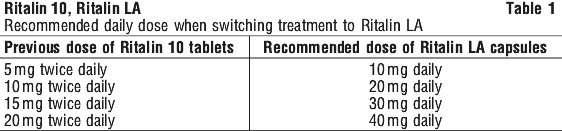
Ritalin LA dosage may be adjusted at weekly intervals in 10 mg increments for children and in 20 mg increments for adults.
Narcolepsy. Ritalin 10. Adults. Administer the tablets in divided doses 2 or 3 times daily. The average dose is 20 to 30 mg daily. Some patients may require 40 mg to 60 mg daily. In others, 10 mg to 15 mg daily will be adequate. Patients who are unable to sleep if Ritalin 10 tablets are taken late in the day should take the last dose before 6 p.m.
Dosing for each patient requires titration to control symptoms. Single doses greater than 20 mg are associated with sympathomimetic side effects. Therefore, the average single dose should be less than 20 mg. A maximum total dose of 60 mg/day may be required.
Maximum daily doses. A maximum daily dose of 60 mg should not be exceeded for the treatment of narcolepsy.
Administration. Ritalin 10 tablets. The rate of absorption and, therefore, onset of action is faster when Ritalin 10 tablets are taken with food. Dosage should, therefore, be standardised in relation to food to ensure consistency of effect.
Doses should be administered 1 to 2 hours before the maximum effect is required.
Ritalin LA. Ritalin LA capsules should be administered orally once daily in the morning.
Ritalin LA may be swallowed as whole capsules or alternatively may be administered by sprinkling the capsule contents on a small amount of soft food (see specific instructions below). Ritalin LA capsules and/or their contents should not be crushed, chewed or divided.
The capsules may be administered with or without food. A high fat breakfast may slow the rate of absorption and therefore onset of action. Dosage should, therefore, be standardised in relation to food to ensure consistency of effect.
Ritalin LA administered as a single daily dose provides comparable overall exposure (AUC) of methylphenidate compared to the same total dose of immediate release tablets administered twice daily.
Sprinkling Ritalin LA capsule contents on food. Carefully open the Ritalin LA capsule(s) and sprinkle the beads over applesauce. The food should not be warm because it could affect the modified release properties of the formulation. All of the mixture of drug and food should be immediately swallowed, unchewed. The drug and food mixture should not be stored for future use.
4.3 Contraindications
Ritalin is contraindicated in patients with the following:
anxiety and tension states;
agitation;
a family history or diagnosis of Tourette's syndrome;
glaucoma;
hyperthyroidism;
pre-existing cardiovascular disorders including uncontrolled hypertension, angina pectoris, arterial occlusive disease especially coronary arteries, heart failure, haemodynamically significant congenital heart disease, cardiomyopathies, myocardial infarction, cardiac arrhythmia and channelopathies (disorders caused by the dysfunction of ion channels);
treatment with monoamine oxidase inhibitors, and also within a minimum of 14 days following discontinuation of a monoamine oxidase (MAO) inhibitor (hypertensive crises may result);
pheochromocytoma;
known drug dependence or alcohol abuse;
severe depression, anorexia nervosa, psychotic symptoms or suicidal tendency, since Ritalin might worsen these conditions;
known hypersensitivity to methylphenidate or to any component of the formulation.
4.4 Special Warnings and Precautions for Use
General. Treatment with methylphenidate is not indicated in all cases of ADHD and should be considered only after detailed history taking and evaluation of the patient. The decision to prescribe methylphenidate should depend on the physician's assessment of the chronicity and severity of the symptoms and in paediatric patients, the appropriateness to the child's age. Prescription should not depend solely on the presence of isolated behavioural characteristics. When the symptoms are associated with acute stress reactions, treatment with methylphenidate is usually not indicated.
Stimulants, including non-pharmacotherapeutics (e.g. energy drinks, caffeine) should be used with caution in patients during treatment with Ritalin.
Sudden death and pre-existing structural cardiac abnormalities or other serious heart problems. It is essential that patients with pre-existing structural cardiac abnormalities or other serious heart problems being considered for treatment are assessed by a cardiologist before initiating treatment. On-going cardiological supervision should be maintained throughout treatment in these patients.
Children and adolescents. Sudden death has been reported in association with CNS stimulant treatment at usual doses in children and adolescents with structural cardiac abnormalities or other serious heart problems.
Stimulant products, including methylphenidate, generally should not be used in patients with known serious structural cardiac abnormalities, cardiomyopathy, serious heart rhythm abnormalities, or other serious cardiac problems that may increase the risk of sudden death due to the sympathomimetic effects of a stimulant drug. Before initiating methylphenidate treatment, patients should be assessed for pre-existing cardiovascular disorders and a family history of sudden death and ventricular arrhythmia (see Section 4.2 Dose and Method of Administration).
Adults. Sudden death, stroke and myocardial infarction have been reported in adults taking stimulant drugs at usual doses for ADHD. Although the role of stimulants in these adult cases is also unknown, adults have a greater likelihood than children of having serious structural cardiac abnormalities, cardiomyopathy, serious heart rhythm abnormalities, coronary artery disease, or other serious cardiac problems. Adults with such abnormalities should also generally not be treated with stimulant drugs.
Cardiovascular conditions. Ritalin is contraindicated in patients with severe hypertension. Ritalin increases heart rate and systolic and diastolic blood pressure. Therefore, caution is indicated in treating patients whose underlying medical conditions might be compromised by increases in blood pressure or heart rate, e.g. those with pre-existing hypertension. Severe cardiovascular disorders are contraindicated (see Section 4.3 Contraindications).
Methylphenidate should be used cautiously in patients with hypertension. Blood pressure should be monitored at appropriate intervals in all patients taking methylphenidate, especially in those with hypertension. Patients who develop symptoms suggestive of cardiac disease during methylphenidate treatment should undergo a prompt cardiac evaluation.
Children, adolescents, or adults who are being considered for treatment with stimulant medicine should have a careful history (including assessment for a family history of sudden death or ventricular arrhythmia) and physical exam to assess for the presence of cardiac disease, and should receive further cardiac evaluation if findings suggest such disease. Patients who develop symptoms such as exertional chest pain, unexplained syncope, or other symptoms suggestive of cardiac disease during stimulant treatment should undergo a prompt cardiac evaluation.
Misuse and cardiovascular events. Misuse of stimulants of the central nervous system, including methylphenidate may be associated with sudden death and other serious cardiovascular adverse events.
Cerebrovascular. Cerebrovascular conditions. Patients with pre-existing central nervous system (CNS) abnormalities, e.g. cerebral aneurysm and/or other vascular abnormalities such as vasculitis or pre-existing stroke should not be treated with Ritalin. Patients with additional risk factors (history of cardiovascular disease, concomitant medicine that elevates blood pressure) should be assessed regularly for neurological/ psychiatric signs and symptoms after initiating treatment with Ritalin (see Section 4.4 Special Warnings and Precautions for Use, Cardiovascular conditions; Section 4.5 Interactions with Other Medicines and Other Forms of Interactions).
Psychiatric conditions. Ritalin should not be used to treat severe depression or for the prevention or treatment of normal fatigue states. In psychotic patients administration of methylphenidate may exacerbate symptoms of behaviour disturbance and thought disorder.
Co-morbidity of psychiatric disorders in ADHD is common and should be taken into account when prescribing stimulant products. Prior to initiating treatment with methylphenidate, patients should be assessed for pre-existing psychiatric disorders and a family history of psychiatric disorders (see Section 4.2 Dose and Method of Administration).
Treatment of ADHD with stimulant products including Ritalin should not be initiated in patients with acute psychosis, acute mania, or acute suicidality. These acute conditions should be treated and controlled before ADHD treatment is considered. Methylphenidate should not be used as treatment for severe depression of either exogenous or endogenous origin.
In the case of emergent psychiatric symptoms or exacerbation of pre-existing psychiatric symptoms, Ritalin should not be given to patients unless the benefit outweighs the potential risk.
Psychotic symptoms. Psychotic symptoms, including visual and tactile hallucinations or mania have been reported in patients administered usual prescribed doses of stimulant products, including Ritalin (see Section 4.8 Adverse Effects (Undesirable Effects)).
Physicians should consider treatment discontinuation if psychotic symptoms occur.
Bipolar illness. Particular care should be taken in using stimulants to treat ADHD in patients with comorbid bipolar disorder because of concern for possible induction of a mixed/ manic episode in such patients.
Aggressive behaviour. Ritalin has been causally associated with aggression. Emergent aggressive behaviour or an exacerbation of baseline aggressive behaviour has been reported during stimulant therapy, including Ritalin. Physicians should evaluate the need for adjustment of treatment regimen in patients experiencing these behavioural changes, bearing in mind that upwards or downwards titration may be appropriate. Treatment interruption can be considered.
Suicidal tendency. Patients and caregivers of patients should be alerted about the need to monitor for clinical worsening, suicidal behaviour or thoughts or unusual changes in behaviour and to seek medical advice immediately if these symptoms appear. The physician should initiate appropriate treatment of the underlying psychiatric condition and consider a possible discontinuation or change in the ADHD treatment.
Motor and verbal tics. CNS stimulants, including methylphenidate, have been associated with the onset or exacerbation of motor and verbal tics. Worsening of Tourette's syndrome has also been reported (see Section 4.8 Adverse Effects (Undesirable Effects)). Therefore, clinical evaluation for tics in patients should precede use of stimulant medicine. Family history should be assessed and clinical evaluation for tics or Tourette's syndrome in patients should precede use of methylphenidate for ADHD treatment. Ritalin is contraindicated in case of diagnosis or family history of Tourette's syndrome (see Section 4.3 Contraindications). Patients should be regularly monitored for the emergence or worsening of tics during treatment with methylphenidate.
Serotonin syndrome. Serotonin syndrome has been reported following co-administration of methylphenidate with serotonergic drugs such as selective serotonin reuptake inhibitors (SSRIs) and serotonin-norepinephrine reuptake inhibitors (SNRIs). The concomitant use of methylphenidate and serotonergic drugs is not recommended as this may lead to the development of serotonin syndrome. The symptoms of serotonin syndrome may include mental status changes (e.g. agitation, hallucinations, delirium, and coma), autonomic instability (e.g. tachycardia, labile blood pressure, dizziness, diaphoresis, flushing, hyperthermia), neuromuscular symptoms (e.g. tremor, rigidity, myoclonus, hyperreflexia, incoordination), seizures, and/or gastrointestinal symptoms (e.g. nausea, vomiting, diarrhoea). Prompt recognition of these symptoms is important so that treatment with methylphenidate and serotonergic drugs can be immediately discontinued and appropriate treatment instituted (see Section 4.5 Interactions with Other Medicines and Other Forms of Interactions).
Paediatric use. Methylphenidate should not be used in children under 6 years of age, since safety and efficacy in this age group have not been established. Medicines should be kept out of the reach of children.
Growth retardation. Moderately reduced weight gain and slight growth retardation have been reported with the long-term use of stimulants, including methylphenidate, in children (see Section 4.8 Adverse Effects (Undesirable Effects)). Growth should be monitored as clinically necessary during treatment with methylphenidate, and patients who are not growing or gaining height or weight as expected may need to have their treatment interrupted.
Careful follow-up of weight and height in children aged 7 to 10 years who were randomised to either methylphenidate or non-medicine treatment groups over 14 months, as well as in naturalistic subgroups of newly methylphenidate-treated and non-medicine treated children over 36 months (to the ages of 10 to 13 years), suggests that consistently medicated children (i.e. treatment for 7 days per week throughout the year) have a temporary slowing in growth rate (on average, a total of about 2 cm less growth in height and 2.7 kg less growth in weight over 3 years), without evidence of growth rebound during this period of development.
Published data are inadequate to determine whether chronic use of amphetamines may cause similar suppression of growth, however, it is anticipated that they likely have this effect as well. Therefore, growth should be monitored during treatment with stimulants, and patients who are not growing or gaining height or weight as expected may need to have their treatment interrupted.
The retardation of growth referred to below (see Section 4.8 Adverse Effects (Undesirable Effects)) is usually followed by catch-up growth when the medicine is discontinued. In order to minimise such complications, drug-free periods over weekends, school holidays and long vacations are advocated by some specialists.
Fatigue. Methylphenidate should not be employed for the prevention or treatment of normal fatigue states.
Seizures. There is some clinical evidence that methylphenidate may lower the convulsion threshold in patients with a history of seizures, with prior EEG abnormalities in the absence of seizures and, rarely, in the absence of a history of seizures and no prior EEG evidence of seizures. Safe concomitant use of anticonvulsants and methylphenidate has not been established. In the presence of seizures, the drug should be discontinued.
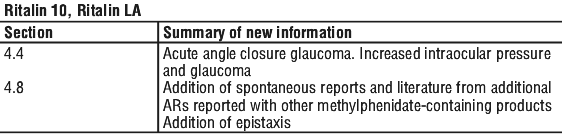
Acute angle closure glaucoma. There have been reports of acute angle closure glaucoma associated with methylphenidate treatment. Although the mechanism is not clear, Ritalin-treated patients considered at risk for acute angle closure glaucoma (e.g. patients with significant hyperopia) should be evaluated by an ophthalmologist.
Increased intraocular pressure and glaucoma. There have been reports of an elevation of intraocular pressure (IOP) and glaucoma (including open angle glaucoma and angle closure glaucoma) associated with methylphenidate treatment (see Section 4.8 Adverse Effects (Undesirable Effects)). Close monitoring of Ritalin-treated patients with a history of abnormally increased IOP or glaucoma is recommended.
Priapism. Prolonged and painful erections, sometimes requiring surgical intervention, have been reported with methylphenidate products in both paediatric and adult patients. Priapism was not reported with drug initiation but developed after some time on the drug, often subsequent to an increase in dose. Priapism has also appeared during a period of drug withdrawal (drug holidays or discontinuation). Patients who develop abnormally sustained or frequent and painful erections should seek immediate medical attention.
Peripheral vasculopathy, including Raynaud's phenomenon. Stimulants, including Ritalin and Ritalin LA, used to treat ADHD are associated with peripheral vasculopathy, including Raynaud's phenomenon. Signs and symptoms are usually intermittent and mild; however, very rare sequelae include digital ulceration and/or soft tissue breakdown. Effects of peripheral vasculopathy, including Raynaud's phenomenon, have been observed in postmarketing reports at different times and at therapeutic doses in all age groups throughout the course of treatment. Signs and symptoms generally improve after reduction in dose or discontinuation of drug. Careful observation for digital changes is necessary during treatment with ADHD stimulants. Further clinical evaluation (e.g. rheumatology referral) may be appropriate for certain patients.
Drug abuse and dependence. Caution is called for in emotionally unstable patients, such as those with a history of drug or alcohol dependence, because they may increase the dosage on their own initiative. Chronic abuse can lead to marked tolerance and psychological dependence with varying degrees of abnormal behaviour. Frank psychotic episodes may occur, especially in response to parenteral abuse.
Clinical data indicate that children given Ritalin are not more likely to abuse drugs as adolescents or adults. Methylphenidate abuse or dependence does not appear to be a problem in adolescents or adults who were treated with methylphenidate for ADHD as children.
Use with alcohol. Alcohol may exacerbate the CNS adverse reactions of psychoactive drugs, including methylphenidate. Therefore, it is advisable for patients to abstain from alcohol during treatment.
Withdrawal. Careful supervision is required during drug withdrawal, since this may unmask depression as well as the effects of chronic over-activity. Some patients may require long-term follow-up.
Haematological effects. Data on safety and efficacy of long-term use of methylphenidate are not complete. Patients requiring long-term therapy should be carefully monitored and periodic complete blood counts, differential and platelet counts are advisable during prolonged therapy. In the event of haematological disorders appropriate medical intervention should be considered (see Section 4.8 Adverse Effects (Undesirable Effects)).
Effects on laboratory tests. Methylphenidate may induce false positive laboratory tests for amphetamines, particularly with immunoassays screen test.
4.5 Interactions with Other Medicines and Other Forms of Interactions
Anti-hypertensive drugs. Ritalin may decrease the effectiveness of drugs used to treat hypertension.
Use with drugs that elevate blood pressure. Methylphenidate should be used with caution in patients being treated with drugs that elevate blood pressure due to the risk of severe hypertension (see Section 4.4 Special Warnings and Precautions for Use, Cerebrovascular conditions).
Because of possible hypertensive crisis, Ritalin is contraindicated in patients being treated (currently or within the preceding 2 weeks) with non-selective, irreversible MAO inhibitors (see Section 4.3 Contraindications).
Use with anaesthetics. There is a risk of sudden blood pressure and heart rate increase during surgery. If surgery is planned, Ritalin should not be taken on the day of surgery.
Use with centrally acting alpha-2 agonists (e.g. clonidine). Serious adverse events including sudden death have been reported in concomitant use with clonidine, although no causality for the combination has been established.
Use with dopaminergic drugs. As an inhibitor of dopamine reuptake, Ritalin may be associated with pharmacodynamic interactions when coadministered with direct and indirect dopamine agonists (including DOPA and tricyclic antidepressants) as well as dopamine antagonists (antipsychotics, e.g. haloperidol).
Concomitant use of Ritalin with antipsychotics is not recommended due to its counteracting mechanism of action. If upon medical assessment the combination is deemed necessary, monitoring for extrapyramidal symptoms (EPS) is recommended, as the concomitant use of methylphenidate with antipsychotics may increase the risk of EPS when there is a change (increase or decrease) in dosage of either or both medications.
Use with serotonergic drugs. The concomitant use of methylphenidate and serotonergic drugs is not recommended as this may lead to the development of serotonin syndrome (see Section 4.4 Special Warnings and Precautions for Use). Methylphenidate has been shown to increase extracellular serotonin and noradrenaline and appears to have weak potency in binding serotonin transporter.
Pharmacokinetic interactions. Ritalin is not metabolized by cytochrome P450 to a clinically relevant extent. Inducers or inhibitors of cytochrome P450 are not expected to have any relevant impact on Ritalin pharmacokinetics. Conversely, the d- and l-enantiomers of methylphenidate did not relevantly inhibit in vitro cytochrome P450 1A2, 2C8, 2C9, 2C19, 2D6, 2E1 and 3A.
Ritalin coadministration did not increase plasma concentrations of the CYP2D6 substrate desipramine.
Case reports have shown that methylphenidate may inhibit the metabolism of coumarin anticoagulants, anticonvulsants (phenobarbitone, primidone, phenytoin), phenylbutazone and tricyclic antidepressants (imipramine, desipramine), but pharmacokinetic interactions were not confirmed when explored at higher sample sizes. Reduction in the dosage of these drugs may be required when they are given concomitantly with methylphenidate.
Serious adverse events have been reported in concomitant use with clonidine, although no causality for the combination has been established. The safety of using methylphenidate in combination with clonidine or other centrally acting alpha-2 agonists has not been systematically evaluated.
Other specific drug-drug interaction studies with Ritalin have not been performed in vivo.
4.6 Fertility, Pregnancy and Lactation
Effects on fertility. No human data on the effect of methylphenidate on fertility are available.
Women of child-bearing potential. Methylphenidate should not be prescribed for women of childbearing age unless, in the opinion of the physician, the potential benefits outweigh the possible risks (see Use in pregnancy).
Use in pregnancy. (Category D)
The safety of methylphenidate for use during human pregnancy has not been established. Data from a cohort study of in total approximately 3,400 pregnancies exposed in the first trimester do not suggest an increased risk of overall birth defects. There was a small increased occurrence of cardiac malformations in women who receive methylphenidate during the first trimester of pregnancy, compared with non-exposed pregnancies. Methylphenidate should not be prescribed for pregnant women unless, in the opinion of the physician, the potential benefits outweigh the possible risks.
As a general rule no drugs should be taken during the first 3 months of pregnancy, and the benefits and risks of taking drugs should be carefully considered throughout the whole of the pregnancy.
Use in lactation. Case reports showed that methylphenidate was distributed into breast milk reaching a milk to plasma ratio of approximately 2.5. For safety reasons, mothers taking methylphenidate should refrain from breast-feeding their infants. A decision should be made by the prescriber whether the mother must abstain from breast-feeding or abstain from methylphenidate therapy, taking into account the benefit of breast-feeding to the child and the benefit of therapy to the mother.
4.7 Effects on Ability to Drive and Use Machines
Ritalin may cause dizziness, drowsiness, blurred vision, hallucinations or other CNS side effects (see Section 4.8 Adverse Effects (Undesirable Effects)). Patients experiencing such side effects should refrain from driving, operating machinery, or engaging in other potentially hazardous activities.
4.8 Adverse Effects (Undesirable Effects)
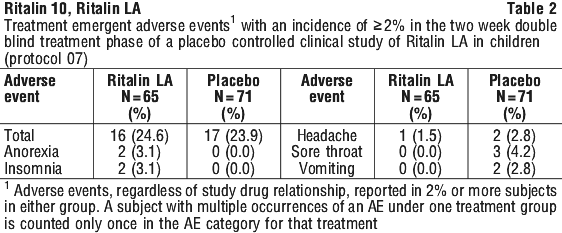
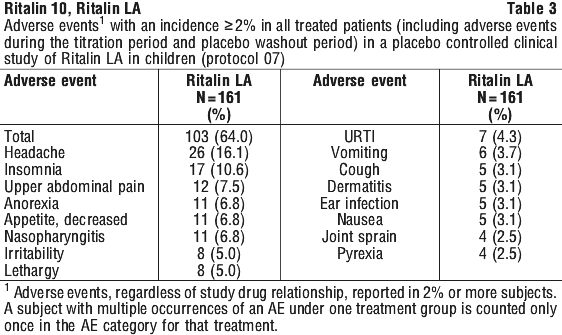
Adverse effects reported during clinical trials. Children. A randomised, double blind, placebo controlled parallel group clinical study (Protocol 07) was conducted to evaluate the efficacy and safety of Ritalin LA in children aged 6-12 years with ADHD. In the double blind treatment phase of this study, Ritalin LA was administered once daily for up to two weeks at individually titrated doses in the 10-40 mg range. The incidence of treatment emergent adverse events reported during the double blind treatment phase is summarised in Table 2. Adverse events reported with an incidence ≥ 2% in all treated subjects in Protocol 07 (including adverse events during the titration period and placebo washout period) are included in Table 3.
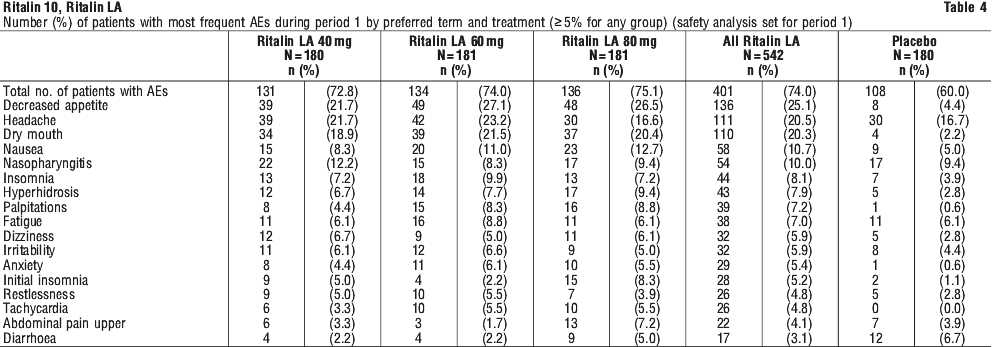
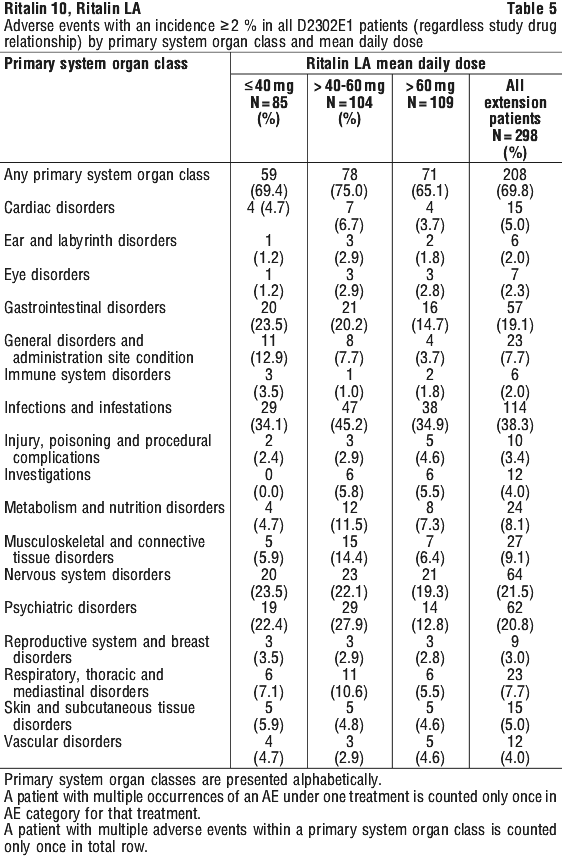
The most frequently affected primary SOCs (≥ 10% in all extension patients) starting in the extension study were infections and infestations, nervous system disorders, psychiatric disorders, and gastrointestinal disorders. There was no evidence of toxicity to any organ system. The most commonly reported individual AEs (≥ 5.0% in any dose group) during the extension study were nasopharyngitis (19.1%), headache (14.1%), decreased appetite (7.7%), dry mouth (6.7%) and nausea (5.0%).
Post-marketing experience. Nervousness and insomnia are very common adverse reactions which occur at the beginning of Ritalin/ Ritalin LA treatment and are usually controlled by reducing the dosage and omitting the drug in the afternoon or evening.
Loss of appetite is very common but usually transient. Abdominal pain, insomnia and tachycardia are common, usually at the beginning of treatment and may be alleviated by concomitant food intake.
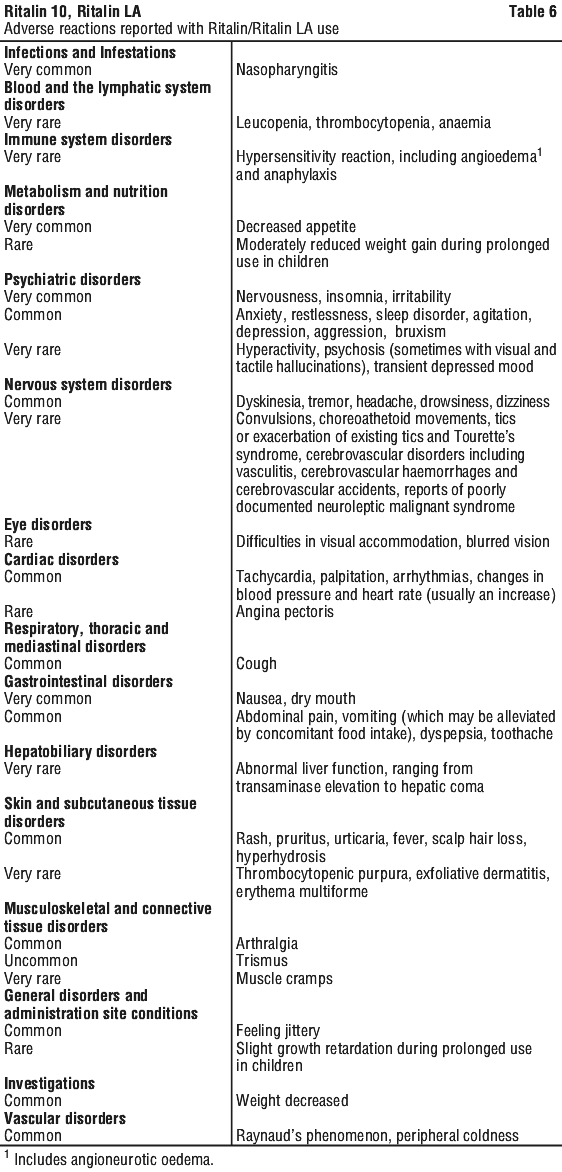
Tabulated summary of adverse drug reactions. Adverse drug reactions listed in Table 6 are listed by MedDRA system organ class. Within each system organ class, the adverse drug reactions are ranked by frequency, with the most frequent reactions first. Within each frequency grouping, adverse drug reactions are presented in order of decreasing seriousness. In addition, the corresponding frequency category for each adverse drug reaction is based on the following convention (CIOMS III): very common: ≥ 10%; common: ≥ 1% to < 10%; uncommon: ≥ 0.1% to < 1%; rare: ≥ 0.01% to < 0.1%; very rare: < 0.01%.
Adverse events reported since market introduction in patients taking methylphenidate include suicide, suicide attempt and suicidal ideation. No causal relationship between methylphenidate and these events has been established.
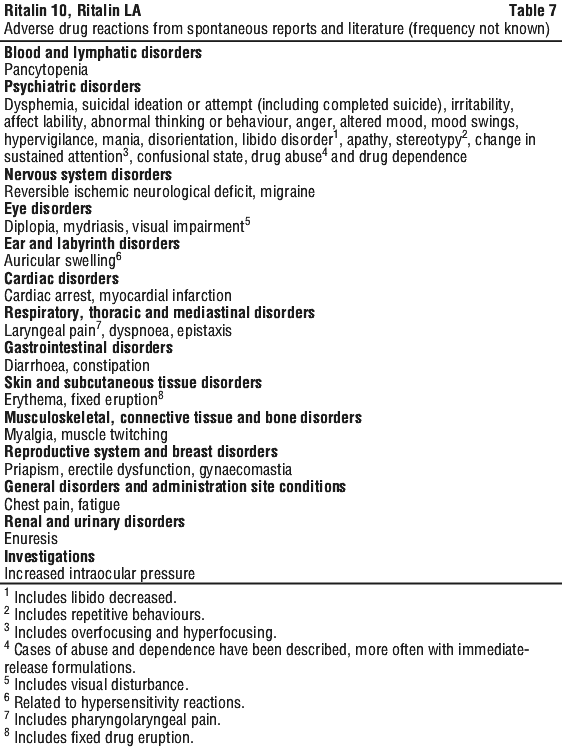
Adverse drug reactions from spontaneous reports and literature cases (frequency not known). The following adverse drug reactions have been derived from post-marketing experience with Ritalin via spontaneous case reports and literature cases. Because these reactions are reported voluntarily from a population of uncertain size, it is not possible to reliably estimate their frequency which is therefore categorized as not known. Adverse drug reactions are listed according to system organ classes in MedDRA. Within each system organ class, ADRs are presented in order of decreasing seriousness. See Table 7.
Immune system disorders. Hypersensitivity reactions such as auricular swelling.
Renal and urinary disorders. Haematuria, incontinence.
General disorders and administration site conditions. Sudden cardiac death.
Investigations. Cardiac murmur.
Reporting suspected adverse effects. Reporting suspected adverse reactions after registration of the medicinal product is important. It allows continued monitoring of the benefit-risk balance of the medicinal product. Healthcare professionals are asked to report any suspected adverse reactions at www.tga.gov.au/reporting-problems.
4.9 Overdose
Symptoms. Signs and symptoms of acute overdosage, mainly due to over-stimulation of the central nervous system and from excessive sympathomimetic effects, may include: vomiting, agitation, tremors, hyperreflexia, muscle twitching, convulsions (may be followed by coma), euphoria, confusion, hallucinations, delirium, sweating, flushing, headache, hyperpyrexia, tachycardia, palpitation, cardiac arrhythmias, hypertension, mydriasis, dryness of mucous membranes and rhabdomyolysis.
Treatment. When treating an overdose, practitioners should bear in mind that a second release of methylphenidate from Ritalin LA capsules occurs at approximately four hours after administration of the capsule.
Treatment consists of appropriate supportive measures and symptomatic treatment of life threatening events, e.g. hypertensive crisis, cardiac arrhythmias, convulsions. For the most current guidance for treatment of symptoms of overdose, the practitioner should consult the Poisons Information Centre on 13 11 26 or current toxicological publication.
The patient must be protected against self injury and against external stimuli that would aggravate overstimulation already present. If the signs and symptoms are not too severe and the patient is conscious, further absorption may be limited by administration of activated charcoal. In cases of marked agitation, intravenous doses of diazepam or haloperidol should be given. Hypertension may be controlled by alpha-adrenergic blocking agents or intravenous sodium nitroprusside.
Intensive care must be provided to maintain adequate circulation and respiratory exchange; external cooling procedures may be required for hyperpyrexia.
The efficacy of peritoneal dialysis or extracorporeal haemodialysis for methylphenidate overdosage has not been established. Clinical experience with overdose is limited. Patients who have received doses higher than those recommended should be carefully monitored. In the event of overdose leading to clinically significant hypocalcaemia, reversal may be achieved with supplemental oral calcium and/or infusion of calcium gluconate.
5 Pharmacological Properties
Pharmacodynamic pharmacotherapeutic group: psychostimulants.
ATC code: N06BA04.
5.1 Pharmacodynamic Properties
Ritalin is a racemate consisting of a 1:1 mixture of d-threo methylphenidate (d-MPH) and l-threo methylphenidate (l-MPH).
Mechanism of action. Methylphenidate is a central nervous system (CNS) stimulant. Its mode of action in humans is not completely understood but methylphenidate presumably exerts its stimulant effect by an inhibition of dopamine and norepinephrine reuptake into presynaptic neurons and thereby increasing these neurotransmitters in the extraneuronal space. There is neither specific evidence which clearly establishes the mechanism whereby methylphenidate produces its mental and behavioural effects in children, nor conclusive evidence as to how these effects relate to the condition of the central nervous system.
The l-enantiomer is thought to be pharmacologically inactive.
Repeated oral administration of methylphenidate to young rats was associated with decreased spontaneous locomotor activity at systemic exposures (plasma AUC) about 3-fold that at the maximum clinical dose, due to an exaggerated pharmacological activity of methylphenidate. A deficit in the acquisition of a specific learning task was also observed, only in females, at systemic exposures (plasma AUC) 8-fold that at the maximum clinical dose. The clinical relevance of these findings is unknown.
The effect of treatment with 40 mg dexmethylphenidate hydrochloride, the pharmacologically active d-enantiomer of Ritalin, on QT/QTc interval was evaluated in a study in 75 healthy volunteers. The maximum mean prolongation of QTcF intervals was < 5 ms, and the upper limit of the 90% confidence interval was below 10 ms for all time matched comparisons versus placebo. This was below the threshold of clinical concern and no exposure response relationship was evident.
Clinical trials. Studies in published literature have shown that Ritalin significantly improves daytime sleepiness and cataplexy.
ADHD in children. Ritalin LA was demonstrated to be effective in the treatment of ADHD in two placebo controlled clinical studies in children aged 6-12 years with a DSM-IV diagnosis of ADHD (n = 195 exposed to study medicine).
The results of the first study (protocol 02), a randomised, double-blind, placebo controlled, crossover clinical study conducted in a laboratory classroom setting, demonstrated that a single dose of 20 mg Ritalin LA had a rapid onset of effect and was statistically superior to placebo in improving classroom behaviour and cognitive responses. After administration of Ritalin LA, the improvement relative to placebo was statistically significant during both the morning (0-4 hours) and the afternoon (4-9 hours).
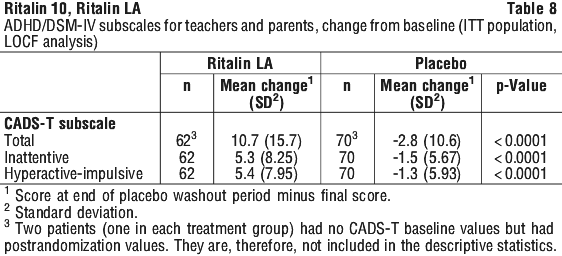
The second study (protocol 07) was a randomised, double-blind, placebo controlled, parallel group clinical study conducted in normal school and home settings, in which Ritalin LA was administered once daily at individually titrated doses in the range of 10-40 mg/day for up to two weeks. The primary efficacy variable was the change from baseline to final score in the Connors ADHD/DSM-IV Scale for Teachers (CADS-T). CADS-T assesses symptoms of hyperactivity and inattention. The results of the analysis demonstrate that Ritalin LA was statistically superior to placebo (p < 0.0001). The efficacy of Ritalin LA in controlling symptoms of ADHD was consistently reflected in the assessments of teachers, parents and investigators. The results of the primary efficacy analysis is summarised in Table 8.
1) Confirm the clinically effective and safe dose range of Ritalin LA for adults (18 to 60 years old) in a 9-week, double-blind, randomized, placebo-controlled, parallel group period (period 1) consisting of a 3 week titration stage followed by a 6 week fixed dose stage (40, 60, 80 mg/day or placebo). Subsequently patients were re-titrated to their optimal dose of Ritalin LA (40, 60 or 80 mg/day) over a 5 week period (period 2).
2) Evaluate the maintenance of effect of Ritalin LA in adults with ADHD in a 6 month, double-blind, randomized, withdrawal study (period 3).
Efficacy was assessed using the DSM-IV ADHD rating scale (DSM-IV ADHD RS) for symptomatic control and Sheehan Disability Score (SDS) for functional improvement as change in respective total scores from baseline to the end of the first period. All dose levels of Ritalin LA showed significantly greater symptom control (p < 0.0001 for all dose levels) compared to placebo as measured by a reduction in DSM-IV ADHD RS total score. All doses of Ritalin LA showed significantly greater functional improvement (p = 0.0003 at 40 mg, p = 0.0176 at 60 mg, p < 0.0001 at 80 mg) compared to placebo as measured by reduction in SDS total score (see Table 9).
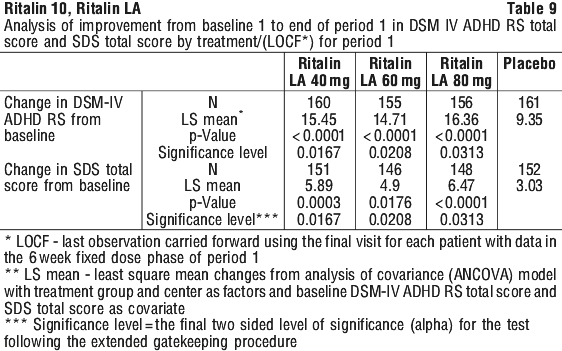
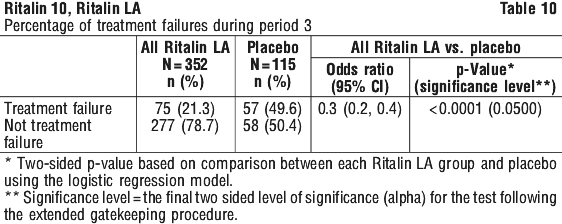
Maintenance of effect of Ritalin LA was evaluated by measuring the percentage of treatment failure in Ritalin LA compared to the placebo group at the end of a 6-month maintenance period (see Table 10). Completion rates varied across the treatment groups, with the lowest rate in the pacebo group (34.1%) and rates between 47.7% and 58.3% across the Ritalin LA dose group. Once the Ritalin LA dose was optimized in Period 2, approximately 79% of patients continued to maintain disease control for a period of at least 6 months compared with approximately 50% given placebo (p < 0.0001 vs. placebo). An odds ratio of 0.3 suggested that patients treated with placebo had a 3 times higher chance of becoming a treatment failure compared to Ritalin LA.
Efficacy was maintained or improved in the majority of subjects who elected to continue open label treatment with Ritalin LA for up a further 26 weeks. Symptomatic improvement and a reduction in functional impairment was maintained or improved throughout the 26 week extension study period in the patients who elected to continue open label treatment with Ritalin LA.
5.2 Pharmacokinetic Properties
Absorption. Ritalin 10 tablets. Following oral administration of Ritalin 10 tablets, the active substance, methylphenidate hydrochloride, is rapidly and almost completely absorbed from the tablets. Owing to extensive first-pass metabolism, the absolute bioavailability was 22 ± 8% for the d-enantiomer and 5 ± 3% for the l-enantiomer. Ingestion with food increased both the Cmax (23%) and the AUC (15%) of methylphenidate, but had no effect on the rate of absorption. Peak plasma concentrations of approx. 40 nanomol/litre (11 nanogram/mL) are attained, on the average, 2 hours after administration. The peak plasma concentrations, however, vary markedly from one person to another. The area under the plasma concentration curve (AUC), as well as the peak plasma concentration, is proportional to the size of the dose administered.
Ritalin LA capsules. Following oral administration of Ritalin LA capsules to children diagnosed with attention-deficit hyperactivity disorder (ADHD) and adults, methylphenidate is rapidly absorbed and produces a bimodal plasma concentration-time profile (i.e. two distinct peaks approximately four hours apart). The relative bioavailability of Ritalin LA capsules administered once daily is comparable to the same total dose of immediate release methylphenidate HCl tablets administered twice daily in children and in adults.
The fluctuations between peak and trough plasma methylphenidate concentrations are smaller for Ritalin LA capsules administered once daily compared to methylphenidate HCl tablets administered twice daily.
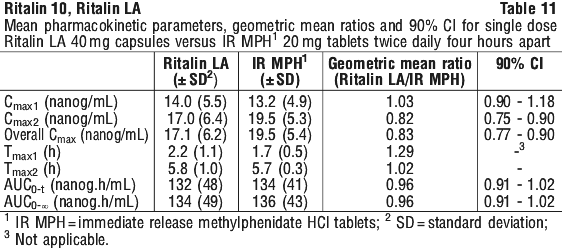
The mean pharmacokinetic parameters for Ritalin LA 40 mg capsules, administered as a single dose once daily compared to methylphenidate HCl 20 mg immediate-release tablets administered twice daily four hours apart are summarised in Table 11.
For patients unable to swallow the capsule, the contents may be sprinkled on applesauce and administered (see Section 4.2 Dose and Method of Administration).
Distribution. In the blood, methylphenidate and its metabolites become distributed in the plasma (57%) and the erythrocytes (43%). Methylphenidate and its metabolites have low plasma protein binding (approximately 15%). The apparent volume of distribution (Vd) has been calculated at 13.1 L/kg after an oral dose. The volume of distribution was 2.65 ± 1.11 L/kg for d-MPH and 1.80 ± 0.91 L/kg for l-MPH, following intravenous administration of 10 mg MPH.
Methylphenidate excretion into breast milk has been noted in two case reports where the calculated relative infant dose was ≤ 0.2% of the weight adjusted maternal dose. (See Section 4.6 Fertility, Pregnancy and Lactation, Use in lactation). Adverse events were not noted in either infant (6 months and 11 months of age).
Metabolism. Biotransformation of methylphenidate, primarily by the carboxyl esterase CES1A1, is rapid and extensive. Peak plasma concentrations of the main, de-esterified, metabolite, α-phenyl-2-piperidine acetic acid (ritalinic acid), are attained about 2 hours after administration and are 30 to 50 times higher than those of the unchanged substance. The half-life of α-phenyl-2-piperidine acetic acid is about twice that of methylphenidate. Only small amounts of hydroxylated metabolites (e.g. hydroxymethylphenidate and hydroxyritalinic acid) are detectable. Therapeutic activity seems to be principally due to the parent compound.
Excretion. Methylphenidate is eliminated from the plasma with a mean half-life of 2 to 3 hours, and the calculated mean systemic clearance is 4 to 10 L/hour/kg after an oral dose. The systemic clearance is 0.40 ± 0.12 L/hour/kg for d-MPH and 0.73 ± 0.28 L/hour/kg for l-MPH. Within 48 to 96 hours, 78 to 97% of the dose administered is excreted in the urine and 1 to 3% in the faeces in the form of metabolites. Unchanged methylphenidate appears in the urine only in small quantities (< 1%). Most of the dose is excreted in the urine as α-phenyl-2-piperidine acetic acid (60-86%).
Special populations. Effect of age. There are no apparent differences in the pharmacokinetic behaviour of methylphenidate in hyperactive children and healthy adult volunteers.
Patients with renal impairment. Elimination data from patients with normal renal function suggest that renal excretion of unchanged methylphenidate would hardly be diminished in the presence of impaired renal function. However, renal excretion of the metabolite α-phenyl-2-piperidine acetic acid may be reduced.
5.3 Preclinical Safety Data
Fertility. Methylphenidate did not impair fertility in male or female mice that were fed diets containing the drug in an 18 week Continuous Breeding study. The study was conducted at doses up to 160 mg/kg/day, approximately 11-fold the highest recommended human dose of methylphenidate on a mg/m2 basis.
Reproductive animal toxicity. Adequate animal reproduction studies to establish safe use of methylphenidate during pregnancy have not been conducted. Oral administration of methylphenidate to rabbits during the period of organogenesis has produced teratogenic effects at systemic exposures (plasma AUC) approximately 3 times clinical exposure at the maximum recommended human dose. The exposure at the no-effect dose was less than human exposure. In rats, teratogenic effects were not seen at systemic exposures (plasma AUC) approximately 12 times clinical exposure at the maximum recommended human dose.
Genotoxicity. Methylphenidate was not mutagenic in assays in vitro (Ames reverse mutation assay and the mouse lymphoma cell forward mutation assay). Methylphenidate showed evidence of a weak clastogenic response in vitro (Chinese hamster ovary cells) but was negative in vivo (mouse bone marrow micronucleus assay).
Carcinogenicity. In a lifetime carcinogenicity study carried out in B6C3F1 mice, methylphenidate caused an increase in hepatocellular adenomas and, in males only, an increase in hepatoblastomas at a daily dose of approximately 60 mg/kg/day. This dose is approximately 4 times the maximum recommended human dose of methylphenidate on a mg/m2 basis. Hepatoblastoma is a relatively rare rodent malignant tumour type. The mouse strain used is sensitive to the development of hepatic tumours, and the significance of these results to humans is unknown.
Methylphenidate did not cause any increases in tumours in a lifetime carcinogenicity study carried out in F344 rats; the highest dose used was approximately 50 mg/kg/day, which is approximately 7 times the maximum recommended human dose of methylphenidate on a mg/m2 basis.
In a 24-week carcinogenicity study in the transgenic mouse strain p53+/-, there was no evidence of carcinogenicity. Male and female mice were fed diets containing the same concentration of methylphenidate as in the lifetime carcinogenicity study; approximately 60 and 74 mg/kg/day of methylphenidate, respectively, which is approximately 4 and 5 times the maximum recommended human dose of methylphenidate on a mg/m2 basis, respectively.
Comment. The US Food and Drug Administration examined data from the Surveillance, Epidemiology and End Results (SEER) database for the years 1973 to 1991 and found that the estimated incidence of hepatoblastoma in the general population was not greater than 1 in 10 million person-years.
A total of 174 cases of hepatoblastoma were reported by the SEER for the period 1973 to 1995. The age-adjusted incidence rate is very low (IR = 0.0382 per 100,000 person-years). The majority of cases (149 out of 174) were diagnosed among the age group 0 to 4 years old, which is in accordance with the natural history of the disease. For the age group 5 to 24 years old the rates of hepatoblastoma are very low with 14 cases reported. For the 0 to 4 years old age group, incidence rates of hepatoblastoma have risen slowly, ranging from 0.3032 per 100,000 in 1973 to 0.4889 per 100,000 in 1995. On the basis of experience since marketing Ritalin 10, there is no evidence that the incidence is higher in patients receiving Ritalin 10.
6 Pharmaceutical Particulars
6.1 List of Excipients
Ritalin 10 tablets. Lactose, calcium phosphate, gelatin, magnesium stearate, purified talc and wheat starch.
Ritalin LA capsules. Sugar spheres (sucrose and maize starch), methacrylic acid copolymer, purified talc, triethyl citrate, macrogol 6000, gelatin, titanium dioxide, iron oxide yellow CI77492 (10, 30, 40 mg and 60 mg capsules only), iron oxide black CI77499 (10, 40 mg and 60 mg capsules only), iron oxide red CI77491 (40 mg and 60 mg capsules only) and TekPrint SW-8010.
6.2 Incompatibilities
Incompatibilities were either not assessed or not identified as part of the registration of this medicine.
6.3 Shelf Life
In Australia, information on the shelf life can be found on the public summary of the Australian Register of Therapeutic Goods (ARTG). The expiry date can be found on the packaging.
6.4 Special Precautions for Storage
Ritalin 10 tablets. Store below 25°C. Protect from moisture.
Ritalin LA capsules. Store below 30°C.
6.5 Nature and Contents of Container
Ritalin 10. Blister packs.
Ritalin LA. Bottles.
6.6 Special Precautions for Disposal
In Australia, any unused medicine or waste material should be disposed of by taking to your local pharmacy.
6.7 Physicochemical Properties
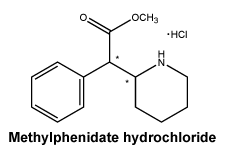
Chemical structure. Active ingredient: Methylphenidate hydrochloride.
Chemical names: methyl (R*, R*)- (±)-α-phenyl-2-piperidine acetate hydrochloride; or 2-piperidineacetic acid, α-phenyl-, methyl ester, hydrochloride; or methyl α-phenyl-2-piperidineacetate hydrochloride.
Molecular formula: C14H19NO2.HCl.
Molecular weight: 269.8.
7 Medicine Schedule (Poisons Standard)
Controlled Drug (S8).
Date of Revision
23 July 2026
Summary Table of Changes
Reasonable care is taken to provide accurate information at the time of creation. This information is not intended as a substitute for medical advice and should not be exclusively relied on to manage or diagnose a medical condition. The Australian Commission on Safety and Quality in Health Care disclaims all liability (including for negligence) for any loss, damage, injury or any other negative effects resulting from reliance on or use of this information. Read our full disclaimer. This website uses cookies. Read our privacy policy.