
Ryaltris Nasal Spray
Brand Information
| Brand name | Ryaltris Nasal Spray |
| Active ingredient | Olopatadine + Mometasone furoate |
| Schedule | S4 |
Consumer Medicine Information (CMI) leaflet
Please read this leaflet carefully before you start using the Ryaltris Nasal Spray.
Summary CMI
RYALTRIS® Nasal Spray
Consumer Medicine Information (CMI) summary
The full CMI on the next page has more details. If you are worried about using this medicine, speak to your doctor or pharmacist.
1. Why am I using RYALTRIS®?
RYALTRIS® is a combination treatment containing the active ingredients olopatadine hydrochloride and mometasone furoate monohydrate. RYALTRIS® is used to treat the symptoms of allergic rhinitis (hay fever or other year round allergies) including runny nose, sneezing, itchy or blocked nose and rhinoconjunctivitis symptoms relating to the eyes including itchy, burning and red eyes.
For more information, see Section 1. Why am I using RYALTRIS®? in the full CMI.
2. What should I know before I use RYALTRIS®?
Do not use if you have ever had an allergic reaction to RYALTRIS® or any of the ingredients listed at the end of the CMI.
Talk to your doctor if you have any other medical conditions, take any other medicines, or are pregnant or plan to become pregnant or are breastfeeding.
For more information, see Section 2. What should I know before I use RYALTRIS®? in the full CMI.
3. What if I am taking other medicines?
Some medicines may interfere with RYALTRIS® and affect how it works.
A list of these medicines is in Section 3. What if I am taking other medicines? in the full CMI.
4. How do I use RYALTRIS®?
- For adults and children 12 years and older, administer two sprays into each nostril twice daily (morning and evening).
- For Children 6 to 11 years, administer one spray into each nostril twice daily (morning and evening).
More instructions can be found in Section 4. How do I use RYALTRIS®? in the full CMI.
5. What should I know while using RYALTRIS®?
| Things you should do |
|
| Things you should not do |
|
| Driving or using machines |
|
| Drinking alcohol |
|
| Looking after your medicine |
|
For more information, see Section 5. What should I know while using RYALTRIS®? in the full CMI.
6. Are there any side effects?
All medicines can have side effects. If you do experience any side effects, most of them are minor and temporary. However, some side effects may need medical attention.
Common side effects include nasal problems (e.g. nasal discomfort, nosebleeds, crusting), unpleasant taste, and headache.
For more information, including what to do if you have any side effects, see Section 6. Are there any side effects? in the full CMI.
Full CMI
RYALTRIS® Nasal Spray (rye – al’ – tris)
Active ingredient(s): Olopatadine hydrochloride and mometasone furoate monohydrate
Consumer Medicine Information (CMI)
This leaflet provides important information about using RYALTRIS®. You should also speak to your doctor or pharmacist if you would like further information or if you have any concerns or questions about using RYALTRIS®.
Where to find information in this leaflet:
1. Why am I using RYALTRIS®?
2. What should I know before I use RYALTRIS®?
3. What if I am taking other medicines?
4. How do I use RYALTRIS®?
5. What should I know while using RYALTRIS®?
6. Are there any side effects?
7. Product details
1. Why am I using RYALTRIS®?
RYALTRIS® contains two active ingredients olopatadine hydrochloride and mometasone furoate monohydrate.
Olopatadine hydrochloride is an antihistamine that reduces the effects of histamine, a natural chemical in the body. Histamine can make you sneeze, have itchy or watery eyes, and runny nose. Mometasone furoate monohydrate belongs to a family of medicines called corticosteroids, which are used to help reduce inflammation.
RYALTRIS® is used to treat the symptoms of allergic rhinitis (hay fever or other year round allergies such as pet, mould or dust allergies) and rhinoconjunctivitis (allergy defined by symptoms in the nose and eyes).
RYALTRIS® relieves symptoms of allergies, including stuffiness (congestion) in the nose, runny nose, itchy nose, sneezing, as well as watering, itching and redness of the eye.
2. What should I know before I use RYALTRIS®?
Warnings
Do not use RYALTRIS® if:
- you are allergic to olopatadine hydrochloride or mometasone furoate monohydrate, or any of the ingredients listed at the end of this leaflet.
Always check the ingredients to make sure you can use this medicine. - you have a tendency to bleed or recurrent nose bleeding.
- you have severe nose infection, especially fungal infection.
- you have had recent nose injury or nose surgery; check with your doctor, because you may be told to wait until healing has occurred before using this medicine.
Check with your doctor or pharmacist if you:
- have any other medical conditions, especially the following:
- history of tuberculosis, or active tuberculosis
- tendency to bleed or recurrent nose bleeding
- severe nose infection, especially fungal infection.
- infection of the nose, sinus, mouth, throat, lungs or eye infection caused by herpes
- sores in the nose
- recent injury or surgery to your nose
- non-allergic conditions affecting the inside of your nose, such as a deviated septum
- eye or vision problems, such as cataracts or glaucoma (increased pressure in your eyes)
- been near someone who has chickenpox or measles
- not feeling well or have other symptoms that you do not understand - take any medicines for any other condition
- have any other medical conditions.
During treatment, you may be at risk of developing certain side effects. It is important you understand these risks and how to monitor for them. See additional information under Section 6. Are there any side effects?
Pregnancy and breastfeeding
Check with your doctor or pharmacist if you are pregnant or intend to become pregnant.
Talk to your doctor or pharmacist if you are breastfeeding or intend to breastfeed.
Breastfeeding is not recommended during treatment with this medicine.
Use in Children
Do not give this medicine to a child under the age of 6 years.
Safety and effectiveness in children younger than 6 years have not been established. Safety in children 6 to 11 years of age has not been studied beyond 2 weeks.
3. What if I am taking other medicines?
Tell your doctor or pharmacist if you are taking
- other corticosteroid medicines, either by mouth, as eye drops, as an asthma inhaler or by injection, or;
- any other medicines, including any medicines, vitamins or supplements that you buy without a prescription from your pharmacy, supermarket or health food shop.
Some medicines may interfere with RYALTRIS® and affect how it works.
- Certain antifungals such as ketoconazole and itraconazole
- Some antibiotics such as clarithromycin
- Some medicines used to treat HIV infection such as ritonavir and cobcistat-containing products.
Check with your doctor or pharmacist if you are not sure about what medicines, vitamins or supplements you are taking and if these affect RYALTRIS®.
4. How do I use RYALTRIS®?
How much to take / use
Adults and Children 12 years and older
- Two sprays into each nostril twice daily.
Children 6 to 11 years
- One spray into each nostril twice daily.
If symptoms worsen during treatment, see your doctor immediately.
When to take / use RYALTRIS®
- RYALTRIS® ALLERGY should be used twice daily (morning and evening).
How to use RYALTRIS®
Scan the QR code for a video on how to use this spray or clean a blocked nozzle.

About your nasal spray
Your RYALTRIS® ALLERGY nasal spray bottle (see Figure 1)
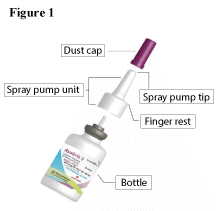
Priming your RYALTRIS® pump before first use (Step 1 and 2)
Before you use RYALTRIS® for the first time, you will need to shake the bottle well and prime the pump.
Before you prime the bottle, shake the bottle well.
Step 1. Remove the dust cap.
Shake the bottle well. Remove the purple plastic dust cap from the spray pump tip of the bottle. (See Figure 2)
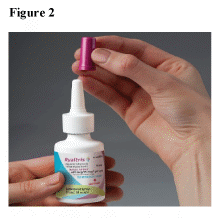
Step 2. Preparing the nasal spray bottle
- Hold the nasal spray bottle firmly and upright with your index and middle finger on either side of the applicator (on finger rests) while supporting the grooved base of the bottle with your thumb.
- Before you use the bottle for the first time, push down on the pump quickly and firmly 6 times, releasing the spray into the air, away from the eyes and face until a fine mist appears. (See Figure 3)
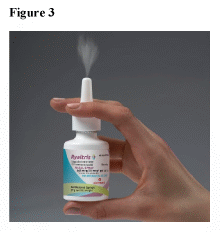
- If you do not use RYALTRIS® for 14 or more days, you will need to shake the bottle well, and prime the pump with 2 sprays or until a fine mist appears.
Your RYALTRIS® is now ready for use.
Using your RYALTRIS®:
Step 3.
Gently blow your nose to clear your nostrils. (See Figure 4)
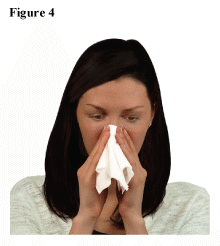
Step 4. Using the nasal spray:
- Shake the bottle well before each use (morning and evening).
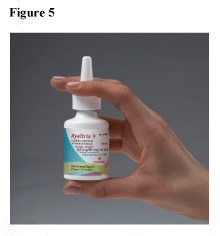
- Hold the bottle firmly with your index and middle finger on either side of the applicator (on finger rests) while supporting the grooved base of the bottle with your thumb. (See Figure 5)
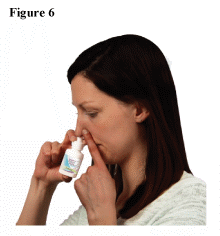
- Hold 1 nostril closed with a finger. Insert the end of the nasal tip into the other nostril, pointing it slightly toward the outside of the nose, away from the nasal septum (the wall between the 2 nostrils). (See Figure 6)
- Tilt your head forward slightly. Keep the bottle upright and press down once, quickly and firmly on the finger rests, to activate the pump. Breathe in (inhale) gently through your nose as you spray. Then breathe out through your mouth. (See Figure 7)
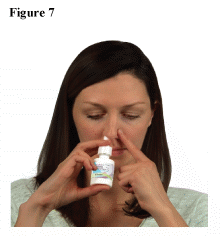
- Try not to get any spray in your eyes or directly on your nasal septum (the wall between the 2 nostrils).
- For adults and adolescents (12 years of age and older), repeat the above steps and deliver a second spray in the same nostril. Repeat with 2 sprays in the other nostril.
- Avoid blowing your nose for the next 15 minutes to make sure RYALTRIS® gets a chance to work. Do not tip your head back right after using sure RYALTRIS®, this will help keep the medicine from going into your throat.
- After you finish using the medicine, wipe the tip with a clean dry tissue or cloth. (See Figure 8)
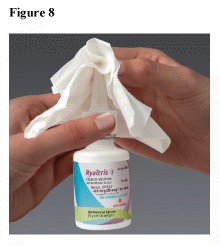
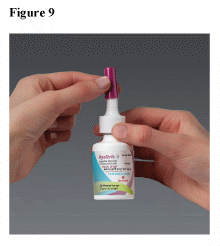
While holding the spray pump unit, push the dust cap back on the spray tip of the bottle until a noticeable click is observed to minimise potential nozzle blockage. (See Figure 9)
How to clear the RYALTRIS® spray pump unit if it becomes clogged:
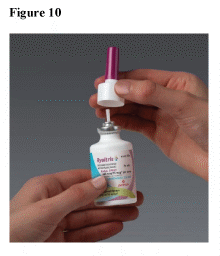
Do not try to unblock the spray pump unit by inserting a pin or other sharp object. This will damage the spray pump unit, and you may not get the correct dose of medicine.
If the spray pump unit becomes blocked, remove it by gently pulling upward. Remove the dust cap and place only the spray pump unit in warm water to soak. (See Figure 10)
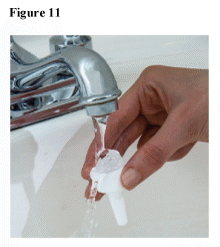
After soaking for approximately 15 minutes, rinse the spray pump unit and cap with warm tap water, and allow them to dry completely. (See Figure 11)
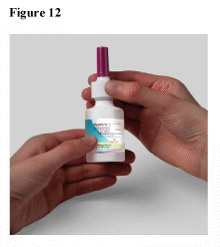
When dry, place the dust cap on the spray pump tip and put the spray pump unit back on the bottle. (See Figure 12)
Following the unblocking procedure, review the “Priming your pump before use” section above and re-prime using 2 sprays. Replace the dust cap, and your RYALTRIS® is ready for use.
Repeat the unblocking steps if needed.
If you forget to use RYALTRIS®
RYALTRIS® should be used regularly at the same time each day. If you miss your dose at the usual time, take it as soon as you remember, and then go back to using your medicine as you would normally.
If it is almost time for your next dose, skip the dose you missed and take your next dose when you are meant to.
Do not take a double dose to make up for the dose you missed.
If you are not sure what to do, ask your doctor or pharmacist.
If you use too much RYALTRIS®
If you think that you have used too much RYALTRIS®, you may need urgent medical attention.
You should immediately:
- phone the Poisons Information Centre
(by calling 13 11 26), or - contact your doctor, or
- go to the Emergency Department at your nearest hospital.
You should do this even if there are no signs of discomfort or poisoning.
5. What should I know while using RYALTRIS®?
Things you should do
If you become pregnant while you are using this medicine, tell your doctor or pharmacist.
See your doctor or pharmacist immediately if you notice the symptoms of severe bacterial infection. These symptoms may include fever, persistent face/tooth pain on one side of the face, swelling around the eye area, or worsening of symptoms after an initial improvement.
Remind any doctor, dentist or pharmacist you visit that you are using RYALTRIS®.
Things you should not do
- Do not use this medicine to treat any other complaints unless your doctor tells you to.
- Do not give this medicine to anyone else, even if they have the same condition as you.
- Do not stop taking your medicine or lower the dosage without checking with your doctor.
Driving or using machines
Be careful before you drive or use any machines or tools until you know how RYALTRIS® affects you.
RYALTRIS® can cause sleepiness or drowsiness.
Drinking
Tell your doctor or pharmacist if you drink alcohol.
Alcohol may cause you to feel sleepy while using RYALTRIS®.
Looking after your medicine
- Keep the nasal spray in a cool dry place where the temperature stays below 30°C.
- Do not freeze or refrigerate. Store it away from heat.
Follow the instructions in the carton on how to take care of your medicine properly.
Store it in a cool dry place away from moisture, heat or sunlight; for example, do not store it:
- in the bathroom or near a sink, or
- in the car or on window sills.
Keep it where young children cannot reach it.
When to discard your medicine
Keep track of the number of days you use RYALTRIS®. If you are using the 240-spray bottle, throw away the bottle after 240 sprays or upon expiration, whichever comes first.
Similarly, throw away the 120-spray bottle after 120 sprays.
If you are using the 56-spray bottle, throw it away after 56 sprays.
Even if the bottle seems to have medicine left in it, you may not receive the correct dose.
Do not count any sprays used for initial priming of the bottle.
Getting rid of any unwanted medicine
If you no longer need to use this medicine or it is out of date, take it to any pharmacy for safe disposal.
Do not use this medicine after the expiry date.
6. Are there any side effects?
All medicines can have side effects. If you do experience any side effects, most of them are minor and temporary. However, some side effects may need medical attention.
See the information below and, if you need to, ask your doctor or pharmacist if you have any further questions.
Less serious side effects
| Less serious side effects | What to do |
Nasal problems, which may include:
Headache Slow wound healing:
| Speak to your doctor or pharmacist if you have any of these less serious side effects and they worry you. |
Serious side effects
| Serious side effects | What to do |
| Call your doctor straight away, or go straight to the Emergency Department at your nearest hospital if you notice any of these serious side effects. |
Tell your doctor or pharmacist if you notice anything else that may be making you feel unwell.
Other side effects not listed here may occur in some people.
Reporting side effects
After you have received medical advice for any side effects you experience, you can report side effects to the Therapeutic Goods Administration online at www.tga.gov.au/reporting-problems. By reporting side effects, you can help provide more information on the safety of this medicine.
Always make sure you speak to your doctor or pharmacist before you decide to stop taking any of your medicines.
7. Product details
This medicine is available with a doctor's prescription.
What RYALTRIS® ALLERGY contains
| Active ingredient (main ingredient) | Olopatadine hydrochloride Mometasone furoate monohydrate |
| Other ingredients (inactive ingredients) | Carmellose sodium Dibasic sodium phosphate heptahydrate Disodium edetate Dispersible cellulose Hydrochloric acid Polysorbate 80 Sodium chloride Sodium hydroxide Water for injection |
| Potential allergens | Benzalkonium chloride |
Do not take this medicine if you are allergic to any of these ingredients.
What RYALTRIS® looks like
RYALTRIS® is a white liquid suspension contained in a plastic bottle with a manual spray pump fitted with a white actuator and purple cap for intranasal administration (AUST R 312690).
Who distributes RYALTRIS®
Seqirus Pty Ltd
ABN: 26 160 735 035
63 Poplar Road
Parkville VIC 3052
Australia
Telephone: 1800 642 865
www.cslseqirus.com.au
This leaflet was prepared in December 2025.
RYALTRIS® is a registered trademark of Glenmark Specialty SA.
Brand Information
| Brand name | Ryaltris Nasal Spray |
| Active ingredient | Olopatadine + Mometasone furoate |
| Schedule | S4 |
MIMS Revision Date: 01 August 2023
1 Name of Medicine
Olopatadine hydrochloride and mometasone furoate monohydrate.
2 Qualitative and Quantitative Composition
Each spray delivers a volume of 0.1 mL suspension containing 600 micrograms (0.6% w/v) of olopatadine equivalent to 665 micrograms of olopatadine hydrochloride and 25 micrograms (0.025% w/v) of mometasone furoate equivalent to 25.86 micrograms of mometasone furoate monohydrate (600 micrograms/25 micrograms).
Excipients with known effect. Polysorbate 80 and benzalkonium chloride.
For the full list of excipients, see Section 6.1 List of Excipients.
3 Pharmaceutical Form
Ryaltris is a nasal spray containing an isotonic aqueous white homogenous suspension in a metered dose manual spray unit. It has a pH of approximately 3.7.
4 Clinical Particulars
4.1 Therapeutic Indications
Ryaltris is indicated for the treatment of symptoms associated with allergic rhinitis and rhinoconjunctivitis in patients 6 years of age and older.
4.2 Dose and Method of Administration
Dosage. Adults and adolescents (12 years of age and older). The recommended dosage of Ryaltris is 2 sprays in each nostril twice daily.
Children (6 to 11 years of age). The recommended dosage of Ryaltris is 1 spray in each nostril twice daily.
Method of administration. Administer Ryaltris by the intranasal route only. Shake the bottle well before each use.
Priming. Prime Ryaltris before initial use by releasing 6 sprays. One bottle of Ryaltris provides either 240, 120 or 56 metered sprays after priming, depending on the bottle presentation. When Ryaltris has not been used for ≥ 14 days, re-prime by releasing 2 sprays or until a fine mist appears.
Depending on the presentation, the bottle should be discarded after 240 sprays (30 days usage for adults and adolescents 12 years and older or 60 days usage for children 6 to 11 years old), 120 sprays (15 days usage for adults and adolescents 12 years and older or 30 days usage for children 6 to 11 years old) or 56 sprays (7 days usage for adults and adolescents 12 years and older or 14 days usage for children 6 to 11 years old). The correct amount of remaining medication in each spray cannot be assured beyond the initial priming and 240, 120 or 56 sprays (depending on the bottle presentation), even though the bottle appears not being completely empty.
Avoid spraying Ryaltris into the eyes or mouth.
Paediatric. In children 6 to 11 years of age, safety of Ryaltris beyond 2 weeks of use has not been assessed (see Section 4.4 Special Warnings and Precautions for Use).
The safety and effectiveness of Ryaltris in paediatric patients below the age of 6 years has not been established.
Hepatic impairment. See Section 4.4 Special Warnings and Precautions for Use.
4.3 Contraindications
Ryaltris is contraindicated in:
Patients with known hypersensitivity to olopatadine hydrochloride, mometasone furoate, or any ingredients of Ryaltris.
Severe nasal infection, especially candidiasis.
Persons with haemorrhagic diathesis or with a history of recurrent nasal bleeding.
4.4 Special Warnings and Precautions for Use
Local nasal effects. Instances of nasal ulceration and nasal septal perforation have been reported in patients following the intranasal application of antihistamines.
Instances of nasal septal perforation have been reported following the intranasal application of corticosteroids.
Instances of epistaxis have been reported in patients following the intranasal application of antihistamines and corticosteroids (see Section 4.8 Adverse Effects (Undesirable Effects)).
Because of the inhibitory effect of corticosteroids on wound healing, patients who have experienced recent nasal septal ulcers, nasal surgery, or nasal trauma should avoid use of Ryaltris until healing has occurred.
Mometasone furoate should not be used in the presence of untreated localised infection involving the nasal mucosa. Following 12 months of treatment with mometasone furoate nasal spray, there was no evidence of atrophy of the nasal mucosa. Mometasone furoate tended to reverse the nasal mucosa closer to a normal histological phenotype. As with any long-term treatment, patients using mometasone furoate nasal spray over several months or longer should be examined periodically for possible changes in the nasal mucosa. If localised fungal infection of the nose or pharynx develops, discontinuance of Ryaltris therapy or appropriate treatment may be required. Persistence of nasopharyngeal irritation may be an indication for discontinuing Ryaltris.
Visual disturbances, including glaucoma, cataract and chorioretinal disorders. Visual disturbance may be reported with systemic and topical (including, intranasal, inhaled and intraocular) corticosteroid use. If a patient presents with symptoms such as blurred vision or other visual disturbances, the patient should be considered for referral to an ophthalmologist for evaluation of possible causes of visual disturbances which may include cataract, glaucoma or rare diseases such as central serous chorioretinopathy (CSCR) which have been reported after use of systemic and topical corticosteroids.
Hypersensitivity reactions. Hypersensitivity reactions, including instances of wheezing, may occur after the intranasal administration of mometasone furoate monohydrate. Discontinue Ryaltris if such reactions occur (see Section 4.3 Contraindications).
Immunosuppression. Patients receiving corticosteroids who are potentially immunosuppressed should be warned of the risk of exposure to certain infections (e.g. chickenpox, measles) and of the importance of obtaining medical advice if such exposure occurs.
Corticosteroids should be used with caution, if at all, in patients with active or quiescent tuberculous infections of the respiratory tract, or in untreated fungal or bacterial infections, systemic viral or parasitic infections, or ocular herpes simplex because of the potential for worsening of these infections.
Hypothalamic-pituitary-adrenal (HPA) axis effects. Intranasal steroid products are designed to deliver drug directly to the nasal mucosa in order to minimise overall systemic glucocorticoid exposure and side effects. When intranasal steroids are used at higher-than-recommended dosages or in susceptible individuals at recommended dosages, systemic corticosteroid effects such as hypercorticism and adrenal suppression may appear. Physicians should be alert for evidence of systemic effects, especially in chronically treated patients.
However, there is no evidence of hypothalamic-pituitary-adrenal (HPA) axis suppression following prolonged treatment with mometasone furoate nasal spray. Care must be taken while transferring patients from systemic steroid treatment to Ryaltris if there is any reason to suppose that their adrenal function is impaired.
During transfer from systemic corticosteroids to intranasal corticosteroids some patients may experience symptoms of withdrawal from systemically active corticosteroids (e.g. joint and/or muscular pain, lassitude, and depression initially) despite relief from nasal symptoms. Such transfer may also unmask pre-existing allergic conditions such as allergic conjunctivitis and eczema, previously suppressed by systemic corticosteroid therapy.
Somnolence. Somnolence has been reported as uncommon following administration of Ryaltris in the clinical studies (see Section 4.7 Effects on Ability to Drive and Use Machines).
Effect on growth. Intranasal corticosteroids may cause a reduction in growth velocity when administered to paediatric patients. Routinely monitor the growth of paediatric patients receiving Ryaltris (see Section 5.2 Pharmacokinetic Properties, Special populations).
Hepatic impairment. No studies have been conducted with Ryaltris in patients with hepatic impairment. However, there have been reports of concentrations of mometasone furoate appearing to increase with severity of hepatic impairment. Based on data from the individual components, no adjustment of the dosing regimen of Ryaltris is warranted in patients with hepatic impairment (see Section 5.2 Pharmacokinetic Properties, Special populations).
Use in the elderly. Based on population pharmacokinetic analysis among patients 12 years of age and older, the pharmacokinetics of olopatadine and mometasone furoate with Ryaltris was not influenced by age.
No overall differences in safety or efficacy were observed in data collected from 145 patients aged 65 years and older versus younger patients who were treated with Ryaltris in placebo- and active-controlled studies.
Paediatric use. Safety in children 6 to 11 years of age has not been studied beyond 2 weeks of use or in perennial allergic rhinitis. The safety and effectiveness of Ryaltris in patients below the age of 6 years has not been established.
Retardation of growth rate in children may occur with intranasal corticosteroids, particularly at high doses prescribed for prolonged periods of time. Long term glucocorticoid exposure carries particular risks in the 6 to 11 year age group. Routinely monitor the growth of paediatric patients receiving intranasal corticosteroids. A placebo-controlled clinical trial in which paediatric patients were administered 100 micrograms of mometasone furoate nasal spray daily for one year did not observe a reduction in growth velocity. Periods of treatment greater than one year have not been studied (see Section 5.2 Pharmacokinetic Properties, Special populations).
Periodic clinical review, pursuit of lowest effective dosing, and consideration of adjunctive treatment modalities are recommended in paediatric patients aged 6 to 11 years.
Effect on laboratory tests. No data available.
4.5 Interactions with Other Medicines and Other Forms of Interactions
No formal drug-drug interaction studies have been performed with Ryaltris. The drug interactions of the combination are expected to reflect those of the individual components. In vitro studies with human liver microsomal preparations have shown that olopatadine is not an inhibitor of CYPs 1A2, 2C8/9, 2C19, 2D6, 2E1 or 3A4. Because elimination of olopatadine is predominantly by renal excretion as unchanged drug, co-administered CYP inhibitors are not expected to affect olopatadine exposure. Mometasone furoate is subject to extensive hepatic metabolism. In vitro studies have confirmed the primary role of CYP 3A4 in the metabolism of this compound. Co-administration with strong CYP3A4 inhibitors (e.g. ketoconazole, itraconazole, clarithromycin, ritonavir, cobicistat-containing products) may lead to increased plasma concentrations of corticosteroids and potentially increase the risk for systemic corticosteroid side-effects. Consider the benefit of co-administration versus the potential risk of systemic corticosteroid effects, in which case patients should be monitored for systemic corticosteroid side-effects.
4.6 Fertility, Pregnancy and Lactation
Effects on fertility. No studies on impairment of fertility have been conducted with olopatadine hydrochloride and mometasone furoate in combination; however, studies are available for the individual active components as described below.
Olopatadine hydrochloride. Olopatadine administered orally to male and female rats at dose of 400 mg/kg/day, (approximately 680 times the maximum recommended human dose (MRHD) for adults by intranasal administration on a mg/m2 basis) resulted in decreases in the fertility index, number of corpora lutea and implantation rate. No effects on fertility were observed at a dose of 50 mg/kg/day (approximately 85 times the MRHD for adults by intranasal administration on a mg/m2 basis).
Mometasone furoate. In rats, impairment of fertility was not produced by subcutaneous doses up to 15 microgram/kg/day of mometasone furoate (less than the MRHD in adults by intranasal administration on a microgram/m2 basis). As with other corticosteroids, at exposure levels associated with marked signs of systemic corticosteroid toxicity, mometasone furoate had progestogenic effects on the female reproductive tract and mammary glands.
Use in pregnancy. (Category B3)
There are no adequate and well-controlled clinical studies with Ryaltris, olopatadine hydrochloride only, or mometasone furoate only in pregnant women. No animal reproductive and developmental studies have been conducted with olopatadine hydrochloride and mometasone furoate in combination. Studies in animals with the individual active components are available and revealed teratogenicity and other adverse effects for mometasone furoate.
Olopatadine hydrochloride. Olopatadine was not teratogenic in rabbits and rats at oral doses of up to 400 or 600 mg/kg/day, respectively (approximately 1400 and 1000 times the MRHD for adults by intranasal administration on a mg/m2 basis, respectively).
Mometasone furoate. In animal studies, small quantities of mometasone furoate were found to cross the placenta barrier. Like other corticosteroids, at doses associated with signs of systemic toxicity, mometasone furoate reduced fetal growth and was teratogenic in mice, rats and rabbits after subcutaneous or topical application. Higher doses had progestogenic effects in pregnant rats, associated with prolonged gestation, dystocia and reduced pup survival.
As with other nasal corticosteroid preparations, Ryaltris should be used during pregnancy only if the potential benefit justifies the potential risk to the fetus. Infants born of mothers who received corticosteroids during pregnancy should be observed carefully for hypoadrenalism.
Use in lactation. It is not known whether the active components of Ryaltris are excreted in human breast milk after intranasal administration. There are no data from well-controlled human studies on the use of Ryaltris by nursing mothers. Ryaltris should be used by nursing mothers only if the potential benefit to the patient outweighs the potential risks to the infant. Patients should also be informed that antihistamines may affect the milk production of a nursing mother.
Olopatadine and mometasone furoate (and/or its metabolites) have both been identified in the milk of lactating rats following oral administration. In rats, pups of mothers administered olopatadine at oral doses of 4 mg/kg/day (approximately 7 times the MRHD for adults by intranasal administration on a mg/m2 basis) and above showed decreased bodyweight gain during the nursing period. Pup viability was reduced at 20 mg/kg/day (approximately 35 times the MRHD for adults by intranasal administration on mg/m2 basis) and above, but not at 6 mg/kg/day (approximately 10 times the MRHD for adults by intranasal administration on mg/m2 basis).
4.7 Effects on Ability to Drive and Use Machines
Due to the potential occurrence of somnolence, patients using Ryaltris should be cautioned against engaging in hazardous occupations requiring complete mental alertness and motor coordination such as driving or operating machinery after administration of Ryaltris until they know how they react to the nasal spray.
Caution is required if Ryaltris is used concomitantly with alcohol or other CNS depressants.
Somnolence has been reported following administration of Ryaltris in 2 out of 789 subjects taking Ryaltris in the clinical studies.
4.8 Adverse Effects (Undesirable Effects)
Adolescents and adults (12 years of age and older). Clinical trials. The safety of Ryaltris in adult and adolescents 12 years of age and older was investigated in 3062 subjects (36.1% male and 63.9% female) with seasonal allergic rhinitis and 593 subjects (31.7% male and 68.3% female) with perennial allergic rhinitis.
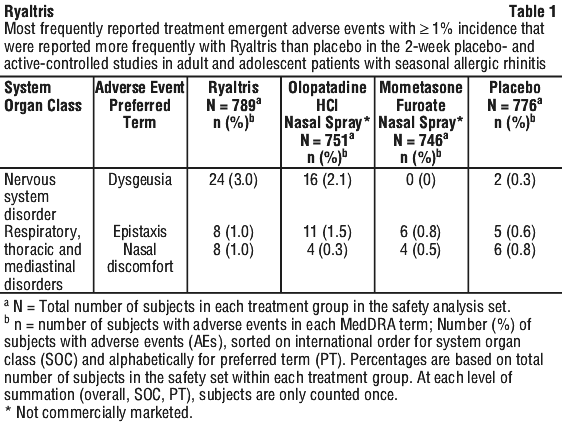
In the placebo- and active-controlled, double-blind randomised clinical studies of 2-week duration in subjects with seasonal allergic rhinitis, the overall incidence of treatment emergent adverse events (TEAEs) was 13.9% in the Ryaltris treatment group, 13.2% in the olopatadine hydrochloride nasal spray treatment group, 7.9% in the mometasone furoate nasal spray treatment group, and 9.5% in the placebo treatment groups. Overall, < 1% of patients in all treatment groups discontinued due to adverse reactions. Table 1 lists treatment-emergent adverse events reported with frequencies ≥ 1% and more frequently than placebo in patients treated with Ryaltris in the 2-week SAR studies.
Frequencies are defined as: very common (≥ 1/10), common (≥ 1/100 to < 1/10), uncommon (≥ 1/1,000 to < 1/100), rare (≥ 1/10,000 to < 1/1,000), very rare (< 1/10,000), not known (cannot be estimated from the available data).
Nervous system disorder. Common: dysgeusia (unpleasant taste).
Uncommon: dizziness, headaches, lethargy, somnolence, insomnia.
Respiratory, thoracic and mediastinal disorders. Uncommon: epistaxis, nasal dryness, nasal discomfort, nasal inflammation, oropharyngeal pain, throat irritation, sneezing.
Gastrointestinal disorders. Uncommon: dry mouth, abdominal pain.
General disorders and administration site conditions. Uncommon: fatigue.
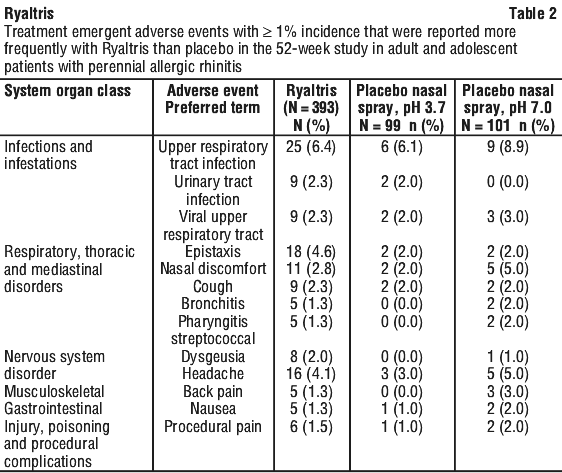
In the double-blind, placebo-controlled, 52-week study (Study GSP 301-303), subjects with perennial allergic rhinitis were randomised to receive Ryaltris (pH 3.7), a placebo nasal spray pH 3.7, or a placebo nasal spray pH 7.0 administered as 2 sprays/nostril twice daily (morning [AM] and evening [PM]). The safety profile in the long-term perennial allergic rhinitis study was comparable with the 2-week seasonal allergic rhinitis studies. Additionally, improvement in nasal symptoms was observed over the 52-week treatment duration.
Overall, the incidence of treatment-related TEAEs was 51.7% in the Ryaltris treatment group, 41.4% in the placebo nasal spray pH 3.7 treatment group, and 53.5% in the placebo nasal spray pH 7.0 treatment group. Of the 593 treated patients, 3.8% of patients receiving Ryaltris discontinued from the study due to an adverse event, compared with 2.0% and 3.0% of patients receiving placebo nasal spray pH 3.7 and pH 7.0, respectively. Table 2 lists TEAEs reported with frequencies ≥ 1% that were more frequent for Ryaltris than Placebo pH 3.7.
Paediatrics (6 to 11 years of age). Clinical trials. The safety of Ryaltris in children 6 to 11 years of age was investigated in 225 patients (56% male and 44% female) with seasonal allergic rhinitis treated with 1 spray per nostril twice daily.
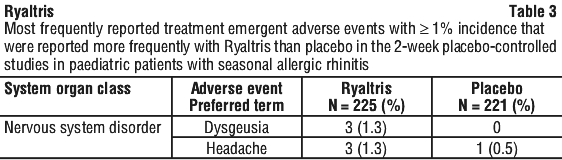
In the placebo-controlled, double-blind randomised clinical study of 2-week duration, the overall incidence of treatment emergent adverse events (TEAEs) was 12.0% in the Ryaltris treatment group and 10.4% in the placebo treatment groups. Overall, < 2% of patients in all treatment groups discontinued due to adverse reactions. Table 3 lists treatment-emergent adverse events reported with frequencies ≥ 1% and more frequently than placebo in paediatric patients treated with Ryaltris in the 2-week SAR study.
4.9 Overdose
There have been no reported overdosages with Ryaltris. Accordingly, no data on the effects of acute or chronic overdosage with Ryaltris are available. Ryaltris contains both olopatadine hydrochloride and mometasone furoate; therefore, the risks associated with overdosage for the individual components described below are expected to apply to Ryaltris.
Acute overdosage with this dosage form is unlikely since one 30-day (240-metered doses) bottle of Ryaltris contains approximately 160 mg of olopatadine hydrochloride and 6 mg of mometasone furoate.
Olopatadine hydrochloride. Symptoms of antihistamine overdose may include drowsiness in adults and, initially, agitation and restlessness, followed by drowsiness in children. There is no known specific antidote to olopatadine hydrochloride. Should overdose occur, symptomatic or supportive treatment is recommended, taking into account any concomitantly ingested medications.
No mortality was observed in rats at an intranasal dose of 3.6 mg/kg (approximately 6, 5 and 7 times the MRHD for adults, adolescents ≥ 12 years of age, and children 6 - 11 years of age, respectively, by intranasal administration on a mg/m2 basis) or in dogs at an oral dose of 5 g/kg (approximately 28,000, 24,000 and 30,000 times the MRHD for adults, adolescents ≥ 12 years of age, and children 6 - 11 years of age, respectively, by intranasal administration on a mg/m2 basis). The oral median lethal dose in mice and rats were 1490 mg/kg (approximately 1200, 1000 and 1300 times the MRHD for adults, adolescents ≥ 12 years of age, and children 6 - 11 years of age, respectively, by intranasal administration on a mg/m2 basis) and 3870 mg/kg (approximately 6600, 5600 and 7000 times the MRHD for adults, adolescents ≥ 12 years of age, and children 6 - 11 years of age, respectively, by intranasal administration on a mg/m2 basis).
Mometasone furoate. Because of low systemic bioavailability (estimated to be < 1%) and an absence of acute drug-related systemic findings in clinical studies, overdose is unlikely to require any therapy other than observation. Treatment can be reinitiated at the usual recommended dose.
Intranasal administration of 1600 micrograms (8 times the recommended daily dose of mometasone furoate from Ryaltris) daily for 29 days in healthy human volunteers showed no increased incidence of adverse events. Single intranasal doses up to 4000 micrograms and oral inhalation doses up to 8000 micrograms have been studied in human volunteers, with no adverse effects reported. Chronic overdosage with any corticosteroid may result in signs or symptoms of hypercorticism (see Section 4.4 Special Warnings and Precautions for Use).
For information on the management of overdose, contact the Poisons Information Centre on 131126 (Australia).
5 Pharmacological Properties
5.1 Pharmacodynamic Properties
Mechanism of action. Ryaltris contains both olopatadine hydrochloride and mometasone furoate. These drugs represent 2 different classes of medications (histamine H1-receptor antagonist and synthetic corticosteroid).
Onset of action has been investigated in a double-blind, double-dummy, randomised parallel, comparative study with Ryaltris, Azelastine Hydrochloride and Fluticasone Propionate nasal spray, Olopatadine nasal spray, and placebo in patients with seasonal allergic rhinitis in an environmental exposure chamber setting (EEC). Onset of action was observed within 10 minutes, defined as the first of two consecutive time points after initiation of treatment at which Ryaltris demonstrated a statistically significant difference in iTNSS change from baseline compared with placebo (p = 0.02) as long as the significant difference was sustainable.
Olopatadine hydrochloride. Olopatadine is an anti-allergic compound which has been demonstrated to stabilise human conjunctival tissue mast cells, preventing the release of histamine and other inflammatory mediators. Olopatadine is a selective histamine H1-receptor antagonist (Ki values for histamine H1, H2 and H3 receptors were 32 nanoM, 100 microM and 79 microM, respectively) that inhibits Type I immediate hypersensitivity reactions. Olopatadine has no significant effects on alpha-adrenergic, dopamine and muscarinic Type 1 and 2 receptors.
Mometasone furoate. Mometasone furoate is a topical glucocorticosteroid with local anti-inflammatory properties at doses that are not systemically active.
In studies utilising nasal antigen challenge, mometasone furoate nasal spray has shown anti-inflammatory activity in both the early- and late-phase allergic responses. This has been demonstrated by decreases (vs placebo) in histamine and eosinophil activity and reductions (vs baseline) in eosinophils, neutrophils and epithelial cell adhesion proteins.
Corticosteroids have been shown to have a wide range of effects on multiple cell types (e.g. mast cells, eosinophils, neutrophils, macrophages, and lymphocytes) and mediators (e.g. histamine, eicosanoids, leukotrienes, and cytokines) involved in inflammation.
Clinical trials. Adolescents and adults (12 years of age and older). The efficacy and safety of Ryaltris in adults and adolescents 12 years of age and older with allergic rhinitis were evaluated in 4 studies (GSP 301-201, GSP 301-301, GSP 301-303 and GSP 301-304).
2-week studies. Three (GSP 301-201, GSP 301-301 and GSP 301-304) studies were similarly designed randomised, multicentre, double-blind, placebo- and active-controlled studies with a 2-week duration in 2971 seasonal allergic rhinitis subjects. The population of the studies was 12 to 87 years of age (64.3% female, 35.7% male).
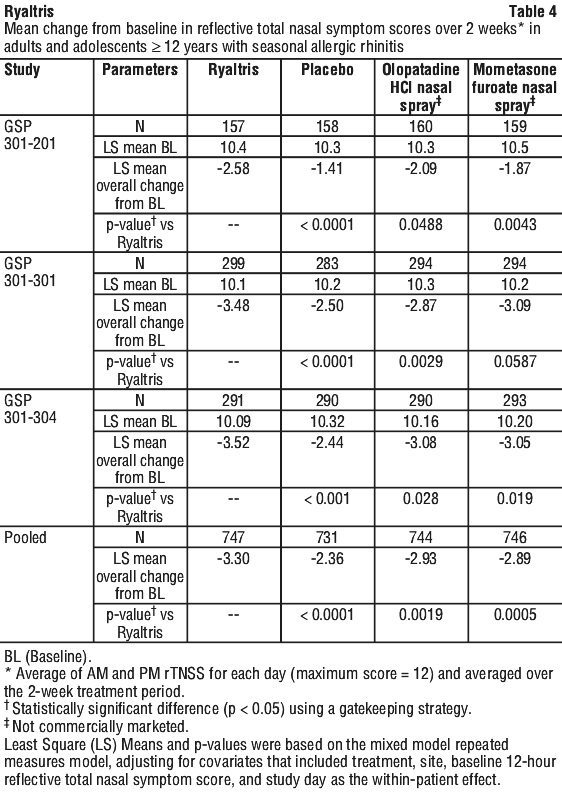
Patients were randomized to 1 of 4 treatment groups: 2 sprays per nostril twice daily of Ryaltris, olopatadine hydrochloride nasal spray, mometasone furoate nasal spray, and vehicle (pH 3.7) placebo. The olopatadine hydrochloride and mometasone furoate comparators used the same device and vehicle as Ryaltris but are not commercially marketed. Assessment of efficacy was based on the patient-reported reflective total nasal symptom score (rTNSS), instantaneous total nasal symptom score (iTNSS), and reflective and instantaneous total ocular symptom score (rTOSS and iTOSS, respectively). The rTNSS and iTNSS were calculated as the sum of the patient-reported symptom scores of 4 individual nasal symptoms (rhinorrhea, nasal congestion, sneezing, and nasal itching) on a 0 to 3 categorical severity scale (0 = absent, 1 = mild, 2 = moderate, and 3 = severe). Similarly, rTOSS and iTOSS were calculated using the 3 eye-related, non-nasal symptoms of itching/burning eyes, tearing/watering eyes, and redness of eyes using the same severity scale. Patients were required to record symptom severity daily (morning [AM] and evening [PM]), reflecting over the previous 12 hours (reflective) or at the time of recording (instantaneous). The primary efficacy endpoint was the mean change from baseline in average AM and PM patient-reported 12-hour rTNSS over the 2-week treatment period. The average AM and PM rTNSS (maximum score of 12) was assessed as the change from baseline for each day and then averaged over a 2-week treatment period.
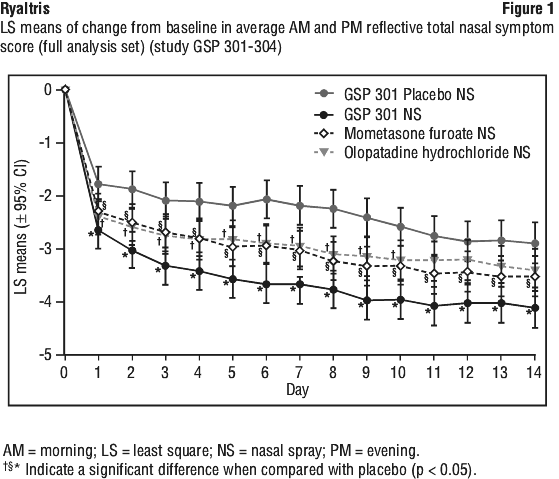
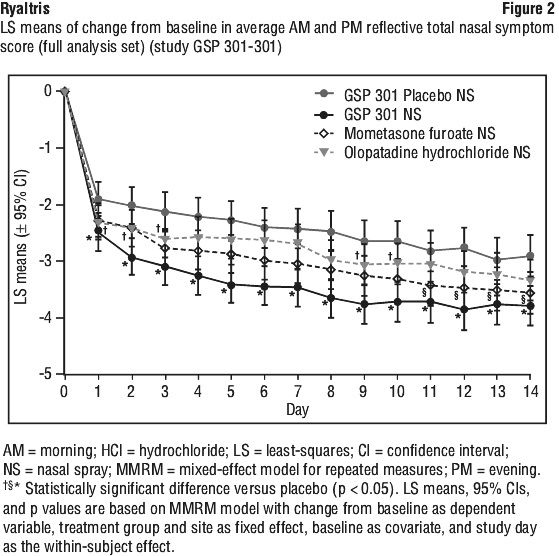
Across the studies, treatment with Ryaltris resulted in a statistically significant improvement in rTNSS compared with placebo. Results of the primary efficacy endpoint from the studies are shown in Table 4. Representative results from Study GSP 301-304 and GSP 301-301 are shown in Figure 1 and Figure 2.
Representative results from Study GSP 301-304 are shown in Figure 3.
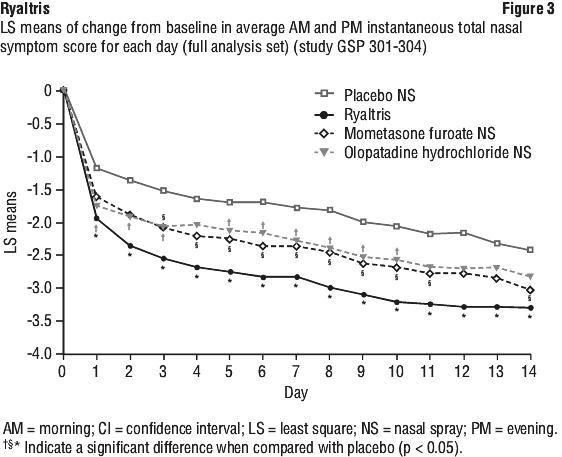
Following the initial dose, marked improvement in iTNSS has been observed over the first week and was sustained through two weeks of treatment.
The subjective impact of seasonal allergic rhinitis on a patient's health-related quality of life was evaluated by the Rhinoconjunctivitis Quality of Life Questionnaire - Standardized Activities (RQLQ[S]) (28 questions in 7 domains [activities, sleep, non-nose/eye symptoms, practical problems, nasal symptoms, eye symptoms, and emotional] evaluated on a 7-point scale, in which 0 = no impairment and 6 = maximum impairment). An overall RQLQ(S) score is calculated from the mean of all items in the instrument. In each of these studies, treatment with Ryaltris reduced the overall RQLQ(S) from baseline by greater, and statistically significant, margin than placebo (Study GSP 301-201 LS mean difference: -0.56 [95% CI: -0.95, -0.18]; Study GSP 301-301 LS mean difference: -0.43 [95% CI: -0.64, -0.21]; Study GSP 301-304 LS mean difference: -0.45 [95% CI: -0.68, -0.22]). In GSP 301-201, the treatment differences between Ryaltris and placebo reached the minimum important difference of 0.5 points, which is considered a clinically meaningful improvement. However, the treatment difference between Ryaltris and placebo in GSP 301-301 and GSP 301-304 were marginally less than the minimum important difference of 0.5 points.
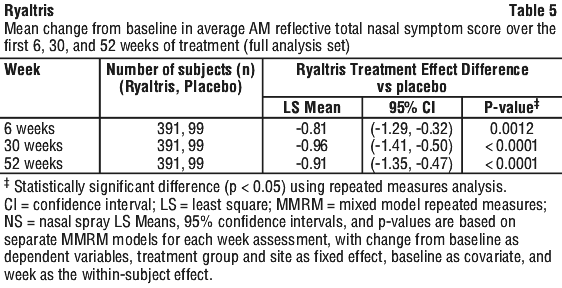
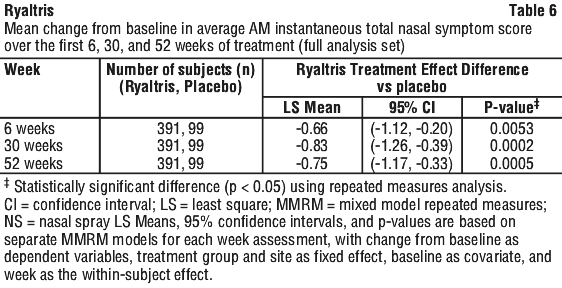
52-week study. The fourth study of Ryaltris (GSP 301-303), was a double-blind, randomised, placebo controlled 52-week safety and efficacy study in subjects with perennial allergic rhinitis. It evaluated 24-hour (AM) rTNSS and iTNSS as secondary endpoints. Compared with placebo nasal spray pH 3.7, treatment with Ryaltris (n = 391) resulted in statistically significant improvement in the change in average AM patient-reported rTNSS and iTNSS over the first 6, 30, and 52 weeks vs baseline. See Tables 5 and 6.
Assessment of efficacy was similar to that for the 2-week studies in adolescents and adults. The primary efficacy endpoint was change from baseline in average AM and PM subject-reported 12-hour rTNSS over the 14-day randomised treatment period. Secondary endpoints were change from baseline in average AM and PM subject-reported 12-hour iTNSS over a 14-day treatment period, change from baseline in average AM and PM subject-reported 12-hour rTOSS over the 14-day treatment period, change from baseline in the overall Paediatric Rhinoconjunctivitis Quality of Life Questionnaire (PRQLQ) score.
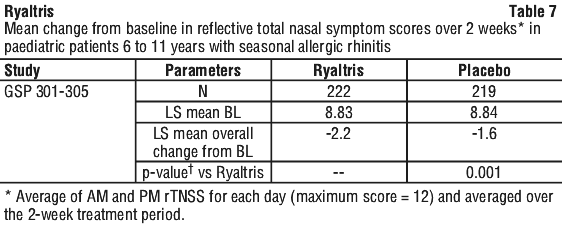
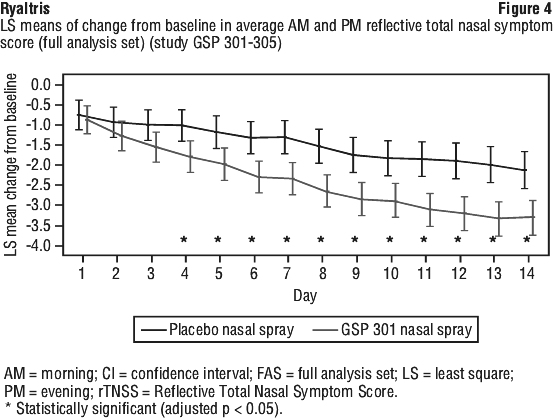
Treatment with Ryaltris resulted in a statistically significant improvement in rTNSS compared with placebo. Results of the primary efficacy endpoint are shown in Table 7. The numerical improvement (p = 0.527 - 0.010, multiple-test adjusted p > 0.05) at days 1 - 3 and the statistically significant improvement in rTNSS from day 4 (p < 0.001, multiple-test adjusted p < 0.05) for each day is represented in Figure 4.
Ryaltris demonstrated a numerical improvement compared with placebo in the change from baseline in average AM and PM patient-reported 12 hour rTOSS and iTOSS over a 2 week treatment period.
The patient's health-related quality of life was evaluated by the Paediatric Rhinoconjunctivitis Quality of Life Questionnaire (PRQLQ) (23 questions in 5 domains [nose symptoms, eye symptoms, practical problems, activity limitation and other symptoms] evaluated on a 7-point scale, in which 0 = not bothered/none of the time and 6 = extremely bothered/all of the time). An overall RQLQ(S) score is calculated from the mean of all items in the instrument. Treatment with Ryaltris significantly reduced the overall PRQLQ from baseline comparing to placebo (LS mean difference: -0.3 [95% CI: -0.5, -0.1], p < 0.001), although the treatment difference between Ryaltris and placebo was less than the minimum important difference of 0.5 points.
5.2 Pharmacokinetic Properties
Absorption. After repeated intranasal administration of 2 sprays per nostril of Ryaltris (2660 micrograms of olopatadine hydrochloride and 100 micrograms of mometasone furoate) twice daily in patients with seasonal allergic rhinitis, the mean (± standard deviation) peak plasma exposure (Cmax) was 19.80 ± 7.01 nanogram/mL for olopatadine and 9.92 ± 3.74 picogram/mL for mometasone furoate, and the mean exposure over the dosing regimen (AUCtau) was 88.77 ± 23.87 nanogram/mL*hr for olopatadine and 58.40 ± 27.00 picogram/mL*hr for mometasone furoate. The median time to peak exposure from a single dose was 1 hour for both olopatadine and mometasone furoate.
The systemic bioavailability of olopatadine and mometasone furoate from Ryaltris following intranasal administration was estimated to be comparable with olopatadine hydrochloride and mometasone furoate nasal sprays administered as monotherapies.
Distribution. The protein binding of olopatadine was reported as moderate at approximately 55% in human serum and independent of drug concentration over the range of 0.1 to 1000 nanogram/mL. Olopatadine binds predominately to human serum albumin.
The in vitro protein binding for mometasone furoate was reported to be 98% to 99% in concentration range of 5 to 500 nanogram/mL.
Metabolism. Olopatadine is not extensively metabolized. Based on plasma metabolite profiles following oral administration of [14C] olopatadine, at least 6 minor metabolites circulate in human plasma. Olopatadine accounts for 77% of peak plasma total radioactivity and all metabolites amounted to < 6% combined. Two of these have been identified as the olopatadine N-oxide and N-desmethyl olopatadine. In in vitro studies with cDNA-expressed human CYP isoenzymes and flavin-containing monooxygenases (FMO), N-desmethyl olopatadine (Ml) formation was catalysed mainly by CYP3A4, while olopatadine N-oxide (M3) was primarily catalysed by FMO1 and FMO3. Olopatadine at concentrations up to 33.9 microgram/mL did not inhibit the in vitro metabolism of specific substrates for CYP1A2, CYP2C9, CYP2C19, CYP2D6, CYP2E1, and CYP3A4. The potential for olopatadine and its metabolites to act as inducers of CYP enzymes has not been evaluated.
Studies have shown that any portion of a mometasone furoate dose that is swallowed and absorbed undergoes extensive metabolism to multiple metabolites. There are no major metabolites detectable in plasma. Upon in vitro incubation, one of the minor metabolites formed is 6β-hydroxy-mometasone furoate. In human liver microsomes, the formation of this metabolite is mediated by CYP3A4.
Elimination. Following single-dose intranasal administration of a combination of olopatadine hydrochloride (2660 micrograms) and mometasone furoate (200 micrograms), the mean elimination half-lives of olopatadine and mometasone furoate were 8.63 and 18.62 hours, respectively in healthy subjects.
Olopatadine is mainly eliminated through urinary excretion. Approximately 70% of a [14C] olopatadine hydrochloride oral dose was recovered in urine with 17% in the faeces. Of the drug-related material recovered within the first 24 hours in the urine, 86% was unchanged olopatadine, with the balance comprised of olopatadine N-oxide and N-desmethyl olopatadine.
Following intravenous administration, the effective plasma elimination half-life of mometasone furoate was 5.8 hours. Any absorbed drug is excreted as metabolites mostly via the bile, and to a limited extent, into the urine.
Special populations. No pharmacokinetic studies were performed in special populations with Ryaltris. The pharmacokinetics of the combination of olopatadine and mometasone furoate is expected to reflect that of the individual components, as the pharmacokinetics of the combination was found to be comparable to the individual components.
Hepatic impairment. No specific pharmacokinetic study examining the effect of hepatic impairment was conducted. Metabolism of olopatadine is a minor route of elimination.
Administration of a single inhaled dose of 400 micrograms mometasone furoate to subjects with mild (n = 4), moderate (n = 4), and severe (n = 4) hepatic impairment resulted in only 1 or 2 subjects in each group having detectable peak plasma concentrations of mometasone furoate (ranging from 50 to 105 picogram/mL). The observed peak plasma concentrations appeared to increase with severity of hepatic impairment; however, the numbers of detectable levels were low.
Based on data from the individual components, no adjustment of the dosing regimen of Ryaltris is warranted in patients with hepatic impairment.
Renal impairment. The mean Cmax values for olopatadine following single intranasal doses were not markedly different between healthy subjects (18.1 nanogram/mL) and patients with mild, moderate, and severe renal impairment (ranging from 15.5 to 21.6 nanogram/mL). Mean plasma AUC0-12 was 2-fold higher in patients with severe impairment (creatinine clearance < 30 mL/min/1.73 m2). In these patients, peak steady-state plasma concentrations of olopatadine were approximately 10-fold lower than those observed after higher, 20 mg oral doses, twice daily, which were well tolerated.
The effects of renal impairment on mometasone furoate pharmacokinetics have not been adequately investigated.
Based on data from the individual components, no adjustment of the dosing regimen of Ryaltris is warranted in patients with renal impairment.
Age. Ryaltris pharmacokinetics has not been investigated in patients under 12 years of age. Based on population pharmacokinetic analysis among patients 12 years of age and older, the pharmacokinetics of olopatadine and mometasone furoate with Ryaltris was not influenced by age.
Gender. Based on population pharmacokinetic analysis, the pharmacokinetics of olopatadine and mometasone furoate with Ryaltris was not influenced by gender.
Race. Based on population pharmacokinetic analysis, the pharmacokinetics of olopatadine and mometasone furoate with Ryaltris was not influenced by race.
5.3 Preclinical Safety Data
Genotoxicity. No genotoxicity was observed when olopatadine was tested in an in vitro bacterial reverse mutation (Ames) test, an in vitro mammalian chromosome aberration assay or an in vivo mouse micronucleus test.
Mometasone furoate is not considered to be genotoxic. There was no evidence of mutagenicity in in vitro tests which included tests for reverse mutation in Salmonella typhimurium and Escherichia coli and forward gene mutation in a mouse lymphoma cell line. Limited evidence of clastogenicity was obtained in Chinese Hamster ovary cells, although this finding was not confirmed in a second in vitro assay utilising Chinese Hamster lung cells, nor in vivo assays including a mouse spermatogonia chromosomal aberration assay, a mouse micronucleus assay, and a rat bone marrow clastogenicity assay. Mometasone furoate did not cause DNA damage in rat liver cells.
Carcinogenicity. No carcinogenicity studies have been conducted with olopatadine hydrochloride and mometasone furoate in combination. Studies performed with the individual active components are described below.
Olopatadine hydrochloride. Olopatadine administered orally was not carcinogenic in mice and rats at doses of up to 500 and 200 mg/kg/day, respectively (approximately 360 - 420, 290 - 340 and 360 - 450 times the MRHD for adults, adolescents ≥ 12 years of age and children 6 - 11 years of age, respectively, by intranasal administration on a mg/m2 basis).
Mometasone furoate. In a 2-year carcinogenicity study in Sprague Dawley rats, mometasone furoate demonstrated no statistically significant increase in the incidence of tumours at inhalational doses up to 67 micrograms/kg/day (approximately 2.6 - 3 times the MHRD for adolescents ≥ 12 years of age and adults, and 3.2 times for children 6 - 11 years of age, by intranasal administration on a microgram/m2 basis). In a 19-month carcinogenicity study in Swiss CD-1 mice, mometasone furoate demonstrated no statistically significant increase in the incidence of tumours at inhalational doses up to 160 microgram/kg/day (approximately 3.1 -3.6 times the MRHD for adolescents ≥ 12 years of age and adults, and 3.8 times for children 6 - 11 years of age, by intranasal administration on a microgram/m2 basis).
6 Pharmaceutical Particulars
6.1 List of Excipients
The nasal spray also contains benzalkonium chloride, carmellose sodium, dibasic sodium phosphate heptahydrate, disodium edetate, hydrochloric acid, dispersible cellulose, polysorbate 80, sodium chloride, sodium hydroxide, and water for injection.
6.2 Incompatibilities
See Section 4.5 Interactions with Other Medicines and Other Forms of Interactions.
6.3 Shelf Life
In Australia, information on the shelf life can be found on the public summary of the Australian Register of Therapeutic Goods (ARTG). The expiry date can be found on the packaging.
6.4 Special Precautions for Storage
Store Ryaltris upright with the dust cap on below 30°C. Do not store in a freezer or refrigerator.
6.5 Nature and Contents of Container
The 240 metered-dose (MD) presentation of Ryaltris nasal spray is supplied in a 30 mL white opaque high density polyethylene (HDPE) bottle.
The 56 and 120 metered-dose (MD) presentations of Ryaltris nasal spray are supplied in a 20 mL white opaque high density polyethylene (HDPE) bottle.
Both sizes of bottles are crimped with the same spray pump and nasal actuator. A plastic cap covers the nasal actuator.
Not all pack sizes may be marketed.
6.6 Special Precautions for Disposal
In Australia, any unused medicine or waste material should be disposed of by taking it to your local pharmacy.
6.7 Physicochemical Properties
Olopatadine hydrochloride is (Z)-11-[3-(dimethylamino) propylidene]-6,11-dihydrodibenz[b,e]oxepin-2-acetic acid hydrochloride, a dibenzoxepine derivative. The empirical formula is C21H23NO3.HCl. Olopatadine hydrochloride is a white, crystalline, water soluble powder. It has a molecular weight of 373.88 and a melting point of ~245°C (decomp).
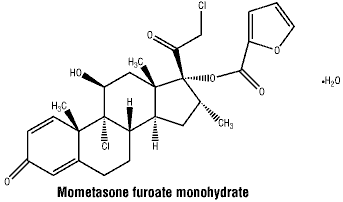
Mometasone furoate monohydrate is 9,21-Dichloro-11β,17-dihydroxy-16α-methylpregna-1,4- diene-3,20-dione 17-(2-furoate) monohydrate. The empirical formula is C27H30Cl2O6.H2O. It has a molecular weight of 539.45. Mometasone furoate is a white to off white powder and it is practically insoluble in water; slightly soluble in methanol, ethanol and isopropanol; soluble in acetone.
Chemical structure.
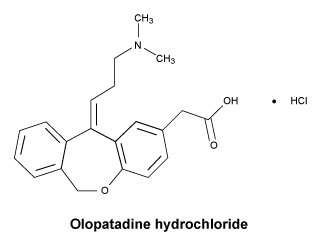
Olopatadine hydrochloride: 140462-76-6.
7 Medicine Schedule (Poisons Standard)
Schedule 4 (S4): Prescription Only Medicine.
Date of First Approval
11 December 2019
Date of Revision
15 June 2023
Summary Table of Changes

Reasonable care is taken to provide accurate information at the time of creation. This information is not intended as a substitute for medical advice and should not be exclusively relied on to manage or diagnose a medical condition. The Australian Commission on Safety and Quality in Health Care disclaims all liability (including for negligence) for any loss, damage, injury or any other negative effects resulting from reliance on or use of this information. Read our full disclaimer. This website uses cookies. Read our privacy policy.