Hand hygiene compliance auditing is conducted to assess the effectiveness of hand hygiene programs in Australia, as part of the National Hand Hygiene Initiative (NHHI). Hand hygiene compliance is assessed across both public and private Australian hospitals, consistent with AHMAC endorsed benchmark of 80 per cent.
Found 94 result(s)
When performed correctly, hand hygiene results in a reduction of microorganisms on hands and contributes to prevention of healthcare-associated infection and improved patient safety.
Clostridioides difficile infection (CDI) is a serious gastrointestinal disease, often caused by inappropriate antimicrobial use.
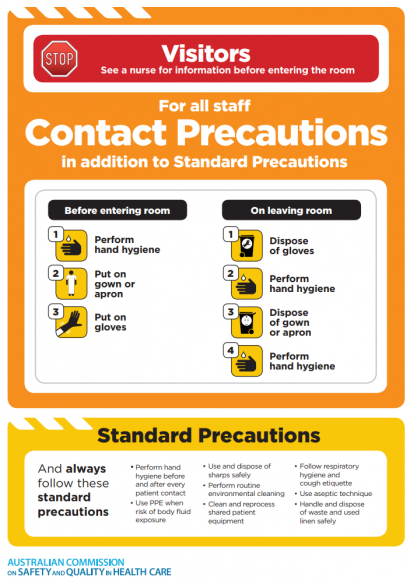
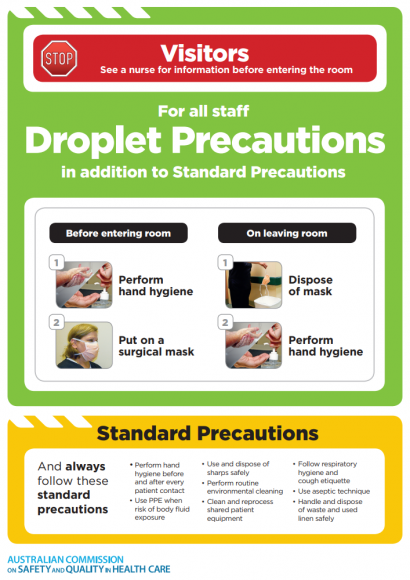
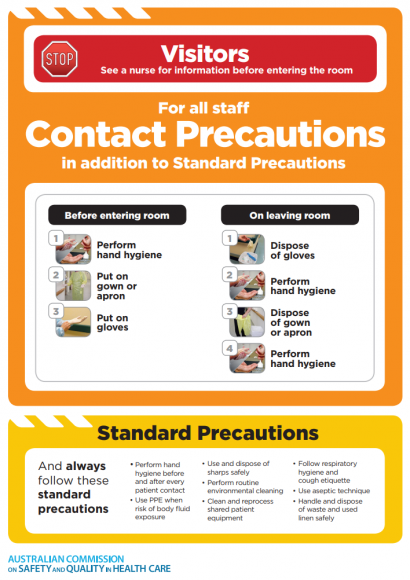
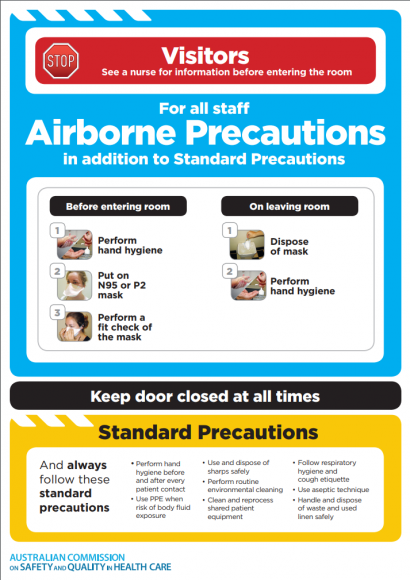
Communication that supports effective partnerships
Evidence-based systems are used to mitigate the risk of infection. These systems account for individual risk factors for infection, as well as the risks associated with the clinical intervention and the clinical setting in which care is provided. A precautionary approach is warranted when evidence is emerging or rapidly evolving.
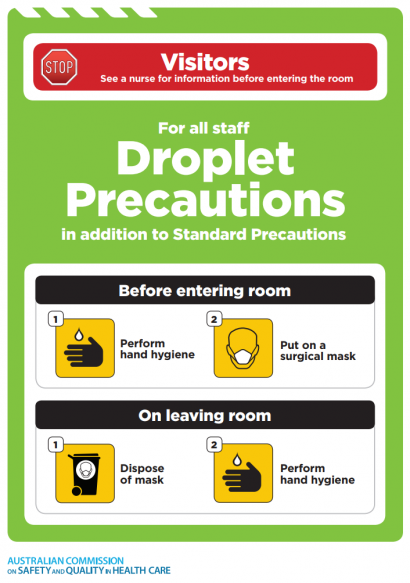
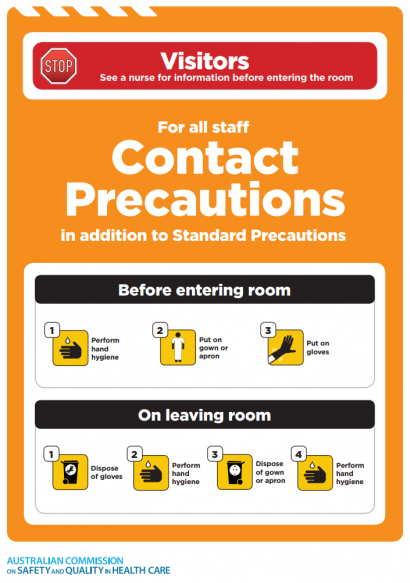
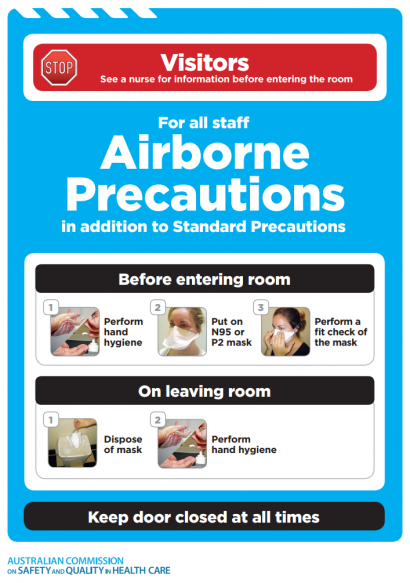
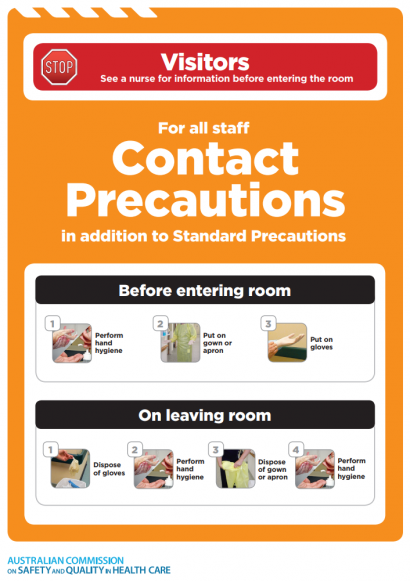
Patients, consumers and members of the workforce with suspected or confirmed infection are identified promptly, and appropriate action is taken. This includes persons with risk factors for transmitting or acquiring infection or colonisation with an organism of local, national or global significance.
The health service organisation is clean and hygienic and has well-maintained and configured engineering systems for the delivery of effective models of care.