
Sepsis Clinical Care Standard
The Sepsis Clinical Care Standard aims to ensure that a patient presenting with signs and symptoms of sepsis is recognised early and receives coordinated, best-practice care so that the risk of death or ongoing morbidity is reduced.
What is sepsis?
Sepsis is a life-threatening condition that arises when the body’s response to an infection damages its own tissues and organs. It can lead to septic shock, failure of multiple organs, and death. Early recognition of sepsis and urgent treatment can save lives and prevent disability.
Sepsis is a serious illness that is very difficult to predict, diagnose, and treat. People who survive sepsis have an increased risk of complications and face higher healthcare costs and longer treatment.
About the Standard
The Sepsis Clinical Care Standard includes:
- seven quality statements describing safe and appropriate care
- a set of indicators to support monitoring and quality improvement.
We also have resources for clinicians, healthcare services and consumers to support the implementation of the Standard.

Quality Statements
Quality statement 1 – Could it be sepsis?
A diagnosis of sepsis is considered in any patient with an acute illness or clinical deterioration that may be due to infection. A clinical support tool that includes assessment of vital signs and lactate is used to help recognise sepsis early and escalate care when required.
For clinicians
Recognising a patient with sepsis can be challenging. Consider sepsis in all patients with acute illness or deterioration who may have an infection.
Importantly, the presentation of sepsis in neonates and children may differ to adults. In children, hypotension is not necessary to diagnose septic shock. In older people, commonly recognised sepsis signs and symptoms are often absent. Older people are more likely to have relative immunosuppression. The presentation is less likely to include a fever, raised white cell count or raised C-reactive protein. In older people, hypothermia, delirium and falls (in frail people) are more likely.
Clinical support tools are available to help detect sepsis early and enable further assessment and escalation, although these tools do not replace clinical judgement. Identify possible sepsis using a structured approach that is consistent with an appropriate decision support tool for the setting, which has been agreed at the local level. Tools will vary according to the patient age, cultural needs and healthcare setting – no single tool will apply to everyone.
For situations where a decision support tool is not available (for example, for neonatal and maternity patients), early assessment and escalation to a clinician with expertise in recognising and managing sepsis are the priority. State or territory-endorsed age-specific observation charts and monitoring tools for children allow recognition of acute deterioration in children.
See Related resources below which includes resources for children.
To determine whether a patient has signs or symptoms of organ dysfunction, take a full set of observations that includes vital signs and other relevant observations appropriate to the patient, including:
- respiratory rate
- oxygen saturation
- heart rate
- systolic blood pressure
- temperature
- altered mentation, behaviour change or delirium
- poor peripheral perfusion, cool peripheries, delayed capillary refill time or mottled skin
- blood lactate concentration
- in pregnant women, the vital signs of the fetus measured using cardiotocography (CTG).
Where this will not delay urgent care, test venous blood lactate levels. Capillary lactates may be useful in children. An increased lactate level may indicate a protective or a maladaptive response to shock and can play an important role in screening. Include blood lactate routinely in decision-making for an acutely deteriorating patient or for suspected sepsis. Although assessment of lactate levels is not sufficient for the purpose of diagnosis, it is a relatively simple investigation that can help recognise sepsis, while failure to recognise sepsis can lead to patient harm and potentially death. Point-of-care lactate testing is especially useful in rural or remote settings, including Aboriginal medical services, where critical care cannot be readily accessed.
Maintain a high index of suspicion for patients presenting with risk factors for sepsis or groups who experience higher rates of sepsis, including Aboriginal and Torres Strait Islander peoples. Red flags include:
- family or carer concern. It is well demonstrated that a high level of family or carer concern warrants investigation – for example, concern for an older relative or for a child or an infant
- if a patient is presenting for acute medical care for a subsequent time, and has signs or symptoms of infection, or has an indwelling medical device
- clinical deterioration despite treatment
- recent history of surgery or burns
- patients undergoing cancer treatment or who may be immunosuppressed.
In primary and community healthcare settings, be aware of the risk factors for sepsis as a time-critical emergency. If you suspect a patient has sepsis, refer the patient to an appropriate hospital as soon as possible.
For healthcare services
For acute facilities, ensure that the implementation of protocols to support early recognition and escalation of care for sepsis is consistent with the NSQHS Standards, including actions from:
- Preventing and Controlling Infections Standard (Actions 3.18 and 3.19)
- Recognising and Responding to Acute Deterioration Standard (Actions 8.01 and 8.06)
- Comprehensive Care Standard (Action 5.10).
For primary and community healthcare services, including general practice, ensure that the implementation of triage protocols is consistent with the Primary and Community Healthcare Standards, including the ‘Recognising and responding to serious deterioration and minimising harm’ criterion from the Clinical Safety Standard.
Formalise and implement locally agreed clinical support tools to assist in structured screening and assessment for sepsis. The tools should include:
- initial assessment and monitoring of vital signs
- lactate measurement (in acute facilities)
- other relevant observations and the clinical criteria for further evaluation to enable prompt recognition of sepsis.
- in most cases, the relevant state or territory health department will have developed these for widespread implementation.
- implement protocols for using these tools, which should include:
- regular education for all relevant staff in using the protocols and the criteria for sepsis recognition and management
- universal and direct access to the clinical decision support tools
- routine review of the use of the tools and measures, and evaluation of their effectiveness for detecting sepsis.
Support clinicians with accessing regular and ongoing training in sepsis recognition and management.
Provide access to point-of-care lactate testing and guidelines for its appropriate use in settings where sepsis may occur.
Consider embedding alert systems in electronic healthcare records, if system capacity allows.
For consumers
Sepsis can affect anyone. However, some people are at greater risk than others, such as:
- newborns and young children
- older people
- Aboriginal and Torres Strait Islander peoples
- people with complex health conditions
- people with COVID-19
- people with poor immune systems
- people who are pregnant or have just given birth
- people being treated for cancer with chemotherapy
- people with burns, wounds and injuries
- people who have been previously diagnosed with sepsis.
A clinician will consider the possibility of sepsis for someone who:
- has an infection or might have one
- is very sick
- is getting sicker.
A doctor or nurse will perform physical checks such as taking temperature and blood pressure, doing blood tests and asking questions. This information will help them to quickly identify whether you or your family member could have sepsis.
The signs of sepsis in adults can include:
- fast breathing or breathlessness
- fever and chills
- low body temperature
- low or no urine output
- fast heartbeat
- nausea and vomiting
- diarrhoea
- fatigue, confusion or sleepiness
- a lot of pain or ‘feeling worse than ever’.
The signs of sepsis in children can include:
- fast breathing or long pauses in breathing
- blotchy or discoloured skin
- skin abnormally cold to touch
- rash that doesn’t fade when pressed
- infrequent wet nappies or low urine output
- drowsiness, difficulty waking up or confusion
- restlessness or floppy limbs
- vomiting
- fits or convulsions
- a lot of unexplained pain.
For families, let a doctor or nurse know if you are worried that your child or family member is very sick or getting worse. Your concern is important and should be considered, as you know your child or family member best.
It’s important for you to ask ‘Could it be sepsis?’
For more information, refer to the National Sepsis Awareness Campaign
Equity and cultural safety
For clinicians
Consider personal biases, cultural and social factors and communication barriers when assessing the patient.
Explain to the patient and their family, carer or support person, in a culturally safe way, the concerns you may have about a possible diagnosis of sepsis, and the rationale for tests and interventions.
Interpret a patient’s presentation and vital signs in a way that is free from racism, bias and assumption. This includes when treating patients who are presenting from a custodial setting.
Recognise that a history of trauma may affect behaviour and provide trauma-aware and healing-informed care.
For healthcare services
Ensure that systems are in place so that patients can be assessed and cared for in a way that is free from racism, bias and assumption.
Educate and train staff in cultural awareness and cultural safety regularly.
Systemic barriers to presentation and taking a medical history may include language differences, communication issues, being from a vulnerable community (such as people with disabilities or people without housing) and a lack of cultural safety.
The incidence of sepsis is higher in Aboriginal and Torres Strait Islander peoples than in the non-Indigenous population. Address barriers to healthcare access by using Aboriginal and Torres Strait Islander health workers and liaison officers and translators who can help patients to navigate the service and their treatment options.
Related resources
Some states and territories have developed specific clinical decision support tools for use in the acute setting, including:
- Sepsis tools (adult and paediatric), from the NSW Clinical Excellence Commission’s SEPSIS KILLS program
- Sepsis program tools for adult sepsis including education packages from Clinical Excellence Queensland
- Paediatric sepsis program including pathways and tools and education and family support information from Children’s Health Queensland.
In palliative and end-of-life care, management may differ and should align with the:
- National Consensus Statement: Essential elements for safe and high-quality end‑of‑life care
- National Consensus Statement: Essential elements for safe and high-quality paediatric end-of-life care.
Other resources include:
- Trigger tools and observation charts for recognising and responding to acute deterioration, sepsis-specific tools (for example, LqSOFA and SIRS) and early warning tools (for example, NEWS and MEWS). For more information see Table 1 or the Review of Trigger Tools to Support the Early Identification of Sepsis in Healthcare Settings
- Implementing an Adult Sepsis Pathway toolkit from Safer Care Victoria
- SOMANZ Guidelines for the Investigation and Management of Sepsis in Pregnancy
- NICE sepsis guidance including adult and paediatric risk stratification tools
- Sepsis 6 information from the UK Sepsis Trust
- Fact sheets and videos about lactate from the NSW SEPSIS KILLS program
- Lactate in the deteriorating patient and sepsis – Clinician fact sheet.
Quality statement 2 – Time-critical management
Sepsis is a time-critical medical emergency. Assessment and treatment of a patient with suspected sepsis are started urgently according to a locally approved clinical pathway, and their response to treatment is monitored and reviewed. The patient is reviewed by a clinician experienced in recognising and managing sepsis, and is escalated to a higher level of care when required.
For clinicians
When sepsis is part of a differential diagnosis, expediting assessment and treatment is essential. Use a locally approved clinical pathway, appropriate to the patient’s age and clinical setting, to guide assessment, diagnosis and appropriate treatments within the recommended time frame. Follow all the required steps. Key actions and further information about the requirements for locally approved sepsis clinical pathways are in Box 1.
| Box 1: Essential elements of a sepsis clinical pathway |
|---|
Clinical pathways are designed to assist clinical judgement using the best available clinical evidence. Sepsis clinical pathways should include:
|
Any clinician can activate the sepsis clinical pathway at an early stage. The principles of recognise, resuscitate, refer and review should guide care. Recognise the signs of clinically significant organ dysfunction and, if sepsis is suspected, escalate immediately and activate the rapid response system. In smaller hospitals that do not always have doctors on site, follow relevant local procedures related to care of the deteriorating patient for the healthcare setting. On-call clinicians will need to be called into the hospital.
Ensure that the patient is promptly assessed by a clinician with expertise in recognising and managing sepsis or patient deterioration (for example, an emergency physician, infectious diseases physician, intensivist, paediatrician, advance practice nurse, nurse practitioner, paramedic, rural generalist or general medicine staff specialist). This assessment should occur directly (person to person). A clinician with expertise in sepsis should be involved in the care of the patient during the first 48 hours and beyond. Patients can deteriorate despite initial treatment, and the response to interventions should be monitored until the desired outcome is reached. Document the patient’s diagnosis, whether it is sepsis or an alternative diagnosis in line with Quality statement 6 – Transitions of care and clinical communication.
In smaller hospitals or remote healthcare services, the pathway should prioritise consultation with retrieval services when a higher level or acuity of care may be needed. The patient needs to be assessed by a clinician with expertise in managing sepsis. Seek review or advice from a more experienced clinician if required. In settings where 24‑hour critical care or infectious diseases support is unavailable, this review may occur by telehealth or in consultation with clinicians in an acute facility who have expertise in managing sepsis.
Consider transfer time needed if transferring the patient within the hospital or to another hospital. Consultation may be needed to decide which care or interventions should be delivered before or during transfer. Resuscitation may need to start and antimicrobials administered before transfer, including by the ambulance service if necessary. Notify the receiving facility of the suspected sepsis diagnosis and any sepsis screening or protocols that have been initiated.
If diagnosing or managing sepsis is outside your scope of clinical practice, the most appropriate action may be the immediate referral of the patient to hospital.
Do not alter calling criteria for acutely unwell patients, unless in line with local policy (such as for patients with a chronic condition such as chronic obstructive pulmonary disease or patients who may have type 2 respiratory failure and are at risk with high oxygen levels). In a patient being treated for probable or suspected sepsis, parameters for calling criteria should reflect the need for early and timely intervention, and be determined by a clinician with expertise in managing sepsis.
Talk with the patient and their carer about their goals of care. Ensure that treatment decisions align with the person’s needs and preferences, and are determined through shared decision making. Refer to advance care plans if available, including whether the patient is willing to be transferred to another facility if this is being considered.
Listen to all patient and family concerns, including those that may indicate deterioration or sepsis, and respond directly and promptly to these concerns. In paediatrics, parental concerns and observations are key to initiating an escalation of care.
Patients, families, carers and other support people should be able to escalate concerns and seek emergency assistance when they are concerned about deterioration. Cases of sepsis have been missed due to clinicians not listening to the concerns of patients, their families or carers. It has also been demonstrated that response systems for patients and families to trigger an alert for help are not misused, with a systematic review finding that all calls included were deemed to be appropriate.
Be aware that the NSQHS Recognising and Responding to Acute Deterioration Standard requires healthcare services to:
- have processes for the direct escalation of care by patients, carers or families (Action 8.07)
- support the wish to escalate care.
For healthcare services
In any setting where sepsis may occur, ensure that there is a policy or guideline for sepsis care that reflects the time-critical nature of treatment and provides parameters for evidence-based practice.
Ensure that there is a locally approved sepsis clinical pathway appropriate to the healthcare setting that includes the essential elements in Box 1. In most cases, this will be a pathway that has been developed at the statewide or territory-wide level.
| Box 1: Essential elements of a sepsis clinical pathway |
|---|
Clinical pathways are designed to assist clinical judgement using the best available clinical evidence. Sepsis clinical pathways should include:
|
Policies, procedures and guidelines should support the delivery of care described in the locally approved sepsis clinical pathway regarding:
- ensuring there are multidisciplinary clinical governance processes, including oversight by a governing body. These processes should include endorsement, implementation and ongoing use of the locally approved sepsis pathway, to assess adherence to the pathway and evaluate its outcomes. Outcomes may include its effectiveness and the impact on antimicrobial prescribing
- providing timely access to the appropriate diagnostics, medicines and treatments that are required for implementation of the pathway
- ensuring that all clinicians initiating and following the pathway complete competency-based training on how to use it
- ensuring that processes and resource allocation allow timely escalation to an appropriate clinician with experience in recognising and managing sepsis available 24 hours a day, seven days a week. This may require:
- local action to identify the most relevant clinician(s) to contact, either through telehealth or in consultation with clinicians in an acute facility
- clear communication on the roles and responsibilities of team members when escalating care.
- supporting multidisciplinary collaboration and teamwork between critical care, medical, surgical and paediatric teams to optimise the timely management of patients
- supporting and evaluating appropriate documentation within the pathway, and that this documentation forms part of the healthcare record. This includes documentation of the final diagnosis (whether it is sepsis or an alternative diagnosis) and considers the patient’s age and cultural needs
- outlining the roles and responsibilities of lead clinicians
- evaluating adherence to the pathway and its performance, including assessment of family and patient experience.
Ensure that rapid response systems are in place for deteriorating patients, including those with suspected sepsis. Ensure that patients have access to a clinician with expertise in sepsis who should be involved in their care during the first 48 hours and beyond.
Ensure that care escalation processes are accessible via both patient and clinician-led pathways, and that these are communicated to clinicians and monitored to ensure that they are adhered to. Ensure that information for consumers on how to escalate care is widely available, so that patients, carers and families can easily escalate care independently from clinicians.
For consumers
Sepsis is a condition that needs urgent treatment. It can cause serious complications or death. If you are not in a hospital and think you or a family member could have sepsis, contact your general practitioner or call 000 for an ambulance.
If there is a chance you have sepsis, medical care should be started immediately and should follow a recognised clinical pathway, which guides doctors and nurses to ensure that you get the important care you need. Fast treatment can prevent complications from sepsis.
Your doctors and nurses will assess your symptoms, take your medical history, and perform tests and procedures to help with your diagnosis and treatment. Your doctor or nurse will make observations, such as measuring your blood pressure, pulse and the number of breaths you take per minute. They will order blood tests, and give medicines and fluids urgently.
Your doctors and nurses will continue to check how you are responding to treatment. They may consult with other doctors and nurses who are experienced in managing sepsis. If you are already in hospital, you may be transferred to a different ward or to the intensive care unit. If you are not in a hospital or are in a small hospital, you may need to be transferred somewhere that can provide the expertise and high-level care that are needed to manage sepsis.
If you or a person you care for is seriously ill and you are worried that the condition is getting worse, it is very important to tell a doctor or nurse in the facility where you are being treated.
If you are still concerned that help is not coming urgently, it is your right to seek help from someone else in the hospital. Hospitals must have systems in place so that you can immediately seek help from someone else, if you feel your concerns are not being addressed or taken seriously. Tell the staff that you think you or your family member has sepsis or ask ‘Could it be sepsis?’, that you want to escalate care, and ask what systems are in place for you or your carer to raise your concerns. Most hospitals will have a telephone number to call. You may have to say that you want to speak to somebody higher up (the next line of management).
Concerns for your wellbeing, or that of the person you are caring for, are valid, and all information is important. These services are available to help you to communicate your concerns so that they can be acted on. Recognising a worsening condition can prevent serious illness or death.
Cultural safety and equity
For clinicians
Ask about and record the patient’s Aboriginal and Torres Strait Islander identity with respect to evaluating risk (based on incidence), providing care which meets the needs of the person, and supporting transitions of care. For example, offer for an Aboriginal or Torres Strait Islander health worker or liaison officer to be involved. Ask about and document the patient’s preferred language and facilitate access to interpreters when required.
Related resources
- National Consensus Statement: Essential elements for recognising and responding to acute physiological deterioration
- NSQHS Recognising and Responding to Acute Deterioration Standard
- National Safety and Quality Primary and Community Healthcare Standards (Recognising and responding to serious deterioration and minimising harm criterion)
- NSW Clinical Emergency Response Systems (CERS)
- Examples of observation charts with parameters for identifying deterioration and escalating care include
- NSW – Standard Adult General Observation Chart Between the Flags
- Victoria – Victorian Children’s Tool for Observation and Response
- Queensland – Queensland Adult Deterioration Detection System (QADDS) in adults and Children’s Early Warning Tool (CEWT) in children
- Australian Capital Territory (ACT) – COMPASS
- Examples of family and carer escalation pathways include:
- NSW – REACH
- ACT – Call And Respond Early (CARE)
- Queensland – Ryan’s RuleExternal link
- Western Australia – Aishwarya’s CARE Call
- NICE – Risk stratification tools for adults, children and young people.
Indicators
| Indicator 2a | Evidence of a locally approved sepsis clinical pathway. The pathway should include:
|
|---|---|
| Indicator 2b |
|
| Indicator 2c | Proportion of patients with sepsis who were treated according to the locally approved sepsis clinical pathway. |
Quality statement 3 – Management of antimicrobial therapy
A patient with suspected sepsis has blood cultures taken immediately, ensuring that this does not delay the administration of appropriate antimicrobial therapy. When signs of infection-related organ dysfunction are present, appropriate antimicrobials are started within 60 minutes. Antimicrobial therapy is managed in line with the Antimicrobial Stewardship Clinical Care Standard, including a review within 48 hours from the first dose.
For clinicians
Obtain blood cultures for microbiological testing for patients with suspected sepsis before administering antimicrobials, where this does not delay urgent treatment. For adults, this includes two sets of blood cultures, and for children one set of blood cultures. Other relevant microbiological cultures should also be collected, ideally before administering antimicrobials. In the community setting, if this is outside the scope of clinical practice, refer the patient to hospital immediately.
Do not wait for blood test results if someone is clearly unwell. Urgent antimicrobial therapy should start as soon as possible. Do not withhold antimicrobials while awaiting the results of microbiological (for example, blood, urine, pus, sputum microscopy or culture) or other tests.
Start antimicrobials within 60 minutes of recognising infection-related organ dysfunction, and as soon as possible if shock is present. In an adult patient without shock, where there is uncertainty about the likelihood of an infectious cause, rapidly investigate alternative diagnoses. Escalate care to a clinician with experience in recognising and managing sepsis, if required. If concern for infection persists after appropriate evaluation, start antimicrobial therapy as soon as possible, no later than three hours from initial clinical review (Figure 1). Closely monitor all patients who may have sepsis and ensure their care is escalated in the event of deterioration, such as evolving or worsening signs of organ dysfunction (refer to Quality statement 2 – Time-critical management).
Arrange consultation with an infectious diseases physician or clinical microbiologist if there is uncertainty about the appropriate antimicrobial therapy or local sepsis guidelines, ideally when initiating therapy, or else on review. As patients with sepsis often require higher doses of antimicrobials, the patient’s other medicines should be reviewed by an experienced clinician, preferably a pharmacist, to avoid interactions and enable the safe and appropriate administration of antimicrobial therapy.
When prescribing antimicrobials for Aboriginal or Torres Strait Islander peoples, consider the higher prevalence of multidrug-resistant organisms. Refer to the Central Australian Rural Practitioners Association guidelines, or other guidelines based on local resistance data, where appropriate.
If the patient with sepsis is being transferred to another healthcare service or unit, take blood cultures and start the first dose of antimicrobials before transfer.
Prompt communication of critical test results is essential to inform timely antimicrobial treatment decisions. If microbiological tests are ordered, review the results as soon as available and at least daily while concerns about sepsis persist. Use this information to consider whether review, adjustment or cessation of antimicrobials and other therapy is needed. Investigate and manage the source of infection, which may require surgery. Multidisciplinary input may be needed to choose appropriate investigations for the suspected infection.
Laboratories or microbiologists should call positive blood culture results through to the doctor caring for the patient as soon as these results are available, and document the discussion.
For healthcare services
Ensure that patients with suspected sepsis will be assigned an adequate triage category when presenting to a hospital emergency department to allow timely antimicrobial administration.
Ensure that systems and resources are in place for the appropriate collection of blood cultures. Ensure prompt communication of critical test results, including positive blood cultures, from laboratories directly to the clinician to inform timely antimicrobial treatment decisions. Establish clear referral procedures to allow access to infectious diseases and microbiology consultation. Embedding alert systems and flags in local clinical information systems may be a viable option.
Ensure that systems are in place to allow prompt administration of appropriate antimicrobials for the treatment of sepsis, in any location where people with sepsis may present for acute treatment. Review antimicrobial formularies regularly to ensure they support best-practice prescribing. Ensure 24-hour access to antimicrobials that are required urgently as part of the sepsis clinical pathway.
Evaluate antimicrobial use and prescribing in line with the National Safety and Quality Health Service Preventing and Controlling Infections Standard Actions 3.18 and 3.19. Ensure that effective antimicrobial stewardship systems are in place to ensure appropriate antimicrobial treatment and that service provision aligns with the Antimicrobial Stewardship Clinical Care Standard (Box 2 below).
Support multidisciplinary collaboration between critical care, medical and surgical teams to optimise the timely management of patients.
| Box 2: Align sepsis management with the Antimicrobial Stewardship Clinical Care Standard |
|---|
Sepsis management should align with the Antimicrobial Stewardship Clinical Care Standard, including:
|
For consumers
If you or a family member has sepsis, it is important that the infection is treated quickly. This will usually mean giving an antimicrobial medicine, usually an antibiotic (see Figure 2). When you are very sick, these medicines must be started within 60 minutes from when sepsis is identified.
Figure 2: What are antimicrobials?
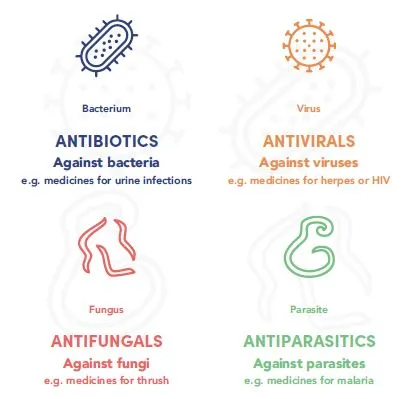
You will need tests (usually a blood test called a blood culture) that will help your doctors make sure they are using the best medicine for you. Usually, the tests will be done and then you will start treatment while you are waiting for the results. However, this is not always possible and the tests may be taken later.
The first antimicrobials you receive will treat a wide range of infections because sepsis is an emergency. In the first few days, more information may become available about your infection and the antimicrobials may be changed to target your infection more specifically. For example, your antimicrobial may be changed to a different antimicrobial, or from an injection to a tablet, especially within the first two days. It is important to use the best medicines for your infection, and your doctor will decide this based on your needs. You may need more tests, such as blood and urine tests, to:
- find out if the treatment is working
- make sure you are receiving the most effective antimicrobial.
Indicators
| Indicator 3a | Proportion of patients with sepsis who had blood cultures taken prior to starting antimicrobials. |
|---|---|
| Indicator 3b | Proportion of patients with signs and symptoms of infection-related organ dysfunction who started their first dose of an empirical antimicrobial within 60 minutes of recognition. meteor.aihw.gov.au/content/index.phtml/itemId/755646 Measurement of this indicator requires time of recognition and treatment to be collected. If these data are not currently available, consider using alternate indicators. Examples are provided in the METeOR link above. |
Quality statement 4 – Multidisciplinary coordination of care in hospital
Sepsis is a complex, multisystem disease requiring a multidisciplinary approach to treatment. A patient with sepsis has their treatment in hospital coordinated by a clinician with expertise in managing patients with sepsis.
For clinicians
Care of the patient with sepsis in acute settings requires multidisciplinary input. A clinician who is experienced in sepsis management should coordinate care, with the patient and family at the centre of the multidisciplinary team. Team members may include a range of clinicians, including medical, nursing and allied health professionals. The coordinating clinician should ensure that the patient, carer or family participate in decision-making whenever possible, and that the patient voice is being respected, heard and responded to. The coordinating clinician should attend regular multidisciplinary meetings to discuss and optimise the care of patients with sepsis.
The coordinating clinician may be different depending on the healthcare setting, and may change at different stages of treatment. The coordinating clinician needs to access and review accurate and timely information on the patient’s clinical status and care requirements. Some patients may have complex care needs and already have care coordination in place, such as those with chronic health conditions. In such cases, consult with the patient’s general practitioner where appropriate to avoid duplication of care. Ensure that person-centred care remains the focus.
When planning a hospital discharge, communication and coordination between the acute service and the patient’s community healthcare team is required. The patient’s general practitioner will usually be the coordinator of care following discharge (see Quality statement 6 – Transitions of care and clinical communication and Quality statement 7 – Care after hospital and survivorship).
For healthcare services
Provide a policy and system framework that nominates and enables a central clinician to coordinate multidisciplinary care in collaboration with the patient with sepsis, or their family or carer, in line with the National Safety and Quality in Health Service Comprehensive Care Standard Action 5.05. Define the roles and responsibilities of each clinician working in the team.
Optimise communication between services, and ensure that there are processes in place to enable routine, structured collaboration between all clinicians. Support multidisciplinary meetings where there is an opportunity for all stakeholders to discuss care, as this provides a basis for shared care. This may mean providing logistical support for meetings or communication systems that allow multiple clinicians to communicate in a timely and effective way.
A different coordinator may be nominated for long-term management in the community; this is usually the patient’s general practitioner. Ensure that adequate communication processes are in place (see Quality statement 6 – Transitions of care and clinical communication and Quality statement 7 – Care after hospital and survivorship).
For consumers
Treatment for sepsis can involve many different clinicians, at different times and in different settings. You, and your family or carer, are a vital part of your healthcare team. While in hospital, a lead doctor or nurse with expertise in managing sepsis will organise the care that is provided. Other members of your healthcare team may include surgeons, different specialist doctors, nurses, pharmacists, physiotherapists, psychologists, social workers, occupational therapists and dietitians.
Cultural safety and equity
For healthcare services
Ensure that clinicians have received cultural safety training, and that Aboriginal and Torres Strait Islander health workers and liaison officers, translators, social workers and others who can assist in the social aspects of care are involved whenever cultural differences may be a barrier to the patient’s experience of care.
Indicator
| Indicator 4a |
|
|---|
Quality statement 5 – Patient and carer education and information
A patient, their family or carer is informed about sepsis from the time that it is suspected in a way that they can understand. Information includes the expected treatment and potential health effects of sepsis. Information is provided verbally and in writing.
For clinicians
Support patients from when sepsis is first suspected, by providing verbal information early. Written information should be provided while in hospital, appropriate to the stage of care. Provide information about:
- their suspected or probable sepsis diagnosis
- treatment options and the benefits and risks associated with them, including the rationale behind the treatment
- the signs of deterioration and what patients should do if they deteriorate
- systems to escalate care when the patient, their family or carer is concerned
- what they can do to best support their health after discharge, including actions they should take if they are concerned about a possible further episode of sepsis
- prescribed medicines, including how to use them correctly and their potential adverse effects
- any precautions they need to take to limit the spread of infection to others
- arrangements for follow-up care
- the nature and length of sepsis recovery, and the resources and support available to assist this recovery.
Empower patients and carers to meaningfully contribute to shared decision making.
Attend sepsis education sessions provided by your healthcare service or professional organisation.
For healthcare services
Ensure that there are resources and processes in place to provide patients, their families and carers with information on:
- sepsis diagnosis, treatment and management
- accessing services
- health care that may be required after discharge.
Ensure that clinicians have access to interpreters and written information in multiple languages, based on patient demographics. Resources should be co-designed with consumers, including culturally and linguistically diverse communities.
Ensure that clinicians undergo sepsis education training.
For consumers
A member of your healthcare team will provide you with information and education about the diagnosis of sepsis and the type of treatment you or your family member is receiving. The information should be given to you in a way that you understand, especially if there are decisions to be made about your treatment.
The information you need will change over time and as you see different types of clinicians. It is important to ask questions and let the clinician know if you have any concerns about your treatment, including about any changes that have been made. Healthcare services must have systems in place so that you can immediately seek help from someone else, if you feel your concerns are not being addressed or taken seriously. Tell the staff that you want to escalate care and ask what systems are in place for you or your carer to raise your concerns.
It is important to understand the signs and symptoms of your condition getting worse.
Sepsis can affect multiple systems in your body, and effects can be different for everyone. You should be given information about what to do if you are concerned about your condition worsening and who to contact.
When you leave hospital, information about how to manage your condition and what to expect should also be provided to you.
Cultural safety and equity
For clinicians
Ensure that the information and education you provide is culturally appropriate and culturally safe.
Use an interpreter if needed, and provide written information in the patient’s preferred language in a way that they can understand.
Attend cultural safety training provided by your healthcare service or professional organisation.
For Aboriginal and Torres Strait Islander peoples, apply understandings of family and involve Aboriginal and Torres Strait Islander health workers and liaison officers. Consider home environments and lived realities of patients, including services accessible to them, particularly for those who may be accessing care away from their homes.
For healthcare services
Ensure that clinicians undergo cultural safety training.
Related resources
- Patient escalation pathways listed in Quality statement 2 – Time-critical management
- Support services such as the Australian Sepsis Network provide information and assistance to people who have survived sepsis and their families at all stages of treatment and recovery
- Support services are offered in Queensland to families both during the acute phase (peer mentorship program and educational video series) and longer term.
Quality statement 6 – Transitions of care and clinical communication
A patient with known or suspected sepsis has a documented clinical handover at transitions of care. This includes the provisional sepsis diagnosis, comorbidities, and the management plan for medicines and medical conditions. This information is provided to the patient, their family and carer as appropriate.
For clinicians
Patients with suspected or probable sepsis should have a clearly documented handover and care plan at all transitions of care to ensure timely and appropriate treatment.
Where the transition involves transfer to a higher level of care for further assessment and treatment of suspected sepsis (such as from primary care or a smaller hospital to a larger hospital), the initial plan may be limited to relevant history, examinations, initial management and reason for transfer. The documentation should identify the patient’s carer where relevant.
If the patient is managed in an acute hospital, they should have a comprehensive care plan that clearly describes all the required components of their care, including their physical and psychosocial needs, their antimicrobial management plan, and any infection prevention and control precautions that are needed. Ensure that this information is provided at clinical handover between shifts to the patient, their carers and family (as appropriate), and the clinicians and therapists who will be involved in their care.
Ensure that all members of the multidisciplinary team who are required for the patient’s care have access to, and contribute appropriately to, documentation about the patient’s care, and that ongoing access to documentation is available.
When a transition involves transfer to a lower level of care or discharge from hospital, ensure that comprehensive communication and documentation are provided alongside the transfer. If transferring the patient from an acute or referring hospital, ensure that the receiving hospital will have the appropriate resources to manage the patient, including access to appropriate antimicrobials, and are aware of any infection prevention and control requirements.
For healthcare services
Ensure that systems and supports are in place for clinicians to develop a comprehensive care plan with patients and that this is used during transitions of care. This documentation includes:
- the suspected or probable sepsis diagnosis
- the management plan, including infection control requirements
- any underlying or additional diagnoses and medicines
- the contact details of the care coordinator.
Documentation needs to be accessible to all relevant clinicians and the patient, and should be captured in clinical information systems. Define the roles and responsibilities of clinicians involved in transitions of care, including a responsibility to complete and communicate discharge summaries. Where local clinical information systems allow, upload information into the patient’s My Health Record.
If the patient is transferred from a larger to a smaller hospital, the referring hospital should ensure that the smaller hospital has appropriate resources to manage the patient, including access to appropriate antimicrobials.
Ensure that clinicians maintain accurate and complete healthcare records (including discharge summaries and death certificates), consistent with the NSQHS Communicating for Safety Standard Actions 6.07, 6.08, and 6.11, and Primary and Community Healthcare Standards Action 1.11. Evaluate the effectiveness of the clinical communication process, in line with the NSQHS Communicating for Safety Standard Action 6.02.
Ensure that clinicians communicate infection control precautions to patients and their carers to ensure consistency with the NSQHS Preventing and Controlling Infections Standard Actions 3.07 and 3.09, or the Primary and Community Healthcare Clinical Safety Standard ‘Communicating for safety’ criterion.
For consumers
If you or a family member are diagnosed with sepsis, many doctors, nurses and other clinicians might need to provide you with care for a long time. It is important that the clinicians involved in your care share information with each other about your condition and treatment. You should be involved in this process, along with any support people you choose, such as a family member or social worker.
This communication should occur when there is a change of shift of those caring for you, when you are moved within one hospital or moved to another hospital, and when you are discharged from hospital. Important information that you should receive includes:
- your diagnosis of sepsis and any underlying conditions
- concerns or risks that the clinicians may note about your care
- your medical history
- the plan for antimicrobials and other medicines
- your care requirements and recovery goals
- who to contact if you have concerns about your condition and ongoing treatment; if there is a central person coordinating your care, this should be documented
- the healthcare team you are receiving care from; this can range from medical specialists to allied health professionals, such as a physiotherapist or dietitian
- who the healthcare service should contact, such as a carer, family member or substitute decision-maker, if you cannot make a decision yourself.
This information should be provided in a way that you understand. It should also be easily accessible and culturally safe.
Cultural safety and equity
For clinicians
Ensure that documentation is culturally safe, factual and free from bias, assumptions or racism. Consider cultural needs and their impact on the comprehensive care plan.
For Aboriginal and Torres Strait Islander peoples, involve an Aboriginal community controlled health service, Aboriginal medical service, or an Aboriginal or Torres Strait Islander health worker or liaison officer, when this is the patient’s preference. Information provided by a trusted source may be crucial to treatment adherence and patient safety.
Provide access to an interpreter if required.
People who have completed acute treatment away from their community or Country may need structured support to ensure that they safely return to their place of residence. Arrange appropriate services, support and contacts for patients who have been transferred from remote locations.
For healthcare services
Ensure that services are in place to enable effective communication with patients, taking into account their culture and location of care.
Aboriginal and Torres Strait Islander people who have completed acute treatment away from their community or Country may need structured support to ensure that they safely return to their place of residence. Establish appropriate networks – for example, with local Aboriginal medical services. Ensure adequate supports for patients who have been transferred from remote locations.
Quality statement 7 – Care after hospital and survivorship
A patient who has survived sepsis receives individualised follow-up care to optimise functional outcomes, minimise recurrence, reduce rehospitalisation and manage the ongoing health effects of sepsis. This requires structured, holistic and coordinated post-discharge care and education that involves the patient, their family, carer, general practitioner and other clinicians.
Support and information are provided to the family or carer of a patient who has died from sepsis.
For clinicians
After sepsis treatment in hospital, consider the patient’s ongoing care needs and how these will be managed.
When discharging a patient from hospital, communicate the ongoing care plan to the patient’s general practitioner (GP). Ensure that the patient is aware of any follow-up appointments required and communicate these to the patient’s GP as part of their discharge documentation. Arrange access to appropriate services, support and contacts for patients who have been transferred from remote locations.
In general practice or other primary or community healthcare services, be aware of the specific needs for ongoing care of a patient who has had sepsis, and coordinate care between specialist medical, nursing, rehabilitation and allied healthcare professionals.
Discuss the diagnosis of sepsis with the patient and family member or carer, and how this may affect their health and wellbeing in the short and long term. Tailor your advice to the individual patient, and discuss treatment and rehabilitation goals together with the patient.
Discuss the potential effects on cognitive, social and emotional wellbeing that may occur after diagnosis and treatment for sepsis, including fatigue and anxiety. Provide information on the support available for people who have survived sepsis. Refer Aboriginal and Torres Strait Islander people to culturally safe services.
Ensure that the patient confirms any medicines they have been prescribed, including antimicrobials, and has access to these medicines. Ensure continuation of antimicrobial therapy when required, on discharge from hospital and at regular healthcare appointments. Communicate to the patient, in a way they understand, about:
- how to take their antimicrobials
- the duration of treatment
- why this is important
- where they can access antimicrobials.
In addition, the patient should be informed about, and understand the need for infection prevention and control, the impact of their medical history on their risk for future infection, and the importance of keeping their immunisations up to date.
If there has been a sepsis-related death during the episode of care, ensure that this is recorded in the incident management system. Ensure that the extended family (where appropriate) and carers have the opportunity to discuss the care that was given and what happened. Address any questions that arise using the principles of open disclosure, and direct them to patient support organisations such as the Australian Sepsis Network and bereavement organisations for ongoing support. Ensure that the support is accessible and appropriate for culturally and linguistically diverse communities.
If there has been a neonatal sepsis-related death, refer to the Stillbirth Clinical Care Standard for further information about bereavement care and support.
For healthcare services
Ensure that processes are in place to support patients, families and carers after hospital discharge for acute management of sepsis. This can include rehabilitation, access to emotional and social wellbeing supports, and allied health care. Consider using a centralised computer system to coordinate the patient’s post-acute care.
Before discharge, a patient should be referred to their general practitioner (GP), who can coordinate their care after hospital discharge. The GP and any other clinician to whom the patient is referred should be provided with:
- a comprehensive plan on follow-up requirements to optimise functional outcomes, minimise recurrence, reduce rehospitalisation and manage the ongoing health effects of sepsis
- details of the hospital clinician with expertise in managing sepsis or care coordinator to support the transition of care and facilitate communication between the community and hospital care providers
- education materials about sepsis and patient care needs.
Discharge summaries should include all the relevant information as described in Quality statement 6 – Transitions of care and clinical documentation and NSQHS Communicating for Safety Action 6.11.
Healthcare services discharging patients on antimicrobial therapy should have systems in place to ensure that the patient can continue antimicrobial therapy post-discharge and address potential barriers to access, including cost. In some cases, antimicrobials may need to be supplied to the patient.
Review the death of any patient due to sepsis in the absence of a pre-existing life-limiting condition, or where death was unexpected. Offer the family an explanation, information and discussion in line with the principles of open disclosure. This may involve a follow‑up appointment at a later date and referral to bereavement care and support services as required. Ensure that all sepsis deaths are documented in a risk management system, reviewed, and reported to and monitored by a governing body (such as a patient safety or deteriorating patient committee, or similar) to identify opportunities for continued improvement.
For consumers
A member of your healthcare team in hospital will provide you with information and education about the diagnosis of sepsis and the type of treatment you will need after you leave hospital. Sepsis can affect many organs in your body and affects everyone differently. You or your family member may need a range of follow-up treatments, depending on your situation.
When you leave hospital, your regular doctor (general practitioner, or GP) will play an important role in managing your health. Information about your care in hospital and your ongoing care needs should be provided to your GP so they can help manage your care. For Aboriginal or Torres Strait Islander people, your GP care may be provided through your Aboriginal medical service.
Sepsis can have long-lasting effects. It is important that you are given information about these, as well as how to manage your health in the future. It takes time to recover from hospitalisation and treatment for sepsis, and you may not be able to go back to your usual activities for some time. Some people’s lives change significantly because of sepsis.
Your immune system can take time to recover, and this can mean you are more likely to get infections. It is important to talk with your doctor, nurse or pharmacist about medicines you need to keep taking, and what you need to do to prevent infection, including staying up to date with vaccinations and maintaining good hygiene.
Sepsis can affect your ability to function socially, emotionally and cognitively (how well you can think and understand) while you are recovering, even after you leave hospital. It is important to discuss any issues with your doctor and seek help for symptoms such as fatigue, anxiety and trouble concentrating.
If your relative or someone close to you has died from sepsis, the healthcare service should give you information about what happened. They should also answer any questions you have about the events and treatment provided to the person leading up to their death.
Cultural safety and equity
For clinicians
Involve the patient’s preferred Aboriginal medical service, an Aboriginal or Torres Strait Islander health worker or liaison officer when appropriate and with the patient’s agreement. Information provided by a trusted source may be crucial to treatment adherence and patient safety.
Develop relationships with culturally safe service providers to support referrals for Aboriginal and Torres Strait Islander peoples.
For healthcare services
Ensure that services are in place to support patients after discharge, such as access to Aboriginal medical services, Aboriginal and Torres Strait Islander health workers and liaison officers.
Ensure that information provided to patients is provided in a way that the patient understands and is culturally safe.
Related resources
- Resources from the Australian Sepsis Network provide support and information on life after a sepsis diagnosis
- Resources for families affected by paediatric sepsis are available from the Queensland Paediatric Sepsis Project in both the acute phase and long term
- Primary Health Network Health Pathways may provide relevant local information for healthcare services.
Indicators
The Commission has developed a set of indicators to support clinicians and healthcare services to monitor how well they are implementing the care recommended in this Clinical Care standard. The indicators are intended to support local quality improvement activities. No benchmarks are set for these indicators by the Commission.
When using the indicators, please refer to the definitions required to collect and calculate indicator data which are specified online at METEOR.
Note: Exploration of the indicator data should include disaggregation of data by relevant clinical and demographic factors. This should include disaggregation by Aboriginal and Torres Strait Islander status and separate analysis of adult and paediatric patients.
You can find a description of each indicator below with links to its individual specifications.
List of indicators
| Indicator 1a | Proportion of patients with suspected sepsis who had blood lactate levels taken as a part of screening for sepsis |
|---|---|
| Indicator 2a | Evidence of a locally approved sepsis clinical pathway. The pathway should include:
|
| Indicator 2b | Evidence of local arrangements that support the delivery of care described in the local sepsis clinical pathway. The local arrangements should specify the:
|
| Indicator 2c | Proportion of patients with sepsis who were treated according to the locally approved sepsis clinical pathway |
| Indicator 3a | Proportion of patients with sepsis who had blood cultures taken prior to starting antimicrobials |
| Indicator 3b | Measurement of this indicator requires time of recognition and treatment to be collected. If these data are not currently available, consider using alternate indicators. Examples are provided in the METeOR link above. |
| Indicator 4a | Evidence of local arrangements to support multidisciplinary care coordination and clinical communication for patients with sepsis. The local arrangements should specify the:
|
| Indicator 5a | Proportion of patients with sepsis who reported they were kept informed as much as they wanted about their treatment and care |
| Indicator 6a | Proportion of patients with sepsis who had a diagnosis of sepsis recorded in their discharge summary |
| Indicator 7a | Proportion of patients with sepsis who had an unplanned readmission for any cause to any hospital within 30 days of discharge |
| Indicator 8a | Proportion of patients with sepsis who died during their inpatient episode of care |
Sepsis coding
Improving care of sepsis requires ongoing monitoring to identify areas for improvement and areas where services are performing well. The Sepsis Clinical Care Standard includes indicators to support local quality improvement activities.
The Commission has compiled a list of ICD-10-AM 12th edition codes which can be used to identify patients coded with sepsis. The list includes all codes which have the term ‘sepsis’ in their description. Use of this codeset is not mandatory and healthcare services may use alternative retrospective or prospective methods to identify patients with sepsis
Coding of sepsis relies on appropriate clinical documentation as strict rules must be followed when assigning codes. Healthcare services may need to audit and improve their clinical documentation and/or coding of sepsis.
| Code | Description |
|---|---|
| A02.1 | Sepsis due to Salmonella |
| A03.7 | Sepsis due to Shigella |
| A20.7 | Sepsis due to plague |
| A21.7 | Sepsis due to tularaemia |
| A22.7 | Sepsis due to anthrax |
| A23.7 | Sepsis due to Brucella |
| A24.7 | Sepsis due to glanders and melioidosis |
| A26.7 | Sepsis due to Erysipelothrix [erysipeloid] [rhusiopathiae] |
| A28.01 | Sepsis due to Pasteurella, not elsewhere classified |
| A28.21 | Sepsis due to extraintestinal yersiniosis |
| A32.7 | Sepsis due to Listeria [monocytogenes] |
| A39.7 | Sepsis due to Meningococcus |
| A40.0 | Sepsis due to Streptococcus, group A |
| A40.1 | Sepsis due to Streptococcus, group B |
| A40.21 | Sepsis due to Streptococcus, group D |
| A40.22 | Sepsis due to Enterococcus |
| A40.3 | Sepsis due to Streptococcus pneumoniae |
| A40.8 | Other streptococcal sepsis |
| A40.9 | Streptococcal sepsis, unspecified |
| A41.0 | Sepsis due to Staphylococcus aureus |
| A41.1 | Sepsis due to other specified Staphylococcus |
| A41.2 | Sepsis due to unspecified Staphylococcus |
| A41.3 | Sepsis due to Haemophilus influenzae |
| A41.4 | Sepsis due to anaerobes |
| A41.50 | Sepsis due to unspecified Gram-negative organisms |
| A41.51 | Sepsis due to Escherichia coli [E. Coli] |
| A41.52 | Sepsis due to Pseudomonas |
| A41.58 | Sepsis due to other Gram-negative organisms |
| A41.8 | Sepsis due to other specified organism |
| A41.9 | Sepsis, unspecified |
| A42.7 | Sepsis due to actinomycosis |
| A54.7 | Sepsis due to Gonococcus |
| B00.71 | Sepsis due to herpesviral [herpes simplex] infection |
| B37.7 | Sepsis due to Candida |
| O03.0 | Spontaneous abortion, incomplete, complicated by genital tract and pelvic infection and sepsis |
| O03.5 | Spontaneous abortion, complete or unspecified, complicated by genital tract and pelvic infection and sepsis |
| O04.0 | Medical abortion, incomplete, complicated by genital tract and pelvic infection and sepsis |
| O04.5 | Medical abortion, complete or unspecified, complicated by genital tract and pelvic infection and sepsis |
| O05.0 | Other abortion, incomplete, complicated by genital tract and pelvic infection and sepsis |
| O05.5 | Other abortion, complete or unspecified, complicated by genital tract and pelvic infection and sepsis |
| O06.0 | Unspecified abortion, incomplete, complicated by genital tract and pelvic infection and sepsis |
| O06.5 | Unspecified abortion, complete or unspecified, complicated by genital tract and pelvic infection and sepsis |
| O07.0 | Failed medical abortion, complicated by genital tract and pelvic infection and sepsis |
| O07.5 | Other and unspecified failed attempted abortion, complicated by genital tract and pelvic infection and sepsis |
| O08.0 | Genital tract and pelvic infection and sepsis following abortion and ectopic and molar pregnancy |
| O85 | Puerperal sepsis |
| P36 | Sepsis of newborn |
*Updated 30 June 2025: Code R65.1 severe sepsis has been removed following a review of updates made by IHACPA to ICD-10-AM Twelfth Edition which added R65.1 Severe sepsis to the list for ACS 0049 Disease codes that must never be assigned
Other Commission endorsed indicators to support local monitoring
Antimicrobial Stewardship Clinical Care Standard indicators
The Antimicrobial Stewardship Clinical Care Standard has a number of relevant indicators such as:
- Use of guidelines (indicator 2a)
- the proportion of antimicrobial prescriptions that are in line with the current Therapeutic Guidelines or evidence-based, locally endorsed guidelines.
- Documentation (indicators 6a and 6b)
- the proportion of prescriptions for which the indication for prescribing the antimicrobial is documented
- the proportion of prescriptions for which the duration, stop date or review date for the antimicrobial is documented.
- Review of therapy (indicator 7a)
- the proportion of prescriptions for which an antimicrobial review and updated treatment decision is documented within 48 hours from the first prescription.
Detailed specifications for the Antimicrobial Stewardship Clinical Care Standard are available on the Metadata Online Registry at https://meteor.aihw.gov.au/content/index.phtml/itemId/736878
Hospital-acquired complications
A hospital-acquired complication (HAC) refers to a complication for which clinical risk mitigation strategies may reduce (but not necessarily eliminate) the risk of that complication occurring. The HACs list comprises agreed, high-priority complications for which clinicians, managers and others can work together to address and improve patient care. Each of the HACs has a number of associated diagnoses and codes, which allow further exploration of the data. Data for HACs are derived from the admitted patient data collection.
The Commission has developed several resources for clinicians, managers and executives, governing bodies and others that can help them put in place strategies that reduce the occurrence of HACs.
Cultural safety and equity for Aboriginal and Torres Strait Islander peoples
There is a significantly higher incidence of sepsis amongst Aboriginal and Torres Strait Islander peoples compared with other Australians. In the Top End of the Northern Territory in 2007–08, the age-adjusted incidence for sepsis was 40.8 hospital admissions per 1,000 Aboriginal and Torres Strait Islander people compared with 11.8 per 1,000 people in the non-Indigenous population.
Aboriginal and Torres Strait Islander children are also disproportionately affected. In 2002–2013, the age-standardised intensive care unit mortality rate for invasive infections in Aboriginal and Torres Strait Islander children was more than double that of non-Indigenous children (2.67 versus 1.04 deaths per 100,000 children each year, respectively).
Higher age-standardised incidence rates of Staphylococcus aureus bacteraemia have been found for Aboriginal and Torres Strait Islander people compared with other Australians, particularly for community-associated methicillin-resistant Staphylococcus aureus (MRSA). This difference was not explained by socioeconomic status, and may relate to a high burden of staphylococcal skin disease in Aboriginal and Torres Strait Islander peoples.
Recommendations
When implementing this Clinical Care Standard, cultural safety can be improved through embedding an organisational approach such as described in the recommendations below.
When providing care for Aboriginal and Torres Strait Islander people, particular consideration should be given to the following recommendations.
- Ensure systems and processes support people to self-report their Aboriginal and Torres Strait Islander status and to record self-identification.
- Ensure all staff engage regularly in cultural safety training.
- Disaggregate data by Aboriginal and Torres Strait Islander status when using the indicators included in this Standard. This will support identification of access and outcome issues so that improvements can be made.
- Implement the six actions for Aboriginal and Torres Strait Islander Health from the NSQHS Standards.
- Provide flexible service delivery to optimise attendance and help develop trust with Aboriginal and Torres Strait Islander individuals and communities.
- Establish robust communication channels and referral pathways with primary healthcare providers, including Aboriginal and Torres Strait Islander Community Controlled Health Organisations (ACCHOs).
- Where possible, provide outreach services close to home, on Country or in collaboration with ACCHOs or other community healthcare providers.
- Take a collaborative approach to ensure that interventions are suitably tailored to the individual’s personal needs and preferences for care.
- Encourage the inclusion of support people, family and kin, and the person’s trusted healthcare provider (such as their ACCHO) in all aspects of care, including decision making and plans for treatment and management.
- Engage culturally appropriate interpreter services and cultural translators when this will assist the patient.
- Involve Aboriginal and Torres Strait Islander Health Workers or Aboriginal and Torres Strait Islander Health Practitioners as part of a patient’s multidisciplinary team and involve Aboriginal and Torres Strait Islander Liaison Officers in hospital settings.
- Use culturally and linguistically appropriate materials to aid in communication and discussion, accounting for varying levels of health literacy.
- NSQHS Standards User Guide for Aboriginal and Torres Strait Islander Health – a guide to help improve the quality of care and health outcomes for Aboriginal and Torres Strait Islander people based on the National Safety and Quality Health Service Standards.
- National Agreement on Closing the Gap – an agreement built around four priority reforms for transforming the way governments work with, and for, Aboriginal and Torres Strait Islander peoples to improve outcomes.
- Cultural respect framework 2016–2026 for Aboriginal and Torres Strait Islander health – a framework that commits the Australian Government and all states and territories to embed cultural respect principles into their health systems.
- Clinical Yarning – a patient-centred framework to improve communication in Aboriginal health care.
- Communicating positively: a guide to appropriate Aboriginal terminology – a guide developed by NSW Health to use when working with Aboriginal people and communities, and when developing policy and programs.
- Plain English Health Dictionary – a resource developed by the Northern Territory Government as a resource for Aboriginal Interpreter Services.
Resource hub
Implementation resources are resources developed by the Commission that will assist in implementing and understanding the Clinical Care Standards. They include short guides to the Standards for consumers, clinicians and healthcare services, and other tools and resources to support implementation.
Related resources are other resources that the Commission has identified as relevant and useful. Most often, these come from sources outside the Commission. They may include additional information, guidelines, tools and consumer materials.
For clinicians and healthcare services
Implementation resources
For clinicians
Information for clinicians - Sepsis Clinical Care Standard
Lactate in the deteriorating patient - Sepsis Clinical Care Standard
Antimicrobial guidance for sepsis programs - Sepsis Clinical Care Standard
Discharge planning guide for patients with sepsis - Sepsis Clinical Care Standard
Information for healthcare services
Information for healthcare services - Sepsis Clinical Care Standard
Self-Assessment Tool - Sepsis Clinical Care Standard
Indicator Monitoring Tool - Sepsis Clinical Care Standard
Sepsis coordination: Roles and responsibilities - Sepsis Clinical Care Standard
Antimicrobial guidance for sepsis programs - Sepsis Clinical Care Standard
Discharge planning guide for patients with sepsis - Sepsis Clinical Care Standard
GP letter template for discharge - Sepsis Clinical Care Standard
Related resources
Decision support tools and sepsis pathways and other guidance about sepsis – including state and territory resources
Some states and territories have developed specific clinical decision support tools for use in the acute setting, including:
- Sepsis tools (adult and paediatric), from the NSW Clinical Excellence Commission’s SEPSIS KILLS program
- Sepsis program tools for adult sepsis including education packages Clinical Excellence Queensland
- Paediatric sepsis program including pathways and tools and family support information Children’s Health Queensland.
In palliative and end-of-life care, management may differ and should align with the:
- National Consensus Statement: Essential elements for safe and high-quality end‑of‑life care
- National Consensus Statement: Essential elements for safe and high-quality paediatric end-of-life care.
Other resources include:
- Trigger tools and observation charts for recognising and responding to acute deterioration, sepsis-specific tools (for example, LqSOFA and SIRS) and early warning tools (for example, NEWS and MEWS). For more information see Table 1 or the Review of Trigger Tools to Support the Early Identification of Sepsis in Healthcare Settings
- Implementing an Adult Sepsis Pathway toolkit Safer Care Victoria
- SOMANZ Guidelines for the Investigation and Management of Sepsis in Pregnancy
- NICE sepsis guidance including adult and paediatric risk stratification tools
- Sepsis 6 information the UK Sepsis Trust
- Fact sheets and videos about lactate from the NSW SEPSIS KILLS program
- Lactate in the deteriorating patient and sepsis – Clinician fact sheet.
Guidelines and tools for recognising and responding to acute deterioration, including patient escalation pathways for each state and territory
- National Consensus Statement: Essential elements for recognising and responding to acute physiological deterioration
- NSQHS Recognising and Responding to Acute Deterioration Standard
- National Safety and Quality Primary and Community Healthcare Standards (Recognising and responding to serious deterioration and minimising harm criterion)
- NSW Clinical Emergency Response Systems (CERS)
- Examples of observation charts with parameters for identifying deterioration and escalating care include
- NSW – Standard Adult General Observation Chart Between the Flags
- Victoria – Victorian Children’s Tool for Observation and Response
- Queensland – Queensland Adult Deterioration Detection System (QADDS) in adults and Children’s Early Warning Tool (CEWT) in children
- Australian Capital Territory (ACT) – COMPASS
- Examples of family and carer escalation pathways include:
- NSW – REACH
- ACT – Call And Respond Early (CARE)
- Queensland – Ryan’s Rule
- Western Australia – Aishwarya’s CARE Call
- NICE – Risk stratification tools for adults, children and young people.
Resources to support management of antimicrobial therapy
- Antimicrobial Stewardship Clinical Care Standard
- Central Australian Rural Practitioners Association’s CARPA Standard Treatment Manual
For consumers
Implementation resources
The Commission has developed the below resources to support the Standard and to provide information for people affected by sepsis and their families. You can use this information to help you and your support people make informed decisions about your care together with your healthcare provider.
- Guide for Consumers
- Information for people with sepsis and their families (for adults)
- Information for parents, carers and families of children with sepsis
- Bereavement support after sepsis
It is important to know the signs of sepsis and if you are concerned, ask "Could it be sepsis?"
Support services such as the Australian Sepsis Network information and assistance to people with sepsis and their families at all stages of treatment and recovery.
Related resources
- Support services such as the Australian Sepsis Network information and assistance to people who have survived sepsis and their families at all stages of treatment and recovery
- Support services are offered in Queensland families affected by paediatric sepsis both during the acute phase (peer mentorship program and educational video series) and longer term
- Primary Health Network Health Pathways may provide relevant local information for healthcare services
- Examples of family and carer escalation pathways include:
- NSW – REACH
- ACT – Call And Respond Early (CARE)
- Queensland – Ryan’s Rule
- Western Australia – Aishwarya’s CARE Call
Sepsis hub
Learn about Sepsis, its impact and how the Commission is supporting better care through evidence-based standards, reporting and quality improvement initiatives.
Communication resources
A communications kit has been developed to support the release of the Clinical Care Standard. Download and share the content on your website, social networks or within your health service organisation.
Story of Excellence
Grassroots strategies improve regional sepsis response
Sepsis is a life threatening condition which needs prompt identification for appropriate management. The team at Flinders and Upper North Local Health Network led the way in designing a sepsis pathway tailored to local needs, across a large regional and remote area of South Australia. Initiatives to train new staff and a 'Sepsis Pharmacy Box' have helped to cement these changes. Dashboards convey the ongoing improvement from these changes in staff lounges and clinical spaces.
More about the Standard
What is the background to the Standard?
Sepsis is considered a major cause of morbidity and mortality. In 2017, there were 55,251 cases of sepsis in Australia and 8,702 sepsis-related deaths in people of all ages. In Australia, the direct hospital cost of sepsis to the healthcare system is approximately $700 million per year, with indirect costs of more than $4 billion per year including children and adults.
The Sepsis Clinical Care Standard was developed as one of eight components of the National Sepsis Program. The National Sepsis Program aims to improve early recognition, treatment, outcomes and post-discharge support for people at risk of, or diagnosed with, sepsis in Australia. The George Institute for Global Health partnered with the Commission to develop and implement this work. Establishing a nationally recognised clinical standard of care for sepsis was a key recommendation in the Stopping Sepsis: A national action plan.
The Standard has been developed to address the need for national clinical guidance to support improvements in the delivery of sepsis care in healthcare services. Some state and territory health departments in Australia have developed and maintained sepsis pathways or guidelines, outlining the time-critical management for suspected sepsis. These pathways have demonstrated substantial improvements in care such as:
- Safer Care Victoria’s ‘Think sepsis. Act fast’ collaboration, which reduced inpatient sepsis-related mortality by 50% (from 11.4% to 5.8%)
- New South Wales (NSW) Clinical Excellence Commission’s SEPSIS KILLS! program, which increased the administration of intravenous antimicrobials within 60 minutes of triage from 29.3% in 2009–2011 to 52.2% in 2013
- Clinical Excellence Queensland’s Queensland Sepsis Program – Could this be sepsis?, which reduced the need for intensive care unit admissions, without adversely influencing antimicrobial prescribing.
Find out more about the background by downloading the full Clinical Care Standard.
What is the scope of the Standard?
The Sepsis Clinical Care Standard relates to neonatal, paediatric and adult patients (including older people) in the primary and community care, acute and non-acute settings. It relates to the patient journey from symptom onset to discharge from hospital and survivorship care.
While the Standard does not provide specific guidance on the management of sepsis in patients receiving palliative or end-of-life care, this care should align with patients’ individual healthcare directives.
What is not covered
Sepsis prevention, the detailed management of sepsis and associated clinical decisions are outside the scope of this Standard.
Where does the Standard apply?
This Standard applies to patient care in the following settings and during transitions of care:
- ambulance, retrieval and transfer services
- private hospitals
- public hospitals
- urgent care centres.
It is also relevant to patient care provided in the following settings and during transitions of care:
- aged care homes
- Aboriginal Community Controlled Health Services
- community health services
- general practice
- primary healthcare services.
Not all quality statements within this Standard will be applicable to every healthcare service or clinical unit. Healthcare services should consider their individual circumstances in determining how to apply each statement.
Implementation should consider the context in which care is provided, and local variation and the quality improvement priorities of the individual healthcare service. In rural and remote settings, different strategies may be needed to implement the standard, such as hub-and-spoke models that integrate larger and smaller health services and using telehealth consultations.
National Safety and Quality Health Service Standards
Monitoring the implementation of Clinical Care Standards helps healthcare services to meet some of the requirements of the:
- National Safety and Quality Health Service Standards (NSQHS Standards) for acute services
- National Safety and Quality Primary and Community Healthcare Standards (Primary and Community Healthcare Standards) for services that deliver health care in a primary and/or community setting.
Find out more about how healthcare services are expected to implement the national standards in How to use the Clinical Care Standards.
How to use the Standard
Visit About the Clinical Care Standards for detailed guidance on their purpose, use, and implementation to support high-quality, consistent care.
Learn more about other Clinical Care Standards.
How does the Standard support cultural safety and equity?
The Commission is committed to supporting healthcare services to provide culturally safe and equitable healthcare to all Australians.
Person-centred care recognises and respects differences in individual needs, beliefs, and culture. The Commission:
- is committed to supporting healthcare services to provide culturally safe and equitable healthcare to all Australians
- acknowledges that discrimination and inequity are significant barriers to achieving high‑quality health outcomes for some patients from culturally and linguistically diverse communities
Culturally safe service provision and environments are those where the places, people, policies and practices foster mutual respect, shared decision making, and an understanding of cultural, linguistic and spiritual perspectives and differences. Cultural safety is supported by organisations and individuals that recognise cultural power imbalances and actively address them by:
- ensuring access to and use of interpreter services or cultural translators when this will assist the patient and aligns with their wishes
- providing visual or written information in a language that the patient, their family and carers will understand
- providing cultural competency training for all staff
- encouraging clinicians to review their own beliefs and attitudes when treating and communicating with patients
- identifying variation in healthcare provision or outcomes for specific patient populations, including those based on ethnicity, and responding accordingly.
Which key organisations have endorsed the Standard?
The Sepsis Clinical Care Standard has been endorsed by 27 key professional associations and consumer organisations including the Australasian College for Emergency Medicine (ACEM), the College of Intensive Care Medicine of Australia and New Zealand (CICM), the Council of Remote Area Nurses (CRANAplus), the Royal Australasian College of Physicians (RACP), the Australian Sepsis Network (ASN) and the National Aboriginal Community Controlled Health Organisation.
The Standard was developed in partnership with the George Institute for Global Health in 2022.
- Australasian College for Emergency Medicine (ACEM)
- Australasian College of Paramedicine (ACP)
- Australian College for Infection Prevention and Control (ACIPC)
- Australian College of Critical Care Nurses (ACCCN)
- Australian College of Nurse Practitioners (ACNP)
- Australian College of Nursing (ACN)
- Australian College of Rural and Remote Medicine (ACRRM)
- Australian and New Zealand College of Anaesthetists (ANZCA)
- Australian and New Zealand Neonatal Network (ANZNN)
- Australian and New Zealand Society for Geriatric Medicine (ANZSGM)
- Australian Sepsis Network (ASN)
- Australian Sepsis Network Consumer Advisory Group
- College of Emergency Nursing Australasia (CENA)
- College of Intensive Care Medicine of Australia and New Zealand (CICM)
- Council of Ambulance Authorities (CAA)
- Council of Remote Area Nurses Plus (CRANAplus)
- Gastroenterological Society of Australia (GESA)
- Indigenous Allied Health Australia (IAHA)
- National Aboriginal Community Controlled Health Organisation (NACCHO)
- Pharmaceutical Society of Australia (PSA)
- Royal Australasian College of Physicians (RACP)
- Royal Australasian College of Surgeons (RACS)
- Royal Australian and New Zealand College of Obstetricians and Gynaecologists (RANZCOG)
- Royal Flying Doctor Service (RFDS)
- Society of Hospital Pharmacists of Australia (SHPA)
- Therapeutic Guidelines
Who was consulted on the Standard's development?
The Commission develops Clinical Care Standards taking into account:
- advice from multidisciplinary topic working groups which include clinicians, consumers, and researchers
- consultation with key stakeholders including consumer bodies, professional organisations, and state and territory health departments.
The Sepsis Clinical Care Standard Topic Working Group provided expert advice in the development of the Standard, and is a sub-group of the National Sepsis Clinical Reference Group (NSCRG). In addition, a public consultation process was conducted with key stakeholders.
Sepsis Clinical Care Standard Topic Working Group
The role of the Topic Working Group was to:
- advise on the scope and key components of care for the Standard
- advise on the key sources of evidence to inform the development of the Standard. This might include clinical practice guidelines, clinical standards, systematic reviews and meta-analyses
- advise on the formulation of quality statements and supporting indicators
- recommend strategies to support the implementation of the Standard
- actively support raising awareness of the Standard, and
- advise on a review plan for the Standard, and support any associated revision as required.
For those who are consumers, a key role is to advise on matters relating to their experience - whether as a patient or carer - and provide this perspective during the development of the Standard.
All members are required to disclose financial, personal and professional interests that could, or could be perceived to, influence a decision made, or advice given to the Commission. Disclosures are updated prior to each meeting and managed in line with the Commission’s Policy on Disclosure of Interests.
What was the evidence base for this Standard?
Further information is available on the evidence base which underpins the Sepsis Clinical Care Standard, and the rapid literature and evidence review commissioned to inform the standard’s development.
Key sources underpinning the Sepsis Clinical Care Standard are:
- Surviving Sepsis Campaign: International guidelines for management of sepsis and septic shock 2021
- Surviving Sepsis Campaign: International Guidelines for the Management of Septic Shock and Sepsis-Associated Organ Dysfunction in Children
- National Institute for Health and Care Excellence (NICE) guideline. Sepsis: Recognition, diagnosis and early management
- Society of Obstetric Medicine of Australia and New Zealand. SOMANZ Guidelines for the Investigation and Management of Sepsis in Pregnancy
- Antibiotic Expert Advisory Group. Therapeutic Guidelines: Antibiotic
- Royal Australian College of General Practitioners. Aged Care Clinical Guide (Silver Book). Part A – infection and sepsis.
Literature review
To inform development of the Sepsis Clinical Care Standard, the Commission engaged KP Health to carry out a rapid literature review to better understand the investigation and management of sepsis.
The literature review addressed the following research questions:
- What relevant evidence-based clinical guidelines and systematic reviews are available that can be used as an evidence-base for the Sepsis Clinical Care Standard? What is the quality of these guidelines and systematic reviews?
- What do current guidelines and systematic reviews recommend regarding the diagnosis, investigation and management of sepsis and what is the evidence level for these? What if any, are the differences between key current guidelines?
- How is variation in sepsis outcomes measured? What evidence is available to indicate that health care delivery for sepsis in Australia is not in line with best available evidence?
- What programs or interventions have been used to improve health care delivery and outcomes for sepsis and what were their outcomes?
- What audits, indicators and data collection mechanisms have been developed or are in use to support the measurement of care improvement for sepsis?
Diagnosis, investigation and management of sepsis: Literature Review