
How Children’s Health Queensland brought clinical governance to life
Innovative data dashboards enable the board to track progress throughout the organisation.
Children’s Health Queensland is the clinical leader for paediatrics in Queensland, delivering care for children and young people through the Queensland Children’s Hospital in conjunction with a statewide network of health services and professionals. The size and complexity of the network pose particular challenges in translating clinical governance arrangements into high-quality coordinated care.
The health service was undergoing many changes when Ms Suzanne Cadigan became a board member in 2019. There were opportunities for the board and the executive team to reimagine the organisation’s future direction.
It launched a new strategic plan and implementation plan setting clear goals with measurable indicators, and integrated national and state clinical governance arrangements into a contextualised, organisation-wide framework. All these documents have since been updated and are continuously evolving.
‘These plans and frameworks are important, but they can’t achieve high-quality care if they just sit on the shelf,’ Ms Cadigan says.
‘They have to be distilled throughout a large complex organisation, and the board needs access to information about how things are progressing in a real way.’
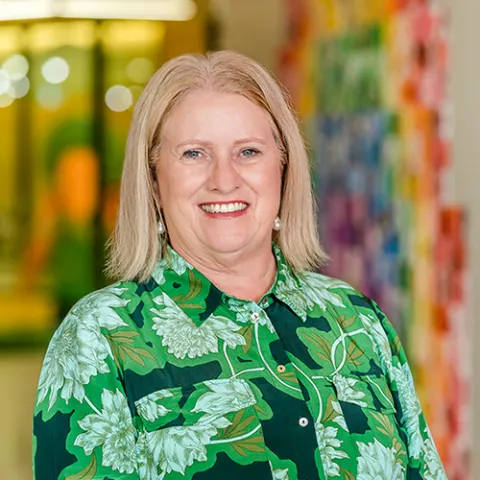
Ms Suzanne Cadigan*, Board Member, Children's Health Queensland
Keys to success at Children’s Health Queensland has been an emphasis on structured workforce engagement and the use of innovative data dashboards.
Staff have regular opportunities to talk to the board about its role and direction, and board members are able to hear what is happening on the ground.
At the same time, data dashboards provide the board with themed summaries of evidence on patient experience, clinical and corporate performance and workforce wellbeing measures.
The board can triangulate the information to identify issues of concern. For example, several years ago parents reported problems with continuity of care for children with highly complex needs, especially when transitioning between wards or specialties. Safety and quality data also indicated that this was an issue.
The executive team proposed to the board a peer review by a team of external experts and undertook a lengthy consultation. As a result of the recommendations, wards have been reconfigured and staff realigned so that the patient journey is now running far more smoothly.
Ms Cadigan says effective clinical governance centres on the board and executive working together, considering a wide range of clinical and performance indicators as well as financial indicators, and setting an organisational direction.
‘I think the key to it all is centred on clarity of performance expectations and measures at the clinical level at the point of care,’ she says.
*Ms Cadigan is a member of the Commission’s Clinical Governance Advisory Committee